Tag Archives: morocco overland

BMW F650 GS SE ~ pre-Morocco test run

Morocco trip report here.

I did a bit more work on the GS then loaded it up and took it out into the countryside for a spin. The last-minute jobs included:

  • Sizing up the Enduristan panniers on the Metal Mule rack.
  • Hard wiring in a 3-socket, 12-volt PTO off an accessory plug under the battery cover.
  • Fitting a larger side stand plate.
  • Fitting an Aerostich wool seat pad.
  • Fitting a couple of thick canvas pouches onto the engine bars.
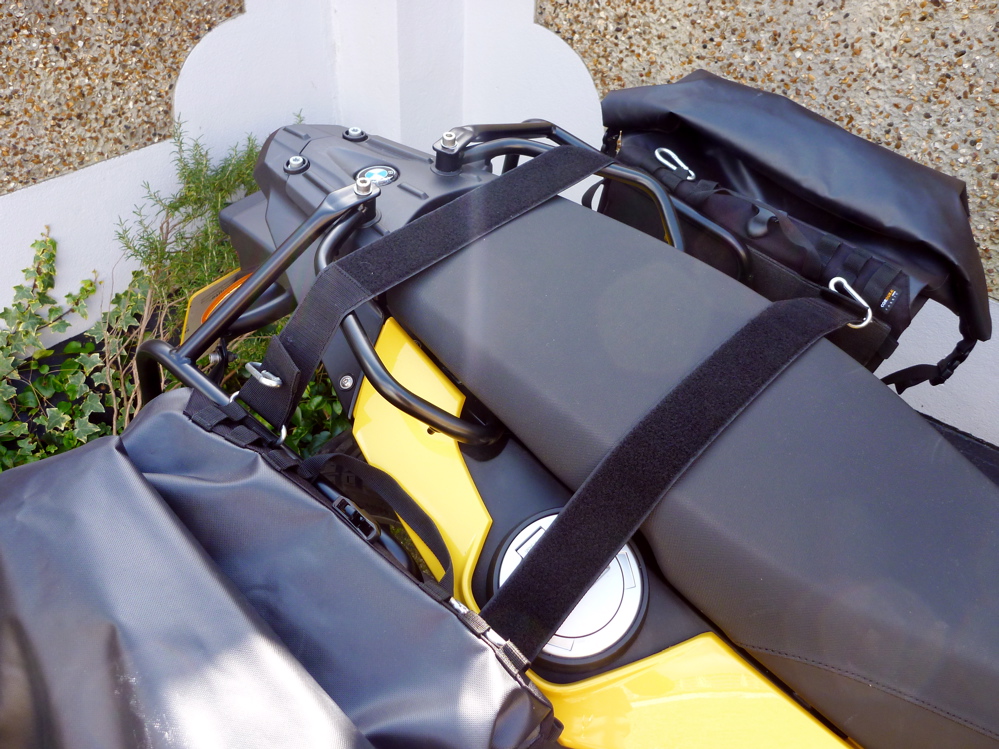
First discovery was that, at around half a metre long, the velcro straps on the Enduristan Monsoons were too short to throw over the back of the GS. They’d have been barely long enough even if the bike had not had a Metal Mule rack and would have flapped around on the offside as the 650 doesn’t have nice slab-sided sides like bikes of old. I believe throwovers are a throwback to simpler biking days when twin shocks kept them in place. These days, for overlanding I’m not convinced it’s a long-term solution to soft baggage – a rack is needed or they’ll melt on modern cat pipes. And if you have a rack you may as well mount them properly. This has always been my plan with the Monsoon’s for my own bike, after the Morocco job is done. I was offered hard panniers by a couple of manufacturers but turned them down.
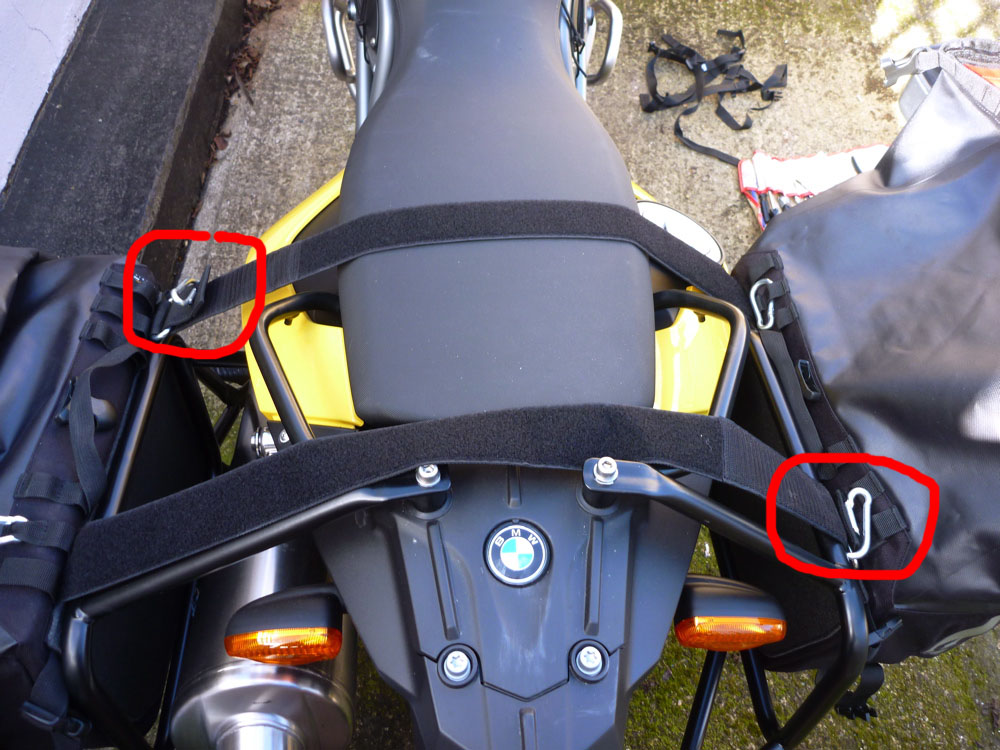
Anyway, how to get round the strap shortage. In the end I decided on a solution with minimal intervention and easy field repair, and sewed in an extra six-inch loop with a mini snaplink to slip the Monsoon velcro bit back on itself (pictures below).

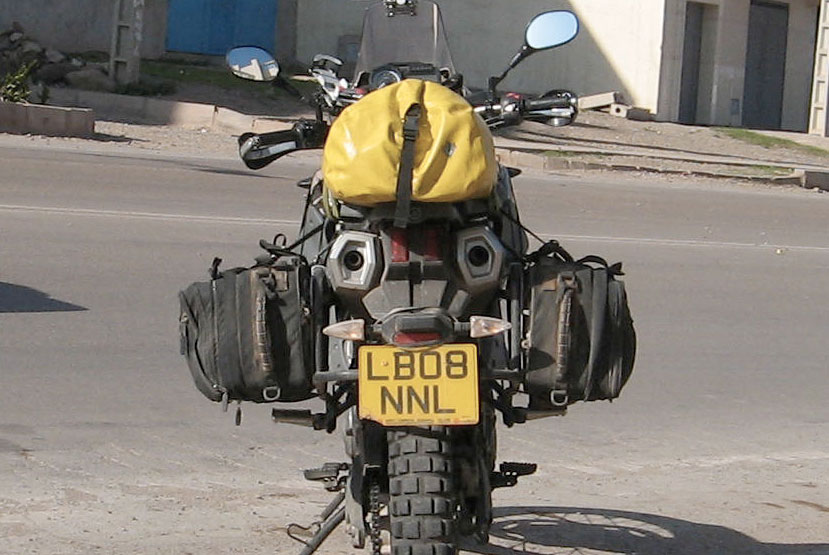
On the pipe side I hooked on a full-sized carabiner for the bag’s front location strap which clips to the pillion footrest; otherwise the strap would have melted on the nearby pipe for sure. And on the back of the rack I screwed on some hose clips with R clips to help locate the back location straps (see photos below).
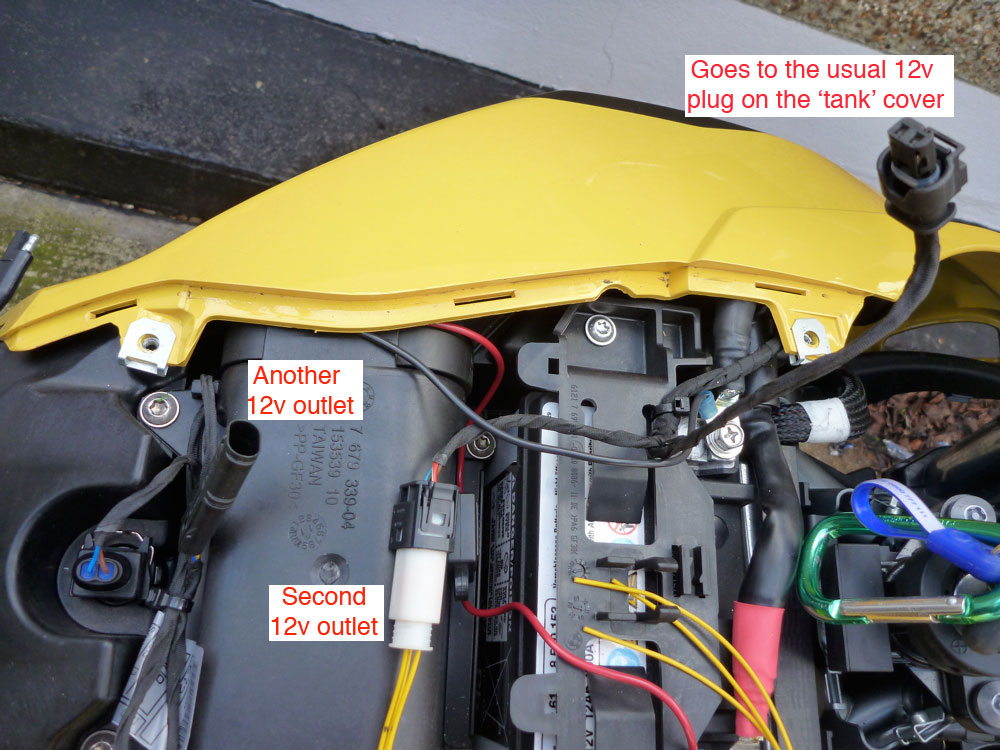
Under the tank there are at least two more 12v power take-offs, assuming you have the right BMW lead (the white plug with three yellow wires in the photo). With a bit of experimenting two of the three wires got screwed onto a 3-plug cig lighter socket jammed on the bars with duct tape and a ziptie. As with many jobs here, if this was my bike I’d do a neater, more permanent job. (Or would I…?) I like bodging for the main reason that it’s quick to do and easy to repair and I like to think there is an art to it.

I read on ukgsers that these OE accessory sockets off the wiring loom are controlled by the ECU and disconnect fuselessly under all but the lightest loads (that’s why my heated vest is wired directly to the battery). I tried my mini air compressor in the plug and sure enough, it tripped after a couple of seconds, but worked after switching off and on (to trip again). Good to know, so I changed the leads on the pump to croc clips to wire directly to a lead I made off the heated vest connection.
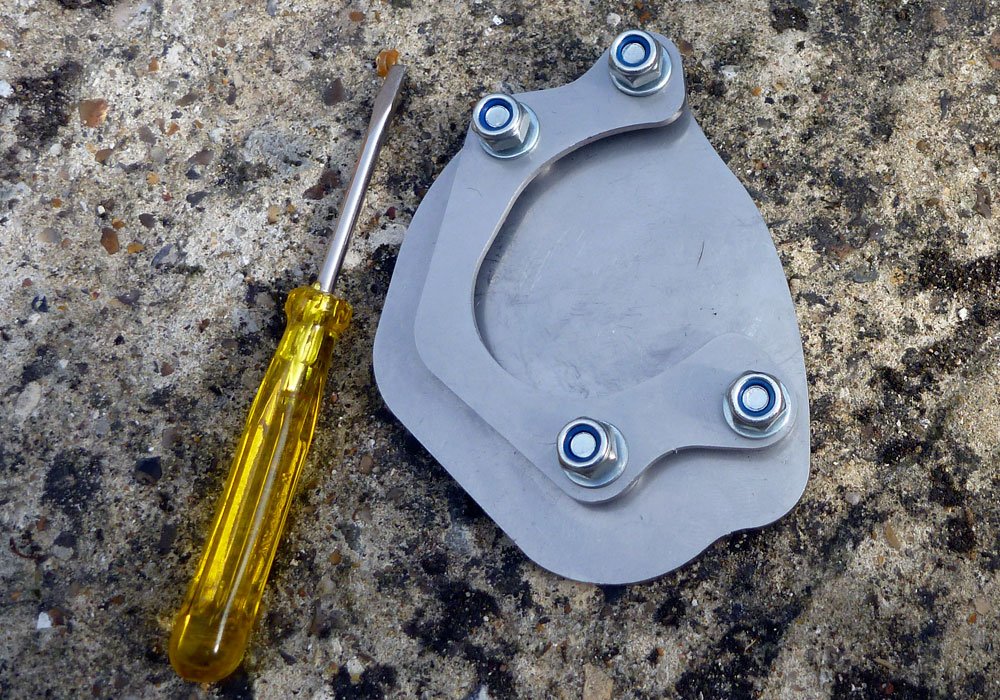
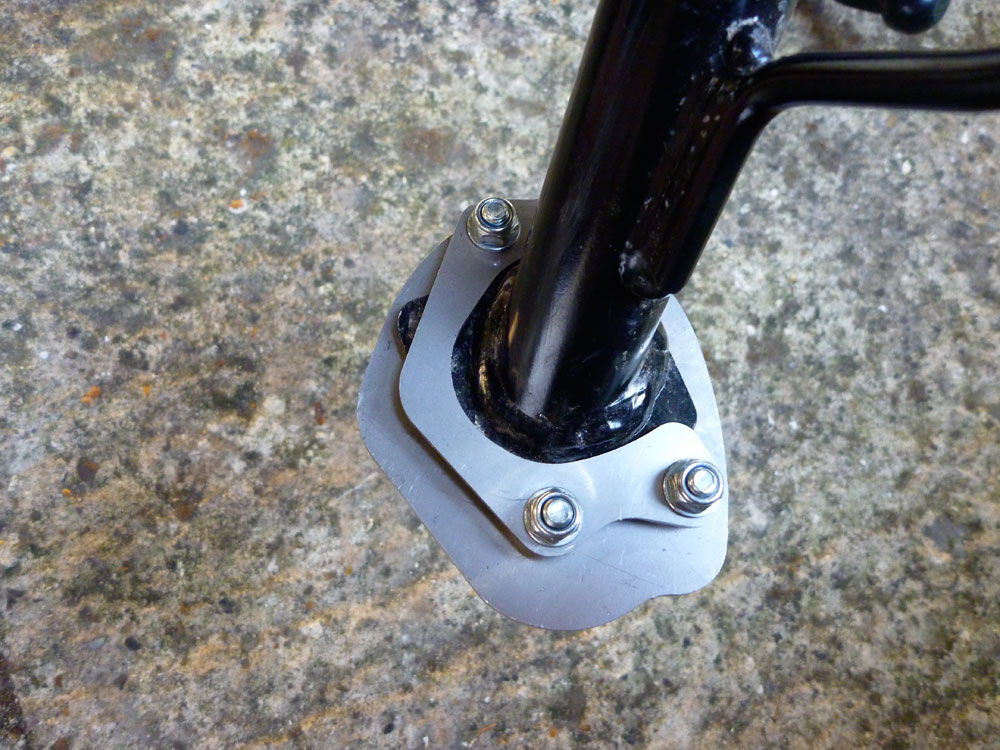
Similarly, I didn’t want to be welding bits to BMW’s bike (the voltages could put the ECU in a spin, even with the battery disconnected), so held back from getting a plate welded to the side stand foot. Instead I found a new Touratech screw-on plate on ebay for nearly half price. From my experience in the desert I’d say that this beautifully crafted bit of CNC’d alloy is about half the size it needs to be to support a loaded bike on soft sand. A cynical person could even say it’s a metaphor for the way things are these days: finely made and expensive bling that falls some way short of being functional. Anyway if it’s hopeless or breaks off I’ll remove the stand and get a proper steel plate about the sized of a fag packet welded on by a Moroccan metalbasher for five dirhams.
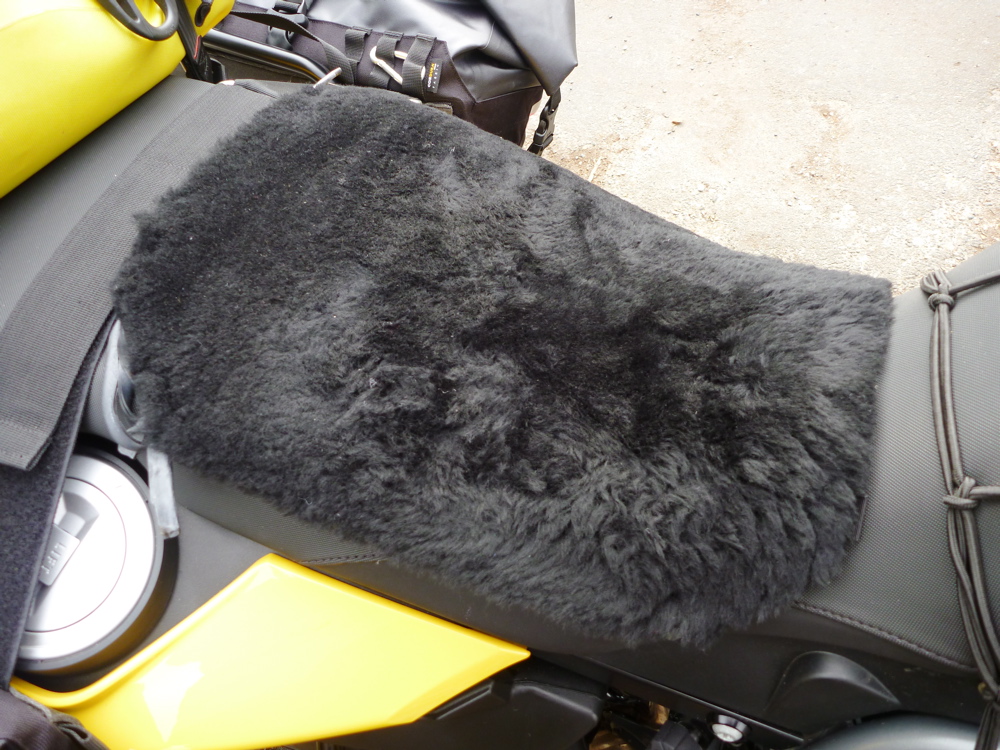
The Aero sheep’s wool pad went on with a couple of strips of pushbike inner tube (other elastics and hooks were supplied) and it’s certainly soft and furry to stroke; to sit on we’ll find out later. I can see someone nicking it, it looks so nice.
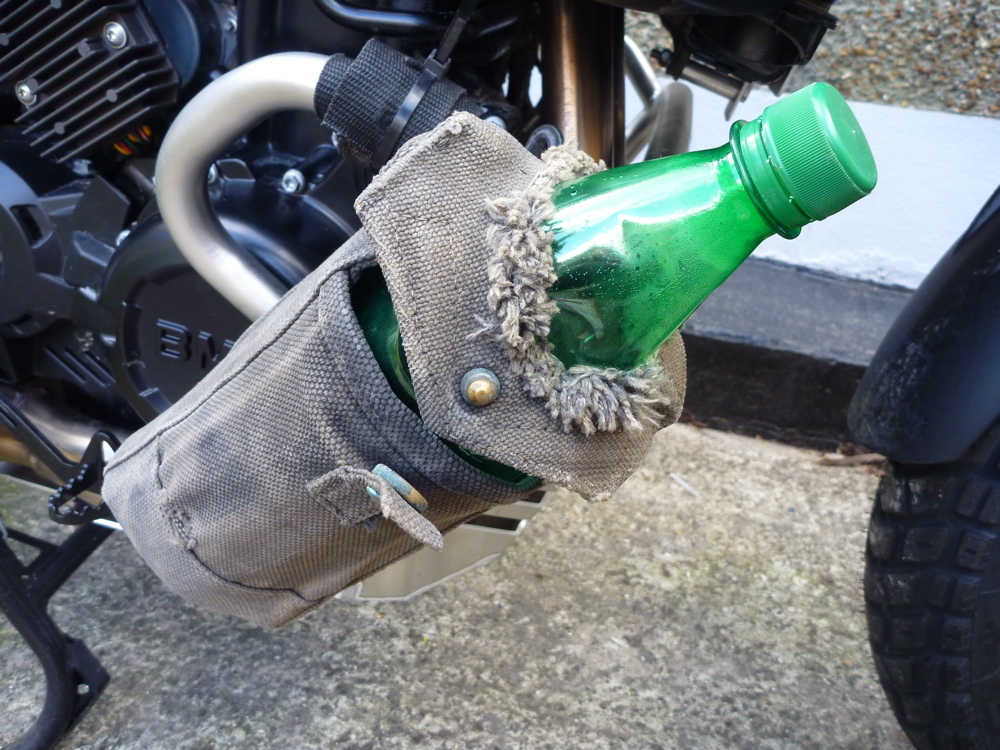
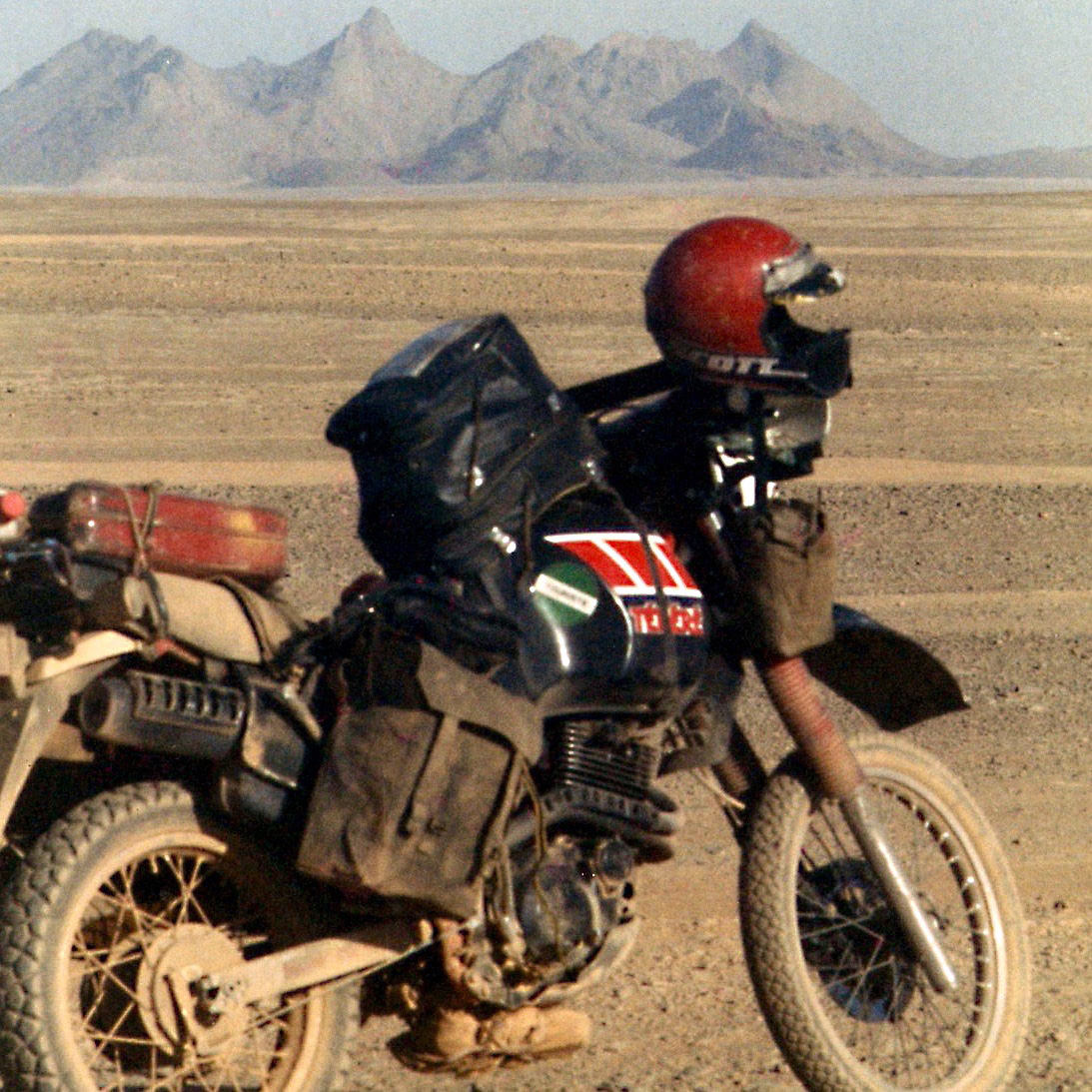
Great thing with engine bars is that you can attach stuff to them. In my case a one-litre, thick canvas army ammo pouch that I think goes back to my very earliest desert bikes. In fact here it is on my Tenere in ’86. This one has a hole in it to take a 1.5 litre water bottle poking out the top. Others use plastic drainpipe with screw on caps, but these pouches made at least 50 years ago if not in WWII) are seriously thick and crash proof and cost next to nothing. I liked mine so much I bought another pair off this guy on ebay for 4 quid each and fitted one on the other side: handy for oil, rags and whatever.
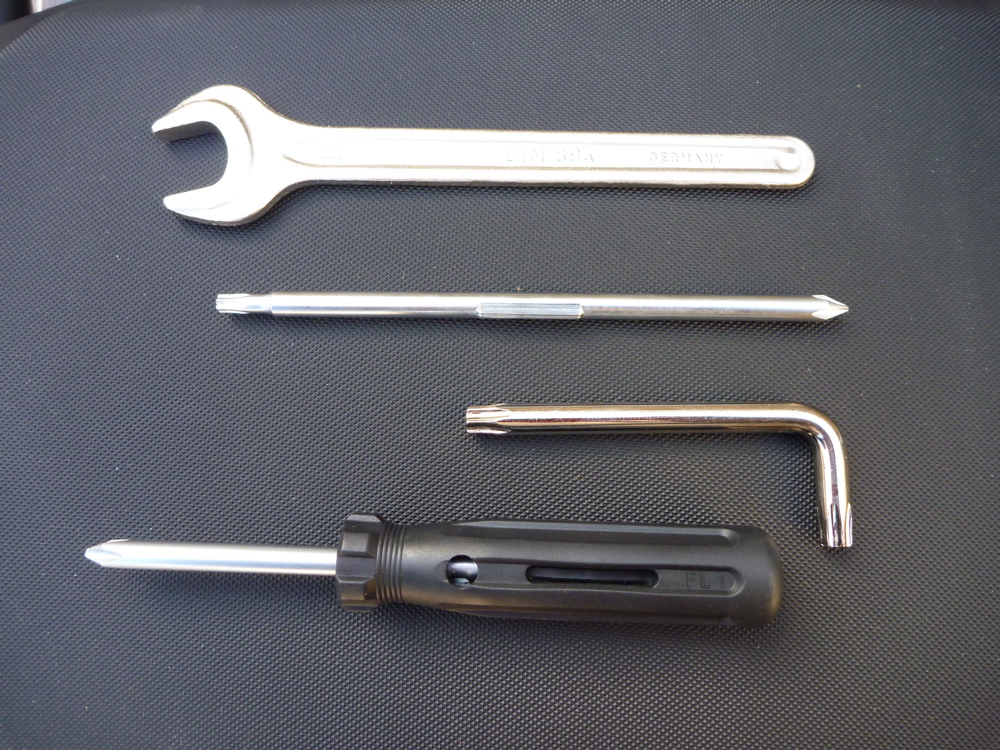
Finally I had a look around the bike to see what extra tools are needed. No great surprise to find that the 4-piece toolkit (right) clipped to the seat base has a limited range – though I’m still not sure what that 17mm is for; certainly not the front or back wheel which needs your own 24- and a 12mm to adjust the chain. There are plenty of those Torx fittings all around. I have to say Torx are probably not just a way to make you buy new sets of tools but better than Allens and of course much better than the mushy cross heads and hex bolts of old.
Shake down
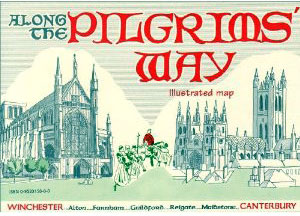
Sunday morning I set out to follow a 33-mile pushbiking exercise loop I occasionally do, from south London out into Kent past Darwin’s house, Biggin Hill aerodrome and along the course of the Pilgrims Way – the ancient route from Winchester to Canterbury which follows the base of the North Downs – and back north into London.
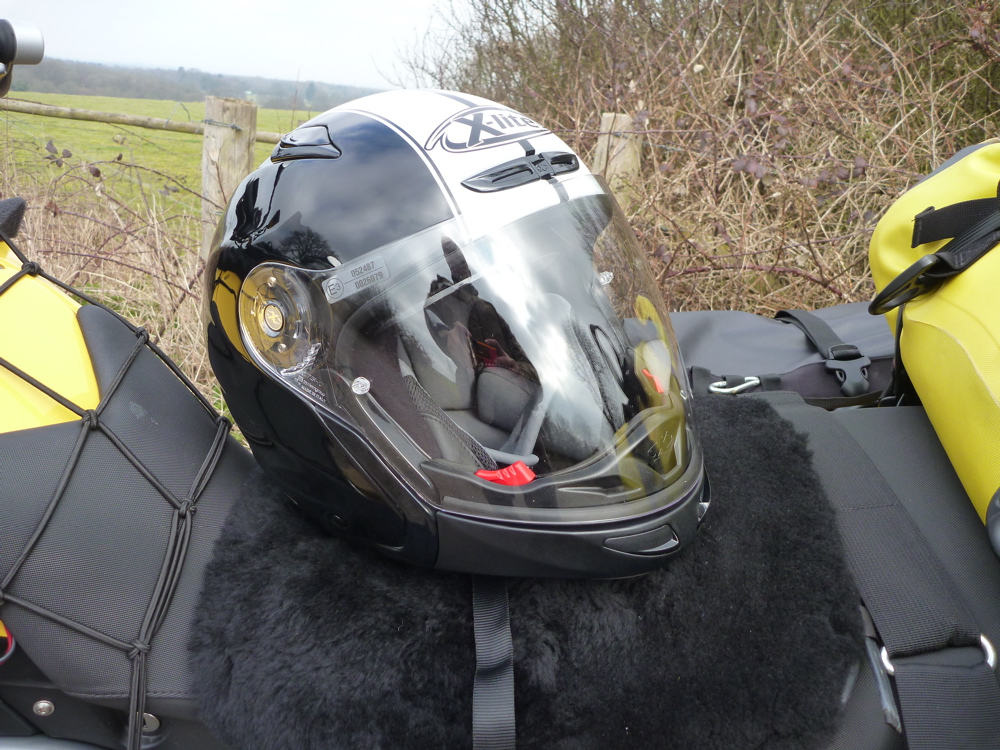
I was trying out a lot of new stuff that had just turned up: a chunky Aerostich Falstaff jacket (like a Darien but in waxed cotton), an X-Lite X402-GT modular helmet (right; I decided the Airoh TR1 was just too noisy). I was also wearing my Kanetsu hot vest (the right way round and inflated this time) and had a Nuvi on the ‘tank’ top under a net to see if it worked there (it didn’t). They’re great in cars but I’m not sure I can see me getting into these satnavs while motorbiking. I could be wrong (I was…) but it takes too much concentration to focus on it, let alone fiddle with it (I have no recall but I suspect this crash 9 years ago was caused by scanning the GPS while riding). Still, at very worst it will be a handy map to whip out of a pocket when needed and perhaps a high bar mount will work better. On this morning’s ride I knew where I was going, and across Spain I’ve managed for 30 years with maps and route details prepared or memorised in advance. We shall see – perhaps I will become a convert (I did).
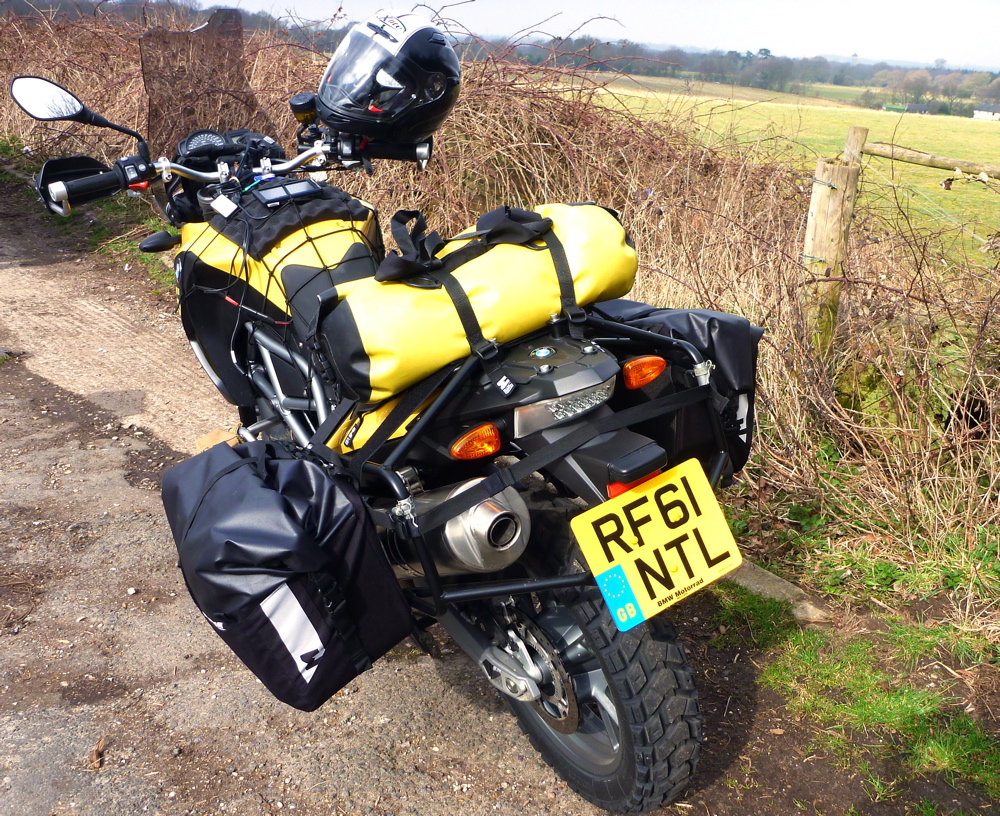
Does my bum look big in this?
The bike rode fine enough – the K60 tyres are still not as secure as the originals (only 40 miles old) but ought to prove their worth on the piste.
My payload was about 21 kilos including 5kg of food; the departure weight will be a little more (50lbs), plus water. Not too bad, but heavy enough all hung out the back. I tried to set the bags as far forward as possible, but jeez this gear is wide. Probably even a little wider than the Tenere set up on TTech Zegas or a GS12’s barrels. I swear when this job’s over I am going to make a luggage system on a platform rack for my own GS: same roll-top principle with a stiffener inside, but long, set low and slim, not short, high and wide.
I’m sure sticking out stuff influences handling and aerodynamics at high speed. At least it’s soft enough not to damage whatever it knocks into. The huge silencer is partly to blame; Metal Mule (and I bet Jesse Luggage too) sell an alternative pipe that tucks in better and takes a slimmer rack. You do wonder why silencers are round; maybe it’s cheaper that way.

Nothing flapped, melted or fell off and the stiff back shock works a bit better with the weight, so other than trying not to knock off the Sunday morning drop-bar and lycra brigade, I was more pre-occupied with the performance of my cushy new X-Lite and Falstaff jacket which needs a good airing to get the pong of wax out of it. Another re-pack and all is set for the month’s run to Morocco in a couple of days.

I don’t think I can face blogging out there – I like to get away from that stuff once in a while – so the full trip report on the 650 is here.
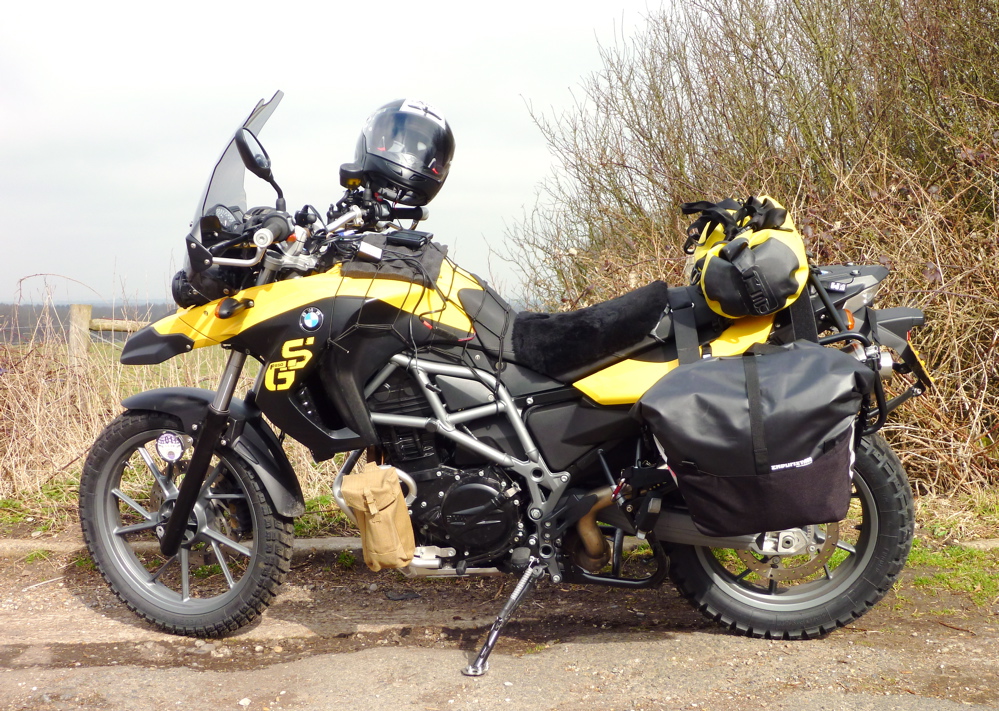
BMW F650GS SE (twin) • First Impressions

BMW F650gs SE Index Page

Brakes are fine too – switchable ABS – and nothing to complain about with the steering either. Feels a bit more confidence-inspiring on slimy late-February backroads than the 21-inch 800GS I rode for a day or two in Arizona last year.

You get tricked into thinking this sure is ‘nippy for a 650’, but of course it’s actually a 15% detuned and regeared F800GS motor with 10% less torque, but 1200 rpm lower down the rpm scale which explains why it’s nice to ride. And however they do it, these twins have pretty good economy in their class. I’m told the 800 Triumph Tiger or Transalp 700 don’t get close.

Along with the leaden, butt-end-of-winter skies, the low screen and hard seat stopped it all being too cushy a ride – that might come later. The 250-mile ride down to Cornwall was not so tiring, but on the way back it got to me, even with a heated vest. Perhaps because I took more back roads and I’ve not ridden a bike for a while. However, the nifty heated grips won me back. Never had these before but it’s surely the way to go if you ride in temperate zones. No more of that desperate, numb-fingered clawing for your zip as your struggle to contain your bladder’s needs by the roadside. I have a more clumpy set waiting to fit to my GS Overlander for later; the BM’s are as thin as normal grips.

Fuel consumption over the first 500 miles was as follows:

• Heading down, headwind, <4000rpm = 70mph. 66.5mph / 23.6kpl / 55.4US
• Heading back, backwind, same rpm but with heated vest/grips. 73.5mpg / 26kpl / 61.2US

So not quite as good as the XT660Z when it was near-new, but it’s early days yet. I expect the 650 to be a little better overall. I’m still not sure if a heated vest affects mpg; as in more draw on the alternator magnets takes more bhp to overcome. Anyway, after two full days on the bike:

• Looks good
• A surprisingly rorty exhaust note
• Low seat
• 19-inch front wheel
• Tubeless tyres
• On-board computer data (time, air temp, trip + more)
• Light clutch
• Engine response and fuelling
• ABS
• Firm suspension
• Heated grips
• Great fuel consumption

• Low OE screen, even if this is the ‘high’ option
• Uncomfortable seat
• Would prefer
• Indicator cancel switch on the non-throttle side
• Gearing too tall for slow dirt use
• Reliability legacy, though that was all over three years ago. Full story and more info here
• Would prefer a clearer, bigger Tenere-style digi speedo and ability to change it and odo to kms
•  Would be nice to switch the lights off too, when heading discretely for a wild camp for example.

Regarding the gearing, I read on UKGSers that …the gears on the F650GS twin are higher than … the F800GS due to different sized … sprockets. But also both bikes use the gearbox from the F800S and ST road bikes So that explains the road gearing. At tick-over it’s still doing 10mph – just like the Tenere I recall – and at 70mph is less than halfway to red line. I’m hoping that one tooth less on the front sprocket may make it rideable at 5mph without slipping the clutch, because you can certainly balance it easily enough at near-walking pace.
The seat was notably narrower than my Cornish mate’s Transalp; there’s no getting round it: fat, middle-aged backsides need a perch to match. But at least it doesn’t have the step of the Tenere and so enables shuffling fore and aft as the discomfort increases. Suspension is supposed to be more basic than the dirt-oriented 800, so time will tell if what felt like ‘firm’ equates to ‘harsh’, but it’s sure better than too soft. I haven’t meddled with the shock settings yet.

Why the 650, anyway?
I’m going through a ‘mid-weight twins are the best all-rounders’ phase, and now they’ve had their teething problems sorted, I believe the ‘650’ is the better of the two F-GSs. I speculated as much in the AMH, although the book has an F800GS on the cover.
BMW Motorrad did suggest I might like a new Sertao for the Morocco job, but I believe that bike has little to prove. Overall, I prefer the lack of snatchiness of a twin and as for weight, there’s less than 10 kilos in it while you get a lot more smooth power and nearly as-good economy. With enough protection, moderate speeds and alternative tyres, the 650 should be fine on dirt roads.
Perhaps with the exception of gearing, everything that differentiates the 650 from the 800GS makes it more suited to my preferences, and while the new SE version has been scoffed at as a ‘parts bin special’, on top of the snazzier paint job, all those extras (computer, centre stand, ABS, heated grips) make it better still.

Yamaha Tenere XT660Z 5000-mile review

Updated 2023
See also: Yamaha’s Tenere

My impressions of the XT660Z Tenere after riding from London to Morocco and halfway back in November 2008, soon after the new bike came out. I’d only owned it a couple of weeks before setting off and happened to sell it a couple of weeks after I got back.

xt6-86

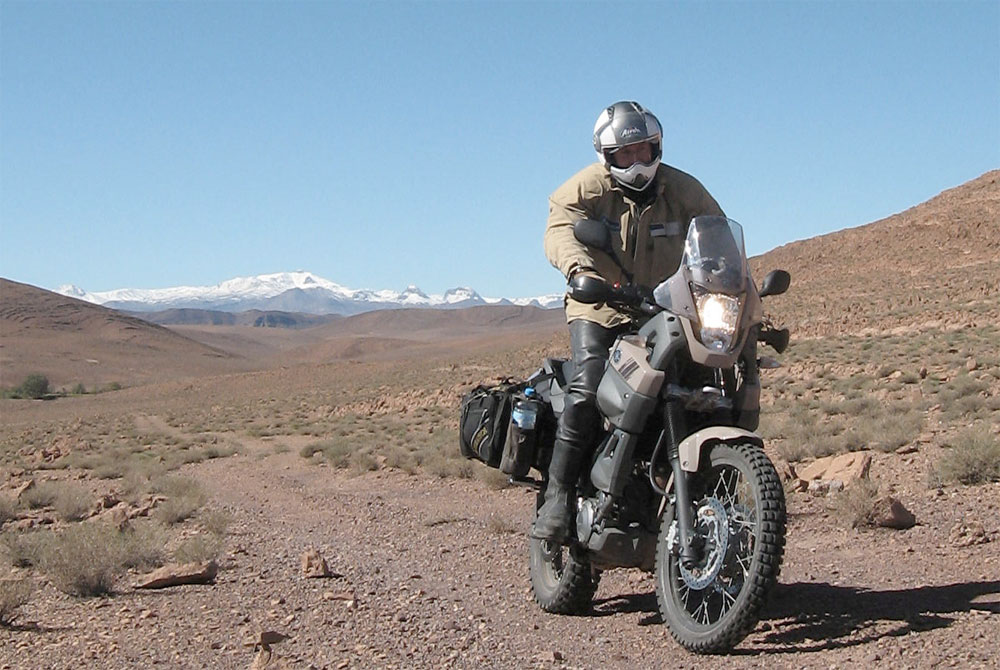
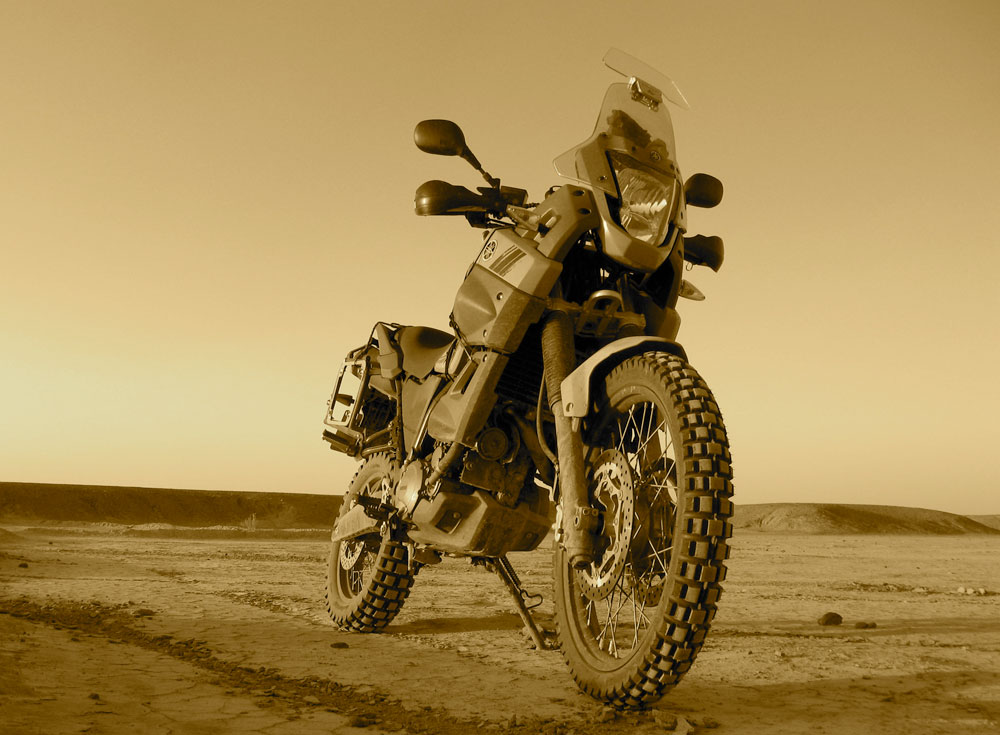
In Europe Yamaha’s Dakar-inspired Tenere has long been the definitive bike for desert travels. In the mid-1980s I rode the original kickstart XT600 Tenere across the Sahara to Dakar (right), and a year or two later I rode the electric-start 1VJ model (below) around southern Algeria.

87-tenere
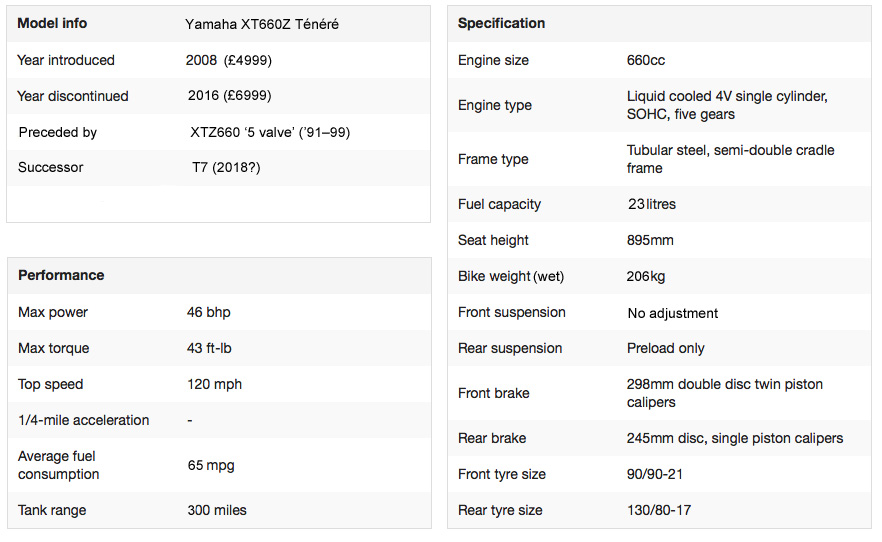
660spex

As a comparison, you may like the read a report on an XR650L, a BMW F650GS SE which I used for a similar Morocco trip from 2012, as well as G650 Xcountry I rode in 2014, a CB500X in 2015, a Husky 701 in 2016 and a WR250R in 2017. I make several comparisons with the Tenere.

  • For my detailed review of the Touratech Zega Flex panniers I used, click this.
  • For my detailed review of the Airoh TR1 helmet I wore, click this.
  • To read about my continuing experiment with tubeless tyres, click this.
Teneredakar86.jpg

• Engine and FI /ECU problems from the 660X and R models ironed out
• Pulls smoothly and feels nippy in town and stable at speed
• Fuel consumption (71.7 mpg/25.4kpl = 380-mile/610km tank range)
• Can change speedo/odos between mph and kph (but not as described in ‘TFM’)
• Clear, eye-level dashboard display
• Good-sized 23-litre tank
Seat seems good by trail bike standards after a 300-mile day
• Screen
• 9:1 comp ratio: good for poor fuel and long engine life
• Fall-over tank protection
• Suspension seems good and firm
• 6000-mile service intervals (on semi-synthetic oil)
• It doesn’t look too bad, either

• High centre of gravity
• Heavy for what it is – it weighs over 200kg wet•
• Screen too low – buffets my head
• Twin front discs are OTT – look at a CB500X
• Fuel gauge is way out – the digital bars disappear at around 240 miles with at least 100 miles left (common to many bikes, tbh)
• Little bits of rust already – naturalmentefatto in Italia!

5k-comf

Comfort
All things considered I found the seat OK for days of up to 300 miles or more when you simply sit on the thing for hours. On the dirt it’s not so relevant as you stop and move around more. I agree with some that the scoop/two level is a bad thing and a fully flat seat would be better, but it seems the back of the seat has to be raised to get over the cat which is over the back tyre. Because of this scoop you can’t slide back and move around to reduce the aches or crouch down easily behind the screen. I also found that pushed forward like this, my ankles point down too much to use the foot controls. If I could slide back, my feet would be more horizontal and line up with the foot brake, already adjusted as low as it can go. But you get used to it.
The foam I think is OK but like many bikes, may have softened after a few thousand rough miles. I like the neat and quick way the seat comes off. I’ve never had a pillion on it long enough to get an opinion on the back’s comfort. Usually, on these sorts of bikes it’s not so good.

5k-blade

5k-sideblade

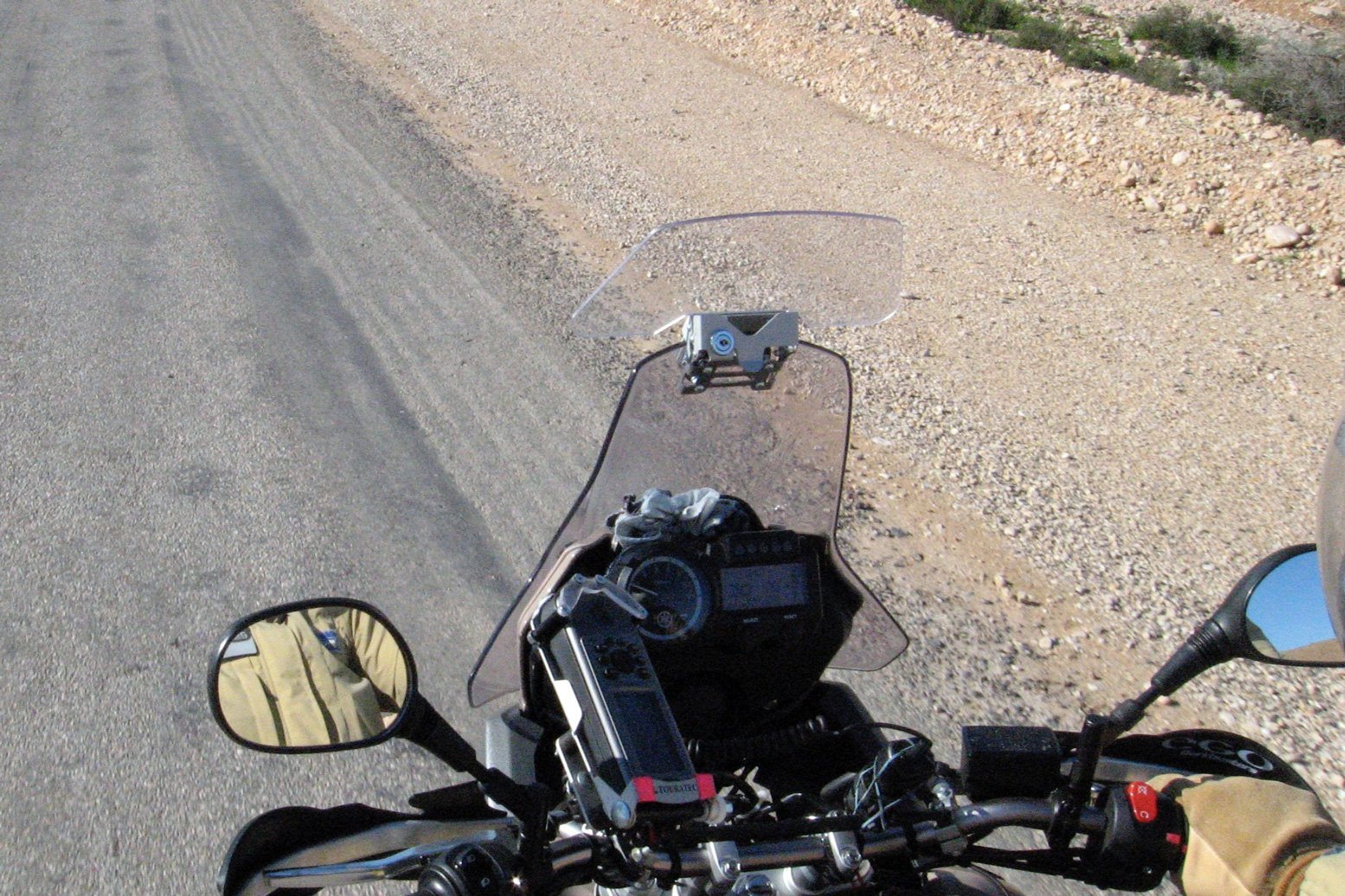
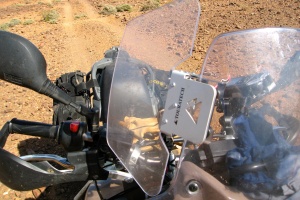
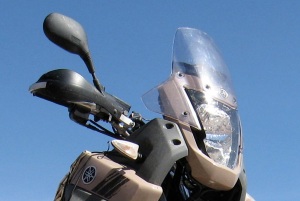
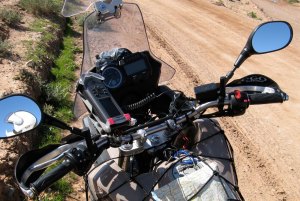
I believe some sort of screen is essential for long-range travels and it’s great that the new XTZ came with a good one fitted. Unfortunately for me at 6’ 1”/185cm, it’s still too low and buffets my head worse than if it wasn’t there. A crude, q/d Touratech extension clamped on well enough – a proper taller screen would have been better. On the dirt I found the extension got in the way for good visibility, especially if dirty, but I could quickly clip it on the side of the screen (above left).

Even at my height (or perhaps because of my age) I found the 895mm/35.2″ seat too high to get on and off easily, and too tall on the dirt. Of course this can be fixed by lowering the suspension of which there is more than enough. I do also wonder if the suspension is too firmly damped from stock. I didn’t meddle enough with it other than cranking up the back 2 or 4 clicks to take my luggage. I never weighed my bike myself, but they say it comes in at 206kg wet – a staggering 40kg more than the original 600 Tenere of 1983 which carried 18% more fuel.

I can’t say it was any more vibey than any other big single I’ve had (the Husky 701 was a shocker) and taking the bar end weights off at 500 miles to fit the Barkbusters didn’t make it any worse. As with many big singles, I find some days at some speeds/temperature/load/fuel/whatever it feels harsh – and at other times at the same conditions, it’s smooth. For a modern, water-cooled bike the engine does seem quite noisy. Maybe it’s just a big thumping single.

afriquia

Economy
I never had such variable results from a carb’ bike. it must be an efi thing – but overall it’s very good and was getting better. About time. For overlanding mpg is more important than mph. On previous Teneres I’ve got up to 80+ mpg in ideal conditions (backwind @ 50mph) but generally under 60mpg was normal, as I recall. My near-new XTZ averaged just under 72mpg or 25.5kpl for the last ten fill-ups.
The worst figure was an as-expected riding all day into a gale-force dust storm at around 50mph: 52mpg or 18.3kpl. The best was interestingly, a necessarily slow ride over the High Atlas one bend-swinging night resulted in 86mpg or 30kpl. Nice. For my full records, see this.

fuellers

Low-quality fuel
Once or twice I had to resort to low-octane fuel in Morocco (‘essence’) but didn’t notice any difference in performance. I imagine this is a benefit of having a low compression ratio. I’ve also read that after a spell of leaded fuel, the Tenere’s catalytic converter ‘self-cleans’ when running on unleaded again, so technically no need to change the pipe to spare the cat, though you’d think several months on leaded would take some cleaning to return the cat to full low-emission efficiency. I never noticed any pinking or over-heating.

scrub

Oil and water consumption; drive chain
In 5000 miles no oil was used, apart from a few drips out of the engine crack when it fell over at 2mph. What was interesting was that the semi-synthetic Petronas they put in at the first service still has some good colour in it after 4500 miles; ie: it wasn’t black. Along with the 6000-mile service intervals, this would convert me to semi-synthetic, despite the price. I wonder if efi helps in this regard: clean emissions = clean oil for longer? Water consumption was zero and once or twice the fan came on, but only in conditions you’d expect it too.
I tried to keep on top of the chain with oiling but it still needed adjusting 3 or 4 times so it doesn’t seem to be as good as the best DIDs I’ve used in the past. At the end there were still several thousand miles left in it.

Performance
It doesn’t feel that much more powerful than previous big singles I’ve had, but on the trip I never felt I needed more. Very rarely do I rev over 4000 rpm. In my opinion a low-tuned, 600 single or twin is just the right size for loaded, all-roads travel so I’m happy to give up KTM levels of power for a long-lasting and fuel-efficient engine.
Inevitably I’m sure I’d have got round to tuning it a bit (while also trying to save weight), but only if the great mpg was not compromised.

screener

The front twin discs feel pretty ordinary and surely one good SM-style disc would be adequate and save a lot of sprung weight? Were Brembo doing a 2-for-1 deal? For a trail bike, the front wheel weighs a ton, but it wouldn’t be hard to remove one disc and carrier, put a block in that side’s caliper and see how it stops. Most probably the other caliper is designed to work as one of two small units and may get over-worked so it’d be best replaced with a larger, 4 piston unit. Is it all worth it? Not really unless you’re greatly improving the fork.
I have to say the flashy-looking twin bulb front headlight is not that brilliant in terms of spread, compared to less impressive-looking setups I’ve run before.

From first impressions the suspension felt firm front and back which makes a nice change from older Teneres and gave good road manners. When I loaded up with 25kg of baggage I turned the back up by 2 full- or 4 half-clicks. Hard to tell exactly, but neither end never got near bottoming out on the piste. I wish I’d experimented more with backing off both ends on the dirt.
The front I left as it was, but one evening after a very rough rocky climb that punctured the front tyre and all the rest, to add to my woes the front forks ‘collapsed’. I could squash them right down. There were no leaks. I’ve never had this before on a bike and though an air or oil damping valve may have ‘burst’ or a spring broken from the hammering – or possibly the fork oil had become aerated. But I wasn’t exactly ripping across corrugations at MX speeds in 40°C.
Next day I turned the fork up 5 turns (5 x 360°) to compensate but soon regretted it. The bike became even slower to turn on the dirt and on the road. In fact, the forks self-recovered and I wonder if I was making it all up as the shit had hit the fan at that stage and some of it may have lodged in my brain. Anyway, the fork was back to normal next day. I suspect aeration or hallucination.

Road riding
Generally on the road I sit at an indicated 65mph or so – not so fast. At this speed riding is less tiring and safer and economy is good. With the screen extension this could be sustained all day with only the usual discomfort.
Many road testers used to brilliant GSXR’s and the like don’t get on with the handling of 21”-wheeled trail bikes and in response many manufacturers chose 19” fronts for their bigger adventure bikes. They have a point: a 21”shod bike never feels planted in the bends and adding a semi-knobbly tyre doesn’t help. Fwiw, I felt the bike handled pretty well on the TKCs. On the highway they didn’t feel any worse than the original Tourances used for running in, though I don’t exactly throw the XT around like a super moto.
Loaded up, I found the bike was sometimes hard to turn on tight bends and hairpins, both on or off road, as if the front was raked out too much or the weight was too high (it is). Short of getting your weight over the front end, MX-style, the usual way to tune this out is to soften the front- or jack-up the back. I don’t recall having this impression on previous bikes like this; they’re usually too softly sprung. So I blame the higher than average CoG (centre of gravity) not helped by the cats stuck way high out the back, along with my high luggage set up, and the firm suspension. If I’d kept the bike I’d have experimented with softening the springs and even lowering the bike (and possibly getting rid of the heavy twin cats for a lighter pipe).
To be fair, some of the roads and tracks in Morocco are very narrow and tight, with thought-provoking drops. Even some tarmac mountain back roads have strips of gravel down the middle on which any bike would struggle to progress smoothly.

Cross winds
One early owner’s impression I read said how great the bike was in high winds. Head winds maybe, but coming back over the edge of the Pyrenees towards Perpignan there were violent gusts coming from the west and I don’t recall ever feeling so unsafe on a bike and being on the verge of crashing. All the other road users were giving me a wide berth as I tried to predict the gusts and control the wildly bucking bike from running over the hard shoulder and off the edge.
It may have been the same for all bikes that day, but keeping down to 50mph, a 600cc UJM passed me without any drama. Again I feel my high baggage set up would not have helped, but do wonder if again, this high CoG is to blame. We are talking about exceptionally strong gusts here, but I must have ridden in those sorts of conditions before and survived.

5k-rmerid

Off-road riding
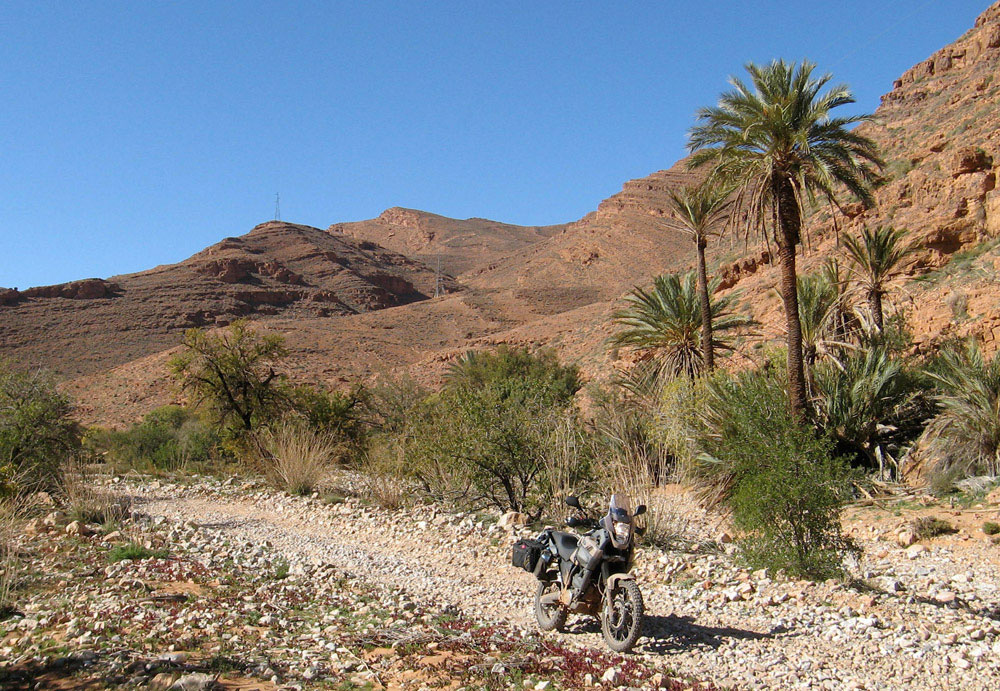
Off-roading in Morocco is mostly on rocky or gravel tracks as above and the TKCs made this much more predictable, easier and safer. The good thing with semi-knobbly road tyres like these is that you can keep the pressure high to avoid rock punctures while still benefiting from the aggressive tread pattern on loose surfaces. The idea of riding the trails on the OE Tourances doesn’t bear thinking about.
I’ve never had a Jap trail bike with too firm suspension and I think I was a bit slow to recognise this. Although I take it fairly easy riding alone on the piste, the bike didn’t really respond to off-roading well enough to give confidence to ride it towards the limits – and with all that weight that can’t be that far off. Maybe just as well.
Not surprisingly I found the handlebars were too low when standing up off road, causing me to crouch unsustainably. Most bikes are like this at my height and handlebar risers would have easily fixed it.
I also found the gearing too high for slow off-roading – again, as expected. I’m not sure what the standard gearing is, but the bike does 8mph at the 1500rpm tickover which is too fast for some steep hairpins or loose descents. With a heavy load, the clutch would have got hot from slipping on the hairpins but the only time this happened – a bit of slack at the lever – was when the front mudguard jammed with mud for a couple of kilometres passing south of Jebel Sirwa.

5k-wide

Loading
Along with the economy and low-stressed engine, the seriously strong subframe is one of the best things about the XTZ. It has to be twice as thick and much stiffer than the steel straws which held up the back of my XR650L, or indeed previous Teneres I’ve owned. This is one part of the bike I don’t mind being over weight.
Adding the simple, functional and tough Off The Road rack only made this better and is all the metalwork you need to pile it up with the heaviest alu boxes.

5k-dashbars

Equipment
I like the near eye-level dashboard and digi speedo, even if it’s a bit basic. I would have liked an oil or water temp gauge. I didn’t discover till I got back that the Yam handbook and not the bike is at fault wrt changing from mph to kph. Click this for how to make this very useful feature work (as well as all the 660 chat that’s fit to print). I wired up my own 12 volt PTO plug directly from the battery onto the handlebars for the GPS.
Everyone complains how way out (pessimistic) the fuel gauge is but at least it’s consistent! Once you get used to this you’ll know that if it re-zeros itself at around say 230 miles, you’re doing a good 70mpg and have at least 100 miles left in the tank. The tank is plastic by the way and notably warm on the leg.
Checked against a GPS over 100 miles I found the odometre (distance recorder) to be accurate to within 1%. This means that the mpg readings are also virtually true. The same cannot be said for the speedo which, like all bikes at an indicated 70mph = 64mph true = 8.5% over. According to the speedo then, the bikes feels faster than it is.

5k-palm

Durability
If you think about it, it’s asking a lot to take an untried bike just 500 miles old out for a 4500-mile off-road hammering with no preparation to speak of and to expect nothing to break. Nothing did and to this end I feel the Yam is well screwed together. The only things that came loose and fell out were a couple of screws holding on the screen, but this was almost certainly due to the extra leverage put on them by the TTech screen extension.
Obviously I could have done with engine bars or a proper bash plate, as would any bike of this kind (they’re available for the XT-Z now, but weren’t then). The tank/radiator protectors are a nice touch and the Barkbusters are a no-brainer to the mods list. So, I still like everything I liked at 500 miles. Not so keen that it’s higher than it needs to be – but it can be easily lowered. Plus it feels heavy for what it is – a tall CoG not helped with my high luggage set up, but that usually comes with the territory.

nec-t7

Bikes like this will always be a compromise but for the Morocco job, when you think of the cost of the machine [in 2008] and the minimal ‘kerbside’ levels of preparation, the 660Z offered an ideal balance of continent-crossing comfort with adequate fully loaded off-road ability. Just like the Tenere always did in fact, only more so.

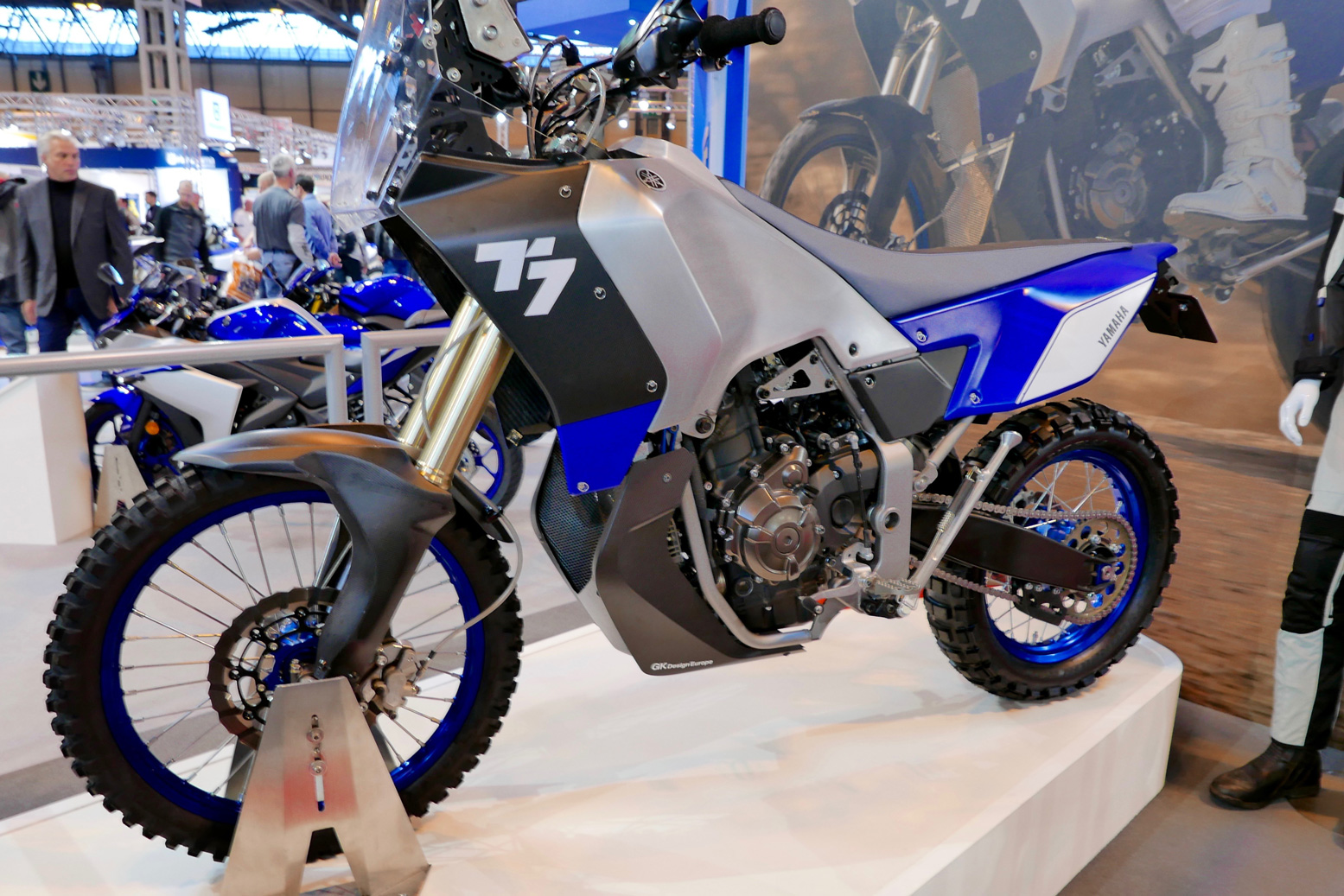
Can’t wait for or afford the 700 Tenere twin? Check out my XSR Scrambler project.