Bell Mag 9 helmet review

See also
Airoh TR1
XLite X420 GT
Bell Moto 3
HJC i30 (2023)

Updated 2017
bell

IN A LINE
Good looking, comfortable and cheap full-visor open face, but as usual, visor actuations can get problematic.

DESCRIPTION
Light, vented, full visor open face helmet with integrated sun visor and a short beak.

WHERE TESTED
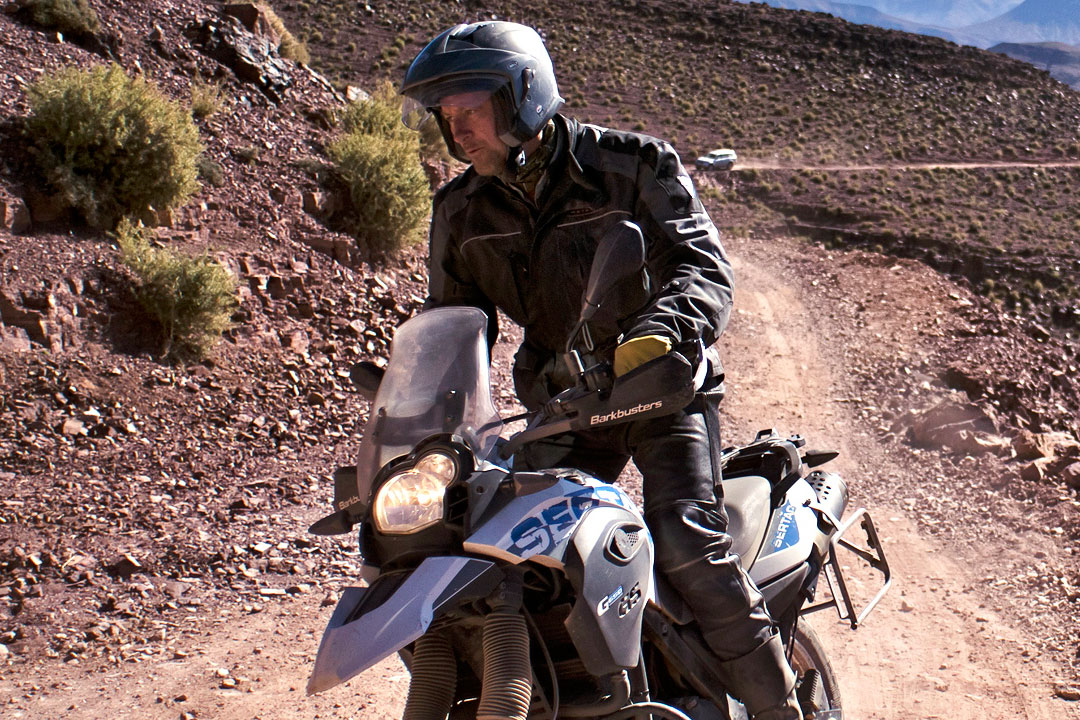
Riding around SW USA on backroads and dirt roads. And a few trips in Morocco.

COST
Discounted to something like $75 delivered from motorcycle superstore. Original rrp was $169. Discontinued model; superseded by Mag Sena 9 at around $180.

PRO

  • Very comfortable for the price
  • Quiet compared to others
  • Looks cool; no naff graphics
  • Integrated sun visor is exceedingly useful
  • Inexpensive
  • Velvety padding has pop fasteners like an Arai, not cheap velcro

CON

  • Lifting main visor gets notchy
  • Sun shade visor lever sticks sometimes (probably dust)
  • Peak wants to be lower/longer to be an effect low-sun shade
REVIEW
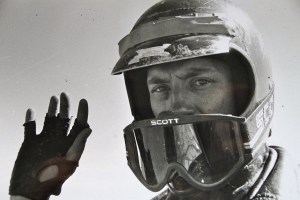
I’ve always had a soft spot for Bell helmets from the era of Kenny Roberts flat tracking and my own Moto III (right). I’m sure glad I never had to crash in that old head brick, though!

Needing to save weight on the way to the US, I saw the new Mag Sena announced and liked the look of it, with its jaunty centurion-like anterior lip. It took me a while to work out there was a non-Sena (intercom system) available and that it had been around for years: the Mag 9.

bell-5

Not only did the looks appeal, but it turns out to be one of the best lids I’ve had in years. At first I thought I’d bought a size too small; in the US what is labelled Large is usually a Medium in Europe – not unlike everything else over here in fact – from food to vehicles. So it was with the Bell; my much repeated head measurements lined up and the Mag 9 in medium was snug out of the box but now fits just right.
amzonemap

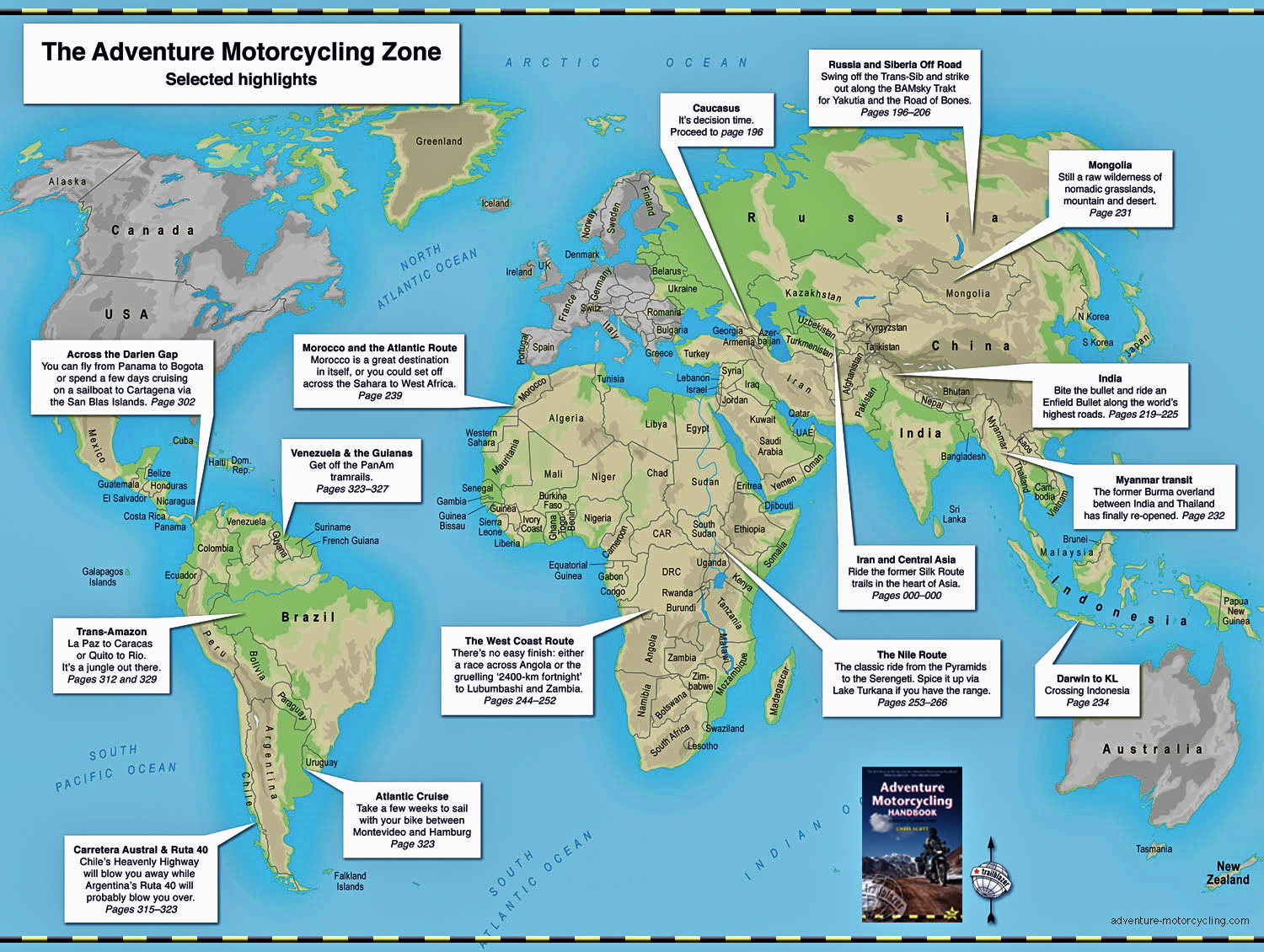
It may not look very ‘ay dee vee’ like the ubiquitous Arai XDs which come free with a GS12, but give me a lid without the in-your-face chin guard any day. For moto travelling in AM Zone (right) the advantages of an open face are well known. You can show your face to the peasants and the cops and generally get a better response as a recognisable human being, compared to the full-face spaceman image. And like I’ve said, for me the less I feel I’m wearing a lid the better. You can pay for the gas while wearing this – being Arai-d up might set off the alarms. Then you can add the fact that you can feed yourself on the move and scratch an itch. Outside of winter, for world travels, this is the helmet style for me.

The ‘ear pouches’ envelope the ears. I don’t wear them, but no need for ear plugs here; this is one of the quietest helmets I’ve had (though used mostly with a short screen and at low speeds). As for the vents, I’ve long believed these make little difference on the road and I’ve no reason to change that view with the 9.

bell-2
arai_ctz

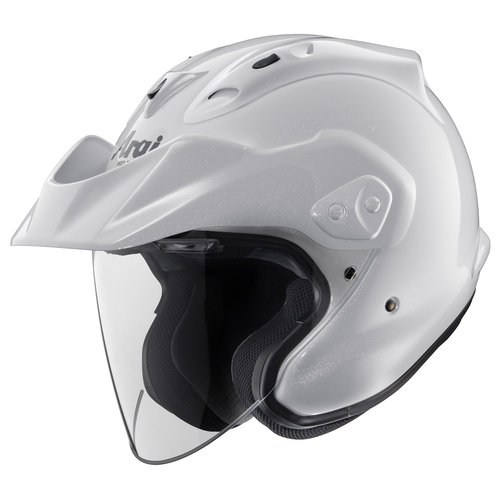
The sun visor is such a handy feature as long as it’s kept clean. Shaded main visors are not so convenient for reading glaring satnavs or of course night riding; flip down the sun visor and you’re in business. I also like the dirt-bikeresque beak element on the Mag 9 for riding into low sun angles where no shady visor can help, but it’s not low enough to do that well. It’s something I see that Arai have on their CTZ (right), but, snakes alive, is that an ugly contraption for no less than $500.

The linings on the Mag are plush and cushy and pop out easily for a wash and the visors are easy to clean with the windscreen wipe stick you get by the pumps.

bell-6

But, as with the Airoh and the expensive XLite, the sun visor actuation gets stiff; it usually seems to be a problem with leverage, although with the Bell it’s become more likely dust from the trail has jammed the lever and release mechanisms a bit. I’ve tried rinsing and may go for a full-on hose down to clean it out. The sun visor retracts with a nudge if necessary but lifting the main visor has become really notchy – don’t know what the problem is there. The racket it makes and effort needed doesn’t make it an enjoyable and slick manoeuvre.
kisomaroc

I also recall I read reports that the Mag 9 suffered from the main visor not lifting high enough. I suppose that is true though you can tip the whole lid backwards to get it out of your eye line. Being out on the country, not riding in town, I usually have the visor down. I think it’s safe to retire my Airoh TR1 now; comparatively, it feels like wearing a milk crate.

bel

After wearing it for a month on Morocco and four years use, in 2017 I left my Mag 9 in a dumpster in an industrial estate near Malaga. The visor was getting on a bit, the D-ring buckle seemed to loosen up easily, and the peak assembly was duct taped on after a few rough transits and very strong headwinds out of Tangier. It was starting to feel a bit cheap but I like the look and features and can safely say I got my $75-worth out of that lid.
bell-7

CRF250L Mile 1474: Trans Nevada

CRF250L INDEX PAGE

nv-02
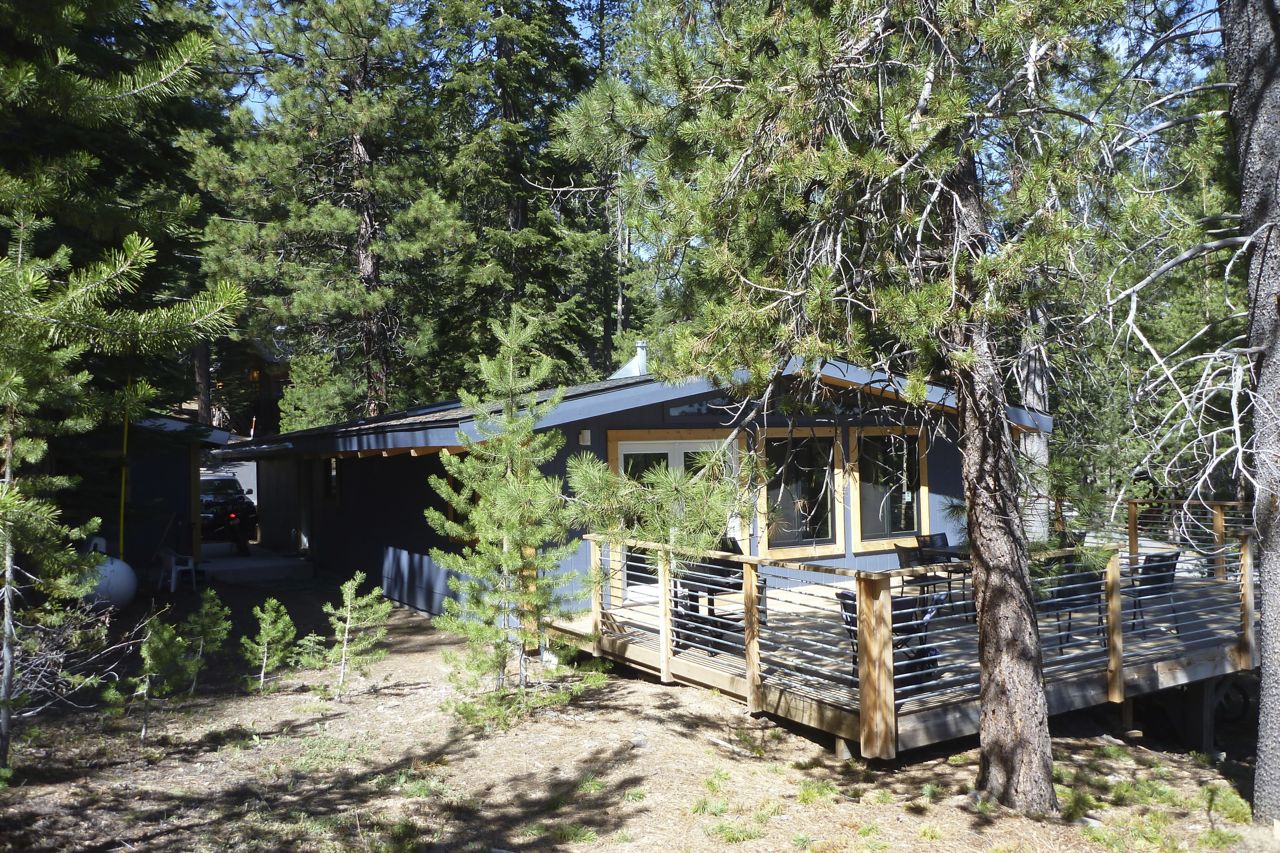
After a week of good living in a mate’s cabin out of Truckee it was time to get going again.
nv-03
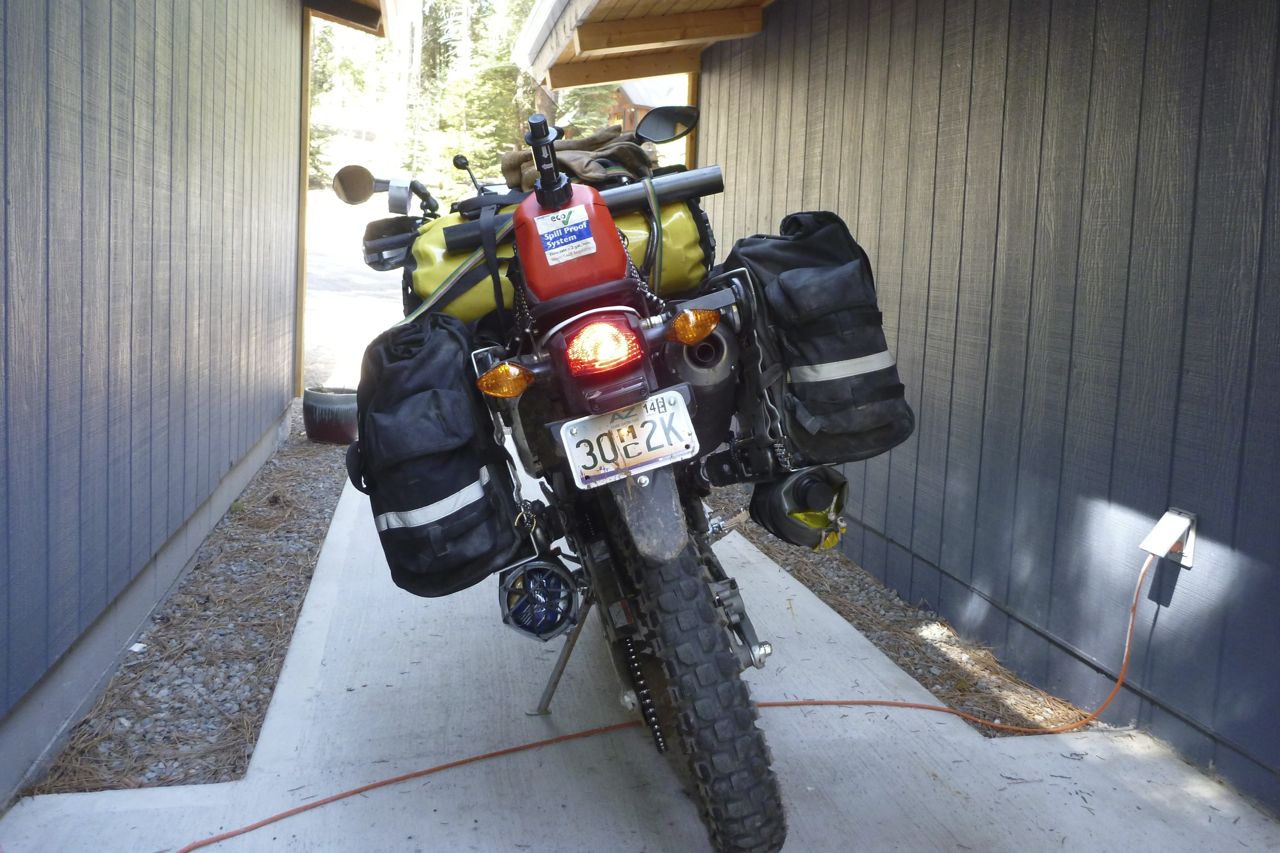
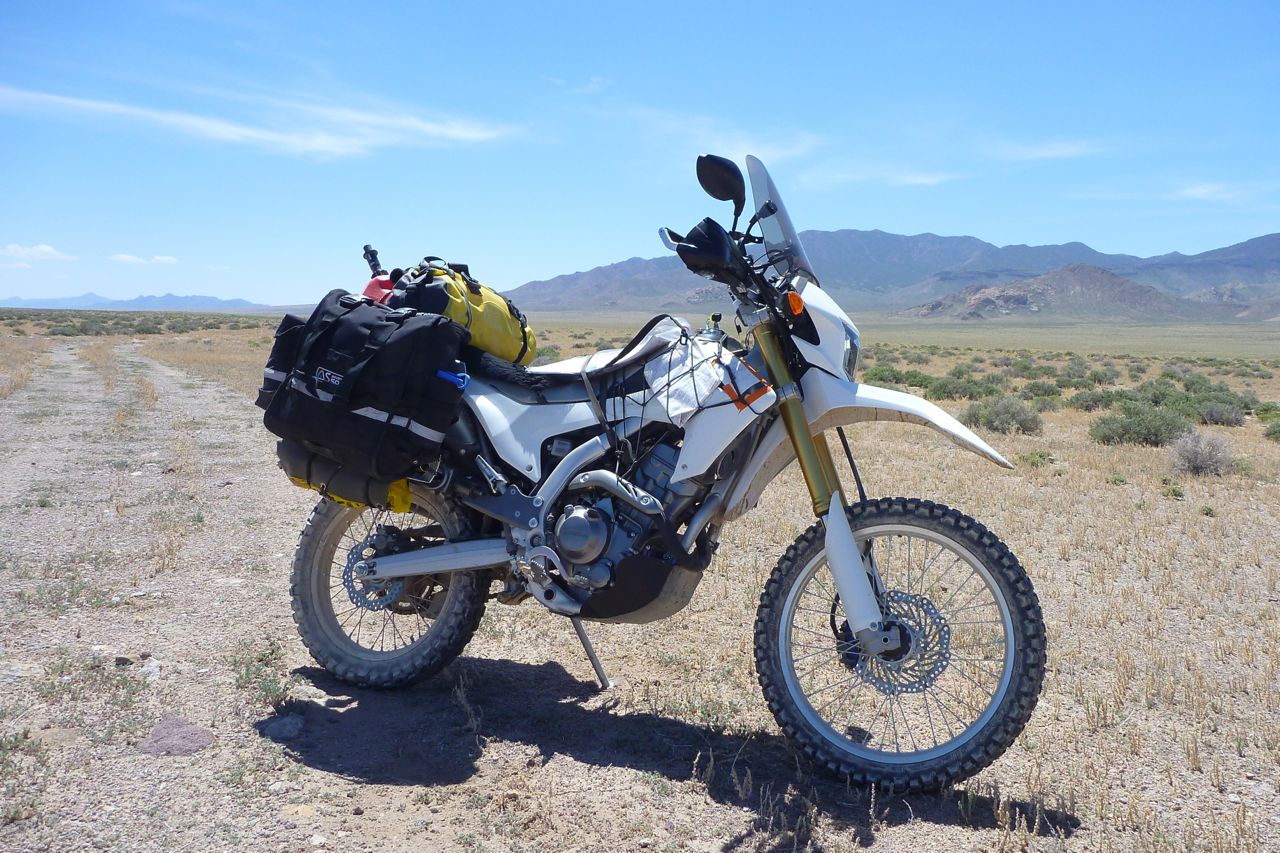
The CRF is poised on the launchpad, showcasing v2.1 of the packing system
with double undertubes and a fuel can instead of that tedious fuel bag. On the
CRF I have to fill up 2-3 times a day. The good thing is it makes the seat more tolerable.
nv-05
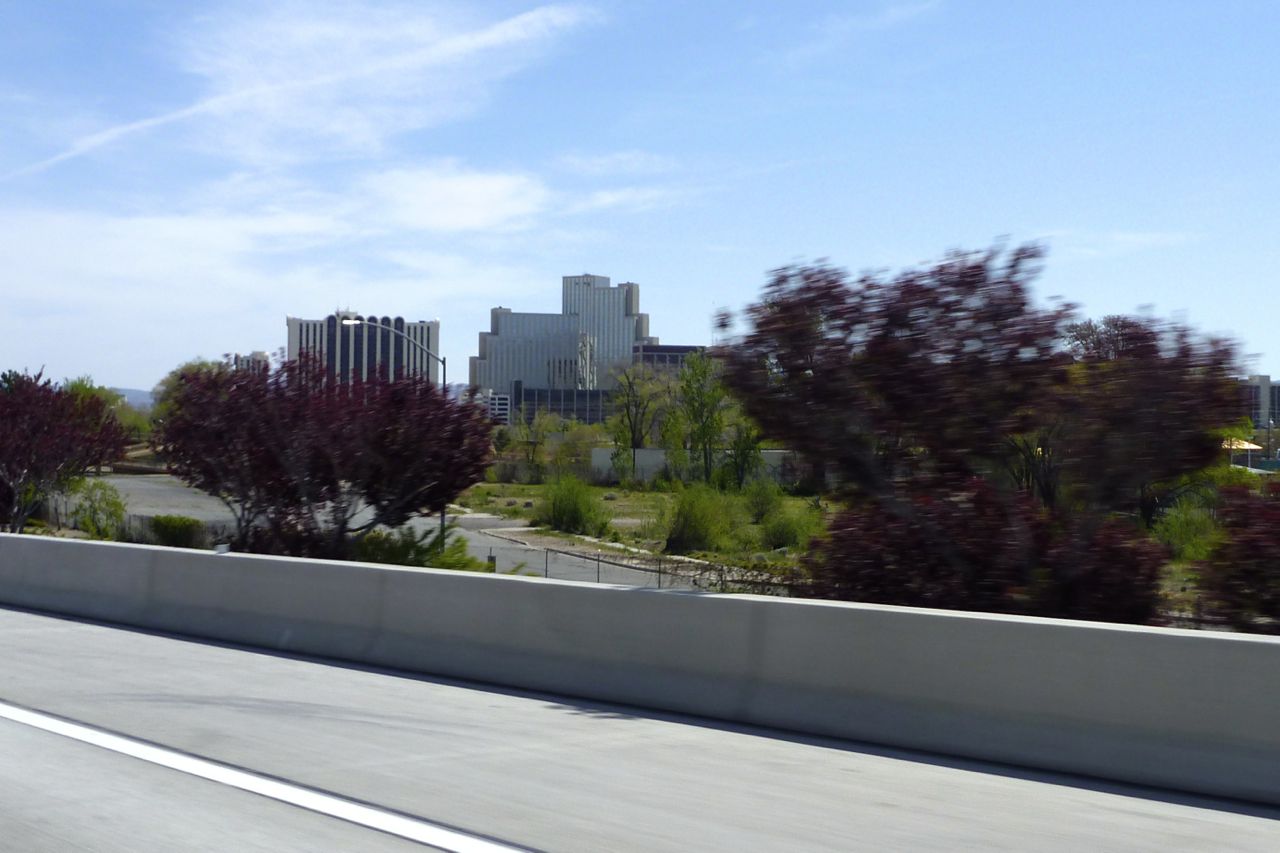
Out past Reno which I rode through last week on a day ride to Virginia City, a mining boom town that, architecturally at least, seems to have missed out on the 20th century (other touristic aspects have kept up). It’s a fun, bendy ride up to V City, btw.
reno
The trouble with Reno is I ended up with “I shot a man in Reno…” in my head for the next couple of days, but there are worse songs to be stuck on.
Well I know I had it coming, I know I cain’t be free
But this song keeps a playin’
And that’s what tor-chures me…
nv-04
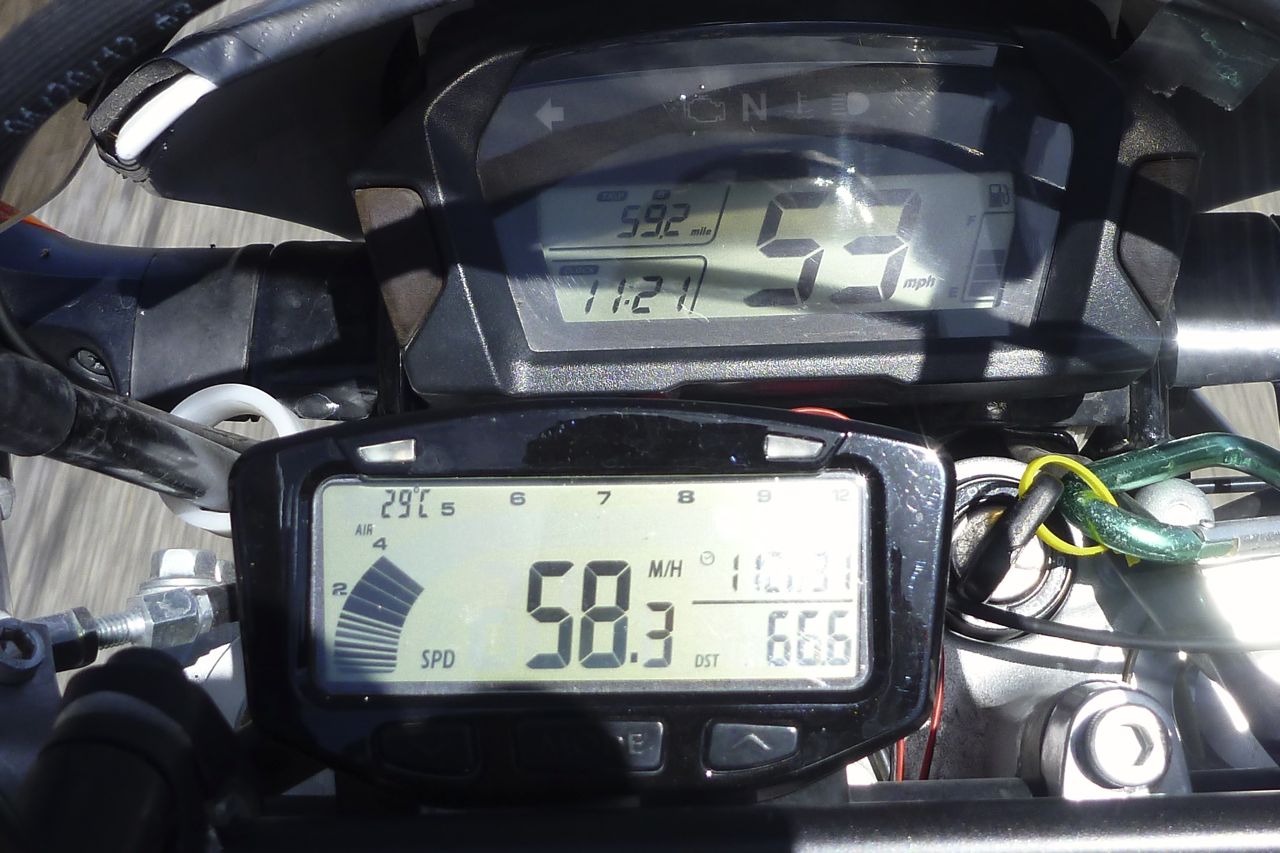
Look at the error on the Honda – shocking – and the odo is even worse, some 12% under. All verified with GPS, TT Vapor and freeway mile markers and SMSs from the Pentagon.
nv-06
I turn off 80 to 50 – much less traffic. After Fallon range follows basin, follows range.
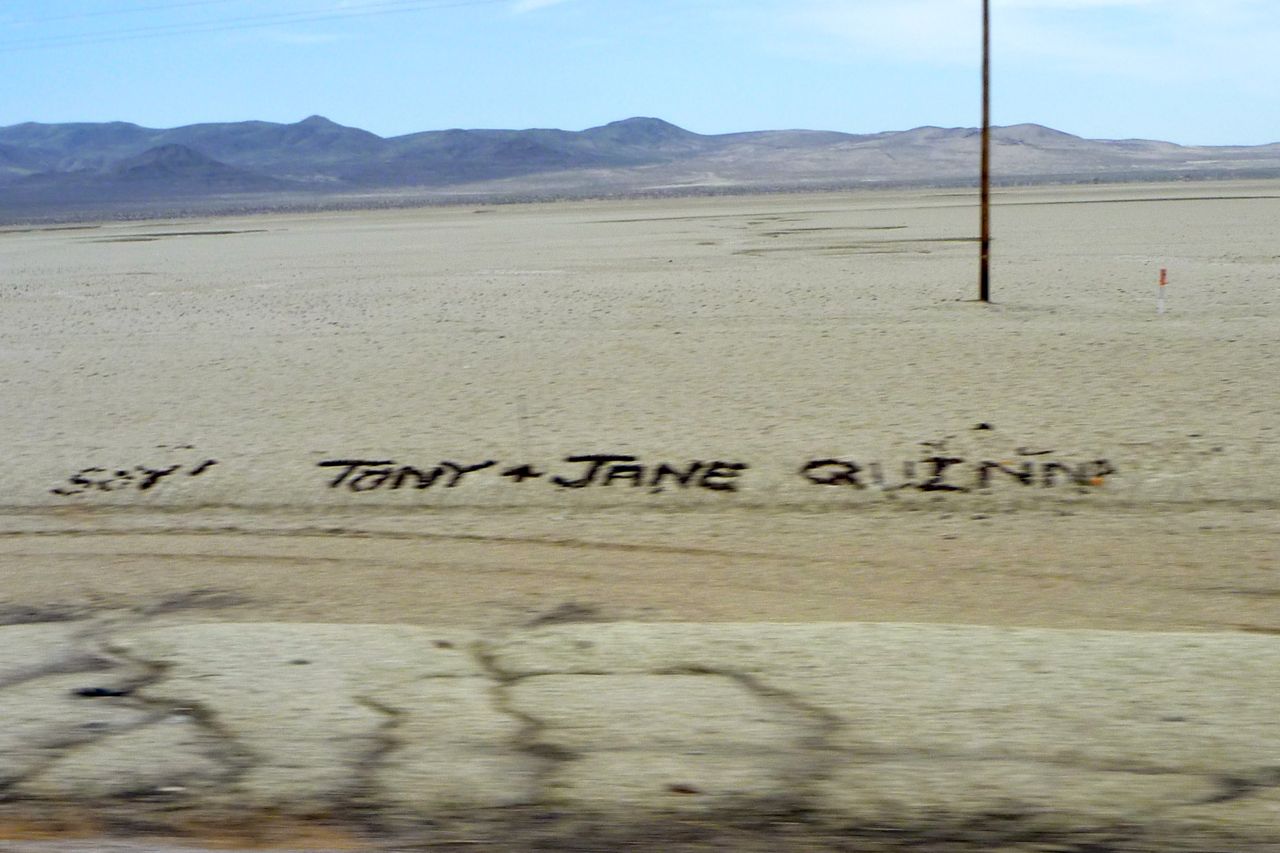
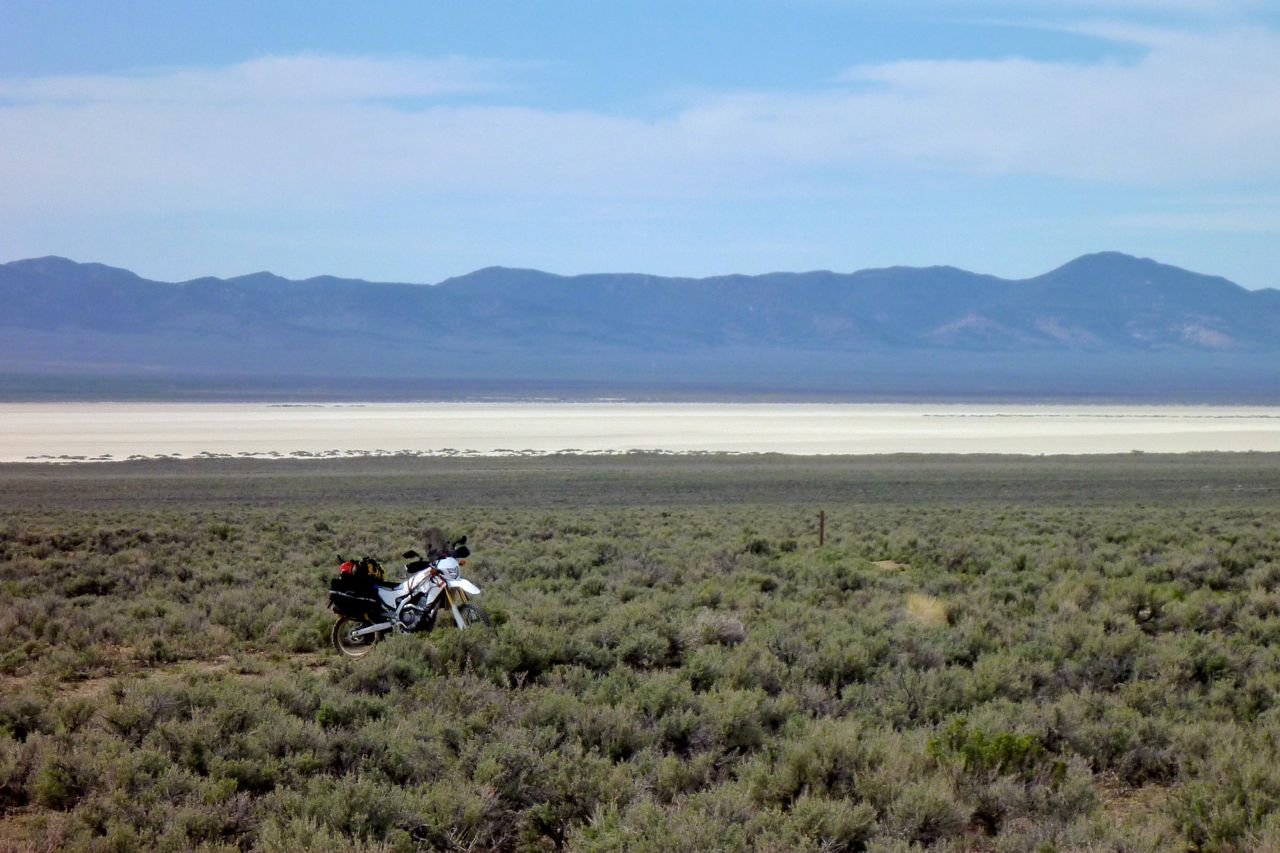
Some basins have a salt pan and all along this one people had left messages in black stones.
nv-07
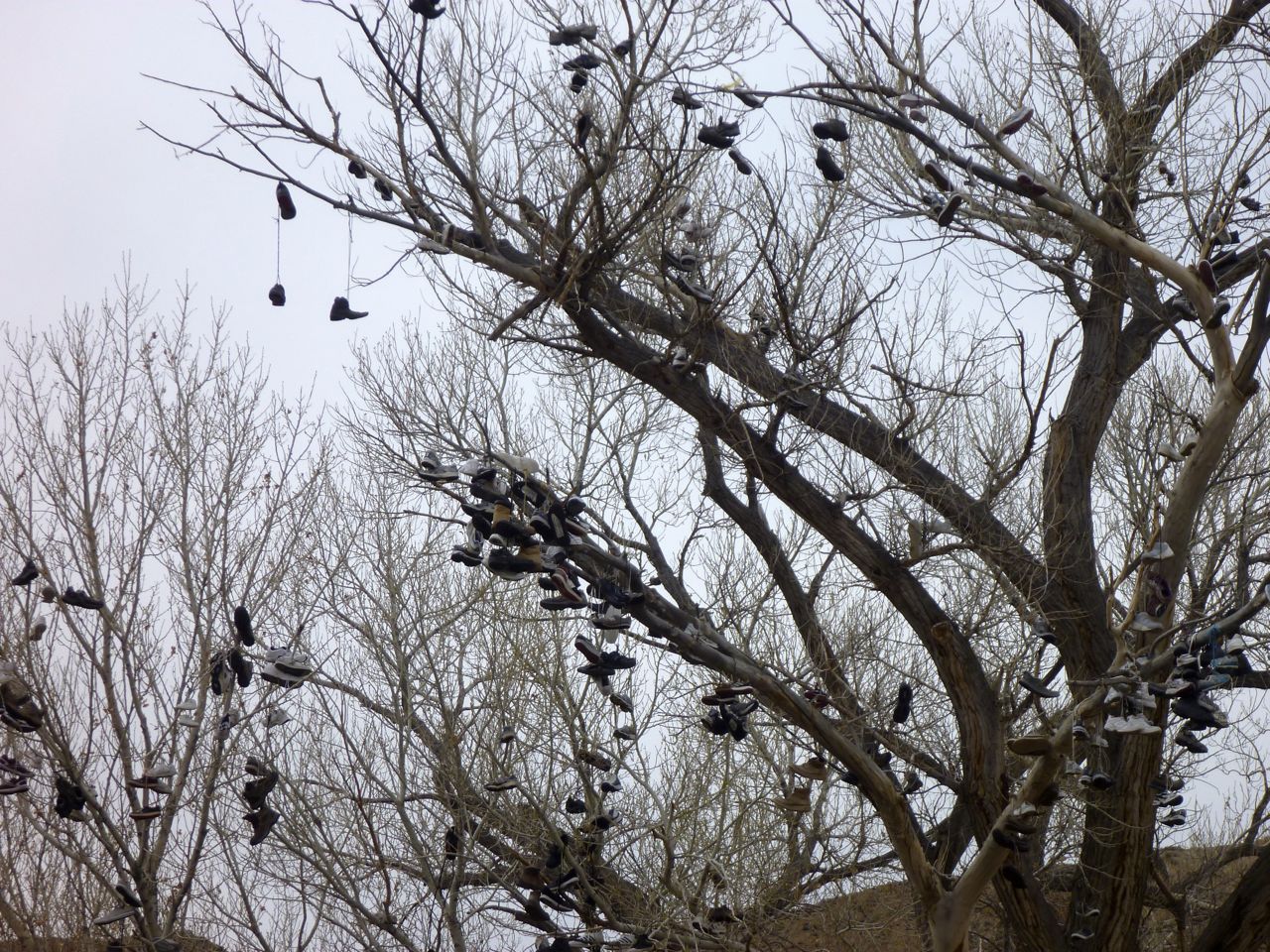
Soon I pass the Nevada Shoe Tree. Got some smelly old trainers? Chuck ’em up here.
nv-08
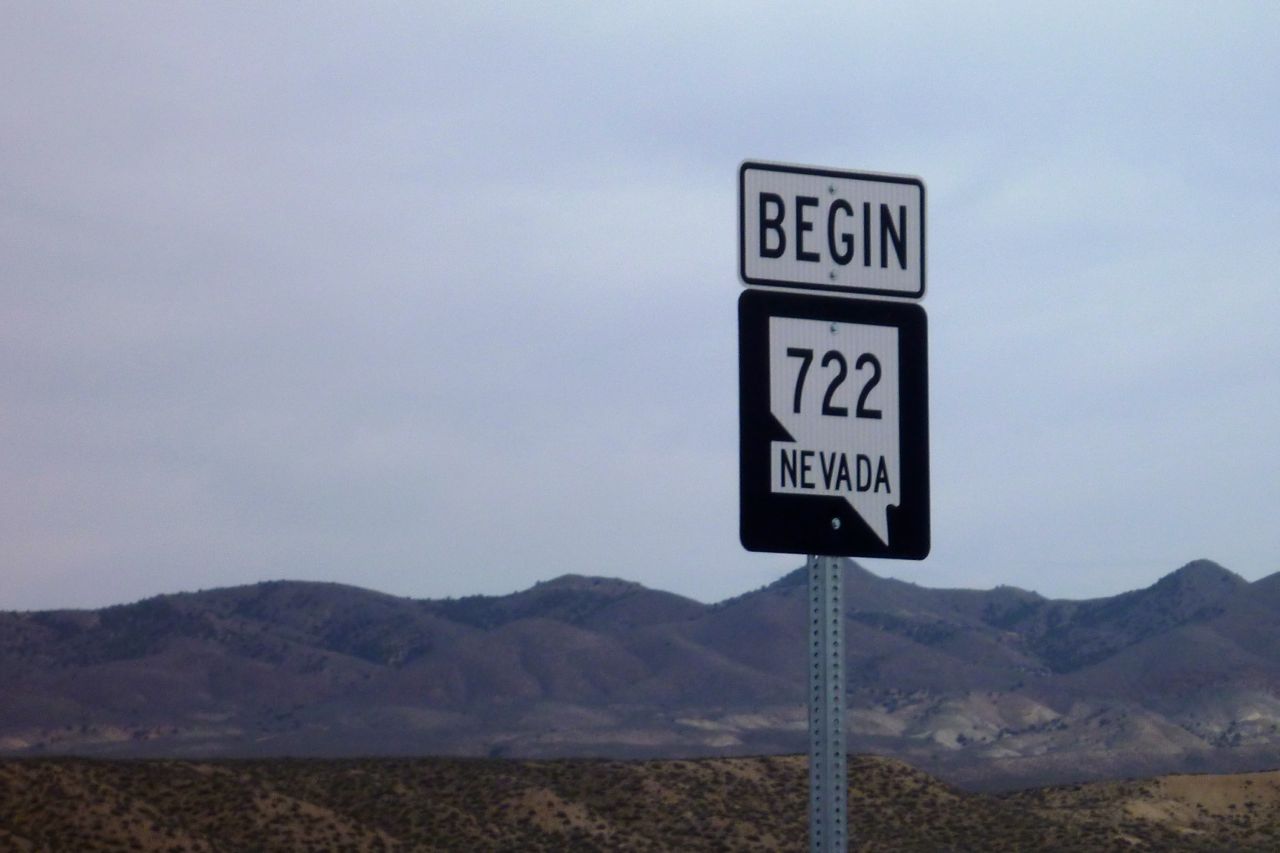
I then turn off 50 onto ‘Old 50’ or 722.
nv-09
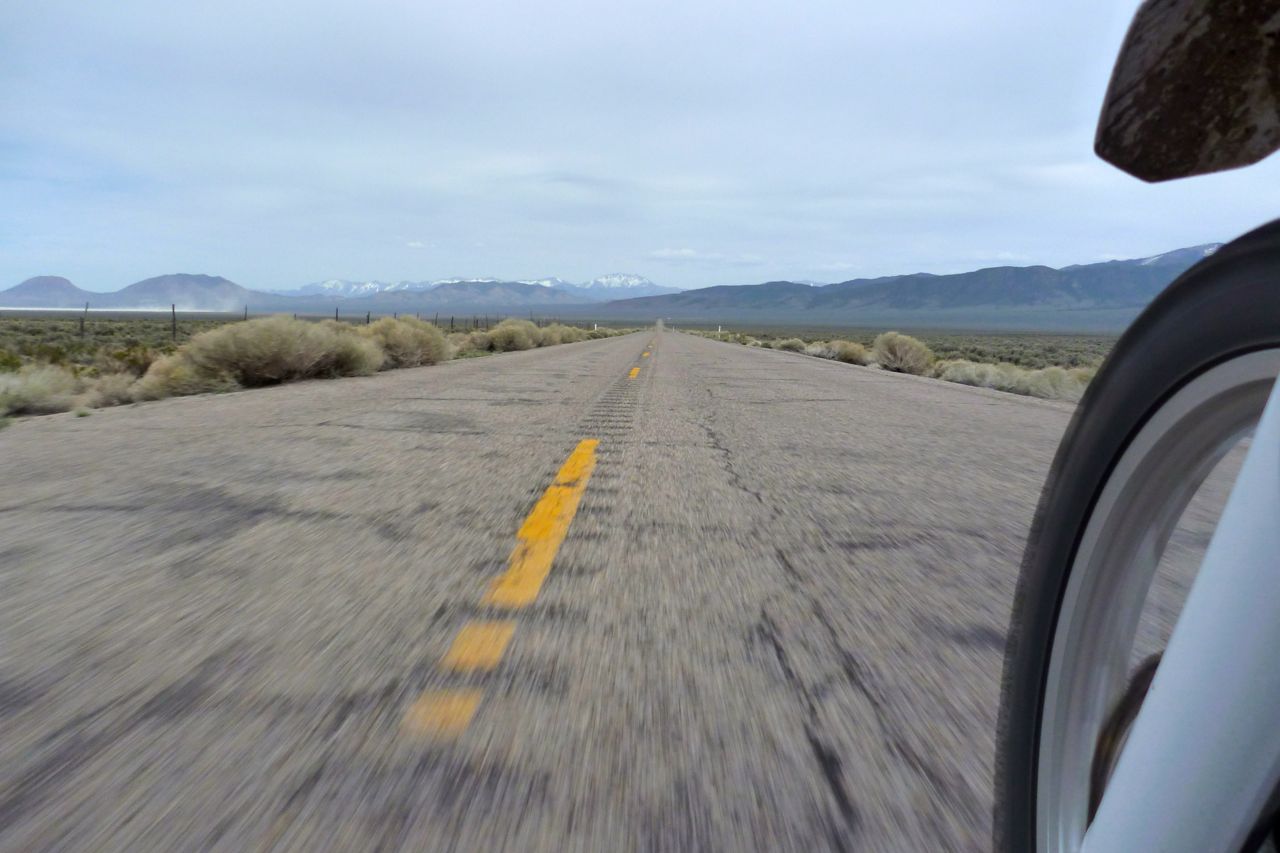
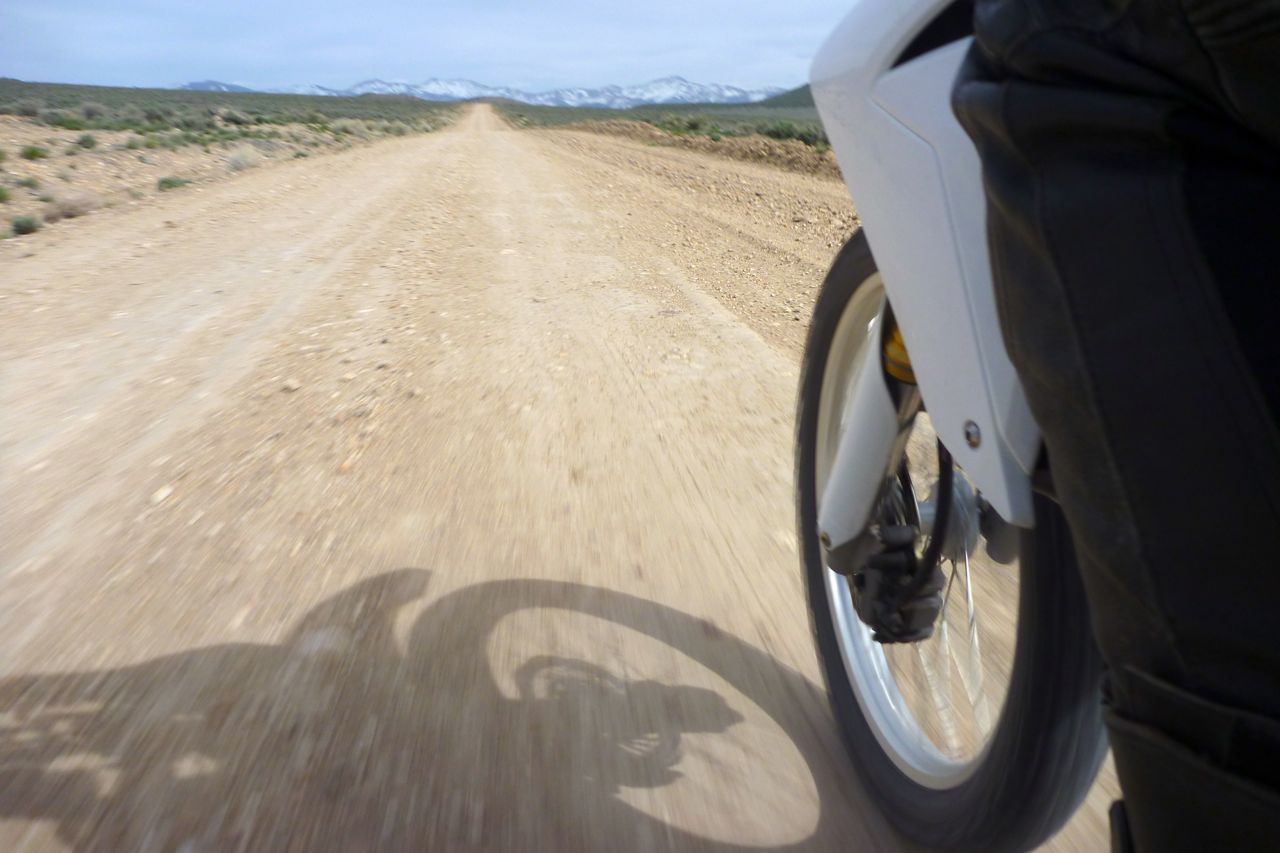
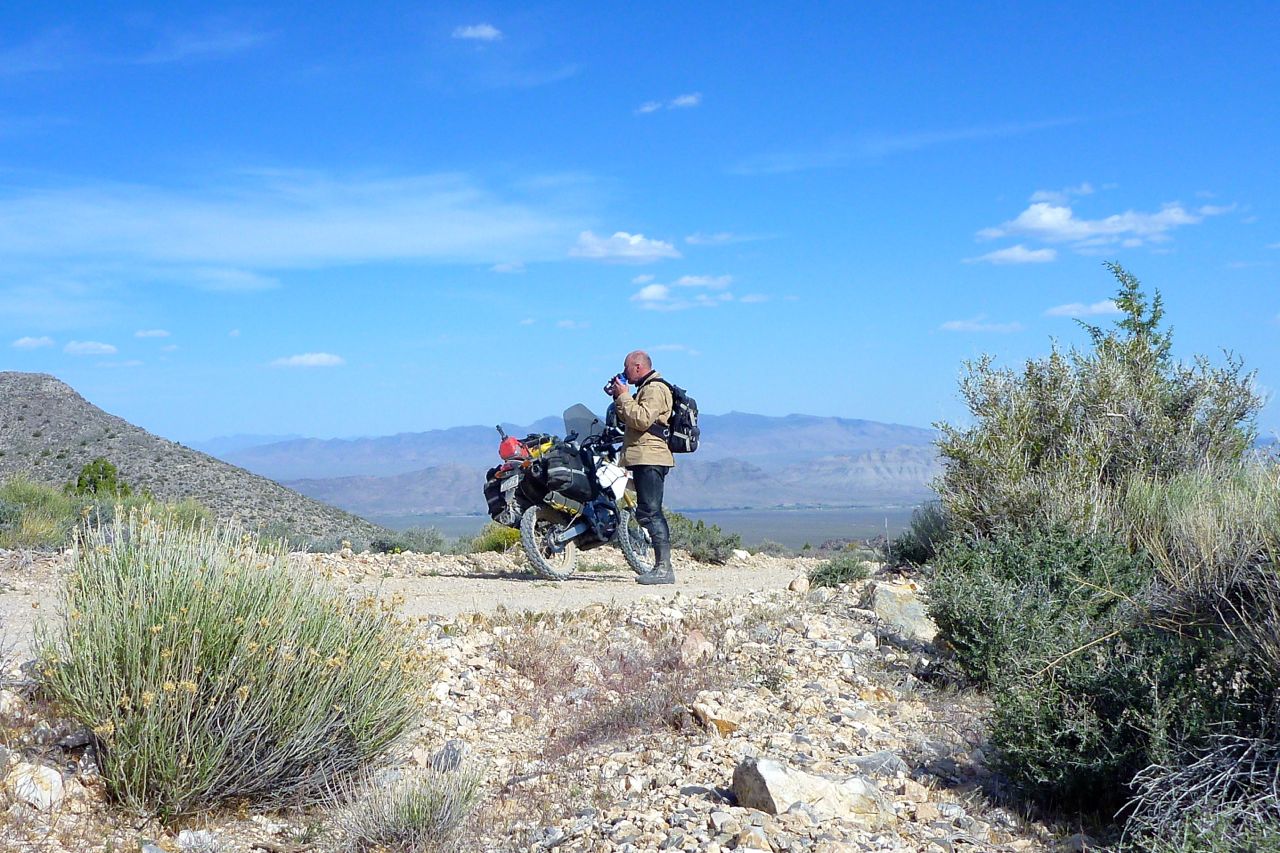
Looks like pictures of Route 66 but traffic is close to zero so I can go as slow as I like.
With a hot backwind 55 feels good.
nv-10
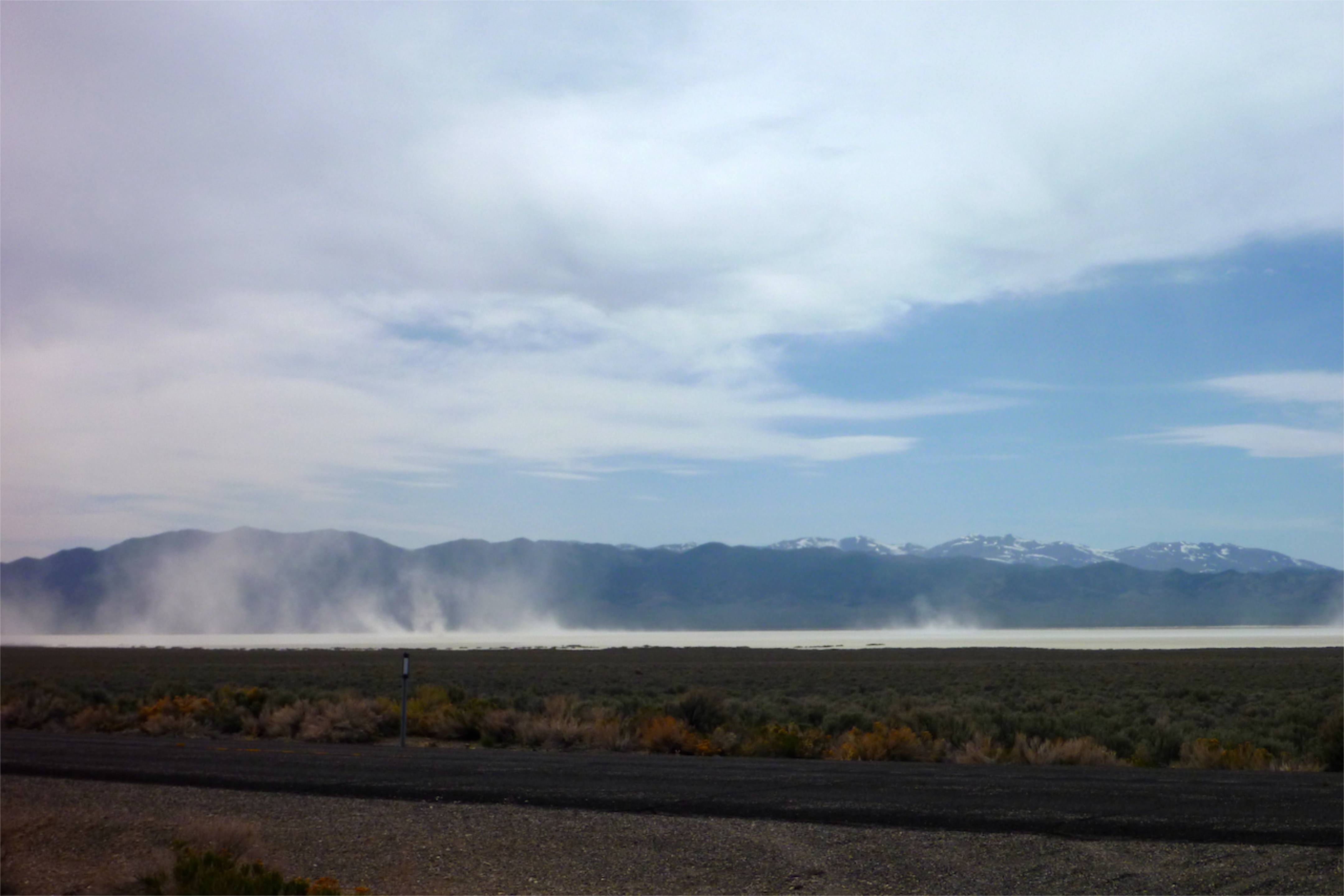
Over there the heat is stirring up dust devils on the pan. The Vapor says ambient is low 30s C – what’s that, getting on for 90?
nv-11
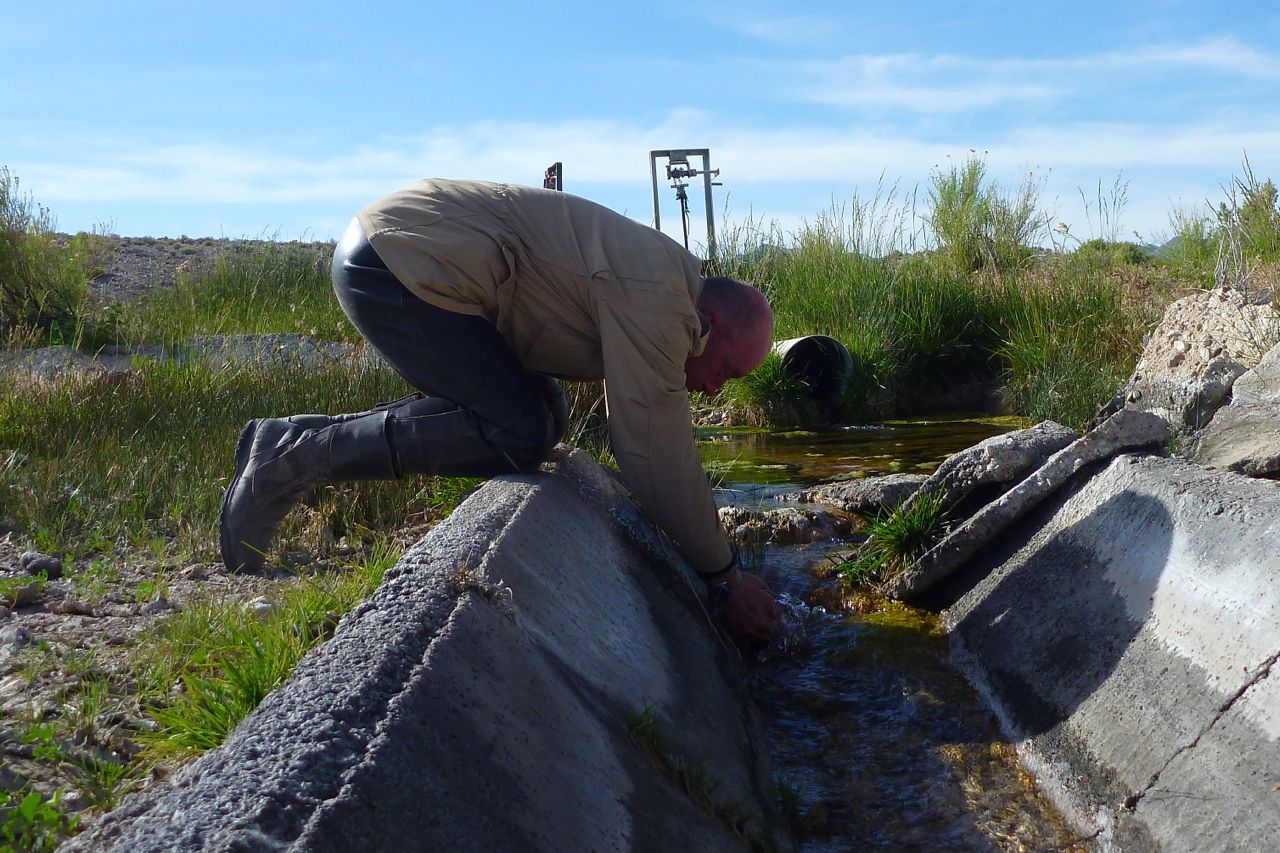
I’m eyeing up a track over the range to the next valley.
This one looks a bit thin but I give it a go.
Within a mile it peters out. I have committed the cardinal navigational error of pre-emption.
I tell you what though, that sage sure smells nice once your panniers brush past it.
nv-12
The Nevada flag – or it ought to be. Blue blue-grey over Salt over Sage.
nv-14
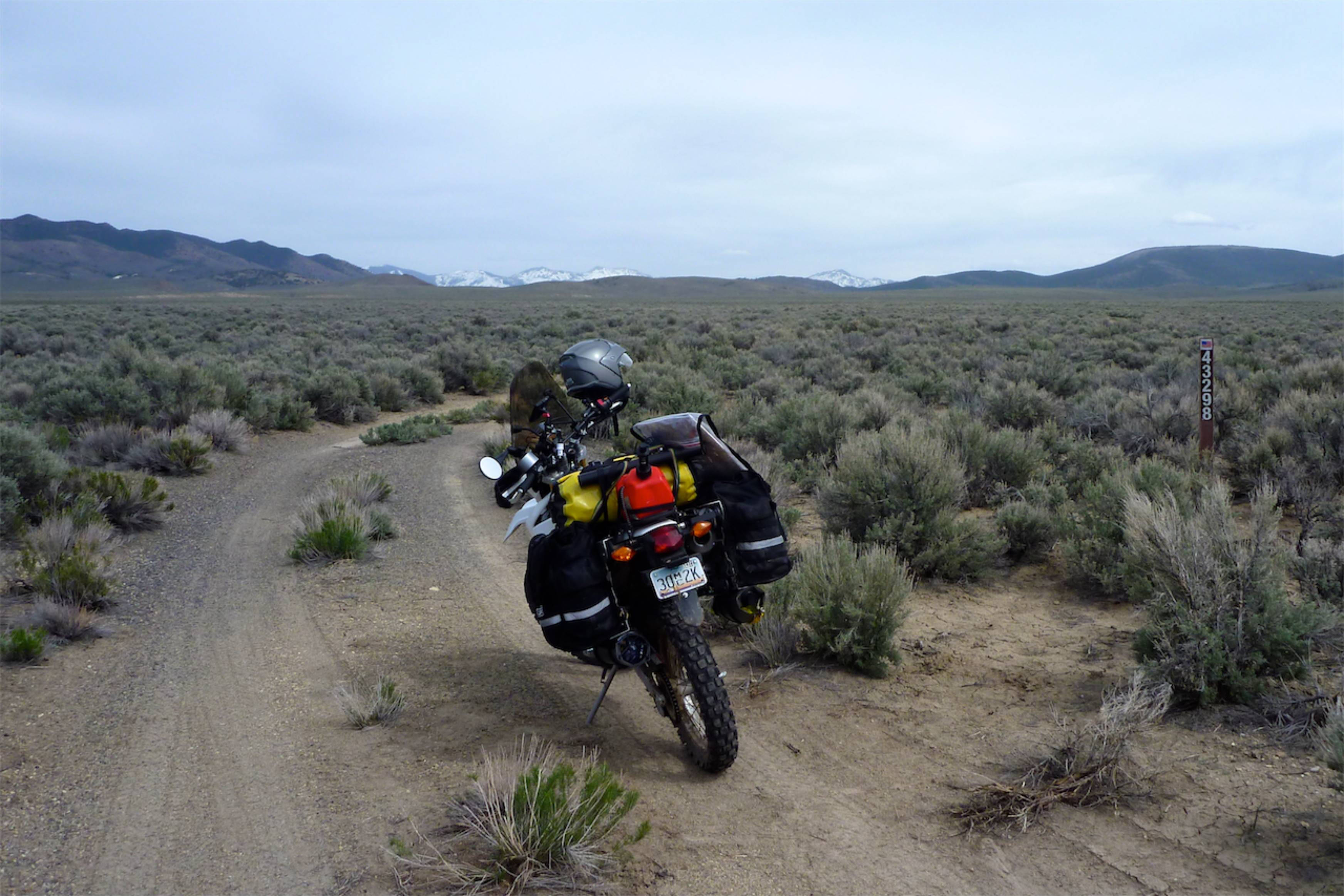
This is the right track heading east to the next valley.
I hope to cross that range at the back, but despite me sweating like a kipper
it looks a bit snowy up there and on the far side it’s only tarmac.
My new ankle-level shooting technique. What else can you shoot when alone?
When this is all done I’m going to produce a photo moto book: Southwest Ankle USA.
nv-15
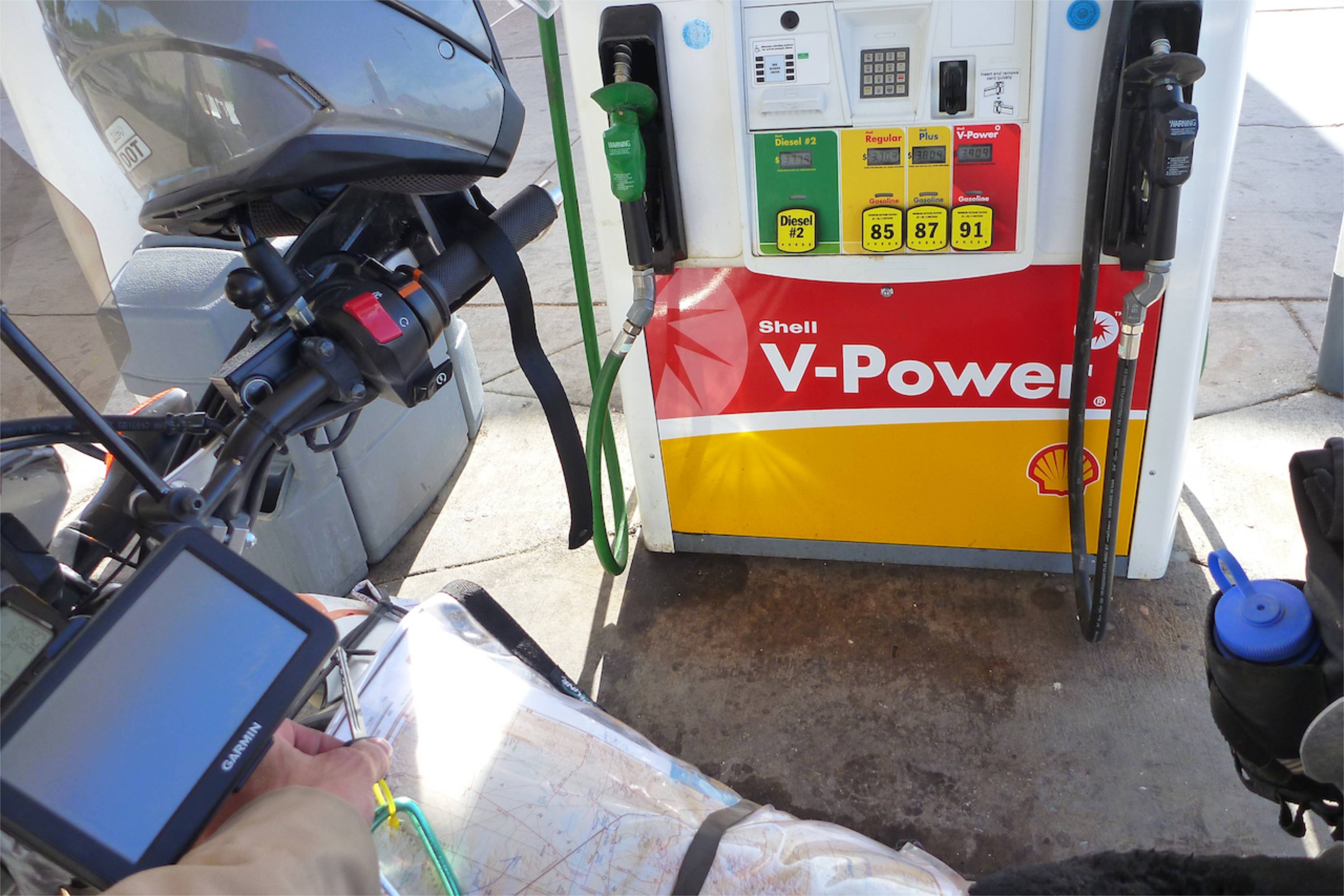
On the far side I take the dirt road south, passing a few ranches, like where The Virginian used to work. Benchmark maps are a great nav resource when combined with a Nuvi, but I could be on the limit with fuel although it’s getting much more economical. I poured in a gallon can after 80 miles and the tank was full. Here I am updating my fuel log. I was going to camp here but…
nv-16
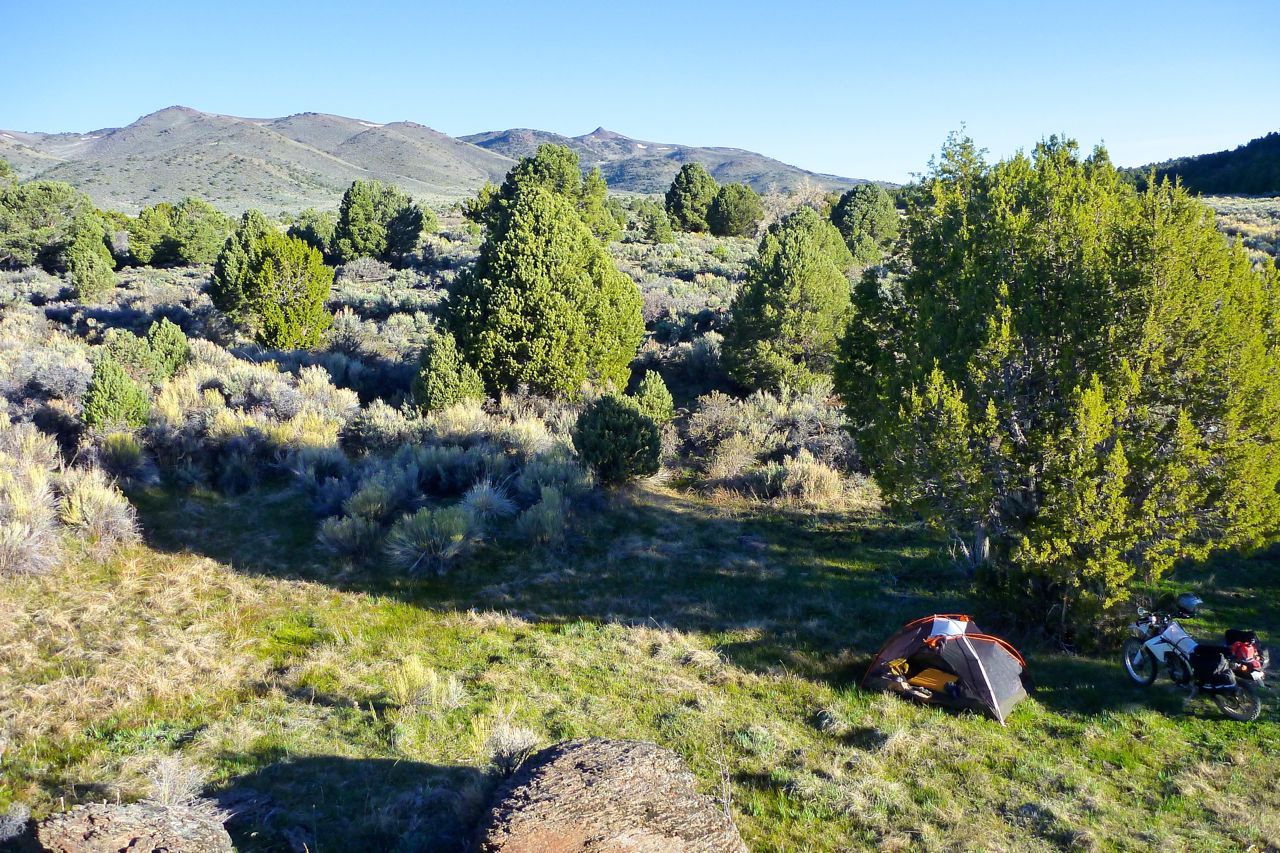
… I went for a wander and found a much nicer and more protected  spot 5 mins away. It was still 7500′ – a week or two ago and only 100 miles from here I turned away from camping at that height, but I guess Spring has finally sprung.
nv-17

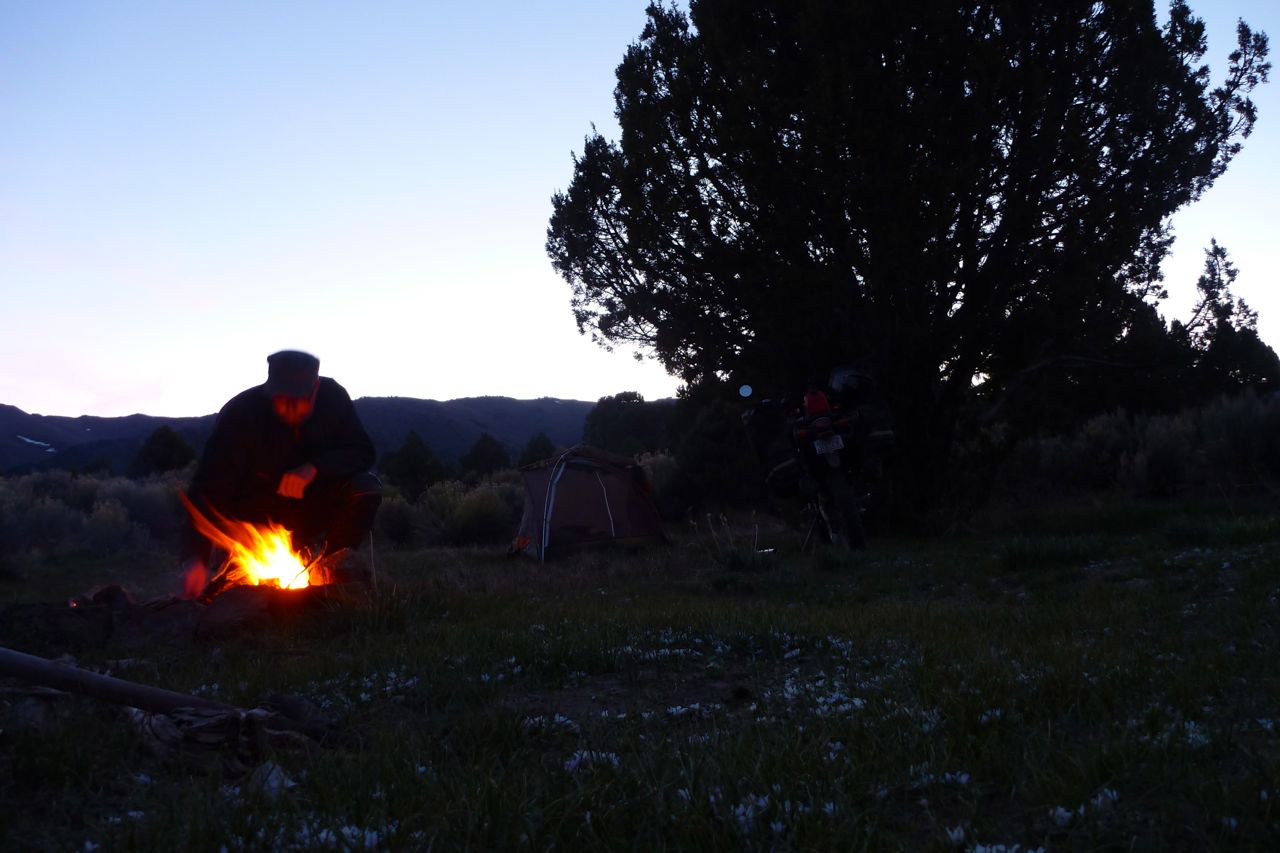
I make a fire, ignoring the beer bottles in there. After about half an hour one explodes like a shotgun cartridge. Luckily I wasn’t staring wistfully into the flames at the time. What sort of rank idiot wastes a full bottle of beer? There was another one in there – pretty cooked by now. There was also a packet of sausages lying around – I threw them in too and they exploded, splattering me in smoked hickory sausage fat. Better than broken glass I suppose. I hope I didn’t wreck someone’s upcoming picnic stash…

nv-18
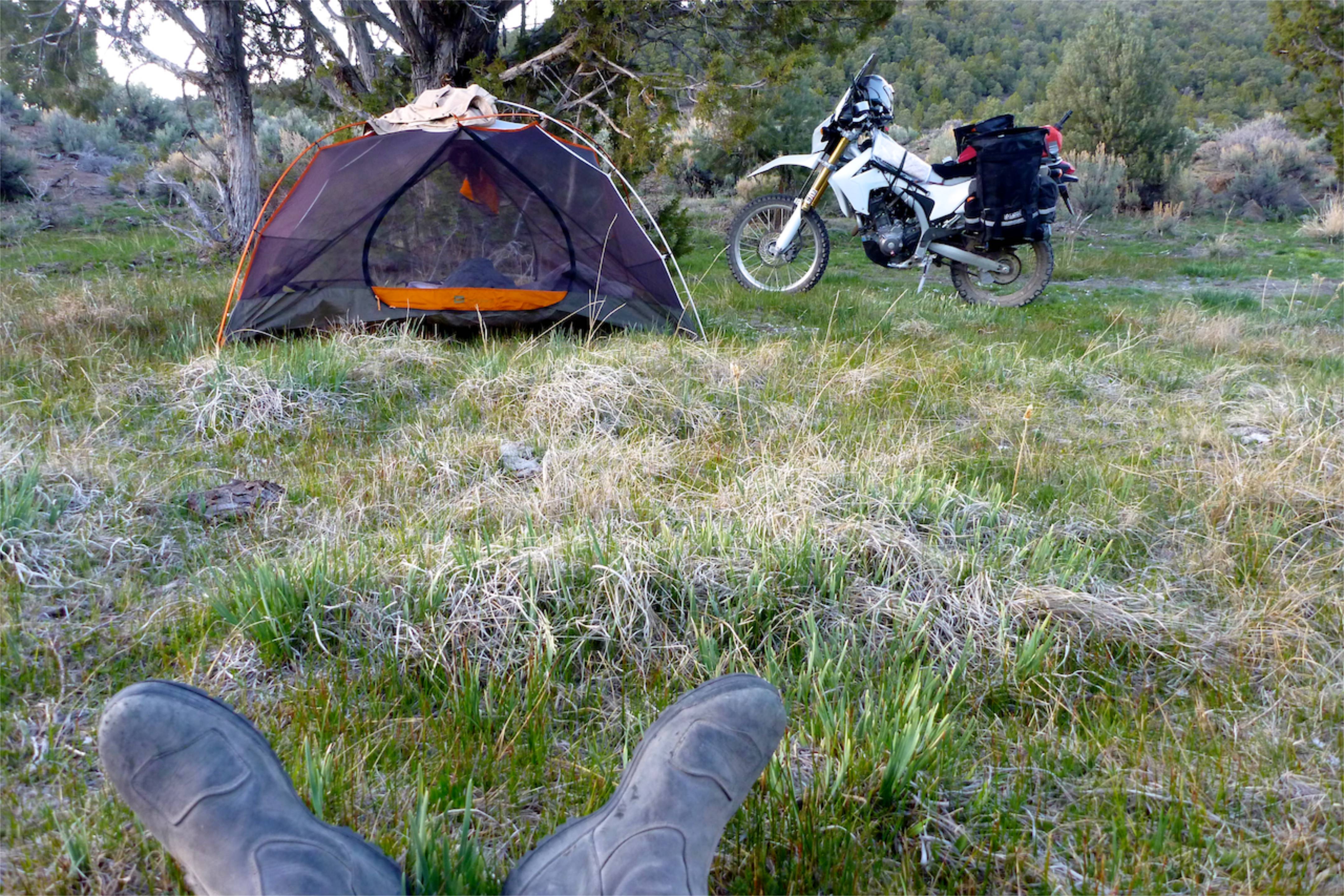
I thought I brought my fly sheet only (more space) but I had my inner (less bugs). As long as it’s not raining it’s a more agreeable way to wake up.
nv-19
Besides flat ground, all you need is grass and a few trees to make an ambient camping spot (no, really!).
Trouble is in Nevada you have to climb to over 7000 feet to find both.
Below that is sagebush and dirt. Not nice Saharan sand, just dirt.
nv-20
I ride on south on this GS12-able track. A lovely clear day after yesterday’s muggy overcast.
The good thing with camping is you’re on the road early.
nv-21
I notice my back tyre is wearing very fast. 2500 miles from new and it’s got 5-6mm left.
I better do something about that quick.
nv-22
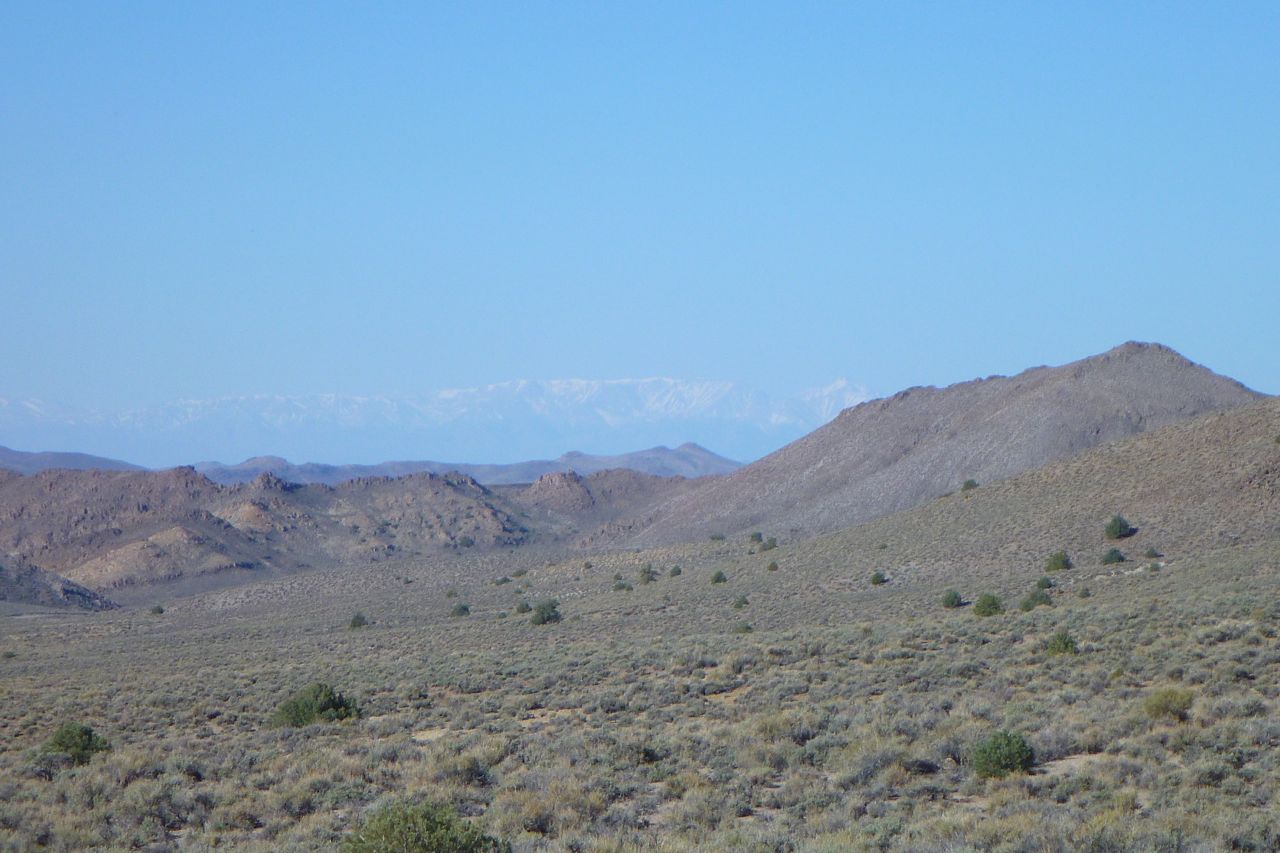
Far in the distance the snowy Sierra Nevada on the other side of Death Valley where I was a couple of weeks back.
nv-23
I emerge from the mountains and follow a network of gravel tracks south to Tonopah where I hope they have wifi with the fuel.
nv-24
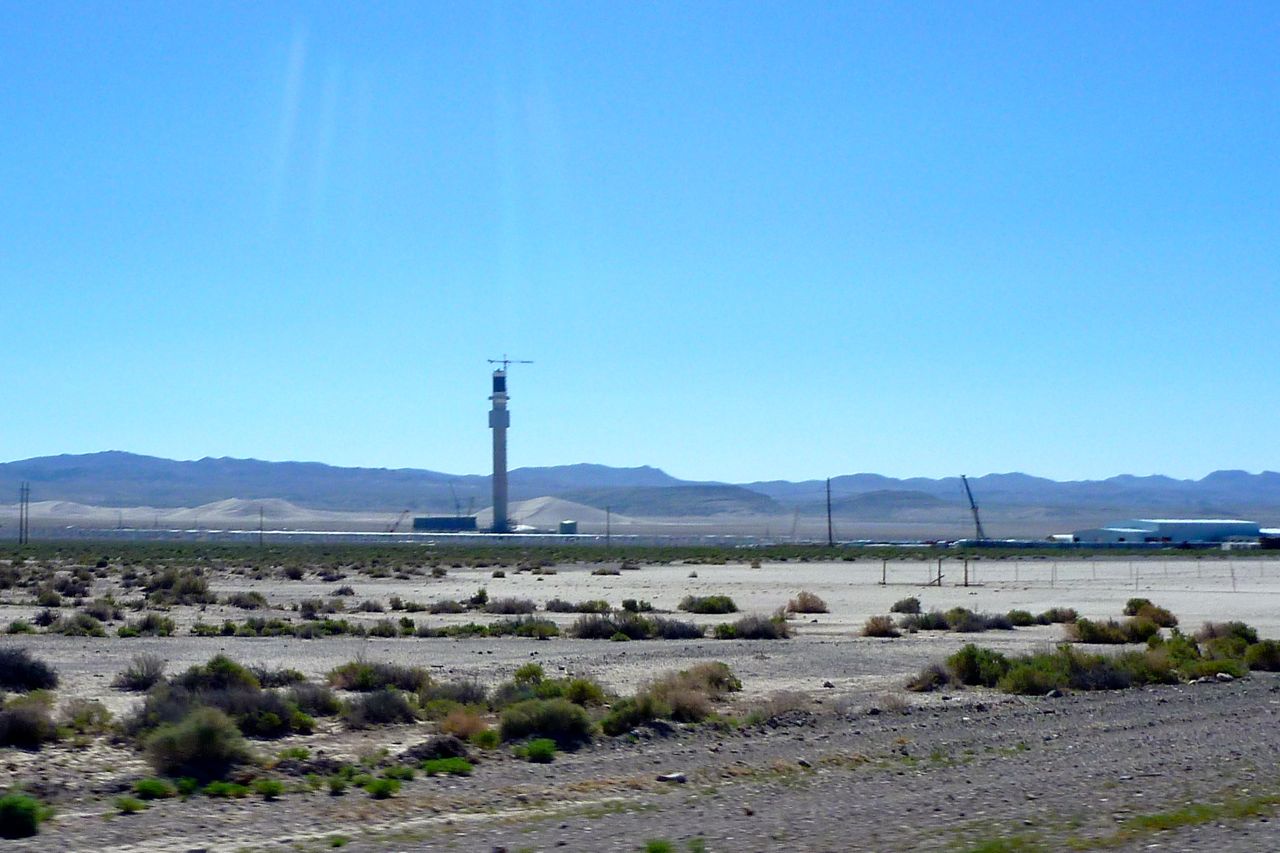
I pass this strange tower. I am just north of ‘Area 51’ – anything could be possible. Turns out it’s one of those parabolic solar generators. An array of mirrors on the ground focus on the tower top like magnifying glasses and generate intense heat and I presume steam.
The Southwest should be covered with these, IMO. You barely even see a solar panel out here…
nv-25
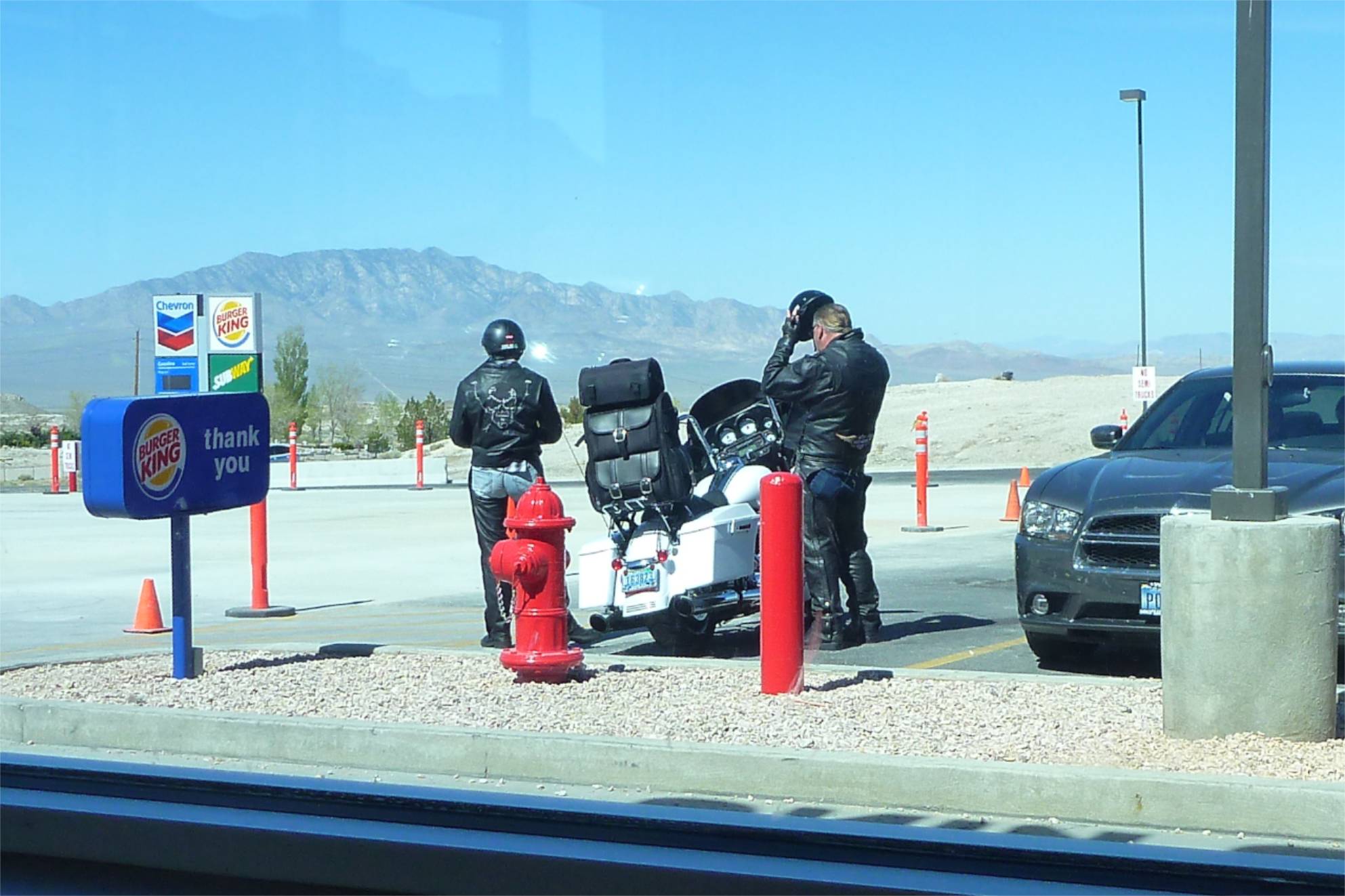
Most of the bikes otr are Harleys. This one’s rear luggage arrangement caught my eye. It looks way out back there, like a luggage vending machine, but on a full dress Hog it probably doesn’t affect the handling noticeably – and anyway is something to lean on.
Outside of a Freddie Mercury video I’ve never seen assless chaps before either.
nv-26
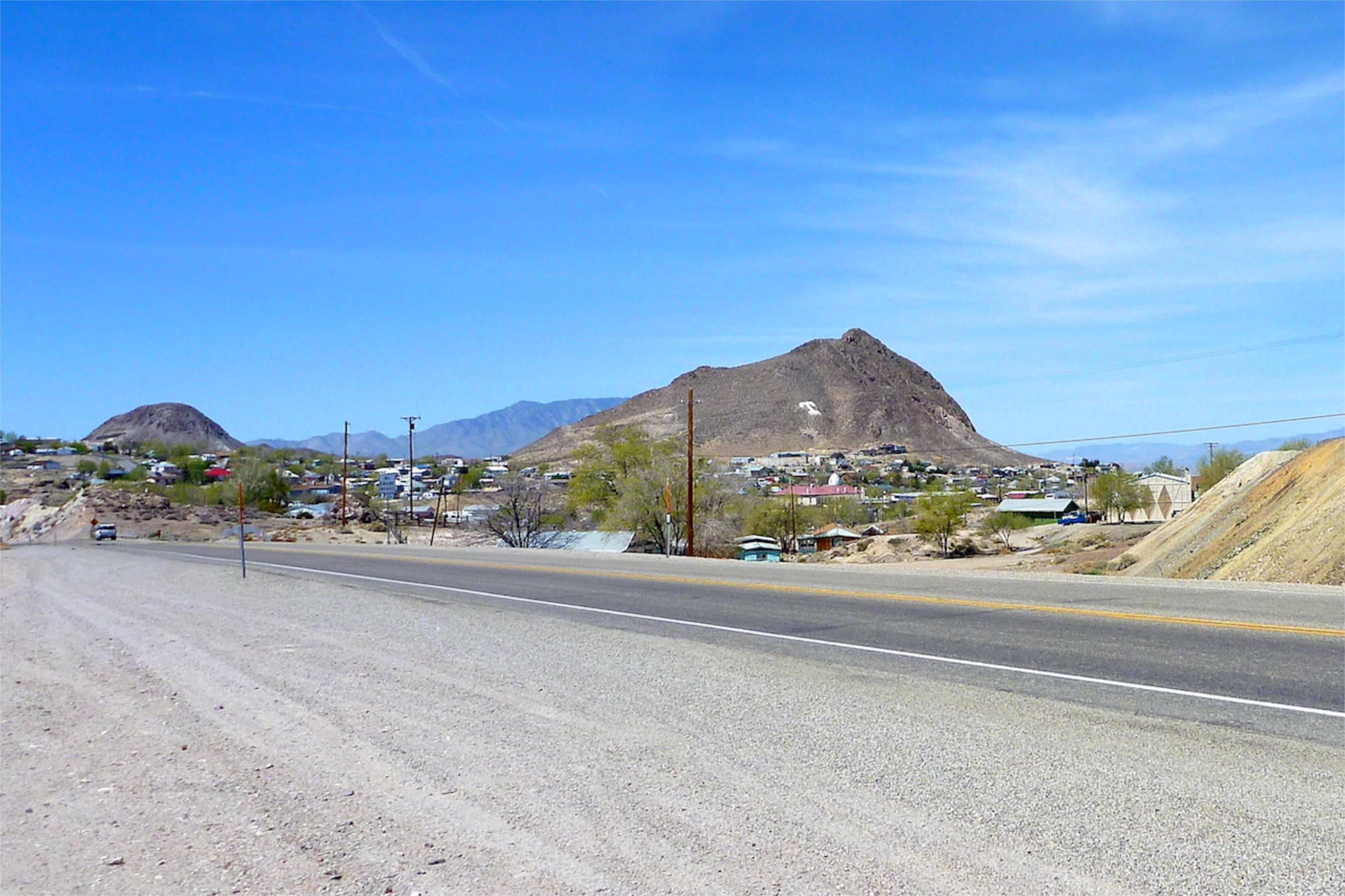
Tonopah turned out to be an old mining town – rather more characterful than Fallon.
It reminded me of Tennant Creek in northern Australia. But no wifi at the servo so I jog on.
nv-27
Really? Oh dear – let me recalculate. Well I can theoretically get that out of the 2 gallon tank now and have a can on the back so I should make it.
nv-28
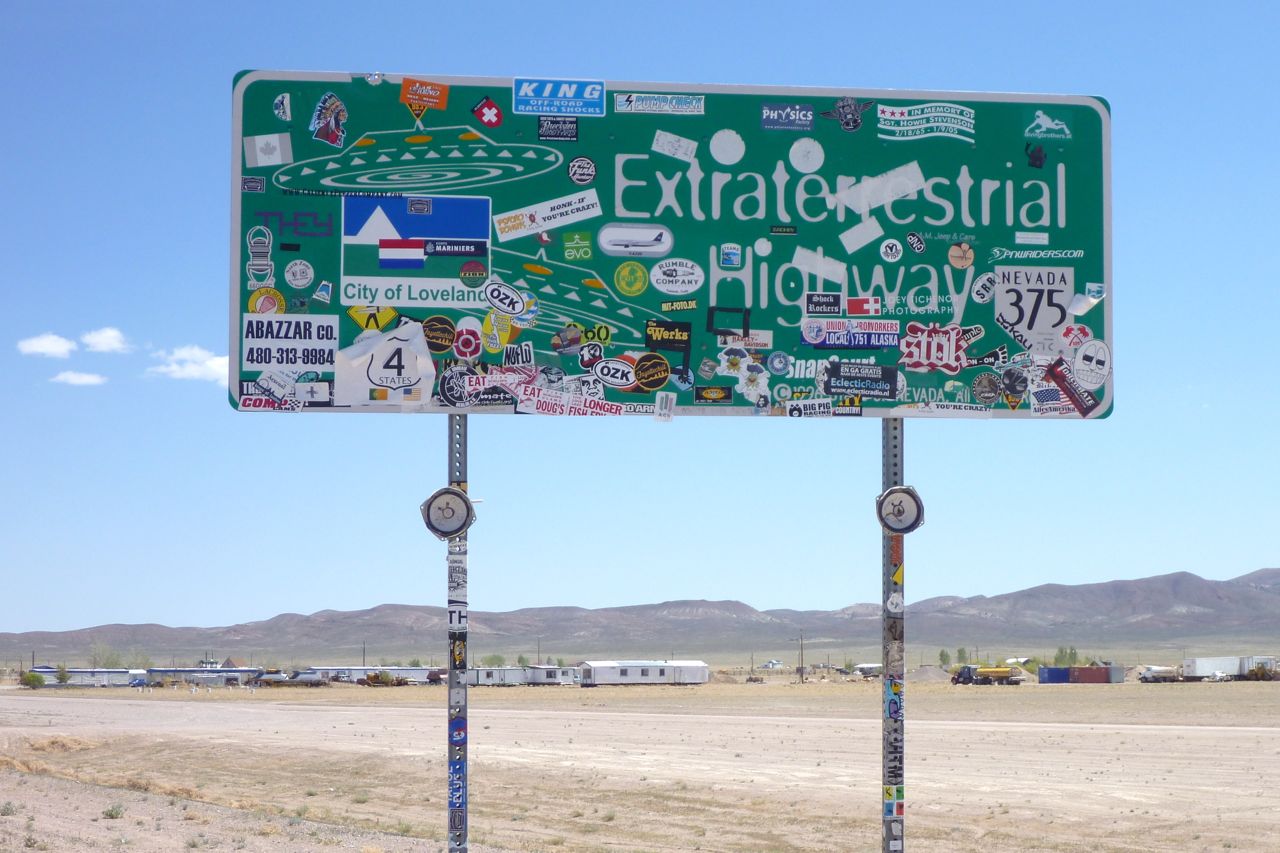
This is the ‘ET Highway’ to Rachel, north of Nellis AFB and it is hot enough to melt a flying saucer.
nv-29
I pull over at 83 miles and can’t even get 1.1 US gallons in there.
Hot backwinds are helping me get nearly 100 miles to the Queen’s gallon.
If it’s over 30C at 5000+ feet in April, what is August like?
nv-30
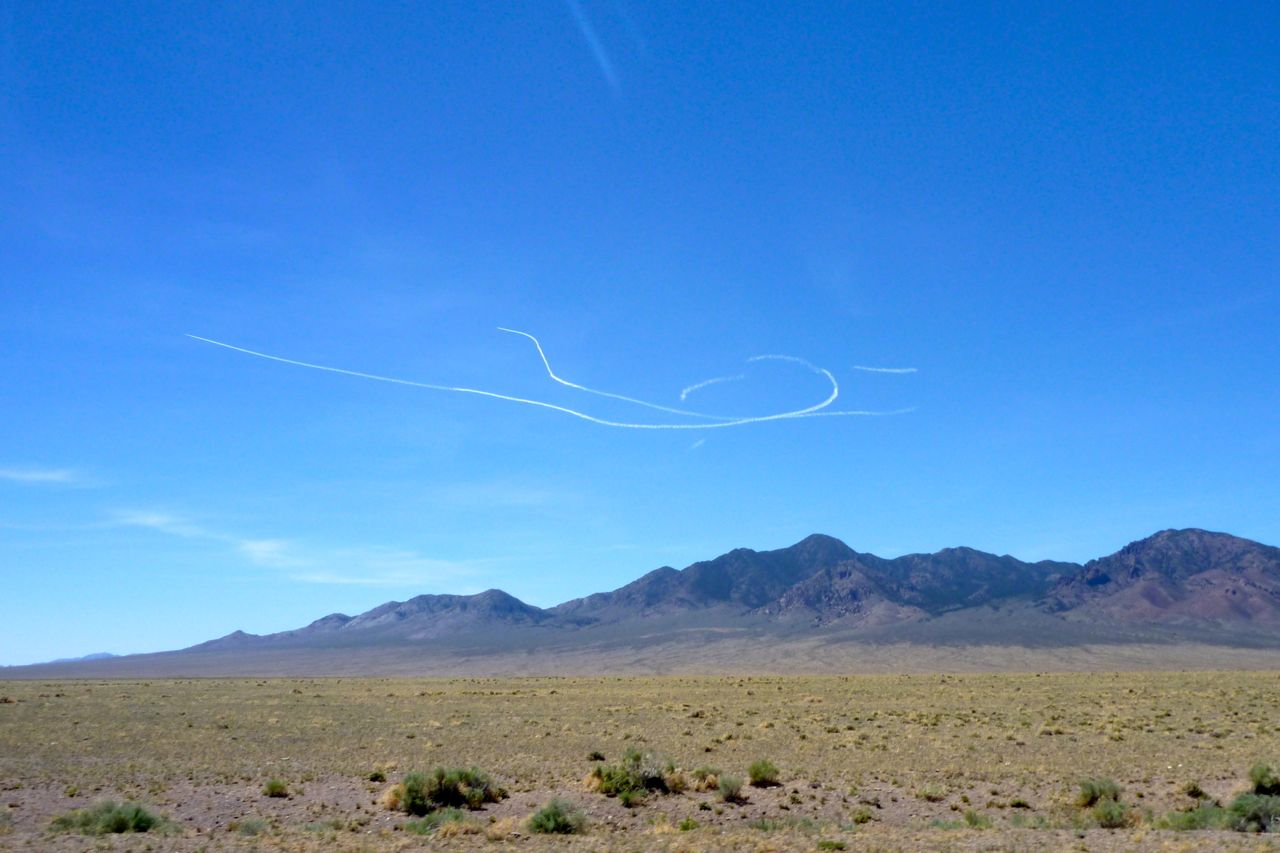
As I pass Nellis I wondered whether I’d see any sign of the sinister activities that make the place famous amongst the tin foil hatters. Those vapour trails are not a Boeing 787 being put through its paces, that’s for sure. Two jets fly off into the ionosphere at high speed.
nv-31
This must be Rachel, NV. Again, reminds me of the Wycliffe Well roadhouse south of Tennant Creek, NT.
Same silly UFO theme to lure the weary and bored off the highway.
nv-32
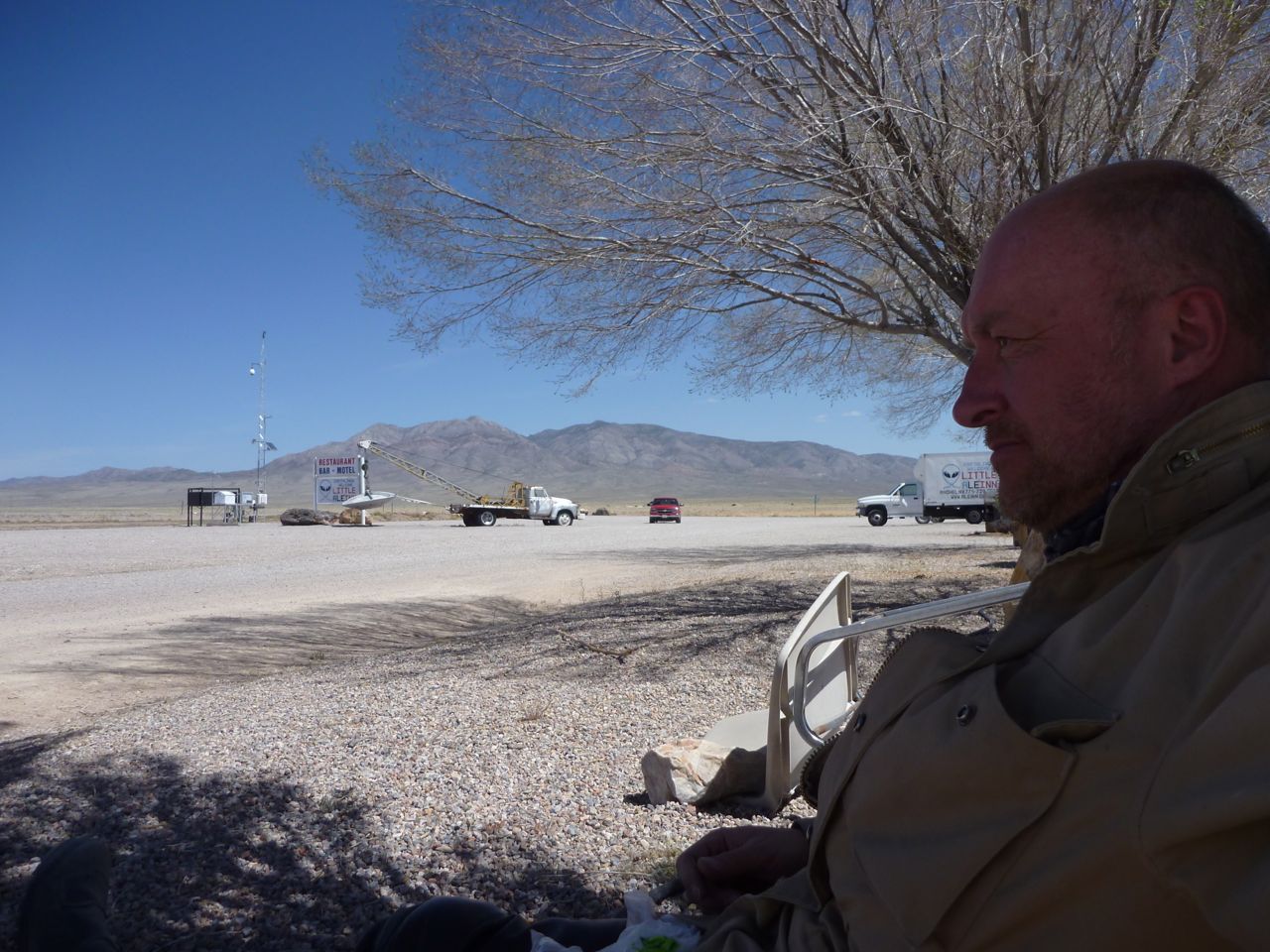
I find some welcome shade to eat and drink. I’m heading over those ranges in the background on a 60-mile dirt road. Let’s hope it’s cooler up there.
nv-33
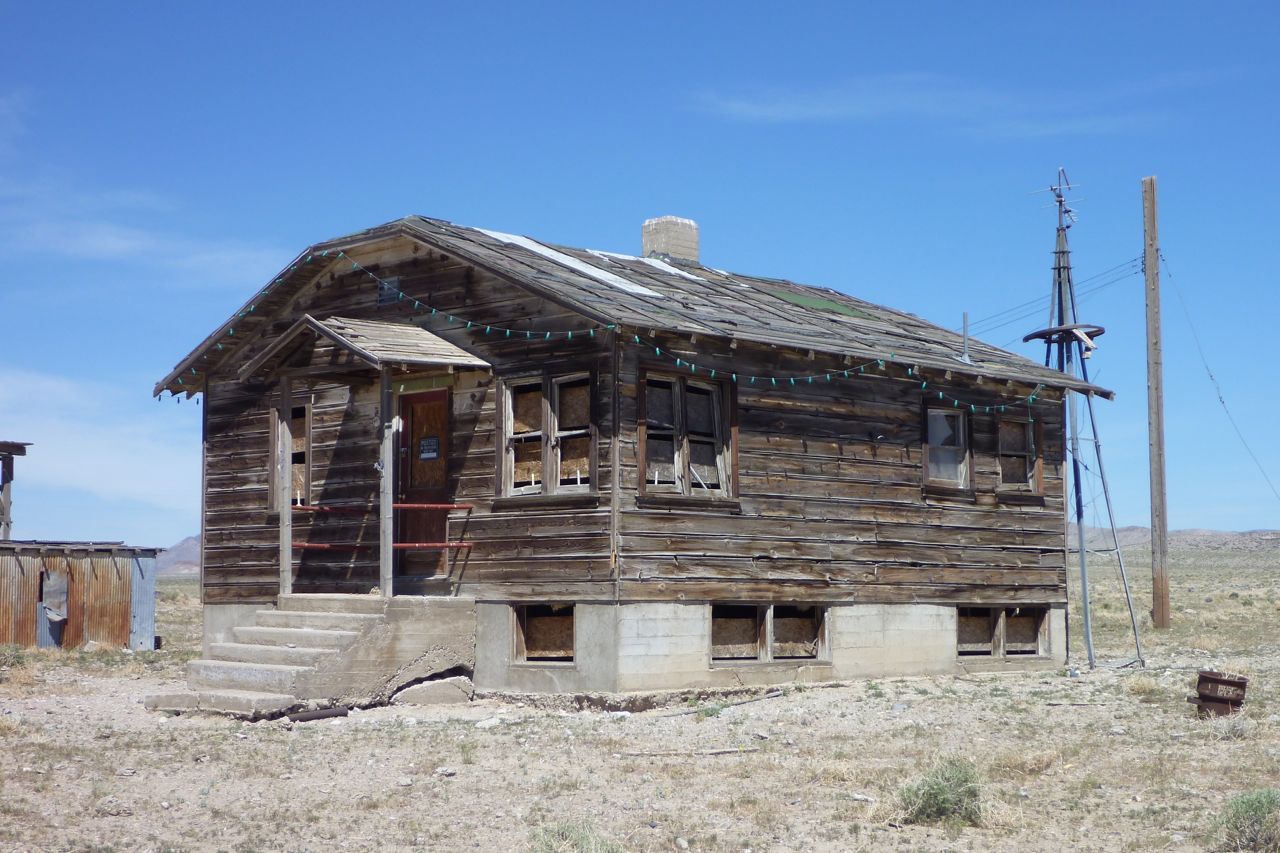
It’s an old ranch house (though in fact these dilapidated old cabins are all over the west). I notice they call the bigger ones ‘stations’ out here too.
nv-34
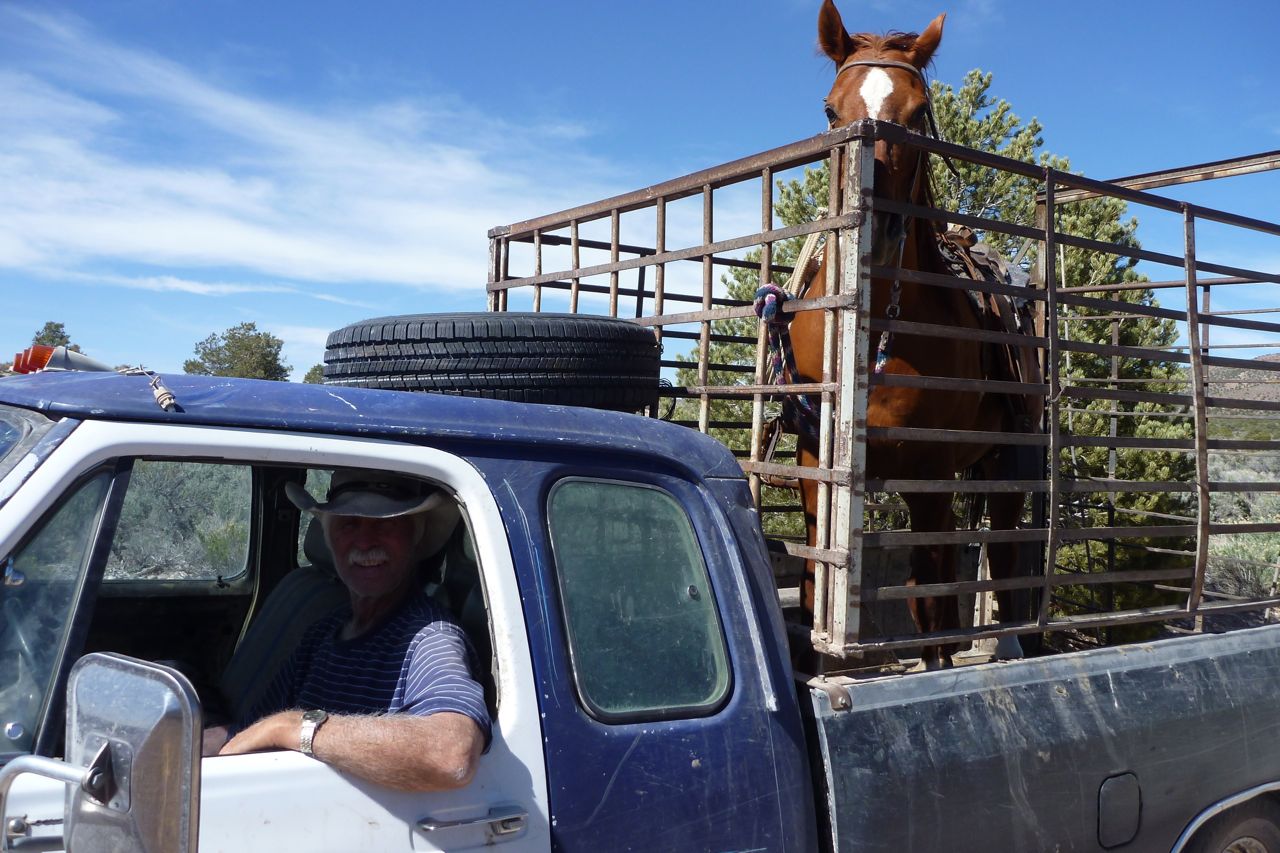
I meet a man taking his horse for a drive.
Yes the road goes over the pass and down the other side, he reassures me.
Are those ass-filled chaps you’re wearing there, son?
nv-35
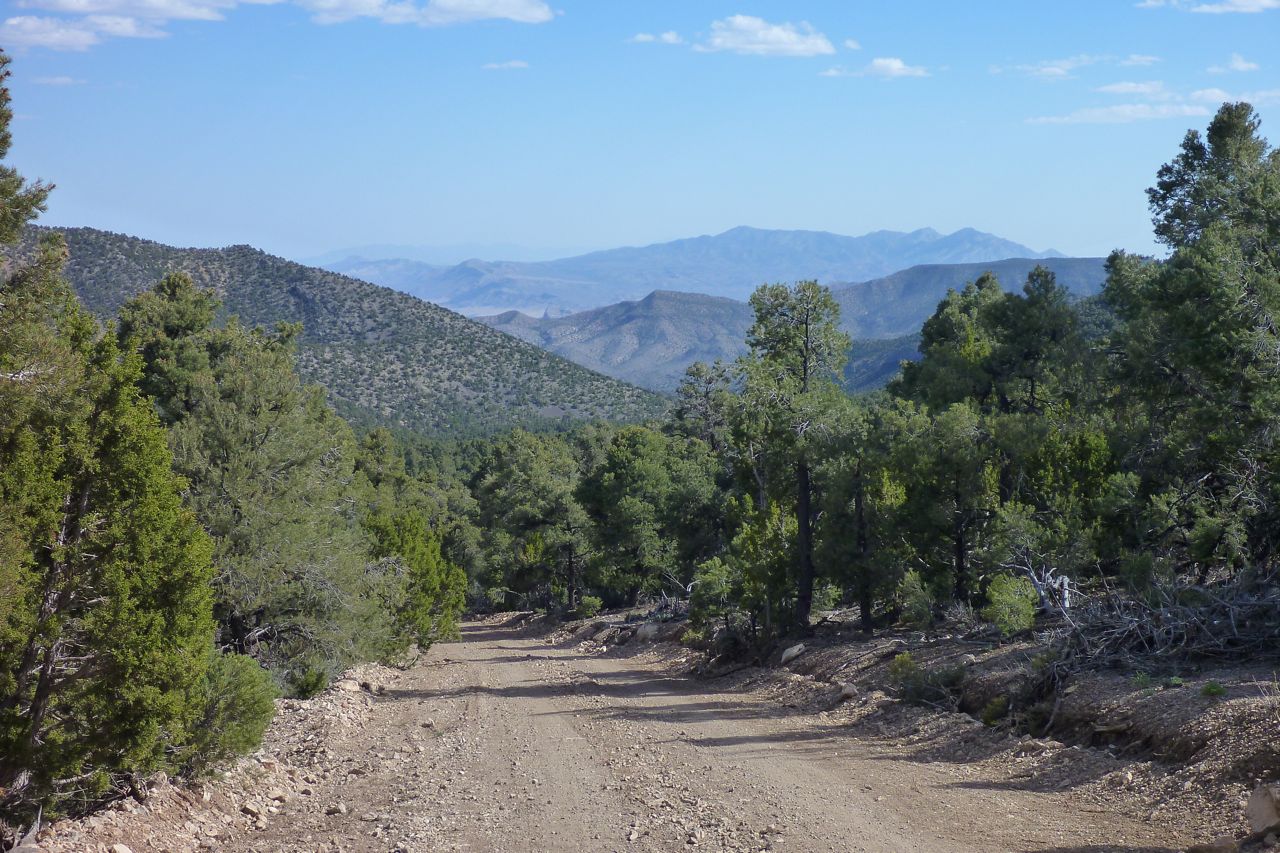
Did I say it was hot? It’s a tad gnarly too, and the Honda struggles with its wide road gearing on the dirt.
Some climbs I’m in first and have a few front end moments.
I ride watching the temp read-out and when it gets to 100°C I turn it into the wind for a bit.
I may put in some thicker 10-40 oil in Moab. Nice views up top, but.
nv-36
Down the other side I coast to cool the motor.
I tell you I would have been in a right old muddle up here without the Nuvi, even though it cuts out a lot from the vibration. My Nuvi only shows dirt roads when you ‘Go To’ but was still $70 well spent.
Tracks in all directions, you see. You still need the Benchmark for planning though.
nv-37
Out of the hills and I need a drink right now.
My head is nearly as red as the fuel can.
nv-38
Coming down to the highway I see either a blue wall of some kind of lake. It’s Lake Nesbitt! I ride right through the gate for a mini wash. That’s better; time now to look for a motel. I am shagged out.
nv-39
Down in Ash Springs its 82 mpg at the servo. (98 UK)
Amazing but then that’s why one compromises on a 250.
Though on the dirt it’s no compromise at all.
The man recommends the Alamo Motel down the road: great spot and a friendly guy.
Later I wander off to the gas station for a treat and find a huge supermarket/hardware/cafe/auto store/green grocer/bakery behind the counter.
In a little two-motel town? I suppose like a loan, they consolidated all their stores into one manageable item, bigger than my local Safeways.

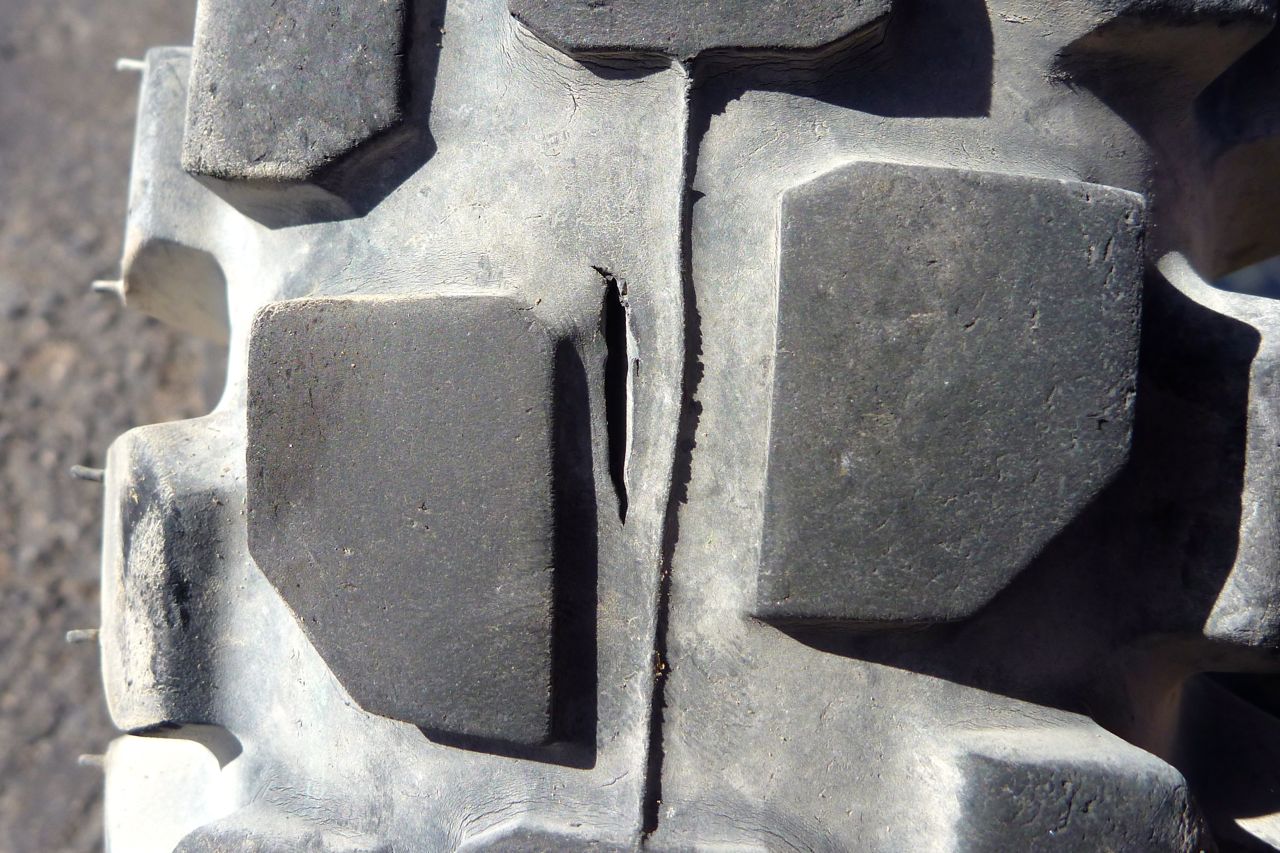
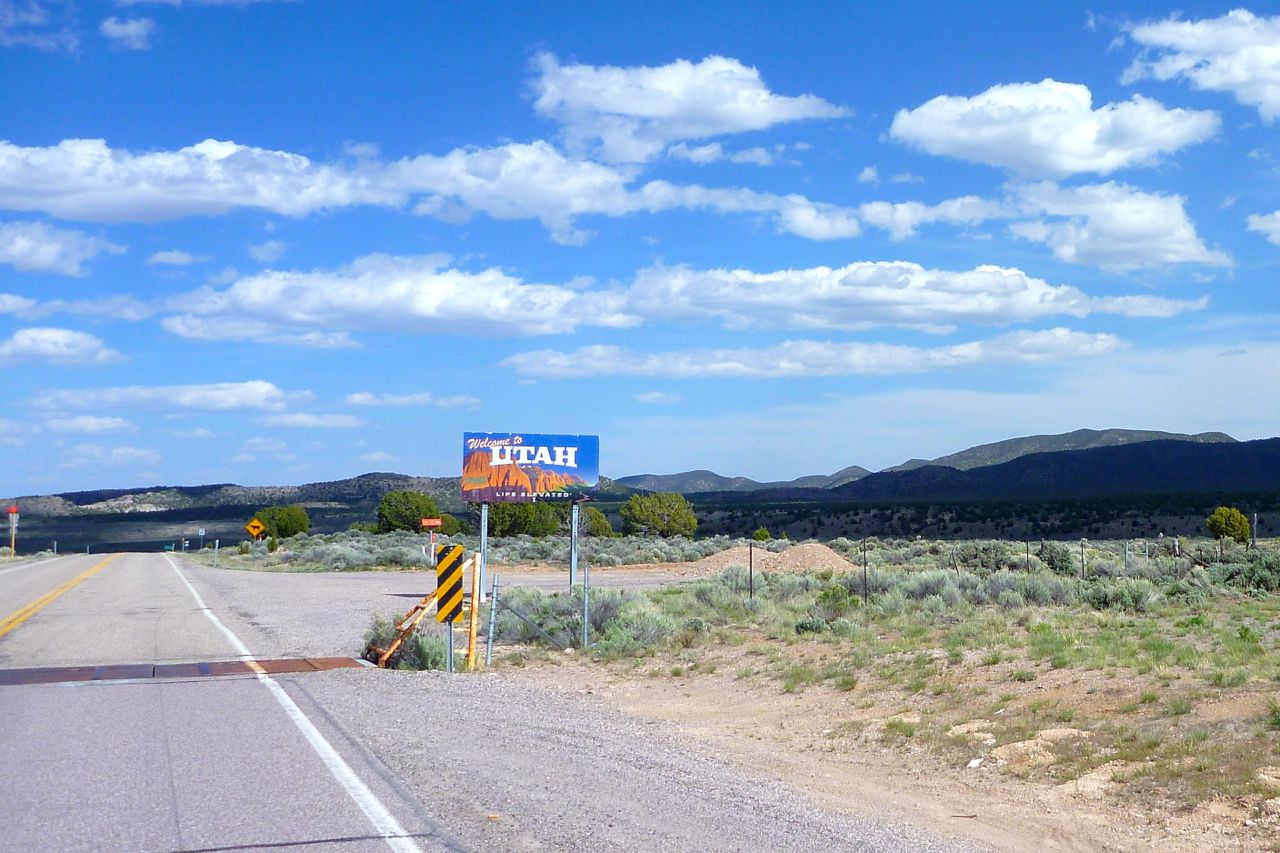
Today I had a great ride planned over to Utah, crossing the border on a 80-mile dirt road. But as I check on the state of the back tyre I’m not too surprised to see a nasty 2cm gash in the middle of the tread probably picked up on that ride out of Rachel. I’ve already ordered a new tyre to arrive in Moab c/o a helpful advrider, but looks like I better stick to the highways across Utah or I’ll end up like Everett Ruess. Luckily south Utah is not the worst place to be stuck on a road. I marked the gash to see if it grows, as they can do. If it grows too fast I make have to think of something else before Moab.

nv-tyre
Nevada border - report ends.
Nevada border – report ends

I hear that train a comin’
It’s rolling round the…     
SHUT TF UP!!!

Next: CRF Mile 3221: ‘Doing Moab’

CRF250L – tuning an EJK fuel controller

CRF250L INDEX PAGE

cf95

My bike came with the commonly fitted Stage 1 performance kit: an EJK fuel controller, FMF Q4 pipe with MegaBomb header, drilled air box sides, spark screen removed from air filter element and a 13T sprocket. All probably great for recreational dirt biking; not so well suited to slow backroad touring where fuel economy and not breaking something is a priority.

cf-throtmark

To help ensure the former I’d done my old trick of marking the throttle (right) to see at a glance how open it is. In a headwind or on a gentle upgrade it’s possible to not realise you’re unnecessarily WFO,  bogging the motor and possibly wasting fuel.

cc-airbox

Before I even rode the bike I refitted the original 14T, and after a dirt ride in the Phoenix hills I knew that FMF pipe had to go too, even after we tried quieting it. I was also not so keen on extra holes in the air box sides; that’s the last thing you do for long-range desert riding, though apart from sandstorms, it’s trailing others’ dust that’s usually the problem.

So when I left Phoenix I was on the original heavy but quiet pipe, the non-standard air box holes taped up but with the EKJ programmer unmodified (i.e.: still set at Stage 1 settings). I kind of hoped the ECU might deal with it, but realistically expected the bike to run rich now it was ‘choked up’ to near original specs. Heading into Nevada against strong winds, sudden increases in elevation, a full payload and little experience of what was normal, it was hard to tell how the bike was running but it didn’t feel fabulous. After a couple of days blown around at 55mph and with mpg as low as 42US (50UK) and even just 54US (65UK) while coasting  5000 feet down to Death Valley and dirt road plodding, I was ready to try something and improve things.

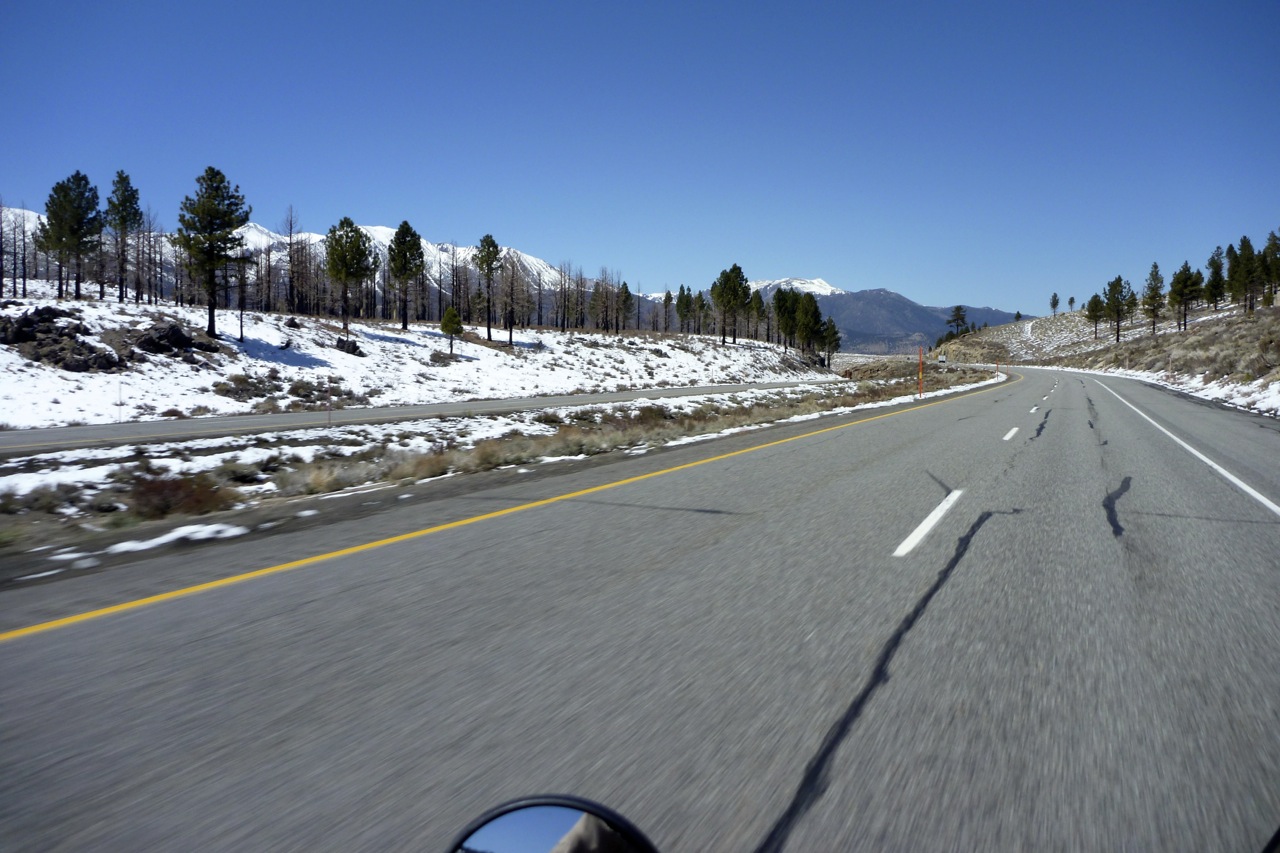
After Death Valley I pulled off the air box tape and immediately thought it ran better. Sure enough, the bike climbed steadily along Highway 395 from 4000′ to nearly 8500′ in the Sierra Nevada after which I stayed at 7000′ most of that day at up to 65-70mph. The tank was now returning 58US or 70UK mpg, peaking at 73US/88UKmpg around Lake Tahoe. That was more like it.

cc-airfilt

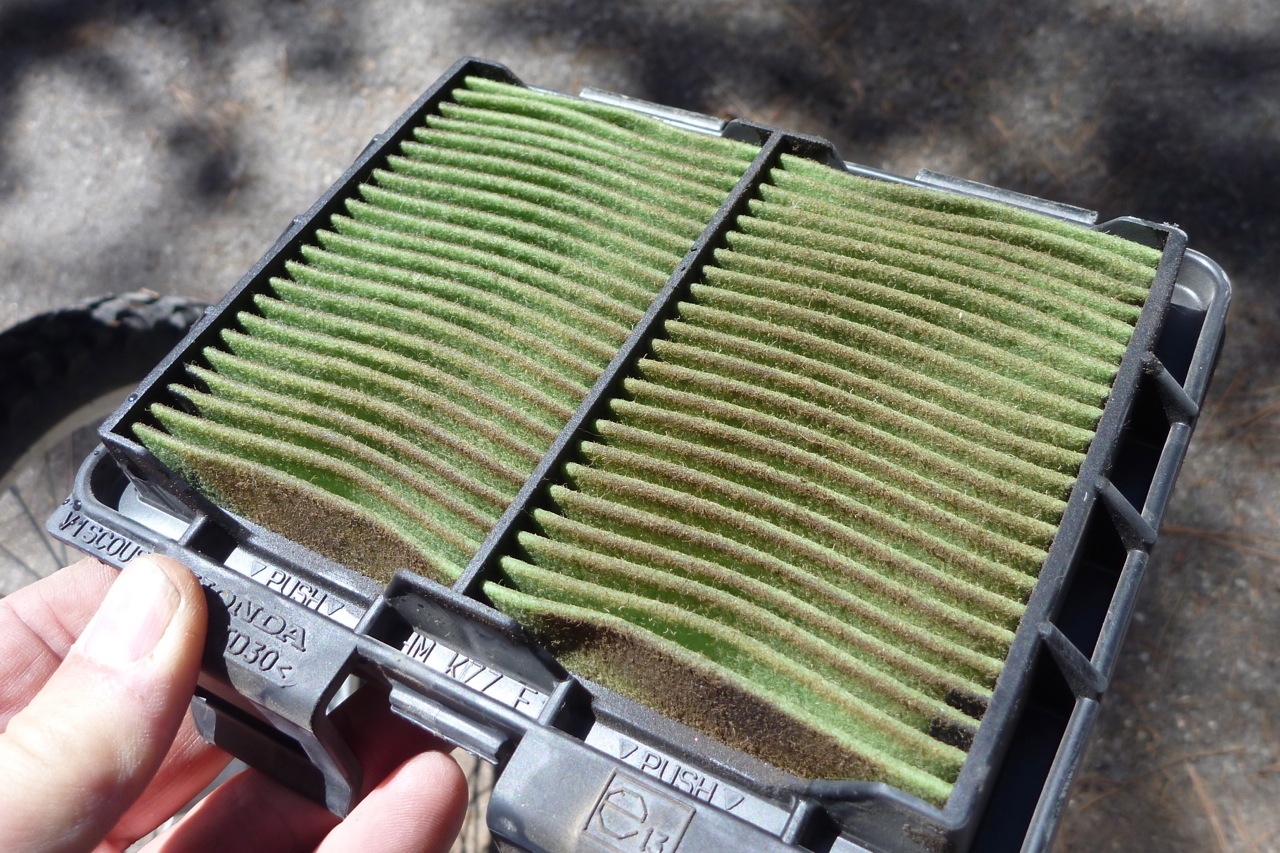
I could have left it at that, but preferred to tape up the non-standard air box holes to preserve the air filter which was already a little grubby (right), having followed Al on his KLX250 and Christian on his KTM950 along dusty dirt trails for a couple of hours. This of course would require leaning out the EJK programmer which was initially confounding; I’d not come across these ‘black boxes’ before.

In fact they are exactly what they claim: an ‘electronic jetting kit’, just like swapping jets, needle heights and float levels on a carb to get your bike running better following performance mods or as a response to radical altitude variations.
Only now it’s done by simply pressing buttons on a black box to tune three fuelling modes: cruising; acceleration and WFO – as well as the rpm ‘switch’ point between those modes. Importantly the EJK (Gen. 3) only increases fuel delivery (richens) – it does not lean out the Honda’s original settings which as we all know are probably leaner than a kangaroo steak.

ejkgraph
cf-ejkred45

It took me a while to get my head around modulating the EJK, not wanting to bugger up the settings and end up with the CRF running like a tractor. The online guidelines, videos and users’ versions were a little unclear or contradictory, but once you’re pretty sure what to do, it’s easier than most TV remotes. One source of confusion is the so-called ‘yellow’ light mode (acceleration) which is more orangey-red (left) although red (wide open, max power) is clearly red.

crf-dobe

I presumed my EJK was on the Stage 1 settings as shown left:
3 cruise, 3 acc, 6 WFO with switching at 5, 4 and 4.5.

An email to Dobeck who make EJKs (my red unit is branded ‘FMF’ but is an EJK) came back with a very quick response suggesting: 1.5, 1.5, 2.5 and with the switch points unmodified.

So, running at tickover, Light 1 flashes slowly in green; blip the throttle and it flips up to three green lights then down to one or two green lights.

Press the Mode button once and you should get three green lights flashing quickly (‘3 cruise’ Stage 1 setting). It means the green mode is live and ready to be modified with the + or – buttons to either side. But as Dobeck admit, the sensitive Mode button can jump to the next ‘orangey-red’ yellow phase. No worries, either scroll  through the other 5 modes by pressing Mode until it comes back round to 3 greens flashing. Or do nothing for a few seconds and mode change will deactivate and revert to whatever the settings were.
There is nothing to be risked pressing Mode to see what happens or just to establish your settings (mine were indeed set at ‘Stage 1’ as above). Only pressing + or – buttons will modify things. And of course best of all there is no need to plug into a laptop, smart phone or remote programming device; it’s a self-contained programable unit.

cf-ejk2lits

Once I understood all this I went back to first three green lights flashing in Mode live, and pressed minus until it was flashing green between lights 1 and 2 which equates to 1.5 as Dobeck suggested.
Press Mode again and the same setting change for yellow (orangey-red) mode. And then Mode again for the big drop from wide open red (which I rarely use) from 6 to 2.5. As mentioned, Dobeck recommended not changing the three rpm switch points so that was it. Once understood it took less than a minute. After cleaning out the dusty air box and greasing the inner surfaces to catch dust before it got to the element (below left), I taped up the six 1-inch holes on the air box side lid and went for a run.

cc-greasebox

I’m at 5500 feet right now, among hilly backroads and it was a chilly morning, but a short run showed the bike running a little quieter (less induction throb with the taped airbox) while it cruised and accelerated up to 65 as well as ever, if not better.

The Dobeck man did say running stock with his suggested settings would improve torque and that was my impression (or it’s what I want). The next few mpgs will tell; I’m expecting it to stay at around 60USmpg (73UK) or above – just what you’d expect from an efi 250. To optimise everything I may even nip over to Reno and buy a new air filter element (but then grind off the restricting spark screen, as most users do).

When efi came on the moto scene some complained that meddling with the fuelling was no longer possible. Clever techy types soon came up with aftermarket software to do just that, but the foolproof, self-contained, adjust-on-the-fly EJK black box has got to be the best tuning solution so far. Off course it cannot alter timing to deal with very low octane fuel in the AMZ, but the CRF-L runs a low-compression engine that needs only 86 RON or more. That leaves ECU-generated error codes disabling the bike, but again the Honda seems simple in this respect. Certainly swapping pipes didn’t cause the ECU to flip out and anyway, it seems lately that vehicle manufacturers have learned their lesson and ‘limp home’ modes (where present) are only implemented as a last resort.

cf99

Finally you ask, is the EJK as it is set up now substantially better than the stock bike? Is it worth spending $225 without taking the full Stage 1 route which includes modifications less suited to overland travel? I guess I’d have to ride a stock CRF alongside my current bike to find out but I suspect there’s something in it – perhaps 10% more power with fuel economy barely altered, compensating for the stock super-lean fuelling. If an EJK hadn’t come ready-fitted to my bike I’m not sure I’d have bothered; if I wanted more power I would have bought a bigger bike. But as it is now I’m pleased it’s there and is so easy to retune further down the road. It seems to run about the same as the press bike I tried in February, but as said, I suspect that bike was tuned a little above standard and possibly as result returned fuel consumption a good 20% below what I’d expected.

Next day I follow dirt tracks over to Reno, highways out to Virginia City and back on the freeway (no luggage or screen: 69US/83UK ;-). 

I promise not to go on about mpg anymore…

CRF250L Mile 949: California

CRF250L INDEX PAGE

Oops, wrong Twain.
Oops, wrong Twain.

Wasn’t sure where I was heading today other than up Highway 395. I had two days to get near Roseville near Sacramento for a talk at a moto shop. Al had recommended a ride up to Mammoth Lake and I wanted to check out Mono Lake which I’d read about recently in Mark Twain’s Roughing It.

First I needed to find a new o-ring for the Leaking Containment fuel bladder, or better still a regular red plastic fuel can. I’ve lost faith in the LC. It’s definitely the answer for occasional use, but not every bleeding day! I was getting tired of petrol splash. A rigid can may be more bulky but will be easier to lash down securely. Anyway, a guy at a tranny shop in Bishop gave me a seal and up the road a couple of Subways would placate the day’s appetite.

cc-airbox

Just after I’d left Big Pine I remembered to deploy Plan B – untape the extra holes drilled into the air box to lean out the mixture. My immediate impression was a bit more induction growl and perhaps it was running better – hard to tell for sure as you always think that with more noise. But out of Bishop on the long climb from 4000 to over 8000 feet the L was indeed trucking along and headwinds notwithstanding, was touching 70 on the downgrades (all speeds are true, read off the Trail Tech not the under-reading Honda speedo).

cc-highsierra

By the time I got to Mammoth town I had some power loss but I’ll accept that – I wasn’t feeling so sprightly myself. Mpg at the servo clocked in at 58US or 70UK – that will do nicely. The snow barrier was only a couple of miles on at around 8500′ and to me was just your regular alpine scenery – pretty enough but nothing very Yosemite on this side at least. I swung back down to the 395 and continued north sitting at around 7000′, snuggly wired in to my Aero Kanestu vest. Where yesterday I could barely crack 40 now it was pulling up to 65.

cc-mono

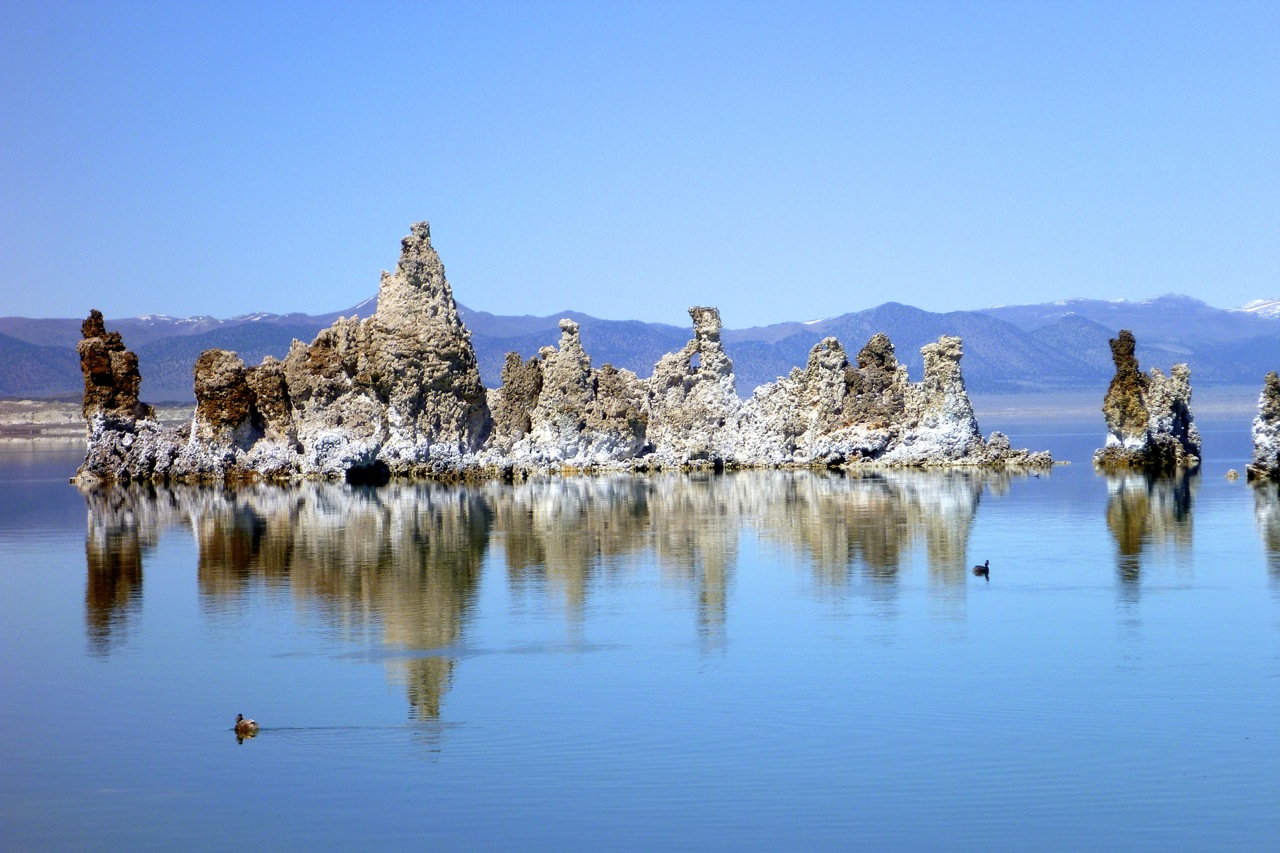
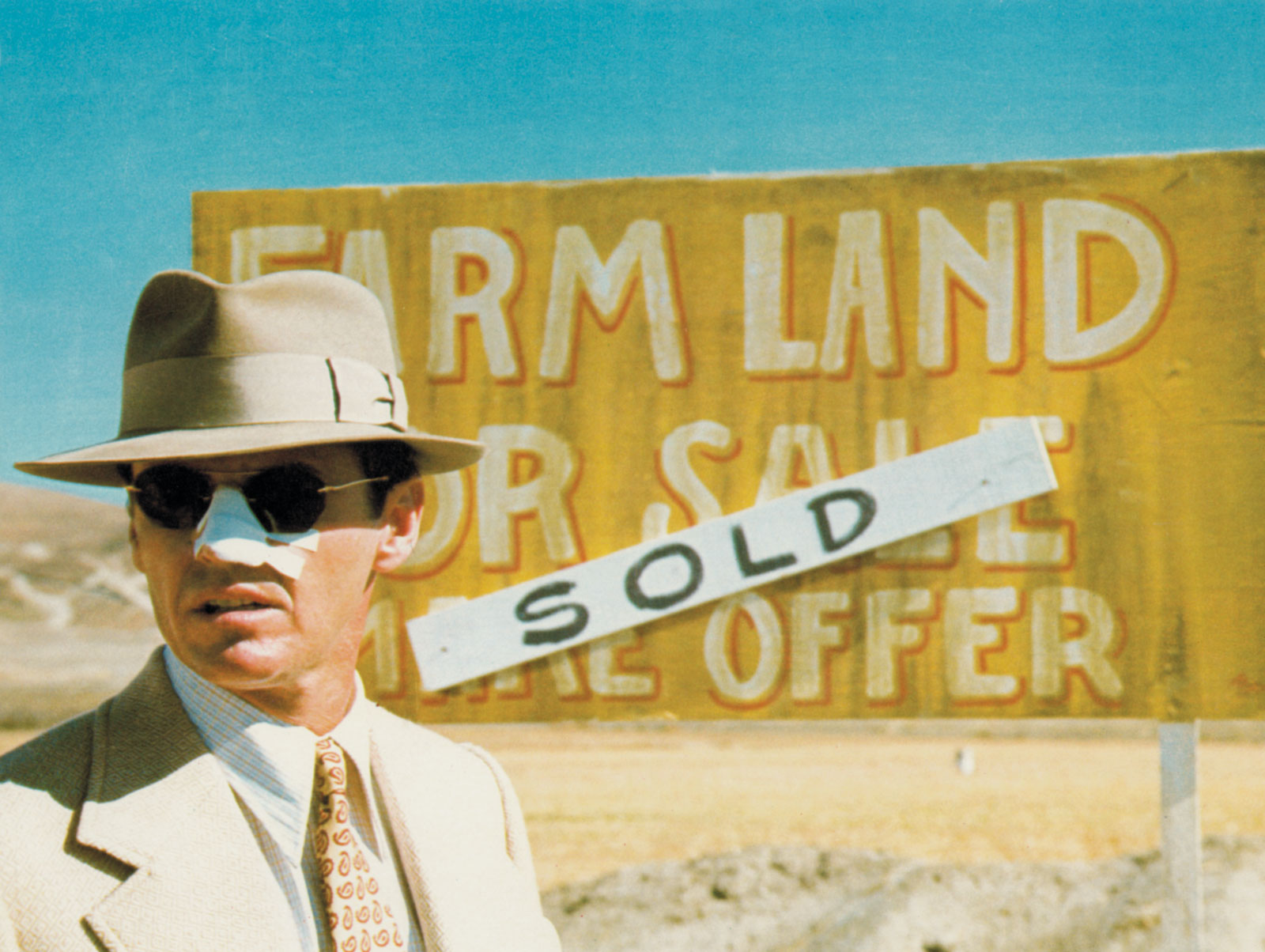
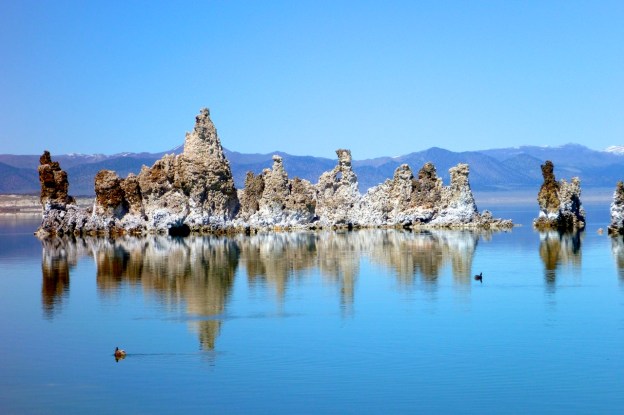
Mono Lake was an eerie spot, if for no other reason than the wind had dropped out of sight. The strange tufa columns exposed after LA’s water department drained half the lake in the 1940s added to the ambience. I’m sure the Owens Valley was mentioned in Chinatown, set in that era just as LA started booming.

chinatown

That’s the great thing about riding around the US of A; from The High Chaparral to Breaking Bad I’m as steeped in modern US cultural iconography as the rest of the world. It’s not unusual to find a place that’s in a movie, a TV series or mentioned in a great song. The fabulous theme from Chinatown itself is surely in that category.

c3-monoarmlake

Al had suggested I swing out to Bodie ghost town but I wasn’t sure of the fuel situation, having given my bladder a day off. Plus I don’t think I’ll be short of ghost town action on this ride. Instead, I filled up in Bridgeport where mpg was still a promising 58 and where they advised I head another 40 miles plus two feet over the border to Lake Topaz Casino, NV, if I wanted cheap lodging. I set the satnav but a few miles up the road a dirt track heading in the right direction caught my eye. Shall I, shan’t I, it’s getting late, WTH, let’s do it – satnav suggests it’s only an 8-mile detour.

c3-tpoazing

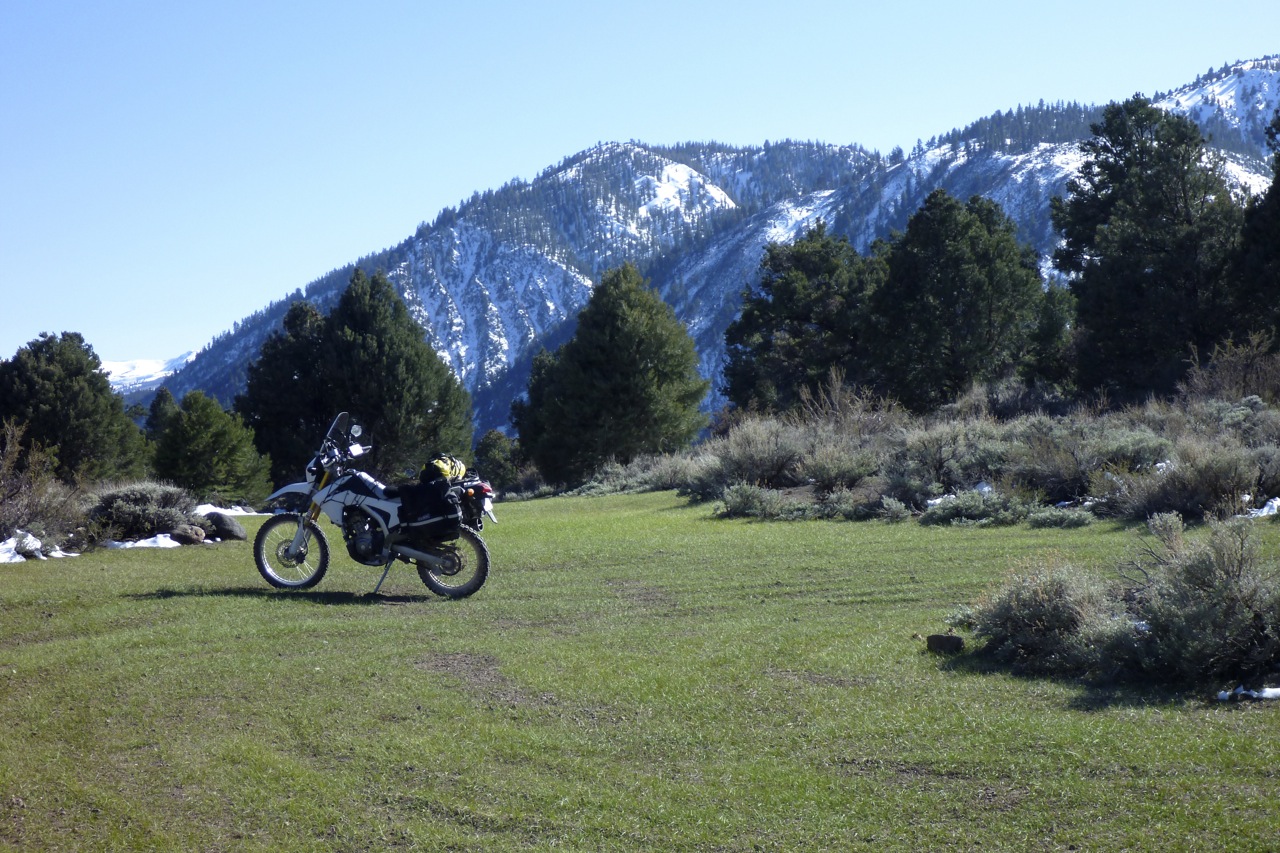
There’s got to be a name for the sort of dirt you get up here in the high pine country – a kind of sandy loam that agrees very nicely with the L’s tyres. Soon I passed a parked up MAN overland truck – Germans to be sure saving a penny and having an adventure. Then up ahead I came to a flat grassy clearing and wondered should I camp – this nightly moteling is getting expensive after all. The place was on a pass, exposed and with little cover from the wind, but dry and with some firewood. I dithered and looked for a sheltered spot but then checked the satnav again: 8034′ – I don’t think so. It will freeze for sure and with only my flysheet for a tent I’d spend the night huddled against the chill. It will warm up somewhere sometime soon.

cc-highcamp
Chilly camp spot

Down the far side of the pass there were still patches of snow and muddy ruts to navigate. I came across an even more idyllic pitch at only 6500′ plus tree shelter and snow to melt (above). And like the other place, there was not a speck of rubbish. Well it’s good to know these places are out here.

I carried on downhill through more mud and snow and rock falls and had a mini panic when at 8 miles it was another few miles of dirt. But round the ridge and riding along the  top, down below I could see the road to Topaz that I was cutting around.

redwood

Pleased with my late afternoon adventure, I pulled into the casino which was no real bargain at $70. Plus it felt like the sort of place I’d want to take all the luggage indoors.

chvronlogo

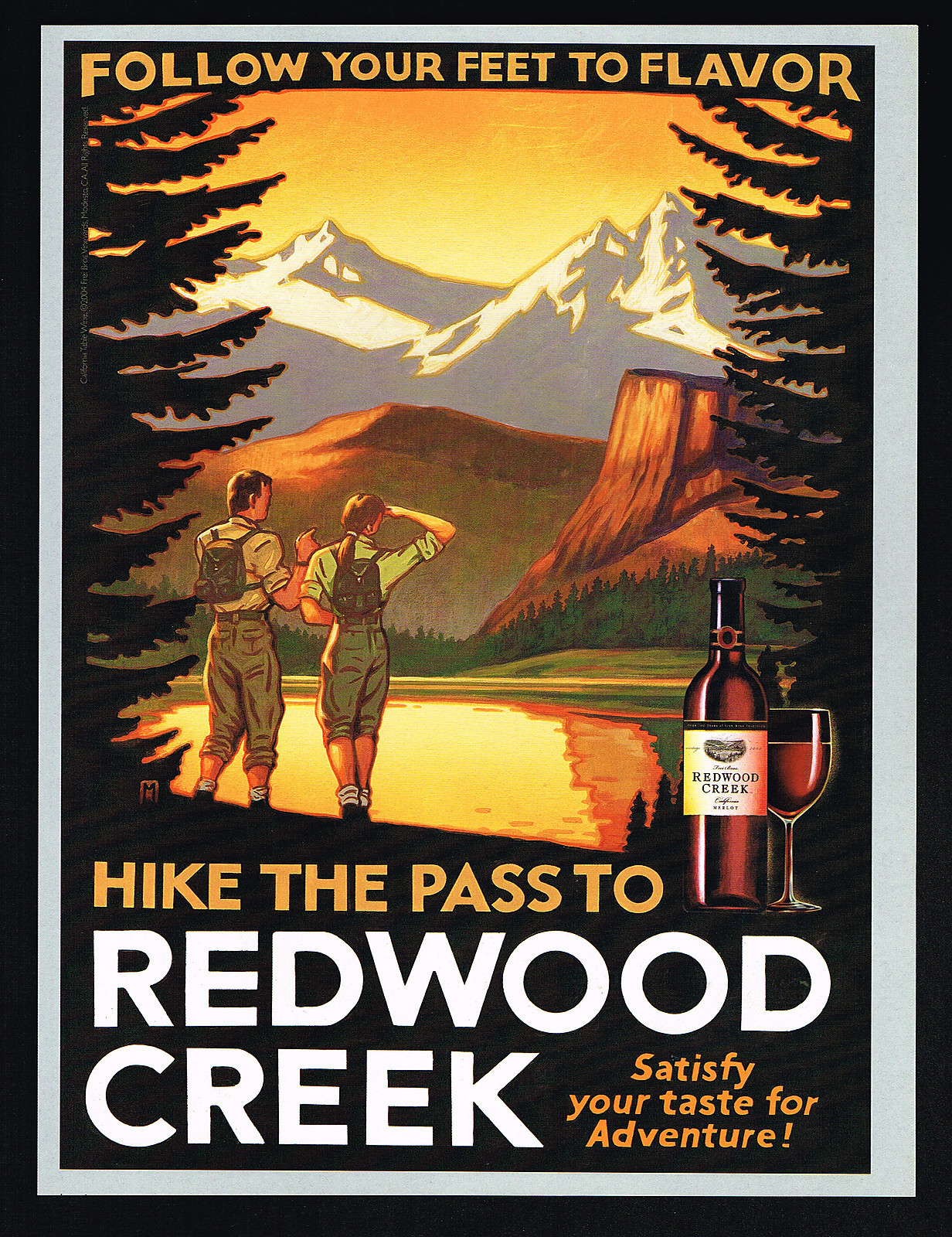
Next day I chose to forsake the Chevron and take off up over US89 towards Lake Tahoe, but soon regretted it when the two villages up the road weren’t serving fuel. Let’s see if the satnav can help. “7-11, Gardnerville Ranchos, 12.3 miles”. So it was, plus a quick snack and then over the windy pass into Lake Tahoe’s pine-rimmed bowl where the air was sharp enough to slice week-old tomatoes and the scenery redolent of a Redwood Creek poster.

cc-embay
cc-tahobend

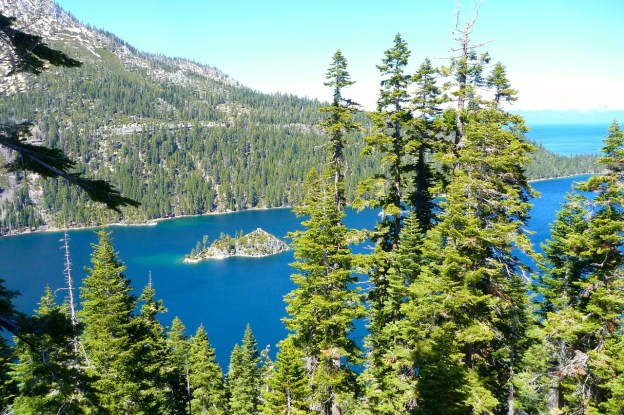
I pootled round the east shore, past glittering Emerald Bay, ending up at a mate’s cabin out of Truckee, scoring a record 73US or 88mpg on the mpg-o-metre. Opened out airbox holes have fixed the mpg and power. Now I have to fix the air box holes.

Before I had a chance to do that, Christian insisted we go out for a burn up in the woods, him on his 950 Adventure. OK then. Unhitch the bags and off we go – me soon eating dust spun off his TKC as wide as my head. As before on the dirt, the  Honda’s wide gearing was exposed and so was the harshness of my jacked-up rear shock (see this). Still, I’m not complaining – the bike is as light as a feather and the preload is keeping the loaded bike level. Too hard is better than too soft. Plus I’d just read on Thumper Talk that Hyperpro in the Netherlands have brought out a fully adjustable shock for the CRF (unlike Race Tech’s basic unit). So it’s there if I want it.

cc-cpel

The little L was being hung out to dry by the KTM, but that 950 has got to be running five times the horsepower with only half as much weight and top-of-the-range suspension. A decent shock would sure improve CRF-L dirt riding at this sort of pace, but it wasn’t all bad; I was lucky enough to have a few days’ house sitting for Christian – a chance to reorganise and sort out that fuelling once and for all.

Next post.

cc-splash

CRF250L Mile 498: Into Death Valley

CRF250L INDEX PAGE

cc-longroad

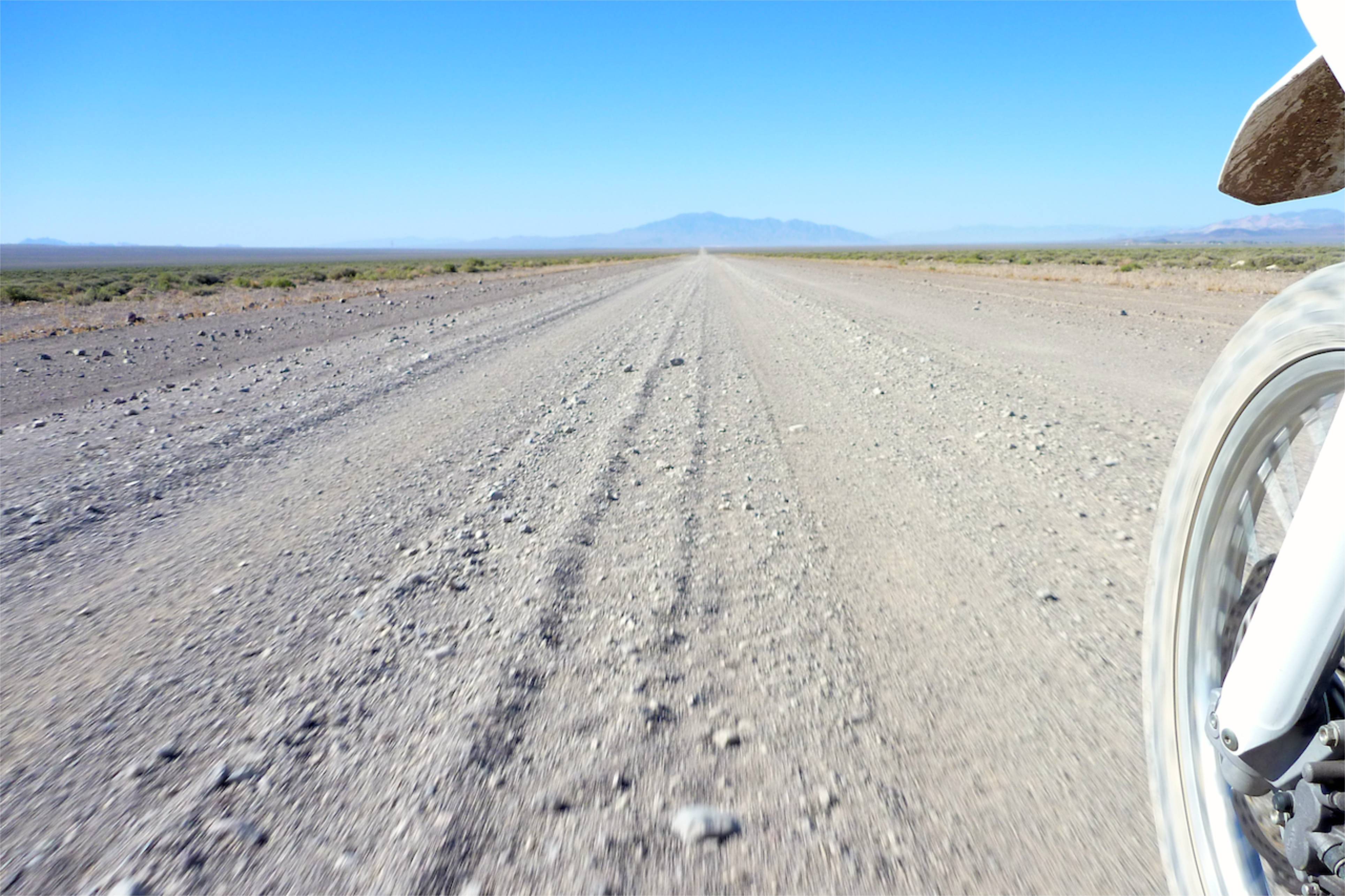
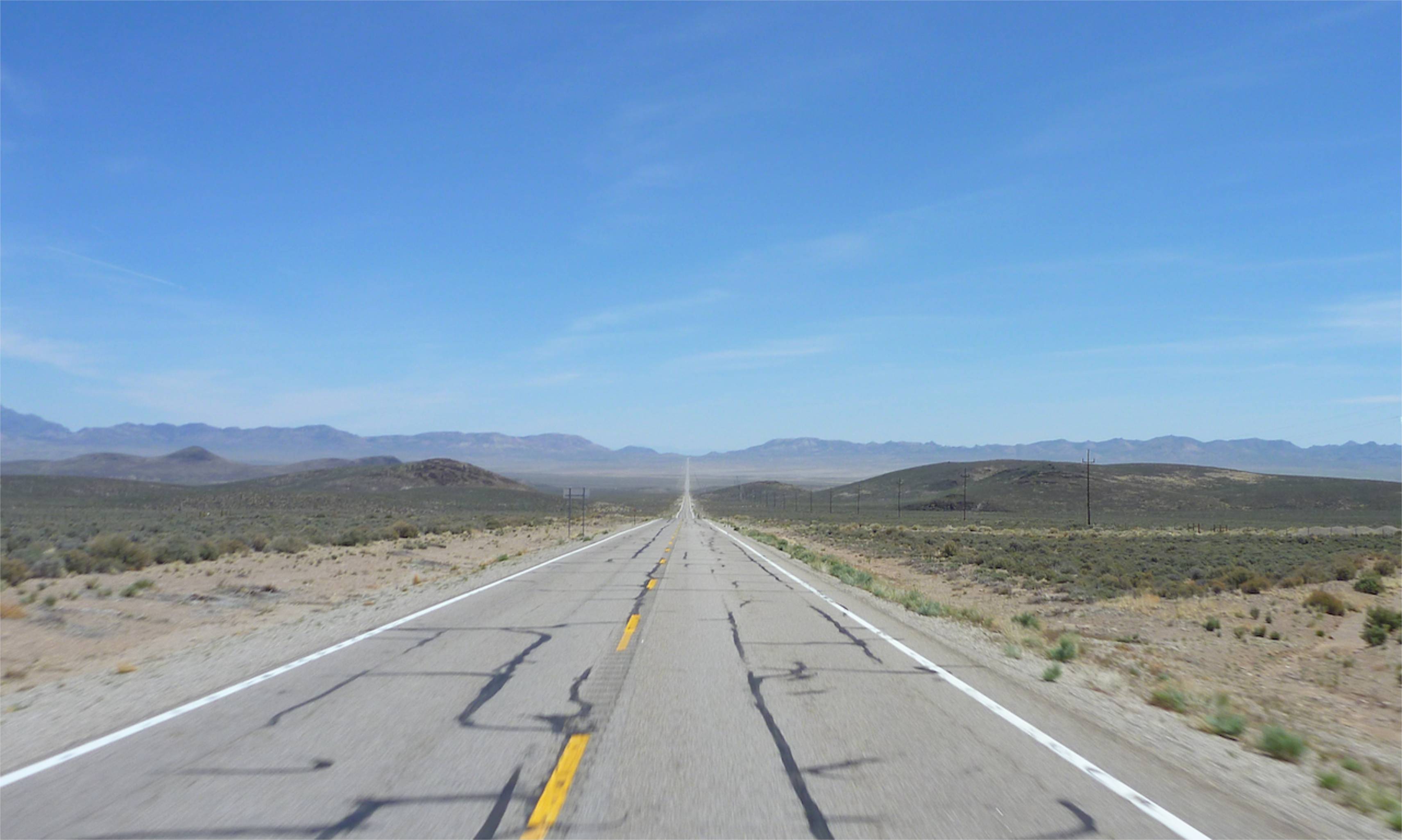
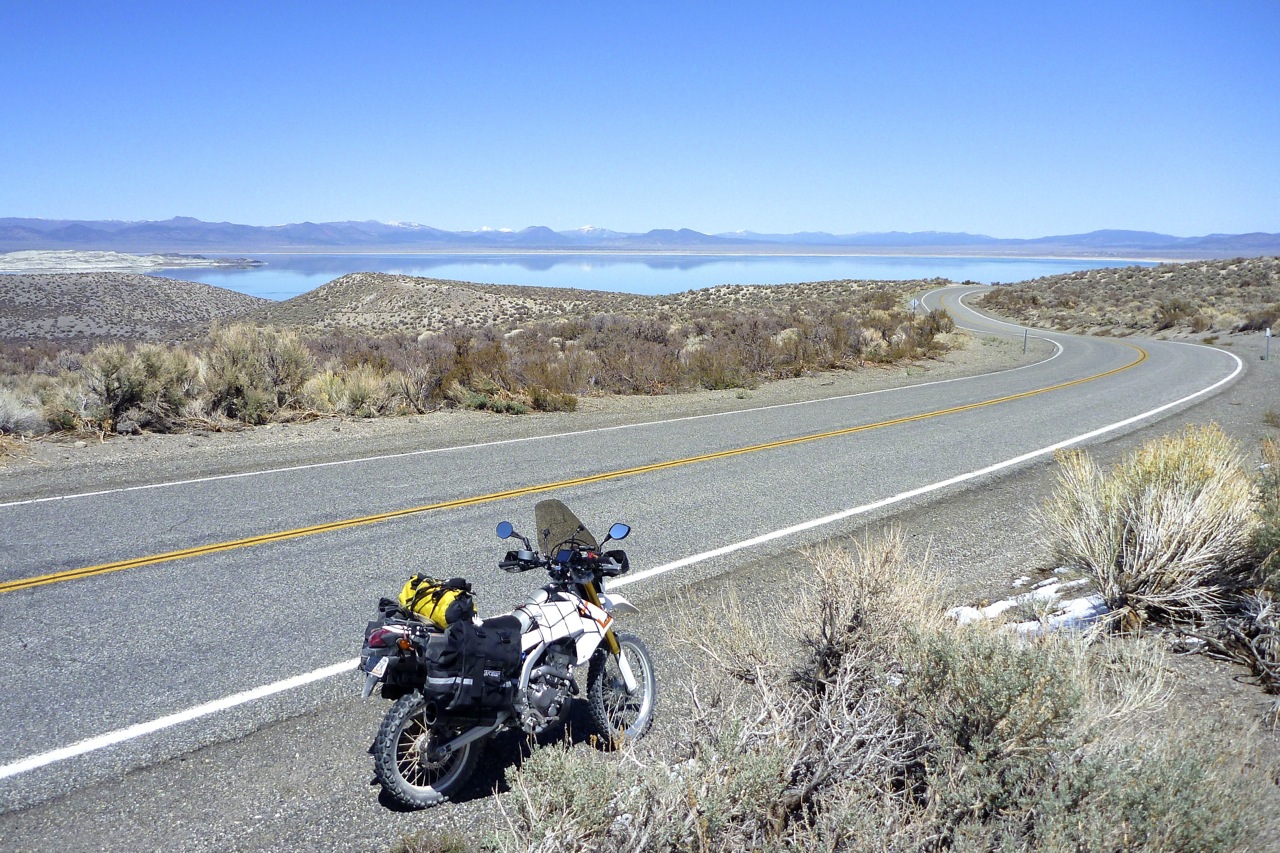
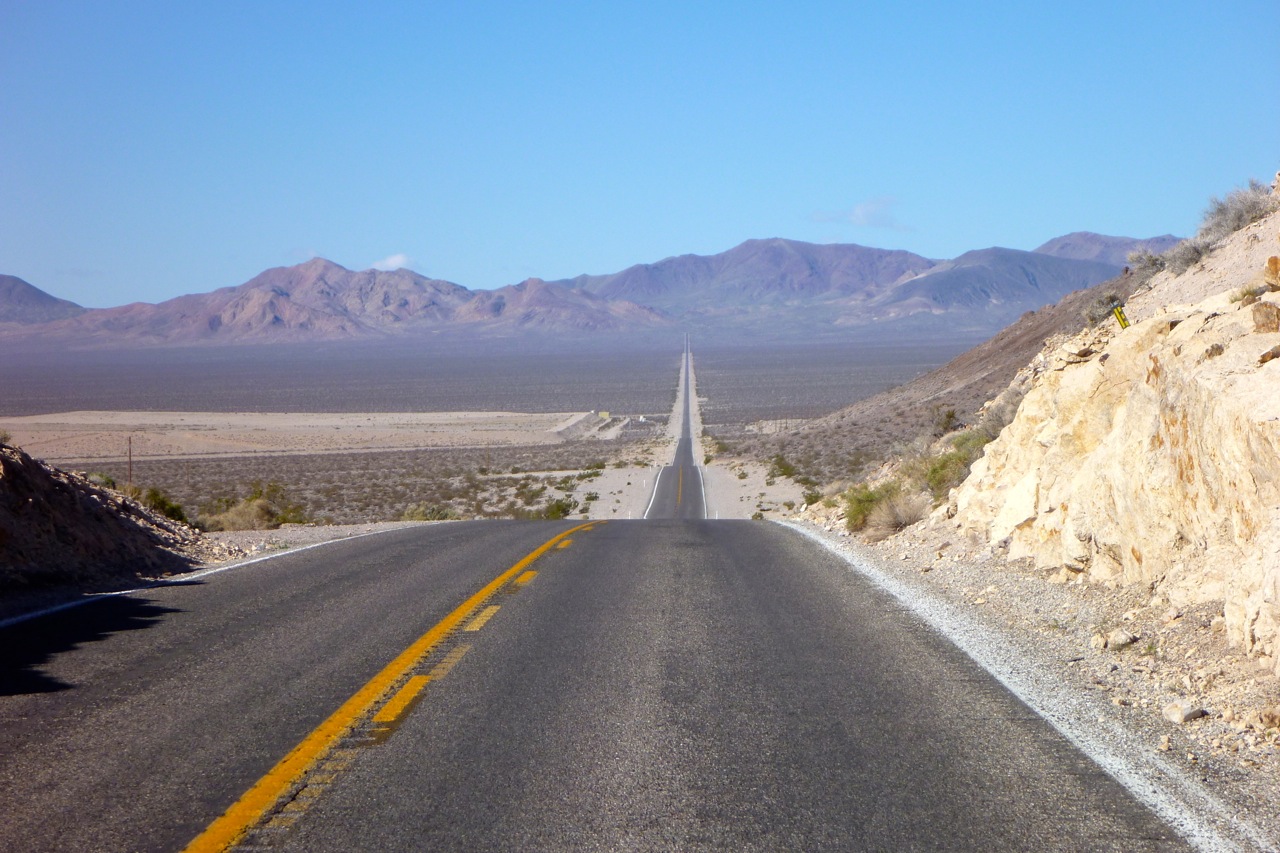
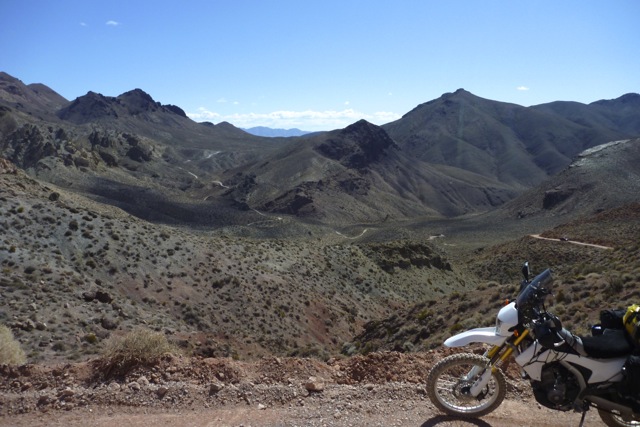
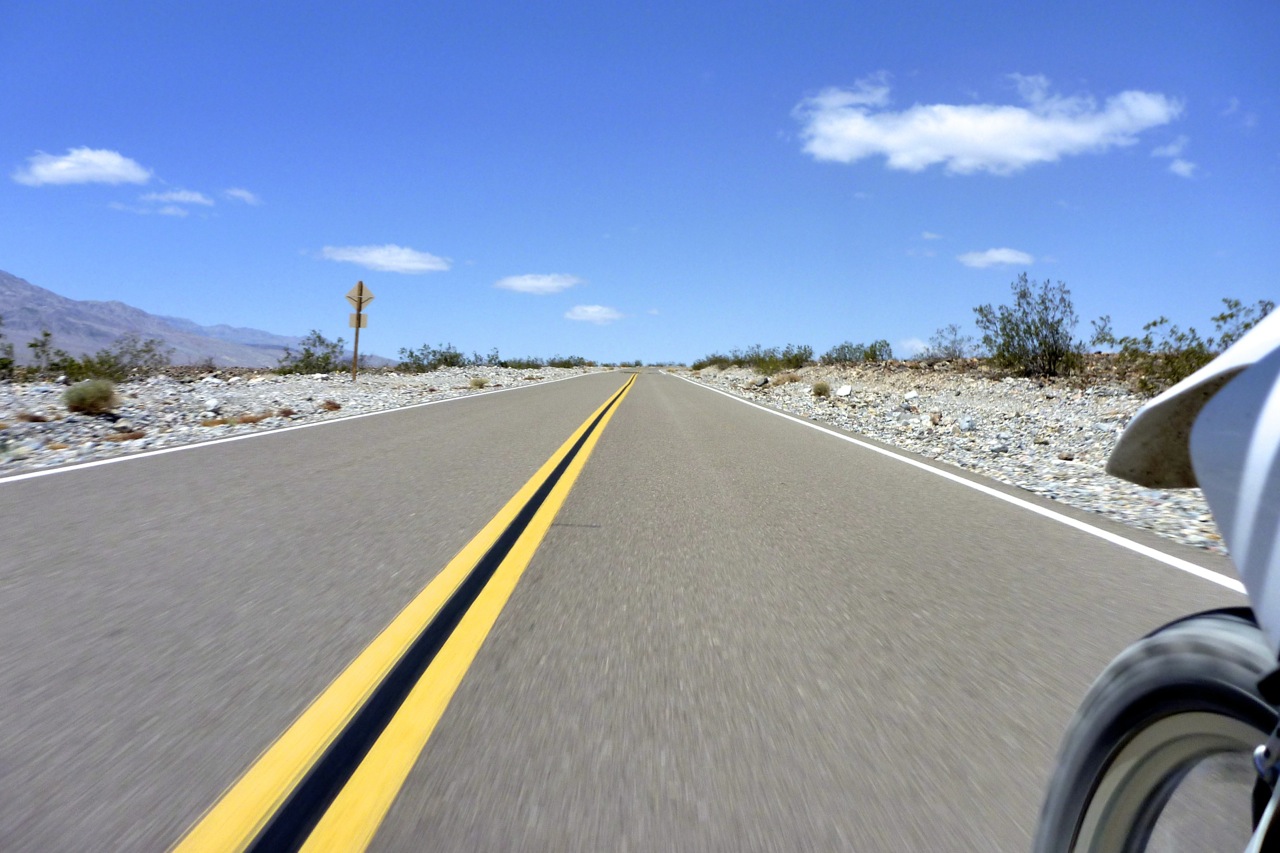
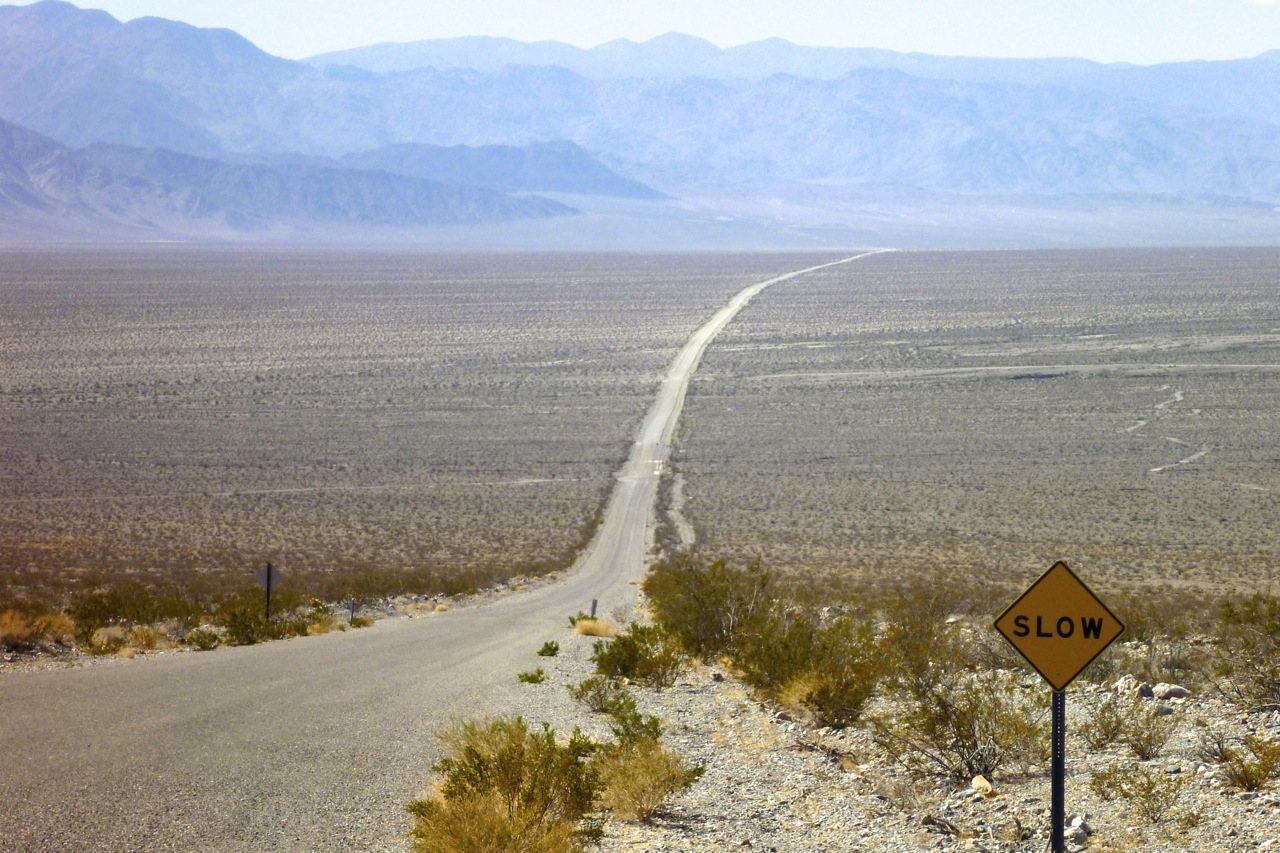
You can tell from the picture on the left that today was going to be a good day. An empty road reaching across the high desert to a vanishing point in a distant mountain range. Winding my way through Titus Canyon to the other side of the hills, the land dropped to below sea level – Death Valley, where I’d turn north over more dirt roads and ranges to Big Pine in California’s Owens Valley.

cc-hotel

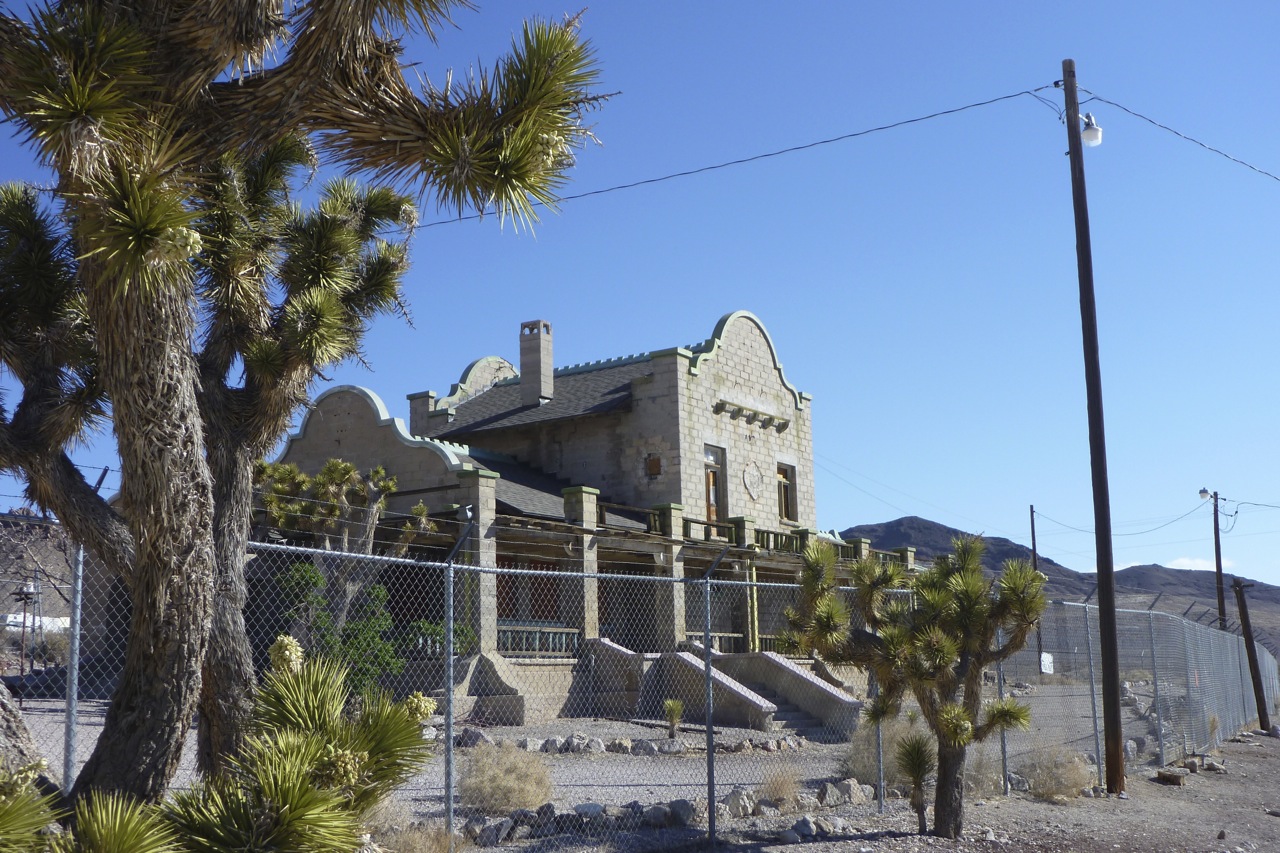
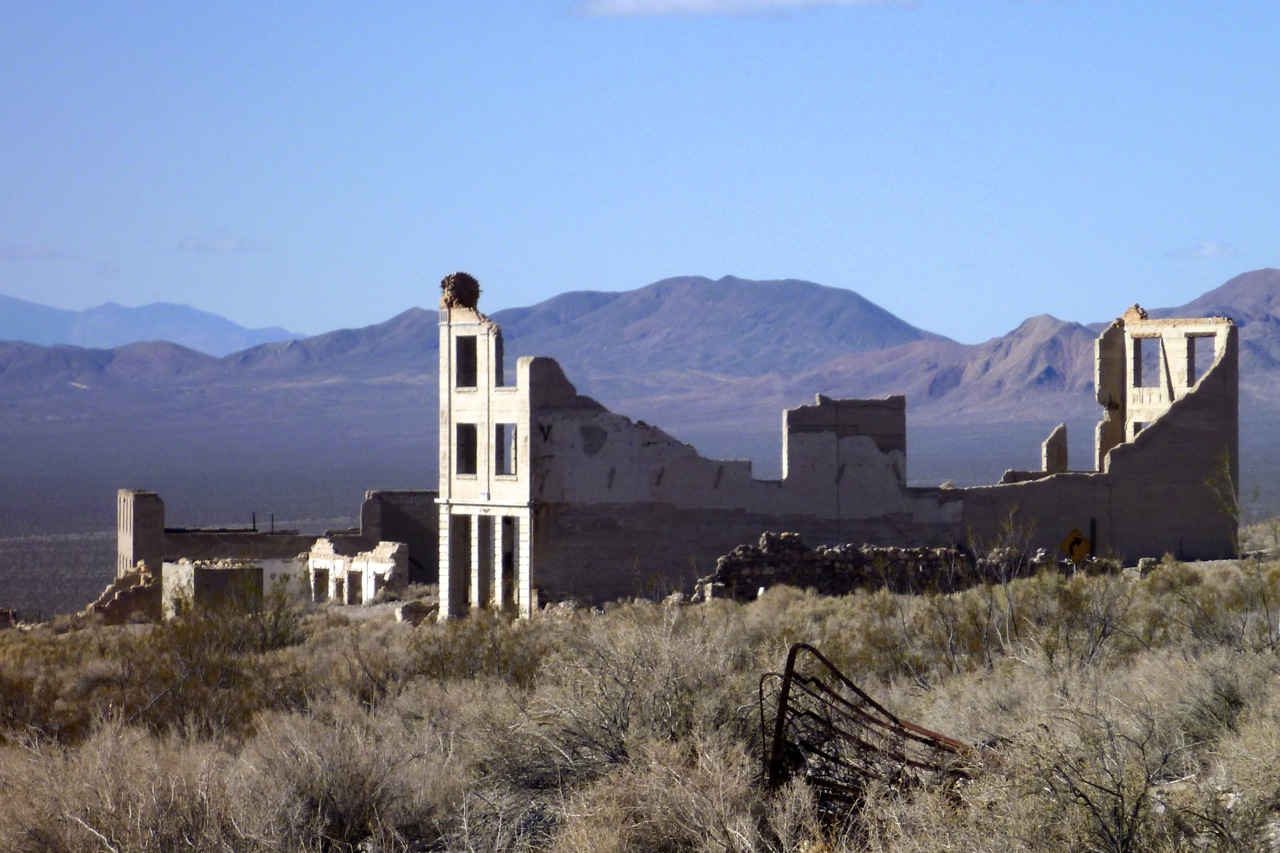
Before that and still in Nevada, I popped in to Rhyolite ghost town which in the early 20th century managed to go through its birth–boom–bust cycle in just six years.  Disappointingly, the crumbling gold rush ruins  were all fenced off, making it less of a ghost town and more of a hazardous site.

cc-school

There was a ruined school (left) and a nice-looking hotel amid some Joshua trees (top right) with a curvy, Spanish colonial-era facade. It would have been more fun to stay in than last night’s Motel 6, but clearly Rhyolite has had its day.

cc-tittu

Titus Canyon to Death Valley
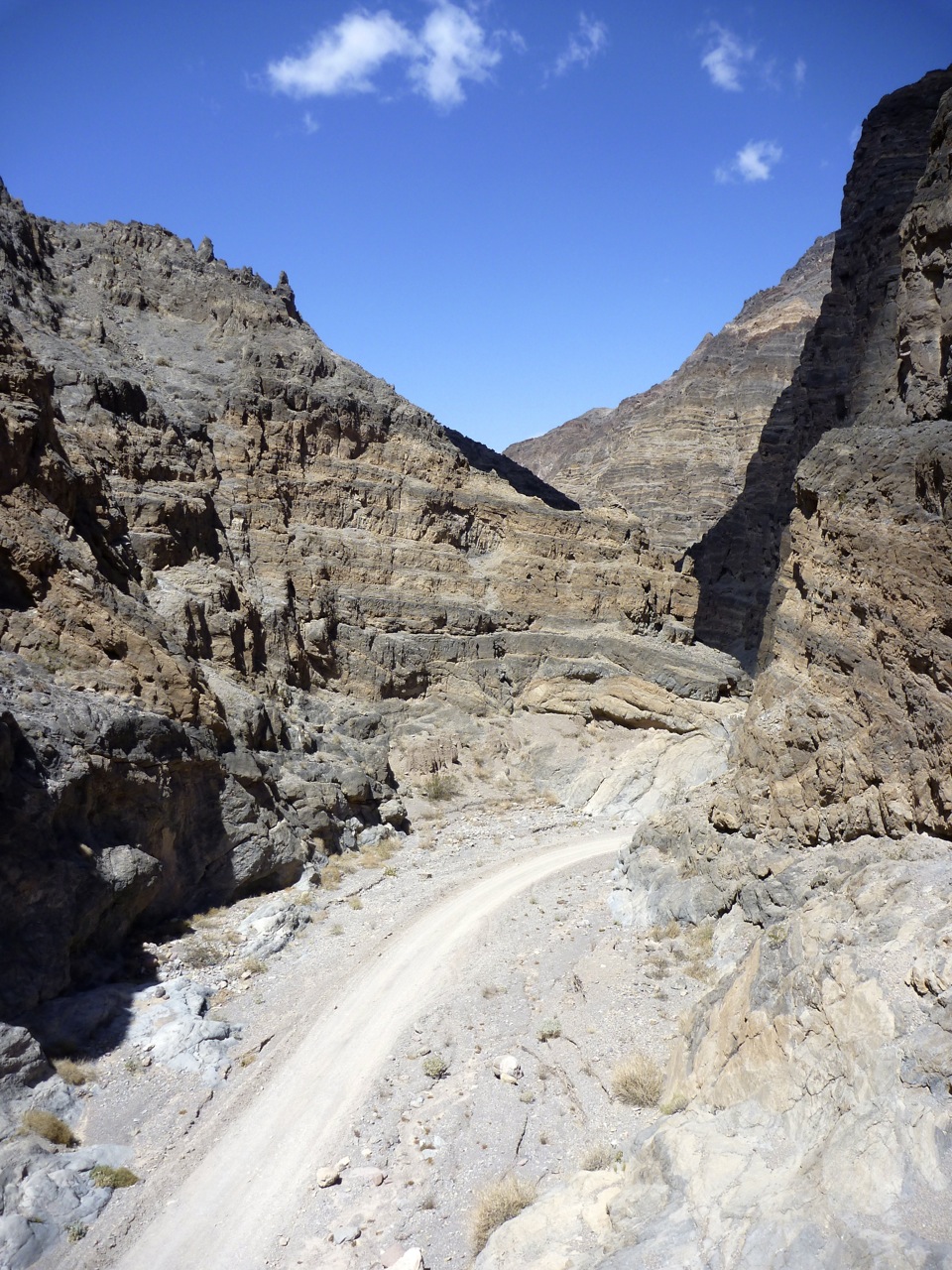
Just down the road was the turn-off for Titus Canyon which Al had recommended as a great way to slip into Death Valley. SUVs followed me in and initially the stony, corrugated track was not in harmony with my jacked-up suspension and road-pressure tyres. Some tracks are like that or just required acclimatising to, but soon the trail began to climb into the Grapevine Mountains where the colourful rubble glowed rich with mineral promise.

cc-lead

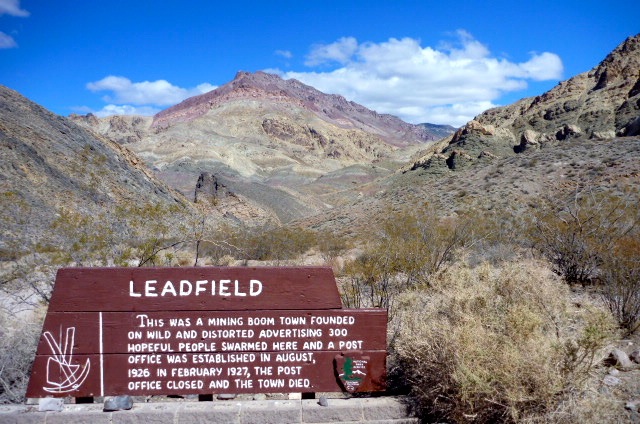
I came across the remains of Leadville, site of another brief episode of mineral mining madness in the 1920s; now just a couple of shacks and a heavily barred shaft penetrating the hillside. As has proved the case in similar places I’ve visited in Western Australia, the easily mined stuff usually gets cleared up before word gets far, and very often the best money was made providing services to the hopeful miners until they stampeded off to the next rumoured strike. In the UK or even Europe there’s no such tradition of mineral booms or ghost towns. A couple of centuries ago your lot was pretty much set from birth which must have made emigrating to the New World colonies in North America and Australia to chase riches all the more tempting.

It was all downhill from here to near sea level. A good chance then to stick it into neutral or turn off altogether and try to save fuel as I wasn’t sure how far I’d get or how much I’d consume getting to the next point, probably Big Pine at least 100 miles away (the satnav couldn’t calculate it on my dirt road route, despite fiddling with the settings and ‘avoidances’).

cc-narrow

Titus Canyon is designated as one-way running west, as once it gets towards the end it’s bending left to right every 50 yards and narrows to about 20 feet wide – not enough for a pair of your typical local 4WD trucks to pass each other. Coasting down the box canyon bends, I took a strolling couple by surprise as they’d walked up from the mouth of the canyon for a look inside.

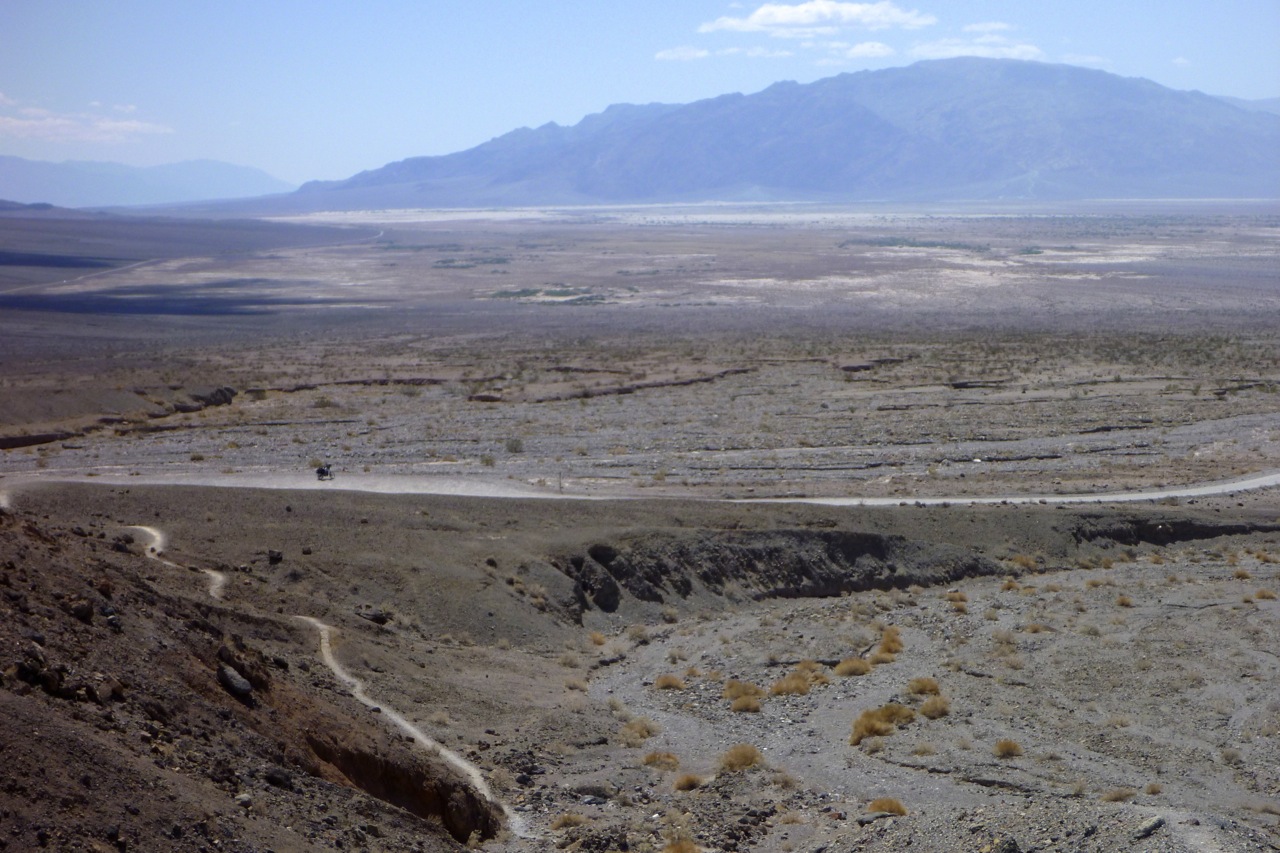
Out at the mouth, Death Valley (map) stretched across the horizon with the Panamint mountains as a backdrop (below). To the south lay Stovepipe Wells (fuel, though I didn’t know that then) and beyond that the salt-caked playa of the Badwater Basin; the lowest point in the US.

cc-lowest
cc-dvroad
cc-villla

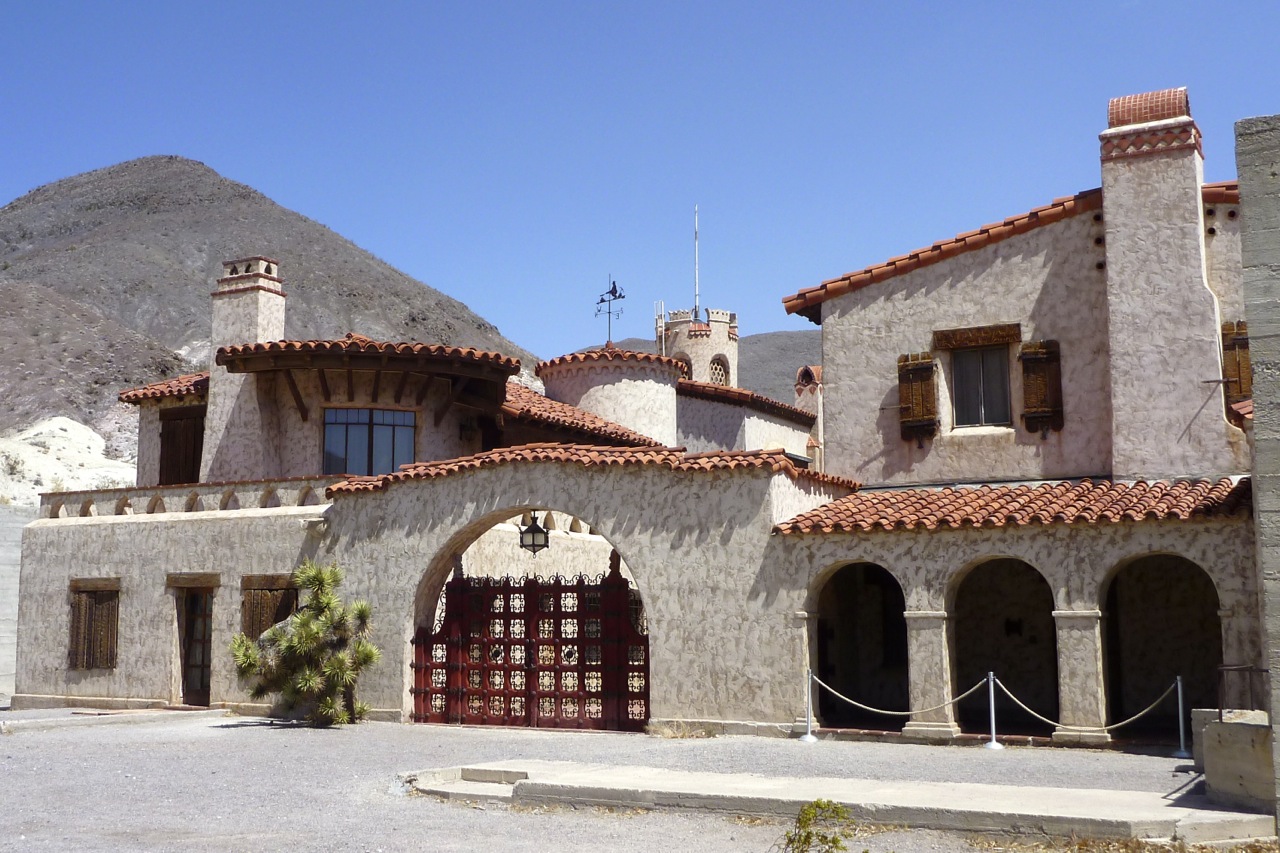
 I first came here in the mid-90s and recall camping somewhere up the side of the valley; it was October but at 3am it was still about 30°C or 86. The Valley was a lot cooler today and there was now a smooth paved road running up the middle. Heading north the annoying wind was still in my face but I figured I’d risk a detour to Scotty’s Castle, expecting some naff, faux-medieval folly. In fact it was just the grassy, palm-shaded lunch spot I was looking for. There was a crude, concrete castle possibly housing a power house, but much more interesting was what looked like an Italianate villa built between the wars.

I was still in DVNP and asked the ranger how far Big Pine might be via the northern road. He wasn’t sure but in the end guessed it was less than 100 miles which was probably within my range once I’d used the fuel bag.

cc-dvdirt

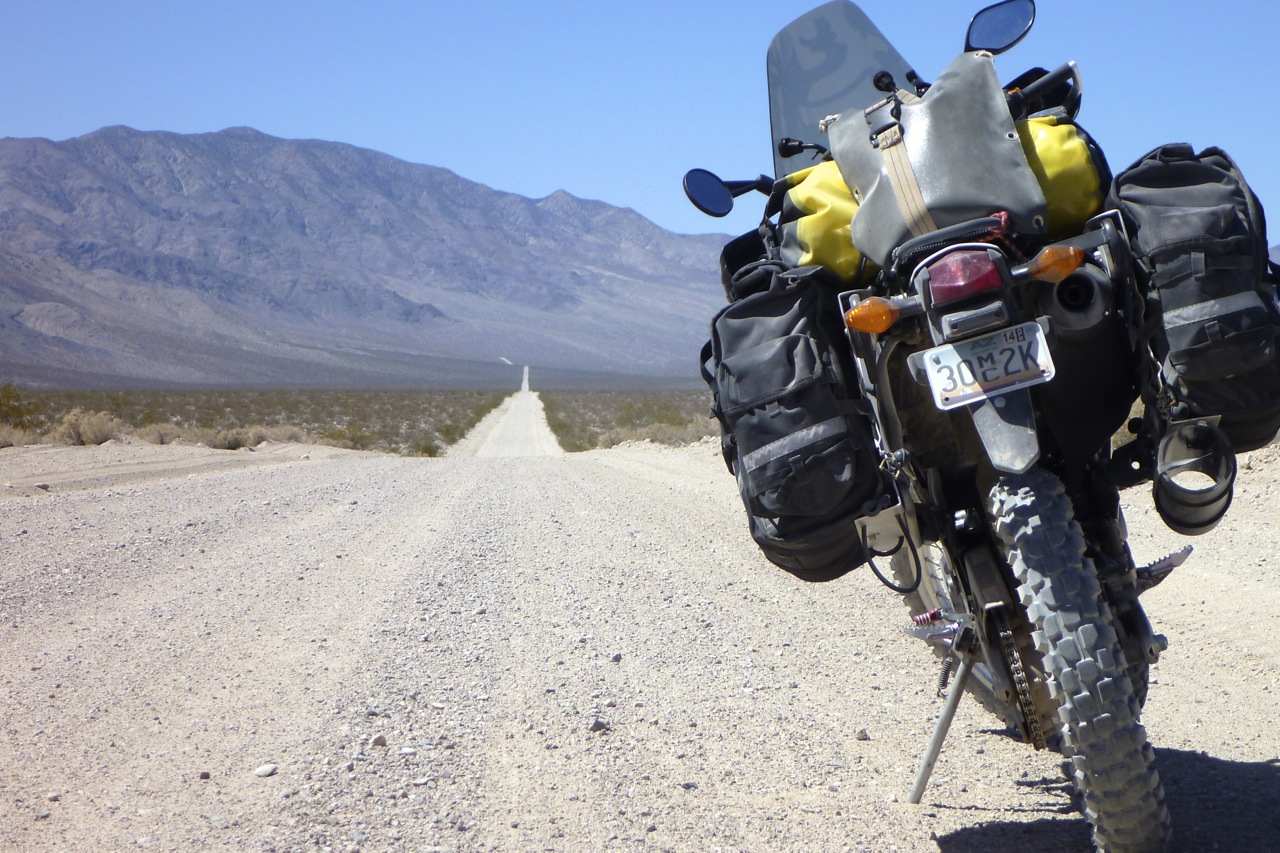
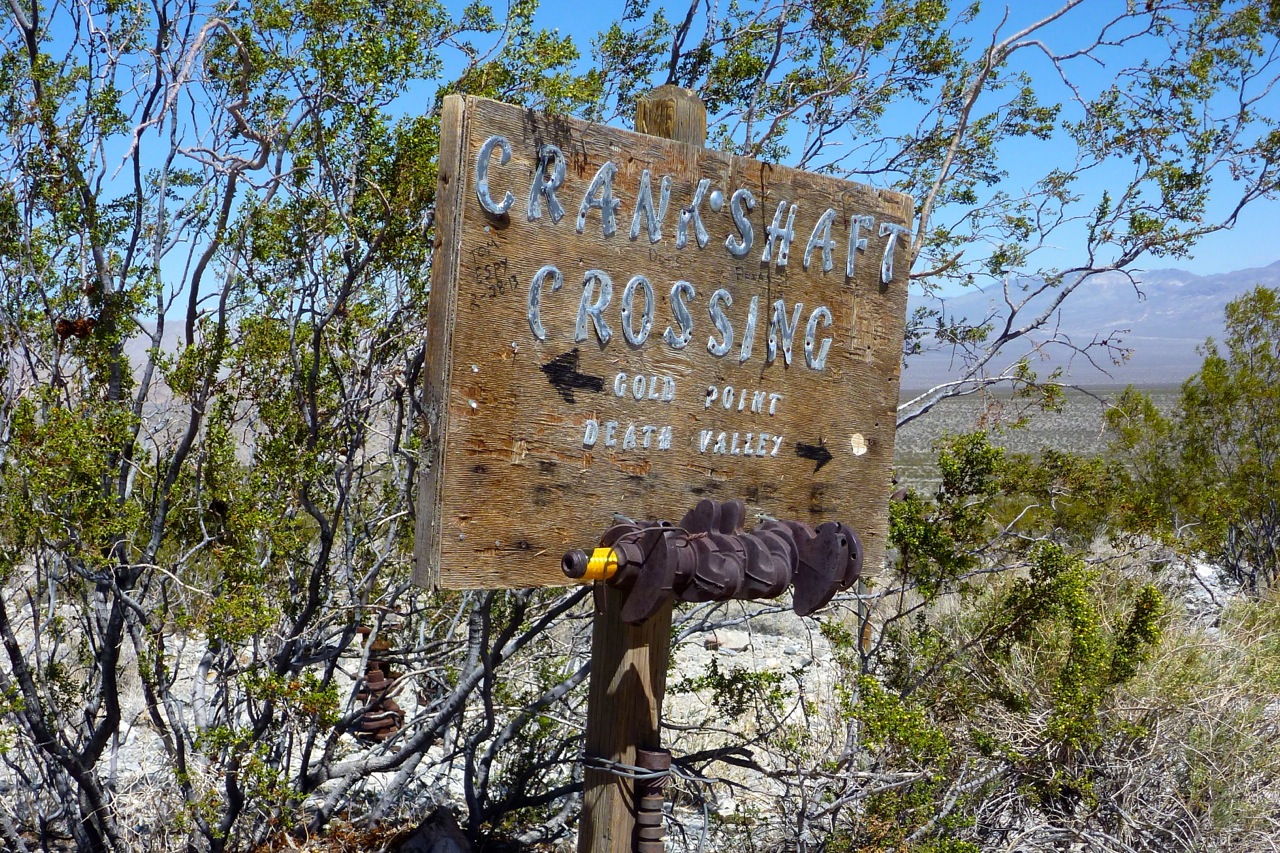
Coasting where I could, I turned off the paved Ubehebe Crater road (wish I’d gone to the crater now) and onto the rough dirt road leading up to Crankshaft Crossing. A sign said Big Pine something like 87 miles so I knew I’d make it. A dirt rider soon came the other way with a wave, and near the Crossing came another guy braving the gravel and washboard on a V-Strom.

cc-crank
cc-pends

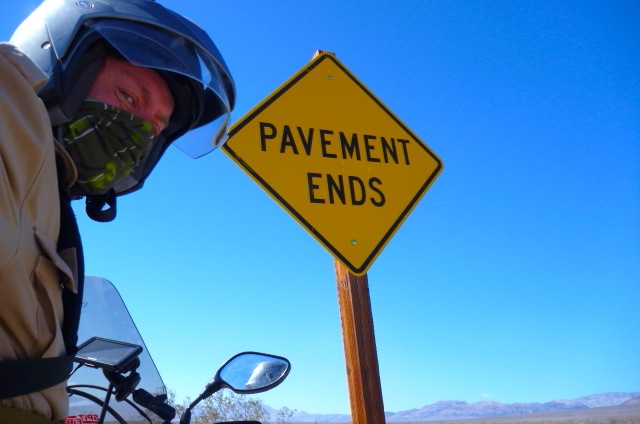
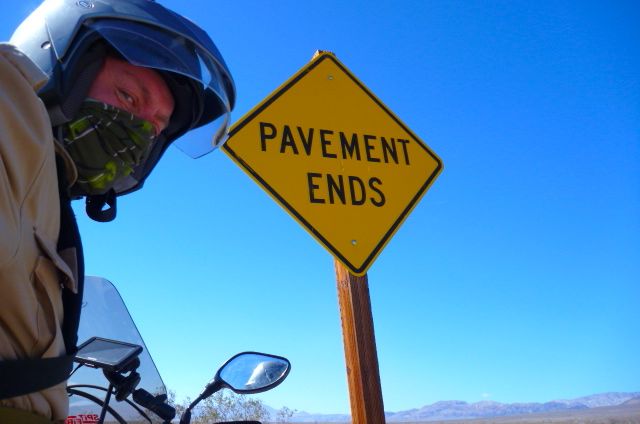
Crankshaft was another place I recalled from 1995. Back then I’d scrawled ‘Yeah!’ under a ‘Pavement Ends’ road sign. The photo had been featured on the back cover of AMH3 a year or two later. Could you believe it, but it came to my attention that those rats at Aerostich went right ahead and made a sticker out of my razor-like roadside wit, an entrepreneurial snatch which helps keep Rider Wearhouse afloat to this very day. I’m not bitter and anyway a lawyer advised me that writing messages on highway road signs was not a valid basis to instigate legal action, unless it was being aimed at me by the sheriff of Inyo County. I’m over it now and for old time’s sake shot against an ungraffitied sign just up the road.

I knew there was a range or two to cross to get to Big Pine but I’d again underestimated how high it could get; my maps only show peaks and less often pass heights. It’s much more than I’m used to climbing in the Sahara or even Morocco. The ill-tuned CRF, gagging on too much gasoline croaked uphill, dropping down to 40mph at 7500 feet (~2300m) which seems to be a bhp watershed for the Honda.

cc-sulphur

Up ahead the wind blew a flurry if white dust and with it a familiar smell from schoolday chemistry. Rounding a bend revealed an old mine by the road. Rusted machines were subsiding into the fine white powder which I rode across raising another billowing cloud.

cc-commands
s69_31742

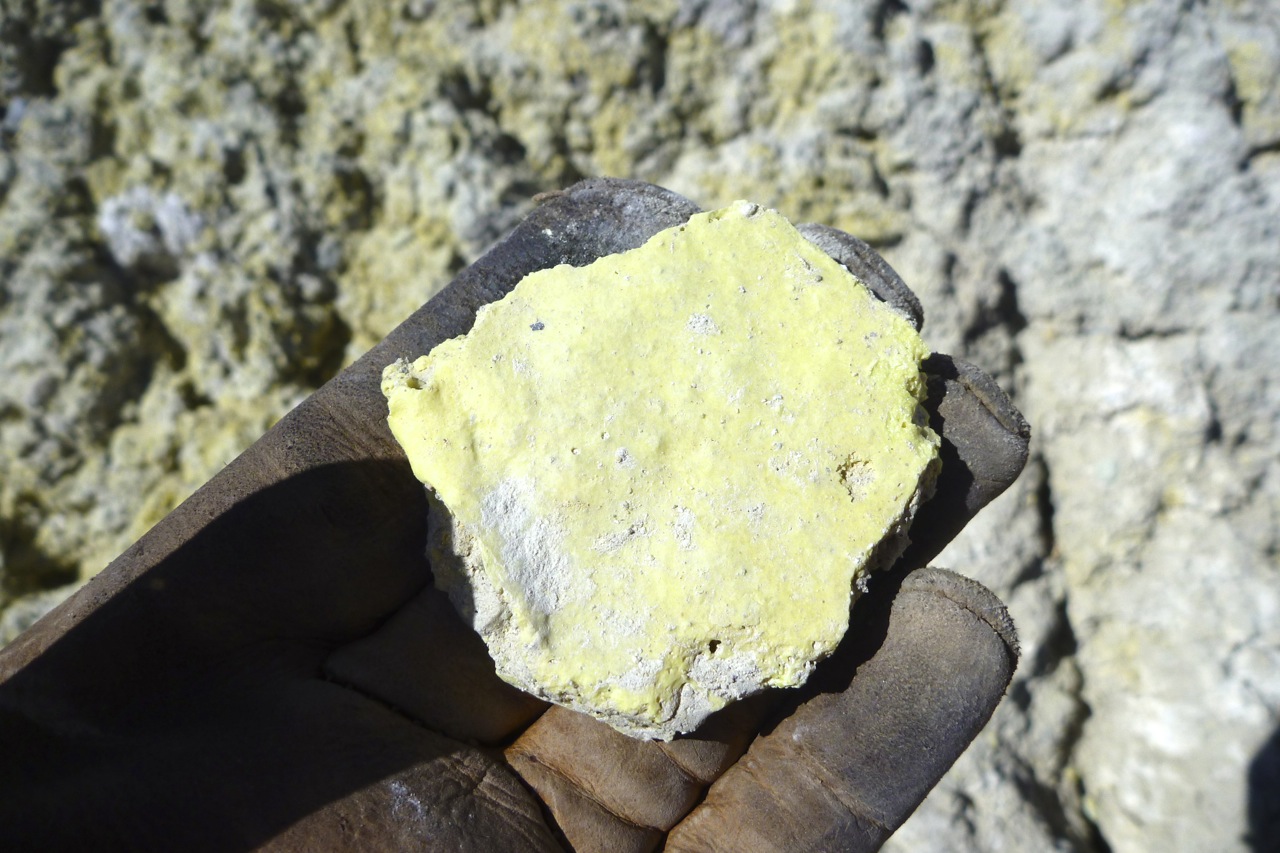
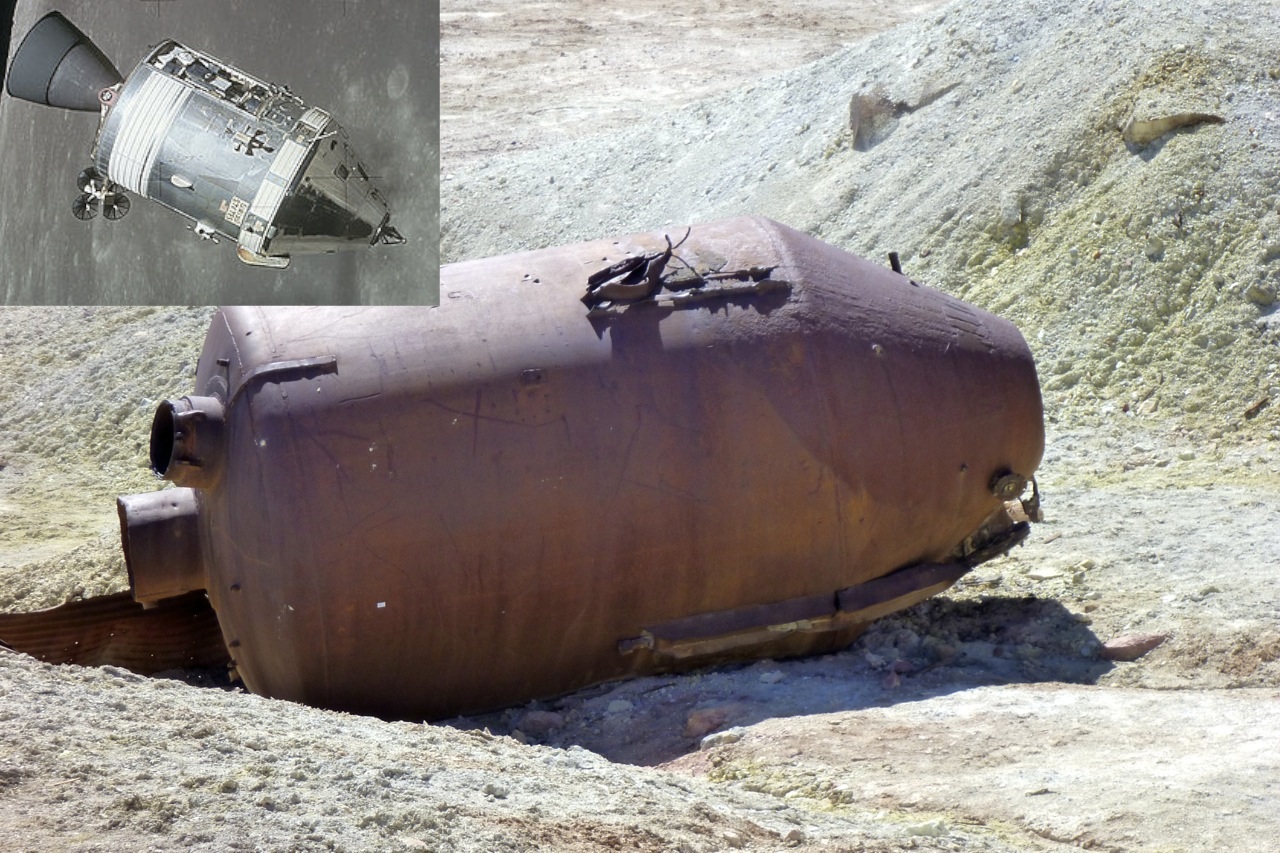
Finding a rock to perch the stand on, pale yellow rocks at my feet explained the smell: sulphur, above left). (Or for those that use them, the map also says ‘Sulfur Mine’). I’d never seen natural sulphur before; if only old gold mines had debris like this! Over there it looked like a prototype of NASA’s Apollo Command Module had fallen intact into the dirt (right).

cc-eureka

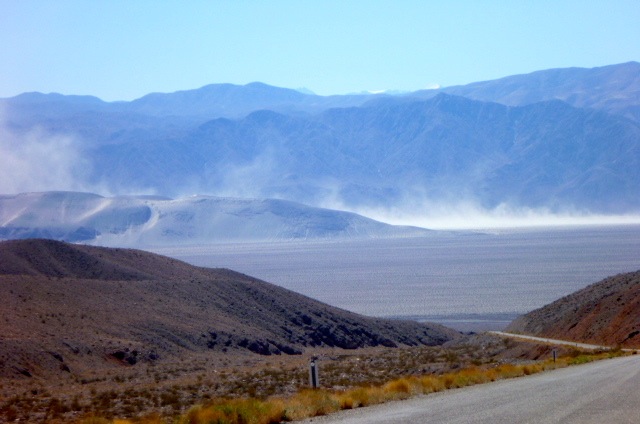
Over the pass I dropped into the Eureka Dunes valley where the wind was whipping up the grains and hurling them south (right). Not a place for a drilled out airbox and anyway, I’ve seen my share of sand dunes. But taking advantage of the lee of a signboard, I tipped the fuel bag into the tank and then set off along that very rare thing – a freshly graded track!

cc-sierra

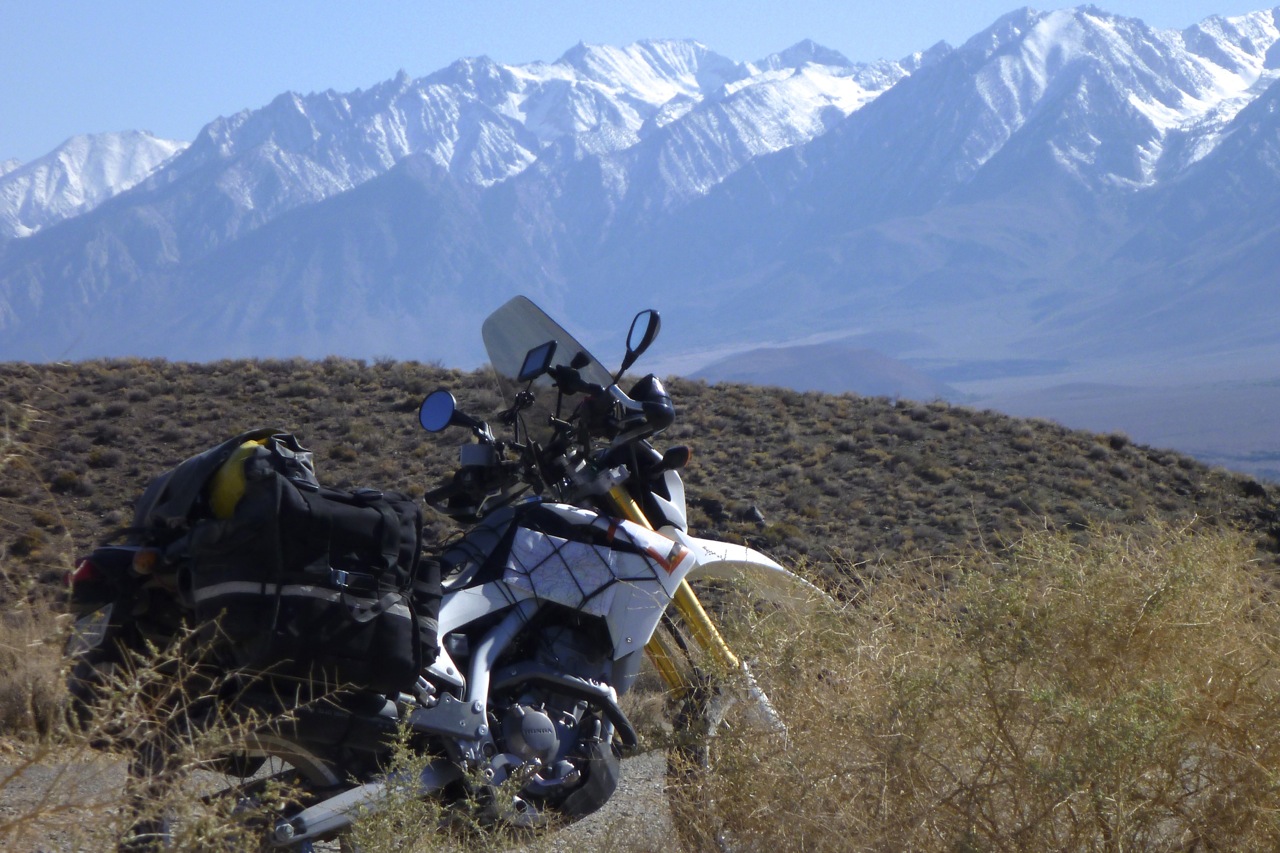
That lead, by and by, over another range which turned to reveal the snowy Sierra Nevada to the west (left) and Big Pine at its feet. Not far away was the 14,505′ (4421m) summit of Mount Whitney, the highest point in the contiguous US and just 80 miles from Badwater Basin. How’s that for a ‘land of contrasts’?

I’m no expert but the people in Big Pine, CA seemed different from Nevada, a bit more prosperous and less out back. Once I worked out how to make the pump work, the news was rather poor: despite all the coasting and gentle dirt roading all I’d managed was 54USmpg (65UK). Clearly coming over the Panamints and Inyo ranges had been an effort for the Honda, but the way I rode I should have managed 65US. Tomorrow I’d have to deploy Plan B.

cc-slow