Quick Spin: Enfield Himalayan

Update: I bought one: Enfield Himalayan Index Page 
Him - 16
bullet-mechanic

In the 1990s, long before retro-looking bikes became a thing, buying and running a locally built Enfield Bullet around the Indian subcontinent caught on with Western tourists. It was a proper adventure all right, tinged with a certain ‘open face and goggles’ romance.
Always sick; never terminal was how one early AMH contributor described running her Bullet around India and back to the UK. It staggered home, but she sure met a lot of roadside mechanics along the way. Jacqui Furneaux is another intrepid Bulletriste, covering over 40,000 miles across the planet. At bike shows visitors literally get a kick out of trying to start her old bike.

bullet

Not High
As a travel bike I can very much see the appeal of a low-revving, low consumption, low compression, low priced, low saddled plodder – now more than ever. But you want low maintenance on that list, too. With my desert riding background, reliability, economy, durability (and lately, comfort) have long trounced anything else.
Now, 30 years after taking a clapped-out Bullet up the Khyber became a travel biking niche, we’re told the Indian economy booms and RE are booming with it. It’s India, not China, who’s now the world’s biggest motorcycle manufacturer. Annually, 17.5m bikes (albeit mostly <125s) are sold there. In the US it’s just half a million, and on the home market RE sell more bikes in a year than all other manufactures can manage across Europe.

him-motor
Him-spex

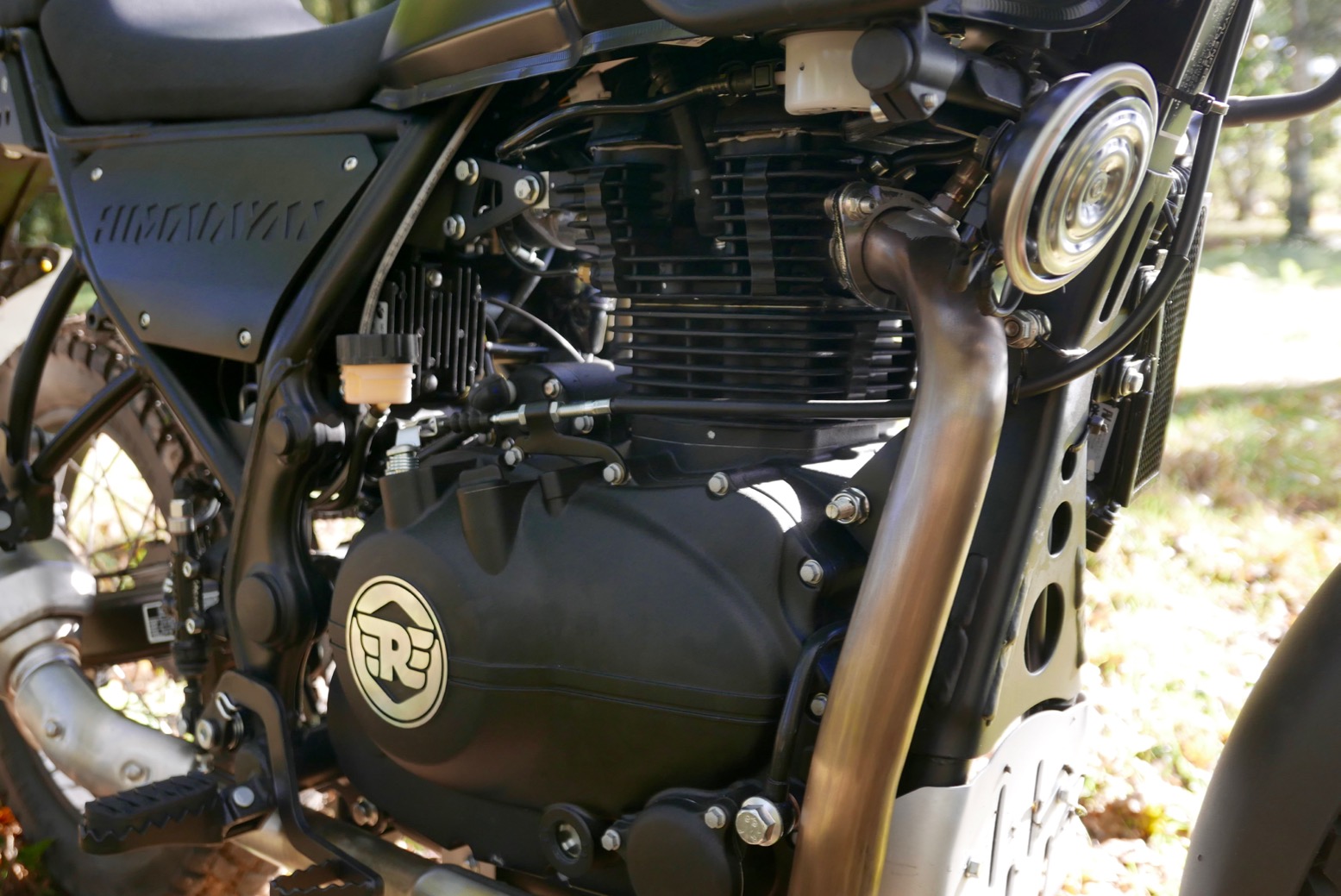
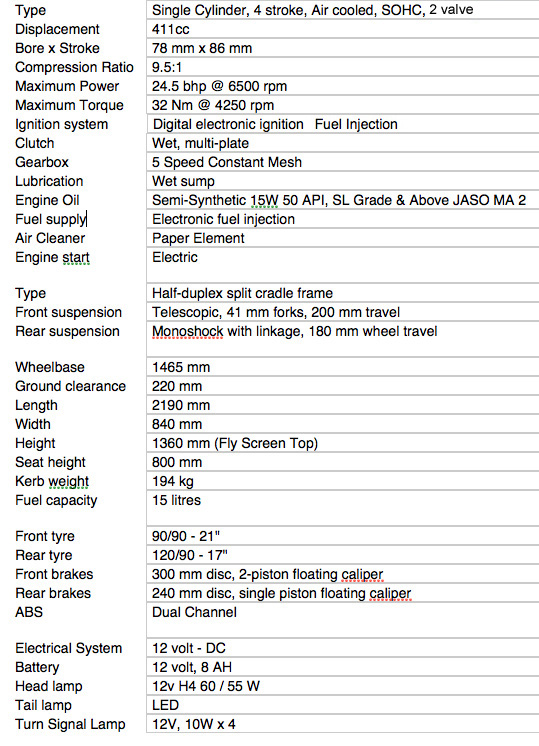
Released in 2016, the Himalayan was RE’s first stab at a do-it-all, adventure-styled machine. It wasn’t just yet another restyled spin-off from the Bullet range, but it did retain some of the Bullet’s better DNA, a 411-cc, long-stroke, two-valve single recalling a 1960s BSA thumper.
Unfortunately many found that the Himalayan’s first iteration – the BS3 carb model (reviewed here) paid a little too much homage to the slapdash nadir of the Brit bike industry. A litany of widely reported faults and failures saw production suspended, problems addressed and assembly workers spanked and retrained. In 2018 the BS4 version was released abroad, with some Western export markets (notably not Australia and NZ) getting fuel injection and in Europe, Euro 4-compliant motors come with the now-mandatory ABS.
The near-new bike I tried came from Hartgate in Mitcham. They’ve been around since before I started riding in the mid-70s, but these days sell only Chinese and Taiwanese 125s and scooters, plus Benellis and with a special part of their showroom designated for Enfields.

What they say
Royal Enfield’s most versatile motorcycle, able to take riders almost everywhere they want to go – on road or off-road. The only motorcycle you will ever need. The Himalayan combines outstanding versatility and all-day comfort for all rides. Long-travel suspension, natural upright riding position, a durable and torquey engine all add up to a comfortable ride for you, whether it’s on the highway, city streets, or remote mountain roads. The Himalayan is fit to be your only motorcycle.


In a line
Give it a look; it’s much better than you might expect.

• Feels easy to ride and manoeuvre, despite the 194-kg kerb weight
• Low seat height (800mm; 31.5″)
• Indian build quality looks solid
• Efi motor starts and fuels smoothly
• Great price
• Pirelli MT60 tyres (as opposed to some obscure brand)
• Suspension surprisingly firm
• Can’t verify economy yet, but 15-L tank should be good for 400km.
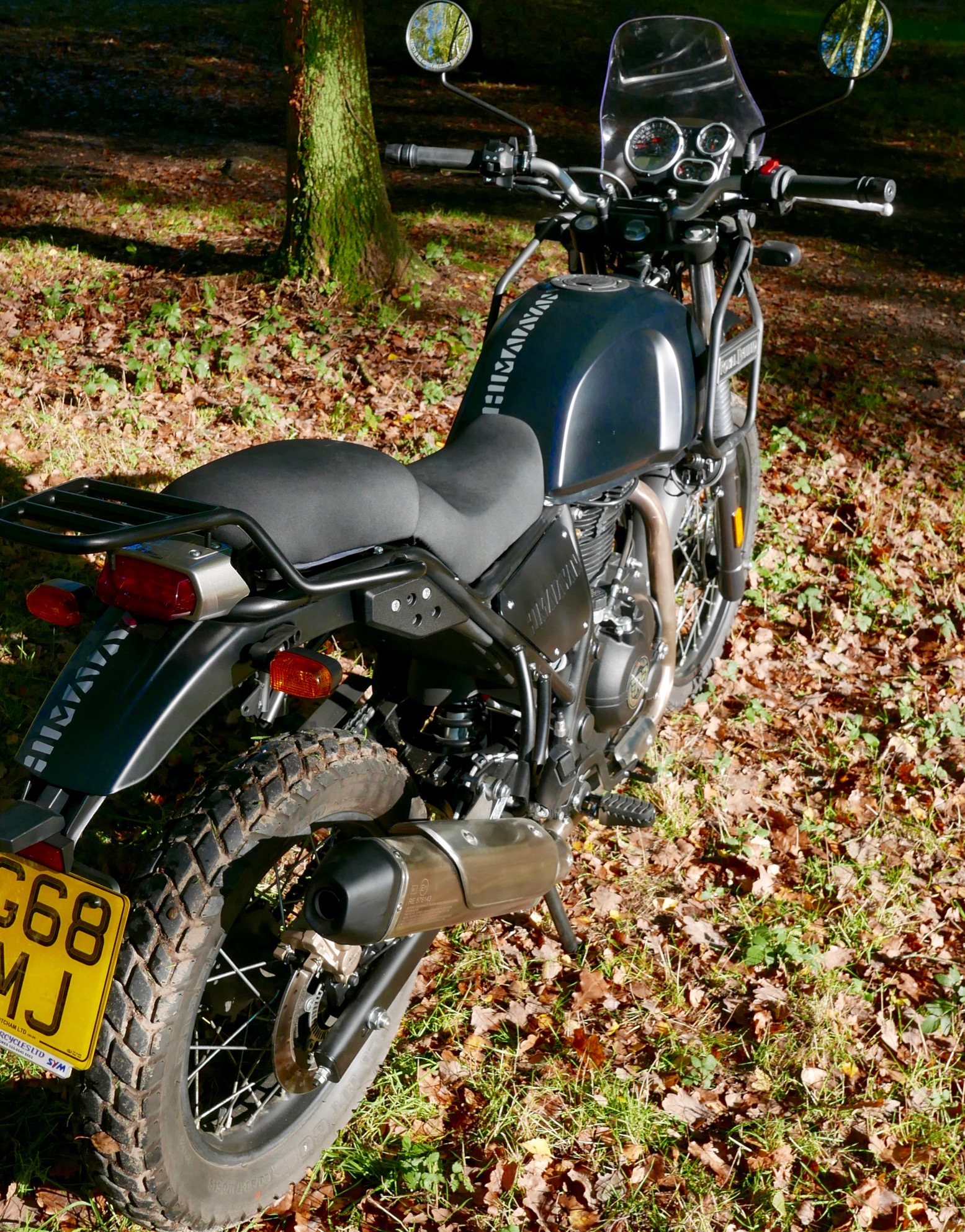
• Love the tank bars as supplementary baggage racks
• Comes with slim tail rack and centre stand

• Soft seat foam (for my weight)
• Feels like a tall first gear (for off-road)
• LCD display hard to read
• Screen a bit small (for my height)
• Front end felt a bit heavy (it is)
• 3000-miles valve checks
• Front brake lacks bite
• A bit cramped for me at 6’1″
• Low, 220-watt alternator output

Him - 18
Him - 20

Review
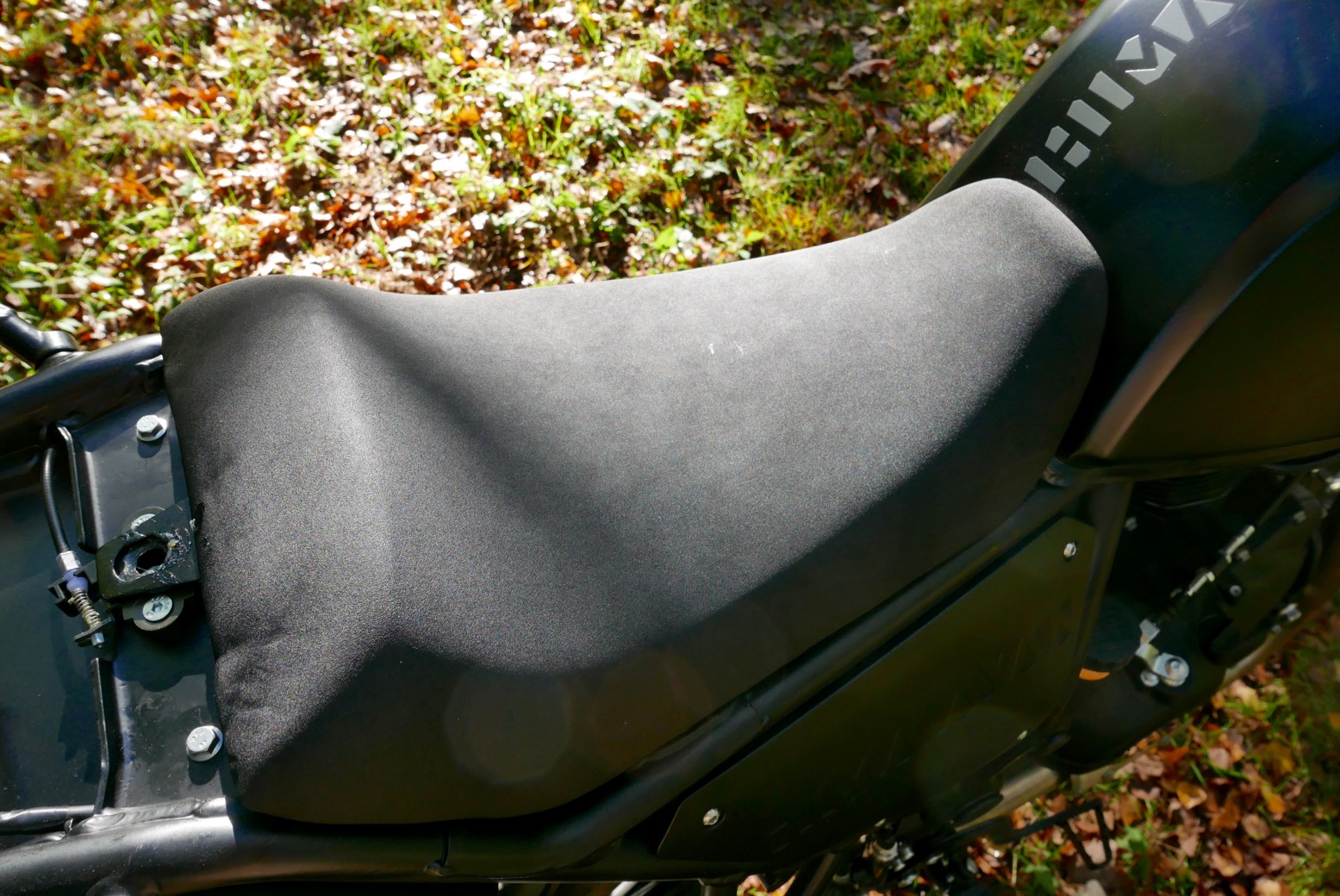
Pulling away from Hartgate’s, the seat was nice and low but felt way too soft. I could see it being agony in an hour or two, but I’ve had that on BMWs costing twice as much. At 6’1″ I was also a bit cramped between the stepped seat which angled me forward a little, and my knees are just an inch from the tank rack bars. Removing peg rubbers might provide more leg room and I’d have turned the bars back a tad. The gear change lever also felt too short for my size-11 Blunnies, but I soon adapted. The clutch was light, the gears clicked reassuringly and fuelling felt glitch-free. It’s an effortless bike to ride, with the power of a Jap 250 single or a Chinese Mash 400.

Him - 14
Him - 8

It may only have the 24-hp of a 2nd-gen CRF250L, but on paper it puts out nearby 50% more torque at just 4250rpm, 2500rpm lower than the Honda. Riding along the flat A24 towards Box Hill in 40- and a brief 60mph limit, I can’t say I noticed the torque, but the bike never felt under-powered or noticeably vibey.
Pulling away from lights, I did find myself consciously slipping the clutch to get over the tall first gear – or maybe to avoid stalling an unfamiliar bike. While you don’t want to sacrifice too much of the modest 82-mph top speed, for off-roading I’d consider dropping a tooth to 14T on the front.
Him - 15


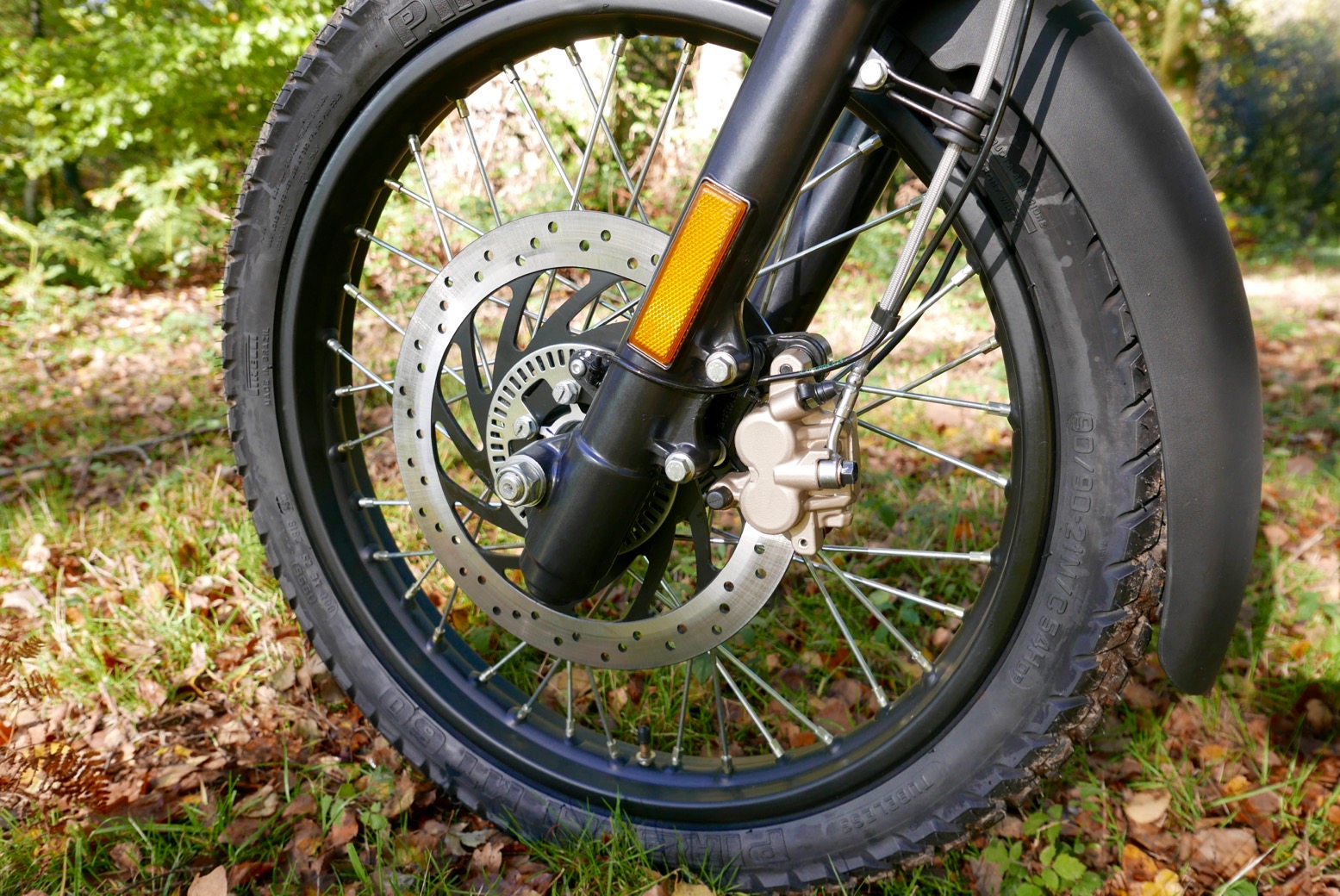
The front end felt oddly sluggish (maybe the tyre was soft, or you can feel those 194kgs?) and I was surprised to learn the rims are steel. To be expected on Bullets, but I didn’t think modern bikes use steel wheels any more. Minimising unsprung weight has a big effect on efficiency, acceleration and suspension. But then cheek-distorting acceleration isn’t really a Himalayan’s USP and perhaps the wheels’ flywheel effect helps maintain momentum once up to speed.

As had been widely reported, despite a steel braided line the front brake lacks bite (perhaps the ABS dulls response) while the rear may have a little too much, but up to a point the non-switchable (but probably disable-able) ABS ought to iron out ham-fisted braking. It didn’t engage in a bit of a panic when a car pulled out across a dual carriageway. Not had one of those in a while…
Him - 12

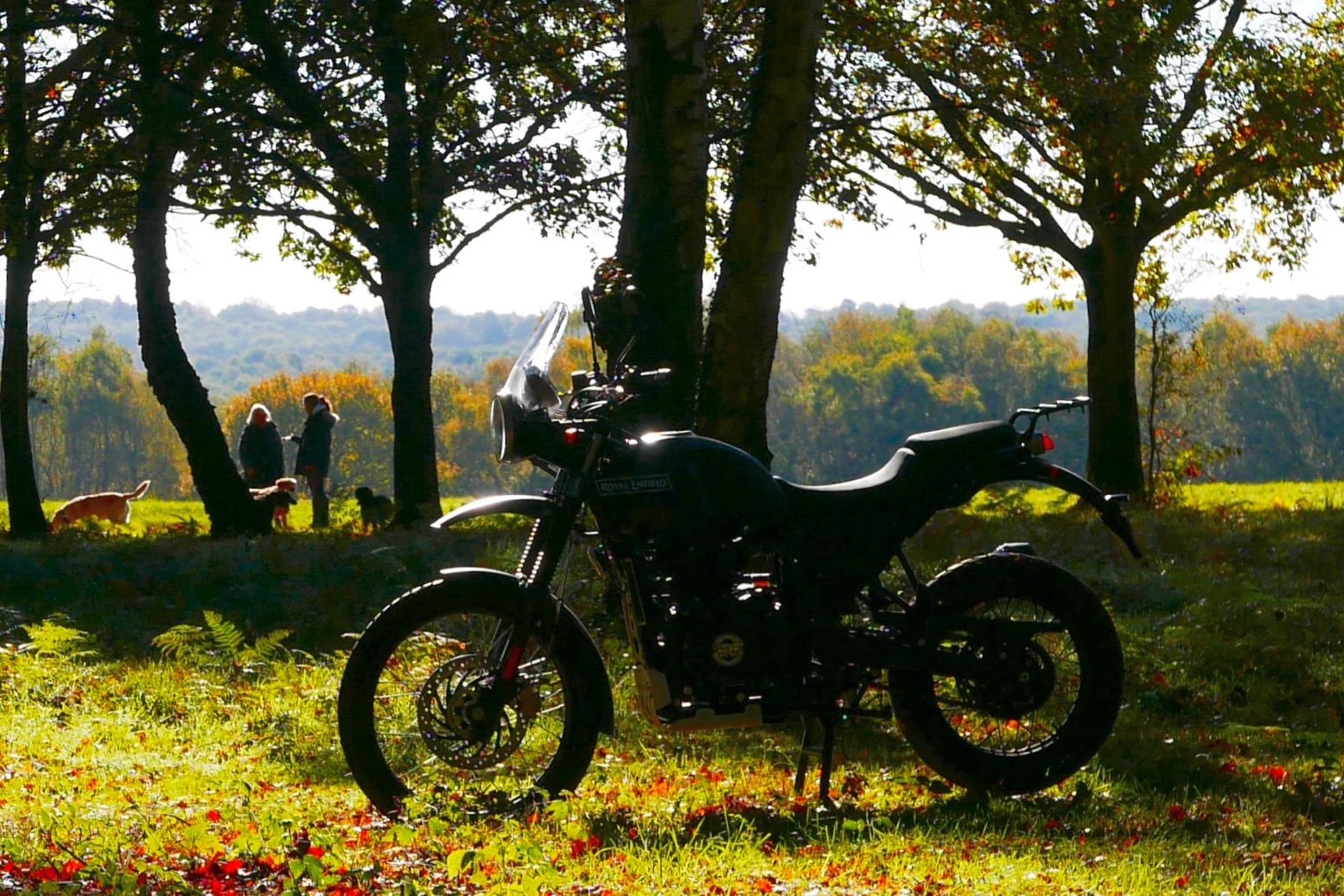
Both for road riding and when manoeuvring it in the woodland mud for photos, I find it hard to believe it really weighs 194 kilos wet (it does). That weight is clearly set low which, along with the low seat, will make a big difference in control and confidence on rough terrain, as well as picking it up when the terrain gets the better of you. And yet you still get a reasonable 220mm (8.5″) of ground clearance which makes the Himalayan a rare and much sought-after thing: a functional trail bike for shorter legged riders who don’t want to have to settle for a TW200. I stood up on the pegs and – with the usual risers added under the narrow-ish bars – would find gripping the slim bike sustainable on the trail.

Him - 2

The dash’s lit section usefully shows time of day; ambient temperature, then gear position, odo and trip metre (and average speed), plus ‘side stand down’. But apart from the gear position it’s too small and messy to easily read at a glance. Chances are, familiarity will improve reading skills.
compass

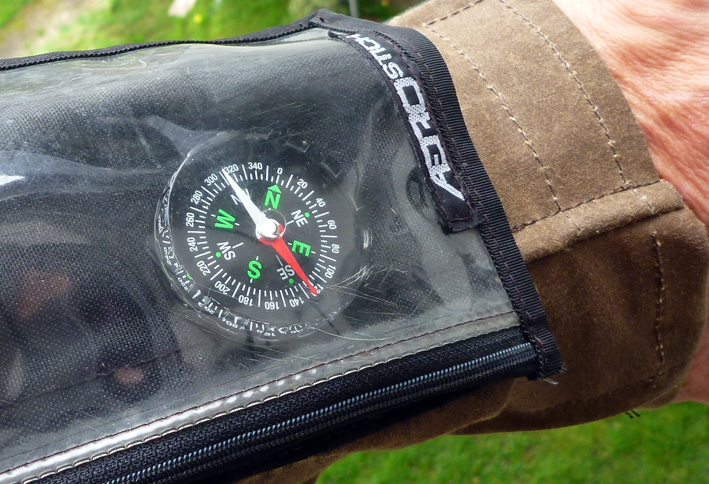
To the right below the small rev counter (red-lined at 6500rpm) is the digital compass. It’s a gimmicky nod to the bike’s adventurous intent, but as many users have found, most of the time it’s way off. If ‘CA HO’ flash up, recalibrate the compass by pushing the bike in a circle four times while patting your head. It may have to be done fairly regularly so I’d sooner rely on the sun or of course, a GPS compass, if orientation is that important.
Talking of plugging in accessories, the Himalayan’s claimed 220w alternator output is  not so impressive when you need heated grips and a heated vest approaching the north face of Kanchenjunga. Fitting a switch to the always-on headlights may help, as well as fitting LED lighting.
Him - 4
tektemp

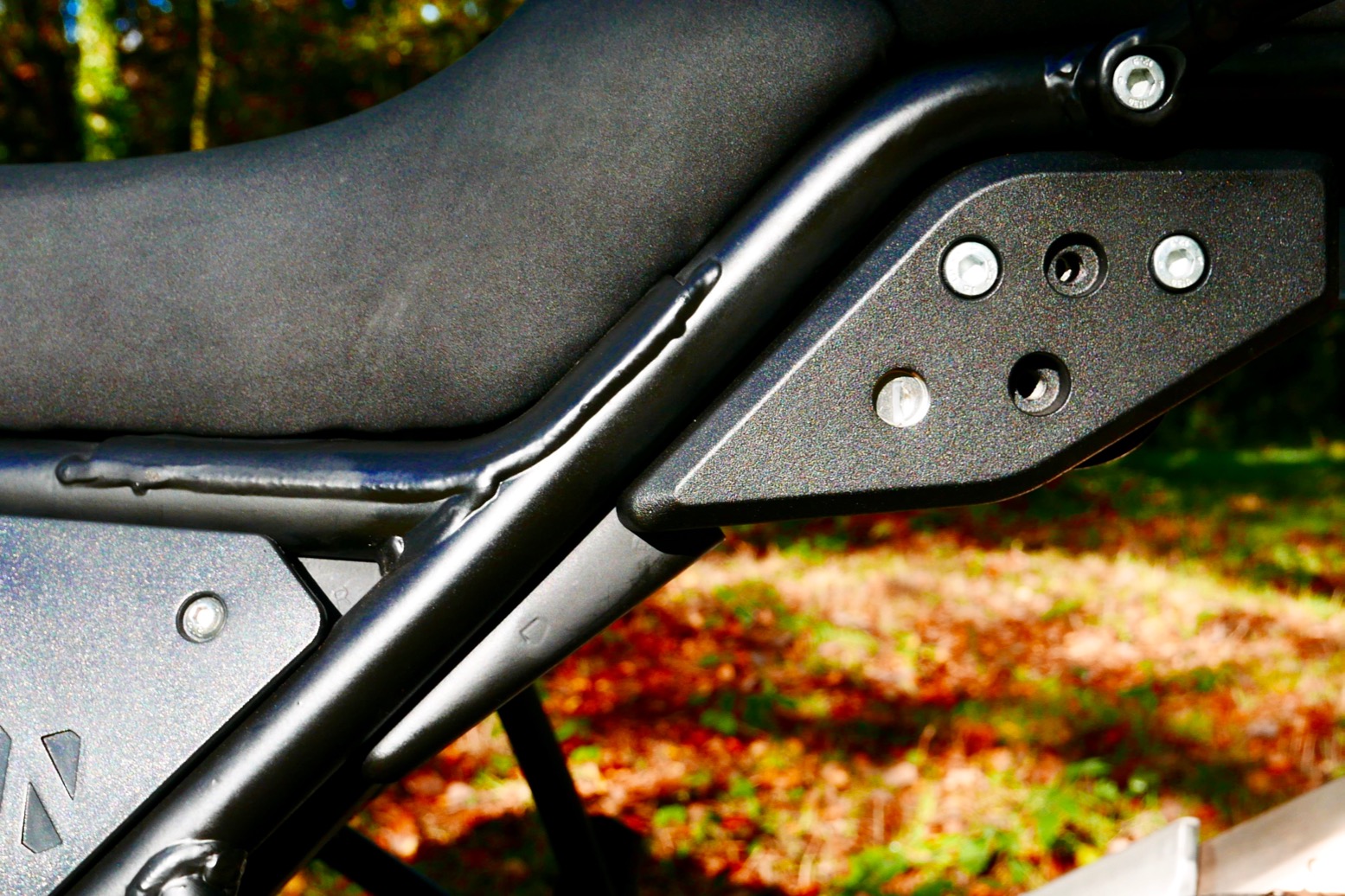
The fit and finish looked pretty good, but only time will tell how it all holds up. Zinc paint brushed over rusty headers looks clumsy. Welds (left) are robotic and if some of that near-200-kilo heft is in the subframe, that’s right where you want it for load-carrying duties off road.
By the book you need to dealer adjust  the valves every 3000 miles (only two and they’re easy screw and locknut jobs) to keep the two-year warranty running. Unless they’re made from the final remnants of 1970s monkey metal, it’s hard to think a low-revving bike like this needs the tappets done twice as frequently as recommended oil changes, but valves clearances tend to tighten not increase. Some say its a way of subsidising the low purchase price.
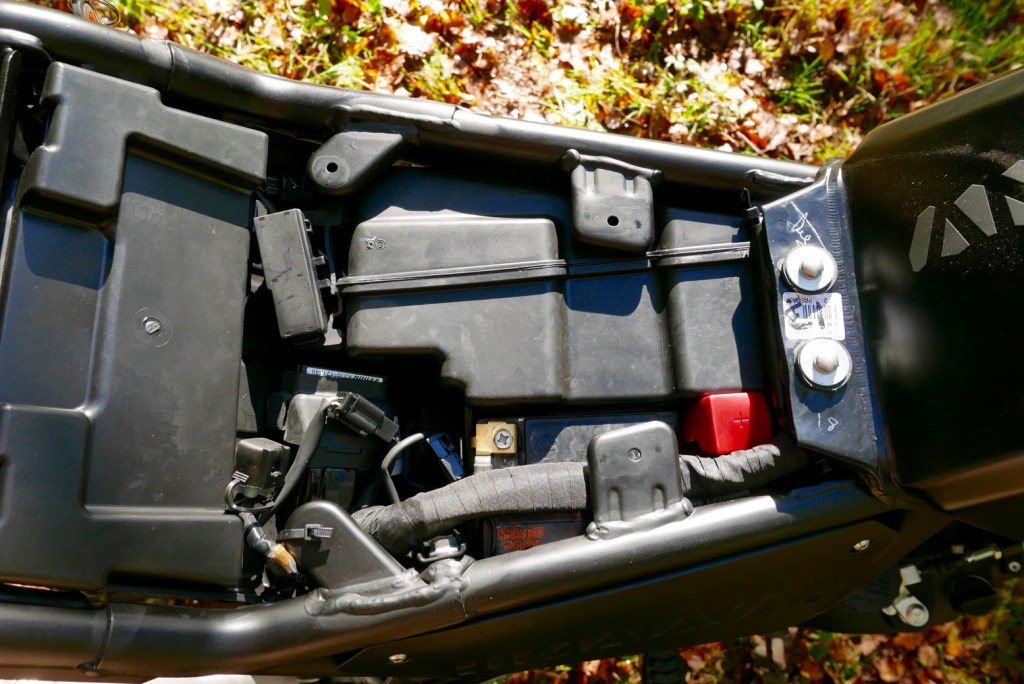
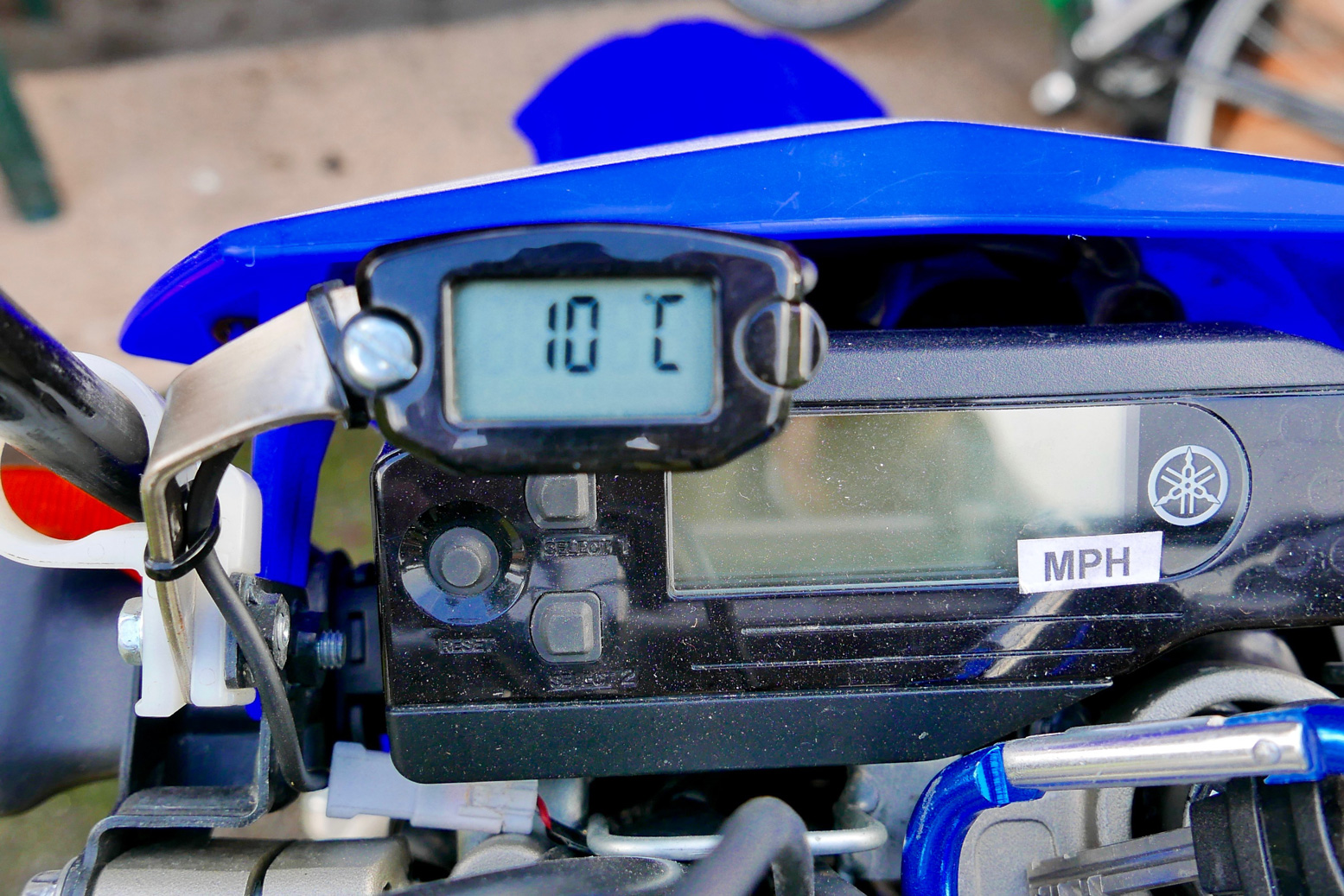
Unusually for an efi bike, there’s a cold-start lever on the left bar, and the air-an-oil cooled engine comes with a big oil cooler. Some say the ambient air temp sensor under the seat could do with repositioning to give a truer reading away from the warmed up engine, but one thing I’d definitely add is an engine temp sensor, like the Trail Tech one off my WR250R, right.
aspecnoslev
mashadv1

Himalayan alternatives
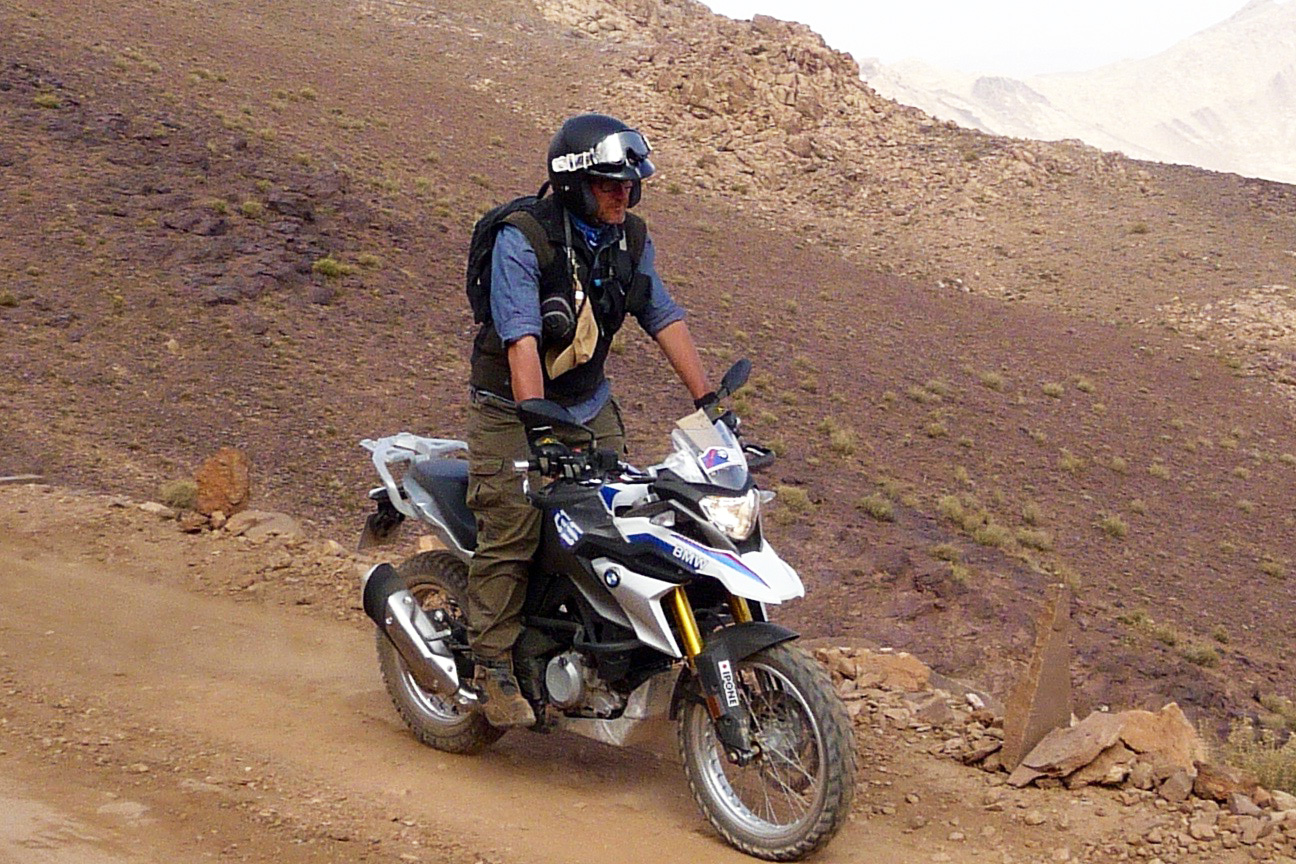
For the money, spec and intended use, very little comes close to the Himalayan’s simple, agricultural charm. Comparing it with the BMW 310GS (right; also Indian built), Versys 300, Suzuki 250 V-Strom or Honda CRF250L misses the Himalayan’s distinctive niche. Riders aren’t buying Hims solely by its displacement category, and to its credit the Himalayan isn’t a repurposed high-revving road bike motor slotted in an adv-styled bike. It was planned from the ground up ‘fit to be your only motorcycle.’ 
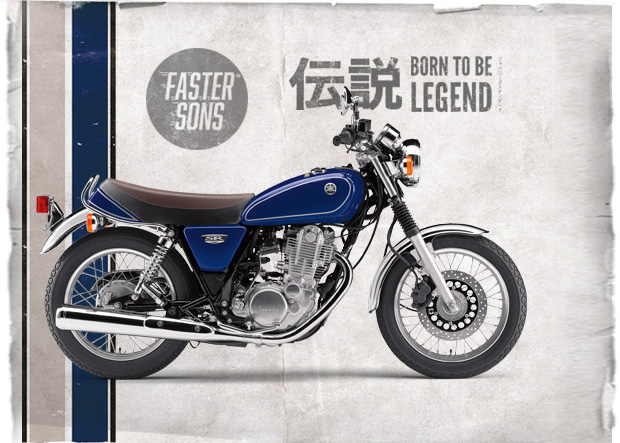
sr400

I’d say its low-seat and low rpm characteristics have more in common with Honda’s unfashionable but quietly popular NC twins, Yamaha’s stillborn SR400 (left; dropped in 2017) or your Chinese-made Mash 400s and the like.
It’s closest true competitor is the now seemingly discontinued Mash 400 Adventure (right) / WK Trail 400, which used a 400cc Chinese Shineray engine based on the old Honda XBR500. You may find new, end-of-line Mash Advs in the UK for the same price as a Himalayan. The frames on these Chinese mini Advs are different from the many twin-shock road models, but the motor’s the same.

Him - 3

Conclusion
All of an hour spent on the Himalayan pretty much matched what I’d read and seen, but not what I thought. Cynically, I assumed testers where being a bit soft on the old-style thumper, but after the ride I warmed to the concept too.
Him - 24
Him - 6

People will say ‘Just a bit more power and it would be perfect’ and my experience with similar-hp 250s, loaded up at modest altitude can leave nothing in reserve at 50mph. Sure, you’re still moving forward, but on busier roads and steeper hills, that speed can make you feel vulnerable which induces fatigue over a long day. But out in the slower-paced AM Zone the Himalayan ought to slip right in. The added capacity over a typical Jap 250 only delivers more torque and less revviness which will certainly help on rough trails. Elsewhere, the hefty weight and low power may leave you struggling in headwinds and on long climbs.
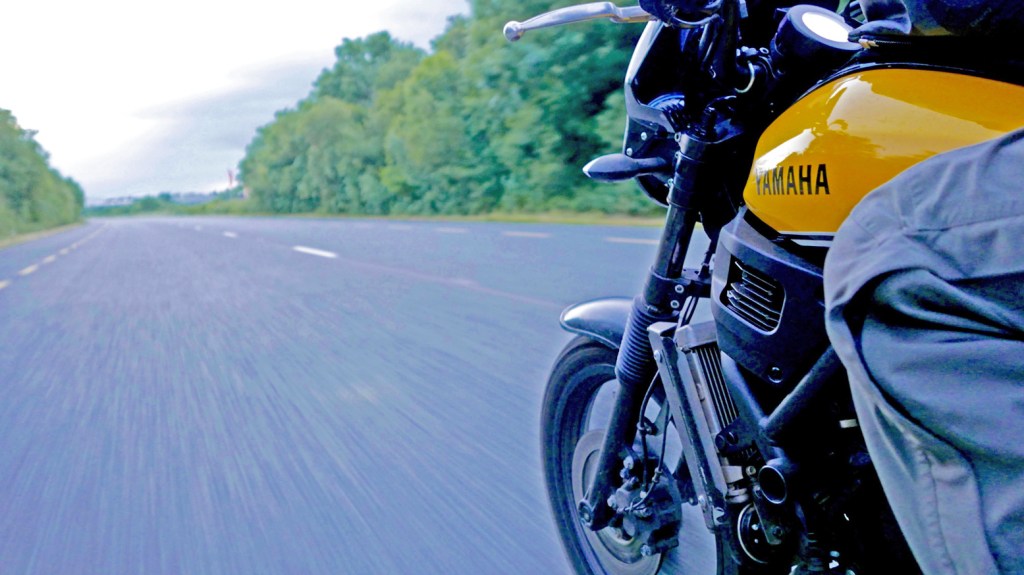
Maybe it’s just nostalgia but I’ve had bikes like this in mind for years. Something like my old Triumph T140V or XT500. My GS500R project or more recently, XSR Scrambler were attempts to realise it, but despite weighing less than RE’s claim, the XSR sure didn’t feel lighter.
The Himalayan is the first mid-sized thumper that could fit the bill as a long-range travel bike, much more than the variously badged Shineray 400cc equivalents mentioned above and of course, much more than the CRF450L. By now there’s enough Himalayan chat and know-how online, much of it in India.
Setting off for a long trip what would this bike actually need? Handguards, a bigger screen, a rack for panniers (£500 fitted; right). The upswept pipe might hamper an ideal pannier position low down (here’s one solution) but the  nifty tank racks mean less bulk at the back.
People looking for the ideal light weight, low-displacement travel bike are comparing it with BMW’s 310GS, but only because they’ve come out around the same time and are also Indian made. Knowing the 310 quite well now, as a travel bike I’d sooner get a Himalayan.

Jan 2019: I bought one and rode it to the Sahara.
Him - 22

Dawn-to-Dusk: Wales to Scotland via Ireland

Scramlogo
• XSR 700 Scrambler index page

Dawn to Dusk: Part 2 Western Isles Tour

Ride-boy

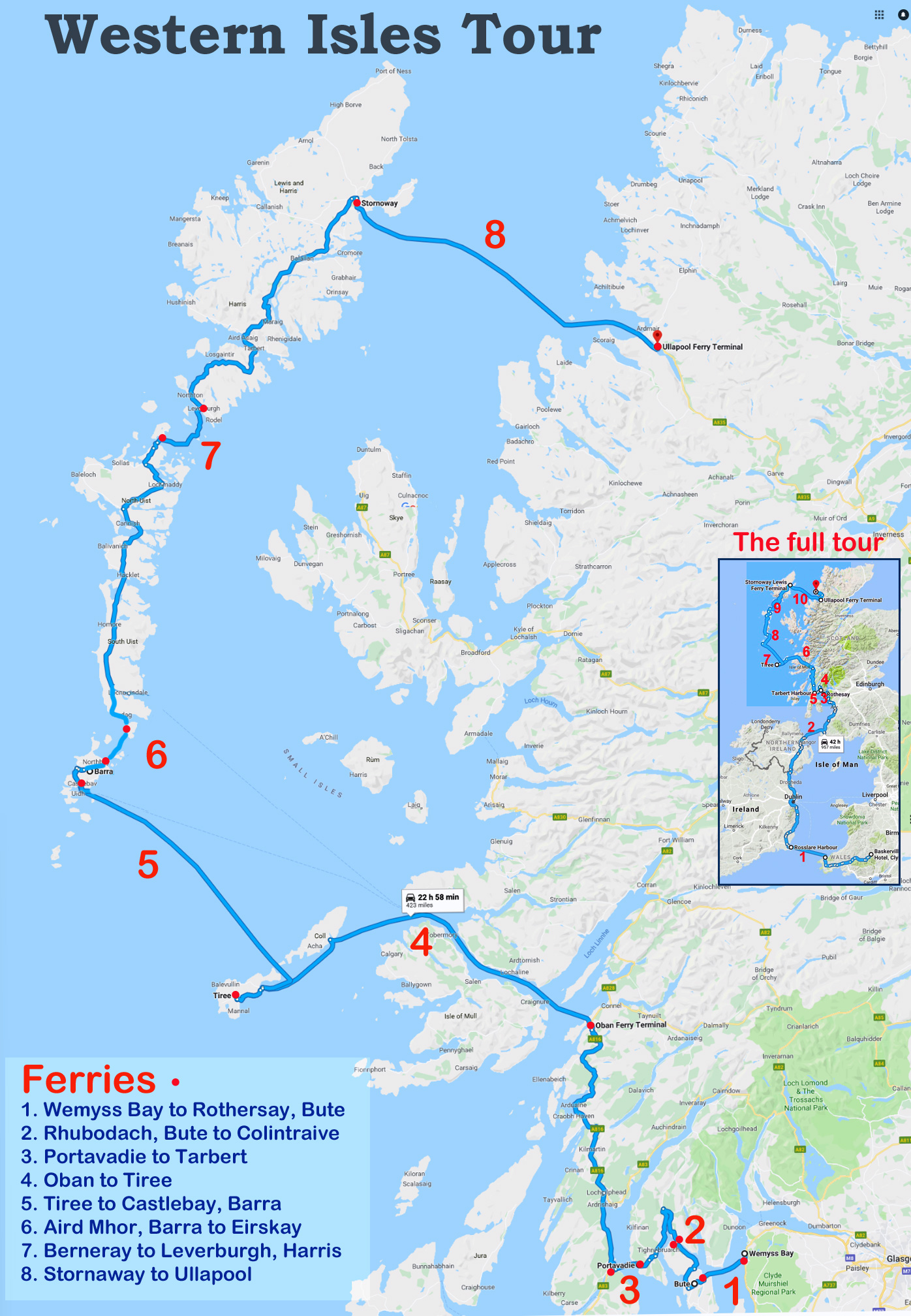
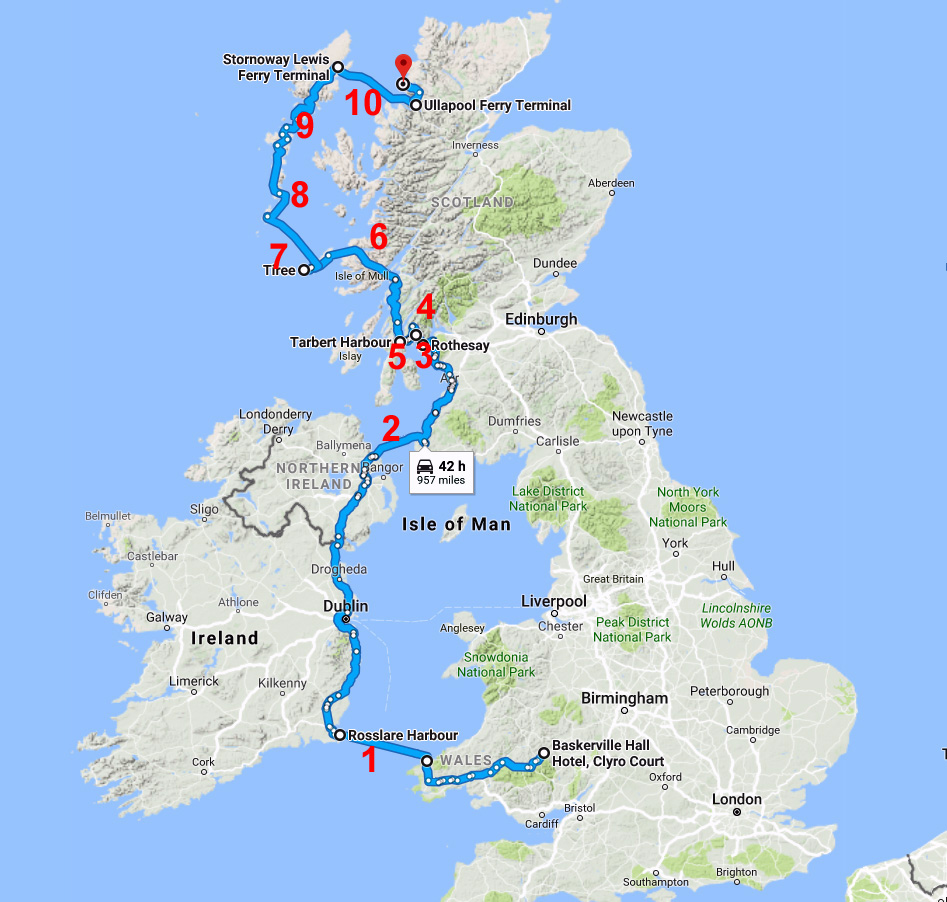
It’s about 900 miles from Hay-on-Wye on the Welsh border back to Ullapool near where we were living at the time, and including a detour via Tiree and the Outer Hebrides.
But go via Ireland and it’s about the same, thanks to Stena’s handy Irish Sea ferries, including Fishguard to Rosslare, and Belfast to Galloway in southwest Scotland.
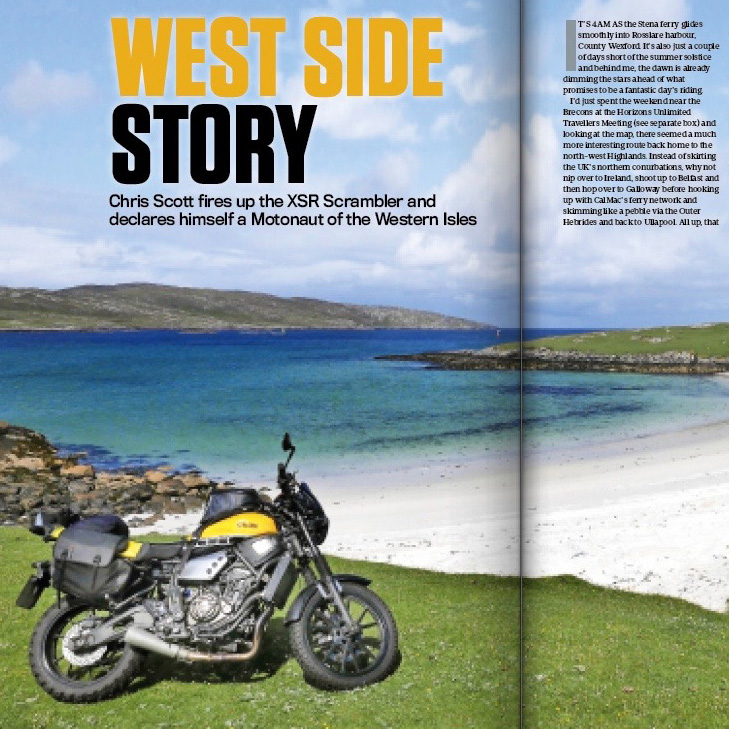
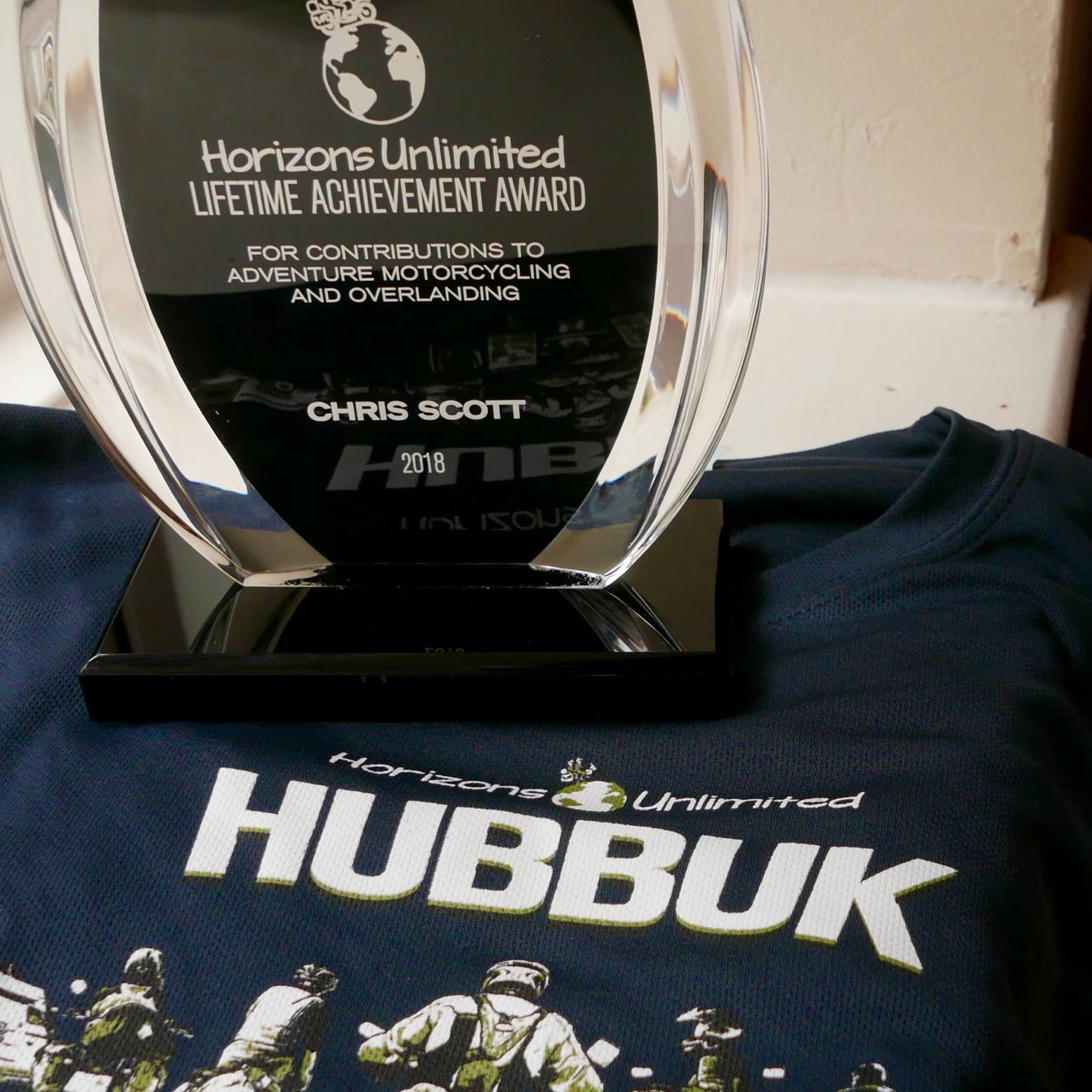
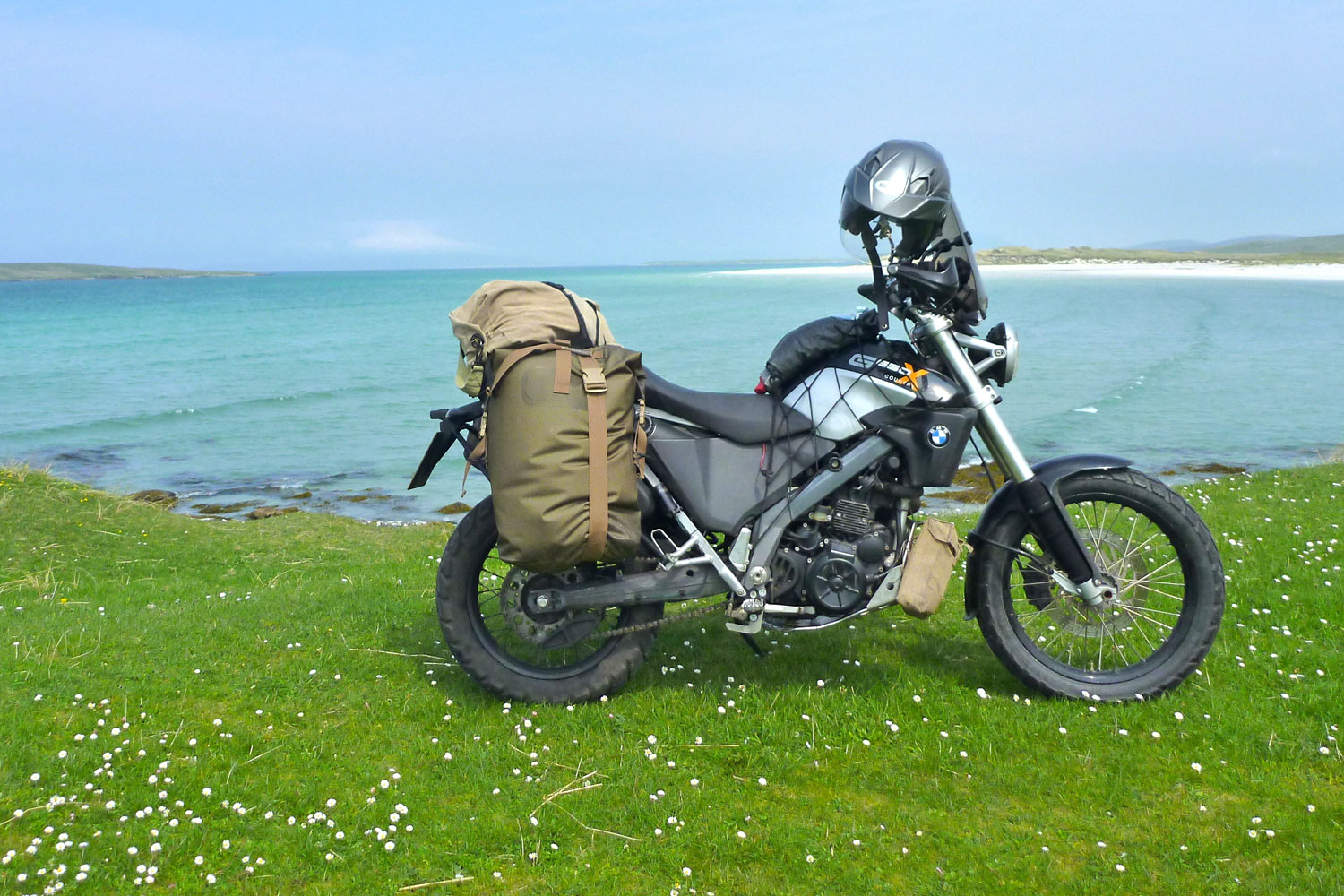
I’d already done the ride up through England a few years back on the BMW XCountry, so after the HUBBUK 2018 meeting in Clyro near Hay, I decided via Ireland would make a great ride back north. The full story was in RIDE magazine’s February 2019 issue. You can read it below with a few extra photos.

westmapd1
wss

It’s just after 4am as the Stena ferry glides smoothly into the harbour at Rosslare, County Wexford. It’s also just a couple of days short of the summer solstice and behind me the sky is already beginning to lighten, dimming the stars ahead of what promises to be a great day’s riding. 

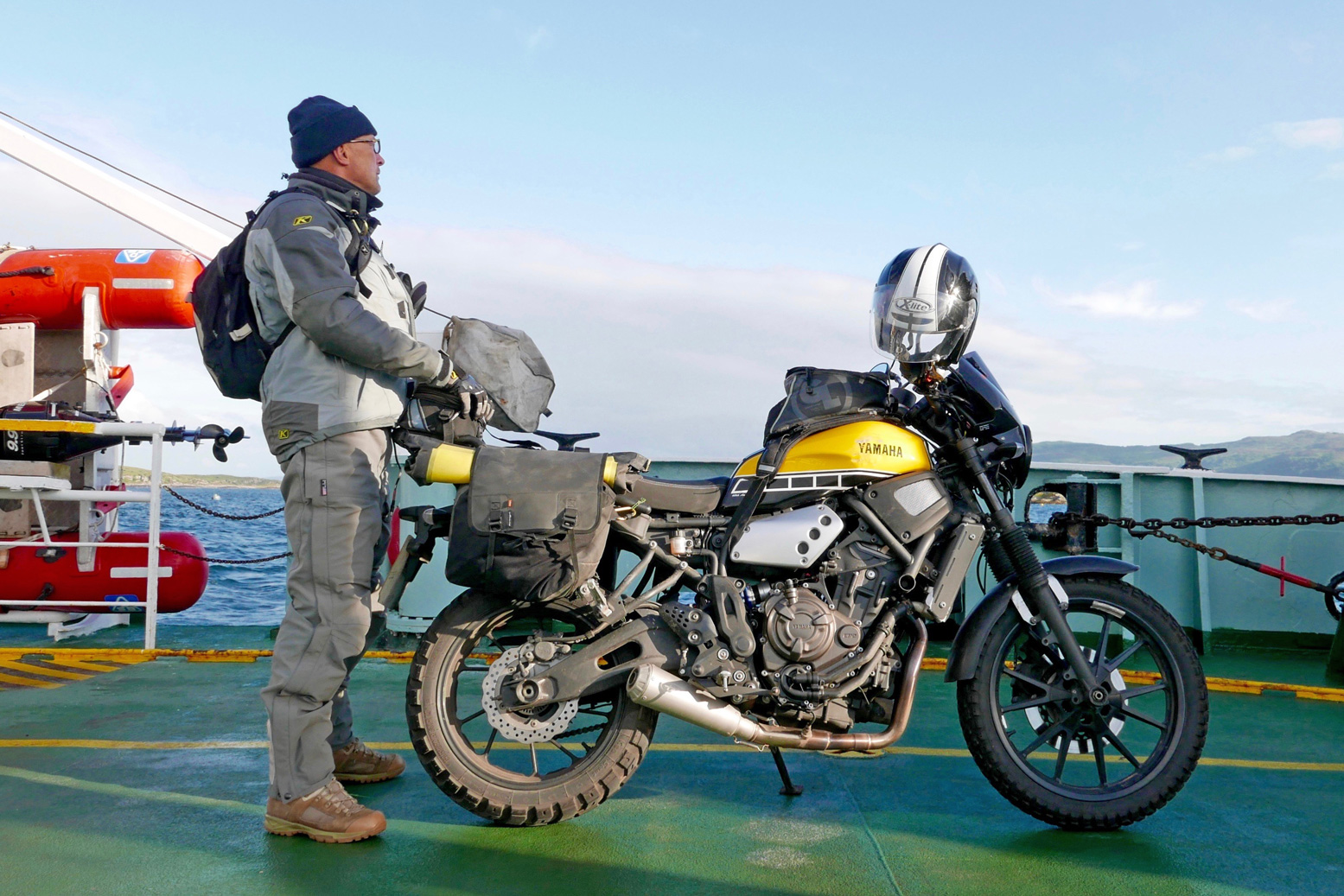
I’d just spent the weekend at the Horizons Unlimited Travellers Meeting near and, looking at the map of the British Isles, there seemed a much more exciting and seemingly more direct route back home near Ullapool. Instead of looking for another new way to dodge the conurbations of northwest England, why not nip over to Ireland, shoot up to Belfast, over to Galloway and then hook up with Calmac’s ferry network, skimming like a pebble to the Outer Hebrides and back to Ullapool – a Motonaut of the Western Isles.

With only a couple of hours sleep on the floor of the ferry’s lounge, I knew I’d not make Belfast Docks without succumbing to an urge to sleep. But I’d given myself a comfortable six hours to cover the 220 miles, which allowed for cock-ups, refills and a power nap behind a hedge.

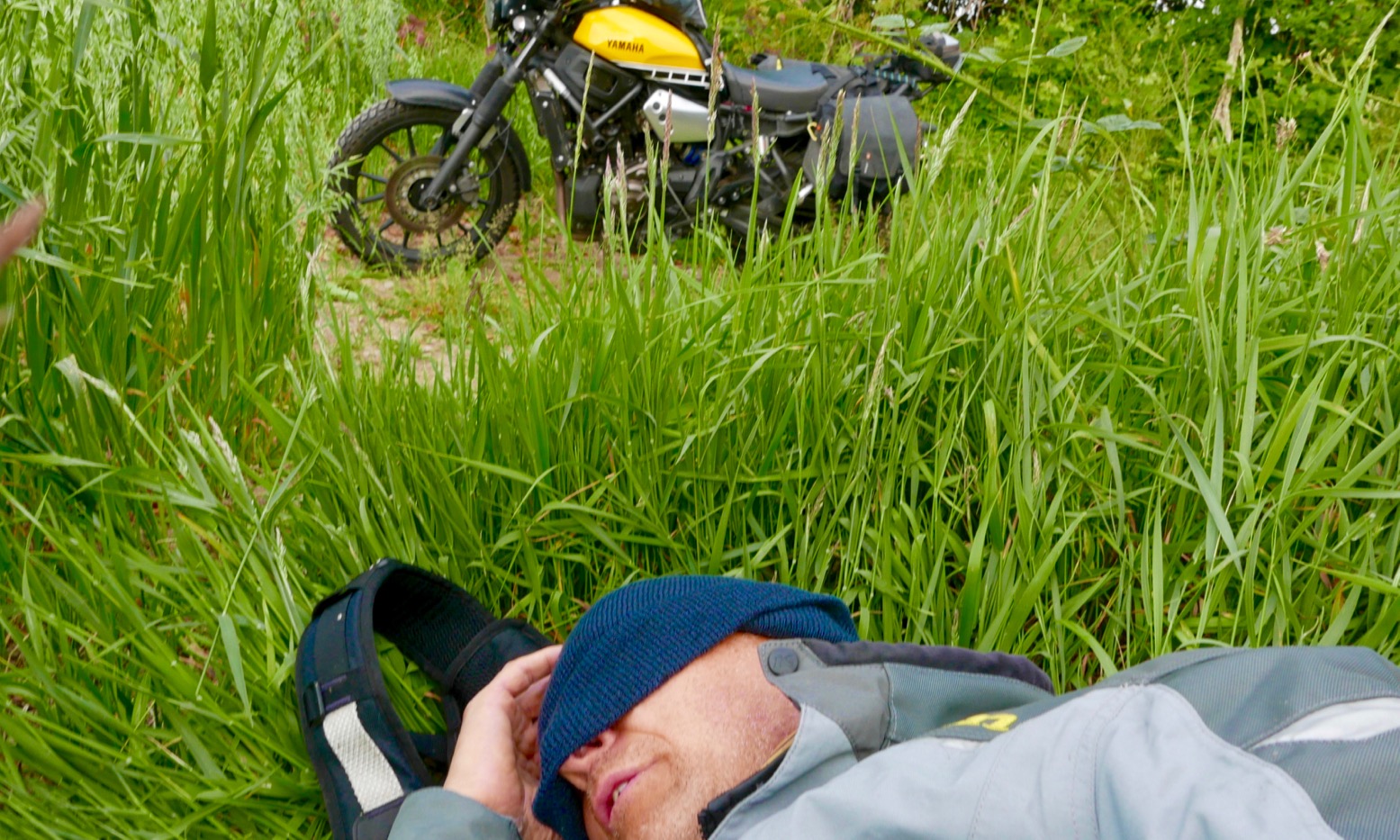
The XSR’s rorty pipe reverberated through the slumbering backstreets of Rosslare and once I’d picked up the N11 Dublin road and passed Wexford, I could open it up without frightening the horses. By the time it was fully light I’d split off the N11 which soon became a boring motorway. I may have a ferry to catch, but taking the N81 west of the Wicklow mountains was irresistible. If I got behind, at Dublin I could pick up the M1 to the Ulster border. The thrill of the new kept me alert till about 10am when all those well-worn tricks to stay awake couldn’t stop Humpty from falling of his bike if he wasn’t careful. I knew well that just 15 minutes could do the trick, so pre-emptively crashed out behind a barn and rolled into at Belfast docks with an hour to spare.

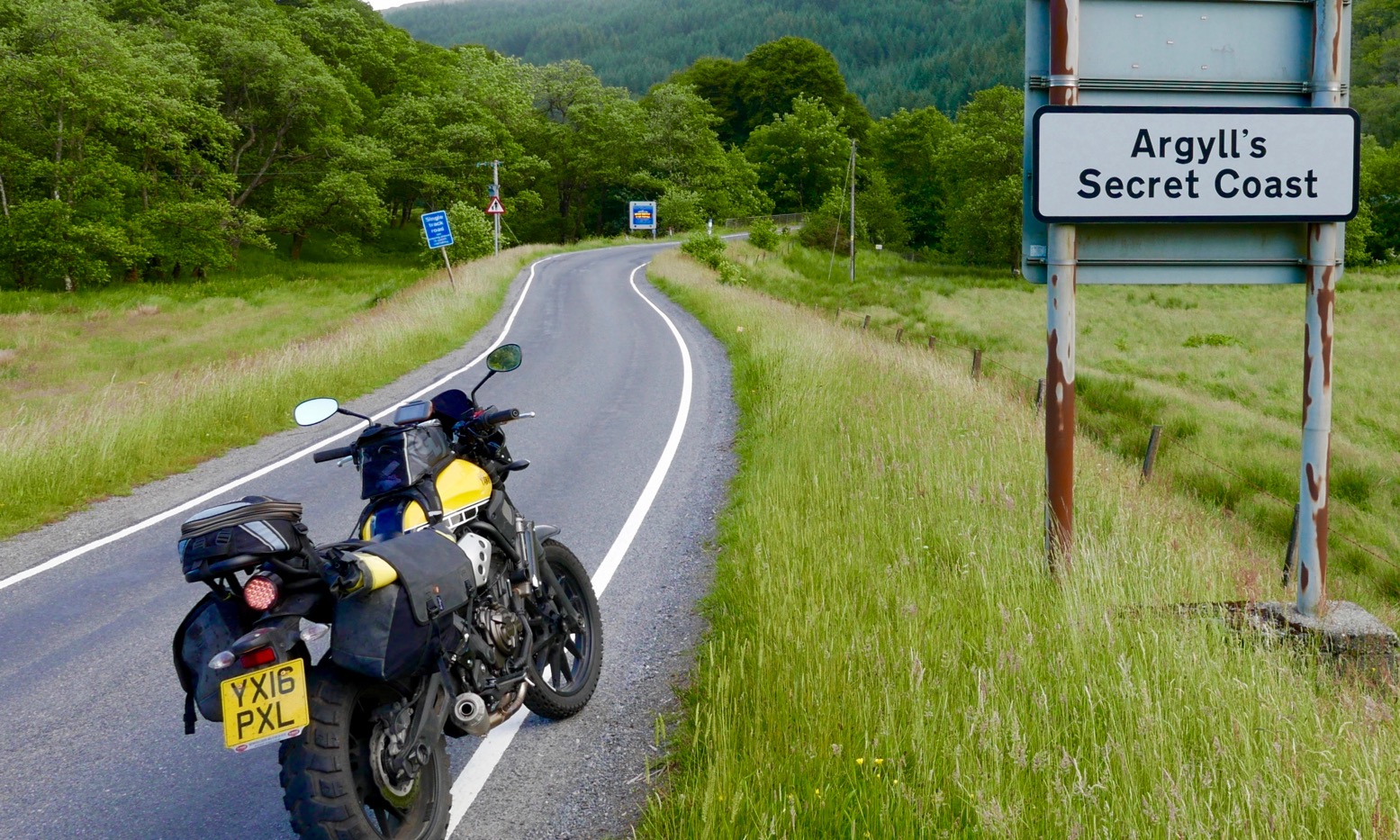
After snoozing my way back across the Irish Sea, heading along the A77 Ayrshire coast, road signs listed familiar names of towns I’d never actually visited, as well as one of Trump’s many Scottish golf resorts at sandy Turnberry Bay.  

WITour

Ever heard of Wemyss Bay? Me neither until the other day, but it was here that the more intricate part of my ride kicked off. Three short ferry crossings via the Isle of Bute saved over 70 road miles via congested Clydeside to reach the Kintyre peninsula which dangles down just 13 miles off the Antrim coast. And now in 2021 there is talk of a bridge to Northern Ireland to help hold the Union together.

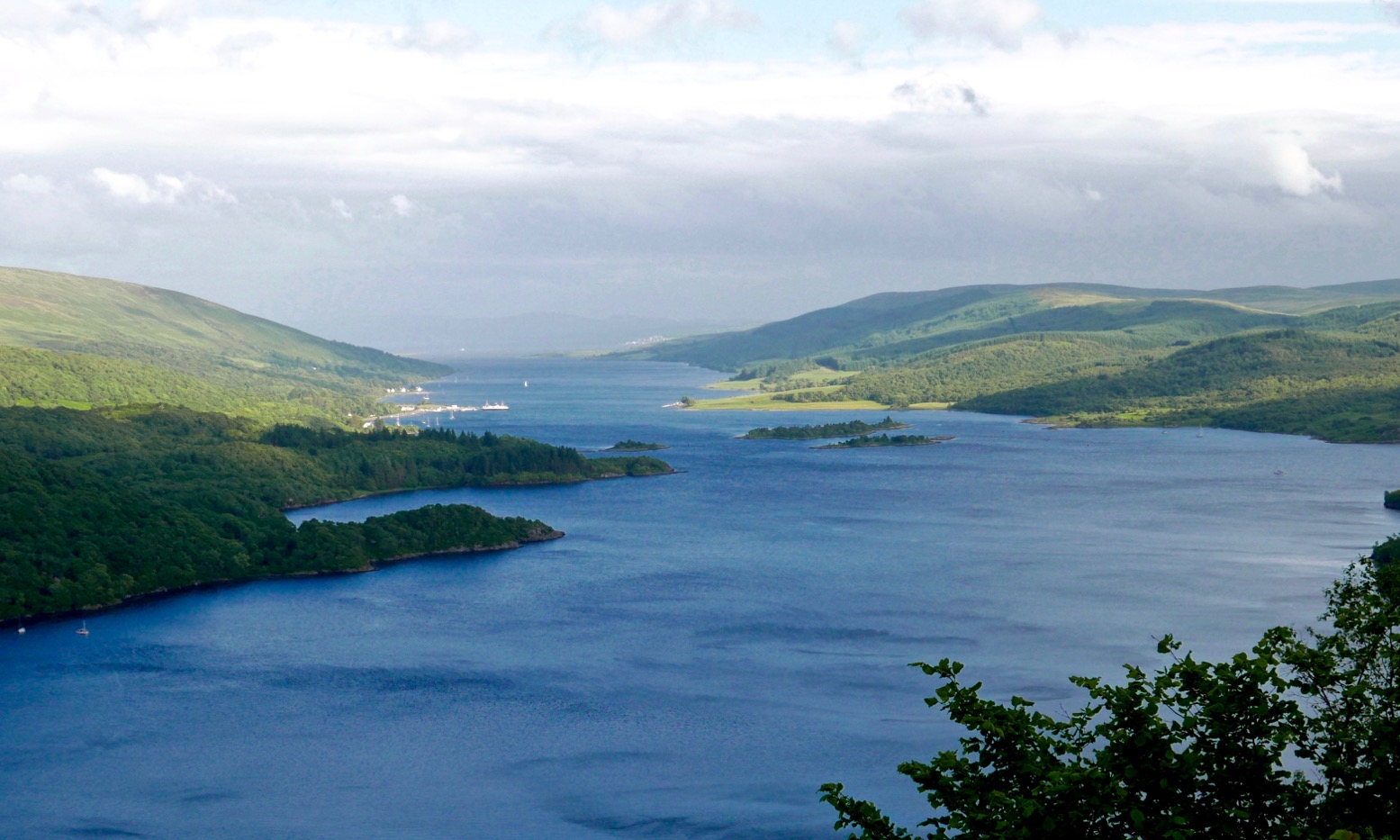
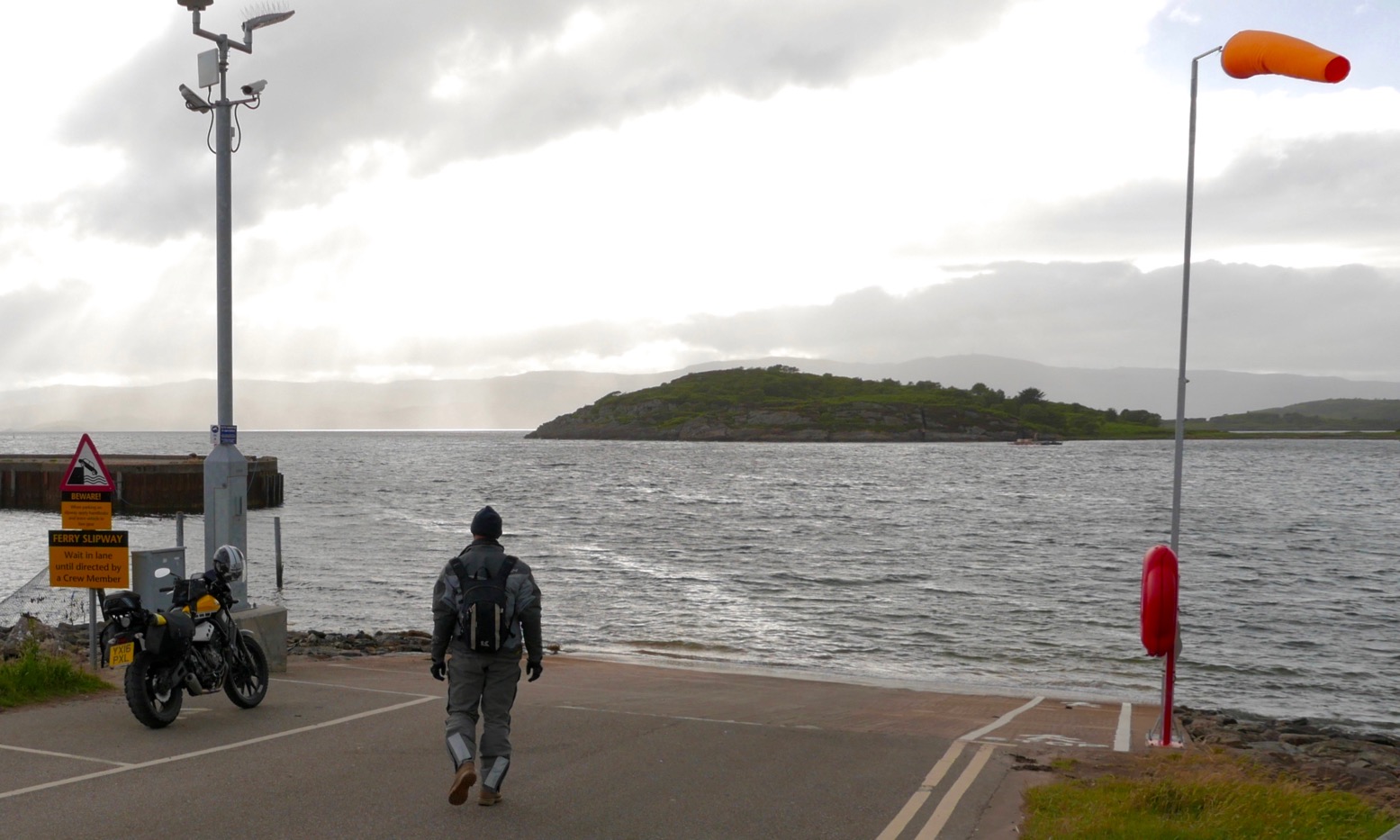
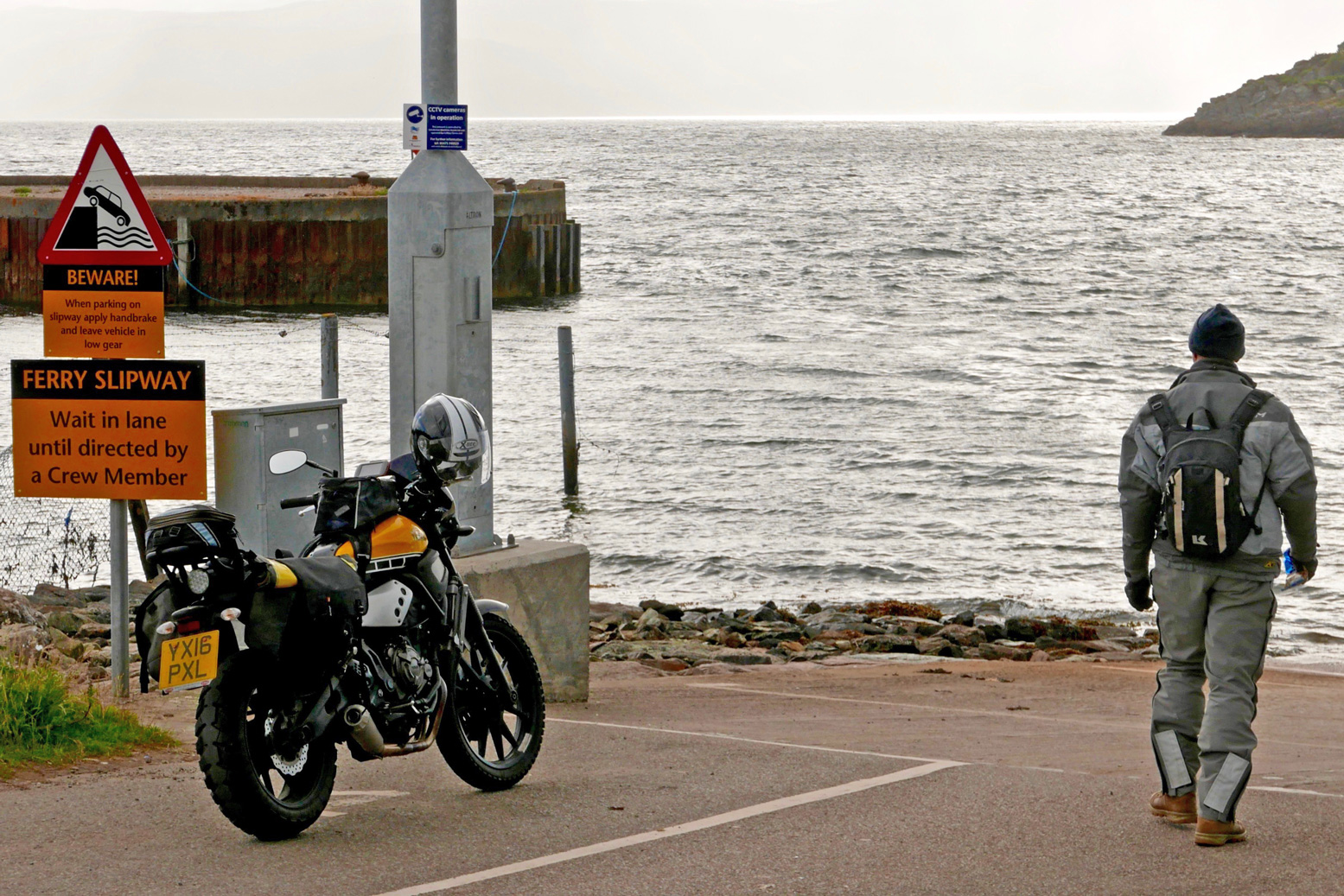
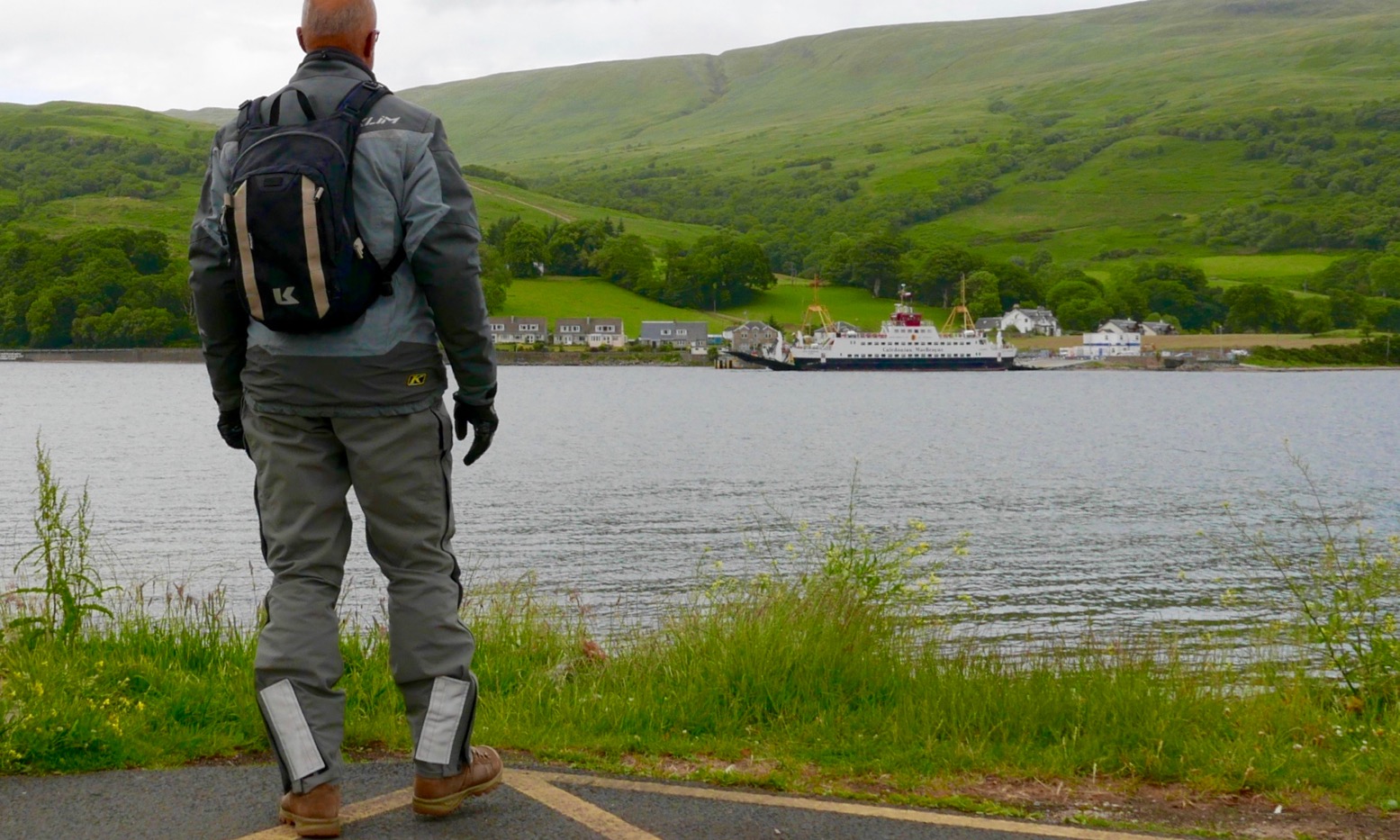
From Bute it was a short run up the road to Rhubodach and Britain’s shortest island-mainland ferry back on to the South Argyle mainland and a windy ride around Loch Riddon to Portavadie jetty for the boat over to Tarbert on the Kintyre peninsula.
steno

Around here I was expecting to run out of steam, and with plenty of daylight and spare time to catch tomorrow afternoon’s ferry from Oban to Tiree, I checked in to a bed-sized room in the town’s somewhat dank hotel.

Part Two later today.

Some photos below from Hay on Wye to Tarbert.

westday - 1
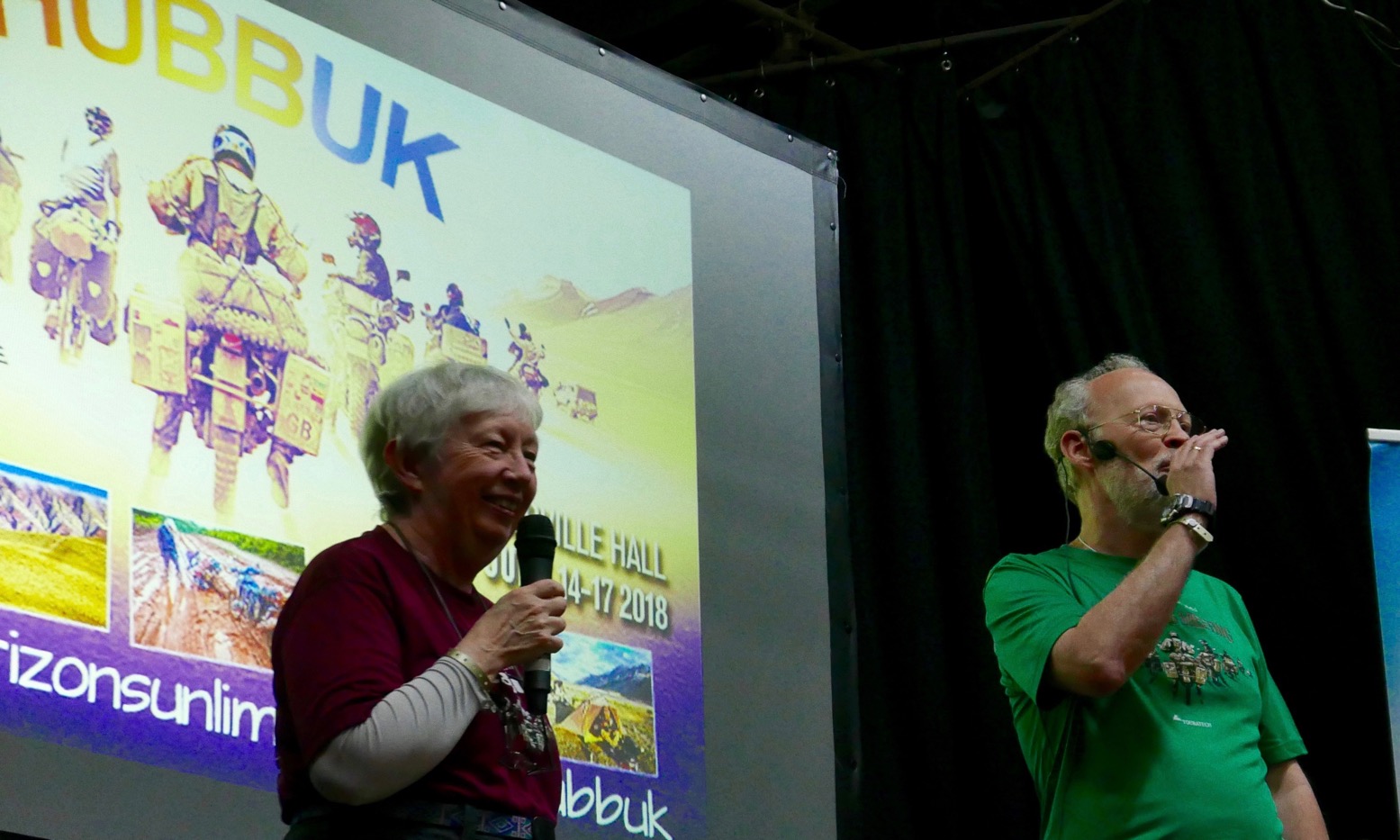
HUBBUK at Baskerville Hall in Wales.
westday - 2
Horizons’ founders, Grant and Susan Johnson have an announcement…
westday - 3
… I am honoured to win an award ;-)
westday - 4
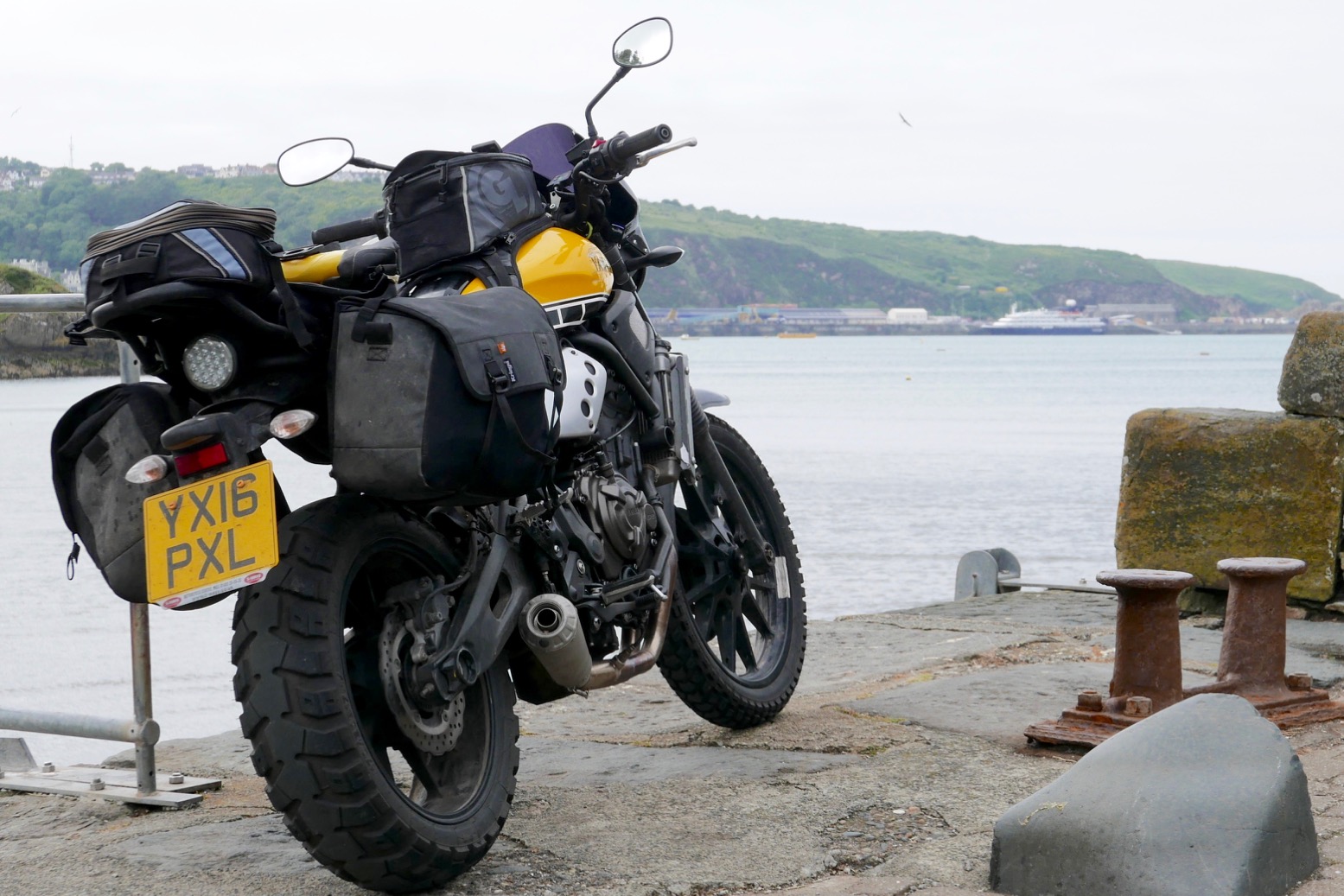
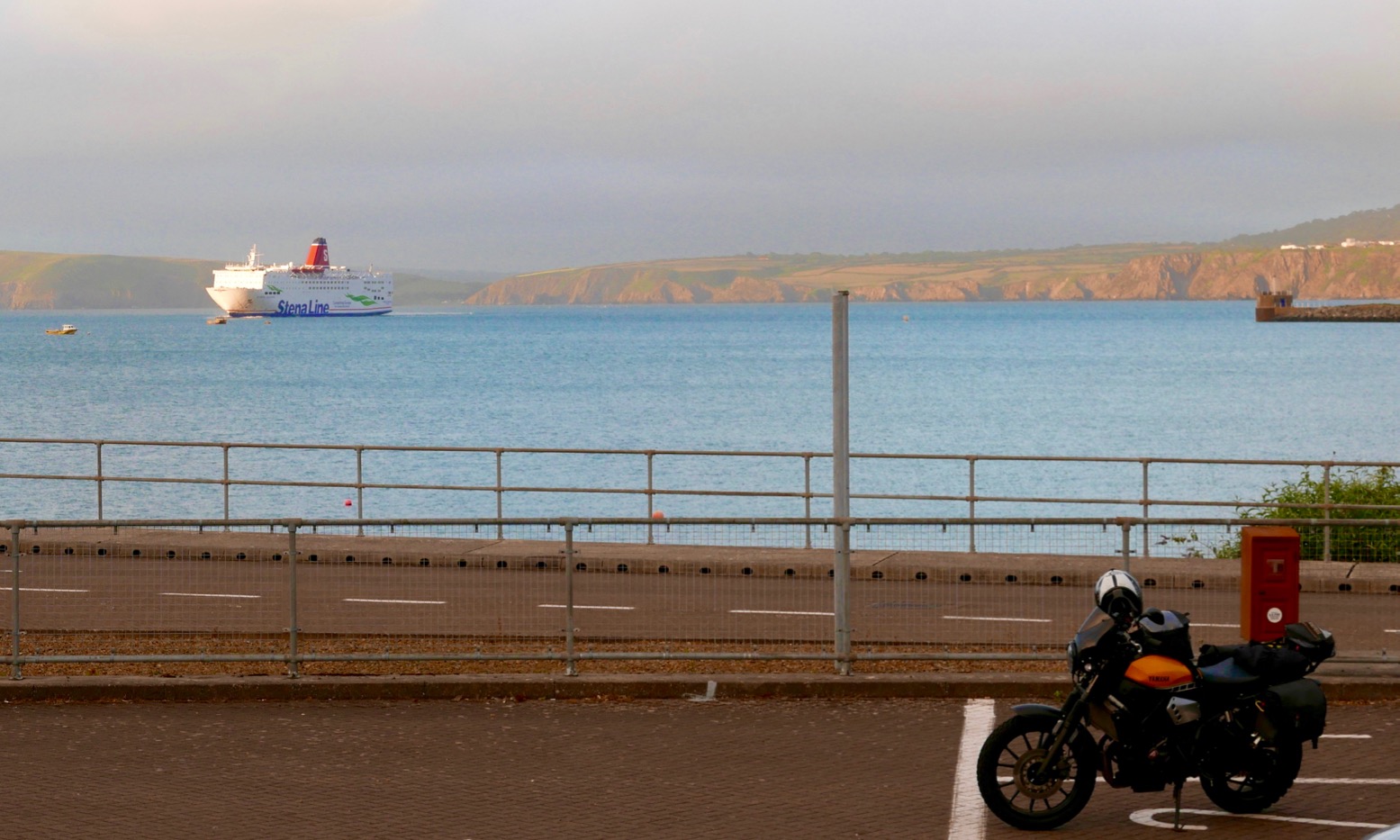
After the event I ride in the Welsh rain to Fishguard docks. Will a Stena ferry fit in here?
westday - 5
Oh, wrong side of the docks. What an idiot.
westday - 8
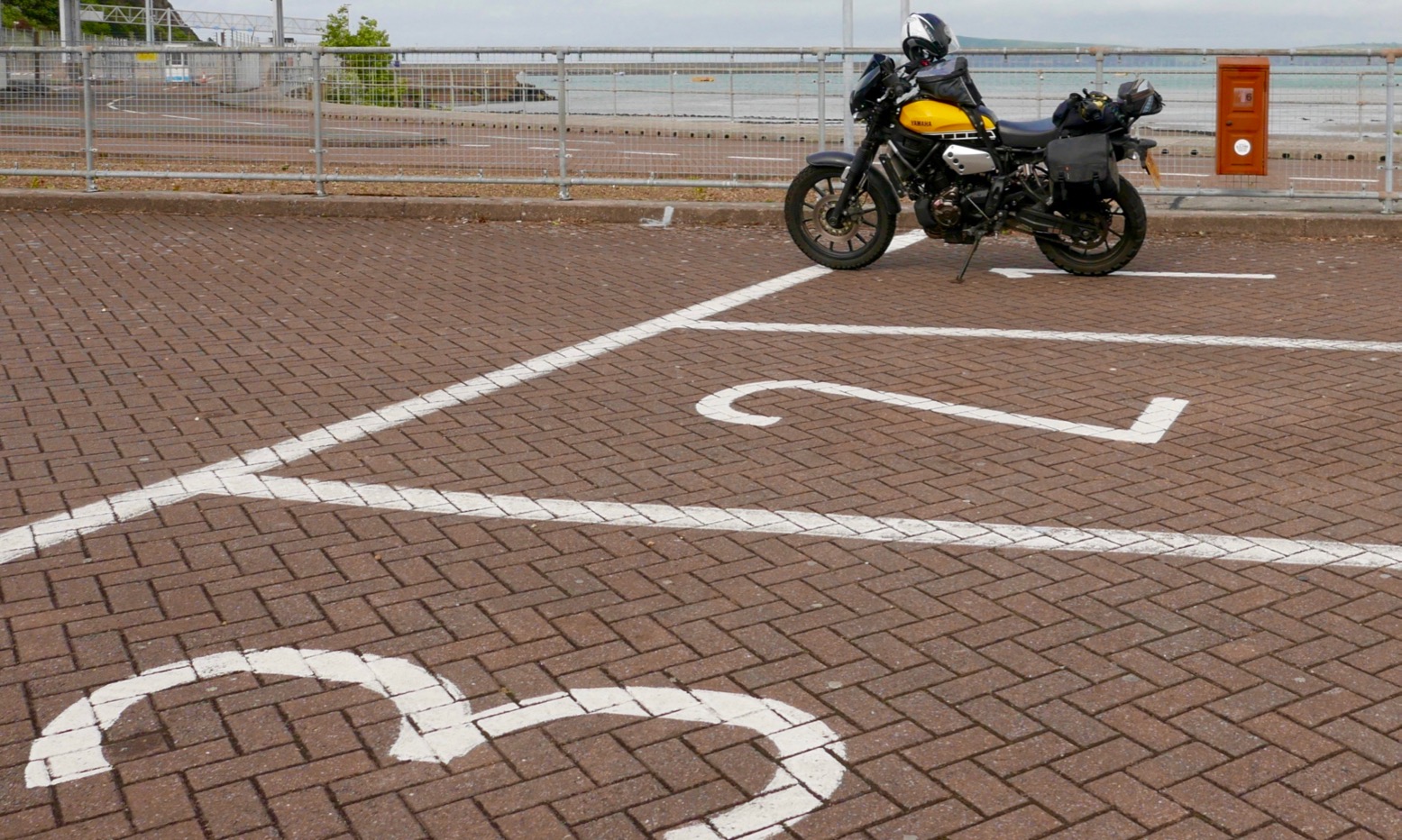
Pole position and the right docks.
westday - 6
I go for a wander. In 1955 John Houston filmed Moby Dick here.
pecker
“For there is no folly of the beast of the earth which is not infinitely outdone by the madness of men.
Tell me about it, bro!
westday - 7
A border as soft as a toasty marshmallow. Happy days…
westday - 9
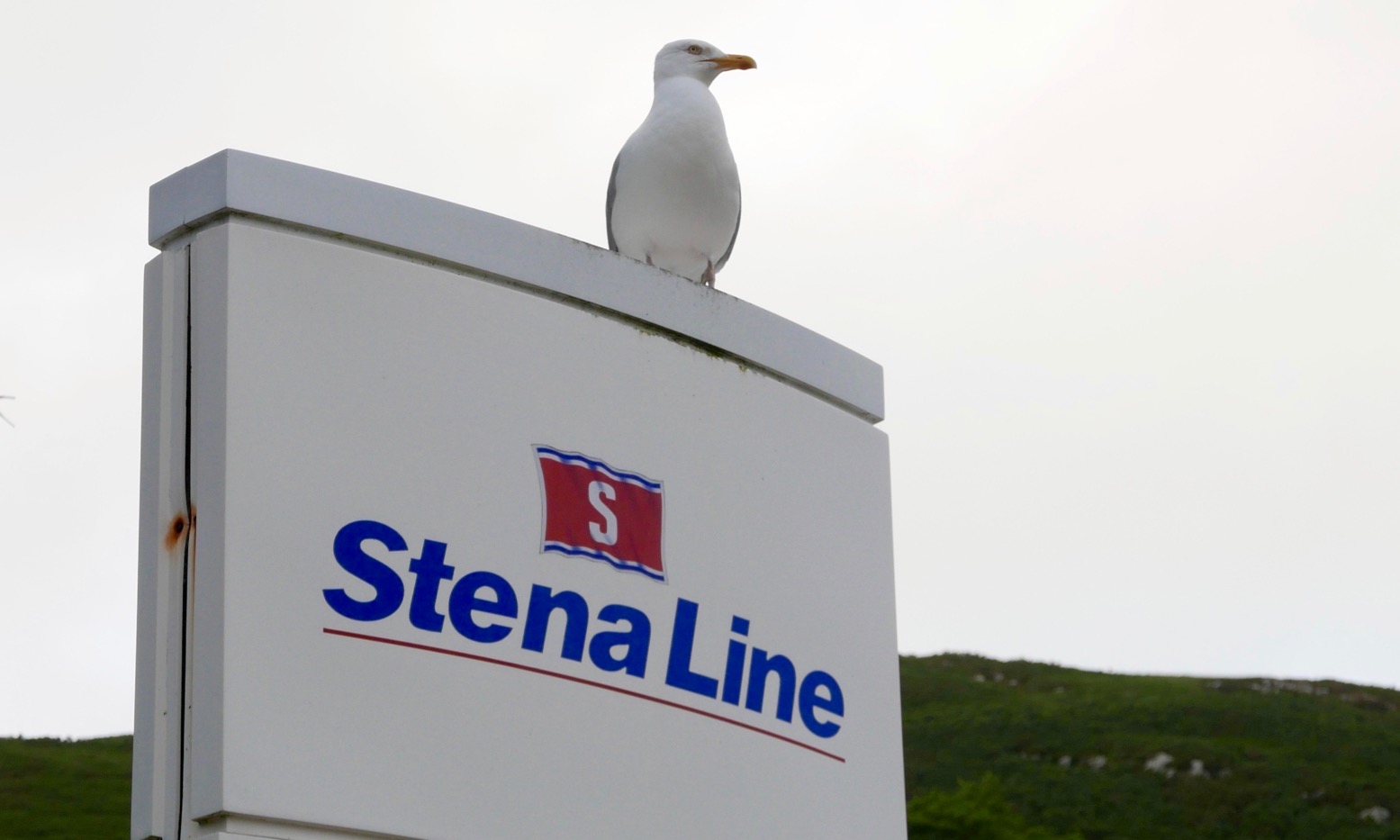
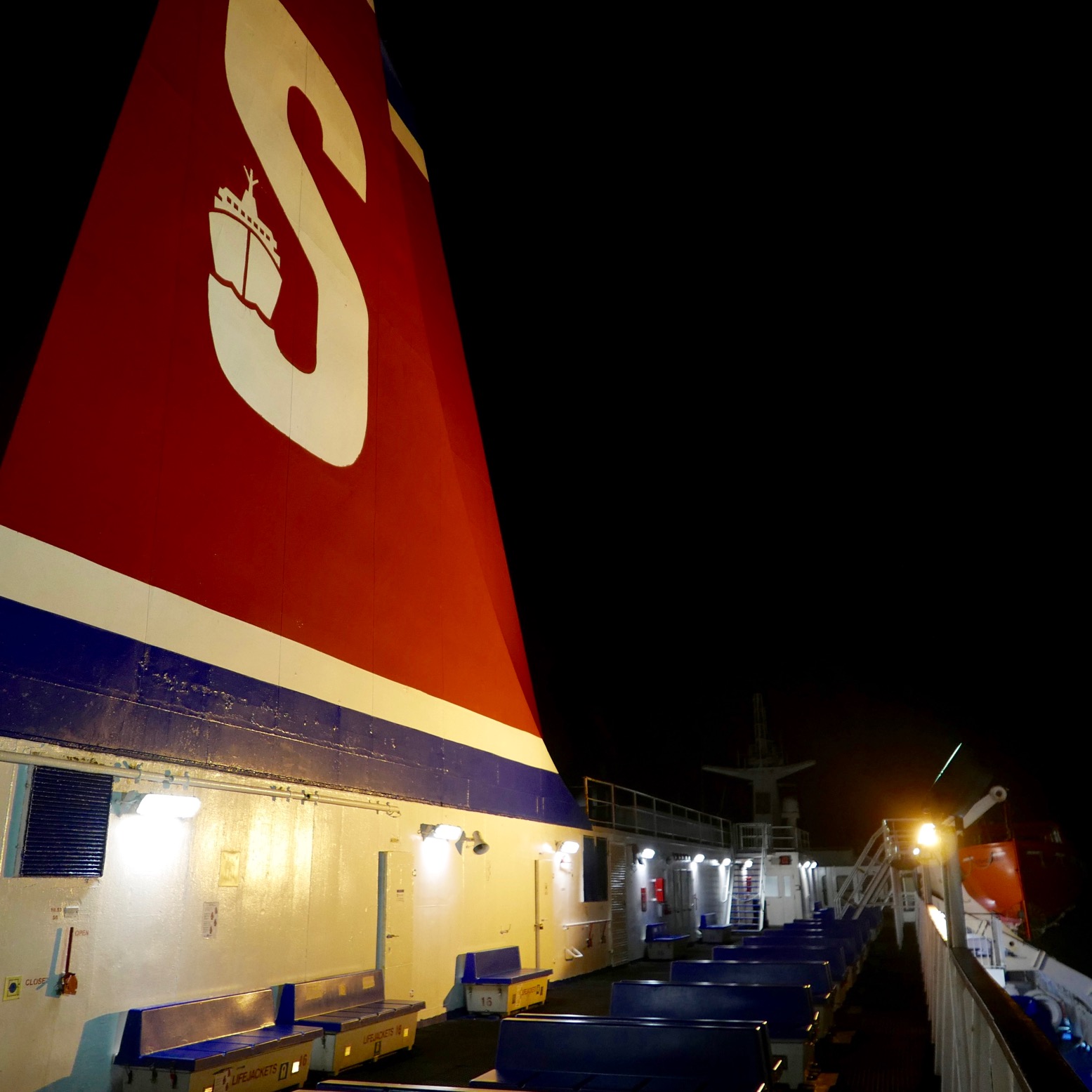
Meet Jonathan – Stena’s steadfast yellow-beaked mascot. We’ll see more of him later.
westday - 10
Stena swings into Fishguard Bay.
westday - 11
Midnight, the horn parps and we sail into the cetacean abyss.
westday - 12
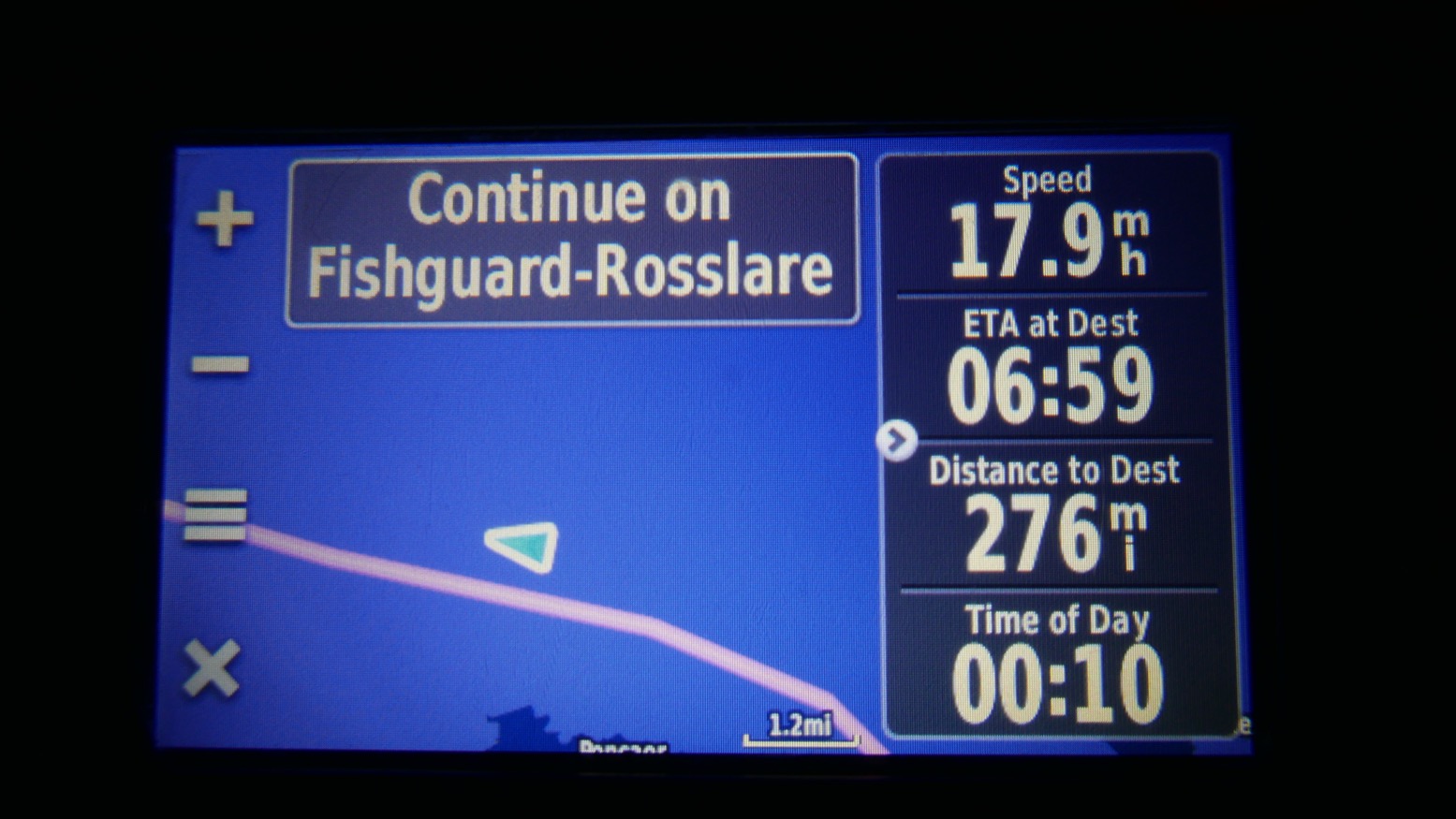
Bloody satnavs. Distance more like 60 miles; ETA 4am.
westday - 14
Four a.m. in Rosslare.
westday - 15
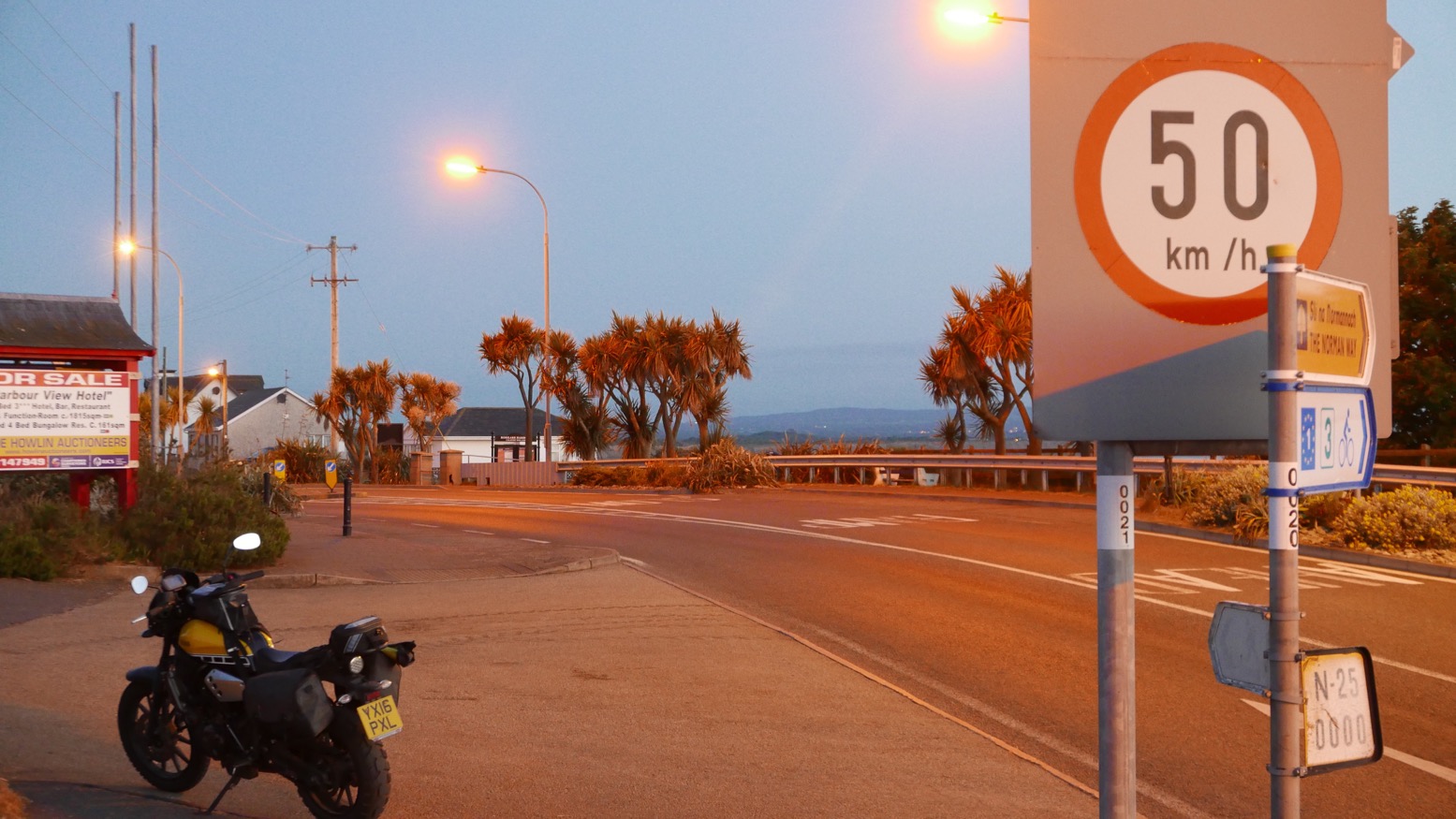
An amber pre-dawn glow on balmy Gulf Stream palms.
westday - 16
Only a few hours to get to Belfast Docks. Better step on it.
westday - 17
But this EU funding for new roads is not all it’s cracked up to be.
westday - 18
I’ve barely slept so I crash out in a cornfield.
westday - 19
Back on the road. It’s good for you!
westday - 21
Alwasy fancied a JPS Commando. JSP Vespa? Not so sure.
westday - 23
Leaving Belfast. Like the Titanic 106 years ago, but with wifi and cappuccino.
westday - 24
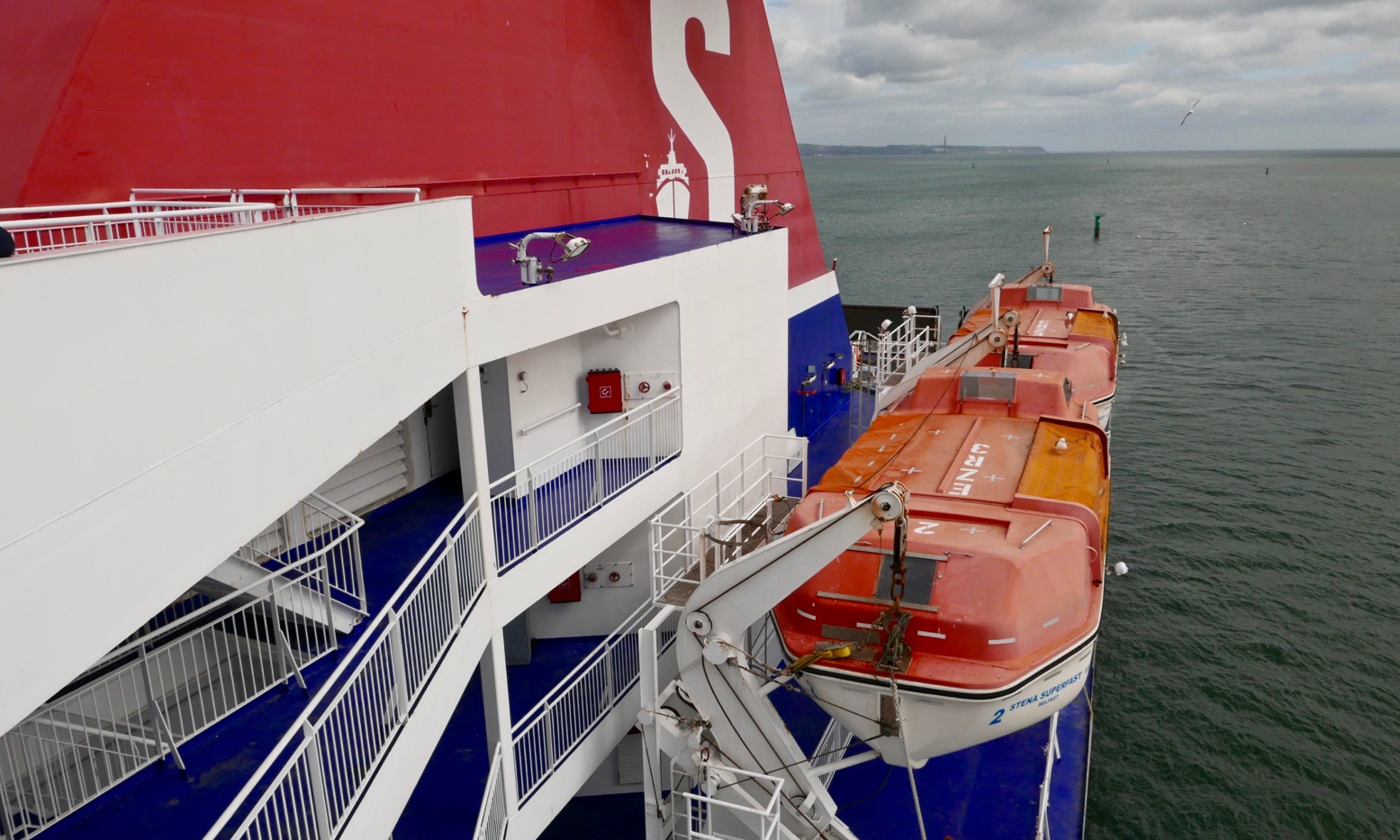
Jonathan escorts us back out into the glassy Irish Sea.
westday - 26
Ailsa Crag, an old volcano and source of the world’s finest curling-stone basalt.
westday - 27
Turning round the Rhins (headland) of Galloway.
westday - 28
Bombing up the Ayrshire Coast. I got three more ferries to catch before sunset!
westday - 29
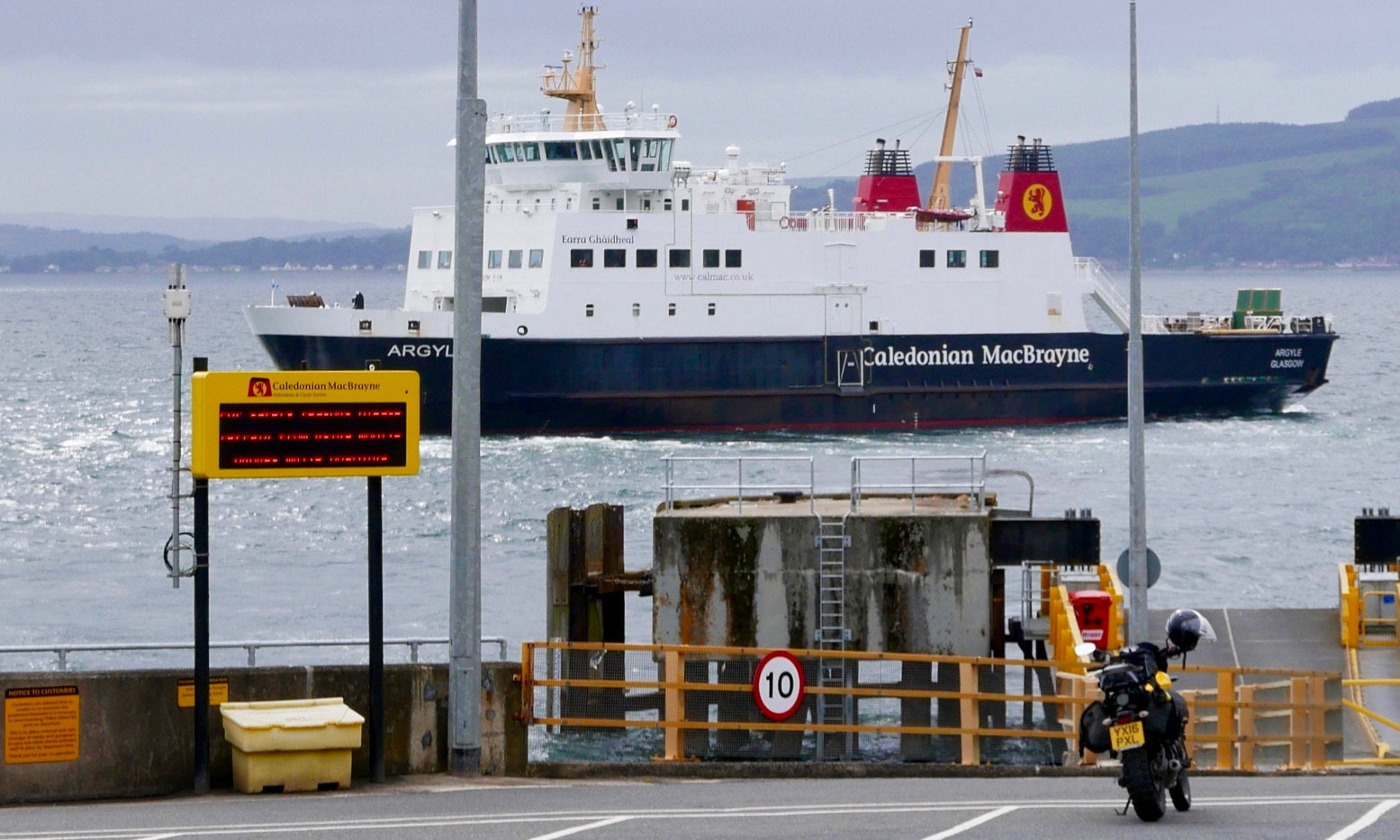
Rats! Just missed the CalMac from Wemyss Bay to Bute.
westday - 30
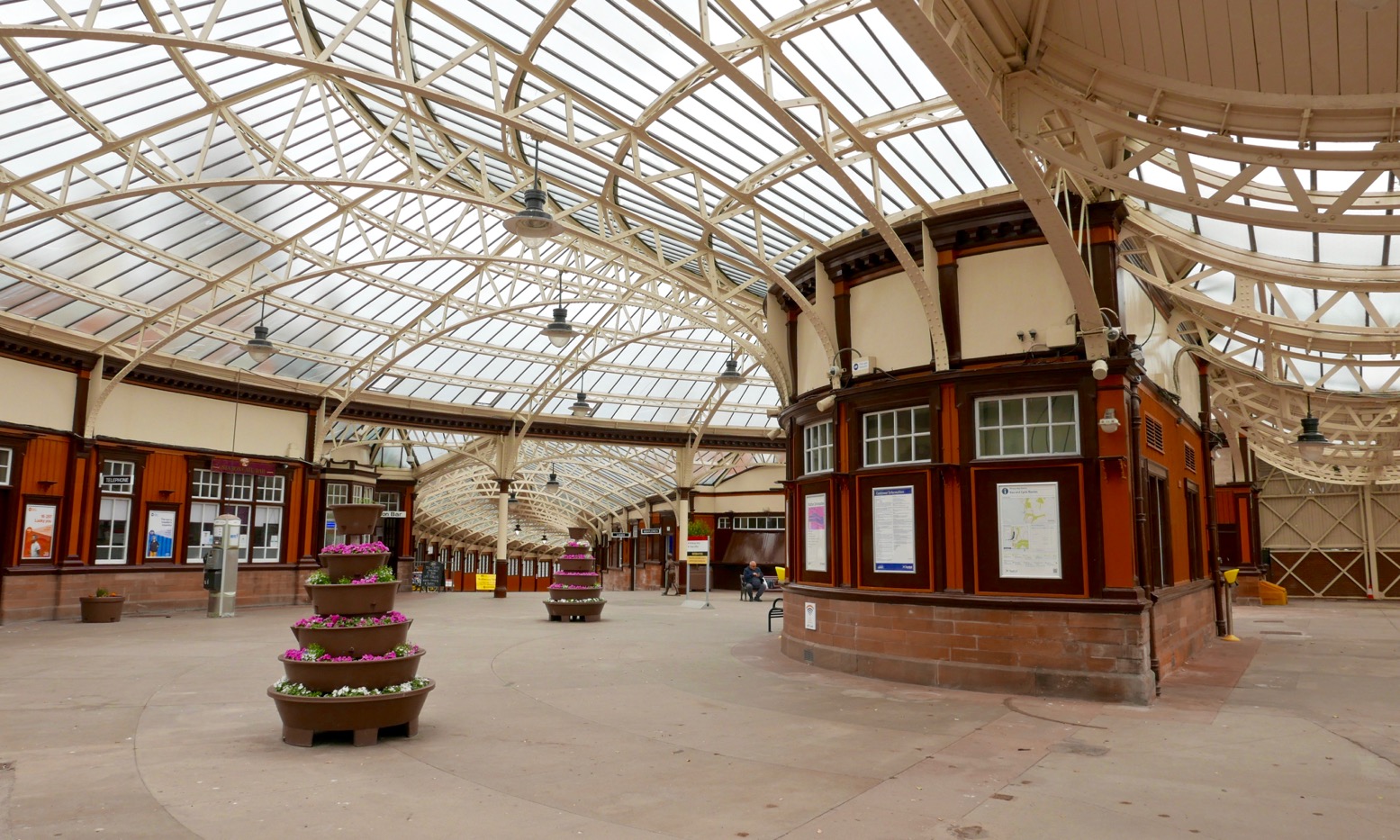
But it gives me time to explore the amazing Edwardian-era train terminus.
westday - 31
Those were the days my friend.
We thought they’d never end…
westday - 32
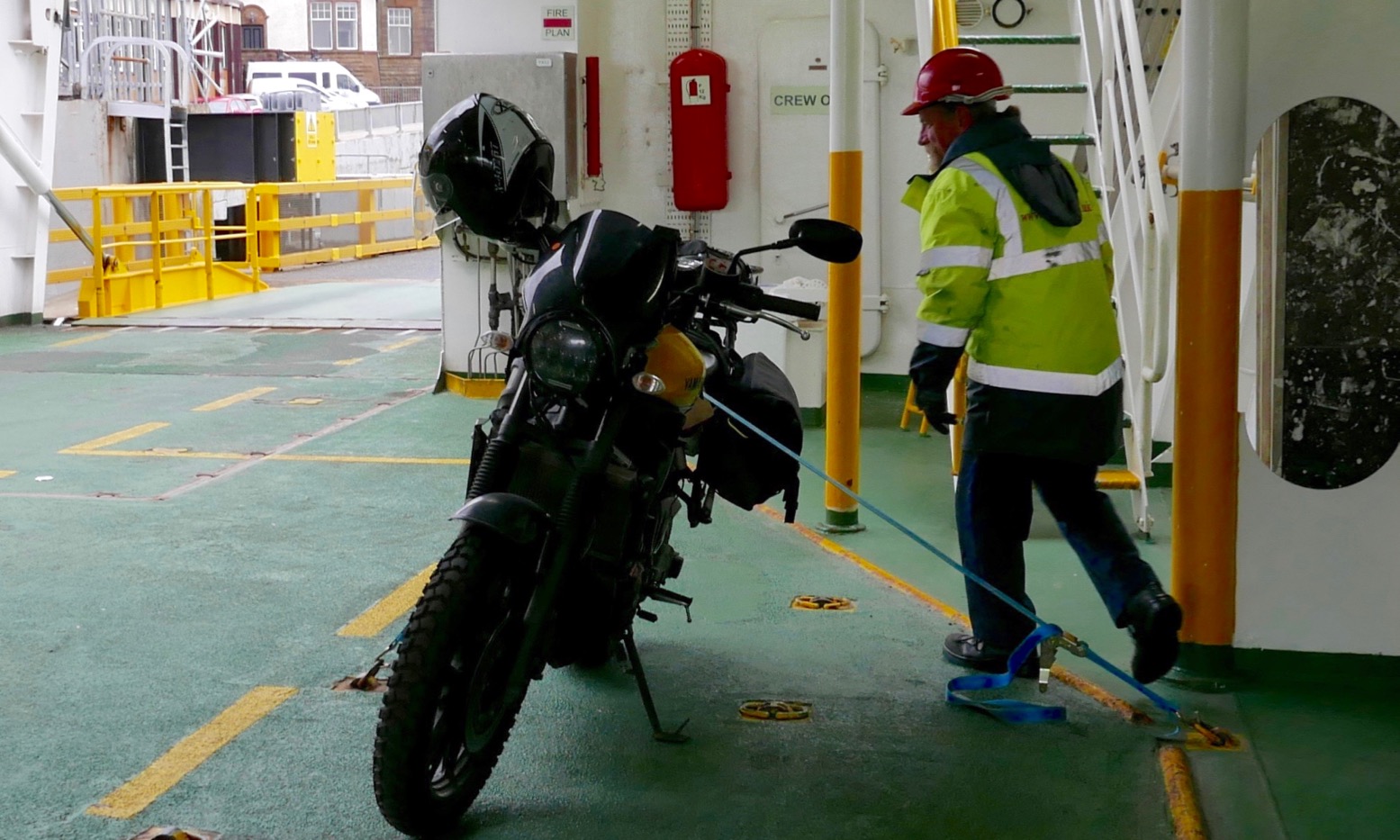
XSR gets strapped down again. Might be getting a taste for bondage.
westday - 35
Once on Bute, a short ride up to the end of the road at Rhubodach jetty.
westday - 36
Another short CalMac back to the Argyll mainland.
westday - 38
I squeeze aboard the UK’s shortest scheduled sea ferry crossing – about 420 metres.
westday - 39
Great riding up here, but don’t tell anyone.
westday - 40
View back down Loch Riddon to the ferry terminal.
westday - 41
Waiting for the ferry at Portavadie, Argyle to Tarbert, Kintyre. Sunshine and showers.
westday - 43
Only passenger again across Loch Fyne.
westday - 45
‘Go on, do an Evel Kinevel’, says the ferryman.
westday - 47
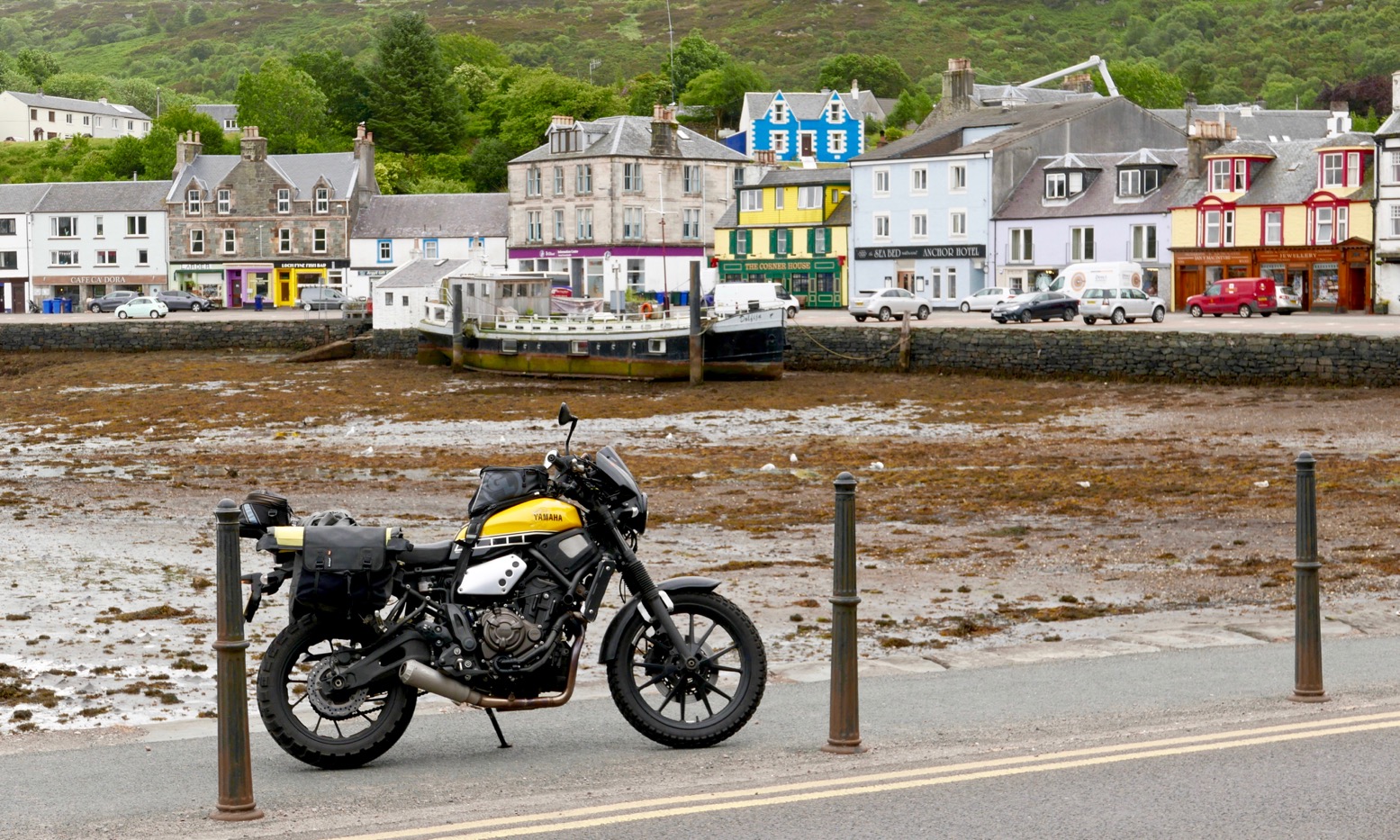
Tarbert. Actually still 3 hours of daylight left but I’ve been up since 4am.
westday - 46
So I head for the town hotel. It’s seen better days but haven’t we all.
westday - 48
Next day: backroads to Tiree, Rest of the story shortly….

XSR Scrambler: Part 2 Western Isles Tour

Review: Aerostich AD-1 Light Pants

Updated 2025

aeroferi

Tested: Aerostich AD-1 Light overtrousers.

Where: Spain, Morocco, France, Ireland, Morocco and Spain.

Price: $367 $427 from Aerostich

image.png

Weight 1220g + armour. Available in grey, black and tan.

See also: Rukka PVC onesie.

aeroad1

What they say:
Perfect for dual-sport, adventure, touring and daily riding. Fully seam taped, unlined, HT200D Nylon GORE-TEX® jeans-cut pant with full length separating side zips inner and outer weather flaps to help the pants go on and off fast yet keep rain and wind out.

tik

• Usual excellent Aero taped-seam quality
• Dead easy to put on and take off
• The right amount of useful pockets
• Great contoured cut; don’t feel bulky
• Breath well and waterproof so far
• Long, but OK because ankle can be cinched in
• No complicated washing requirements

cros

• Quite pricey from the UK
• Sold only via Aerostich USA
• TF3 armour pads too bulky (others available)
• Bulky to stash when not wearing, but isn’t everything
• Need to be hot-ironed or tumble dried to revive the DWR

aerowaiter
aeroadd1

Review
About time I reviewed my Aerostich AD-1 Light pants. They’re pitched as lighter weight 200D Cordura Gore-tex overtrousers; less stiff to suit the occasional rider rather than ice-road commuters who’ll want Dariens or Roadcrafters in heavyweight 500D; two names which helped make Aerostich’s name in the US among Iron-Butt long-haul pros. Riding hard, fast and often, a 500D Roadcrafter is the best thing for 85-mph slides down the highway.
But who does that any more? Indeed, unlike many riders it seems, I rarely wear overtrousers at all, unless it’s actually pouring or very chilly. I don’t mind getting wet legs if the end is nigh, but when it isn’t I like the fact that I’m tucked, zipped, studded and velcro’d into my AD1s. Strict trademark laws make casual use of the V-word forbidden in the US. Jeez – and I thought I making a quick joke! Looks like I guessed right: in the US they must say ‘hook-and-loop’ which rolls off the tongue like a mouthful of old wool.

aeroad1 - 9
AeroSizingCharts

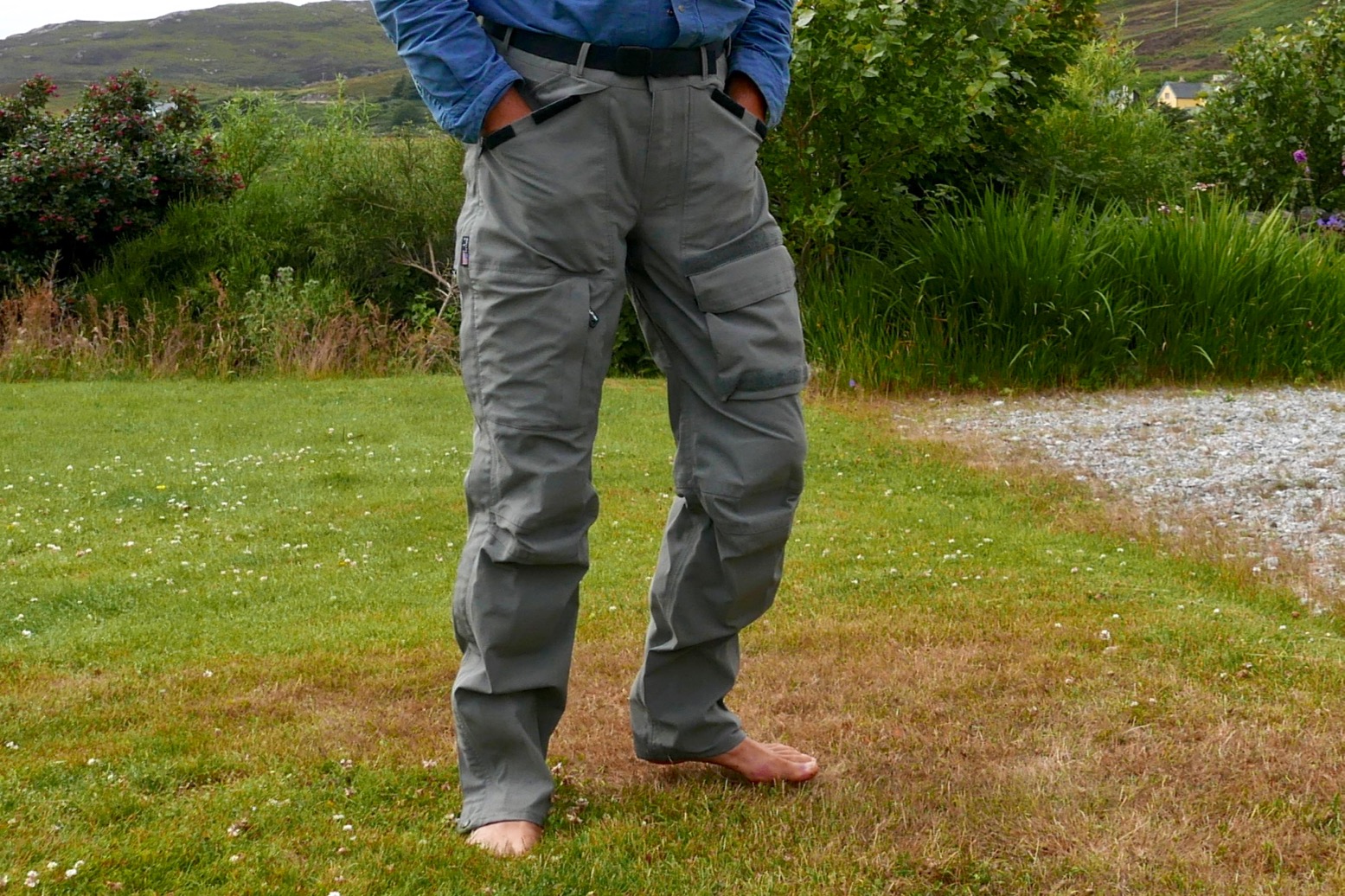
On me the AD-1s fit is just right: comfy and unobtrusive – as high praise as you can bestow on motorcycle clobber. You don’t feel like you’re schlepping around in a pair of baggy, swish-swooshing bin bags. The curved cut of the double-stitched seat and knees all help, and Aerostich do go out of their way to give you more than just S, M, L and XL. With their detailed sizing chart (right) you have little excuse to not get the right fit.
No complaints with breathability or waterproofing either – legs don’t really sweat or get cold. But when they do, one of the best things is with the full-length side zips the ADs are easy to put on and take off; a big incentive when you really ought to pull over and do one or the other, but don’t want to faff about or risk tripping over, banging your head on your rocker cover and waking up in a hospital corridor. 

aeroad1 - 2
aeroad1 - 6

What you get
I chose my ADs in ‘long’ to get right down over the boot. They have two-way 47-inch zips right down the outside of each leg, so if you want to vent you can modulate down from waist or up from ankle (or just use Twitter like everyone else).
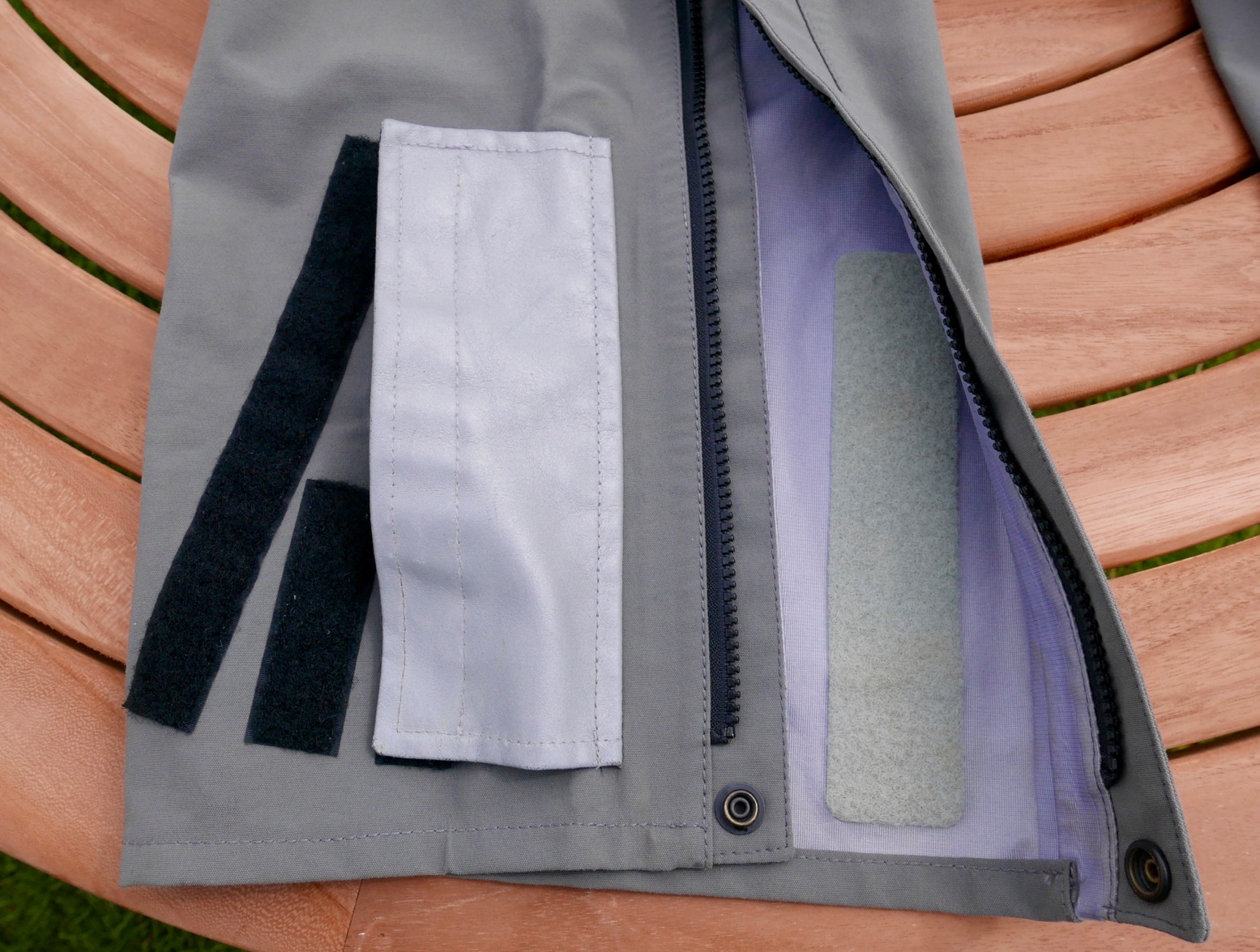
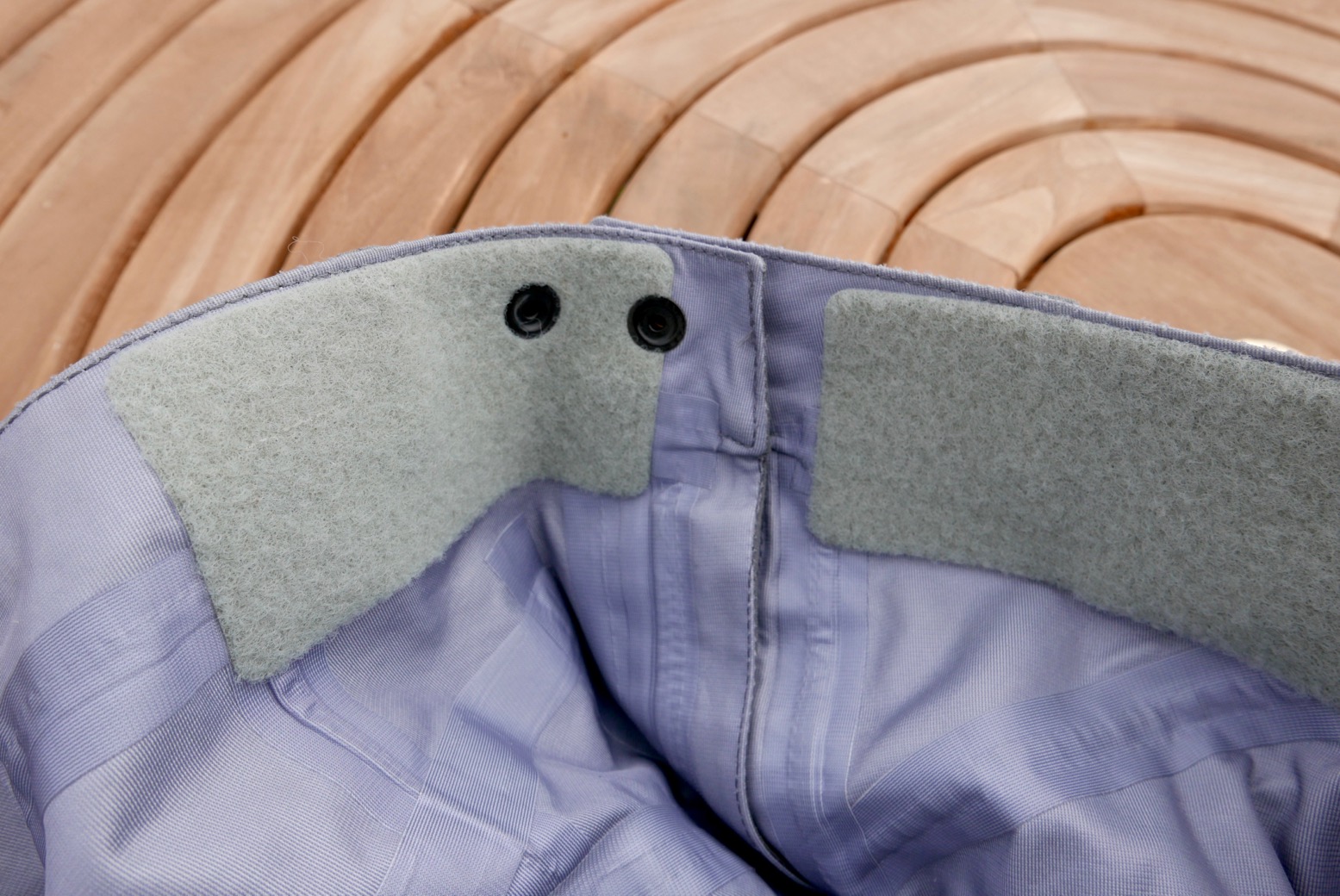
At the top you can also reset the waist circumference with studs by an inch on each side (above right). I have my 38″ Ls on the bigger setting and there’s a short elastic triangle at the back to take up the slack when lunch catches you with your trousers down. The zips have a full length rain flap of course, and the ankles have a big reflective panel (above left) allowing you to pull them in over boots or whatever. This is also effective in taking some of the 1220-g weight off the knees, especially as they’re so long (on my 38 Ls the inside leg is 34″). I wish my Klim Outriders did that (before I got it done myself). This support also avoids the need for braces.

aeroad1 - 8

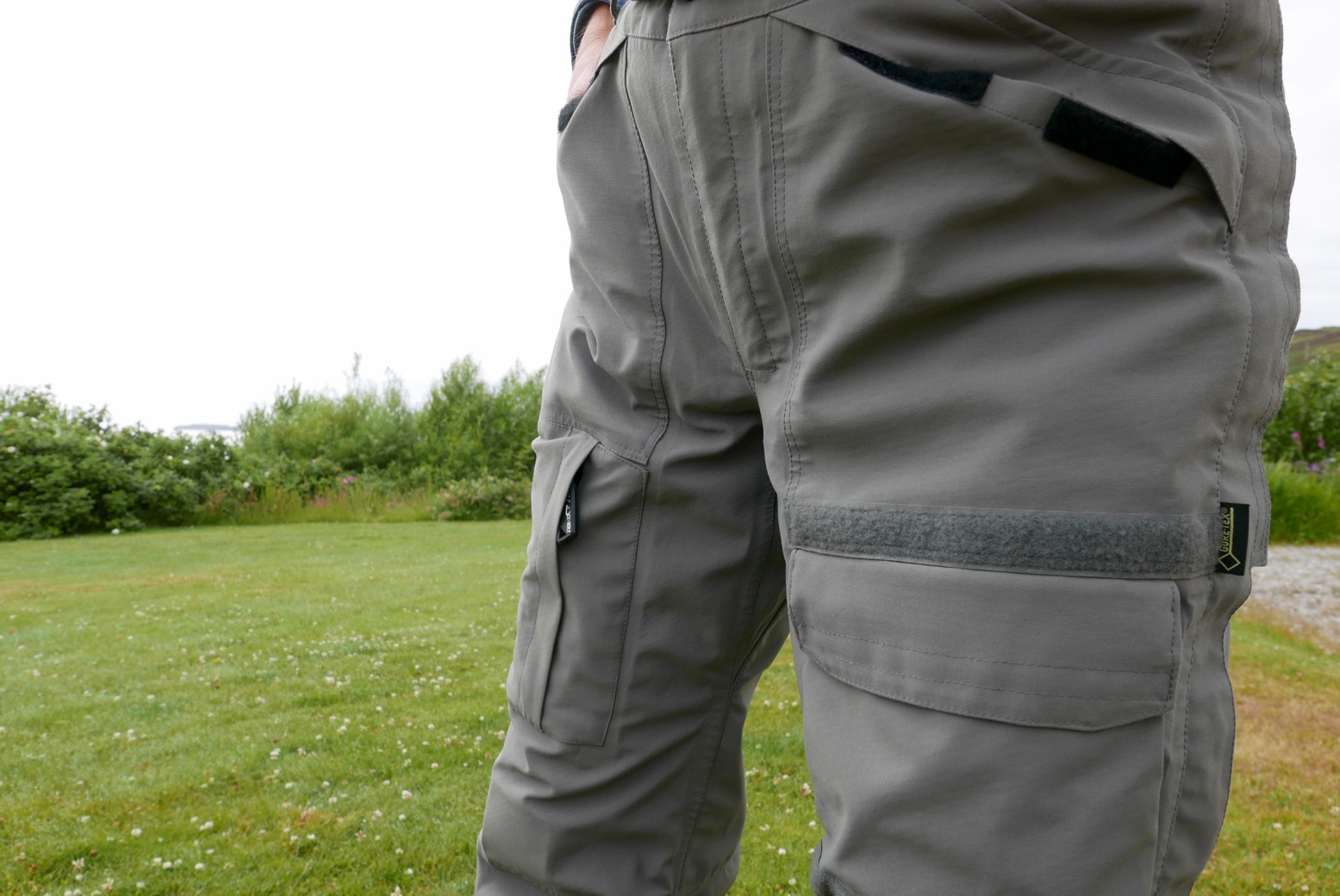
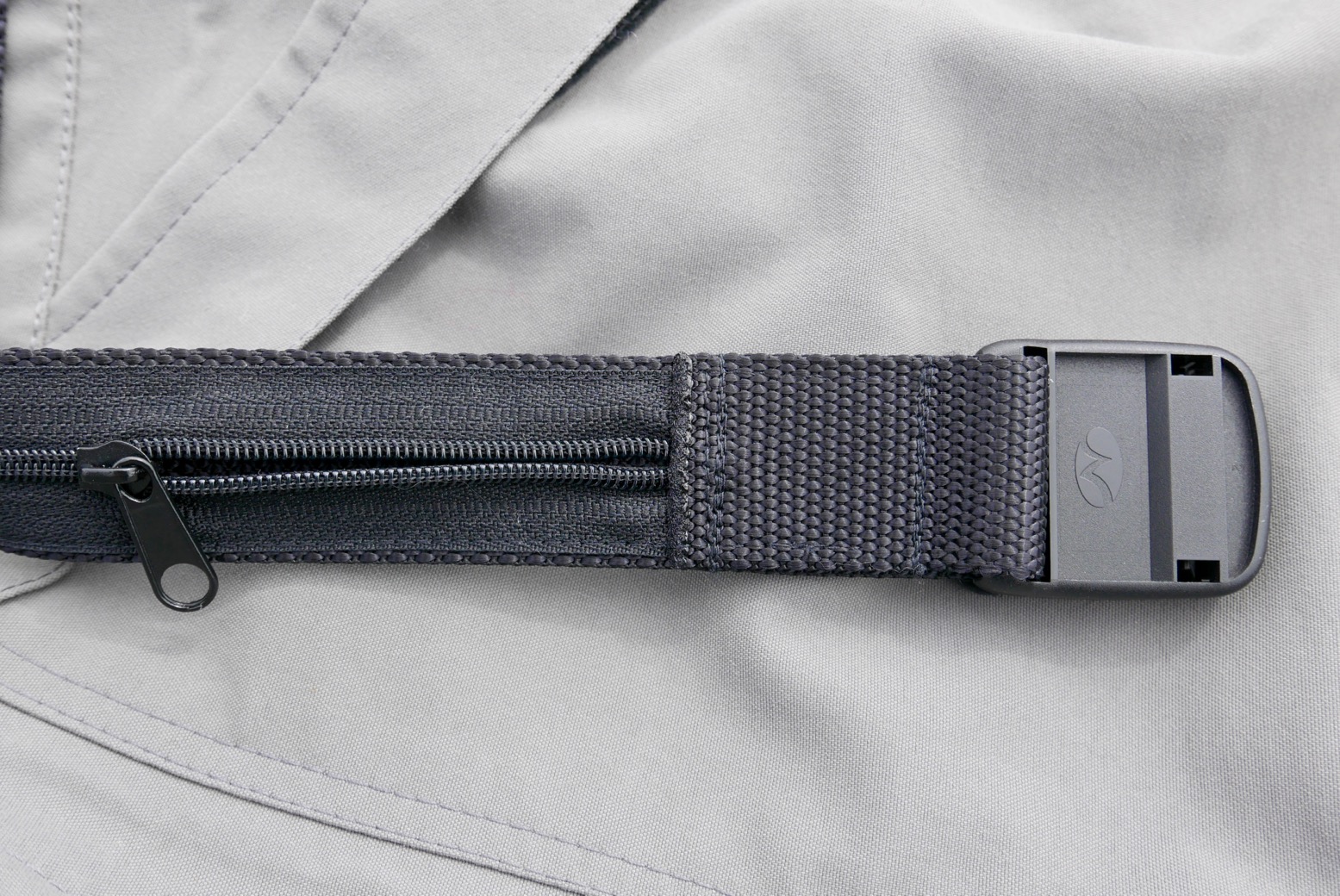
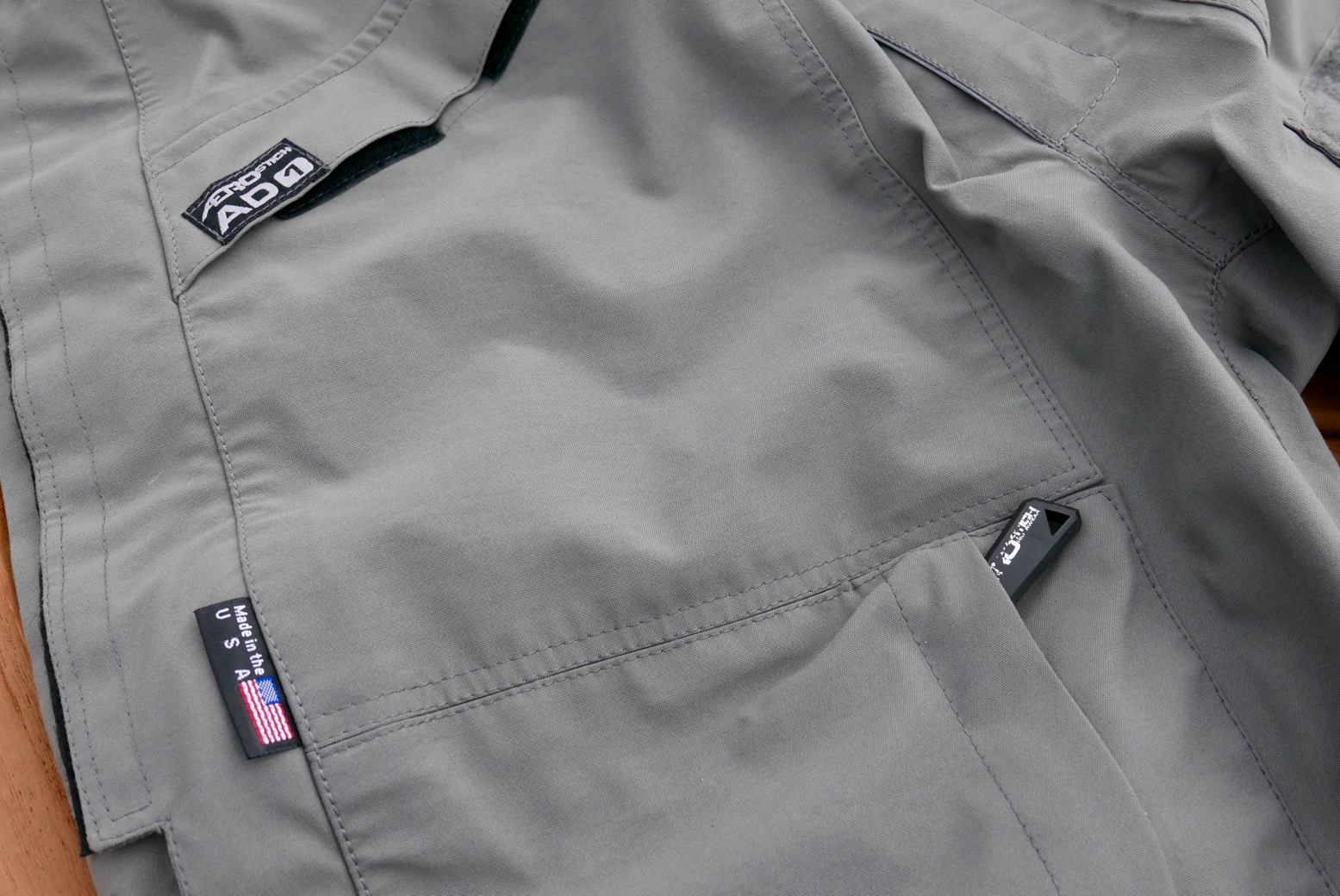
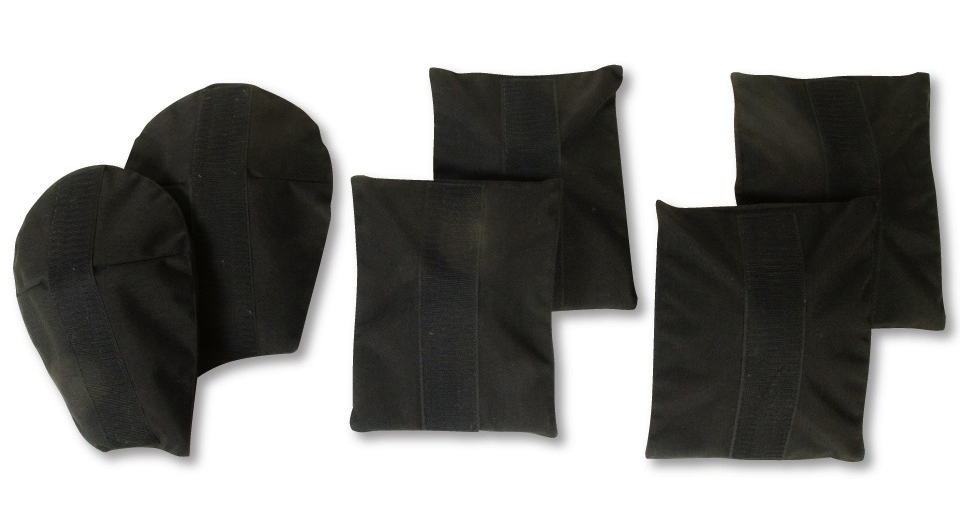
This is Aero County, Minnesota so you know there’ll be a few pockets knocking about. Left thigh has a 8 x 7-inch velcro™ flap pocket with more v*****™ over the top to take a map pocket. On the other thigh is a same-sized pocket with a water-repellant side zipper. At the hips are two more velcro™ flap pockets and there’s another v-free open pocket at the back, plus a cunning, easily missed SAS-style zipped stash belt (below).

tf33
kor-mr

I’m not a great fan of the bulky TF3 Aero-armour (left), even if it might be technically better than slimmer examples like D30 (right) which will attach to the velcro™ inside the knee, or ForceField lattice armour which won’t. Knee pads are handy for kneeling by the bike of course, not just crashing. There’s more you-know-what™ along the sides of the waist hem and inside the shins, for more armour perhaps.

WI-map
aerojetta

Recent trips have included coming back across close-to-freezing then rainy Spain one December, a dawn-to-dusk mid-summer ride up the left side of the British Isles where in June the chances of rain were high, a freezing ride across France in late 2021 on the Africa Twin,and see below 2024.
On all occasions the AD-1s did the job unobtrusively, keeping the chill out, the rain off and the stuff in [the many pockets]. A classic unfussy and functional design as you’d expect from Aerostich, and quite probably comparable with any other high-end membrane rainwear out there.

Update 2024-5
After ditching my well-worn Klim Outriders and waiting for some ASpec Linesman pants, I wore my much underused AD-1s (on bare legs) for a fortnight’s riding in Jan-Feb in the mountains of Morocco. It was expected to be a chilly trip up to 3000m and down to 0°C some mornings, but was never that cold in the sun (it was in fact the warmest February ever in Morocco and RTW).

I was surprised how comfy and unobtrusive the AD-1s were. I never felt like I was wearing heavy nylon trousers. Part of this may have been good quality Gore-tex breathing away quietly, but more likely it was those close ankle closures which lifted the weight off the spacious knees while riding, reducing drag when getting on and off. I’m not sure they would have been so comfy in March, or if I had to get physical, but at least you have a full-length zip down the sides so can open them out like a dress and vent yourself into a trance. Having now tried the AS Linesmans, I prefer AD1s for what I do.
October 2024 I rode my 450MT down across Spain and left it in Morocco for the winter. February 2025 was a lot chillier than 2024, and for the first time in a decade, I wore my AD1’s over my trousers every day, even down in the desert. Like I say, I barely notice I’m wearing them. Normally I sell stuff to try new, different or better. But I’m holding on to the 10-year-old AD1’s until they’ve had it.

Thanks for the pants, Aerostich

aerolderie

How to weigh your motorcycle

Unlike most riders, I am curious to know what my bikes actually weigh – especially before and after a makeover. 
For years I’ve used the bathroom scales trick; balancing the bike with the scales under one wheel, then the other then add the two figures.

weighkerb

You will find this old thread on Advrider with the usual mix of sneering, humour, muddled thinking and bare-faced logic. Read to the end and you’ll see the single bathroom scales technique has been proved to vary at just 1% over other methods like recycling weigh stations or hanging scales. Also, the over-thought need to horizontally level one wheel to match the height of the other resting on the scales has proved not to be significant. But the ground surface must be horizontal and the actuating feet under the scales must all be in contact with the ground (or stick the scales on a board).

I went to a car park with lots of space and excellent horizontality. It can take a few goes to get consistency; eventually for my GS500R I got a reading:
Rear: 104kg
Front: 86kg
Total 190kg with half a tank of fuel, or about the same as a BMW Sertao.

That is about what I expected: a few kilos added over the 186kg claimed stock weigh following the addition of a DR650 fork, crash bars, the pipe rack, SV shock, screen, bigger bars and a handful of other bits. Don’t know how the 19-inch SM Pro wheels with Tubliss compare to stock GS500 casts. You’d hope a small weight saving but cast wheels have a habit of being lighter

salt
saltbm

Since then I got some Salter Razor (right), now only 14 quid off amazon. Who knows about actual accuracy but this one is much more consistent than the round one above and much easier to use.

xco-hebrides

BMW X Country ABS, full tank, plastic handguards
Front wheel 73kg
Rear wheel 90kg
Total 163kg – a very good weight for a pokey 650, if I may say so myself.

ridewing

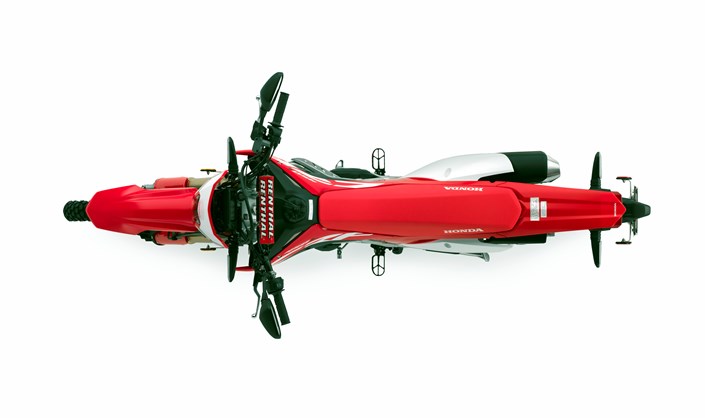
Honda CRF450L – the new DR-Z400? [nope]

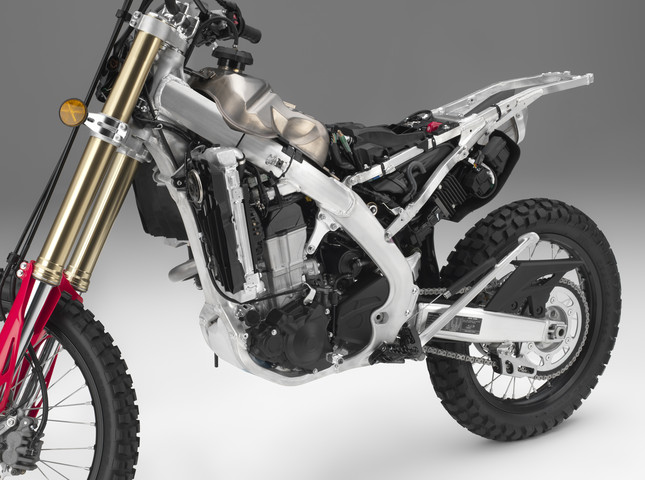
The two specs of CRF450L have merged. The full power, barely-road-legal, ‘red KTM’ dual sporter of the US is now effectively sold in the EU and Oz in a bid to help sales. Except the massively detuned, 25-hp version now comes with the power booster kit (ECU + pipe). More here.

In Summer 2021 the 450L quietly slipped from Honda UK’s website.
Around the same time Honda USA renamed it a CRF450RL, a designation briefly used before.
The L/new RL difference is minimal

450L8
crfarea58

In May 2018 several people pointed me towards Honda’s announcement of their upcoming CRF450L. Was this finally the bike I’ve been droning on about for years? A lightweight, all-road modern travel machine, based on the now proven CRF250L trail bike (right) which I bought myself soon after it came out?
Short answer: no.

L-spread
450xrl

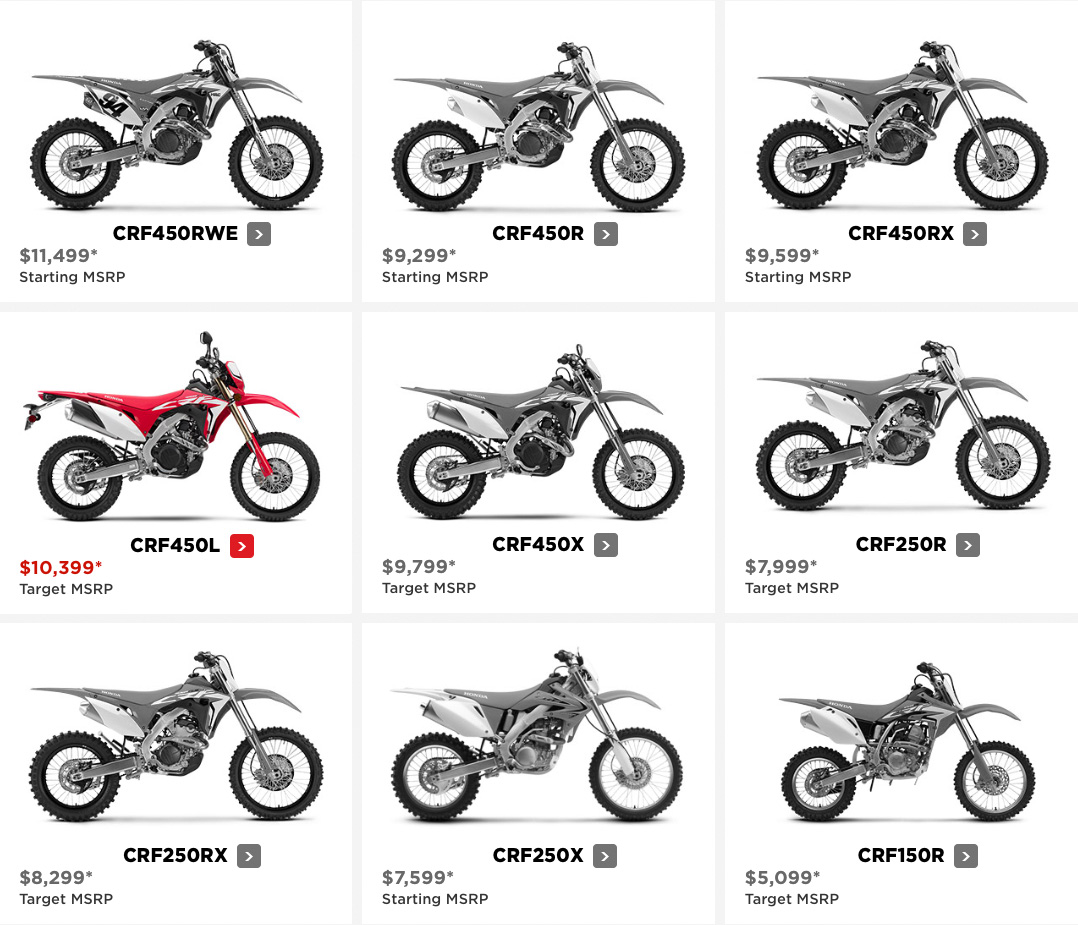
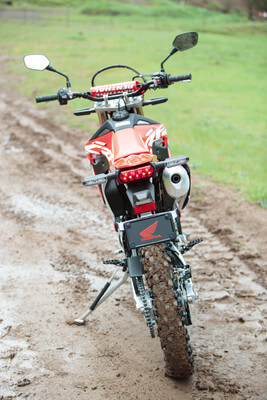
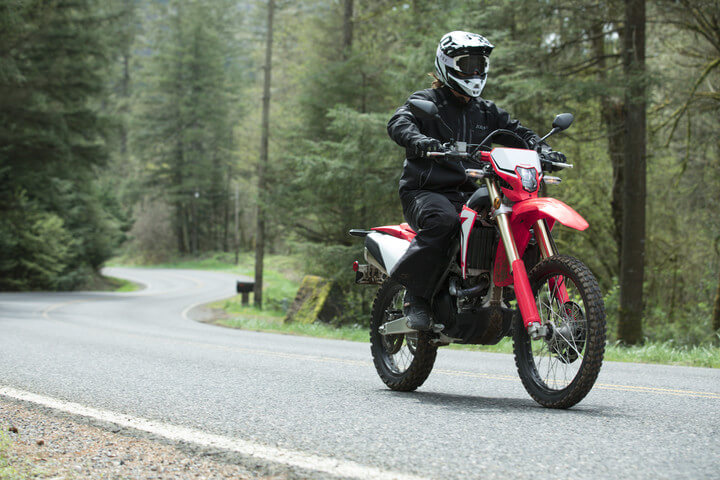
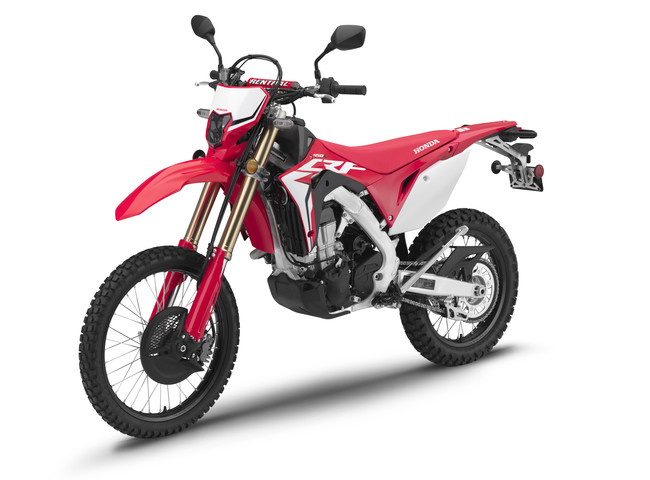
When I first noticed its very close resemblance to the long-established 450R dirt racer, or indeed the similar, street plate-able (in the UK, at least) CRF450XRL (right), I was disappointed. It was just a barely street-legal dirt bike for the US with the same yard-high razor saddle and crazy 50+hp with maintenance intervals measured in hours. Blink and you’d miss it among the spread of near-identical current Honda powersports dirt racers on the left.

450L14

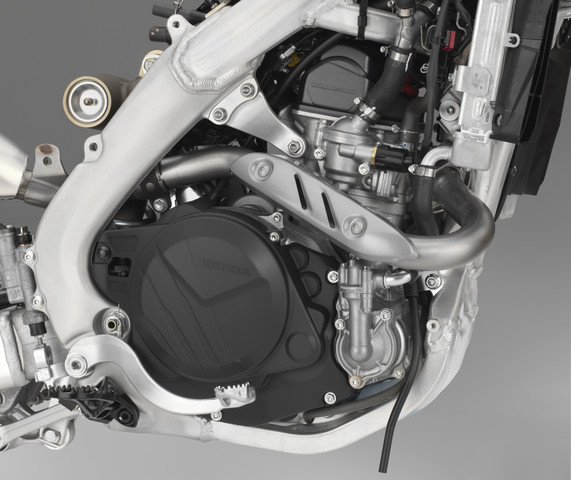
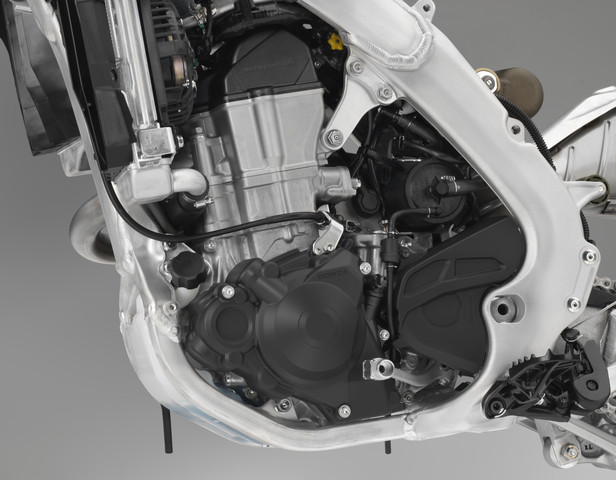
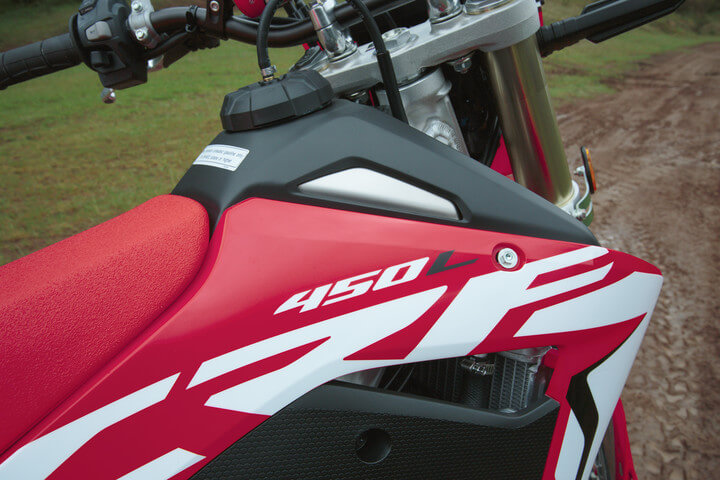
But, based mostly on the thoughtful preview on this unusually well informed enthusiast’s website (a Honda proxy?) I’ve given the 450L a second look. Images here are mostly all pinched from there, but are probably all Honda’s anyway.The problem has always been that Honda lacked a suitable 450 engine to stick in this dream all-road travel bike of ours. And on the road the 450 class seems a bit dormant. Plus, the idea of a rugged, lightweight adventure biking in the mould of CCM’s short-lived 450GP may be much talked about in our tiny adv echo chamber, but as we know, adventure motorcycling is really another name for big ‘sports utility’ bikes. Honda would never sell enough 450Ls to make it worth their while.

m3-17-8

The 250L trail bike uses a heavy but durable CBR road-bike engine which in 2014 became a CBR300 with just 36 more cc but more bottom end. Some have been waiting for a CRF300L to follow or have shoehorned in CBR300 motors into 250Ls. But clearly you can’t squeeze another 150cc out of that barrel.
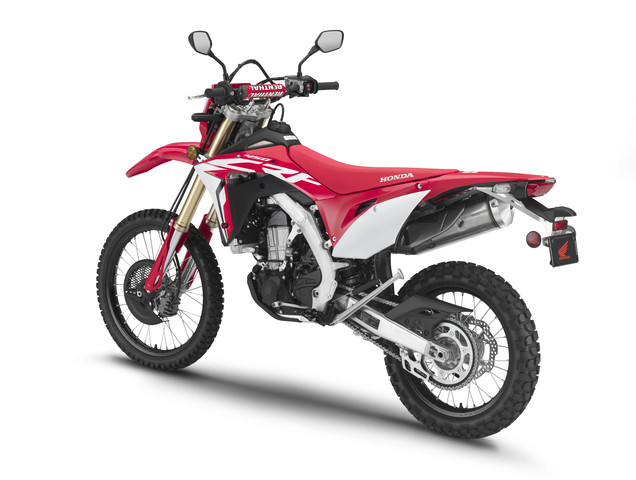
What Honda have done for the Europe market seems unlikely to be successful: they’ve detuned a 450R racer by over 50% to the 250L’s output – less than my similarly high-spec WR250R (left) which weighed about the same 131kg. But to help poor sales they now throw in the pipe and ECU kit to regain full power.

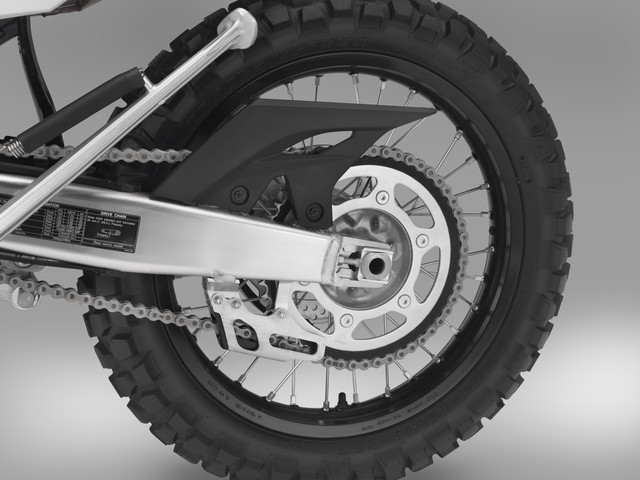
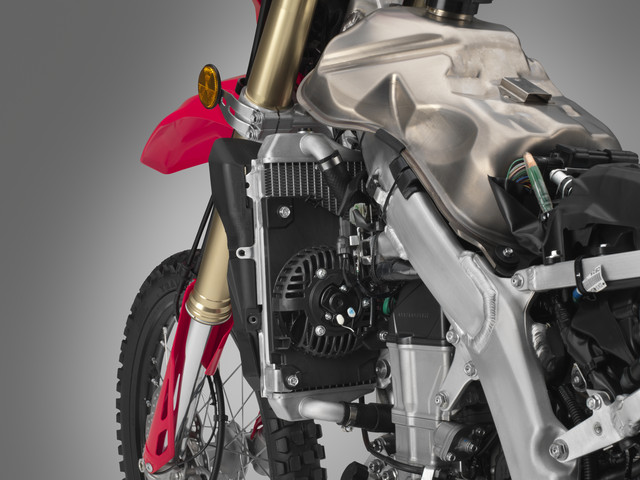
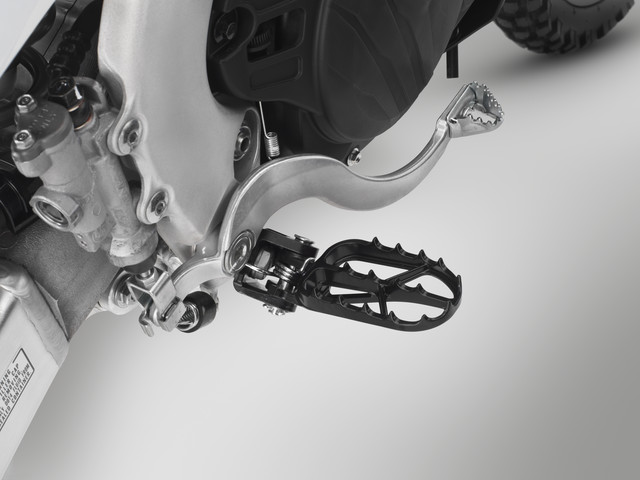
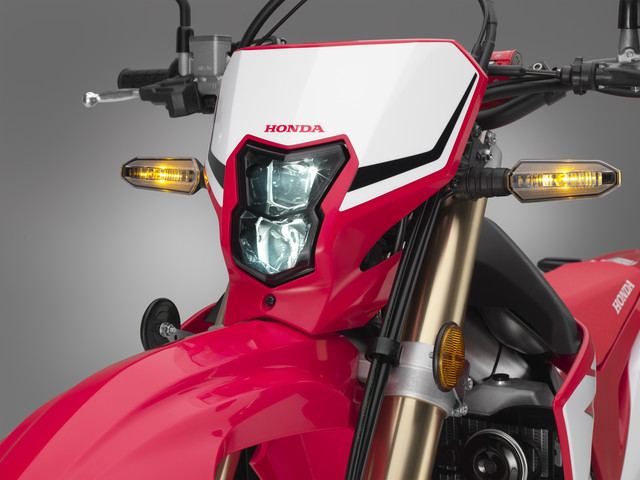
To achieve this they added the lightest possible road-legal LED lights, a battery and decent alternator, a more durable three-ring piston, side stand, necessary emissions stuff including a cat and big pipe (weight to be saved there), cooling fans on the extra big rads, a wide-ratio 6-speed box, an 18-inch rear with the all-important cush drive rear hub and even a lockable fuel cap on the tiny titanium tank. All this adds a hefty 19kg over the 450R racer, but at 131 kilos that’s still pretty good.

But what still throws me is the new 450L’s schizophrenic nature:
• fully adjustable suspension but 25hp – 1hp more than the 250L; a few less than a WR250R
• ‘enlarged’ tank in  titanium, no less, but still only 7.6-litres (1.66 Imp gal)
• disingenuously carries the  ‘L’ road bike label but nothing like a 250L
• 20,000-mile rebuilds and 620-mile oil changes
• Puny 135-watt stator

450L5

The power may be modest, but with compression down to 12:1, the claimed torque is 40% more than a 250L which, along with more crank mass, proven efi and six wide ratios, ought to make the 450L a tractable trail bike that’s less revvy and vibey on the road. It ought to be easy to lower too. Just a shame they couldn’t have managed another 10hp and normal oil change intervals. The power kit sees to the former need.

dr-z400s
xr400r

The new XR400? It’s as close as we’re going to get from Honda, not that the XR4 (right) was any kind of travel bike in its day. A great dirt bike for sure, but the tall saddle, kickstart and the frail subframe held it back for long hauling. I’m probably thinking of a modern DRZ400S (left), a proven if unsophisticated small travel bike which I’ve nearly bought many, many times. It’s been unavailable in the UK for over a decade, but it’s still sold new in the US for under $7000.

The question is: could the 450L’s claimed 25hp be enough? Possibly, but with the tiny tank and crazy ‘Africa Twin’ price, and high maintenance no one I know is that interested in finding out.

450aspek

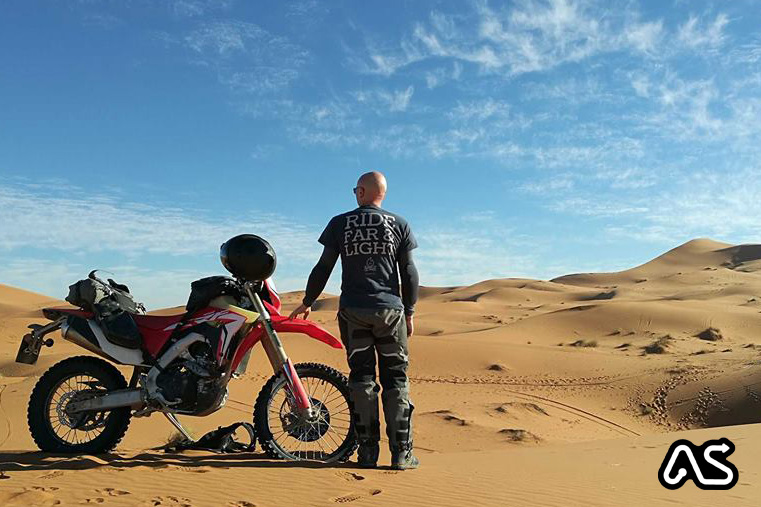
Update: over New Year 2018/9, Adventure Spec’s Dave Lomax (above) was exploring Morocco on a lightly modified 450L. Look on their Facebook for more.

Rust magazine’s opinion (issue #40).

4455