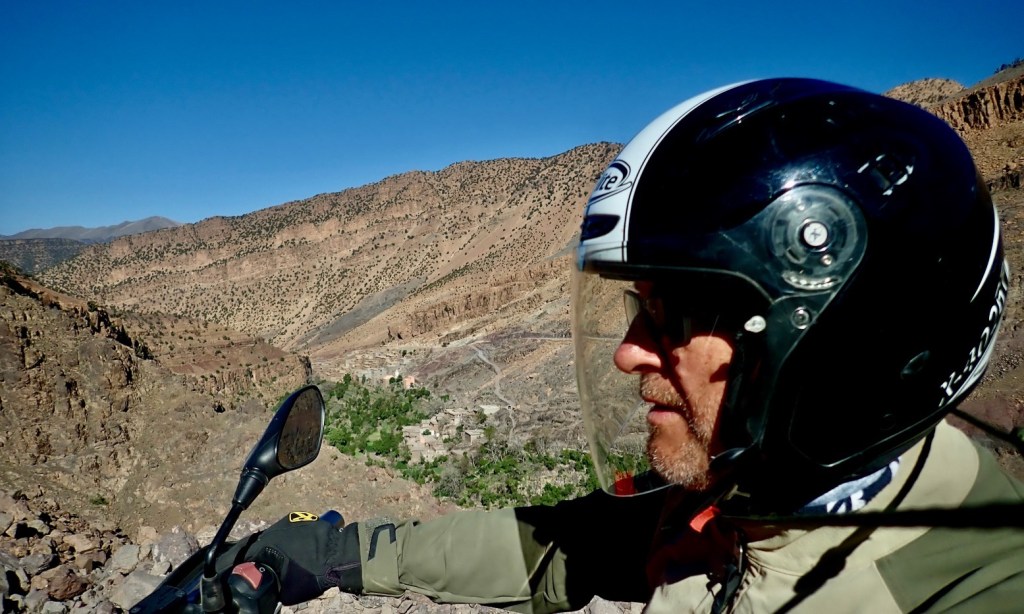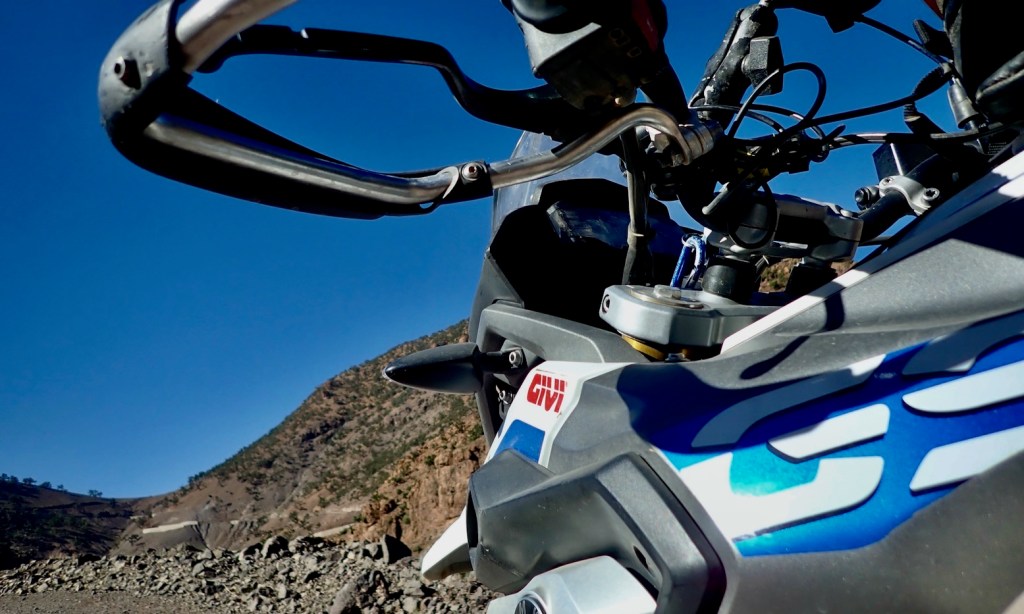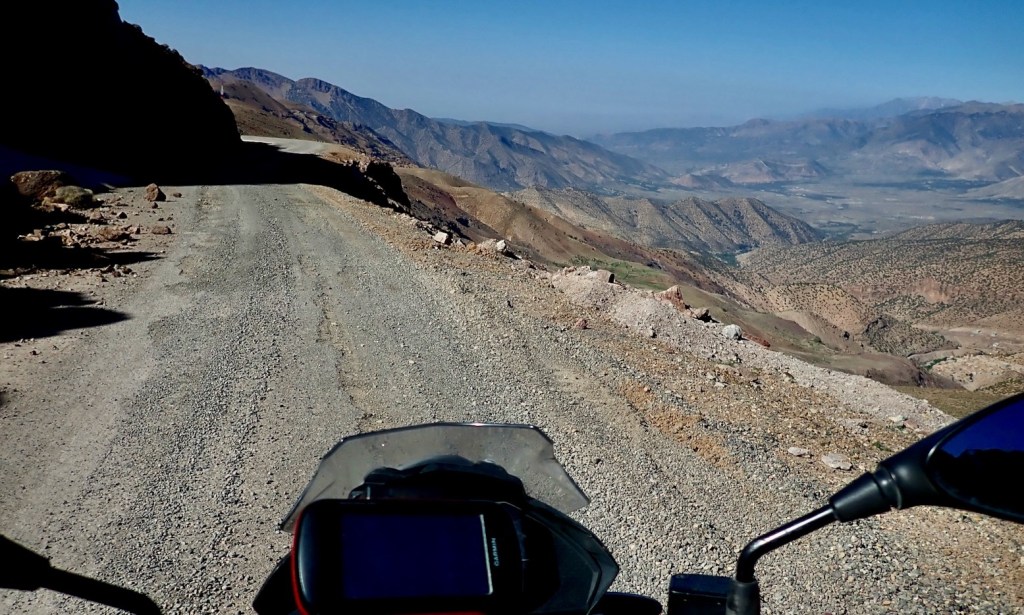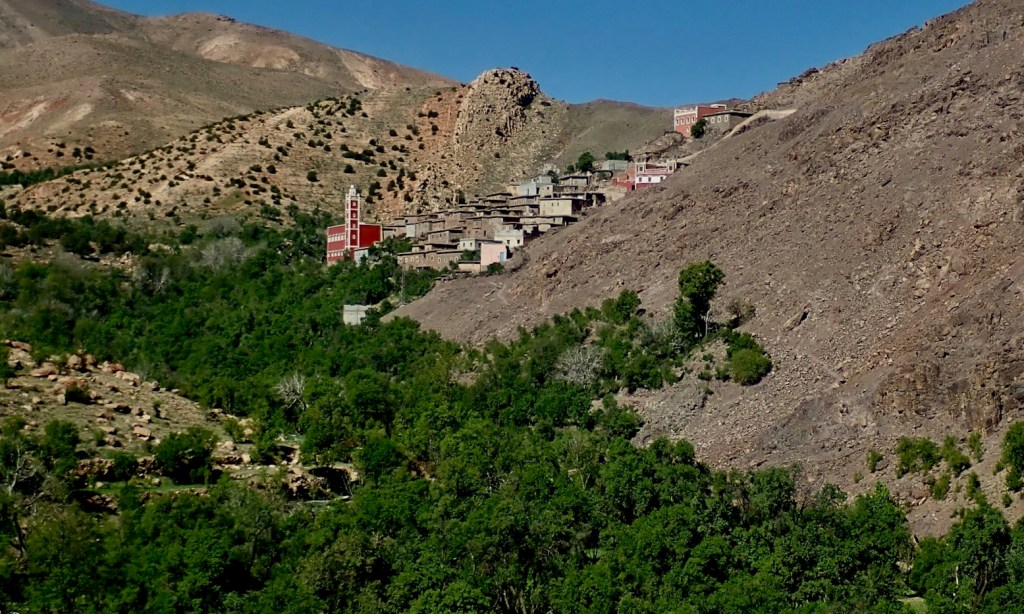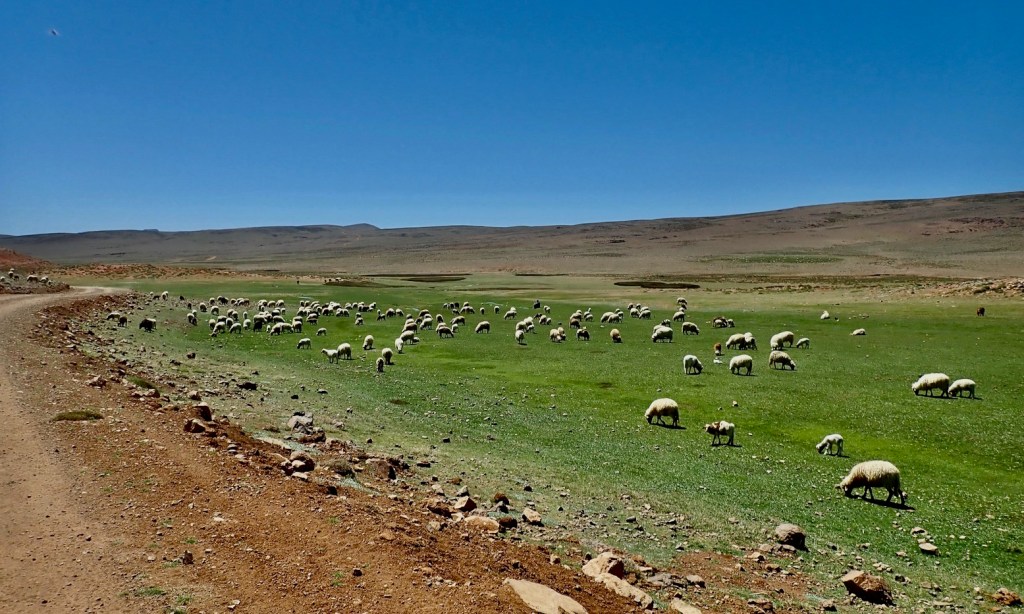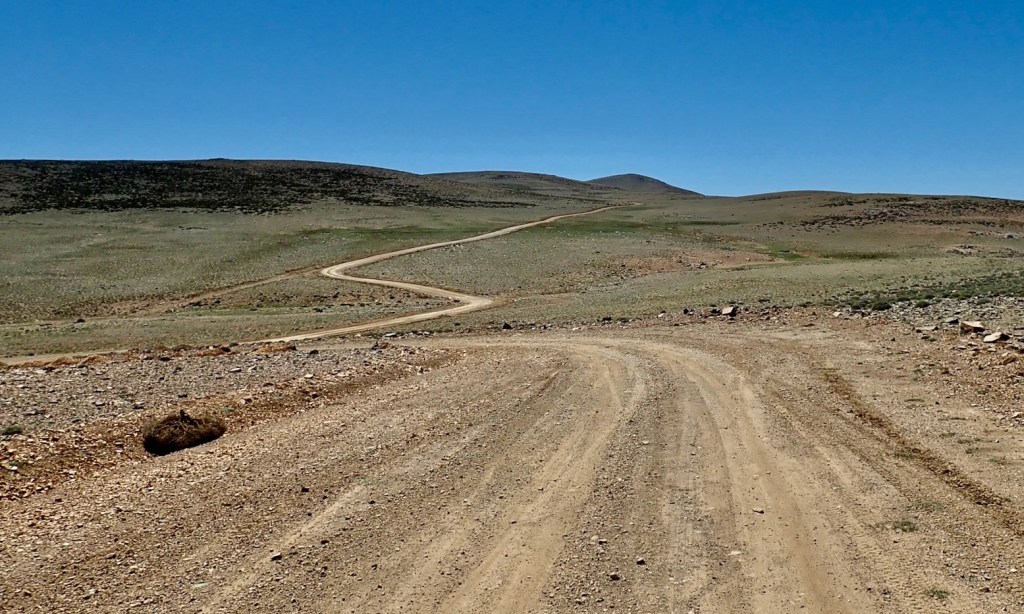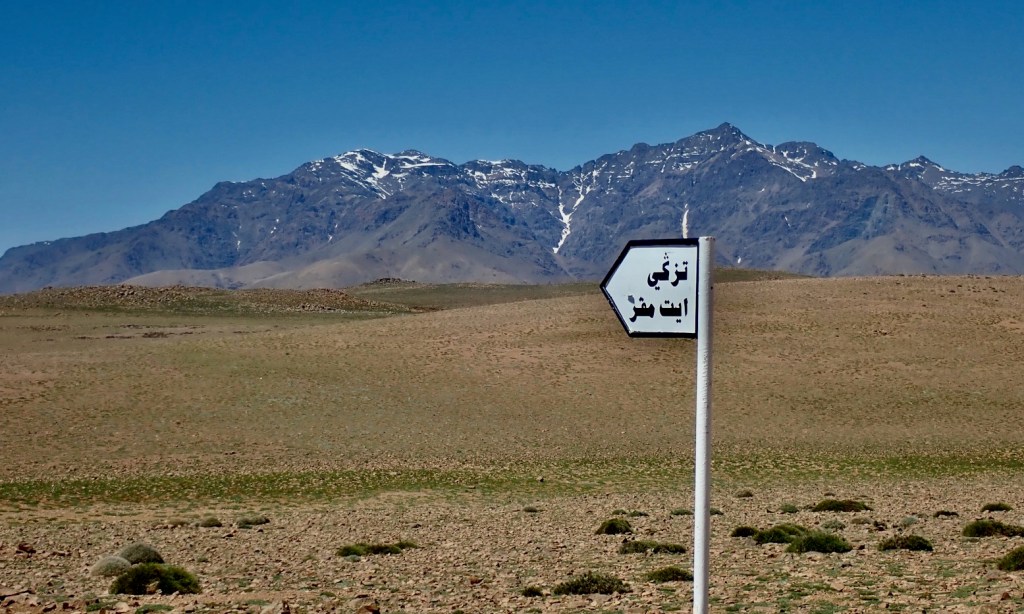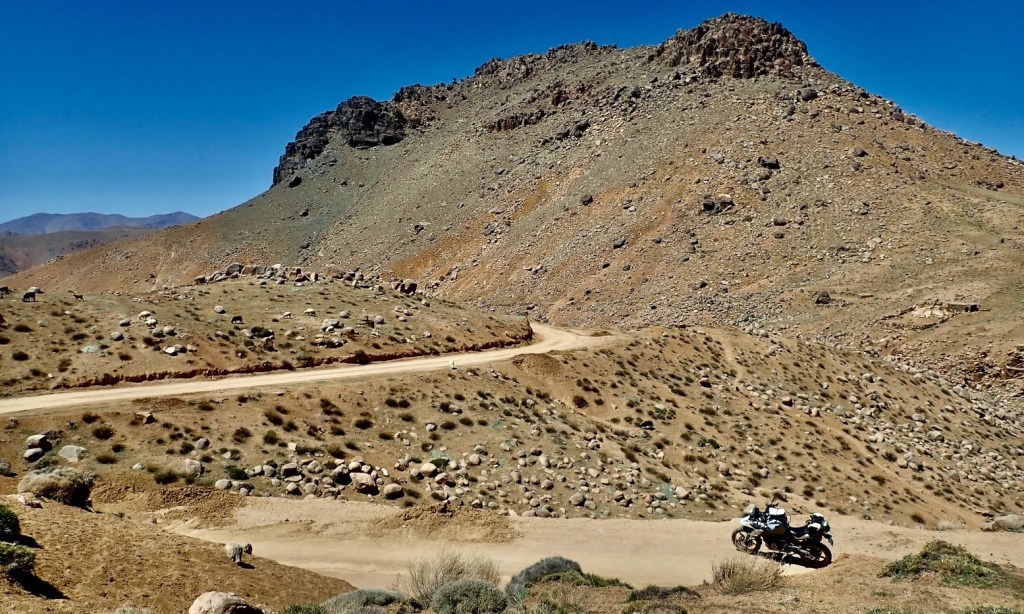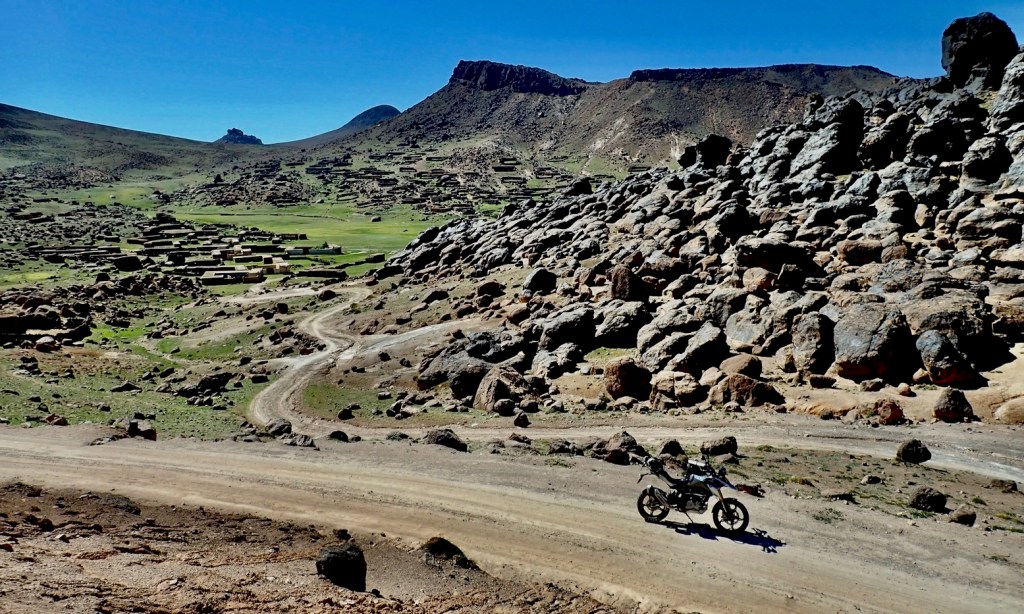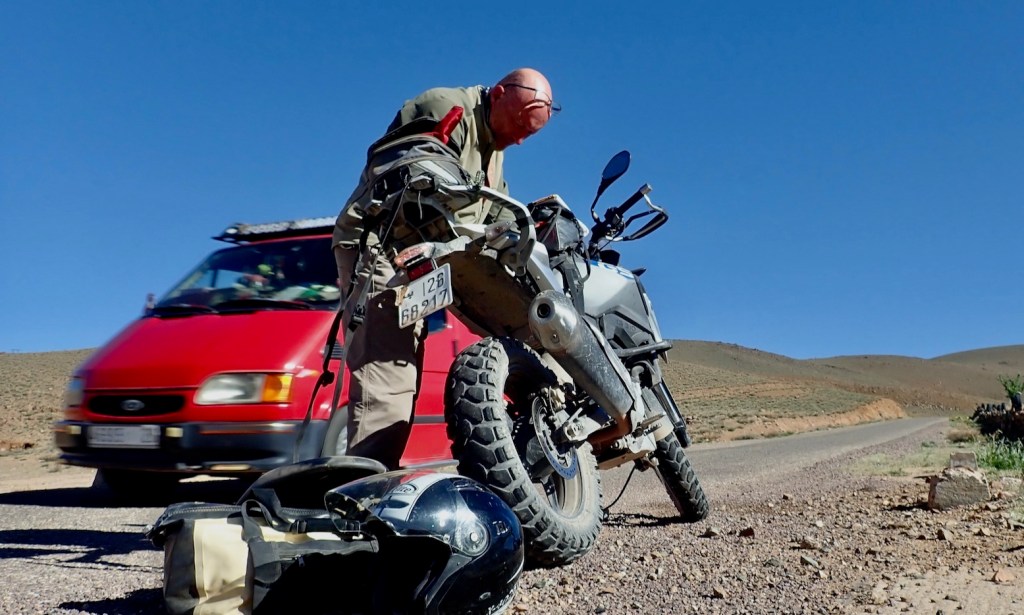
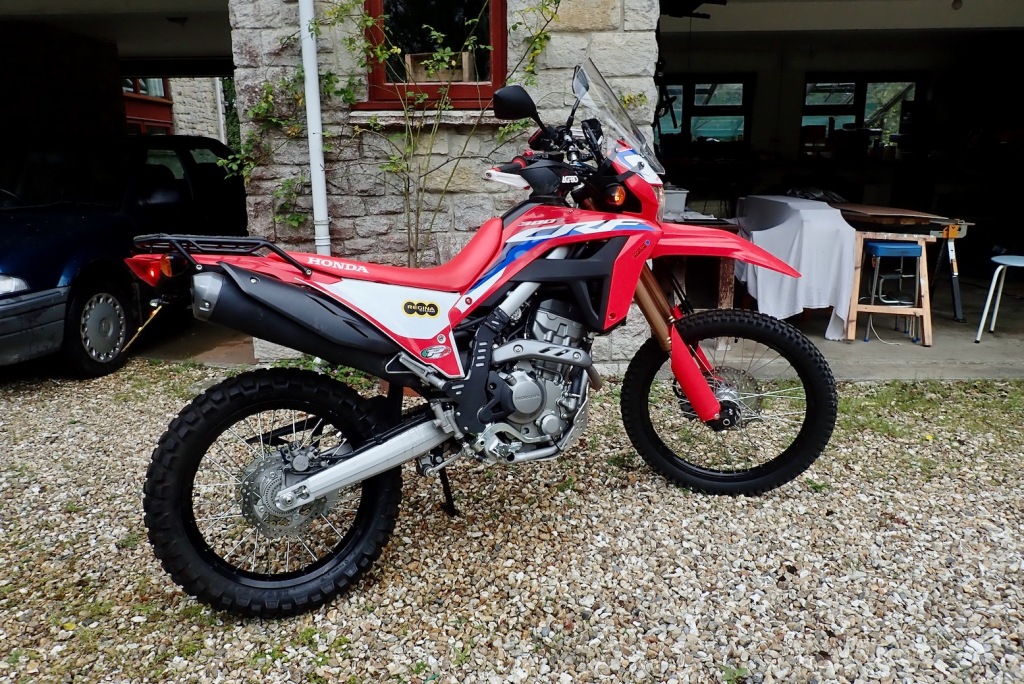
Honda CRF 300L: first impressions

Project 300L Index Page

Impressions after 120 miles

  • Light weight (146kg, as above)
  • Adequate power
  • Proper screen
  • Returned to stock gearing (now ticks over @ 4mph in 1st)
  • Rally Raid suspension
  • Tall bars and other functional accessories fitted by seller
  • Mpg
  • Thinned out seat
  • Swingarm chain alignment marks
  • Annoying white rpm warning light
  • Mitas trials tyres on the road
  • Pathetic tool kit
  • Tiny 7.8-litre tank
  • Vulnerable radiators

After replacing the front sprocket with the stock 14T and leaving the oversized rear for later, I set off for a 100-mile ride to Dorset. Had I looked properly I’d have realised the rear was actually a massive 45T not 42, as the seller claimed. Stock is 40T so that explained why I seemed to be belting along at 70mph+ along the A3 and M27, but cars were still passing me stuck in the slow lane.

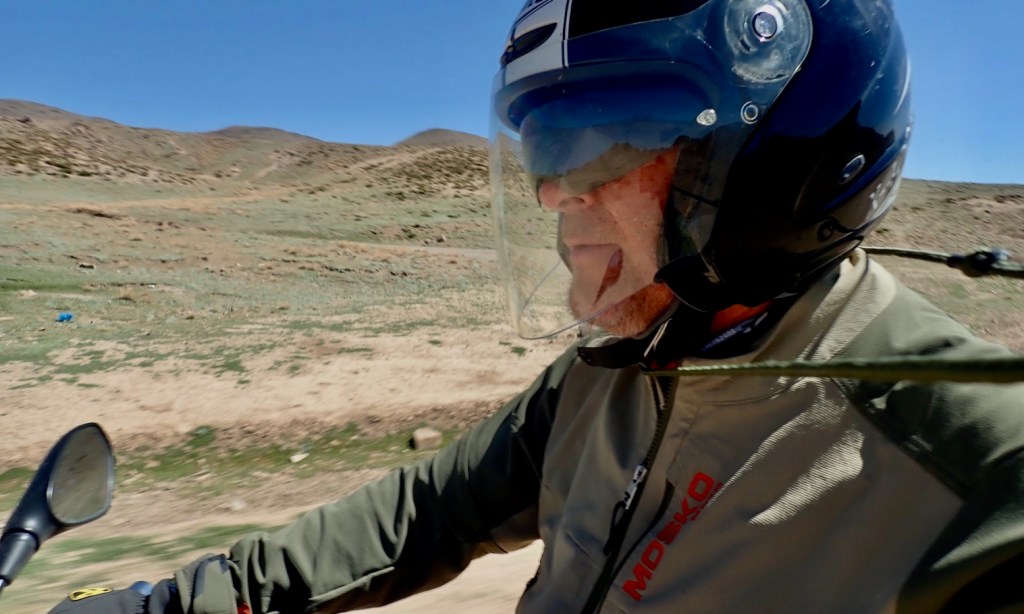
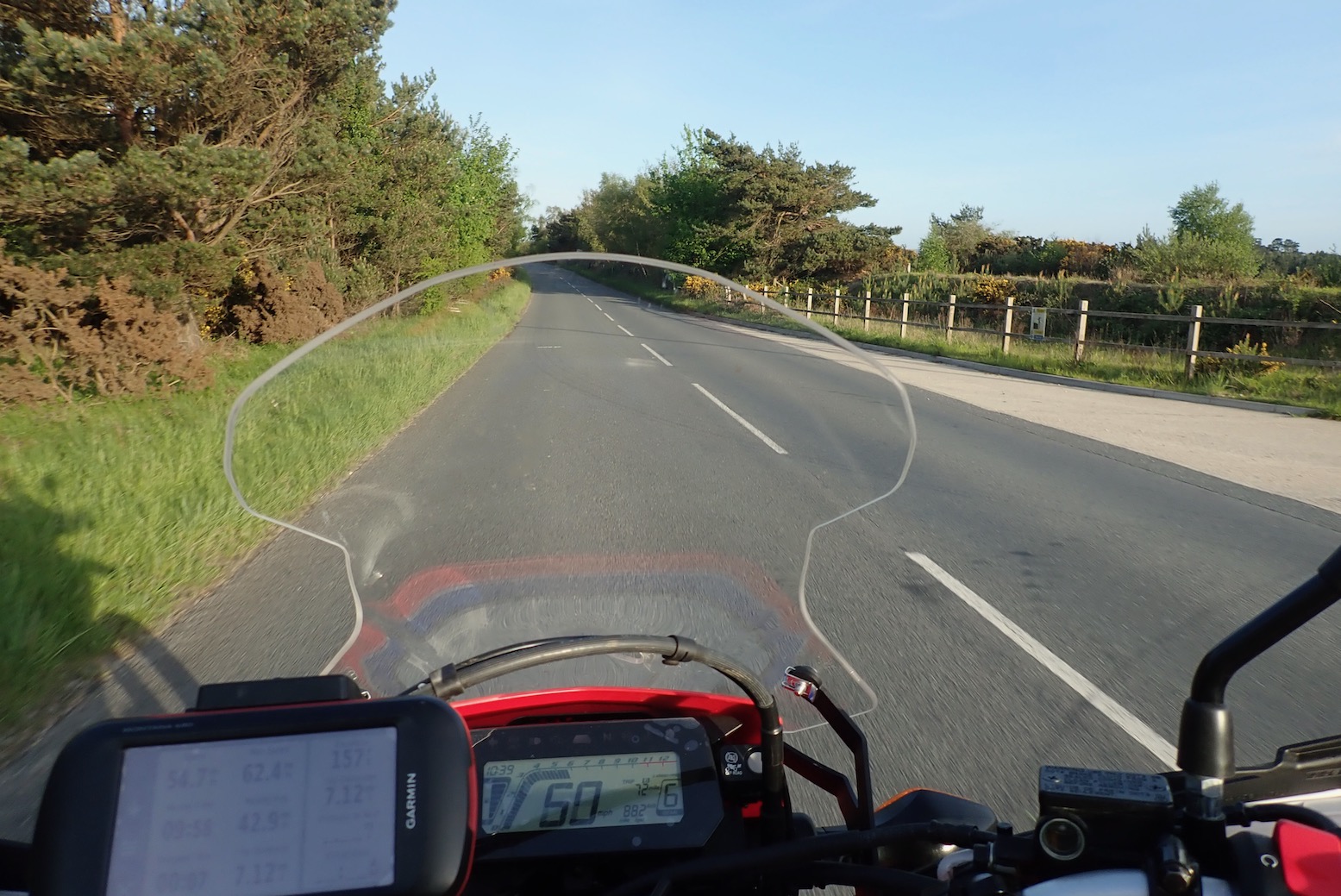
The 300L is so light it initially feels skittish; I wouldn’t fancy it in strong crosswinds. But the proper screen (and my Mosko jacket) helped hold back some heavy showers and the thinned-down seat (from Peak?) had just about 100 miles of padding left in it.
Talking of seat comfort and convenience, I reflexively removed the 1970s relic seat strap. Did Soichiro Honda impose some edict that they shall be fitted to trail bikes in perpetuity? The other thing I did was saw open the rear seat bracket so that removing the seat means just loosening the two frame/rack bolts either side, not removing them altogether with washers and spacers tumbling into the gravel.
Fyi my lowered seat height with the stock rear IRC tyre refitted is 34.5″ or 87.6cm which is 0.7 of an inch lower than Honda’s specs at 894cm.

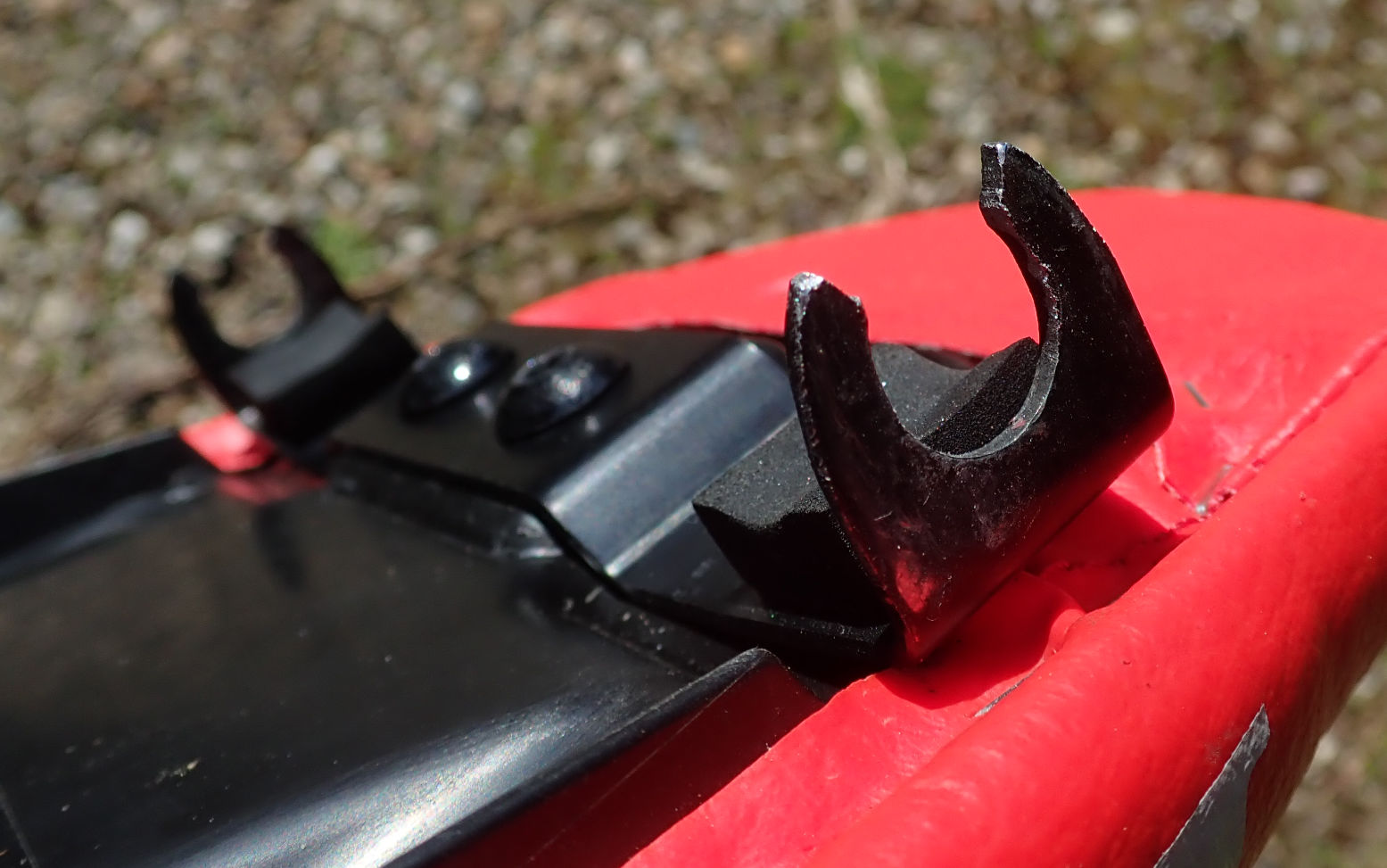
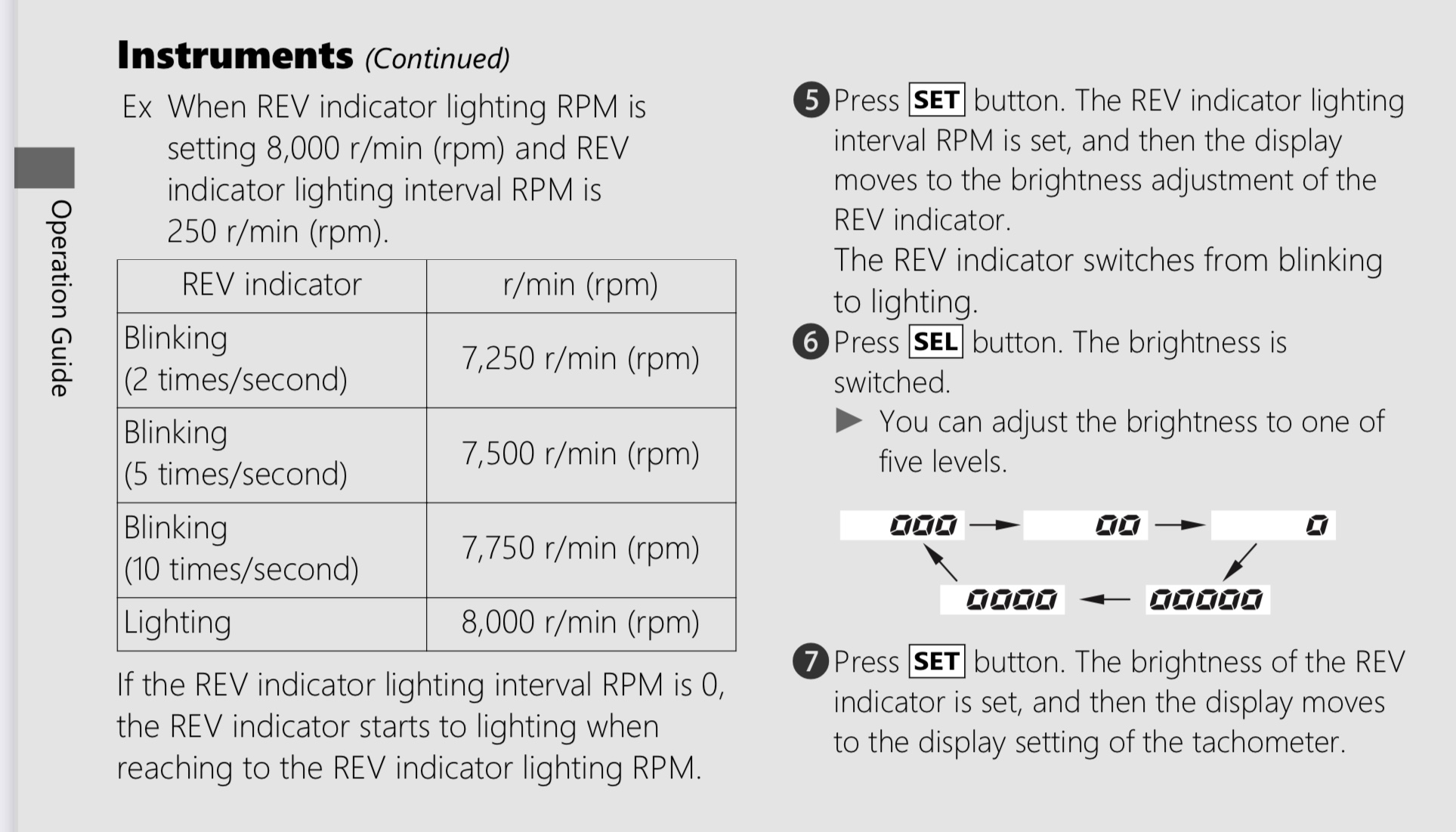
I’d never heard off the annoying white light in the console which starts flashing ever faster as you pass 7000rpm. The red line is another 3500rpm away, so what’s the point of it? To warn you to change gear or you’re going too fast? Whatever, it seems it can be adjusted up the rev scale and out of the way (left).

I’m not so keen on the ET 01 and 05 Mitas trials tyres either. The seller fitted them for the LET. I’m sure once aired down the grip is amazing in UK mud, but the soft, square knobs squidge about at fast road speeds.

With the gearing still lower than stock, I have to assume that the speedo was over-reading even more than normal, but on the open road it did feel like the L held up well against what I recall of my Himalayan, and is definitely much better at speed than my WR250 with similar power and weight. And, contrary to my impression of riding a near-new 300 Rally last year, there’s definitely a tad more poke than my old 250L. A few 300L owners have told me the bike loosens up substantially once past 1000 miles, which I did somewhere around Southampton.

Arriving with one bar on the fuel gauge, I filled up in Dorset with 5.7 litres at 110 miles on the odo. That means there was over 2 litres or 40+ miles in the 7.8-litre tank which seems unlikely over that distance. An average of 90mpg was shown on the console but I think the gearing may have messed with the odo reading. We shall see.

A couple of days later I refitted the stock 40T rear sprocket and IRC rear tyre. Now back to 14/40. With a thick Michelin tube, the 4.00×18 Mitas weighed 6.9kg, while the IRC and a cheap tube were only 6kg – not a huge difference. And amazingly, both tyres and tubes were heavier than the back wheel, now at 5.4kg with a 40T sprocket.
The near-new Regina chain fitted for the seller’s very low 13/45 gearing was now a link too long and I’d left my chain breaker in London (I knew this would happen…). The OEM 106 DID chain supplied loose was missing the joining link, plus I’m not sure I want to bother with it, even as a burner. I soon learned that you can’t bash out chain pins with a hammer and punch like you can on a pushbike; some serious force is needed, or YouTube suggested grinding off the end of the pin then prising the plate off. I don’t have a grinder either and a hacksaw didn’t work but luckily the Gear Box Bike Shop in nearby Poole was open on coronation Sunday and zipped off a link for a fiver.

Underside alignment mark – WTJOF?

While readjusting the cleaned-up chain, I took a moment to lament the passing of footproof snail cam adjusters, I bet there’s a way of retro fitting them to fiddly lock-nut adjusters. And is it me, or is the swingarm alignment marker maddeningly on the wrong, underside of the axle? I can’t bend like I used to could so had to lie flat on the ground, which means getting all the way up again. One… two… three… Ooof!

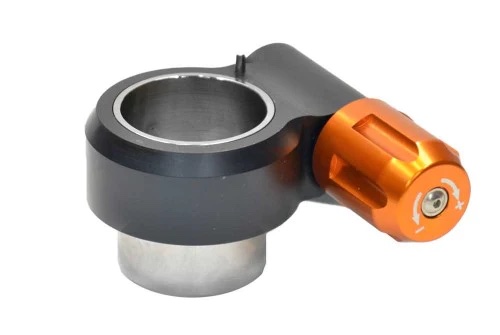
I checked the spring rate on the Rally Raid Stage 1 shock. On top of the spring was marked a surprising and reassuringly firm 100nm which is what it feels like. No wonder the seller found the 300 a bit tippy and decided to sell. I’m tempted to splash out another 200 quid on an HPA (above right) which seems to be a special order from Rally Raid, but am told it may need a change of spring.

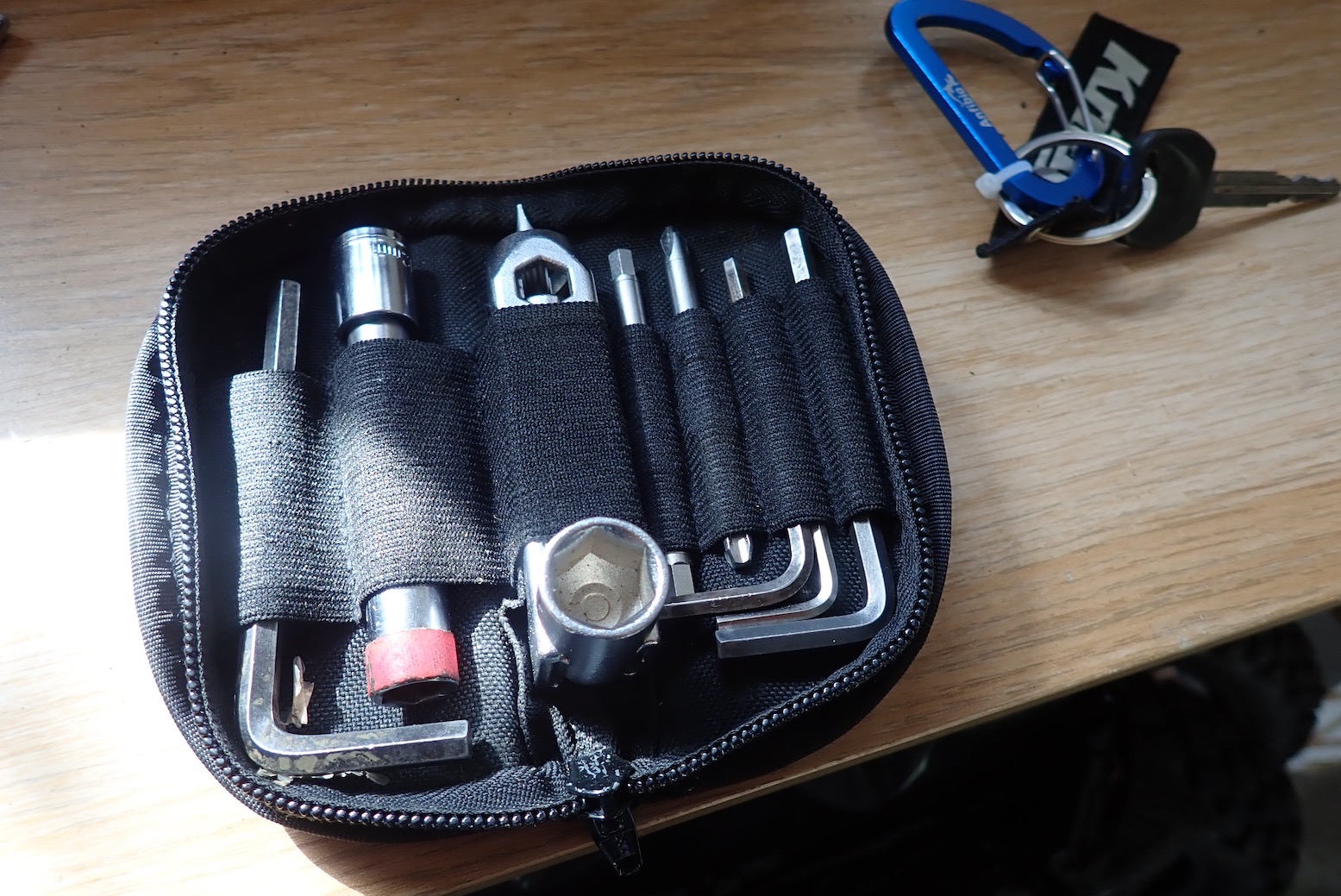
The bike’s tool kit sits in a space-wasting plastic box. I’m sure someone could fabricate a more functional replacement or even a 2-litre fuel cell in its place. Once opened I’m even more disappointed than expected: a single fat 14/17 open spanner and a pair of allens, enough to remove the mirrors, seat and side panels. Rally Raid make a nifty combo wrench (left) which does both wheels for under 30 quid, but it’s not in stock. Once I have that alongside my trusty Motion Pro Trail Toolkit with an added 8mm socket and a couple of allens I’ll be good to go.

3-4 mph at tickover – nice

Now back on stock gearing and rear tyre, I set off across the Dorset heathland to verify the odo against a GPS, while assuming the speedo will indicate the usual mandated 8% over. Speedo accuracy isn’t so important to me, but on a travel bike you want to trust the bike’s odo which are somehow engineeringly unlinked to the exaggerated speedo reading and often manage to be nearly spot on. Result: over 10 GPS miles the 300’s odo indicated 10.15, so odo is 1.5% over. I can live with that. Actually a 200-mile run with the GPS a few weeks later indicated 205 miles on the odo, so odo is 2.5% over.
Also, riding along at tickover in first, the speedo indicated 3-4mph which is about as slow as I can balance sat down, and just as it should be for low speed control for do-it-all trail biking. I really wonder why the seller lowered the gearing so drastically – he rode the Lands End Trial, not the SSDT. I remember my XT660Z did an annoying 8mph at tickover as do many bikes. Way too high for tricking along or not fragging the clutch on walking-pace climbs. As I mentioned in my quick ride on a 300 Rally last year, the 300s do seem to have ‘Goldilocks’ gearing: low 1st matched with an overdrive 6th.
Other good things I noted. Even though the seller was shorter than me, the Renthal bars he fitted are, for once, just right for me when standing. They don’t look that tall so I think this must be innate to the bike’s design. What a relief not to get bogged down in the usual risers and re-routed cables, even if I might have prefered brace-free FatBar.
Out of interest and with the luxury of a flat, garage floor for the first time in my biking life, I decided to do the bathroom scales trick and weigh the bike, one wheel at a time. Result: with an added rack, bashplate, screen, frame protectors, Rally Raid suspension, barks, tail tidy, and a full tank (‘kerb weight’), my 300L weighed in at 146kg. It feels like it too and if you deduct say, 4 kilos for the listed accessories (some of which – bars, shock tail tidy – save weight over stock), that matches up well with Honda’s 142kg kerb weight claim. Next jobs: get that weight up!

• Acerbis 14-litre tank
• USB power take-off
• Cool Cover
• Refit front OEM tyre

• Sort out some tubeless wheels
• Go somewhere good
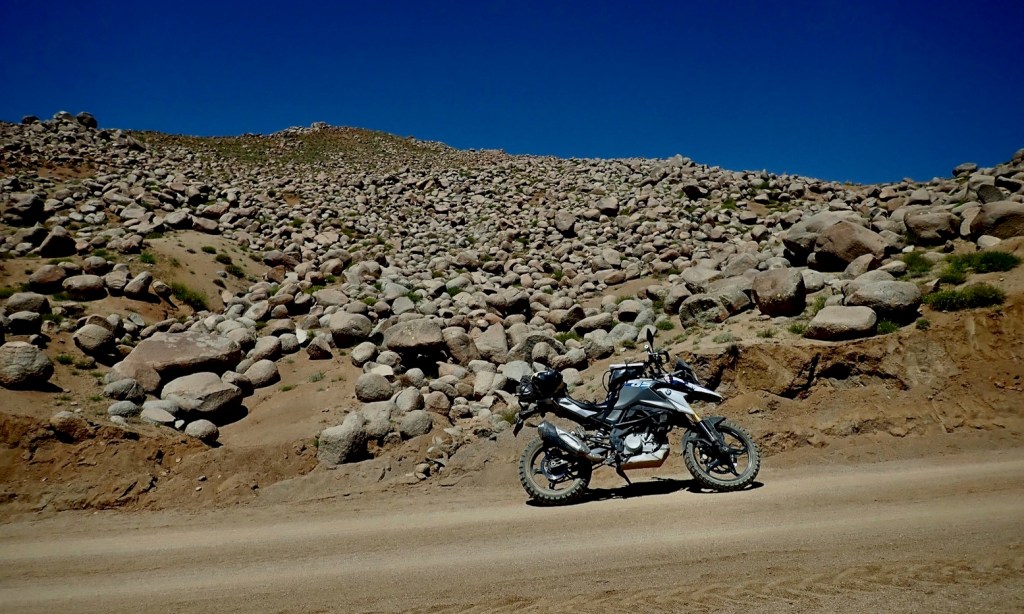
Morocco track-logging with BMW 310GS

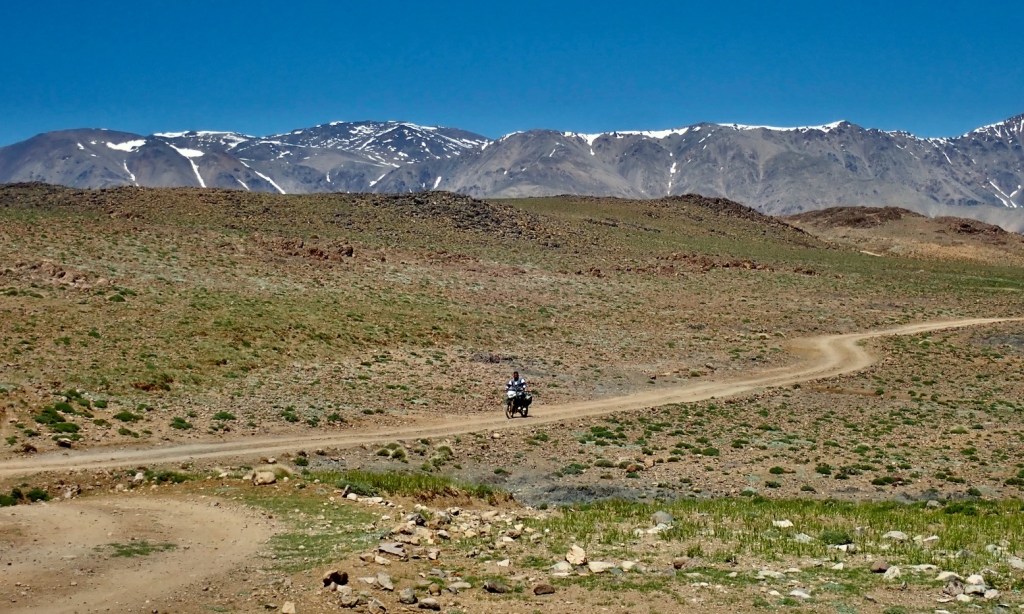
After my two spring fly & ride one-weekers I decide to continue riding for a few more days and log some new tracks for my Morocco guidebook. We tried this in a 4×4 Duster in February but that was a wash-out due to the previous week’s bad weather. Now in April, Ramadan was not proving a problem so, depending on energy levels and the heat, I’d try and pack another six days in.

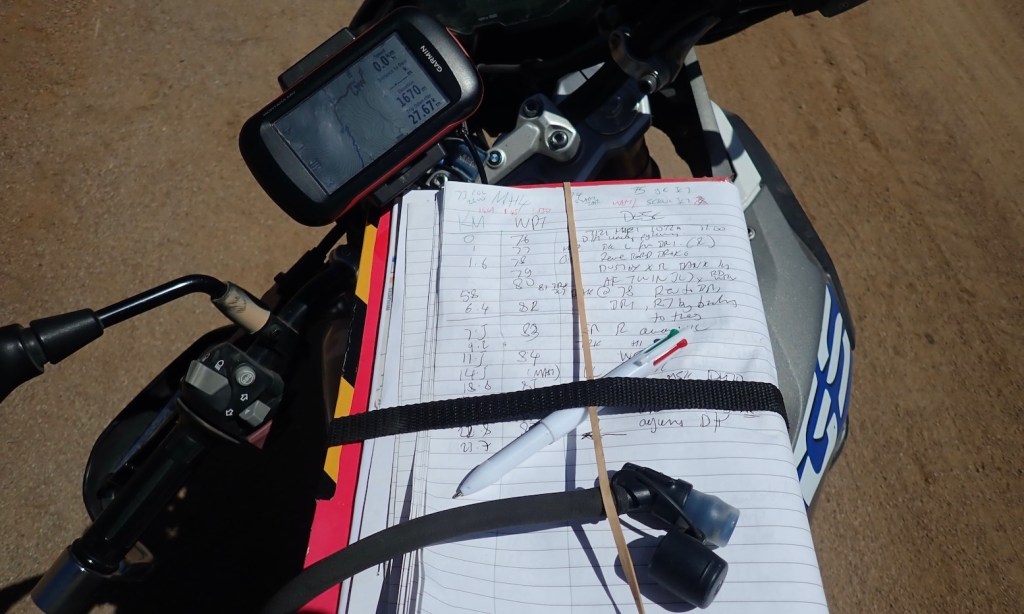
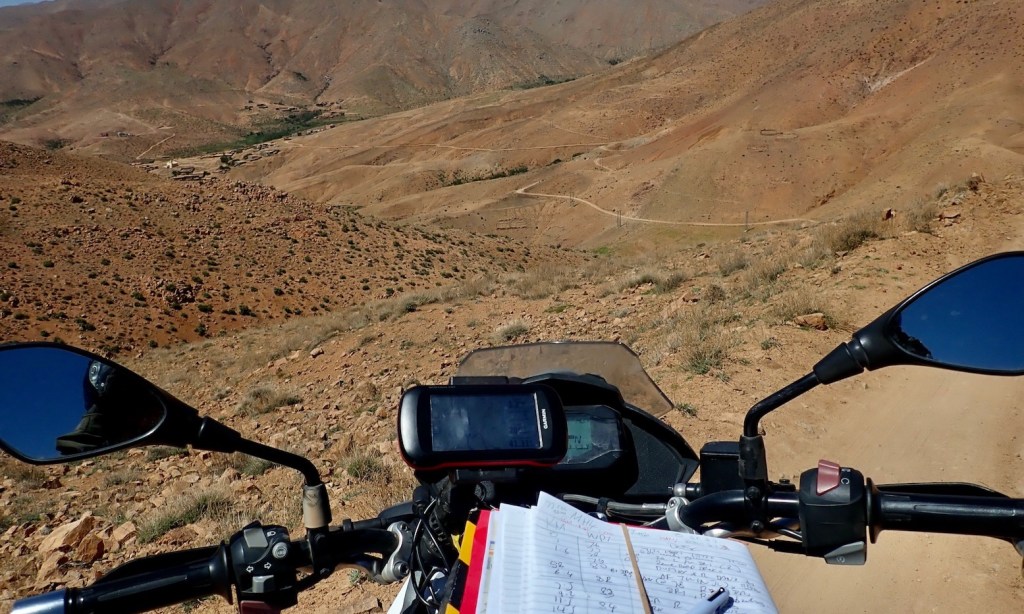
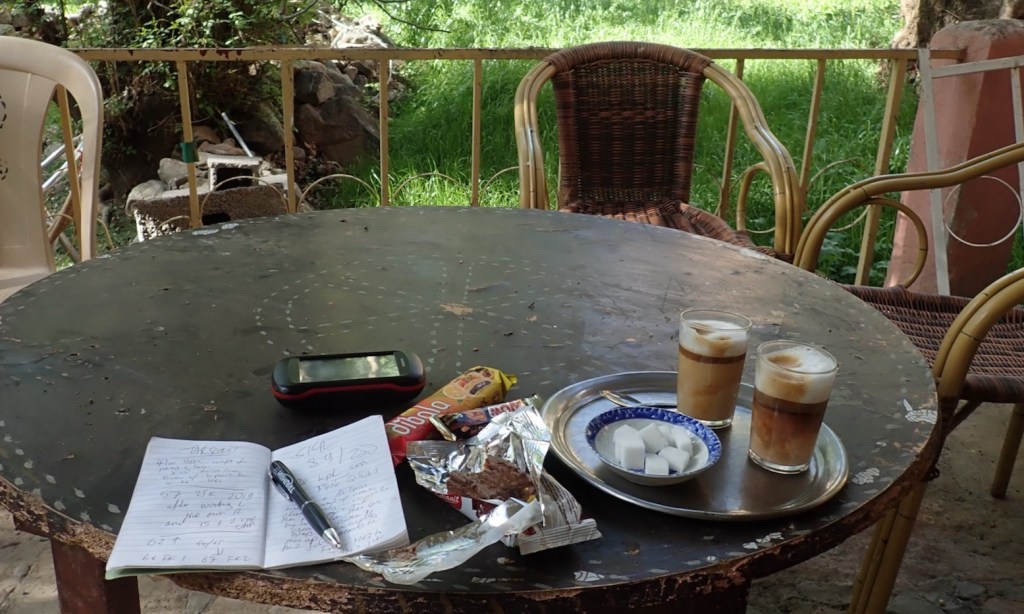
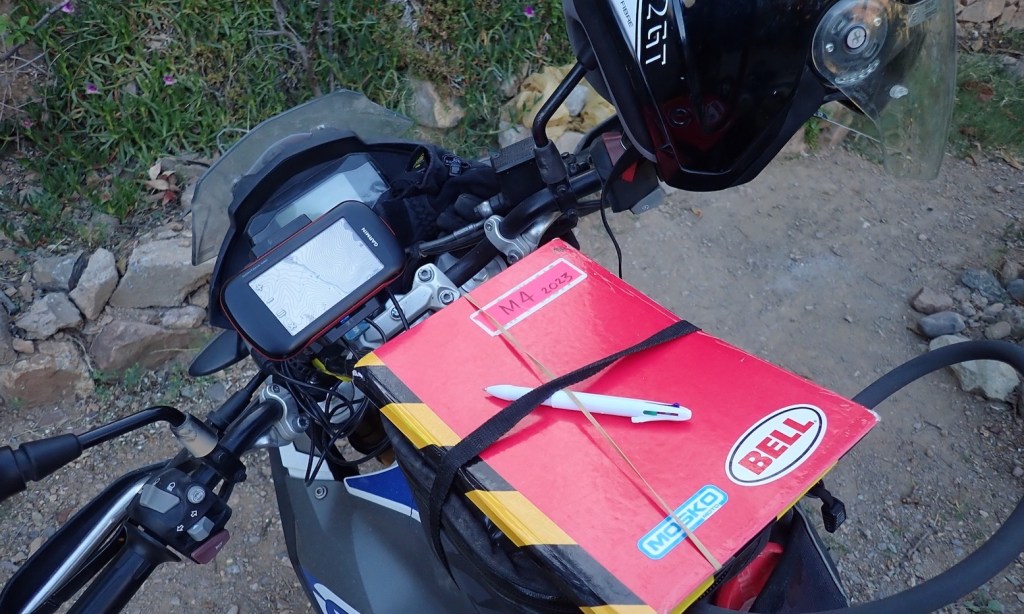
It’s not just simply recording a GPS tracklog; I need to jot down details and annotate waypoints, etc.
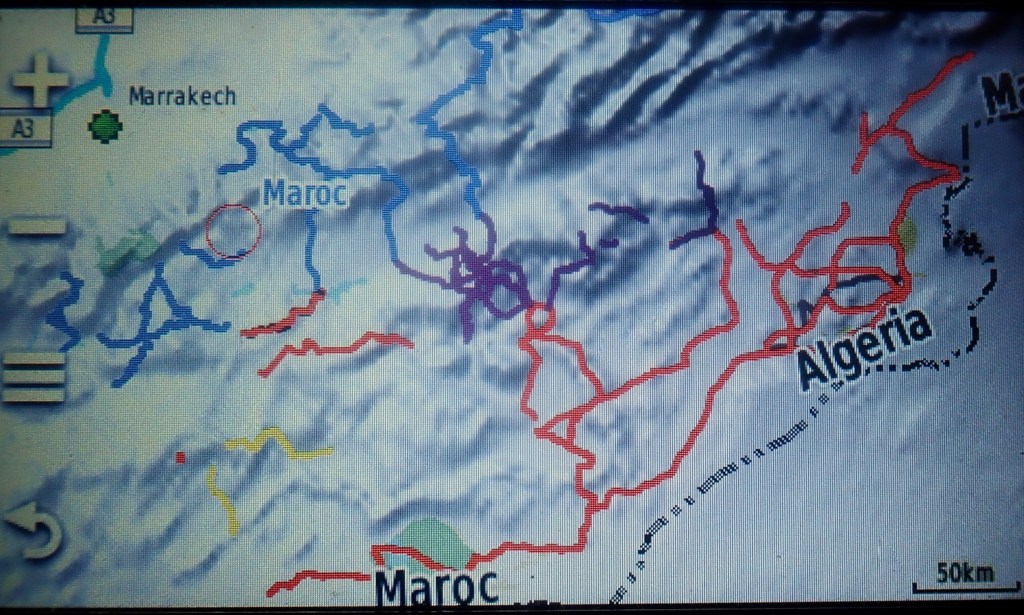
There’s weeks of riding to do; I’m just concentrating on the blue area left (western High Atlas) and maybe the purple area (Jebel Saro).
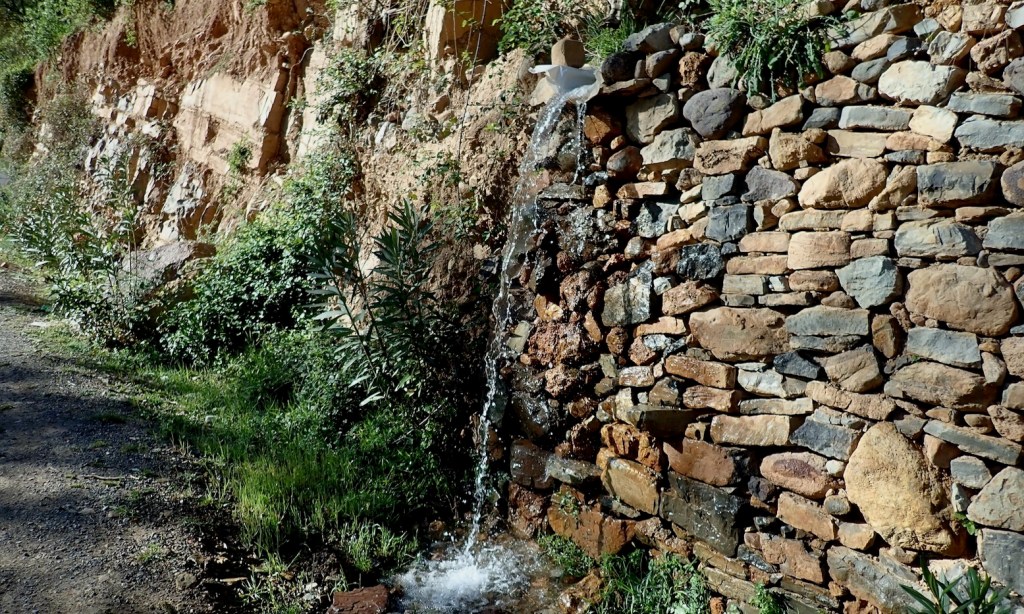
It rained in February and water’s still streaming from the hillsides
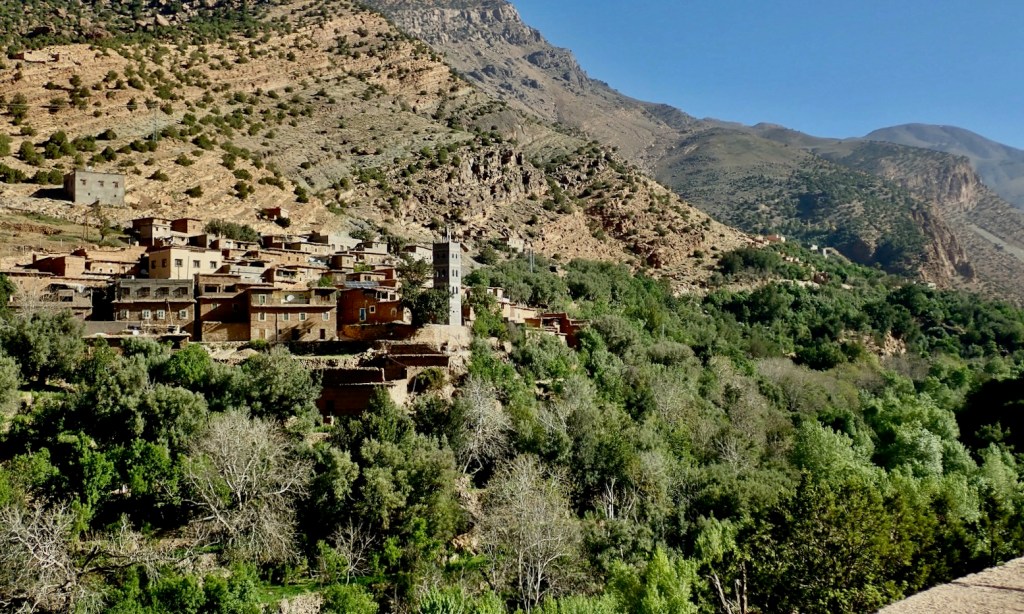
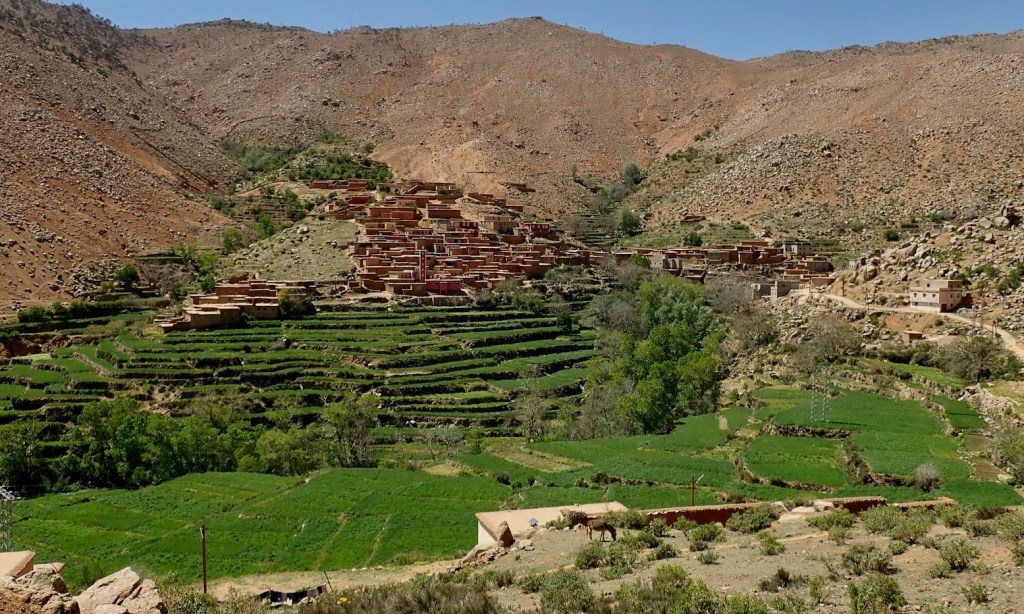
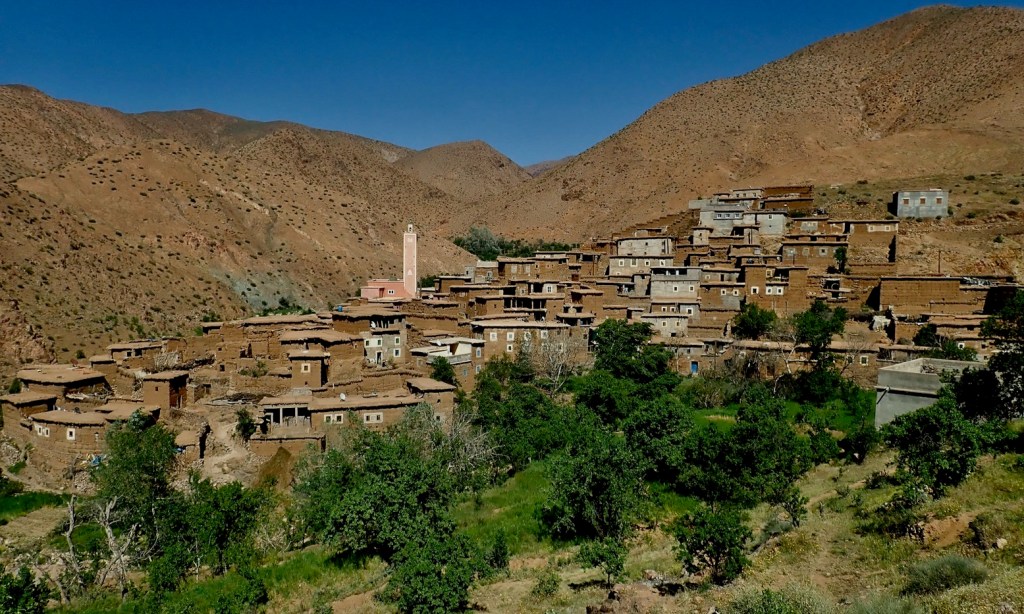
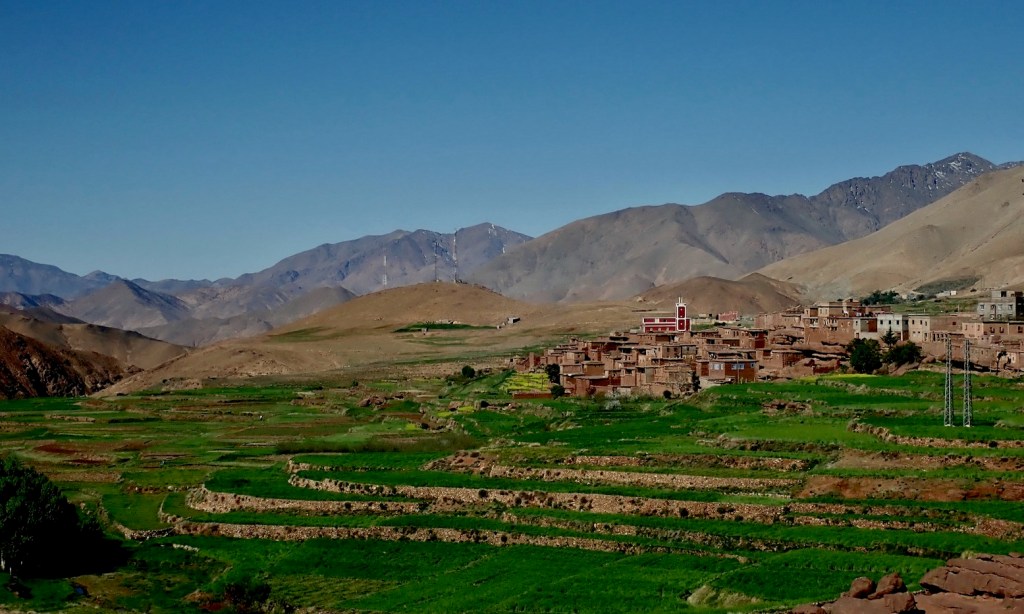
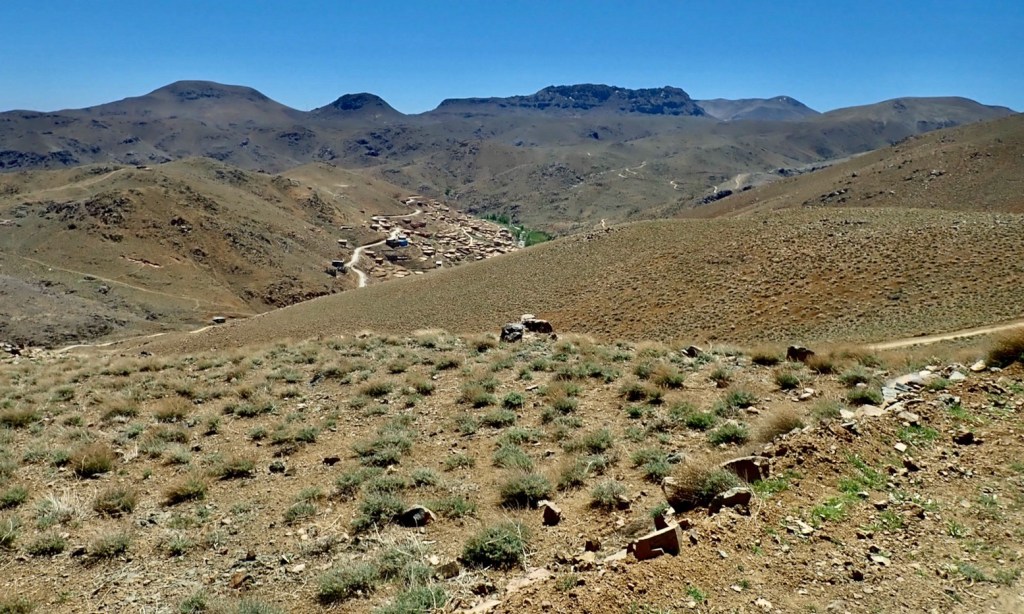
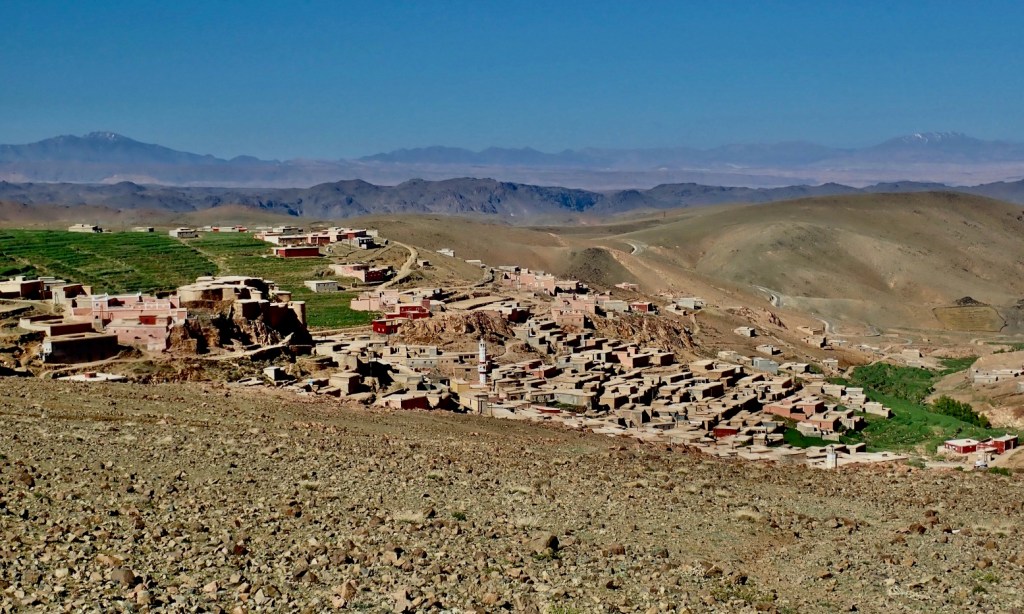
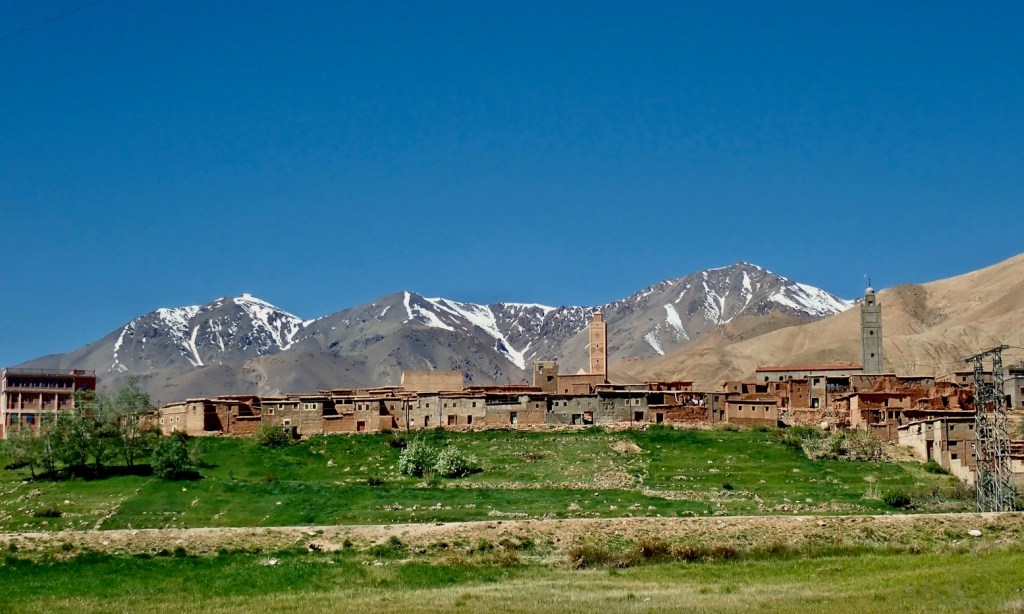
High Atlas village
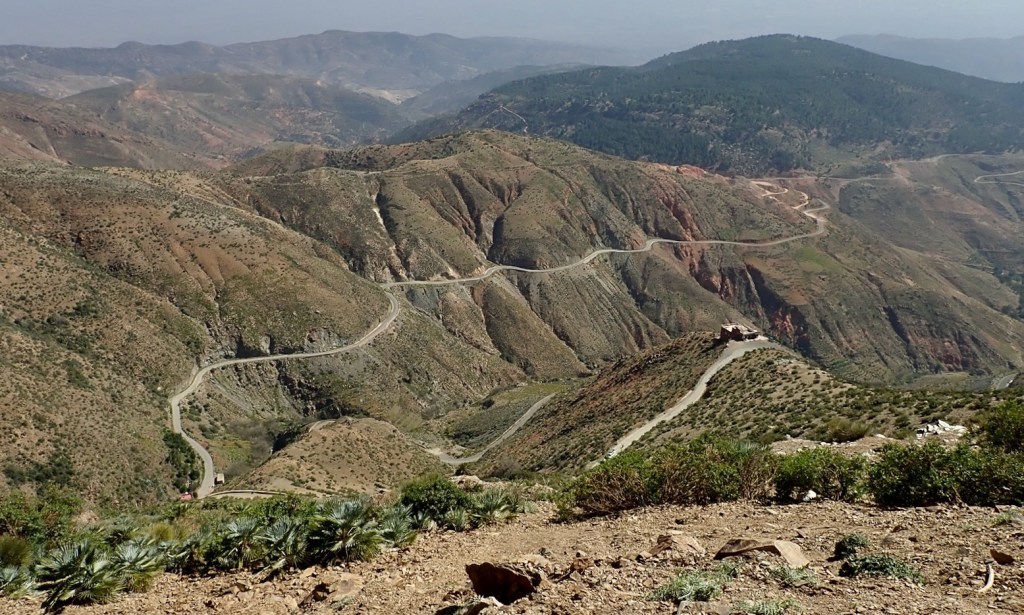
I ride out of Ijoukak along my regular tour route
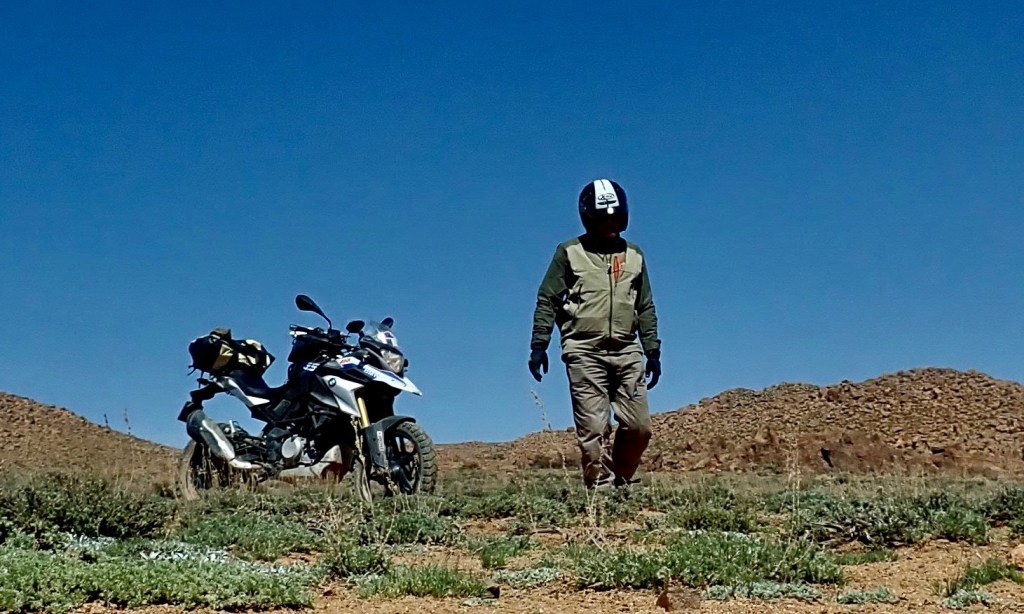
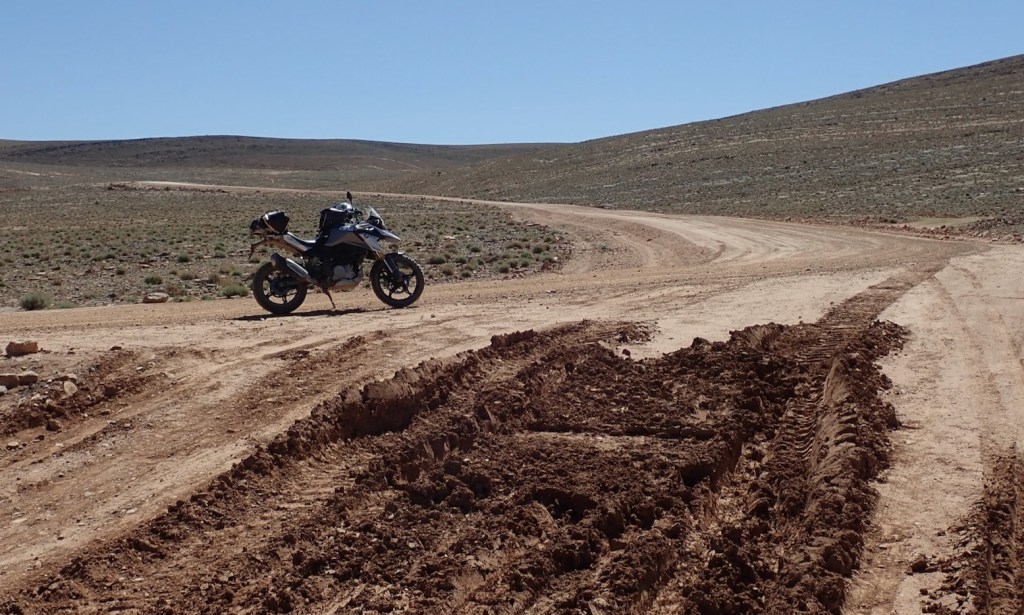
Sigh, another day on a 310GS but wishing it was a 300L (soon it will be)
Up at the 2550-metre watershed (8400′) it’s balmy.
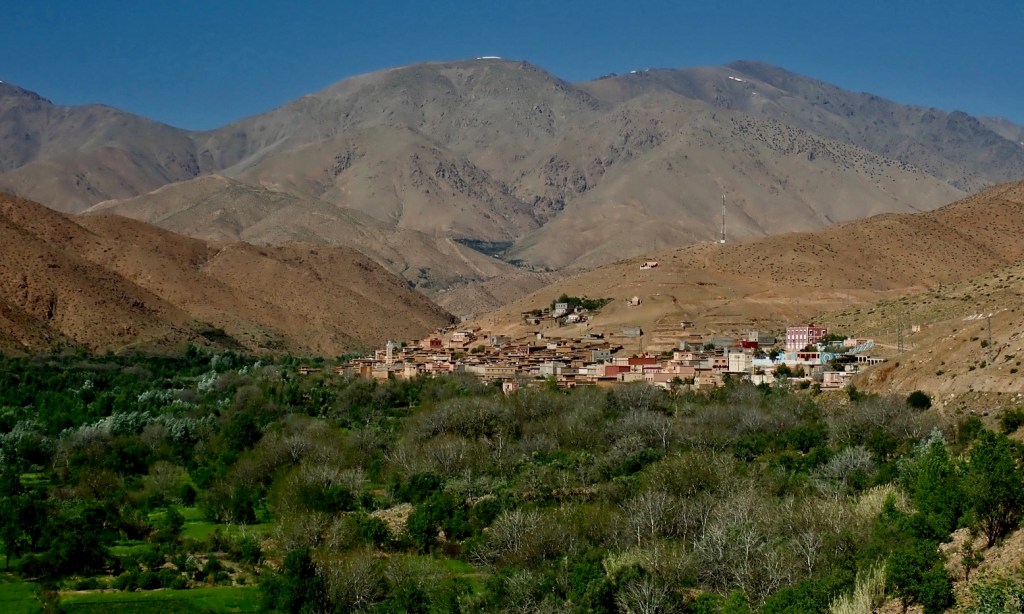
High Atlas village 2
And another. I should make a series of postcards
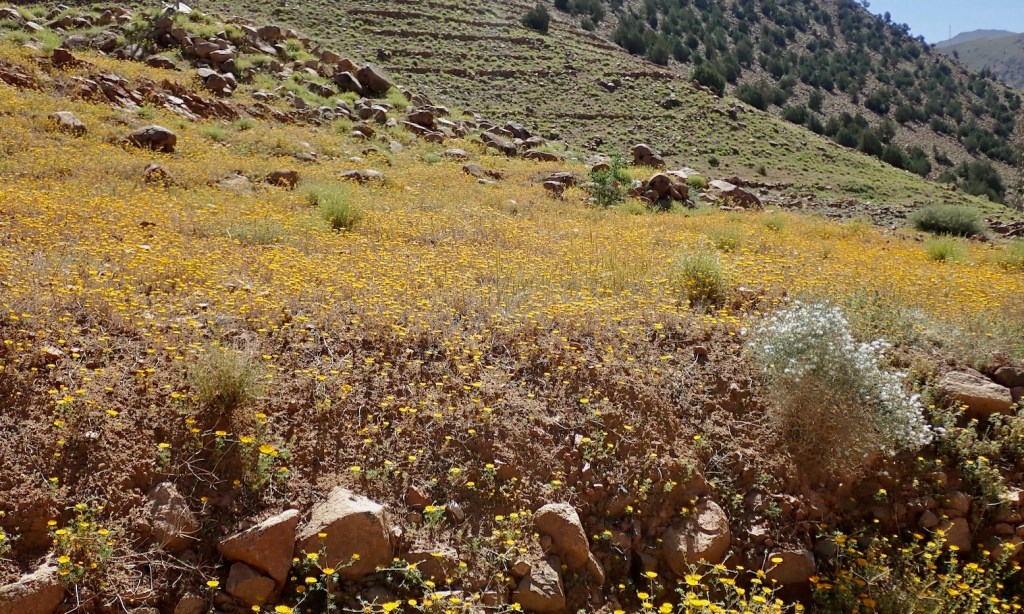
Wildflowers are out. Spring is here and will be greener than normal
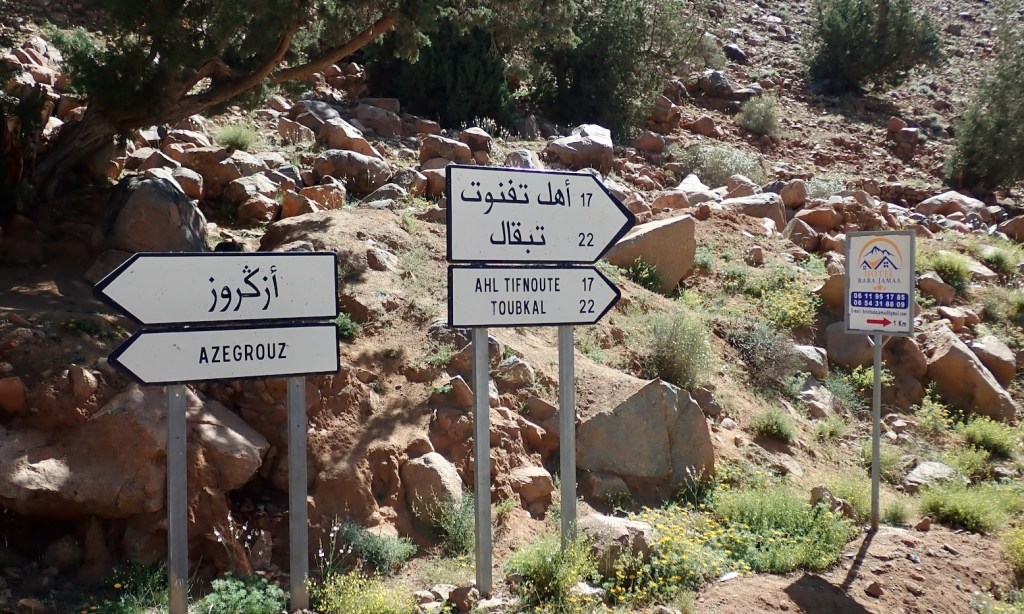
I’m heading for Toubkal, but not along this road near Igli. I’ll take a much longer track through the hills.
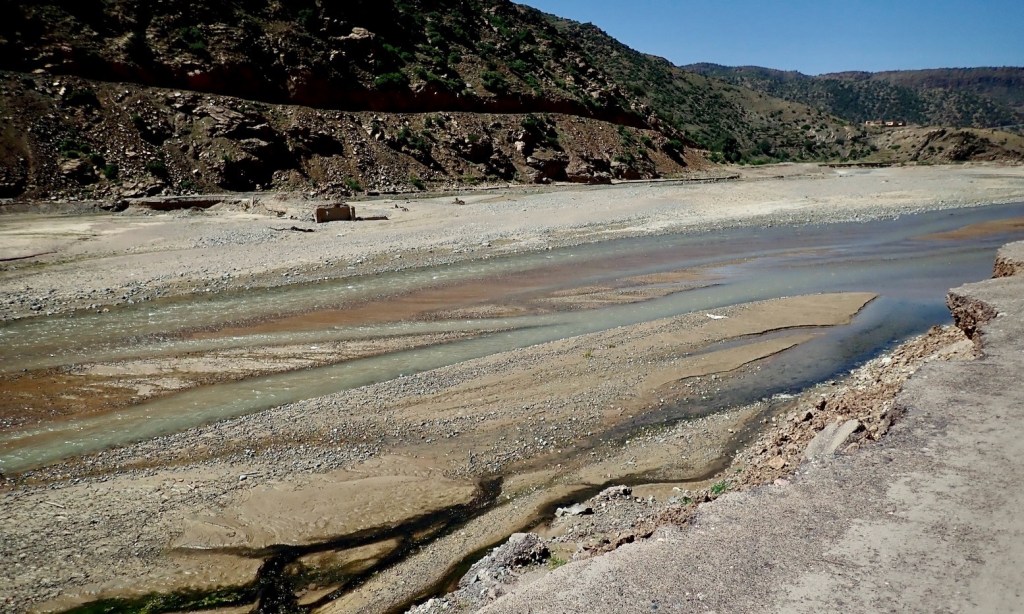
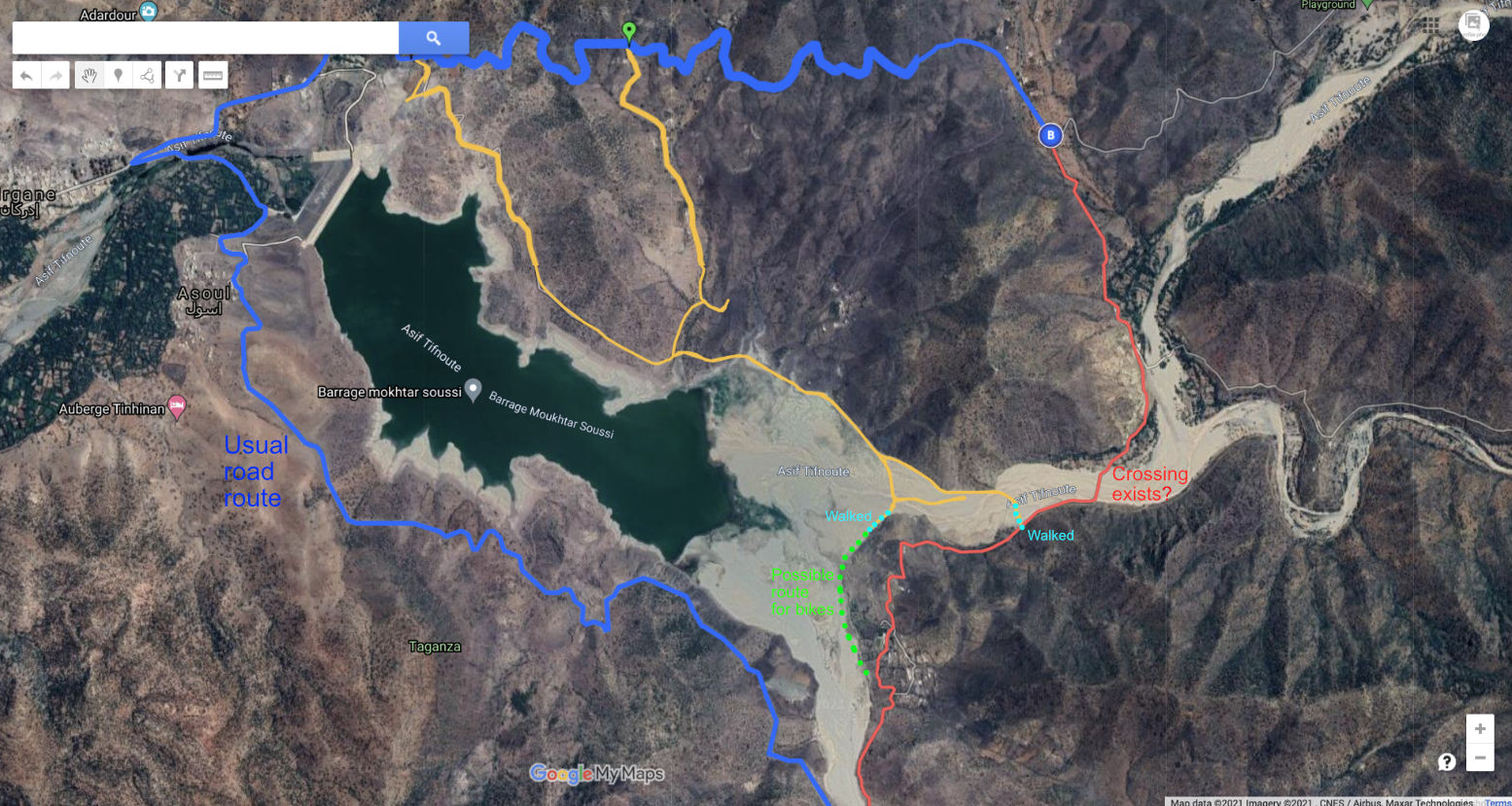
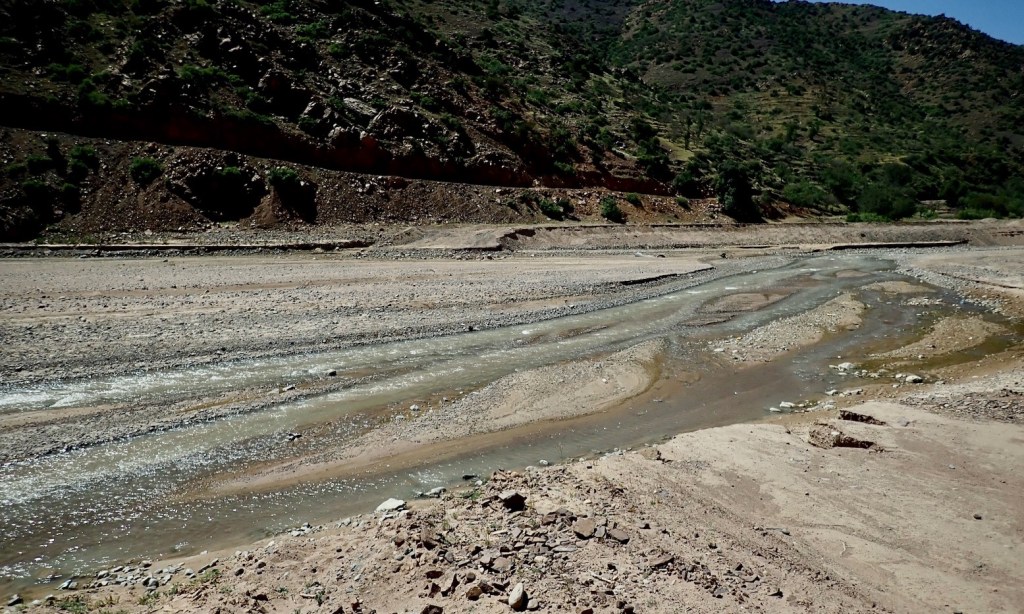
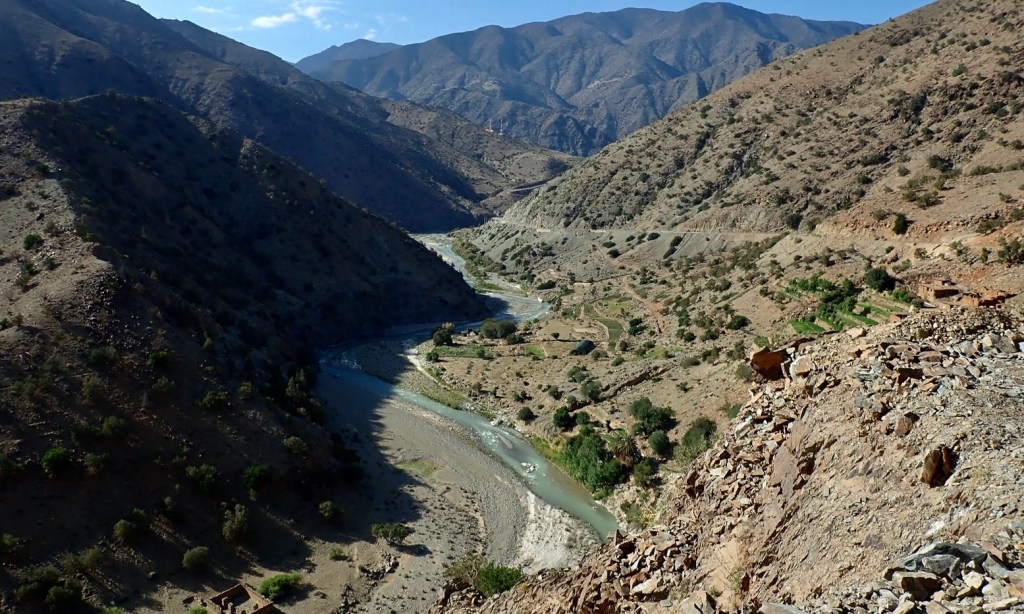
I can’t resist nipping down to the Assif Tifnoute river. Crossing this to make a fun short cut has been a fixation of mine for years. As you can see the concrete ford got washed out long ago.
Here’s a map I drew in 2021 when I was here on the Africa Twin. ‘Crossing exists?’ is the washed-out ford and to which the answer is: ‘not really’.
An alternative crossing developed just downstream. We were on that far bank a few weeks ago in the Duster, but a new flood-carved bank on this side is now a few feet high. Slithering down it to the river bed, the crossing could be done, but today it’s too hot to try on a podgy 310 as I’ll not be able to get back up
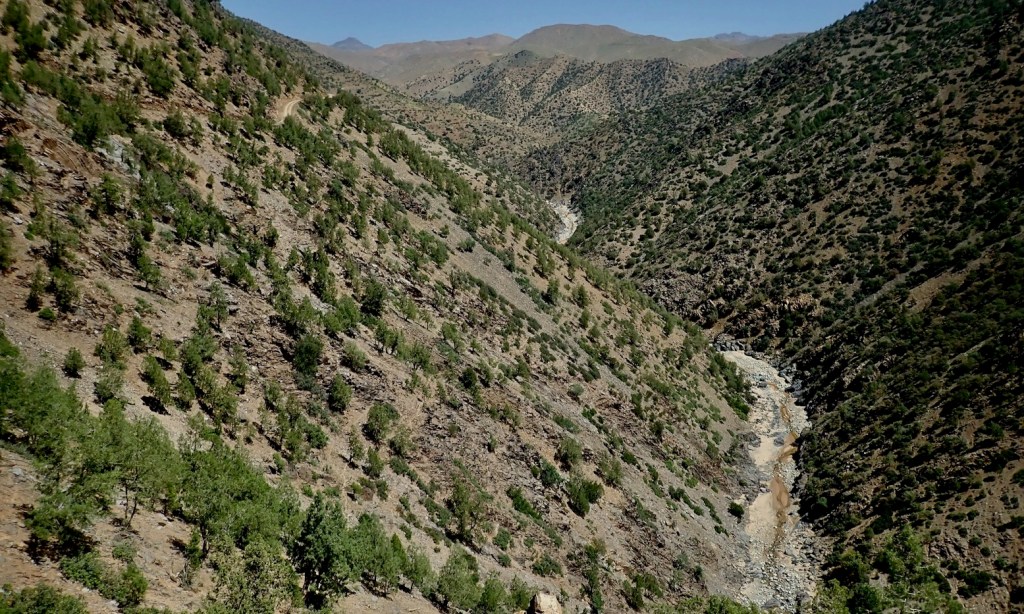
That done, I head back north up a parallel valley, following a new route
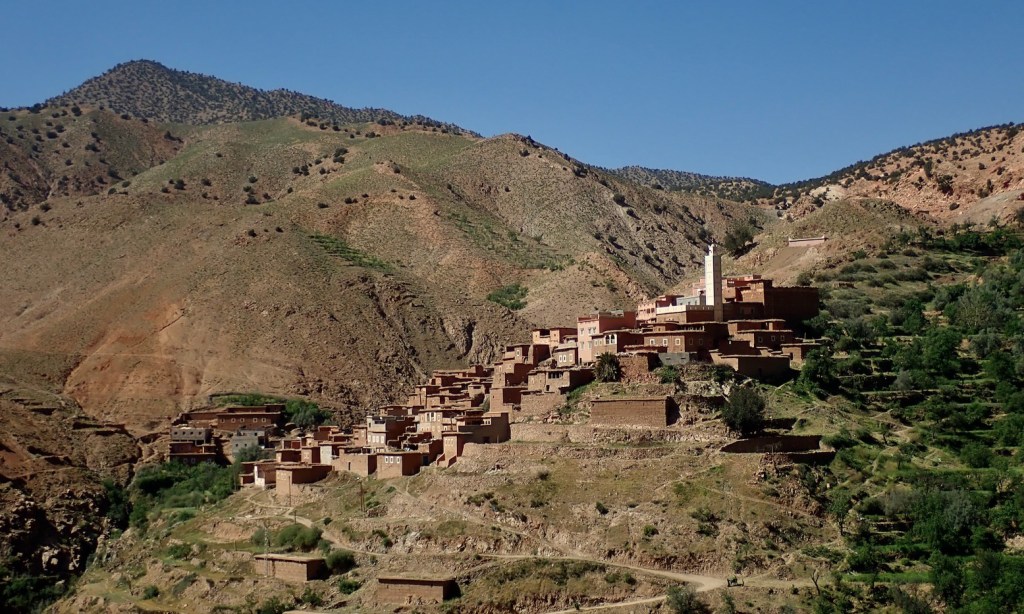
Anywhere the mountainous terrain permitted a bit of cultivation (good soil; water), a village developed. I suspect this all happened around the Arab invasion in the late 7th century when the Berbers fled to the hills. Before that there were much easier places to farm.
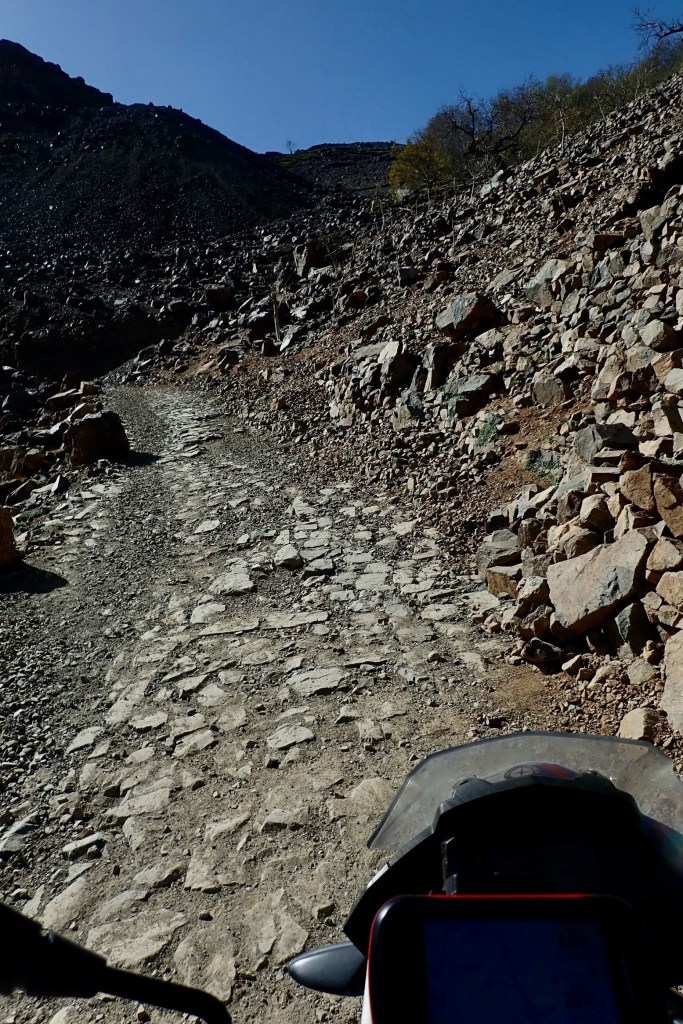
Soon the bedrock turns to granite; granite sand is nice stuff to ride; the hard angular quartz grains lock up to make good grip compared to rounded sandstone grains. Well, that’s my theory.
A hot backwind blows up the valley; I’m wilting and the fan is humming. I barely ride 10 minutes without a jotting stop
Result! I reach the three-way junction …
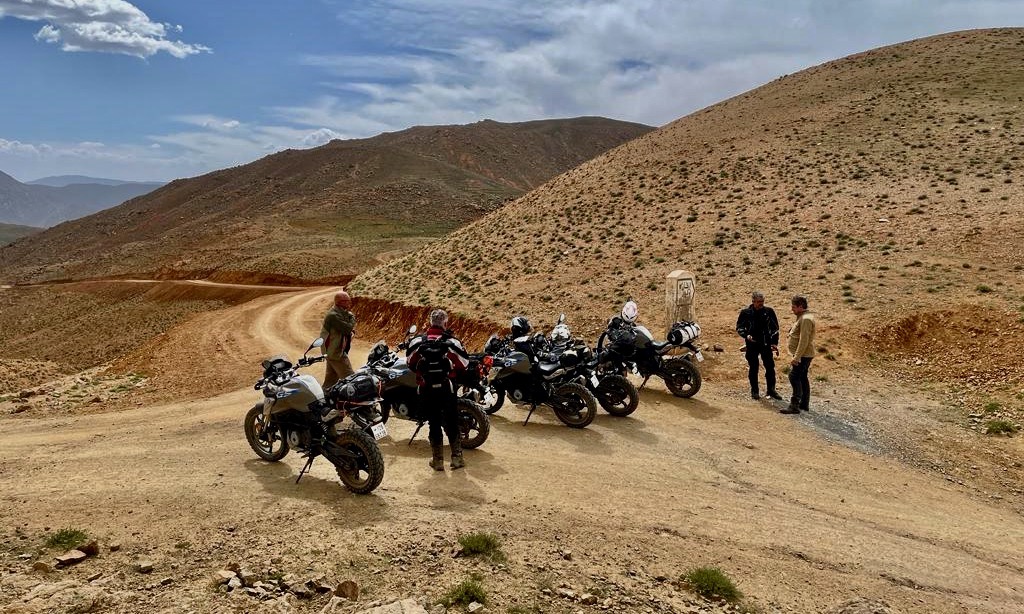
… I located with the group a week ago, but from another direction.
The deserted market square of Taouyalte. I like it when distinctive online aerial imagery translates into a tangible place
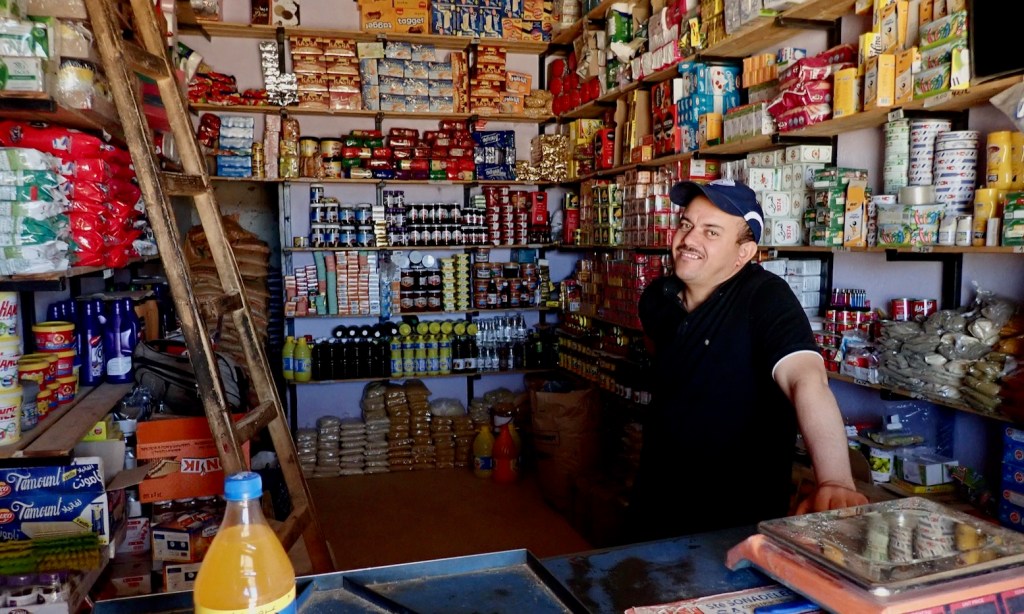
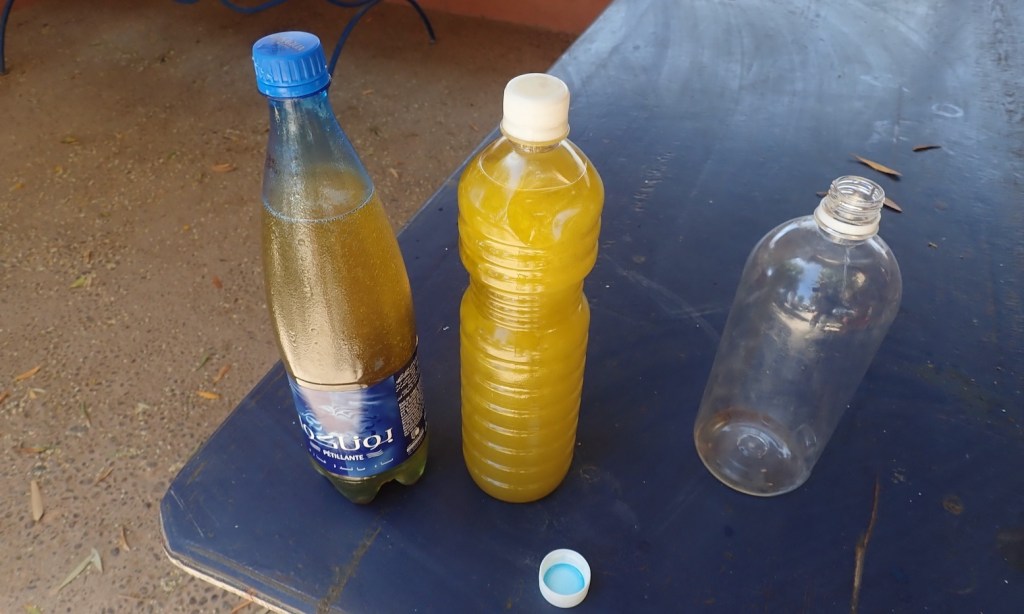
Chummy chappy in the village shop; I buy bread, tuna and a litre of sugar-saturated orange liquide
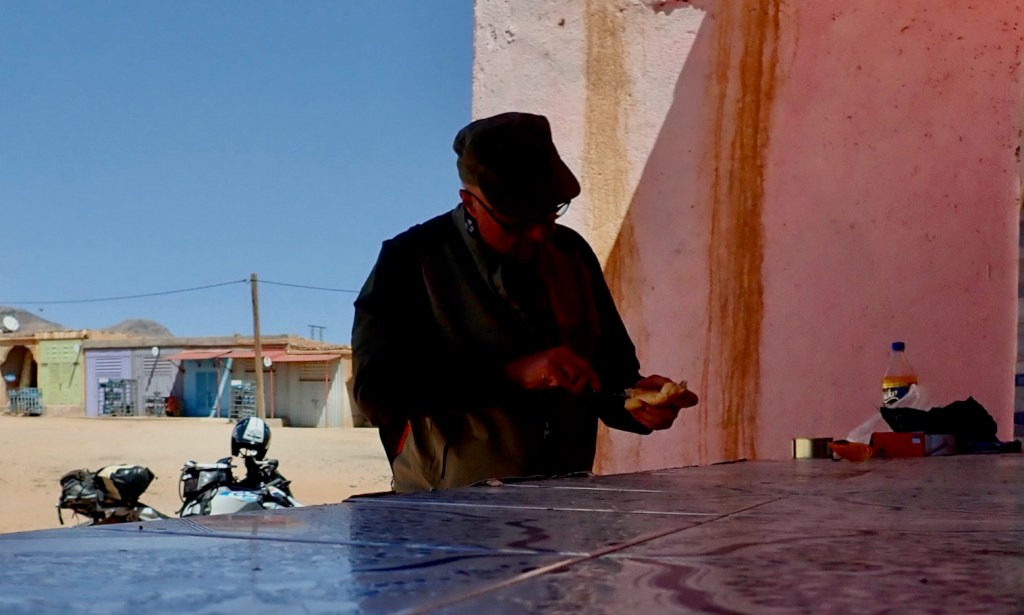
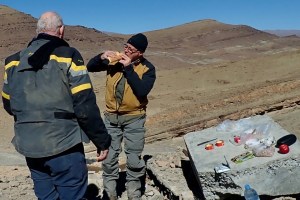
They say it’s impolite for tourists to eat conspicuously during Ramadan daytime, but there’s no one around.
They’re all at home siesting till dusk.
I continue northward, higher up into the arid hills
A green splash of barley terracing
I hop off to water some high-altitude shrubs.
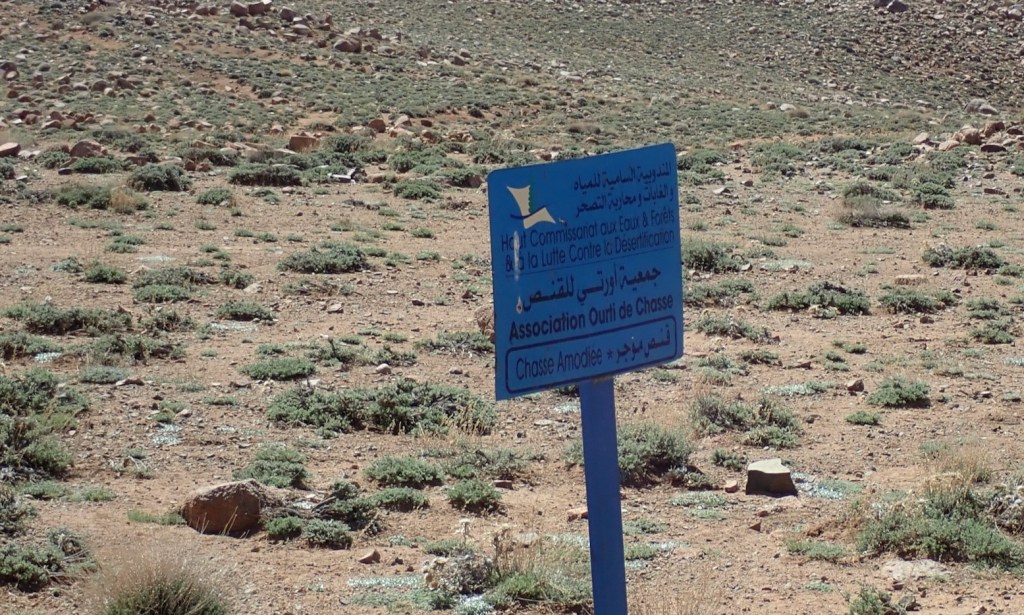
These blue hunting signs often appear at high points or cols; here about 2300m or 7500′
A big, steep 700-m descent down to the Toubkal road
Near the bottom I find a shady glade for a bit of a break and a shrug
Anmid (unless I am very much mistaken)
Soon I rejoin the road. Left is less than 20km back to Igli, but I’ve had a great dirt ride taking the long way round
Assarag (Ahl Tifnoute), or maybe Toubkal (like the 4167-m mountain nearby)
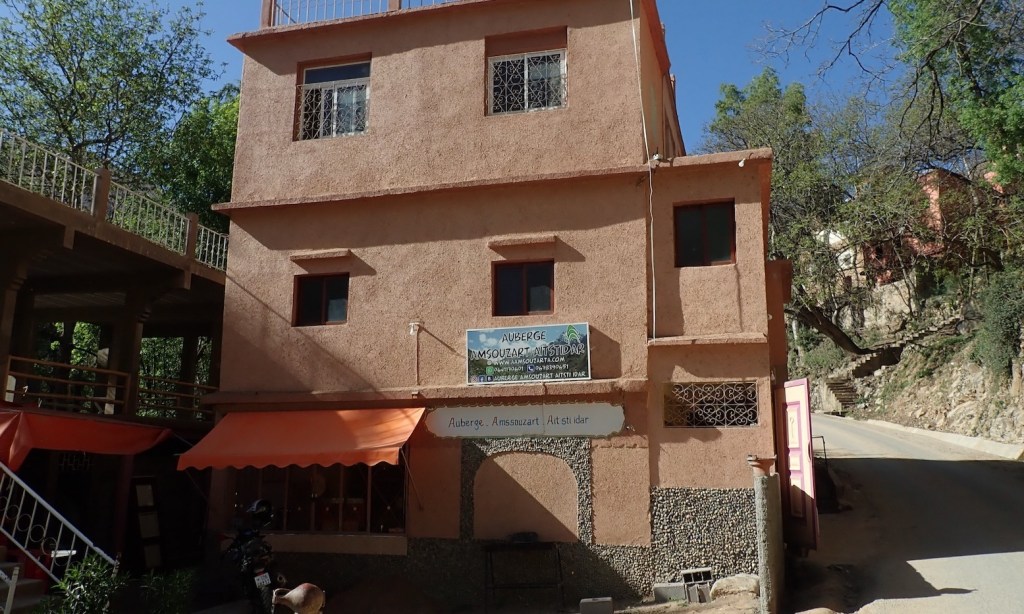
It’s 3pm in Amsouzart and I am shagged out; that’s me done for the day
But after a double nous-nous (‘half-half’, my new favorite coffee) and a selection of sugary snacks…
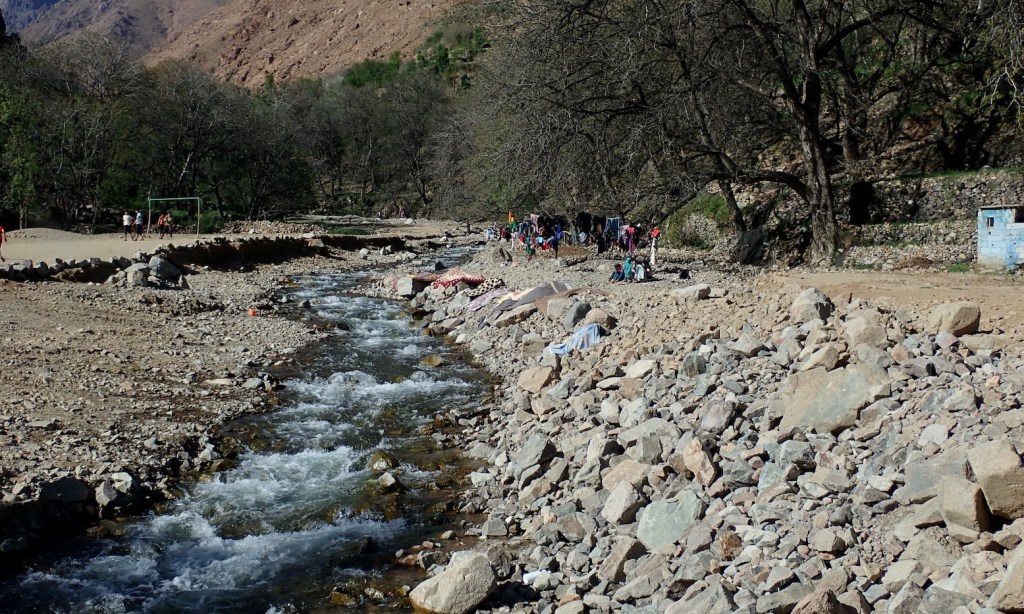
… I power on up the dead-end valley for a look-see. While the river flows, the laundry dries
I’d hoped to check out Lac Ifni as I’ll never be closer. I get to the base of the track but matey in the gite told me it’s a 2-hour return walk. With these knees? I don’t think so
Next day I need fuel if I’m to head back into the hills. The nearest station is Aguim, 50km, on the Marrakech road
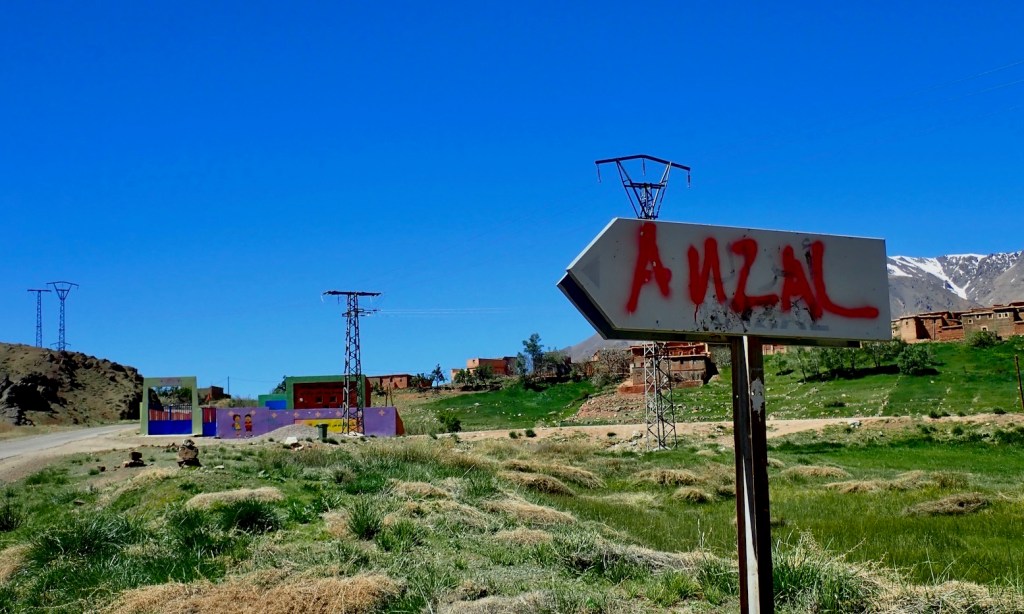
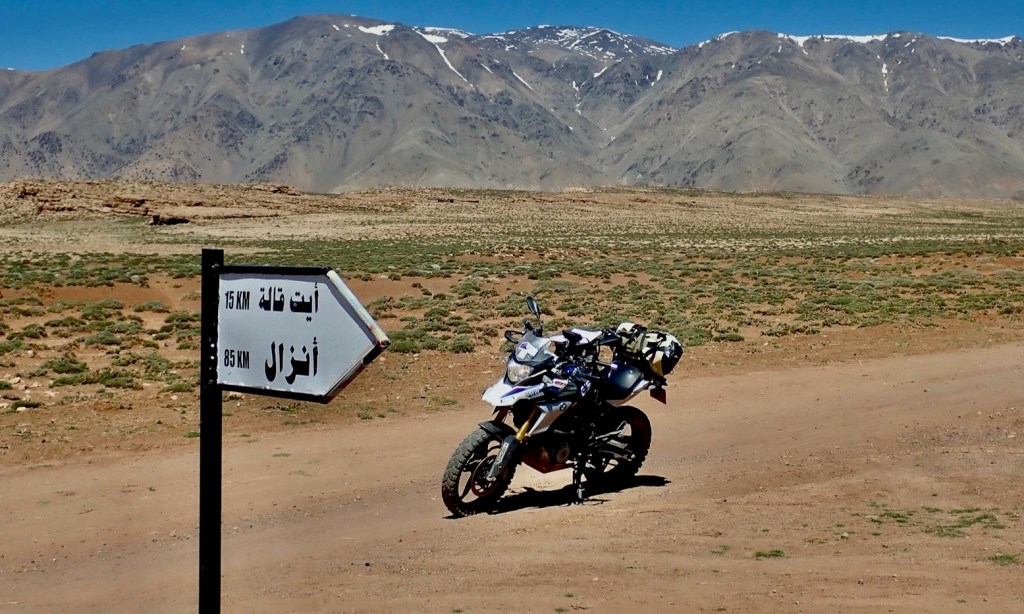
Turn off to Anezal? Interesting…
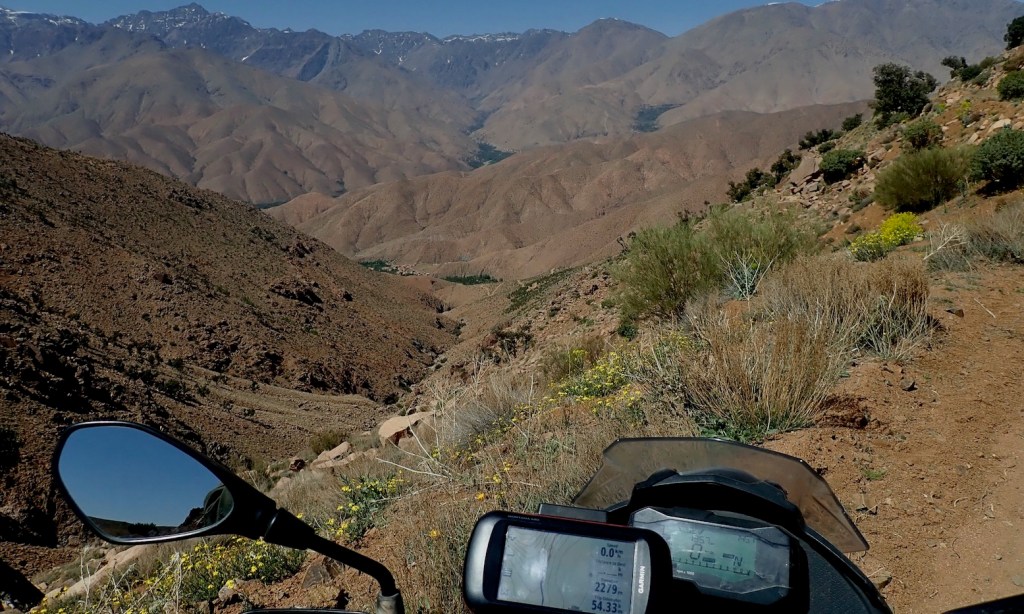
Classic High Atlas vistas
Backtracking from Agium with another 300km in the tank, I reach Three Mast Pass and the old MH8 track
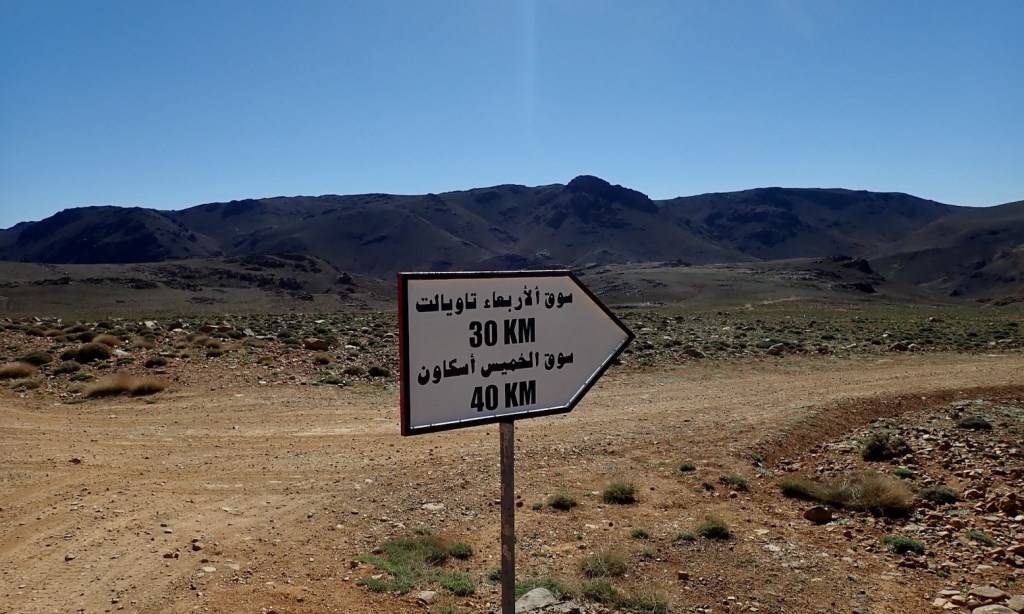
Distances to probably Taouyalte and Askaoun. I can manage that
Soon I reach a junction where I want to link to a route we tried in the Duster
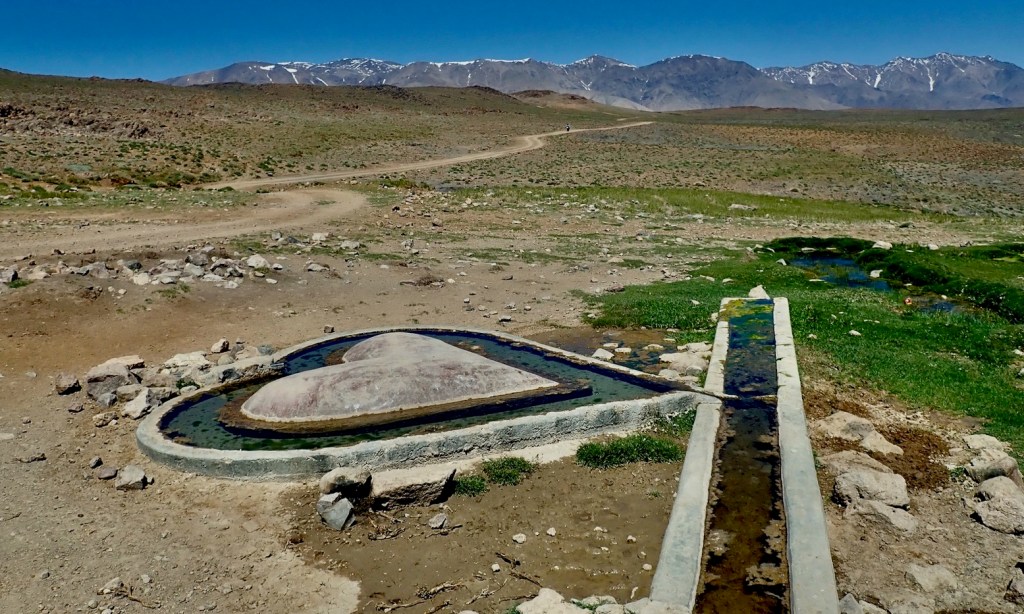
You’ve heard of the Love Shack, well this is the Love Trough, same thing but for sheep.
Adventure motorcycling? No, just nipping over to see his gran
Ait Qalla below where the road resumes
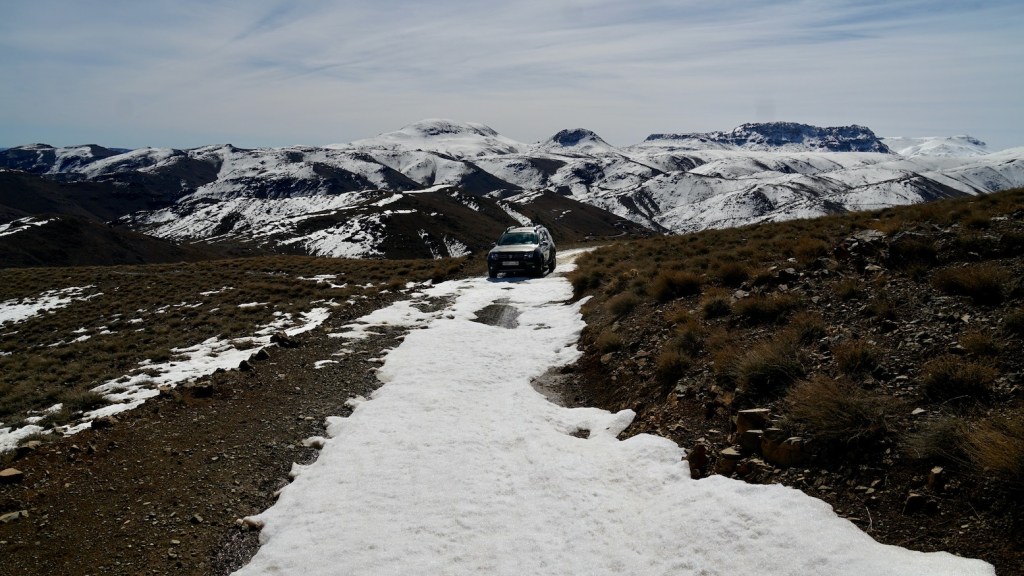
Same-ish spot in February where we got snowed back around 2200m and were unsure if worse lay ahead
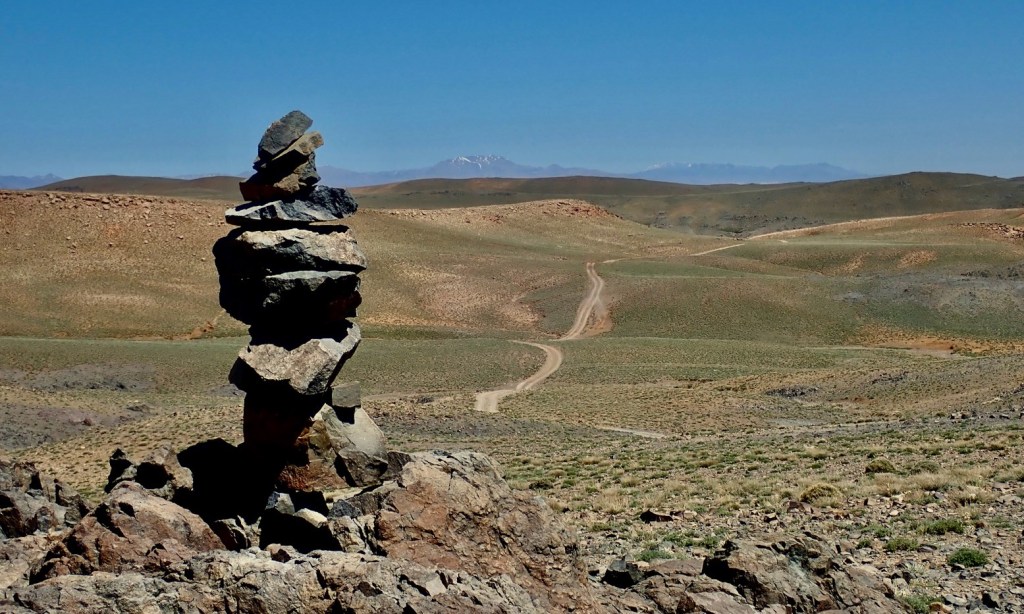
Lonesome cairn
Back at the junction, I turn south into the lush ‘Limestone Basin’ I recall from 2008.
The only place you’ll see proper grass like this in Morocco is well above 2000 metres or on an oligarch’s lawn
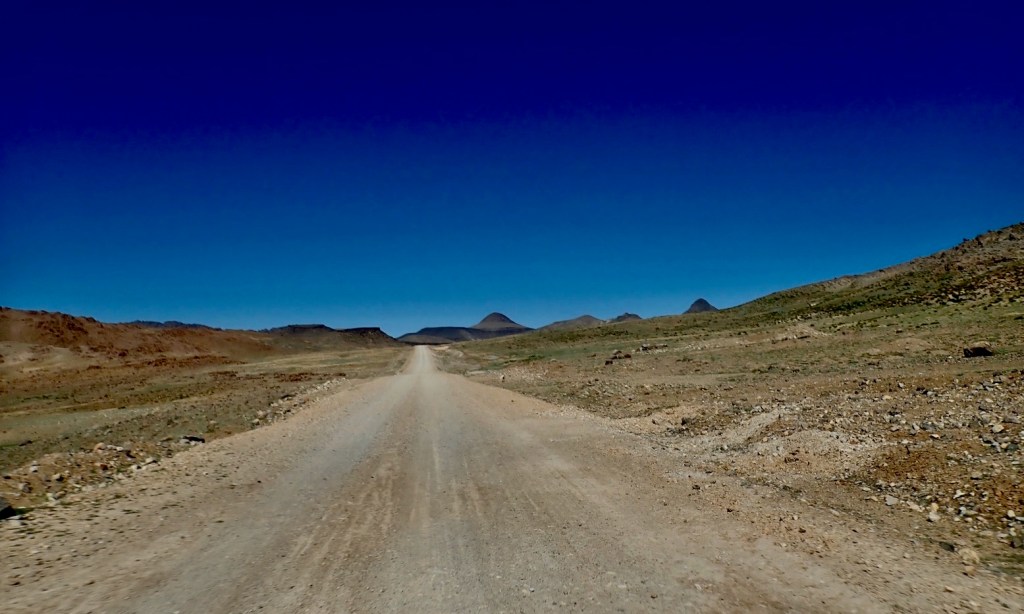
An easy track unrolls south across the plateau
Next time I’ll go down there. I bet it links up.
I reach the col, now back again on granite sands
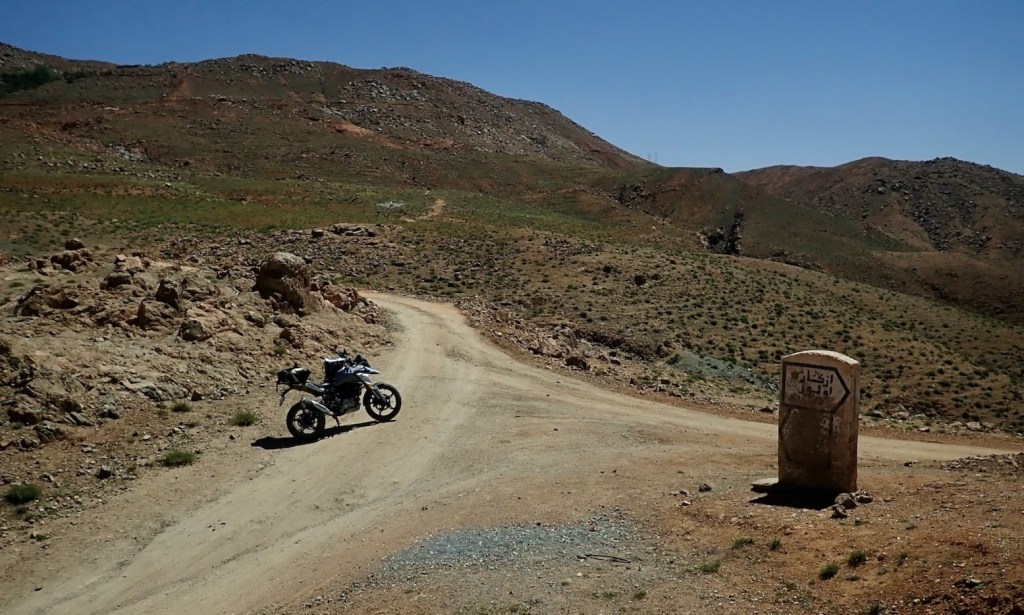
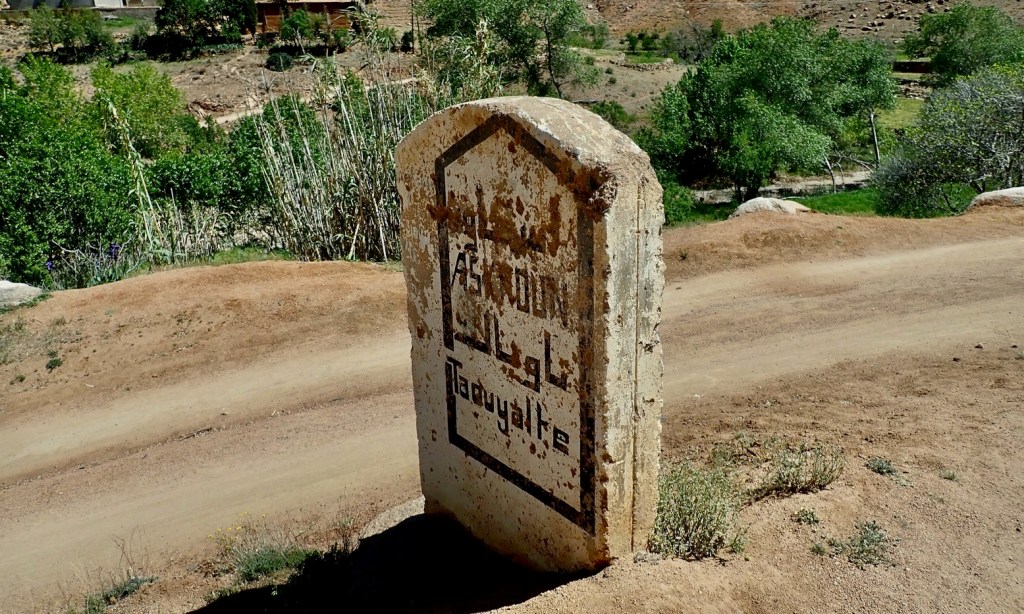
Another old milepost with familiar village names
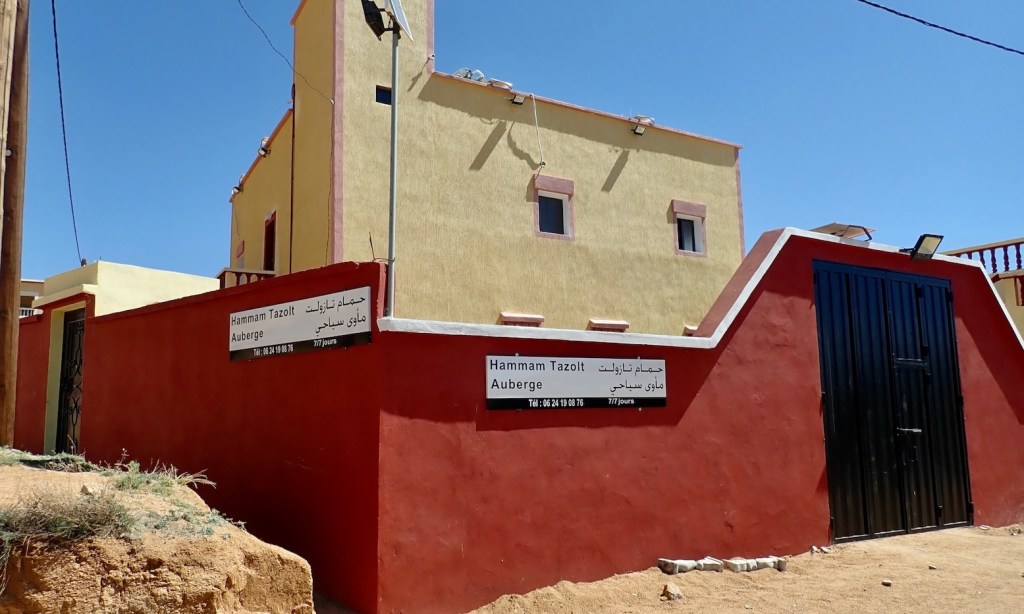
This could be a handy auberge; there isn’t another for hours
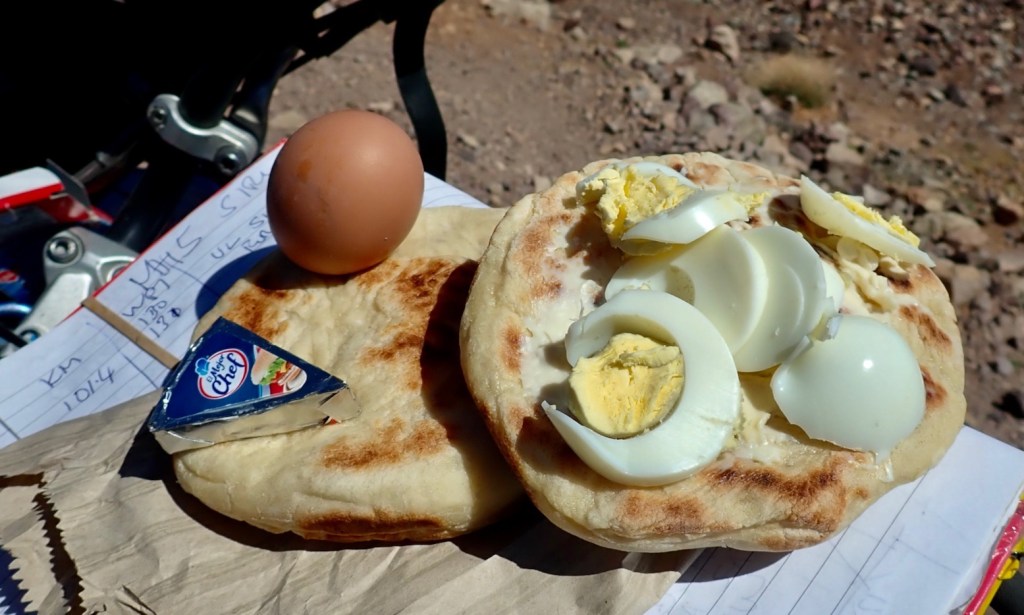
In Askaoun I nip into the village shop for some yummy flatbreads and eggs for a tankbag picnic
The once gnarly MH5 track around the top of Jebel Sirwa is now a wide haul road.
Thank the new silver mine, nearby
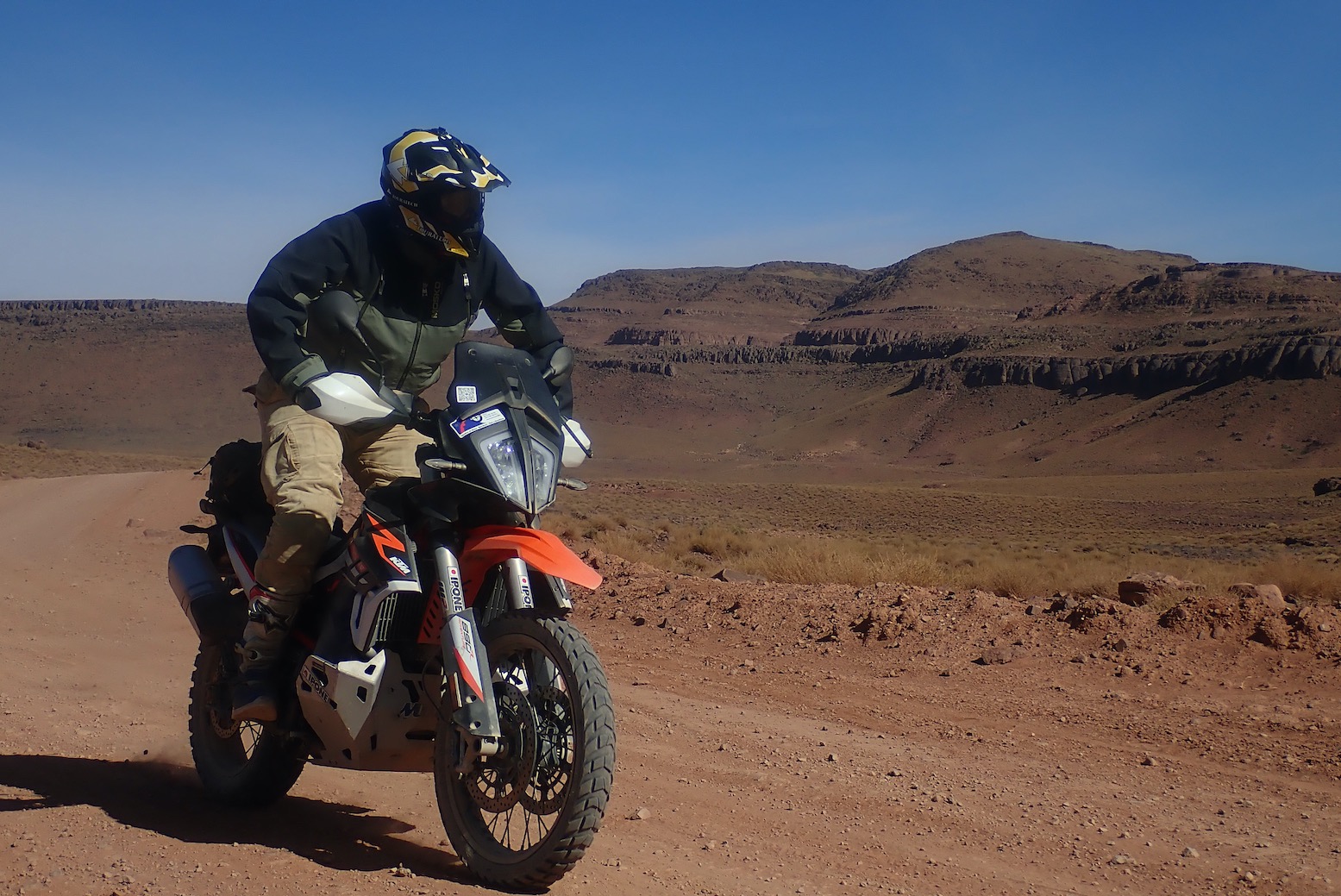
My Mosko Surveyor jacket staves off the sub-Alpine chill
Great views from up here down to the Ouarzazate basin
Looking back towards Toubkal
Great spot for a grassy camp alongside a trickling stream
Basaltic rockery
The track has been rerouted down behind Amassine village where I close the loop on the Ait Qalla road
Slow flat on the front but no nail. Bent rim? Had that on the tour the other week. Odd
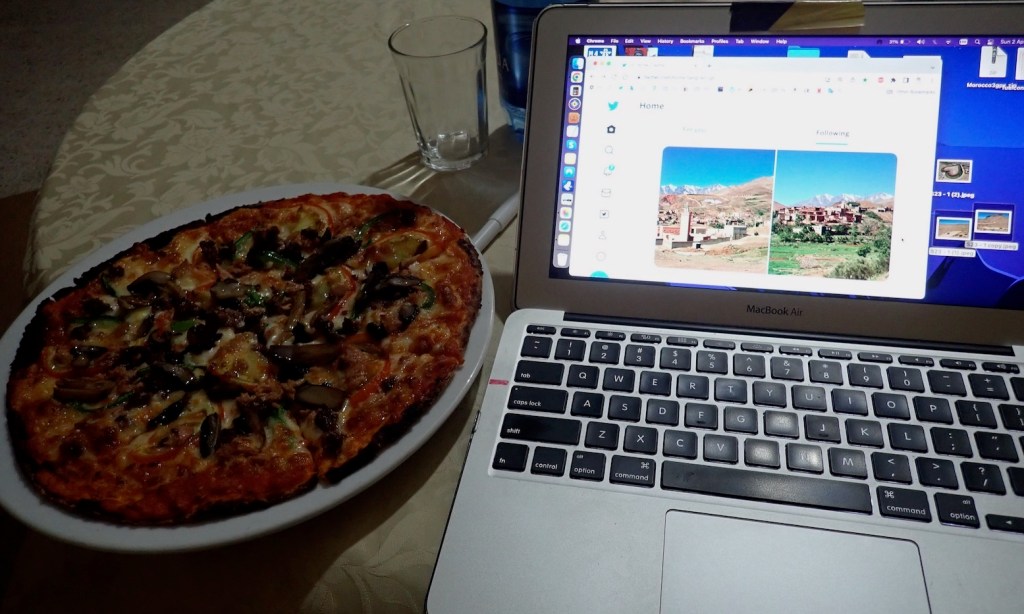
Pizza in the Bab Sahara in Tazenakht. Spent many happy nights with the lovely folks here
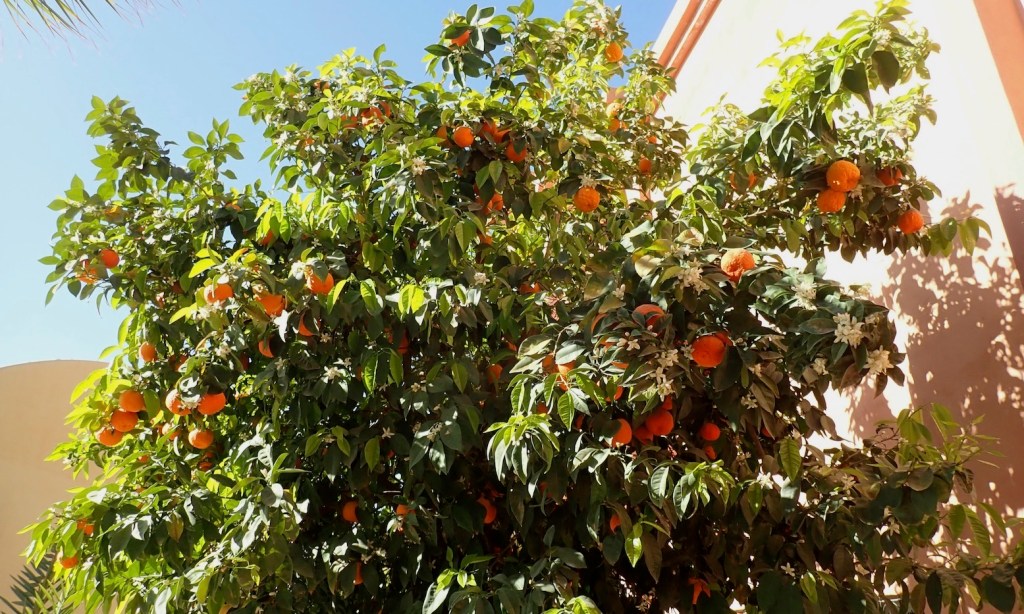
Lovely scent off this orange tree in the evenings. Oh to be an insect!
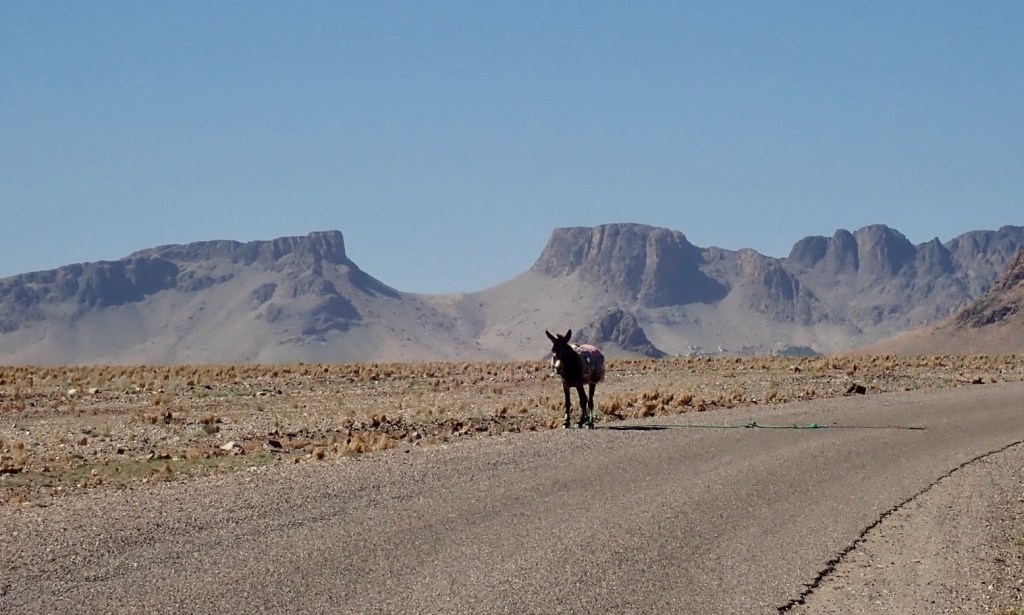
Ominous donkey below the ‘Timouka’ Pass – actually Tizi Haround 1830m
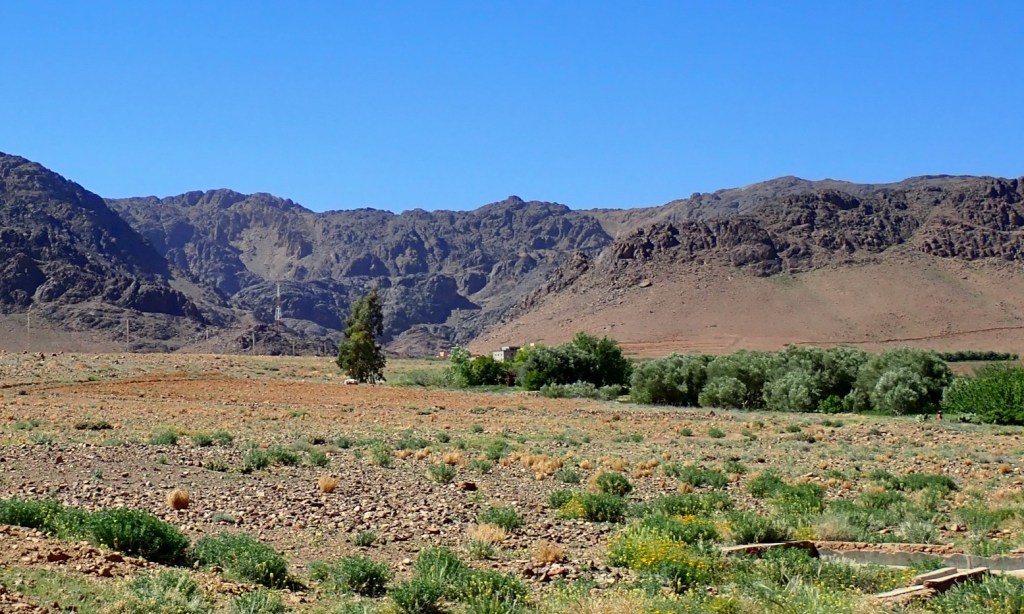
A secret track winds up that valley. More about that later
I find another obscure ascent over the Issil escarpment that proves to be in good shape too
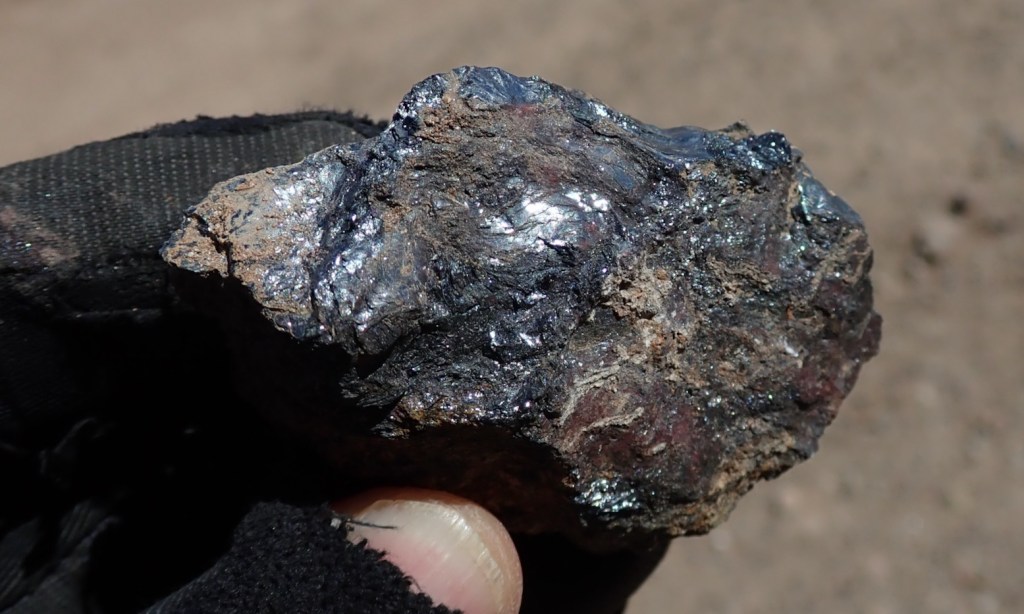
Graphite?
Over the top and round the back I pin down a key junction
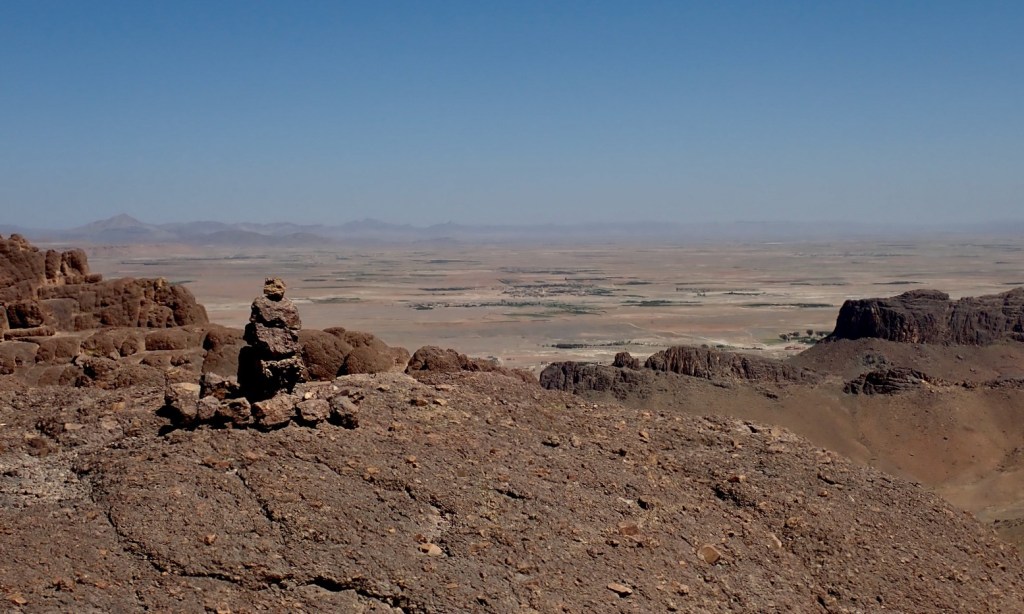
I’d love to carry on but need to return home early. I build a cairn above the pass
Back down in Taliouine, Hamid sourced me some nutty, extra virgin argan oil at 40 quid a litre!
The chilled EVOO comes free
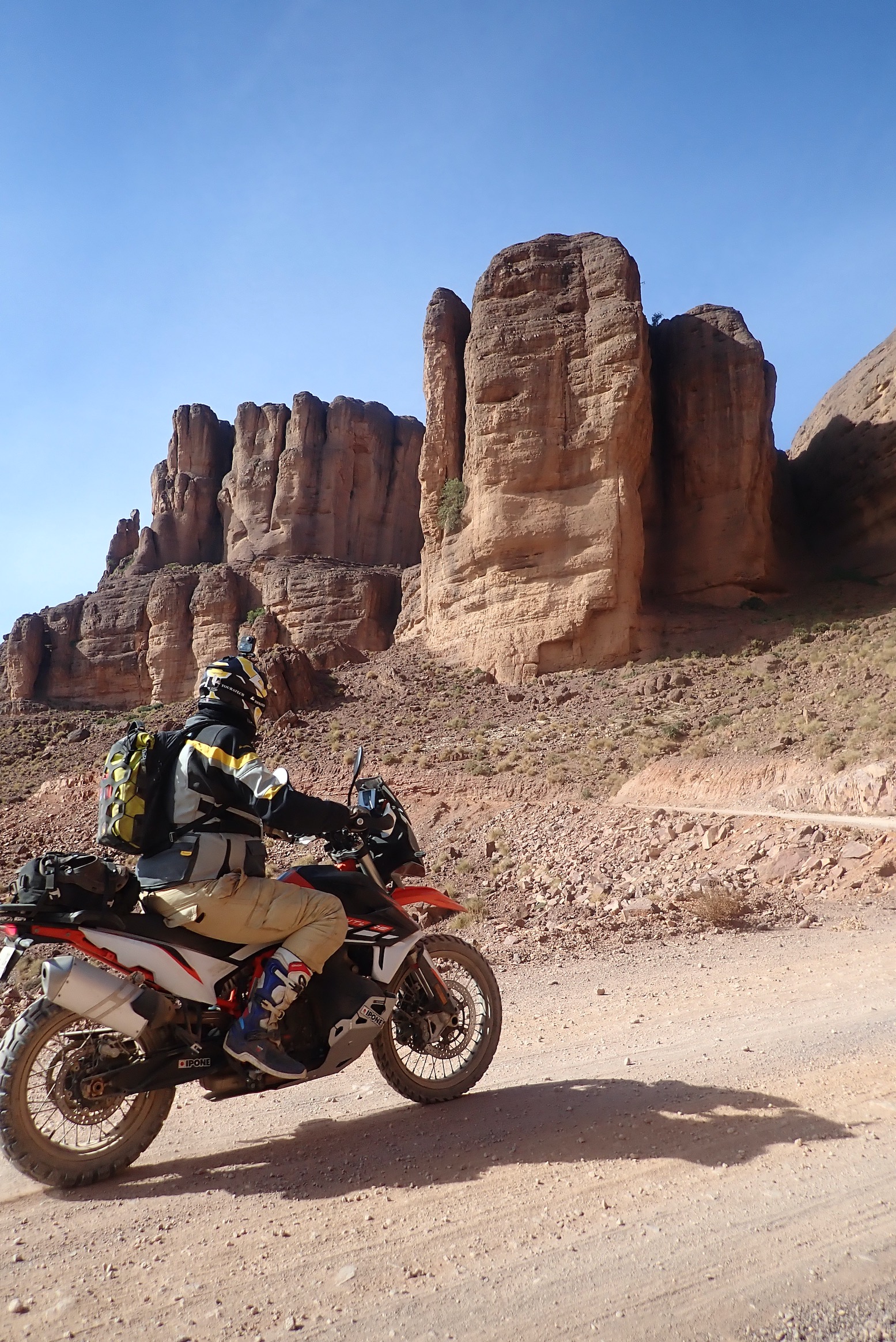
The amazing climb up to the Tizi n Test; just right on a 310GS or similar
On the north side of the Test, following the February rains this river…
The epicentre of the earthquake which struck a few months later was just a few miles from here.
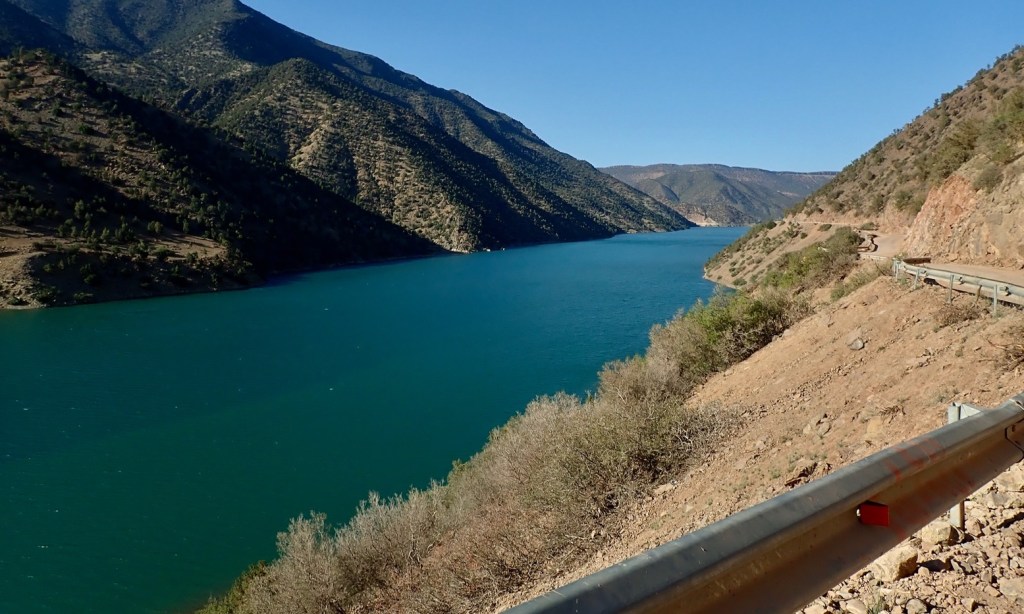
… filled up this near empty reservoir in a matter of weeks. That’s Marrakech set up for the summer
I drop off the 310 and head for the airport. Can’t wait to get back on my new bike and carry on exploring, but it’ll be too hot by the time I can get there. I’ll have to wait till October.

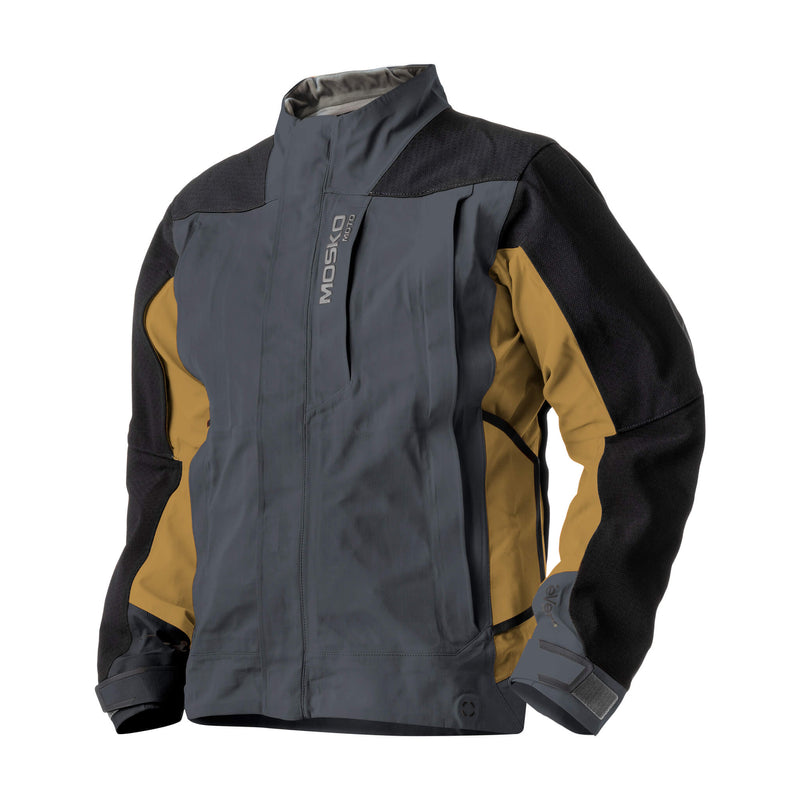
Tested: Mosko Moto Surveyor softshell jacket review

See also:
Adventure Spec Linesman
Mosko Moto Basilisk

Updated March 2024

It’s hot

In a line
Lightweight and stylish, warm-weather (or high output) jacket.

Price
€238 for an XL (remember: US ‘XL’ like this = XXL in European sizes/brands)

Where tested
Several months in Morocco since March 2023

Weight
802g (1.76 lbs).

What they say
When temperatures drop sometimes a hardshell is too much and a jersey doesn’t quite cut it. The Surveyor Jacket fills that gap. Wind resistant and highly breathable, the Surveyor Jacket is built for high-output riding in cooler temps.
Made from durable 4-way stretch Cordura® for increased abrasion and snag resistance with enhanced comfort and mobility on the bike. Cut for a close-to-body over-armor fit, the Surveyor Jacket can be worn with or without armor making it a solid choice on the trail and at camp.
The Surveyor Jacket is right at home in the woods on long rides as the days grow shorter or chasing a receding snow line as the season gets underway. DWR water protection and wind resistance keep you comfortable in mild weather.
Two oversized mesh-lined hand pockets double as vents with flow-through venting. With one external and one internal chest pocket to keep essentials close at hand. Inspired by road and mountain biking bibs, the lumbar game pocket features three internal pockets for on-body storage. These pockets sit low enough to be compatible with our Wildcat Backpacks. Load them up for added storage on big days or ditch the pack and pair with a Reckless 10L.

Original olive Surveyor supplied free for review by Mosko.
‘High Desert’ 2024 version bought in a sale.

tik

• Lightweight spandex fabric feels barely noticeable
• Looks good in Woodland green, plus many nice touches; looks even better in High Desert
• Vertical back vents access game pockets
• Has held back a rain shower or two
• Wouldn’t look out of place on other outdoor activities like MTB-ing

cros

• You’ll need separate on-body armour if you expect to crash
• Would like an Aerostich-style big Napoleon pocket in or outside
• Miss some mesh drop pockets inside the front, too
• My jacket’s body colour doesn’t match online imagery (but is fine)

Review
With temperatures rising up to the low 30s once over the Atlas, I decided my chunky, membrane Mosko Basilisk would be too warm and heavy for my spring ’23 tours, even with some showers forecast on the Marrakech side of the mountains. If it did rain it would be pleasant warm rain. Responding to my needs, Mosko sent me their softshell Surveyor to review. They say it’s built for high-output riding in cooler temps – but out here we’re mostly doing low output riding in warmer temps.

I know people go on about layering like it’s rocket science, and southern Morocco’s deserts and mountains may require that, but I prefer to just dress for the day and deal with a bit of temperature variation with the front zip, if needed. Give it an hour and things will change.
Underneath, most days I wore a long-sleeved Klim Aggressor base layer to keep the inside of the Surveyor clean, and some cooler days added an REI fleece gilet – one of my all-time outdoorsing favourites.

It was notable that when the other riders in various outfits de-jacketed, many were sweaty while I was as balmy and dry as a deodorant advert and never clammy or chilled. The thin and stretchy four-way Cordura Spandex fabric doesn’t look very breathable and the water-repelling DWR coating can’t help, but I never got over-hot riding up to the low 30s. I did get rained on months later over the Tichka and the Surveyor easily held back light rain and dry off quickly afterwards.
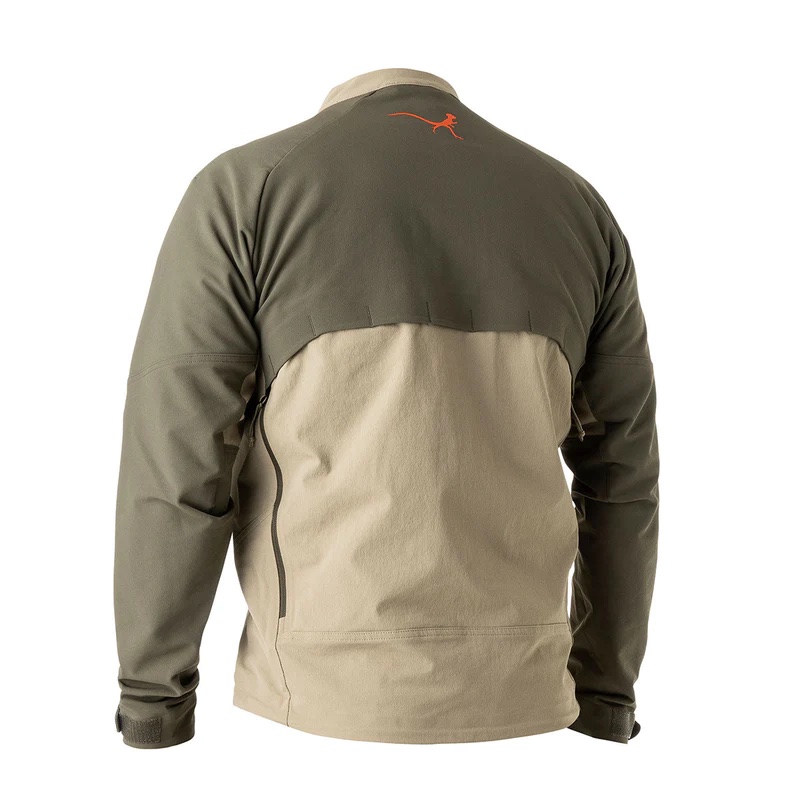
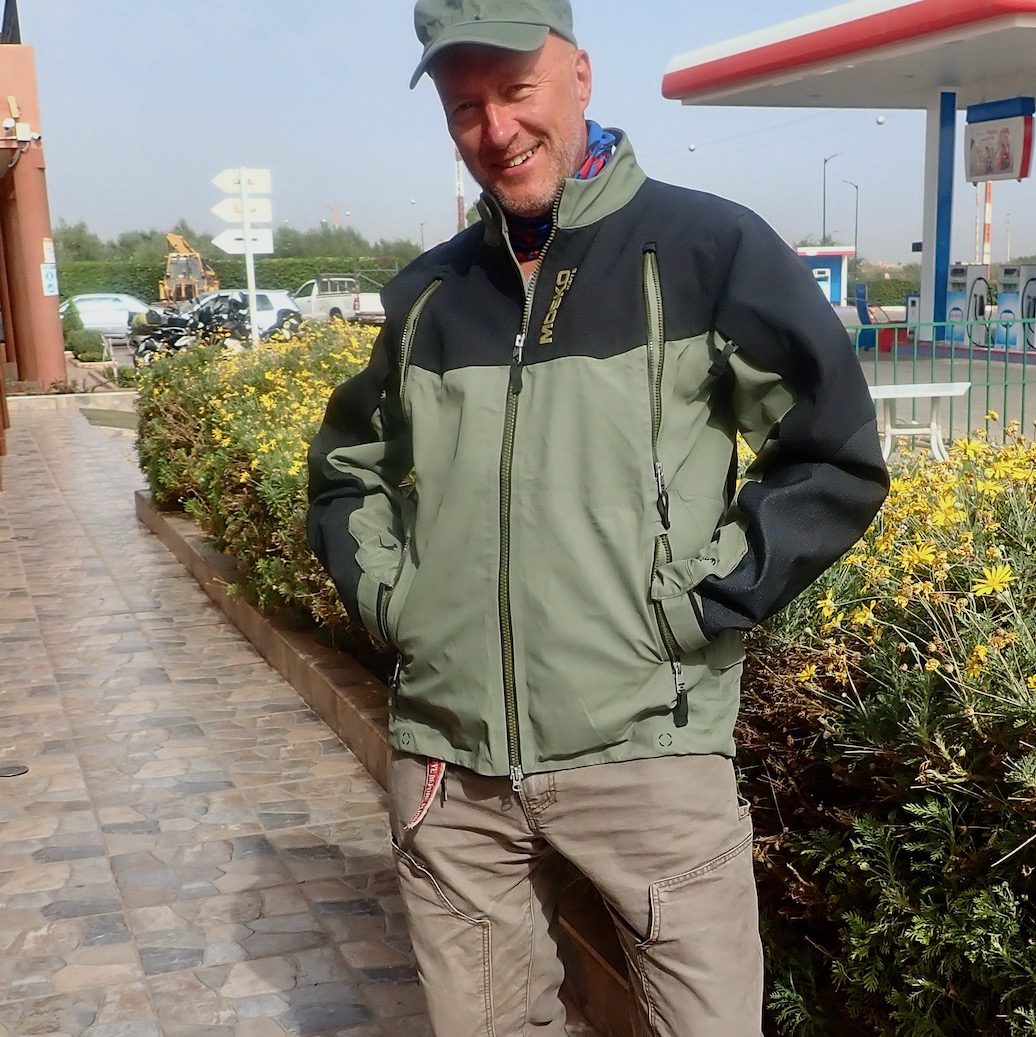
The light olive green body has a surface texture and a slightly lower gsm rating than the smoother, darker green shoulders and arms fabric, a polyester/Cordura mix that’s presumably more resistant to abrasion, though neither feel as tough as a regular Cordura jacket. Both have a bit of Spandex and the cut is bulky to accommodate separate armour which I don’t wear. Like the similar Adventure Spec Linesman, crashing hard in a softshell like this without armour will be painful.

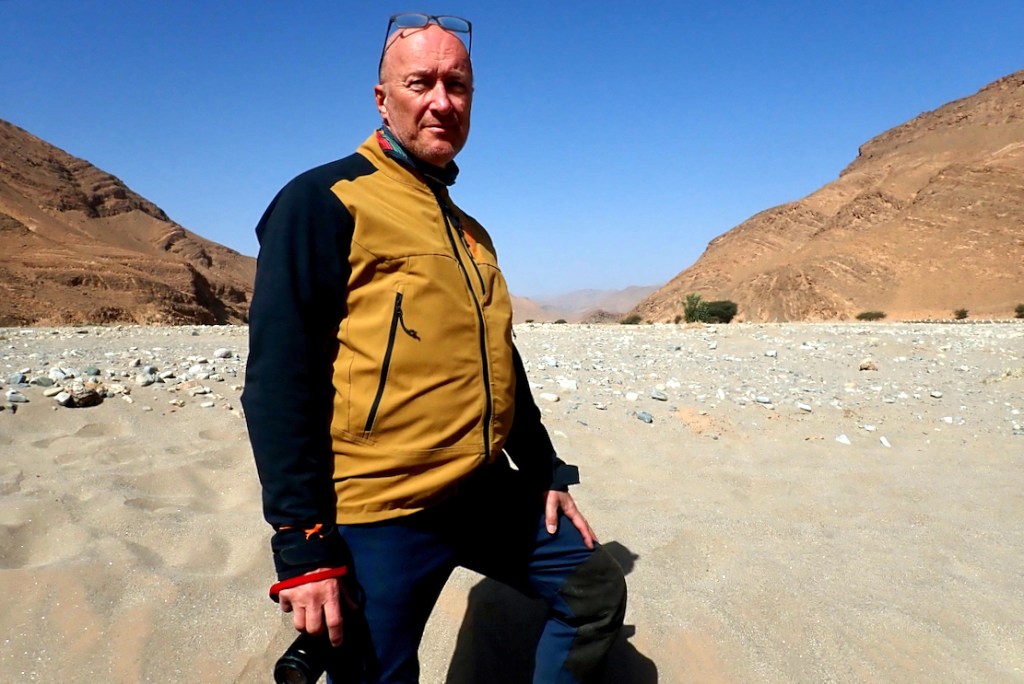
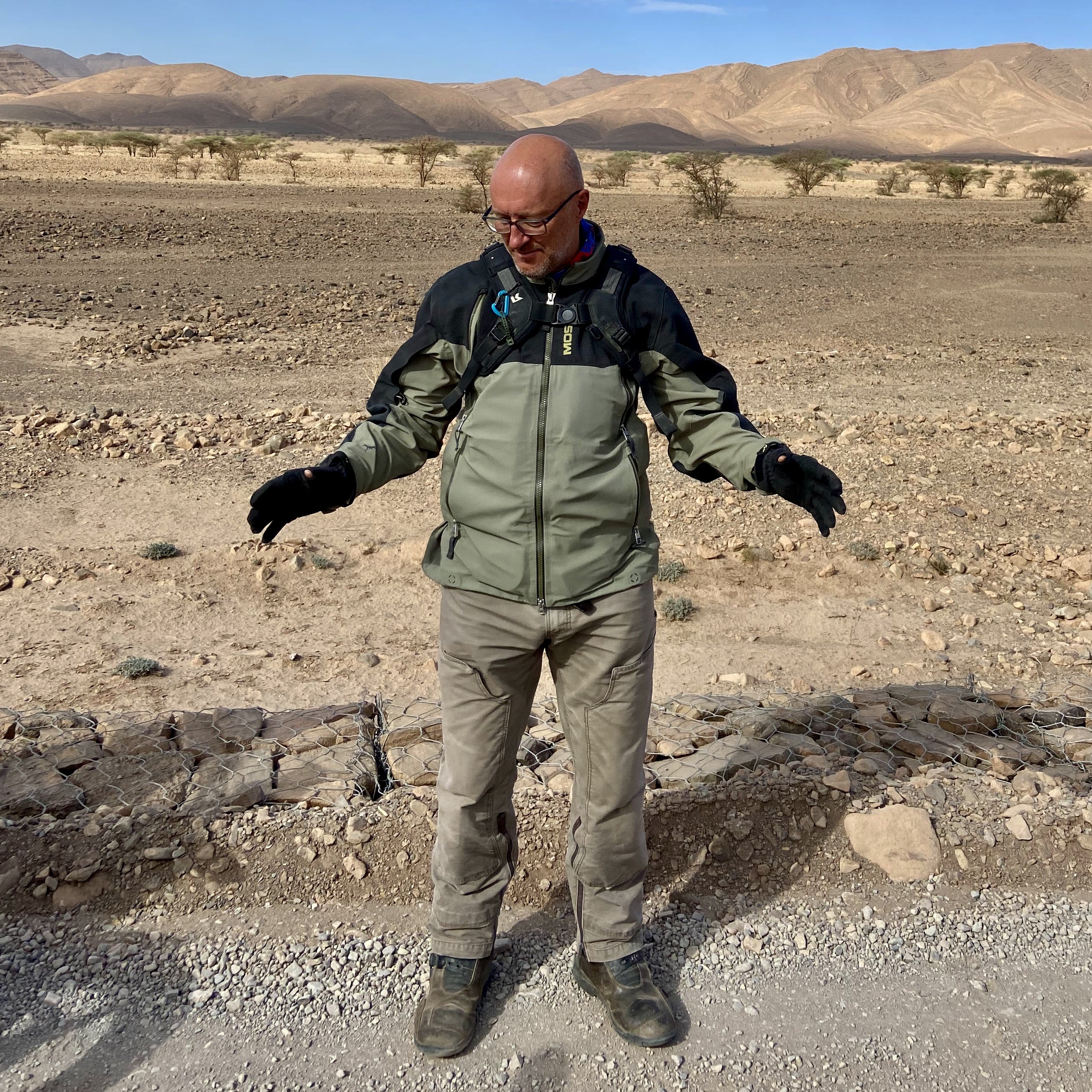
I like the ‘Woodland’ colour scheme contrasted with orange Mosko Moto logos, though as you can see my jacket’s body was not sandy tan and a tad more green all round than official Mosko imagery. As it happens, I see now my Basilisk was the same. Don’t know if my colours were an experimental one-off, but light colours absorb less heat radiation. Inside a partial orange mesh lining also houses the pockets.
Not claiming to be waterproof, all zips flowed smoothly. I find zips get jammy in desert dust, but a quick wipe with a wet rag sorts that out. Fit adjustments add up to a pair of side cinch cords along the hem and velcro tabs at the cuffs. I’d have liked another inch in cuff circumference so the sleeves could be pushed up, Miami Vice style, when doing messy jobs.

Pockets and venting
Though I usually end up wearing a daypack most of the time, I do like a jacket with pockets for stuff you want to have on you at all times. Many times I forget my backpack at roadside stops and on this trip I ditched the pack to allow the jacket to vent better. I kept a bottle of water in the tank bag.

The Surveyor has two vertical side pockets which inside are about a foot in height so will take a big paper map or foot-long Subway. Running these pockets open will aid through-venting but of course means anything inside is not so secure. I kept them closed.
The chest pocket is bigger than the zip suggests – I kept my camera here for quick access. Inside the jacket is a small zipped pocket that’ll just about take a phone and a passport. I’d have preferred this one to be an inch or so wider to securely stash a dirham-packed wallet which will stay put even if you forget to zip up. Zipper pulls were skimpy bits of knotted cord; I added some plastic pullers on the ends to make them easier to grab with gloves on.

Is this how models pose?

Like the AS Linesman there’s a game pocket at the back: two vertical venting zips into the orange lining (left). The mesh lining has pouches sewn inside, like road cycling shirts, to stash an energy snack or similar. You could probably put a bladder in there and you can operate these rear vent zips with the jacket on. There are additional rear vents where a flap of the green shoulder fabric overlaps the body fabric below which might help a little more with airflow.

The second week-long tour I did was quite a lot warmer and where the Surveyor came into its own. Road riding up up to 100kph and trail riding at a third of that speed, the vents became useful. I am conscious that when it gets very warm, too much venting exacerbates water transpiration; ie: you lose a lot more fluid than you would zipped up which can see dehydration creep up on you. The Surveyor kept me comfortable and didn’t see me need much water through the day while reducing the feeling of wearing motorcycle clobber. You’d want another jacket for regular all-weather riding, but for somewhere like Morocco in springtime the Surveyor was just right.

Six months later … After a few hot weeks riding around from Malaga to southern Morocco, logging new tracks and leading groups, there’s nothing much more to add. I had my first slow-speed crash in years, but the jacket was unmarked (head and knee took the brunt). I wouldn’t want to be wearing anything heavier or less breathable out here, as at this time of year you still cook up a sweat paddling along stony oueds, no matter how many vents. The rear ones have been open 24/7. As before, I’m aware that with the tall screen on my 300L, you have to be standing for the jacket vents to work effectively. I tend not to stand much, but when I do it sure is nice to get breezed. Or I remove the screen for day rides.
Next two trips in December 2023 and Feb ’24 were chillier: 0°C to 20 and up to 3000m (nearly 10,000′). On the February two-weeker I wore my new, High Desert Surveyor over my Mosko Ectotherm electric puffa which I never had to plug in. I only felt cold one under-fed, 400-km day ending up at 10,000′ around dusk. So, for riding southern Morocco or chilly moorland walks, the Surveyor is suits me, sir.

Tested: Morocco with KTM 890 Adventure R

See also:
Africa Twin 1000
BMW F700GS
BMW F750GS

In a line:
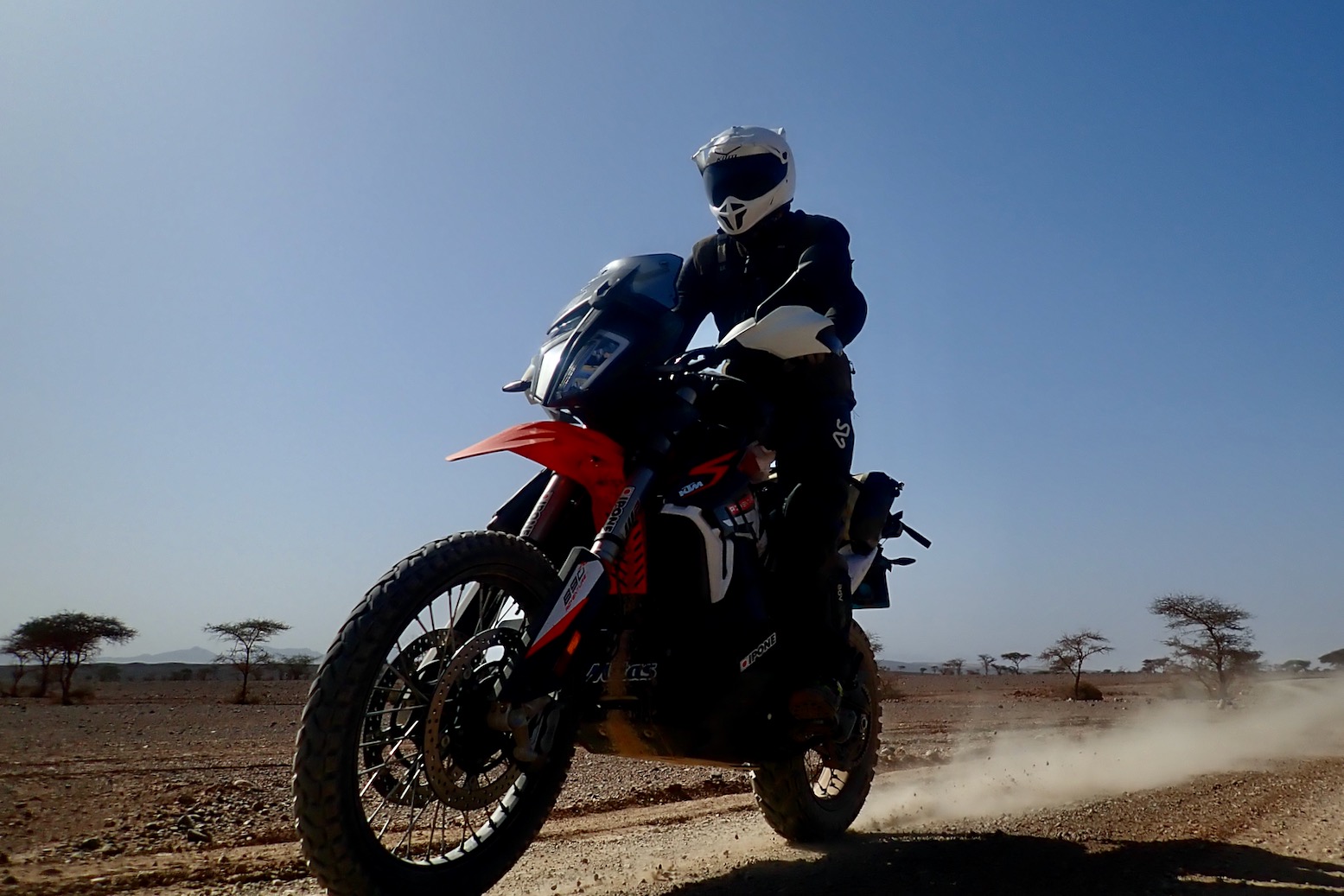
It took a second, 1200-km week’s ride to like the 890R a bit more, despite the harsh ride at times. (BIke used to guide my Morocco Fly & Ride tours).

 • Tubeless tyres
• On the move feels light for claimed 210kg tanked up
• Recorded up 72mpg (60US; 25.5 kpl) = 500-km range
• Great stability thanks to 20-litre pannier tank
• Fully adjustable stock suspension
• Easily understandable menu
• Cable clutch modulated well
• Big footrests
• Brilliant brakes
• Solid build quality
Modes aplenty and cruise control too, + USB, GPS 12v sockets
• Riding under 5000rpm, vibration was OK
• Mitas E-07/Karoo 3 tyres worked fine, road and trail
• Good aftermarket protection on the tank

Up at 2500m (8000′)

 • Engine sometimes felt/sounded rough as an air-cooled single, especially on start up
• Hard seat
• Not much engine braking
Screen too low to work on the road
• No stock attachment points on rear subframe
• No preload adjustment knob on the shock
Fuel gauge and range reading erratic or vague
Suspension harsh over small bumps
Quickshifter present but not enabled
• Display supplementary data too small to read

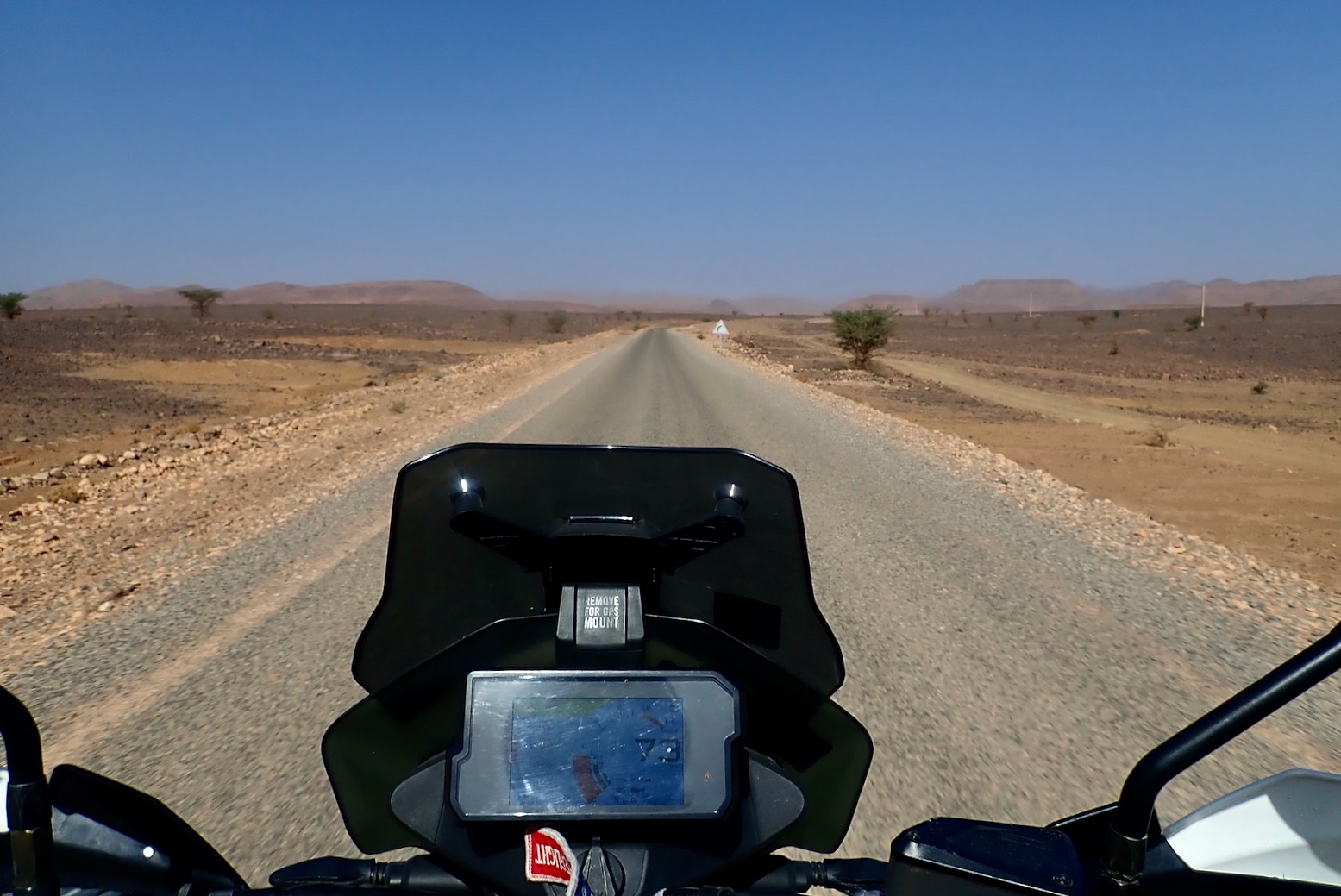
On a desert highway

Review
Looks-wise I don’t really get the KTM ‘alien insect’ thing; for me it all went wrong after the 640 Adventure and I marginally prefer today’s near identical Norden 901. But second time round in Morocco I got on with a 2021 890R a lot more.
Having ridden the 890 once already for a week, I set off for one last 1200-km tour lap on a huge BMW F800GS Trophy. Even with over 100,000 on the clock there was nothing much wrong with 800 and the engine delivery was creamy smooth (so much for 270° cranks…). But it didn’t feel right: ungainly, high seated and just a plain handful, even before I filled the underseat tank. Maybe it was just over-pressure tyres, but I was relieved when the cooling system burst a seal an hour or two into the ride (blocked thermostat?) and they brought up the same 890R I’d used a fortnight earlier that night.

Fyi this was only the second time I’ve ridden an 800GS, a hugely popular bike in its day. But I recall I wasn’t so impressed in northern Arizona over a decade ago. I’ll take the old tubeless ‘650’, ‘700’ or current ‘750GS’ every time. The rental shop got rid of the 850GSs after loads of problems.

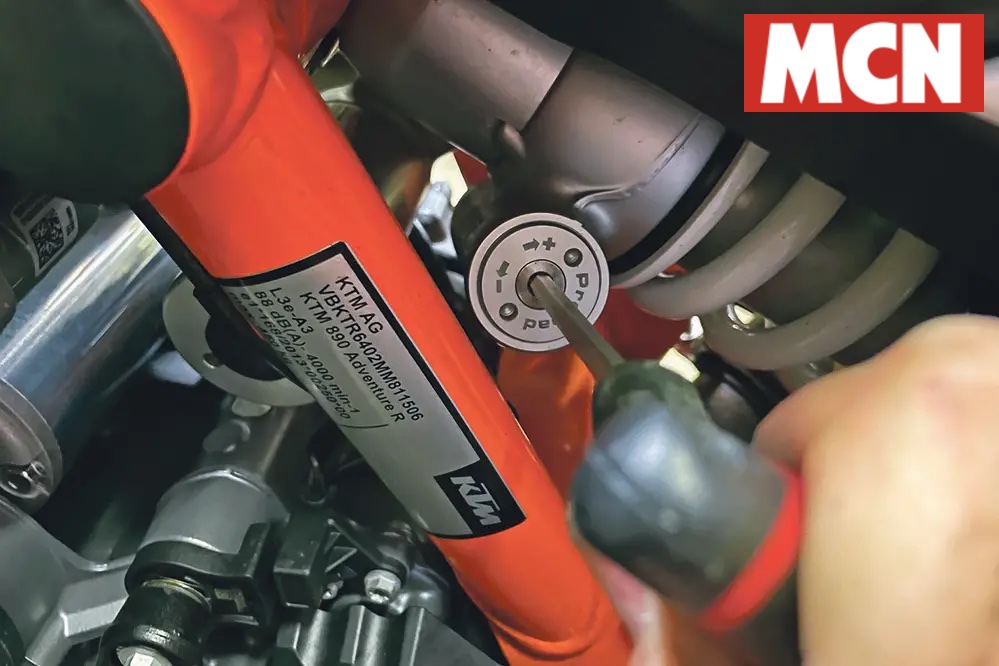
Why no knob?

Normally I’m a bit blasé with what they rent me in Marrakech and both times was given the 890 out of the blue, knowing nothing about the bike. But second time I made sure the KTM’s tyres were down to 30 psi, I ditched my tail pack for a tank bag so I could set my own bag further back. Result: a better ride with proper room on the seat. I wasn’t able to access the KTM’s tools (if present) to soften the WP shock preload, but see now all it needed was a big Allen key, not some obscure 2-pin tool. Now I know.

An 890R owner on the last tour explained that from new, the bike’s ‘Tech Pack’ is activated for the first month and includes Quickshifter+, cruise control, ‘MSR’ (engine braking control, like the AT) and the ‘Rally’ mode. I’ve never encountered this sales upgrade ploy but it’s a good trick; if you decide you want to keep the Tech Pack after it expires that’ll be £769 please. Or, to quote a press release for the 2023 890″ ‘An innovative DEMO setting gifts the rider the chance to try the full gamut of optional Rider Aids for the first 1,500 km before deciding whether to purchase and keep them permanently.’

The 890R now makes 105hp, but I doubt I ever used more than half of that or exceeded 6000 rpm riding normally. It’s hard to see how 105hp could be useful on the dirt when combined with over 200 kilos. I got up to 70 mpg, 10% better than I managed to squeeze out of my AT but which was far less confidence inspiring off road.

After some 2400km over a couple of weeks, for me the best thing about the 890R was the stability road and trail, contributed by the low-slung 20-litre tank. But I think there’s more to it than just low tanks; there’s the light weight too and the seating position with feet and hands just right. I noticed an unadjustable steering damper too (loads of places offer aftermarket adjustable ones). Initially riding the loose switchbacks streaming across Sargho west was easier on the 890R than my AfTwin, but it was easier still a week later on a dinky 310GS. Then coming back on my better set-up 890R, it was a piece of cake, bar the odd slip from the worn front Karoo 3.


The 310’s seat is better than the plank hard 890 too, though standing up is more natural on the KTM as your knees squeeze the soft seat. The ill-formed 310 is hopeless in that respect. Another inch of bar height and I’d have been comfortable on the 890R, but they say there’s not enough slack in the cables for that.
The R’s small screen was too short to avoid helmet buffeting but worked rather too well in the unseasonal 30-°C heat we had for most of November. Standing up was the only way to get some airflow through my Mosko Moto jacket’s vents while also airing off the sore backside.

Feet on the crashbars; quite comfy

This bike has a quickshifter but I later realised it wasn’t faulty, just not enabled (like the cruise control and other ‘Tech Pack’ features). I recall the quickshifter worked amazingly well on a customer’s 790 a couple of years back, but on this 890, clutchless shifting worked surprisingly well most of the time; up was a little notchier and needed a dip of the throttle.

I fiddled a bit more with the engine settings second time – the menu is easy to use without RTFM, though I found the supplementary data too small to read easily on the move. I also found the fuel range was a vague ‘>190km’ instead of an actual figure, and as it emptied it had a habit of dropping by 30% when restarting the engine, then jumping up again. I was told many overly electronic modern bikes have this issue now; it’s not just a float in the tank anymore but calculated off your recent riding pace. On my last day’s ride I was certain that at up to 23kpl the tank’s 20 litres would easily do 400km to Marrakech, so trusted in my trip odometer and recent mpg readings rather than the flakey range reading.

Trip data too small to read easily on the move. Like a phone, surely they can offer bigger font sizes.

Full ‘Road’ power was nice but excessive for my needs; in southern Morocco there was little opportunity (or point) in exceeding 115kph for a few seconds. In the end I left it in ‘Off-Road’ mode (smoother power lower down?) with Road ABS on. The latter was especially effective and never an issue off-road; these days this whole ‘OMG ABS off-road!!’ is a red herring. ‘Off Road’ ABS disengages the back wheel so it can lock up (same as on the 310s); full ‘Road’ ABS worked on both wheels and was fine on the dirt. Now I’m not 16 anymore why would I want to lock up the back wheel? It certainly won’t be to kick off a power slide on some remote canyonside in the Anti Atlas

The bike came with a Mitas E07 on the back and a worn Karoo 3 on the front – both tubeless though the rims look normal. They felt secure enough on gravelly trails given the mass of the bike, and were fine on the hundreds of dry bends we swung through each day where the frequent spits of gravel moderated speeds and lean angles.

On faster rolling dirt tracks or deep road fords the suspension didn’t bottom out, but that just takes good preload and damping. On slow-speed irregularities the back chattered or kicked back violently. I dialled off the fork settings but it was the rear shock which needed less compression damping and maybe less preload too (there’s no preload knob, unlike the non-R 890). Dropping the tyres to 30psi certainly softened my second ride; another 5 psi off would have made it better still off road but things may have got a bit hot on the highway.

One thing I did miss hopping back on a 310GS after the first run were the KTM’s brilliant brakes, but other than that for what we do I’d settle on the lighter 310 every time. While less stable and with ordinary suspension, on loose switchbacks the little GS has less mass pushing your around.

With my bag shoved back, the KTM’s seat was more roomy but it’s still a plank. And my short day on the 800GS just underlined the KTM’s relatively rough engine (it sounded so bad we even checked the oil at one point).
All in all, the 890 was what I expected: an adventure bike which performs better off road than most of its 200-kilo+ class rivals. But with KTM’s shaky reputation for reliability (a previous rental had a clutch go in the middle of nowhere), for travelling I’d settle for less hardcore performance, smoother engines and plainer looks from Honda’s new 750 Transalp or Yamaha’s very popular XT700.

Long-term test from MCN

Tested: Mosko Moto 2021 Basilisk jacket

See also:
Adventure Spec Linesman
Klim Overland
Aerostich Darien

Klim Traverse 2

Tested: Mosko Moto Basilisk 2021 jacket over a month in Morocco + wet winter’s weekend in UK

In a line: Smart looking, well vented with an eVent Expedition 3-layer membrane in a tough waterproof shell.

EU price: Was €475,20 (20% discount)

Weight: 1550g (verified)

Size tested: XL (me: 6ft 1in/186cm • 205lbs/93kg)

tik

• Good combo or lightness and crash-ready ruggedness
• Tough Super Fabric® abrasive panels on outer arms and shoulders
• Sleeves are good and long
• Bicep vents work well (out in the breeze)
• Looks good in a pale olive green and black
• Vertical back vents work with a daypack

cros

• Bulky sleeves obscure mirrors
• Would like an Aerostich-style big Napoleon pocket outside
• Mesh-backed vents don’t open wide


What they say:
Refined for our third round of production, the [discontinued 2021 Mosko Moto] Basilisk is our waterproof/breathable enduro-touring kit, for long-distance, multi-day trips through primarily off-road terrain. It combines super-premium materials with clean lines and minimalist design. With an articulated fit for freedom of motion and easy layering, the Basilisk is designed to work with separate armor systems for superior protection and versatility. It packs smaller than a traditional ADV jacket, for stashing on your bike when things get hot.


Update Mosko now call it the Basilisk IR which comes with armour – a change of direction for Mosko. Looks-wise, I liked my sage & black 2021, but the current models have great colours too, as well as rain flaps on all frontal zips (good). There’s only one small exterior chest pocket but loads of cinch-down adjustability and they’ve added cinch straps on the forearms too (a complaint I had with mine) so all-in-all, it’s a big improvement on my 2021, but at nearly twice the price.

Review
By the time I got to actually use my 2021 Basilisk they were bringing out new models (see above), but here are my impressions after a hot, dry month’s riding in southern Morocco.
When it comes to jackets I prefer a light but reliably waterproof shell like my old Klim Overland or the lighter Traverse II. 
Mosko call these trail-biking or enduro jackets to separate them from heavier high-speed touring coats, but the Basilisk comes with a reassuringly heavy-duty shell under which you can layer and armour up all the way up to an electric vest like their Ectotherm.

Second opinion by Ian T

When: End Dec full day road/trail ride.
Where: Wiltshire and Somerset 
Ambient temp: 12°C
Weather: Heavy rain most of the day, windy. 

Pros:
Shape and fit
to allow movement on the bike and extra layers.
Kept the rain out for most of the day, with a similar performance to the Darien pants worn on the same trip, considering the soaking from puddles and passing cars on flooded roads.
Reasonably warm with merino t-shirt, heated base layer and thick merino pullover underneath.
Adjustability is good.

Cons:
Could do with some more pockets. There were enough for keys, phone, wallet and spectacles but my Darien easily holds these as well as a balaclava, overgloves, travel wallet and visor de-mist.
Would it replace my Darien jacket? No, but maybe I’m stuck in my ways.

Features
The coloured shell is ’70d x 160d’ nylon with two layers of polyester 600D Super Fabric with ceramic plating across the black sections outer arms and which all contributes to the Basilisk’s heavy duty feel without making it a heavy jacket. Colourwise, I like the sage green and black combo. Anything’s better than dreary black or grey, but I do miss a bit of reflectivity for road riding.
It’s the little things that set a jacket apart from a bin bag with sleeves. The cuffs have a chunky velcro closure. Inside the hem is cinchable with a toggle easily accessed on the front left edge. The collar has a synthetic suede liner and another cinch cord toggle at the back. There’s also an in-built ‘dirt skirt‘ you can join up with studs to seal off the jacket’s lower edge with help from a stretchy silicone band, keeping the core warm which maintaining the shell’s articulation. Other snug fitting adjustments include two big and easily adjusted velcro flaps on the sides to help haul the belly in.

To get the air flowing in the warmer conditions I experienced, the Basilisk has three pairs of mesh-backed vents: a set in the upper arms; another pair at chest height neatly in line with the zip pockets, and two exhaust vents at the back. In my experience this set up works best for through-flow to cool you off while keeping the jacket zipped up and wearing a daypack. But in overly warm southern Morocco the small screen on the 890R I rode most of the time reduced the airflow on the body. The vents’ mesh backing reduced the aperture too, so standing up was the only way to get some venting going unless I undid the main zip. Apart from a couple of chilly mornings in the mountains, I rode with all vents open all the time.

Pockets add up to two exterior vertical zip-ups above the hem (deep enough to be secure if left unzipped) and two small chest pockets inside. I miss a huge map-sized vertical zip exterior chest pocket, as on the Aerostich Darien.

All exterior zips are chunky YKK Aquaguards but once desert dust gets on them they get stiff to operate; probably the price of being water resistant. A wipe with a wet cloth fixes that, but the newer models’ rain flaps will keep the dust off.
The Basilisk doesn’t include any pockets for armour. I’m with Mosko on this. If you’re serious about body armour (for my sort of riding, I’m not) then get one of those close-fitting strap-on MX body armour outfits which work best close to your body (ie: under the jacket).

Bulky sleeves…

If I’ve one complaint it’s that the sleeves are too bulky so the stiff shell obscures the mirrors’ rear view; I could easily get my legs down these sleeves! I spend a lot of time checking my mirrors on the occasions I’m leading a group, and pulling them in greatly improved rear visibility. Maybe there are XL riders with huge arms, but the simple solution for all would be a velcro cinch strap or two to draw the slack in, like Aerostich do on the Darien and Klim did on the old Overland.