Category Archives: Tyres

Tubliss, Prolock and other tubeless cores

Tubeless Conversion Index Page

Short version: Imo, none of these cores are suited to travel biking.

him-bliss

Systems like the US-made Tubliss liner are primarily made for dirt bikes running low-psi. They are not recommended for highway use in the US by the manufacturer, most probably due to homologation issues rather than safety. But I know people who’ve run Tubliss for years on the road with no problems. The main limitations: they’ll only seal properly on WM3 rims (2.15”) or narrower, and they only come in 21, 19 and 18-inch sizes. So like they say: most suited to dirt bikes where such rim widths and sizes are the norm.

Nuetech Prolock
In 2025 Nuetech announced the Prolock system: half-a-dozen rubber-backed aluminium clamps you bolt to the rim like a rim lock, via several new holes. The rubber squidges out and seals the spoke nipples, while also sealing and pining the tyre bead in place, so there’s no need to run an MT rim, and low pressures ought to be doable. Each set weighs just under a kilo, but of course you lose a tube. It sure beats the need to run 100psi in the Tubliss system, but on a travel bike where you rarely run very low psi, I’m not sure it’s a huge benefits to simple spoke nipple sealing on an MT-type rim.

With nothing better available for a 21-inch wheel, in 2019 I reluctantly ran Tubliss on the front wheel of my Himalayan in Morocco. A few days in I’d noticed Slime coming out round the high-pressure core valve body which suggested it was getting from the tublessed tyre cavity past the Tubliss core seal.
Then, after about two weeks riding at road pressures and having checked the Tubliss at 7.5 bar just two days earlier, the core went flat in the middle of Western Sahara. It would not hold air and so neither would the tyre. But by luck, the body of the collapsed Tubliss core kept the flat tyre on the rim, so I was able to ride slowly 250km to Laayoune on the coast, find and fit a tube.
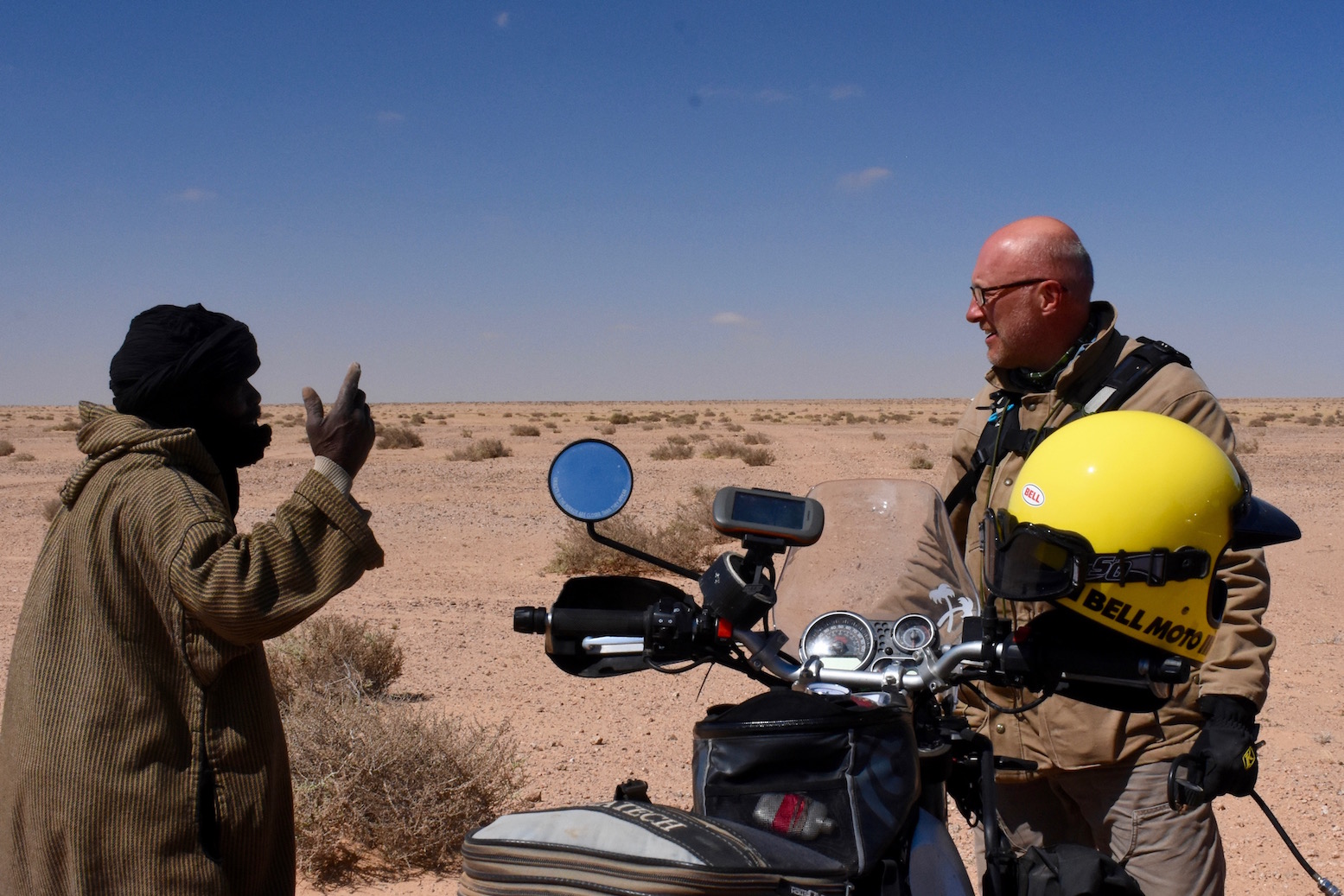
him-sarawi

Removing the Tubliss (left), it was hard to tell what was wrong as five hours riding at 30mph had probably pulled the valve out of the tube and anyway, I wasn’t planning on refitting it and bought an inner tube instead.
I never was that keen on Tubliss for travelling as opposed to recreational dirt biking. Even though mates have used it on the road without problems, I’d not risk it again. Next time I’ll seal an MT rim.

tubly
tublafaq
tubliss-section
tubeless-slimer

Tubliss and similar work by fitting an inner tube-like ‘core’  (‘HPC’) which inflates up to 110 psi to expand and seal the bead of the tyre firmly against the rim and so sealing off the tyre’s air chamber from the spoke nipples where leakage occurs – the key to converting wire wheels to tubeless. The core is a thick, plastic highly pressurised non-elastic red casing, but it’s kept away from the tyre sidewall or tread where punctures come through.
303

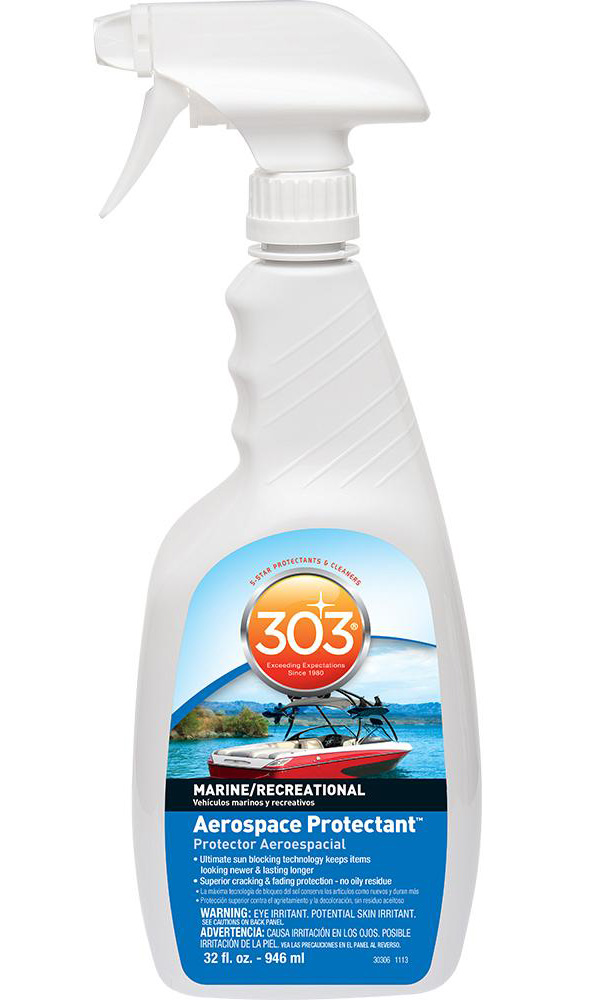
Years ago I fitted a pair to a GS500R project bike running custom 19″ spoked rims. Click the link. Short version: lube the possibly hard-to-fit core with 303 Protectant (right: £15 a pint; same as Armor All in the US). It’s much slippier and longer-lasting than soapy water which is good for the HPC inside. Then run Slime, Stans or similar to ensure sealing (about the same price as 303 but you can MYO). Me, I wasn’t convinced they’re suited to long-range overlanding compared to other simpler systems because of the need to maintain the very high 110-psi pressures in the red HPC with humble mini-compressors. You also need to drill another hole in the rim for the HPC valve/rim lock; no one likes doing that.
Long Tubliss thread on advrider; mostly dual-sporters. Some get on with it, some don’t. In 2019 I rather reluctantly fitted a Tubliss to the stock front steel rim of my Enfield Himalayan. But I’m on the lookout for a 21-inch alloy rim with the safety lips to seal myself with adhesive and tape.

himtublie
tlokk
tlok

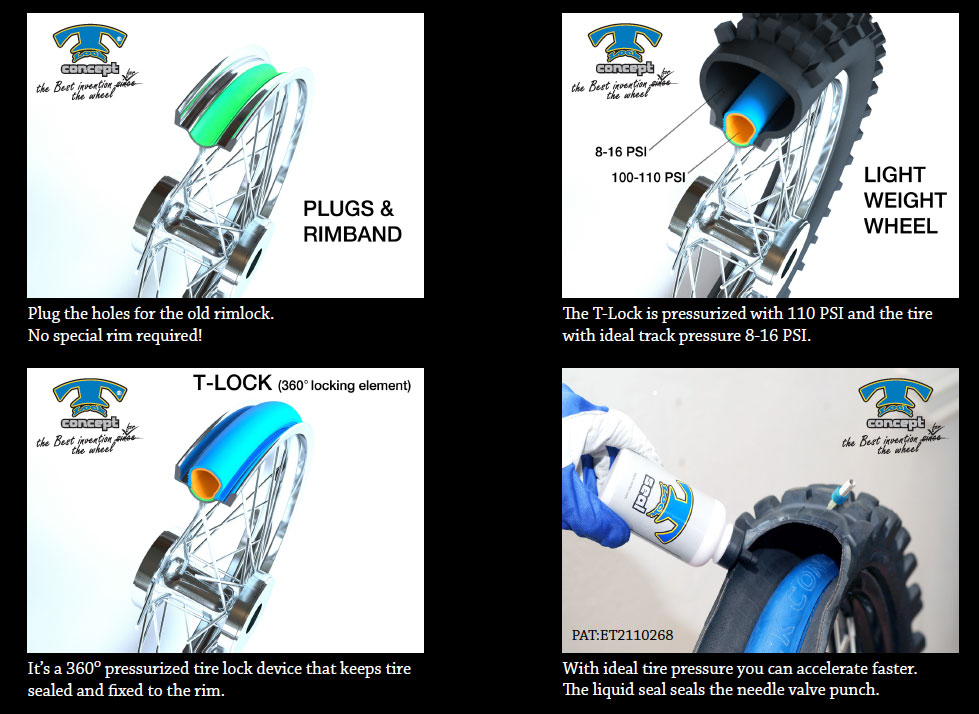
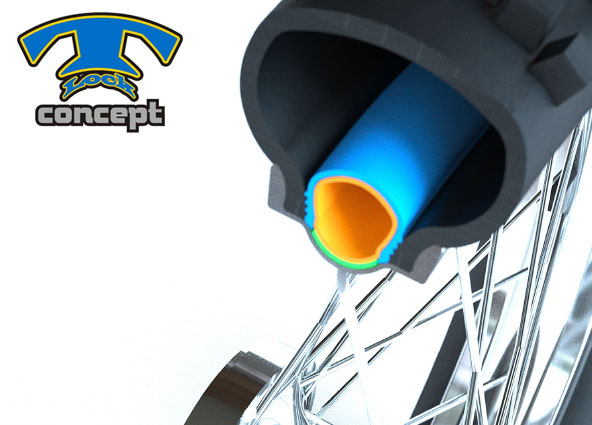
The Swedish T-Lock system is very similar as far as I can tell: the same non-elastic core (blue, left) presses the tyre bead against the rim with very high pressure to seal the tyre’s pressured chamber from the leak-prone spoke nipples and securing the bead to the rim (MT rims not needed?)

The blue tube utilises the rim’s valve hole. This means that unlike Tubliss with its two valves, the tyre must be filled with Slime-like sealant before final mounting and then pressurised by spiking the tyre carcass with a needle valve attached to a Schrader, then letting the sealant plug that hole. This seems to imply you set the tyre pressures once. To modify the pressure you’d have to spike-and seal again. Even more than Tubliss, T-Locks are intended only for motocross use, as the website’s imagery implies. Clearly then, not at all suited to overlanding.

Back to Tubeless Conversion Index Page

Tubeless: Spoked Tubeless Rims

Tubeless Conversion Index Page

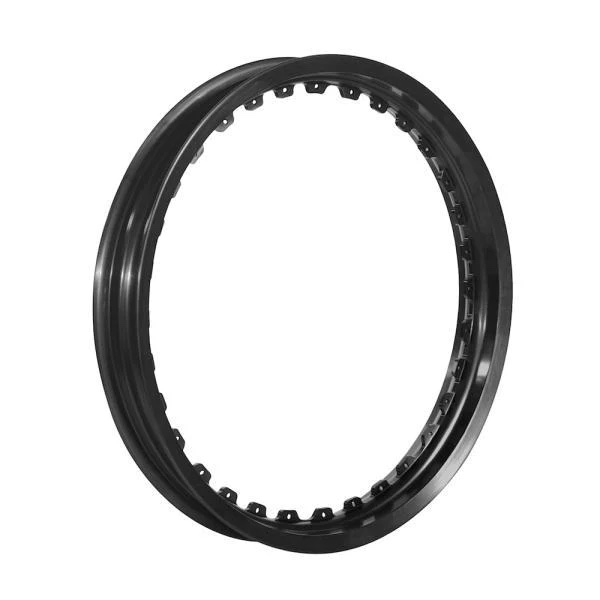
Thinking of using these TL rims for your conversion?
Be aware that on these rims spoke nipples are in the hub, not the rim.
You’ll need to convert the whole wheel to fit your forks / discs / spacers and so on.
Suddenly it’s all a bit complicated.

Triumph-Tiger-Explorer-XC-wheel
GSArim

Many flagship travel bikes run ‘adventure-look’ spoked wheels, but OEM spoked + tubeless is only slowly catching on. Usually, they’re non-Japanese premium brands like BMW, Triumph or KTM. I updated a list here in 2023.

tl-at2020

The original one-litre Africa Twin and Yamaha’s XT700 were two bikes where youd have expected tubeless. The 2020 1100 AT featured tubeless (right). Front 21-inch wheels seem to be a problem, but it must well be a cost thing too. Spoked tubeless fronts in 19″ are much more common, even on Jap travel bikes.
These days manufacturers use spoked wheels on adv bikes as a signifier of ‘off-road adventure’, as well as the perception of being repairable, lighter, stronger, more shock absorbent and cool looking. Meanwhile tubeless is just plain safer and infinitely easier to repair flats. On a CRF450R motocrosser running rim locks at 10psi, a tube is probably a better idea as the van’s nearby. On a quarter-ton Adv battleship halfway down Patagonia’s Ruta 40, getting a flat is a pain.
OEM spoked tubeless wheels

tltrailtrialrims

Making a spoked tubeless wheel rim is expensive but its been done for decades, right back to the mid-1980s Honda XL600M (left), and almost certainly before that.

xadv - 5

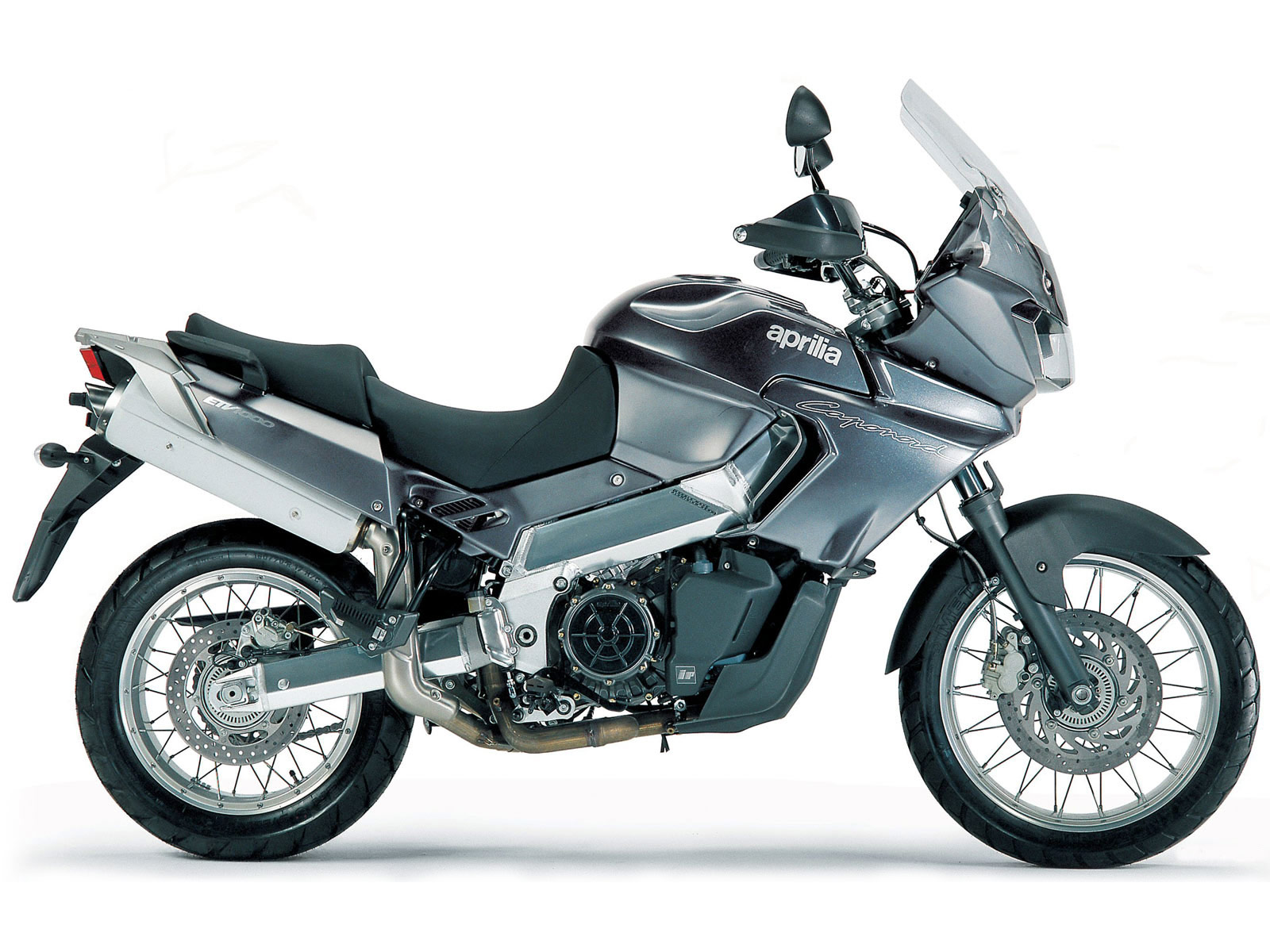
Recent bikes that come with them stock include the BMW 1200GSA, the original Aprilia Caponord (below), Yamaha’s 225 and 250 Serow on the rer only, Suzuki V-Stroms, Yamaha XT1200Z, KTM V-twins, some Triumph Tigers, Explorers (top of the page) and 1200 Scramblers. Even Honda’s oddball X-ADV scooter (right) has small spoked TL wheels. 

TL-vstrom

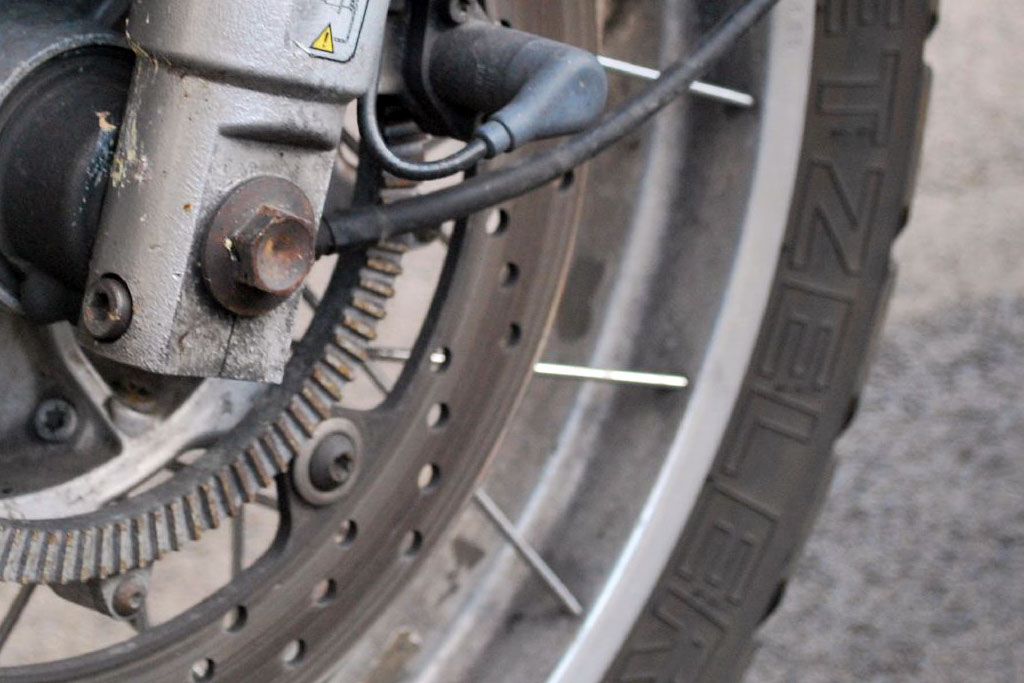
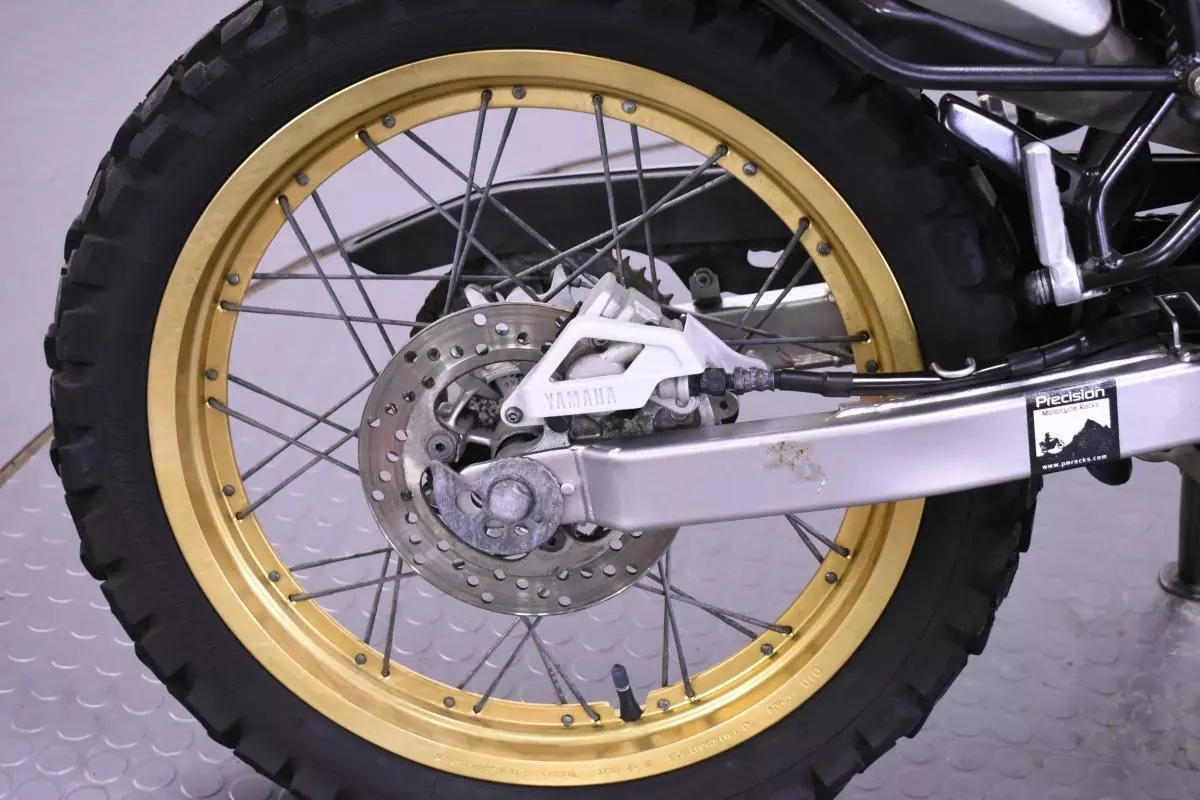
The picture below of a 2005 Caponord shows the main ways of designing a spoked tubeless rim. On the rear: spokes hook to ‘outboard’ flanges on the rim. The front uses a less well triangulated single ‘inboard flange’; V-Stroms (left) have paired inboard flanges up front. Note that the nipples (spokes tension adjustment) are at the hub, behind the rotors.

Caponord
Yamaha Serow rear

BMWs, including the 850GS twin  (below), run 40 straight-pull spokes directly into the protruding rim edge – there is no flange. I’ve noticed this relatively exposed edge can get scuffed about from stony terrain, although it would take a lot to damage the spoke mounts.

Such wheels can be heavier than same-sized cast wheels. Weight is saved by not using inner tubes, but the additional unsprung weight on any wheel is the last place you want it. It takes more force to get that mass turning, more braking to slow it and better suspension to control it.

f850gswheel

Trials Tubeless

trials

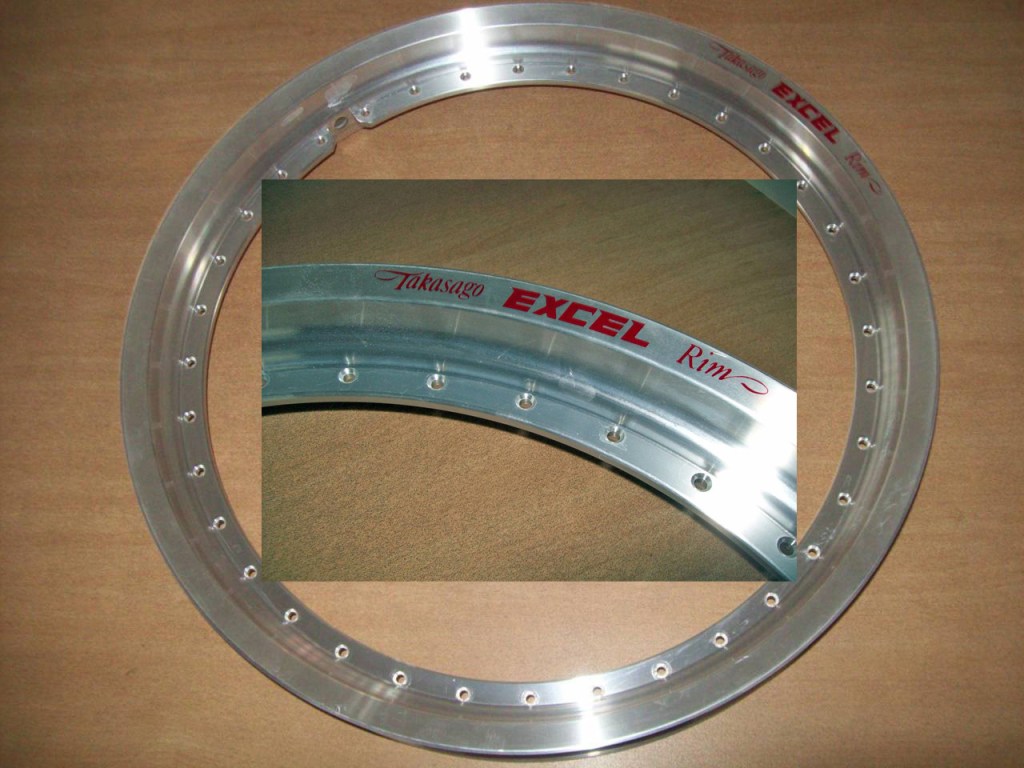
You could try and track down tubeless trials bike rims; they’re usually 32 spoke which will suit smaller Hondas, but no smaller than 18 inches. They do it with the usual inboard flange with hub-end nipples and straight-pull spokes, as below.

tl-akront21ktm1090Sband

A 2017 KTM 1090 Adventure (left) has a similar a regular 21-inch Akront rim but with a band rather crudely vulcanised or otherwise glued into the well.

Most bigger road bikes run 36 spokes or more in the back. DID 36-hole TL rims do or did exist, but so far only in pictures or cruddy, corroded examples on ebay. When changing the spoked rim you’re constrained by the number of spoke holes in the stock hub because changing a hub is a much bigger faff. Fitting a new rim is dead easy. Missing out a few spokes to make a standard 36-spoke hub use a 32-spoke trials rim is a bodge too far, even for me ;-)

risunrims

Branded or otherwise, it’s hard to find less expensive spoked TL rims off the shelf. The only ones I’ve seen are in China: Risun (Risen?) outboard tubeless rims in 17 or 18 inches only (left) and just $60 a shot. Problem is, you have to order a minimum of 200 units. And there is still the hub-nipple problem.


Especially with 21-inchers, finding an OEM TL rim is difficult or expensive. With 21s you may be better off buying a safety lipped rim (also rare) and sealing it by hand or using the processes described here.

Back to Tubeless Conversion Index Page

TPMS – a good idea

Updated Summer 2023

Tubeless Conversion Index Page
Michelin TPMS review

flat

It’s not impossible to get a bit cynical about the flood of gimmicky gadgets, products or optional features which modern technology has enabled, not least when associated with ‘adventure’ + ‘motorcycling’. But I believe that for the:
• price
• ease of fitting and
• non-interfering redundancy
a wireless Tyre Pressure Monitoring System is a worthwhile addition to your bike, whatever you do with it. 

For as long as I’ve been on the road, tyre makers and road safety tsars have harped on about the importance of maintaining correct tyre pressures. They’re right of course: doing so is a major contribution to road safety for the reasons illustrated vividly in the videos below. But modern bike tyres are so good that I’ve often inadvertently ridden on drastically under-inflated tyres for weeks and not even noticed. 

nureyev

Add the fact that on some bikes the valves can be awkward to access with tyre gauges which themselves are hard to read or flakey in les developed countries. Plus it’s all grubby down there and your knees/back are no longer like Nureyev in his prime. Unless you’re a certain type of ATGATT swot, for day-to-day riding it’s all a bit of a faff to check tyre pressures as regularly as they advise. And yet your bike’s other vital signs: oil pressure, battery charge, temperature, lights and even which gear you’re in – are all conveniently lit up right there on the dash.

Tyre Pressure Monitoring System
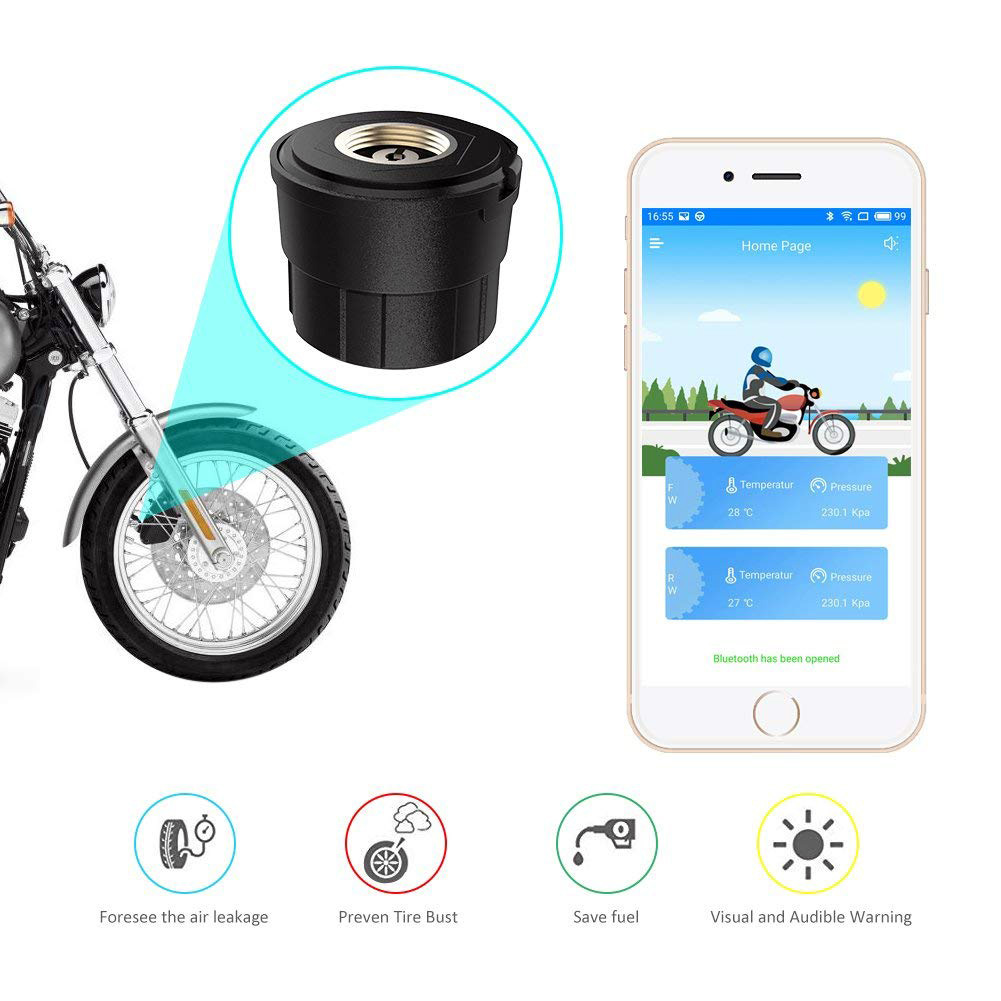
The problem has always been how to read the pressure inside a tyre that’s spinning around at 1050rpm. Solution: inexpensive wireless technology. A TPMS is ingeniously composed of two replacement valve caps fitted with centrifugally activated pressure sensors.

They pair wirelessly with a watch-sized display mounted where you can see it (or beamed to your indispensable smartphone; right). The TPMS display is either powered off the bike’s battery or is rechargeable in some way, so it’ll work on anything else with a regular Schrader valve, even a pushbike.
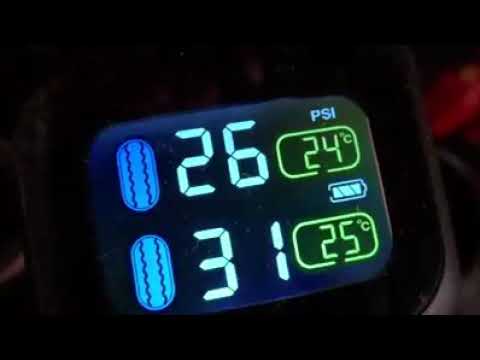
Result: real-time tyre pressure and even temperature monitoring (right). And best of all, the USB rechargeable ones like the Michelin-branded one I tried, don’t interfere with the bike’s systems in any way. If the caps play up, just refit the old ones. They weigh as little as 8 grams so are unlikely to cause tyre-balancing issues at normal road speeds.
Over the years I’ve found DIY, as well as other tubeless conversions like Tubliss and BARTubeless, have gradually lost air pressure faster than a regular tyre, tubed or OEM tubeless. And this is even when not run at very low psi where the tyre could conceivably ‘burp’ out some air over a bump. With any sort of DIY tubeless conversion, I highly recommend fitting a TPMS; certainly in the early days until you know how good the seal is.

Tyre pressures increase with elevation as ambient pressure falls, but they also drop as temperatures fall. For every 2000 feet (600m) you climb, the pressure will increase by 1 psi and will fall by the same amount for every drop of 4°C (10°F). But as temperatures naturally drop with elevation, things kind of balance themselves out.

82~up-creek

Riding Off-Road
As we all know, lowering tyre pressures greatly improves traction on loose surfaces and can transform a bike from a mindless shopping trolley into a hyper-sapient roller blade. But when you lower tyre pressures, temperatures in the tyre carcass soar as it flexes and influxes much more on each rotation, just as you get hot exercising because your muscle tissue is rubbing. And as tyres heat up pressure readings climb. (This is why cold tyre pressures should be your baseline). In this hot, rubber-softened state a tyre is much more prone to punctures and other woes.

Off-road I tend to keep pressures as low as necessary but as high as possible. Usually erring on the high side at the cost of a comfy ride, so weary am I of repairing flats on tubed tyres in the middle of nowhere (left).
A TPMS won’t stop punctures but at least you’re able to observe how pressures climb from a cold start and what they’re actually doing on the dirt, so helping eliminate the guesswork of ‘press valve for 2-3 seconds’ or the nagging feeling of ‘should I stop and inflate a bit?’

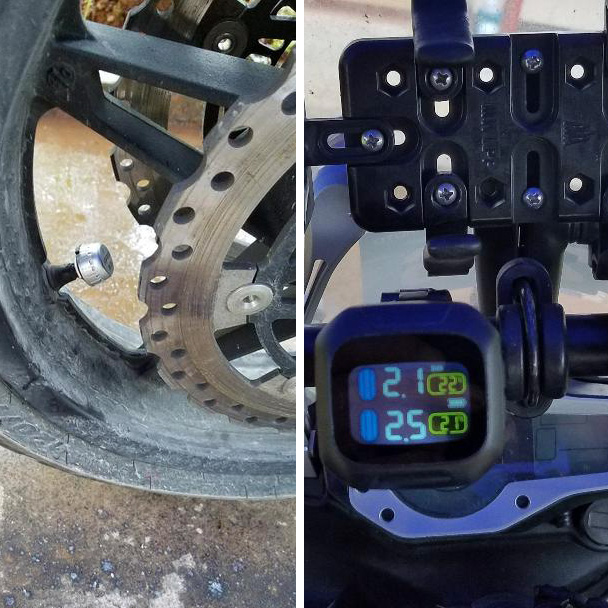
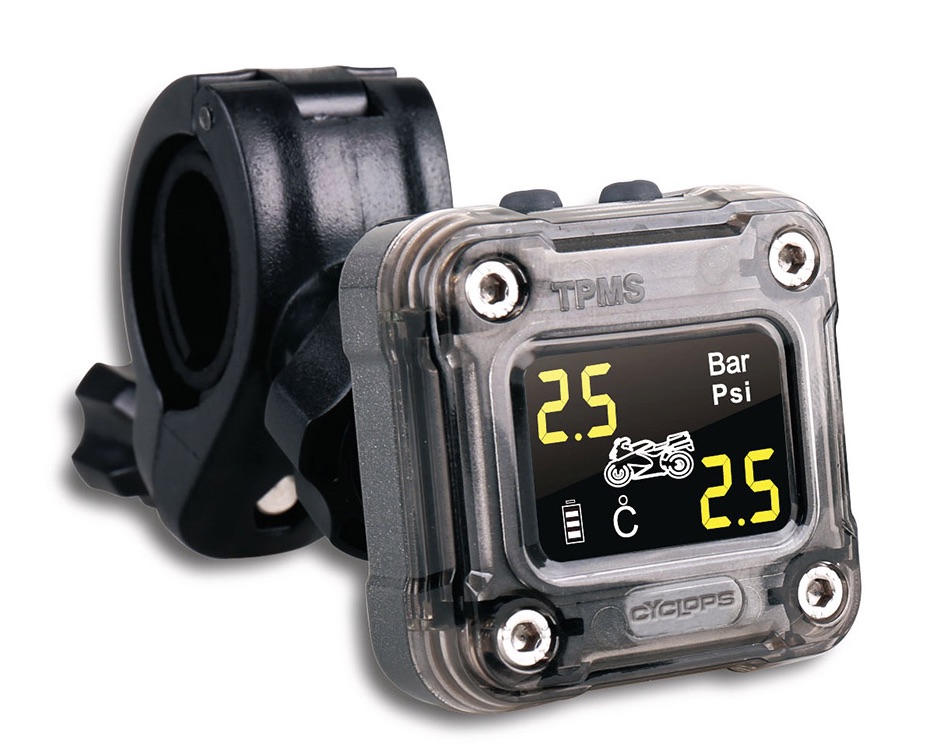
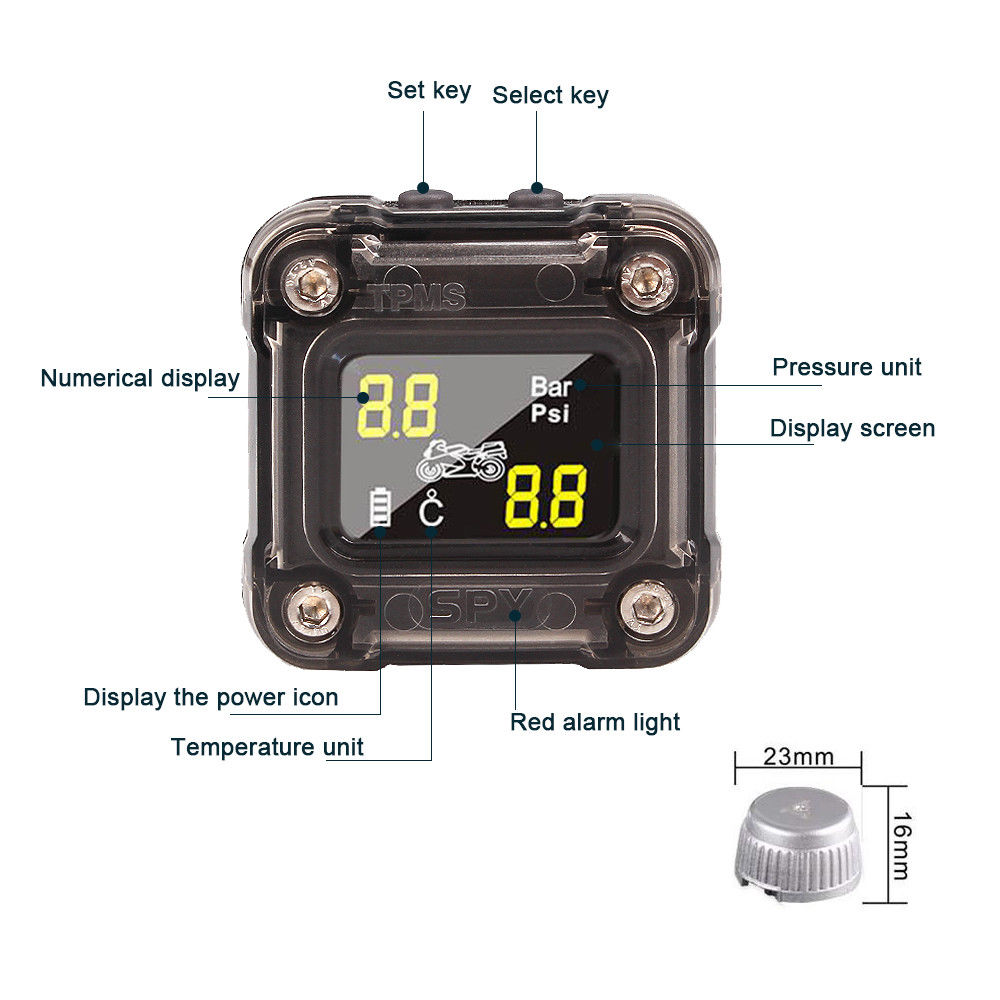
You can buy obscure-brand TPMS kits for your bike off ebay from £30 for the smartphone-only ones. About £50 seems a good price for a decent one. Here’s an Advpulse review on a hardwire Cyclops TPMS (above left) which sells in the US for $130. Cyclops aren’t tyre specialists, they just sell gadgets and a near-identical looking kit can be bought on ebay UK for about half that price (above right).

A TPMS is one gadget I wish I’d had on my Tenere back in 2007, if not all my desert bikes over the years. I fitted Michelin’s one to my all-tubeless Himalayan and semi-tubeless Africa Twin in 2020. Read the review.

XSR 700 Scrambler – final mods

XSR 700 Scrambler front page

My XScrambleR sets off in a month for Morocco and, bar some luggage, is ready to go. Don’t think I’ve ever had a bike ready so far in advance.

Using some left-over or unused components, I fitted a Tuturo Chain oiler which I still think is the simplest and most effective way of getting this messy but necessary job done. It is, of course, especially handy on bikes without a centre stand where hand oiling the chain is a particular faff.

kriega-saddlebags-duo36

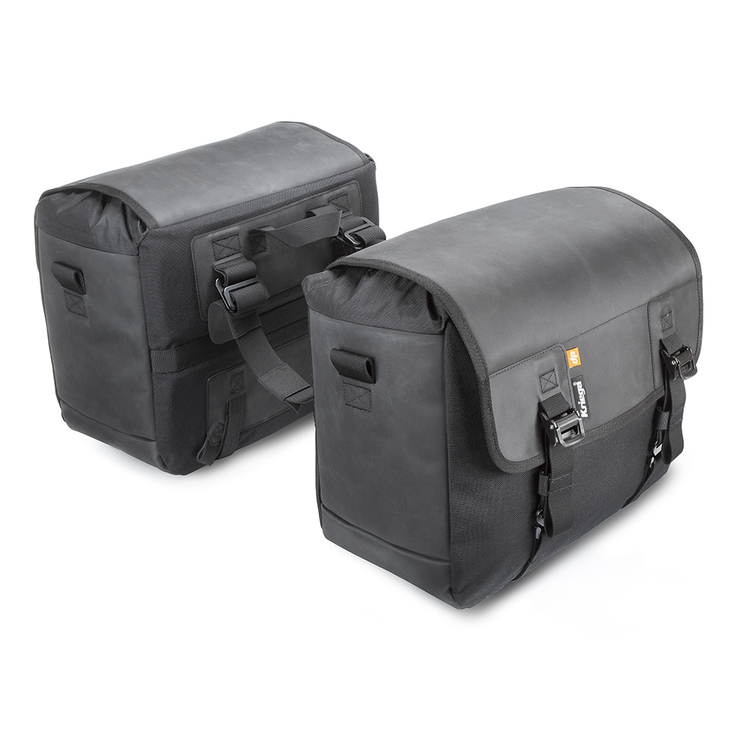
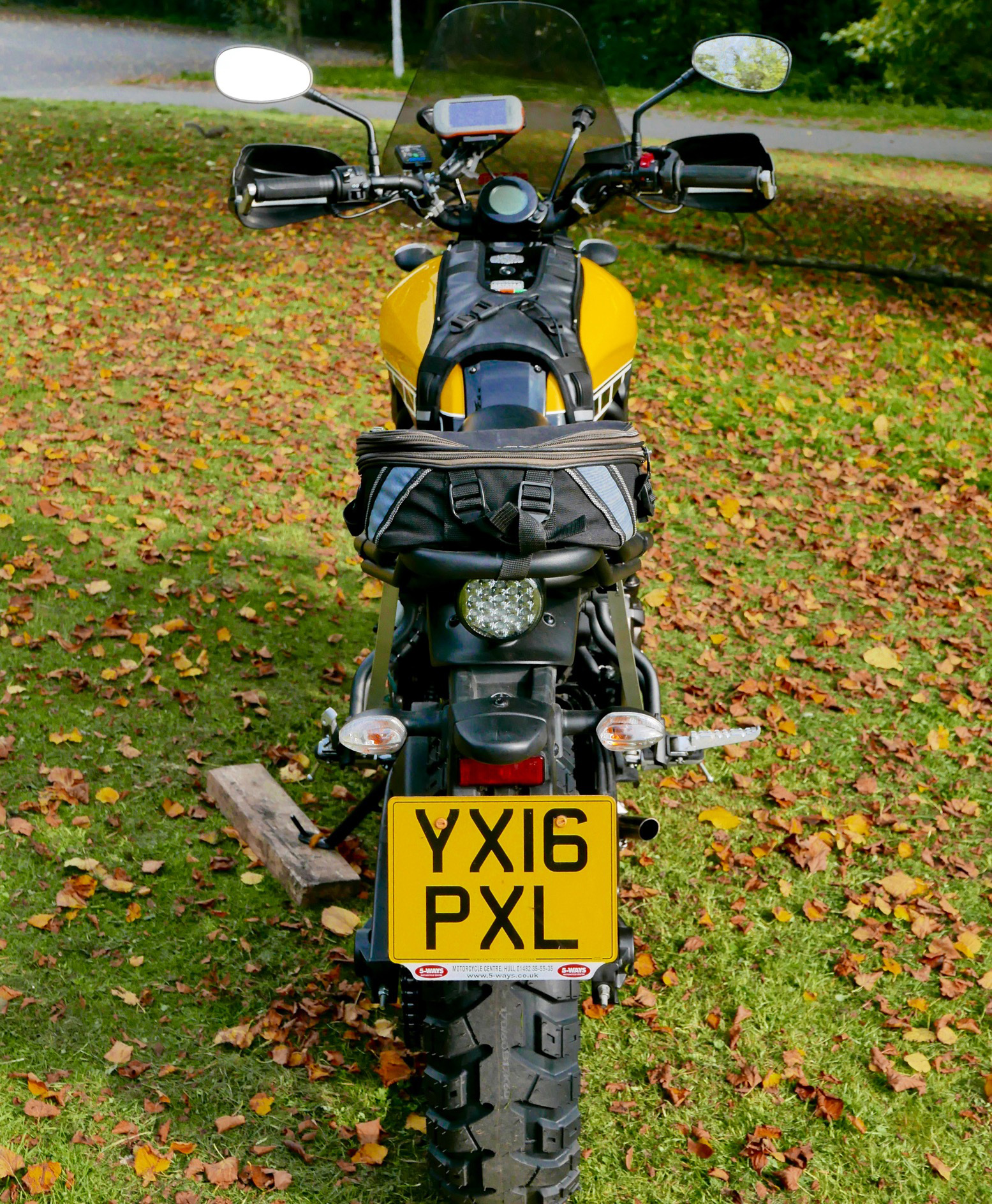
For luggage I’m going to use some simple Kriega Duo 36 Throwovers again, as I did last year on the KLX in Baja. The great thing with the XSR’s underpipe is that it’s right out of the way of luggage but bags still need something to stop them swinging into the wheel and chain. In the spirit of the Chouinard RURP, I’ve come up with RURTS (Realised Ultimate Reality Throwover Stay) an ultra-minimal side rack. The weight is taken over the saddle; the slim stays help locate the bags. If their reality ultimately turns out to be too realised, another stay from pillion pegs to the rear flashers will fix that. I’m sure they sell broomsticks in Morocco.

Once the holes were drilled the RURTS were another 10-minute roadside job, but lacking anywhere better than the kerb to work, I weakened and got my LBS to do the rest of the heavy jobs.

xsrshok

Shock
The new wheel on the front has raised the bike 30mm, and the fork preloaders may help it stay that way. I was looking for a way to achieve a bit less than that on the back – partly with a taller tyre and partly with a longer shock.
The OE shock is basic; it’s fine for very normal riding but only has preload rings. They are found used on ebay in their zillions. I preloaded it on the first run, but found it lacked any rebound damping to control it.


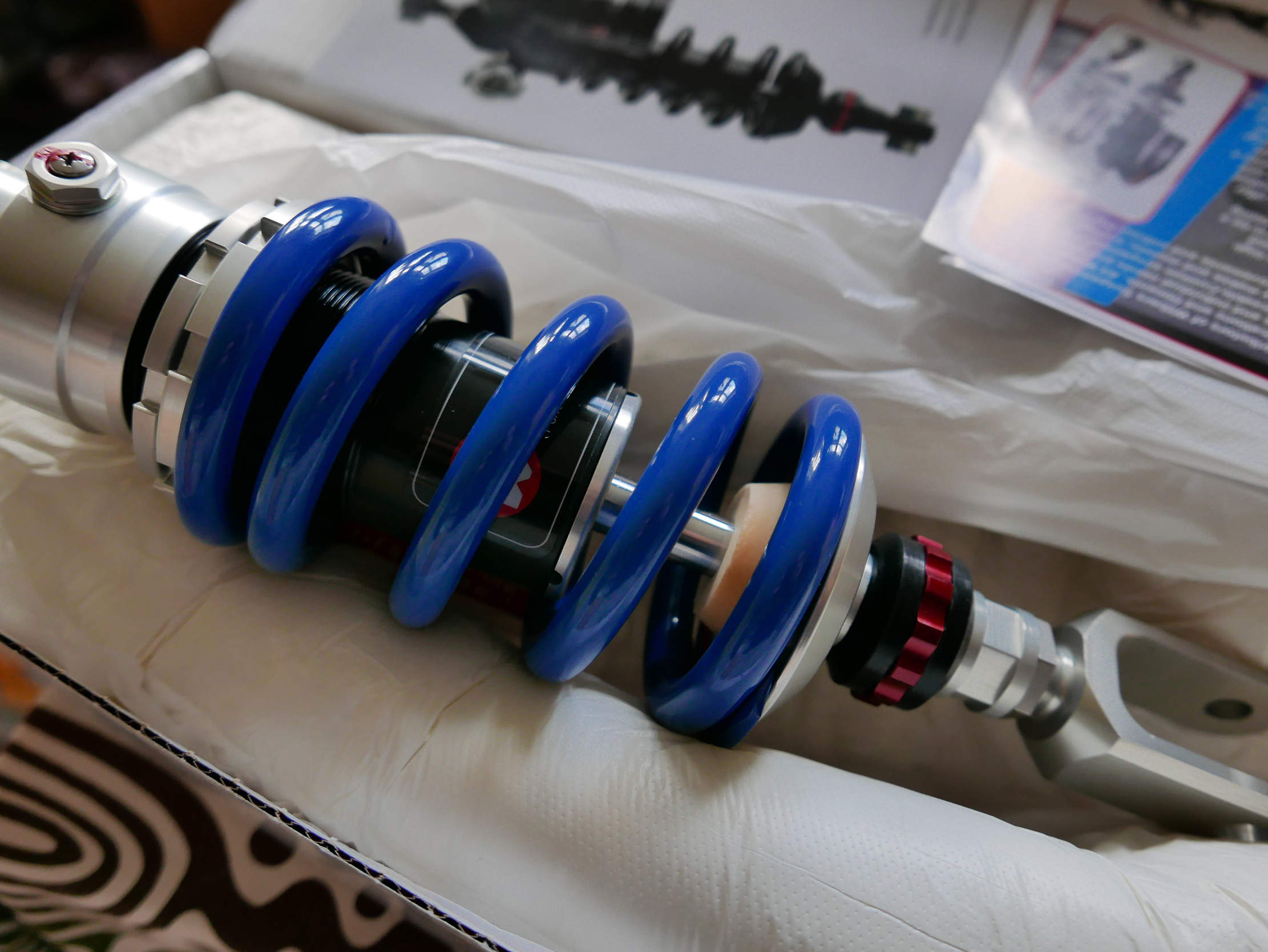
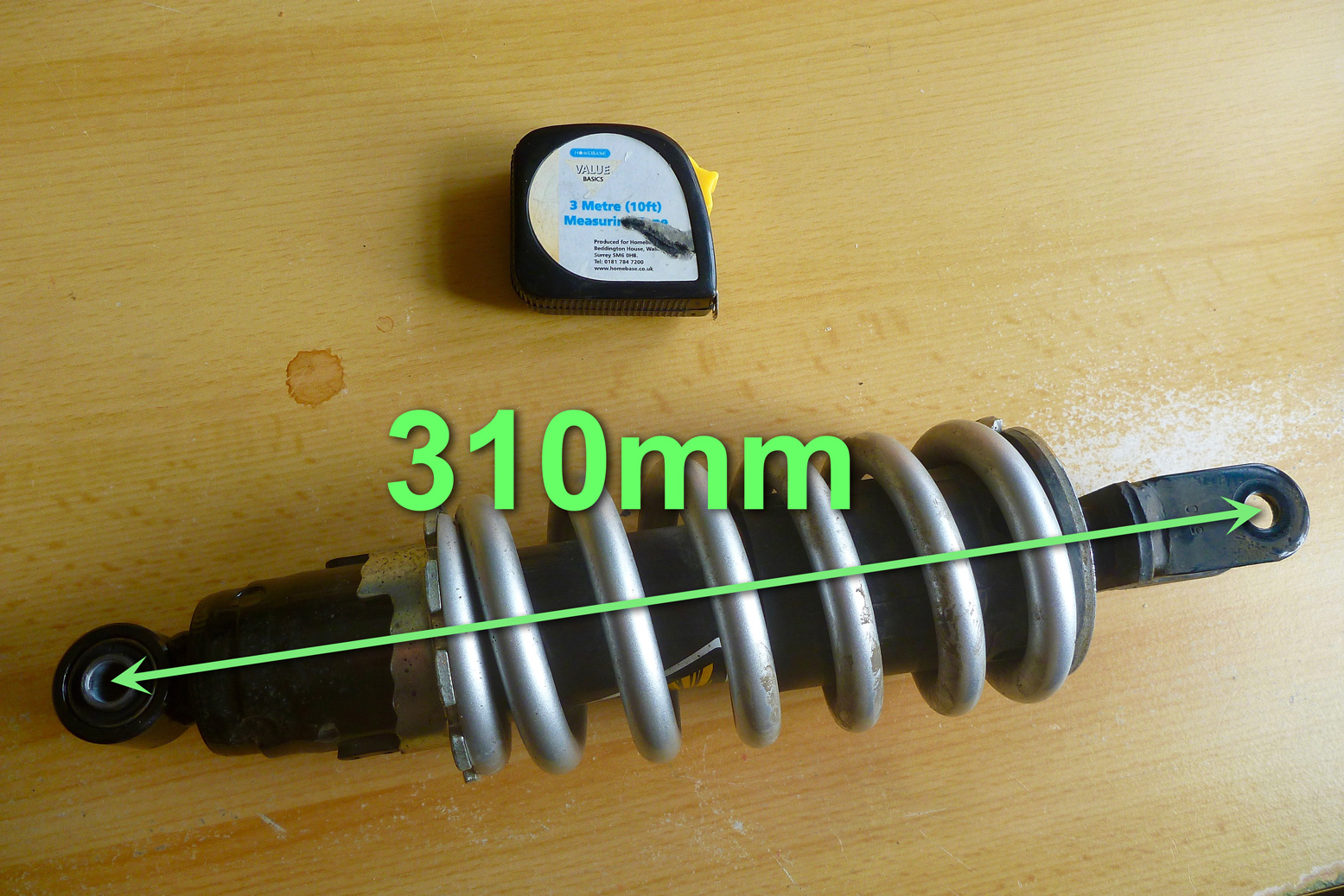
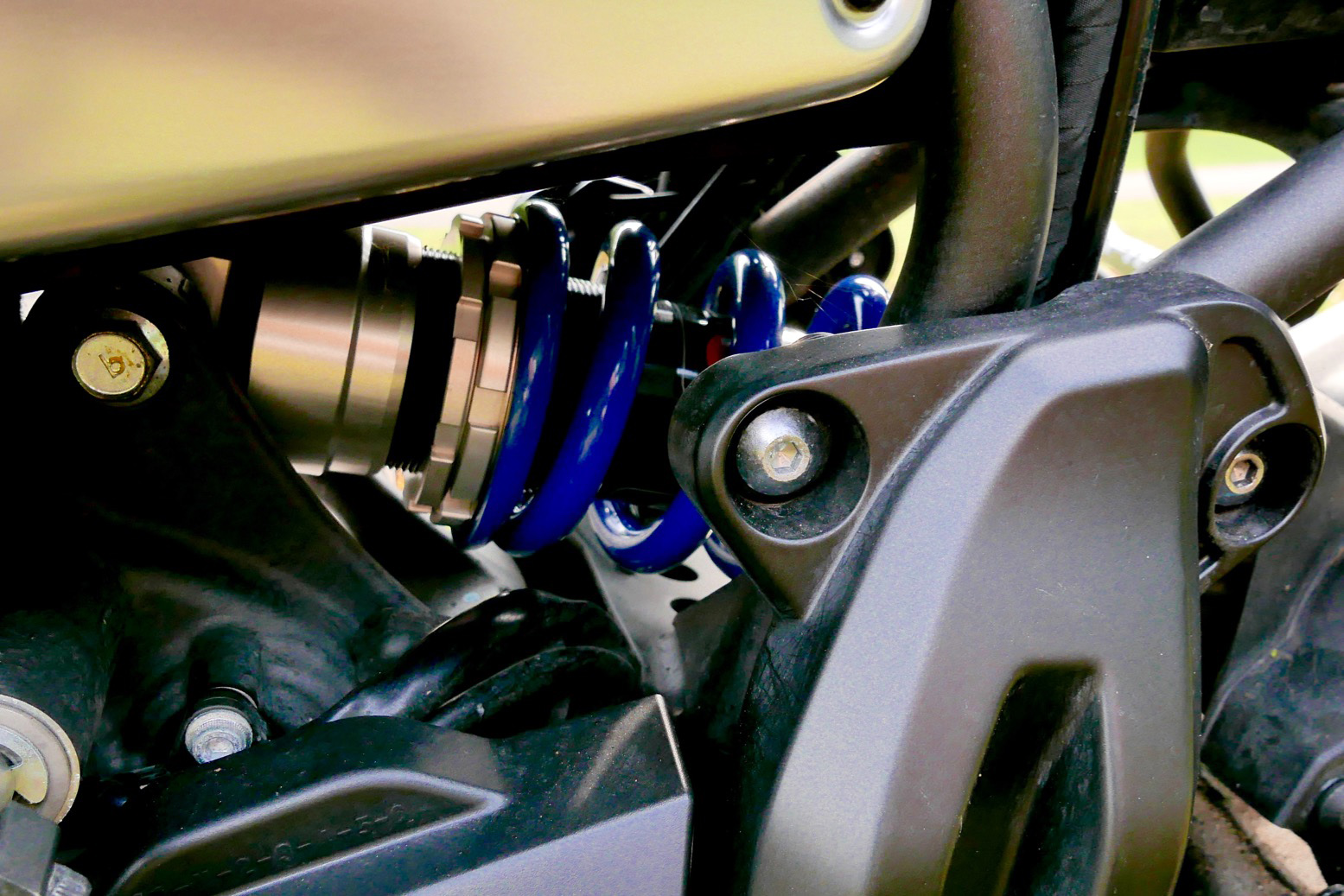
The OE shock is 310mm long. I was looking for a shock with rebound damping that started at that length but had extendability. Looking at the usual suspects, only the Wilbers 640 Blueline could be specified with that feature for a reasonable £512. All it is is a chunky thread and nut at the bottom of the shock below the red rebound knob, and which can be unscrewed (lengthened) to a pre-set point then locked out. Rocket science it is not, but you need to remember that 10mm on the near-horizontal shock adds up to more in actual seat height. Pythagoras will know exactly how much, but when my Wilbers arrived I maxed it out and sent it to the shop.
cspan


Doing it this way makes the shock/bike more sellable later, as it can be wound back down to the standard 310mm XSR height. In fact this whole XSR build, including front wheel swap, is fully reversible. No one need every know.
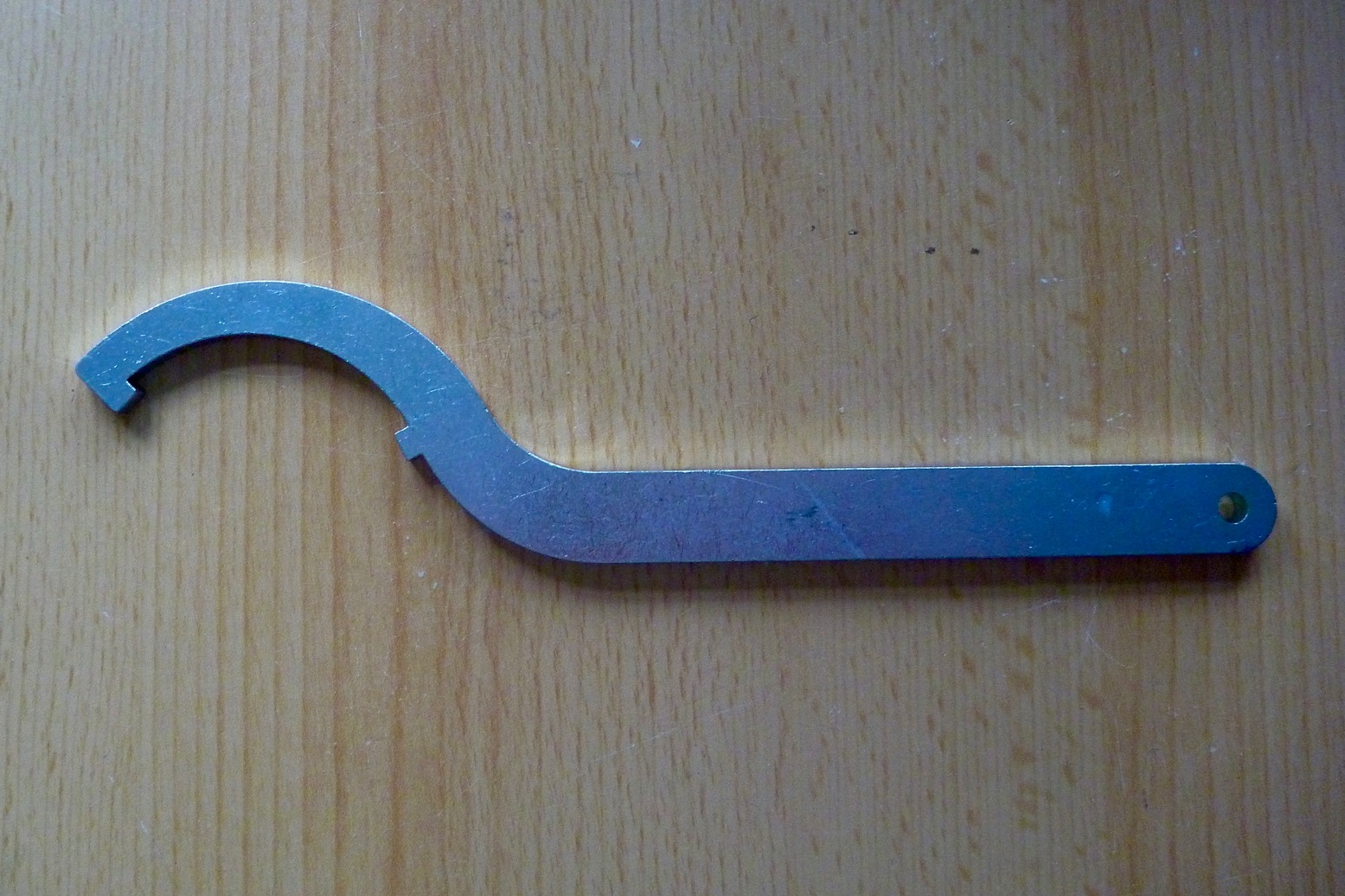
For once in my suspension history, I’m going to endeavour to set the static sag before I leave. It’s a bit tricky alone, but there are instructions on how to do it all over the web. I dare say it will need some tweaking on the road as it beds in, and I’ll sure miss the Hydraulic Preload Adjuster of my previous Hyperpros, but there we are. As it is, C-spanners keep Elastoplast in business and come free with the shock.

Tyres
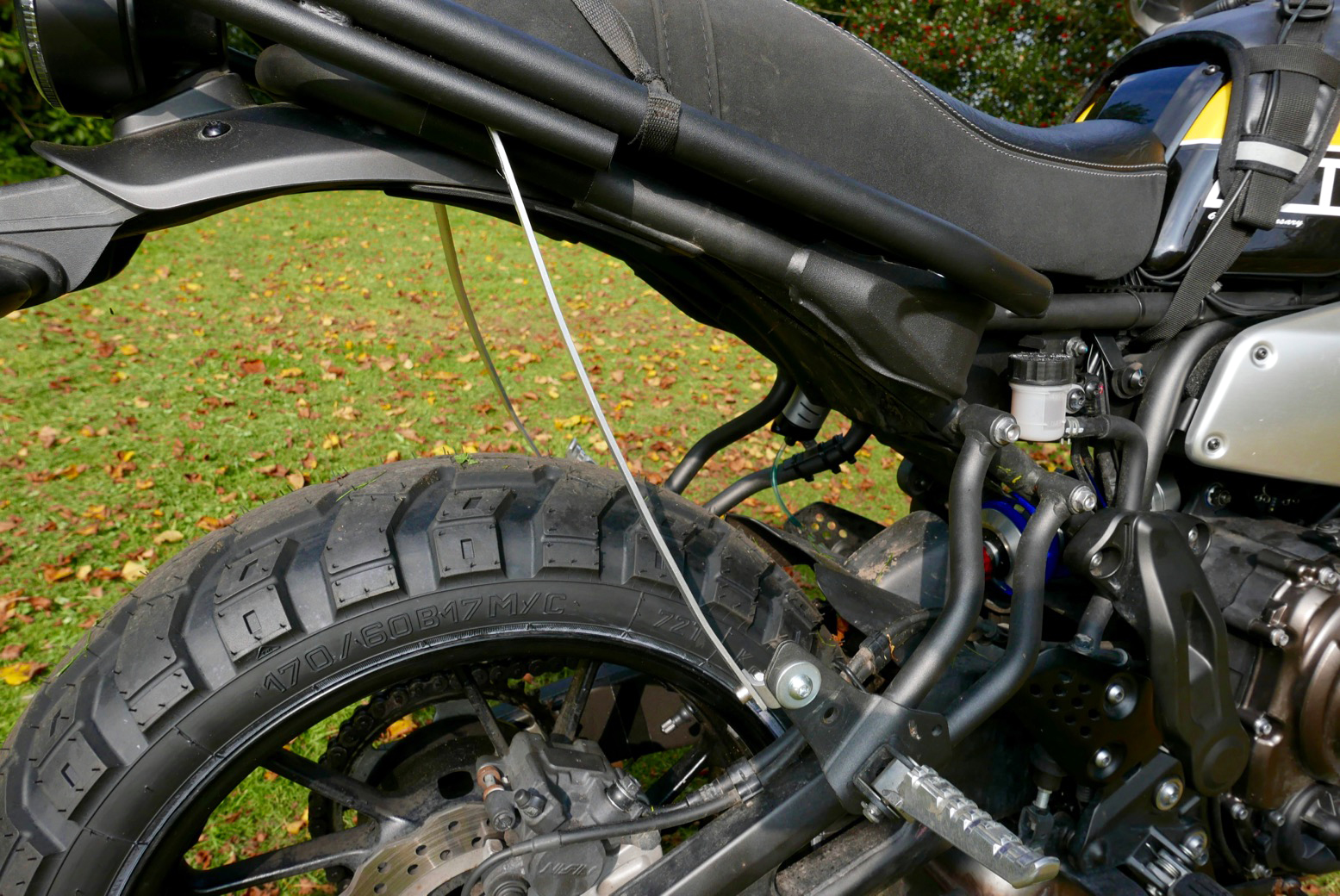
I could have tried something new from my do-it-all category, like a Mefo Super Explorer, but only Heidenau K60 Scouts came in a range of sizes which sort of included the XSR; a still ridiculously fat 170/60 17 72T was delivered for £97 from Germany, and a 100/90H-19 Catspaw (not Scout) from the UK for £61. Looking at it now, the rear looks a bit lower profile than I’d prefer, but there was no 170/80 in 17.

The nearest K60 was 150/70 17, but as I was dropping from OE 180 width, 150 (over an inch slimmer) looked too much of a change for the rim size. Best of all, these retain the tubelessness (which reminds me, need to get some Slime in).

mt07ss

Actually, I think I need to address that stunted sidestand now the bike sits at least an inch higher. I could drill a hole through the foot and bolt on a block of wood or HPDE. How shit would that look? Good news is used MT-07 stands go on ebay from 20 quid. Weldy-mate Jon might be persuaded to hypnotise it and make it grow an inch, and while it’s out slap on an 5mm sandplate underneath; it will look like it was made that way and ought to have the strength to take a lifted wheel if I have tyre troubles.

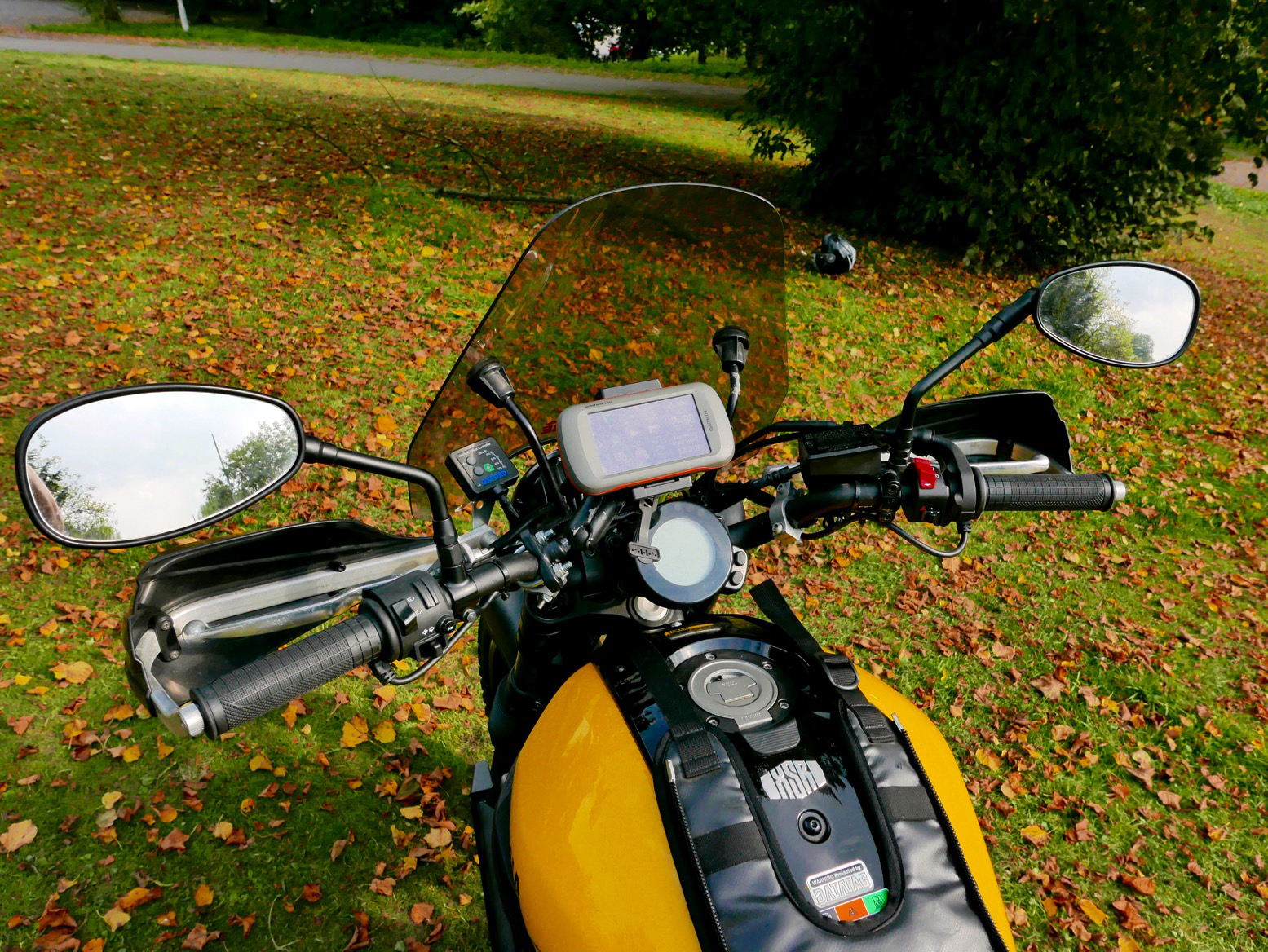
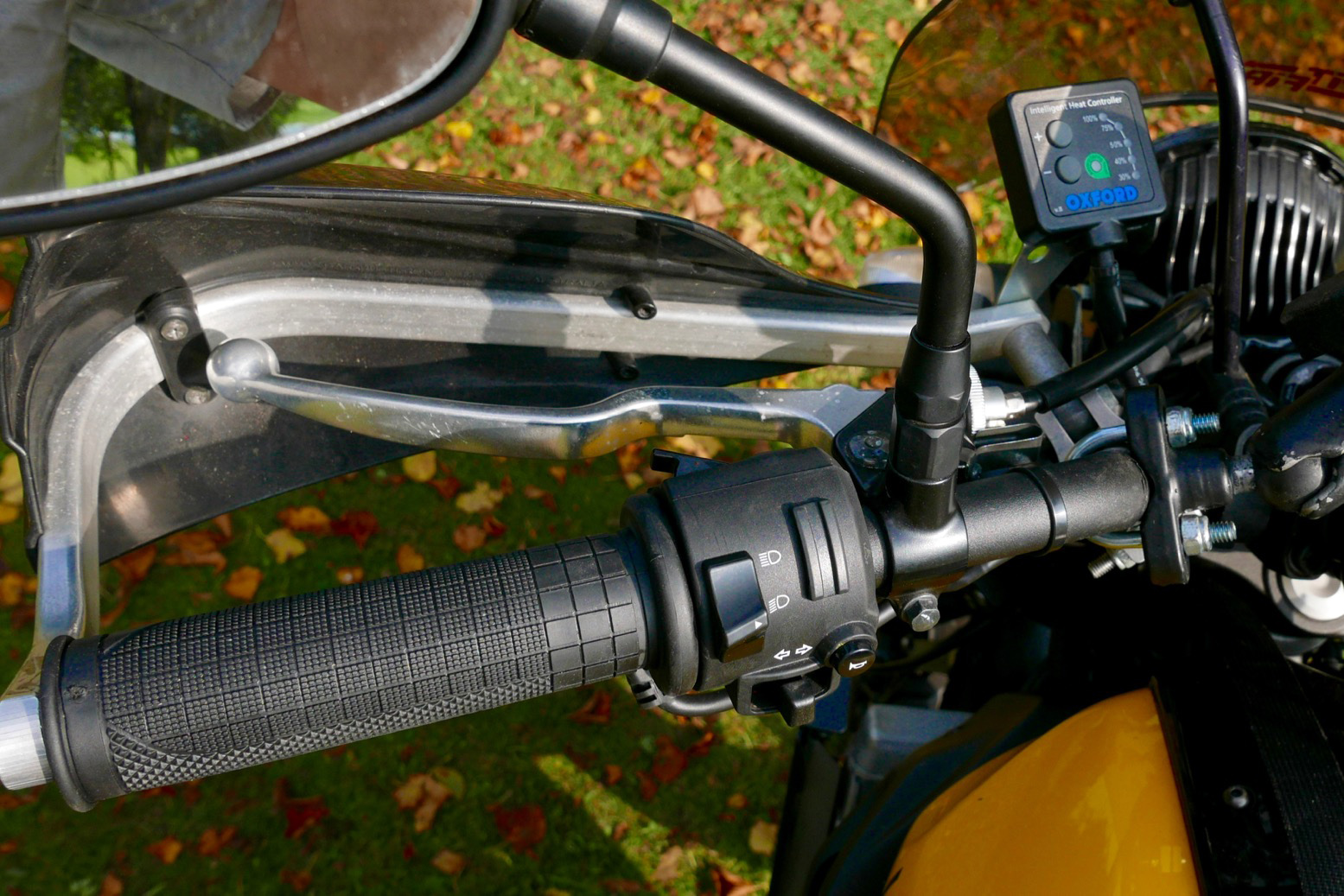
Other than that, my LBS fitted some Oxford Hot Grips for me (£50 ebay). This is the first time I’ve actually bought a set; usually they’ve come with the bikes I’ve bought. and for UK commuters are a no-brainer. Along with my screen, my Barks and my Powerlet jacket, I simply cannot wait for the December ride back across Spain.

Tested: Mitas MC23 Rockrider tyre on WR250R

Best Adventure Tyres

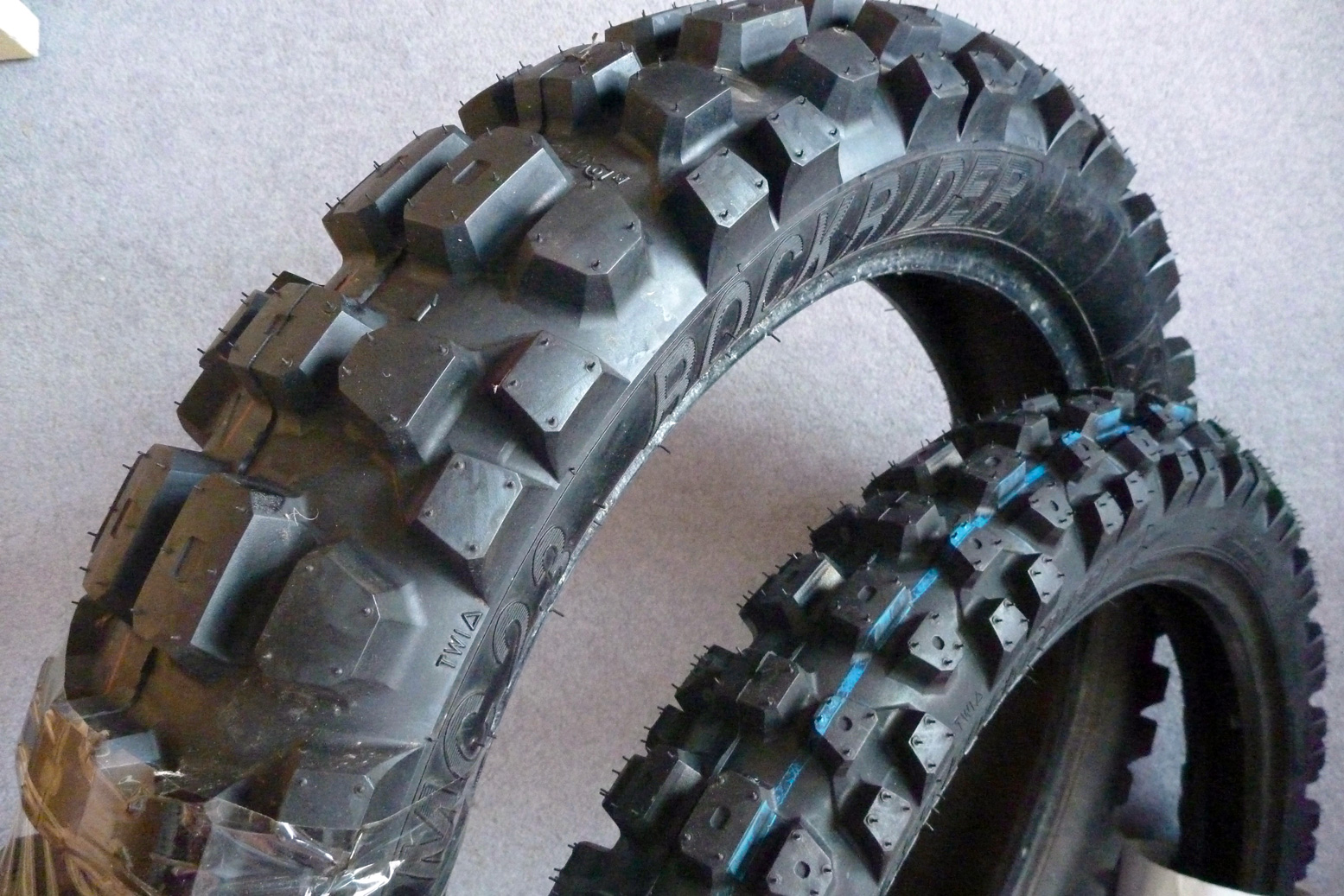
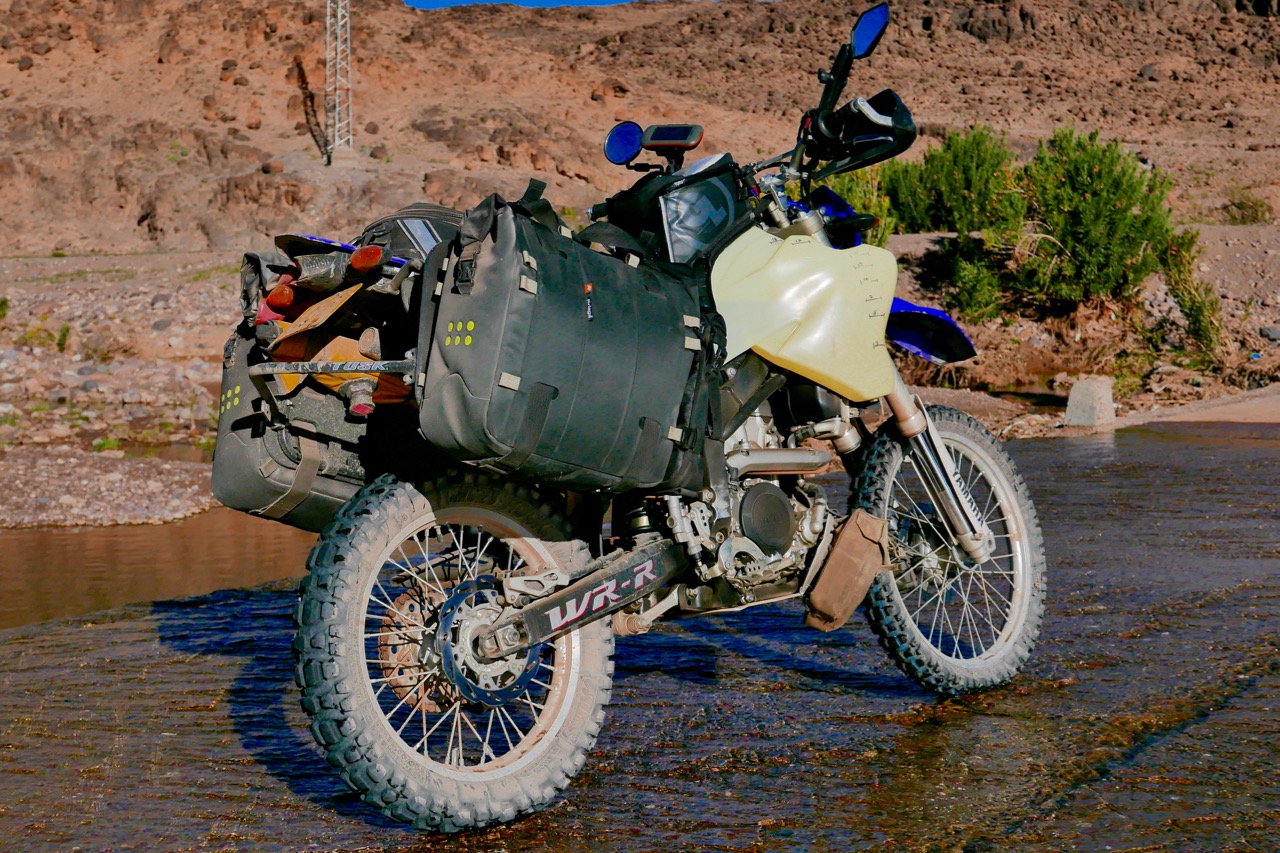
I had the luxury of having my WR trucked down to Malaga and back, so could afford to run street-legal knobblies for my Morocco update trip. The Mitas Rockrider MC23s were recommended by a mate and iirc, cost under £120 the pair.
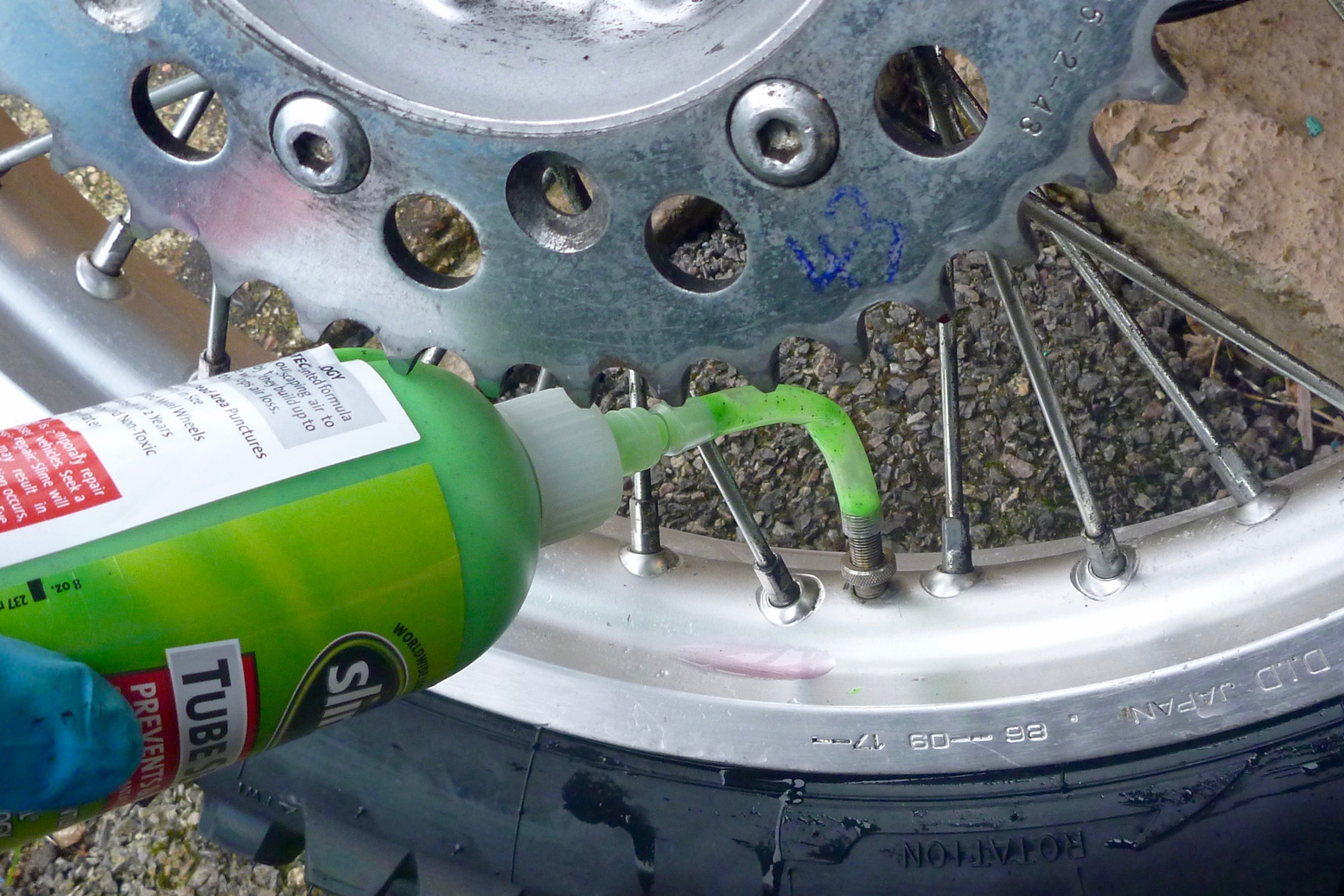
As always, I Slimed them up and also ran them at 30psi, road or trail, except for one sandy oued episode and day overlooked at 25psi.

WRtyres
mitasrok

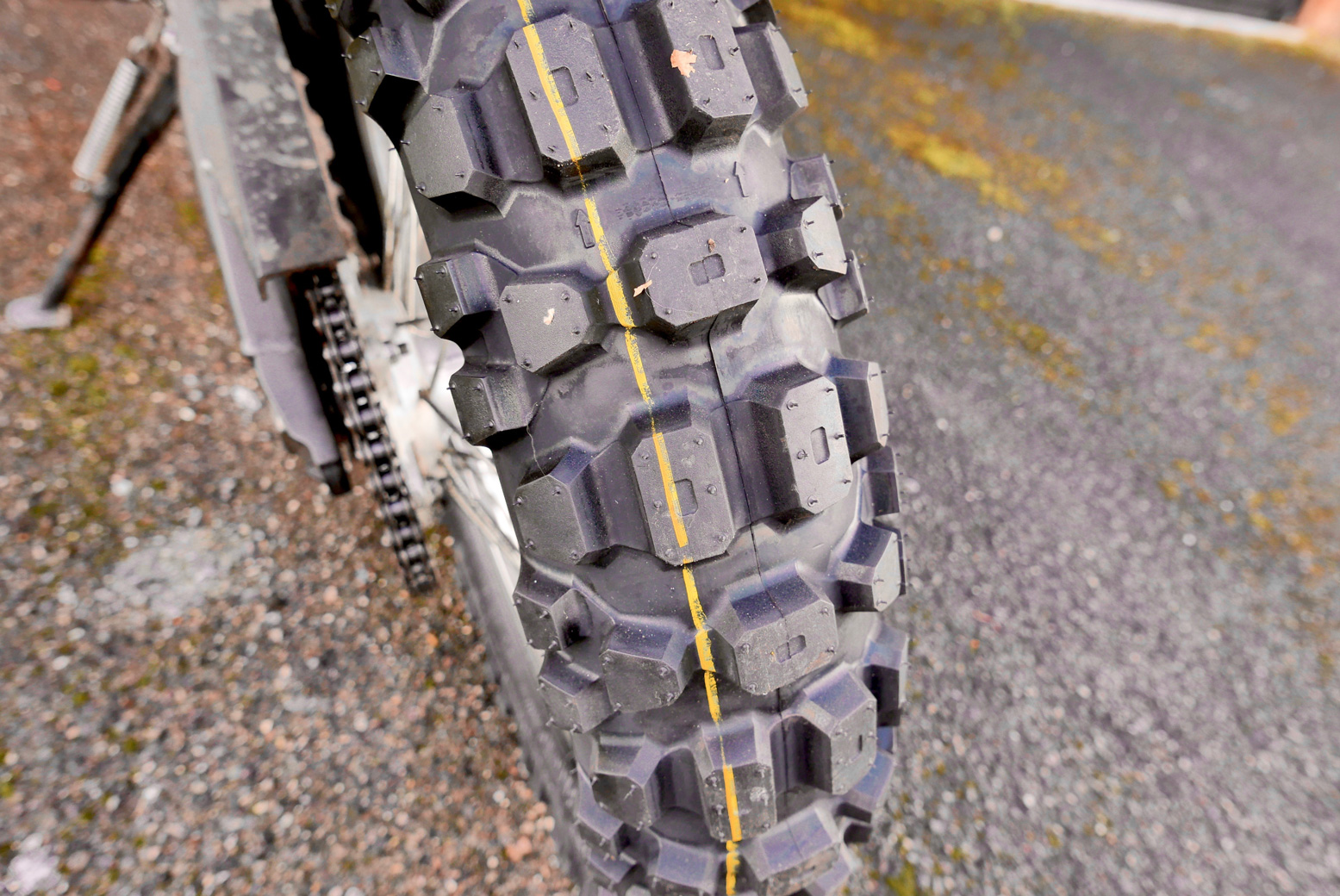
Long story short: no complaints on road or trail. On a light and relatively low-powered bike riding roads, wet or dry, they never felt sketchy, and on the dirt were of course a lot more secure than a regular do-it-all adv tyre.

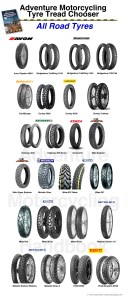
AMH-Tread-Chooser-Adv

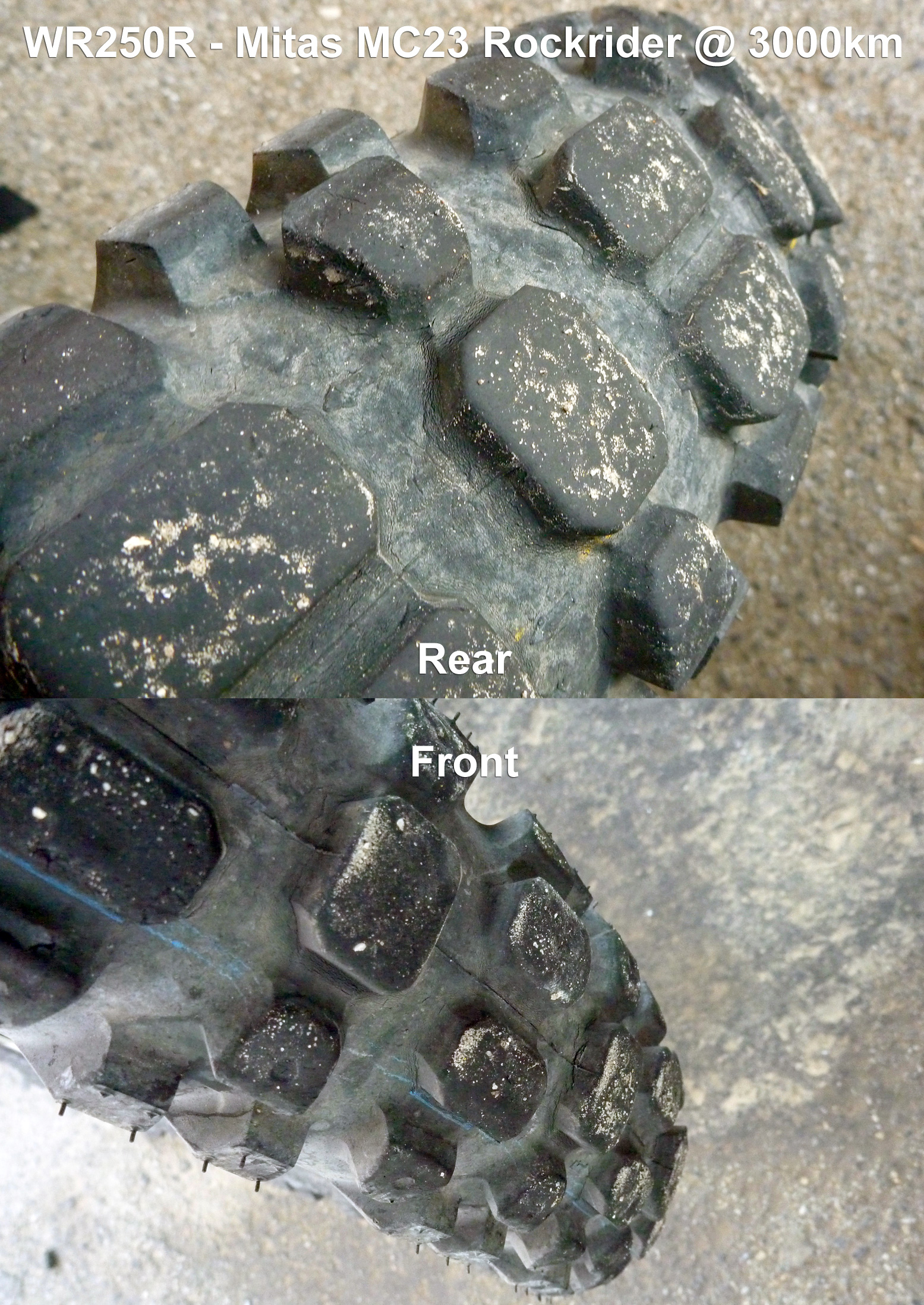
But after only 3000km the back was down to 5mm. I suppose wear will slow down from here on, but I feel that was very similar wear to a ‘soft’ TKC I ran on a Tenere a few years ago, though that was run tubeless which may have extended its life. Incidentally, I’m told the Rockrider is also tubeless.
So, I suppose there is no way of having your tyre and eating it, even on a light bike. Grippy dirt tyres will wear fast and so perhaps are a bit of an extravagance on long rides. As always, it depends where your priorities lie: dirt grip or longevity, which is why the less knobbly do-it-alls (right) live up to their name.

M3-17 - 9