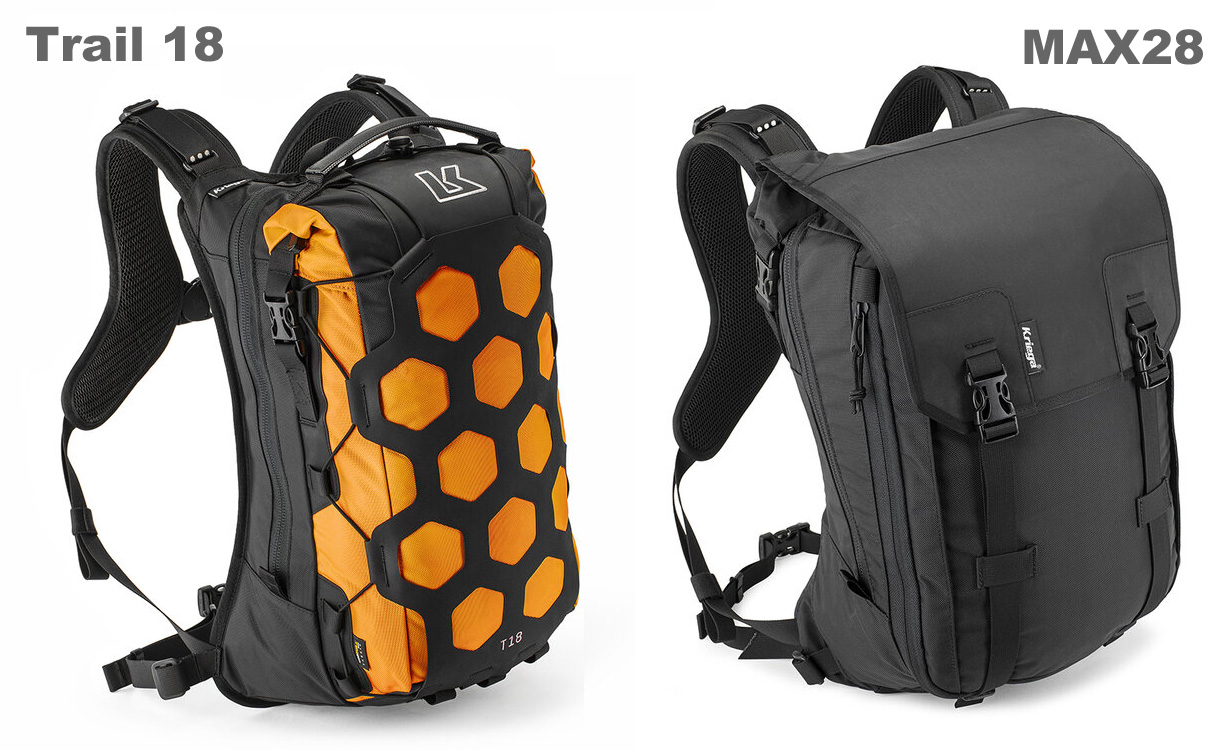
New daypacks join Kriega’s long-established five-strong R range from 15 to 35 litres. You got the snazzy colour-backed Trail in 9 and 18-litres and the bigger more urbanesque Max 28 which expands to take a helmet.
Supplied free for review and testing
What they say The TRAIL18 Adventure Backpack utilises Kriega’s groundbreaking Quadloc-Lite™ harness, combined with high-tech construction materials to meet the needs of the adventure rider. Composed of three sections: A heavy-duty zip access 7-litre rear compartment which is a perfect storage area for a Tool-Roll and water bottle or the optional 3.75L Hydration Reservoir. This area also has a small internal waterproof pocket for a phone and wallet, combined with the main roll-top body providing a total of 12-litres 100% waterproof storage. The innovative Hypalon net also provides more external storage for wet gear.
What I think:
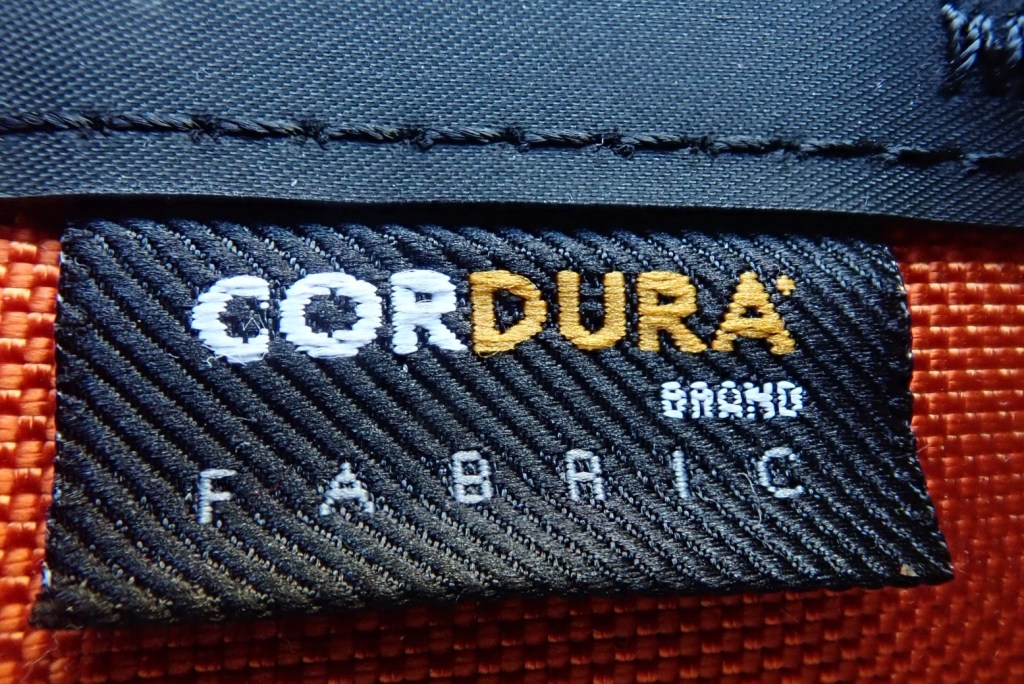
• Roll-top compartment • Comfortable to wear; sits well on the back • Removable waist straps (never used) • No compression straps • Durable 420D Cordura body • White waterproof liners in two compartments • Hydrator-ready • External hypalon net • Smooth-gliding main zipper • Colour-backed Trails aid visibility • 10-year guarantee
• Bulky roll-top small inner pouch • Expensive • Quadlock-Lite interferes with jacket pocket access • Weighs in at over 1.7 kilos with the hydrator
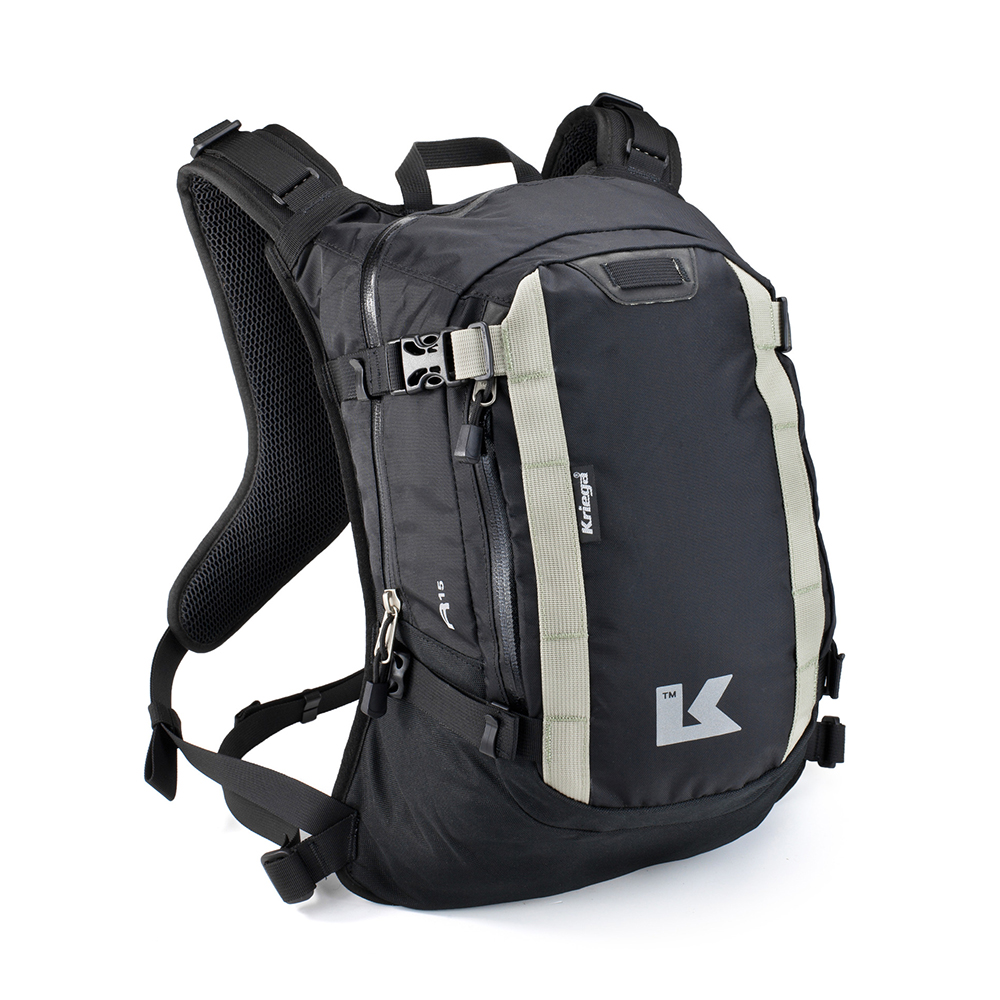
Review For years I’ve been happy enough with my dinky R15, once I cut off the unneeded compression straps and removed the unnecessary waist strap. I’ve used it for weekends in Wales, backroads and tracks in the Colorado Rockies and Baja, and of course on my Morocco tours and rides. The main compartment was big enough for my laptop in a dry bag plus the hydrator, with bits and pieces in the PVC mesh inside pocket and the bigger outer pocket.
The longer Trail18 will be a nifty replacement. Straight away I like the coloured back panel. Often on my tours I try to ID riders up ahead, and anything non-black makes it a whole lot easier. I dare say it will be for them to spot me with an orange pack too. You often get those thin bungy elastic laces across daypacks as a quick and easy place to stash stuff. Kriega have thought it through a bit further by using a distinctive hypalon net panel with the elastic strung along the edges and attached closely at the base. This way, whatever you stuff in there – mucky bottles, baguettes, wet cloths – won’t fall out the bottom. And if you want more colour or don’t like this arrangement, you can easily unlace the elastic and remove the hypalon panel.
I can see a use for this feature buying some food on the way to a night’s lodging, or securely stuffing a jacket or overpants in there on a hot day when you don’t want to dick about with the closures. It’s possible the excess elastic and cinch fittings above may flap about in the wind behind you, but tucking the end in is easy enough.
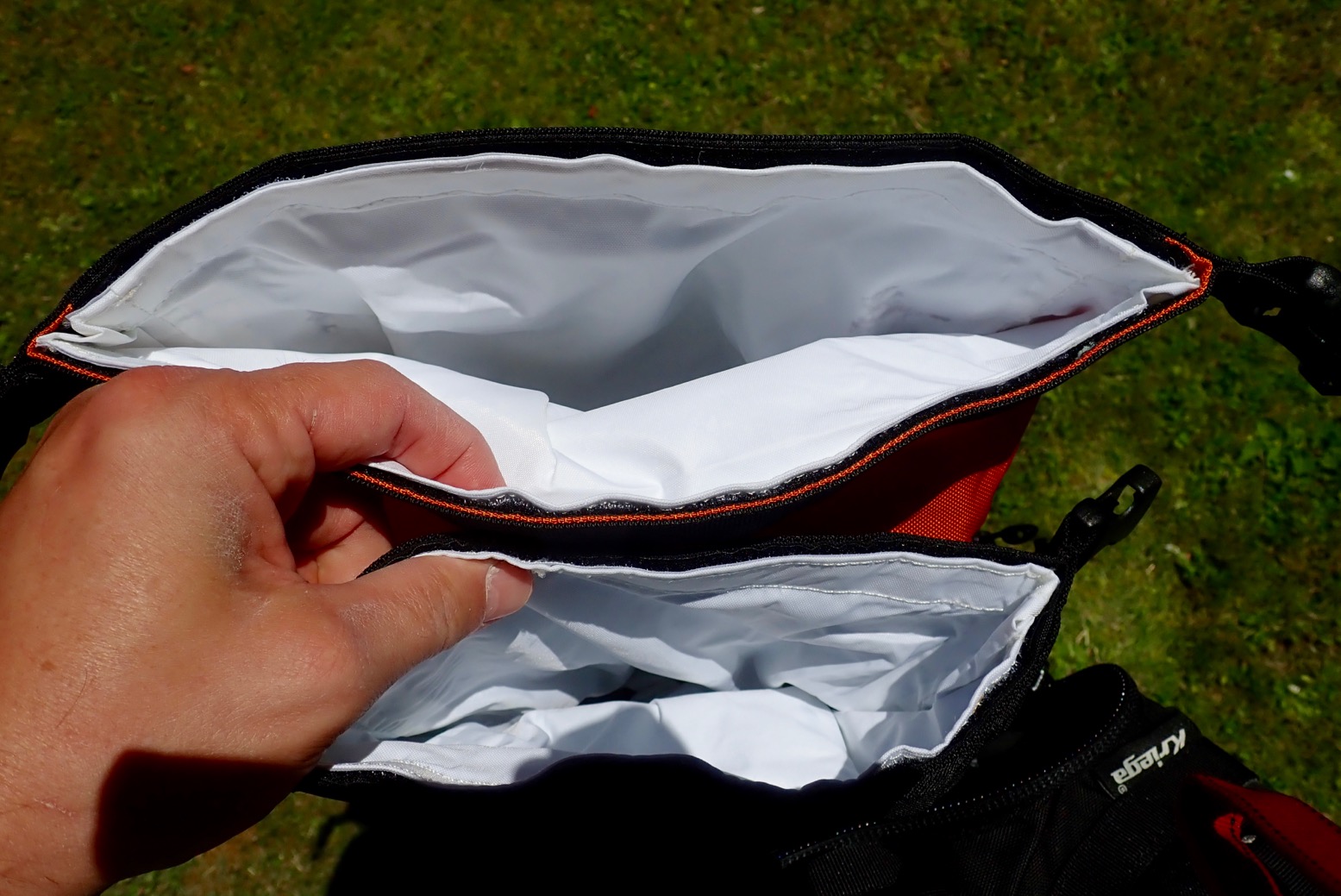
Behind this panel is a full-length 11-litre compartment with a removable white waterproof liner and a clip-down roll-top. The great thing with roll-tops is that even if you forget to do them up, stuff stays in. No more clattering laptops on leaving airport baggage scans with unzipped zips.
Removable linersInternal pocket: zip and roll
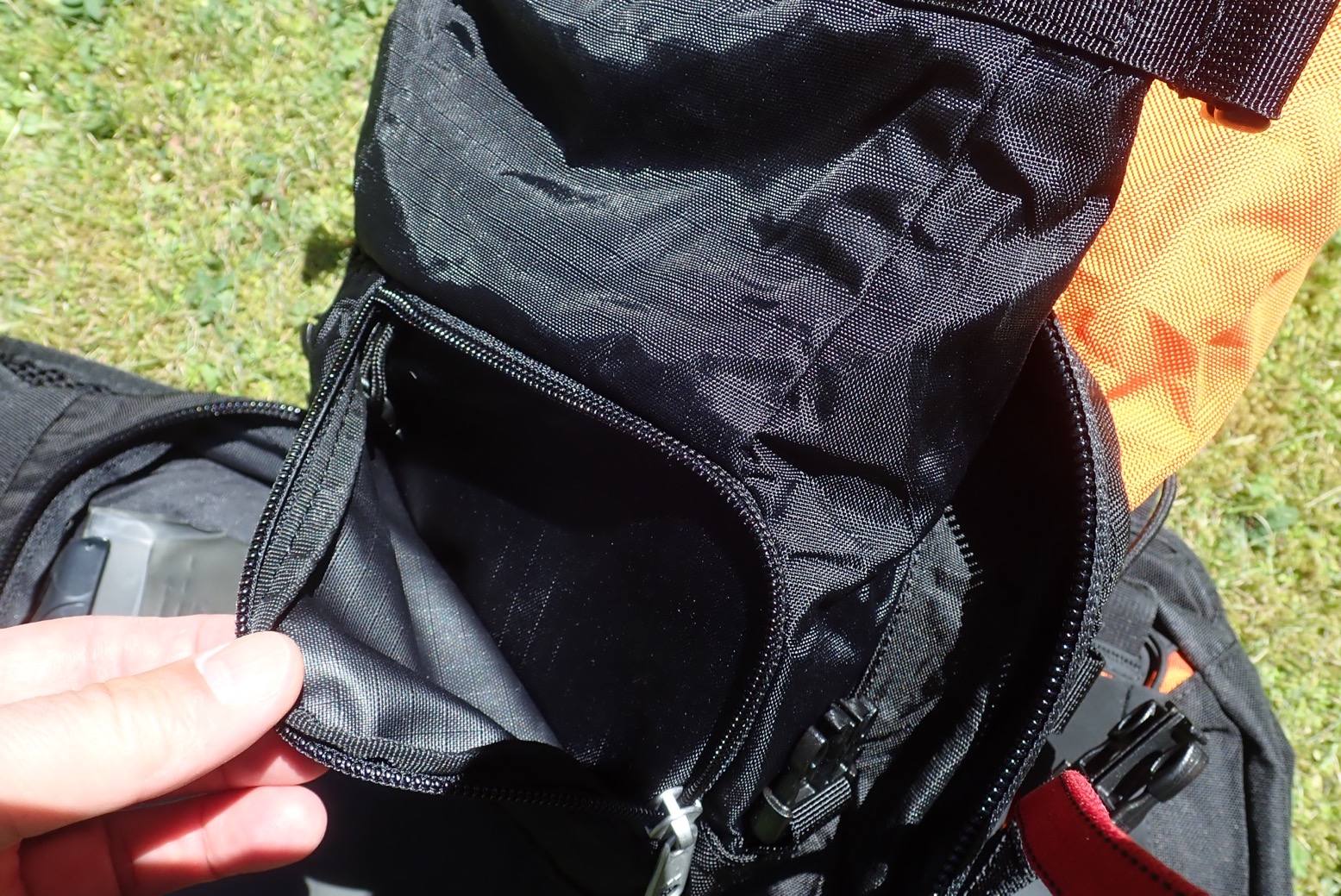
Behind that compartment against your back is a smaller 7-litre zipped compartment with no liner. Inside are a couple of tabs to hook up your hydrator (more below) and down below a couple of sleeves for drinks cans or 500ml water bottles. A smooth-running (non water-resistant) one-way zipper only comes right down on one side (below) so forgetting to do it up ought not see things fall out so readily. It includes a finger-hooking ring pull which can only be in one place when closed, but I always add a bit of bright tape to make this puller easier to locate.
My only mild gripe with the Trail is the bulkiness of the roll-top/clip-down waterproof liner’d 1-litre pouch with a phone-sized zip pocket attached in the inner compartment. I know it’s waterproof but the roll-up takes a lot of space and clipping it down would be a faff. I’d have preferred a bigger version of the plastic ripstop zip pocket from the R15. But then again, you can easily drop a big camera in here and be reasonably sure it will stay dry. After a year I chopped off that pocket’s roll-up sleeve, taped it up and cut a hole behind the zip to access the pocket without losing any volume.
The long mesh-padded back panel seems stiffer than my old R15 so the whole thing doesn’t rest quite so unobtrusively on your back, which may actually be a good thing. The waist strap can be removed and there’s also a door hook tab plus a chunky carry handle. On the front are loops to clip in mini karabiners for quickly attaching stuff like hats or Kriega accessory pouches. I zip tie a small camera case on there for quick access. My Trail18 weighed in at 1550g and costs £179.
The Trail is hydrator-ready with a slot for the hose to come over either shoulder and a velcro tab inside the back from which to hang the bladder. Kriega’s stubby new 3.75L (7.9 pint!) Hydrapak Shape-Shift reservoir is made to fit both Trail models by fully expanding to fill the space below that bulky top pocket. Nearly 4 kilos of water is a lot to carry on your back, but maybe that’s what some riders need. The rubbery TPU bladder has an easy-to-use and reliable fold-and-clamp closure with a big aperture which makes it easy to fill and clean/dry the inside, as well as the clip-on, insulated and UV-proof hose with hopefully a less-brittle bite-valve on the end. I tucked my nozzle end under a tab on the front of the strap, but Kriega offer a velcro attachment tab which may well work better if the hose is on the short side for you. It costs £45.
In a line: It was interesting to dip a toe into BigBikeWorld, but as expected, it’s unnecessarily big, heavy and juicy for my sort of road touring and easy off-roading.
Featured in Bike, July 2020
• Looks good • Feels like a giant trail bike • Torquey 270° motor • You just know it will start and run; Honda piece-of-mind • Adjustable Palmer windscreen • My DIY rear tubeless worked well • Seat not bad. Adjustable, roomy • Fully adjustable stock suspension (with rear PLA) • Modes aplenty, if you like that sort of thing • With a fair wind, 400+ km range from 18.9-litre tank
• Feels big and top-heavy at low speeds • That’s probably down to the minimum 870mm (34.2″) seat height • Radiators are vulnerable, even in static fall overs • Motoz front knobbly ran wide on road and trail • Down to 37mpg in stiff headwinds at 110kph • Some hand-numbing vibration from the bars – due to front knobbly, it turned out • USD fork seals seem to be a weak point • LCD display annoyingly reflects your head and not bright enough; hard to read at a glance
• Front Motoz Tractionator Adv • Rear Michelin Anakee Adventure on MYO tubeless • Palmer Products adjustable screen • Barkbusters • Adv Spec bar risers • Strapped-on baggage (below) • Wired in USB and GPS
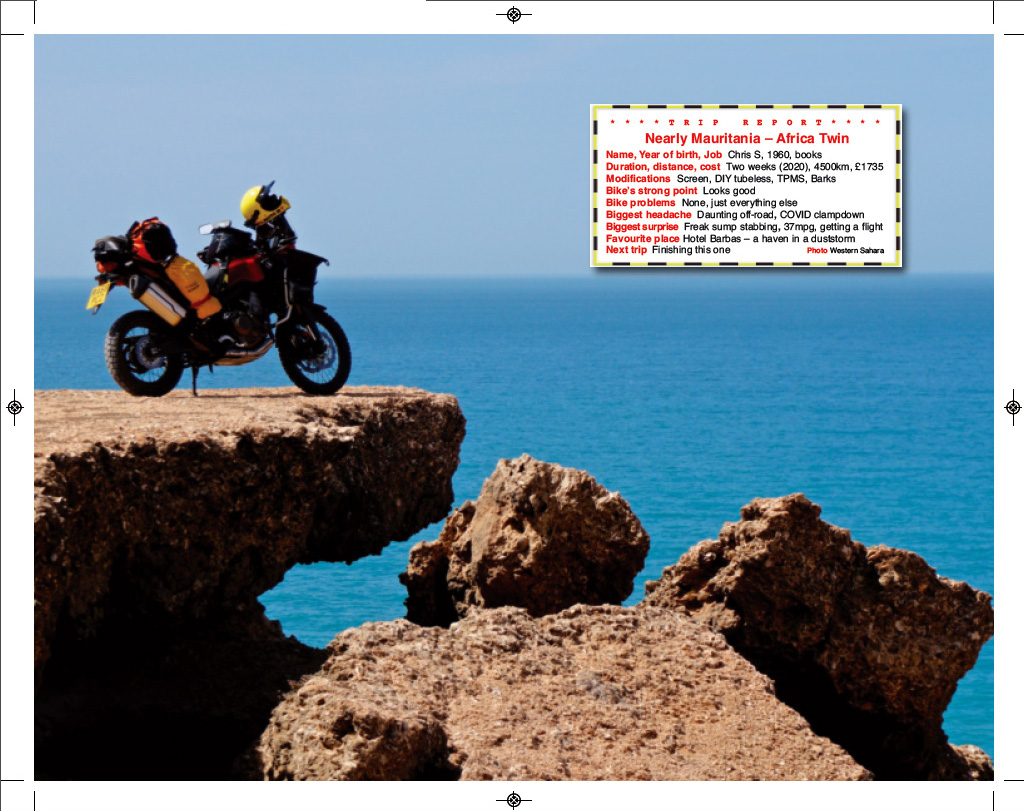
Review The plas was just the right sort of trip to try one of those big-arsed adv bikes I’ve never really been into. A long approach ride followed by short off-road excursions in Mauritania specifically chosen within the bike’s (and my) limits. I’d planned to get a feel for the bike beforehand in the High Atlas on my February tours, but that was another of the many things which didn’t pan out on this epically doomed ride.
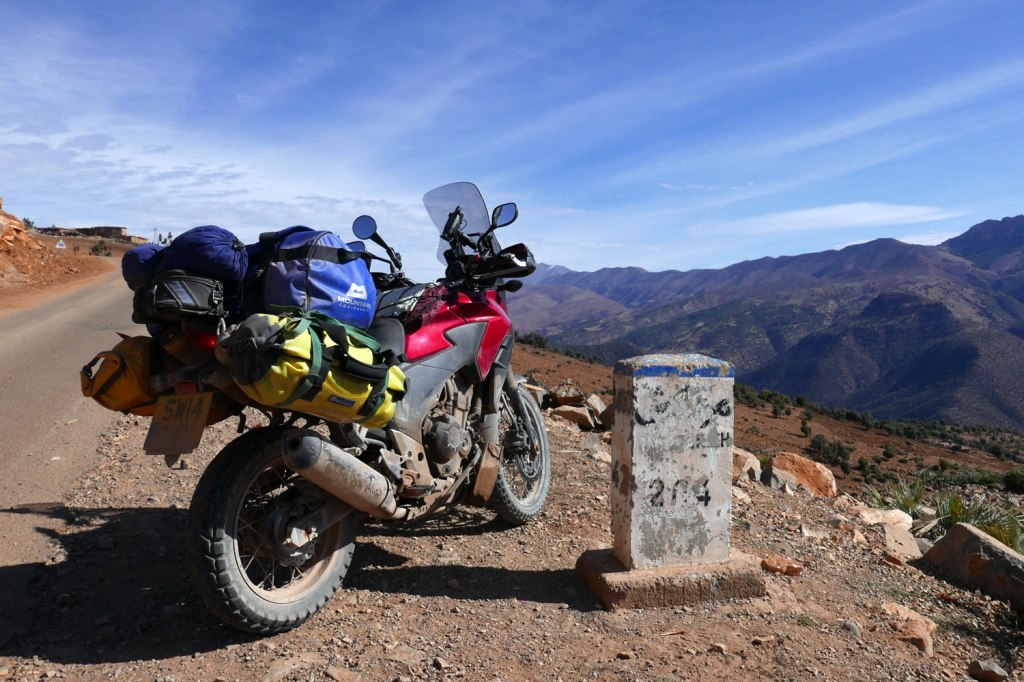
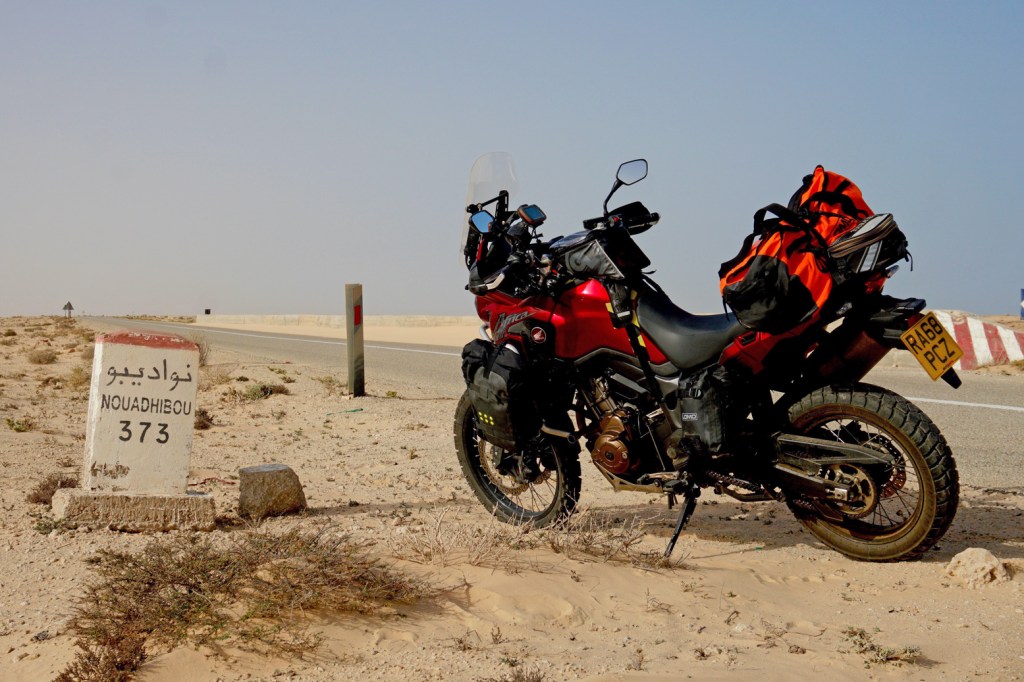
So, despite big plans with two other Big Twins for a Sahara Road Trip (left, pah!) , all I managed was to ride alone 2500km down the Atlantic Highway to the Mauritanian border, then ride most of the way back trying to outrun Covid shutdowns before a freak incident brought even that to a premature end. Twenty months later I returned to Morocco, fixed up the bike, did a week’s offroading in the hills, and a month later, road it home via freezing France. All up 4500 miles or 6000km; not even half a rear tyre’s worth.
On the road Riding out of a town near Malaga back in February 2020, initially the loaded-up Honda gave me a fright and I thought I’d made a terrible mistake. I hadn’t noticed it on the way to the removalists in Essex a couple of weeks earlier, but in the bends the bike didn’t feel secure, seeming to both over- and understeer. I knew my knobbly front/roadrear tyre set-up was unorthodox, but it’s surely only half as bad as the many times I’ve ridden on fullknobblies. Maybe it’s only an issue on bikes this big. Braking into bends, the front Motoz moaned in protest but brand new tyres lose this edgy skittishness after a couple of hours.
Sure enough, the AT settled down or I also got used to it as we rode over the Sierra de los Nieves and past the famous White Villages of Ronda to a regular place I know, half an hour out of Algeciras port. Here I took a day off, re-sorting my gear, keying in waypoints and filling the glued-and-taped rear tubeless wheel with Slime which fixed the slight air loss once and for all.
Hold my beer!
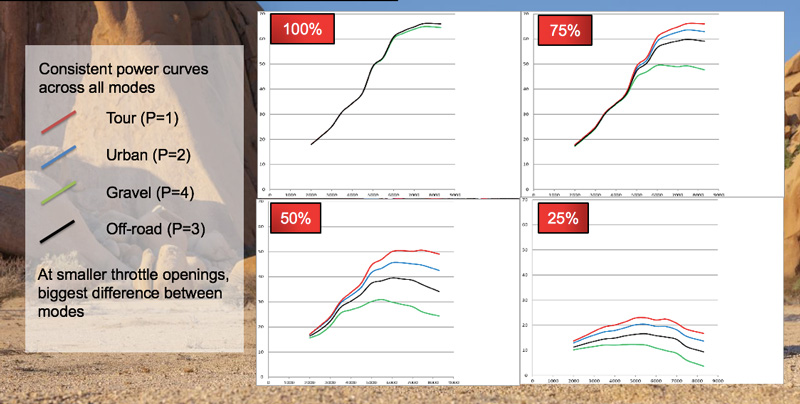
Engine and transmission The 1000L has more than enough power to deal with anything you’ll encounter on the road; it’s on the dirt where the mass will hold back most riders. And if you like that sort of riding, it’s frustrating. Promotional antics as shown left look impressive, but are so far removed from everyday reality that someone should call Trade Descriptions. This was my first bike with more modes than a Casio G-Shock 007 Special: three power levels plus User (custom), as many levels of traction control (plus off) and the same with engine braking – a new one on me. ABS can be switched off at the back only. Initially I rode in ‘P3 – Gravel’ (least power) thinking it may be best for economy (more below). After that I left it in ‘Tour’ (P1 – highest) where the engine was smoothest, until I forgot I wrote all this months earlier and rode home in P3 gain.
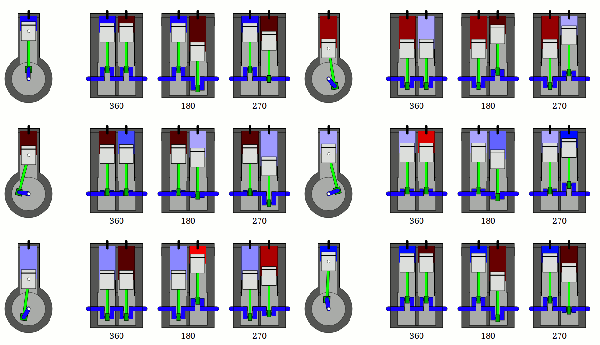
Like all 270-degree twins it’s hard to dislike the motor; the stock pipe makes a fruity sound and the temperature bars never budge. The gif left shows one of the beneficial characteristics of a 270°-twin: one piston is always in motion when the other has stopped and is on the turn. Crossplane they call it (Yamaha’s ‘CP2’) – it’s good for traction and it feels and sounds like a Ducati. Win win. But having tried or owned a few other 270s in recent years, Yamaha’s 695cc CP2 still feels like the best of them. Characterful, economical and with enough poke to get you there without weighing a quarter of a ton. My first choice would have been a used XT700, but late 2019 it was still too early for good used prices. I got a manual only because I’ve ticked off DCT and couldn’t face the thought of a heavier-still bike. As it was, I spent most of the miles in top gear. Clutch actuation and gear change selection were fine, and even if 1st is typically high, the low-end grunt makes pulling away easy.
Easy gravel roads After repairing the bike, in October 2021, I spent a week exploring some trails in the High Atlas and got to grips with the AT on the dirt. As a reminder, the bike had a long-wearing road tyre on the back and a good gripping Motoz knobbly on the front to make off-roading a little more predictable. It’s a tyre-combo theory I’ve written about and been meaning to try for years.
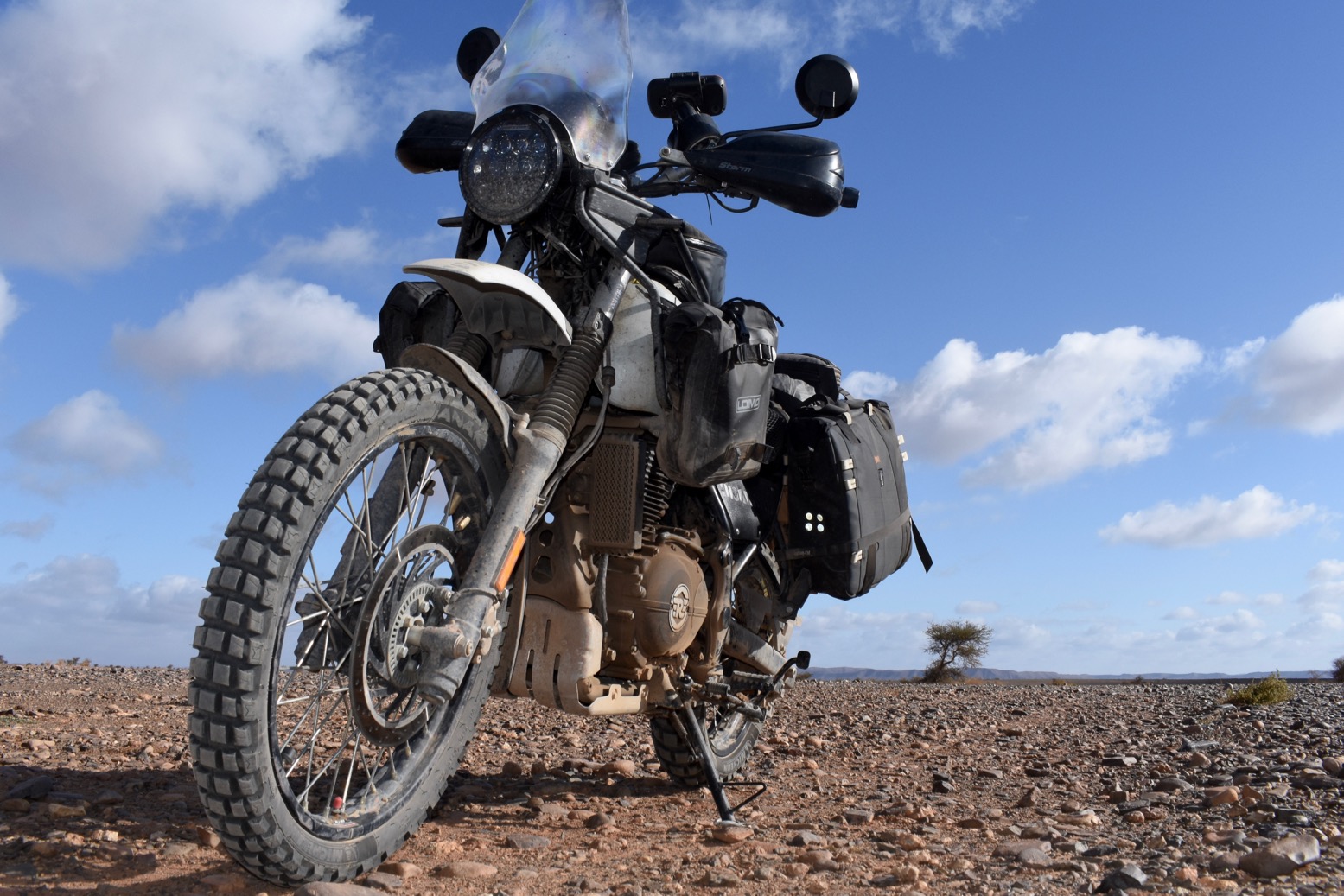
However they managed it, the AT feels like a giant trail bike; it must be down to the scaled-up triangle of the ‘bars, pegs and seat, plus the 21-inch wheel’s rake and trail. As I’ve found with previous project bikes (like the TDM900, left, the XSR7 and even the CB500X), geometrically it’s definitely not as simple as just slapping on some ‘bar risers, wide ‘bars and a bigger front wheel. A high headstock has something to do with it, too.
Whatever, once you turn onto the dirt the AT tracks naturally for what it is, so you don’t give it a moment’s thought providing the trail is easy. But you could say the same for a any bike. With the tanked and loaded L nearly three times my weight, the slightest deflection or need for an assertive move could end badly if the thrust of that mass isn’t aligned with the direction of the front wheel. It’s not that the centre of gravity is abnormally high for a bike like this with a big tank in the conventional position – it’s just a whole lot of bike to finesse when you get even a little out of shape. Then comes the picking up; apart from radiator protection, it was one reason I had bags on the sides of the tank – so it didn’t fall so flat.
As a result – especially when alone in the middle of nowhere – I took things very easy and didn’t risk any flash moves. This elephant in the room holds back the fun of riding off road; you’re managing despite the bike not because of it. As a result I never got the ABS or traction control firing, even with the bike on the softest ‘Gravel’ setting. I might have made things a bit easier for myself by dropping tyre pressures a bit – at road pressures the Motoz didn’t bite like I hoped it might (or maybe I was just too timid to lean over and gun it) and ran wide on bends. I half-heartedly jacked up the shock (easy with the preload knob) to steepen the forks but it made little difference. I think the Motoz’s Oxo-cube sized knobs just deform and ‘walk’ when pushed laterally under the weight they’re carrying.
Motoz Adv on the way outDunlop Trailmax for the chilly ride back
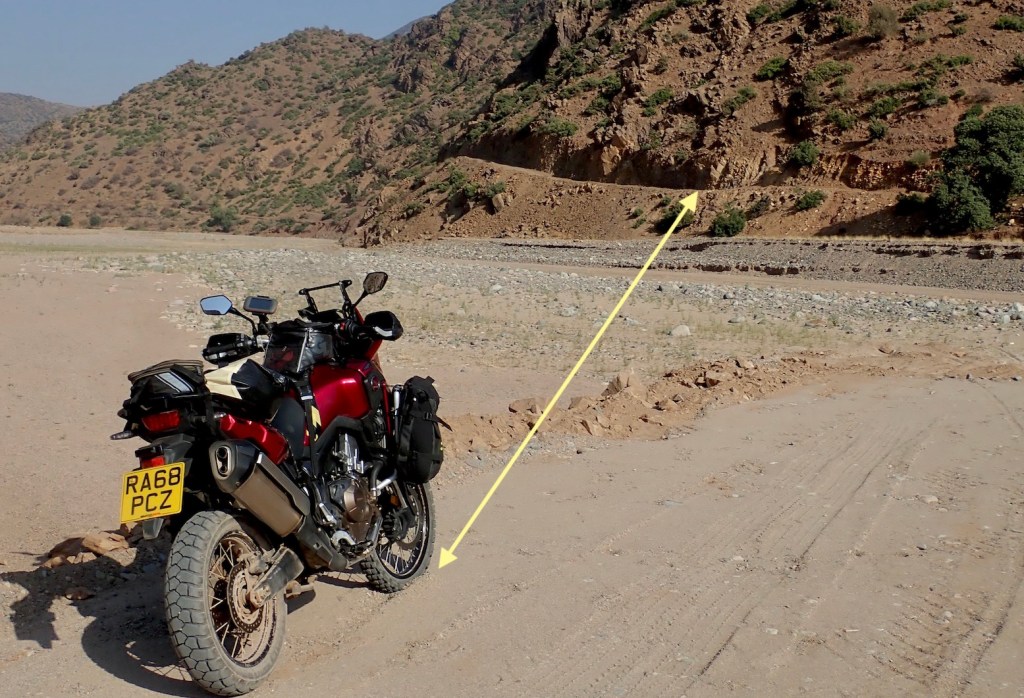
At one point, while investigating a short cut I’ve been wondering about for years, I came across a shallow sandy ramp which might have connected through (not the photo below, but nearby). But it was the end of a hot day and I just couldn’t bear the thought of getting the fat Honda stuck and have to drag it back, fall over, pick it up, get even more tired and sweaty and all the rest. I walked th route anyway but turned back and took the long way round.
The track I was aiming for; easier on foot.
Long story short and no great surprise: while it works a whole lot better than many other bikes in this giant Adv category, for me the AT is just too heavy to fully enjoy off-roading.
Economy On the A1 motorway down to Agadir I spent a couple of days establishing the exact fuel consumption so I’d know what to expect when it mattered down south from the 18.9 litre tank (4.16 Imp; 5 US) tank. I’ve often wondered if lower power modes equate to better fuel consumption. You’d think so because less powerful bikes like a CT125 are amazingly economical. But it seems not; maybe power-softening modes are merely fuel inefficient – the engine is tuned to run best in at full power. Cruising along at a very modest 105kph/65mph – in other words, with a barely open throttle: • ‘Gravel’ mode (‘P3’). True 19.8kpl (19.1 indicated). Potential true range: 374km/232 miles • ‘Tour’ mode (‘P1’): true 22.7 (ind: 21.5). That’s 64UK or 53.3US Potential true range: 429km/266 miles
This graph is actually from the 1100L which has an additional, fourth ‘Off-Road’ power mode.
In P1 Tour the engine felt noticeably smoother and crisper and what’s more, the range jumped to nearly 430km which was good to know. In the CRF1100L graph above, the percentages shown are throttle openings, not power. Nail the throttle (‘100%’) in any mode and you get all the beans. But at small openings (‘25%’) as you’d use noodling about off-road, power is reduced, presumably to constrain wheelspin or unwanted lurches. It’s true that traction control does that too, but that can be turned off. If, as I have, you’ve ridden without TC most of your riding years, you may initially prefer turning it off until you get to trust TC1, as most AT riders seem to settle on. Or you may wonder whether you need power and traction and engine braking modes at all. Ride appropriately to the conditions (which may include lowered tyre pressures to improve traction). TC is a relatively inexpensive and I would say the cutting out is a rather crude spin-off from ABS electronics (of which I definitely am a fan). Other observations I made while watching the Moroccan countryside inch by: Speedo is the usual 8% over Odo is 1% over (measured over 100km against GPS and autoroute markers) Economy estimate read-out is ~4% under. True economy is a tad better than shown Range Initially never relied on this but should have checked when I took on 18.2 litres into the 18.9-L tank. At a catastrophic 15.5kpl (37mpg) into a stiff headwind (while still holding a steady 110kph cruise) the remaining 0.7L would have got me another 11kms…
I now realise something about bikes of 1000cc+ which in my book have always been overkill for a solo travel bike. Either the great weight or more probably the swept volume hold the economy back, no matter how slowly you ride. My best reading of 64mpg closely correlates with 65 I recorded from an as-slowly ridden 1200GS on my tours one time. You may think so what, you get to blast past anything you want on the highway in comfort. That is true, but to me a proper travel bike inspires confidence on all surfaces; otherwise it’s just a road bike of which there are plenty out there.
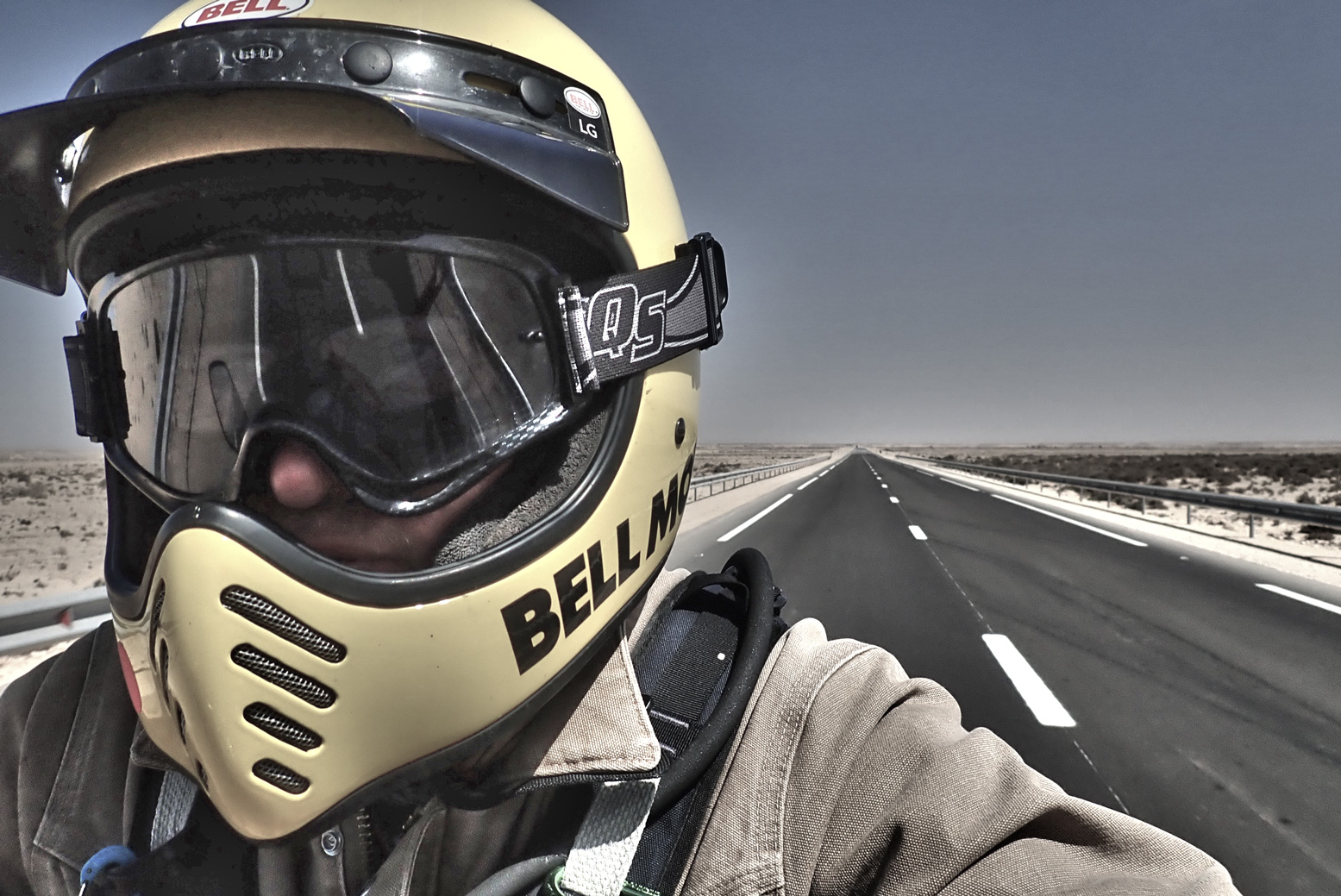
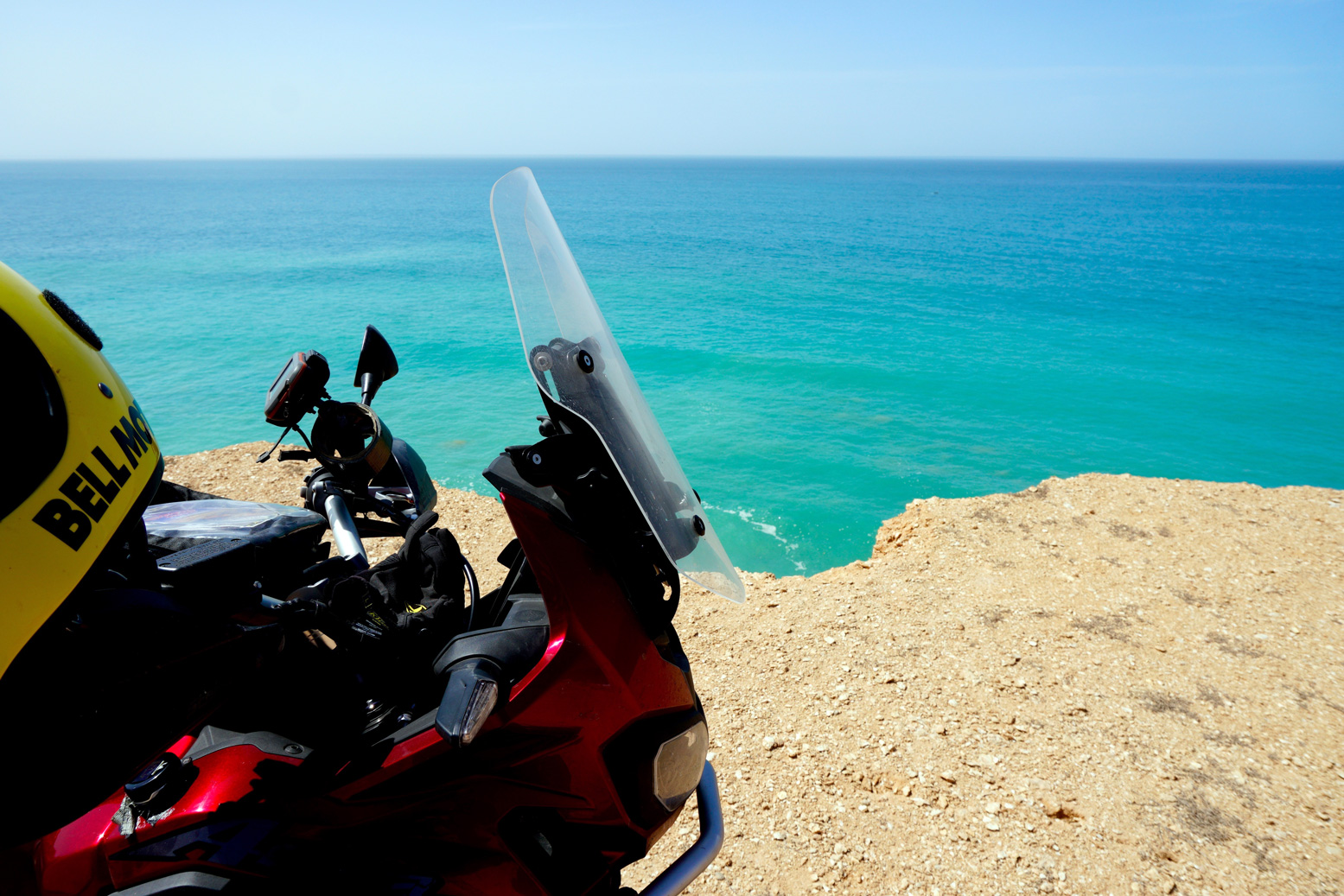
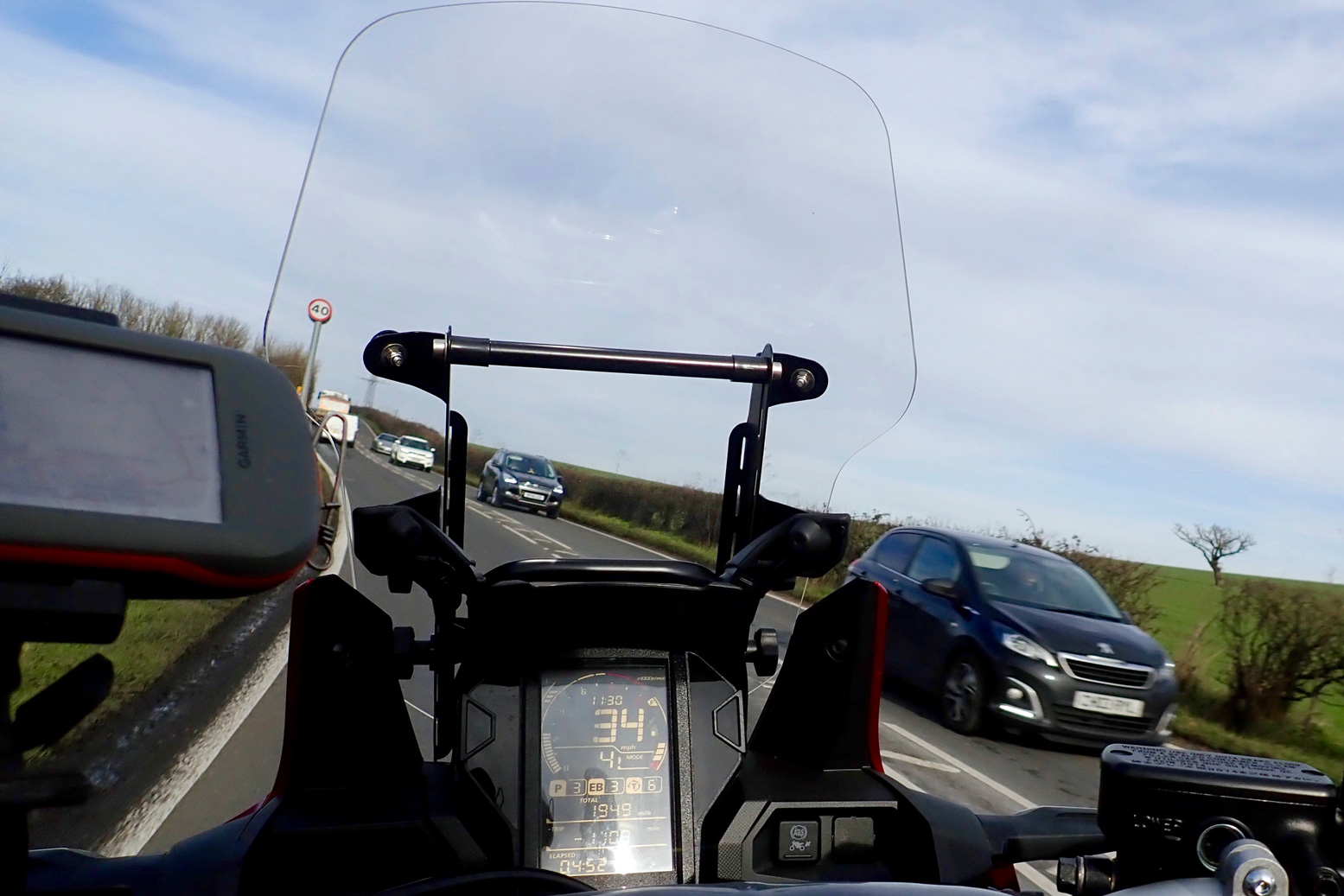
Comfort The good thing about a big bike is that for once I don’t feel cramped. Everything is a natural distance away for my size and the excess of power does have a certain relaxing effect. The adjustable and much taller Palmer Products screen (below) made a huge difference, ridding me of all unpriestly turbulence, even with a Bell Moto III.
It wasn’t until I got to the turn-around point 50 miles from the Mauritanian border (and following a quick ‘how-do-you…’ youtube vid) that I finally managed to lower the saddle. I’ve only just realised just how tall the AT is at 900mm or 35.4″ – a bit much for a bike this heavy. Lowering it gets you down to 870mm or 34.25” and there’s an 840mm optional saddle. The principle is clear, but getting the notches to line up correctly took a lot of faffing. I’m 6′ 1″ so have long enough legs but can’t say the lowered saddle was night-and-day – the bike still felt top heavy at times.
Sat down, the 30mm bar risers felt little different from stock, but enabled standing without stooping and doing so – often on the rod to give the backside an airing –the bike felt comfortable, just like the oversized trail bike it is. On the road I did notice a bit of white-finger vibration from the right bar, but that was about it. It went away with the Dunlop road tyre fitted for the ride home so must have been down to the knobbly Motoz.
Suspensionand brakes One good thing about spending big on a modern, top-of-the-range adv is you get decent suspension. I didn’t meddle with it much off-road as both ends felt good enough. It’s only when you go fast off road that limitations become apparent, and I wasn’t going to be doing that. Same with the brakes which I didn’t push due to the knobbly front tyre, nor to a point where ABS was engaged. The ‘creeping’ of the front Motoz’s knobs under tarmac braking did initially take some bite off the front.
Durability and problems The only thing that fell off was a footrest rubber – probably not tightened up properly when the shop refitted them from the Off Road School. Refusing to be beaten by this calamity, I replaced it with a scrap of roadside truck tyre. Because of the spread of lockdowns as the pandemic kicked off in March 2020, I was already planning to leave the bike in Marrakech and fly out. But even that plan was nixed when I rode over some debris just out of Tiznit. Whatever it was flicked up and poked through the bash plate and the sump, losing all the oil. As you can read here, that was an easy fix a year and a half later.
Summary The Africa Twin was the first big adv which successfully drew riders off their GS12s or stopped others buying the popular BMW. It’s a great road bike, but aren’t they all these days? On my ride down the Atlantic Highway I wasn’t convinced it was going to become magically manageable once on any sort of unconsolidated terrain rolled under the wheels. It would become what it clearly was, a big, heavy bike with a tall saddle and high centre of gravity when loaded and tanked up. The big worry would always be: one little misjudgement and a heavy bike launches you hard before you’re faced with the daunting task of trying to lift the bike. A slim AT falls over a lot flatter than a GS12 resting in it’s cylinders.
But by now 99,999 other owners suggest that Honda got something right and there may well be an element of me taking out my unlucky trip on the poor AT. After riding it back via France, I feel the same: nice ride on the road (by now with a road front tyre), comfy but with some mpg figures I couldn’t bear to work out, as it was just a matter of getting home. In a way it puts me off a T7 which might not be that much better on the dirt to be worthwhile. I’ve already got an idea or two of what comes next; more about that soon.
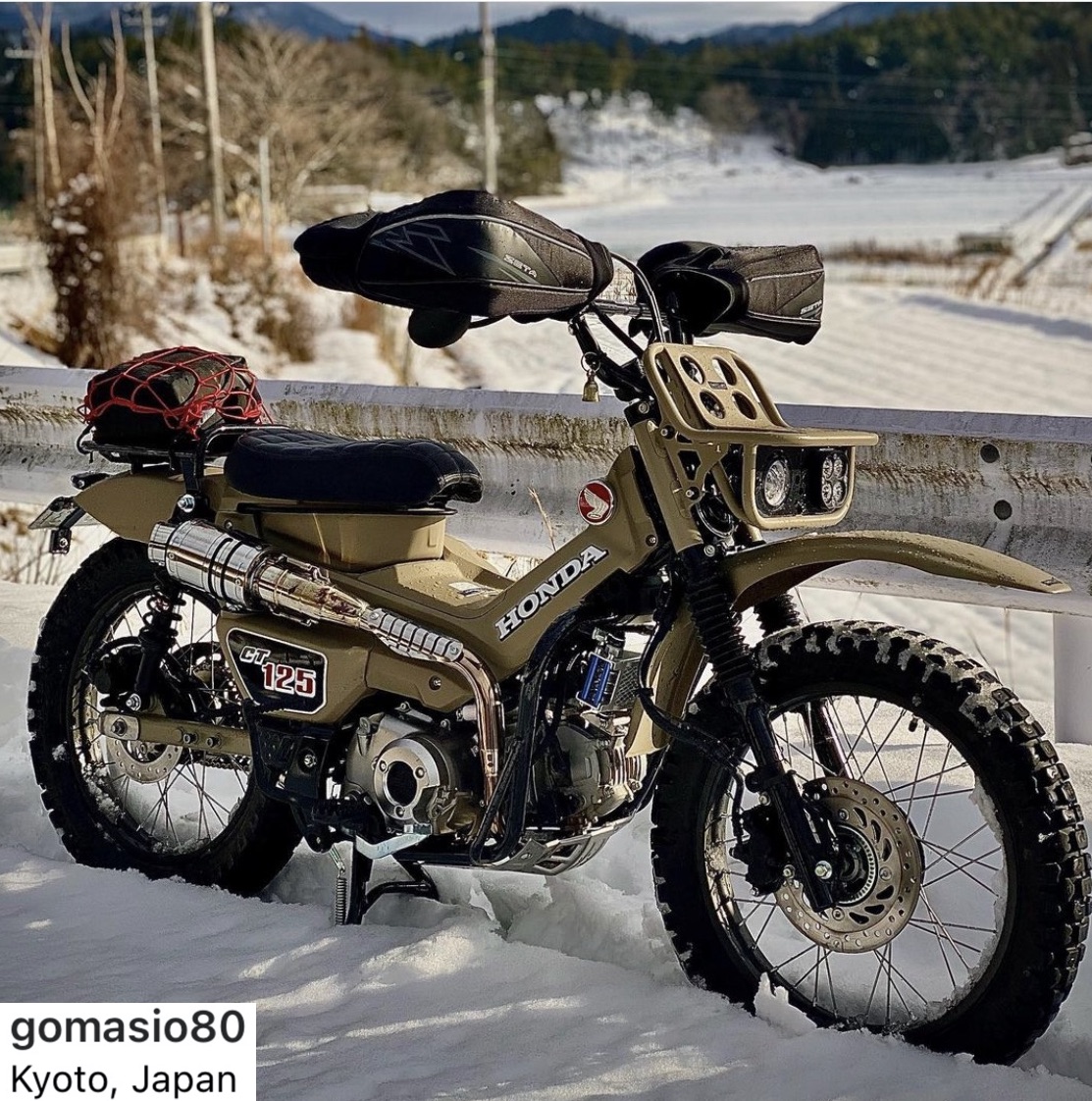
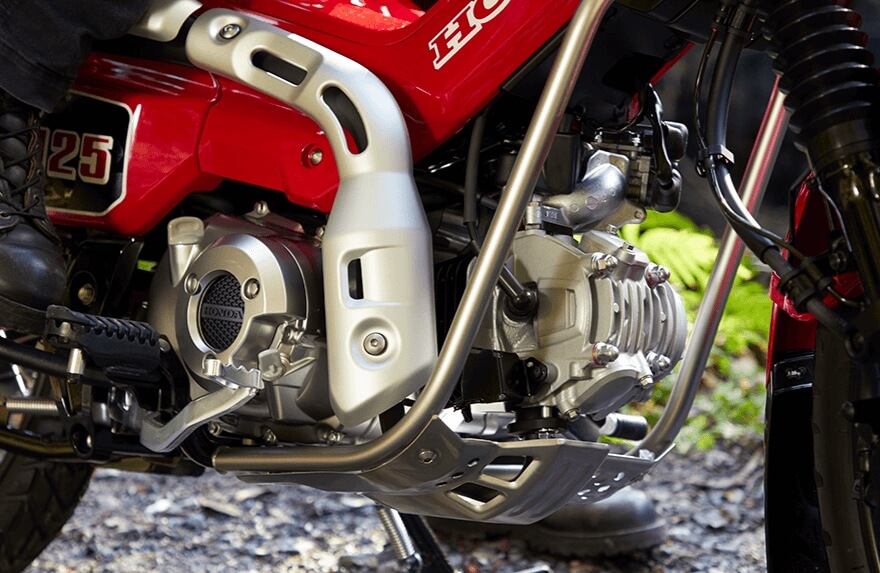
After showing up at the 2019 bike shows, Honda launched the CT125 in March until you-know-what happened. Now it’s out as a 2021 model with enough out there to have a good old speculate. It’s expected to sell in Europe as the CT125 Trail Cub or the Hunter Cub in North America. Price just $3899 in the US where, half a century ago the bike was well loved.
Left: CT150. Now you’re talking!
In AMH8 I write about Jap ~200-cc ag (farm) bikes as lightweight travel bikes. Most are based on prehistoric air-cooled mutts but Honda’s AG190 (above) leads the pack with EFI and a front disc brake! However, I’m not certain my enthusiasm has translated into widespread uptake, perhaps because you can only buy them in RSA (called an XR190 – less ag-featured) or Downunder.
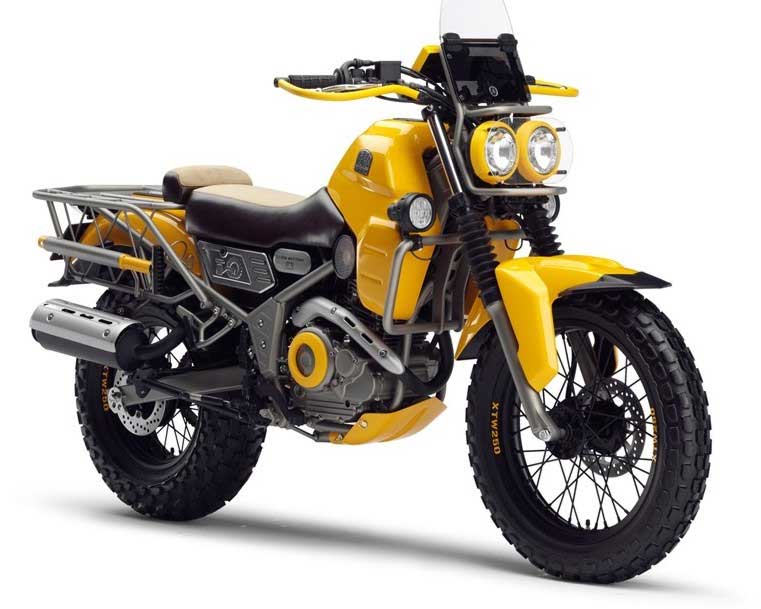
The CT is based on the retrotastic C125 Super Cub (left), the reborn Honda step-thru which is the world’s best selling two-wheeler. The machine your not-into-biking grandad once rode to the factory every morning now has ABS, cast TL wheels, EFI and a modern take on the old hack’s bodywork. No, I wouldn’t look twice at one either, but I would at Yamaha’s 2011 stillborn TW-based Ryoku (below).
A customised CT
Your CT (Trail Cub?) dates back to fondly recalled CT90 and CT110 scoots produced from the mid-1960s to the mid-80s in America, Australia and maybe elsewhere. The legend goes that Honda USA noticed farmers buying easy-to-manage step-thrus for ranch duties, went to the drawing board and gave them what they wanted. Like Cubs, the centrifugal clutch means no clutch lever: drive engages as revs climb, like an auto car. Good for hill starts. To change up just back off the throttle as you stamp on the heel-toe shifter. Old school quickshifting ;-D It’s kickstart only according to the Jap specs bottom of the page, though the red bike graphic below has what could be a starter motor on top of the engine.
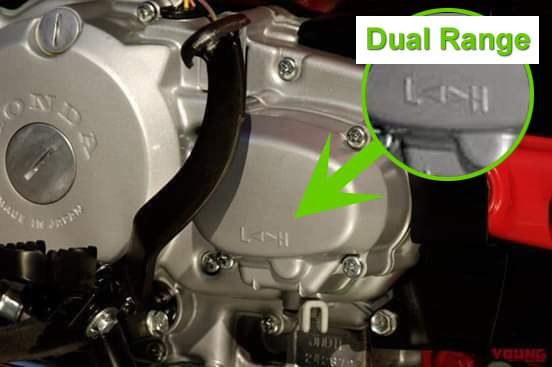
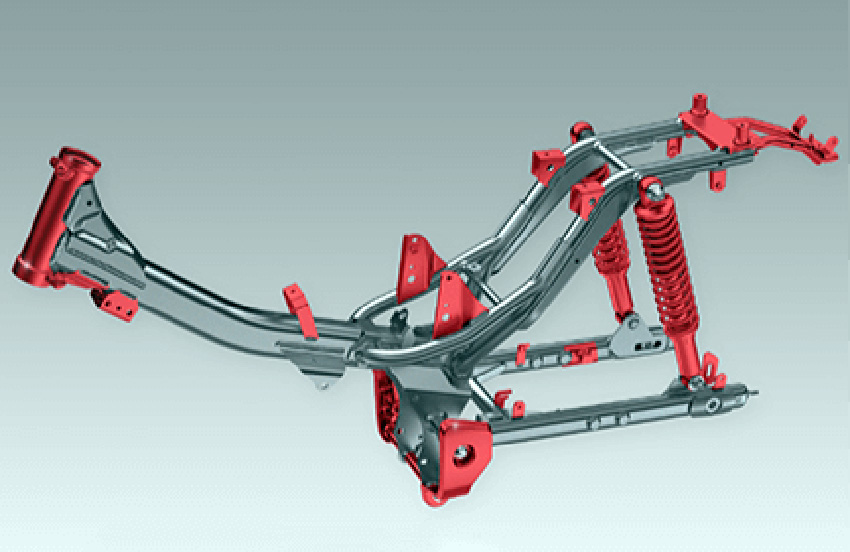
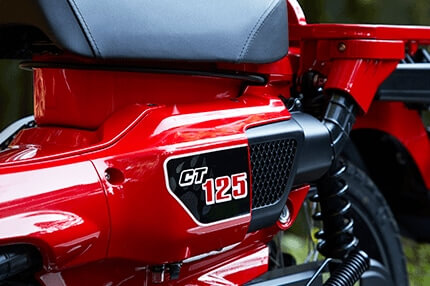
Some old CTs had dual rear sprockets (not unlike a derailing pushbike), others had no less than a dual-range gearbox like a proper 4×4. Honda took this seriously, although swapping frontsprockets (as I’ve done myself on various desert bikes with long approach rides) is easier than swapping rears as it eliminates faffing with chain lengths. Hard to believe but from the Jap spec sheet (bottom of the page) and the image left (could be a prototype) it does appear their CT125 gets L <–> H dual range too (it’s common for Jap spec models to be higher-spec / more exotic than export models). From my 4×4 experience I know that low-range is mostly about control: carefully picking your way through rough terrain or pulling out of power-sapping conditions without stressing the clutch. As we all know, first gear on most regular bikes is too high when off-road – hence the spare small front sprocket idea. I wouldn’t be surprised if the EU/NA CT125s end up having the regular four speed boxes. Enough chat: let’s speculate on the images below. Click for larger.
Later… After spending a few of hours putting all this together I’m not sure I’ve convinced myself a CT125 is for me. It’s just a spin-off from the Super Cub/Grom/Monkey Bike which I’d never see as contenders. The mpg is stunning but it’s a low-powered ONE TWO FIVE with poor standing ergos which just doesn’t suit my size. It would make an easy-to-ride scoot for my Morocco tours and be loads more fun than the 310GSs we use, but if I’m going in this direction for my own bike I’d sooner import an AG190 which will probably end up costing the same. or just calm down and get a CRF300L like everyone else.
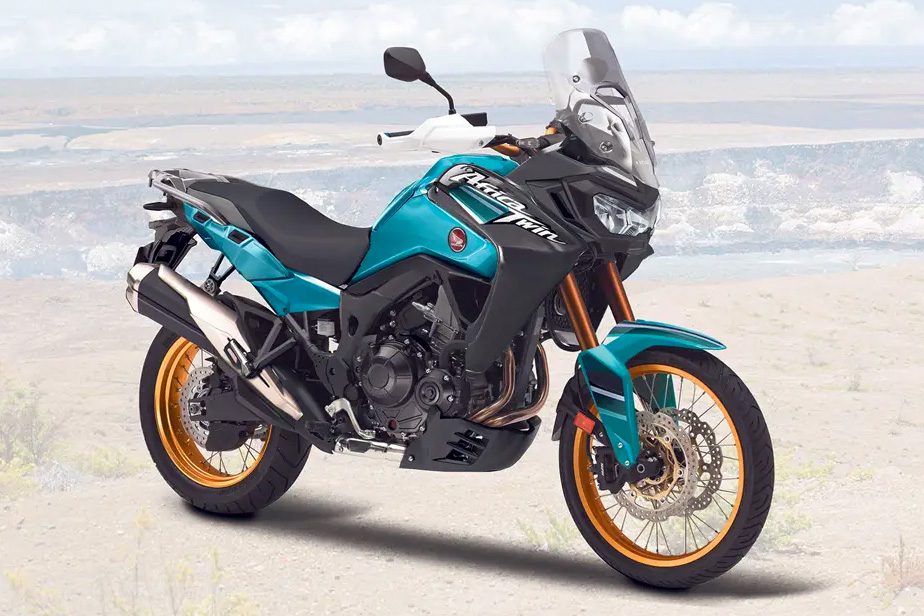
MCN‘s recent claim of Honda’s plans to make an Africa Twin based on the NC750 motor was a rare instance of my wish coming true. When the popular CRF1000L (below) became an 1100L last year – in part to compensate for power losses due to Euro 5 regs – the cry went up for a mini-AT, not least following the popularity of the XT700 and the KTM 790 ‘middleweight’ adventure-styled bikes.
Honda seems to have heard the call and recognises the gap in their current 14-model Adventure category. At the moment, unless you fancy the old VFR 800X Crossrunner which must be close to getting Euro’d, it’s a huge jump from a CB500X (above) to the newest 1100AT at twice the price. Slotting the NC750X into that Adventure category (which also includes the CRF450L) was always is a bit of a reach. An 800L is much more like it.
Right from the start I’ve been a fan of the NC concept: a low-revving, high-economy, low-CoG, big capacity chugger with all the real-world power you need. Last year I ran a 2018 750X, partly to properly try out the DCT gearbox but also with a view to adapting it to an all-road travel bike, as I did with the XSR7 (below) with reasonable success.
The NC750X (below) was a great road bike which loved to corner, occasionally flashed up 100mpg and still seemingly plain suspension was a big improvement on earlier models. But for many obvious reasons it would have been too hard/costly to adapt. As I’ve found with the XSR, it takes more than a set of bar risers, suspension lift and wheel change to turn a road bike into a travel bike. An NC750 may have a low CoG compared to my current AT, but it’s still heavy (my NC-DCT weighed 232kg; my AT is 240kg before add-ons).
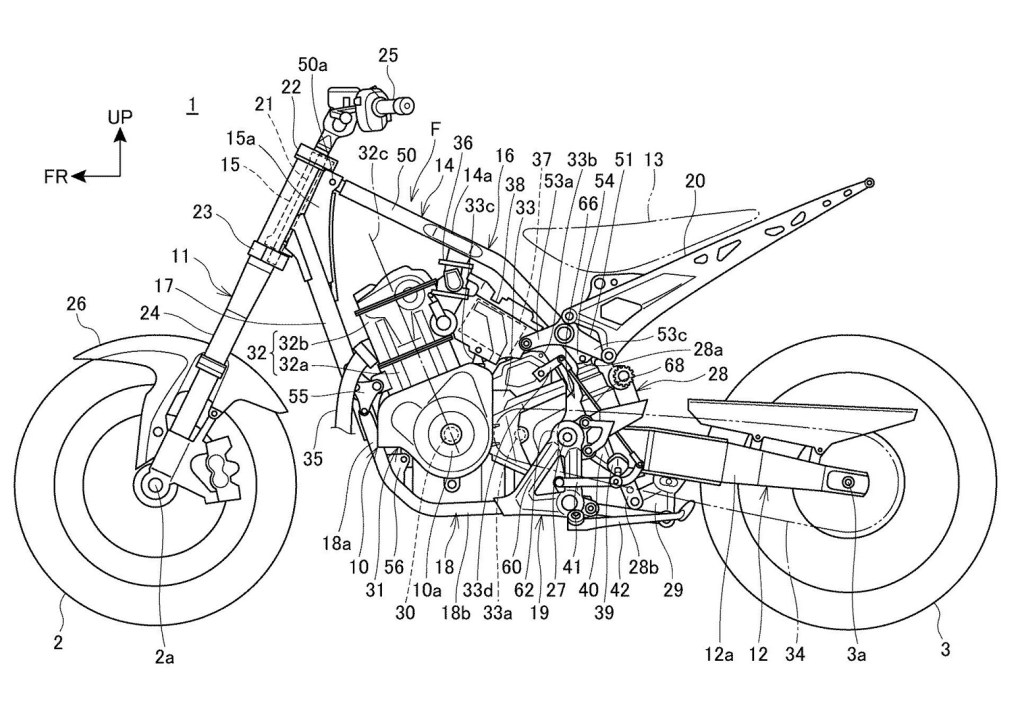
There is talk that the whole NC range may be getting an 800-cc makeover, probably for the same Euro-5 reasons. You do wonder it this may mean a more conventionally upright engine as in the mock up, losing the frunk ‘tankbox’ and putting the tank in the normal position, as BMW have done on the 750/850 GSs. Analysing patent designs (as below) may suggest something in that vein. The Honda designer in the MCN article talks of a budget spec bike, like the CB500X, to appeal to learners with A2 licences. That will keep the price down and, with a good motor, as with the 500X, will be easy for owners or outfits like Rally Raid to offer suspension and wheel upgrades for those who want them. We watch and wait.
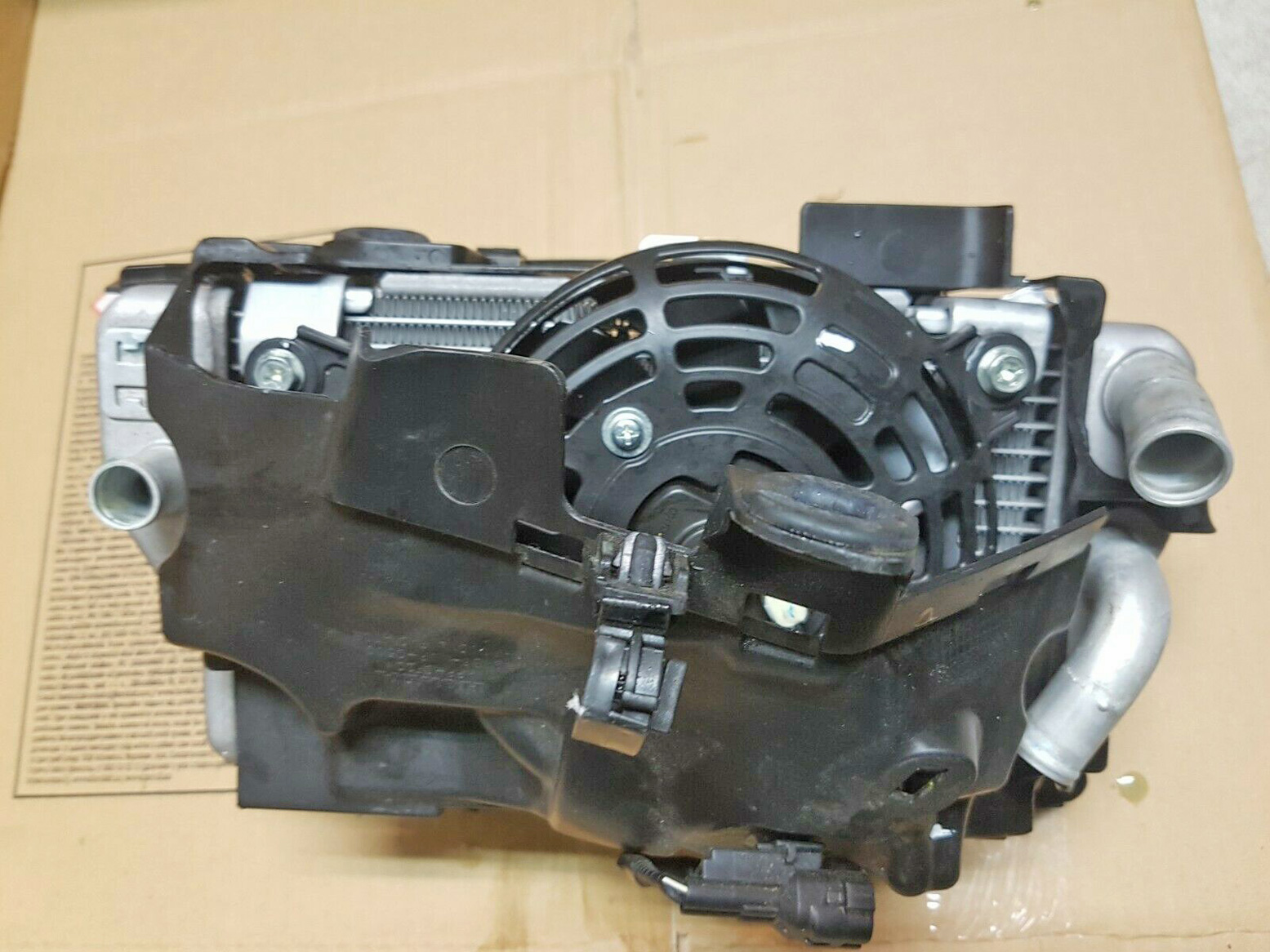
With AMH8 (right) sent in, I have a week and a bit to get the Africa Twin in shape for some Morocco trails and Mauritania road tripping. It doesn’t sound a lot of time but I’ve done this loads of times so know exactly what needs doing. Or so I thought. As I write early on in AMH: Beware and even anticipate a last-minute cock-up (‘LMCU’). While undertaking some wiring, my LBS noticed the left radiator was bent and fan jammed. I thought I’d smelt the whiff of coolant on the last couple of rides. It was clear from the damaged fairing the ex-Honda Off-Road Centre bike had fallen on the left at least once before they removed the crash bar, stitched up the fairing and sold it on. Looks like those crashes may have been heavier than they looked and my bargain AT wouldn’t be such a bargain after all. Oh well.
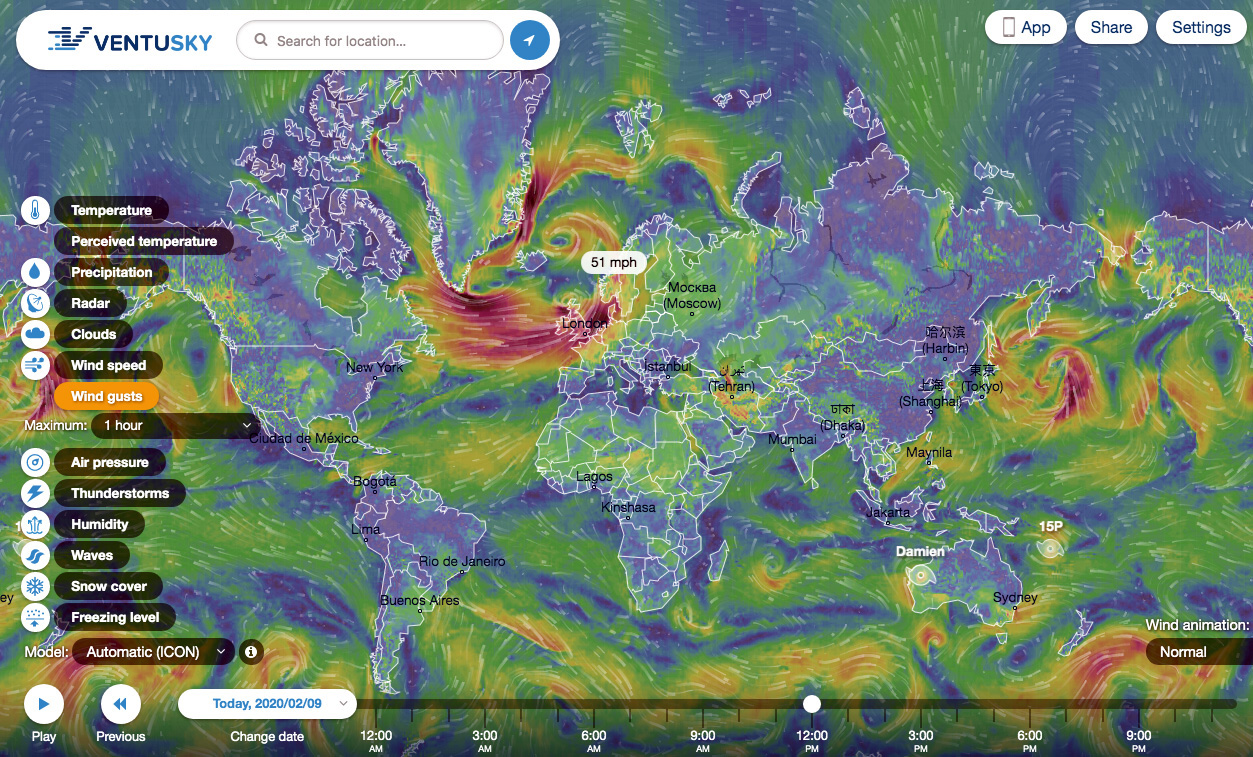
Honda parts prices? Don’t ask. Ebay to the rescue. Because there are so many ATs around I snagged a used radiator-fan assembly (left) and dropped it off at the shop. With that fixed, it now transpired the used OEM crash bar I’d bought a while back (probably also from the HO-RC) had missing brackets and my ferry was leaving next day. Luckily, the pressure was off as Storm Ciara (below) put paid to that ferry crossing and with the next one too late to get to Marrakech in time, I was left to van the bike to Malaga (£420) and pick it up after my tours. I hope that’s all the LMCUs out of the way. I really don’t want to leave our descent into Mauritania any later than it already is.
Attachments
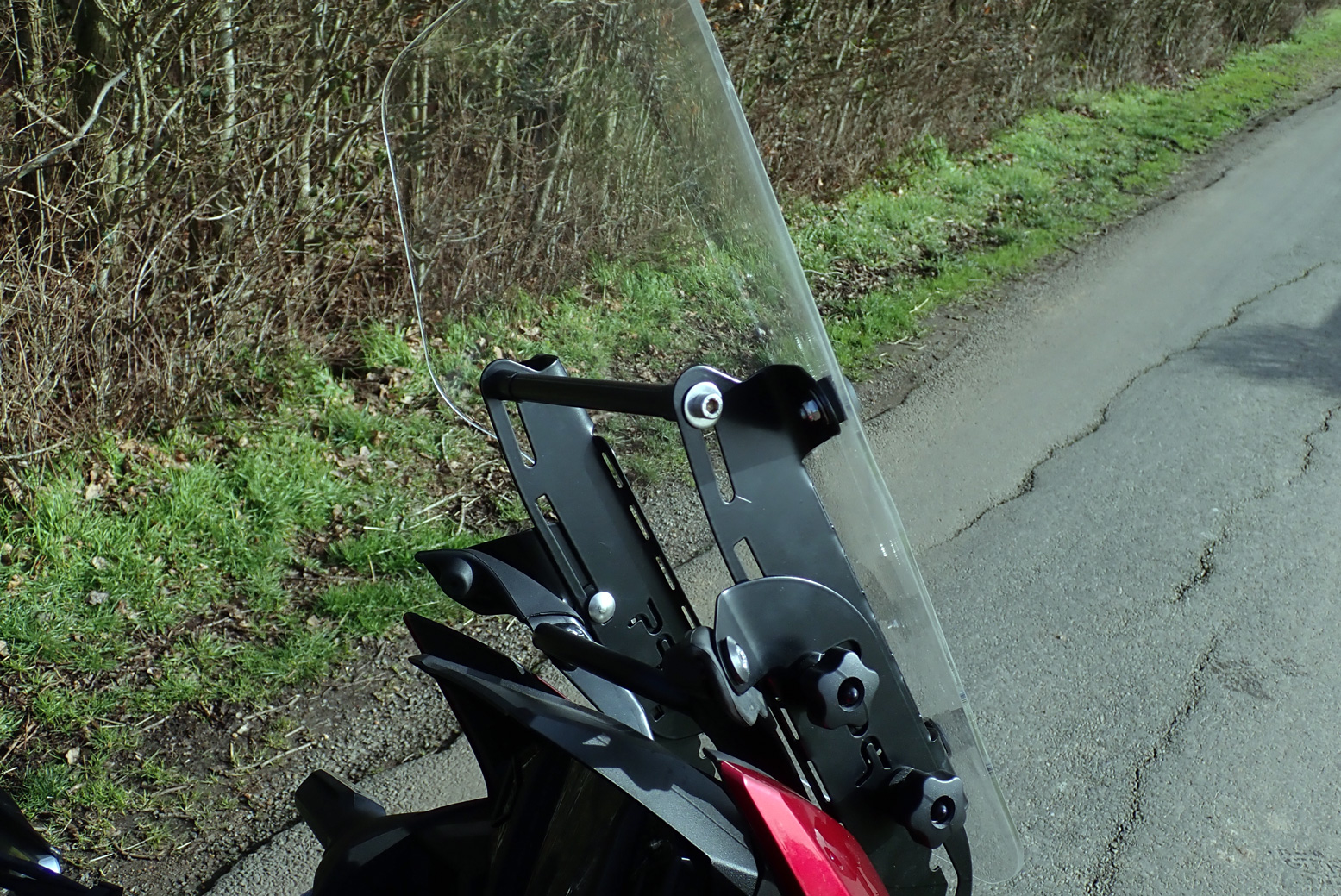
The fixed stock screen is famously ineffective. I settled on a Palmer screen, as on the CB500X a few years ago. It consists of a taller screen mounted on a pressed steel frame with three heights and three angles (left). That should surely deliver a cruising sweet spot. All up, it adds a kilo over stock; let’s hope the mounts can handle that extra mass on rough tracks. Riding the bike, I found with the setting as left, I could ride up to 70 with no goggles wearing a Bell Moto 3 which is as good as it gets. While fitting the Palmer frame (start with all mounts loose and work from there) one of the lower rubber grommet mounts fell into the abyss. Universe 1; Me 0. It seems commonly done but Rugged Roads sell similar ‘top-hat’ grommets that will work and ebay is even cheaper. One thing to know: these lower screen mounts slide up into place so don’t need completely unscrewing at all. Once you’ve undone the less lose-able top mounts, just slide the lower mounts down and out.
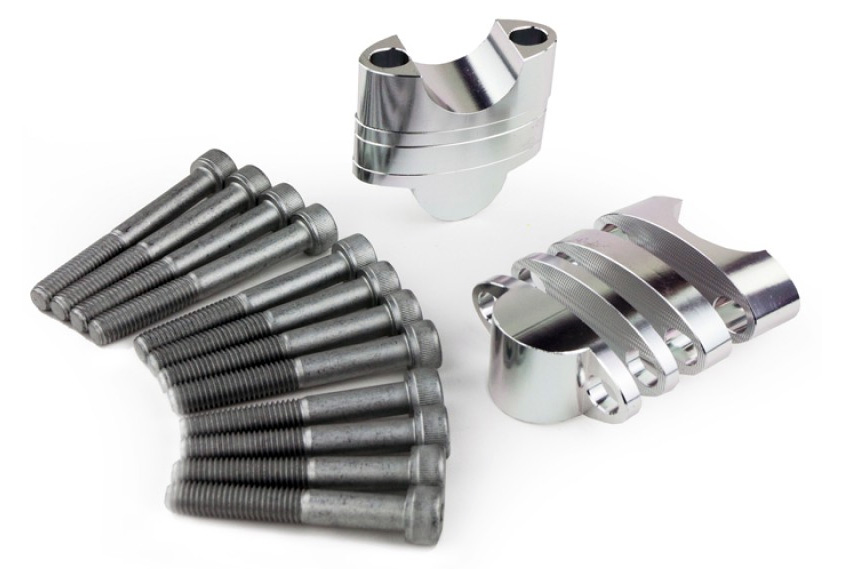
The stock plastic ‘handguards’ are rubbish and not surprisingly, the clutch lever was bent. I was hoping my 2008 Barkbusters might get their nth outing on an AMH Project Bike, but it was not to be. The threaded ends of the Honda bars need a specific insert. Reluctantly I coughed up 90 quid for some Barks to fit an AT with, for once, no bodging required. I’ve had a good run with those old Barks and at least the scuffed black plastic covers fitted right on – the Bark bar design has not changed in all that time! I was also hoping to re-use my Rox Risers to lessen the stoop while standing, but the Rox’s bike-mount ends are for thin bars only. You can pay crazy prices for CNC milled risers (or much less from Asia) but Adv Spec’s Risers (left) are a more normal 40 quid and come with a selection of nicely knurled shim stacks adding up to a 40-mm lift with three lengths of hex-head bolts to suit. I found about 30mm was the limit on the AT’s cables.
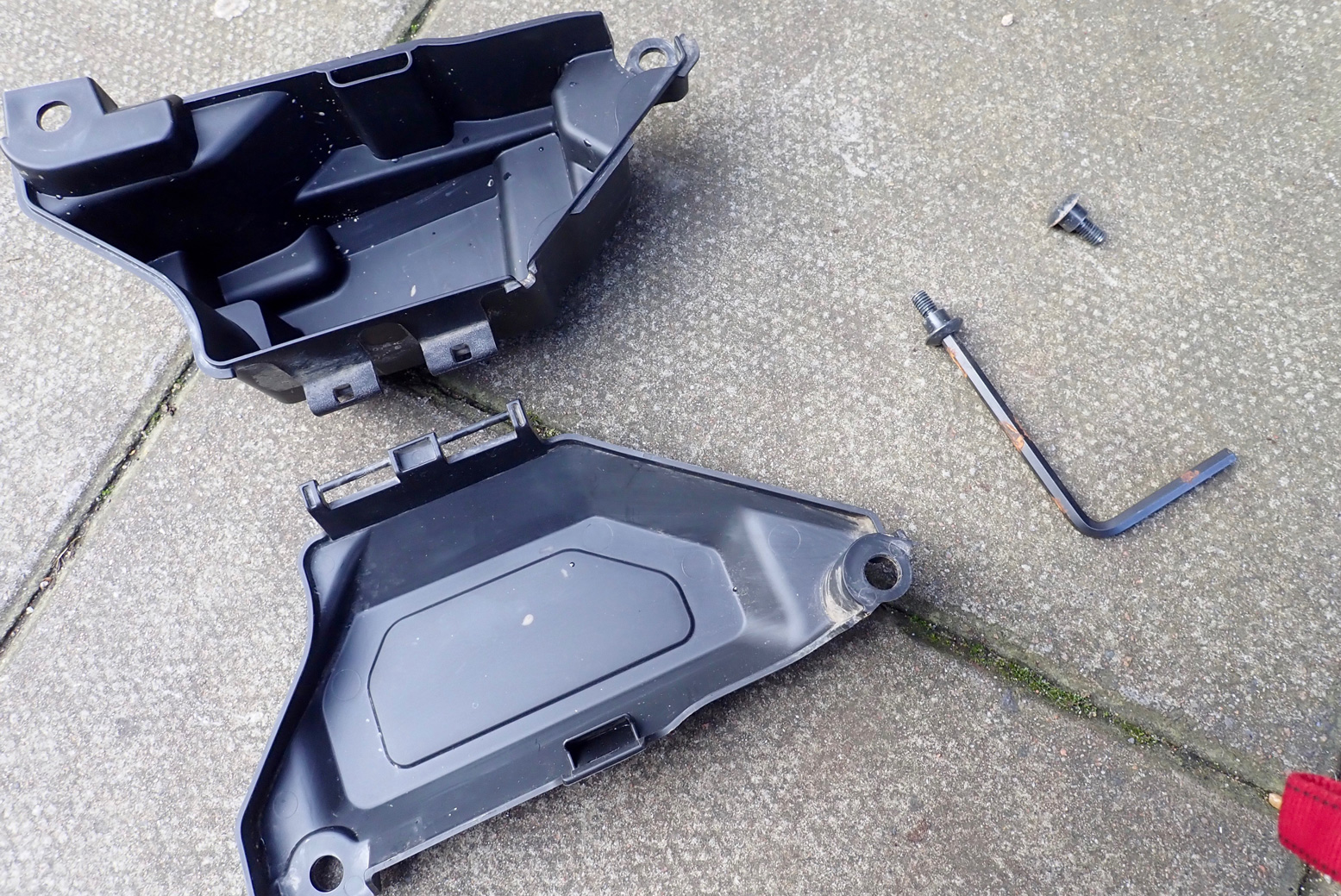
WTF’s the battery? It’s not under the seat. What would we do without the internet – RTFM I suppose. Turns out it’s jammed in above the gearbox (above right) but behind a ‘toolbox’ that can only be opened/removed with the 5mm key clipped under the seat (where my actual tools were located). With the empty toolbox off, I wired in a plug (above left) to run the tyre pump, but the added wiring and fusebox fouled the snug-fitting toolbox. Luckily, you can pull the box apart at the hinge (left) and just mount the front to cover the battery.
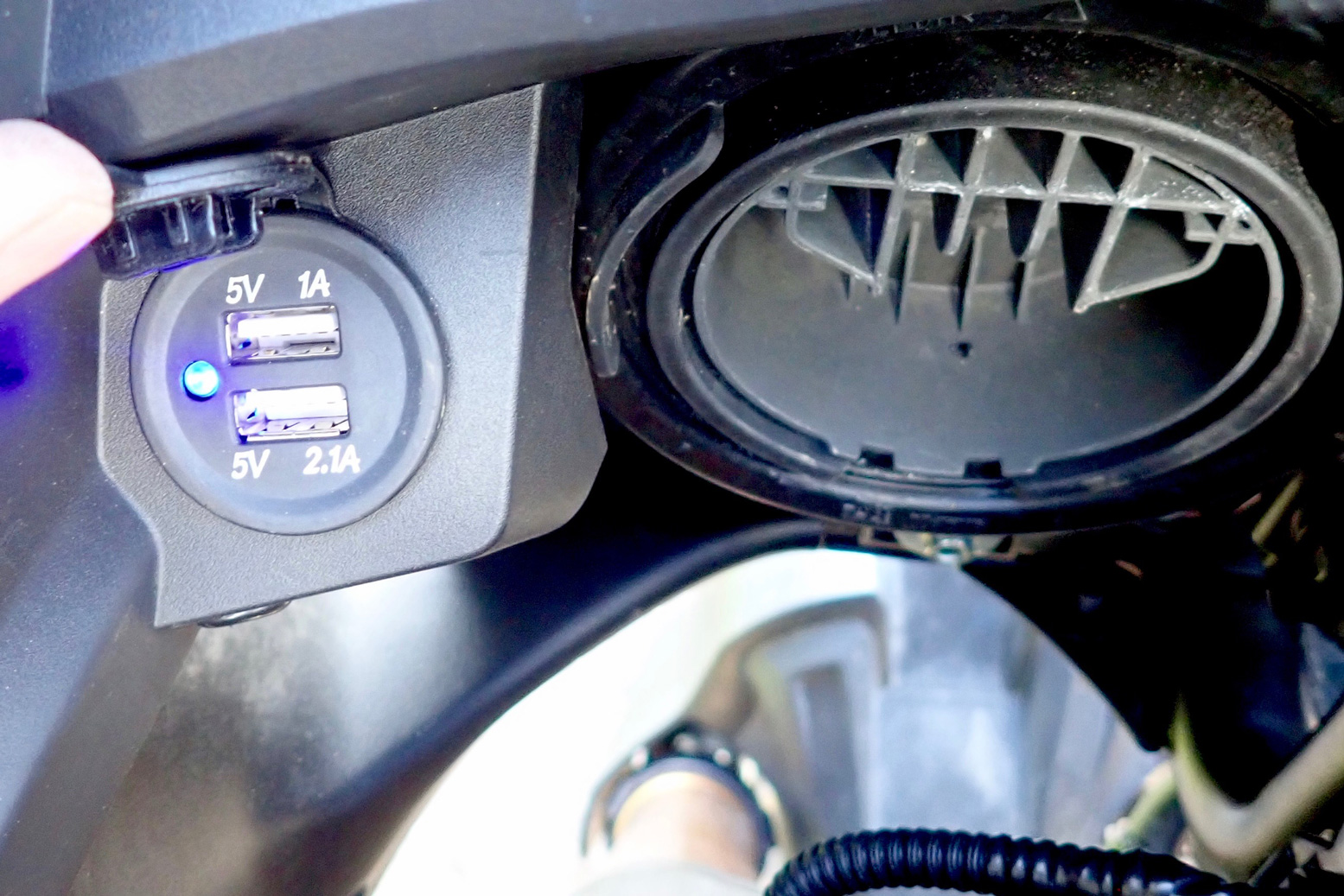
The wiring of the GPS and a USB port I left to my LBS. Here’s a good link on the fiddly job or removing the cowling, including snappy how-to vids. I don’t want to be doing what’s demonstrated below by the kerbside with tiny fittings disappearing into gutters full of rotting mid-winter leaf mush. Though obviously very handy, there are some rambly, ill-thought-out how-do vids on ebay; some old dope droning on for 20 minutes for a <1-minute video on how to access the battery while reminiscing about his dad’s old tractor. The non-lingual vid below shows how it should be done.
Tyres
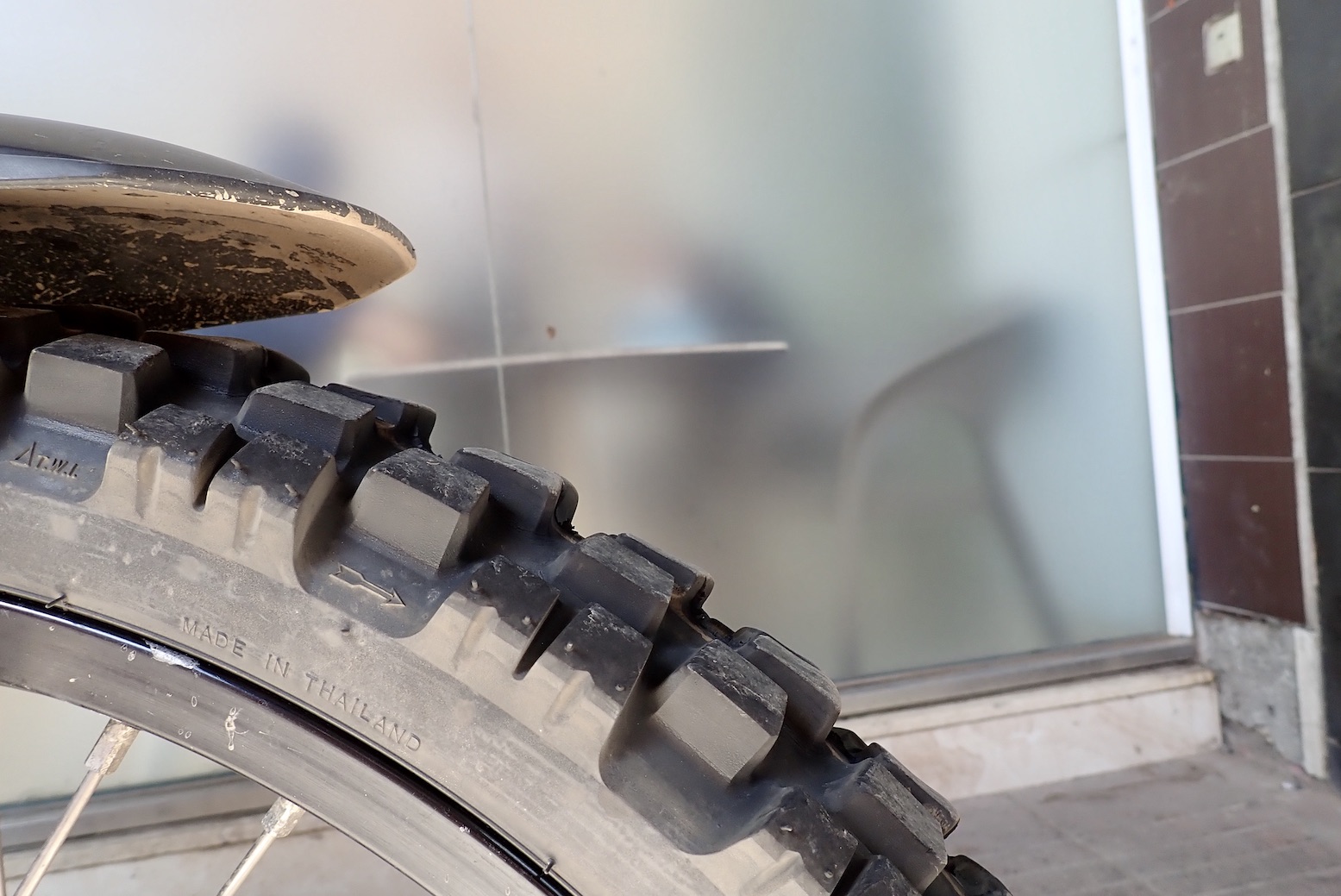
Michelin sent me some Anakee Adventures but the front looked a bit too roady compared to last year’s Anakee Wilds on the Himalayan. The AT may only be 60 kilos heavier, but has over three times the power which may chew through tyres fast. On this trip of several thousand kilometres I’ve decided to try the ‘gnarly front – roady rear’ tyre strategy I write about. The rationale is: prioritise secure loose-terrain steering on the slower-wearing front while, on a powerful, heavy bike you need longevity from faster-wearing rears where sliding in the dirt is less problematic as you won’t be cornering this tank like a 125 MX. Anything too knobbly on the rear risks an unnerving ride, fast wear and ripped off knobs on the road.
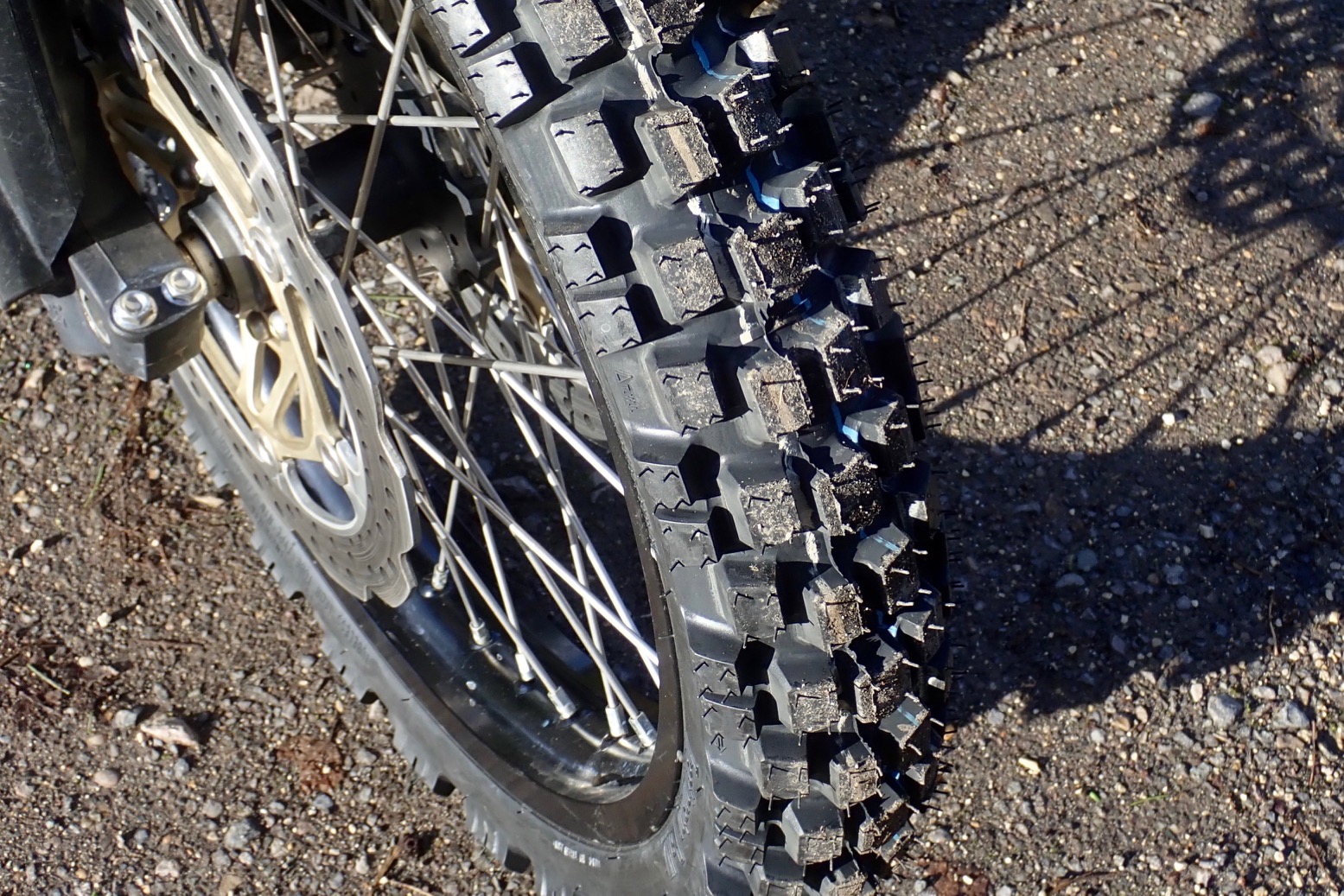
I fitted a Motoz Tractionator Adventure (left) to replace the front Karoo which isn’t the sort of tyre I’d choose for teaching off-roading in muddy Wales on a quarter-ton AT. On dry tracks it’s less critical but the Karoo only had 5mm left (same as the rear Karoo). The bike is front-heavy but with a centre stand and a trolley jack, once fully deflated, the Karoo just squeezed out between the twin calipers. But getting the wider, stiff and new Motoz in – no chance. I tried to undo one of the calipers but they’re torqued off the scale and the loose forks make it hard to get tension (better done with the wheel on). Instead, I loosened one fork stanchion and shoved the wheel in.
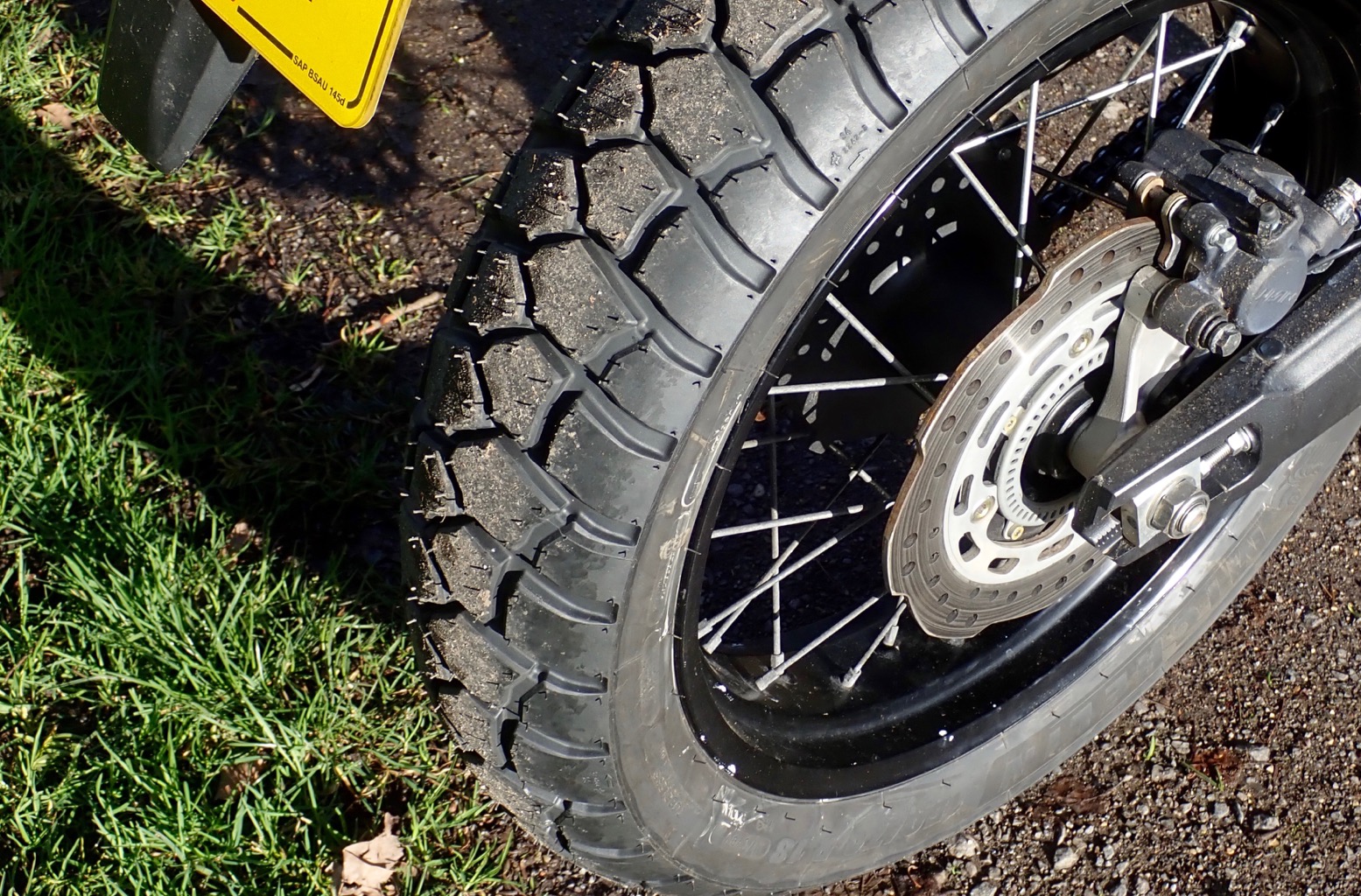
I was just about to remove the rear when I remembered I had a nearly finished DIY tubeless wheel upstairs. All it needed was taping up and a Michelin Anakee Adventure (left) slipped on with some proper tyre soap. Inflating a newly mounted tubeless can be tricky as the tyre needs to catch a seal to accumulate pressure and get pushed over the lips into place. I know from 4x4s and my old XT660Z this can be hard to do, but the uninflated Anakee ‘auto-sealed’ well enough and, with the valve core removed to speed up the airflow, eased over the rim’s lips with a pair of loud pops. A cold day a week-and-a-half later and it’s down 8-10 psi so will need watching, though I recall early pressure loss is not unusual, even on proprietary tubeless spoke sealings.
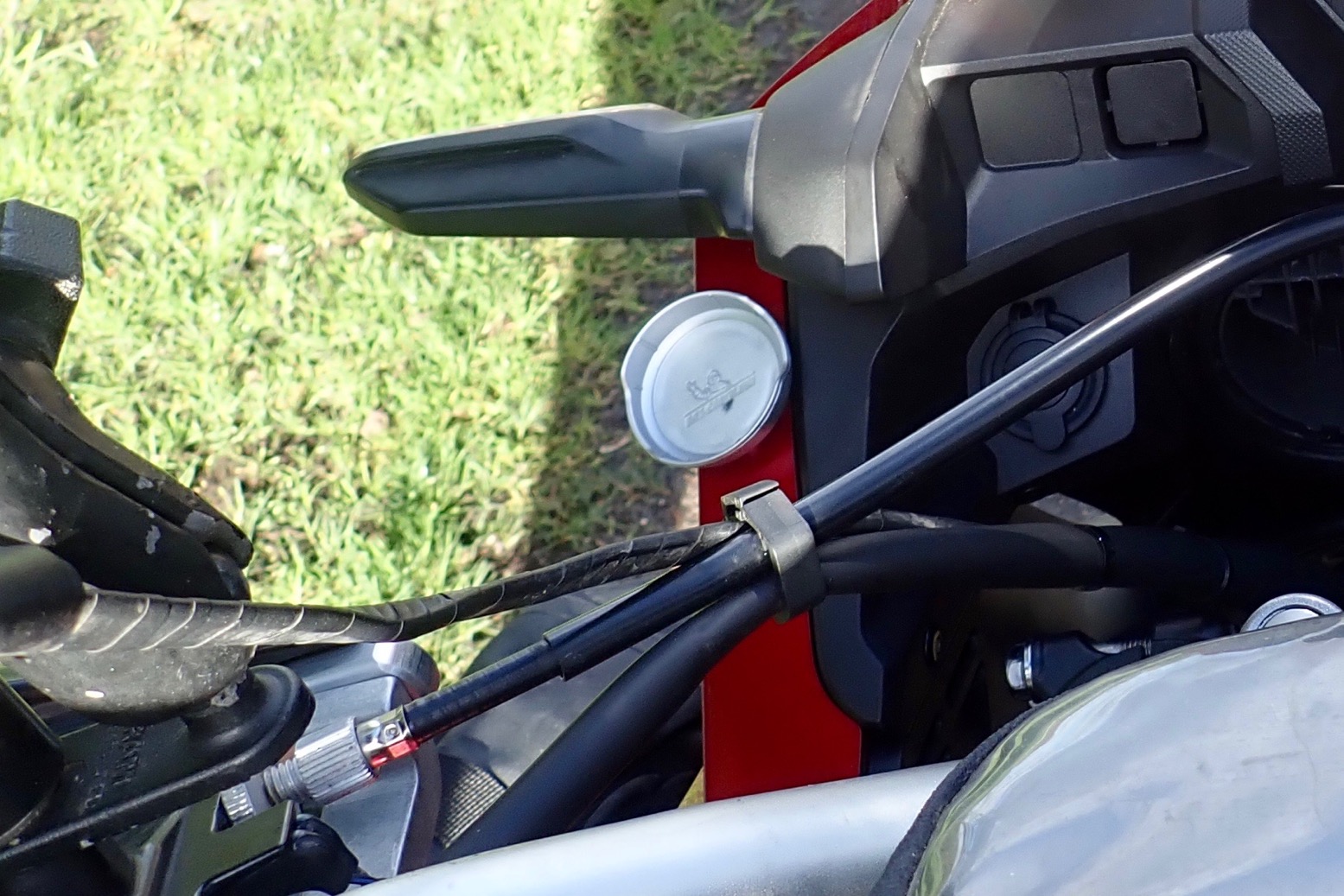
Hopefully, it may settle down but I now have a v2 Michelin TPMS to keep an eye on things and may have to get some Slime in. I’ve stuck one activating magnetic dish to the fairing at a readable angle (right) and will keep another spare in the tank bag when off-road in case the display shakes off (a common complaint according to amazon reviews).
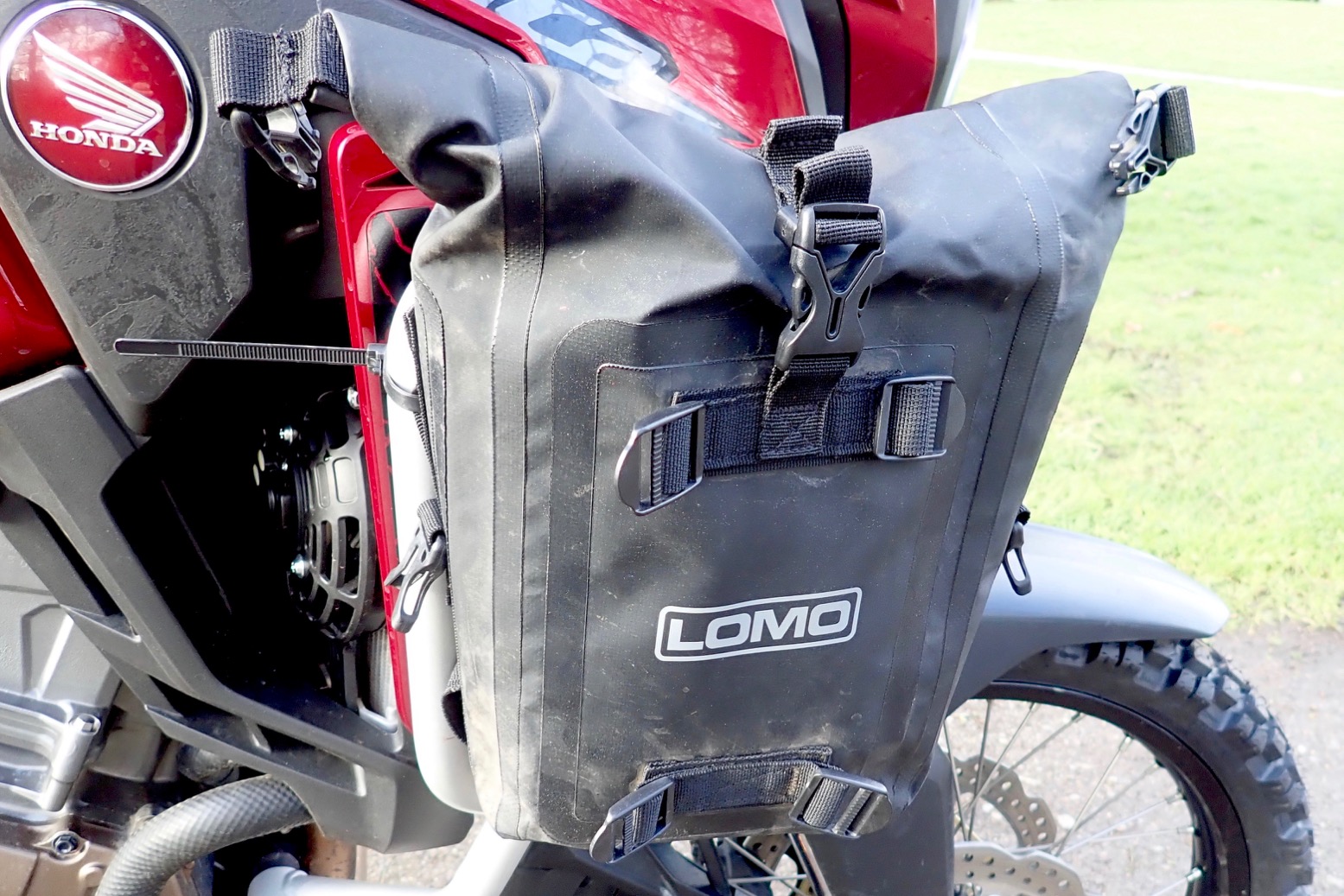
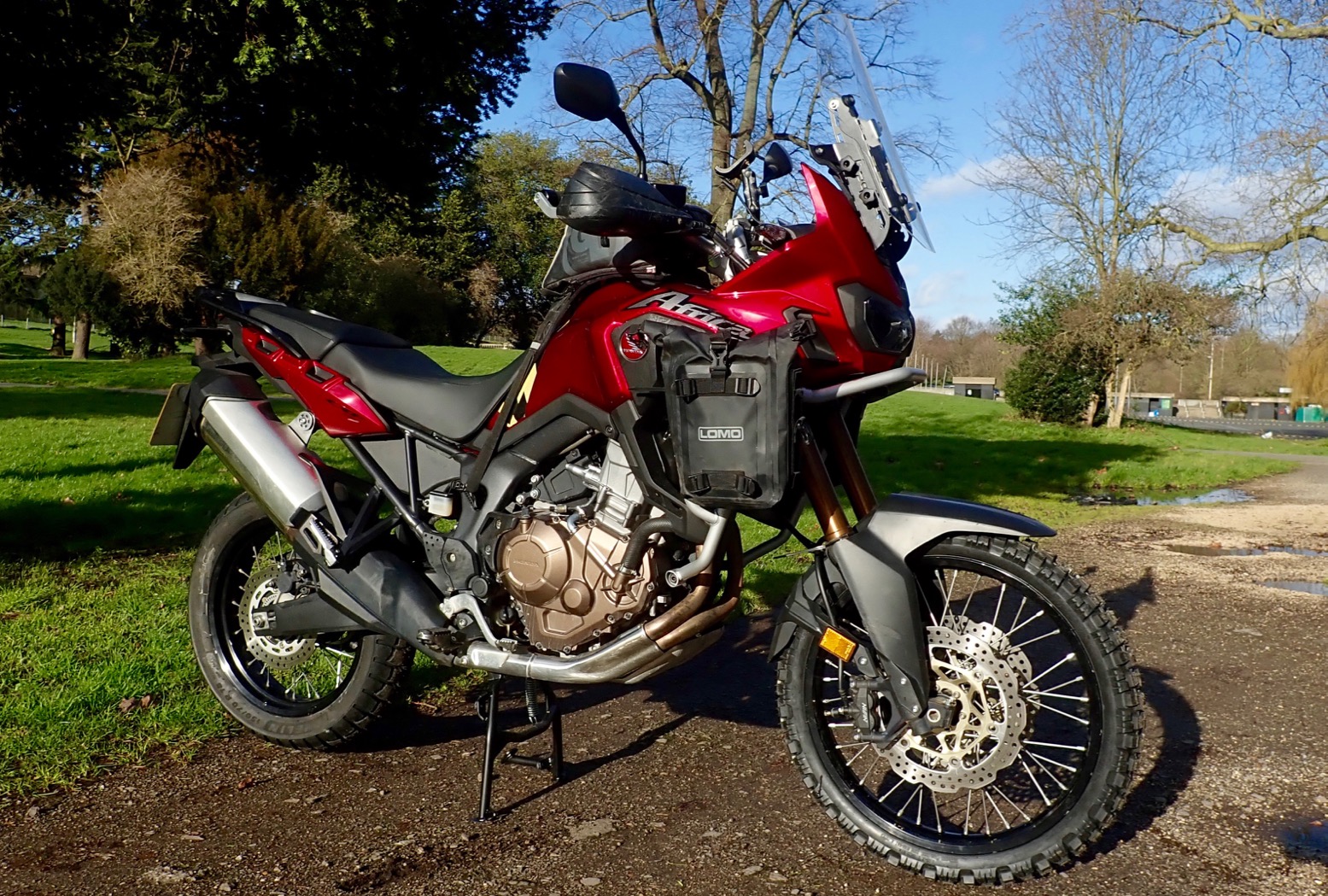
From the state of my fairing and radiator, the OEM crash bars which came on the HO-RC bikes (and are now selling used online), don’t really do the job. But what would you expect from 250 kilos of bike hitting the ground? I specifically want them to mount my ex-Himalayan Lomos which I hope will act as sacrificial impact-absorbing airbags. Better the bags’ soft contents get mashed than what seem to be vulnerable radiators.
The stock bash plate is at least made of metal, but it doesn’t come up around the sides of the engine which look vulnerable. On the rocky trails of the Adrar plateau I’ll have to tread carefully and have some epoxy putty at hand.
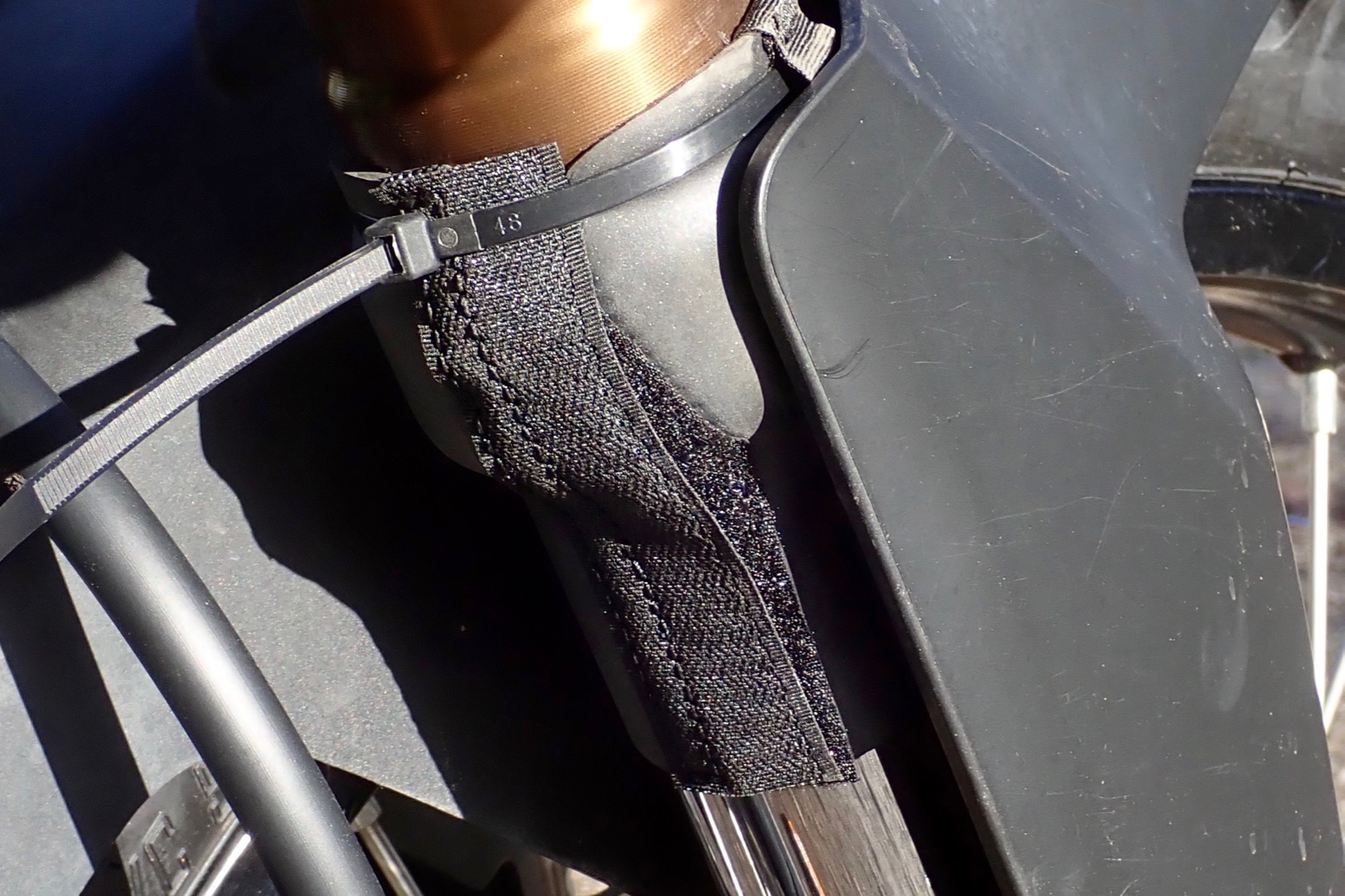
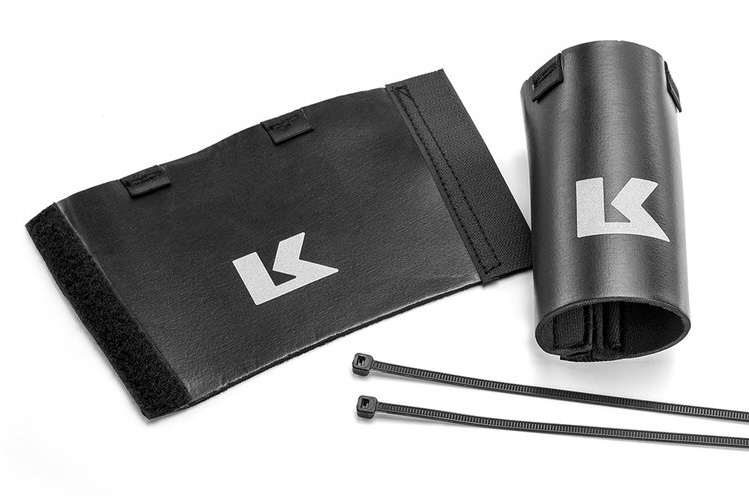
CRF1000 USD forks are leak-prone – one of mine was leaking before I even bought the bike at 1800 miles (fixed on warranty). Repairing a seal in the field sounds too tricky to do well so I’m hoping some Kriega fork seal covers (right) will keep the seals from getting worn. They’re easy to fit and remove if needed. The full-sock tubes like I had on my XCountry are better and cost the same, but require removing the forks from the bike to slip over the top.
And that’s about it. It would have been fun to ride the Honda across Spain, but this is the first time doing that crossing over many winters that the weather has caught me out. It would have been even more useful to get the feel for the AT doing my regular tour circuits in Morocco. That too is not to be so I’ll be renting a ragged Sertao for the duration and will just have to learn to manage the AT on the fly down in Mauritania. More news and impressions on the road in March.





 • Looks good























 Adventure Motorcycling Handbook