Category Archives: AMH News

Africa Twin – Ready for Africa

AFRICA TWIN INDEX PAGE
amh8prt
atpk-lane

With AMH8 (right) sent in, I have a week and a bit to get the Africa Twin in shape for some Morocco trails and Mauritania road tripping. It doesn’t sound a lot of time but I’ve done this loads of times so know exactly what needs doing.
Or so I thought.
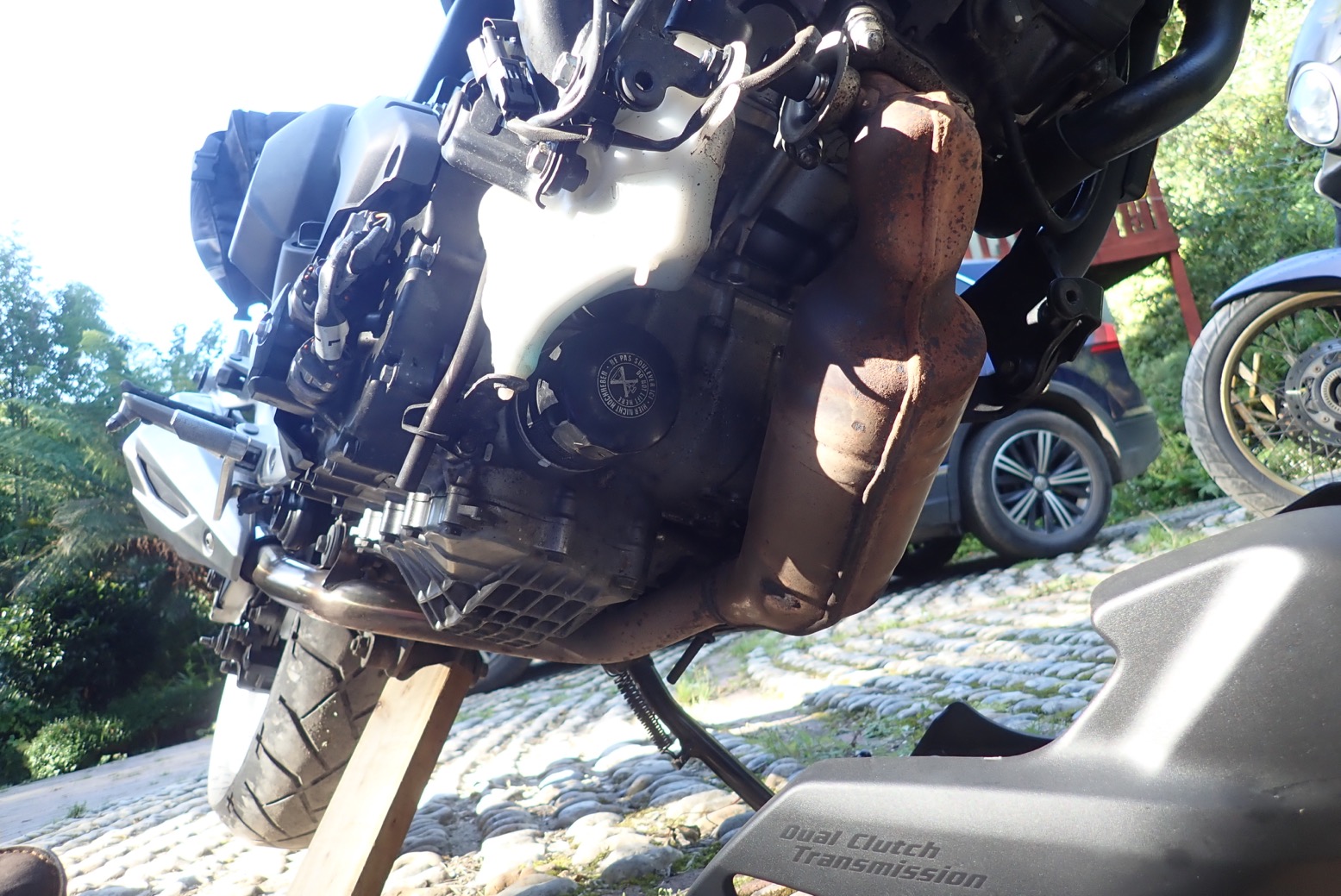
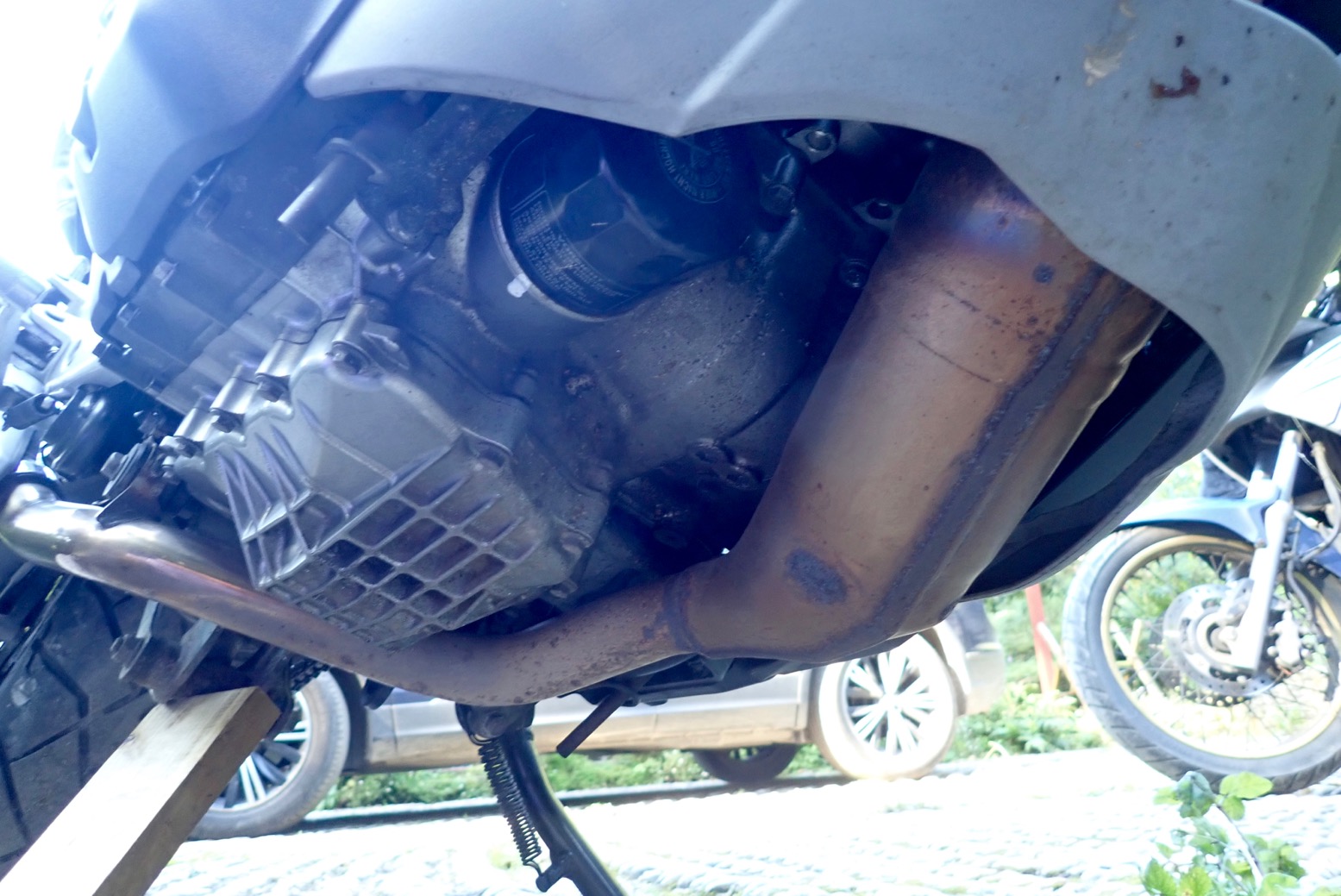
As I write early on in AMH: Beware and even anticipate a last-minute cock-up (‘LMCU’). While undertaking some wiring, my LBS noticed the left radiator was bent and fan jammed. I thought I’d smelt the whiff of coolant on the last couple of rides. It was clear from the damaged fairing the ex-Honda Off-Road Centre bike had fallen on the left at least once before they removed the crash bar, stitched up the fairing and sold it on. Looks like those crashes may have been heavier than they looked and my bargain AT wouldn’t be such a bargain after all. Oh well.

at-rad

Honda parts prices? Don’t ask. Ebay to the rescue. Because there are so many ATs around I snagged a used radiator-fan assembly (left) and dropped it off at the shop. With that fixed, it now transpired the used OEM crash bar I’d bought a while back (probably also from the HO-RC) had missing brackets and my ferry was leaving next day. Luckily, the pressure was off as Storm Ciara (below) put paid to that ferry crossing and with the next one too late to get to Marrakech in time, I was left to van the bike to Malaga (£420) and pick it up after my tours. I hope that’s all the LMCUs out of the way. I really don’t want to leave our descent into Mauritania any later than it already is.

at-storm

Attachments

atpk-palm
atpk-palma

The fixed stock screen is famously ineffective. I settled on a Palmer screen, as on the CB500X a few years ago. It consists of a taller screen mounted on a pressed steel frame with three heights and three angles (left). That should surely deliver a cruising sweet spot. All up, it adds a kilo over stock; let’s hope the mounts can handle that extra mass on rough tracks.
Riding the bike, I found with the setting as left, I could ride up to 70 with no goggles wearing a Bell Moto 3 which is as good as it gets.
While fitting the Palmer frame (start with all mounts loose and work from there) one of the lower rubber grommet mounts fell into the abyss. Universe 1; Me 0. It seems commonly done but Rugged Roads sell similar ‘top-hat’ grommets that will work and ebay is even cheaper. One thing to know: these lower screen mounts slide up into place so don’t need completely unscrewing at all. Once you’ve undone the less lose-able top mounts, just slide the lower mounts down and out.

atpk - 1
at-ASrisers

The stock plastic ‘handguards’ are rubbish and not surprisingly, the clutch lever was bent. I was hoping my 2008 Barkbusters might get their nth outing on an AMH Project Bike, but it was not to be. The threaded ends of the Honda bars need a specific insert. Reluctantly I coughed up 90 quid for some Barks to fit an AT with, for once, no bodging required. I’ve had a good run with those old Barks and at least the scuffed black plastic covers fitted right on – the Bark bar design has not changed in all that time!
I was also hoping to re-use my Rox Risers to lessen the stoop while standing, but the Rox’s bike-mount ends are for thin bars only. You can pay crazy prices for CNC milled risers (or much less from Asia) but Adv Spec’s Risers (left) are a more normal 40 quid and come with a selection of nicely knurled shim stacks adding up to a 40-mm lift with three lengths of hex-head bolts to suit. I found about 30mm was the limit on the AT’s cables.

at-toolbo

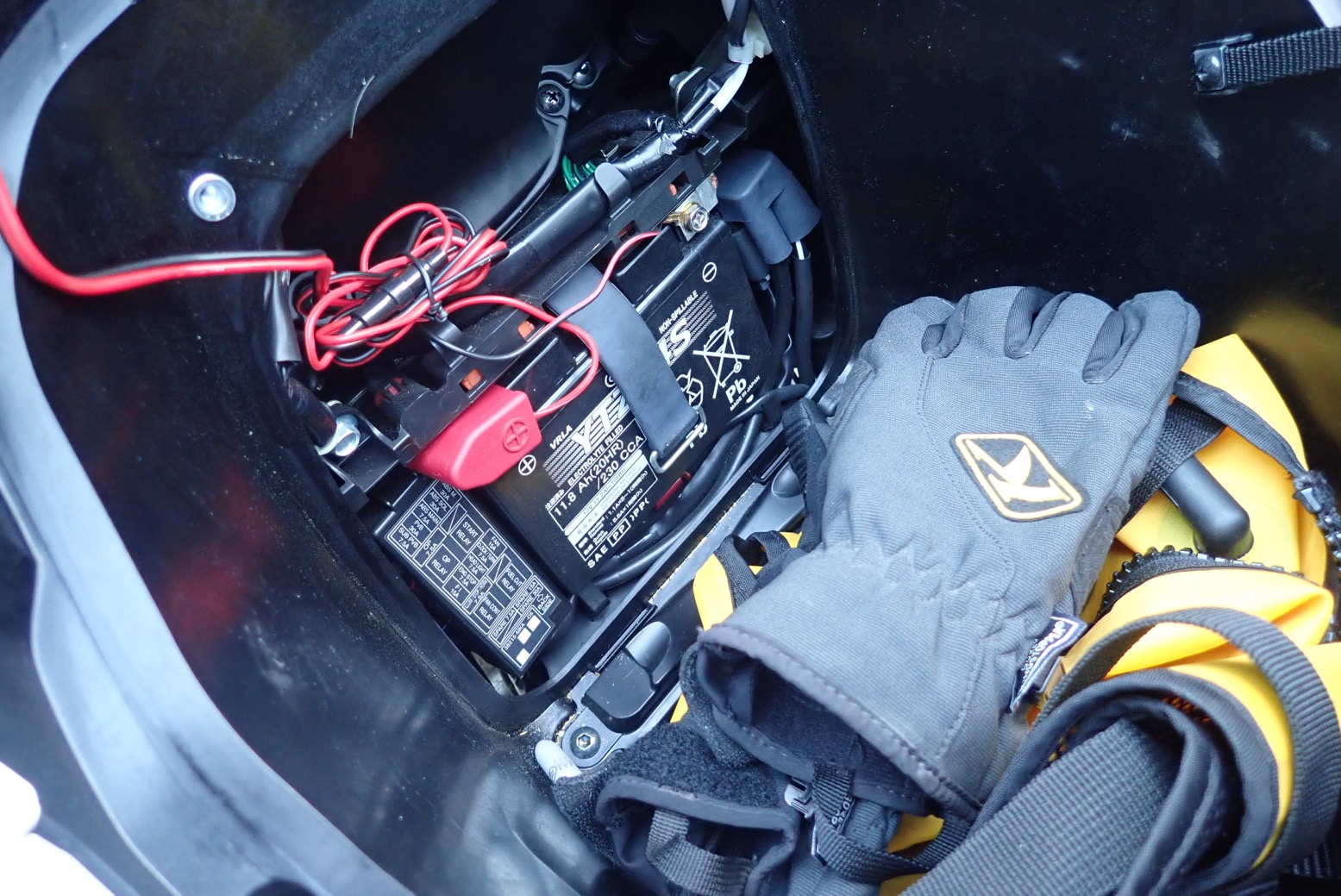
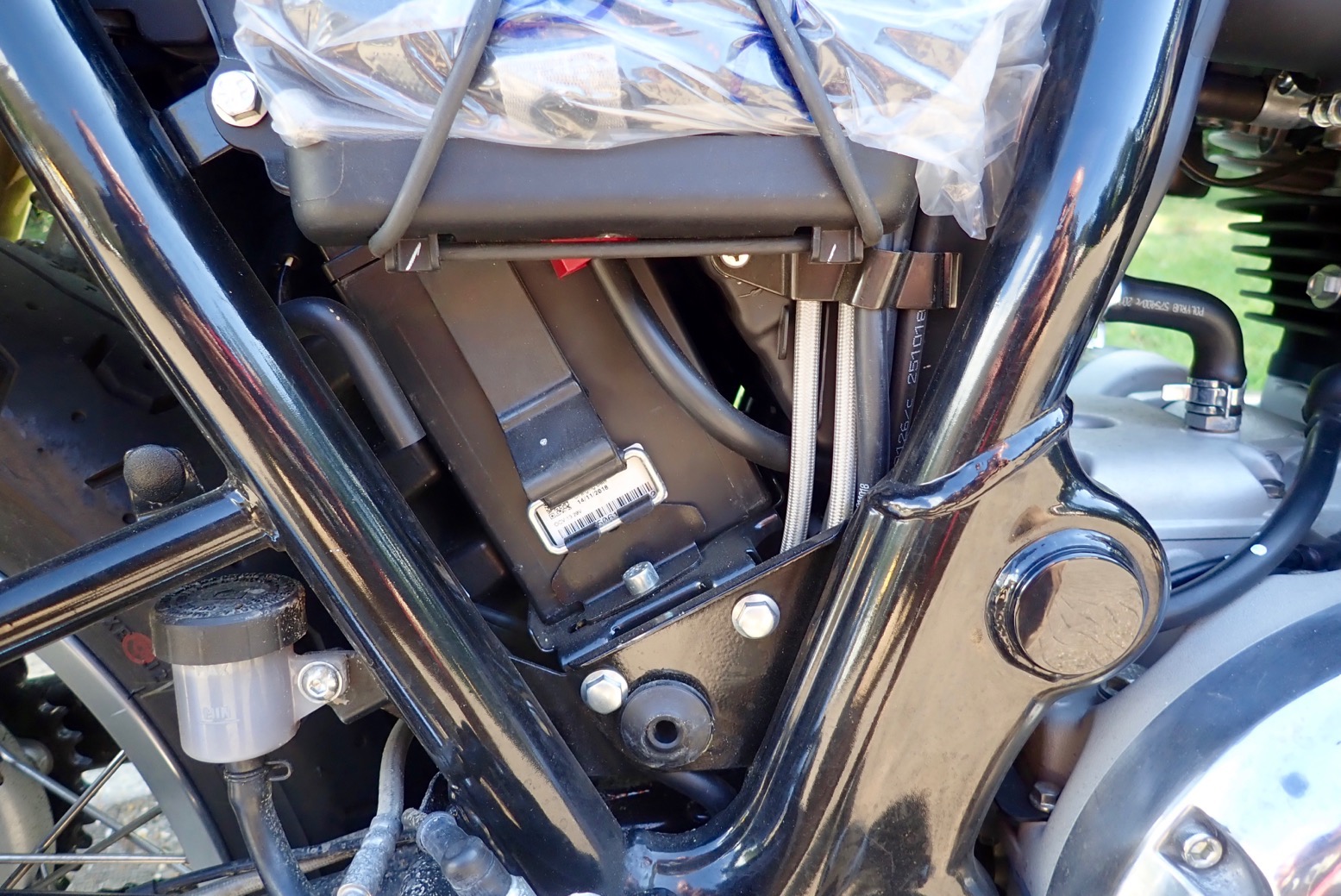
WTF’s the battery? It’s not under the seat. What would we do without the internet – RTFM I suppose. Turns out it’s jammed in above the gearbox (above right) but behind a ‘toolbox’ that can only be opened/removed with the 5mm key clipped under the seat (where my actual tools were located). With the empty toolbox off, I wired in a plug (above left) to run the tyre pump, but the added wiring and fusebox fouled the snug-fitting toolbox. Luckily, you can pull the box apart at the hinge (left) and just mount the front to cover the battery.

atpk-99

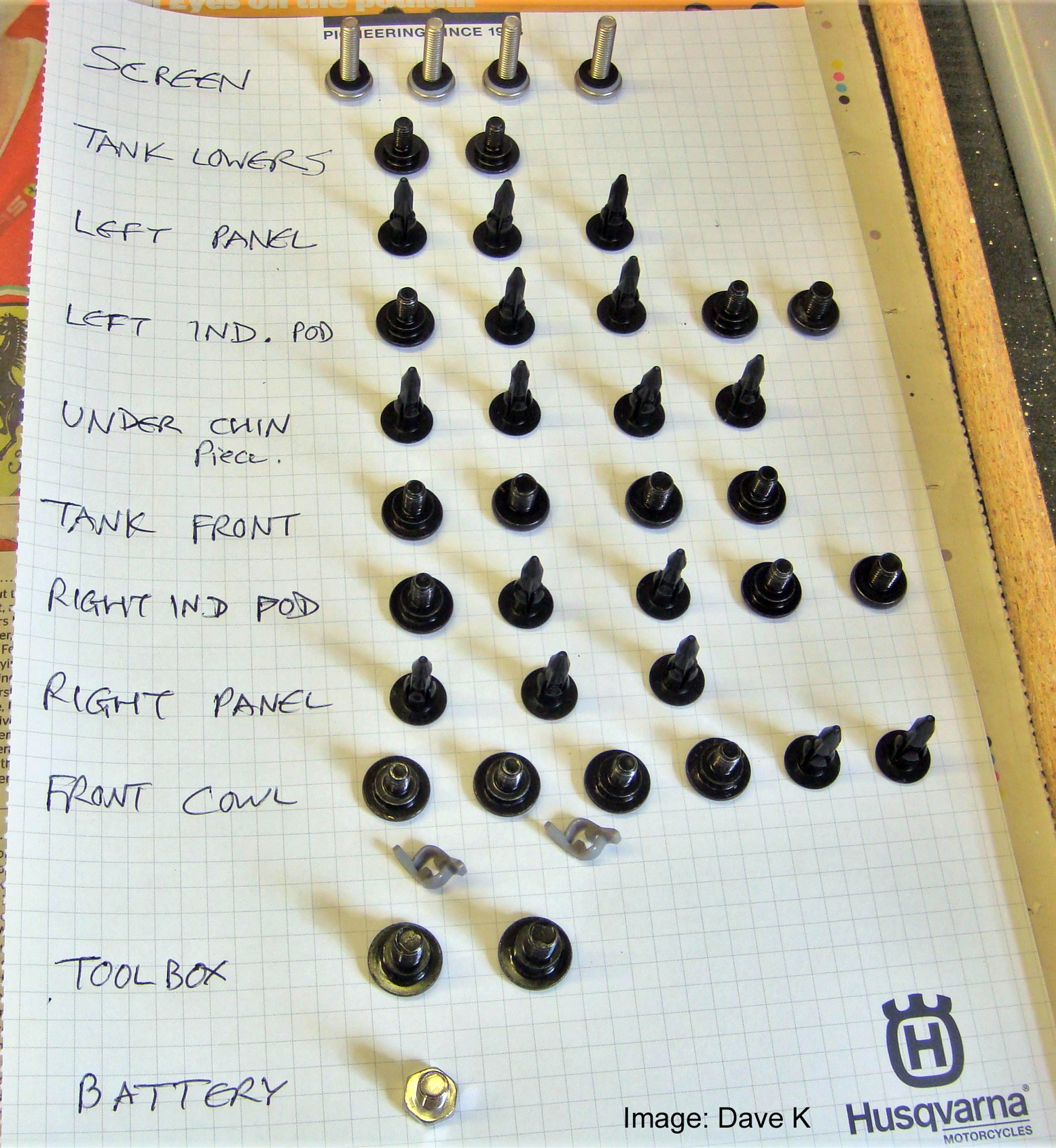
The wiring of the GPS and a USB port I left to my LBS. Here’s a good link on the fiddly job or removing the cowling, including snappy how-to vids. I don’t want to be doing what’s demonstrated below by the kerbside with tiny fittings disappearing into gutters full of rotting mid-winter leaf mush.
Though obviously very handy, there are some rambly, ill-thought-out how-do vids on ebay; some old dope droning on for 20 minutes for a <1-minute video on how to access the battery while reminiscing about his dad’s old tractor. The non-lingual vid below shows how it should be done.

Tyres

michlogo

Michelin sent me some Anakee Adventures but the front looked a bit too roady compared to last year’s Anakee Wilds on the Himalayan. The AT may only be 60 kilos heavier, but has over three times the power which may chew through tyres fast.
On this trip of several thousand kilometres I’ve decided to try the ‘gnarly front – roady rear’ tyre strategy I write about. The rationale is: prioritise secure loose-terrain steering on the slower-wearing front while, on a powerful, heavy bike you need longevity from faster-wearing rears where sliding in the dirt is less problematic as you won’t be cornering this tank like a 125 MX. Anything too knobbly on the rear risks an unnerving ride, fast wear and ripped off knobs on the road.

OLYMPUS DIGITAL CAMERA

I fitted a Motoz Tractionator Adventure (left) to replace the front Karoo which isn’t the sort of tyre I’d choose for teaching off-roading in muddy Wales on a quarter-ton AT. On dry tracks it’s less critical but the Karoo only had 5mm left (same as the rear Karoo).
The bike is front-heavy but with a centre stand and a trolley jack, once fully deflated, the Karoo just squeezed out between the twin calipers. But getting the wider, stiff and new Motoz in – no chance. I tried to undo one of the calipers but they’re torqued off the scale and the loose forks make it hard to get tension (better done with the wheel on). Instead, I loosened one fork stanchion and shoved the wheel in.

OLYMPUS DIGITAL CAMERA

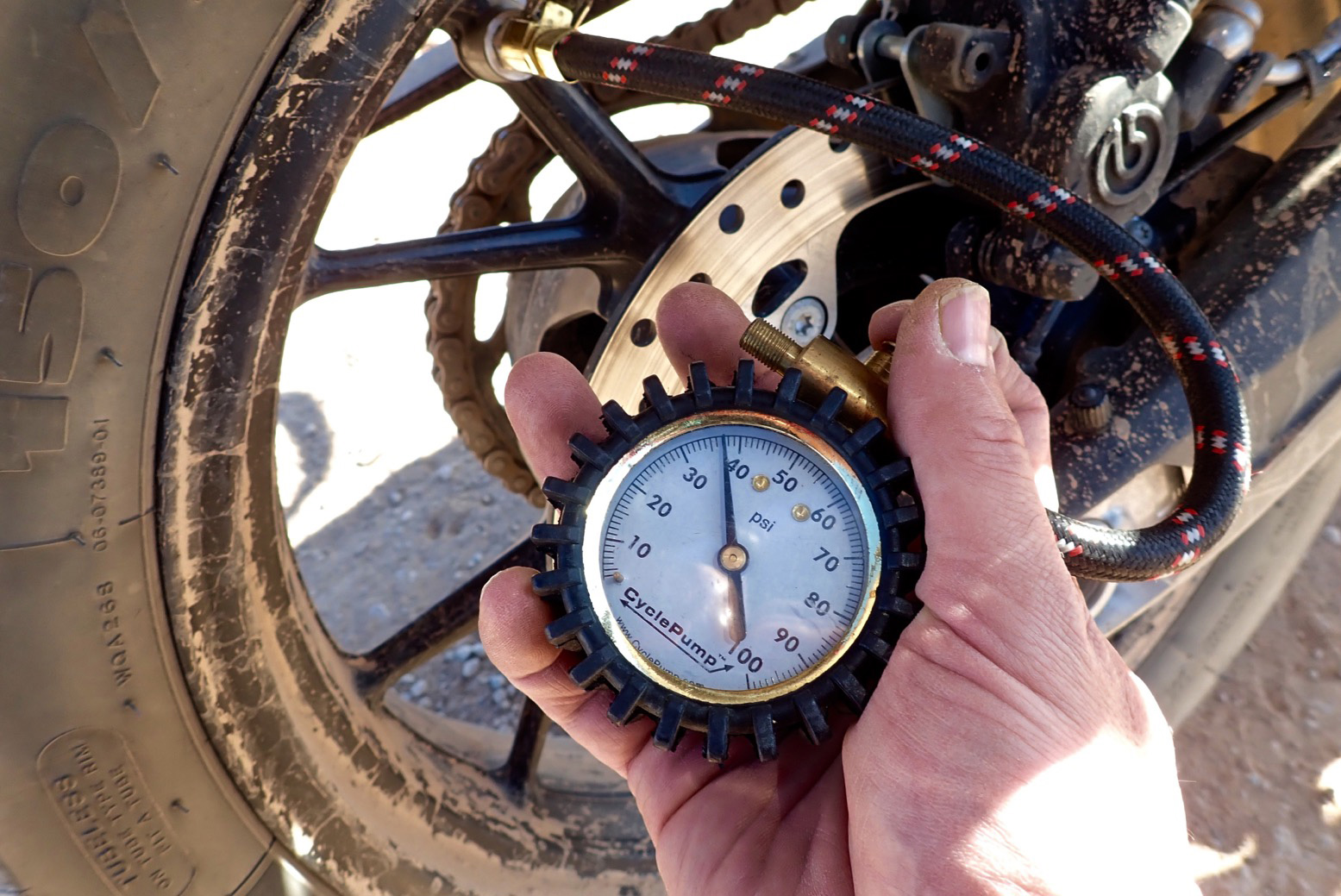
I was just about to remove the rear when I remembered I had a nearly finished DIY tubeless wheel upstairs. All it needed was taping up and a Michelin Anakee Adventure (left) slipped on with some proper tyre soap. Inflating a newly mounted tubeless can be tricky as the tyre needs to catch a seal to accumulate pressure and get pushed over the lips into place. I know from 4x4s and my old XT660Z this can be hard to do, but the uninflated Anakee ‘auto-sealed’ well enough and, with the valve core removed to speed up the airflow, eased over the rim’s lips with a pair of loud pops. A cold day a week-and-a-half later and it’s down 8-10 psi so will need watching, though I recall early pressure loss is not unusual, even on proprietary tubeless spoke sealings.

Hopefully, it may settle down but I now have a v2 Michelin TPMS to keep an eye on things and may have to get some Slime in. I’ve stuck one activating magnetic dish to the fairing at a readable angle (right) and will keep another spare in the tank bag when off-road in case the display shakes off (a common complaint according to amazon reviews).

OLYMPUS DIGITAL CAMERA

From the state of my fairing and radiator, the OEM crash bars which came on the HO-RC bikes (and are now selling used online), don’t really do the job. But what would you expect from 250 kilos of bike hitting the ground?
I specifically want them to mount my ex-Himalayan Lomos which I hope will act as sacrificial impact-absorbing airbags. Better the bags’ soft contents get mashed than what seem to be vulnerable radiators.

The stock bash plate is at least made of metal, but it doesn’t come up around the sides of the engine which look vulnerable. On the rocky trails of the Adrar plateau I’ll have to tread carefully and have some epoxy putty at hand.

OLYMPUS DIGITAL CAMERA
atpk-krig

CRF1000 USD forks are leak-prone – one of mine was leaking before I even bought the bike at 1800 miles (fixed on warranty). Repairing a seal in the field sounds too tricky to do well so I’m hoping some Kriega fork seal covers (right) will keep the seals from getting worn. They’re easy to fit and remove if needed. The full-sock tubes like I had on my XCountry are better and cost the same, but require removing the forks from the bike to slip over the top.

And that’s about it. It would have been fun to ride the Honda across Spain, but this is the first time doing that crossing over many winters that the weather has caught me out.
It would have been even more useful to get the feel for the AT doing my regular tour circuits in Morocco. That too is not to be so I’ll be renting a ragged Sertao for the duration and will just have to learn to manage the AT on the fly down in Mauritania. More news and impressions on the road in March.

OLYMPUS DIGITAL CAMERA

Africa Twin: Sealing the Rear Wheel for Tubeless

AFRICA TWIN  INDEX PAGE
Tubeless Tyre Index Page

If ever a bike wanted tubeless wheels it’s the AT (and T7 for that matter). These bikes run 21-inch fronts and were initially pitched at a low price to get them moving. Choppers aside, cast wheels are unknown in 21-inch, while OE spoked tubeless wheels (as on many European 21-inch advs) are expensive. The new 2020 1100 AT Adventure Sport finally has a tubeless 18/21 set up.

MT or WM?

at-wheels.jpgI’ve investigated various proprietary methods and, after 12 years and a lot more theoretical and second-hand knowledge, decided to give DIY sealing another go – but carefully this time and only on the back wheel (above, top) where it’s fairly easy to do. Like nearly all 21s, the AT’s front rim lacks the ‘MT’ safety lip or ridge which is important if planning to run tubeless tyres. Without it, a TL tyre seals less well on a regular WM rim (above, bottom) and may leak. And in the event of a flat, it will slip into the rim just like a tubed tyre with the usual undesirable results.
The only way around that it to get the rare, lipped, 2.15 x 21-inch Giant rim from CWC for £111. Add anodising, spokes, wheel building, their Airtight™ vulcanised sealing band (similar to DIY mastic) plus post and that’ll be nearly 400 quid. I could seal it myself and save £120, but 21-inch wells are narrow and curved and so are less suited to taping. So while CWC make my wheel, I may as well cough up for the Airtight and be done with it.
The high cost of a new wheel build is why DIY is so attractive, providing your rim is MT with the requisite safety lips. Most rear wheels, tubed or tubeless, have been like this for decades (they will be stamped ‘MT’ on the side, as opposed to ‘WM’). And the AT’s rear well is also nice and flat and 55mm wide which makes it easier to seal well.

Things you will need

  1. The wheel resting on a spindle
  2. Solvent (Brake cleaner, Toluene, MEK, Acetone, etc)
  3. Microfibre rag (lint-free) and Q-tips
  4. Runny adhesive – from Superglue to Seal-All
  5. Thicker sealant – like Goop or Bostik 1782
  6. Sealant tape such as 3M 4411N (not the 2mm thick 4412N). From £18 on ebay
  7. Or some etching primer and mastic sealant like Puraflex about £6 for 300mm
  8. A tubeless valve

Rim sealing procedure

Clean rim thoroughly with solvent using a rag, toothbrush and Q-tips
Apply a runny glue around the nipple and into the threaded centre. I used Bostik; thinner would have been better. Expect microbubbles. Leave to dry for a day.
A day later overseal with thicker sealant. I used clear Goop. Let it dry for a day.
Wrap the undried glue in the non-sticky side of masking tape to stop the lower Goop blobs sagging out under gravity. Or spend days turning the wheel and doing four nipples at a time.
Tape up the rim with 50mm 3M 4411N.
Because I used thick glue and maybe too much, the lumps stuck up quite a lot so made it hard for the non-elastic tape to fully contact the rim floor. I pressed down between the spoke nipples as best I could and did the odd prick here and there. Then I removed the backing film while allowing for some overlap.
As good as I could get the tape. But I’m confident the glue alone has sealed the rim.
I decided to cover the 3M with some regular plastic tape to protect it during tyre mounting.

Or…

tl-ianwheel
… spray on some etching primer, let it dry then apply a coat or two of Puraflex mastic. Don’t go too thick or you’ll lose the well’s depth and ‘slack’ needed for easy tyre fitting.

If you’ll be in a wet environment, consider also sealing the spoke nipples from the outside.

The mastic sealant method is probably better. The tape adhesive might lift if it gets very hot; a black tyre and rim sat in the hot sun. But then, pressure building up in a hot tyre will tend to push the tape down.

Mounting and inflating the tyre

Mounting is easy as there’s no tube to worry about. Soapy beads help reduce the effort needed and tubeless tyres are actually quite flexible – or that’s how the Michelin felt. I know from cars and the Tenere years ago that home mounting tubeless tyres can be tricky. It took me most of the day to get the TKCs on to the Tenere, and that was with a pokey 2.5cfm 4×4 compressor. Because there is no inner tube pushing the tyre on to the rim, you need both edges of the loose tyre to at least make a partial seal with the rim and allow pressure to build up. When that happens, the seal improves, leakage stops and you’re on your way. Using a small car compressor and with the valve core removed to allow faster filling, nothing happened for a bit and then pressure slowly built up as input outpaced leakage. At around 35-40psi there were a couple of loud bangs as the last segment of bead slipped over the safety rim and into place.

I am fairly confident my gluing alone has made a good seal. The tape is probably redundant. Overnight there was no drastic pressure drop. If there is in the next week and I can’t fix it, I’ll swap back to the tubed wheel and will anyway take a spare tube. This time I’m not using Slime sealant, though I’m told it doesn’t affect the 3M tape’s adhesion.
I’ll be monitoring it with TPMS but a few days in it was about 8 psi down and the same again when I picked the bike up in Spain in March. So it seems to depressurised down the mid 20s psi. I seem to recall this was normal in the early days and so gave the back a shot of Slime in Spain. No more leakage.

More Adventure Twins

In last year’s end-of-year preview I wrote ‘… the future looks bright – we’re gonna have twins.’ And twins we got: the long-awaited XT700, Guzzi’s 85TT, a ’19-er’ CB500X, and the KTM 790s. Only the Norton 650s remain stuck in the birth canal while the unplanned Enfield 650 twins popped out later.
It’s time to review what’s new or in store for 2020.

202-drstrom

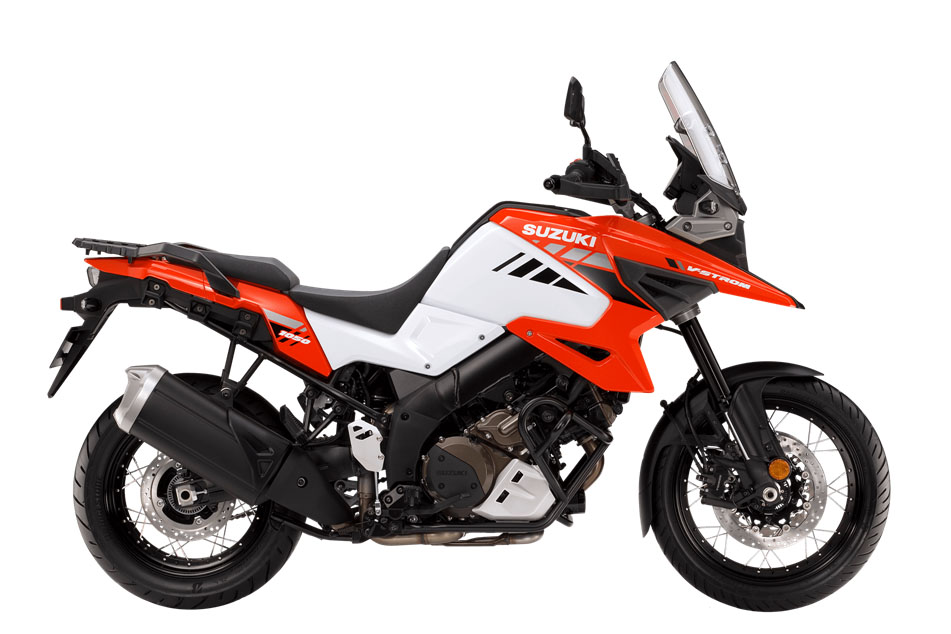
Suzuki V-Strom 1050XT
As a travel bike, the one-litre DL dating from 2002 was always overshadowed by the 650. There was nothing wrong with big Strom but the 650 did it all as well for less cost, weight and fuel and, as is often the case, the smaller engine simply felt better.
202-DR800

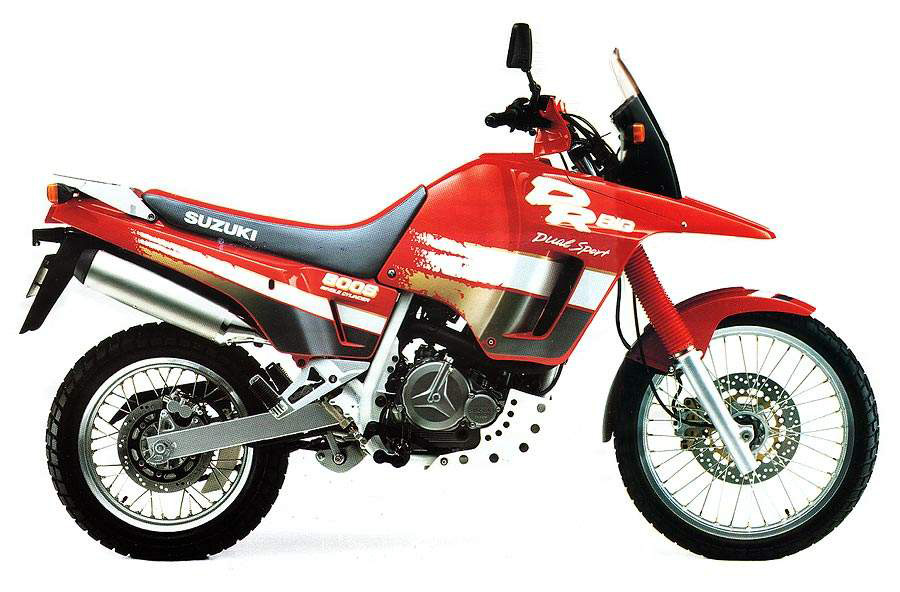
Now, imitating Honda’s Africa Twin and a few others, Suzuki have clad some 80s-style Dakar livery on the DL thou’ in an attempt to recall Gaston Rahier’s 1988 750 desert racer (below) as well as the not-so-successful DR 800 S Big production bike (left) from the same era. The DR 800 may have failed to catch on (can you imagine the vibration?) but was the first big trail bike (as ‘adventure bikes’ were called back them) to feature the now-iconic beak.
202-vstrom
hadron

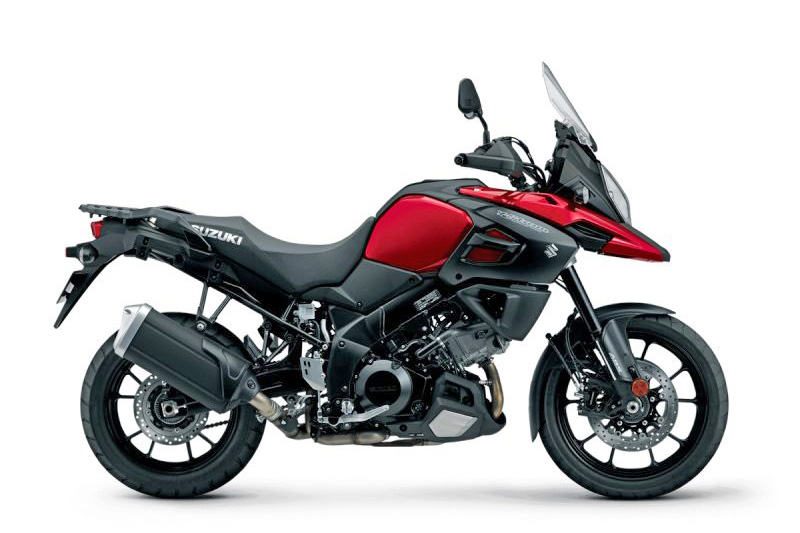
They’re calling the new model the V-Strom 1050 (XT, above left), though capacity is the same 1037cc it’s been since the 2014 makeover. You can see (below left) that it’s not hugely different in profile to the current DL1000: the motor has been lightly upgraded (mostly for emissions) and which now delivers (less) peak torque at a useful 2000rpm less. The headlamp is Katana-ish (another revived 80s classic) and, just like the new 1100 AT (below), it’s been liberally wired up with more electronics than the Hadron Collider: “… the [V-Strom 1050] system incorporates the Motion Track Brake System, Hill Hold Control System, Slope Dependent Control System, Load Dependent Control System, Cruise Control System, Suzuki Drive Mode Selector (SDMS) and a Traction Control System plus a System Control System.” I made the last one up.

The 1050 XT version is spoked tubeless with bashplate, protection and other adv paraphernalia, plus a tool-free adjustable seat and screen, adding up to 246kg. The plain 1050 (above left) currently goes from under £10,000 in the UK and features cast TL wheels, less gear and 10 fewer kilos. Tanks on both are unchanged at 20 litres.
Of course what we’re all actually waiting for is a new,
injected DR650 or DRZ450. Not this time round.
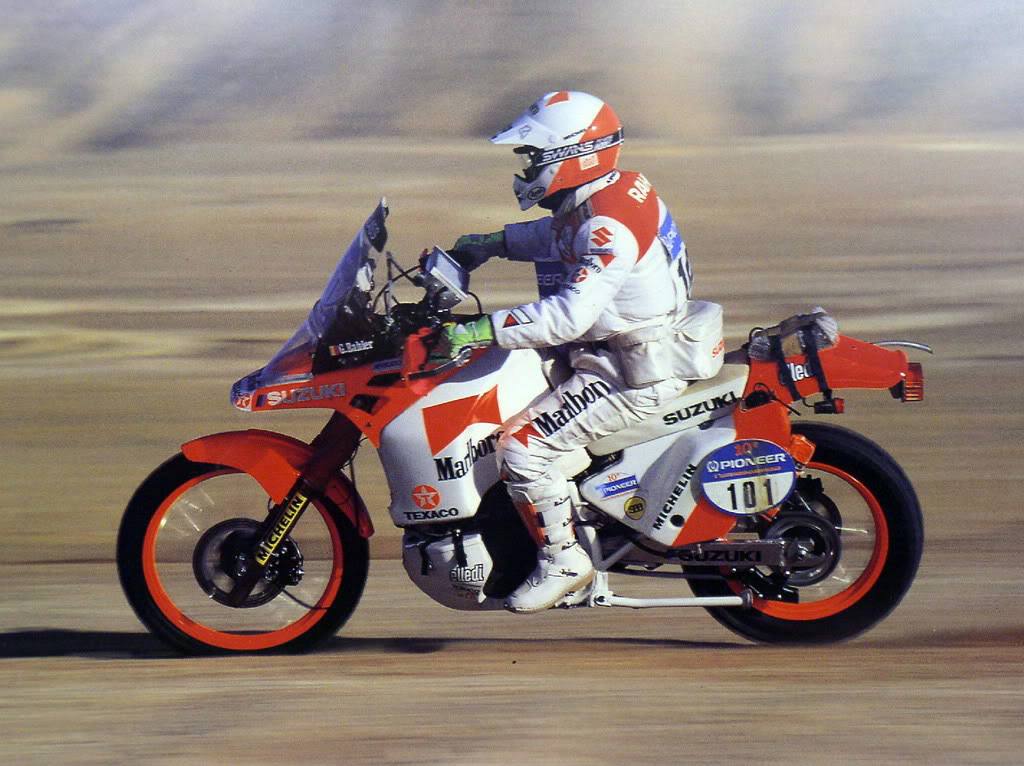
202-GastonRahier88
202-nordn
valvemarker

Husqvarna Norden 901
Just as the KTM 690 begat a barely different Husky 701, it’s no great surprise to see the 790 or now 890 KTM parallel-twin motor reappearing under a Husqvarna badge (owned by KTM’s CEO).
That’s your Norden (left and below) – only a concept right now but you can see it looks both functional and quite good (the two are probably related). Note the virtual sidestand – a first in motorcycling – and what look like nifty fluo tyre valve markers – a smart idea we used to use back in the day (right). Wheels don’t look tubeless but you’d hope they will be, and there’s lots of protection and cladding to keep that motor snug and warm. Feel free to add your own speculations.
Two days later… it’s coming for 2020.
https://www.husqvarna-motorcycles.com/gb/news/int/norden-confirmed/

Harley Pan America 1250
202-revmax

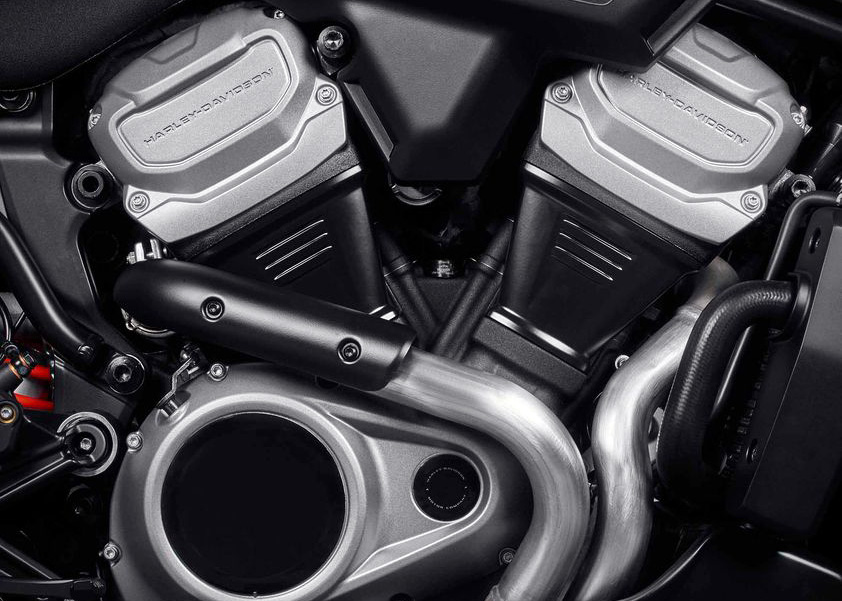
It’s nearly 2020 and Harley have decided it’s high time to clamber aboard the adv bandwagon with the Trail-Glide Pan Am 1250. Details are scant but the ‘new’ DOHC, liquid-cooled Revolution Max engine claims no less than 145hp, putting it up there with Multistradas and the like, but with oddly less torque than a 1250GS. By current H-D standards it’s hard to think it will weigh less, cost less or go anywhere near as well, but the bloke in the vid below seems to manage OK. It all seems a bit incongruous but who knows, stick some deafening pipes on it and it could be a trans-continental hit.

Honda Africa Twin 1100

202-at11

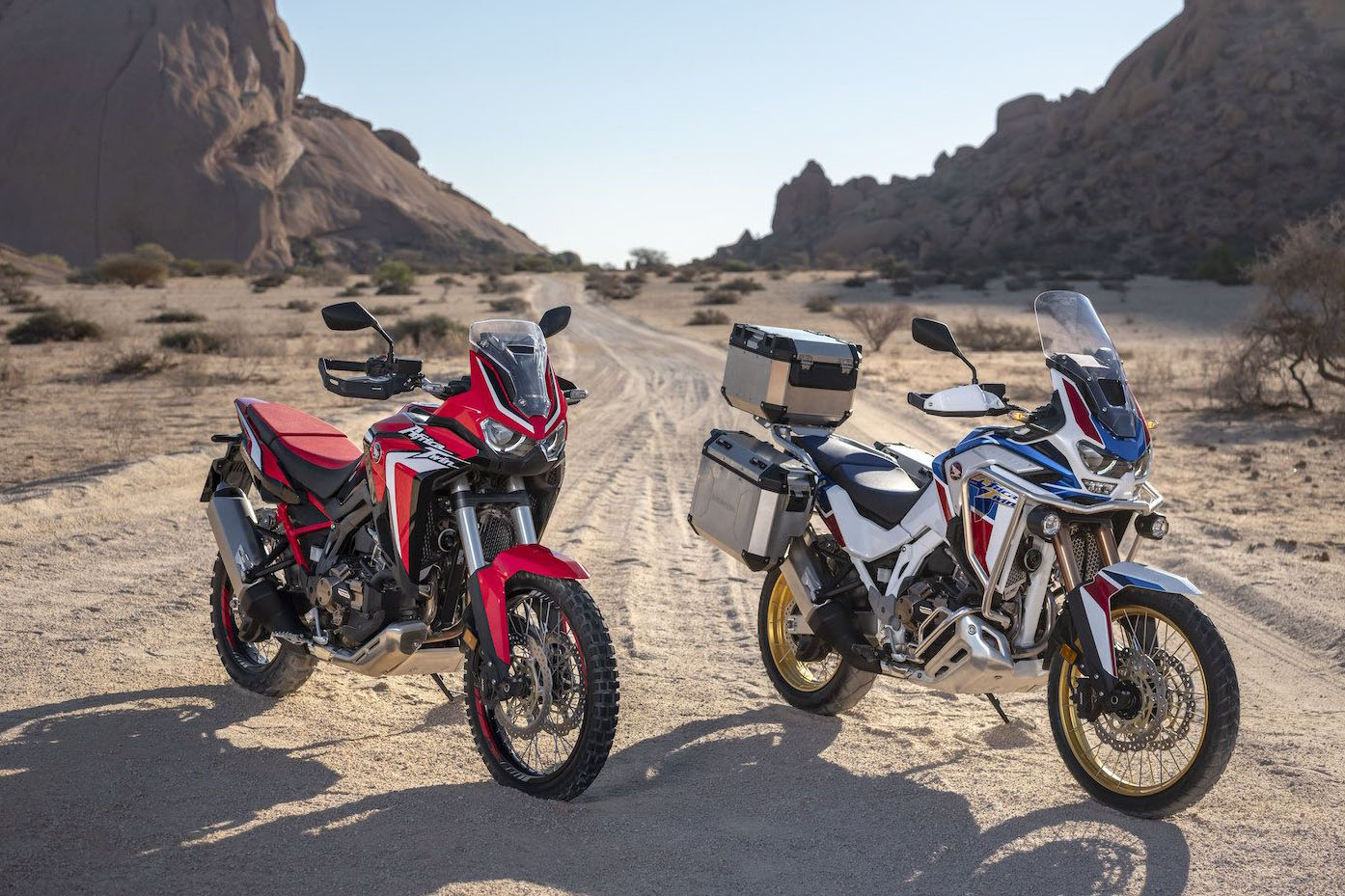
Twenty sixteen’s CRF1000L Africa Twin was a deserved hit for Honda, selling nearly 90,000 units and even tempting a few GS12 riders away from their BMWs.
The new CRF1100L gains some capacity to cover power lost to new emissions standards while, like the 1050 Strom, getting a fuller suite of electronic riding aids and modes. I suspect what some might call gimmickry has now become a relatively cheap way to add value and safety claims to a new model. If any of them were serious about such things, TPMS would be a standard fitting, especially on a so-called adventure or travel bike. The new dash is TFT, it’s lighter by 1.5% and the frame is new.
The jacked-up Adventure Sport version gets a 28-litre tank (up from 19), a better screen, protection, electronic suspension, cornering lights, Christmas lights and best of all: tubeless tyres. And like the 1000L, it’s still a great-looking machine and available in have-your-cake DCT.
Stock screen notwithstanding, all this underlines how good the original CRF1000L was all along. Soon after writing this, I bought one. With discounts and so many around, hopefully used prices will put one of the best, big-capacity all-road travel bikes in reach of more riders. Some even hope it may give rise to a smaller 750 AT or – even less likely – an adventured NC750X. Is that the alarm waking me up?
202-att11

Ducati DesertX 1100

Terruzzi-Cagiva-1989-3
202-scram1100

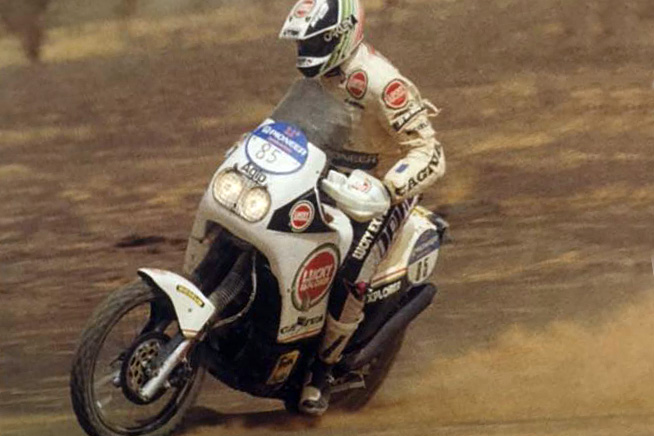
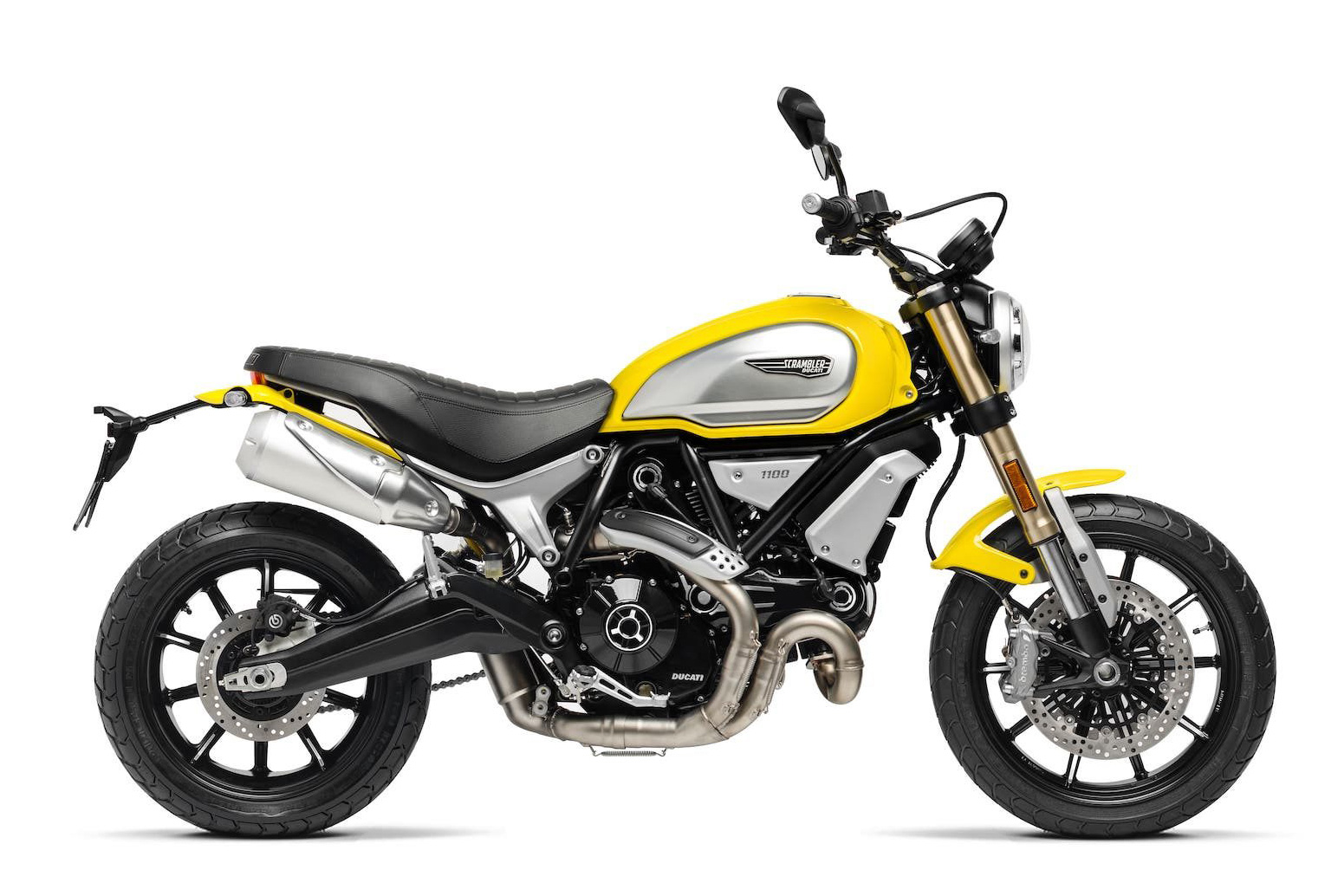
The well-sprung 800-ccc Desert Sled is the best of Ducati’s retro Scrambler range, and now the 19-er shod Scrambler 1100 (right) has been thoroughly jazzed up into the Desert X concept based on – you guessed it – Cagiva’s 900cc  Elefant Dakar desert racers of the 80s and 90s (left or click the link for more Elefant porn) ridden by Serge Bacou, among others. Back then iirc, Ducati owned the Cagiva brand. The suspension is yellow, the front’s a 21″ and the tank is said to be a serious 30 litres. Bring it on!

202-dezx

Yamaha Tracer 700

tracer700-2020.jpg
Scramlogo

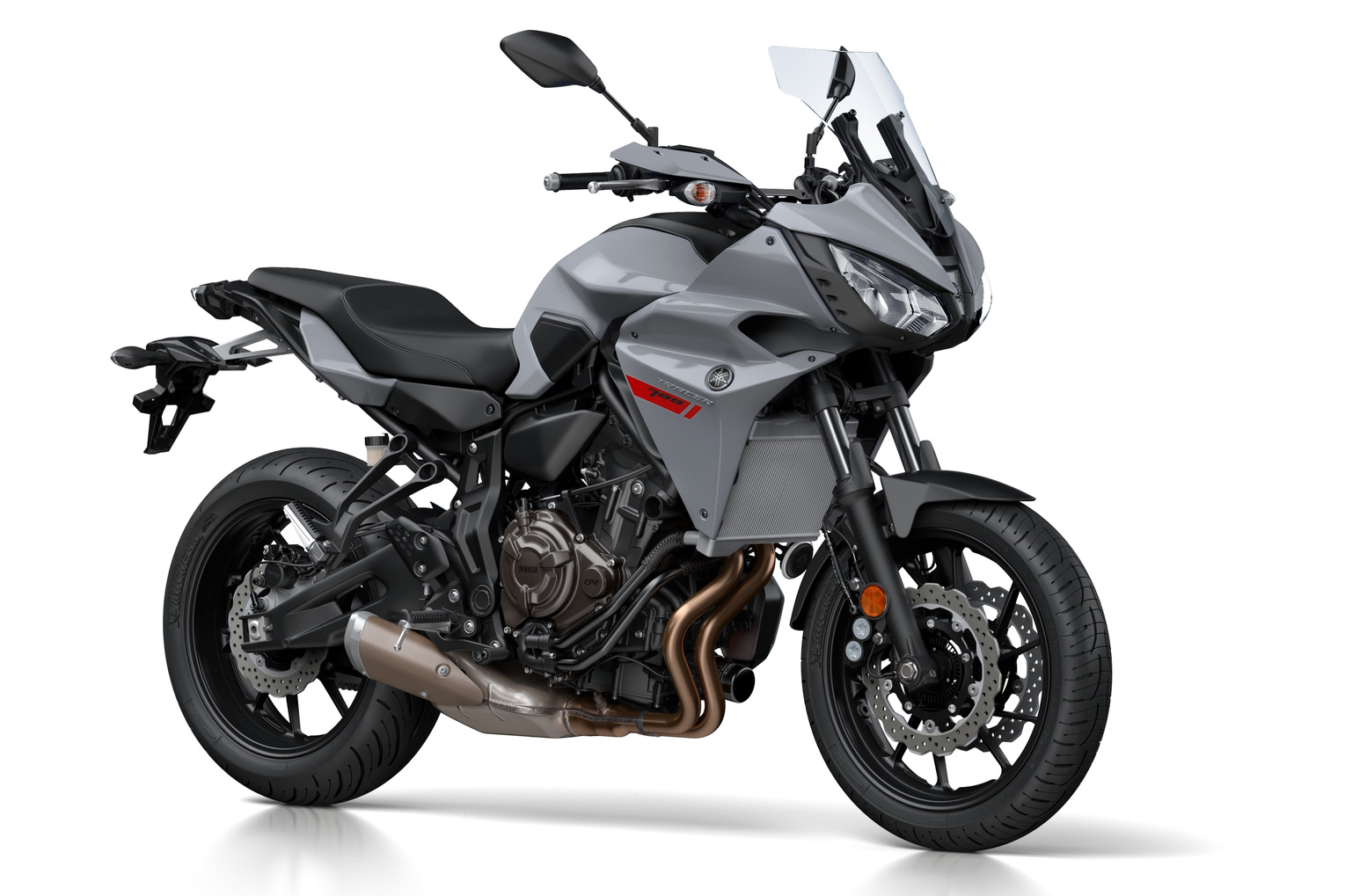
Having liked my XScrambleR 700, I can’t help thinking the same-engined Tracer could make a faintly better travel bike if you don’t want, need, like or can’t afford the XT700. Yes, the front is still a 17 (a 19 can fit, I found) but a Tracer has more weather protection and a 20% bigger tank. I’ve spotted the still pretty fit-looking original model (left), going for just 6000 quid new.
Now there’s a 2020 version with a bold new look, much improved adjustable suspension (the 700 CP2 range’s weak point) including USDs, an adjustable screen but with a wet weight still under 200kg.

BMW F900XR
202-90r

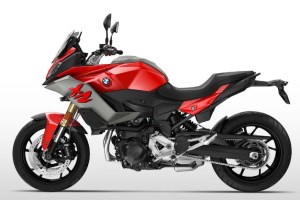
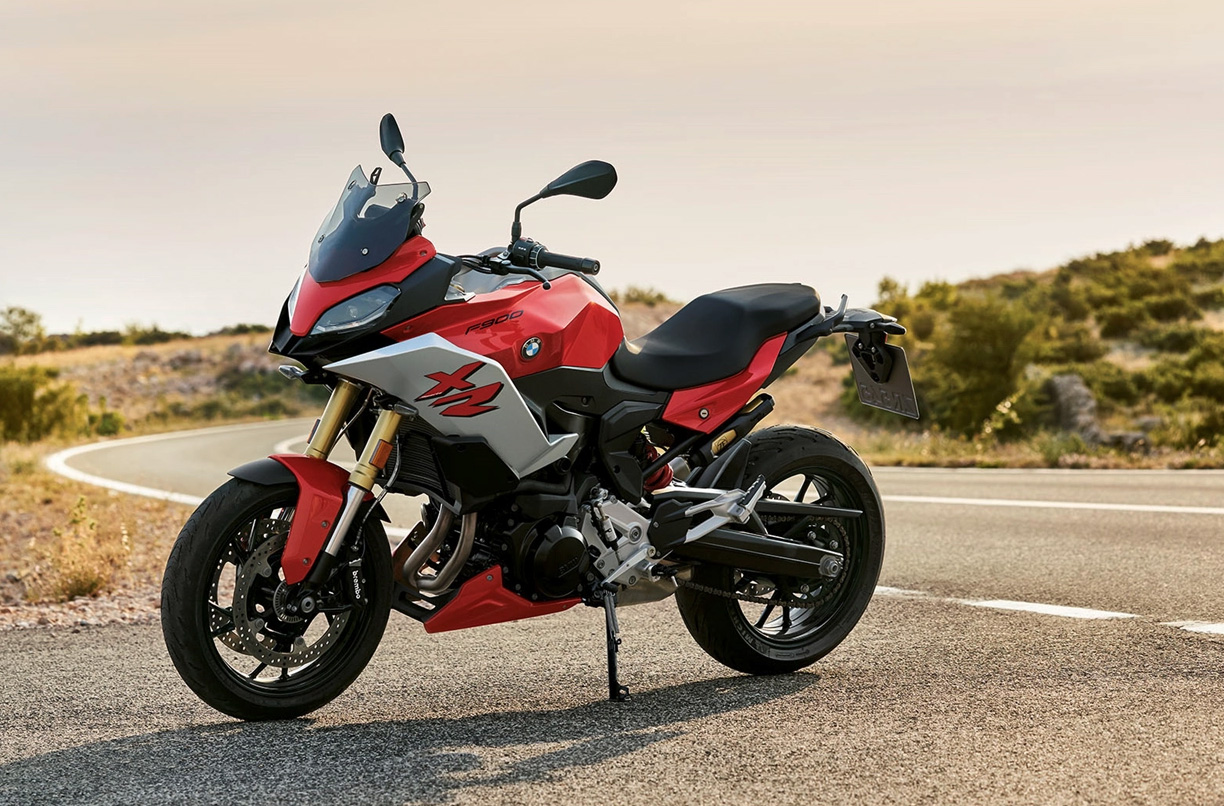
BMW have done a clever thing: they’ve bored out the 853-cc F750/850GS motor to 895 and given it the ‘sports adventure’ XR look from the ballistic fours. Behold the F900XR. Being a grunty, 270-degree twin, not a migraine-inducing five-figure redlining four makes it a whole it more desirable and accessible. Yes, like a Tracer it’s got a 17 on the front but call me shallow, it sure looks good. The electronics package looks identical to the 750GS I recently rode, which is more than enough. Perhaps I’m just having a confused Pablovian reaction to the red paint job and XR suffix.
202-900xr

Husqvarna 701 Enduro LR

202-701g2

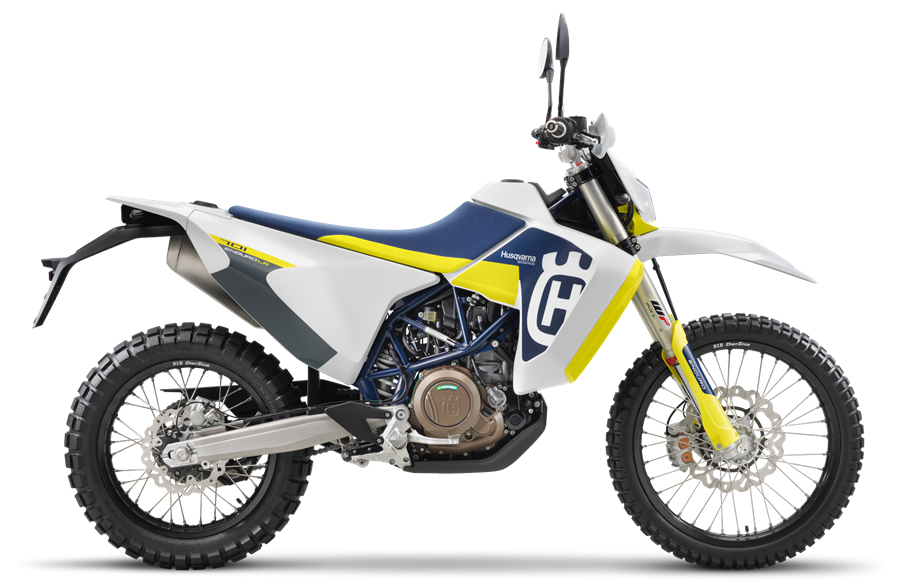
The Husky 701 is amazingly economical for what it is but has now gone Long Range with a 12-litre tank up front adding up to 25 litres with a potential range of 600km. All it needs is a fairing and a seat you can sit on.
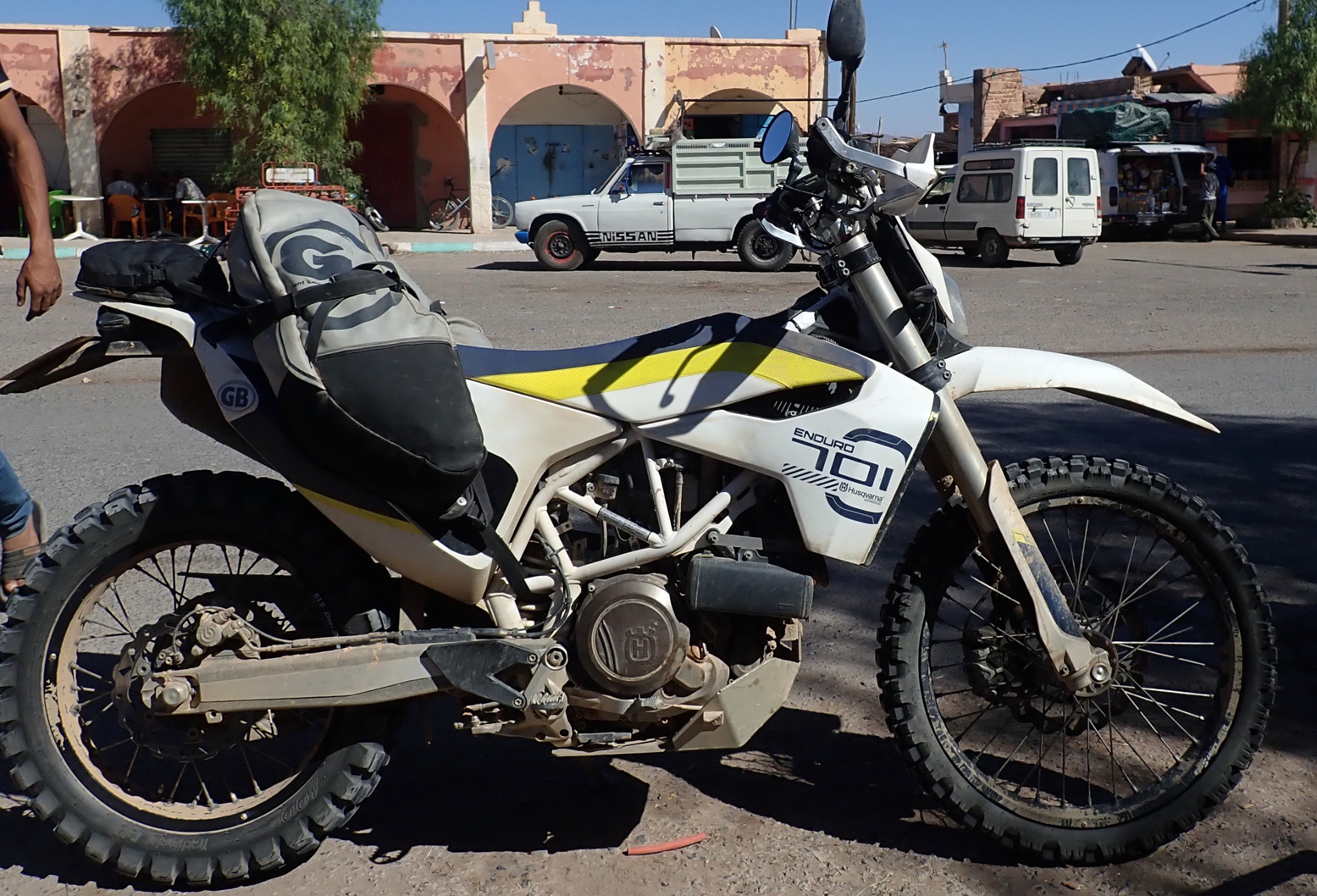
As it happens I had a quick spin on a friend’s radically lowered 701 out in Morocco last month (left) and can confirm the current, second-generation model is much smoother than the 701 piledriver I rode a couple of years back.
You’d wish they’d go all the way and make a mini Norden out of a 701, like the old KTM 640 Adventure. I suspect I’m not the first person to have this thought.
202-7011lr

KTM 390 Adventure

202-3390
202-390-Engine

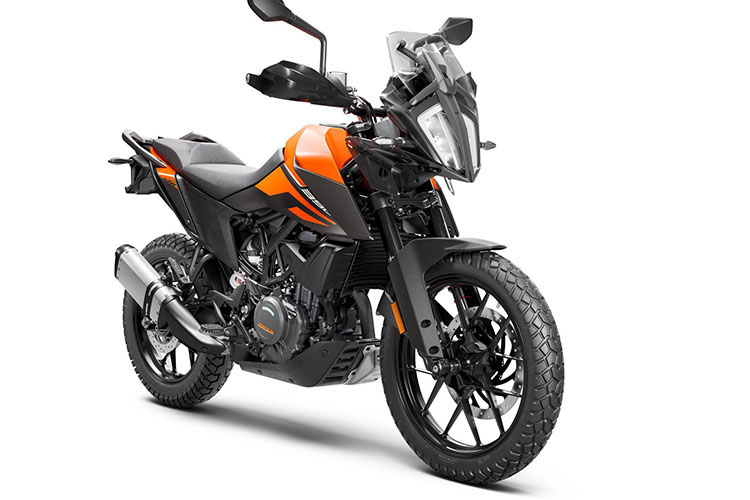
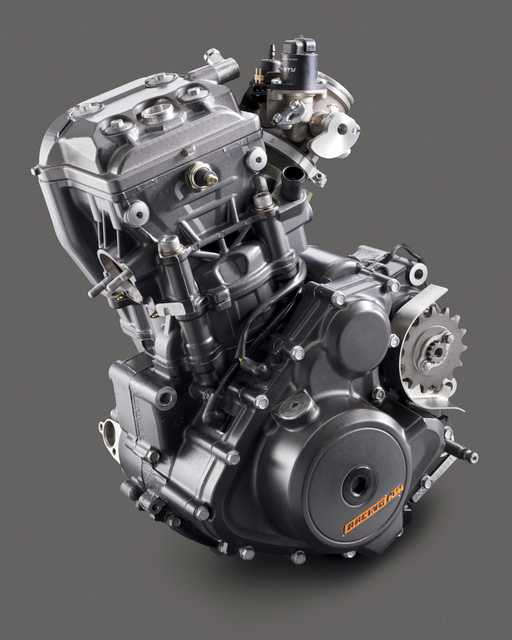
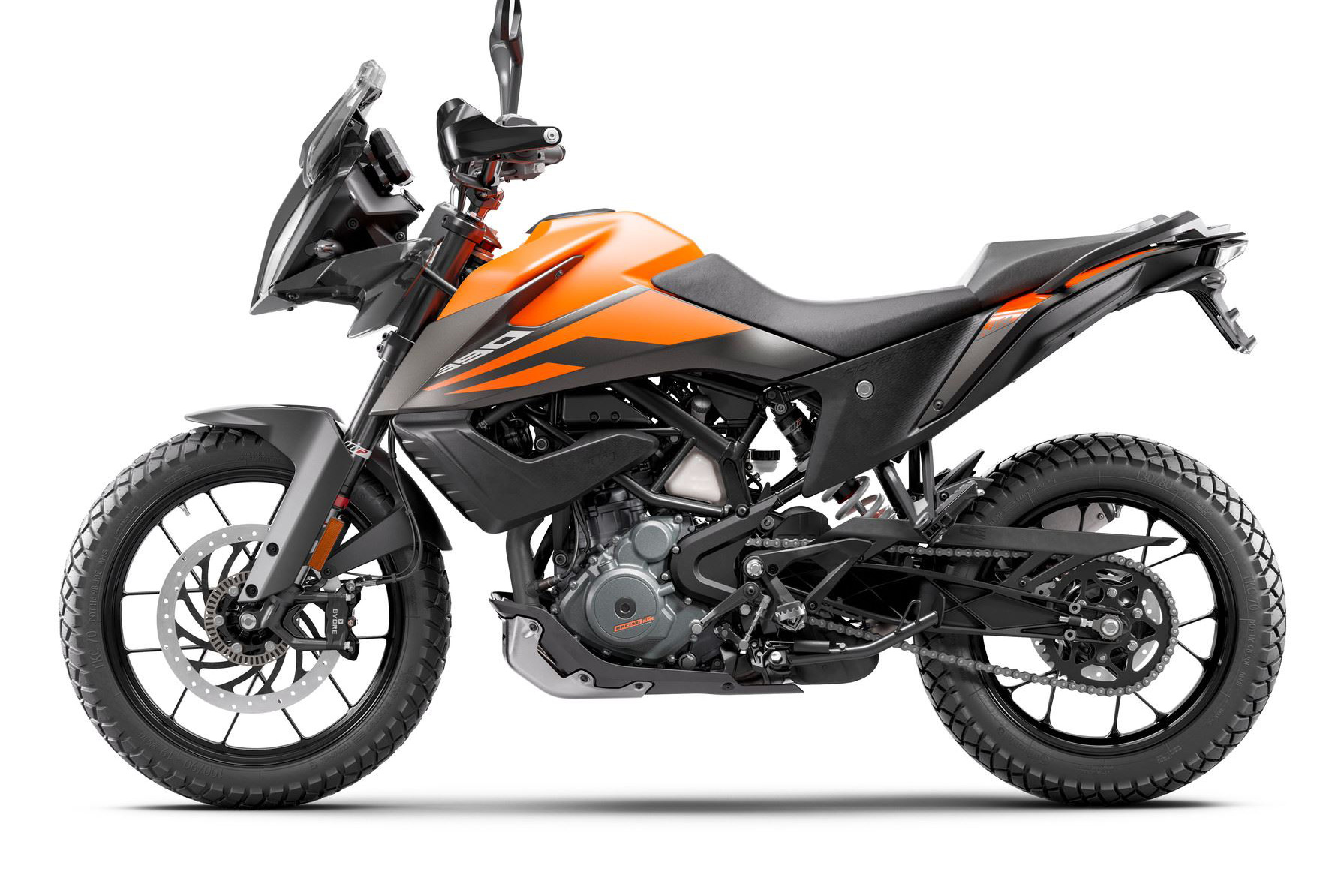
Here, at last, is the 390 Adventure, with a motor based on the unchanged 373-cc, 43hp Indian-built Duke right down to the claimed 15/45 final drive. The rebound-adjustable suspension gives it a lift and adds up to a 170-kilo wet weight with the 14.5-litre tank  – all up about the same as the G310GS I know well. You’d hope the 390 will ride better on the dirt and, being KTM, surely they’ll offer a 21-inch ‘Adventure R’ option alongside the 19-er pictured below.
202-KTM-391

See you at the back end of 2021.
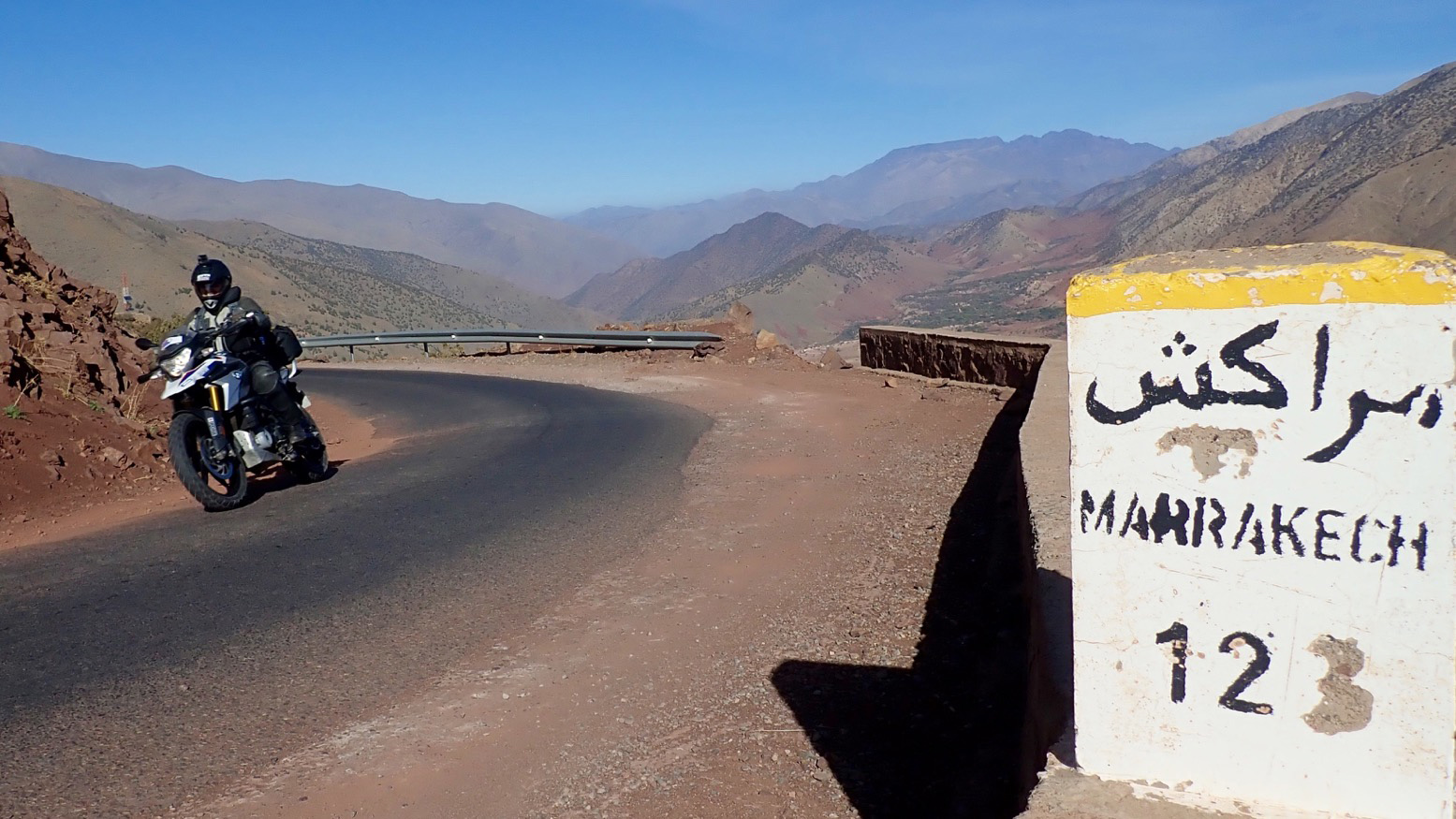
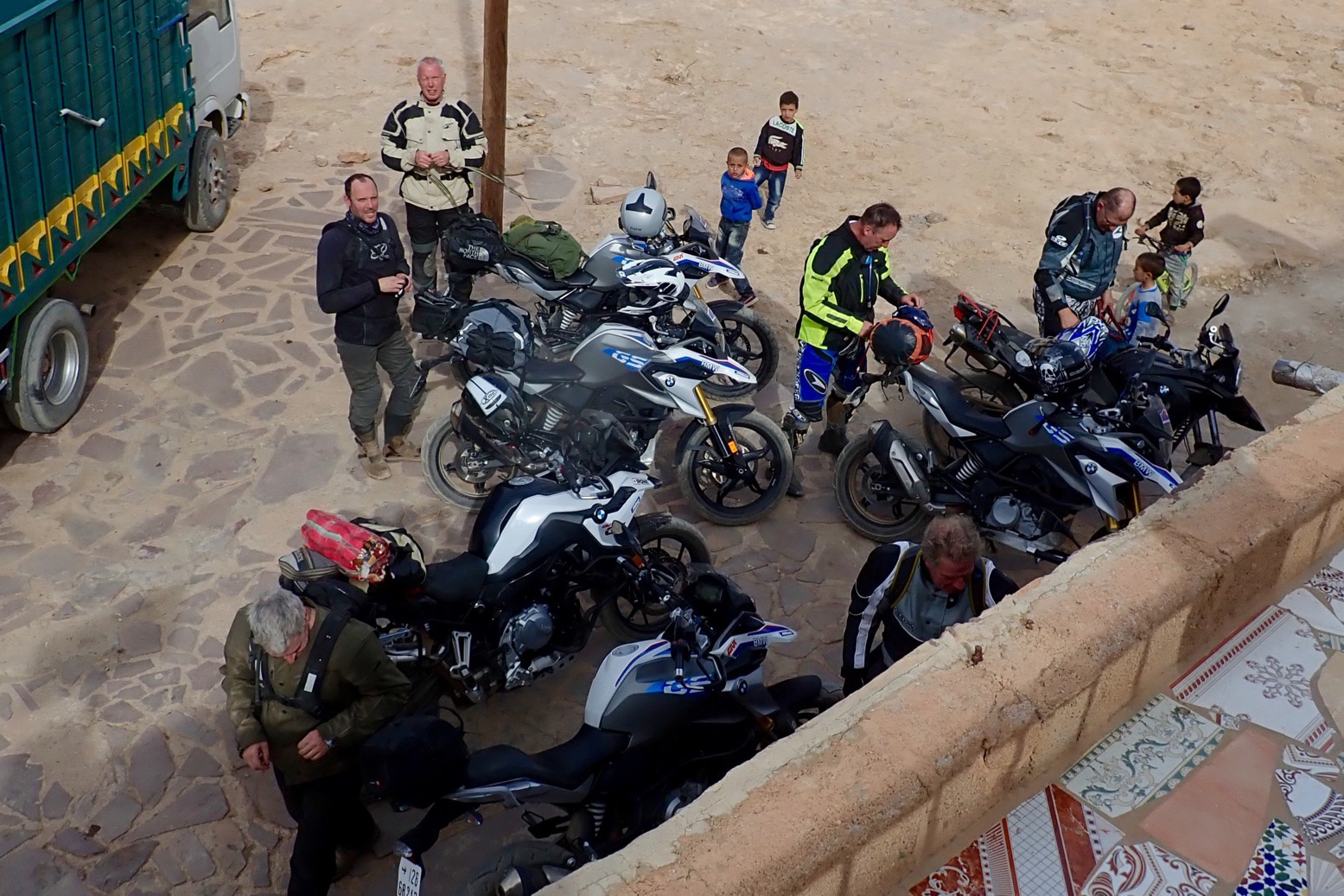
BMW GS310s still in Morocco

More about Morocco tours

See also:
G310GS 2200km review
G310GS first ride in Morocco

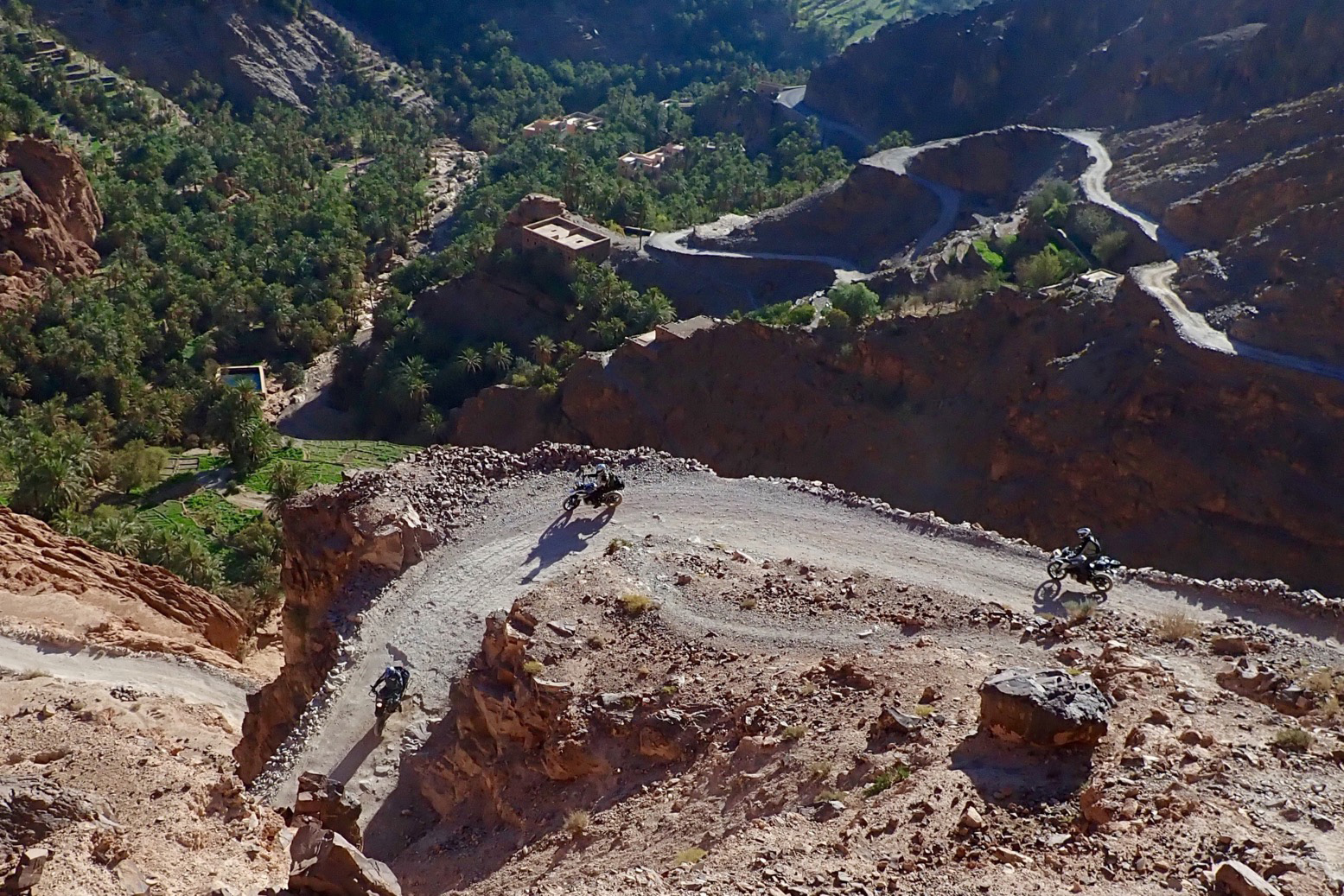
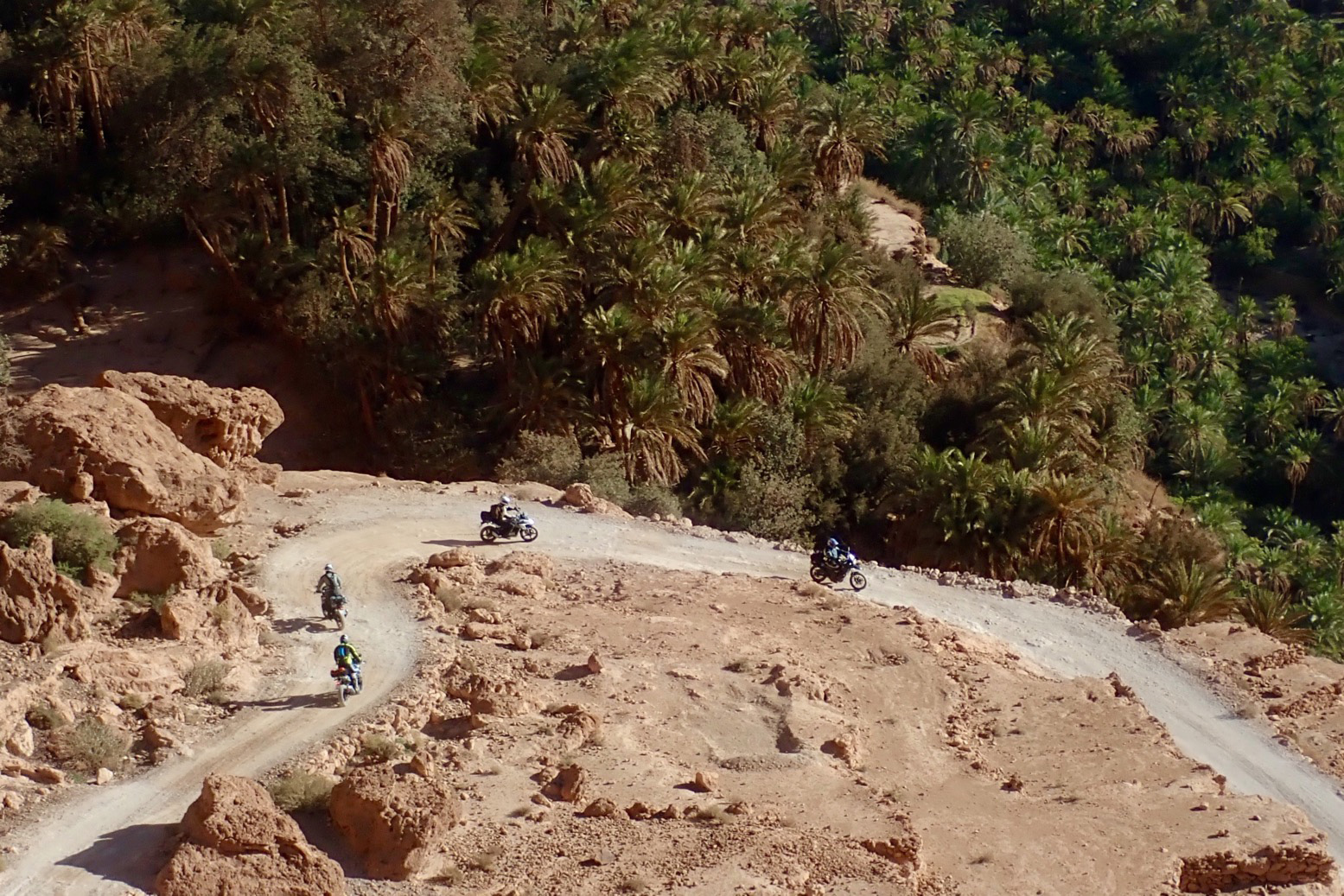
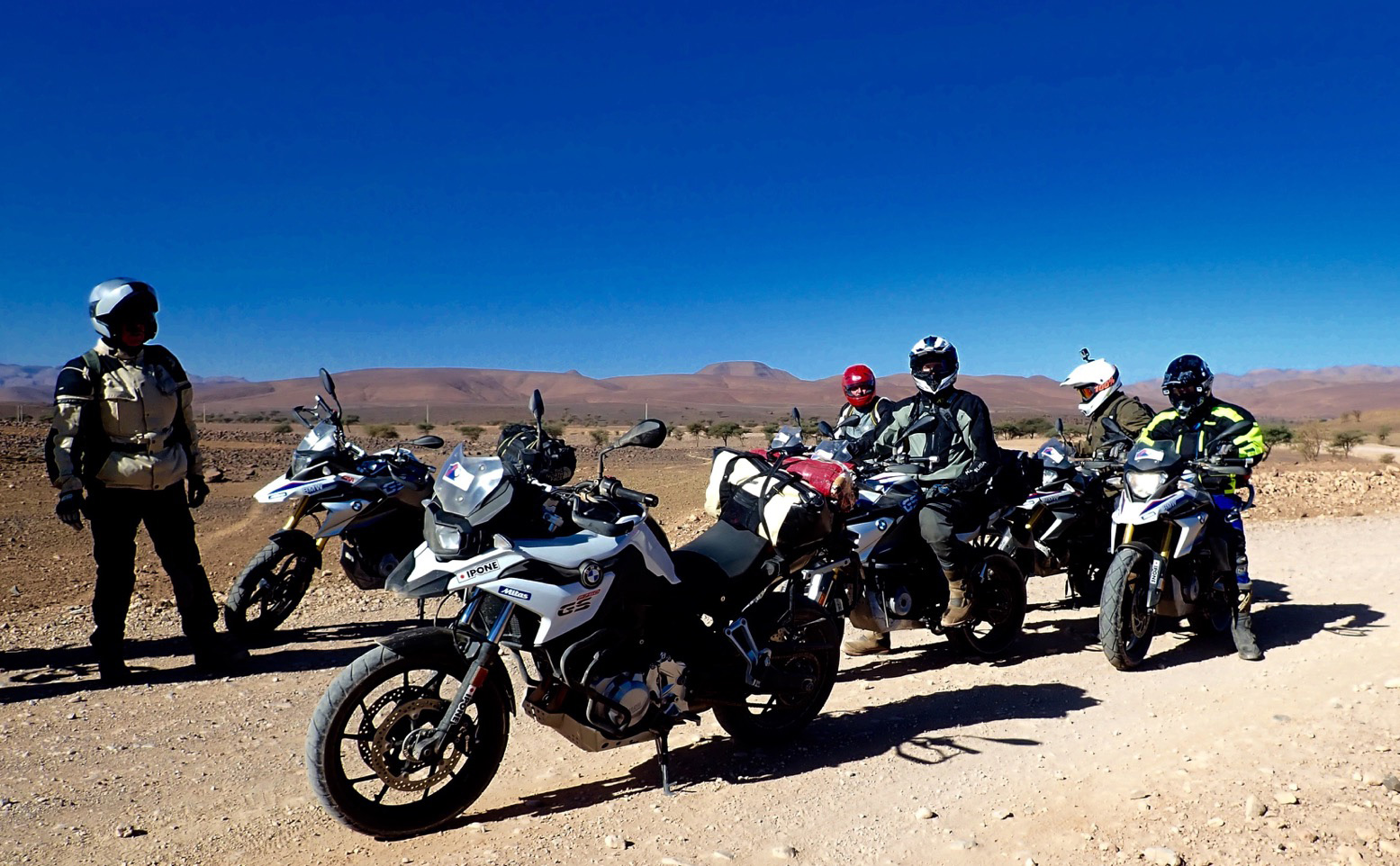
T2019---68

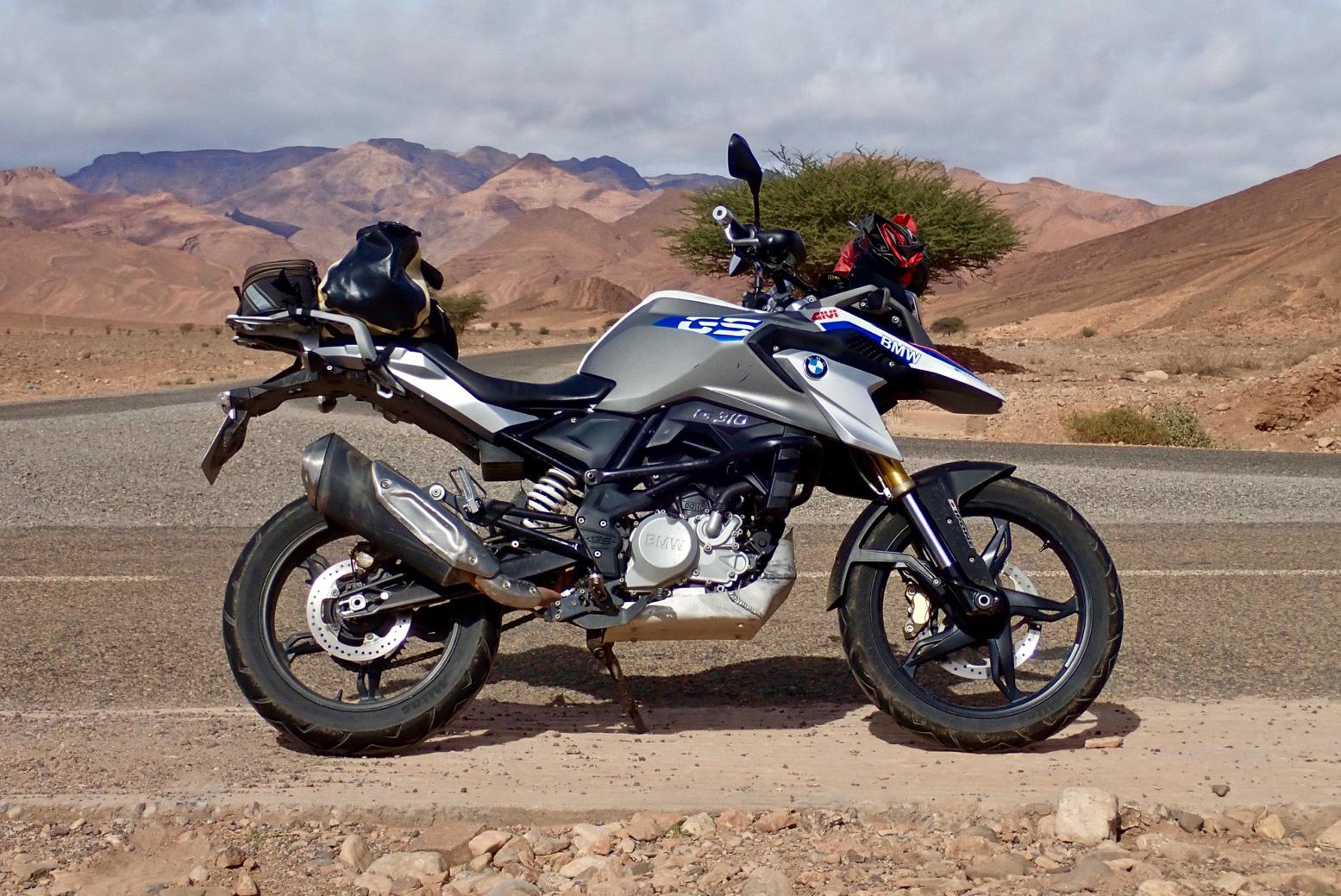
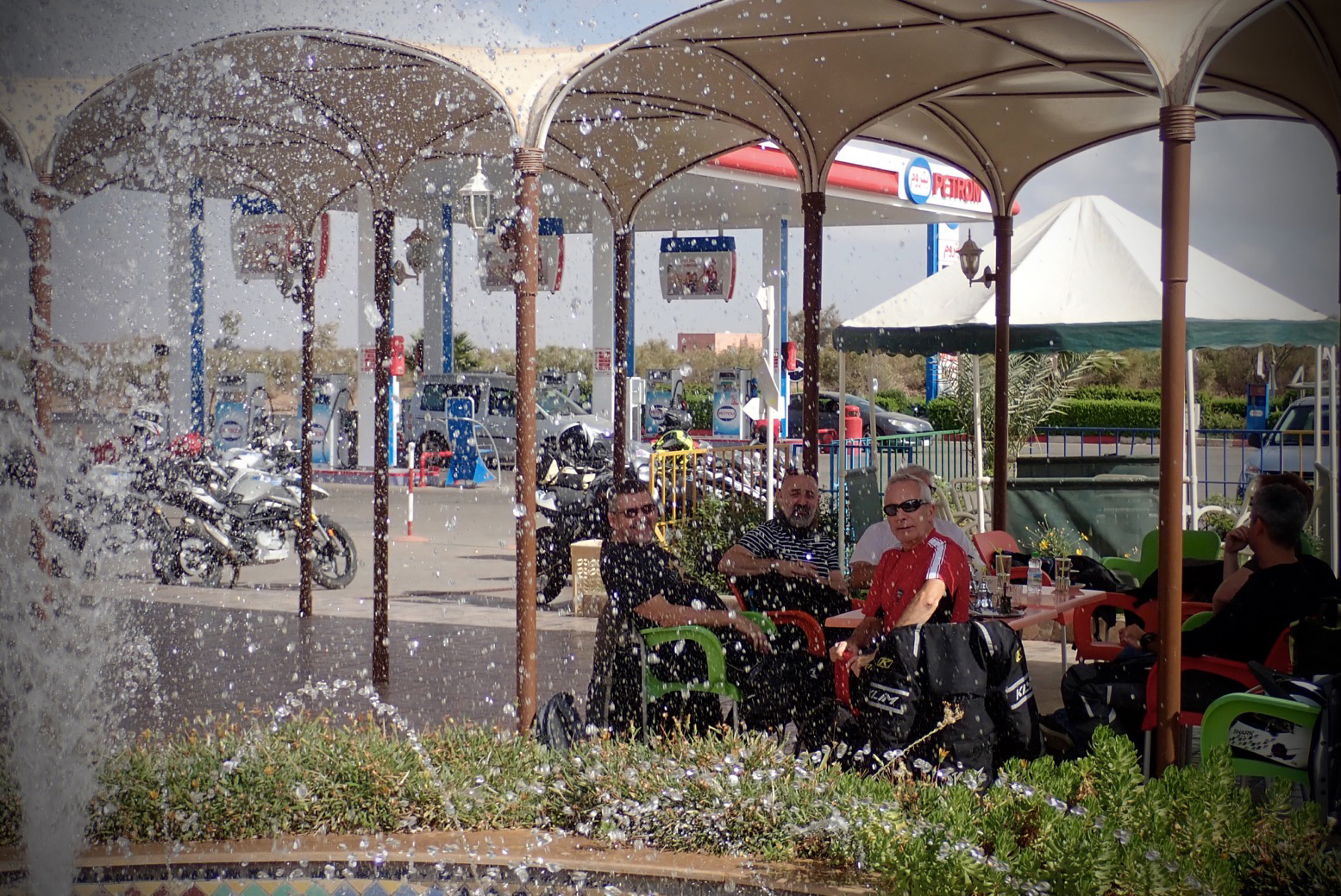
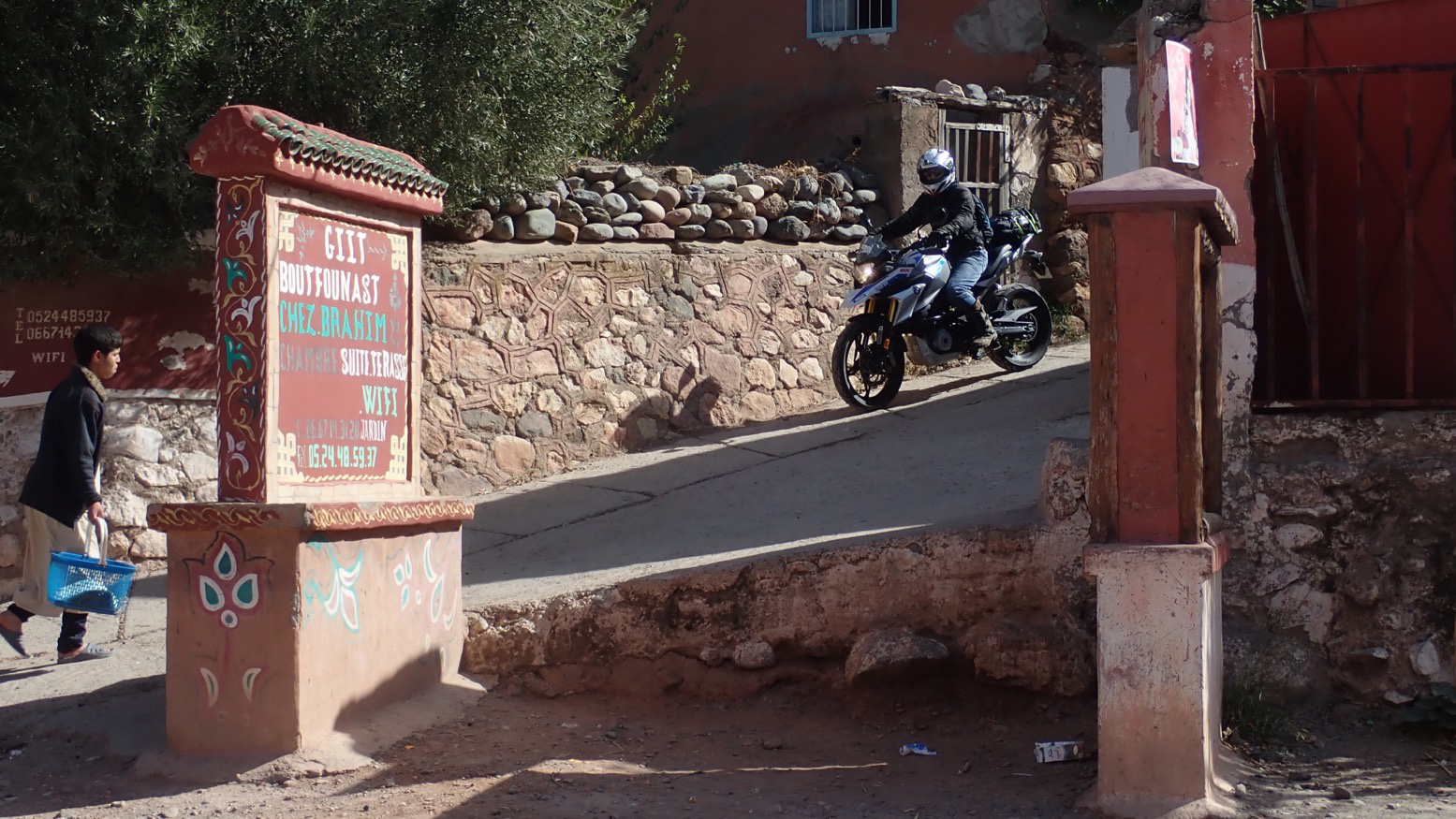
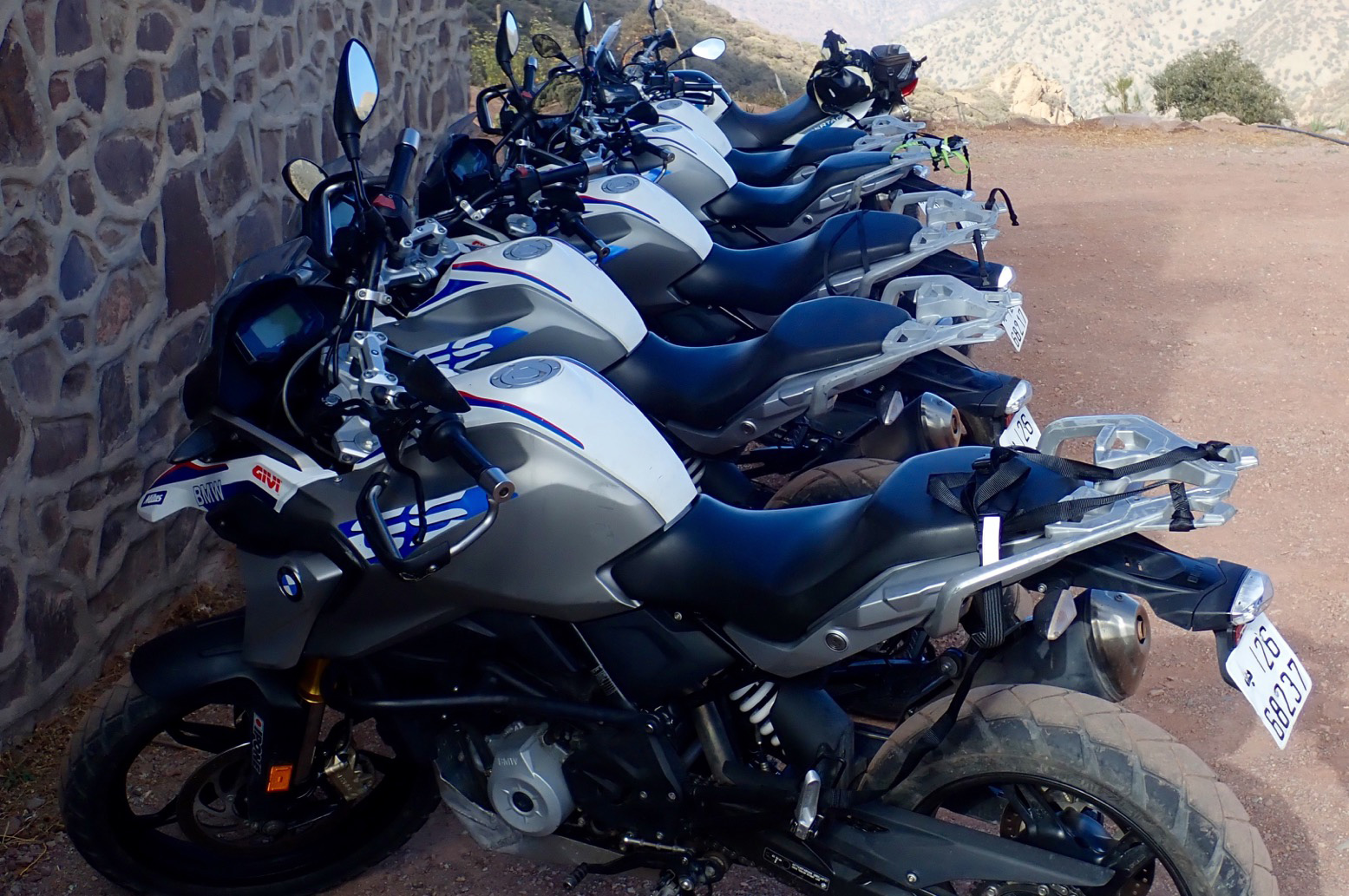
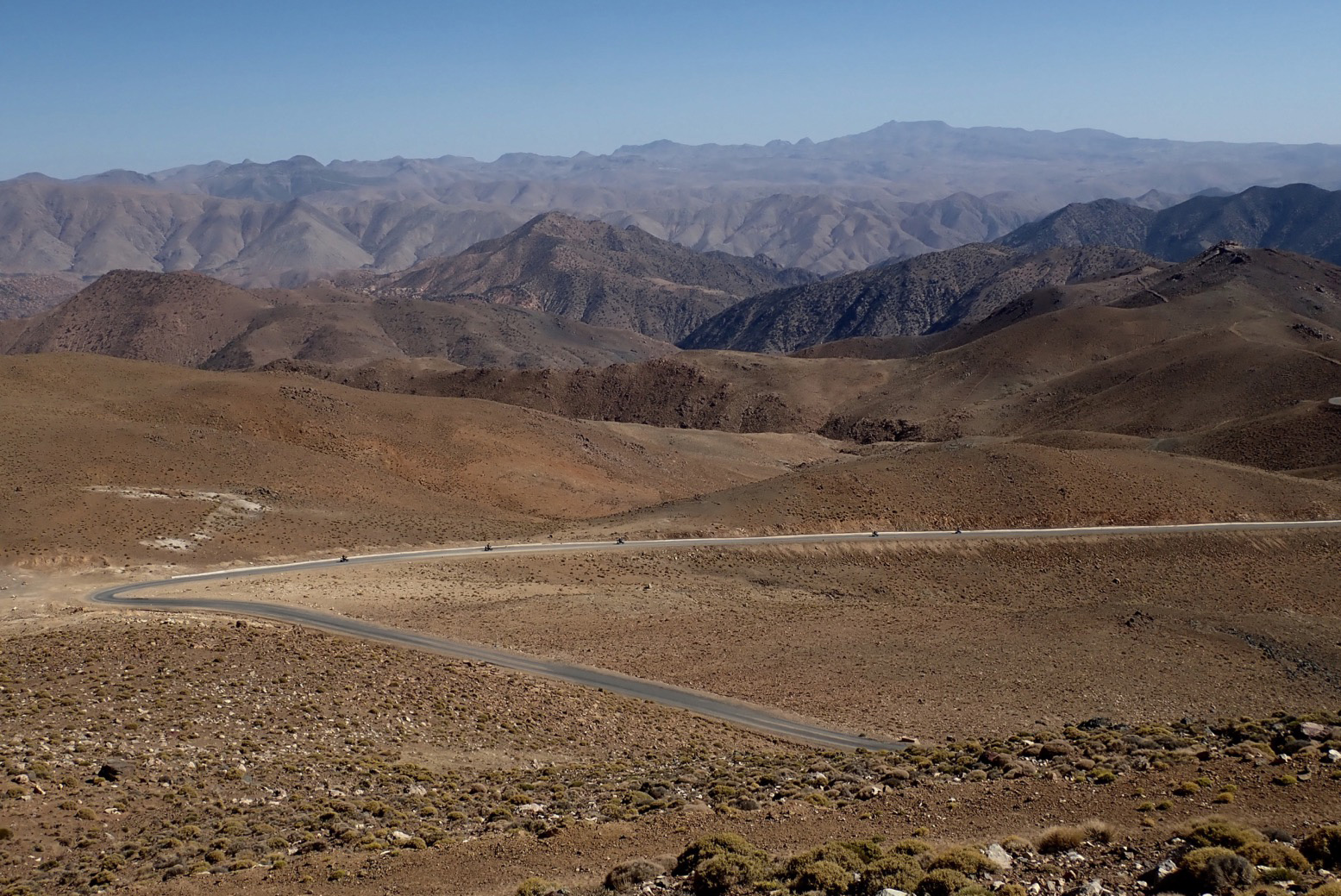
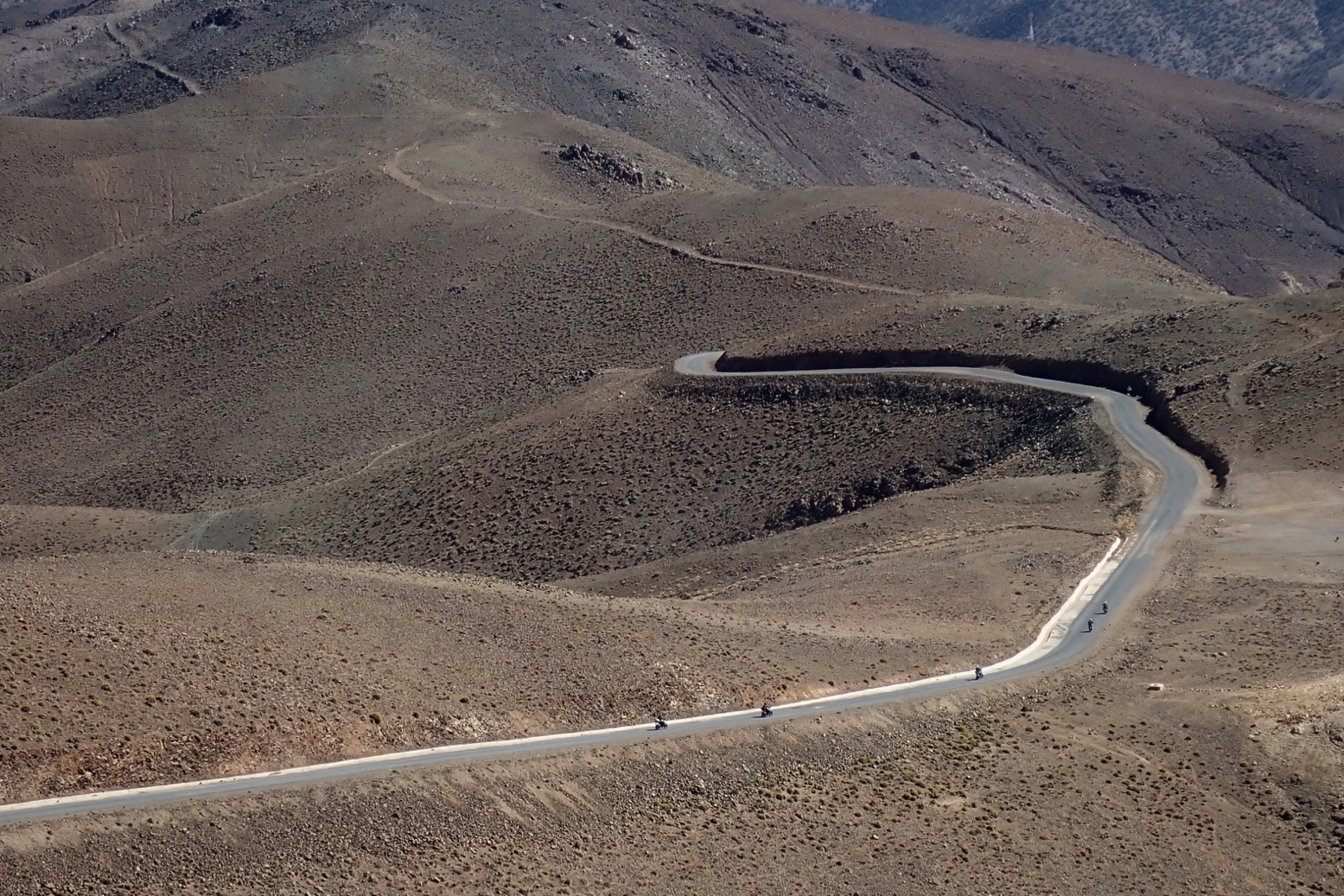
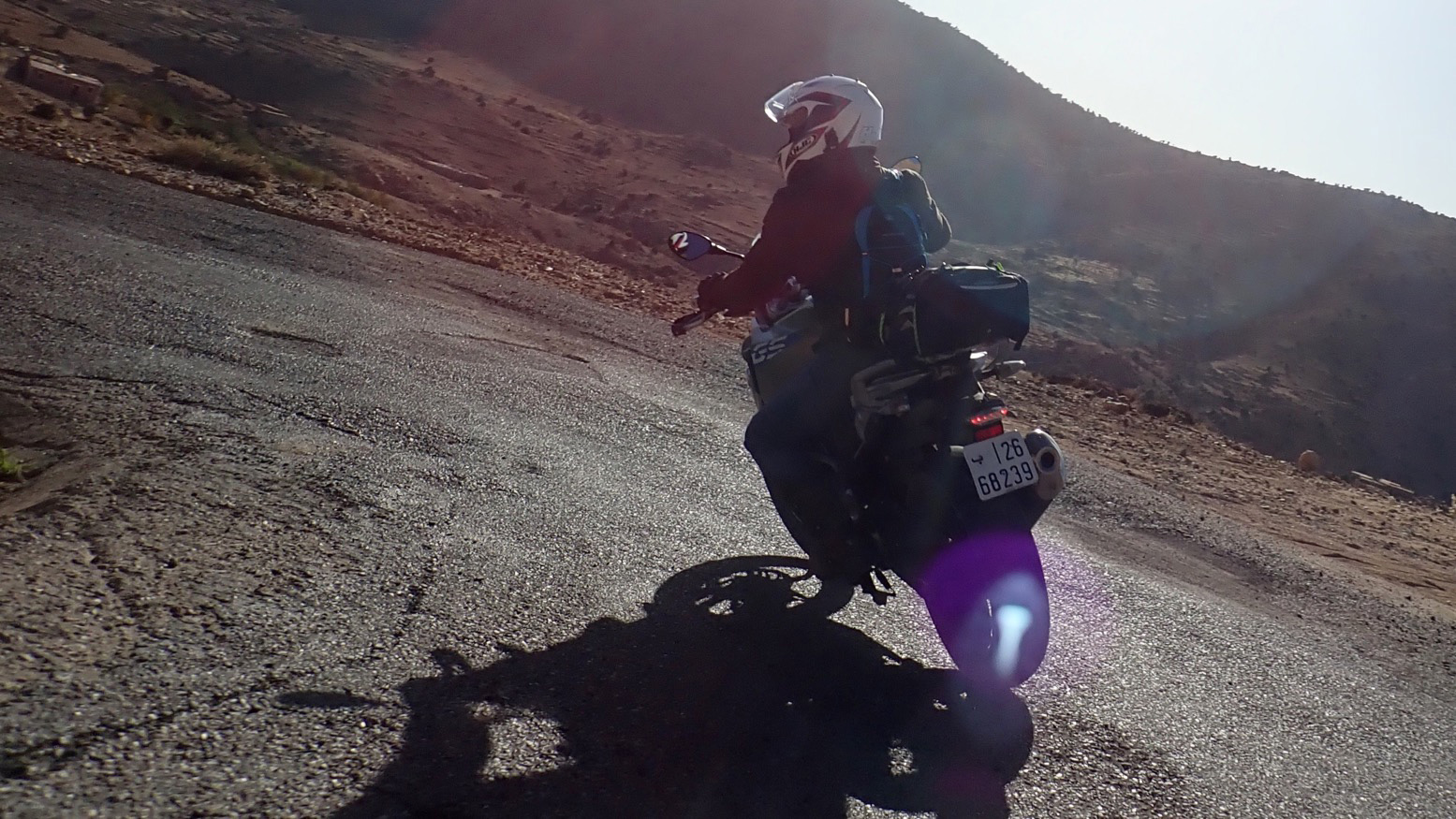
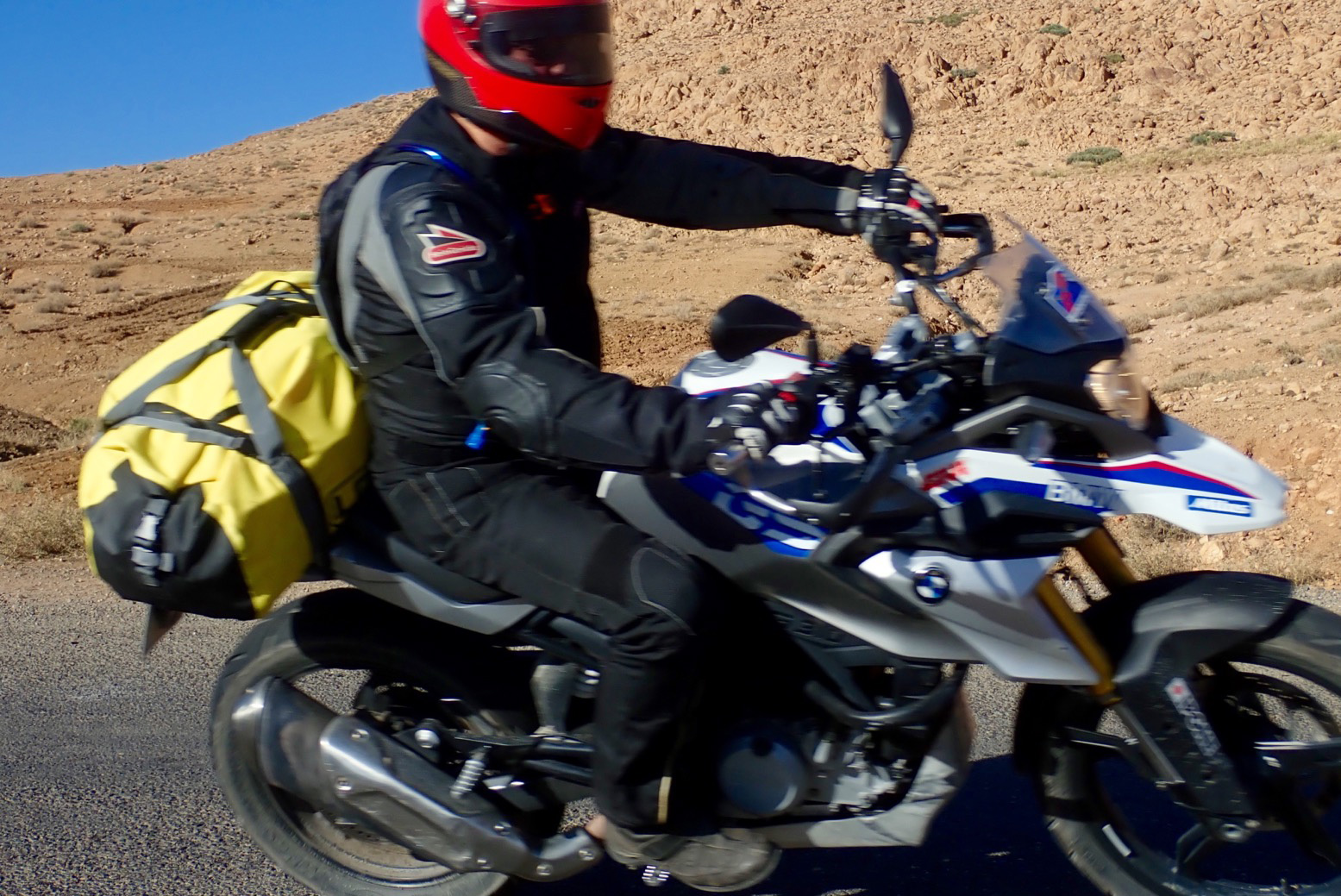
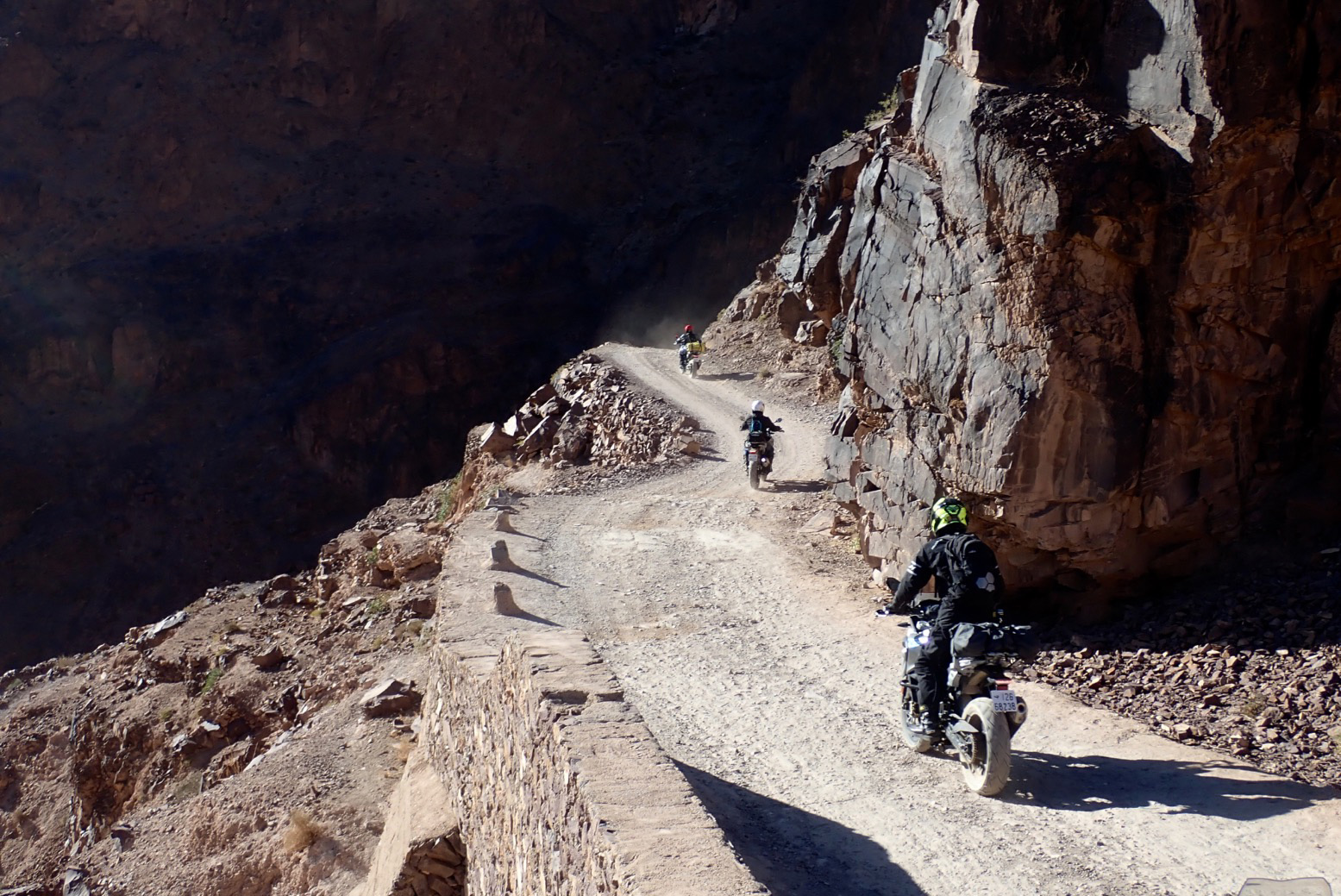
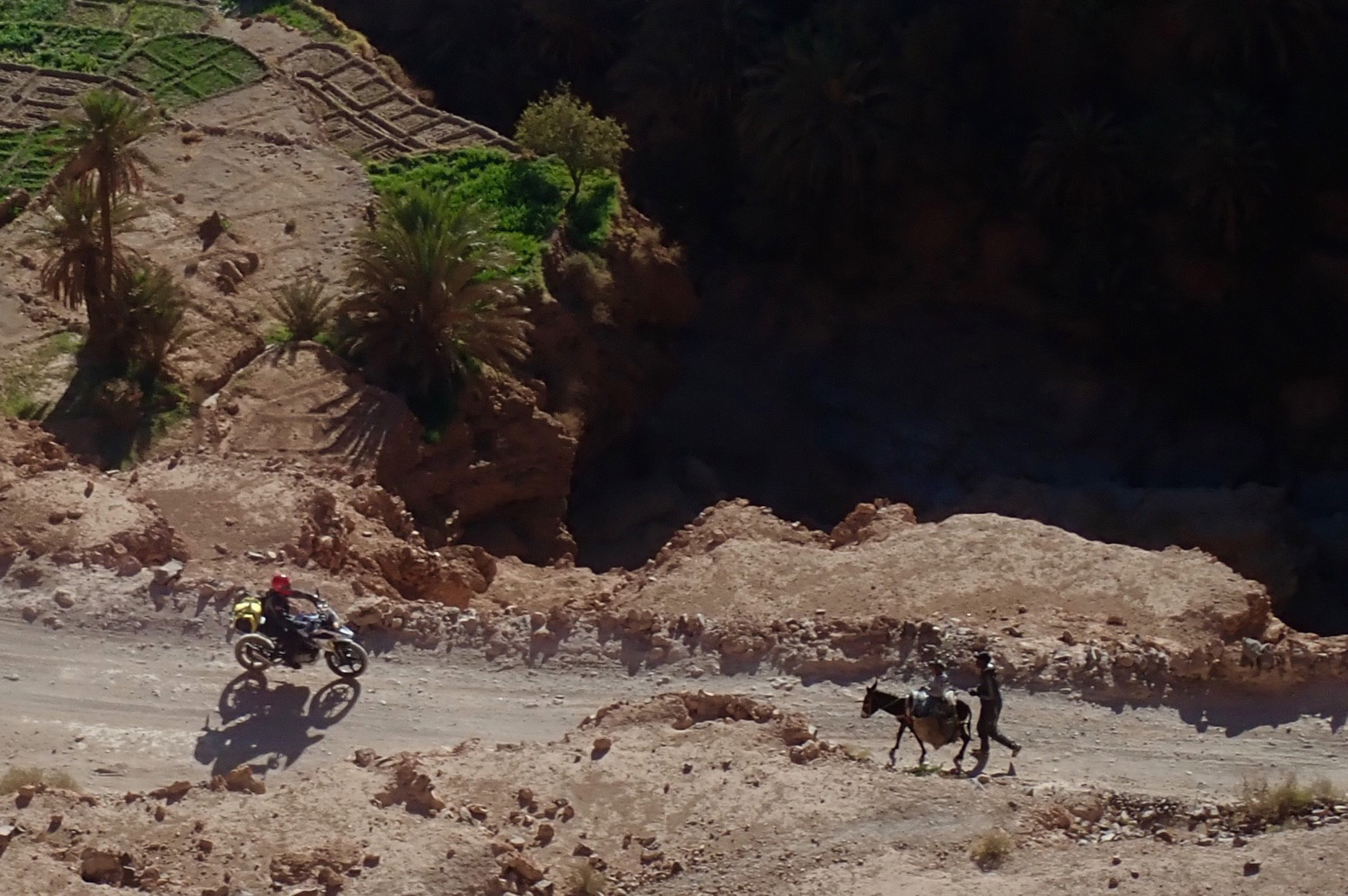
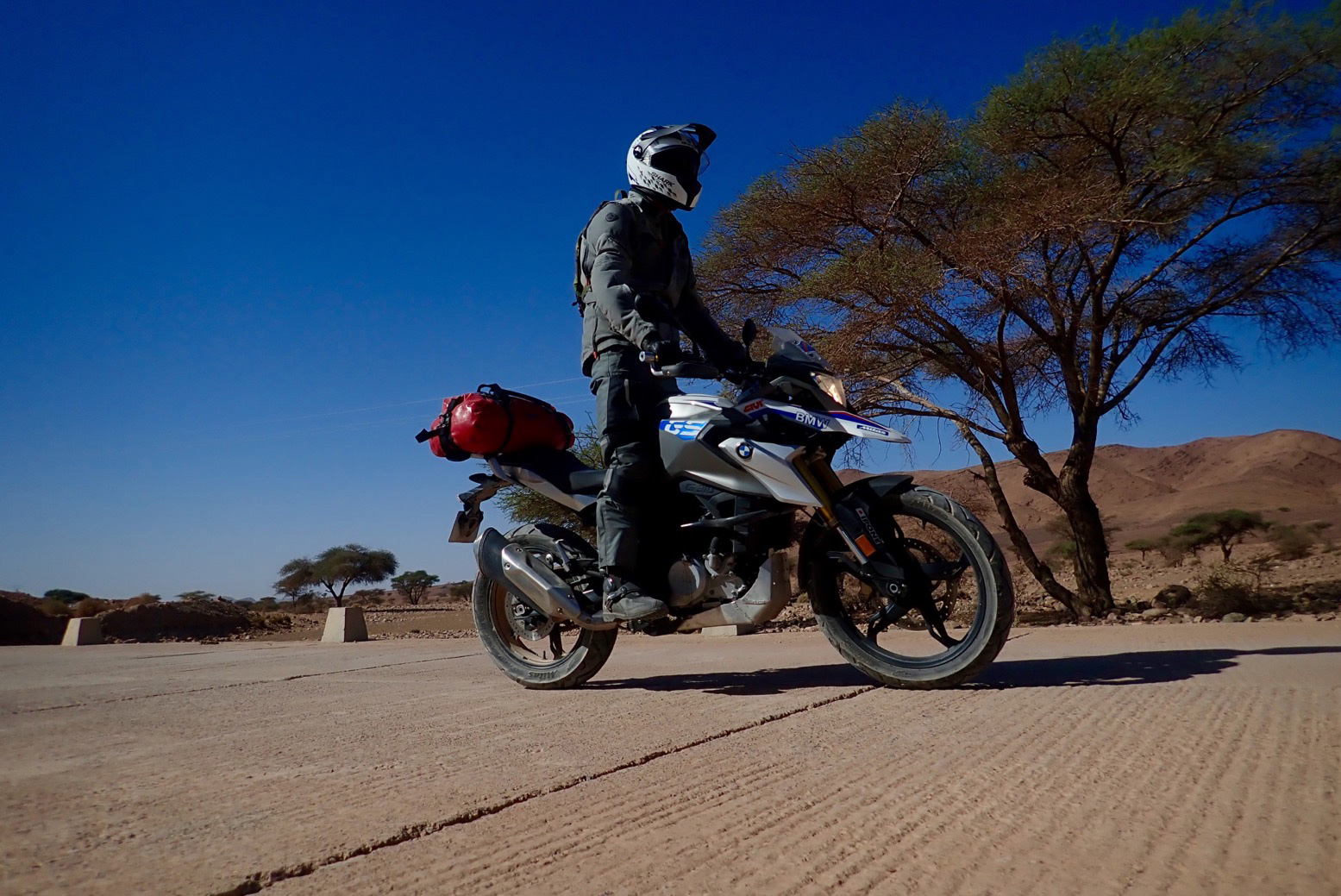
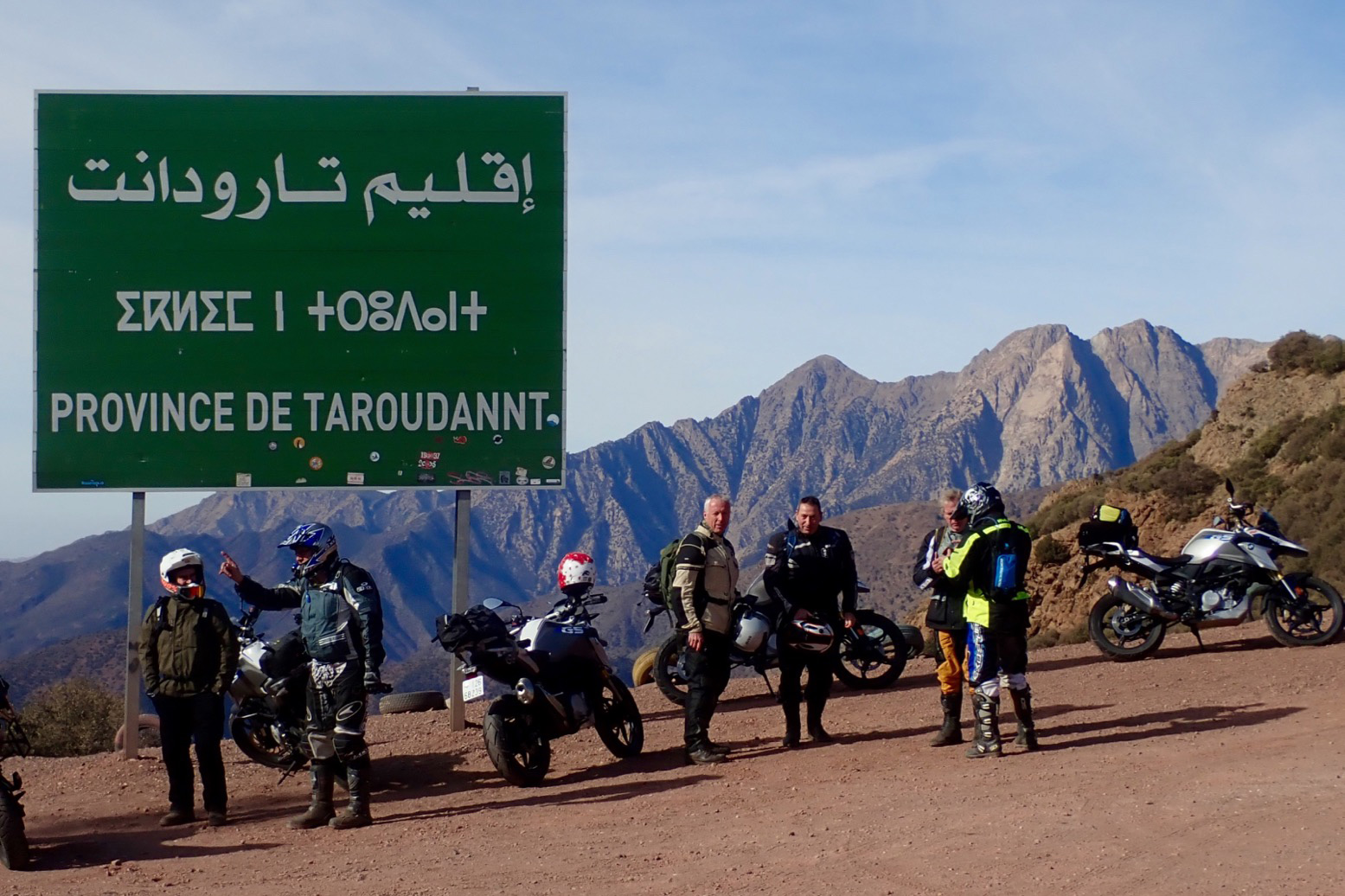
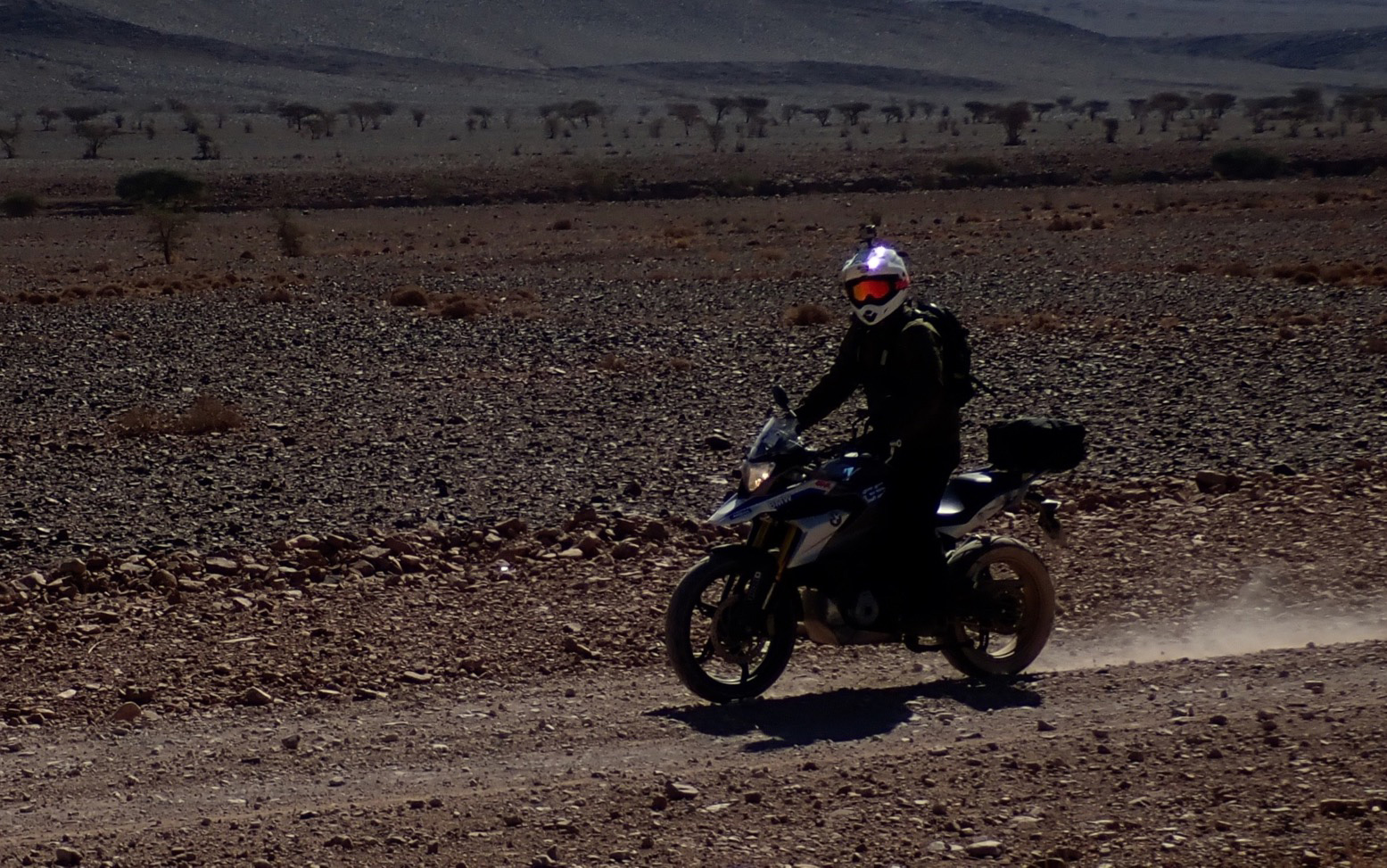
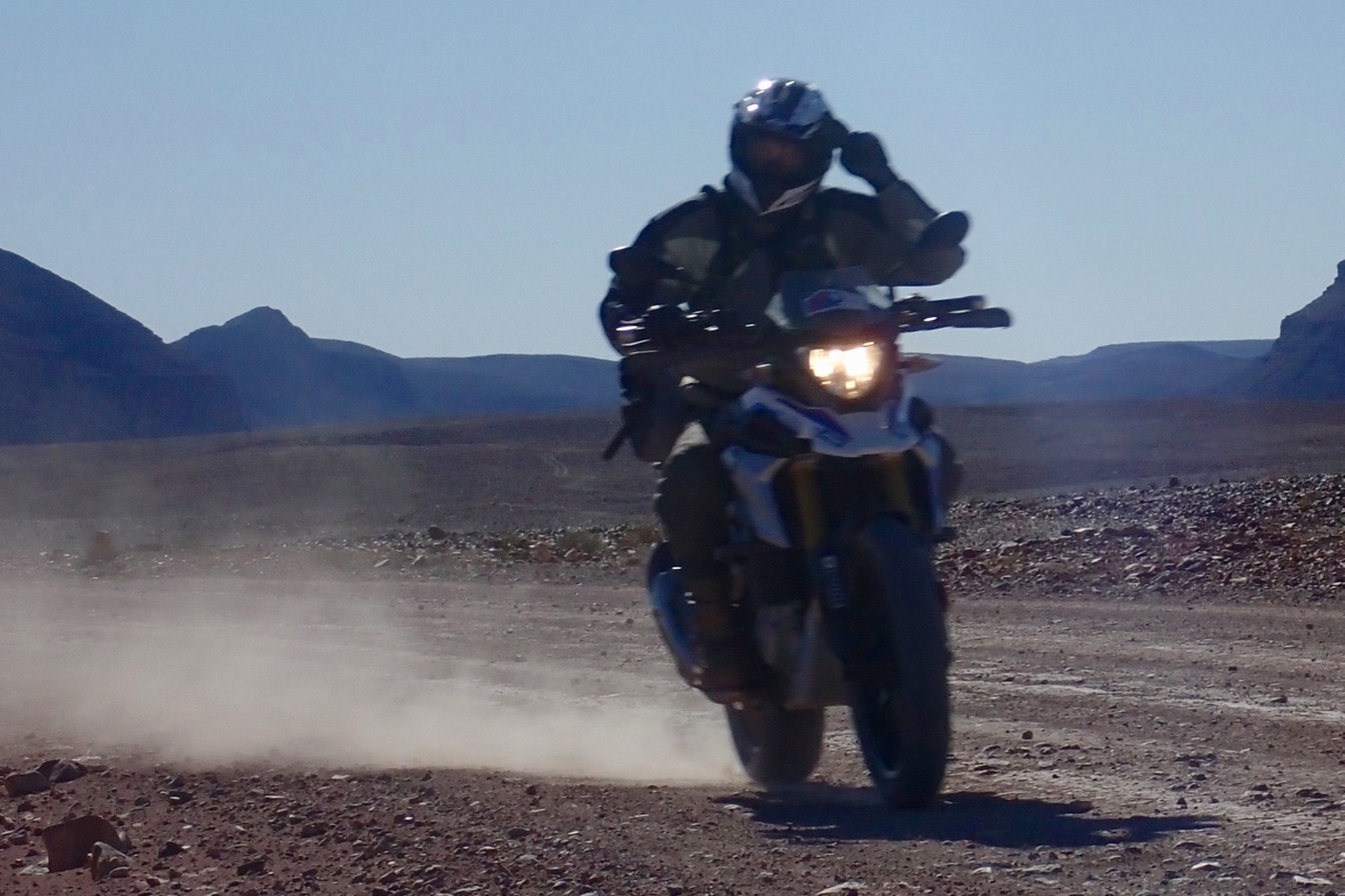
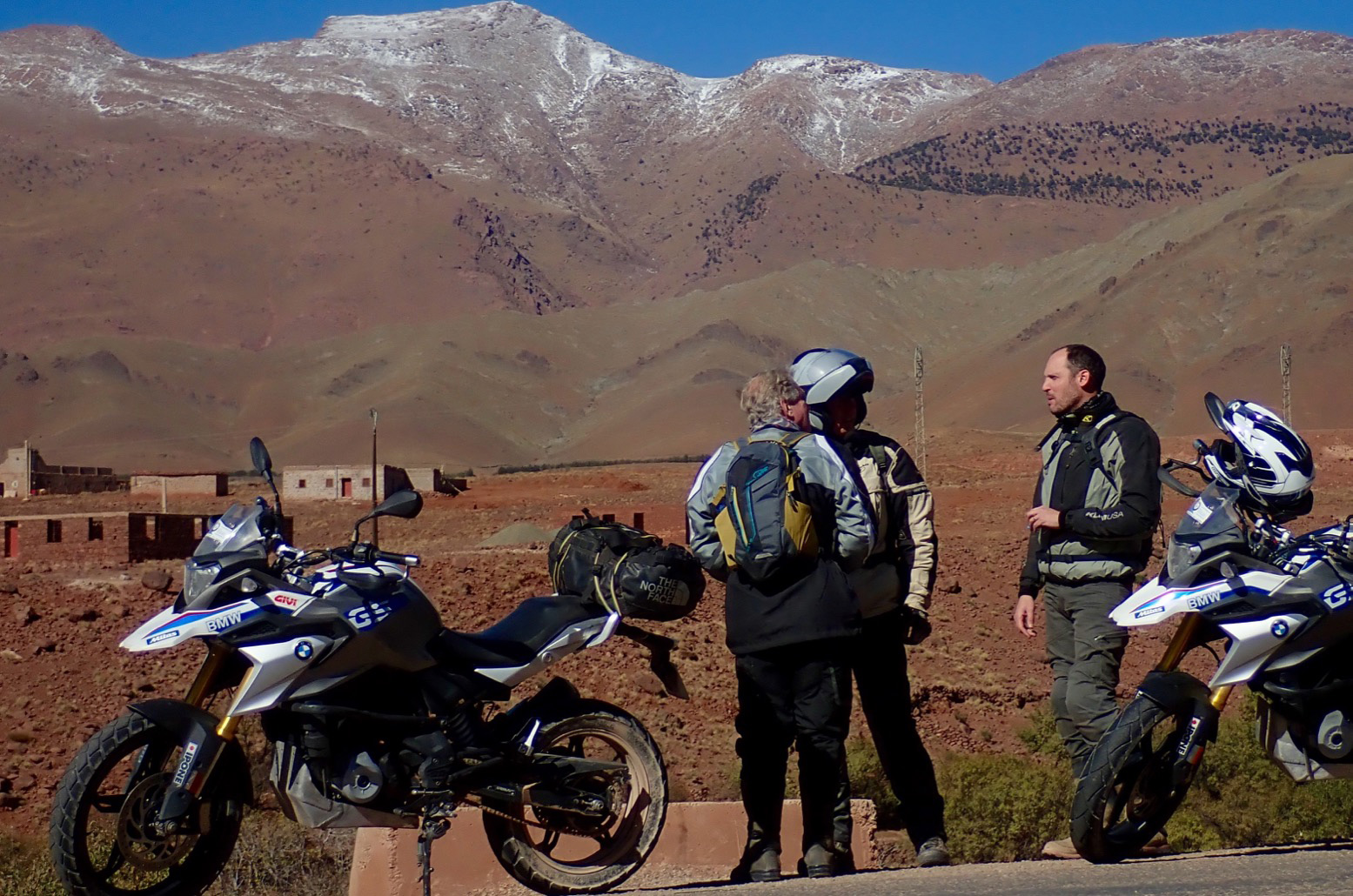
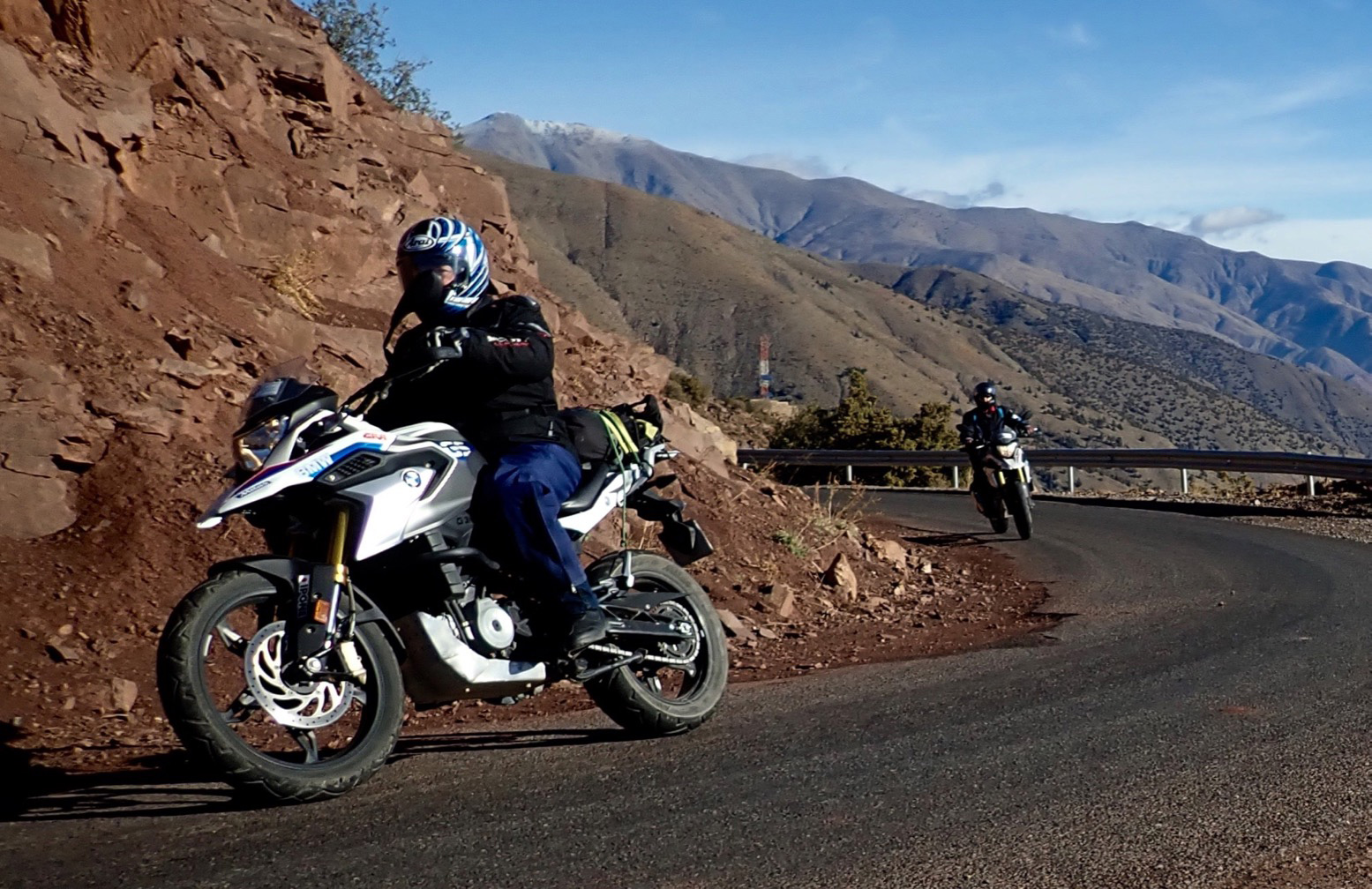
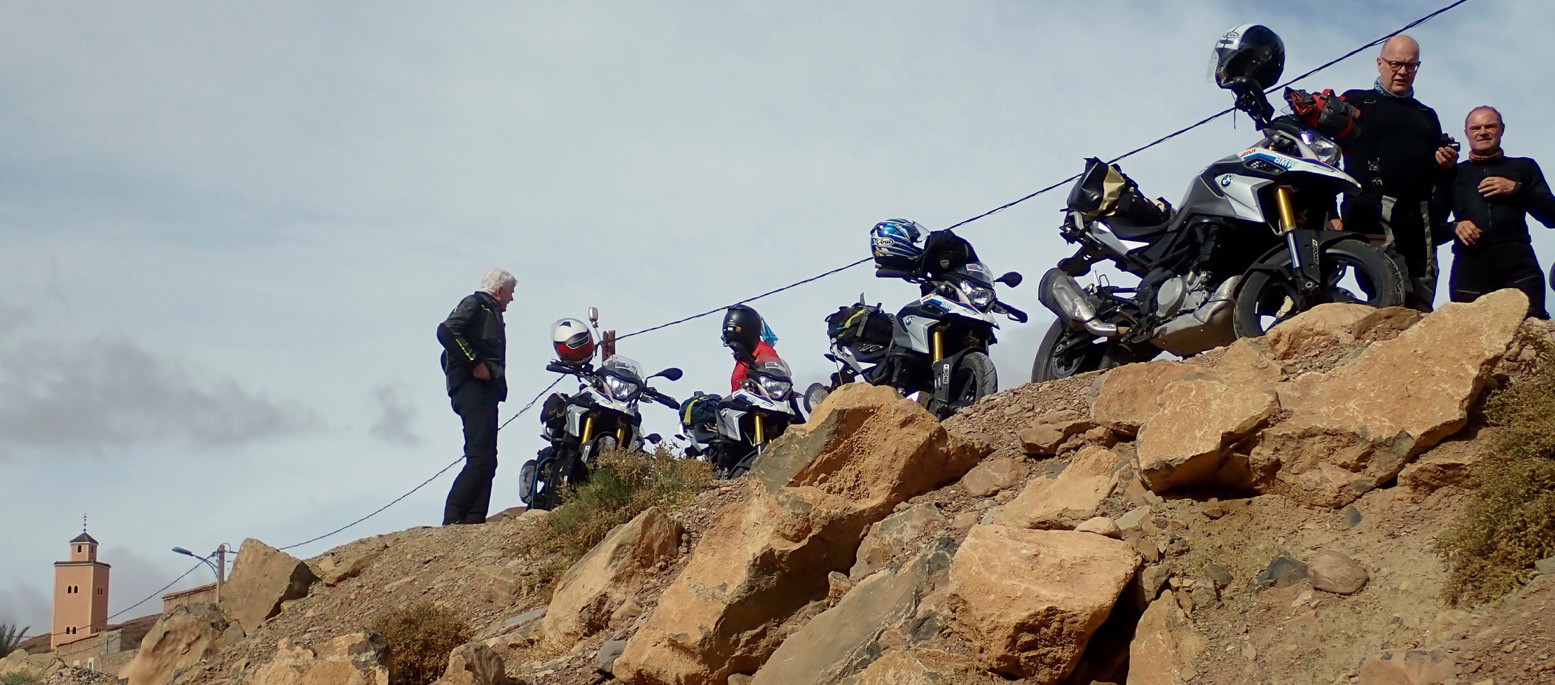
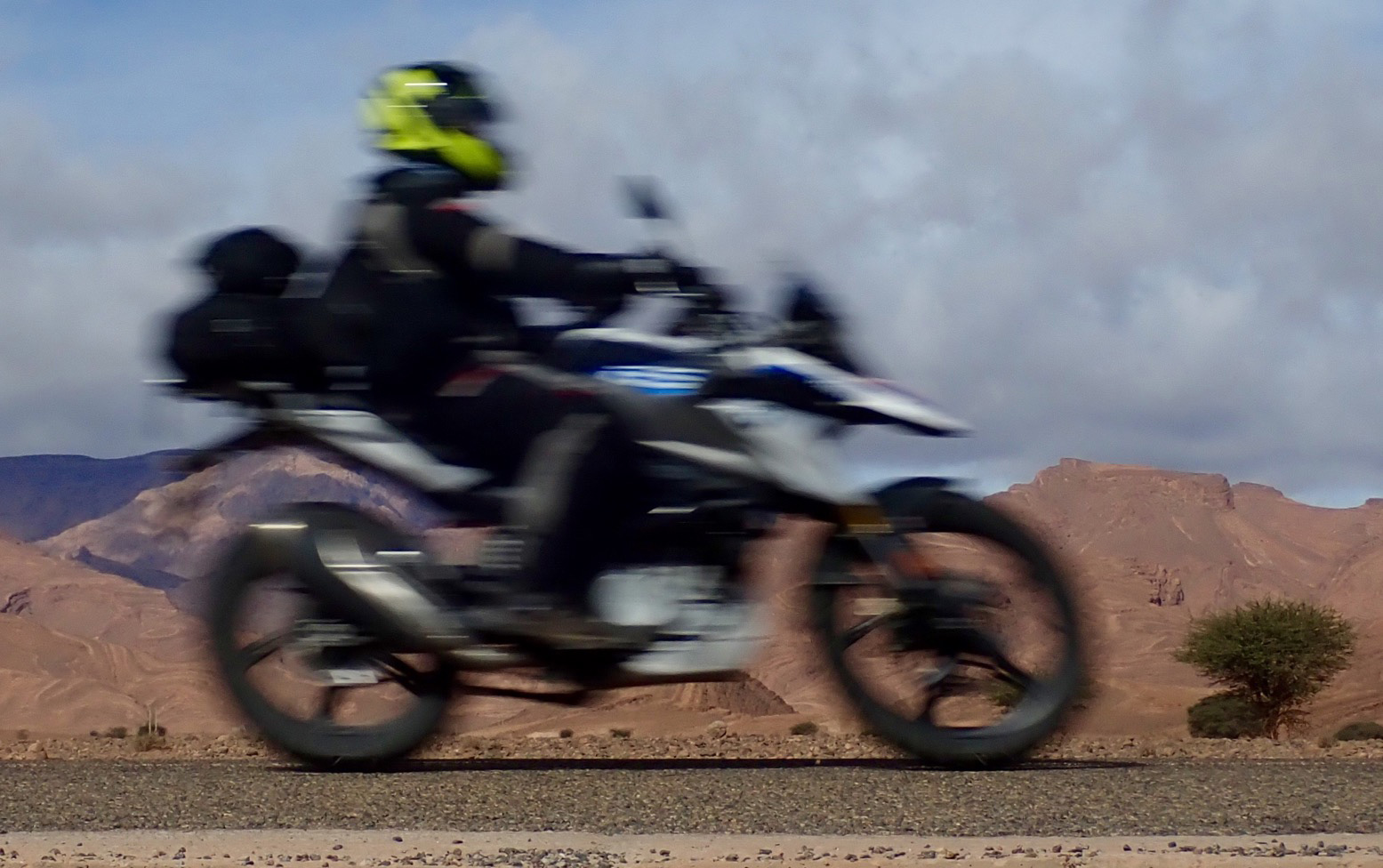
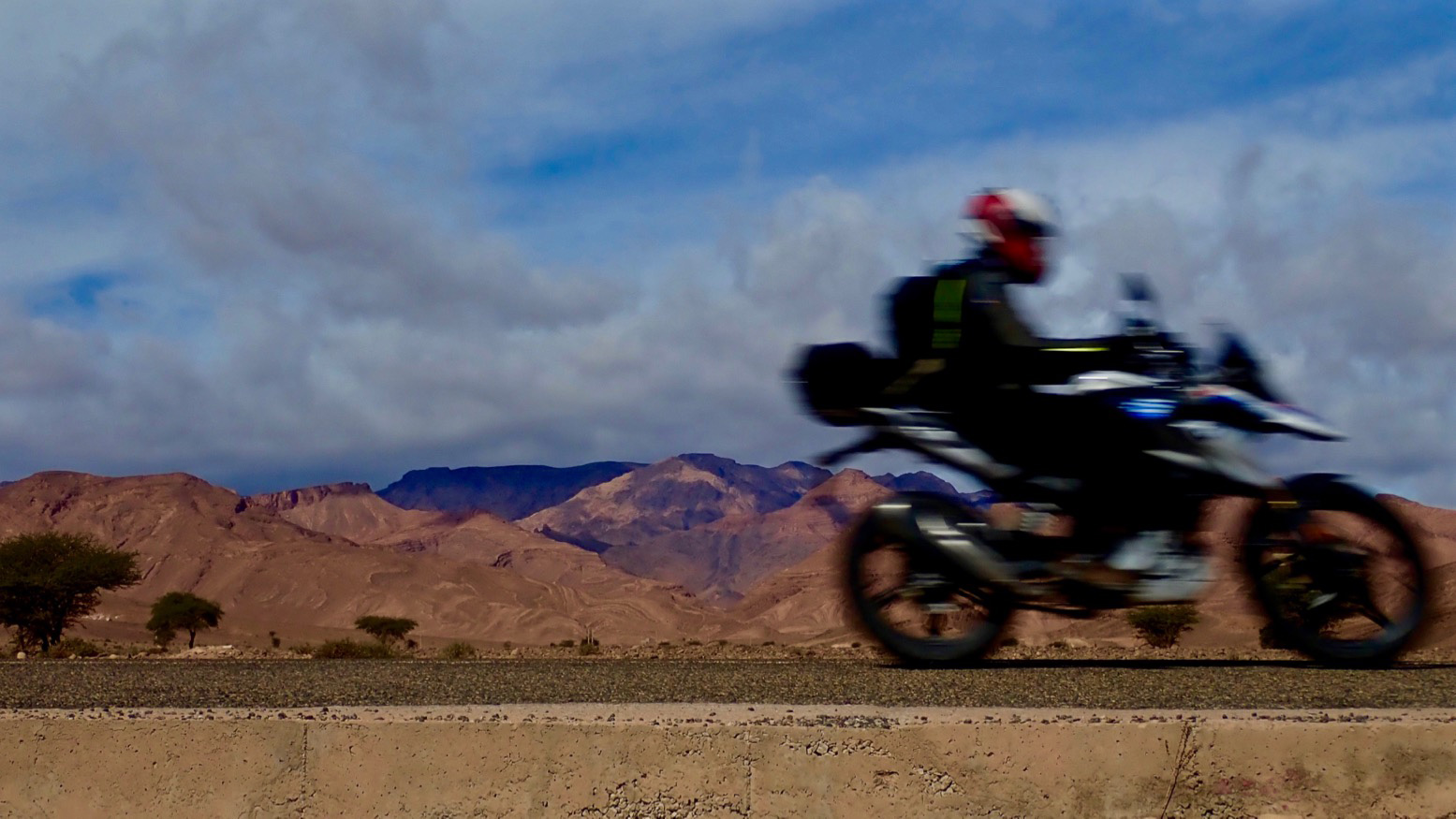
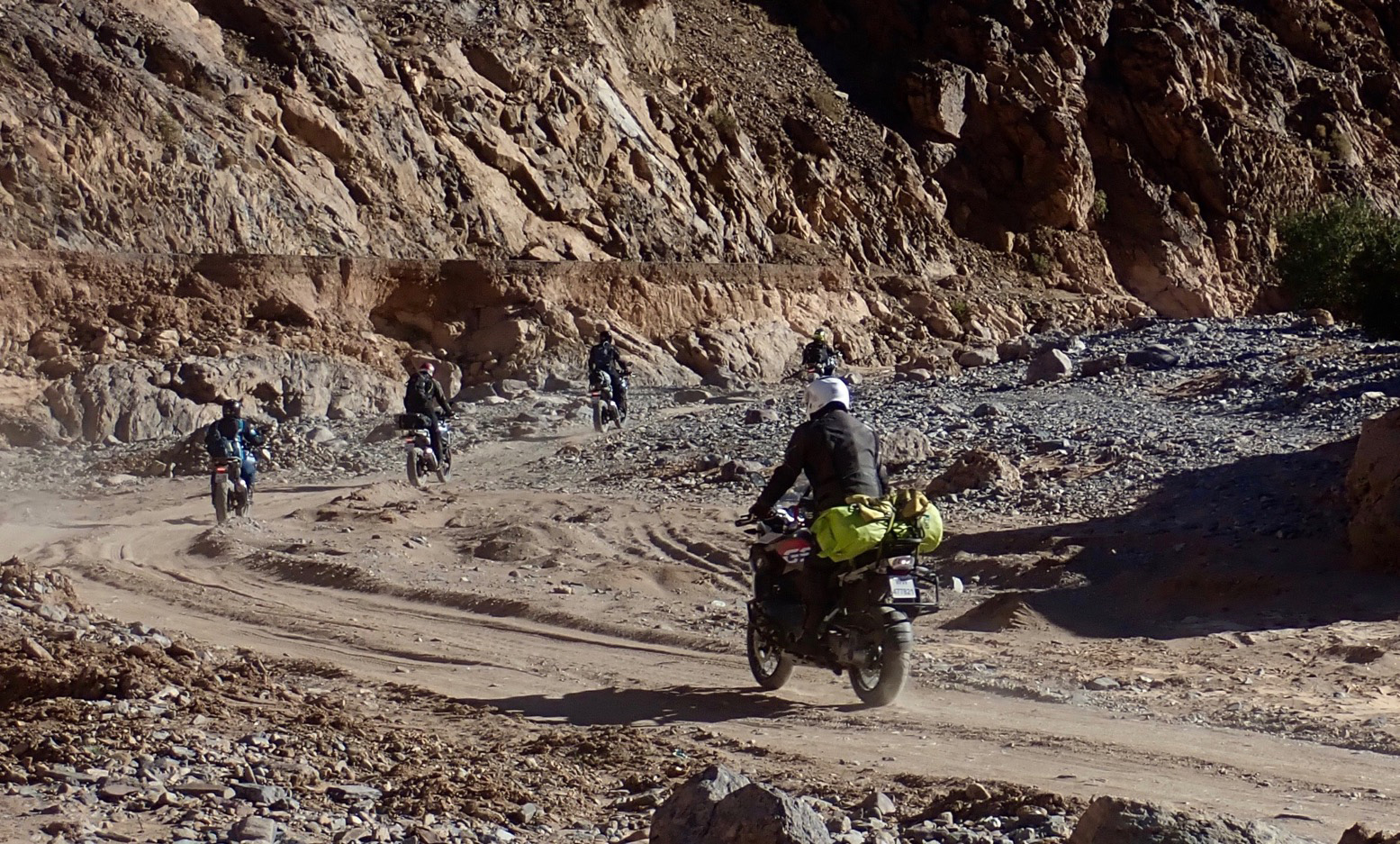
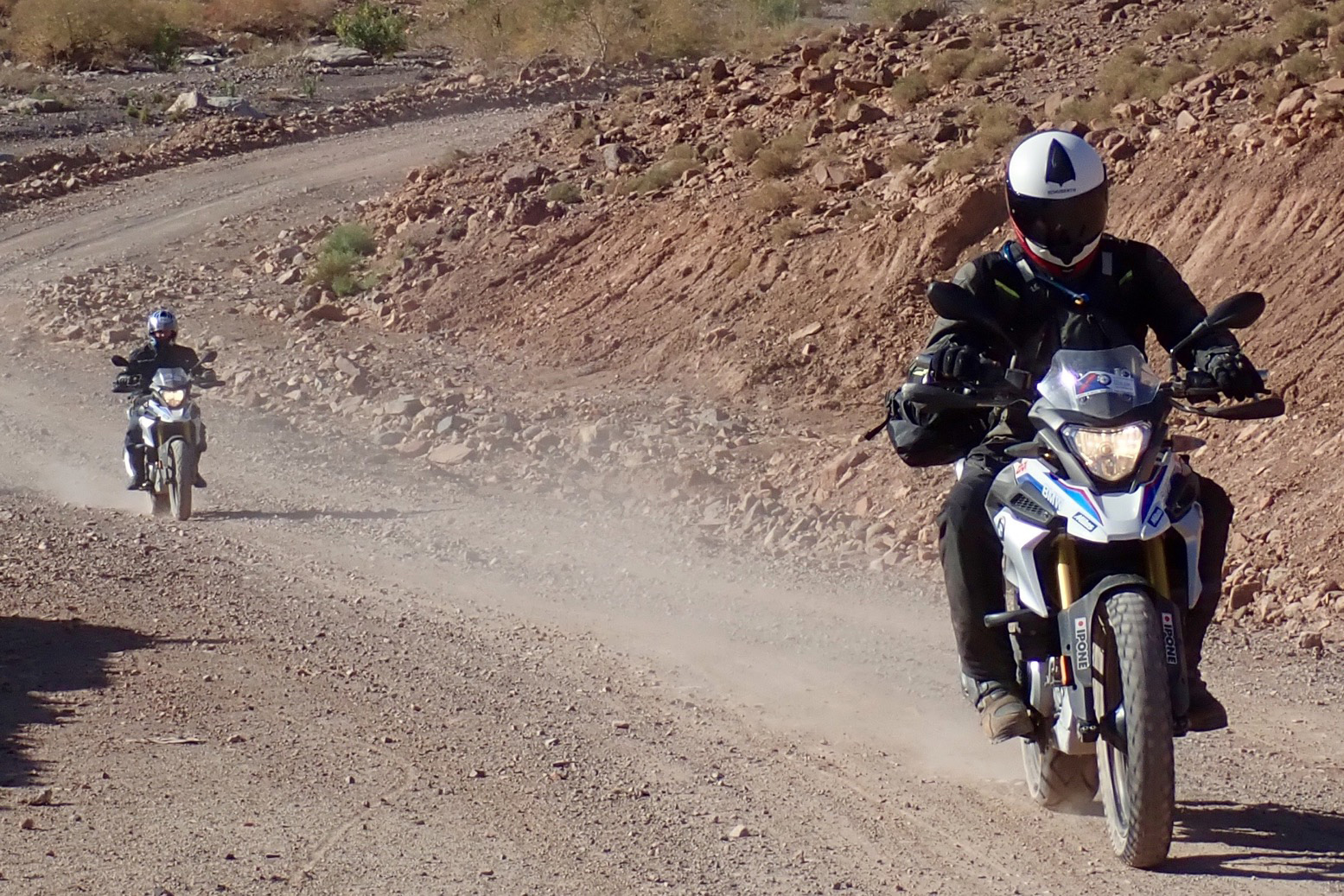
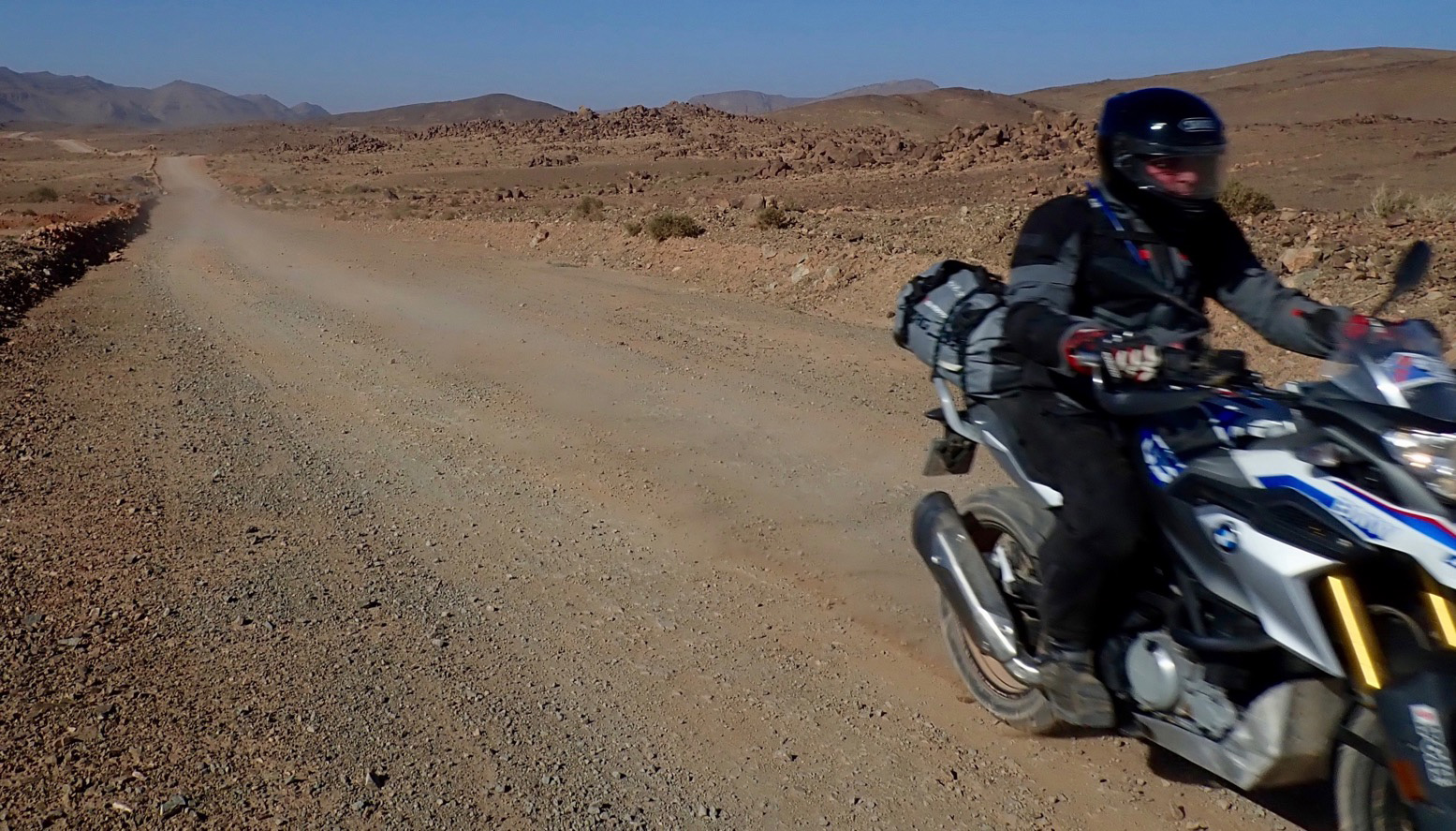
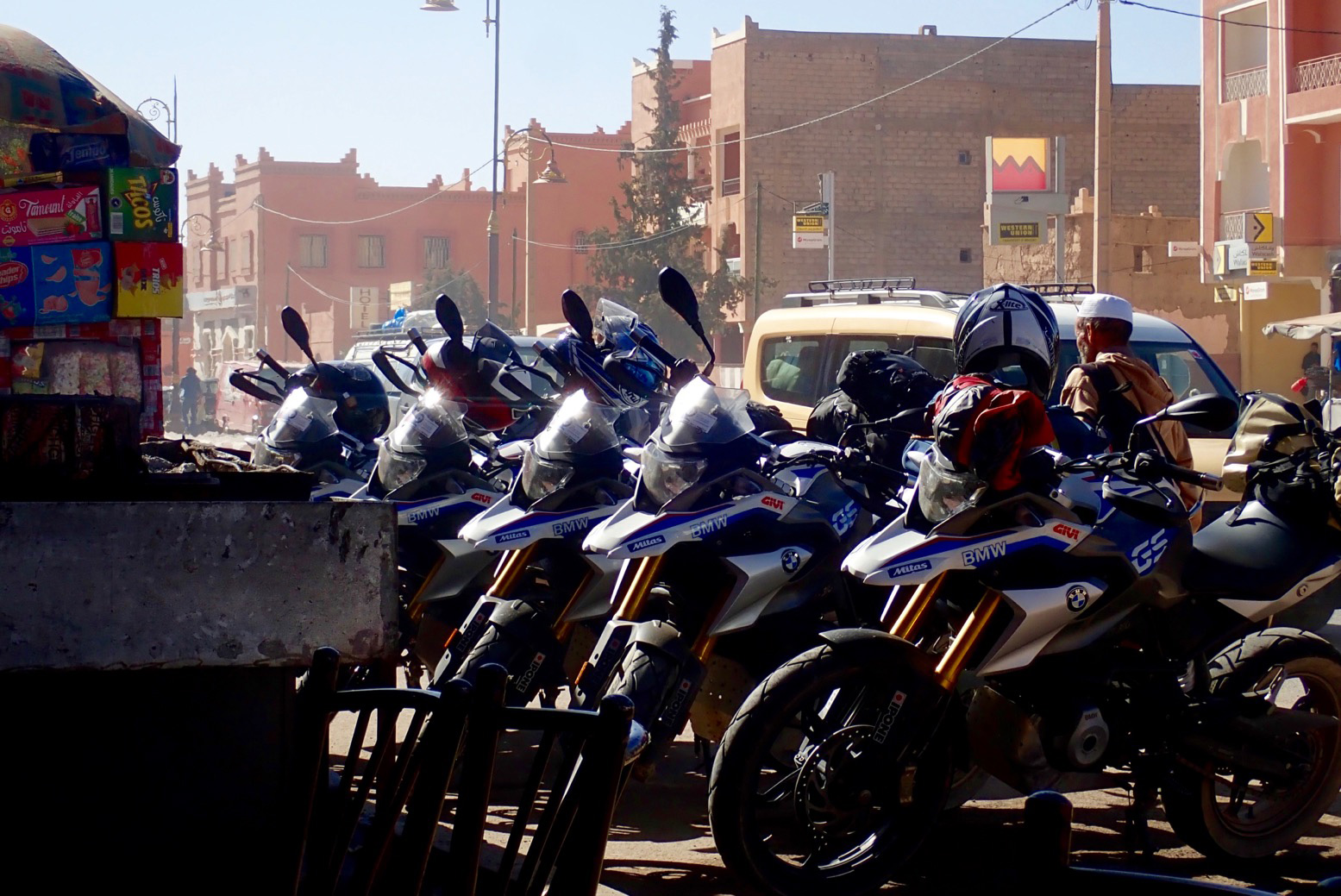
Three groups did a similar 1200-km loop, mostly on G310Gs all with around 30,000 rental kms on the clock. The 310 engines and finish are still great in mostly dry Morocco, gearboxes work fine, but neutral is hard to select (as it was on the old Tornados) and the shock damping is not what it was (which was never that much). There are no leaks from the USDs and for wear and tear, that’s about it. The worse mpg was 75, best was an amazing 112 or 39kpl. We got 12 litres into the supposed 11-litre tank with ‘1km’ indicated on the range.
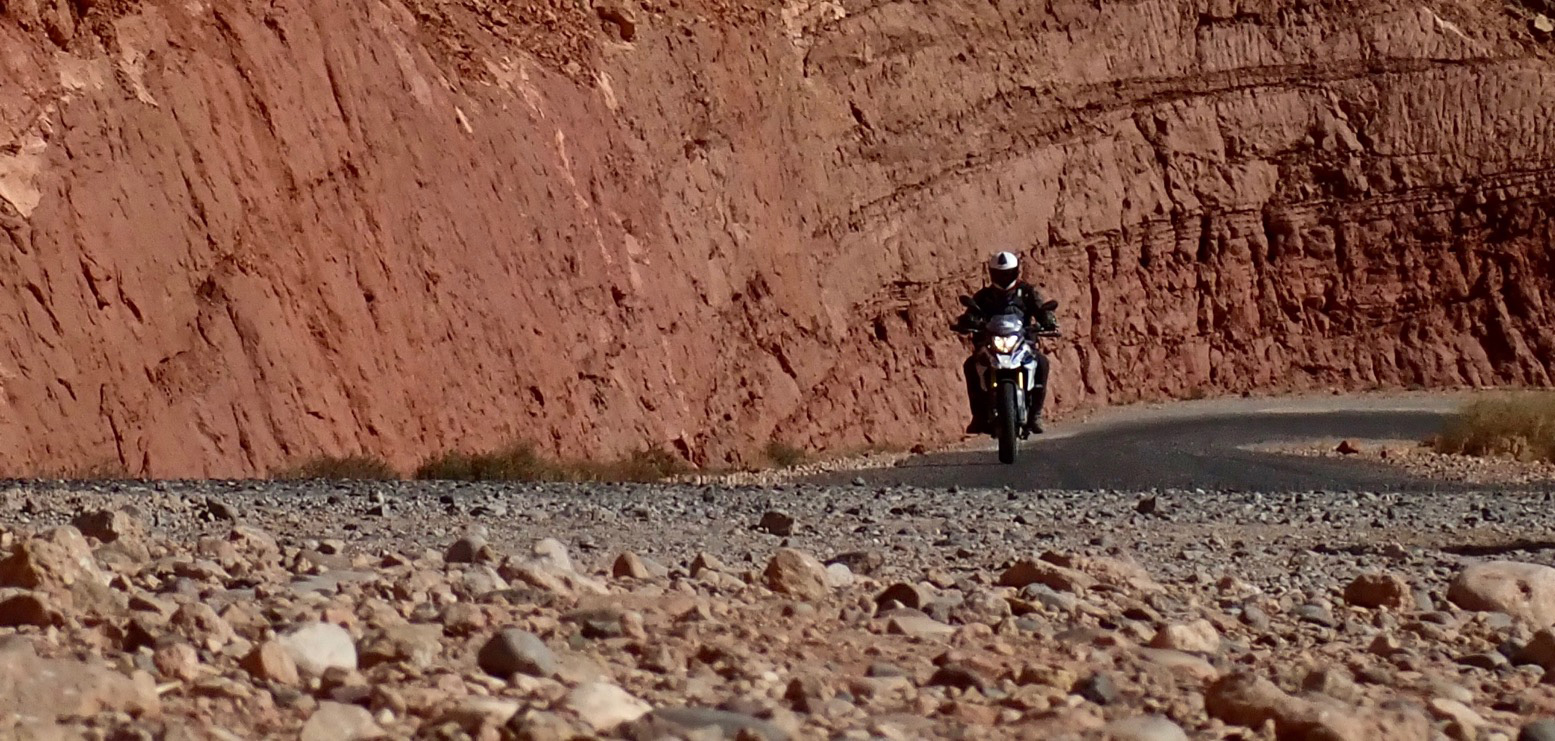
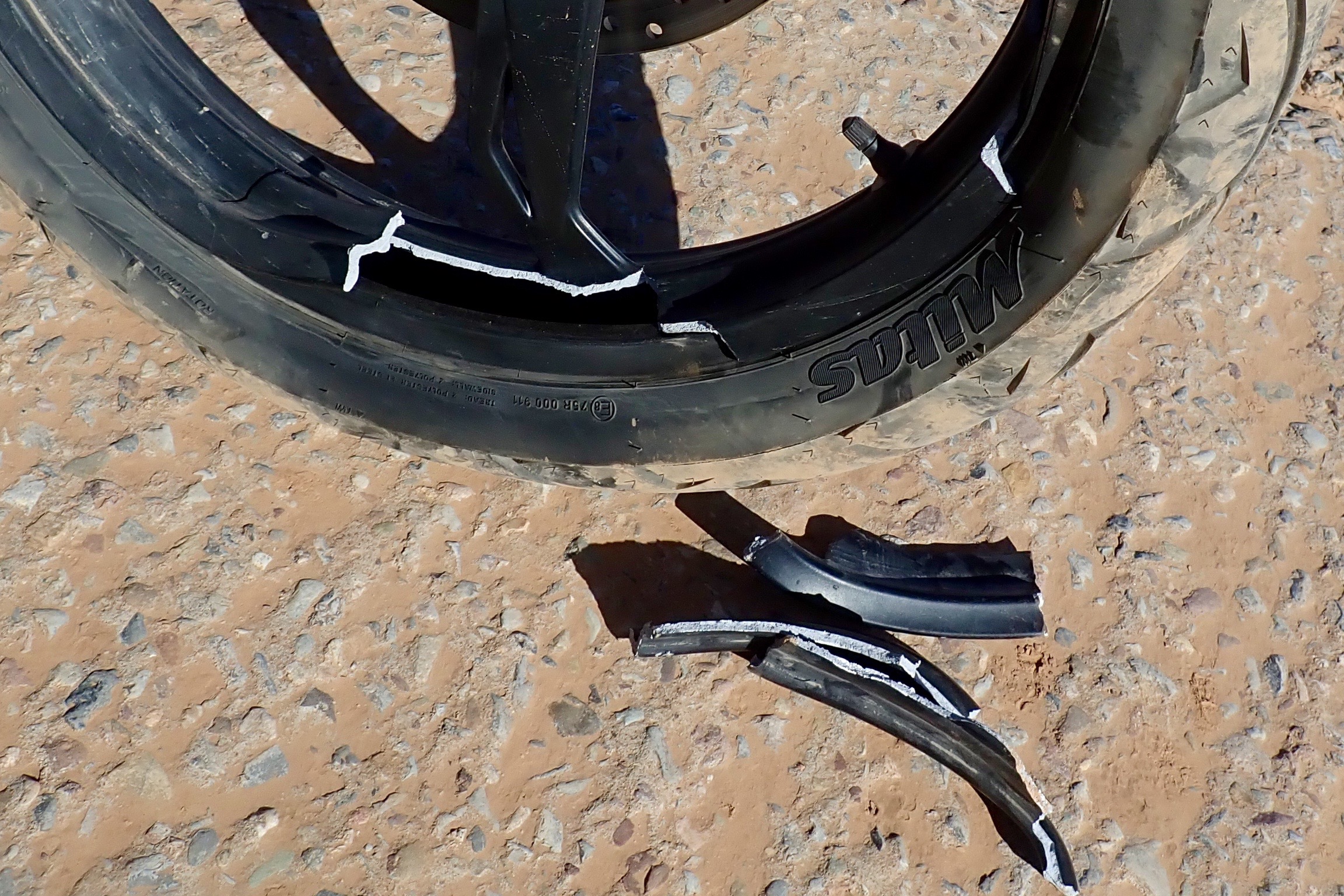
Bike problems over a cumulative ‘21,000km’ (1200 x 3 x 6) included a persistent flat battery on the same bike which we deduced must be down to an intermittent electrical fault somewhere, probably as a result of vibration from rough tracks. There were no punctures on the Mitas Terra Force TL tyres and one smashed front wheel from an unlucky fall which smacked into a square-edged rock. Oh, and another sidestand failure (a known 310 weak point and new frame warranty) literally coming to a halt back in the garage and even though they’ve been strengthened.
So at this rate the 310s seem to be keeping up well with the old XR250 Tornados, but perhaps that’s because renters don’t take them onto the tracks the which Honda could manage easily.

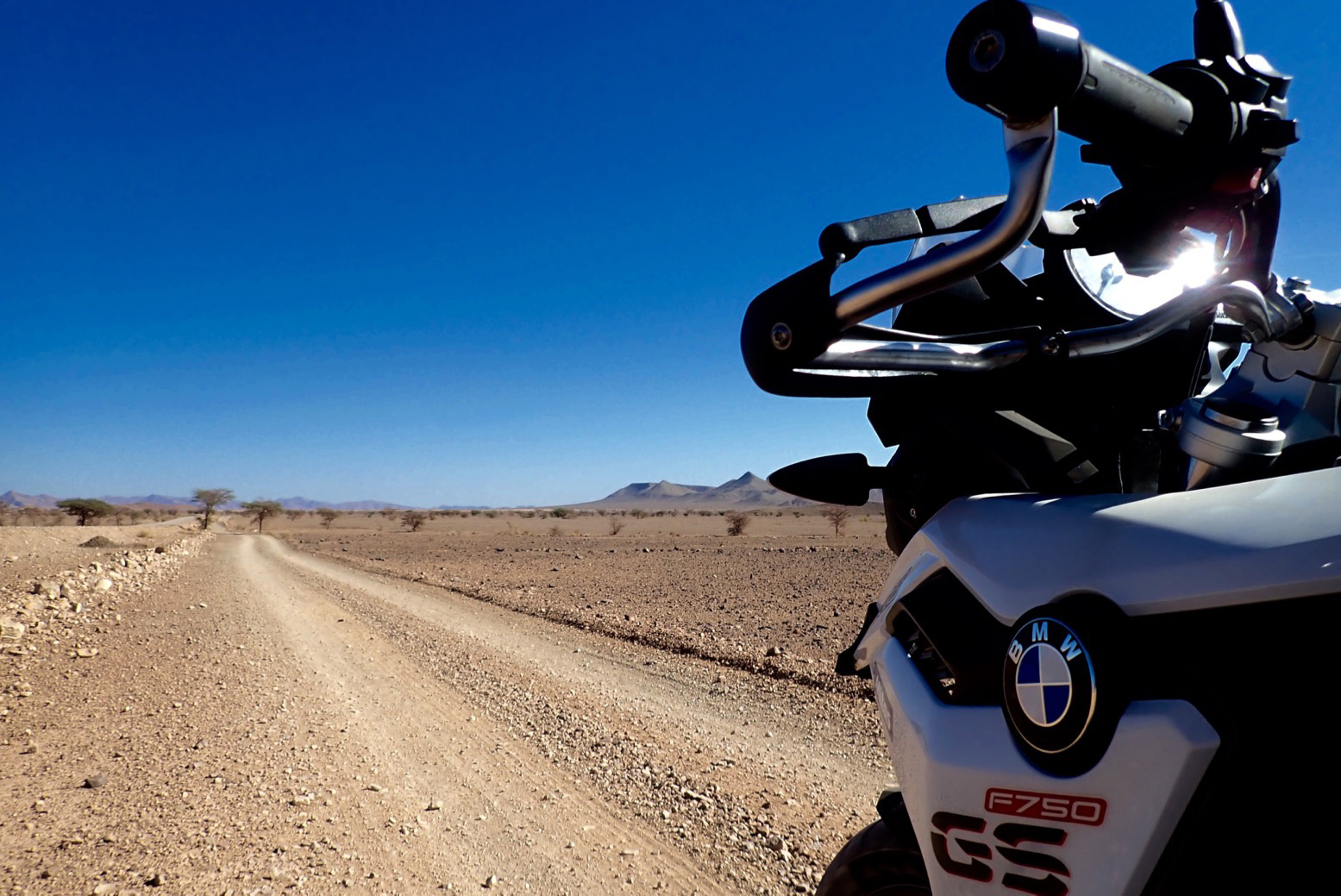
BMW F750GS in Morocco • 1200-km review

f75powers

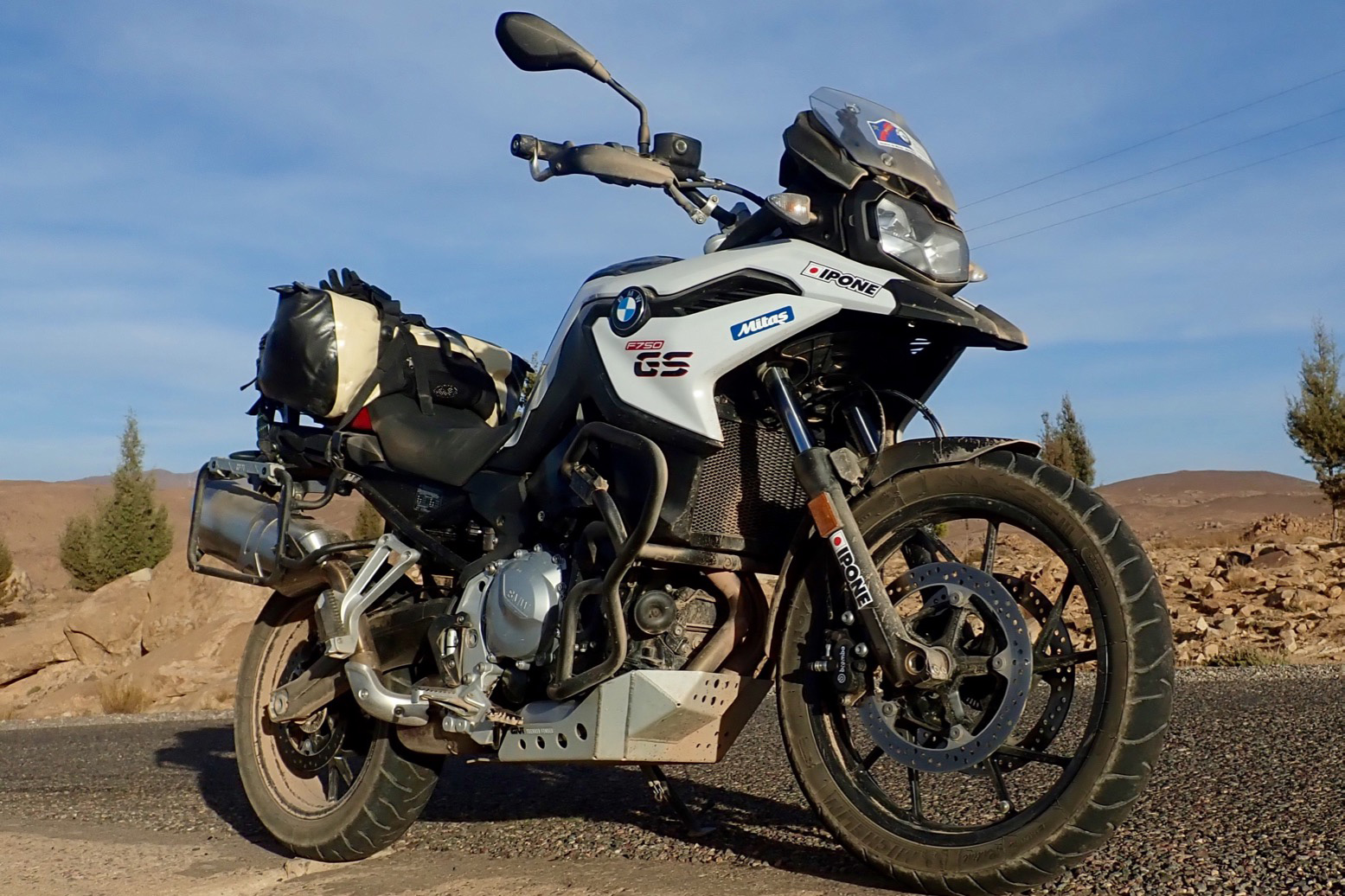
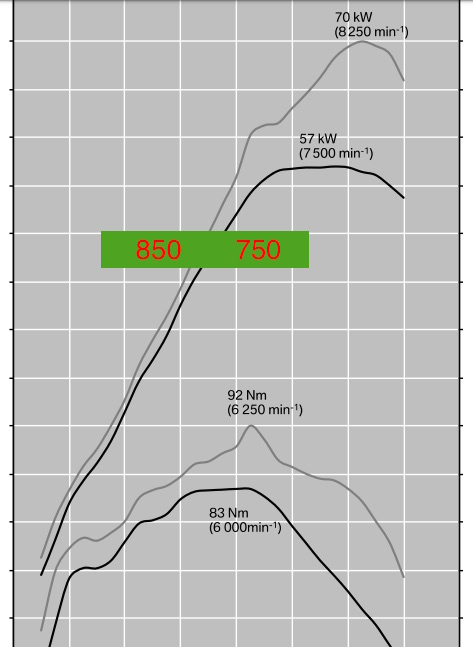
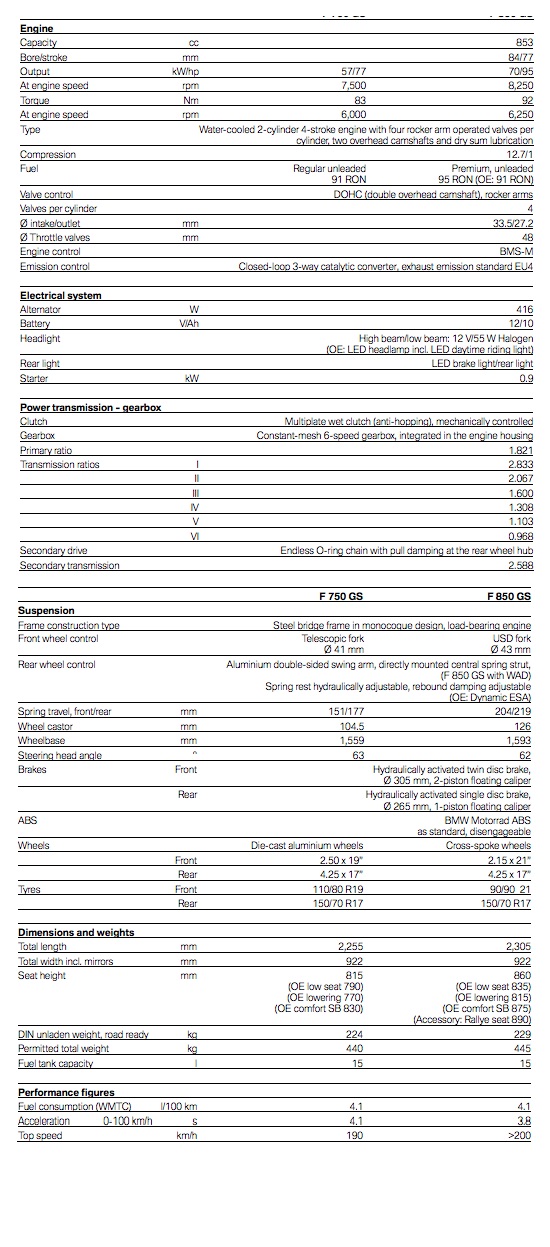
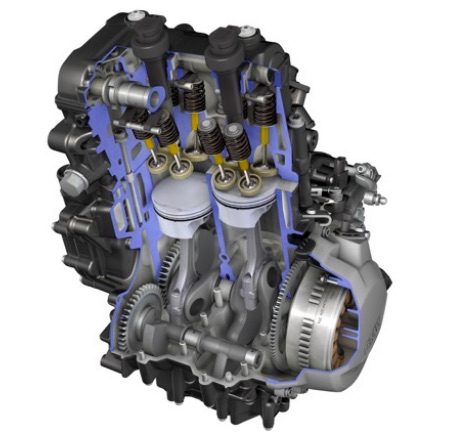
After ten successful years, in 2018 BMW Motorrad replaced the 700 and 800GS parallel twins with all-new ‘750’ and 850 versions. As before, the two models share an identical 853-cc engine but, along with other aspects, are significantly different. According to this detailed BMW press release (click and it downloads; worth reading if this bike interests you) the 750 makes 20% less power (77 / 95hp) but only 10% less torque (83 / 92Nm; see graph, right). It also has a lower seat, a little less weight and suspension travel, better fuel consumption as well as cast tubeless wheels with a smaller 19-er on the front. The 750 will also run stock on 91 RON fuel (unlike the 850 unless modified) and is significantly cheaper: in the UK it currently goes from £8225 vs £9875 for the 850 which makes it cheaper than an XT700.
I’ve ridden the old 700 and 650 twins in Morocco and for me, these lower, mildly less revvy, 19-inch and tubeless shod bikes have always been a better, real-world travel bike option to the flashier, taller 800 and now 850, even if the ‘bigger’ bikes probably outsell them.

Like many P-twins these days, the new engine uses a 270-degree crank to give an impression of more torque – or maybe just because it’s fashionable. They are no longer (or cannot be) engineered to sound like a 1200GS, but even at basic levels, both models come with an array of electronic rider aids and position the fuel tank back up on top, so lifting the centre of gravity.
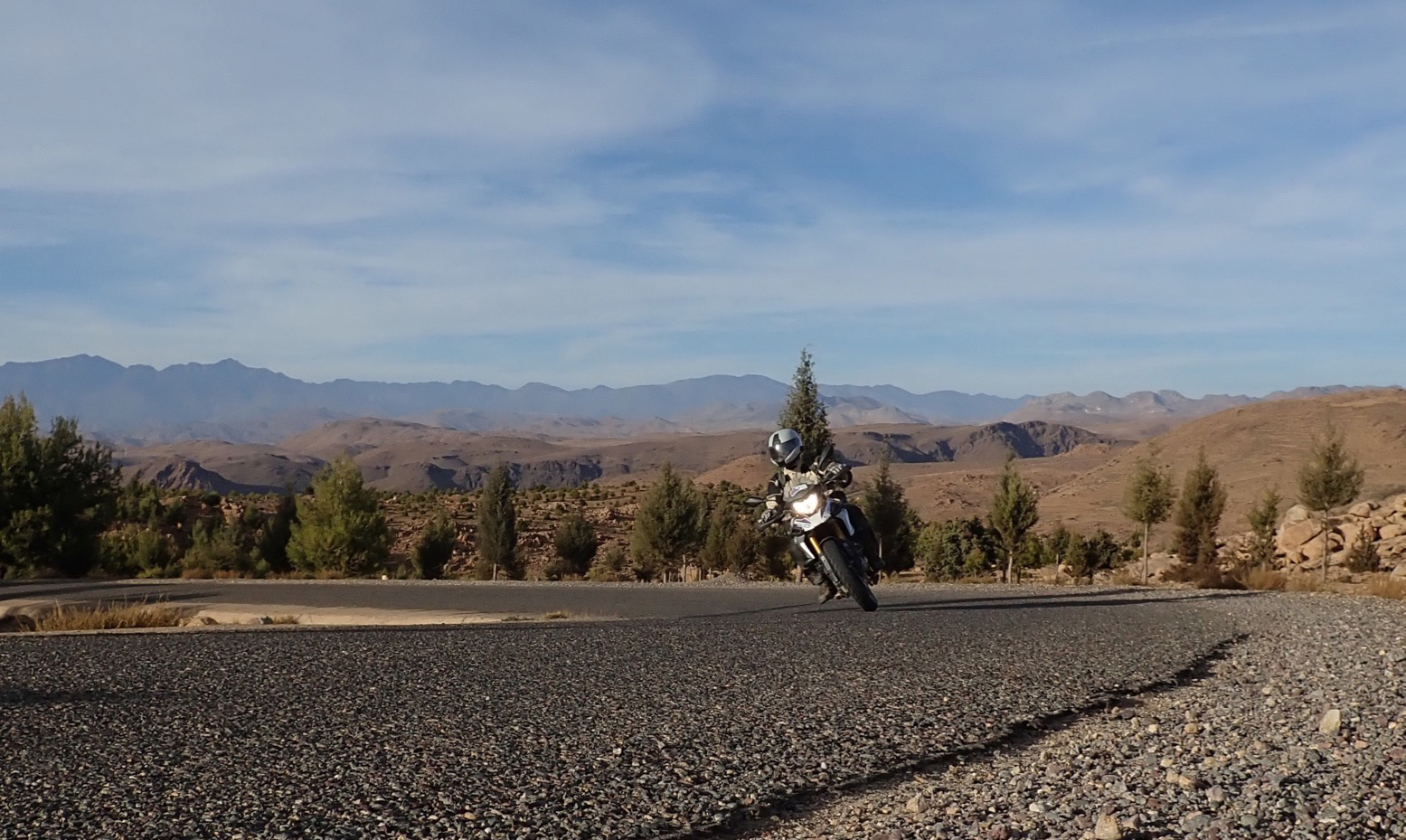
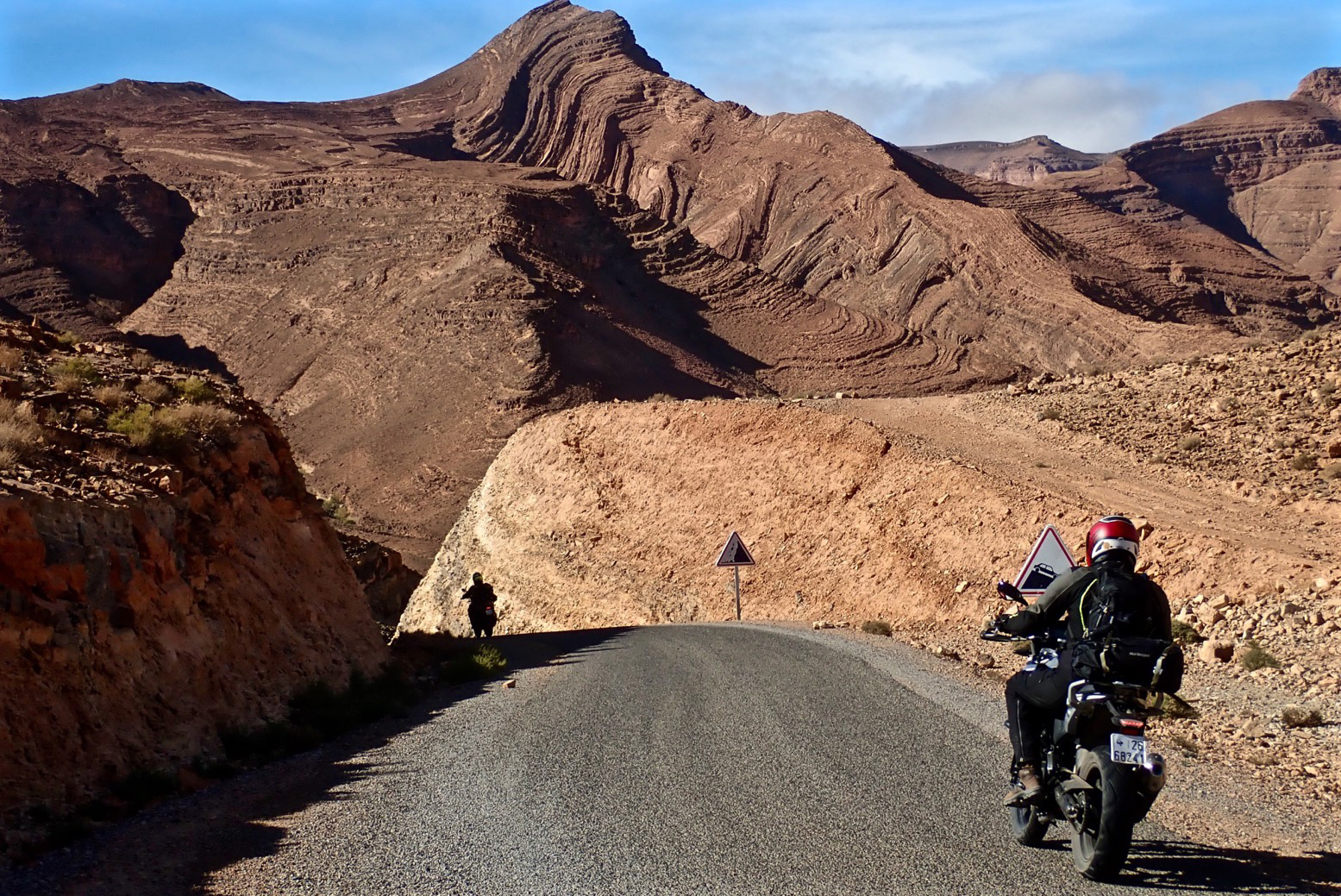
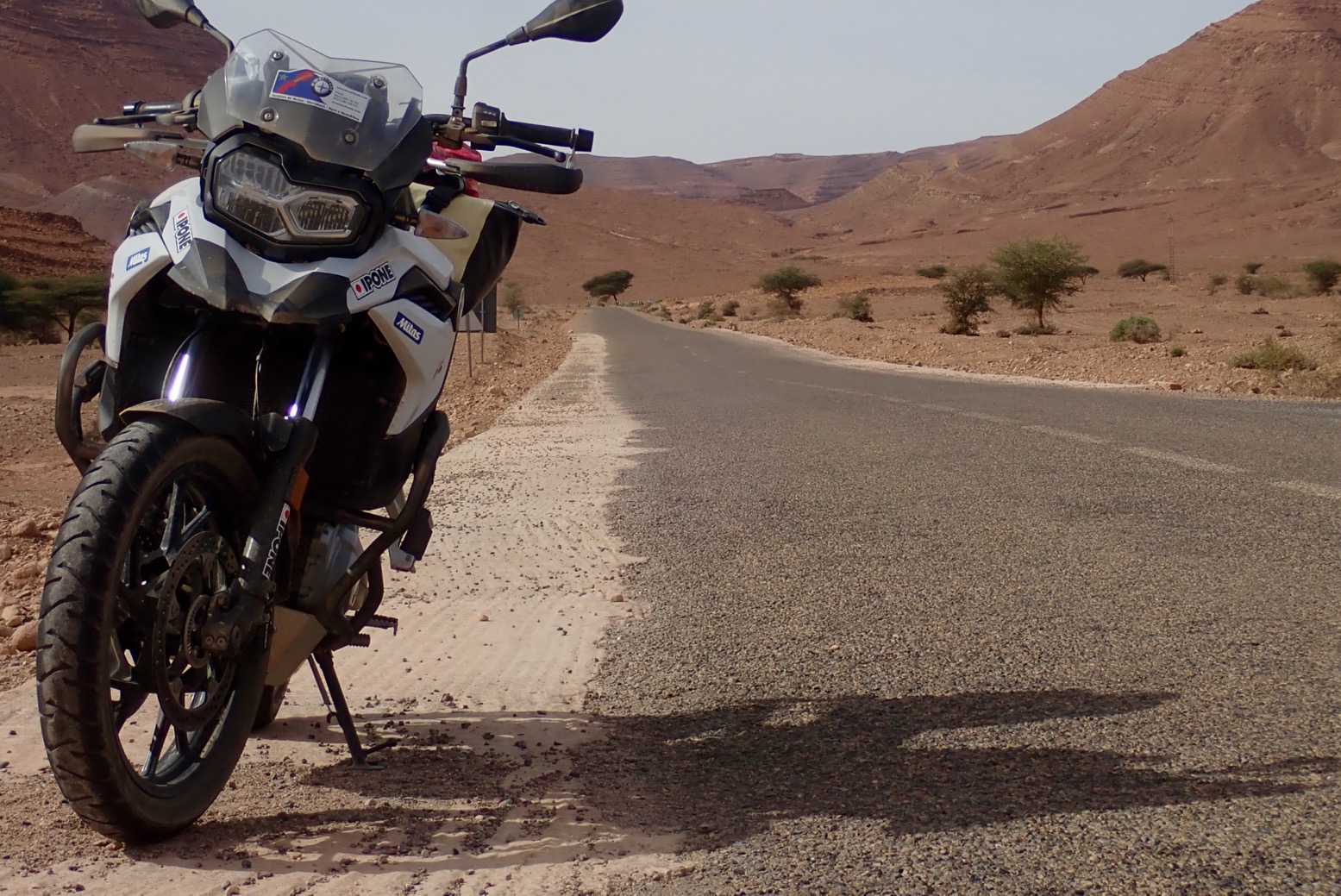
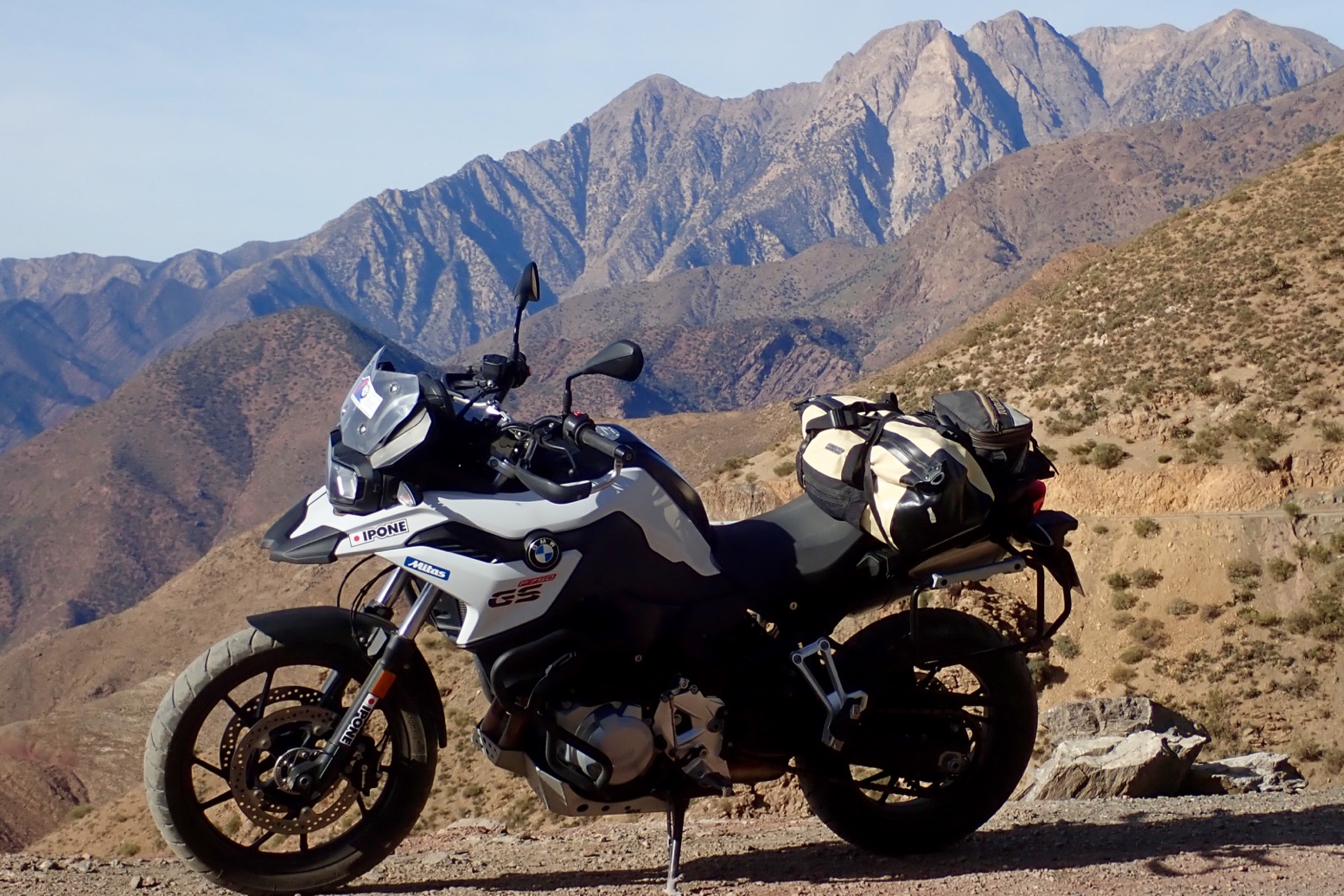
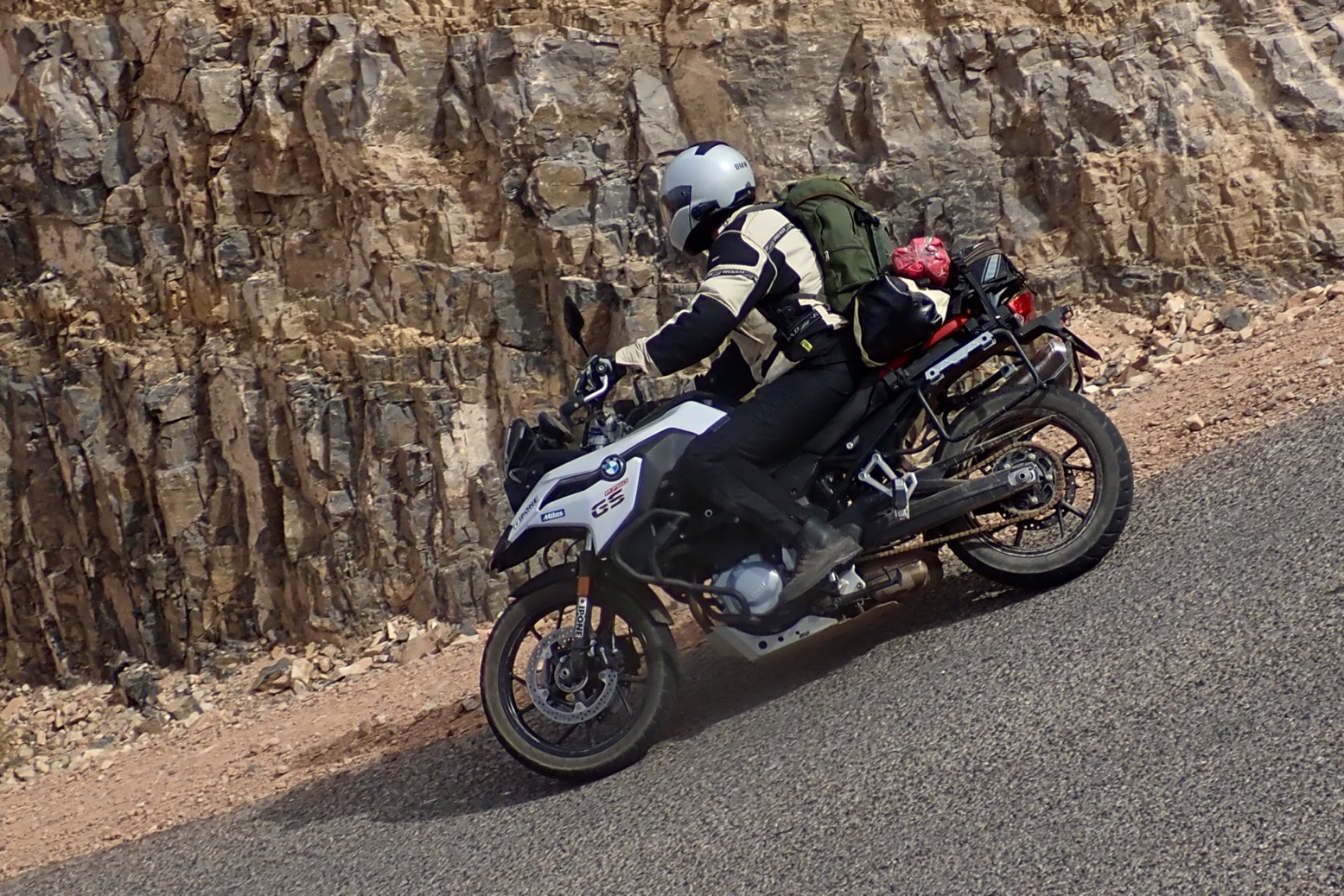
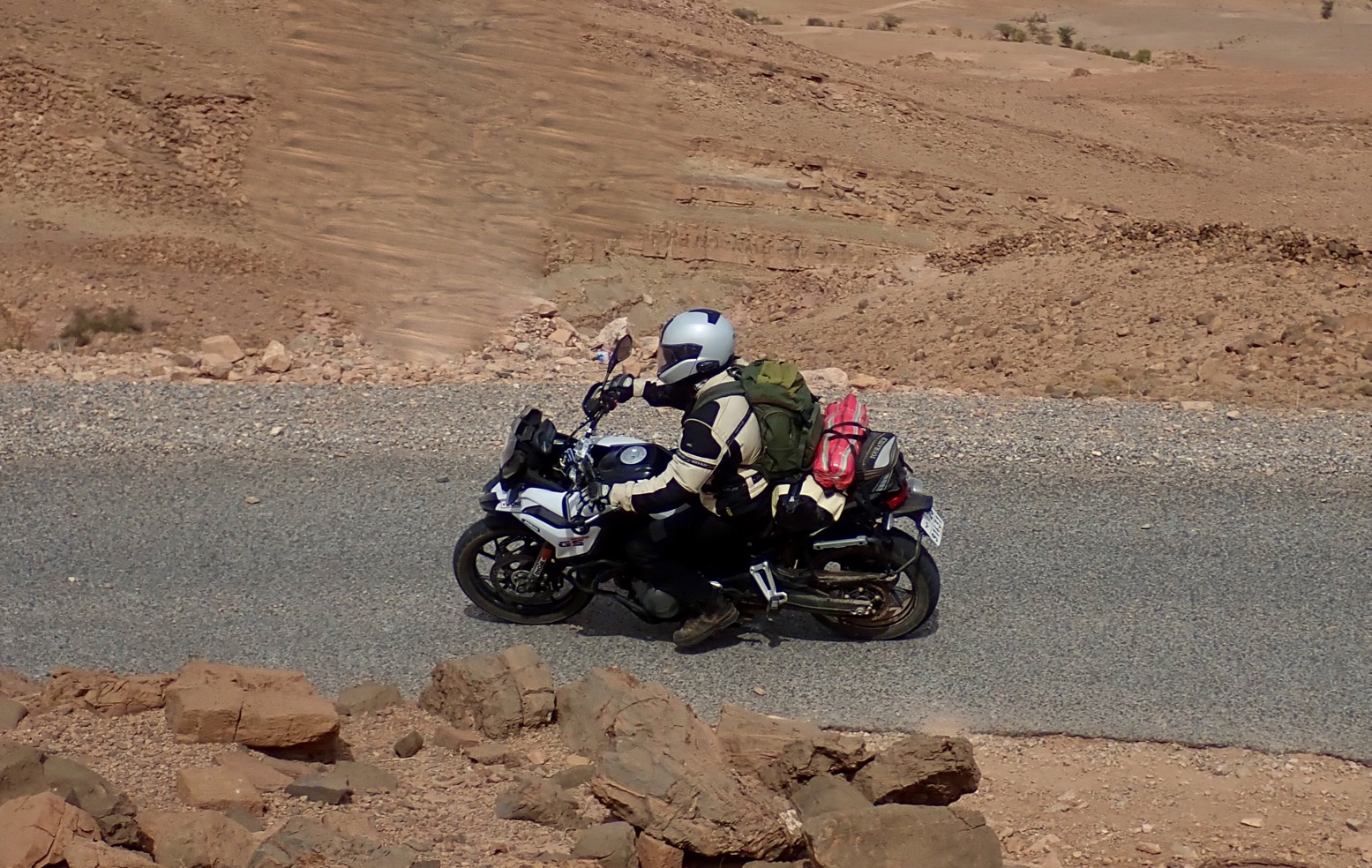
I rode a bottom of the range 750 (LED dash; no quickshifter, connectivity, ESA and so on) for a week, on winding Moroccan mountain backroads and easy desert trails, covering some 1200kms or 750 miles. The bike had 6300km on the clock (114 hours running time) and was fitted with a thick Givi bashplate, crash bars, handguards and rear racks.
In Adventure Moto World you might say it’s competitors include the KTM 790, Guzzi V85TT, XT700 or just updated Tracer 700, the V-Strom 650 (£6500 discounted new) or a 1000cc Africa Twin. The BMW is cheaper than all of them except the ageing Suzuki and the Tracer, new or old.

What they say

m75

It keeps your engine running, every day. Your heart beats to the rhythm of the BMW F 750 GS. It’s your ticket to the adventure. Because with the balanced Enduro all-rounder, you will master all paths, regardless of the road surface, and expand your horizons – because you want more. The F 750 GS gives you more power, more comfort, more spirit of GS. Feel the strong-charactered engine and enjoy the ease of handling of the F 750 GS. While you’re off discovering the world, you have the bike with the automatic stability control (ASC) and the ABS safely under control. And with the ex-factory option Connectivity, the 6.5-inch TFT-display shows you among other things which junction you have to turn off at or who is calling you. Clear and concise – without distracting you from the road. The entry into your next experience is – also thanks to the low seat height – easier than ever before.

tik
  • Compared to the 850, at just £8225 it’s a very good deal
  • Enough real-world power to get the job donef75spex
  • Great brakes with ABS 
  • Great suspension too. HPA shock with rebound damping
  • Stable in corners. Long and low, just like the old 700/650.
  • Turns better than old 700 – must be down to the higher CoG plus rake and trail changes.
  • Tubeless tyres with easy-access side valves
  • Traction control (‘ASC’) plus a rain mode
  • LHS scrollable menu with all the essential metrics
  • Seat – no complaints this time.
  • BMW-style 12-v power outlet on the dash
cros
  • Heavy With the added metalwork mine probably came in at 230kg wet, but only felt it when pushing around or trying to pick up.
  • Windscreen? More a small transparent plate which does nothing much.
  • Engine lacks character compared to a Yamaha CP2 or even an NC750.
  • Fuel consumption worse than the 700 – averaged 70mpg (but only measured twice).
  • The thin digits on the LCD dash were hard to read easily or if not in direct sun.
  • Remaining range (400km when full) proved a little optimistic when pushed to the limit.

Review

As do-it-all gravel travel bikes, the old 650 and 700 twins were both better than most people thought. With some K60s, I took a 650 quite a way out of its (and my) comfort zone back in 2012. So I expected to like the new 750, even if I’d be held back by stock road Anakees.
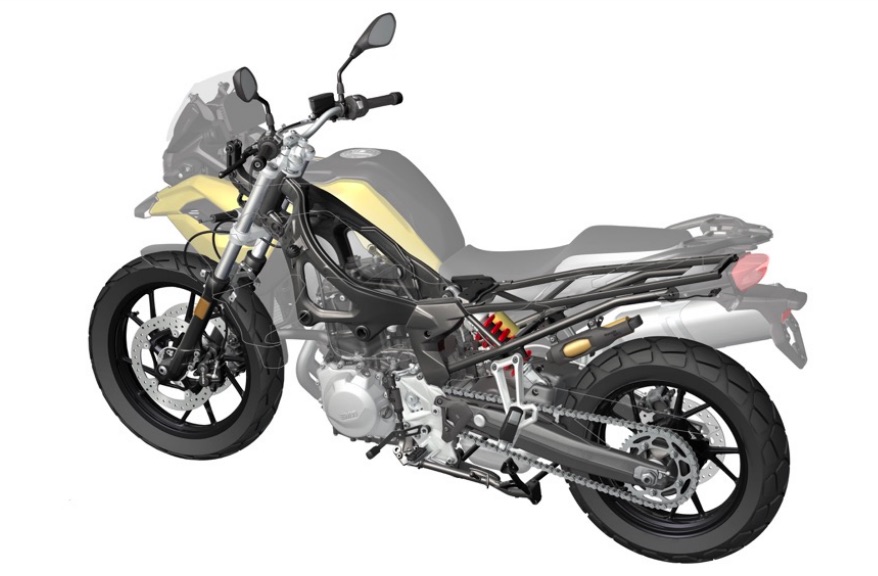
The 750 retains what looks like a long wheelbase; there’s a cubic foot of collector box packed in behind the engine and in front of the back wheel. Initially, I found the cable-less, electronic throttle lacked damping and the steering had that sports-tourer ‘self-leaning’ thing (like my old TDM). It must be a calculated consequence of weight, rake and trail but as the miles passed by I soon didn’t notice either, instead revelling in the bike’s more positive attributes.


The gearbox has an uncharacteristic slickness for a BMW, easily tapped without the clutch, and I sure appreciated the correctly positioned foot controls after the well-used Sertao I rode the week before which needed foot lifts to brake or change gear. With a few accessories my bike probably weighed not much less than a GS12, but like the 12, it sure feels less once on the move.
A big difference between the 700 was locating the slightly bigger 15-litre tank back up front. This raises the mass of the bike, but as mentioned in the 700 review, too low a CoG can make a bike hard to turn easily. and on the dirt, including loose hairpins, the 750 didn’t exhibit the resistance I felt in the 700.

f75castor

The 750 and 850 are oddly fitted with a, to me, anachronistic telescopic steering dampers which I’ve not seen since the 70s and which to me signifies a way of disguising a bike’s instability due to poor frame design. It’s not mentioned under that name as in the long press release pdf. A few years ago there was a new version of the 1200GS which was soon recalled or somehow hampered with an unpredictable steering shimmy fixed by retrofitting a steering damper, iirc. Perhaps the 853-cc twins are set up with the same angles and weight distribution. I couldn’t see any way of adjusting the damper and it didn’t have any electronics attached to it.
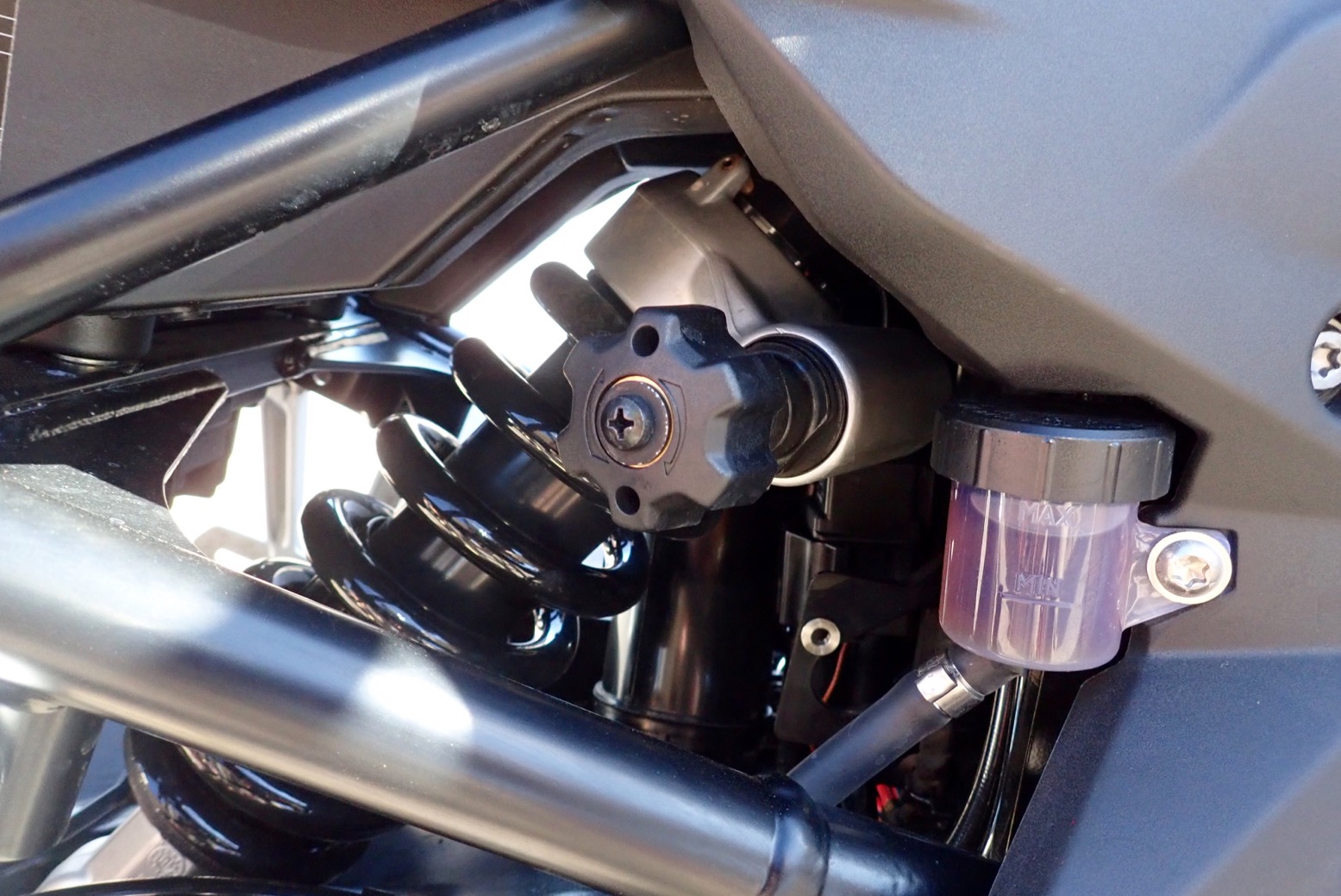
Road or trail, out of the crate the 750 retains the same excellent suspension without masses of baffling adjustments. For the first few days I left the rear preload as it was, then gave the HPA (left) several cranks (maybe 5 full turns) which stopped my boots dragging (and even being dragged off) on some bends. (I had the same problem with the Sertao the previous week; I’ve never had feet dragged off the pegs before, but they did point down at 45°). Once firmer up and raised a bit, much less boot dragging though I felt I should have increased the rebound damping a tad, but could not be bothered to meddle as it worked fine.

f75motore

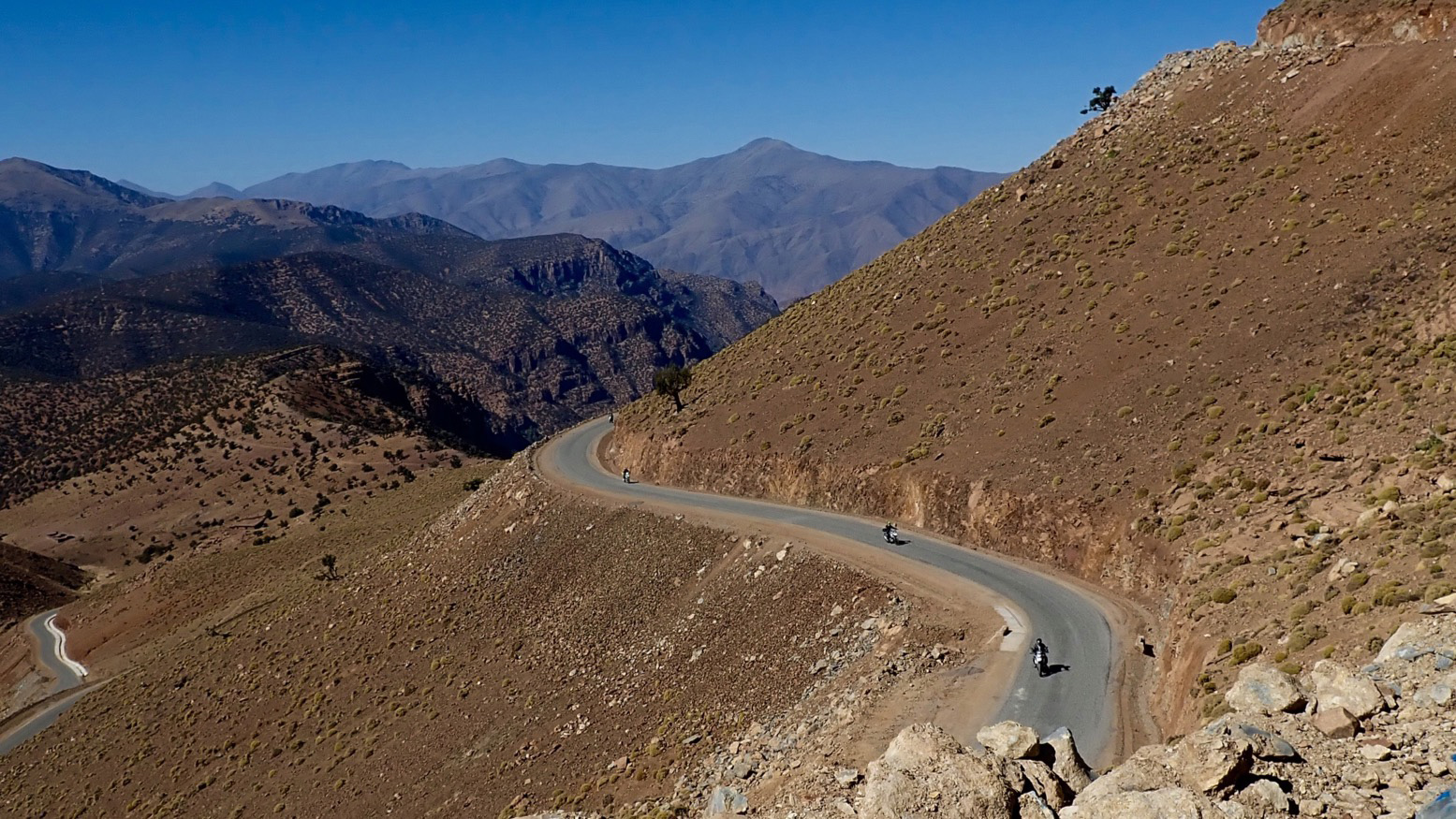
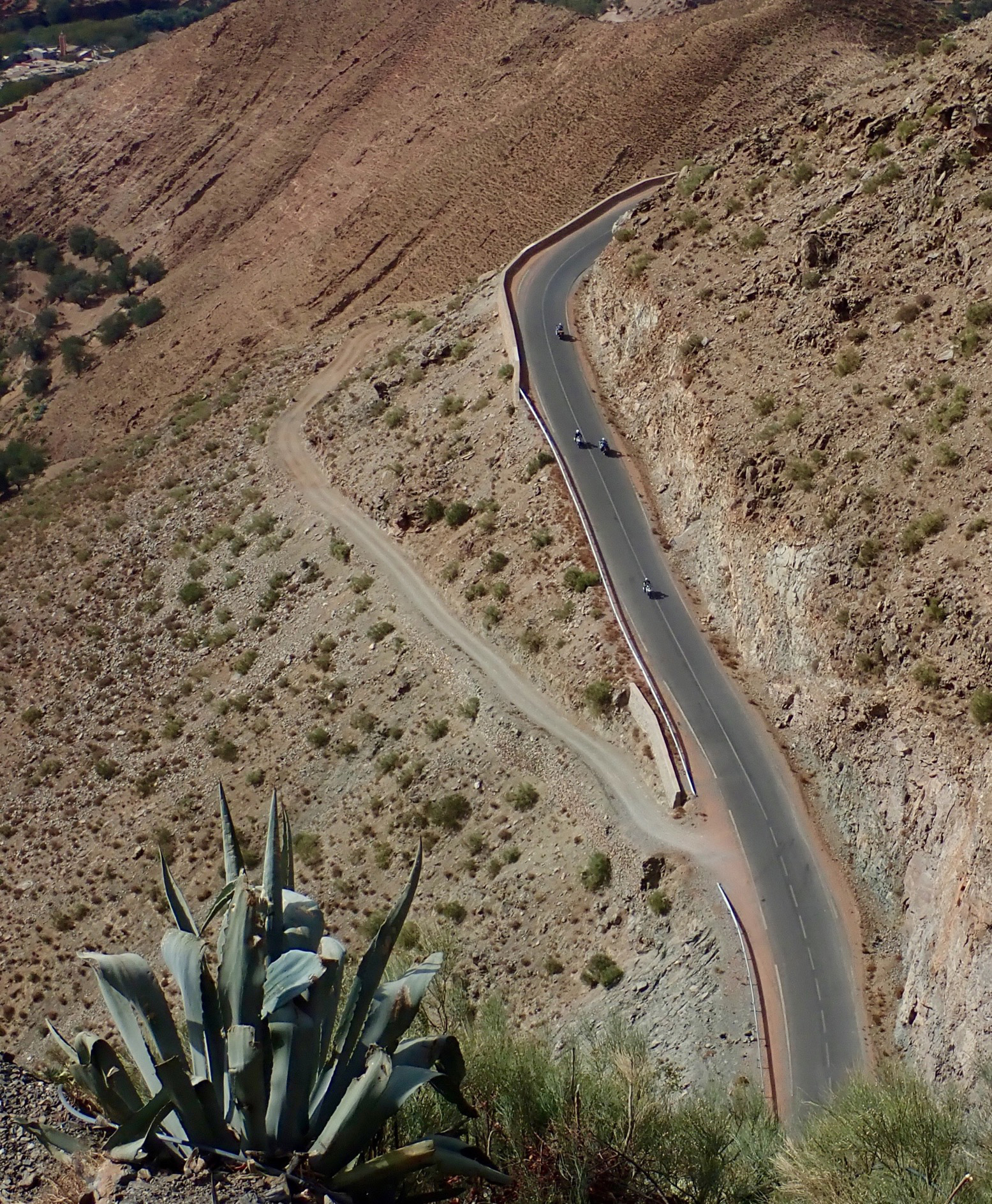
One sad day I’ll count them up, but the circuit I use in southern Morocco must have over a thousand bends. By the end of it I was confidently swinging through the less gravelly curves, never needing to rev over 5000 rpm (about 120kph) to make progress at a location-related pace (ie: not going berzerk).
On start-up it produces a cleverly engineered bark, but like the weight, that soon dissipates on the move and there’s little impression of the off-beat crank’s charismatic throb, even if the torque is all there. For a 270°, the motor lack the character of Yamaha’s CP2 700s (which make 10% less power) and even the NC750 I briefly owned.
On one very steep, rough and loose switchback climb I made the conscious effort not to slip the clutch (done to minimise the risk of stalling and then falling over) and the 750 managed to chug its way at walking pace round most bends until I lost my nerve or ran out of space. You’d not manage that on a big thumper, though next week I’ll try the same test on a 310. I only got to log two tanks to accurately estimate the fuel consumption which averaged 70mpg (58.2 US; 25kpl). One reading was 10% higher, the other 10% lower and pretty similar to the 2012 650 (68.2) but much lower than the 700 (81mpg) with 100,000 on the clock. This reading closely matched the displayed average of 4L/100km (25kpl).

This was my second chance to get to grips with traction control (or Automatic Stability Control: ‘ASC’). On gravelly tarmac the TC light fluttered briefly on the dash, and trying to activate it on the dirt, occasionally the power was notably constrained to hold the back-end in line. But this was me throttling on like an idiot; normally I’d exercise my own traction control to keep wheelspin as I want it. On the dirt letting the back-end step out is usually intentional, either because it’s fun or to rear-wheel steer and square off a tight corner. This is as opposed to the front, which once slipping usually ends in a fall. That’s what you’re really trying to avoid, especially on road tyres but there’s no way electronics can manage that; it takes better tyres or less speed.
It’s likely that on a long, steep and loose climb the TC would beneficially constrain wheelspin, but only up to a point. On low-traction slopes of sand, mud or wet grass I bet it would soon tie itself in knots. Only momentum and knobbly tyres work here but would take quite a nerve piloting nearly a quarter on a ton of 750GS.

f75plan

It seems to me that TC and modes are nifty but non-essential riding aids which – at negligible weight penalty (unlike ABS) – have become inexpensive enough to throw on to bikes which don’t really need either but which help give the impression of added safety getting more for your money. If they’re serious about safety, I’d sooner see TPMS included as stock, but you can buy a kit for 30 quid. TC and modes might suit riders without decades of pre-electronic riding experience under their belts. As with GPS or smartphones, you either merely find them handy; or you don’t know how or can’t see the point of managing without them.

They say the cast tubeless wheels have been strengthened. Good to know and I like the easy-access valves (left) which eliminate grovelling about with an inflation hose. Fitting a TPMS cap might make it a bit vulnerable to flying rocks, but the valves at least can be easily replaced. On a long trip I’d carry spares.
The ABS was never an issue on the dirt (though I didn’t do any emergency braking). I did find the brakes – or associated fork dive – a bit grabby, but better too much than not enough and the ABS safety net is always here. On the Sertao the previous week, the ill-positioned brake pedal saw me lose the back brake on long descents. No such problems on the twin.

Some LED dash figures like the clock were too thin and therefore hard to read at a glance, but once I got my head around it, the menu on the left bar displayed some useful data including 3 trip meters (including daily), average and live L/100km (hopefully changeable to another metric), ambient and water temperatures and remaining range. I can confirm that the bike I was riding had logged 114 riding hours in 6300kms.
I didn’t cover huge distances in one sitting but the seat on the 750 felt a whole lot better than previous iterations (not hard to do). I think it may even have been height adjustable, but though I took it off a couple of times for other reasons, this was not obvious.

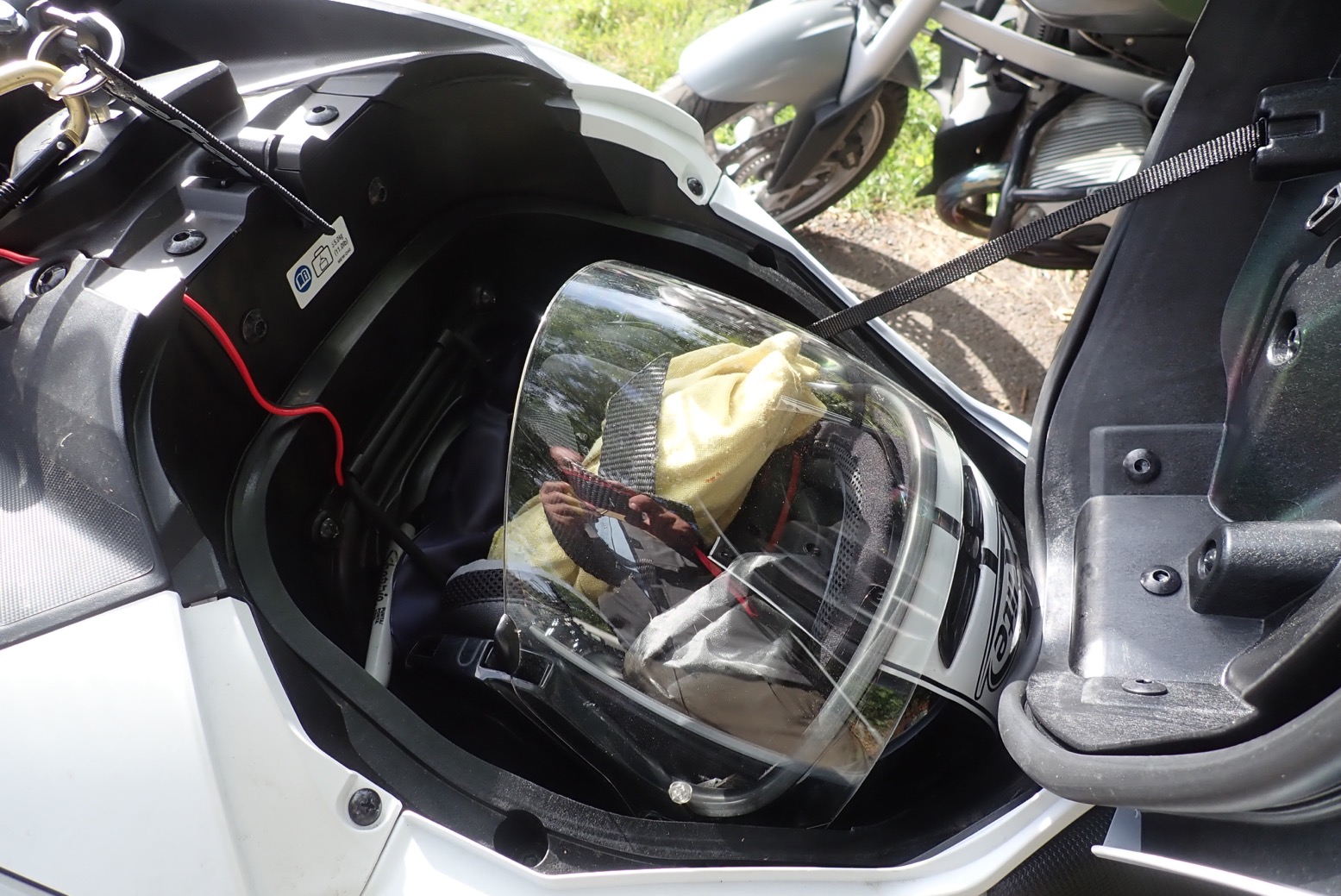
I can’t say the same for the near-useless piece of clear plastic screen (left) which just gives the mounting bolts something to do until you fit something actually useful. I did notice the slimness in the bike’s waistline did make standing up much more comfortable than on the older underseat-tank models. The bars were the usual 2 inches too low for me (6′ 1″). Under the seat there’s some useful stash space, partly because of the skimpy, three-piece toolkit (right).

Summary
On the road and easy trails there really is very little to dislike about the 750GS. I know everyone will ignore me but it’s got enough of everything you need in a travel bike with maybe a little too much weight and electronics. The looks are subjective but I’d say are an improvement and in line with the current humpbacked GS look, all the way down to the 310GS. It’s got a potential 400km range, plus the brakes, torque and stock suspension to do it all. Essential additions would include an actual screen, a centre stand plus pannier racks for your luggage and probably a bashplate and other protection. Having tried it, I could live without TC and a rain engine mode (which I forgot to try) and settle for a similar bike like a mechanically proven Tracer (old model from £6700; 2020 model £7400 claimed) or 19-inch V-Strom for less weight and a lot less money.