Tested: a week on a Husqvarna 701 review

husk-2
husk-6

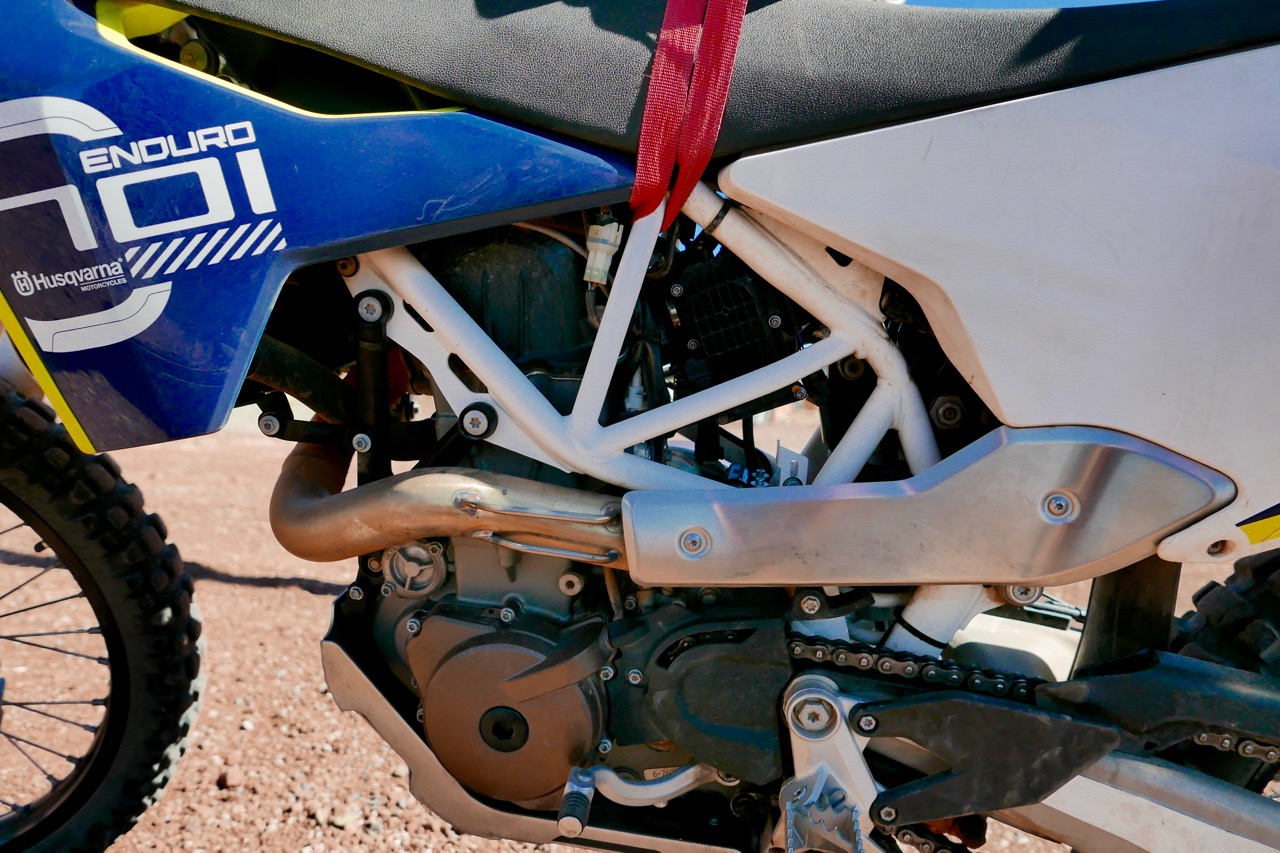
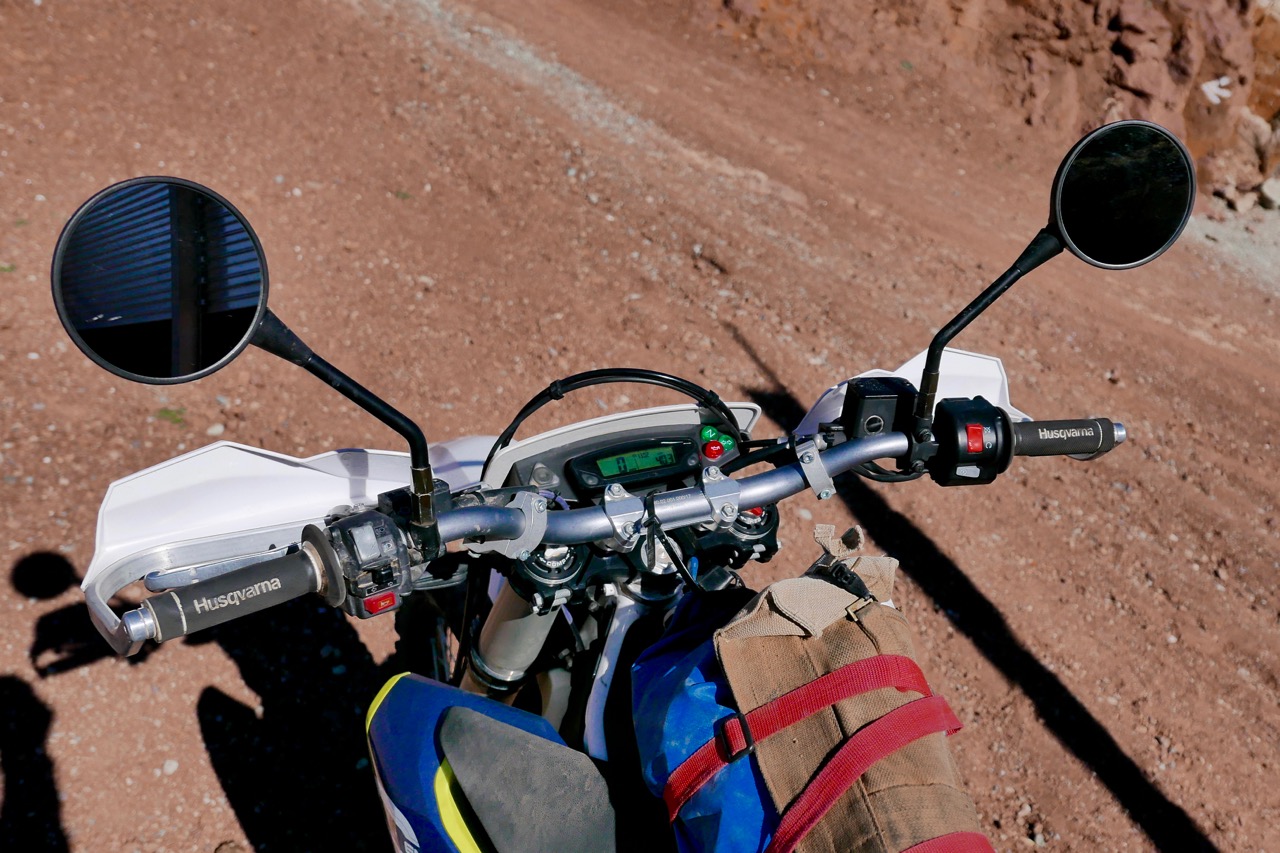
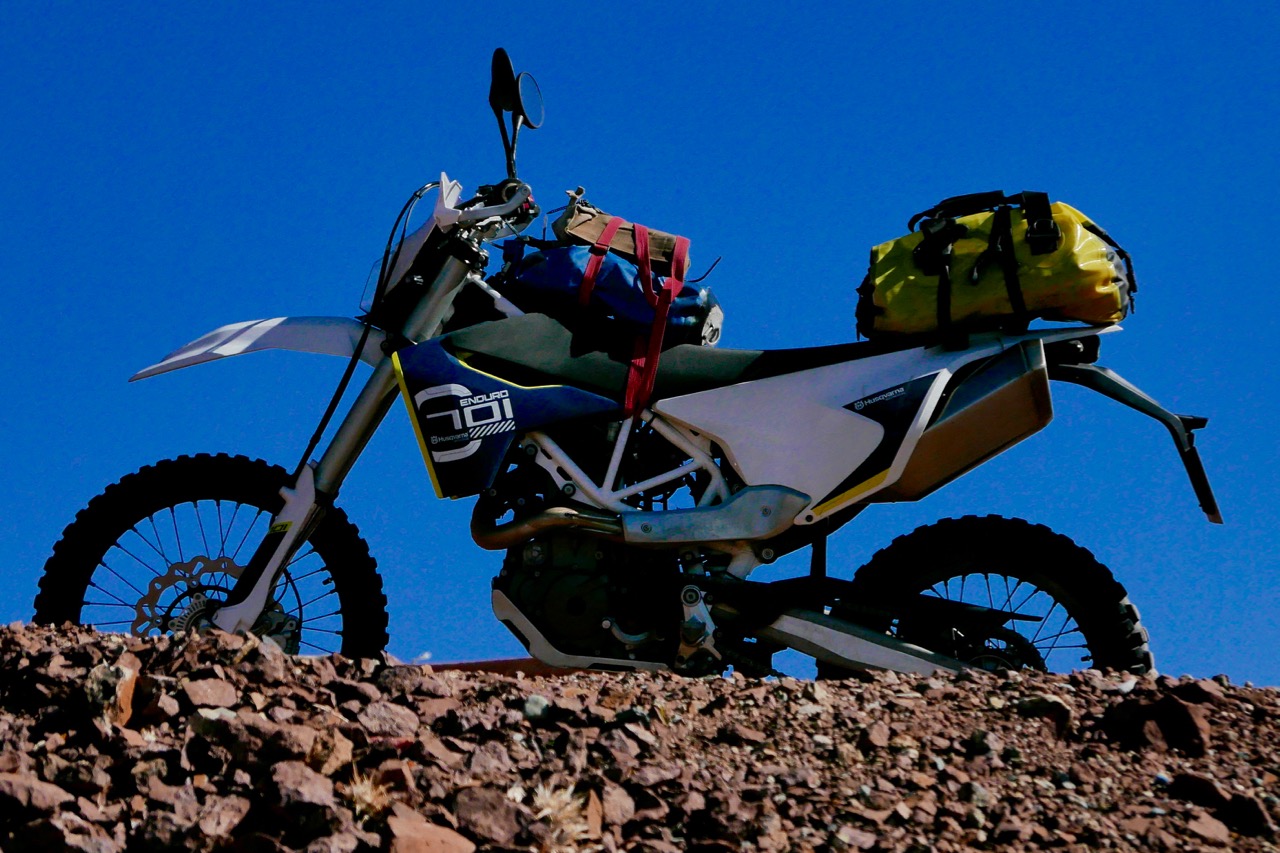
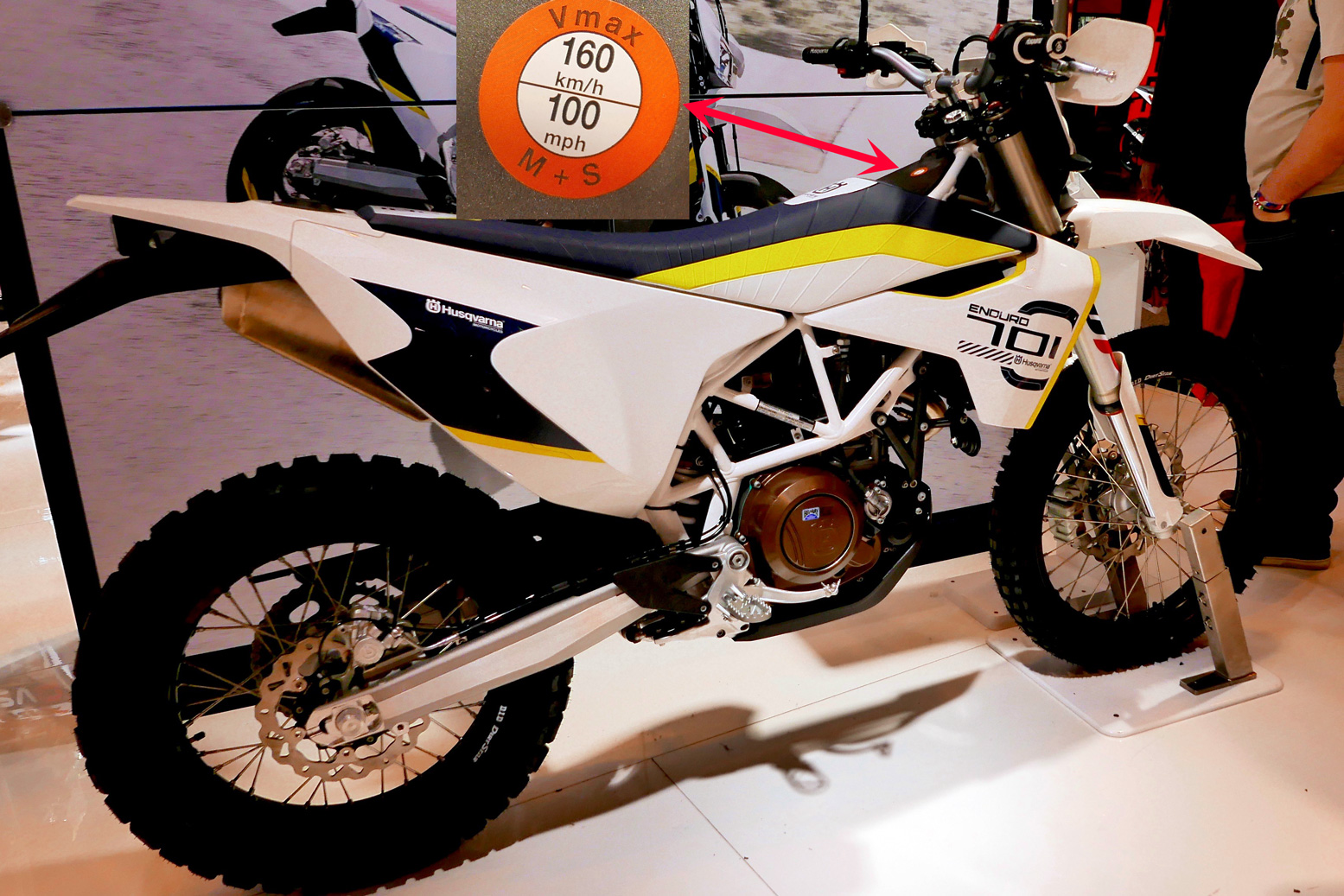
The first generation Husky 701 was a slightly toned down KTM 690: a bit less power, less fierce delivery and less suspension travel with different settings – but still plenty to be getting on with.
Until the old Husky TE 610-engined  SWMs, AJP PR7 and CCM GP450-replacement catch on, currently there’s nothing much like these two bikes since BMW’s Xchallenge was dropped in 2009. The short-lived Husky Terra and ancient XR650Ls and DR650s don’t compare. The 690/701s are hardcore, dirt thumpers where light weight (146kg dry) and performance trounce the comfort and equipment of your typical Tenere or KLR sofas, while still delivering excellent economy and RTW-usable service intervals.

Quick stats

  • 67hp with 3 maps + bad fuel map
  • 146kg dry
  • 10,000km oil changes
  • 36.6” / 927mm claimed seat height
  • 13 litre tank (~390km possible range)
  • ABS disengageable at the rear (or altogether with a widget)
  • 18/21-inch wheels
  • 2016 model £8000 / US$11,300 (or about two XR650Ls)
  • The 2017s are more powerful and much smoother.

tik
  • husk-4Quiet pipe and motor
  • Impression of quality and solid build
  • Minimal transmission lash
  • Light for what it is
  • Usable low-down power
  • Smooth hydraulic clutch
  • Powerful but usable brakes
  • Great WP suspension on all but roughest trails
  • Great economy with a potential range of over 350km
  • 10,000-km oil changes
cros
husk-3
  • Vibration at >80kph
  • Seat height
  • Bit of a Picasso to look at, IMO
  • Fuel filler will be under a tail pack
  • Low-speed ABS gave me a fright, but it’s switchable

Husky’s 701 proves you can have nearly all your cake and eat it. It must be the lightest road-ready big thumper around, while not compromising on great suspension, brakes and response that can be mellow or a blast, depending on your mood or needs.
husk-7
OLYMPUS DIGITAL CAMERA

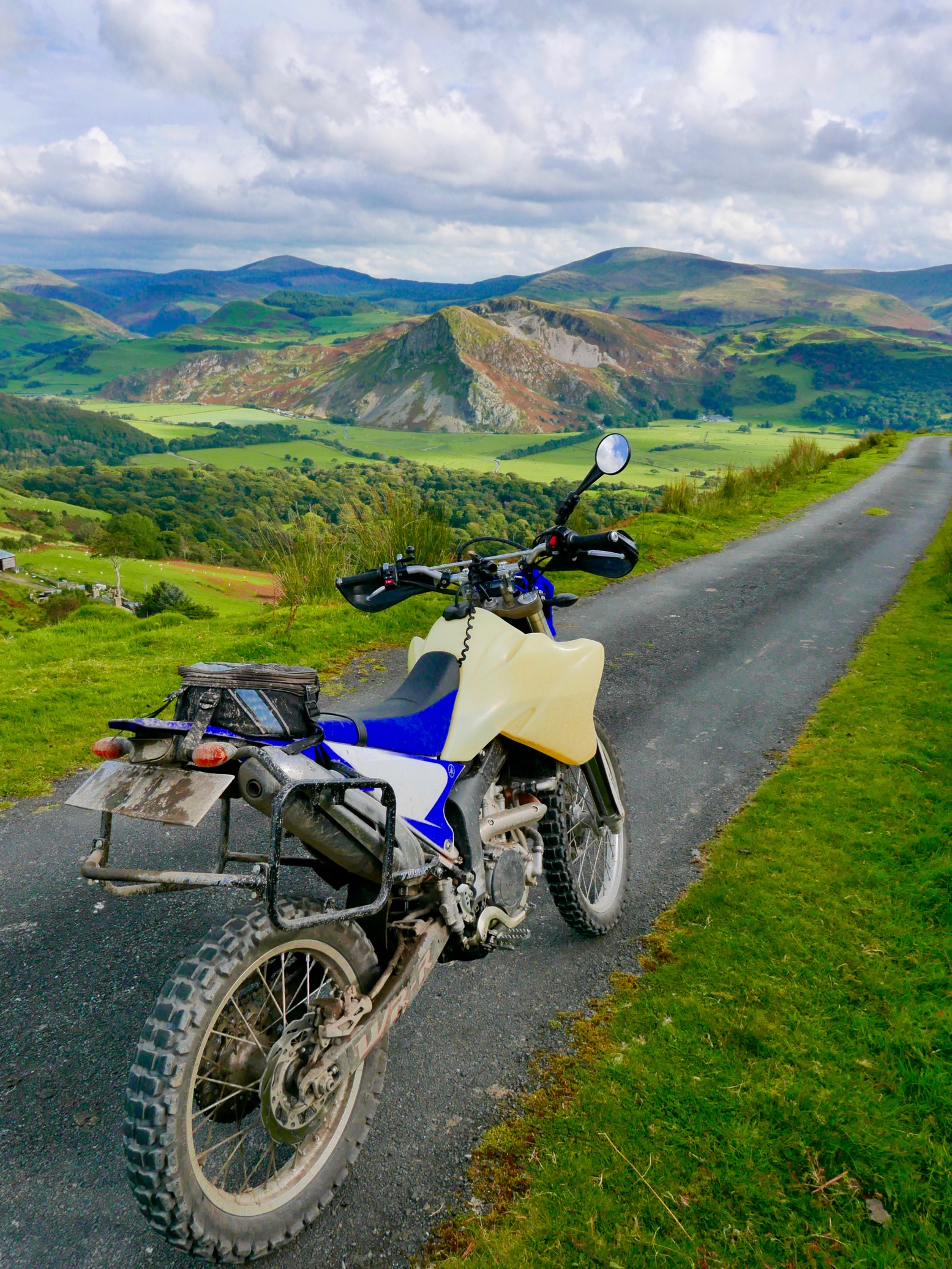
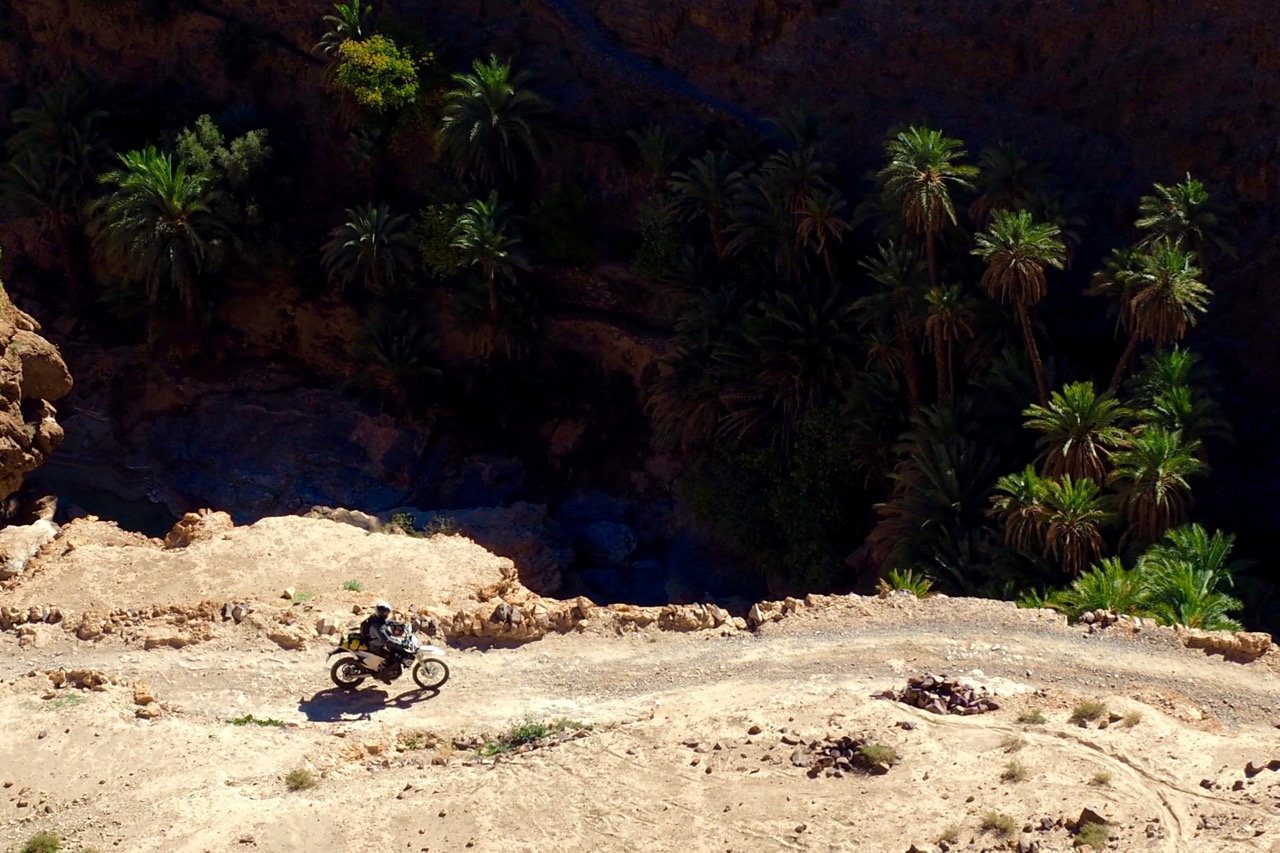
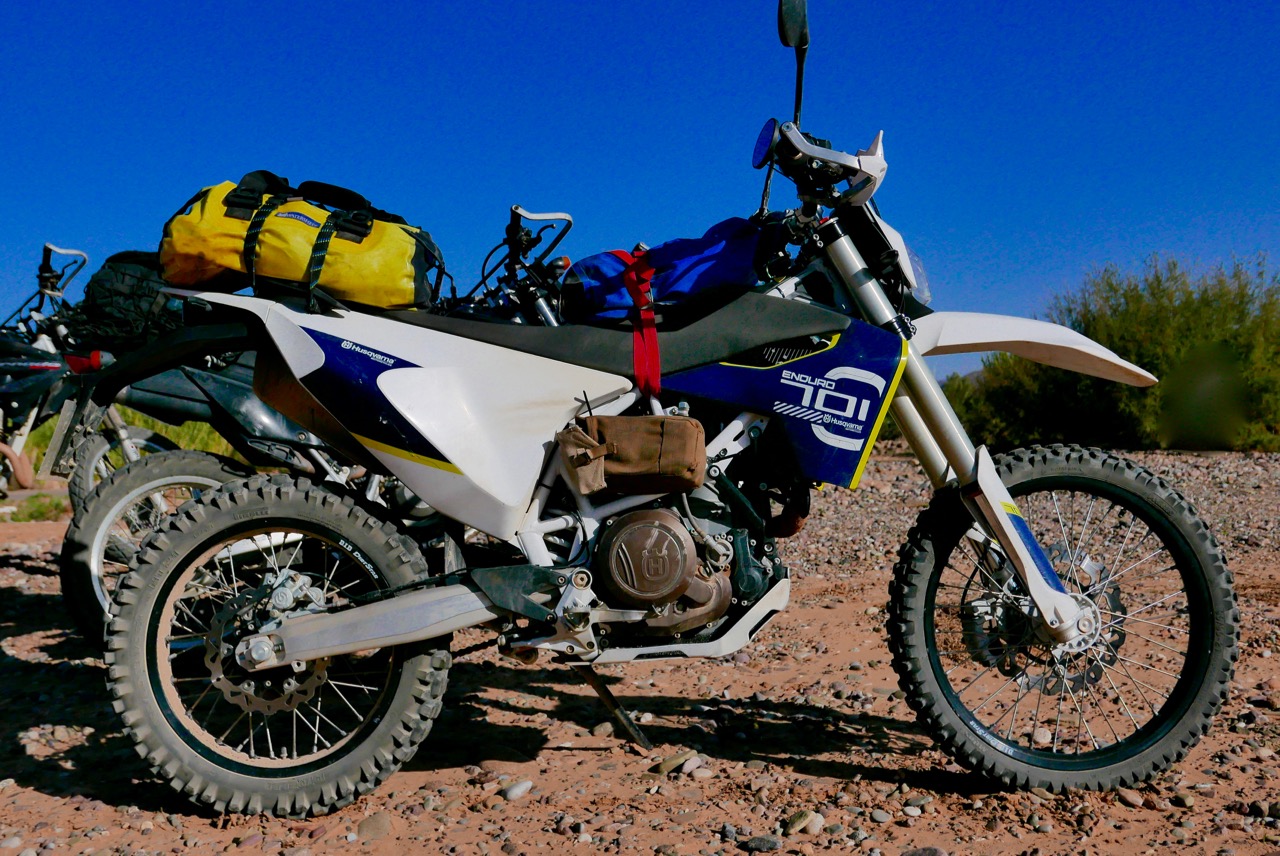
I’ve been curious to try out the 701 or its KTM cousin, and had a chance to rent one while on one of my Morocco tours. Although the trails we ride are easy enough, I was expecting it to be a handful, based on a short 690 ride a few weeks earlier.
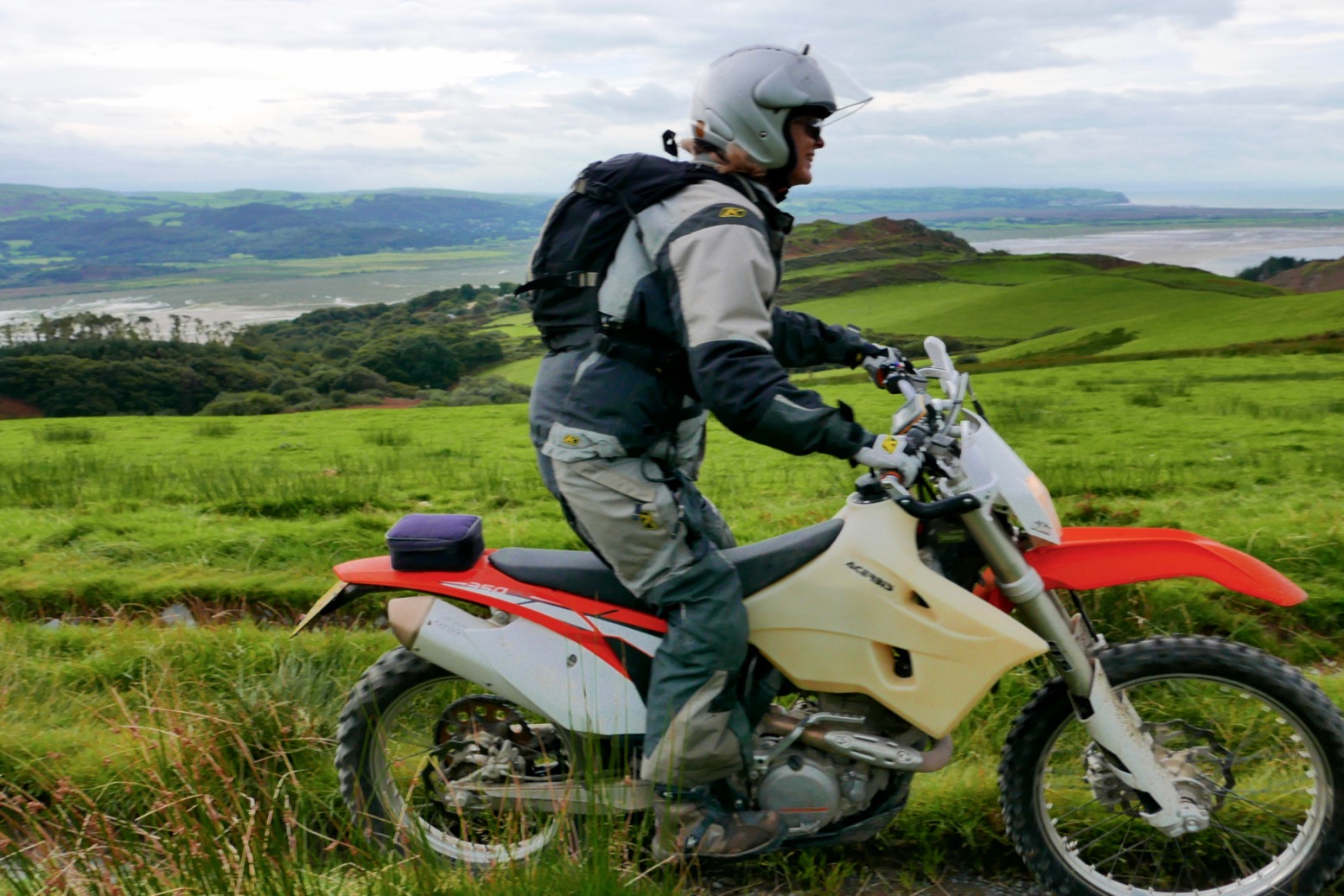
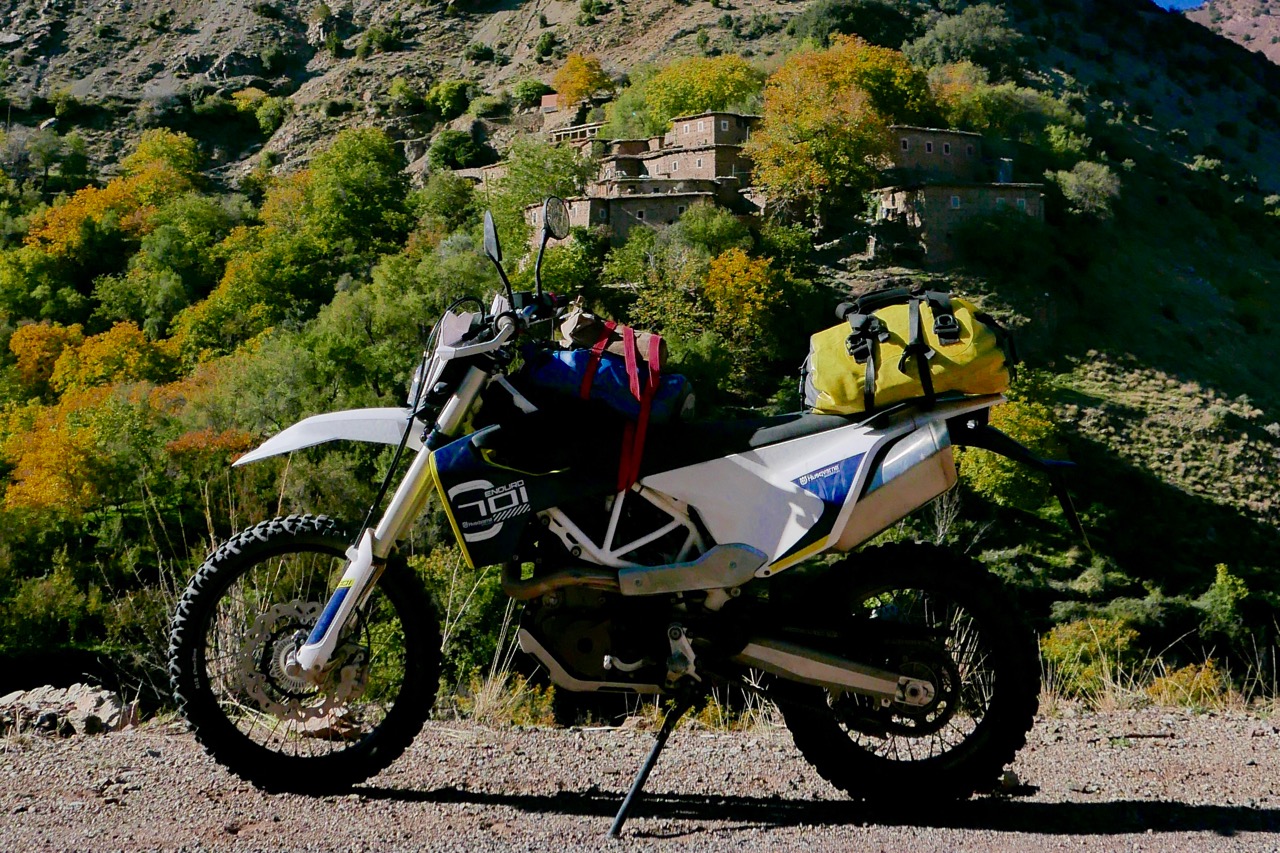
In fact, once I got accustomed to the knobblies on the road (worn MT21 rear, Mitas Rockrider front) the 701 surprised me by being very manageable both there and on the trail. The thing would happily plod along at XR250 speeds (the bikes I rode with) without any impression it was straining at the leash. The suspension took it all in its stride and the brakes required no more finesse than you’d apply to any big thumper on the dirt.
husk-1

The engine was torquey and felt much less harsh than what I recall of my BMW XCountry (some 10kg heavier with 20% less power). Like most modern, lean-burning engines it runs hot – the fan kicked in while pootling along on a warm 20°C afternoon at 1800m with a strong backwind, but the fuelling remained steady. (I don’t know which of the three engine maps I was on; the softest I suspect.)
husk-switch

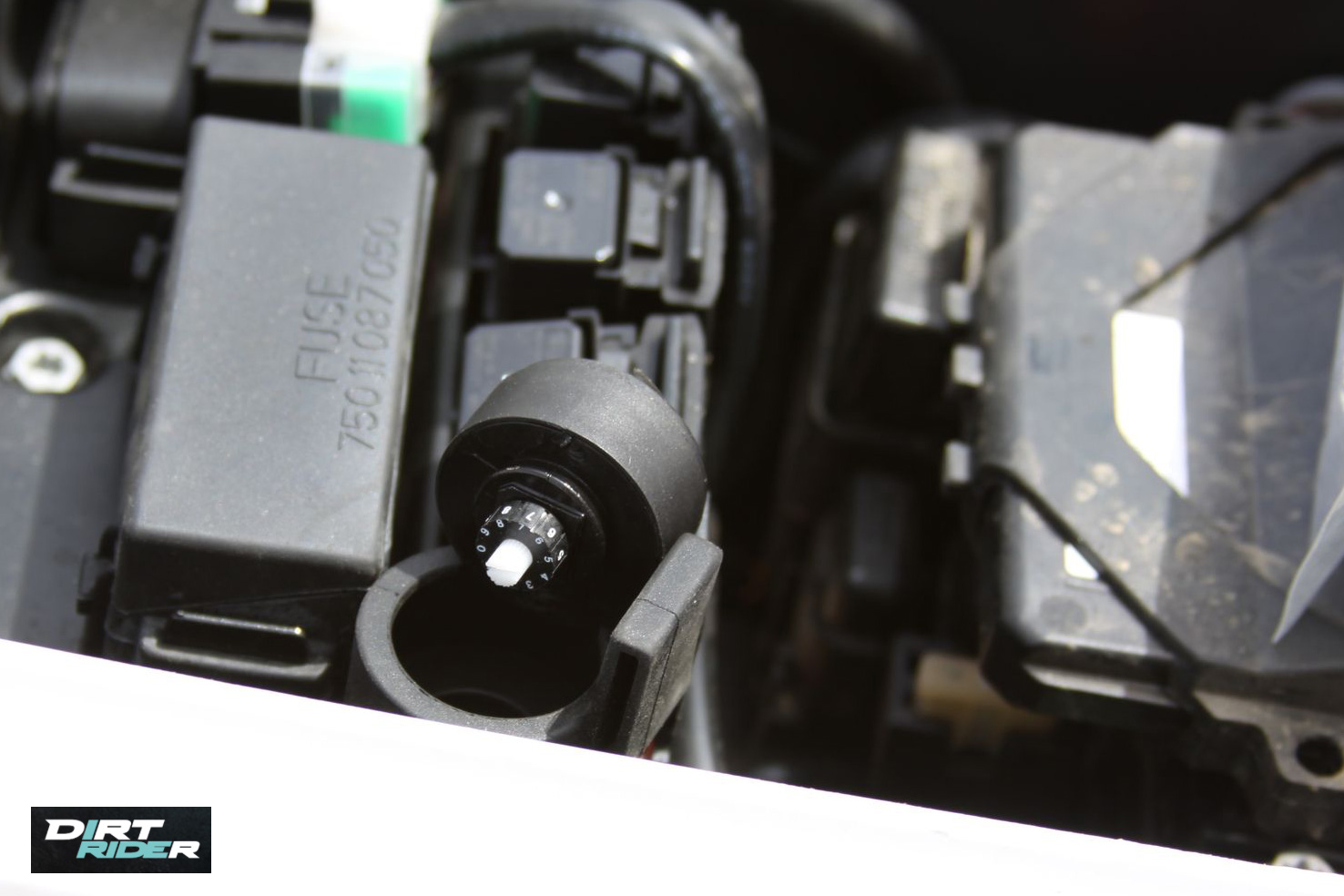
There’s a switch under the seat – right). Only trickling along on a virtually closed throttle did it hesitate a bit, but that never affected the riding. The hydraulic clutch never varied in feel either, the gear changes were slick and even with a cush drive in the rear hub there was a welcome absence of the transmission lash commonly found on Jap equivalents. (This bike had around 5500 rental kms on the clock.)
husk-10

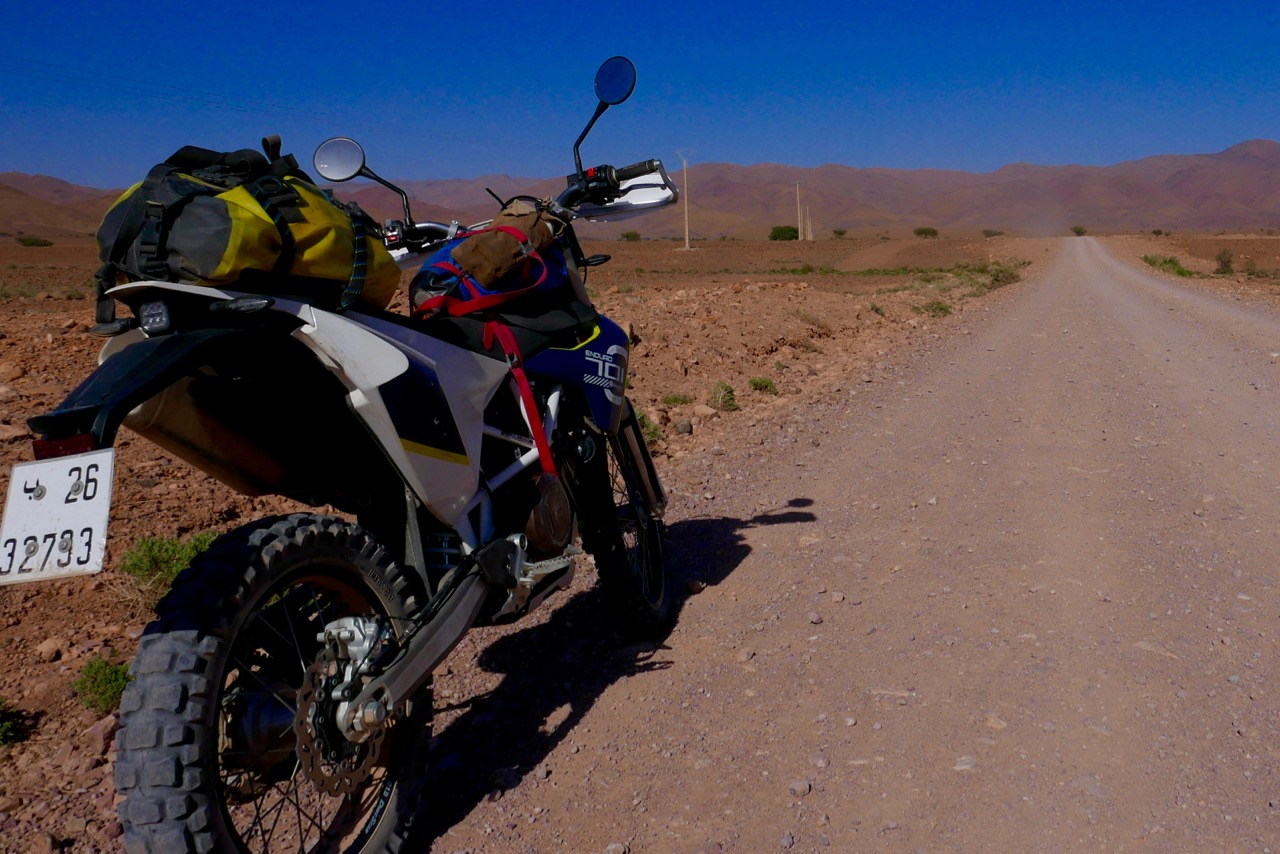
When the time came, it was great to be able to blast from 100 to 130kph with confidence – a typical overtaking manoeuvre. And all this achieved while returning the high 70s mpg (27.3 kpl  – 77.3 mpgUK – 64.3 mpgUS). With the claimed 13-litre tank, that’s an very useful potential range of over 350km  when herding a bunch of feline XRs. A year later a customer rode the same bike as hard as he could to the point of crashing, and was getting about 50mpg.
This all makes it sound like a great travel bike now that the remaining Japanese thumpers: XR650L; DR650; the late XT660Z, Kawasaki KLR650 (some in production for over a quarter century) clock in at up to 200 kilos and with little more than half the Husky’s power, even if they are up to half the price.
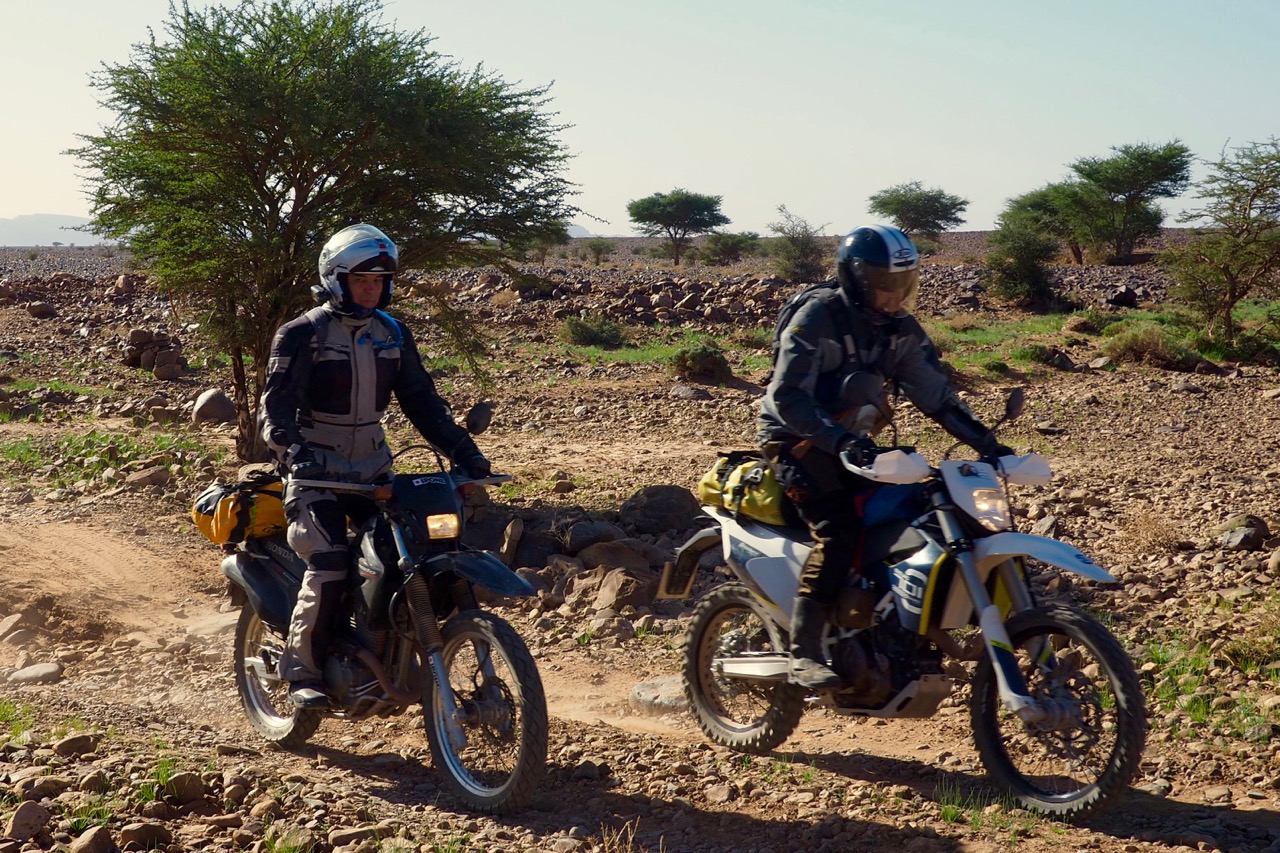
OLYMPUS DIGITAL CAMERA

For me the fly in the ointment was vibration on the road. It may have been exaggerated by the knobblies, but you just can’t get away with it on any 690cc single banging out nearly 100hp/litre. Have I got so used to smooth bikes like 250s and Honda’s CB500X? It shocked me when I tried the 690 after riding my WR250 the other week – and it felt even worse on the 701 at over 80kph. My throttle hand was going numb, and you’d have to be in a real hurry or somehow immunised to want to sustain over 100kph for long. Softer grips might help. The seat while hard, but over a full day actually no less butt-numbing than the XRs I rode later. It’s the same on my WR – a narrow seat need not be a write off; it must be down to the foam. But when I took a well-used XR250 for a quick spin I was staggered by how smooth and cushy it was. A week earlier I rode everything the Husky managed with near equal ease and as much fun.

OLYMPUS DIGITAL CAMERA

At rest I got my toes down OK but getting your leg over the 36-inch + seat height will become a pain when you’re on the road with all your clobber and getting tired. A weekend’s trail biking might not be a bother, but travelling for weeks or months it might just get on your wick.
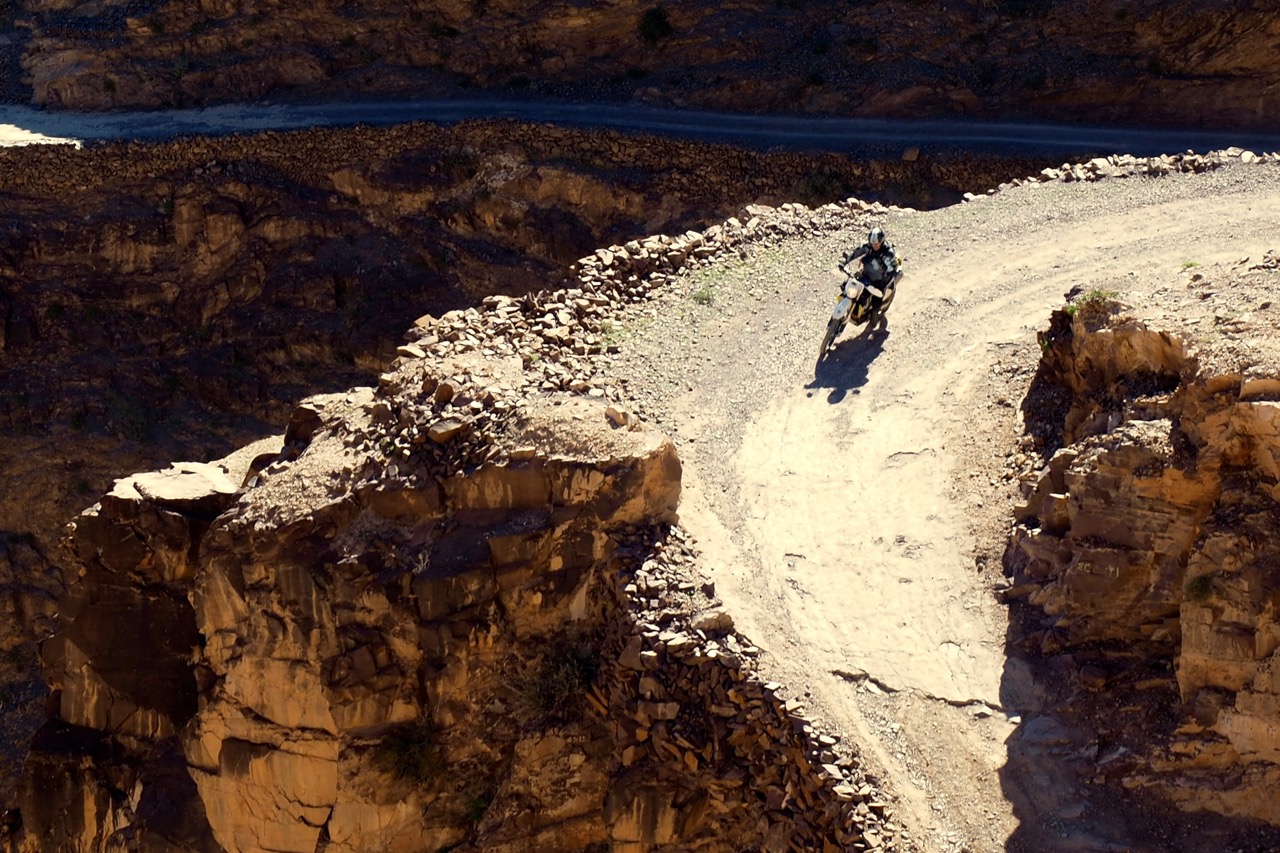
OLYMPUS DIGITAL CAMERA
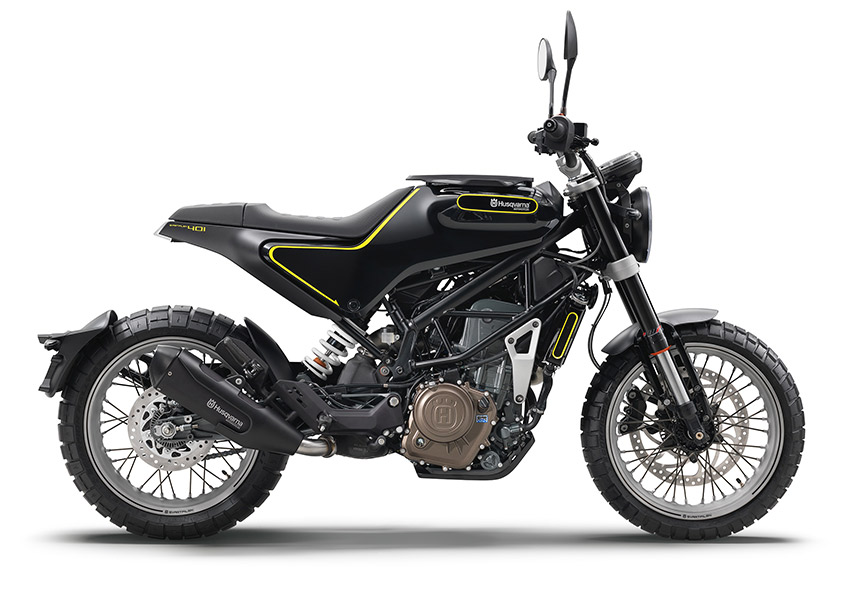
401-svartpilen-production

As a travel bike I’d say it only suits those committed to uncompromising off-road touring but even then, do you really need 67hp to manage the BAM track; the gnarliest Sahara crossing or highest Himalayan traverse? Even on some sort of semi-competitive event or rec’ riding with your mates, using it to it’s full potential, the weight – modest though it is – would soon become hard to handle.
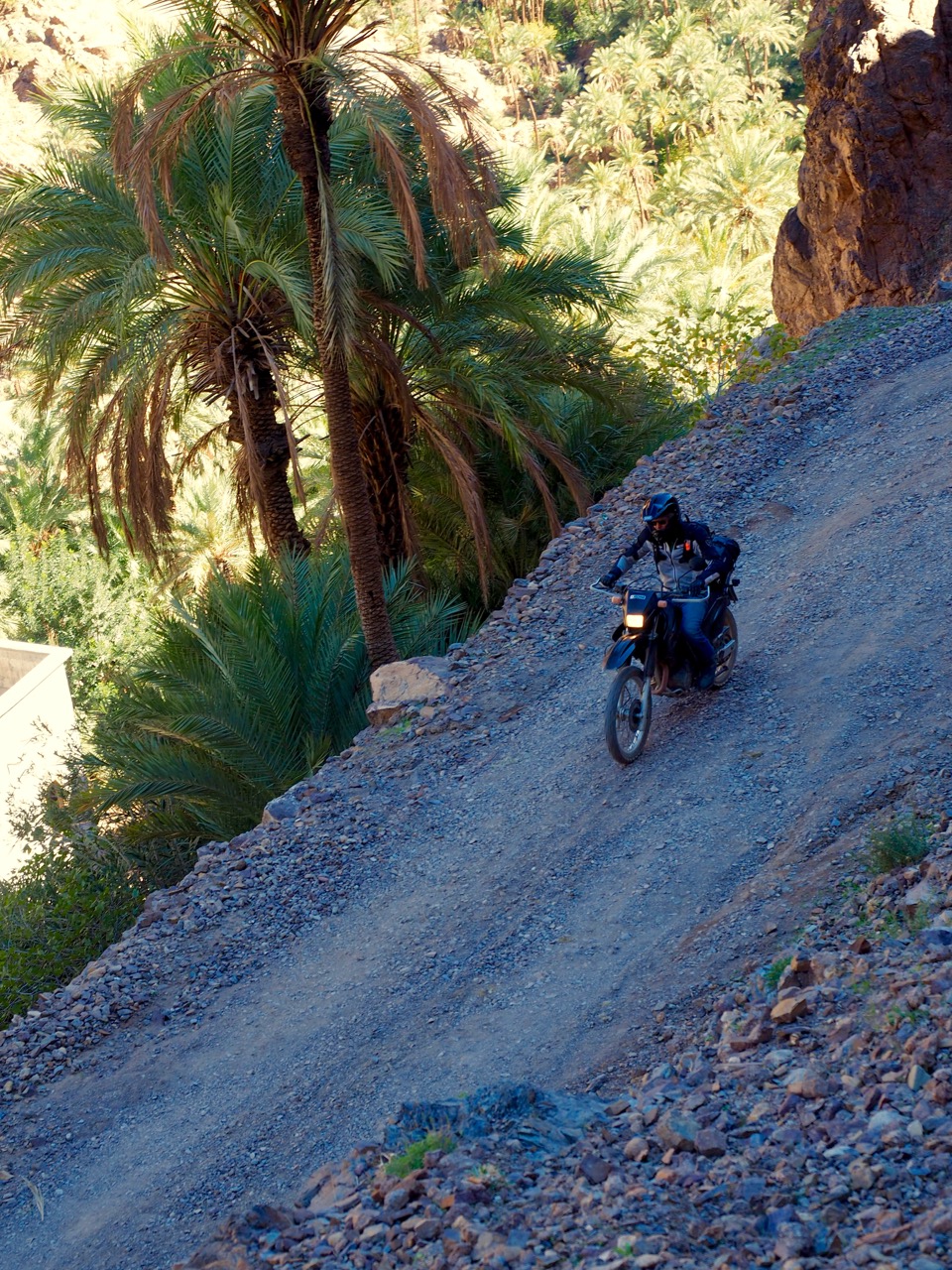
OLYMPUS DIGITAL CAMERA
husky17

I’d be happy to lose 10-20% off that peak power if it corresponded to much less vibration and so a more usable travel machine which would still have amazing (or perhaps even better?) economy and oil change intervals with the light weight. That bike probably isn’t the SWM’s SuperDual 650X  but might be AJP’s PR7 or the forthcoming CCM GP600 – all use the old Husky red-top TE630 motor. But anyway, cushy travel bikes are not what KTM (Husky owners) do. These days it has to be all or nothing or an overweight Japanese dinosaur. Still, KTM/Husky at least prove that an economical, sub-150-kilo big thumper with a useful range and rideable engine can be produced.

A review from Dirt Rider (US).
Some pics by J-M and Y VdL
husk-16

KLX 250S – mountain and desert

• KLX250S main page
• KLX in Mohave
KLX – Baja Gallery
coutmap

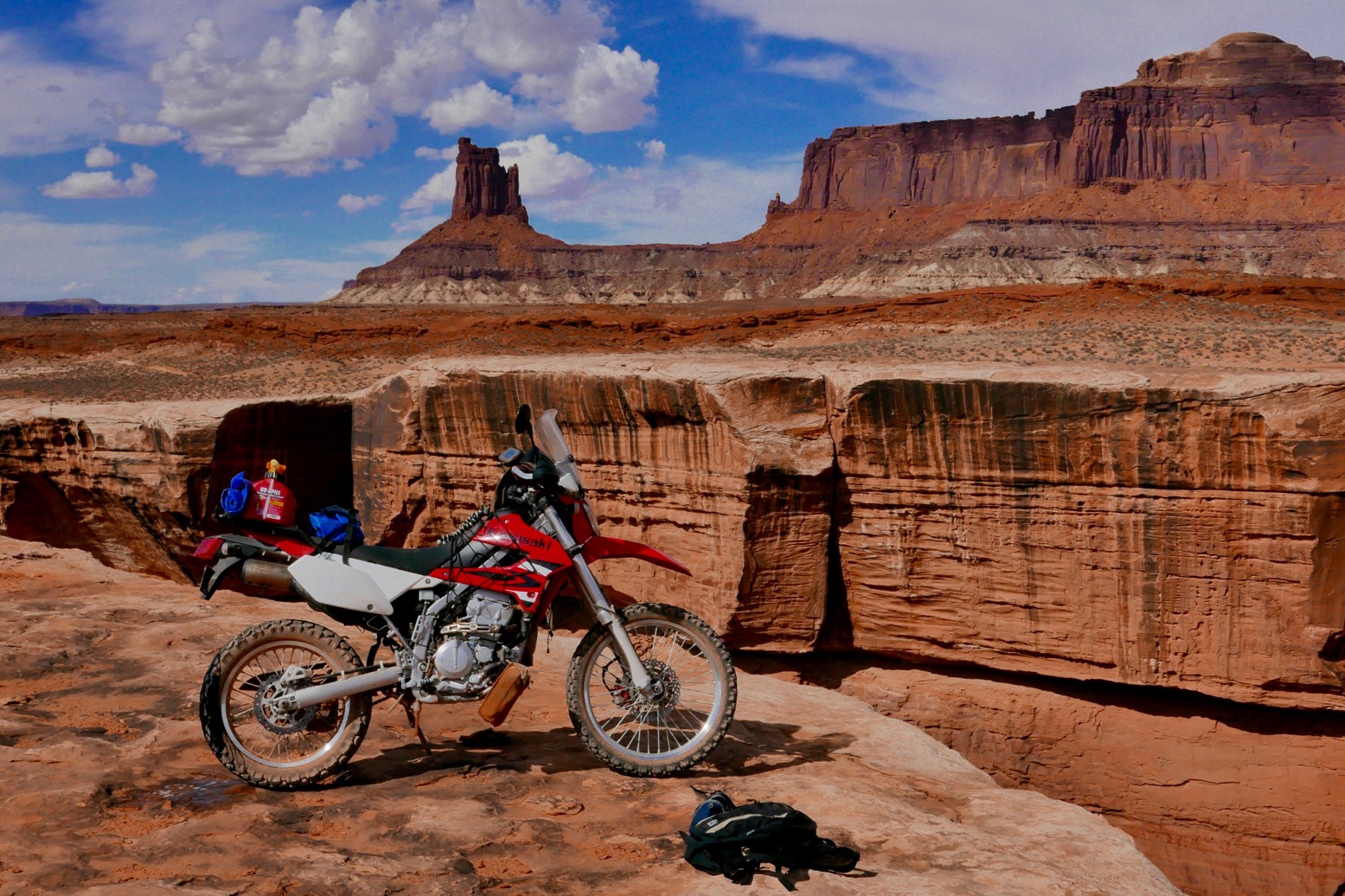
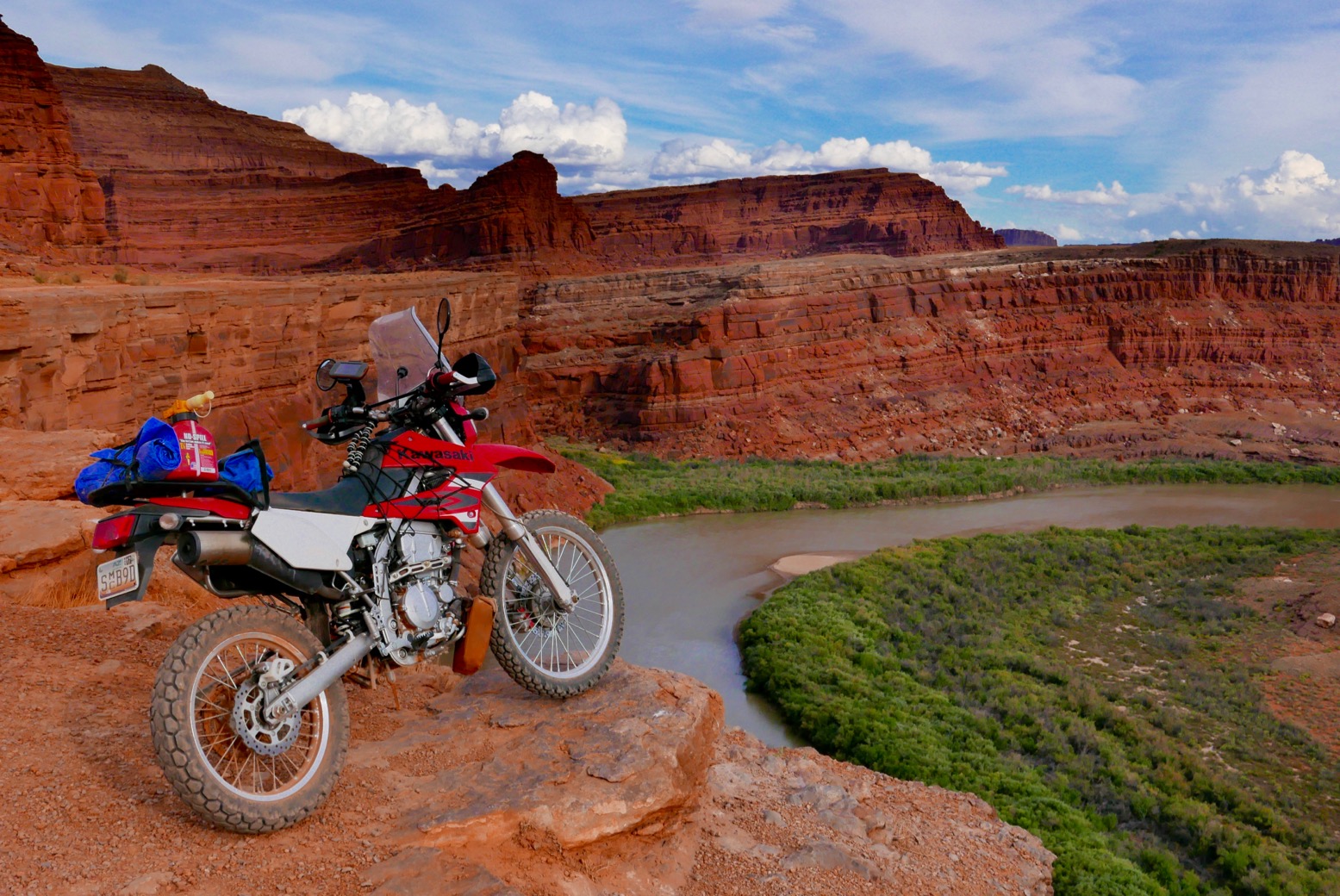
Parachute blind somewhere into SW USA, spin a bottle and head that way. Chances are in a short time you’ll be riding through epic scenery. Whether you ride road or trail, there are no bad routes out here, and over the summer I got my KLX relocated to the west Colorado to knock out the classic Rocky Mountain passes. But as it was now a bit late in the season, that plan got downsized to riding back to Phoenix via Moab, UT. It still couldn’t fail to be a great ride.

macys-logo

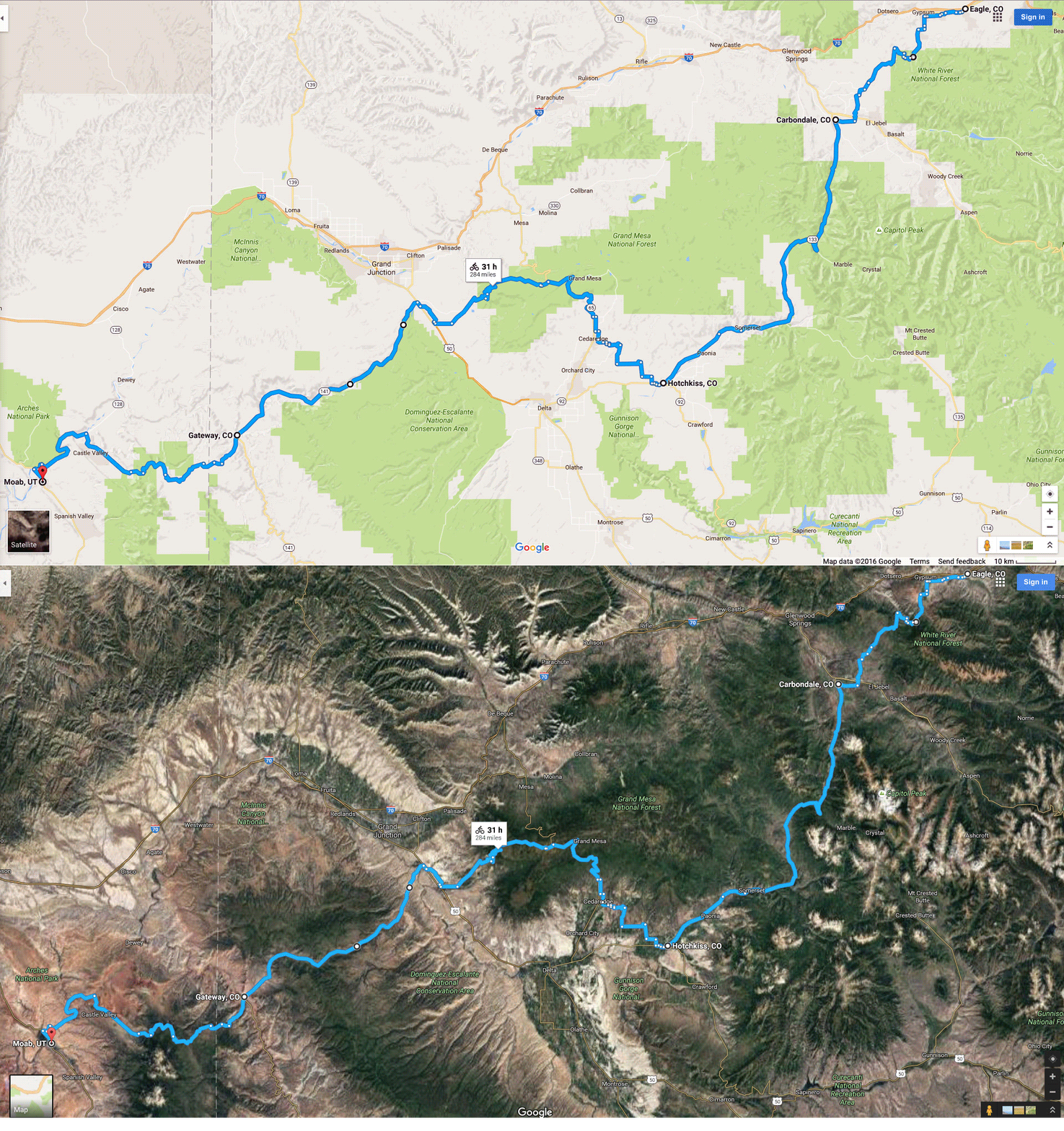
From Eagle, CO I’d pre-mapped a 300-mile network of backroads and trails (above left) towards the La Sal Mountain Loop just out of Moab which I did one brilliant afternoon on the CRF a few years back.
And out of Moab I could think of nothing better that riding the White Rim Trail again, then continuing down through the Lockhart Basin on the Utah BDR towards Monument Valley. from there nip over to Macy’s in Flagstaff for a snack, and it’s all downhill to baking Phoenix from there.

krigdupak

Rocking up on the outskirts of Eagle one freezing morning, the KLX’s battery was as flat as trampled roadkill. Even if it recharged, it would be a risk while riding alone en brousse, so at the quad shop downtown I fitted a new one for $35 and set off along Cottonwood Pass Road. The aspens were on the turn and shimmered when backlit by the low autumn sunshine. Maybe it wasn’t so late in the season after all?

klx-3

Annoyingly, the map tile I was on didn’t display on the Montana GPS so I was riding on the memory of the Google Map and blundering around a bit. I should have picked up a Colorado Benchmark or similar, but I was only one day in the state so would muddle through. From Carbondale, 133 lead south along a chilly valley, then switched back up the 8700-foot Ragged Mountain Pass which had the KLX down to fourth, but still plugging away at 45mph.

klx-6

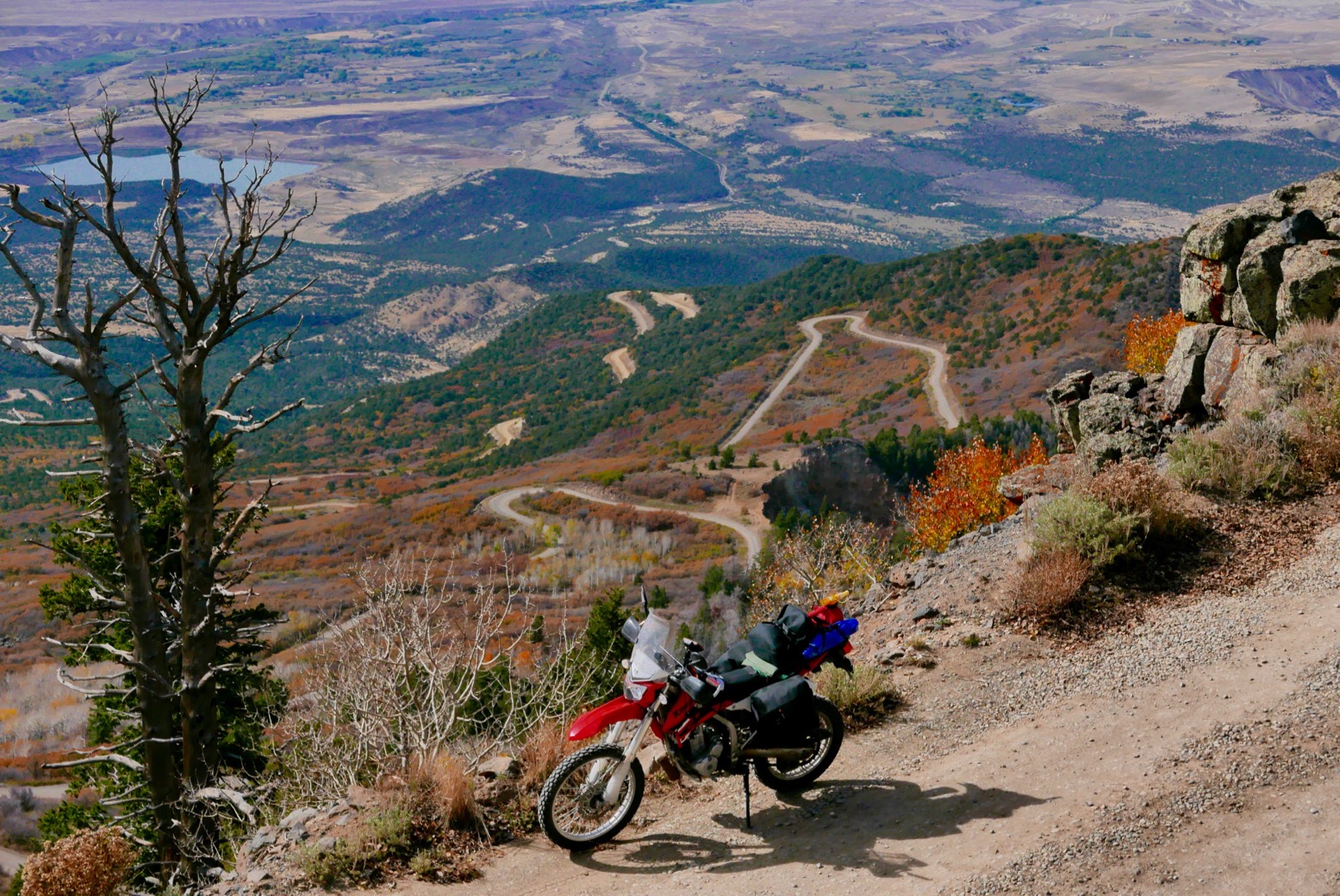
Next morning in Delta, it didn’t look like the Grand Mesa to the north was snowed-over yet, so the little 250 chugged up to nearly 11,000′ (3300m) where an easy dirt road contoured past the thin snow to the plateau’s southern rim, before dropping down spectacularly at Lands End Observatory (left). On the level at this height the KLX again managed surprisingly well, but some inclines and another few thousand feet would have had it struggling, I’m sure.

klx-8
klx-7
bedro

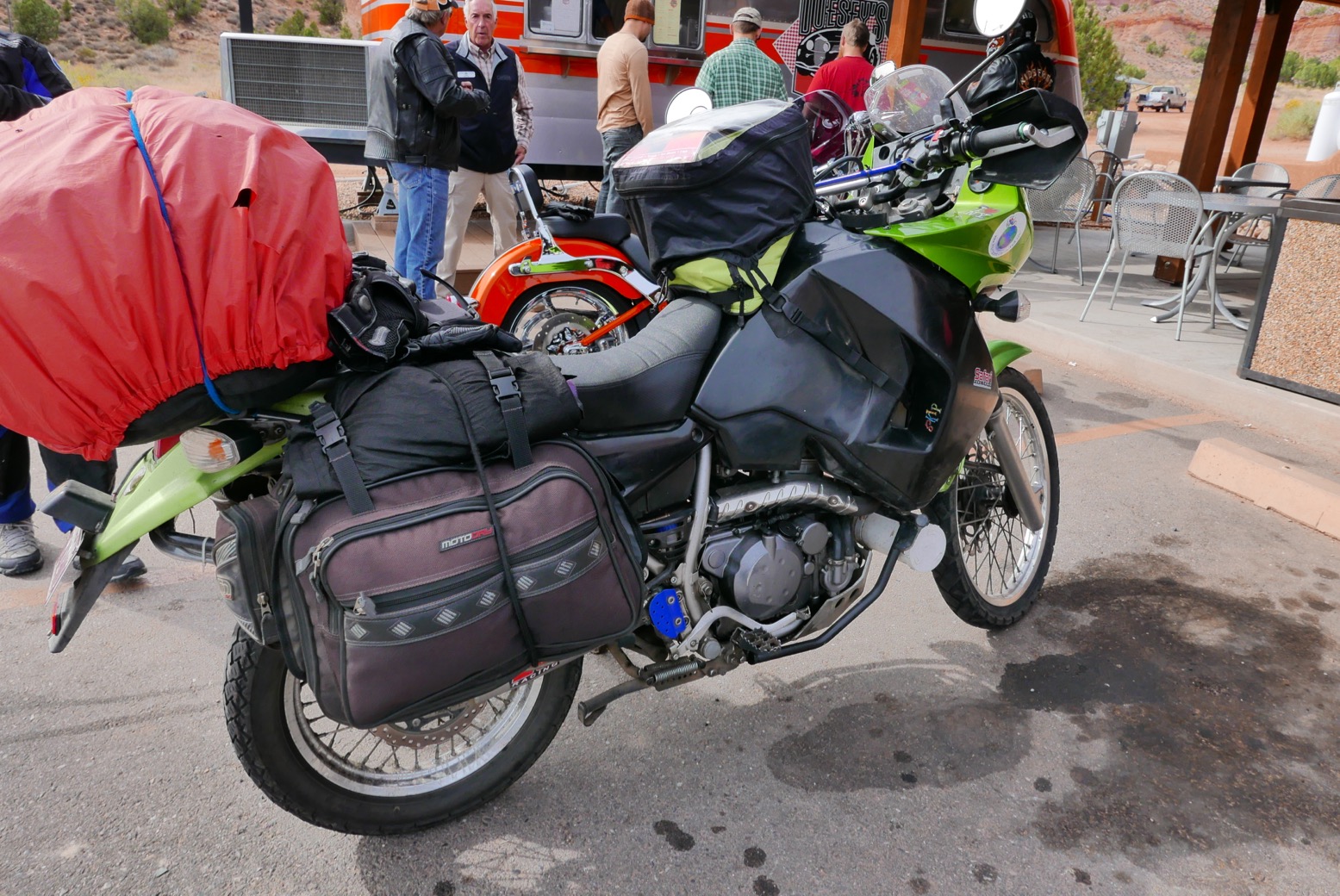
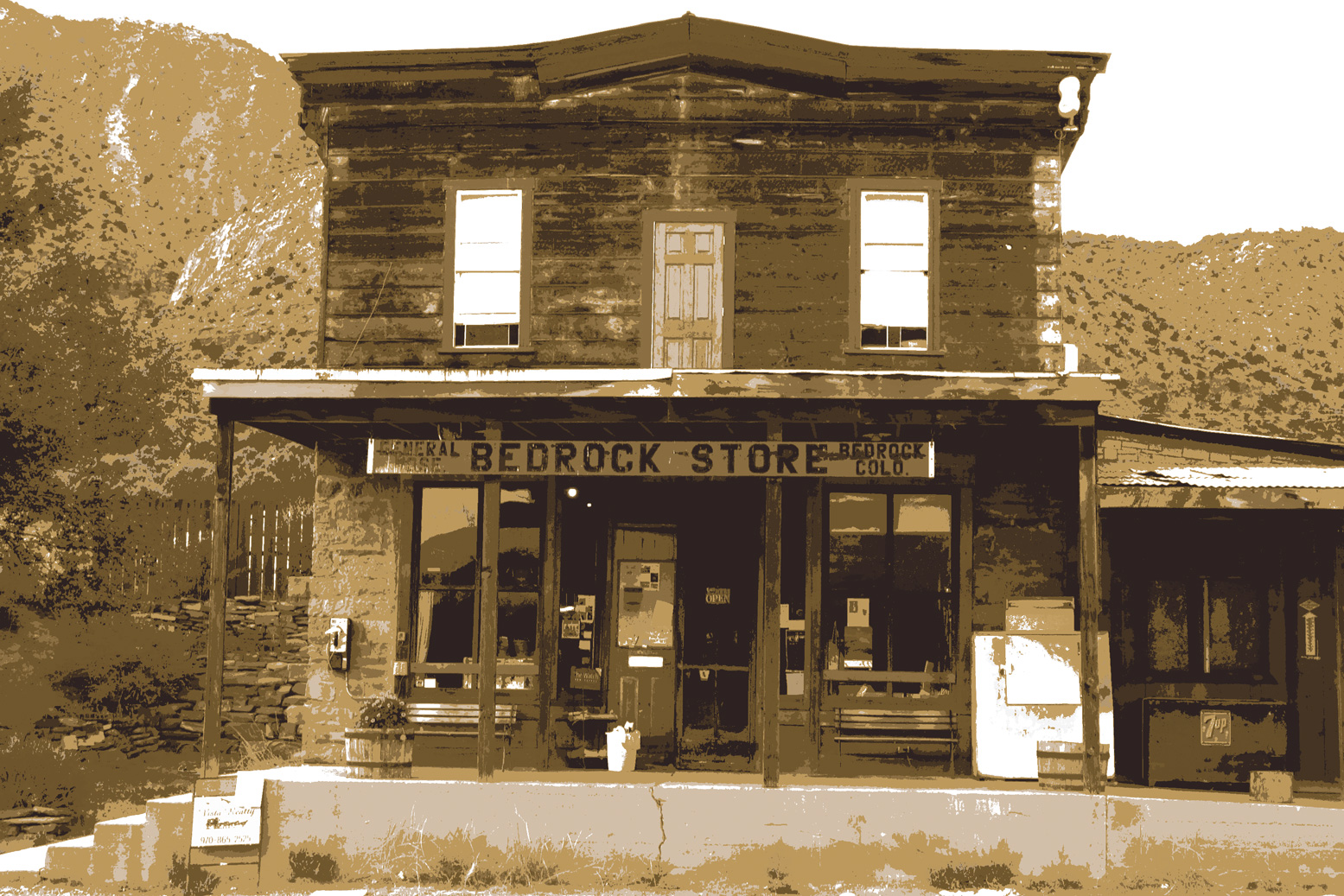
A quick blast in the slow lane up Highway 50 led to 141, apparently a well-known bikers’ road. At Gateway general store (right) there were more bikes than cars: a CB500X, MV triple, an H-D plus an intrepid Ozzie couple on a KLR (above).
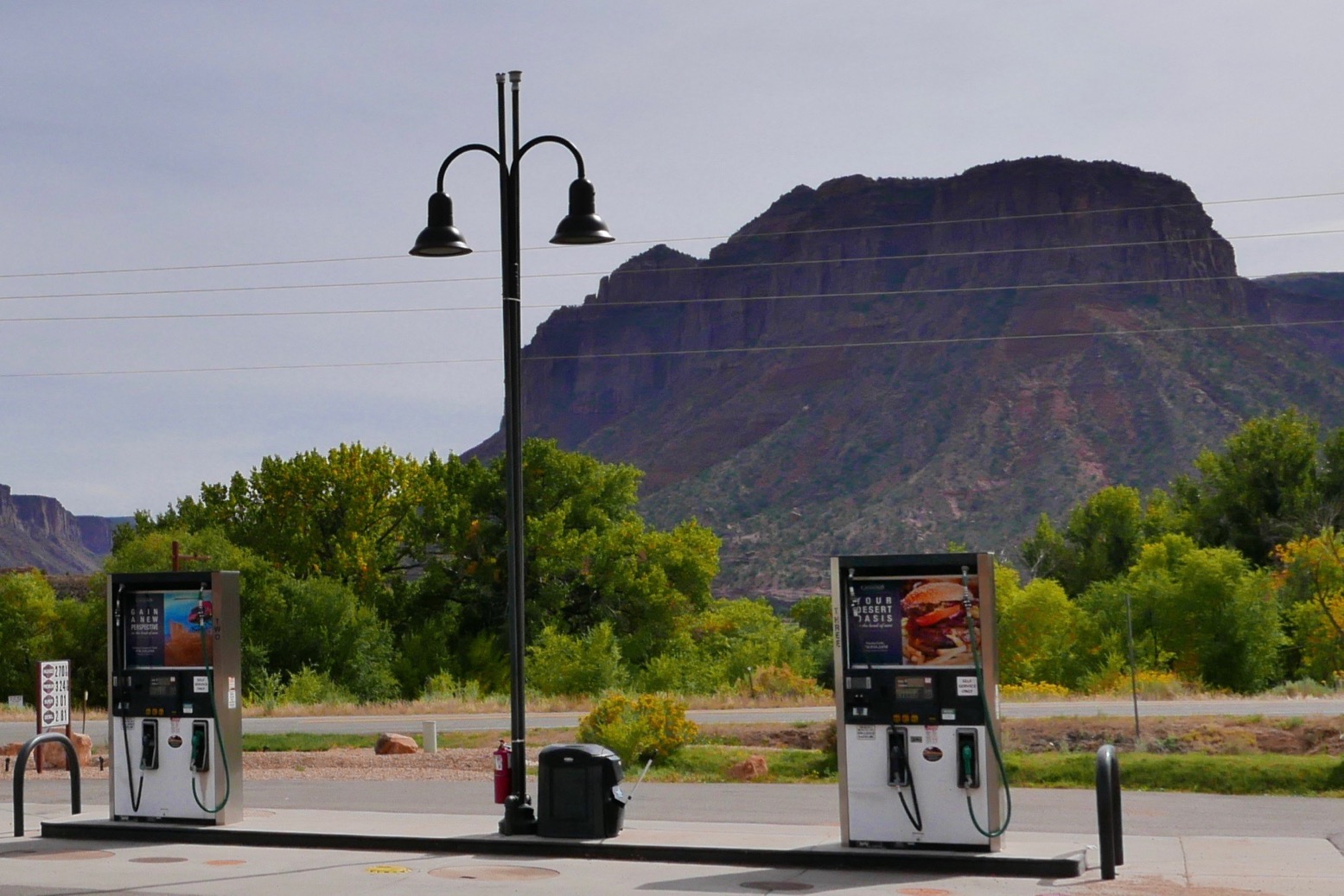
The food van here made an outstanding bacon-avocado wrap and proper chips but, as I’ve often found, the fuel in these outback places is often rough as well as expensive, even so-called 91 premium. Perhaps it sits in the tanks for too long.

liz

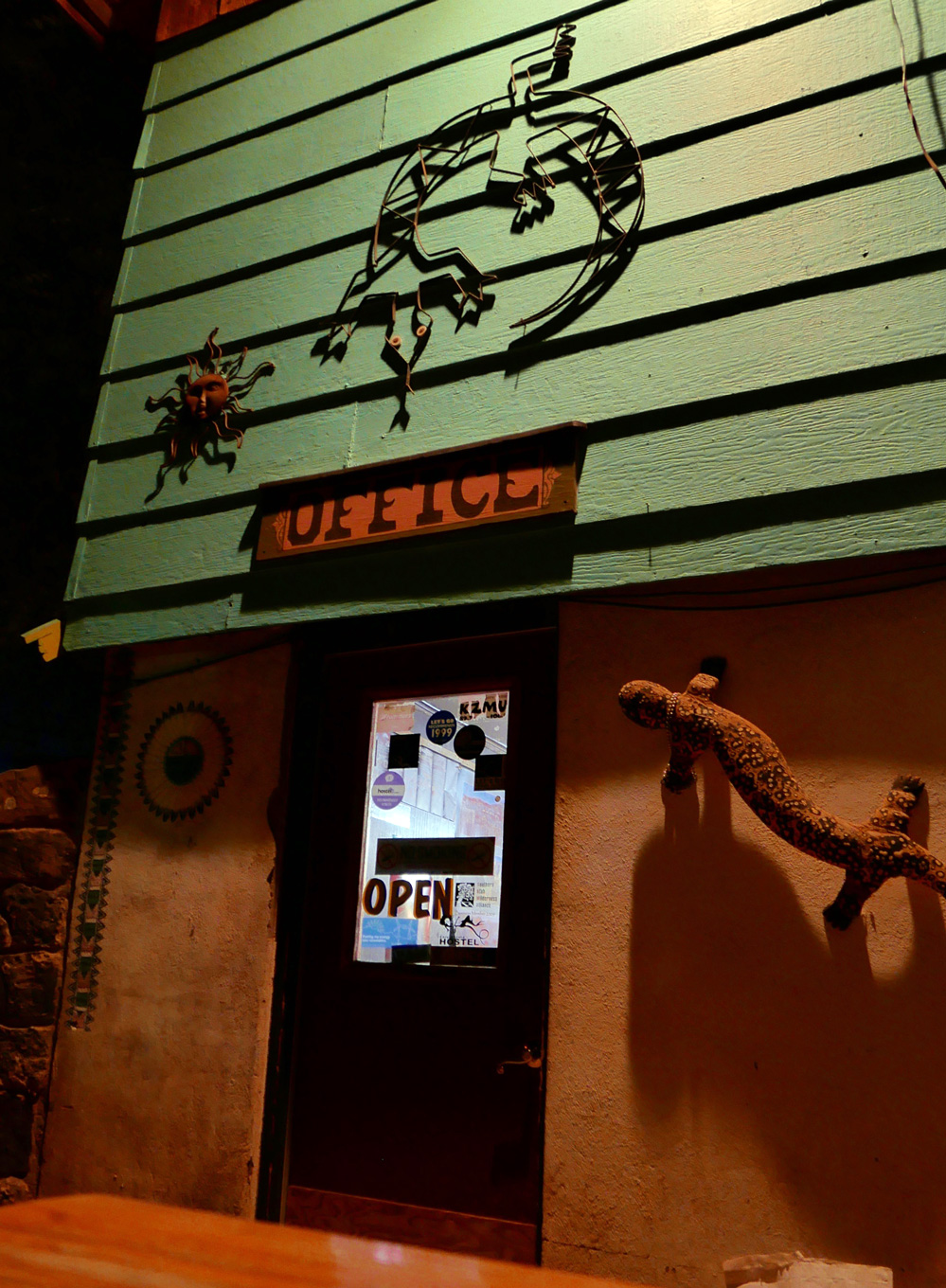
I was looking for something called 4.4 Road to connect with the La Sal Loop for Moab, but still off the map tile, I blundered up 42.10 instead. The nav felt off but it took me ten miles to admit it, and by the time I found 4.4 it was too late in the day to risk unravelling what looked like a mass of tracks to get to Moab before the slavering coyotes came out. So I carried on along the much longer 141 bikers’ road – nice, but nothing special – then swung back west via Bedrock and Paradox. Somewhere here I had a gas and lodging moment; none of either in Paradox, so I turned down the wick, slipped between some kamikaze deer while faffing again with the GPS, and rolled into Moab’s Lazy Lizard on fumes.

wrtmap

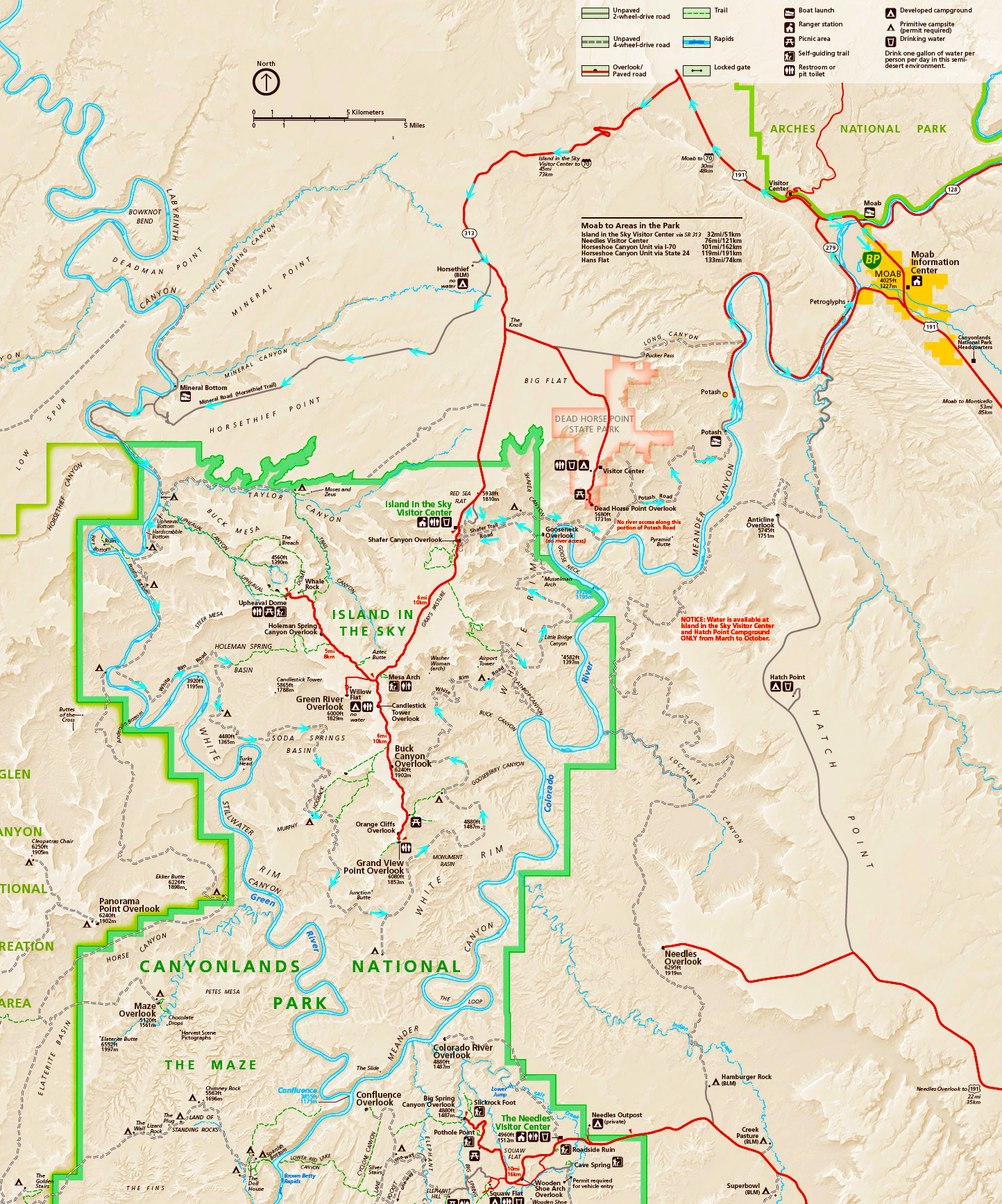
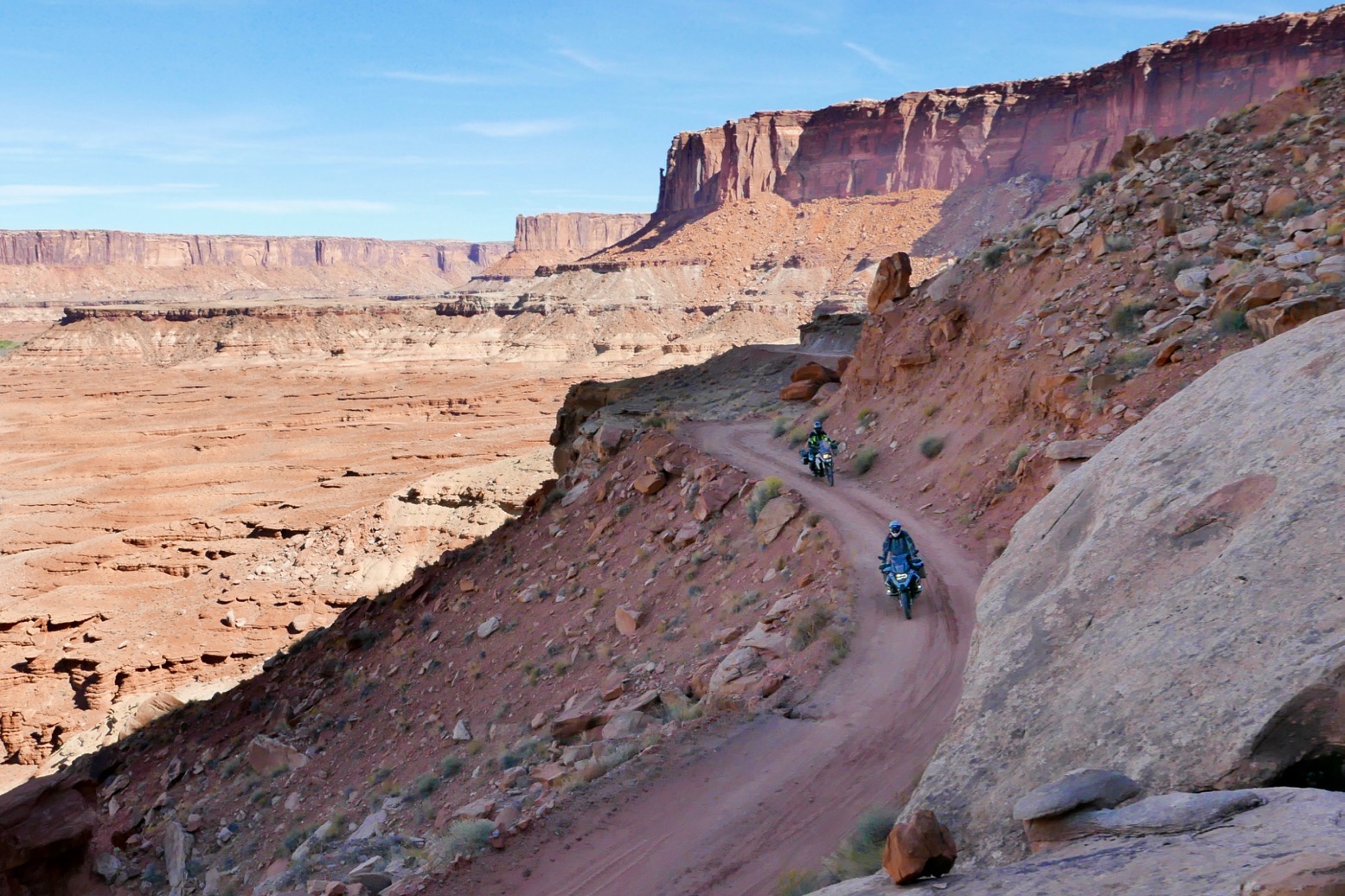
Next day I ditched the baggage and set off for the White Rim Trail, a 150-mile round trip from Moab. An old uranium prospecting road built in the 50s, half the distance is the off road and all of it is like turning the HDR setting to 11.
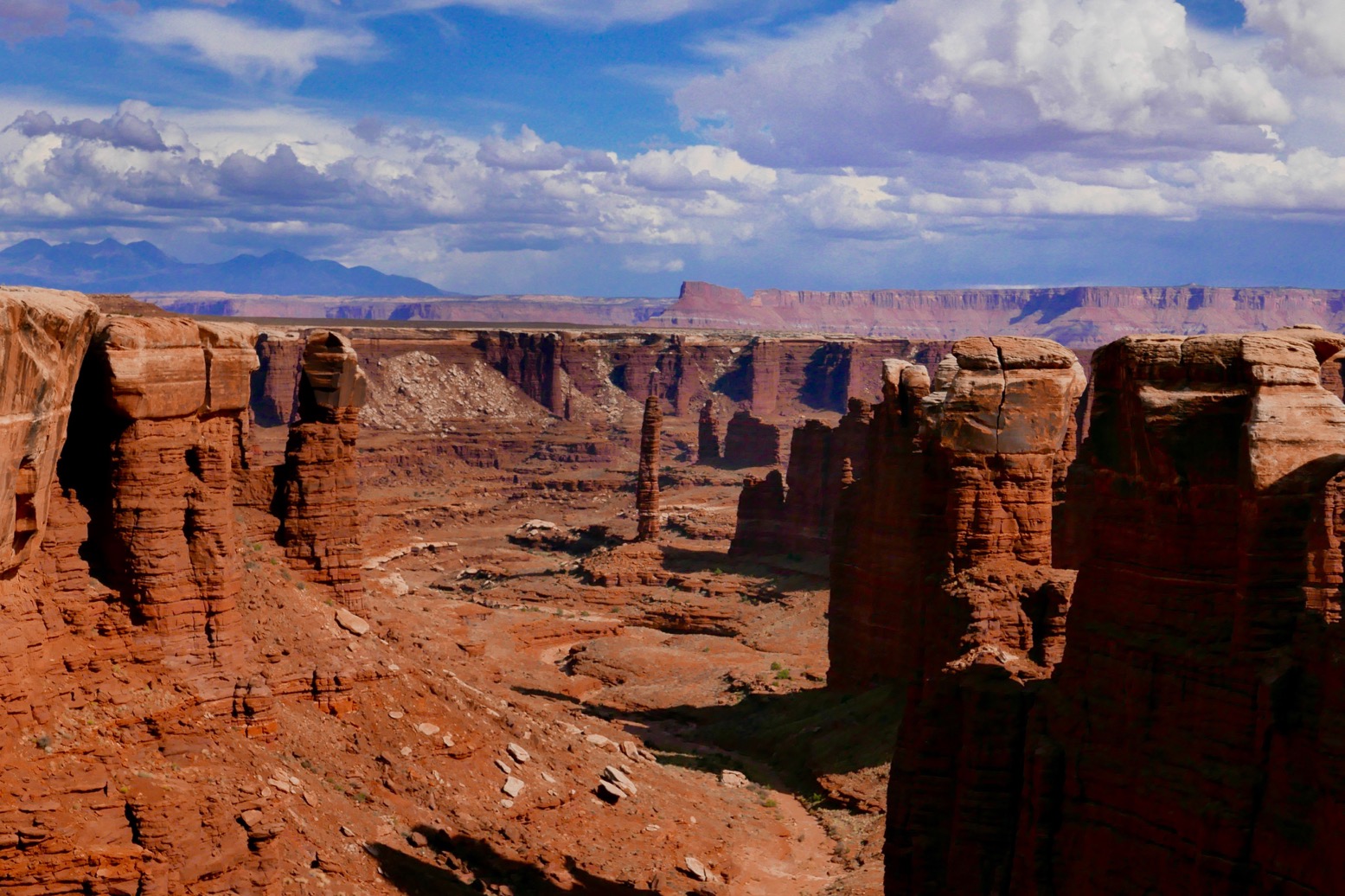
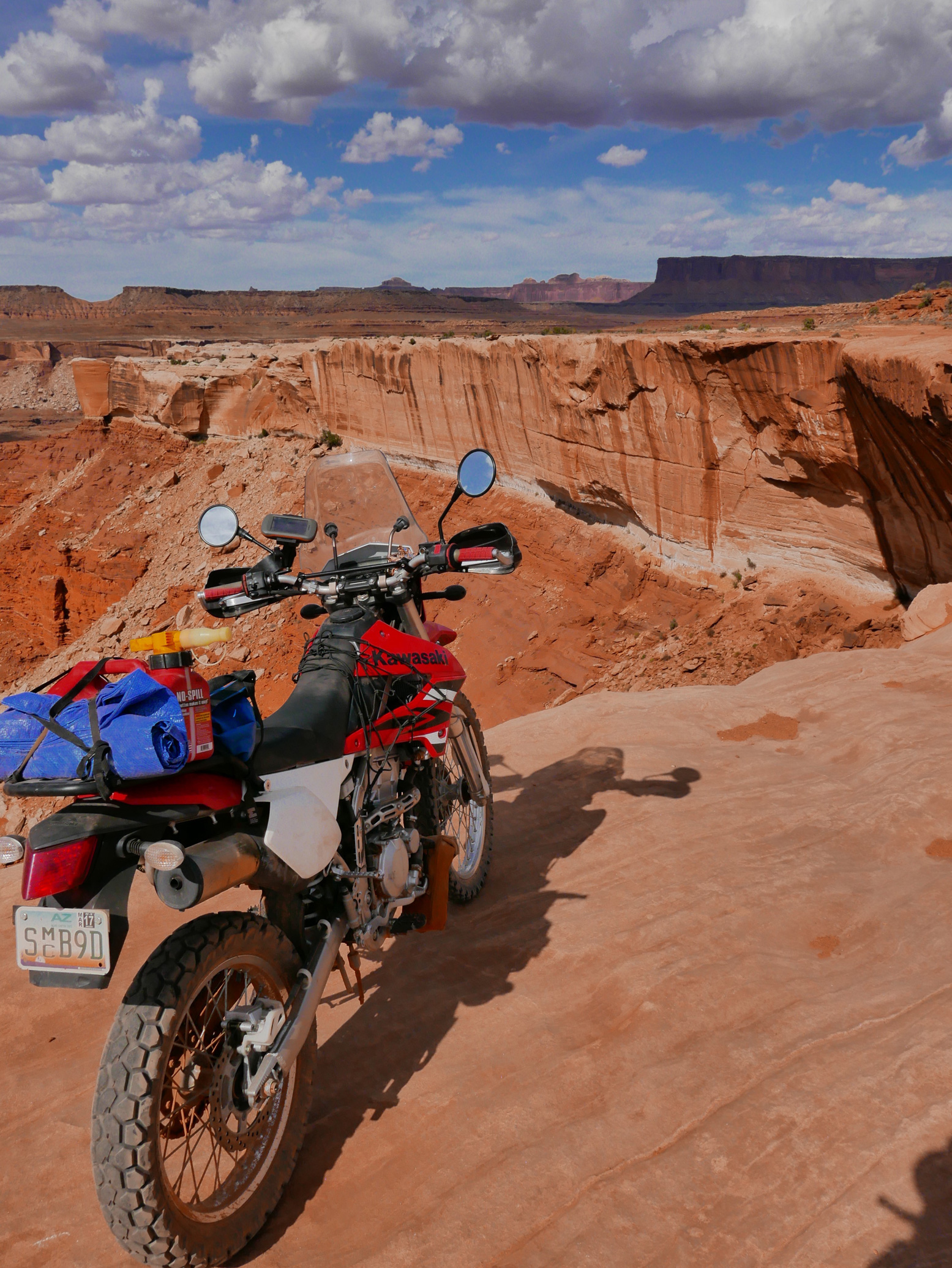
Most of the time the trail traverses a broad ‘white’ sandstone terrace – hence the name. And every once in a while the track comes right to a cliff edge with staggering vistas over eroded buttes, mesas, canyons and pencil-thin spires as far as the eye can see. And all without a single warning sign, guardrail or any signs at all. It all helps you feel you’re out in the wilds and, along with the ease of the riding, it’s the frequency of these mind-boggling outlooks that gives the WRT its well-earned reputation.

klx-15

A light trail bike can manage the WRT in about seven hours. A full-on OHV dirt bike will be faster but won’t have the fuel range – and anyway there’s a 15mph speed limit. MTBs take days or do sections with support, and 4x4s typically take two days. You can average about 25mph on a bike, which is a realistic top speed on the dirt too, depending on what you’re riding.

klx-11
klx-9

A bunch of big 800-1200 advs flew past me on the wide track heading to the start of the trail proper (right). Rather them than me, I thought, but what do I know? They could be old enduro pros looking for some exercise.

klx-12

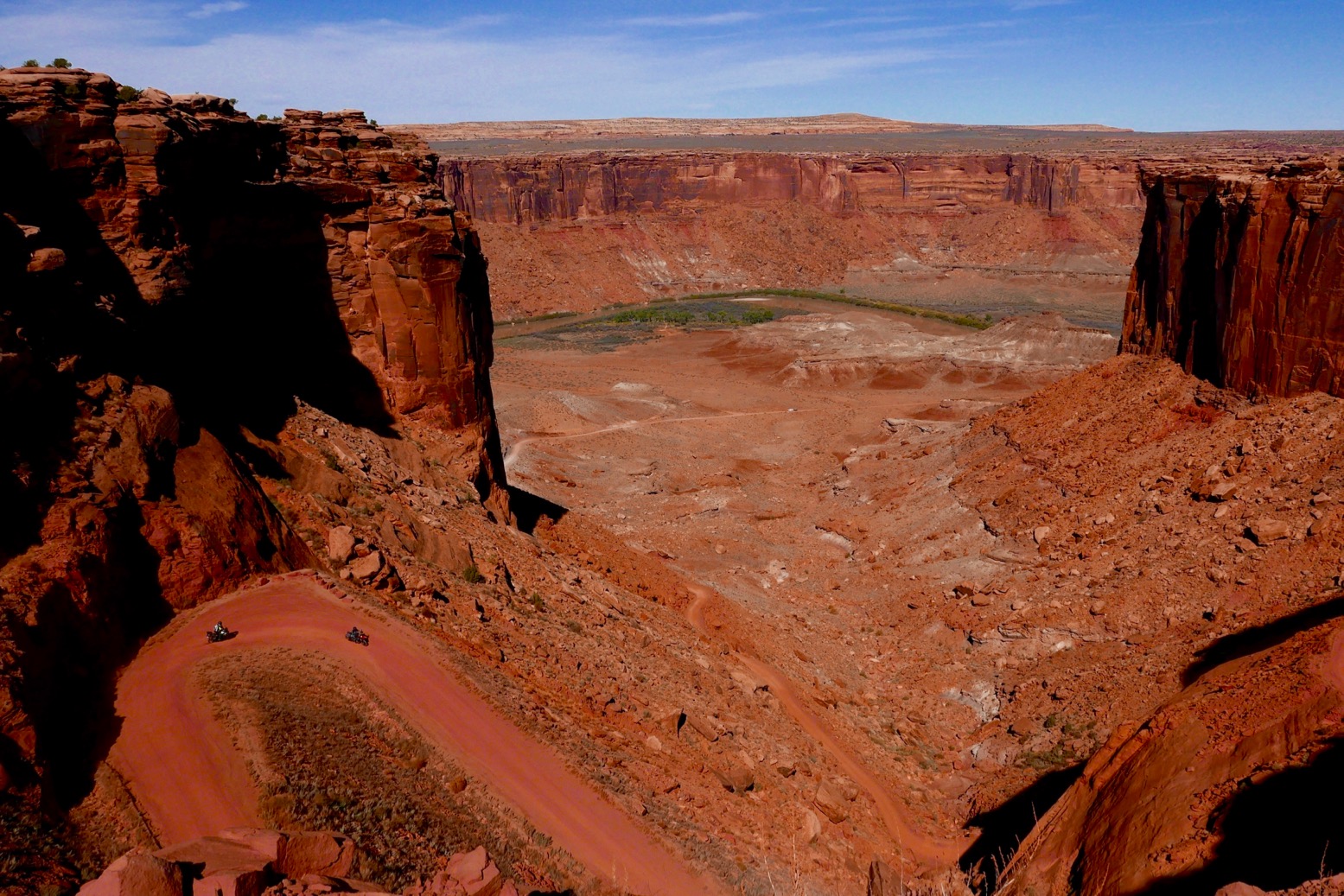
The WRT starts with a stunning switchback drop into Mineral Canyon (left) and the banks of the Green river which it then follows for a few miles (left). It was definitely sandier than when I did it one spring on the CRF-L. Perhaps summer storms wash silt down. But even at road pressures on worn trail tyres, the KLR was easy to balance in the ruts, and this felt like ‘good’ sand – more crystalline and ‘grain-locking’ so less sinky than weathered and rounded Saharan sand.

klx-13

At one point the trail climbed steeply onto a shelf, not something you want to cock up. I passed the big bike group (left), had a little chat, but never saw them again after that. Soon a steep, 4×4-gouged drop led back down to the terrace, followed by a few short sandy sections before we were back on the bedrock.
Many stunning vistas, like the one below, pass by before the other major climb and drop over Murphy’s Hogsback. The climb is easy enough providing you attack it and there’s no one in the way. The descent felt a little more thought-provoking this time round. My KLX stalled on a washed-out hairpin, but was light enough to roll down without drama. I did wonder how those big advs would manage this bit.

klx-19
klx-conflu
klx-23

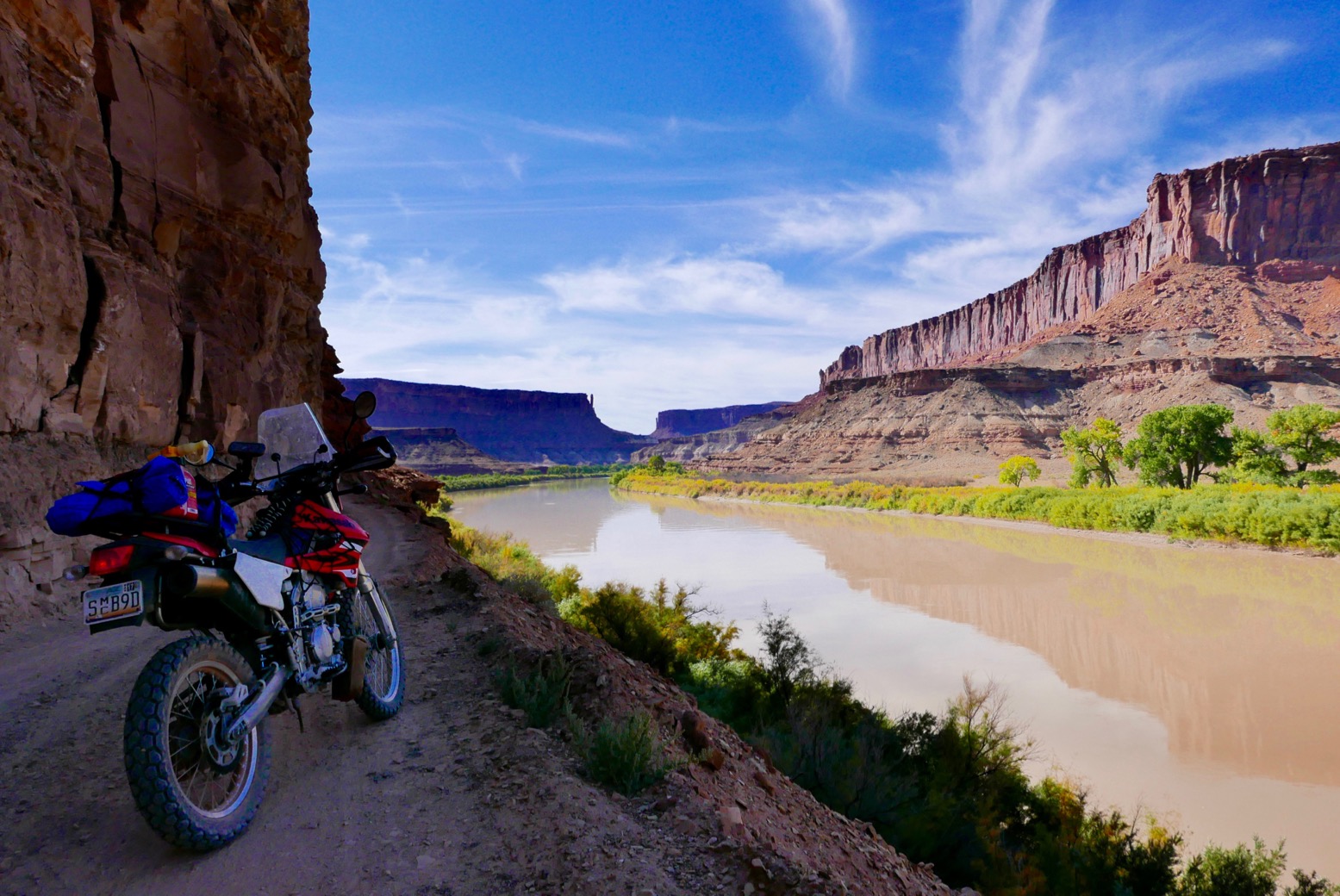
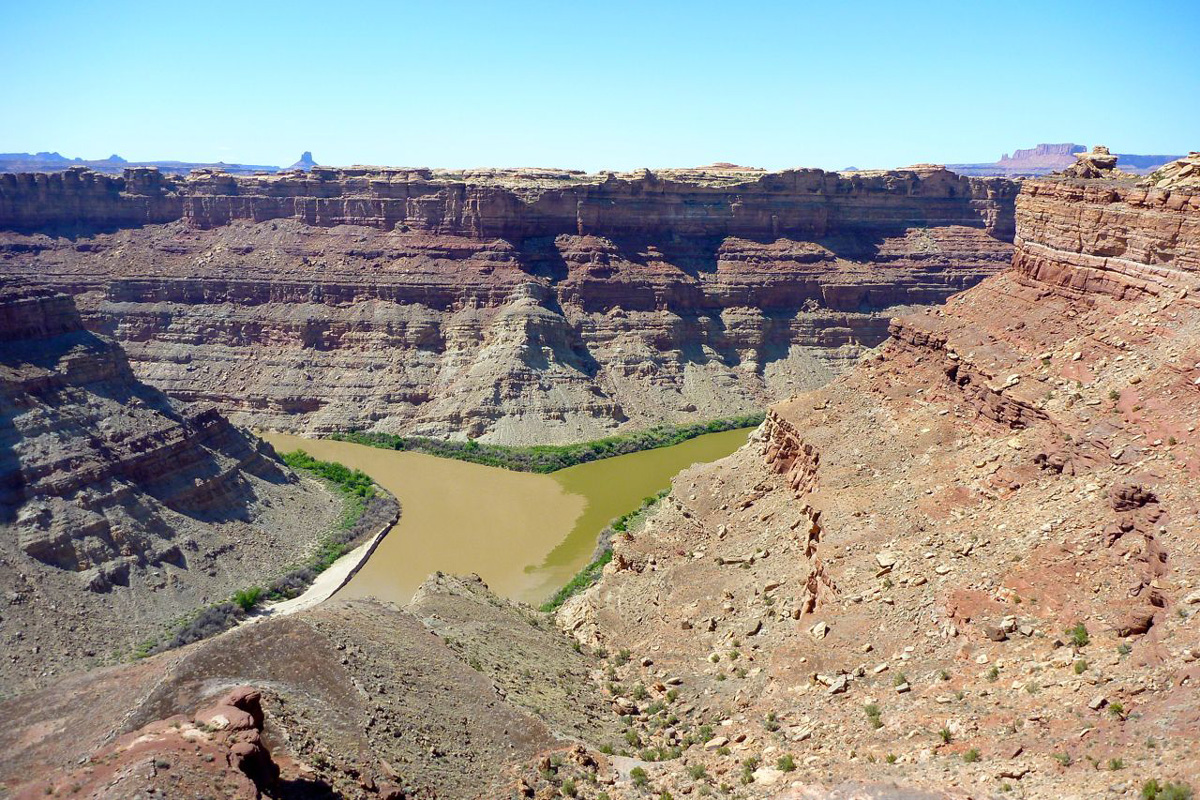
By now you’re past the unseen confluence of the Green and Colorado rivers (right, on another trip) and are heading back north towards Island in the Sky – way above. This is the place where regular day-tourists congregate; down here there’s no one. Glimpses of the Colorado river appear (left), the track levels off and stays that way, often crossing bare rock. I’d have found it a cushier ride on aired-down tyres, but was prepared to suffer a little to avoid punctures.
At a junction the Shafer Grade lies straight ahead to climb 1300-feet up the cliff into national park babylon. I went up and down it last time, but it was late now, I was a bit weary and fuel was low, so I took the Potash Road back east to town via the salt works. What a great day out.

p1150982
klx-26
klx-25

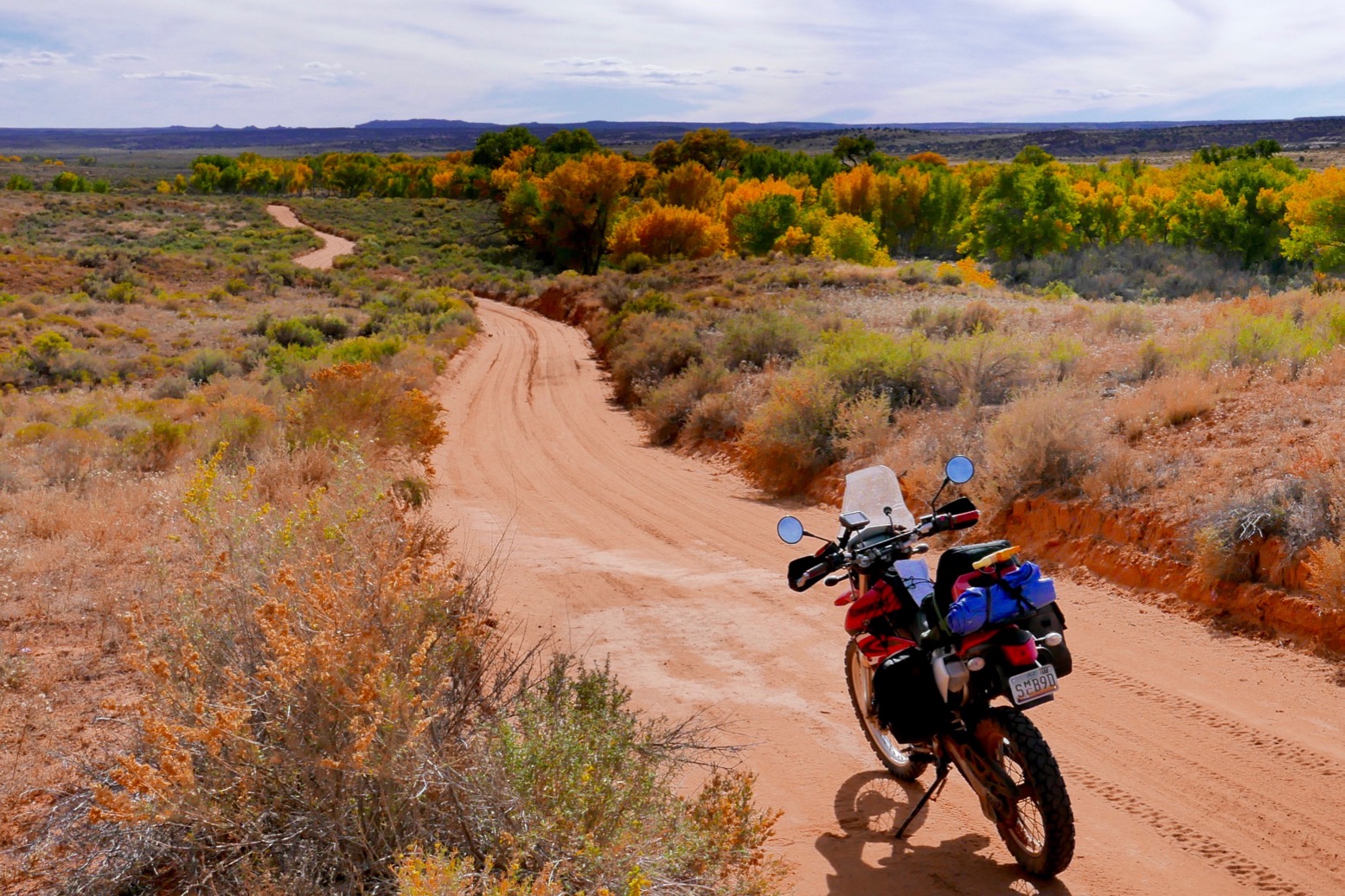
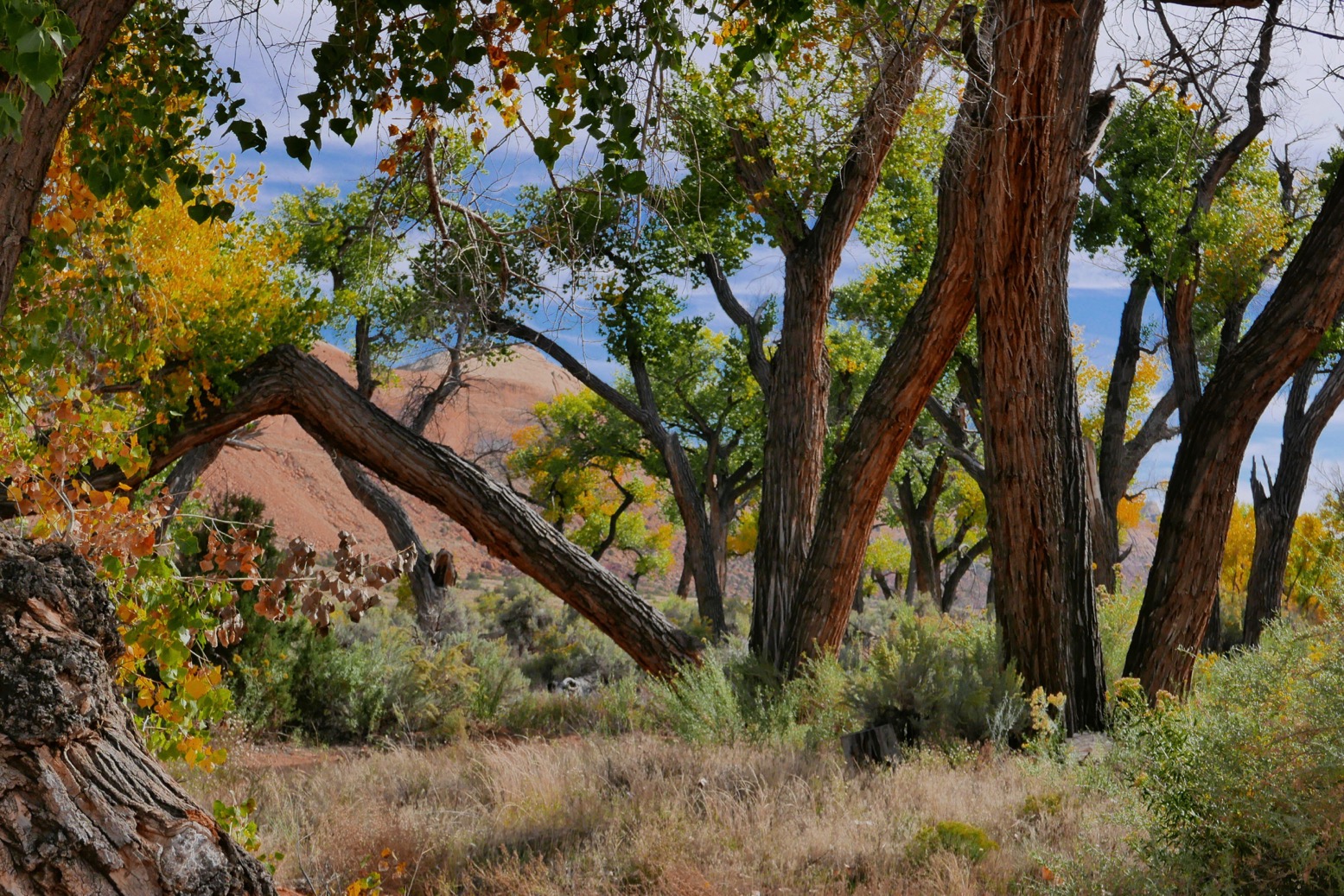
Next day the BDR trail into the Lockhart Basin was closed. Still off the tile, I didn’t have the wits to find another way round so instead road-hauled south to Blanding and worked my way towards a little sandy valley I discovered last time (left). I parked up under the rustling trees, read a bit, ate a bit, dozed a bit and moved on.
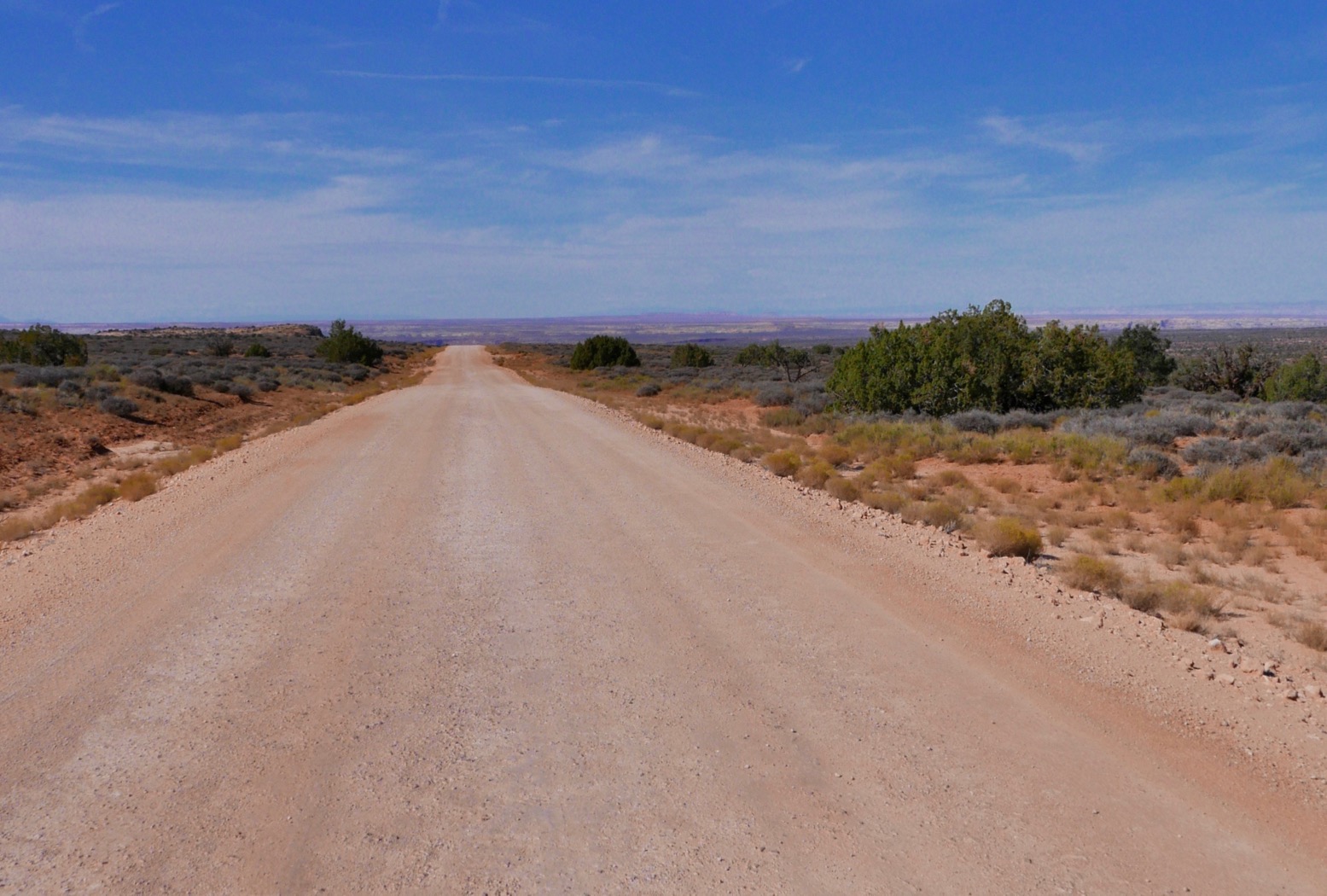
At the far end I took a ‘wrong’ turn onto the road, but it’s all good around here as long as the fuel lasts. Riding next day up to the 7000-foot rim on which Flagstaff rests, it was one final blast of cool air before rolling down into the 36-degree cauldron of Phoenix. Oil change, jet wash, pack up, fly home.

klx-28
klx-27

After 4000 miles I feel the same way about the great little KLX250 as I did following last February’s rides. Compared to the very popular CRF-L, it’s an under-rated 250 that’s almost certainly all the better in efi form sold in the Uk for years and now available in the US.

tikLight
Fully adjustable suspension
Looks good in red
Seems to run cool
crosWould prefer the efi model (now sold in US)
Seat as bad as they get, but lycra cycling shorts work wonders
Tiny tank. The biggest aftermarket tank is only 50% bigger but the same size as my $20 can
Tiresomely tall at normal height, but [mine] easy to lower
ertt.jpg

A weekend of WRing in Wales

WR250R 4000-km review
WR Introduction
WR250R Stage 1
WRing about in Wales
WR250R ready for the desert
Morocco 4000-km trip report, 1–9
Fuel log
wale-15

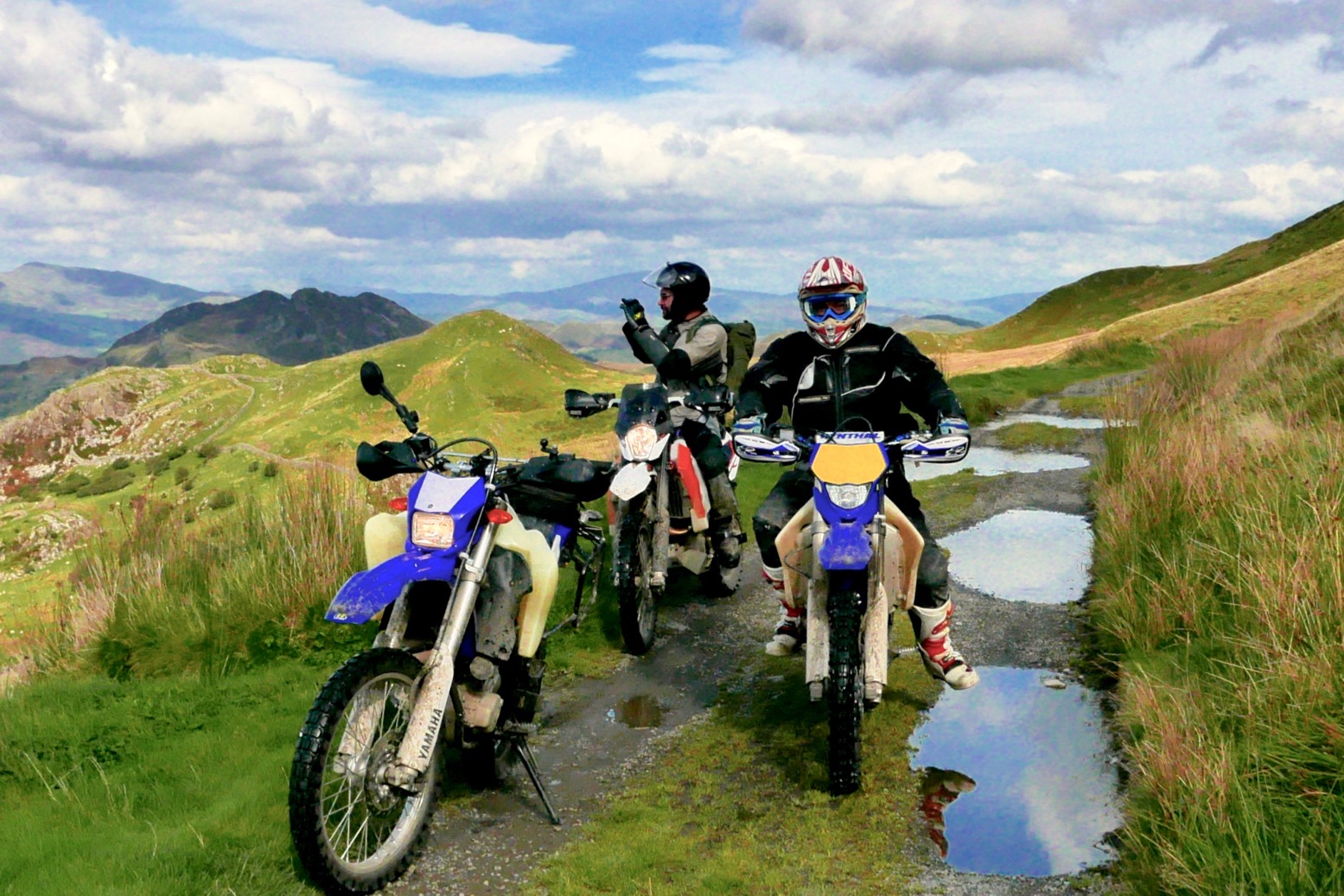
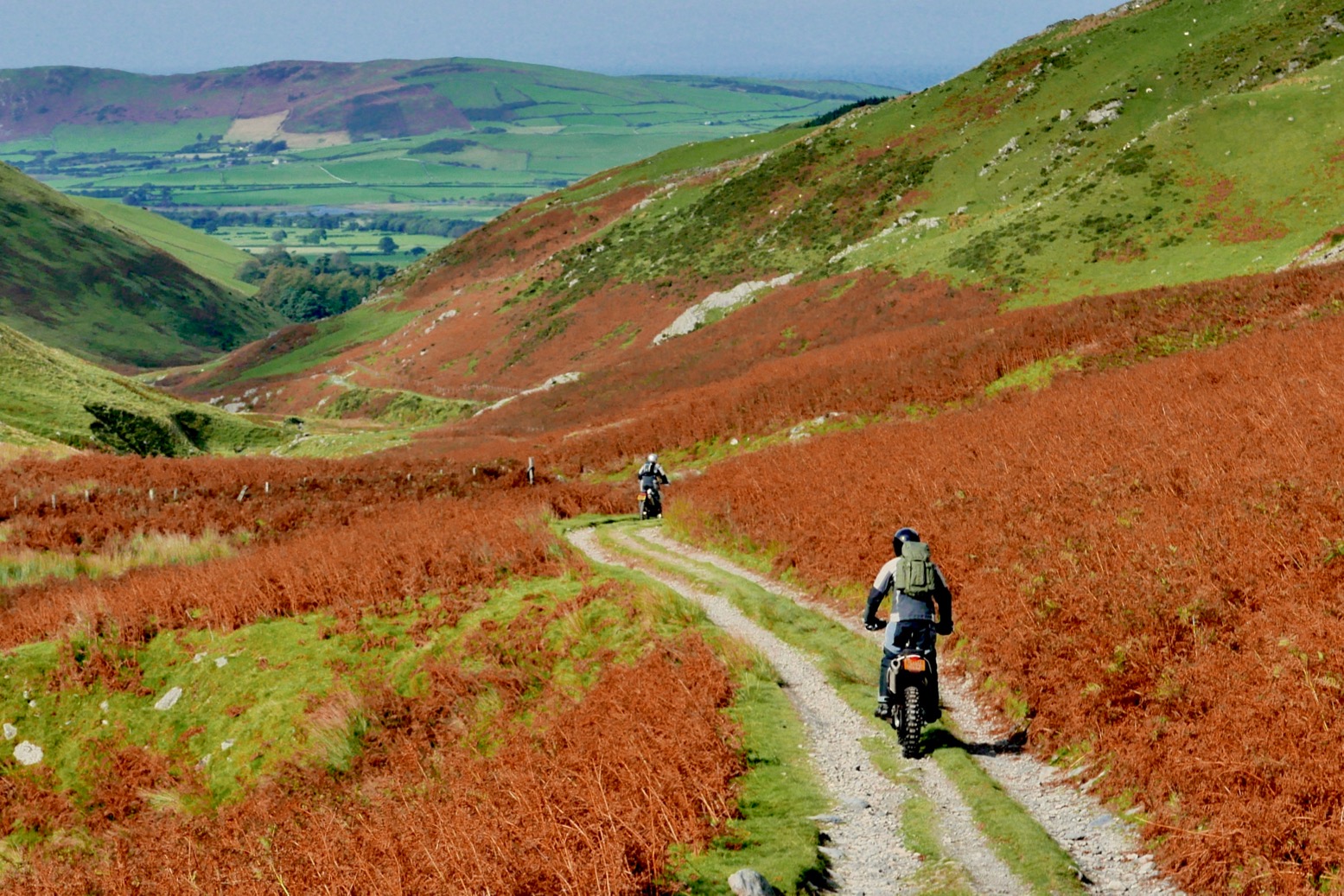
I haven’t been trail biking in Wales since my 20s. Makes me wonder what I’ve been doing all these years. Part of the reason is I’ve not had a bike worth riding up there, and then there’s the issue of untangling where you can ride legally. Desert biking can spoil you, but Wales gets a lot more inviting with a light and pokey WR250R and knowing the right people.
Dan and Dave were on my 2007 Algeria tour along with their own trips to all corners of the globe. John, an old mate of theirs, works at the Yamaha Off Road Experience near Llanidloes, and generously offered to take us for a ride out.

gjones
maico490

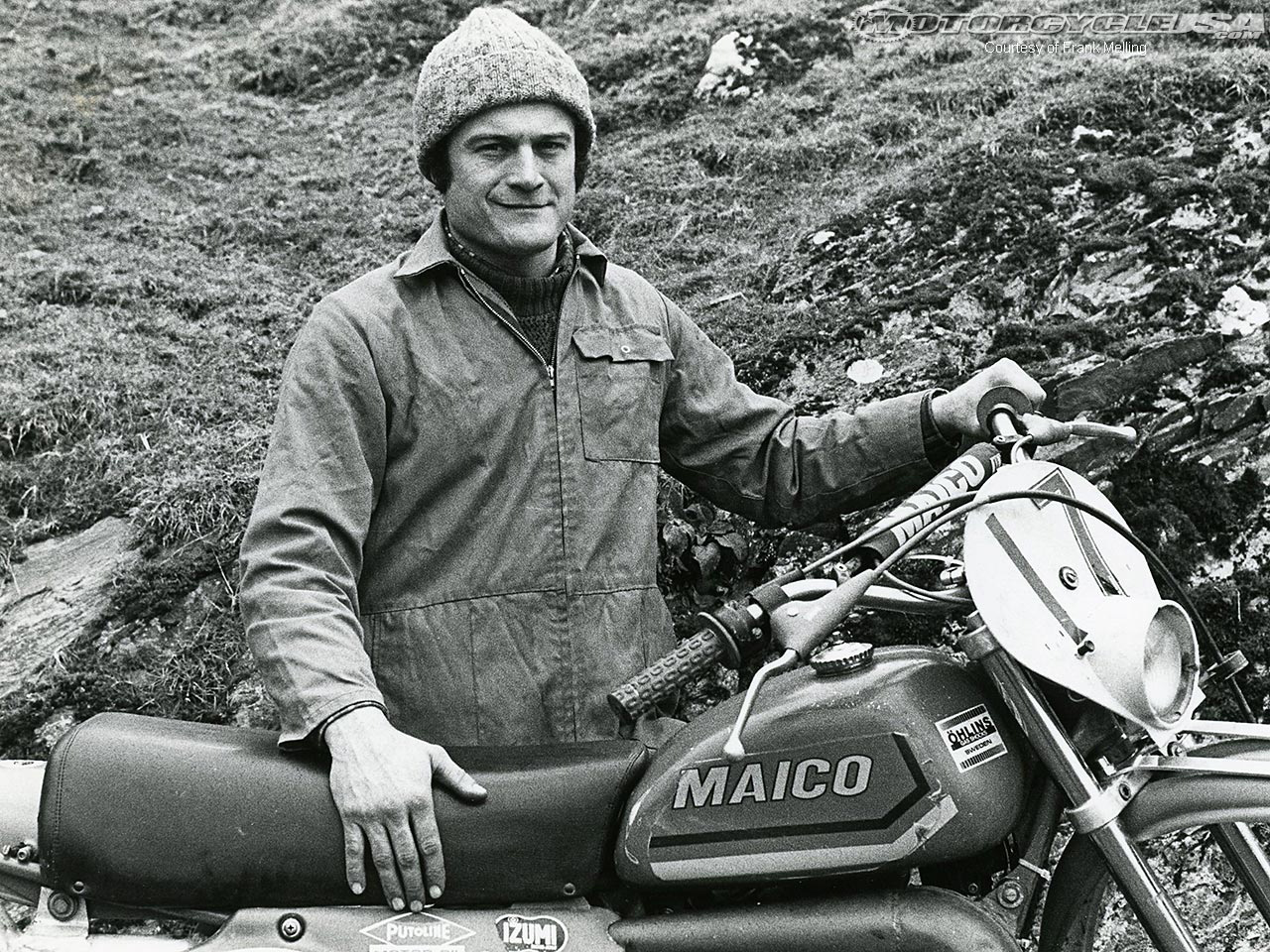
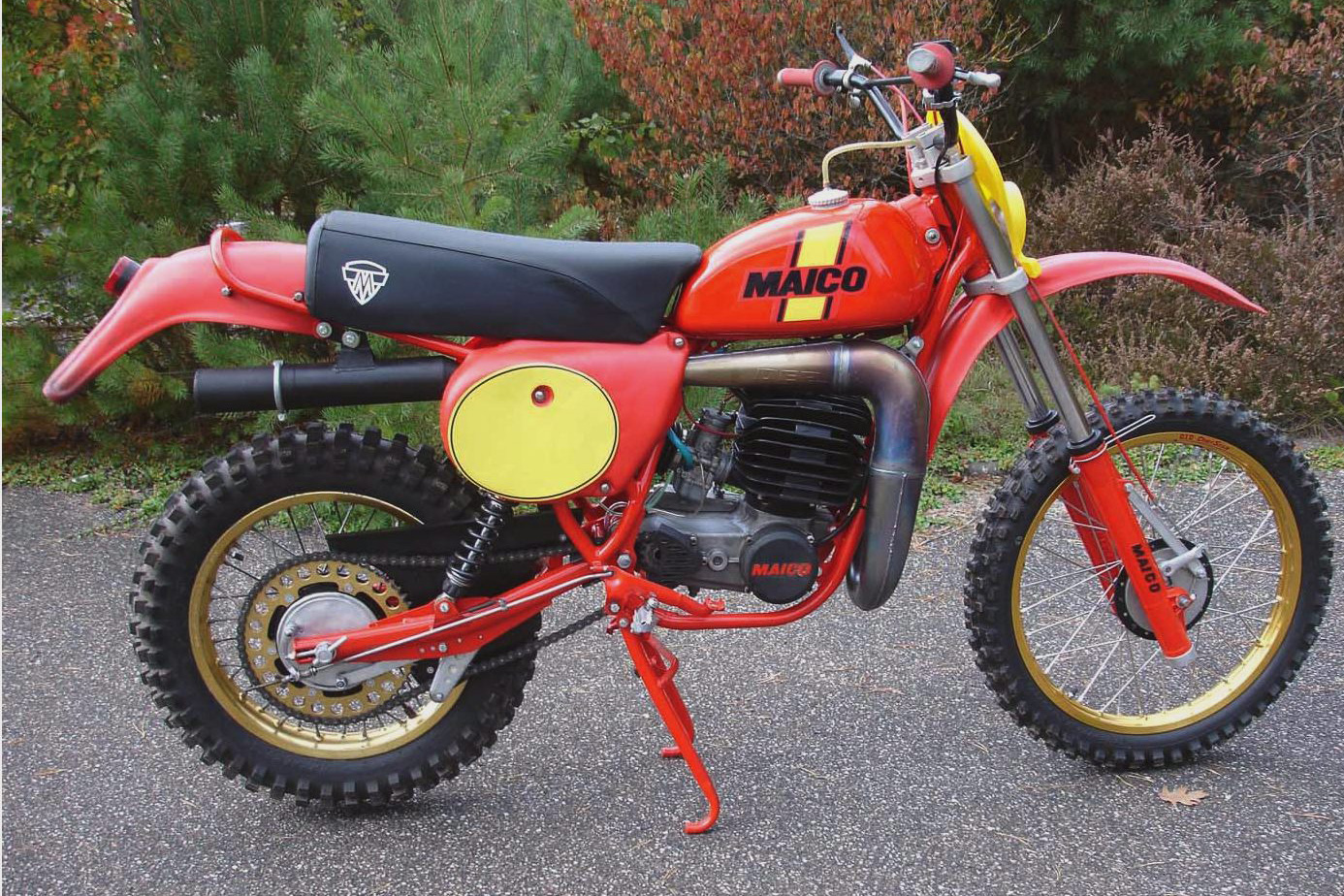
We vanned up to Llani, lubed up the bikes and rode over to Geraint Jones‘ hill farm where the Yam school is based. Back in the late ’70s when I was dirt-bike mad, I remember Geraint Jones (left, old pic) was ‘Mr Maico’. He was to enduros what Graham Noyce was to motocross, Barry Sheene to GPs and Martin Lampkin to trials.
In amateur hands the big Maicos he rode had a reputation for being hard to handle. I remember the red devil machines flying overhead as I floundered about during the nearby Plynlimon Enduro in 1981 aboard a KLX250 – the original sheep in wolf’s clothing.

klxx

As I recall in Street Riding, I was so slow they were literally packing up as I rolled over the finish line. And if you ever wondered what happened to those red devil machines, this is an interesting read from our man, Rick Sieman.

wale-11

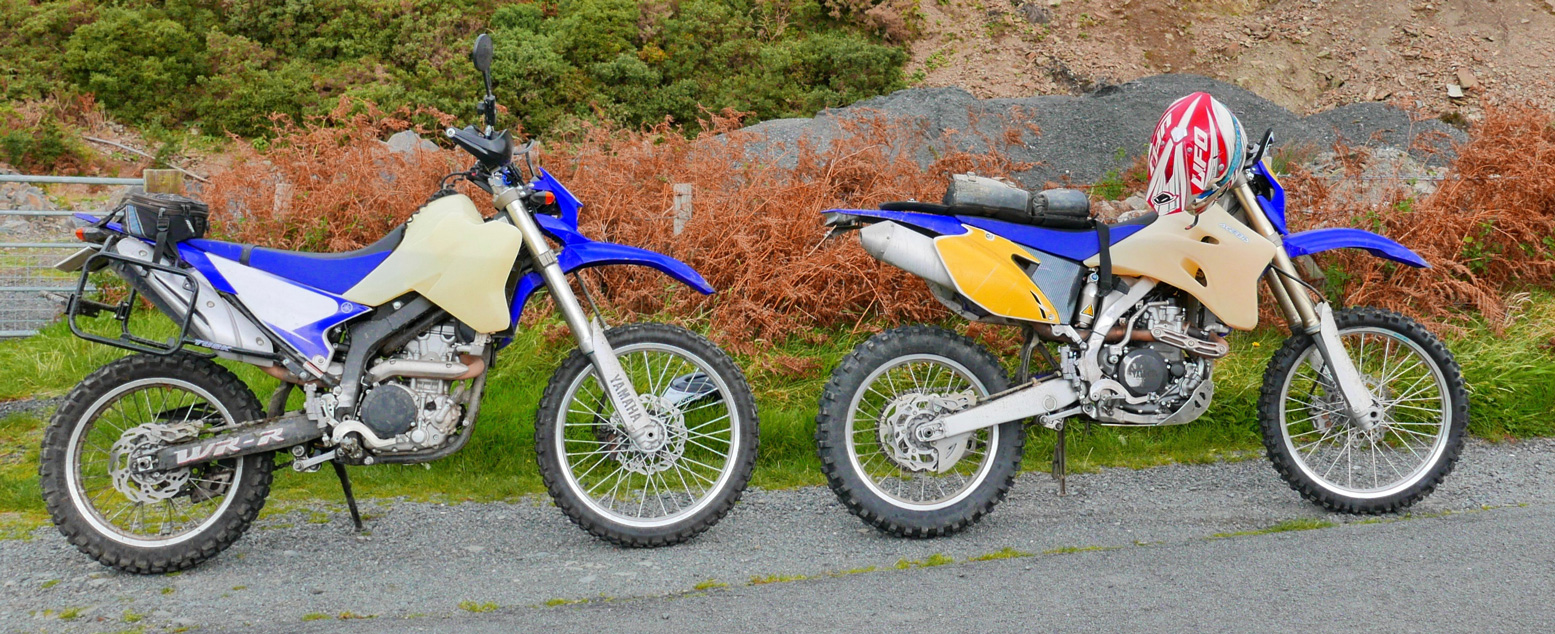
The benefit of riding with John from the school was that he knew the lanes, which ones would suit the day’s weather and the groups’ abilities, plus he had special access to trails in the adjacent Hafren Forest. Hafren becomes ‘Severn’ in English and a few minutes into the ride we passed within a mile of the River Severn’s boggy source on the side of Plynlimon mountain. Dave was on his third and near-new 690, Dan was on a 100-kilo 350 EXC and John was riding a Yam WR250F, as used by the school. This is a full-on, super-light enduro machine and despite similarities is an entirely different bike from my heavier and less powerful 250R, below left.

wrf
wale-13

For me it was a real eye-opener how gorgeous the Cambrian mountain of northern mid-Wales could be. I’d always considered it a No-Mans’s Land between the better know Brecons and Snowdonia to the north which explained why green laning (using off-road vehicles on unsealed but public roads) was permitted to survive here.

walemap

I can now see it as a great destination its own right – a compact Scottish Highlands but without their near-total ban on green laning, and without the rambling crowds of Snowdonia. And never mind the trails, much of the fun to me was cruising the deserted single-track backroads that snaked across the moors – the yellow C roads on the map you could do on any bike.

wale-18

After Machynlleth, heading up the gnarly ‘Happy Valley’ green lane reminded me my WR was still without a proper bashplate (the OE one is seized on). In the meantime I was amazed how well the unfashionable Bridgestone TW301/302s tyres were managing. These came with the bike in 2008, were refitted by Hyperpro on selling it, and I can say did not miss a beat.
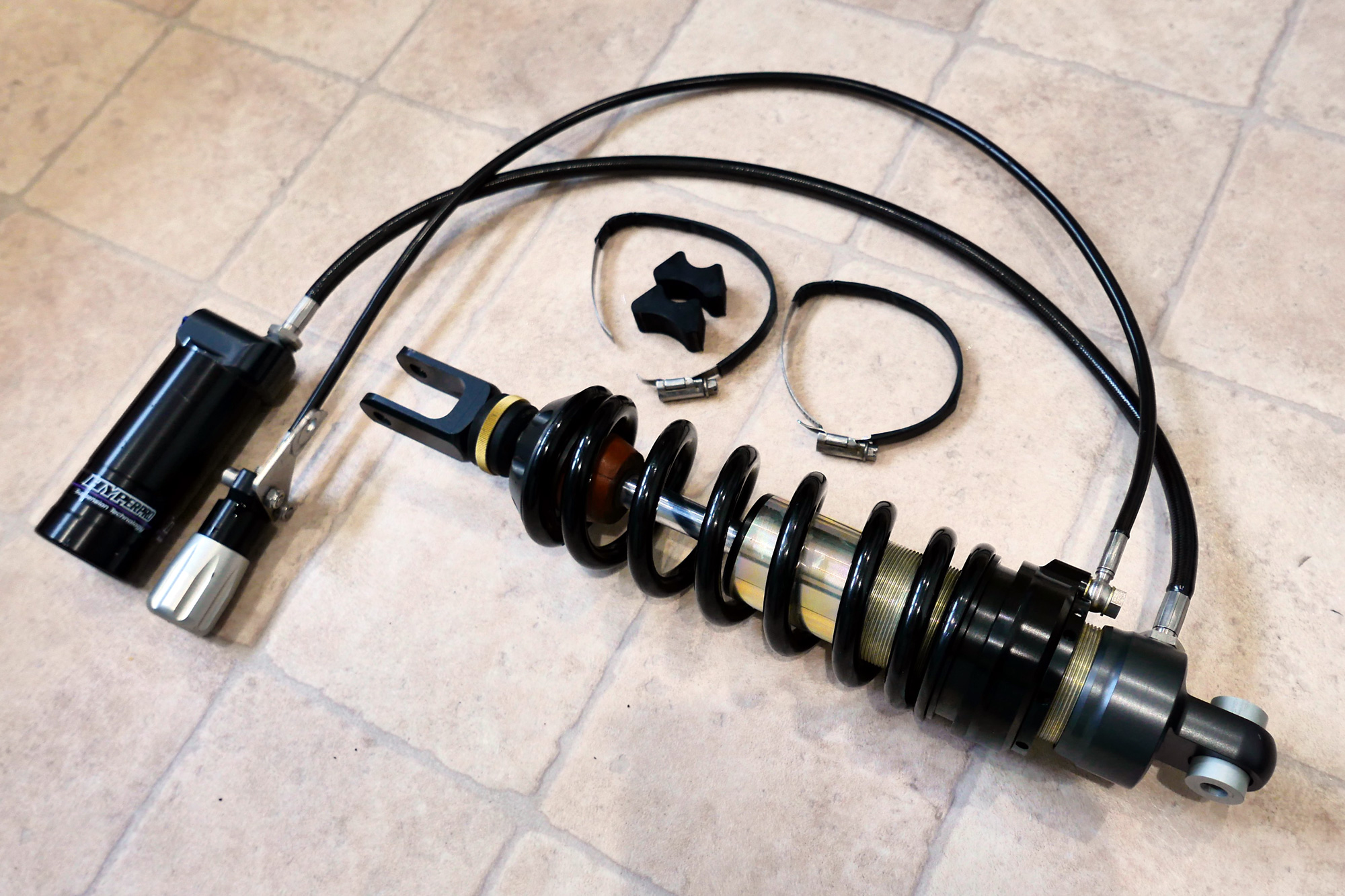
My snazzy Hyperpro suspension soaked up the easy pace too, just as you’d expect, though I dare say I could have refined it by playing with the knobs. Like the TTR250 I used in Spain in the summer, I never wished for more power on the trails or backroads – but then we did cheat by vanning the 200 miles up from London. The good thing with modest power is the tyre won’t spin out readily, but if caught in the wrong gear that WR still had enough to chug its way out – I never stalled it.

wale-5
wale-9

After reading so much about them, Dave let me have a quick spin on his 690 (recently fitted with Evo 2 aux. tanks) but can’t say I’m a convert yet. The KTM’s thumping vibration really struck me, soon followed by realising how quickly the sharp brakes and more than double the WR’s power could turn on me if tired or not concentrating. But the bike had a solid feel that even a new WR might not match, and out in the open desert I bet it would be in its element. A quick spin on Dan’s 350 EXC (right) on soft power setting was much more like it, but that bike needs new oil every 1000 miles so isn’t a contender as a travel bike. What I’d like is a 450 version of the 690, but pitched as a less tyre-shredding travel bike. Press the red button if I’ve said this before.

wale-19

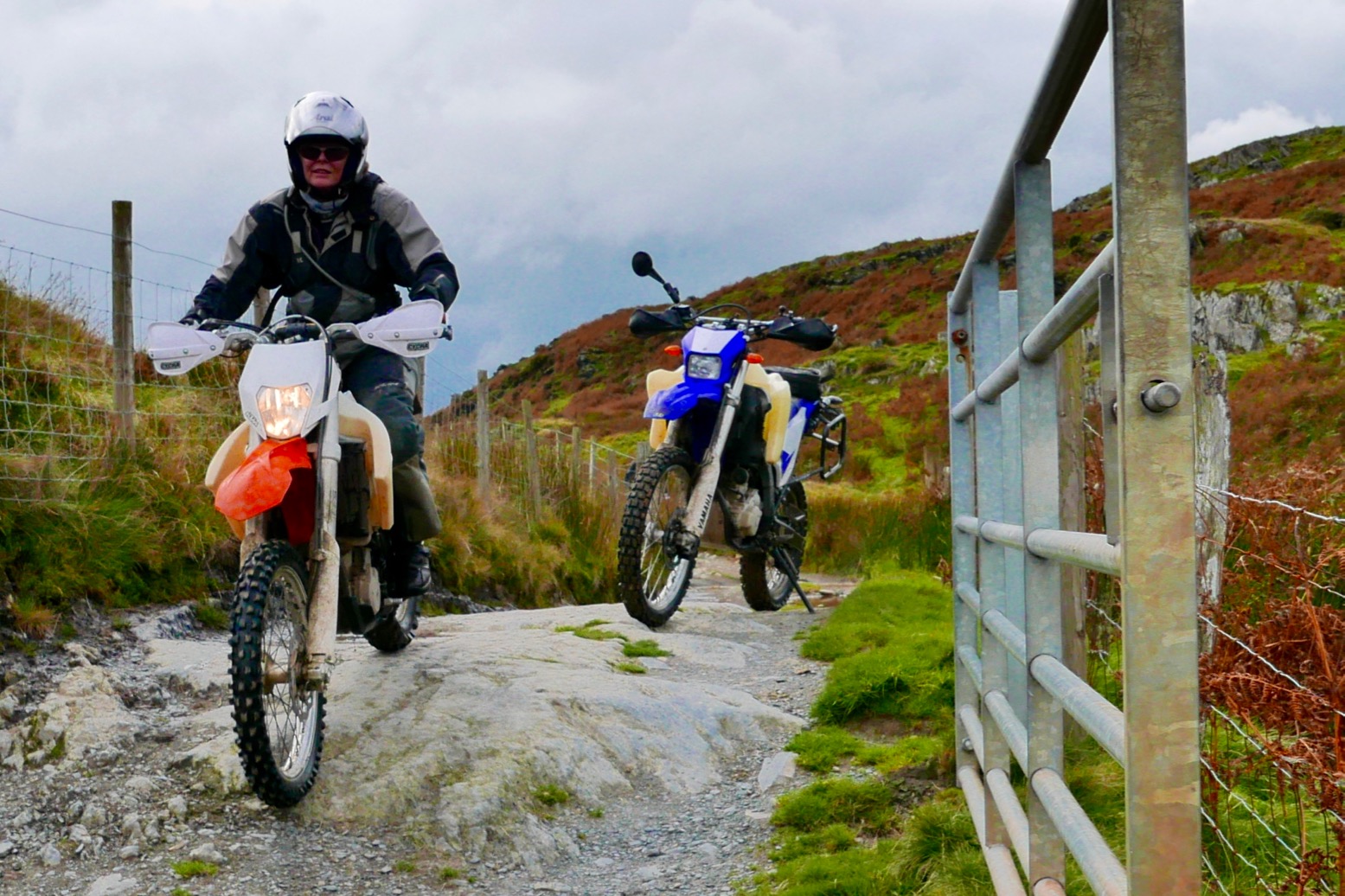
There sure are a lot of gates on the green lanes of the Cambrian mountains. It was rare to ride more than five minutes without doing the gate dance – and sometimes less than a minute. It breaks the rhythm of the ride but they contain the sheep which can easily jump a cattle grid if spooked. The trail north into Dolgellau between Cader Idris and the Barmouth estuary was a notable exception – a good ten minutes riding or more between gates.
We came across a few ramblers and dog walkers who didn’t look too put out – they’re walking along a ‘road’ after all, even if they don’t realise it. And we nearly ran into a big group of lads bursting out of the forest on unlicensed dirt bikes. Damage wise, their impact was minimal and who knows, the new Geraint Jones could be among them, but I bet they’d all rather be legit. Wouldn’t be it be great to have a huge trail park out here where people could roll up and ride round at their own pace, instead of the scurrying around on wasteland or dodging the rangers.

wale-27

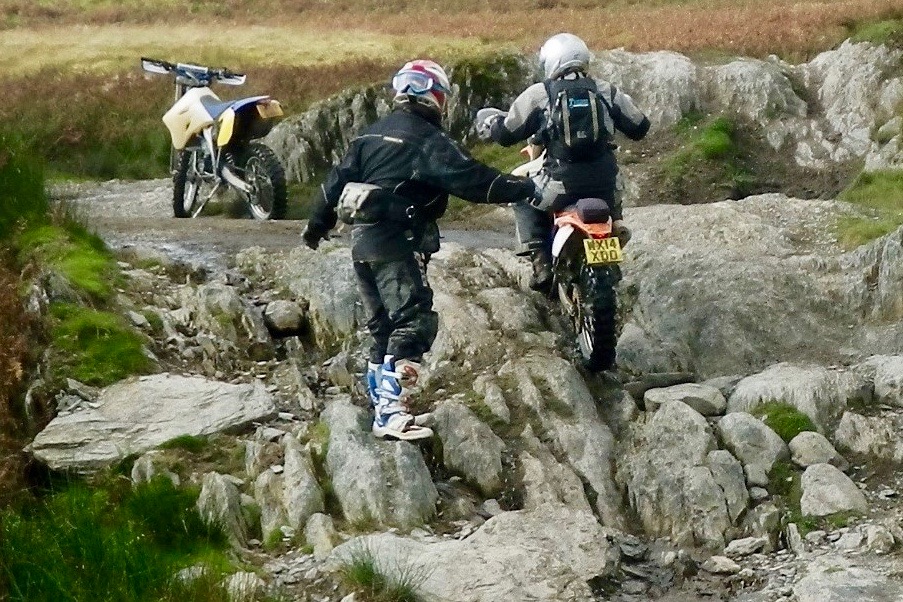
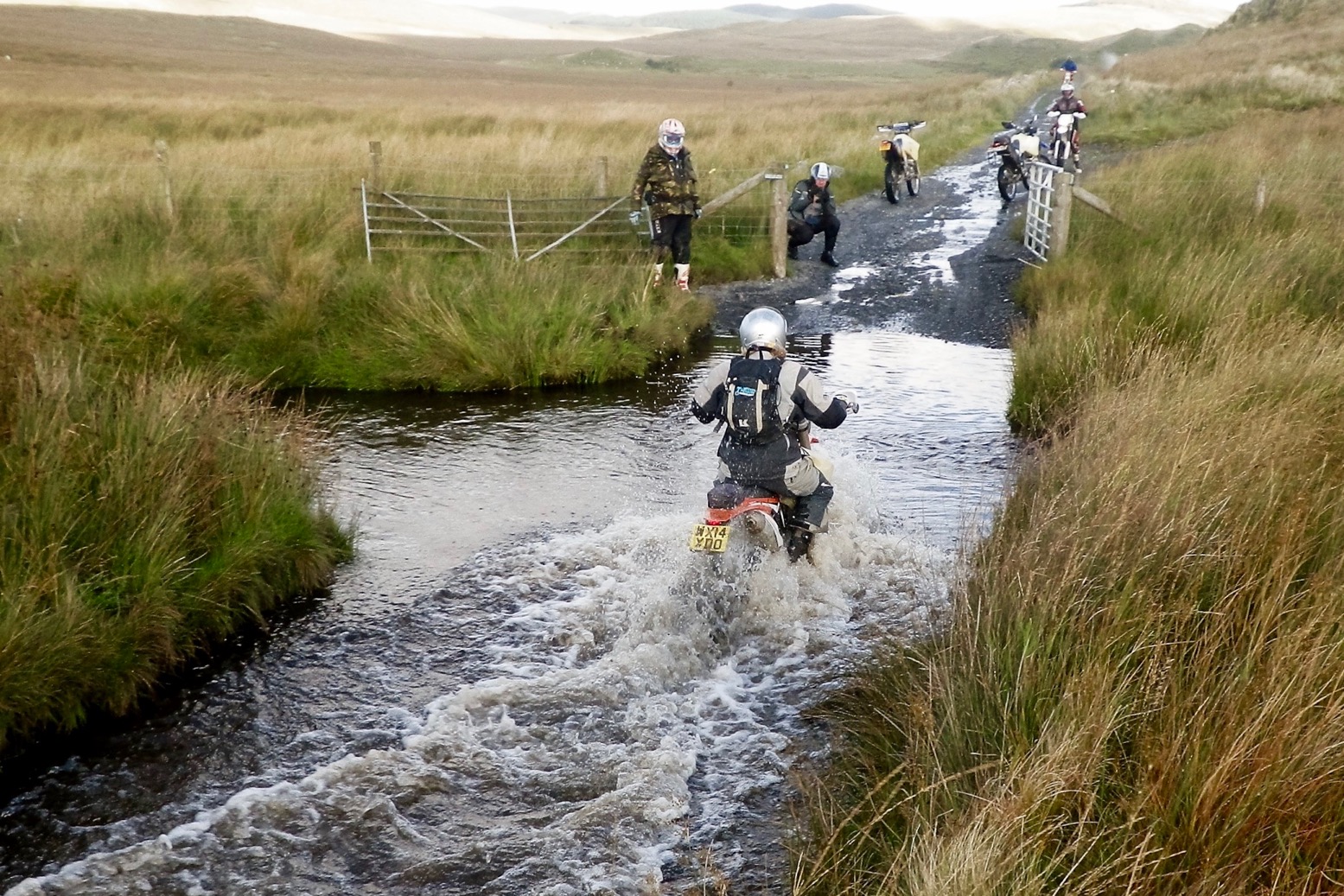
It poured overnight but day two actually dawned even brighter, apart from a well-timed downpour as we ate lunch in Talybont. Either the riding was easier or I was getting to grips with the WR. On rougher trails I did find it hard to ride smoothly; balancing the jerkiness of the engine with the right gear and the rebounding suspension while looking at what’s coming up and steering away from rocks, but this is just the nature riding a light, small-capacity bike at slow speeds. Turn up the wick if there’s room and things would smooth out. After the rain there were some bigger puddles today too. Initially they were a worry as I’d read the WR was prone to cutting out in a splash, but even with the engine note muted in two feet of water, it never even coughed.
I don’t know if it’s been a dry spell – in Wales, what are the chances? – but the ride John led us on was pleasingly free of mud and to me was all the better for it. My recollection of bombing around Rhayader on XTs 30 years ago was plunging into one peaty morass after another which just makes a mess of you and the landscape.

novehicles

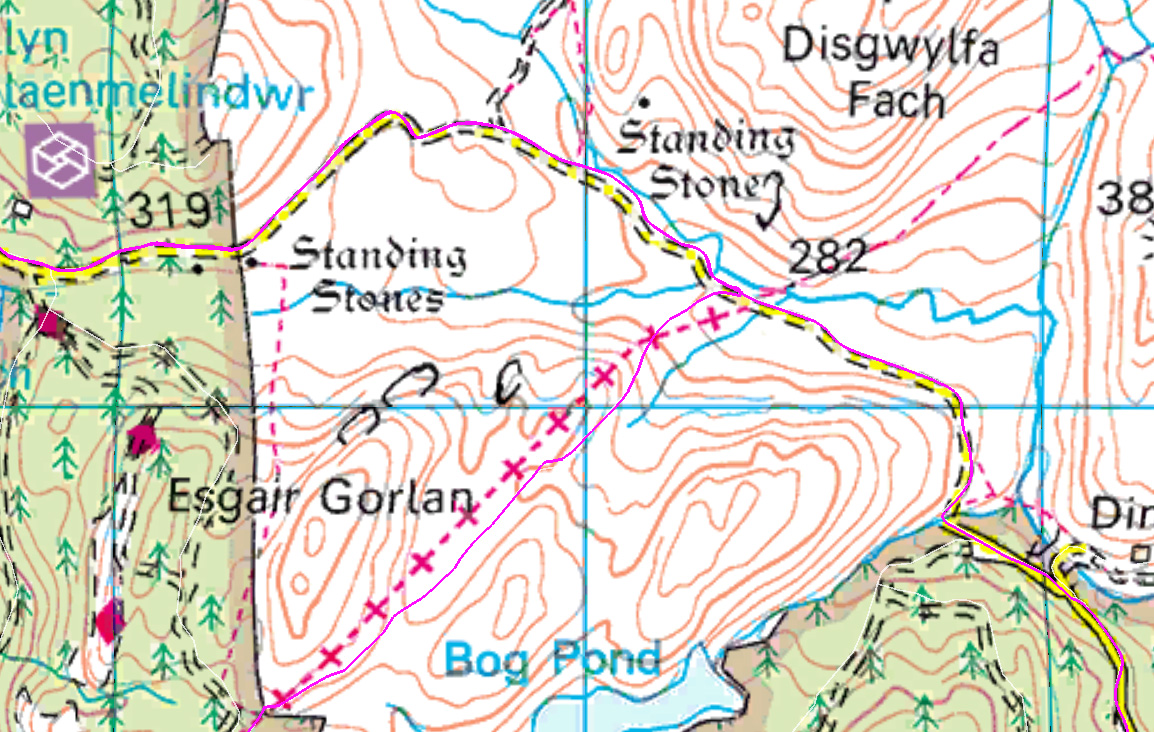
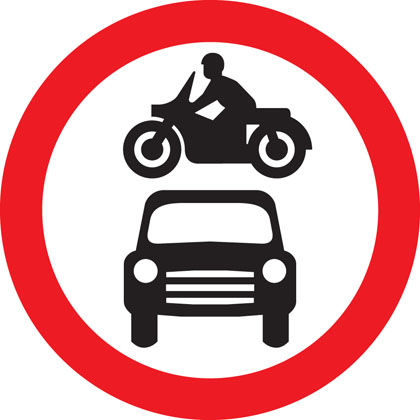
It would be great to do more riding around here on my own, as it’s as wild and extensive as you’ll get in the UK (there’s virtually no green laning in Scotland). But unless you live nearby or do the research, it would be hard to get a handle on which trails are legal and then put together a satisfying two-day route like the one we followed with John. Now of course we have the TET (see map below). Every year more and more green lanes in England and Wales get downgraded to paths. I haven’t a clue which of the trails we did were open to all, but promisingly I only saw one ‘no vehicles’ sign. Lacking a local pro like John, the answer is to hook up with the TRF or join an escorted tour from £50 a day with four of you. That’s just the way it is living in a small, crowded country and why I set off for the wide open Sahara in the first place – and why I’m off to Utah next week!

TET in Wales

Yamaha WR250R Project – Stage 1

WR250R 4000-km review
WR Introduction
WR250R Stage 1
WRing about in Wales
WR250R ready for the desert
Morocco 4000-km trip report, 1–9
Fuel log
wrs11
wrs1-6

First up for the WR, an 18-litre IMS fuel tank that’s wider than it is long. And at the 31kpl I got on the way back from Holland, that should mean well over 500km, though 400 may be more realistic.
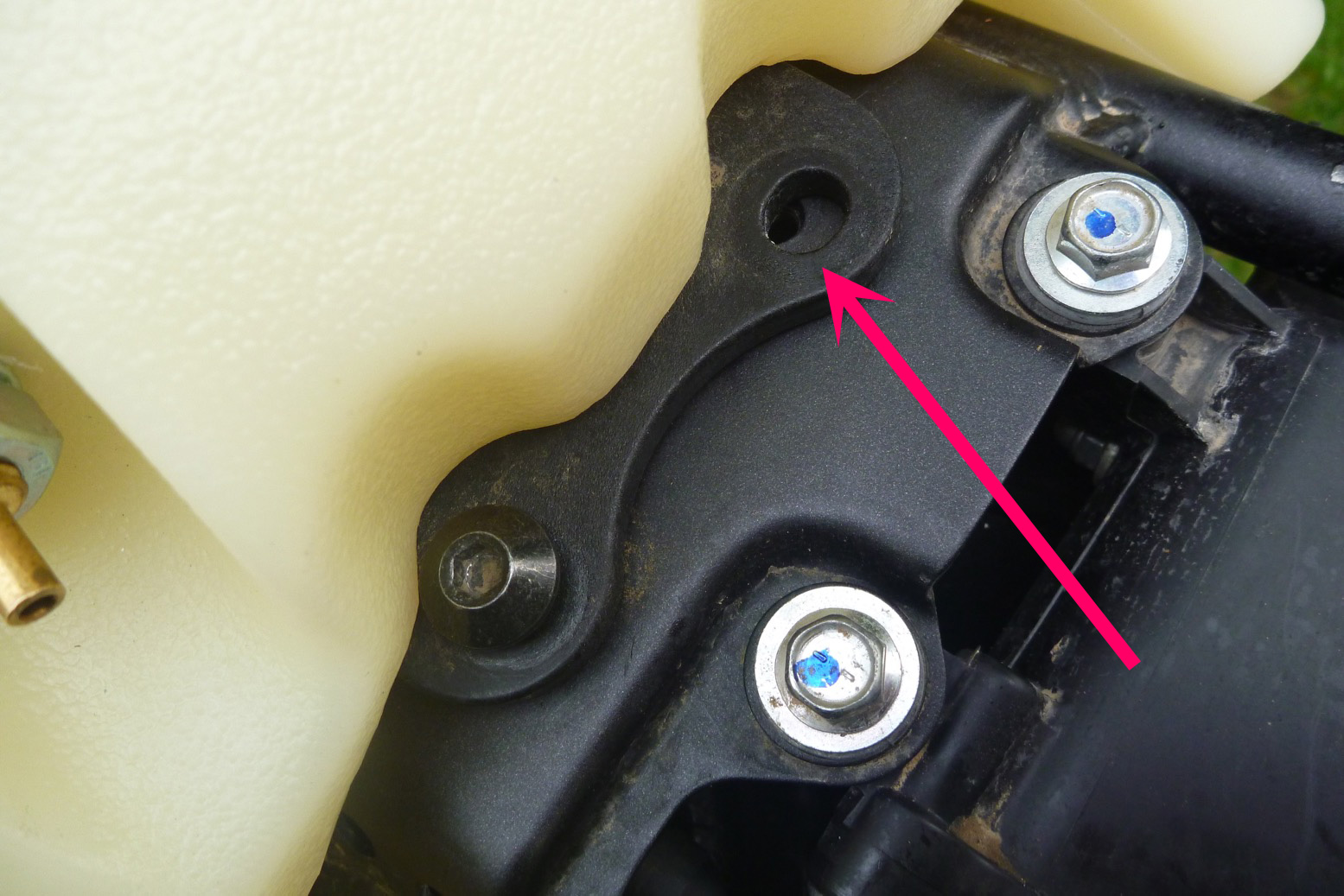
On the forums you read various horror stories about the IMS tank: misalignment, poor fittings, plugs falling out and so on. I was expecting aggro but it all went without a hitch or too much head scratching. The fuel line unclips from the pump, the OE tank lifts off, once unscrewed the pump lifts out of that and the chunky Yamaha tank mounts swap onto the IMS just fine. At the back though, no amount of jiggling could line up the mounts (above left) with the frame if using the locating washers. Without washers it crammed in OK. I didn’t bother with the screw-in stud on the back of the tank to locate the seat front either. It stays on well enough with the seat tongue going under the frame tab.

wrs1-8

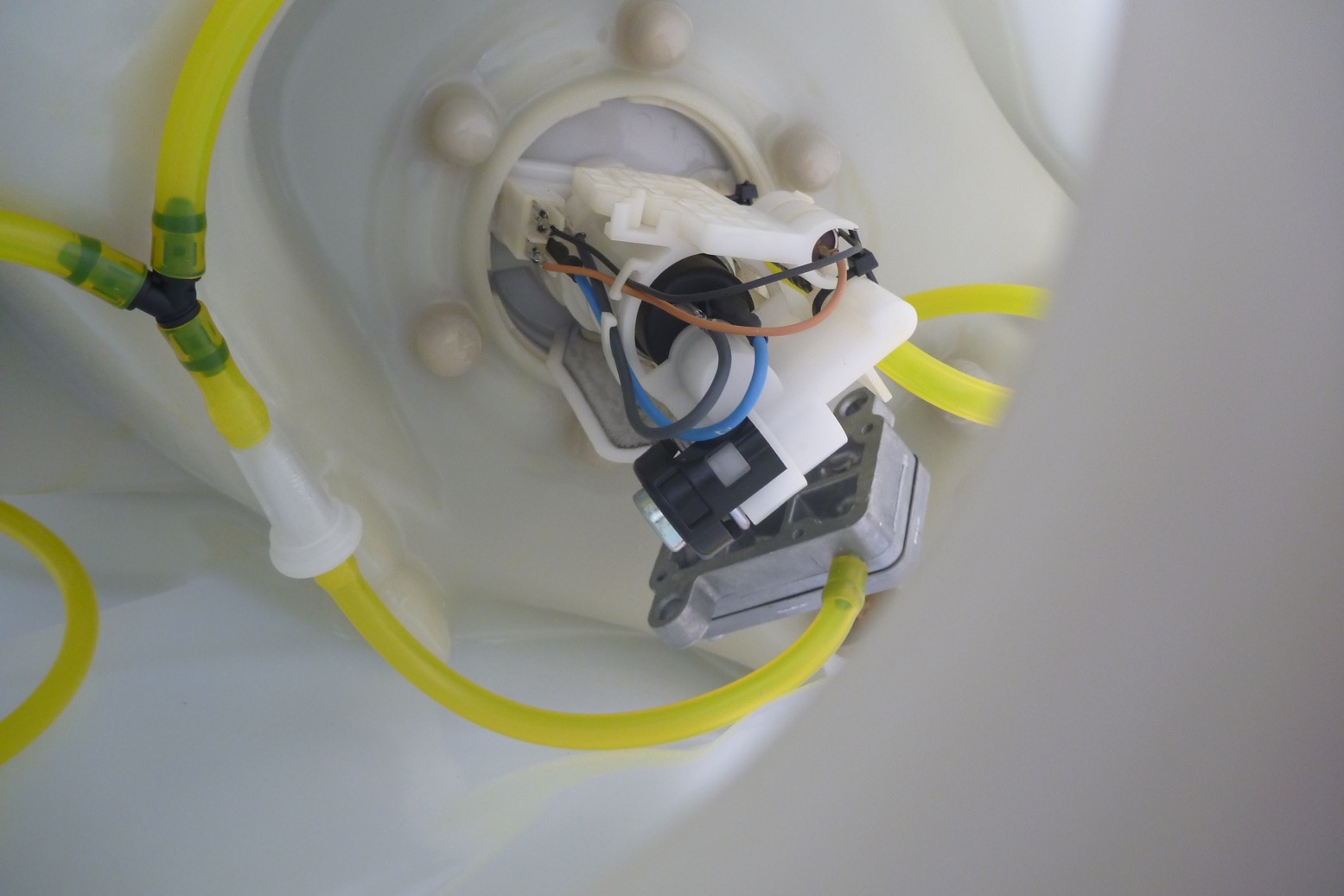
The IMS comes with a small low-pressure lift pump inside (the grey metal unit, left) to get to the fuel at the bottom. It’s powered by vacuum off some intake hose which you cut and tee into. Once all was plumbed up and bolted down, the bike started first press and ran normally. Hallelujah.
The tank splays out quite widely and the outer edges will get knocked about on falls, but they also protect the radiator better than the OE shrouds so it’s a good use of volume. On the road full up, I can’t say I noticed any unbaffled sloshing as some sensitive riders have reported. Looks like a good, solid unit. The pic at the bottom of the page shows it with 3 litres in and room for 15 more.


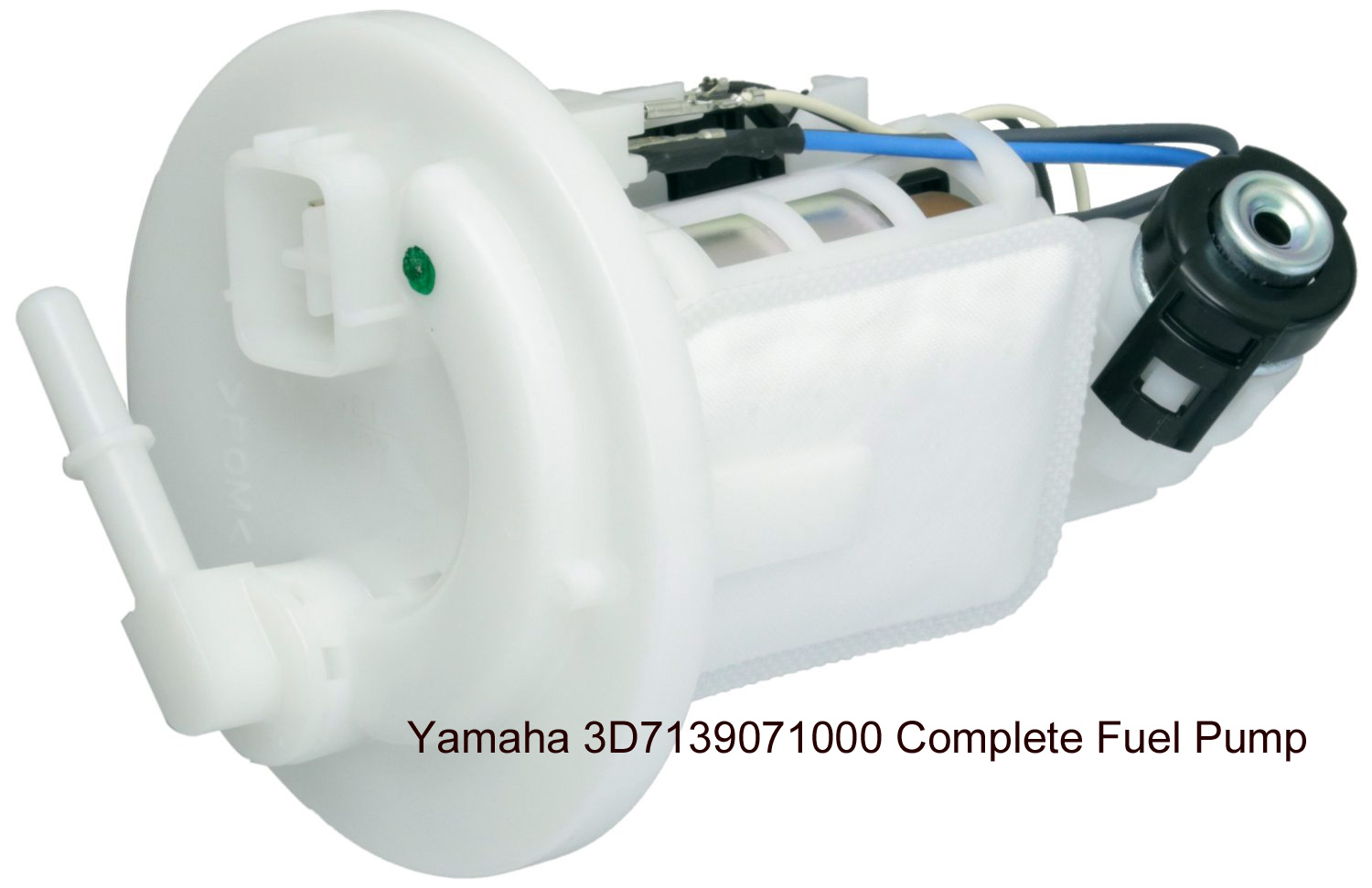
yamaha3d71390710WR250Rs are known for having dodgy fuel pumps (more here) which can behave erratically in hot weather after a few thousand kms, failing to prime (no buzzing on key turn). They might recover once cooled down but eventually will pack up for good. No one really knows what the problem is. One suggestion is fuel varnish coating the inside seizes the turbine when hot.
Early 2008s were very prone, although later WRs pack up too after a few thousand kms. It seems not living in Phoenix, AZ helps, and you do wonder if ropey US fuel has something to do with it or if it’s a case of the squeaky hinge getting all the oil? Don’t know but in the Sahara WR bike will get hot for sure.

A complete Yamaha pump with housing goes discounted for about $300 on amazon, and although the part number changed (from 3D7-13907-00 for 2008-12, to 3D7-13907-10 from 2013-onwards) suggesting an updated pump, some people still report failures on the newer pumps. wrfuelpump
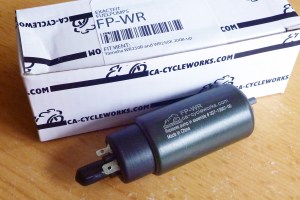
Being a popular bike in US and Au, there are various aftermarket pumps from just £20 cheapies on ebay to £105 for a California Cycleworks unit (left, also made in China). They all require carefully dismantling the white plastic housing as above, to replace the actual fuel pump unit. Not really a trailside job. Aftermarket ones fail too, especially the cheaper ones, which makes you think it’s modern fuel or an over-pressurised system, as I also read somewhere. I’ve not heard of other efi bikes having hot weather fuel pump issues, but anyway I cracked and bought a Cycleworks. I’ll will get round to fitting it and carry the OE unit as a spare.


wr250-rax
wrs1-11

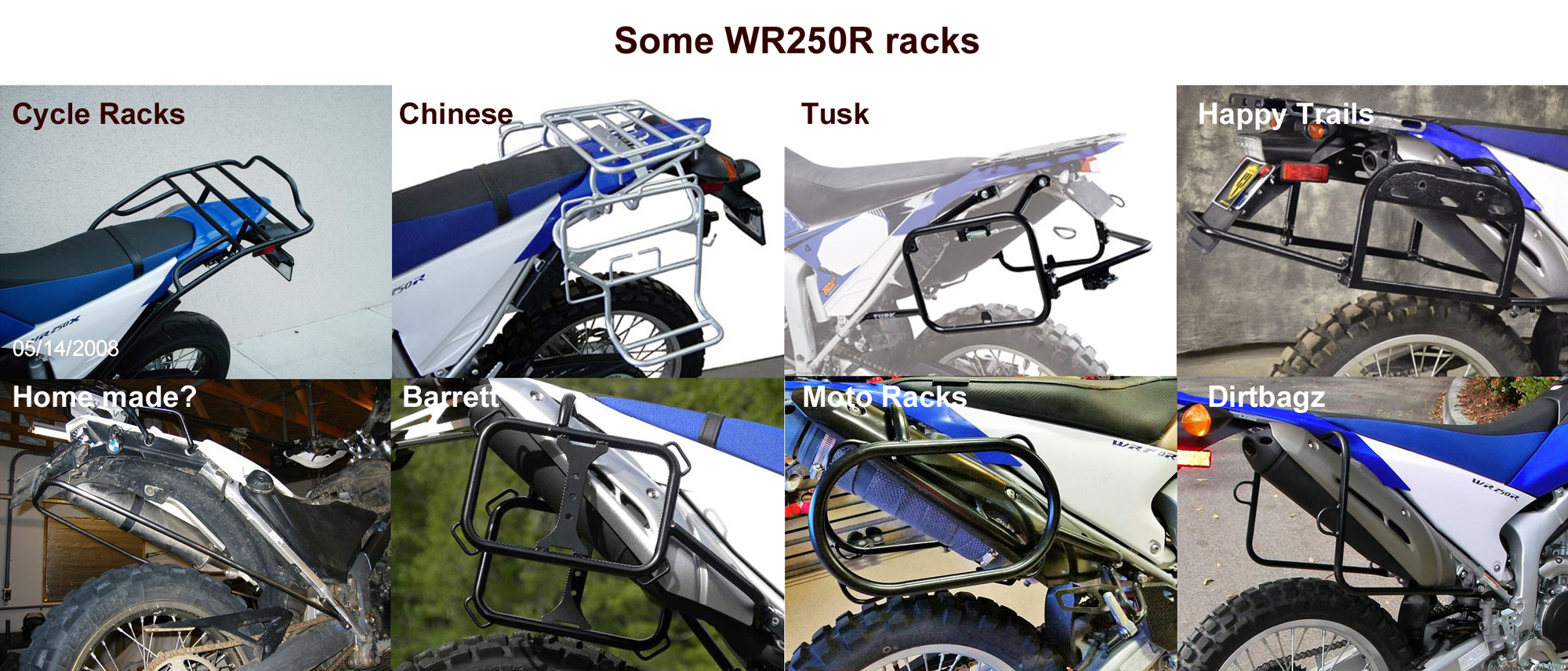
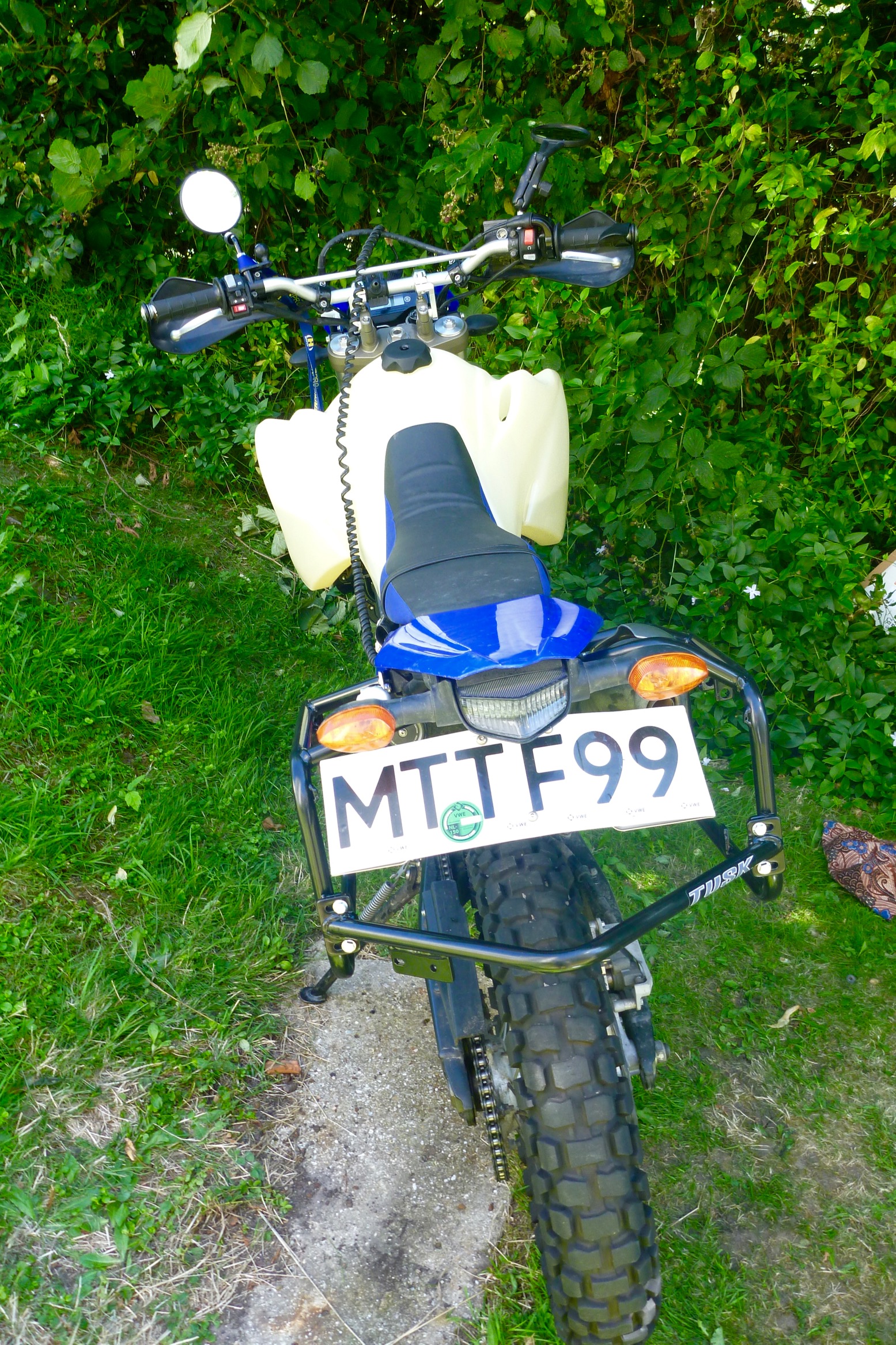
Next job: pannier racks. Long story short, choosing from the above selection, at $170 from Rocky Mtn Adv the US-made Tusk racks (a Rocky Mtn sub-brand, afaik) looked by far the best value for money, and when they turned up I was even more impressed – nice to see chunky ¾” and the all-important back brace to stop them folding in when heavily loaded on rough terrain. The unbraced Moto and Barrett may rely on heavier gauge tubing to not cave in. That looks neater but I found with the Rally Raid racks on the CB500X it didn’t really work out like that, to be bend-proof and light you need a back brace. Once I removed the unwanted bracketry for mounting Tusk hard boxes, the added weight was < 4kg.

wrs1-10

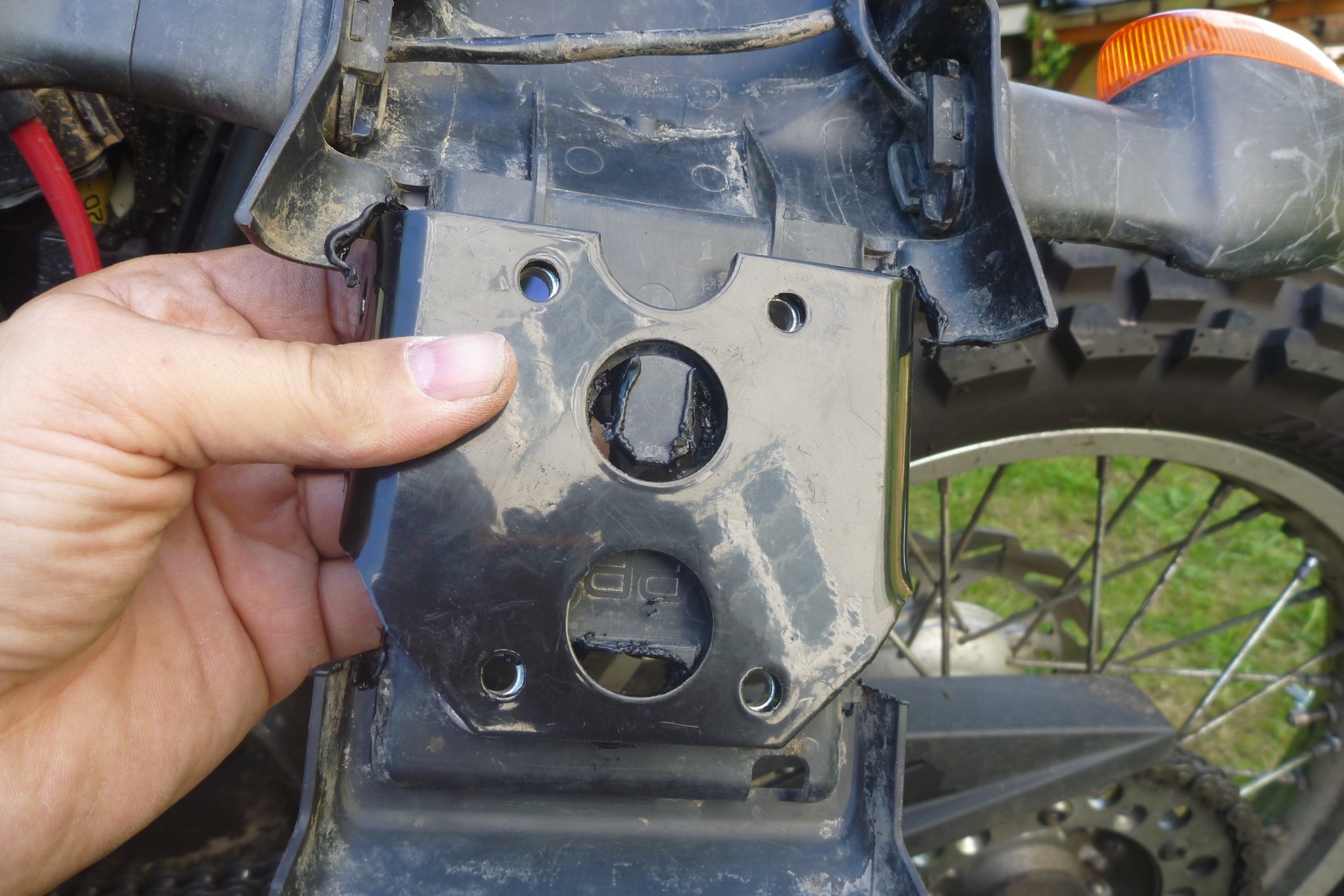
The fitting video on Rocky Mtn is especially helpful, but mounting the back underplate (right) could only be solved by cutting away with a red-hot knife. It’s possible my bike’s non-original plastic numberplate holder might have complicated things. That apart, the rack lined up just right elsewhere and will give something to grab when hauling the WR across a dune. There’s plenty of space behind the non-pipe side too, to stash stuff or mount a container.

wrs1-9
xco-shield

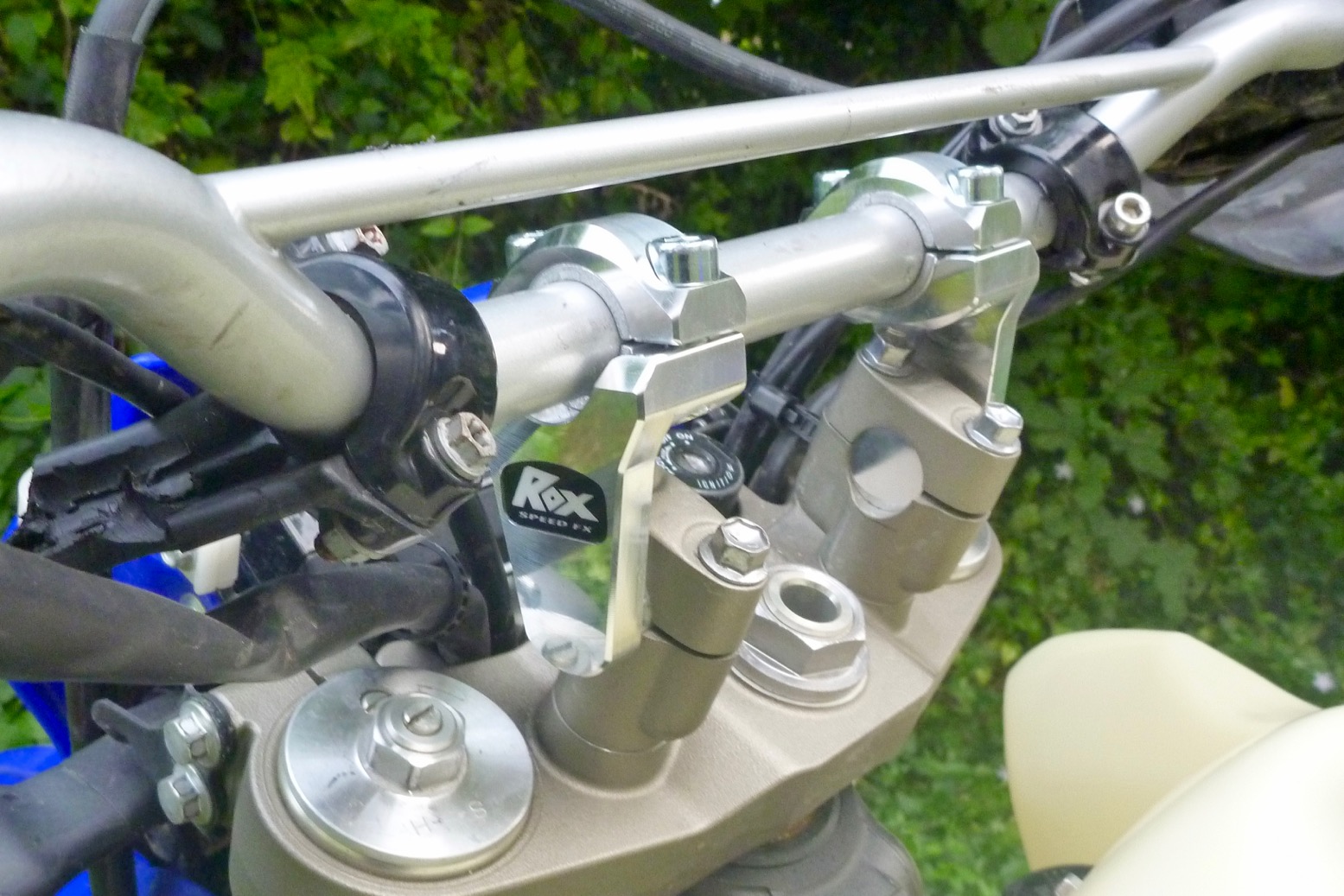
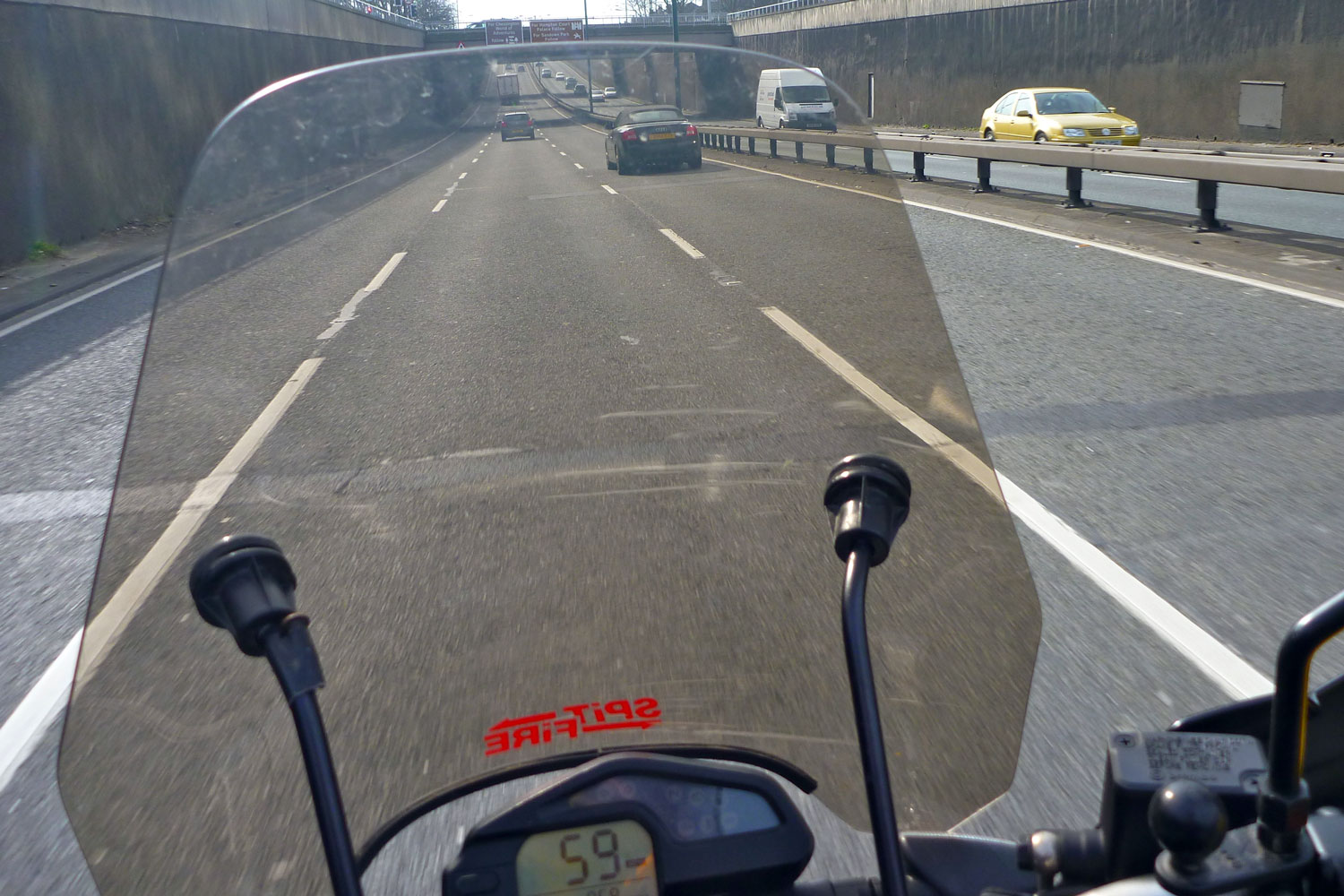
I splashed out on some Rox bar risers giving a 2-inch lift and a bit of fore and aft adjustment. Fat bar sized plus with adapters for ⅞s, they can carry over to later bikes, like my old Barkbuster Storms. Talking of which, the Barks can stay in the box as the handguards that came with the WR look OK. There’s just enough room left on the bars to add my Spitfire screen mounts (left).

I have a nice shiny Flatland bashplate waiting to clamp on, but the old hex bolts on the OE bashplate were not playing ball. Instead they wanted a game of rounders, and so rounded out they now are. One for the shop when they MoT it next week.

wrs1-18
screen-shot-2016-09-18-at-14-37-06

I put on my old round Double Take mirror; it helps where I park the bike. But a run to the Overland Event near Oxford proved it vibrates on the WR just like it blurred on other bikes I’ve tried them on. The new asymmetric Double Take Adventure model (right) has done away with the stalk to reduce vibration, but now means you have to buy a hefty 6-inch RAM arm for another 20 quid (plus a bar-ball mount for another tenner). As I have those bits I may give the new one a try as it is handy to have one bombproof mirror.

82-cassis

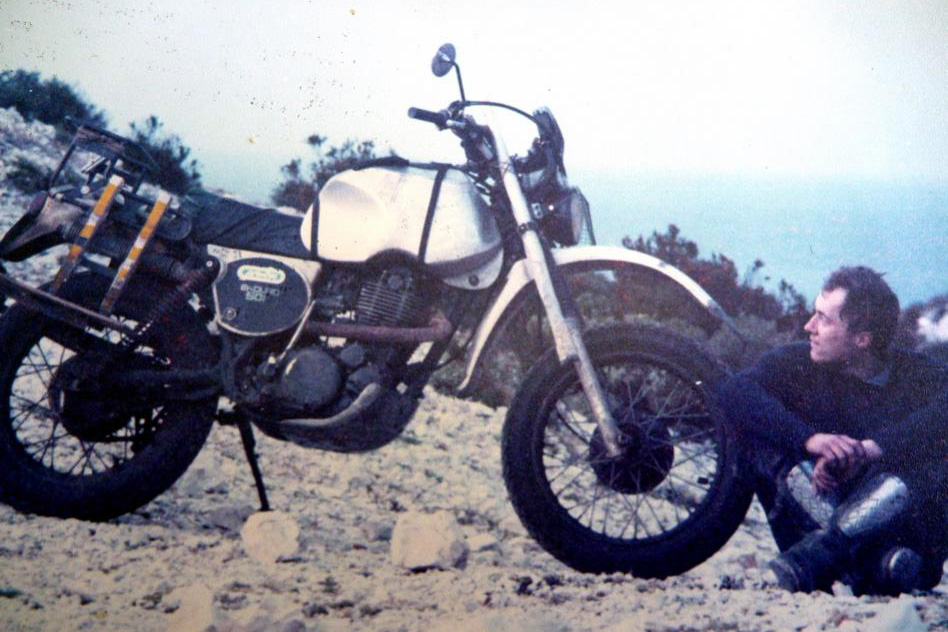
Picture right: my original desert bike, the ally-tanked ’76 XT500 I rode to Algeria in 1982. The WR is bike #57. For the first time since the 80s I’ve again had more bikes than birthdays.

wrs1-spd

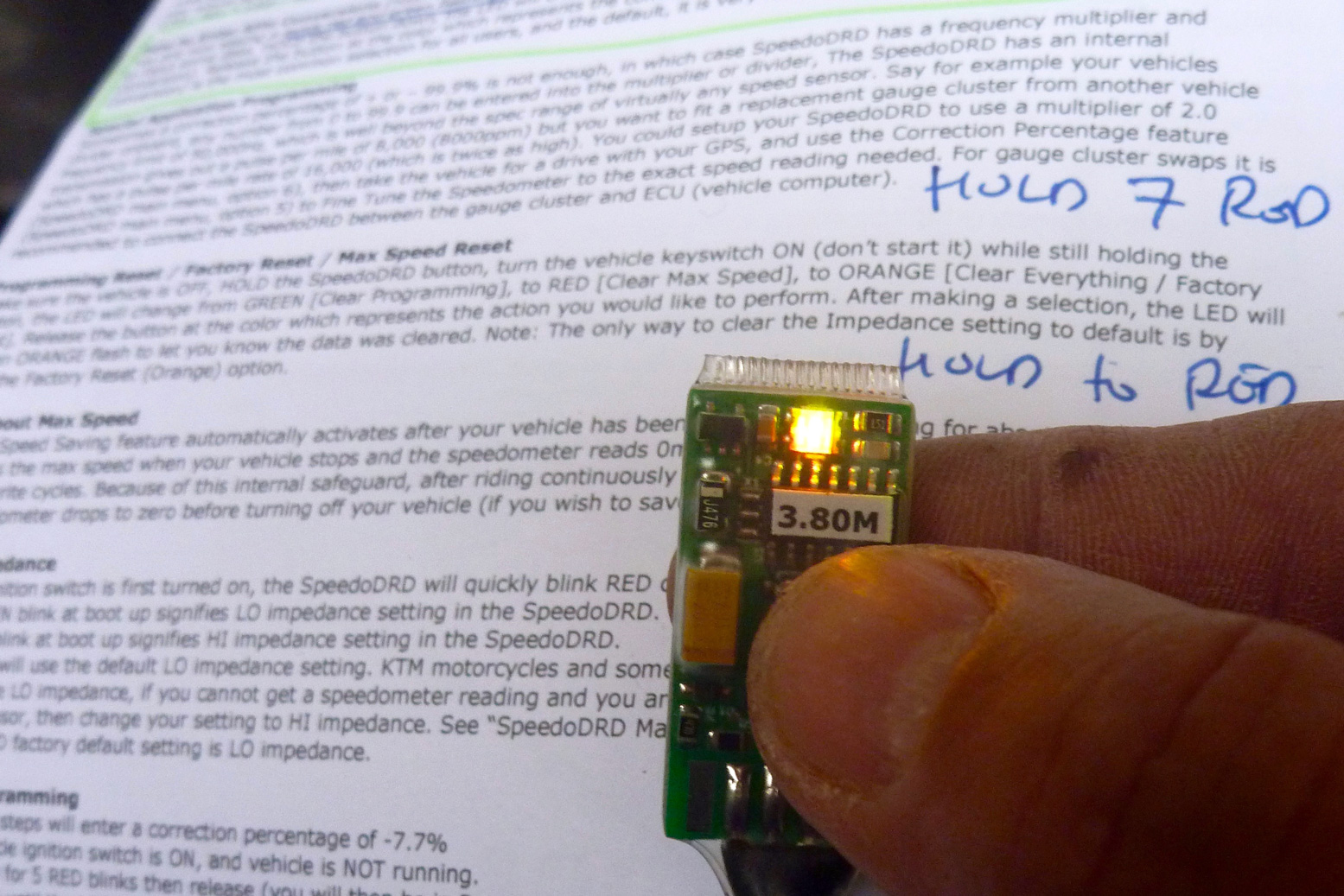
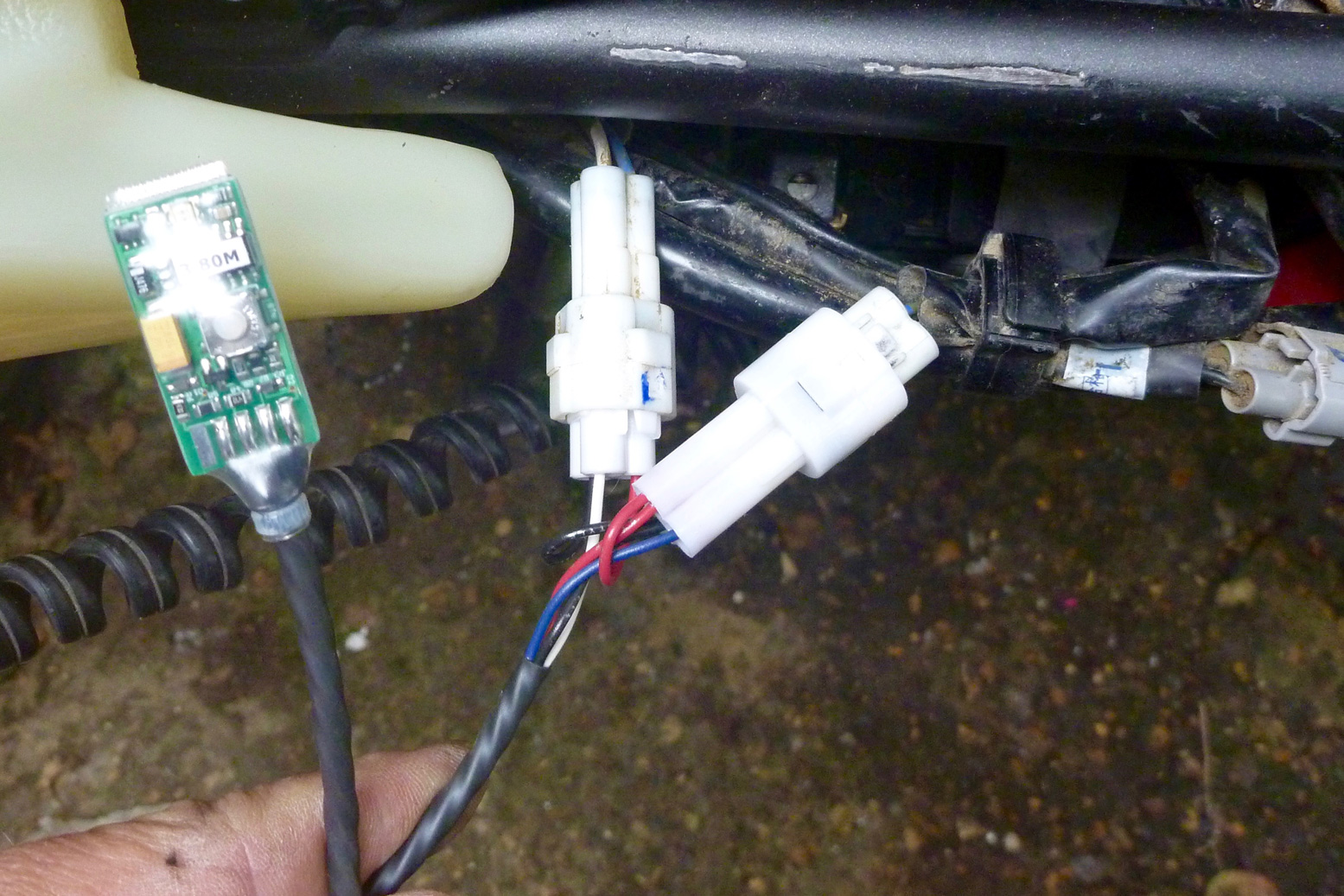
Other jobs include re-fitting my Trail Tech Vapor to give accurate speeds because, according to my GPS the WR speedo reads 12% fast and odo some 4% over. But I’ve also just fitted a Speedo DRD chip (left) from Totally TTRs. I was hoping the WR’s OE kph digital speedo could be reset to show mph, like my XT660ZE from the same era. But annoyingly, it seems WRs sold in kmh markets can’t flip their speedos to mph, while Brit and American mph WRs can changed to kph. WTF WR?

wrsi-drd

Like those nifty fuel controllers, the DRD is very easy to programme and can also flip to mph to make the bike UK legit, as well as correct the large speedo error, even though the Vapor technically does that job too. As a reminder the Trail Tech Vapor can also display ambient and engine temps – the latter a vital reading on any bike, IMO – as well as a GPS compass and altitude, rpm and, yes even the time of day.

vizx

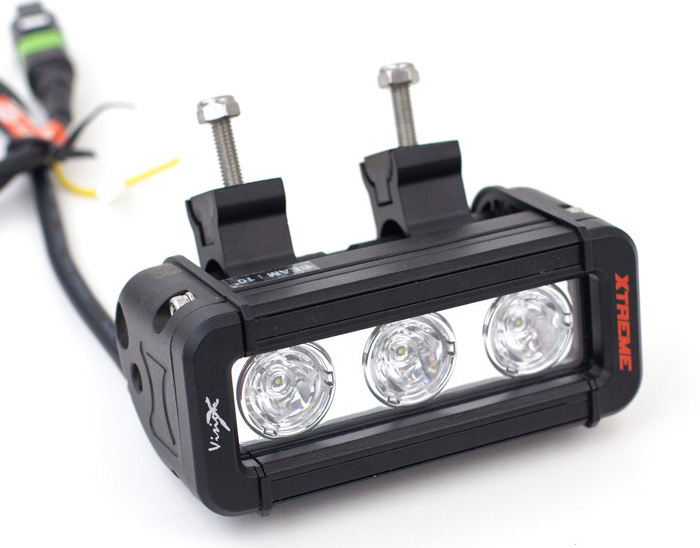
As for lighting, I’m assuming the standard little headlight will not wake the badgers. Some say you can fit a super-bright $60 HiD bulb and fry burgers with it; other find the cut off is unsuited for road riding. I must say on a travel bike I prefer the idea of a secondary light; a back up should the main one fail.
I’ve had a Vision X 5″ Xmitter narrow beam (left) sitting around for ages. They say this is the best model to get for travel bikes, so now will be a good opportunity it fit it to the WR.

wrs1-tyres

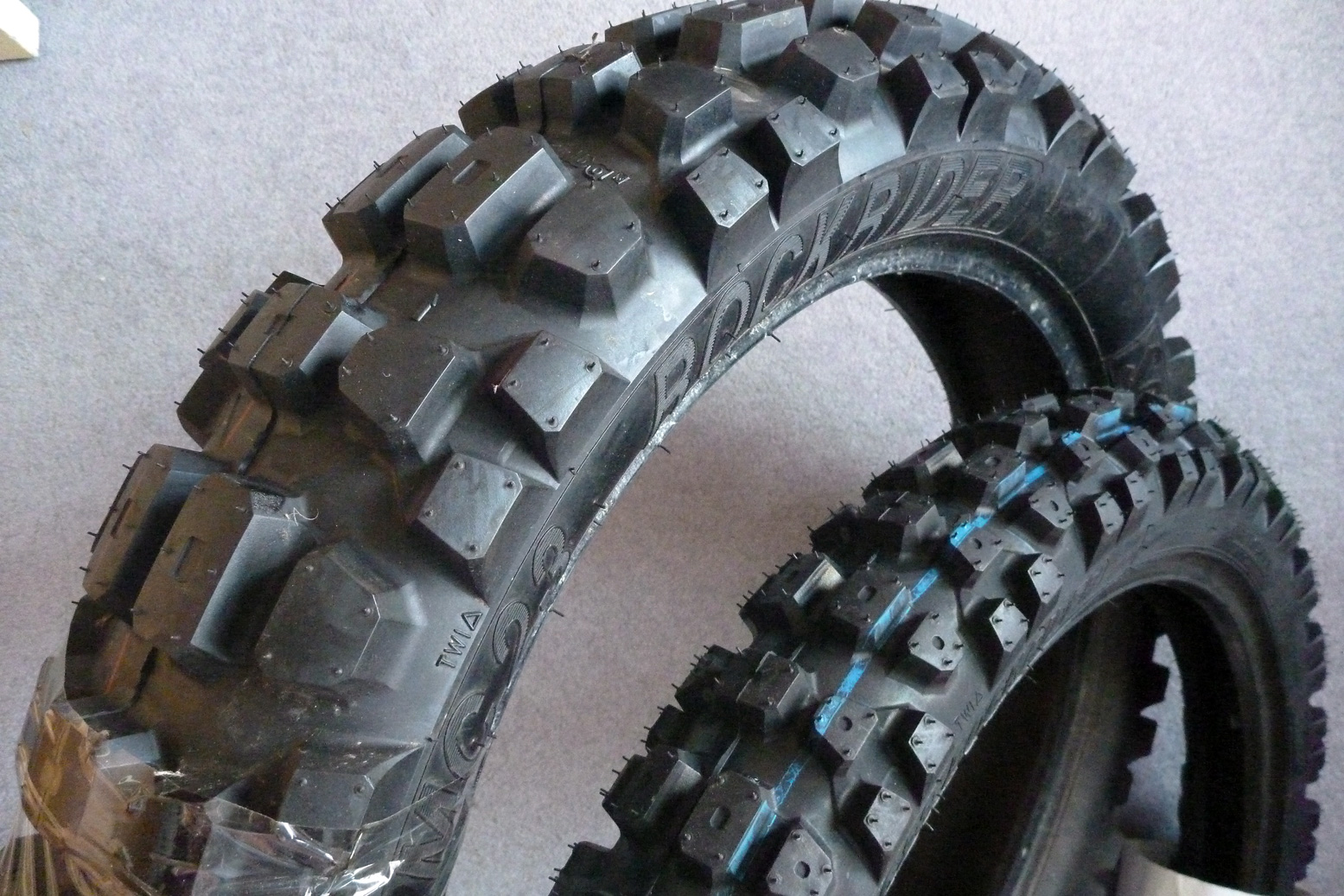
Wakey wakey! A mate gave me a rear Sava MC23 Rockrider which he reckons are the new black (and round). At 140-80 it didn’t fit his TTR250 and I don’t think oversized tyres work on a WR (120/80-18) any more than noisy pipes make more power. More weight; more drag and over-stiff tyres on light bikes can be counterproductive in deep, soft sand. They’re just too stiff to sag usefully, even at very low pressures, to give better traction, as I found decades ago running a Mich Desert on a Tenere right down to 5psi. The MC23 is 4 plies tread and 3 in the sides – sounds stiff. I won’t be that loaded up nor riding hard, and the WR will lack a Tenere’s grunt to hook up, for sure.

AMH-Tread-Chooser-Dirt

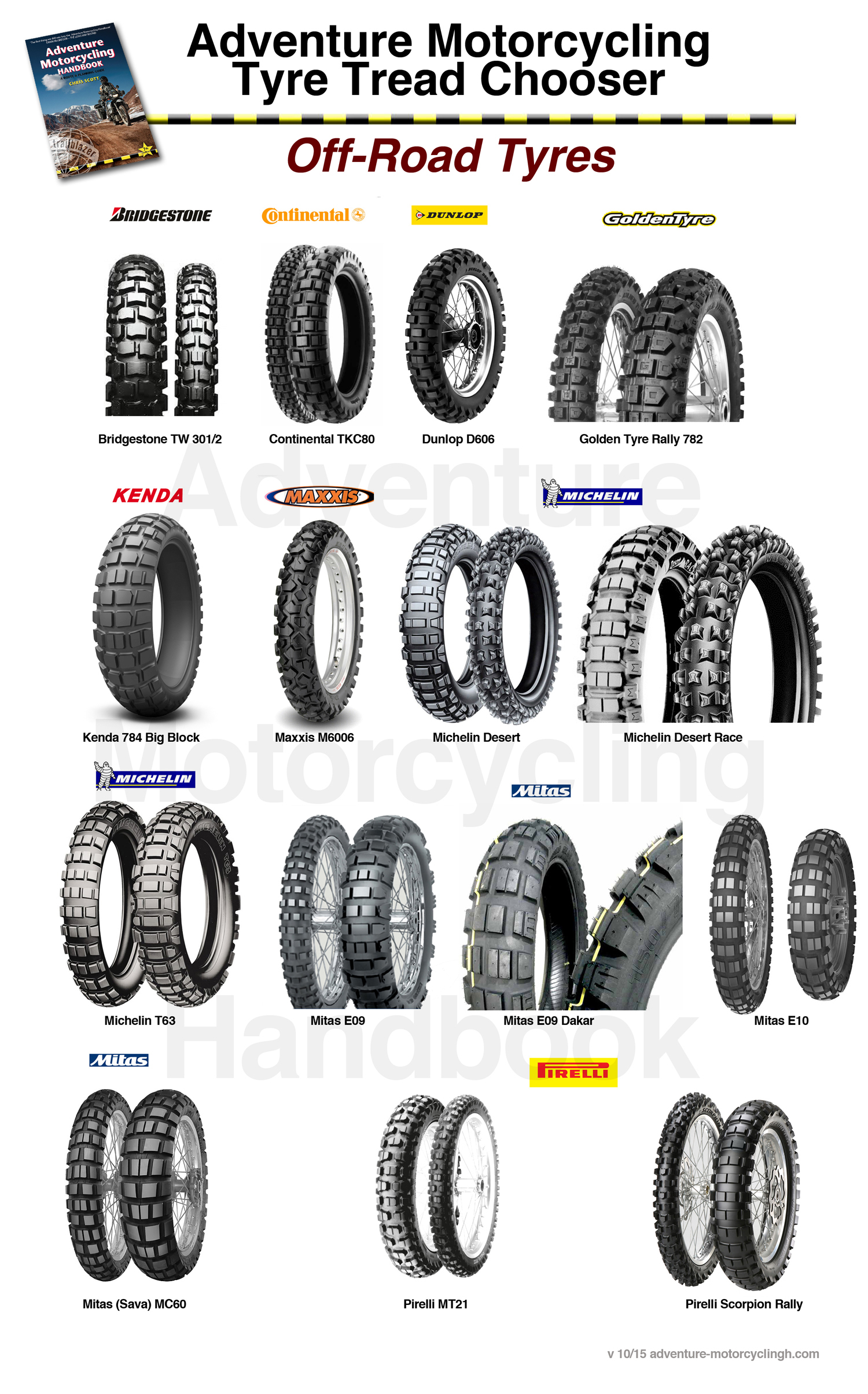
In the US they all rate the Dunlop 606 on WRs, but they don’t sell it in the UK. Either way, something from the list on the left will do the job. The Mitas E09/10s I’ve been wanting to try don’t come in WR rear sizes. With Sava/Mitas it’s the MC23 or nothing and in the end I succumbed to online tyre fatigue and clicked on a 120/90 Rockrider for £56. It may not hook up in the sands of the Erg Amatlich, but it won’t puncture up on the plateau, either.
To keep it company I also bought a front MC23 Rockrider – £42 from Oponeo, so that’s £98 all shod. This came branded as a Czech Mitas as Mitas have lately bought out Slovenian Sava. Just as well because as tyre names go, ‘Sava’ is even worse than Golden Tyre. I hope to at least mount the rear tubelessly, doing a better job than I did last time on the Tenere. Enough tyre talk.

wrs1-paps

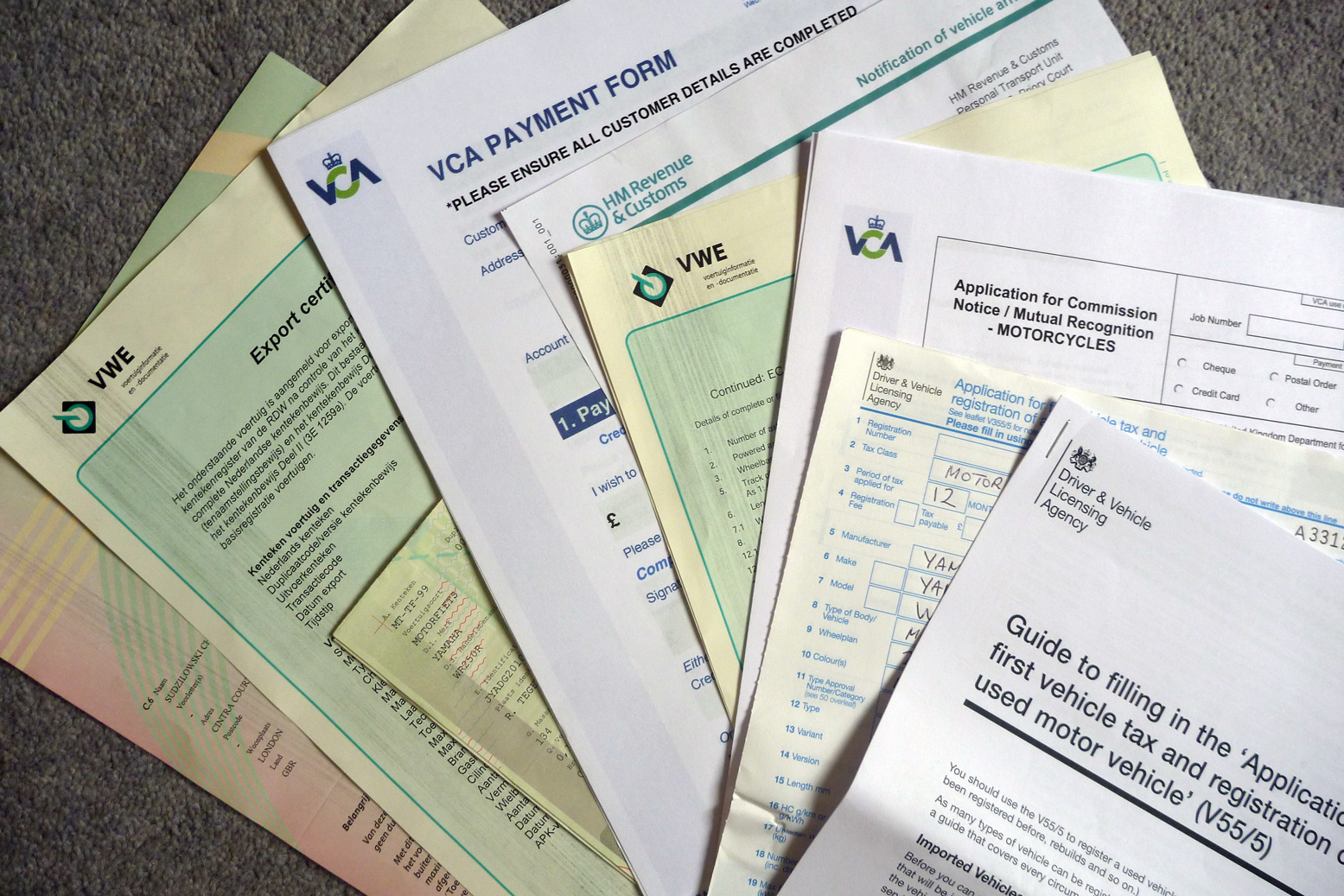
Unfortunately, delays in receiving paperwork to complete UK registration (added by my own confusion in how to set about the task efficiently) mean it’s unlikely I’ll have a UK plate and logbook in time for my Morocco tours in a few weeks. I’ll have to rent something down there. Can’t say I’m bitterly disappointed at missing the chance to cross Spain and back in early winter on an untried 250. Last couple of years I’ve been lucky with the rain in Spain. It can’t last and it all gives me a chance to get the WR in good shape for the proper desert trip we have lined up in the new year. It also means those rally tyres won’t get wasted running mostly roads.

hpwr
wrs1-12

I do wonder if it has been worth the faff and expense of buying a bike from Holland just to get some top-grade Hyperpro suspension (this is the first WR250R to have HP). All I know is if it works as well as my HP X-Country, then the answer will eventually be yes. You just wonder how many trees have given up promising futures to certify the re-registering process of this motorcycle.

Have to say, after having a close look, so far I’m impressed by the WR. The easy disassembly and access to things, nifty hinged air filter door, minimal-sized components where possible and solid parts elsewhere, like triple clamp and subframe. It’s like a Jap KTM, and grails don’t come much holier than that.

wrs1-17

One thing I’m pretty sure I won’t be doing is meddling with the airbox flap, EXUP valve, silencer or other stuff to squeeze 3% more power out of it and save a few ounces. Like most things, the WR-R already is what it is: lighter and more powerful than any other Jap trail bike, with a travel workable oil-change interval and excellent mpg. That should do nicely for the next desert ride or two I have in mind.

wr-hpa

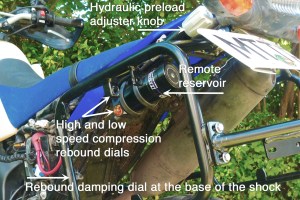
On the way to the Overland Event I had a pile of heavy books I was hoping not to bring back. Once loaded up it was great to just crank up the Hyperpro Hydraulic Preload Adjuster (HPA) knob which still fits nicely alongside the new rack. At a pinch you can almost do it on the move, though probably not while texting.
I haven’t yet had the heart to run the WR at the revs it’s supposed to handle. What’s probably a true 55-60mph seems fine for now, but unlike a CRF-L or KLX, you do have a bit of spare oomph when you need it. For the first time in years I’m very much looking forward to getting my latest project bike on the dirt.
wrs1-16

Baja Gallery ~ KLX250, F800GS

KLX250S main page
Mohave with KLX
KLX250S – Mountain & Desert
Baja16 - 46

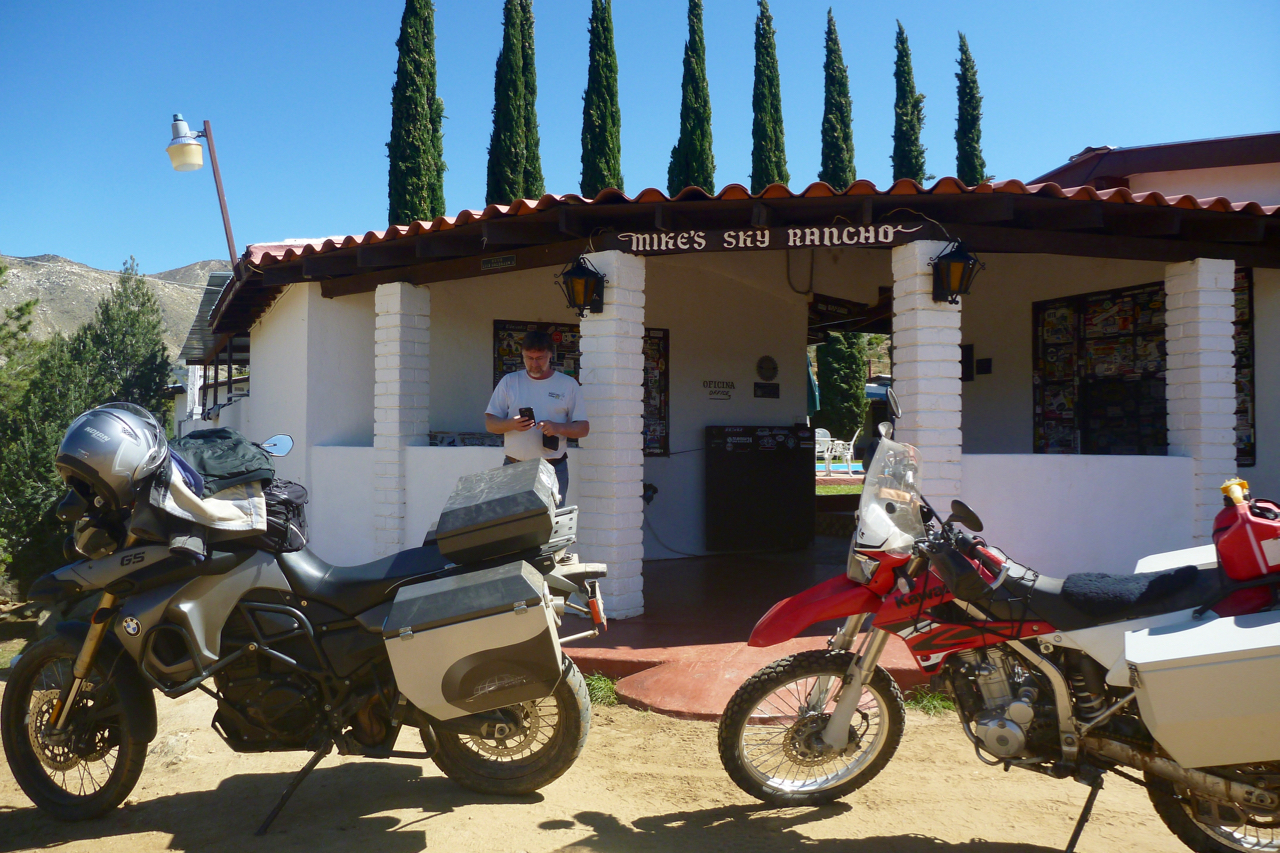
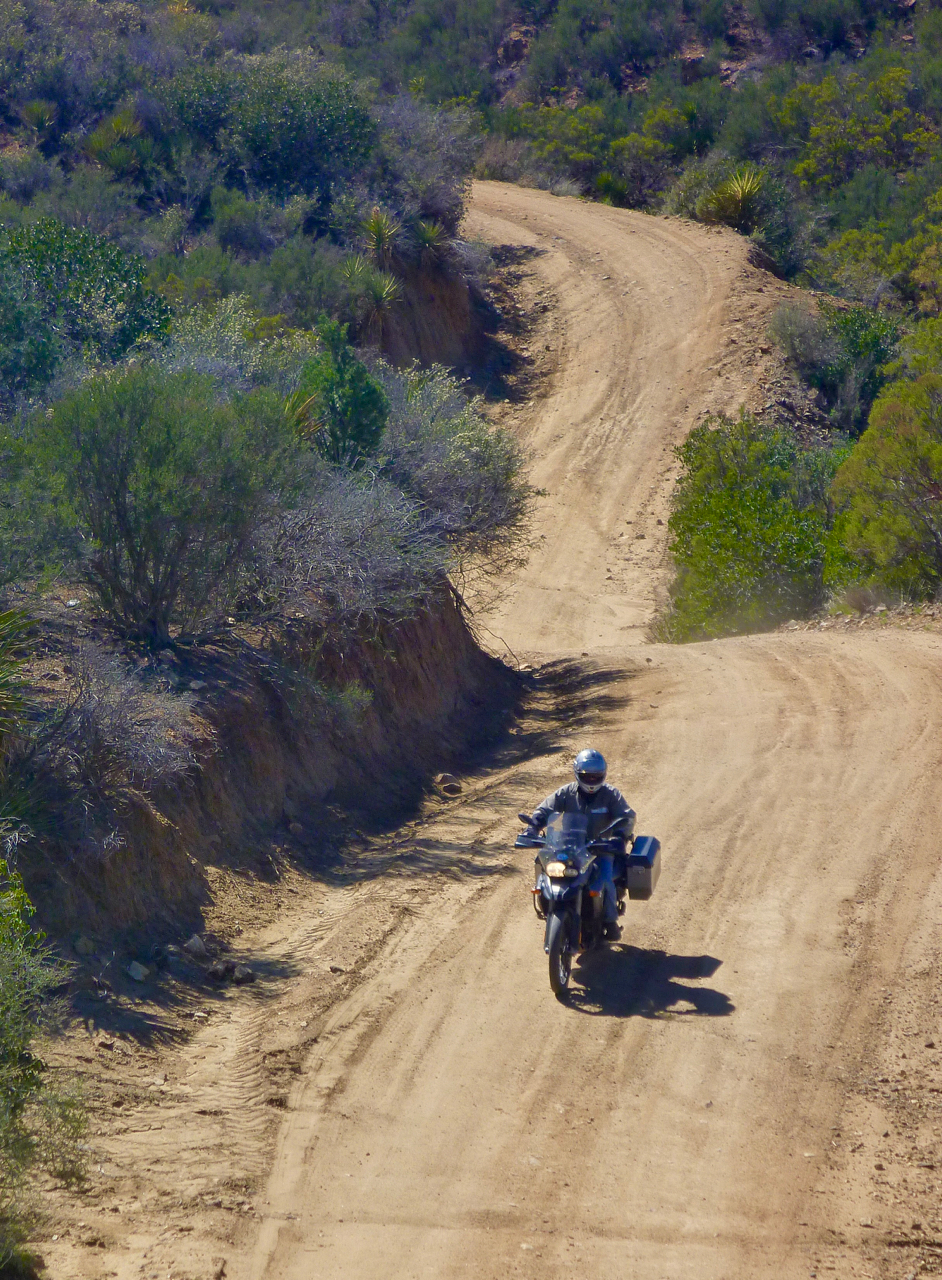
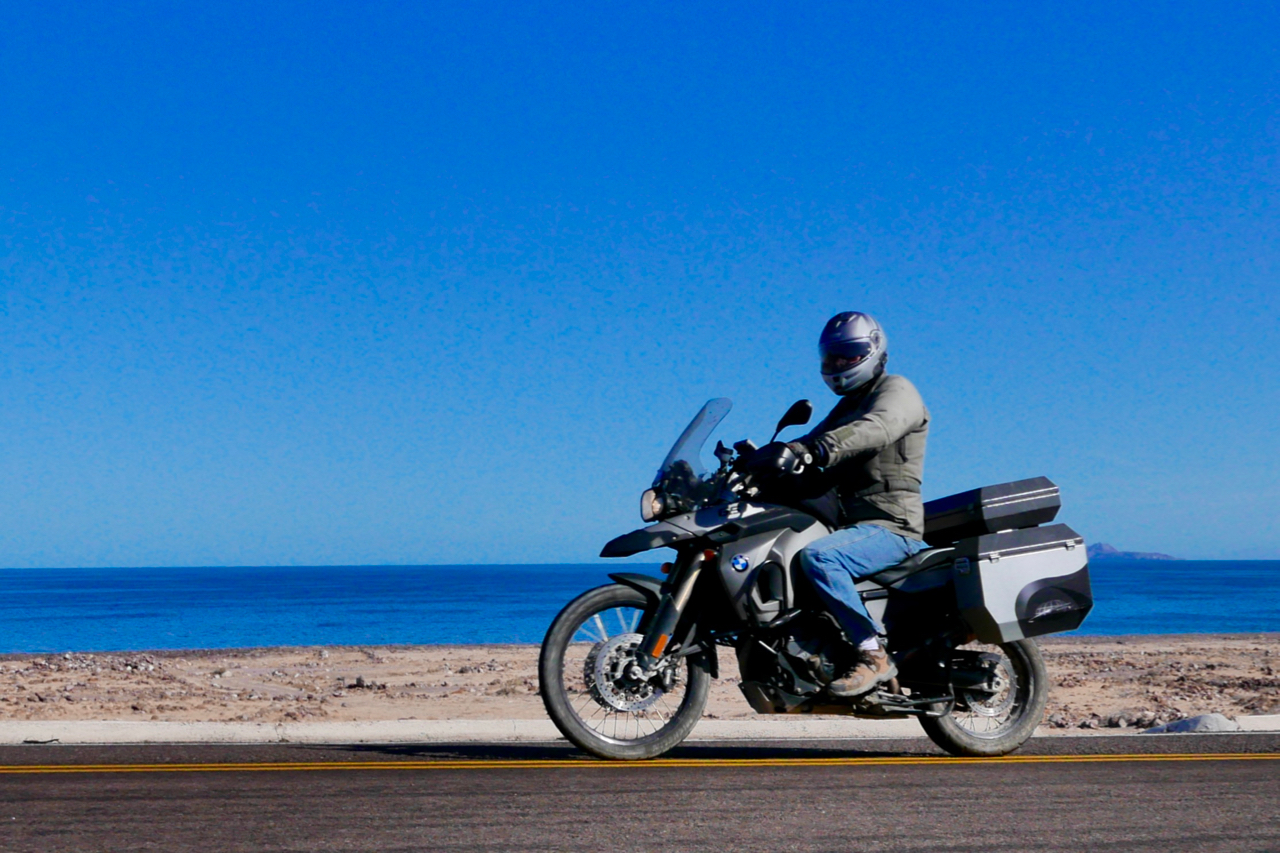
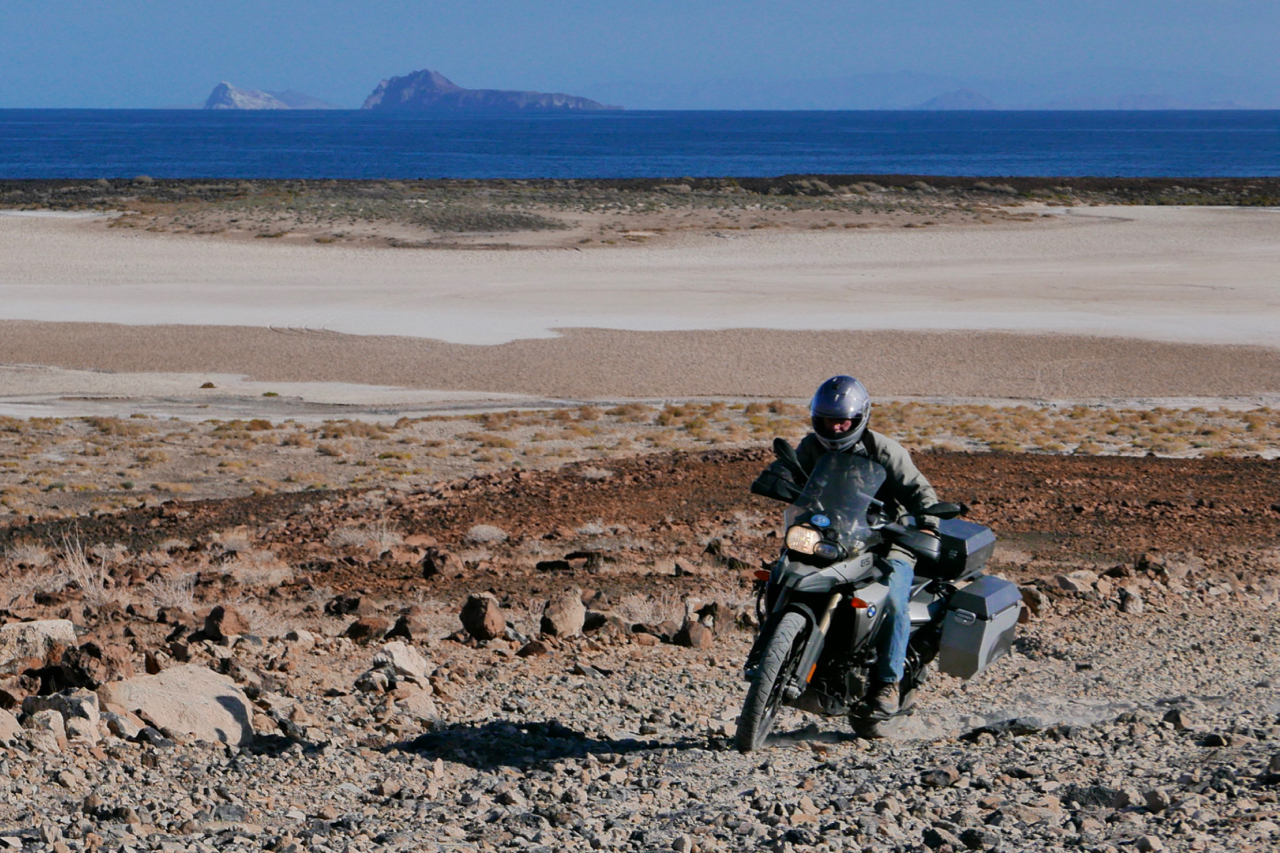
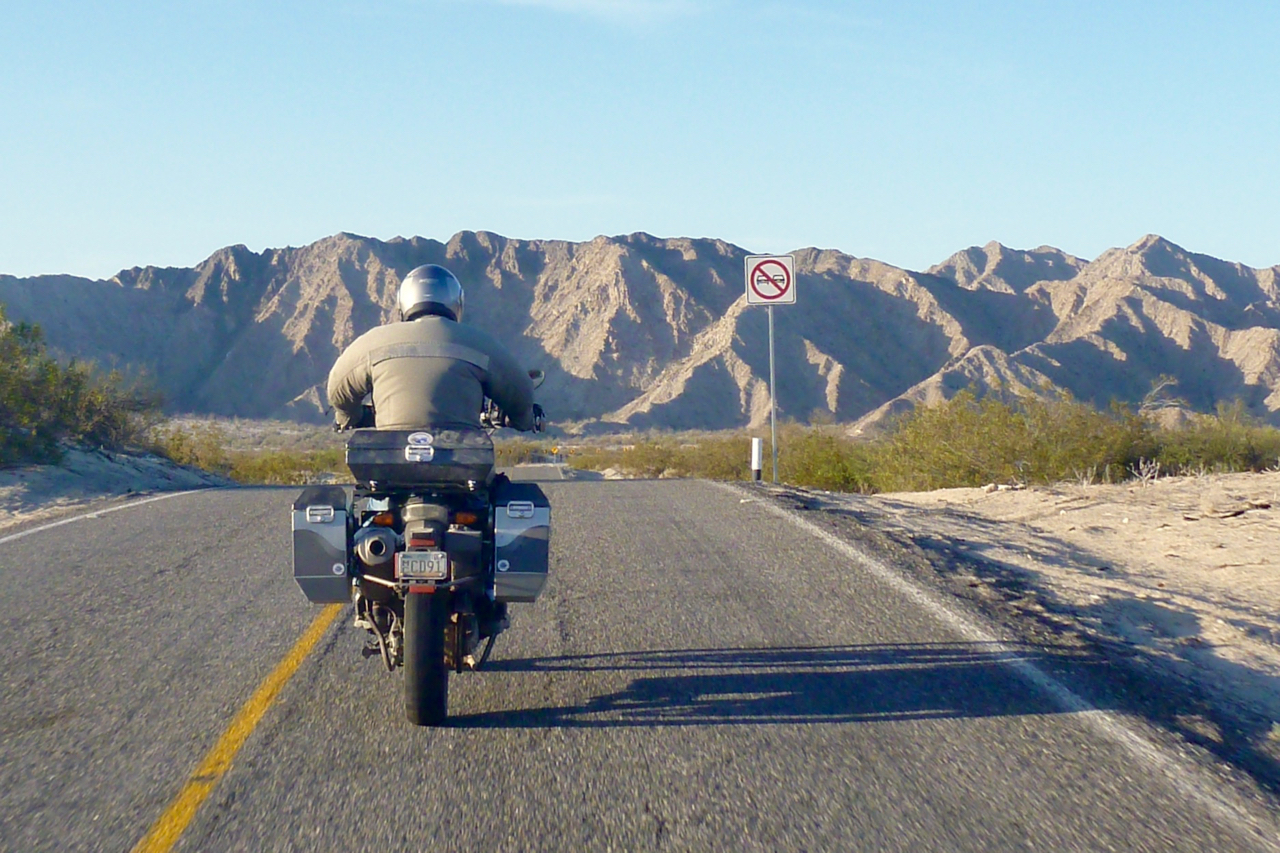
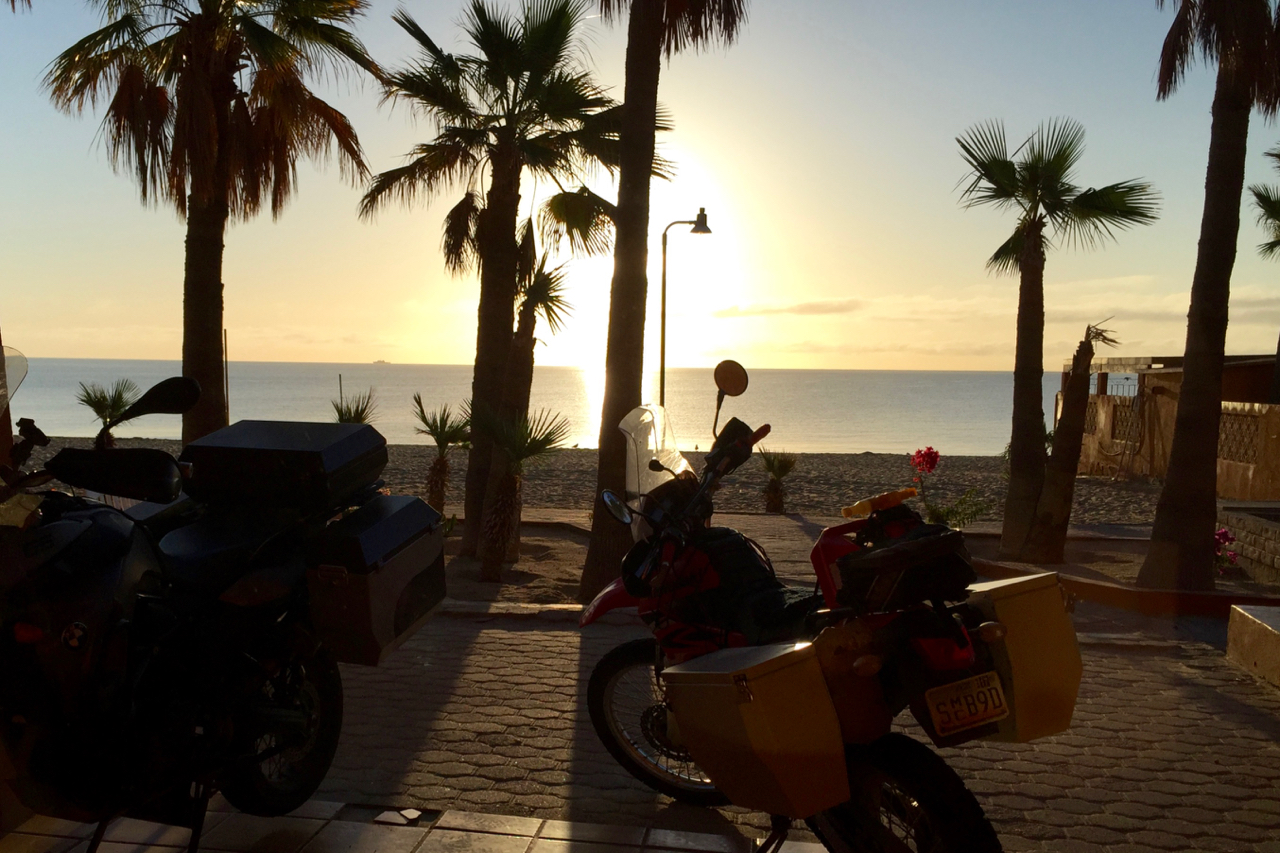
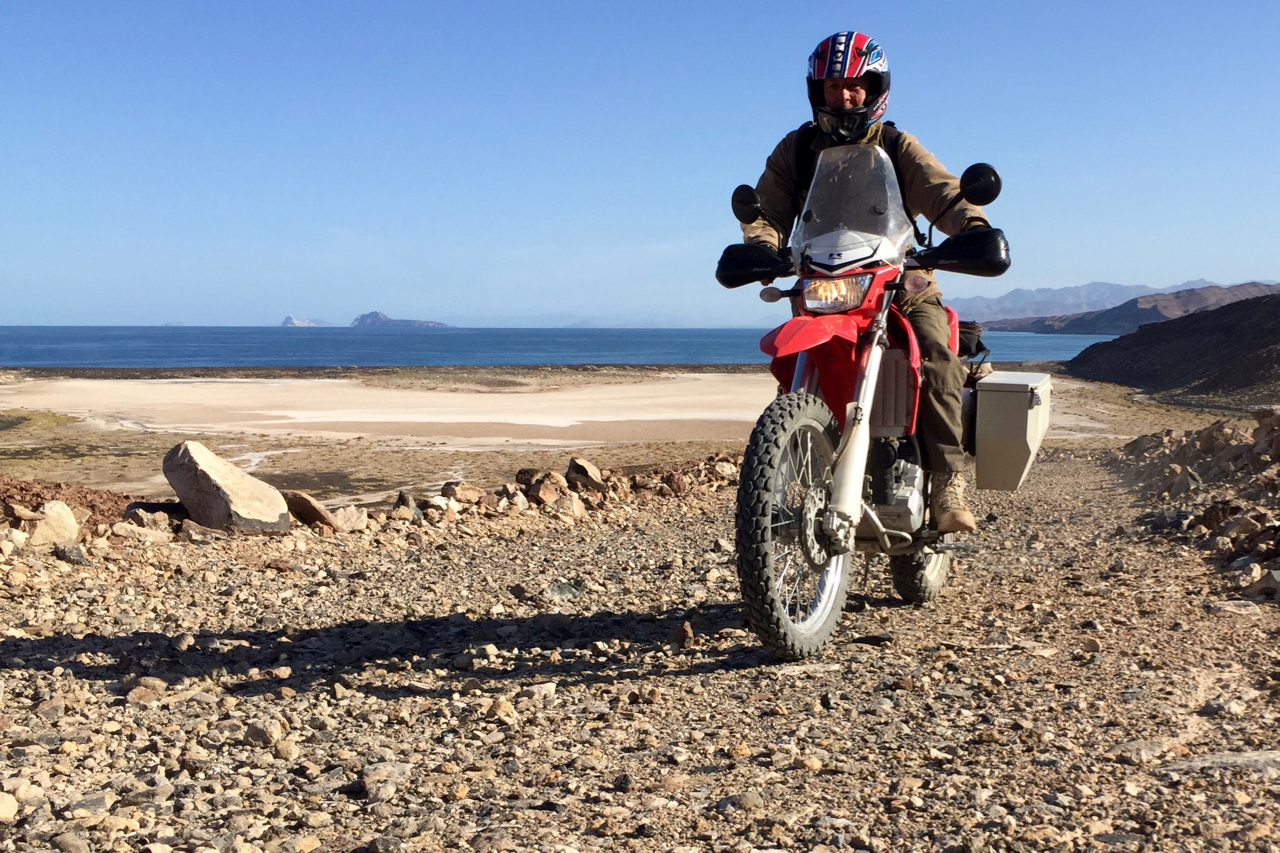
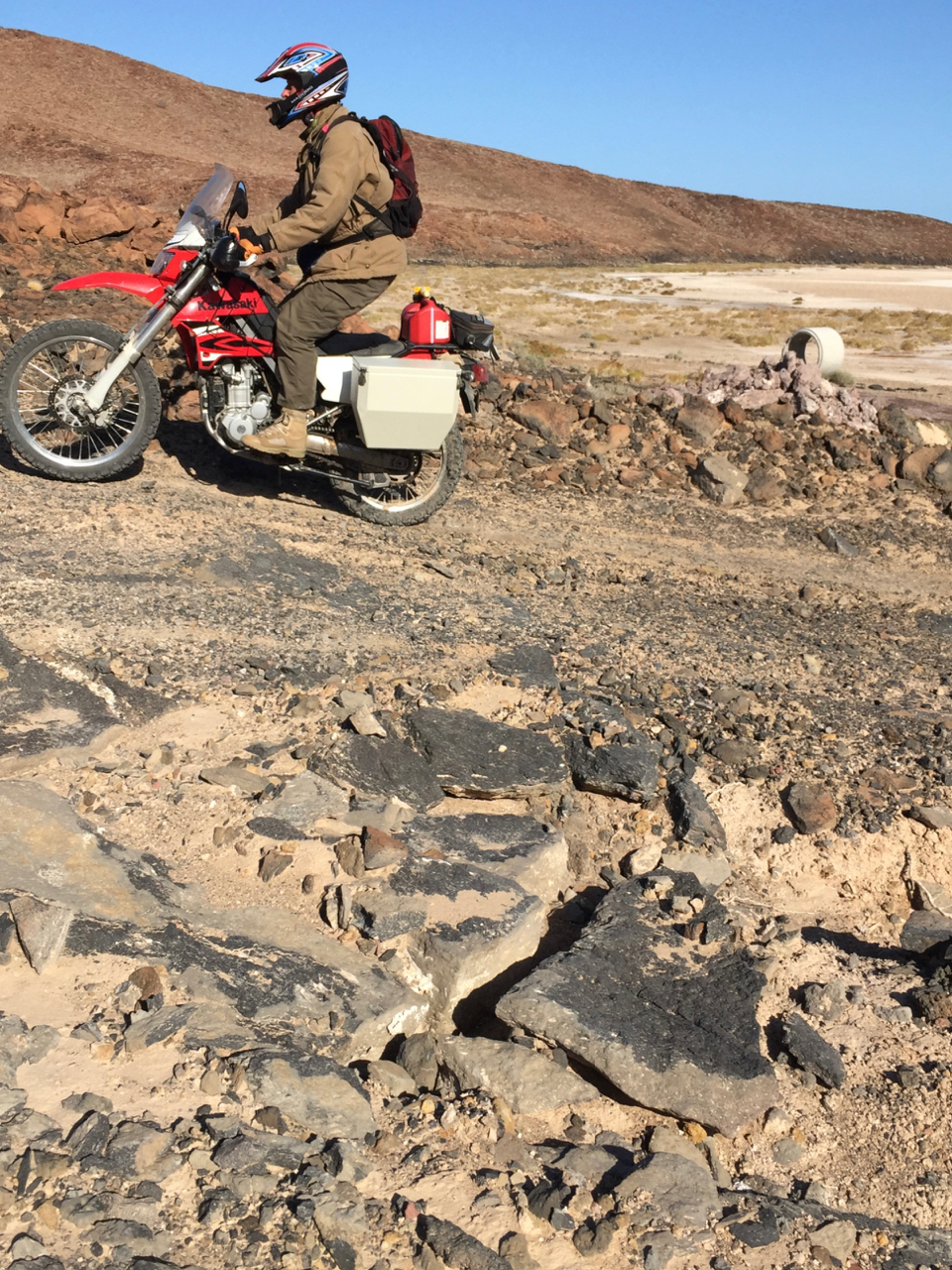
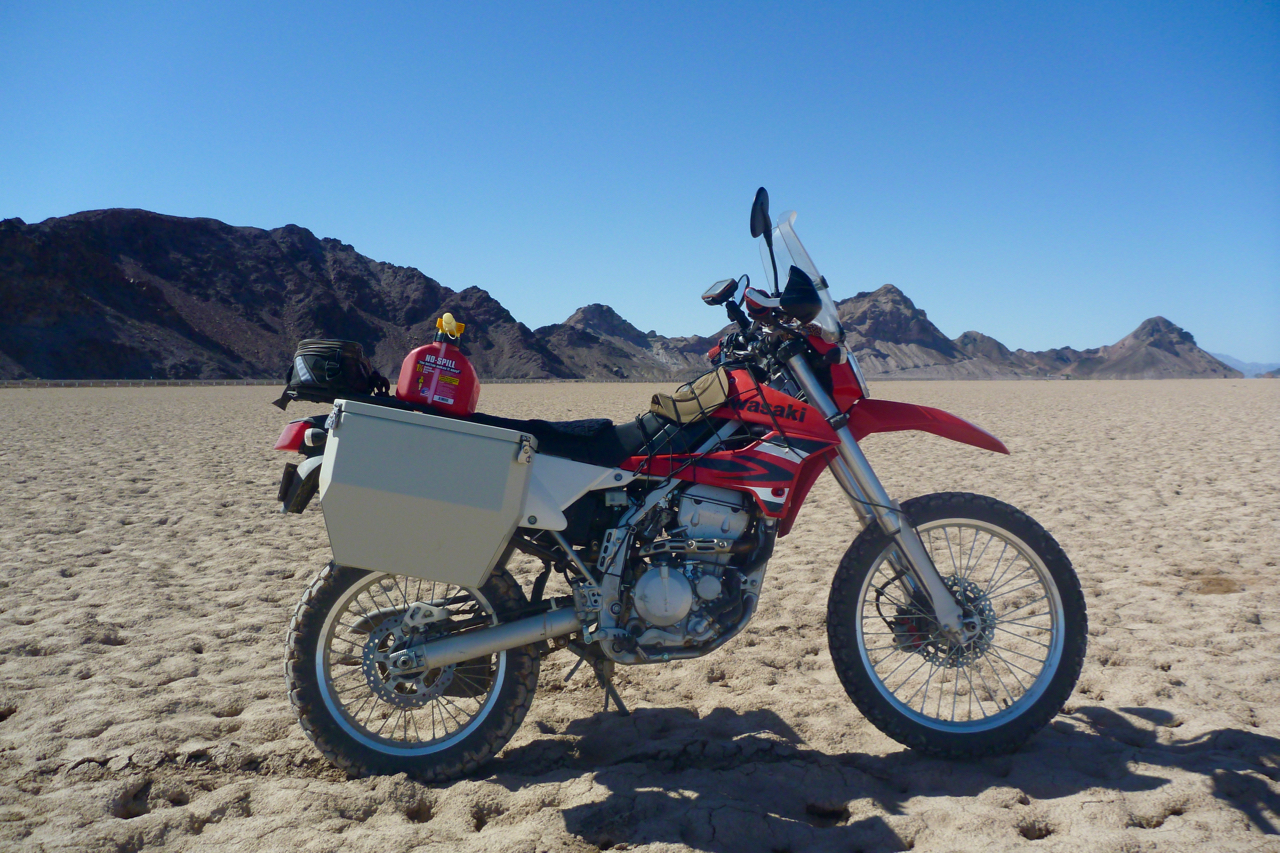
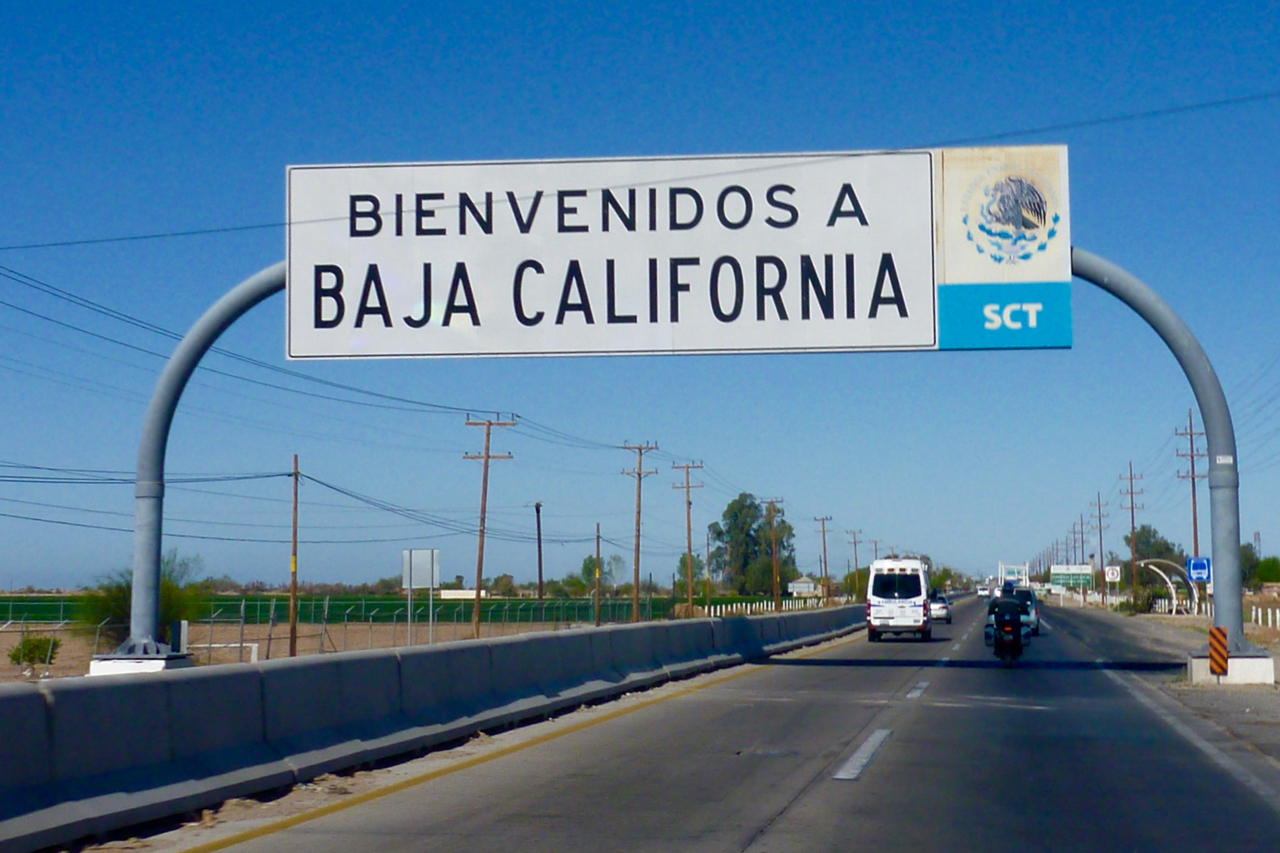
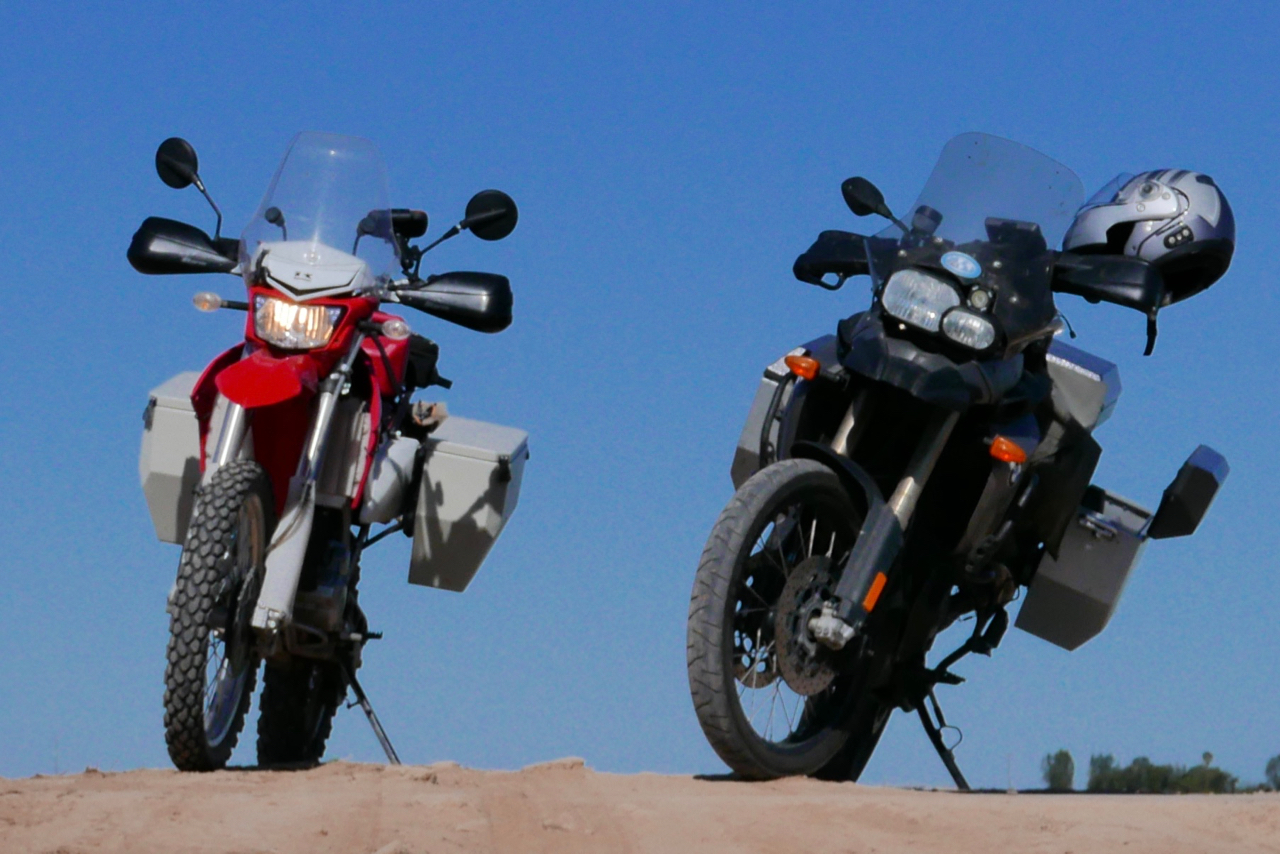
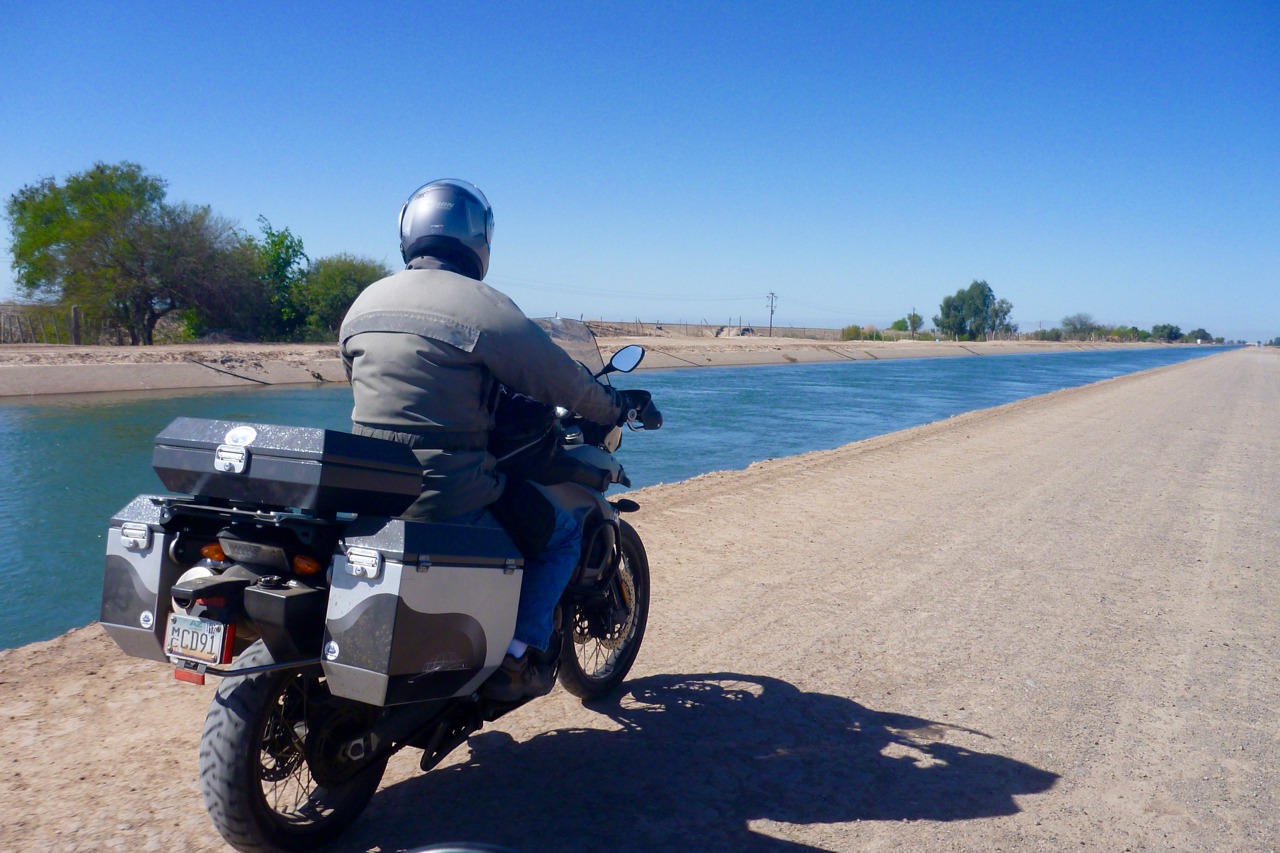
After Mohave I rode down to Baja with Al Jesse on his F800 for a couple of days, among other things, trying out some new budget cases. More or less, we crossed at San Luis and rode through the irrigated delta down to Gonzo Bay, back up to Mike’s and back.

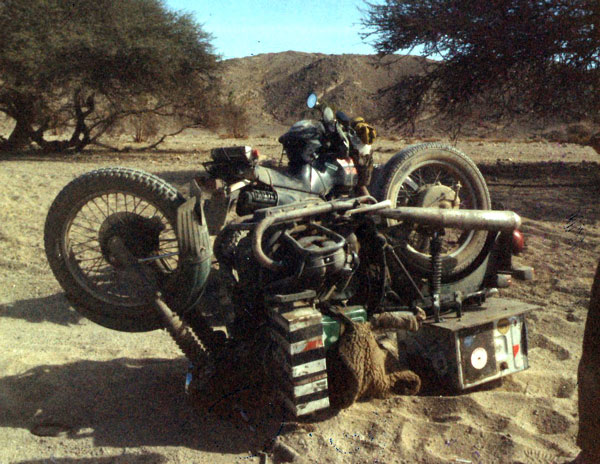
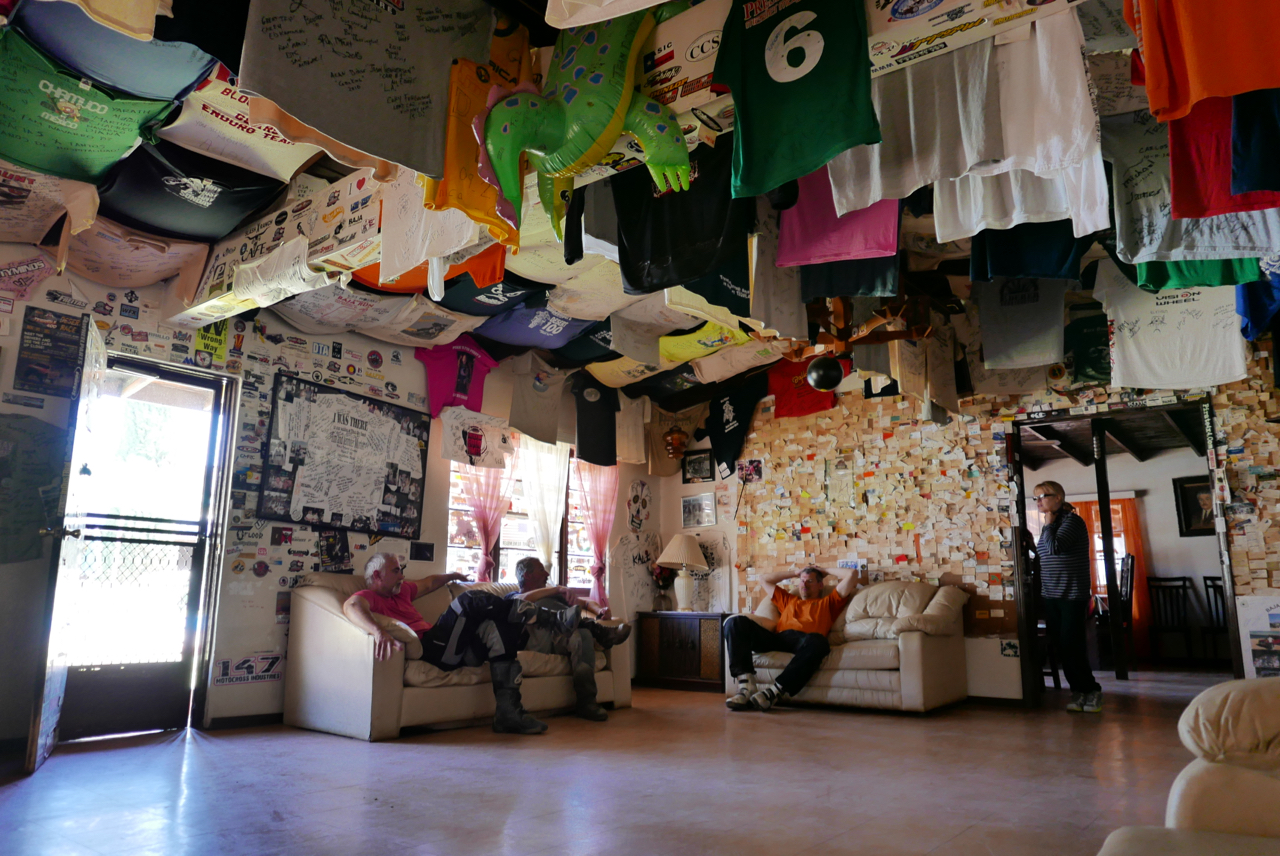
At Mike’s, some bikers rode up the regular way from the north, two-up on a KLR or F800. A fun, easy ride. And four GS12’s came in the hard way along El Coyote from the west. Eight miles took them some six hours. Three spent the night on the track and rolled in for breakfast. Pic on the right (from Rick Giroux) reminds me of my own USD BMW in Algeria’s Hoggar mountains in 1985. Two nights later the Sahara finished that bike off.