Tested: Mosko Moto Basilisk 2021 jacket over a month in Morocco + wet winter’s weekend in UK
In a line: Smart looking, well vented with an eVent Expedition 3-layer membrane in a tough waterproof shell.
EU price: Was €475,20 (20% discount)
Weight: 1550g (verified)
Size tested: XL (me: 6ft 1in/186cm • 205lbs/93kg)
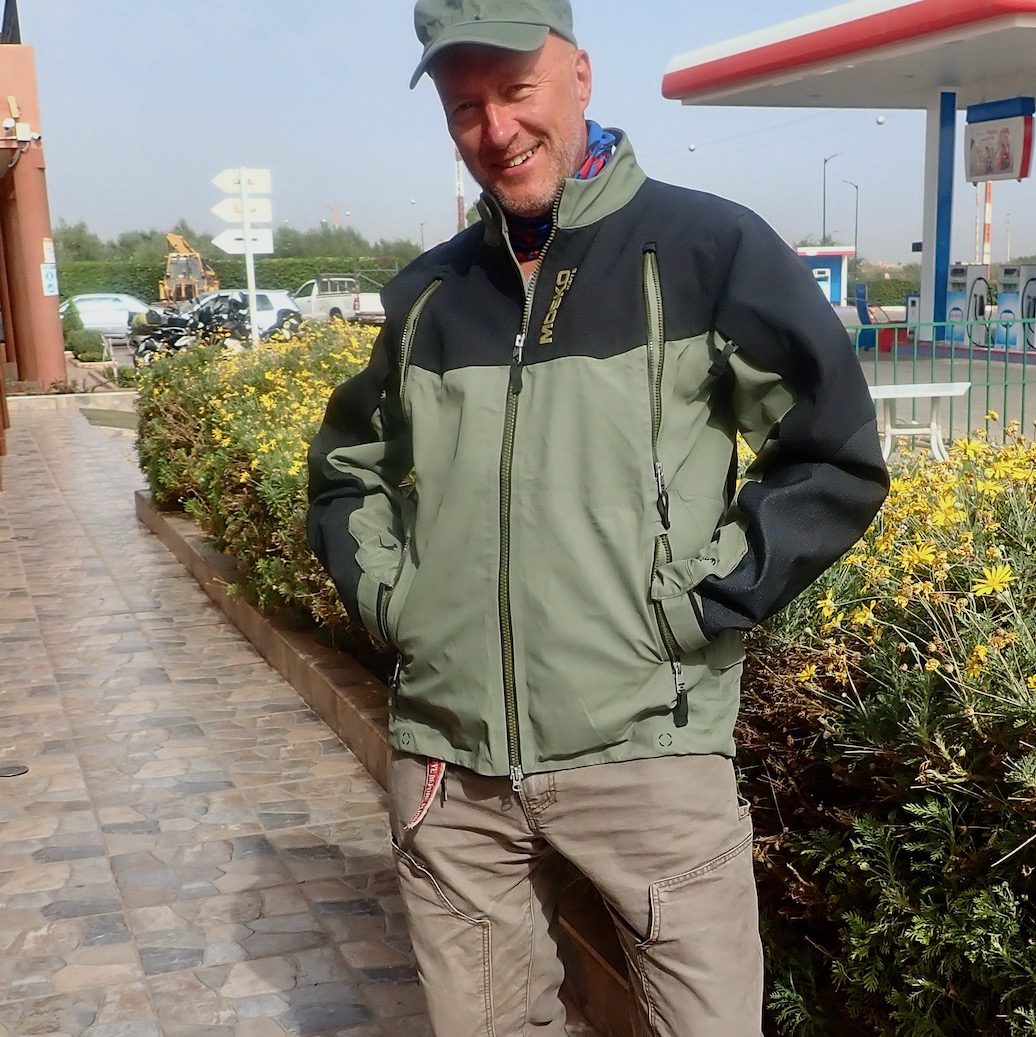
• Good combo or lightness and crash-ready ruggedness • Tough Super Fabric® abrasive panels on outer arms and shoulders • Sleeves are good and long • Bicep vents work well (out in the breeze) • Looks good in a pale olive green and black • Vertical back vents work with a daypack
• Bulky sleeves obscure mirrors • Would like an Aerostich-style big Napoleon pocket outside • Mesh-backed vents don’t open wide
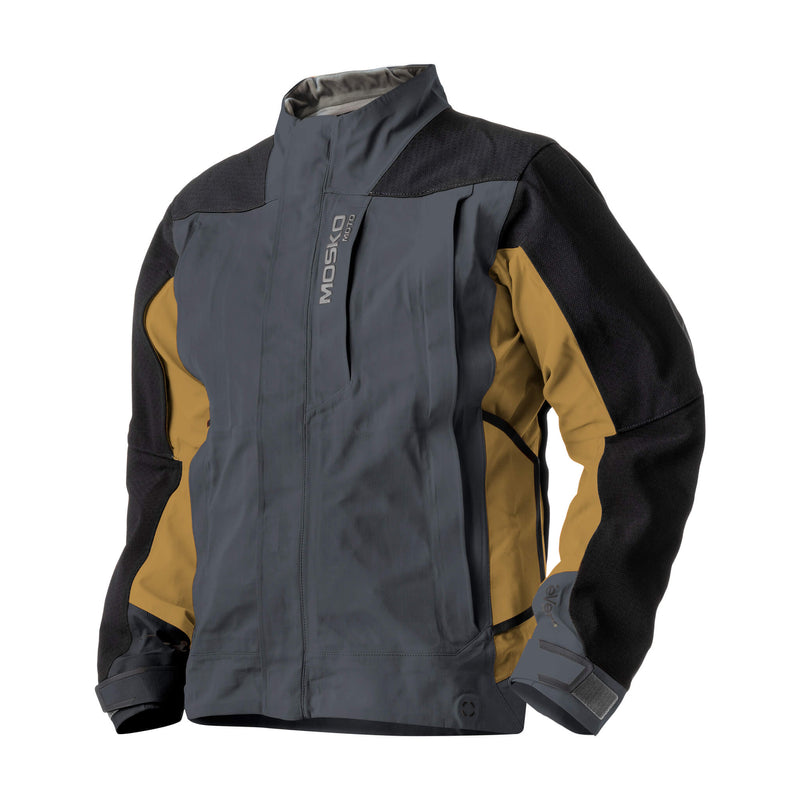
What they say: Refined for our third round of production, the [discontinued 2021 Mosko Moto] Basilisk is our waterproof/breathable enduro-touring kit, for long-distance, multi-day trips through primarily off-road terrain. It combines super-premium materials with clean lines and minimalist design. With an articulated fit for freedom of motion and easy layering, the Basilisk is designed to work with separate armor systems for superior protection and versatility. It packs smaller than a traditional ADV jacket, for stashing on your bike when things get hot.
Update Mosko now call it the Basilisk IR which comes with armour – a change of direction for Mosko. Looks-wise, I liked my sage & black 2021, but the current models have great colours too, as well as rain flaps on all frontal zips (good). There’s only one small exterior chest pocket but loads of cinch-down adjustability and they’ve added cinch straps on the forearms too (a complaint I had with mine) so all-in-all, it’s a big improvement on my 2021, but at nearly twice the price.
Review By the time I got to actually use my 2021 Basilisk they were bringing out new models (see above), but here are my impressions after a hot, dry month’s riding in southern Morocco. When it comes to jackets I prefer a light but reliably waterproof shell like my old Klim Overland or the lighter Traverse II. Mosko call these trail-biking or enduro jackets to separate them from heavier high-speed touring coats, but the Basilisk comes with a reassuringly heavy-duty shell under which you can layer and armour up all the way up to an electric vest like their Ectotherm.
Second opinion by Ian T
When: End Dec full day road/trail ride. Where: Wiltshire and Somerset Ambient temp: 12°C Weather: Heavy rain most of the day, windy.
Pros: Shape and fit to allow movement on the bike and extra layers. Kept the rain out for most of the day, with a similar performance to the Darien pants worn on the same trip, considering the soaking from puddles and passing cars on flooded roads. Reasonably warm with merino t-shirt, heated base layer and thick merino pullover underneath. Adjustability is good.
Cons: Could do with some more pockets. There were enough for keys, phone, wallet and spectacles but my Darien easily holds these as well as a balaclava, overgloves, travel wallet and visor de-mist. Would it replace my Darien jacket? No, but maybe I’m stuck in my ways.
Features The coloured shell is ’70d x 160d’ nylon with two layers of polyester 600D Super Fabric with ceramic plating across the black sections outer arms and which all contributes to the Basilisk’s heavy duty feel without making it a heavy jacket. Colourwise, I like the sage green and black combo. Anything’s better than dreary black or grey, but I do miss a bit of reflectivity for road riding. It’s the little things that set a jacket apart from a bin bag with sleeves. The cuffs have a chunky velcro closure. Inside the hem is cinchable with a toggle easily accessed on the front left edge. The collar has a synthetic suede liner and another cinch cord toggle at the back. There’s also an in-built ‘dirt skirt‘ you can join up with studs to seal off the jacket’s lower edge with help from a stretchy silicone band, keeping the core warm which maintaining the shell’s articulation. Other snug fitting adjustments include two big and easily adjusted velcro flaps on the sides to help haul the belly in.
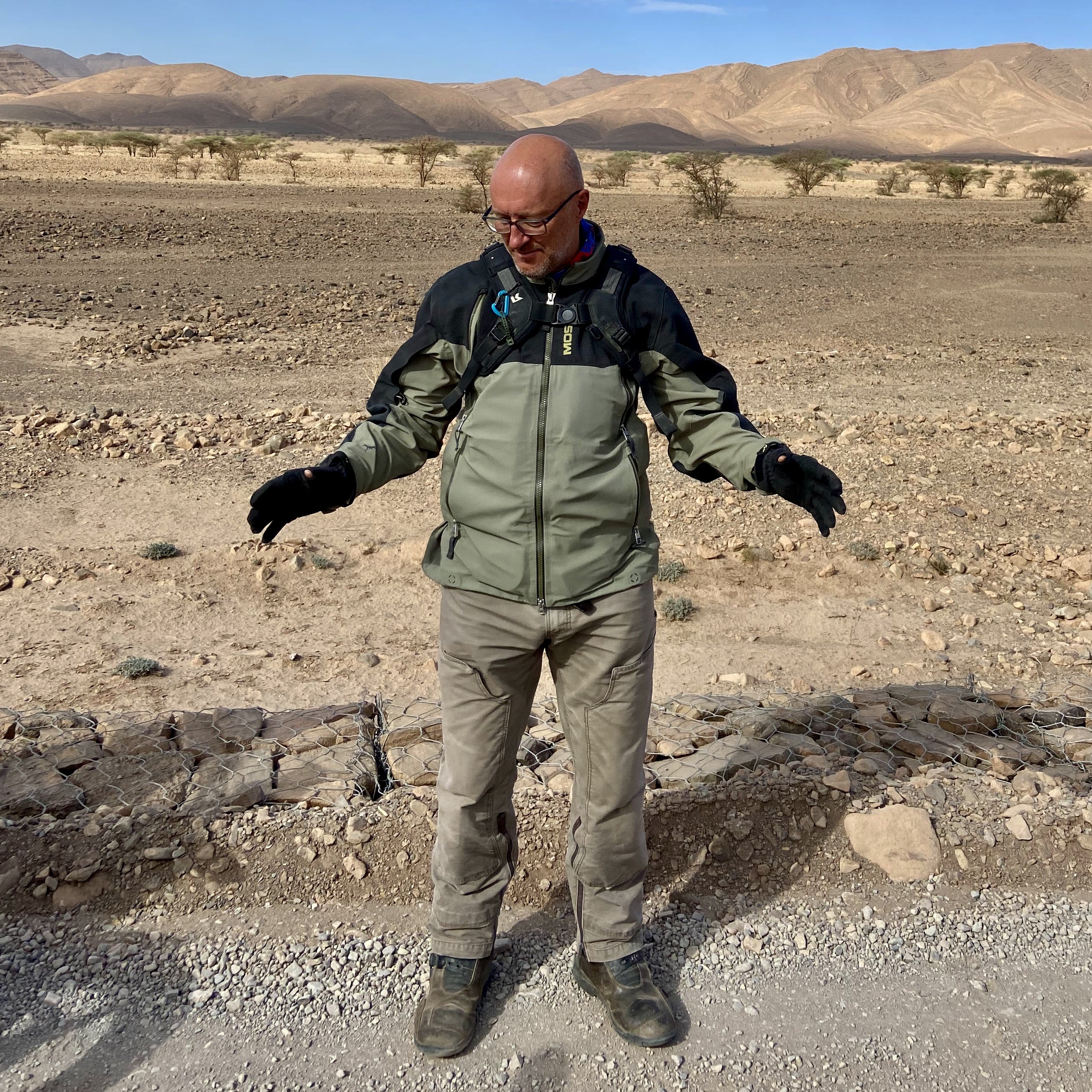
To get the air flowing in the warmer conditions I experienced, the Basilisk has three pairs of mesh-backed vents: a set in the upper arms; another pair at chest height neatly in line with the zip pockets, and two exhaust vents at the back. In my experience this set up works best for through-flow to cool you off while keeping the jacket zipped up and wearing a daypack. But in overly warm southern Morocco the small screen on the 890R I rode most of the time reduced the airflow on the body. The vents’ mesh backing reduced the aperture too, so standing up was the only way to get some venting going unless I undid the main zip. Apart from a couple of chilly mornings in the mountains, I rode with all vents open all the time.
Pockets add up to two exterior vertical zip-ups above the hem (deep enough to be secure if left unzipped) and two small chest pockets inside. I miss a huge map-sized vertical zip exterior chest pocket, as on the Aerostich Darien.
All exterior zips are chunky YKK Aquaguards but once desert dust gets on them they get stiff to operate; probably the price of being water resistant. A wipe with a wet cloth fixes that, but the newer models’ rain flaps will keep the dust off. The Basilisk doesn’t include any pockets for armour. I’m with Mosko on this. If you’re serious about body armour (for my sort of riding, I’m not) then get one of those close-fitting strap-on MX body armour outfits which work best close to your body (ie: under the jacket).
Bulky sleeves…
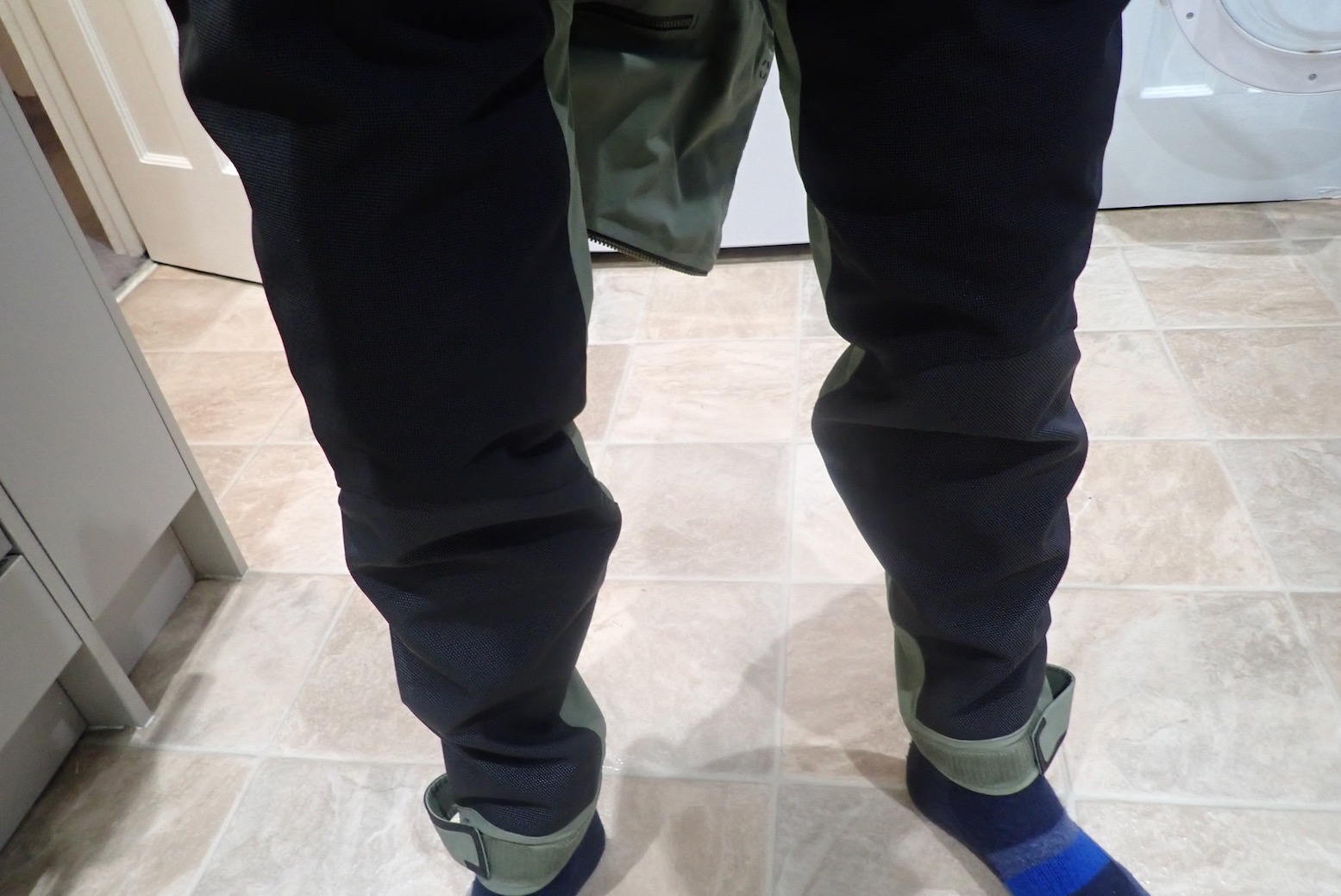
If I’ve one complaint it’s that the sleeves are too bulky so the stiff shell obscures the mirrors’ rear view; I could easily get my legs down these sleeves! I spend a lot of time checking my mirrors on the occasions I’m leading a group, and pulling them in greatly improved rear visibility. Maybe there are XL riders with huge arms, but the simple solution for all would be a velcro cinch strap or two to draw the slack in, like Aerostich do on the Darien and Klim did on the old Overland.
Like many, it seems the bike manufacturers got busy during the Covid lull and there’s been a healthy surge of actual new Advs and Scramblers at Milan’s EICMA bike show this year. Sit back while I cast my opinions upon them for use as actual travel bikes.
Suzuki 800DE Fighting it out with Kawasaki as the most dormant of the Japs in the Adv sector, Suzuki are set to continue with the aged 650/1050 V-Strom V-twins. But they’ve now followed well-established trends with a new 776-cc, 84-hp, 270°-crank V-Strom 800DE P-twin. It carries over the same beaky profile of the 650 Strom, but gets a 21-inch wheel and a bit more clearance. This all means it ought to be more of a genuine gravel roader than it’s old namesake, as well as having TFT, riding modes, TC, switchable rear ABS and all that jazz. Sadly, to save costs, wheels are tubed (but you can fix that).
The subframe unbolts but looks nice and chunky, and there’s nearly 9 inches of travel, the same in clearance, plus a pre-load adjustment knob (‘HPA’) on the shock. I wish the 890 Adv R I rode last week (report soon) had one of those. Seat height is said to be 33.7″ (855 mm) with a tank at 20 litres (5.3 US) which ought to be good for well over 400km at 25kpl (71 UK; 59 US). The windscreen is adjustable to three levels over a span of 1.8 inches and there’s a quickshifter too. But yikes, the curb weight is claimed at 230kg (507lbs), about the same as my old AT although it’s often not so helpful to compare big-tanked Advs against similar machines with less capacity (see 890 Adv R comment below). According to Suzuki UK, it’s out in Spring 2023 for around £10,000.
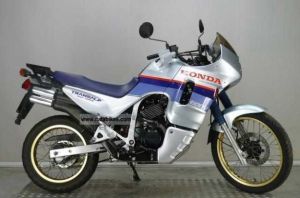
Original 1987 Transalp XL600V
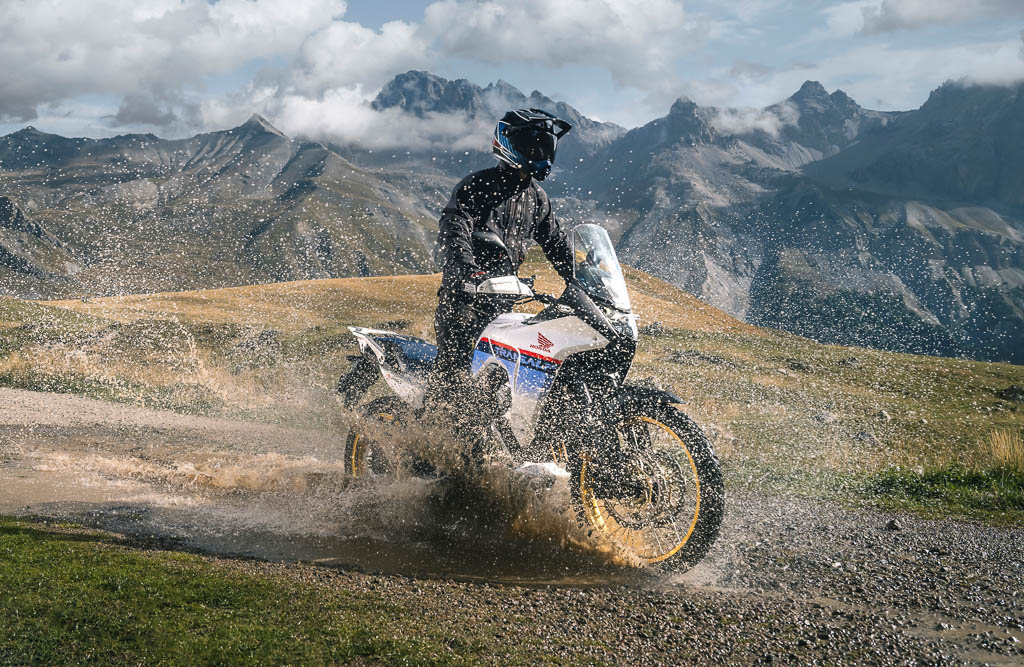
Honda Transalp 750 With the recent release of a 750 twin Hornet roadbike, a same-engined 750 Transalp did not come as a complete surprise. There’s been talk of a ‘mini-Africa’ Twin for years; some thought it might get the NC750 motor, but that’s not really in fitting with the AT or Transalp brand.
They’re all parroting the ‘legend reborn’ label as if the original Trannie dating from 1987 (above left) was anything special. I remember being invited on a test for Bike mag near muddy Dorking around that time and us all scoffing at the plastic alloy-coloured bashplate. Whatever next, fake carb bellmouths!? Little did we know it was a sign of things to come: the all conquering ‘appearance ≠ function’ adv phenomenon.
Nice looking, this new TA.
Some 35 years on and ten years after the last XL700V iteration got ditched, the new 750 Transalp looks like a serious proposition, with Honda’s usual attention to detail. Yes, it’s another 270° parallel twin; this one’s a 90-hp 755cc. And it manages that with only 11:1 compression against the 800DE’s 12.8:1. In the old days a lower comp ratio meant better running on poor fuel (less common these days, bar the US and Mongolia) as well as less heat, but with modern efi I’m not sure the former is so relevant now. The tank is 16.9 litres (4.5 US) which will be good for nearly 400km and is the same as the Tenere XT700 which the TA will be measured against. But like the AT, there are riding modes and power modes and engine braking modes aplenty. The seat is 850mm (33.4″; + 1 inch lower option) with clearance at 210mm, and the front and rear suspension is in the 200/190mm range but with no HPA on the back. Shame. And again the 21/18 rims are tubed. Shame again. Expect an ‘Adventure Raid’ version in a year or two with a bigger tank, TL rims, bashplate, 800/850cc and so on.
Honda fans have finally been given a choice between a CB500X and a CRF1100L. The new XL750 look like it will be a hit for riders tiring of the litre-plus behemoths. Like the AT before it, the 750 Transalp manages to looks slim for its claimed 208 kilo (460lb) kerb weight, about the same as Yamaha’s XT700. With the new Suzuki 800, KTM’s 890, the new Aprilia Tuareg, the 850GS and a few others, there’s now a great range in sub-litre adventure bikes which are surely more than enough to get the job done on the overland. But will the new TA carry the XT700’s top-heavy penalty? Riding an 890 Adventure R for a week (210kg wet), I quickly grew to appreciate the 20-litre, pannier tank’s stability while swinging around the gravelly bends of route MH23 in Morocco. Can’t say I felt the same on my AT tank a year earlier.
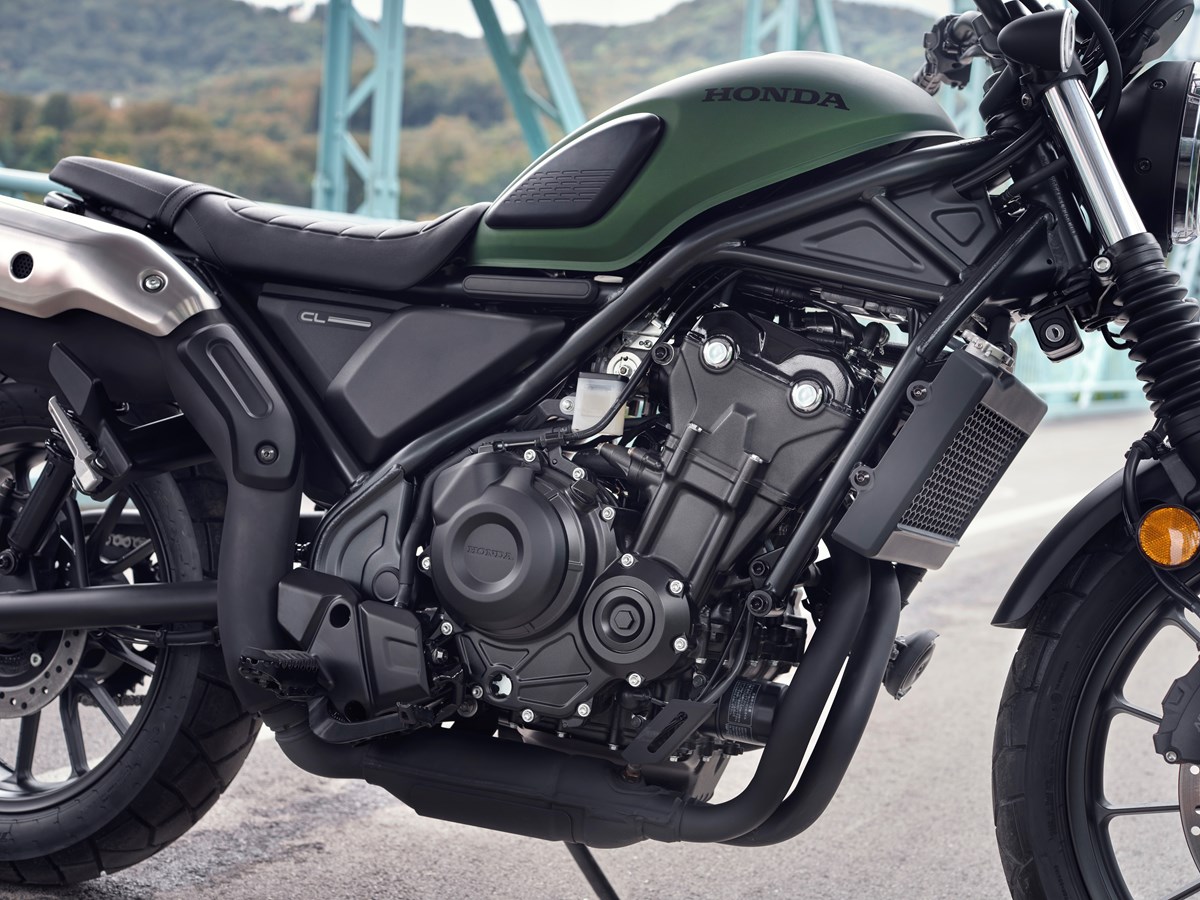
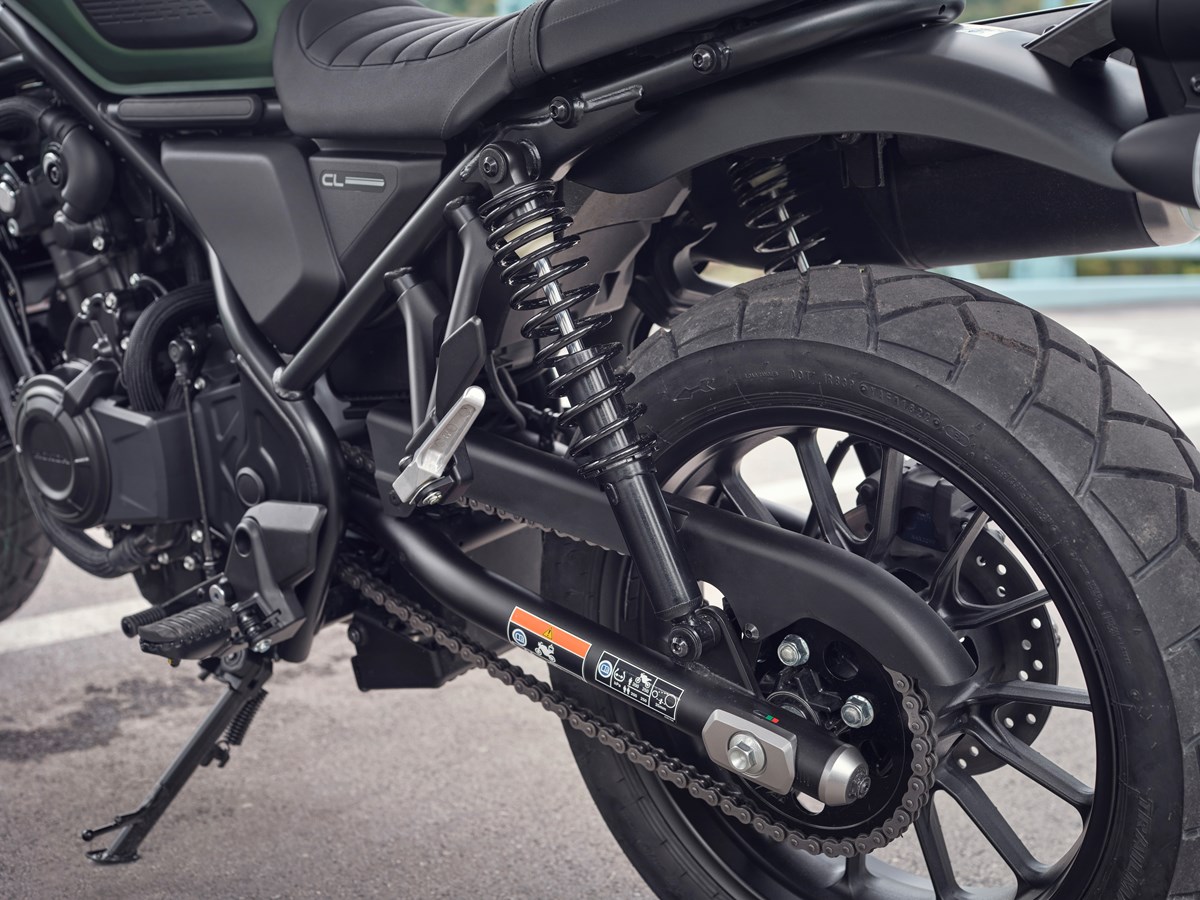
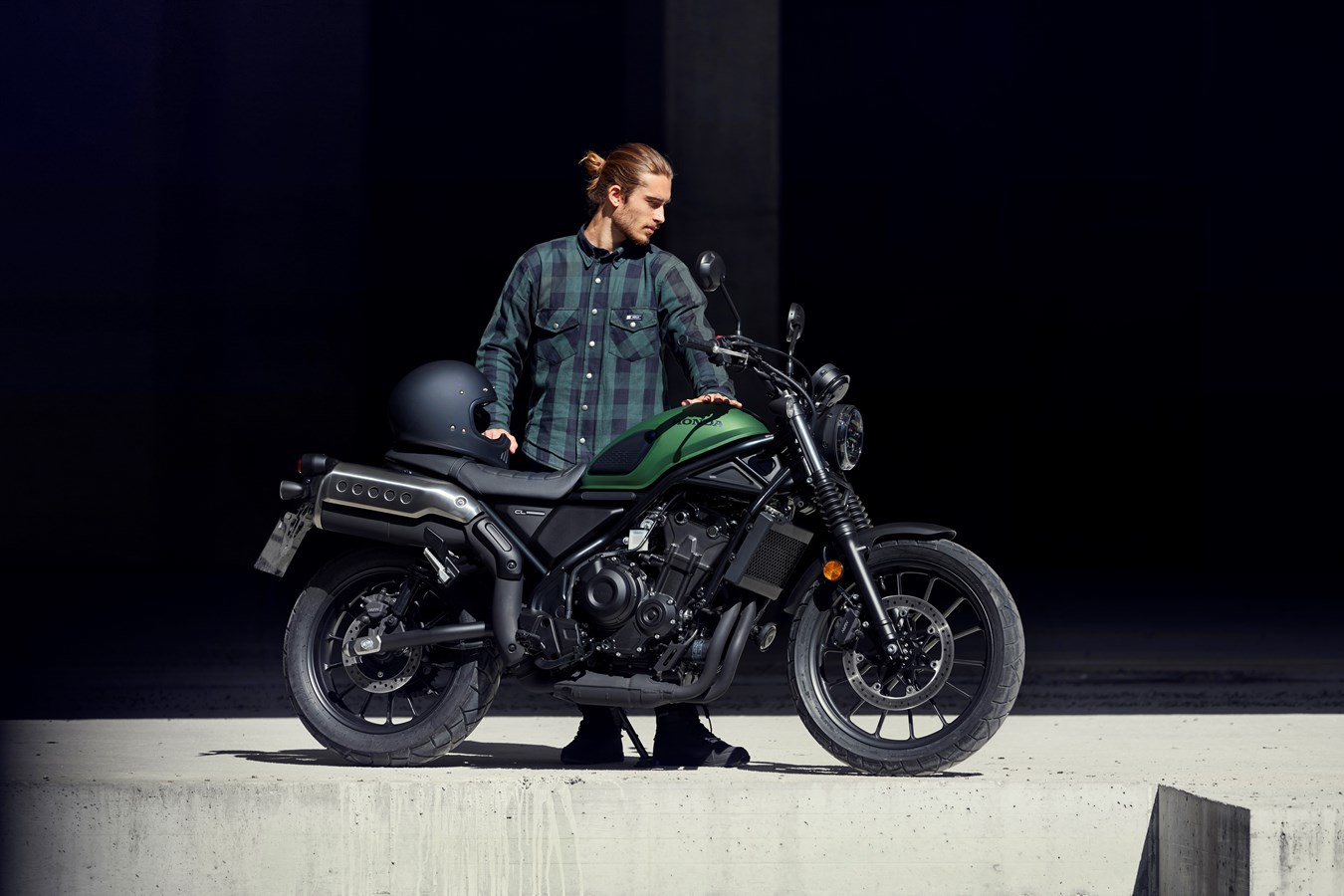
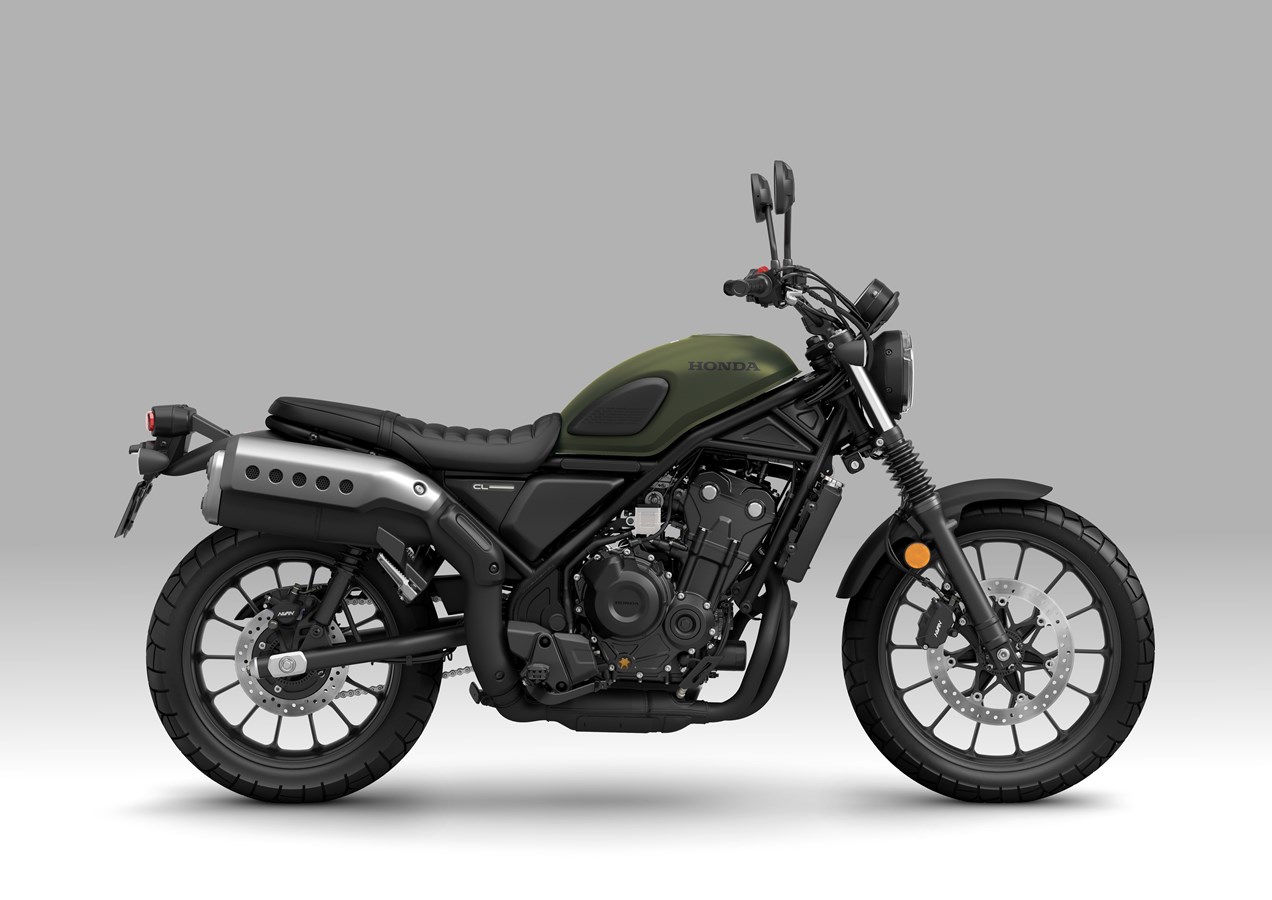
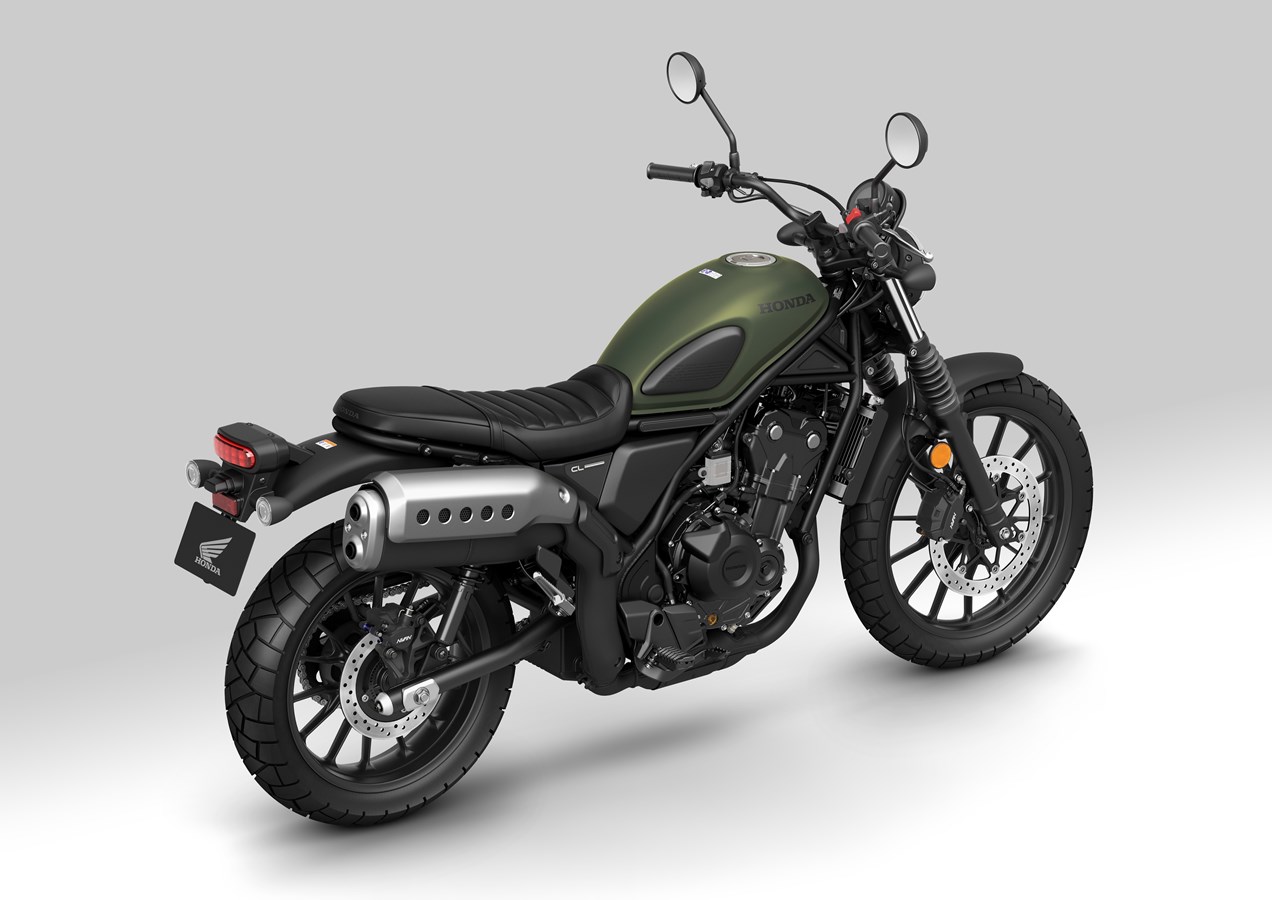
Honda CL500 Scrambler “We developed the CL500 as a machine that truly allow its owners to stand out from the crowd, and as a form of self-expression. It can be used and enjoyed casually – without hesitation – by the young generation in their daily lives and is designed to become a joyful and integral part of a lifestyle. In standard form, the off-road street style has a visual charm unlike any other model in the Honda range, and can really inspire owners to take it further in any direction they wish.”
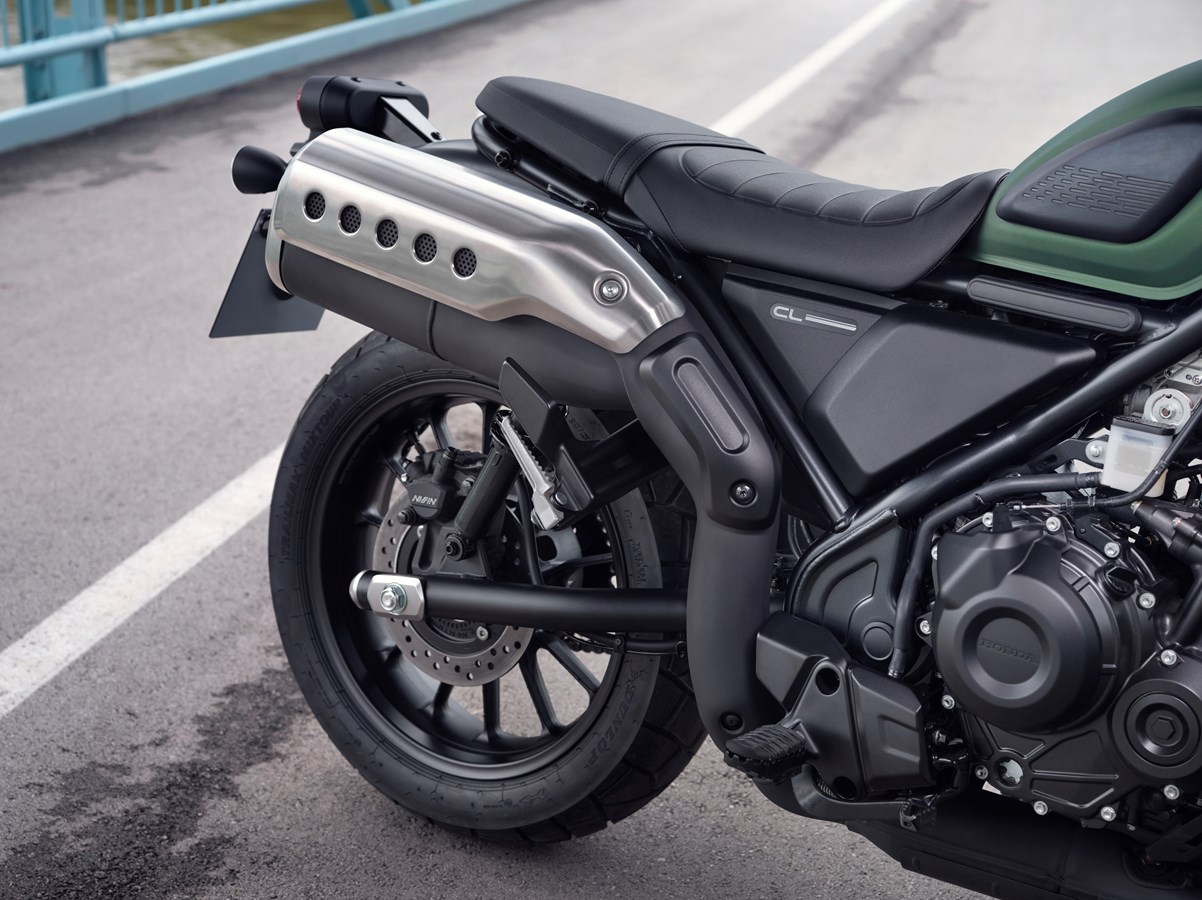
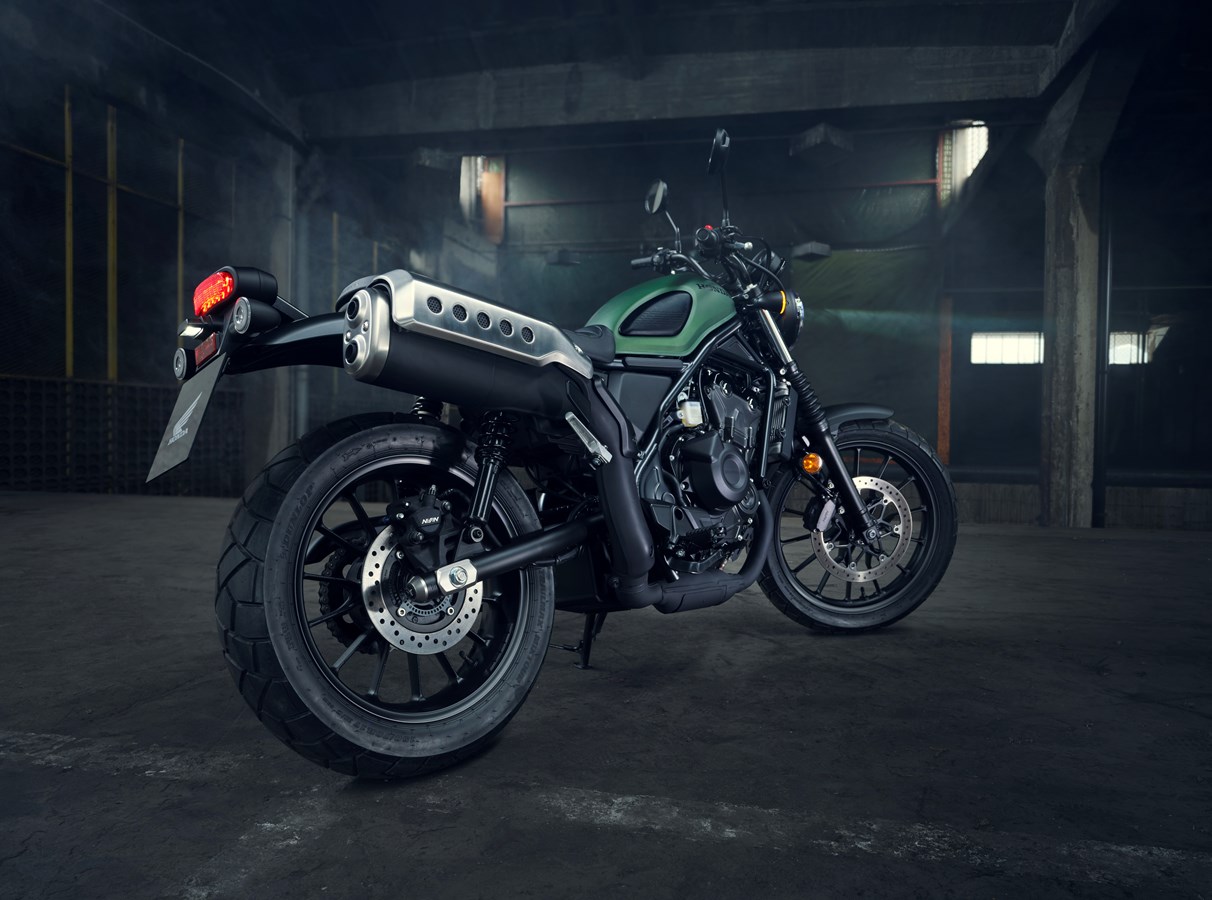
It may look uncomfortably similar to a CMX500 Rebel ‘mock-chop’ (as we used to call them in the 1980s), but I’ve got to say I like the look of the low saddled CL500 Scrambler, no doubt reviving the ‘legendary’ CL twins of the late 1960s. It’s about time Honda did this with the well-proven and super economical 471-cc motor (which is not a characterful 270°, alas). The publicity aspires to the usual hipster/manbun crowd, but for my sort of riding these days (or indeed always) a low-saddled, super-economical motor that will sit at 80mph and deliver 80+mpg while managing gravel tracks, is all I want from a bike.
That’s me, that is
Tank is just 12 litres but helps with a kerb weight of 192kg. Wheels are the 17/19 tubeless alloys like the current 500X; a huge advantage to repairs on road or trail and one less thing to fix. I bet that huge silencer weighs a ton and someone is already making one that isn’t. Seat height – so often a restriction to potential owners – is low at 790mm, 10mm less than my Himalayan which suited me fine. Clearance is just 155mm with front and twin-shock rear travel at 150 and 145mm, with five preload settings out back. Doubtless neither end will be the finest quality suspension to bounce along a road, but what budget stock bike is? It’s easily fixed if you need it.
Heck, it’s that deserted warehouse again!
I suppose all that ‘lifestyle/self-expression’ bollocks must sell bikes – all bikes tbh – but with some suspension upgrades and protection, I can see the 500 Scrambler being a handy real world travel bike with an inclusive [women friendly] seat height, great economy, enough power for the roads of the Global South and of course, Honda’s reliability. For me the key will be the peg-seat-bar relationship, in particular can you stand up in a natural stance for off roading or to air the backside (with help from raisers, if needed), like on a proper trail bike. My adapted XSR, nice though it was, did not really work in that way; let’s hope the CL500 lives up to its Scrambler name.
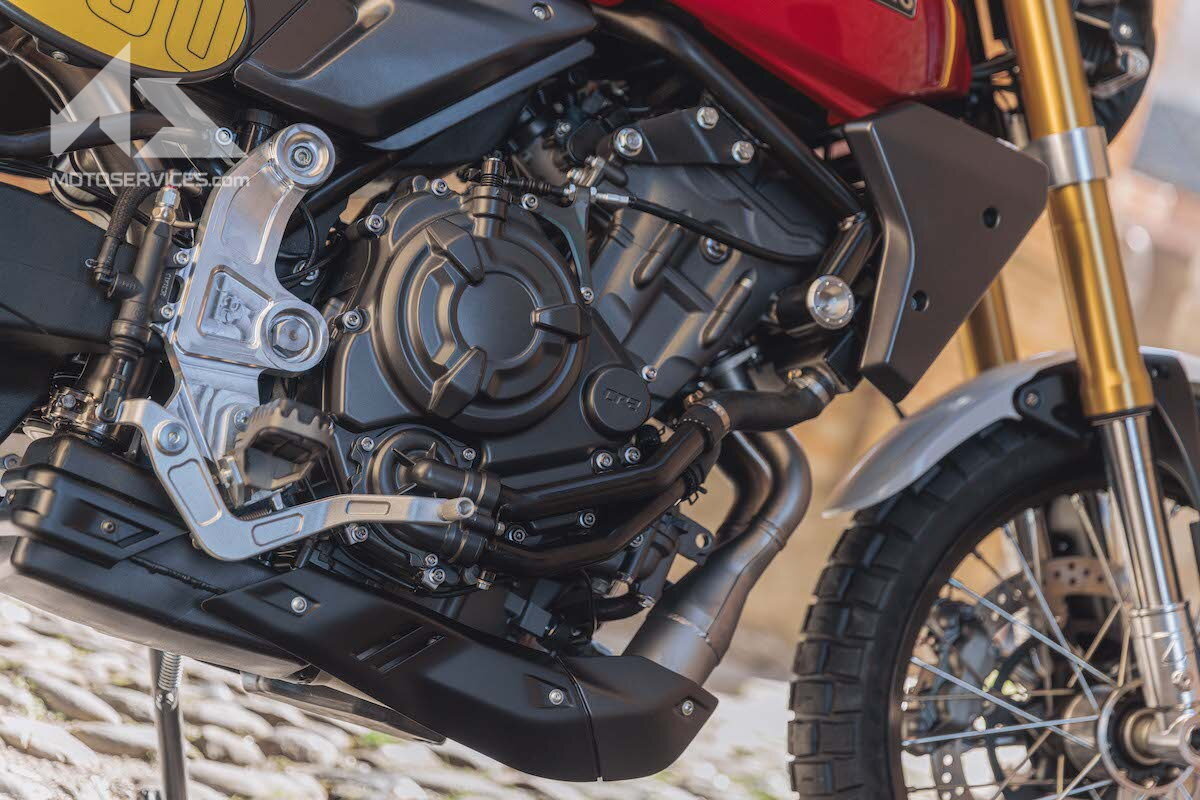
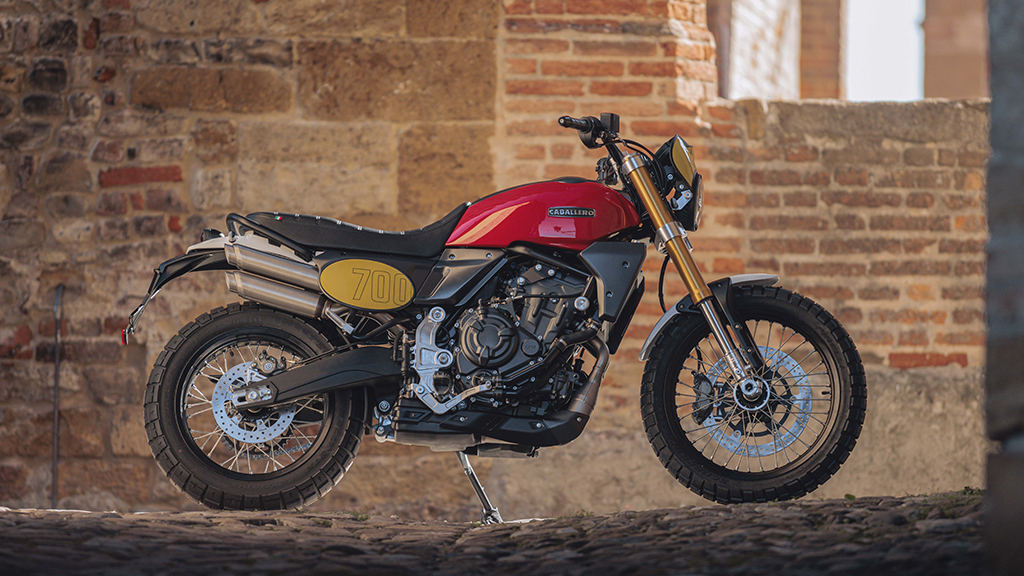
Fantic Caballero 700 Using their brilliant CP2 motor, it’s a shame Yamaha farmed this idea out to Fantic. I guess it’s too close in their model range to the XSR700 which I Caballero-ised a couple of years back. Looks-wise it copies the 500 Cab’s profile I tried one time, with a big, single radial front disc, a14-litre tank and wheels at 17/19 but probably tubed. Unlike the XSR, it gets the usual engine and traction electronics, too. Not much info out there yet but they say it weighs 180kg which has got to be dry. It will cost €10,000 next spring. There’s an Enfield 650 Scrambler on the way too; the more the better I say. Scramblers are to do-it-alls of biking, which happen to look great, too.
Yes you have to pedal it (and probably transport it), but once you reach an age when you can’t tear around on MTBs like you used to, but recognise that you must ‘use it or lose it’ to maintain good health, an e-MTB can open up a huge range of trails in Britain’s wilder corners that you can’t legally ride on a trail bike.
“It had been a darn good work-out and revealed a whole new way of enjoying the UK countryside.”
When it wasn’t a job, motorcycling to me has long added up to travel and trail riding. Ideally a bit of both. In the late 70s it was the limited opportunities for trail biking in the UK (compared to say, the western US) that drove me to the Sahara in the first place. I can’t imagine UK access to green laning has got any better since.
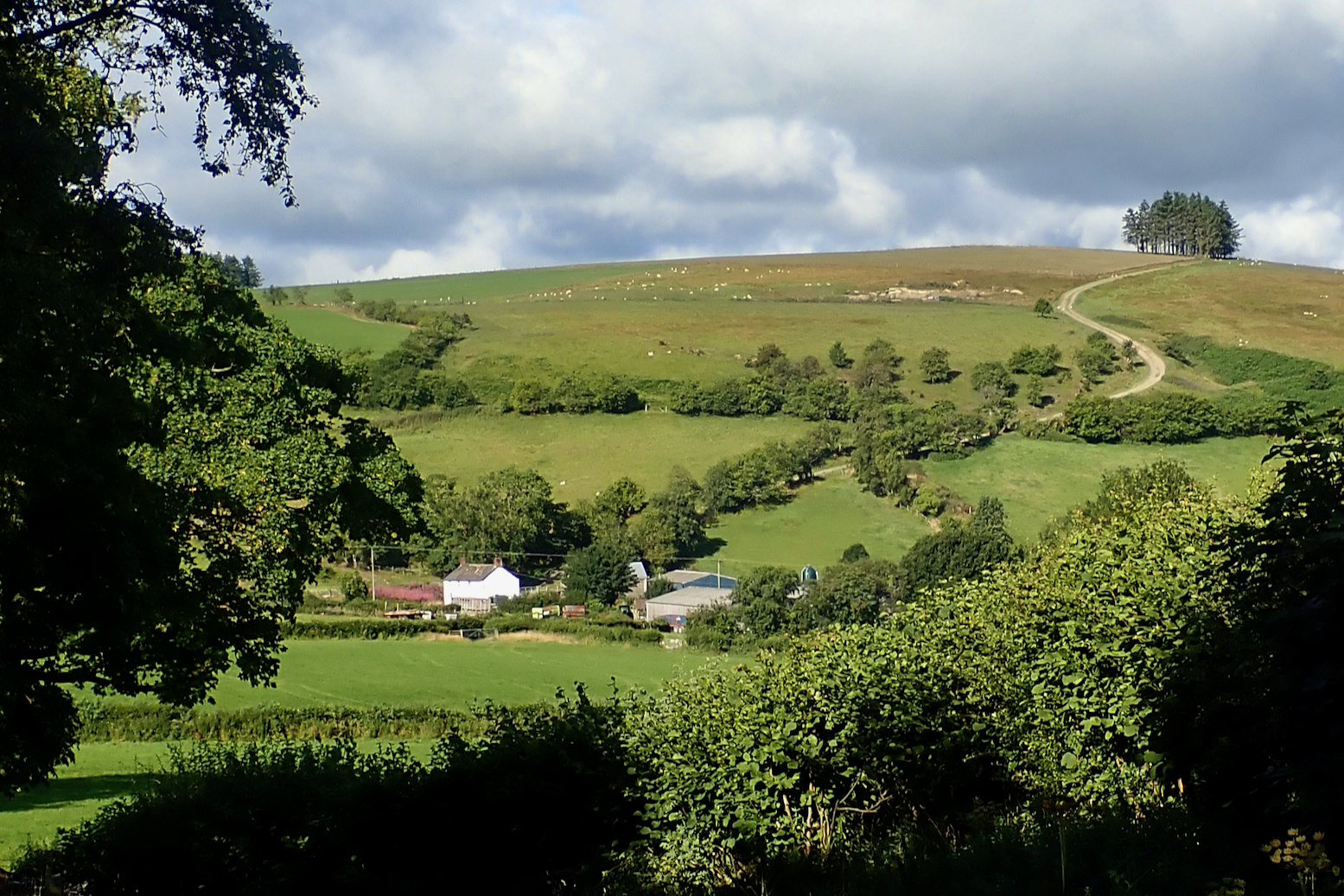
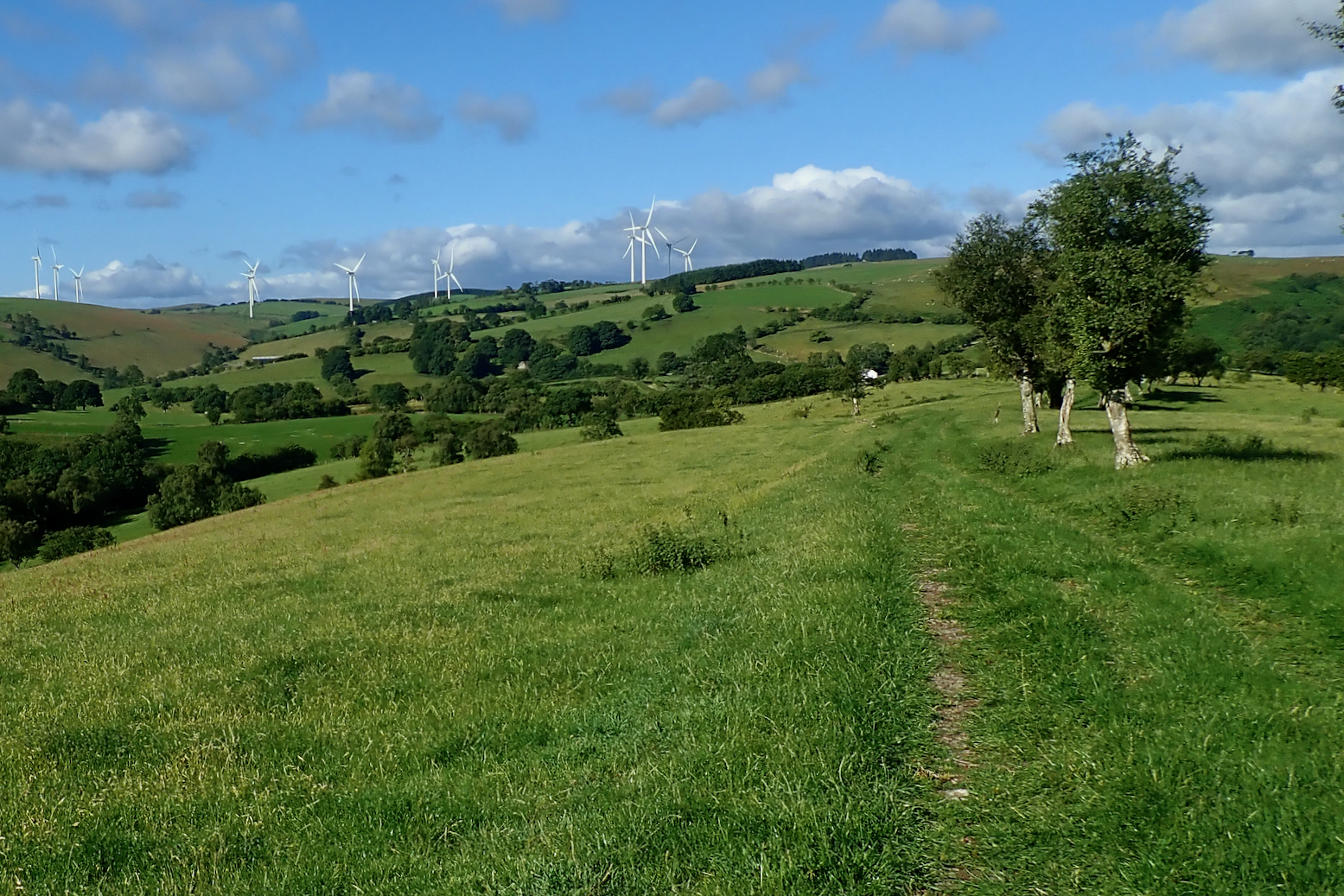
It may not be Algeria, but mid-Wales is a much overlooked and sparsely populated area of hill farms and old droving roads. With John, a guide from the nearby Yamaha dirt school, in 2016 we spent a great couple of days out of Llanidloes riding backroads and trails, me on my WR250R. And way back in I981 I remember my first proper enduro south of there on a lame KLX250.
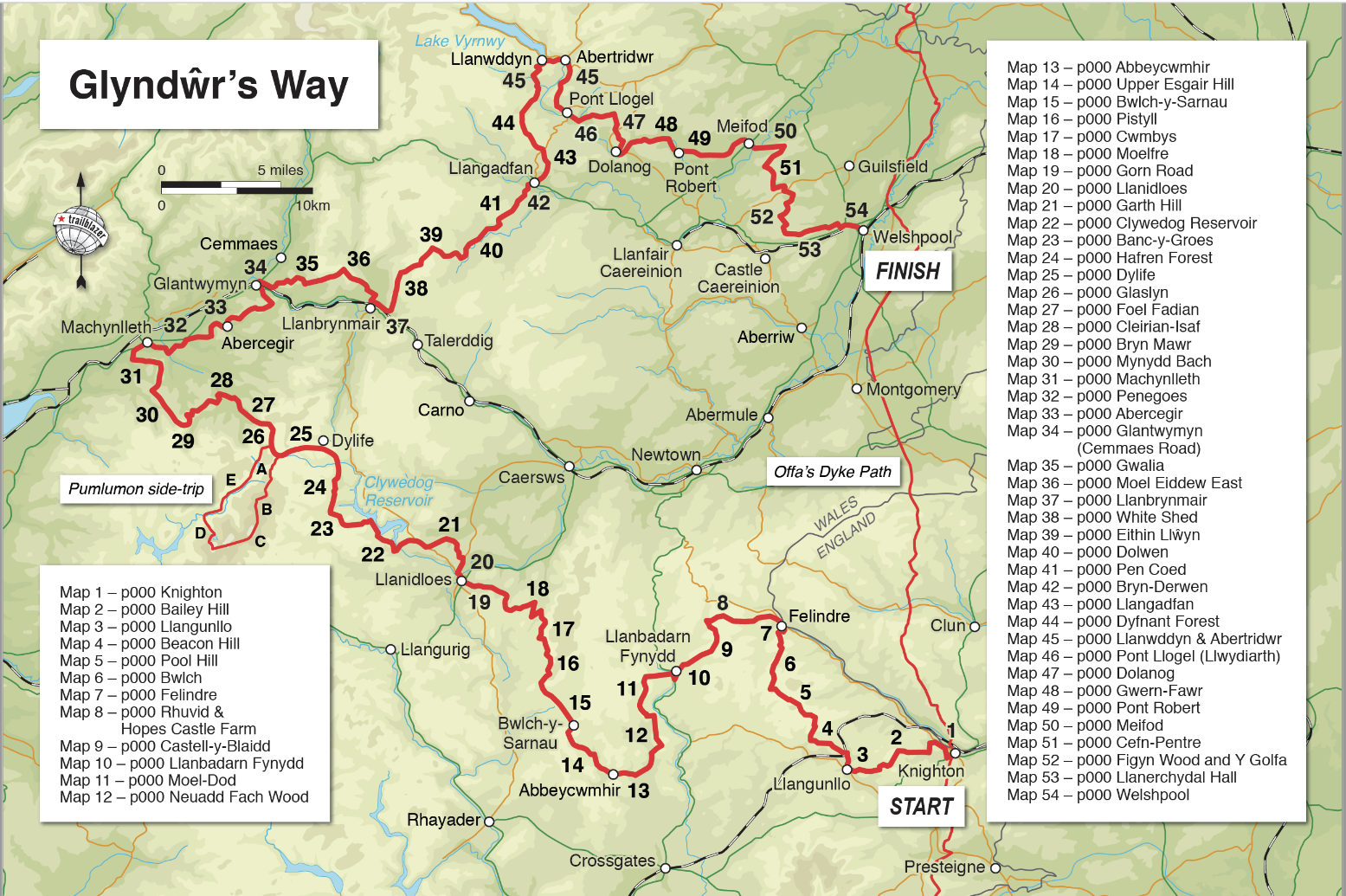
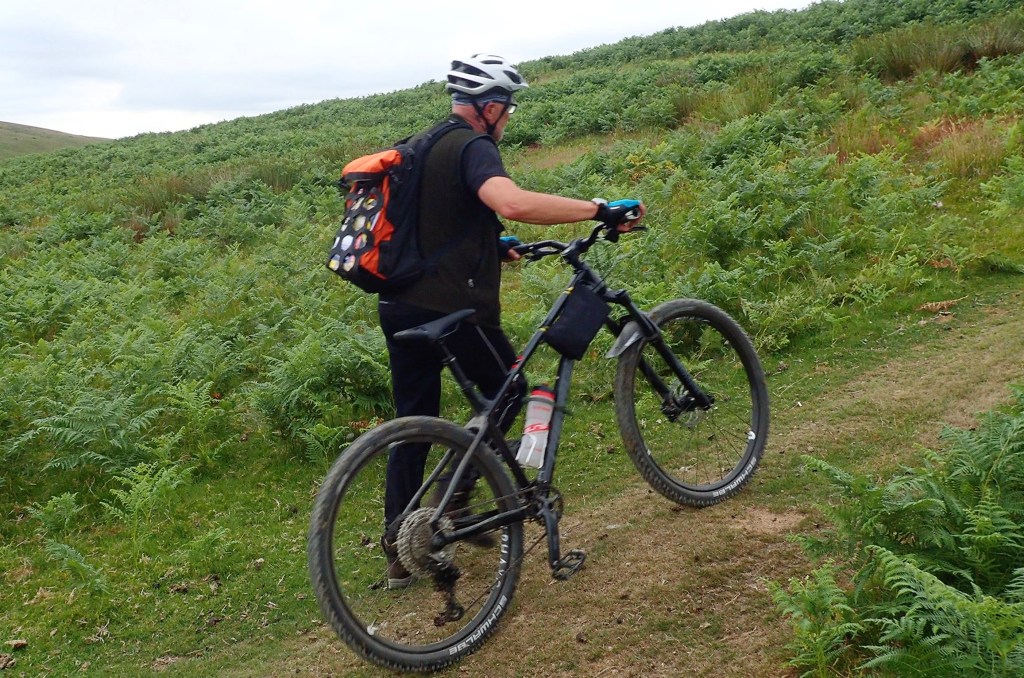
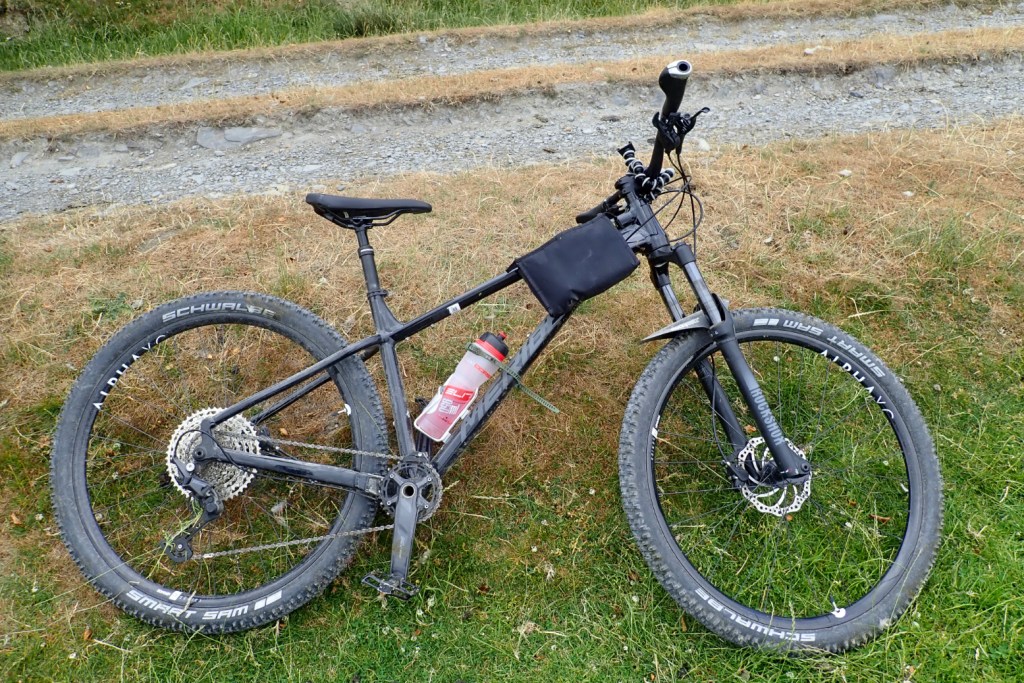
Traversing that region is the Glyndwr’s Way (right), a 134-mile National Trail no one’s ever heard of. It crosses Powys, Wales’ biggest county but with the population of Canterbury. Walking the 9-day route for a new guidebook back in March 2022, I clocked loads of sections that would’ve been a blast on an MTB. So in August I came back on my Merida hardtail MTB. With new guidebooks like this, it takes a couple of passes to get the mapping and detail right, and a pushbike sped up the job and so saved a bit of money.
Kashgar
And a blast on my Merida Big Trail 500 I did have, even if it was no lighter than the Specialized Stumpjumper I bought way back in the mid-1980s. Like most people, I’ve owned MTBs pretty much no-stop since that time. In 2007 we cycled the Karakoram from China to the Hindu Kush, then came back the following year to do the Himalayas (video below). Compared to motos, cycle overlanding is so simple: fly a bike in (or buy used in China, like I did); no paperwork, simple mechanics and when you get puffed out at 5000 metres on the way to Tanglang La, sling it in the back of a passing lorry.
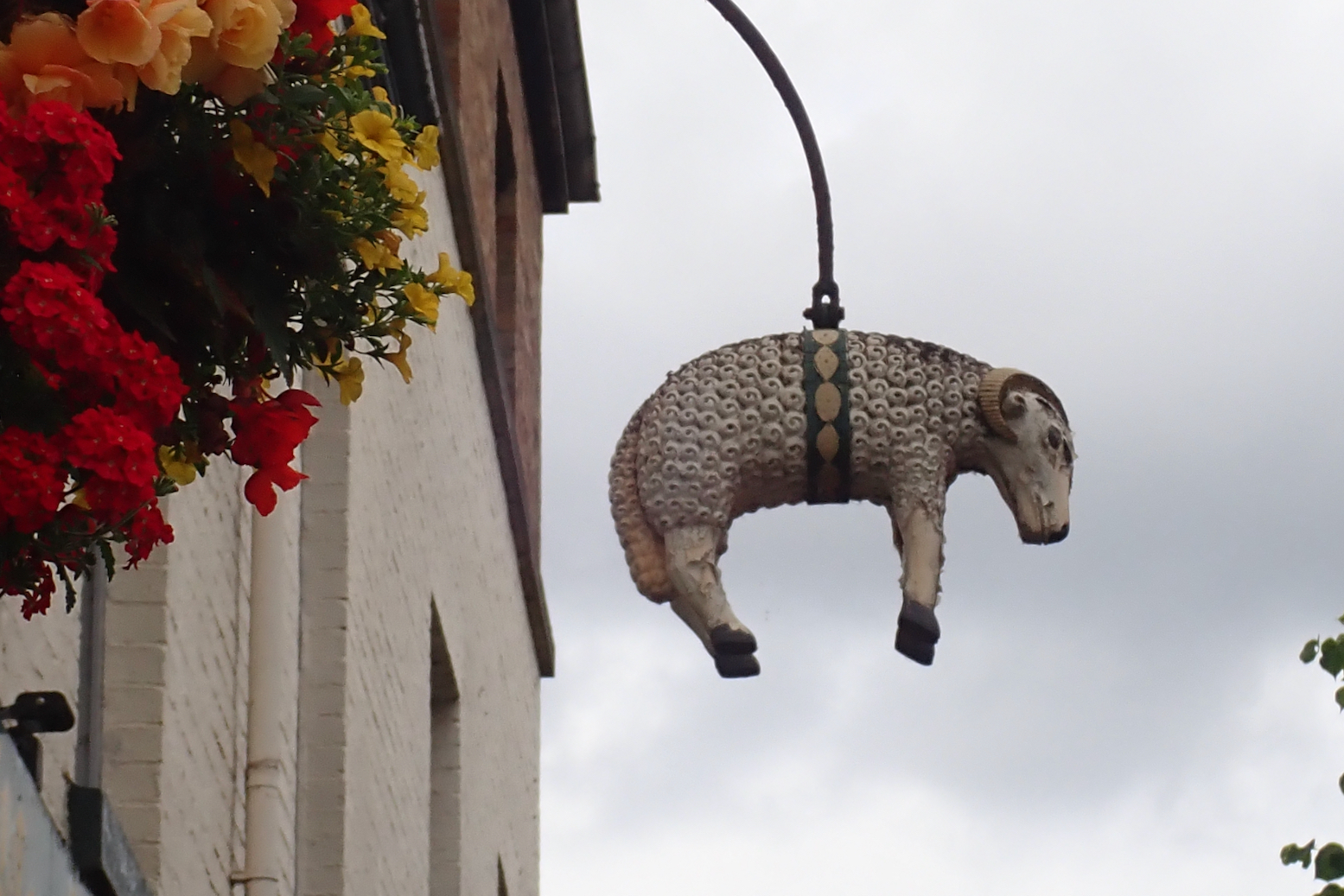
Do sheep dream of electric sheep?
But guess what! I’m not 45 any more and hardtailing the Glyndwr’s I soon remembered cycling up a rough trail consumes loads much more energy than simply walking. Soon I ended up feeling like a hung sheep.
Makes sense to me!
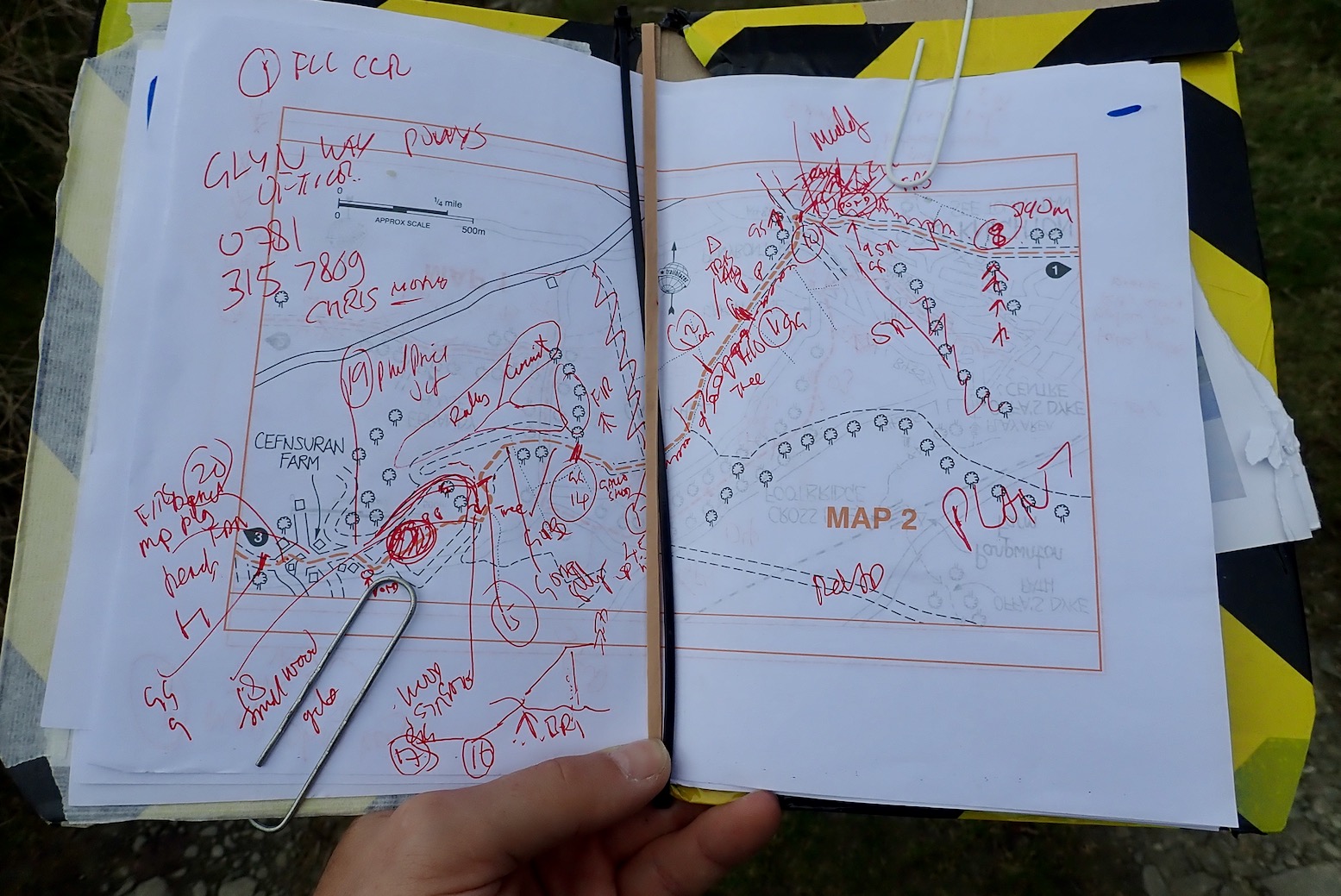
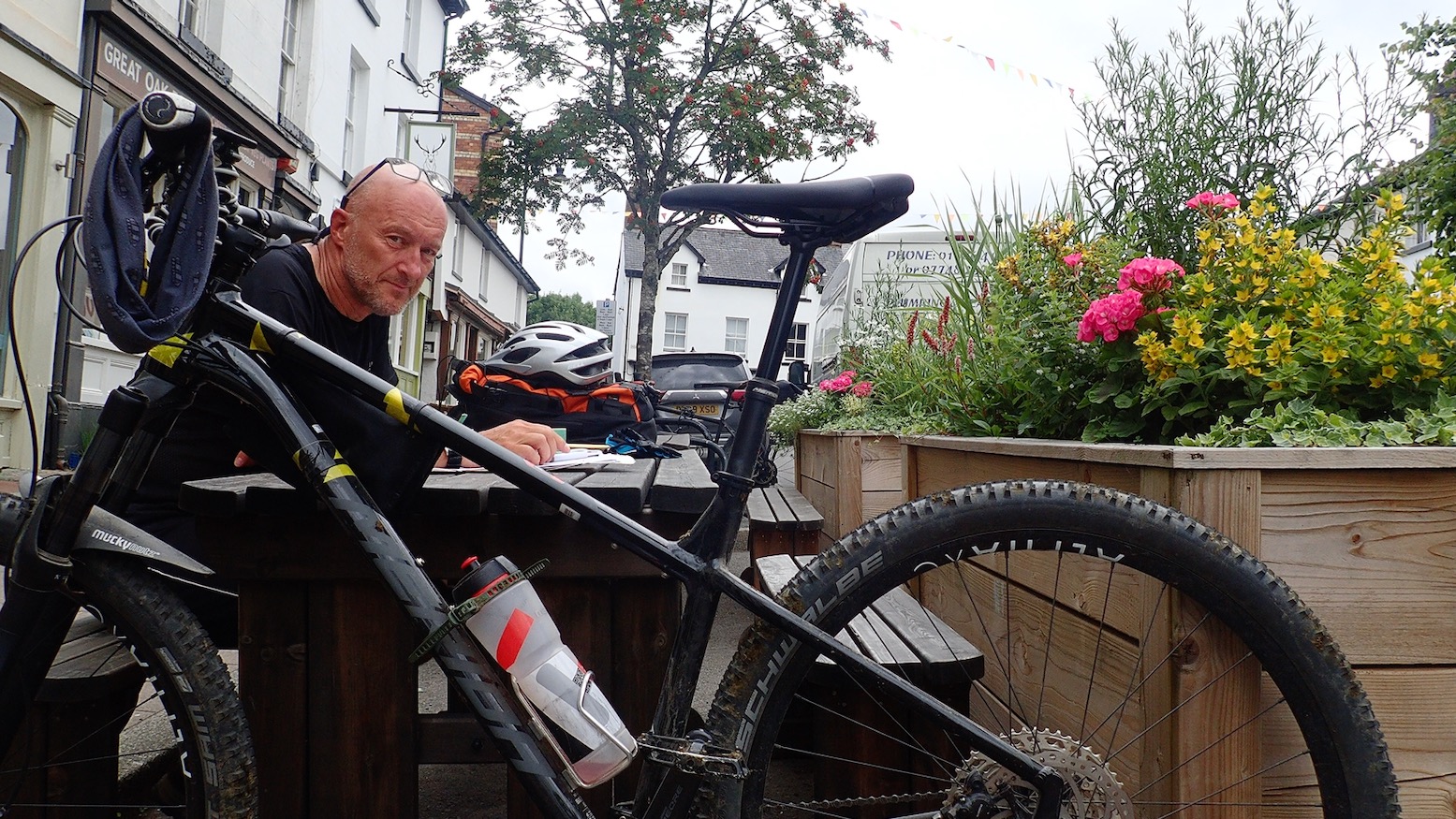
My time and money saving plan to cover two typical 15-mile walking days in one soon got stretched, not least because I have to stop constantly to annotate the maps (right) and negotiate the endless gates. On the Glyndwr’s it’s around 15 miles of nothing to get to the next lodgings and with no public transport to speak of.
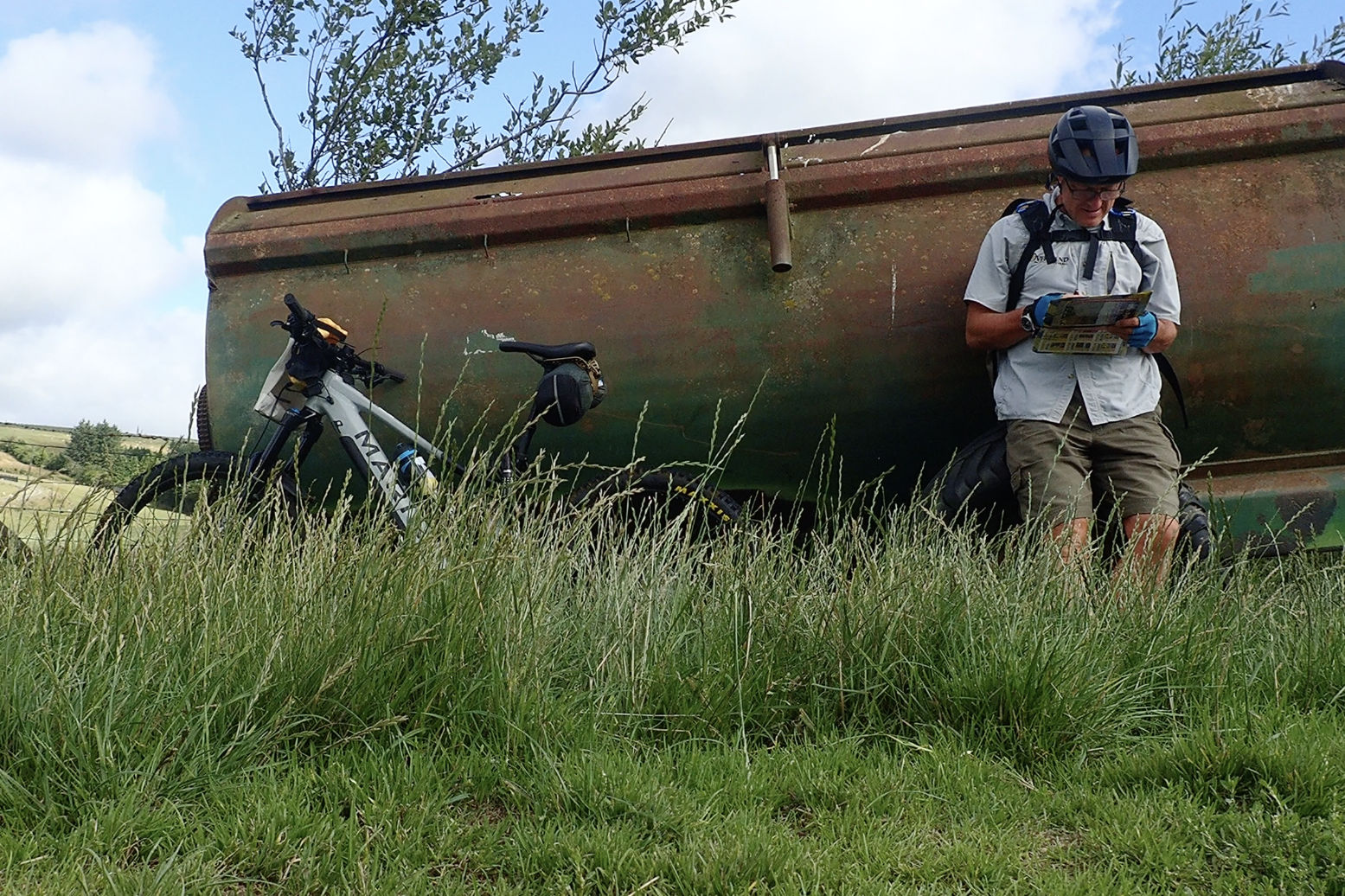
I ticked off a couple of the walk’s nine stages, then realised this wasn’t going to work so left the Merida at Nick Sanders‘ place near Machynlleth (left) where I was doing a moto talk later that month. Then I thought again about renting an e-bike. With a bit of help I could achieve my two-days-in-one target plus enjoy trying out e-bikepacking.
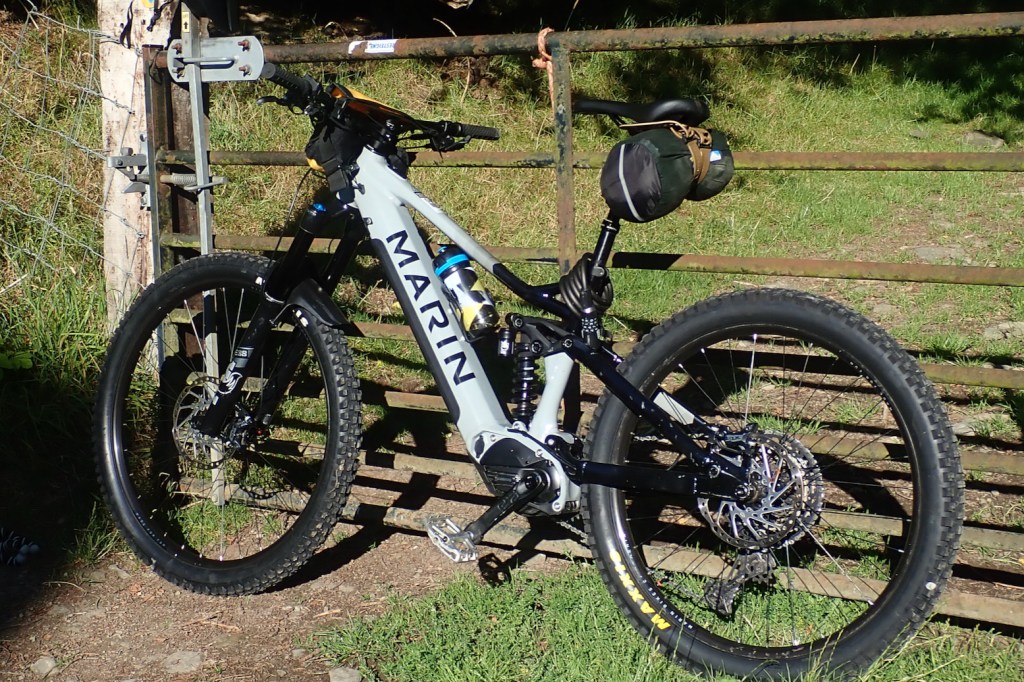
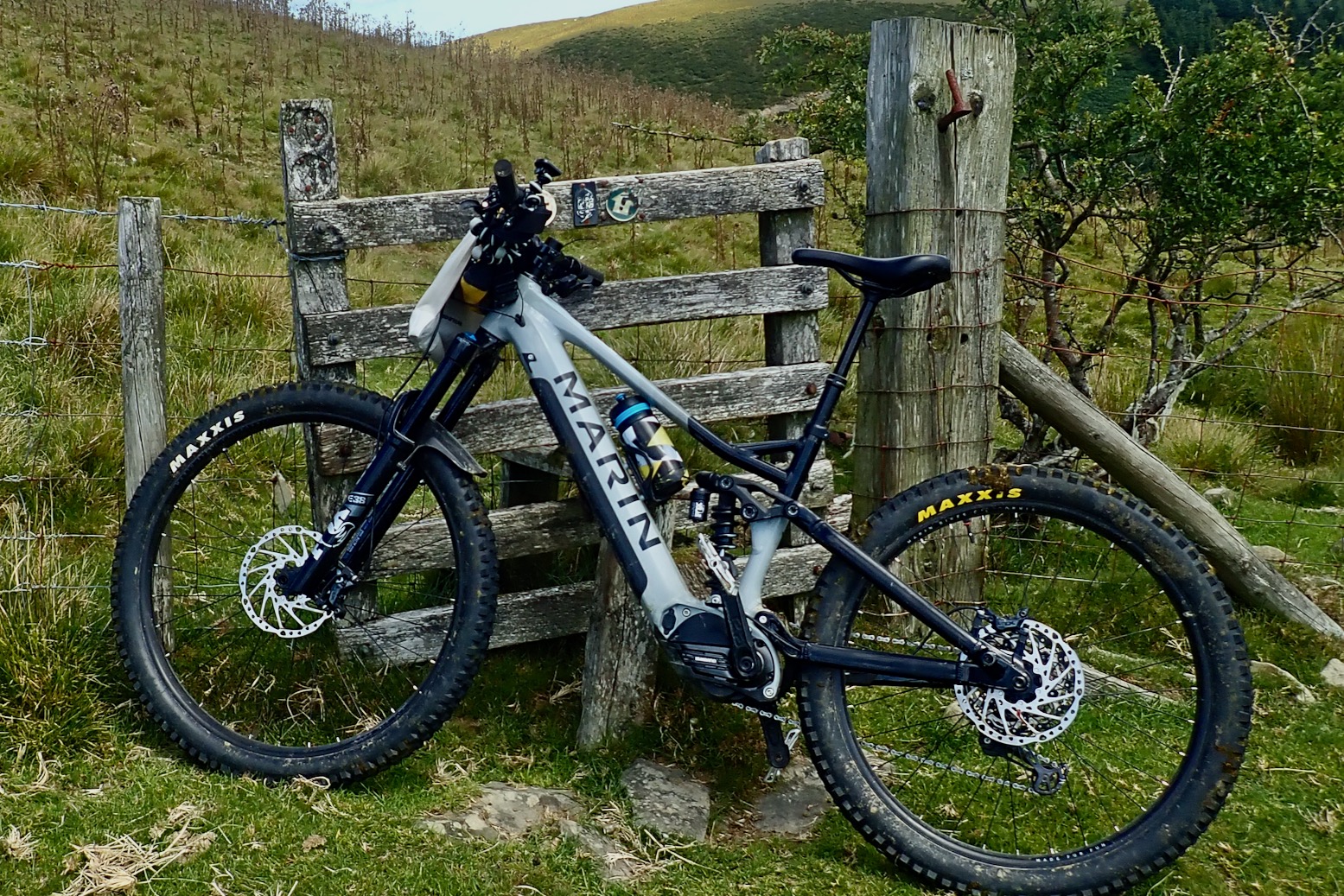
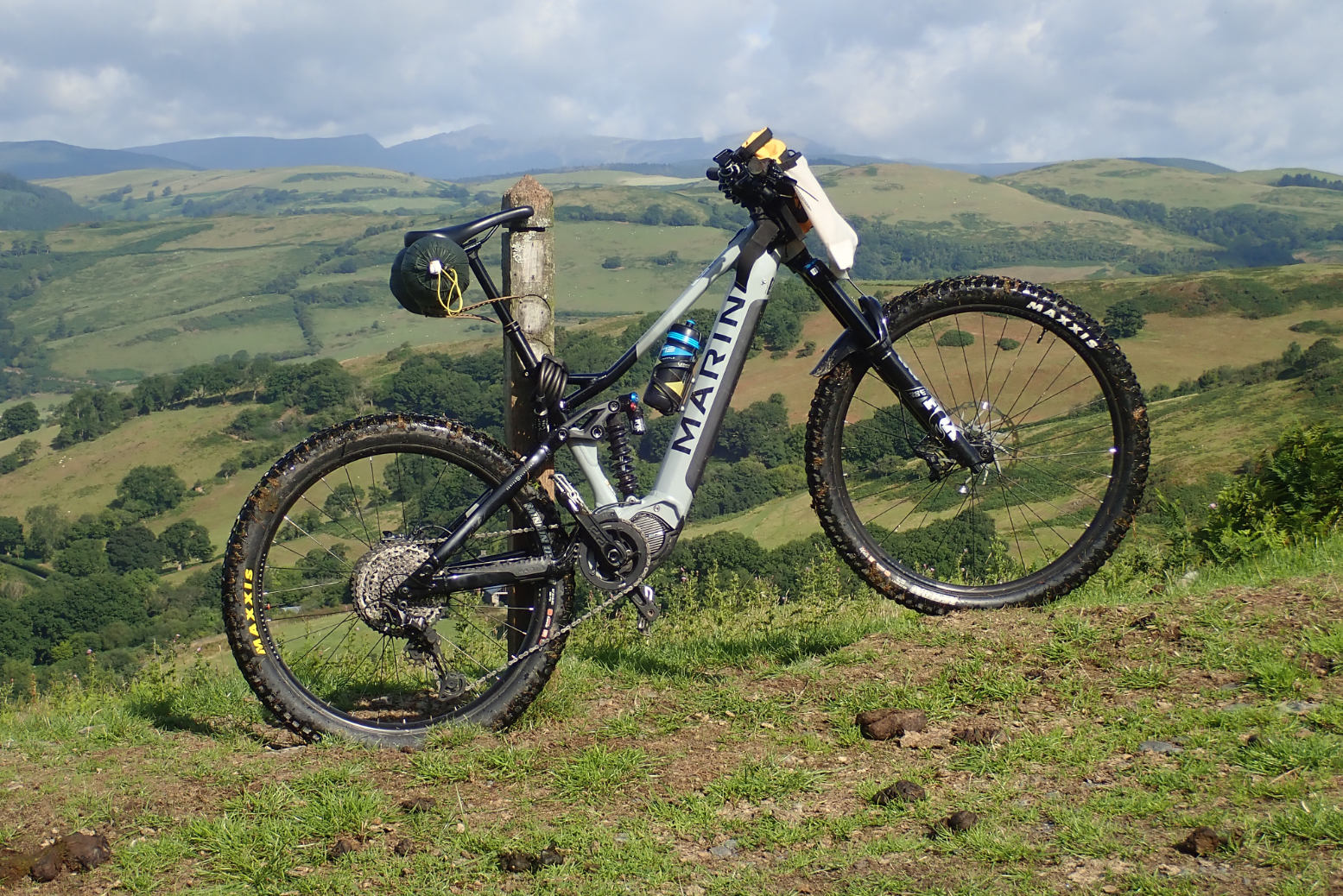
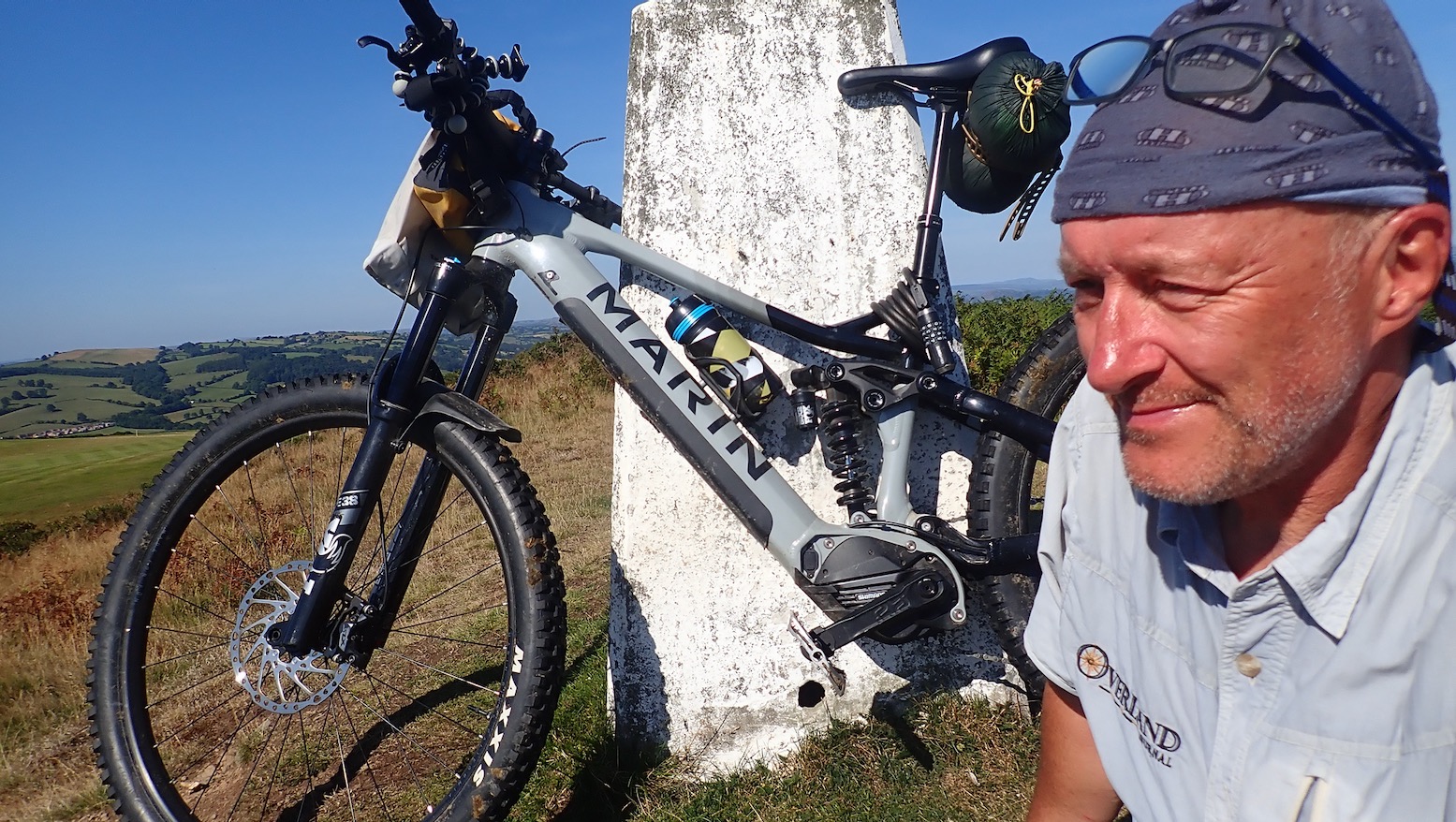
Range anxiety Most e-MTB rental places want you to go round and round their closed courses, but I found a go-where-you-like outfit in Hay, 38 miles from my start in Felindre, on the English border. Leaving it all a bit late, all they had left was nearly six grand’s worth of Marin Alpine Trail E2 in Large, when I’m more of an XL. The full suspension was a bit of a novelty, as of course was the latest Shimano EP8 motor. It gave three levels of pedal assistance: Eco, Trail and Boost and claimed up to 60 milesof range.
Clean and fully charged Marin – not for long
With my gross weight of 105kg with gear and intended use, I translated that to 40 real-world miles, and soon I was huffing and puffing along hilly back roads from Hay to Felindre. Sticking resolutely to Eco until I knew better, the reality of e-pedalling soon became clear: climbs are far from effortless – when it’s steep you have to give it some welly, even with 12 gears.
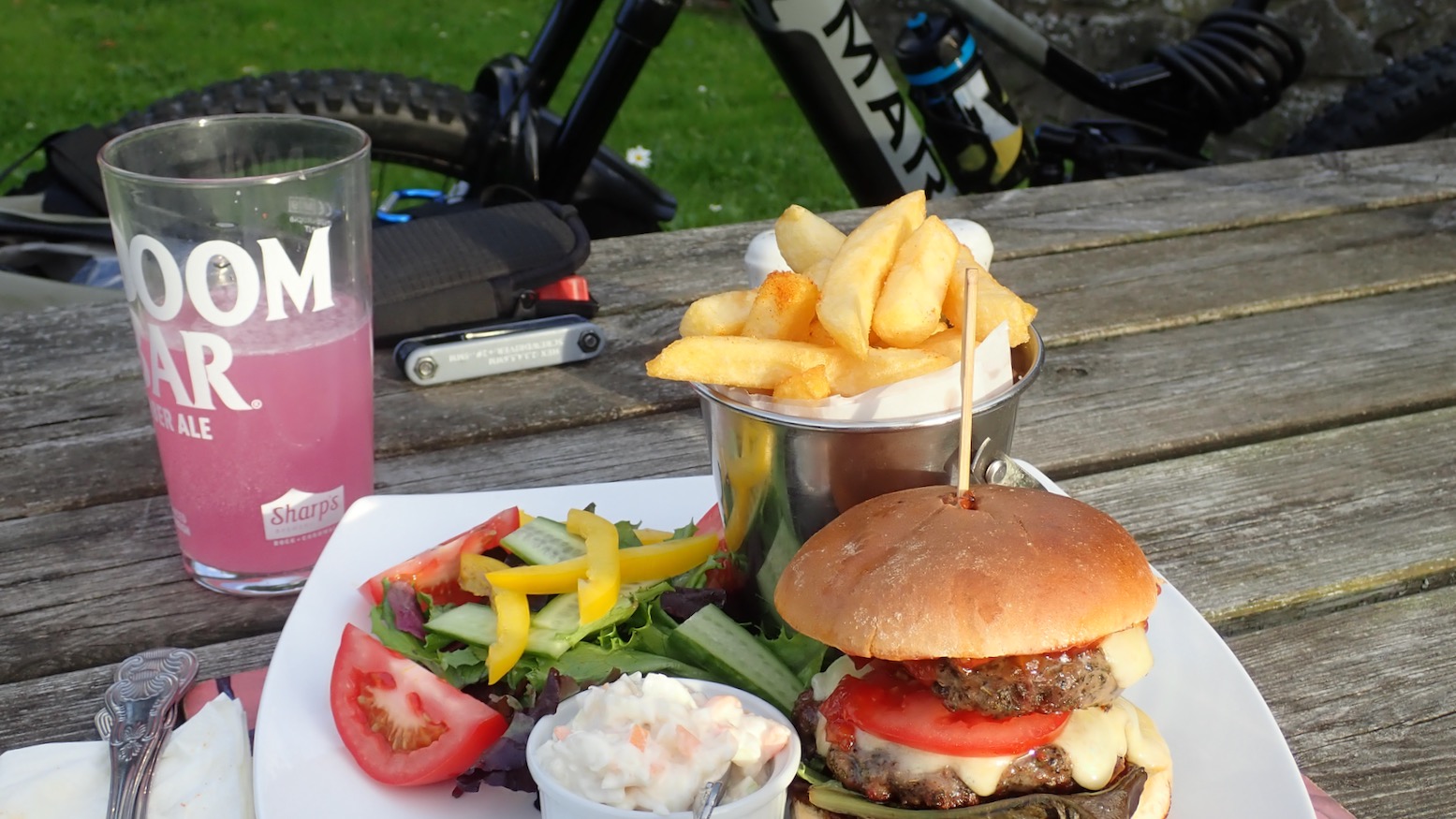
According to UK laws, e-assistance cuts out at 15mph but despite the knobblies I still managed to hit over 40mph on some longer downhills. After a fat-tyre dinner at the Radnorshire Arms in Beguidy (left), I camped in Felindre (the only place which charged for an overnight charge), ready next day to cover about 35 miles on road and trail to Abbeycwmhir and beyond Llanidloes to a B&B on the far side of the Clywedog reservoir.
Keep the white power bar off the spikeThe winding trail of Glyndwr
Stile. You can do this…
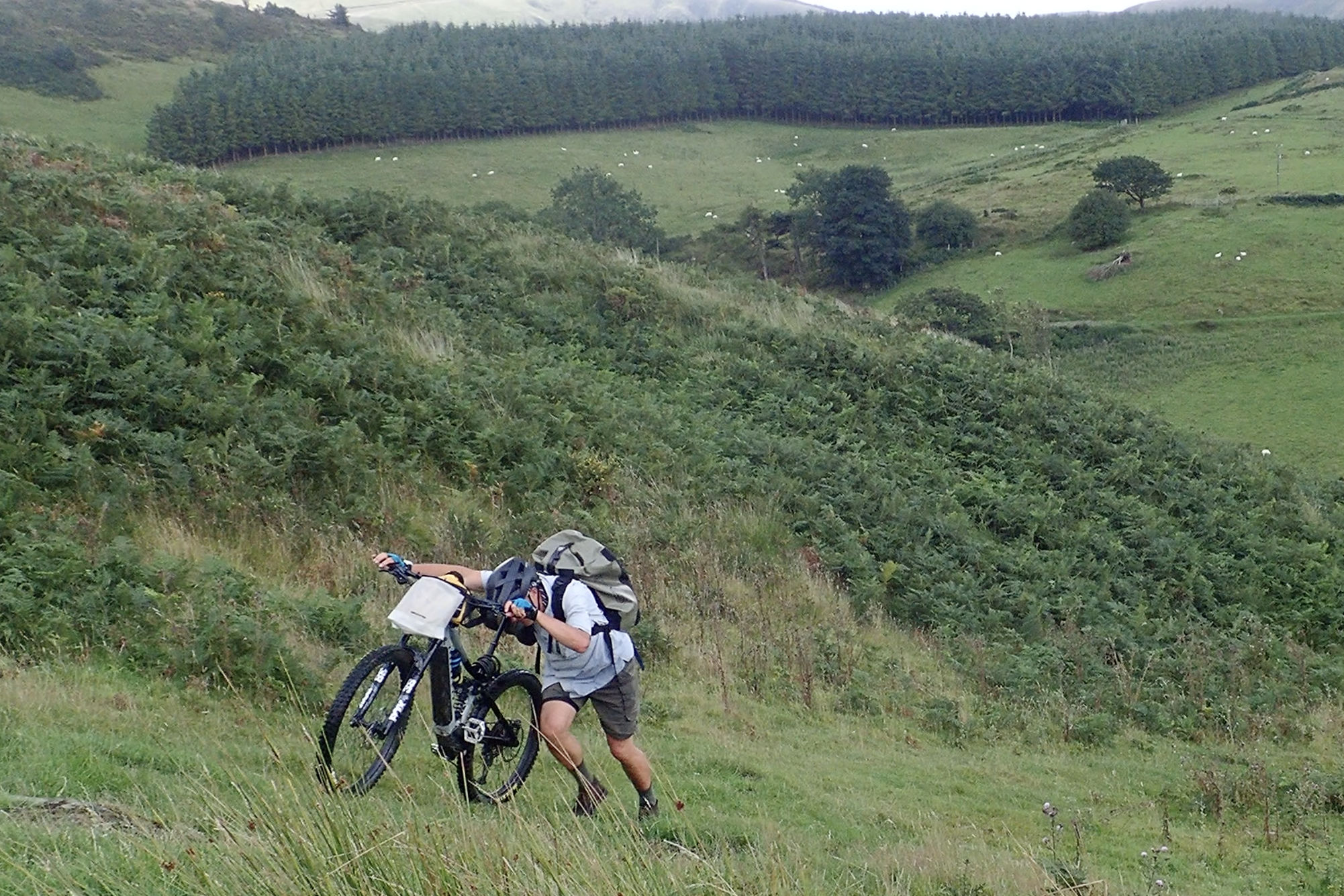
One good thing about having previously walked the trail was that good or bad, I knew what to expect. And one of those good and bad things was there are very few stiles (left) on Glyndwr’s Way. Lifting 25 kilos of Marin without damaging it or yourself soon takes it out of you.
Managing the Economy I was warned that engaging ‘Boost’ would kill the battery, and that switching off on smooth flats or long downhills (to save battery) could temporarily boggle the electronics. Initially I was over worried about ending up pedalling 30+ kilos of flat-batt bike on the dirt, though of course that’s exactly what we did in the Himalayas once you factor in baggage weight. So for the first few days I only blipped into ‘Trail’ mode for a few minutes a day and never used Boost.
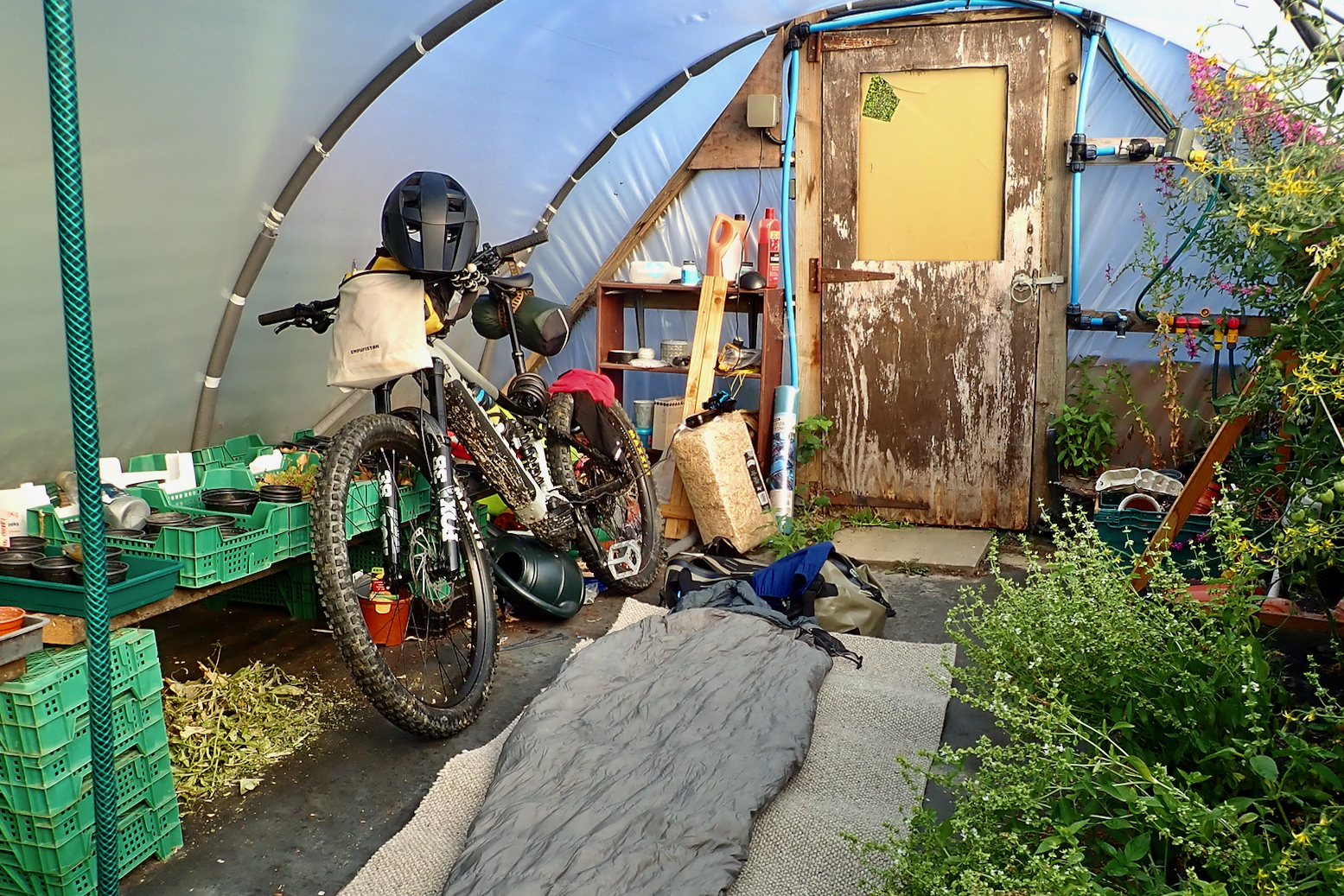
Arghhh Got the B&B date wrong – but there was room (and a wall plug) in an aromatic polytunnel
Nick Sanders in Finland
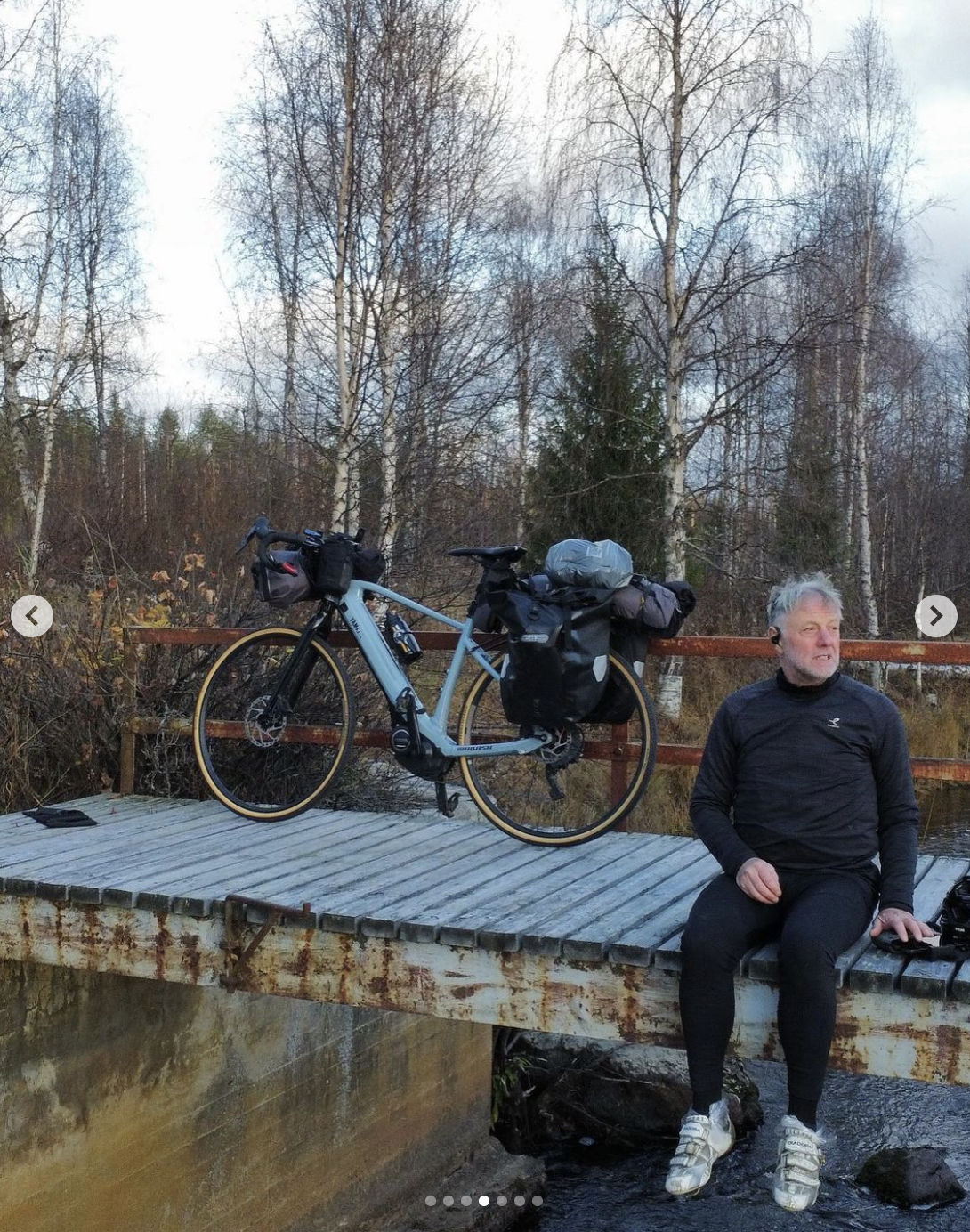
That evening I reached my remote B&B with one bar flashing and pretty knackered, even though it had been 60% hilly roads. In my rush to plan this trip, I got the date wrong so ended up sleeping in a polytunnel out back. On reason I was stuck here (the next possible place was 5 hilly miles) was that this £6k bike only had a slow (overnight) charger, not the ‘1 hour for 80%’ fast charger I’d read of somewhere. You plug it directly into the motor, through the downtube battery can be removed with tools. Imagine the game changer fast charging would be. As well as being able to switch off reliably. Though realistically 30 full-on off-road miles is all you could cycle in a day, on the road you could do 30-40 miles, recharge over a leisurely lunch, then do the same in the afternoon. In fact Nick Sanders is doing that right now from Nordkapp to Gibraltar on one of Yamaha’s new Wabash e-bikes.
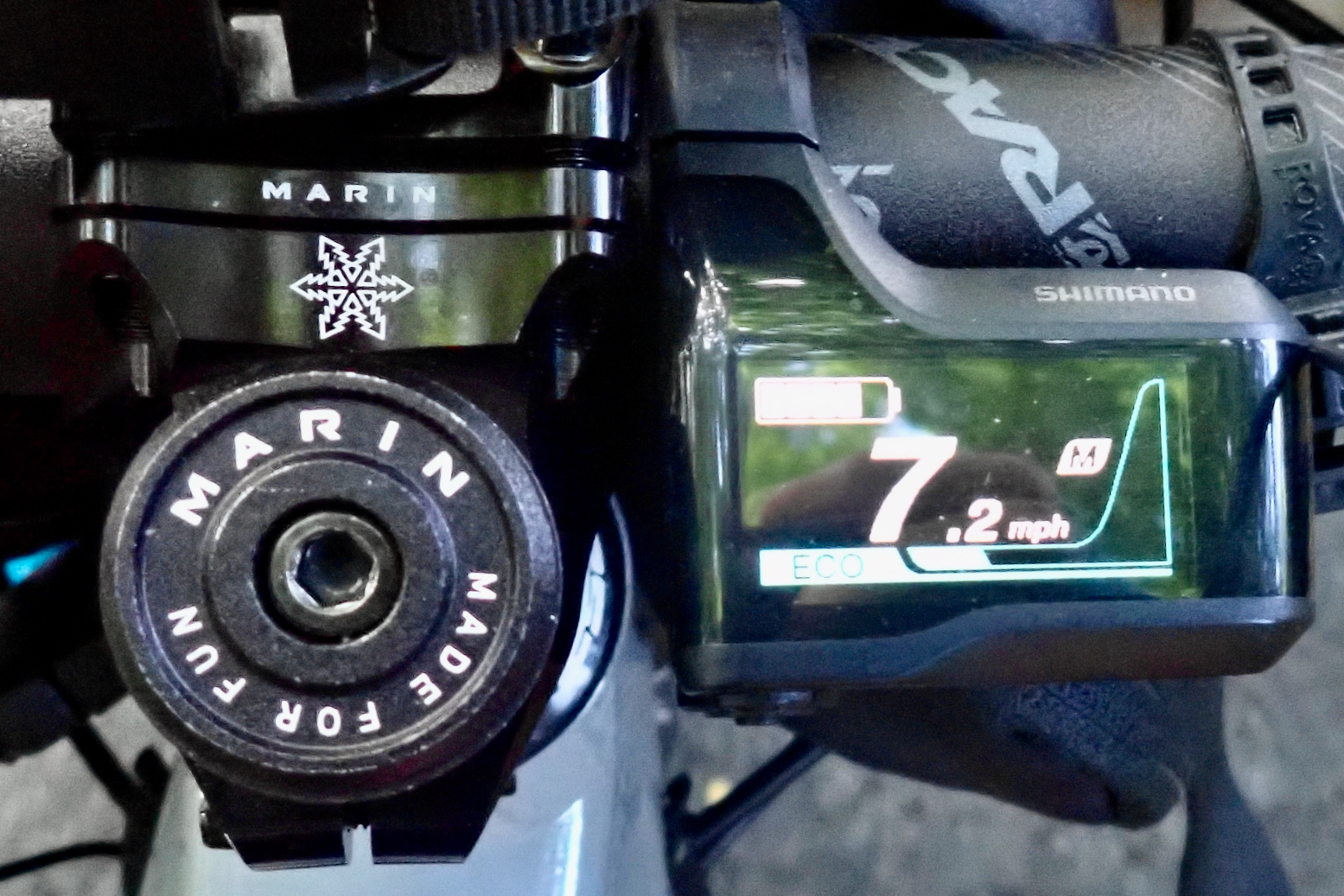
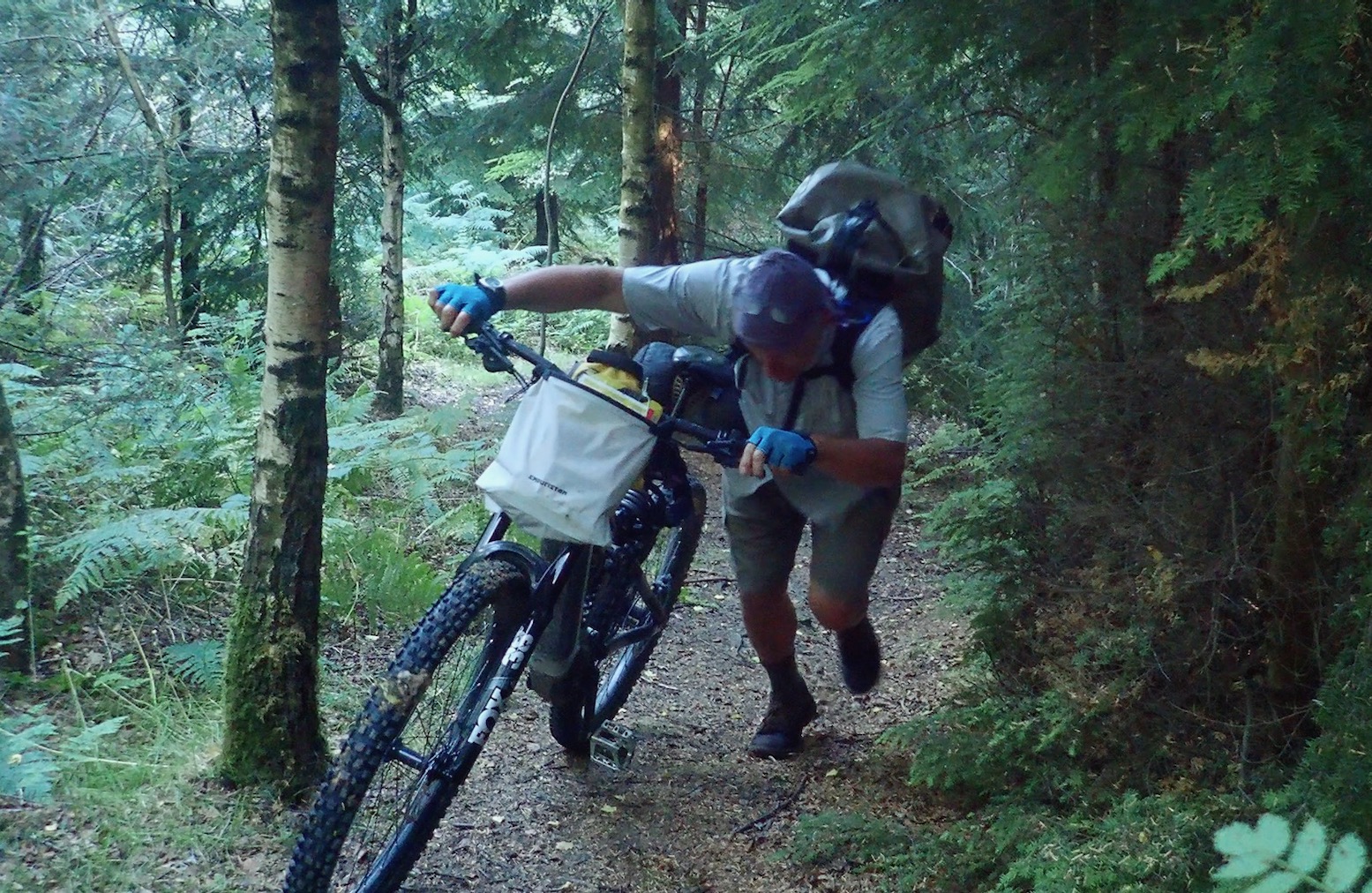
Walk-Assist Mode One huge annoyance I blame on both Marin’s online blurb, bike manual and the bike rental place is there’s no mention of walk-assist mode – a ‘hand throttle’ you can use to help push the bike up steep or rough slopes that are barely rideable or are too battery-devouring. Without it, many times I ended up pushing the bike like Chris Bonington on Annapurna: stagger 5-10 paces; rest; stagger 5-7 paces; rest… Only on the very last day did I accidentally nudge the toggle switch into walk-assist which popped up on the display. But I didn’t know (or was too knackered) to know what had happened, so struggled on upward. That really would have eased my week on the Marin, along with being able to rely on the seat post dropper which was set right on the limit for my leg length and tended to collapse (ruining my Exped sleeping mat on the rear tyre). An Xl sized bike may have dodged that.
Walk Assist explained
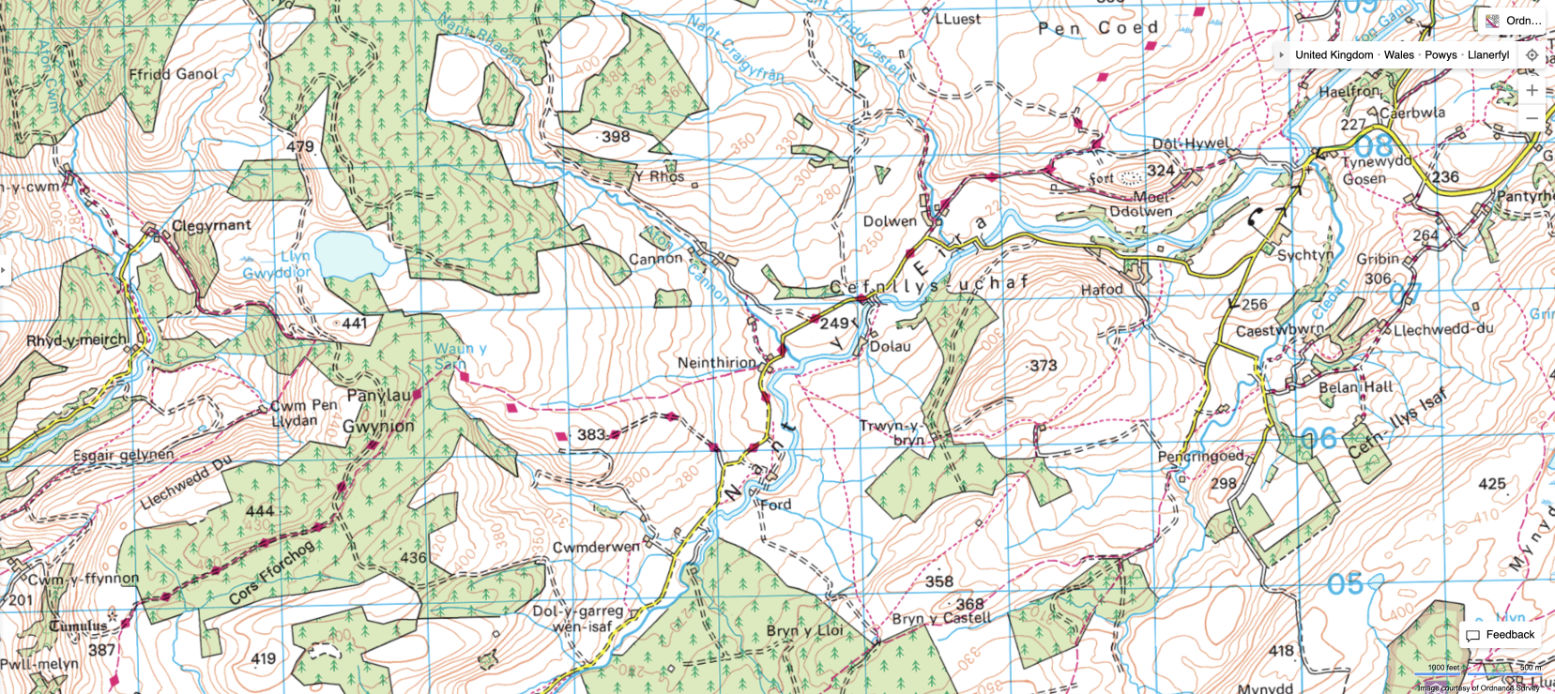
In fact, even with e-assist, 30 miles a day got a bit much for me after a while. Stage 6 out of Mach was 80% trail with no less than 70 gates to Llanbrynmair (LBM). By the time I got there, overdid lunch and chatted with a very rare GW walker, I realised I probably didn’t have it in me to navigate the 11 miles rising steeply up onto the tussocky moors and over to Llangadfan. Instead. I took a lovely road ride to pick up the GW in the Nant yr Eira valley, then backtracked next day from Llangadfan back to LBM with no baggage, to tick off the missing section – much more fun!
The heavenly valley of Nant yr Eira east of Llanbrynmair. Check it out next time you’re there.
I was now getting the hang of optimising the bike’s economy and came in off that 30-mile day still with 3/5 bars. I even treated myself to a spot of turbo Boost but was surprised how little it did, compared to switching from Eco to Trail (but see comment from Ian, below). Time it right in the right gear and Trail really can feel like the hand of god giving you a gentle but firm push uphill.
No overnight clobber – much more fun!
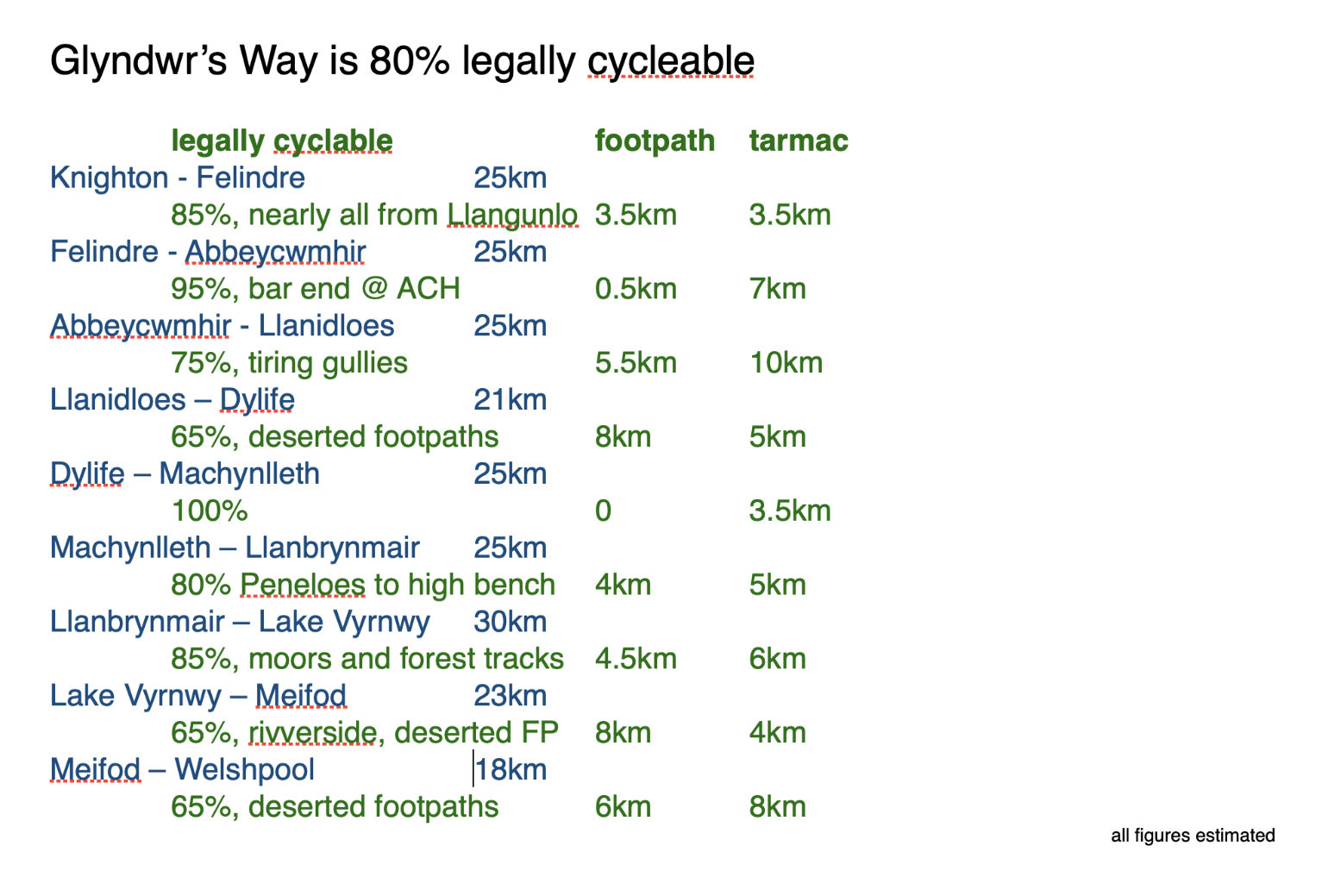
About UK Rights of Way Just as motos must stick off-road to the few remaining byways, BOATs etc, pushbikes and horses cannot ride footpaths and must stick to bridleways and the above. Glyndwr’s Way switches constantly between footpath and bridleway (plus tracks and backroads. The GW is 27% asphalt and is 80% legally cyclable – in other words only 20% is footpath.
Regarding that 20%, while I agree that in the congested Peaks or the Lake District riding footpaths would be bad form and is in fact a civil wrong or tort – in the lost paradise of mid-Wales I rarely saw anyone anywhere, and when I did, none batted an eyelid as they’d rightly have done had I been on a cackling WR450 dressed like a transformer.
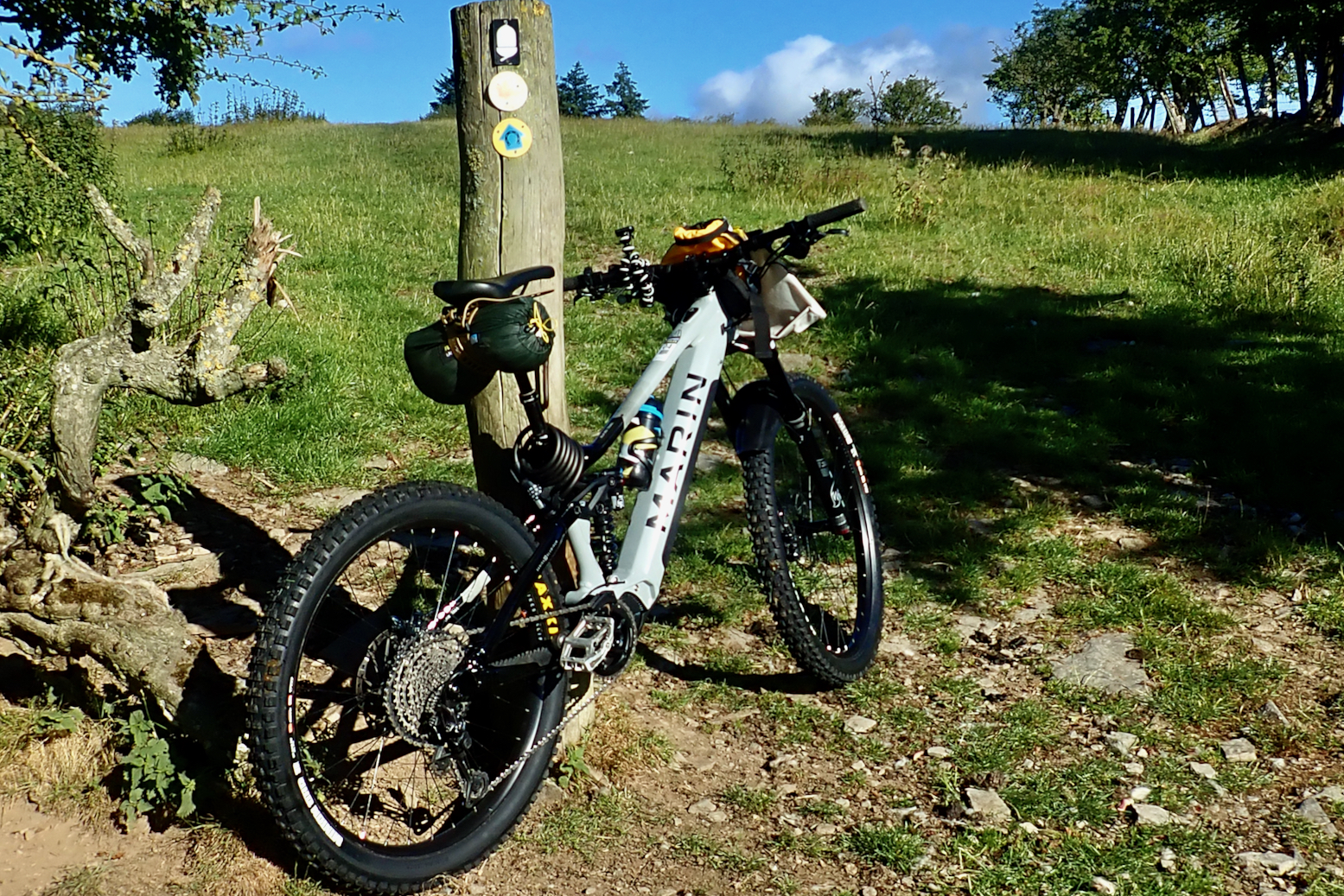
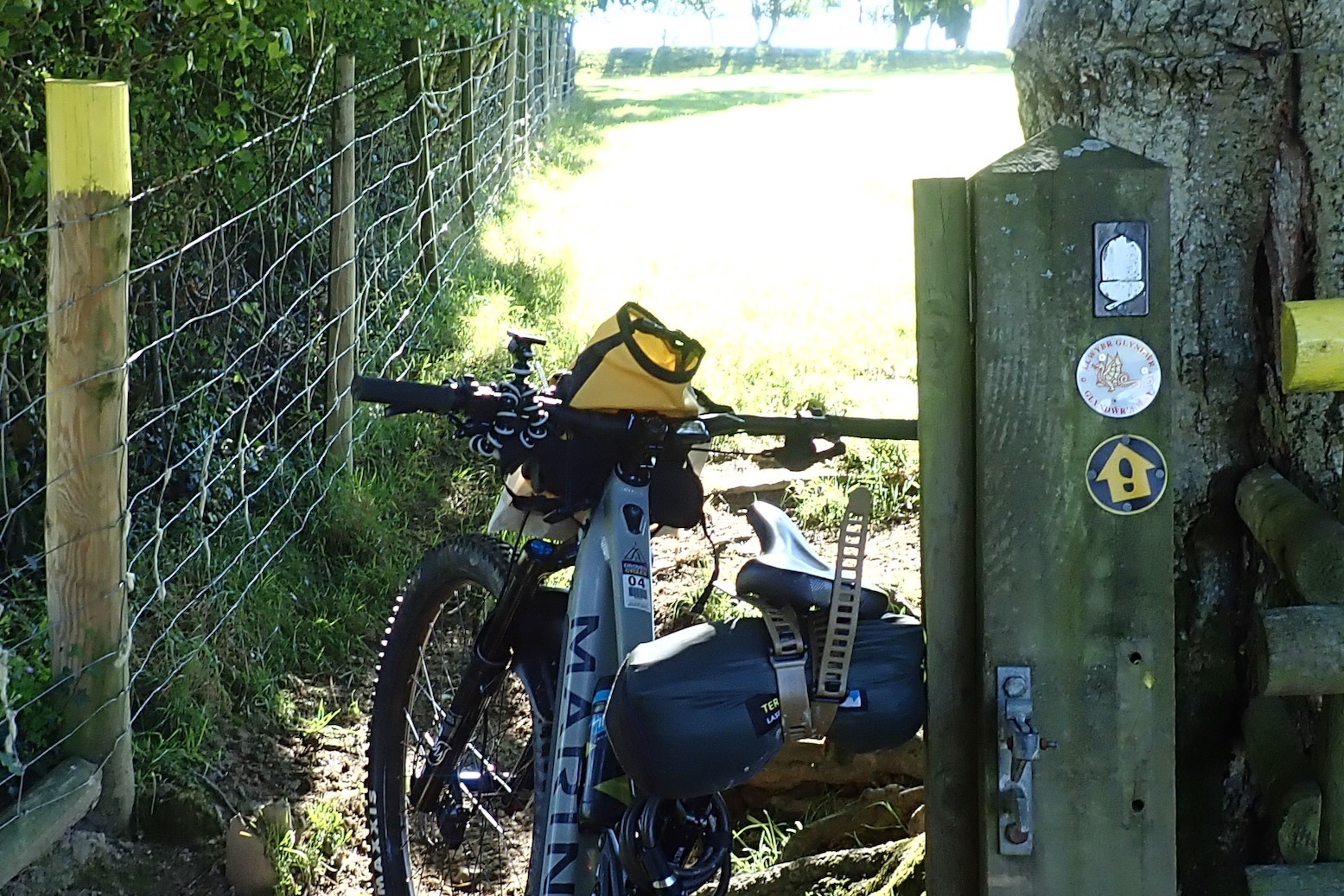
Blue arrow = bridleway ✅ Yellow = gerroffmoipaaaath!!
After a week and some 200 miles, temperatures were creeping back up to the 30s making riding more tiring. In Welshpool I completed my job and caught a train to Hereford where they picked up their sheep-shit splattered Marin. My shins were all scratched to buggery from the pedals and I was still picking thistle thorns out of my knuckles and legs weeks later. But I’d had a great mini-adventure.
2022 Marin Alpine Trail E2 250W, 85Nm Shimano STEPS EP8 motor and 630Wh removable downtube battery
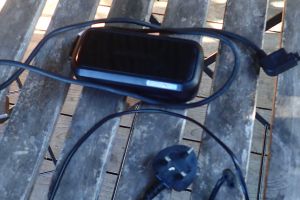
Charger, about 500g. Cable lock, the same
Clean, integrated design and subtle graphics Low standover height – really helpful when stopping all the time SLX 4-piston brakes Firm suspension (did not meddle) Pleasing boost from Eco to Trail mode Stay in Eco where possible and range exceeds what I can ride off-road on a good stay Seatpost dropper (seat on max; could not use reliably) No flats or slips on Maxxis Assegai tyres (tubed) Clear, simple display Though I locked out the front as needed, I can’t say I detected any suspension bobbing from the unlockable rear spring. Maybe e-assist helps I’m a big fan of 1x drivetrains; did that to my old Charge Cooker years ago Ended the days tired but not beaten up (ie; full sus may well work, even for touring)
Fern catcher
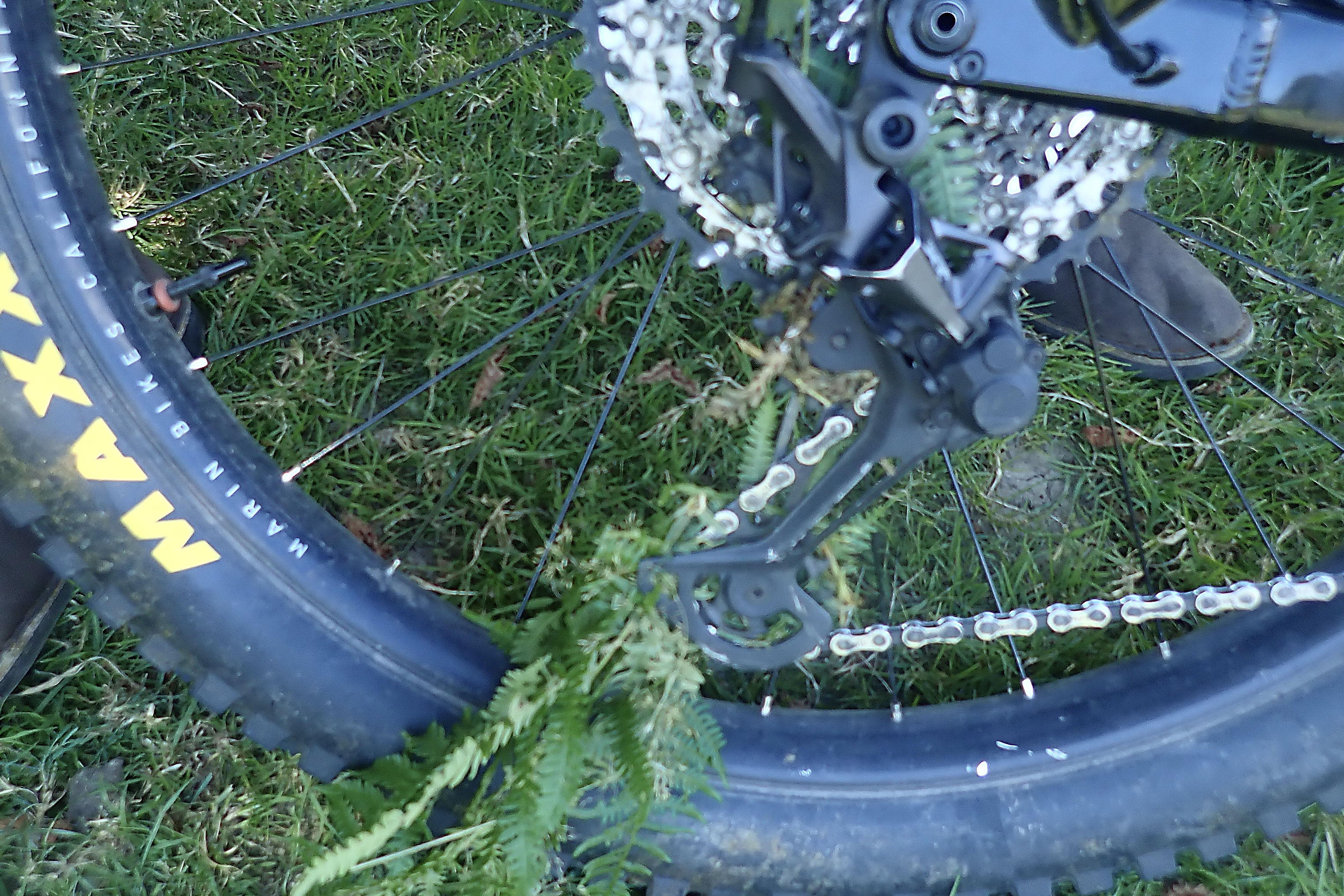
£5765 (but apparently it’s a bargain and going for under £5k late ’22) Weight when pushing unassisted or lifting No mention on marin.com about ‘Walk Assist’ mode!!! Slow, 1.8A Shimano 6002 charger takes all night ‘Trail’ –> ‘Boost’ was imperceptible – won’t pull you out of a steep climb Pedals low, due to 27″ rear wheel or my weight? Downtube fork ‘bumpers’ broken off on collection Small wheel/big 1st gear means derailleur eats ferns Feels like electronics get a bit confused sometimes ‘Large’ frame too small for me (6′ 1″) but was only one available
Above the Dyfi valley out of Abercegir
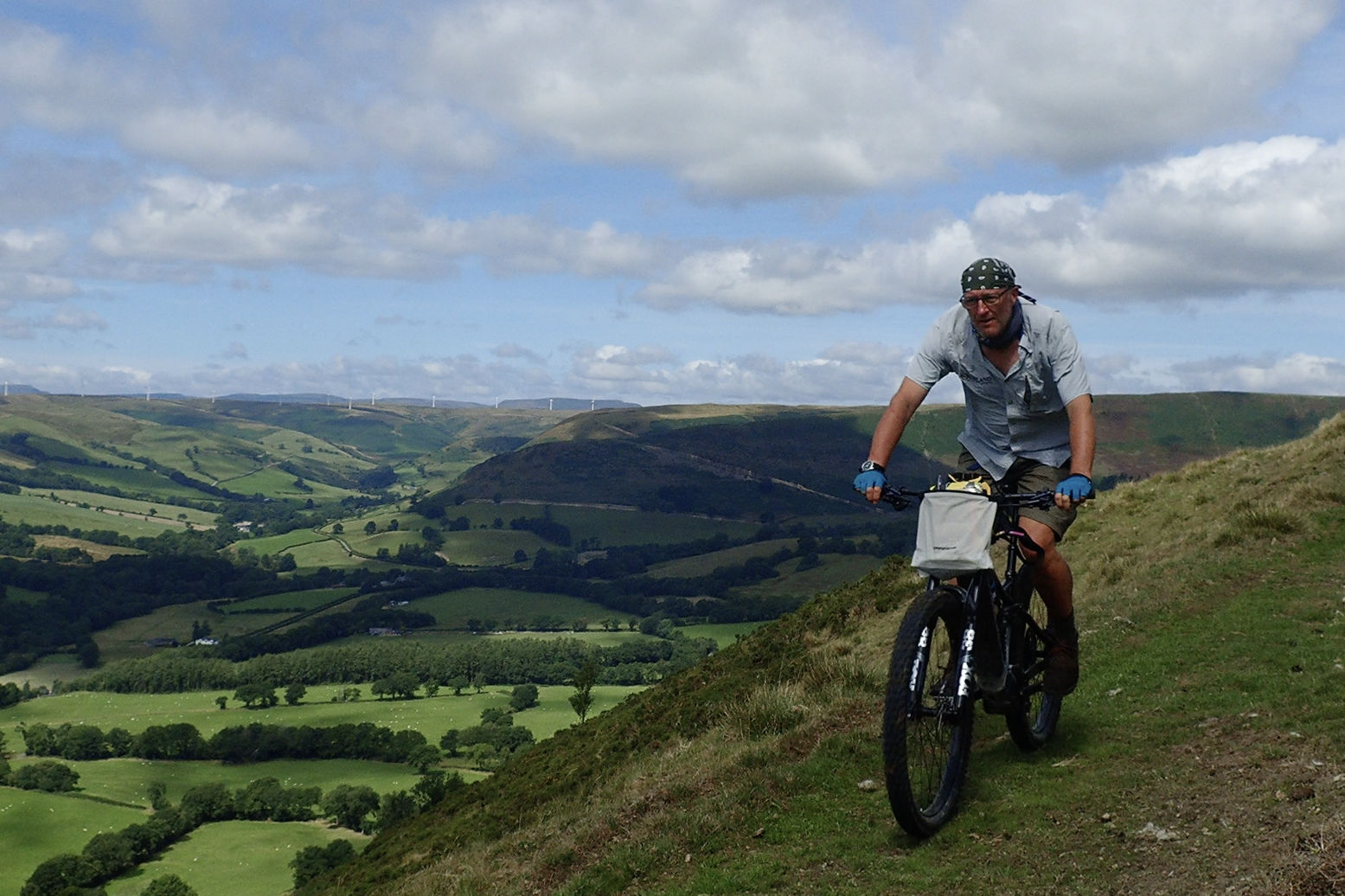
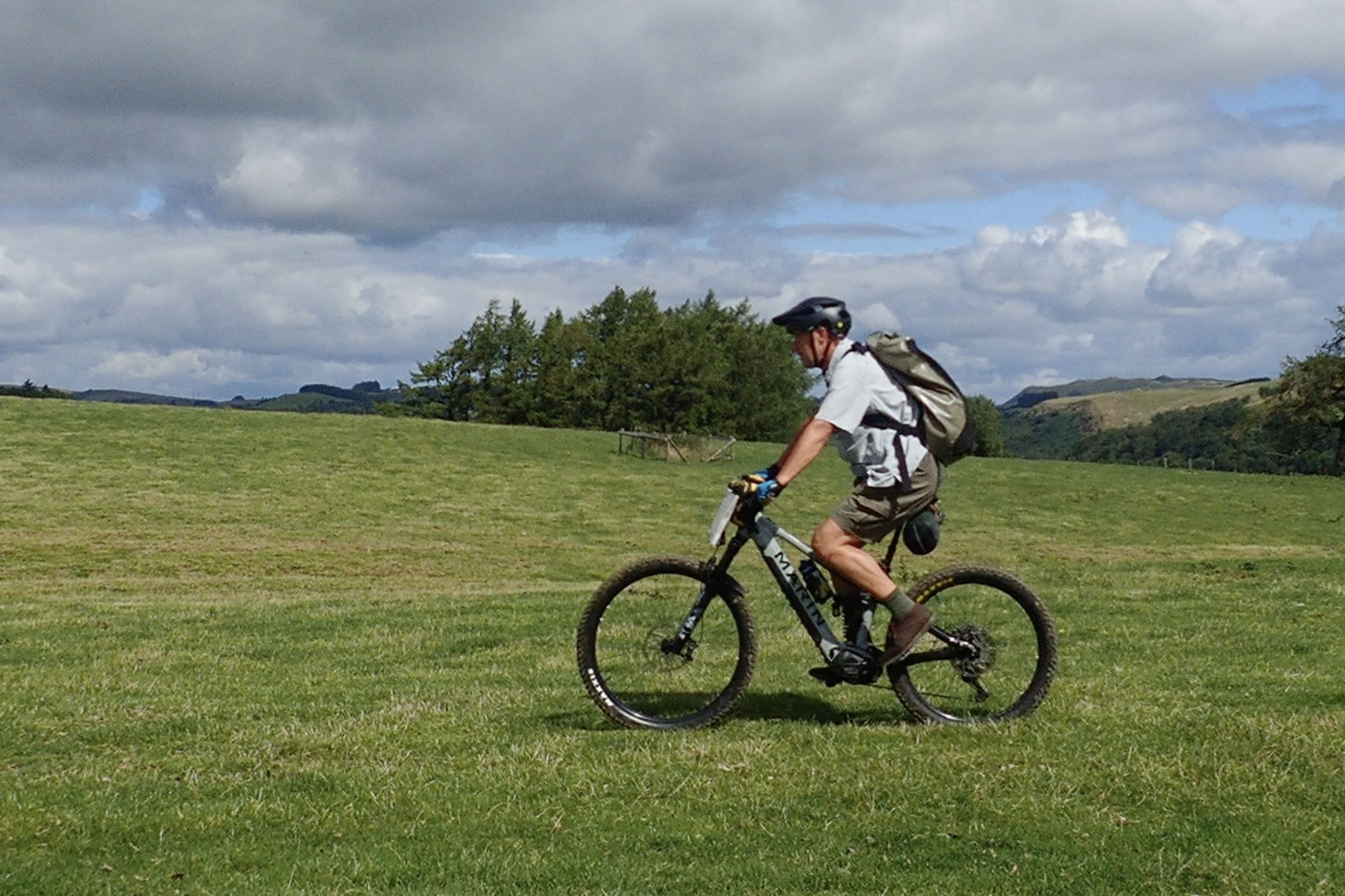
It had been a darn good work-out and revealed a whole new way of enjoying the UK countryside. Though I was leg tired at the end of most days, I didn’t feel beaten up which must be a testament to full suspension combined with my slow, interrupted pace. The e-assist helped when I was in a marginal spot crossing some muddy hump at 1mph – the extra pedal boost drove me over where I’d have otherwise stalled and fallen over. But stalling on a steep stony track, there’d often be too much torque from the motor to get going again and the wheel spun, while the bike was too heavy (or me lacking strength and finesse) to get back on restart (working dropper would have helped hugely). And on a ride where range wasn’t so critical, using more of the Trail setting would add up to loads of fun. Just don’t think for a minute that you won’t break a sweat!
A tad too small but it got me there
I made things harder for myself by sticking to Eco 99% of the time, getting off and pushing when Trail may have got me up some hills. Tbh, it was nice to walk sometimes and air le derriere. And I also had things made hard for me by not knowing about Walk-Assist, plus having the weather warm up on me. In Wales? Who’d have thought.
On the G-Way, your PoW Steve McQueen fantasy comes true, but without the Nazis on your tail
The question is: will owning an e-bike get you riding more and for longer than your regular MTB, or is it just another toy? Setting aside motivation which overcomes all excuses, I think much must depend on opportunity and access to worthwhile riding. I’d say in the Southeast e-bikepacking would be wasted but in the remoter upland locales of western and northern Britain there must be loads of great riding nearby and where the climbs need not always be daunting.
Will I be getting an e-bike? Not at £6000 tvm, and not any more than I’ll be getting a small trail bike. Where I live what I consider the worthwhile stuff is just too far away. But it sure was fun trying out e-bikepacking. I’ll definitely be renting one again some time.
* A couple of weeks later I picked up my Merida from Nick’s and ended up riding it from Upton to Cheltenham to catch another train. Costing me just £800 near-new, I was reminded what a great hardtail it is – and what a great thing a seat post dropper is when you’re stopping every 10 minutes to open a gate. Something between the Marin and my Merida could do nicely. They even sell clamp-on Bafang motors for a grand, and in 2025 ordered a dinky Kamingo wheel motor of GoFundMe, to give my Big Trail a bit of a boost. Still waiting on that.
The ferry may had left TanMed five hours late, but it eased into the small port of Sete a few hours early. The skies were clear and a cold wind was howling down from the north. I rode out of the hold and joined a mass of cars where a casually dressed guy who looked like a stowaway was nipping about snapping our vax certificates on his mobile. Was that it? I was expecting a harder time from French immigration but there is something to be said for these small ports.
Once clear of the docks I pulled over to wrap up and plug in, returning waves from the couple of other bikers on the boat. My Montana was playing up and not routing, but the free download map still worked so I could wing it. Years ago when I used to transit France to Marseille for Algeria, I calculated the shortest, fastest, toll-minimising and big-city-avoiding route from the Channel to the Med. The key to this 900km route was the toll-free A75 La Méridienne motorway which snaked over the Massif Central between Clermont Ferrand and Beziers, close to Sete. Usually deserted, the A75 was a scenic way of ticking off big miles for free.
Now, buffeted by icy gusts, I worked my way out of Sete following signs for Clermont-l’Hérault and the A75. If it was freezing down here what would be be like up on the 3000-foot Massif plateau?
I’ve not ridden in France for years and, providing it didn’t snow, I was really looking forward to this ride. I had the gear to keep warm and dry and for me, an unusually fast bike to bat away the miles. Plus I love France and French living, for all the well known reasons. Helped by the fact I once thad no permanent base in the UK, over the decades I’ve spent many happy months relocating in southern of France during the cheaper off-season. In the winter of 1995 I parked up in a little village called St Guiraud, not far off the A75 just north of Clermont-l’Hérault where, in between hiking and MTB excursions, I wrote Desert Travels. Now 25 years later with the wonder of Google StreetView, I was able to see the house I rented. It’s nice to know it’s still recognisable, but I’ve learned that the thought of revisiting old haunts is usually more satisfying than actually following through.
Rue d’Eglise, St Guiraud1995: manuscript in the bagUnpacking DT a while later
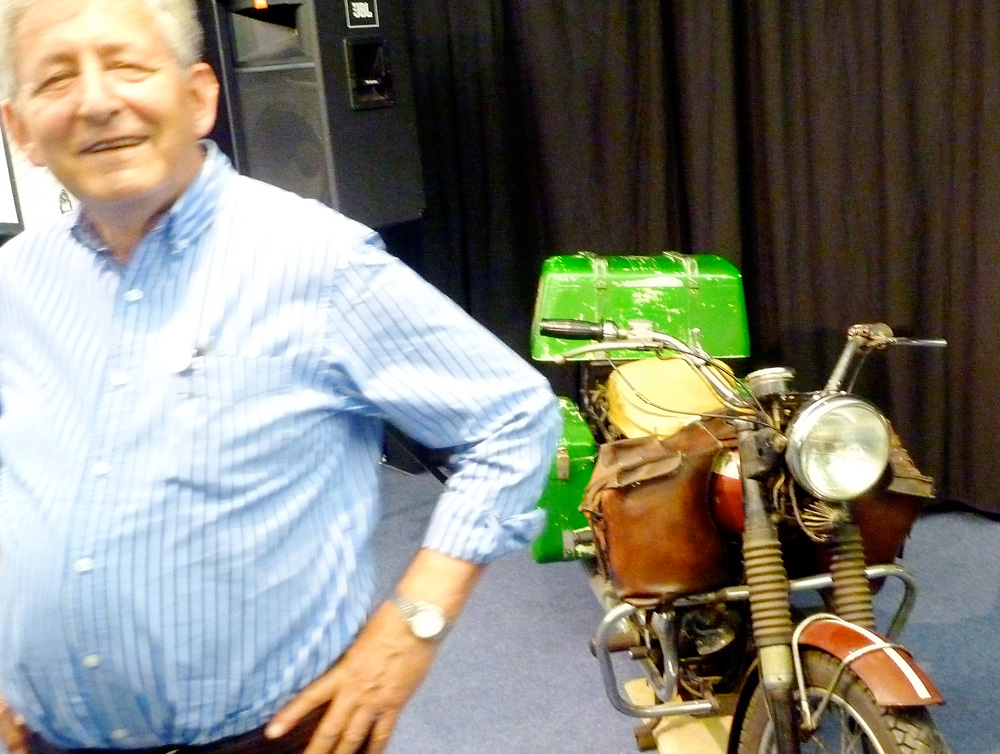
But I wanted an excuse to linger down in the familiar south for a bit. Ted ‘Jupiter’s Travels‘ Simon’s town of Aspiran was also right on my route to the A75, and as he’s contributed to AMH (below) and I’d met him at various shows and events over the years, it didn’t seem inappropriate to propose I swing by for a cafe au. Before the great plague swept the land, he generously offered his spare rooms as a writers’ retreat, and has a new book out about his pre-Jupiter years.
I pulled up in Aspiran main square but realised I’d not saved Ted’s number like I thought I had (smart phone / dumb user). Other means of retrieving this information failed. No matter, I had an image of his place (left) in my mind’s eye and it’s a small place. I’ll wander round the old town and use my desert-honed routing-finding ability to nose it out.
Probing promising lanes and cul-de-sac was fun to try but it didn’t work out. In the meantime I learned that Aspiran had some unusual street names: Rue d’Enfer (Hell Road), and the equally jaunty Old Slaughterhouse Road where I take it property values are also a little more moderate.
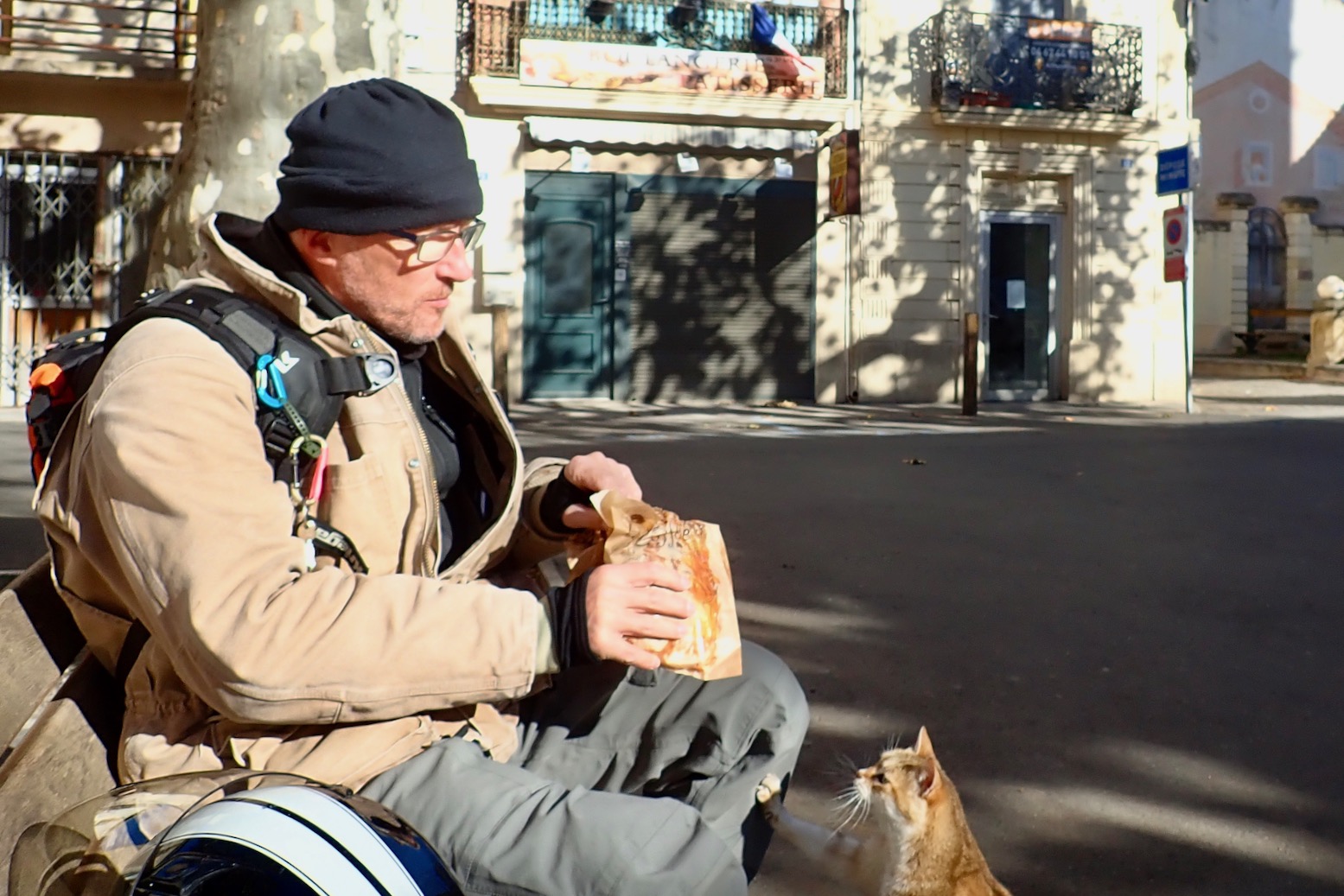
The streets were deserted, as they always are in these places, so back in the square I popped into the bakery for some hot savouries to see me over the bone-chilling Massif. Even Greggs couldn’t have beaten the prices. She handed me my warmed-up nosh. ‘Merci. Do you know an old Anglais who lives in the town? He is called Ted Simon.’ ‘I think I know who you mean but I don’t know where he lives‘ she said. But for all I know she could just as well have been saying ‘That’ll be 4 euros, now bugger off back to your sunlit uplands!’ On a bench opposite the town hall I tucked into my steaming pizza slice while a cat peered up for a hand-out. Then I zipped up, strapped down and braced myself to hit the road.
Soon I was pushing into the headwind barrelling down the A75 as it climbed and curved into the Massif, while the fuel and temperature gauges raced each other to the bottom. The AT’s mpg read-out on the dash got so subterranean I stopped trying to work it out (probably < 50mpg). Bags either side of the tank may not have been helping the range, but they sure helped keep the wind off my Aerostich AD1s, while the Palmer screen was adjusted out front offering all the aerodynamics of a Landrover. Still, this was a recovery mission so I accepted it would cost what it cost to to get the job done.
Within an hour I was past the snowline at around 1500 feet with the temperature reading a couple of degrees above freezing. I was trying to resist putting my heated jacket on full blast so I’d have something left after dark, but was surprised how tolerable I felt, even without heated grips.
I’d been planning this chilly ride for weeks if not months, and knew my outfit would be crucial. My setup was an thick Icebreaker merino top, the humming Powerlet jacket over that, then a down Mountain Hardwear puffa jacket to fill out the space under my heavy canvas Carhartt jacket. As usual with heated gear on a bike, it’s not exactly like sitting by a crackling fire on a balmy evening but, recalling my crossing of the Spanish Picos on my XSR a couple of years ago in similar conditions, I was suffering a lot less than expected while not feeling like a sack stuffed with potatoes. Something made a difference, though it may have been no more than low humidity.
Massif online profile
I watched the signboard elevations climb: 770m, 888m. Somewhere I was sure the A75 peaked at over 1100m metres. There was a roadhouse there where I recall snowballing with the Mrs one time. [Oh dear, as I feared even that innocent pastime has now become repurposed as vulgar urban slang].
Clouds rolled in and the read-out dropped to 0°C. I knew I had to pitch my stages so that when I stopped I wouldn’t just fall over and shatter into glass, like the Terminator getting drenched with liquid nitrogen. Hasta la vista. Baby.
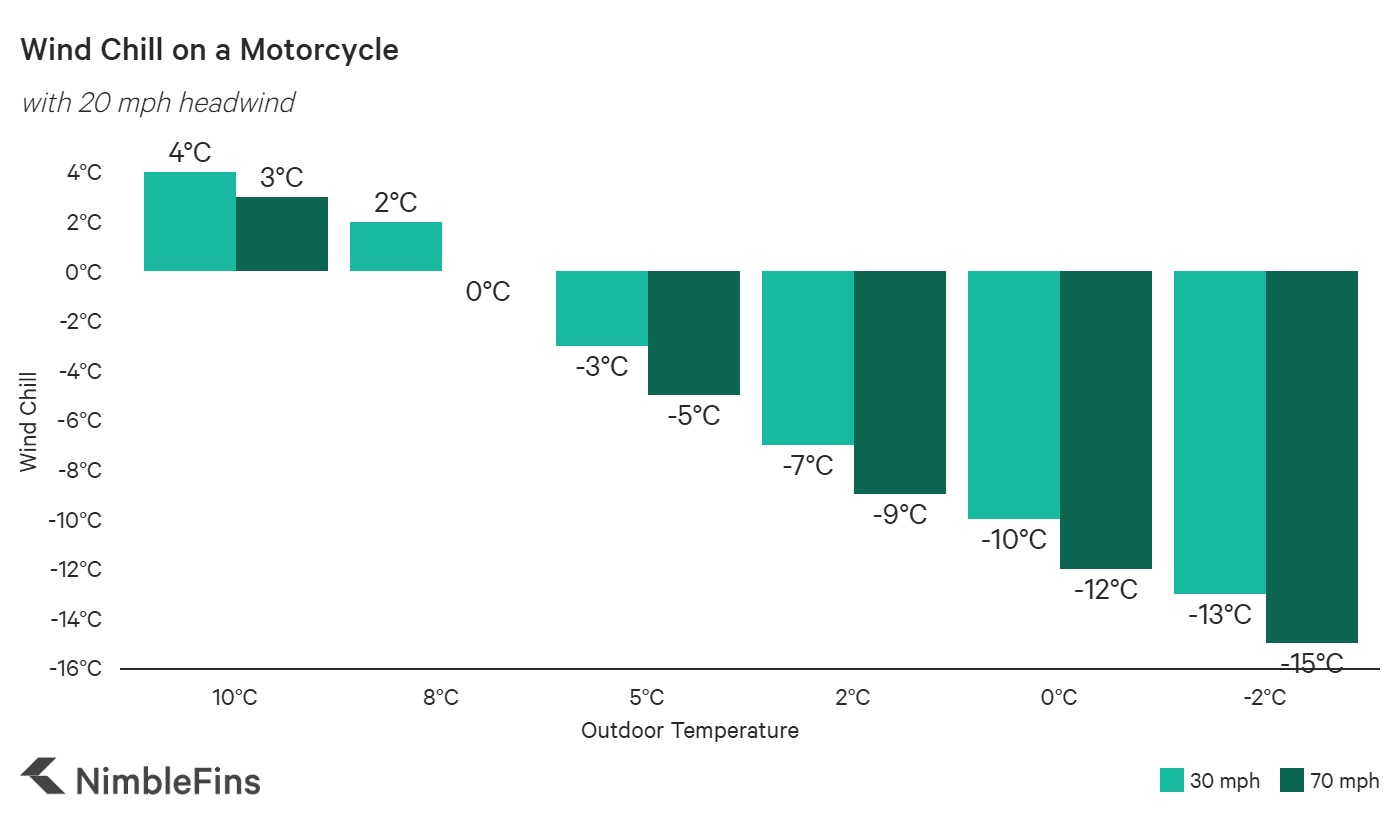
Other graphs are available, but according to this one left, freezing point at 120 clicks feels like minus 12°C or 10 Fahrenheits. The elevation was now hovering around 1000m (3300′) and I had to hug myself with my left arm to press the heated wires against my body.
At one point I must have fiddled with the dial or something because turn a jacket off at these temps and you soon feel the difference. Big chill panic set in fast. WTF’s up! Has the fuse blown? Nooooooooo… I felt like a diver whose air supply had been cut off. I fumbled with the dial and turned it back to ‘6 o’clock’. Ahhhh that’s better, like having warm ketchup poured down your crotch.
I needed fuel but the next aire was that one at the A75’s summit at over 1100m. The thought of all those unheated minutes filling up the bike and paying for it were unbearable. So I set the display to ‘remaining range’, vowed to keep below 120 true, and take decisive action before the range dropped to 50 clicks.
The elevation fell, the temperature inched up to a balmy 5°C and just in time, the lights of a roadhouse lit up the dusk. A few minutes later by the bike, as I was warming my hands around a coffee, a passing motorist chipped in with something like:
‘Bonne courage mon ami. My AT is safely locked up in my heated garage till March at the earliest!’
By Clermont Ferrand I was over the Massif and well below the snowline, but now the setting sun would take the warmth with it. The A71 toll road began here too but still, this was metropolitan France, not Tajikistan. I’d stick at it till 7pm or creeping hypothermia, whichever comes first, then look for a hotel.
When that time came I was getting quite chilled and at another fill-up in the Centre de la France roadhouse, I asked where the nearest hotel was. ‘Bourges chum, around 50km.’ I can manage fifty – 25 minutes on an AT with a refreshed tank.
I pulled off for Bourges and brushed the toll booth pad with my credit card. Who knows what that cost but 550 darn-chilly clicks knocked off, less than 400 to Dieppe, tomorrow. Another great thing with riding in France are welcoming gas, food & lodging enclaves right by the toll-gate turn-offs, avoiding the need to trudge into the city if you don’t want to. All lit up with shiny neon, the budget hotels shout out their prices and offer discount vouchers for cozy restos within walking distance.
After a good feed still wearing all my gear, back in the room it took hours online to book the ferry needed to fill out the UK Passenger Locator Form needed to book the newly required Day 2 PCR test needed to get let on the boat. At one point the online data trail dried up: FFS, why is my test booking number not being accepted for the PLF? I emailed the test booking place (there are so many scammy looking ones to choose from) and got an auto FAQ reply explaining where to find the magic number so as to regain entry into the kingdom. And this was just one European border. Imagine trying to cross Africa or Asia? Welcome to post-Covid Travel World.
Next day’s ride to Dieppe was as easy and dreary as expected. In winter, northern France can look as grim as southern France is pretty. Murky, mist-bound prairies (actually a French word) span the drab horizon broken by skeletal woodlands and villages splattered by the mud and grime of passing HGVs.
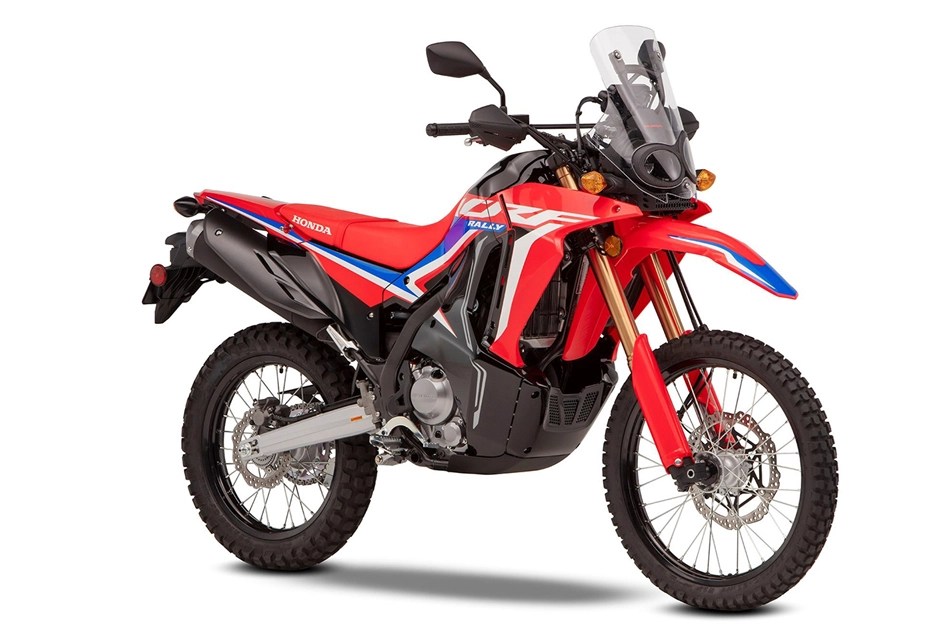
this?or this?
It was fun to try an AT but it’s not a keeper. Mulling away the miles, I’ve been wondering what next, and a CRF 300 Rally was near the top of the list. It would be great for effortlessly exploring more tracks in Morocco and general European TET-ery, but imagine banging out this ride on one? Let’s not kid ourselves; it’s still a 286cc, despite the snazzy Dakar livery. Loath though I am to admit it, a less flashy CB500X, especially the post 2019 with a 19-inch front wheel, ticks the boxes. And in the UK the latest 2022 CB-X costs just £250 more than a 300 Rally. A test ride should reveal all.
On my optimised Channel-to-Med route, Rouen on the Seine is the only big city to ride through, but the transit is well signed. Just north of here is Dieppe, a minor port, miles from the surge of desperate migrants trying to reach the UK in inflatables. This has its benefits with immigration; a little more amateur and flirty. It was a wet and windy Tuesday evening and I’m the only bike among a handful of second-home SUVers and campervans.
‘You have come from Morocco, you say?’
‘Yes.’
‘Did you buy anything there?’ Aye, aye, she’s onto me.
‘Not really; some cheese, some chocolate.’ I pass her that one for free.
‘Chocolate, eh? You know they make hashish in Morocco?’
‘Of course.’
‘You have some hashish with you?’
‘Course not. Have a look.’ I open my arms in invitation. I hold back from telling her that in the UK these days, most weed comes from hydroponic suburban hothouses.
‘Do you smoke le hashish?’ she said with a cheeky grin. Jeez, this interrogation is getting intense!
‘What sort of question is that?!’ I smiled back with mock indignation.
‘OK. Allez-y. Bonne route.’
Even in my most delirious sinsemilla reveries, I’d never pull off such a playful encounter with a lumpen UK immigration plod. When I first started travelling I used to think Customs people were secret agents trained by MI6. Maybe I’d seen too many Bond movies.
In the remnants of Storm Arden, the first Arctic blow of the winter, the half empty ferry tosses and turns across the Channel. Newhaven immigration is a piece of cake and leaving town, I manage to blunder onto one of the few main roads in the Southeast I didn’t recognise; the A275. Unused to the windy, wet backroads in the dark, I can’t get a handle on the big AT and ride like a lemon. Eventually I pop out at Forest Row on the Sussex border, back on terra cognita.
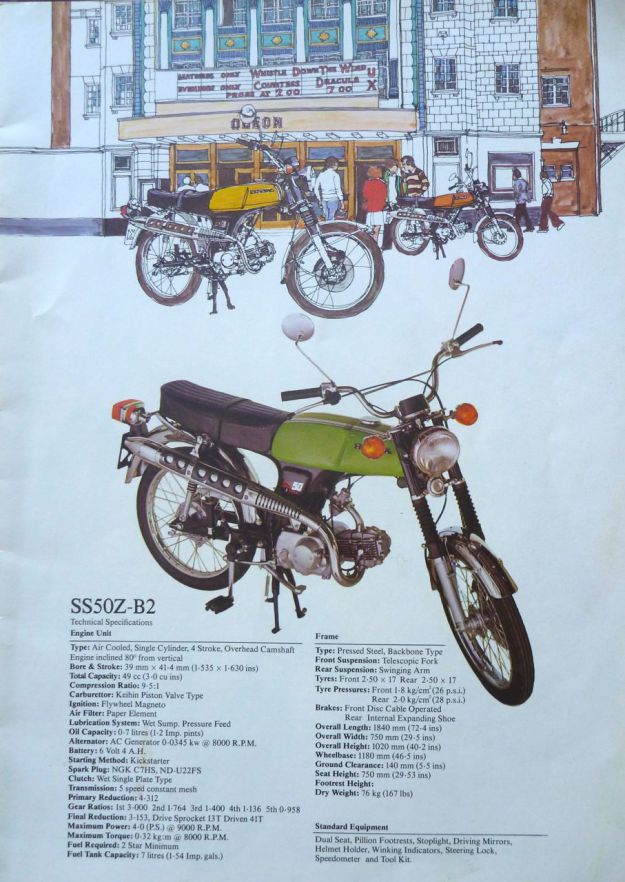
As sixteen year-old, probably my very first motorcycle adventure out of my neighbourhood was gunning my Honda SS50 the 32.3 miles overland from South London to Harrison’s Rocks, the Southeast’s lame excuse for rock climbing near Groombridge, east of Forest Row. And coming over the Caterham bypass into the edge of built-up London, I always fondly recall bombing down to the roundabout on my new 900SS just two years after the moped, the Conti pipes crackling away on the over-run like fireworks. Over forty years and fifty bikes later the big question is: what next and where next?

























 Adventure Motorcycling Handbook