Category Archives: Adventure Motorcycling Gear Reviews

Stuff I’ve actually used

Bell Mag 9 helmet review

See also
Airoh TR1
XLite X420 GT
Bell Moto 3
HJC i30 (2023)

Updated 2017
bell

IN A LINE
Good looking, comfortable and cheap full-visor open face, but as usual, visor actuations can get problematic.

DESCRIPTION
Light, vented, full visor open face helmet with integrated sun visor and a short beak.

WHERE TESTED
Riding around SW USA on backroads and dirt roads. And a few trips in Morocco.

COST
Discounted to something like $75 delivered from motorcycle superstore. Original rrp was $169. Discontinued model; superseded by Mag Sena 9 at around $180.

PRO

  • Very comfortable for the price
  • Quiet compared to others
  • Looks cool; no naff graphics
  • Integrated sun visor is exceedingly useful
  • Inexpensive
  • Velvety padding has pop fasteners like an Arai, not cheap velcro

CON

  • Lifting main visor gets notchy
  • Sun shade visor lever sticks sometimes (probably dust)
  • Peak wants to be lower/longer to be an effect low-sun shade
REVIEW
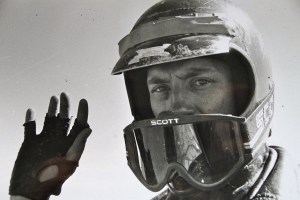
I’ve always had a soft spot for Bell helmets from the era of Kenny Roberts flat tracking and my own Moto III (right). I’m sure glad I never had to crash in that old head brick, though!

Needing to save weight on the way to the US, I saw the new Mag Sena announced and liked the look of it, with its jaunty centurion-like anterior lip. It took me a while to work out there was a non-Sena (intercom system) available and that it had been around for years: the Mag 9.

bell-5

Not only did the looks appeal, but it turns out to be one of the best lids I’ve had in years. At first I thought I’d bought a size too small; in the US what is labelled Large is usually a Medium in Europe – not unlike everything else over here in fact – from food to vehicles. So it was with the Bell; my much repeated head measurements lined up and the Mag 9 in medium was snug out of the box but now fits just right.
amzonemap

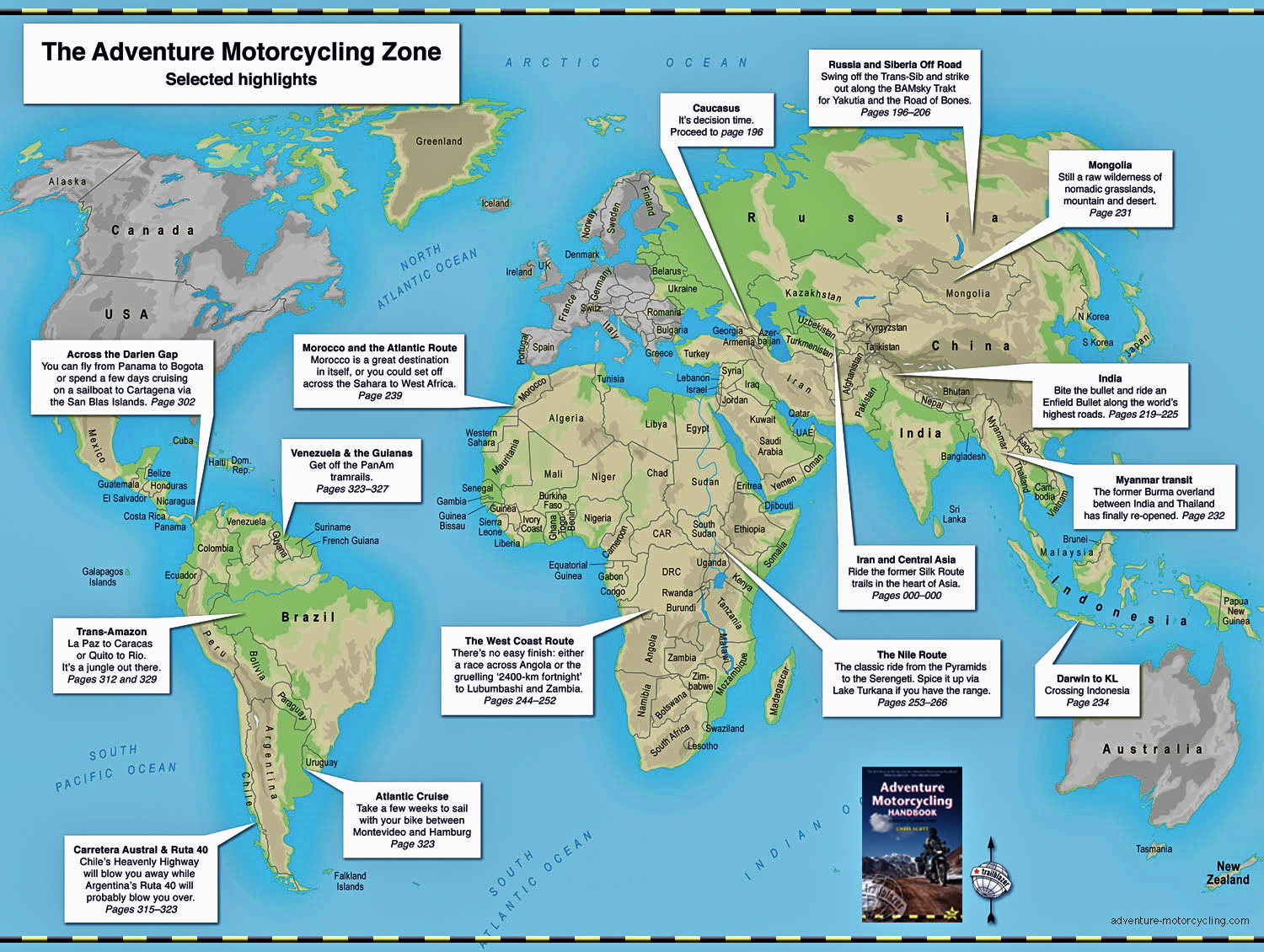
It may not look very ‘ay dee vee’ like the ubiquitous Arai XDs which come free with a GS12, but give me a lid without the in-your-face chin guard any day. For moto travelling in AM Zone (right) the advantages of an open face are well known. You can show your face to the peasants and the cops and generally get a better response as a recognisable human being, compared to the full-face spaceman image. And like I’ve said, for me the less I feel I’m wearing a lid the better. You can pay for the gas while wearing this – being Arai-d up might set off the alarms. Then you can add the fact that you can feed yourself on the move and scratch an itch. Outside of winter, for world travels, this is the helmet style for me.

The ‘ear pouches’ envelope the ears. I don’t wear them, but no need for ear plugs here; this is one of the quietest helmets I’ve had (though used mostly with a short screen and at low speeds). As for the vents, I’ve long believed these make little difference on the road and I’ve no reason to change that view with the 9.

bell-2
arai_ctz

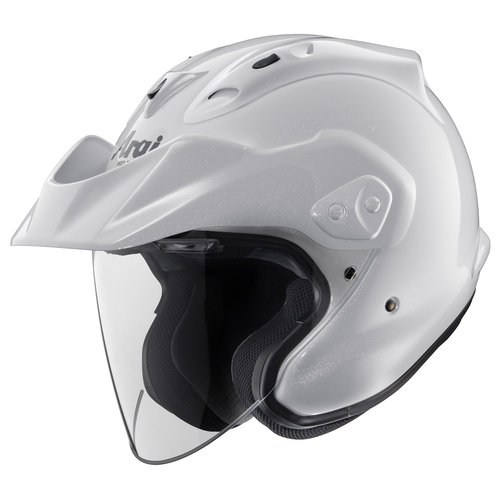
The sun visor is such a handy feature as long as it’s kept clean. Shaded main visors are not so convenient for reading glaring satnavs or of course night riding; flip down the sun visor and you’re in business. I also like the dirt-bikeresque beak element on the Mag 9 for riding into low sun angles where no shady visor can help, but it’s not low enough to do that well. It’s something I see that Arai have on their CTZ (right), but, snakes alive, is that an ugly contraption for no less than $500.

The linings on the Mag are plush and cushy and pop out easily for a wash and the visors are easy to clean with the windscreen wipe stick you get by the pumps.

bell-6

But, as with the Airoh and the expensive XLite, the sun visor actuation gets stiff; it usually seems to be a problem with leverage, although with the Bell it’s become more likely dust from the trail has jammed the lever and release mechanisms a bit. I’ve tried rinsing and may go for a full-on hose down to clean it out. The sun visor retracts with a nudge if necessary but lifting the main visor has become really notchy – don’t know what the problem is there. The racket it makes and effort needed doesn’t make it an enjoyable and slick manoeuvre.
kisomaroc

I also recall I read reports that the Mag 9 suffered from the main visor not lifting high enough. I suppose that is true though you can tip the whole lid backwards to get it out of your eye line. Being out on the country, not riding in town, I usually have the visor down. I think it’s safe to retire my Airoh TR1 now; comparatively, it feels like wearing a milk crate.

bel

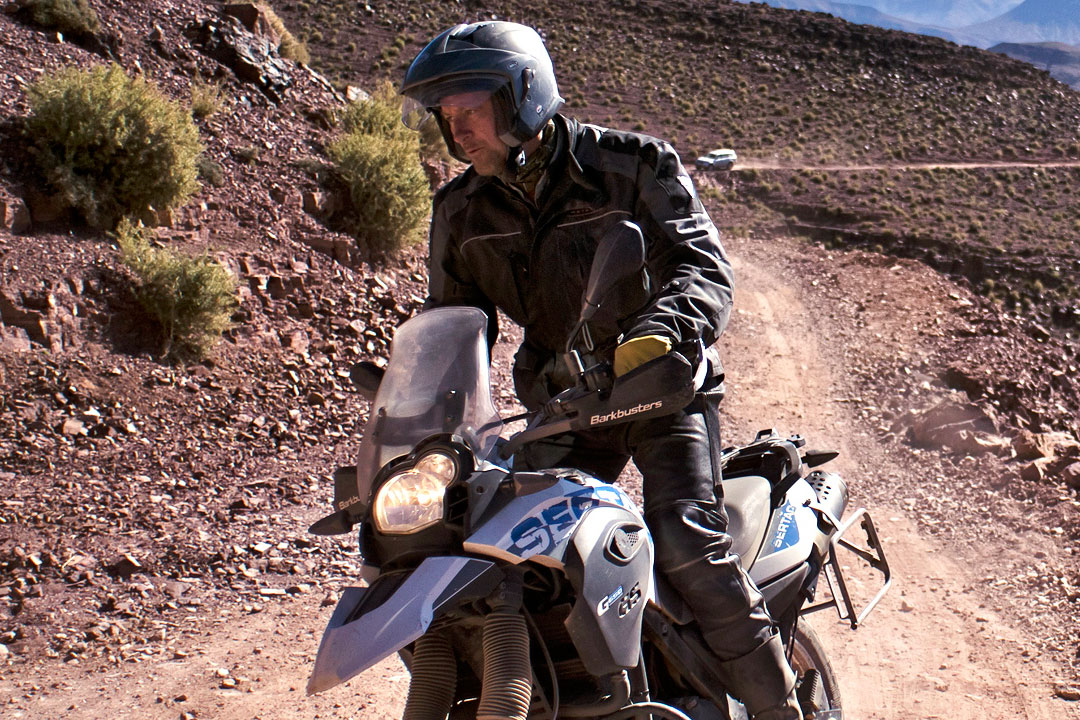
After wearing it for a month on Morocco and four years use, in 2017 I left my Mag 9 in a dumpster in an industrial estate near Malaga. The visor was getting on a bit, the D-ring buckle seemed to loosen up easily, and the peak assembly was duct taped on after a few rough transits and very strong headwinds out of Tangier. It was starting to feel a bit cheap but I like the look and features and can safely say I got my $75-worth out of that lid.
bell-7

CRF250L – tuning an EJK fuel controller

CRF250L INDEX PAGE

cf95

My bike came with the commonly fitted Stage 1 performance kit: an EJK fuel controller, FMF Q4 pipe with MegaBomb header, drilled air box sides, spark screen removed from air filter element and a 13T sprocket. All probably great for recreational dirt biking; not so well suited to slow backroad touring where fuel economy and not breaking something is a priority.

cf-throtmark

To help ensure the former I’d done my old trick of marking the throttle (right) to see at a glance how open it is. In a headwind or on a gentle upgrade it’s possible to not realise you’re unnecessarily WFO,  bogging the motor and possibly wasting fuel.

cc-airbox

Before I even rode the bike I refitted the original 14T, and after a dirt ride in the Phoenix hills I knew that FMF pipe had to go too, even after we tried quieting it. I was also not so keen on extra holes in the air box sides; that’s the last thing you do for long-range desert riding, though apart from sandstorms, it’s trailing others’ dust that’s usually the problem.

So when I left Phoenix I was on the original heavy but quiet pipe, the non-standard air box holes taped up but with the EKJ programmer unmodified (i.e.: still set at Stage 1 settings). I kind of hoped the ECU might deal with it, but realistically expected the bike to run rich now it was ‘choked up’ to near original specs. Heading into Nevada against strong winds, sudden increases in elevation, a full payload and little experience of what was normal, it was hard to tell how the bike was running but it didn’t feel fabulous. After a couple of days blown around at 55mph and with mpg as low as 42US (50UK) and even just 54US (65UK) while coasting  5000 feet down to Death Valley and dirt road plodding, I was ready to try something and improve things.

After Death Valley I pulled off the air box tape and immediately thought it ran better. Sure enough, the bike climbed steadily along Highway 395 from 4000′ to nearly 8500′ in the Sierra Nevada after which I stayed at 7000′ most of that day at up to 65-70mph. The tank was now returning 58US or 70UK mpg, peaking at 73US/88UKmpg around Lake Tahoe. That was more like it.

cc-airfilt

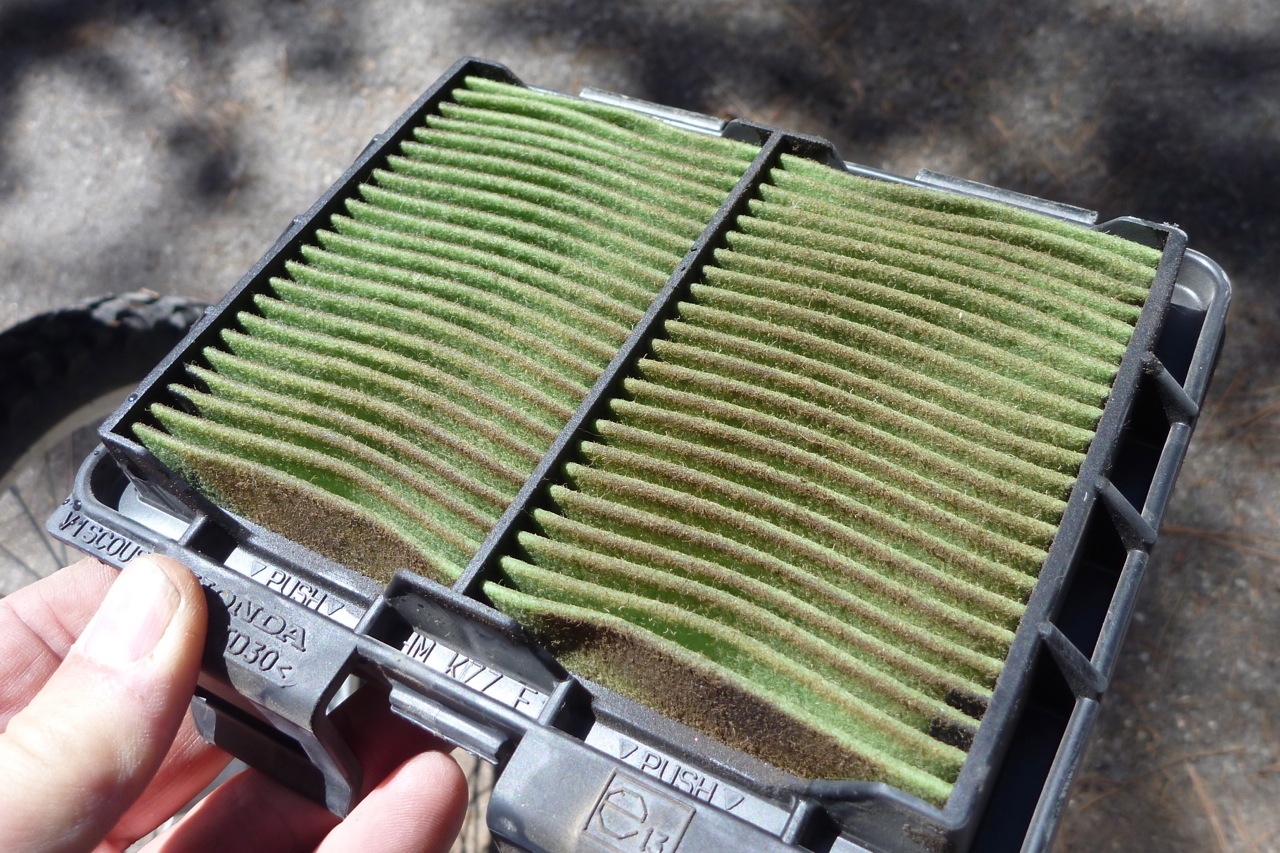
I could have left it at that, but preferred to tape up the non-standard air box holes to preserve the air filter which was already a little grubby (right), having followed Al on his KLX250 and Christian on his KTM950 along dusty dirt trails for a couple of hours. This of course would require leaning out the EJK programmer which was initially confounding; I’d not come across these ‘black boxes’ before.

In fact they are exactly what they claim: an ‘electronic jetting kit’, just like swapping jets, needle heights and float levels on a carb to get your bike running better following performance mods or as a response to radical altitude variations.
Only now it’s done by simply pressing buttons on a black box to tune three fuelling modes: cruising; acceleration and WFO – as well as the rpm ‘switch’ point between those modes. Importantly the EJK (Gen. 3) only increases fuel delivery (richens) – it does not lean out the Honda’s original settings which as we all know are probably leaner than a kangaroo steak.

ejkgraph
cf-ejkred45

It took me a while to get my head around modulating the EJK, not wanting to bugger up the settings and end up with the CRF running like a tractor. The online guidelines, videos and users’ versions were a little unclear or contradictory, but once you’re pretty sure what to do, it’s easier than most TV remotes. One source of confusion is the so-called ‘yellow’ light mode (acceleration) which is more orangey-red (left) although red (wide open, max power) is clearly red.

crf-dobe

I presumed my EJK was on the Stage 1 settings as shown left:
3 cruise, 3 acc, 6 WFO with switching at 5, 4 and 4.5.

An email to Dobeck who make EJKs (my red unit is branded ‘FMF’ but is an EJK) came back with a very quick response suggesting: 1.5, 1.5, 2.5 and with the switch points unmodified.

So, running at tickover, Light 1 flashes slowly in green; blip the throttle and it flips up to three green lights then down to one or two green lights.

Press the Mode button once and you should get three green lights flashing quickly (‘3 cruise’ Stage 1 setting). It means the green mode is live and ready to be modified with the + or – buttons to either side. But as Dobeck admit, the sensitive Mode button can jump to the next ‘orangey-red’ yellow phase. No worries, either scroll  through the other 5 modes by pressing Mode until it comes back round to 3 greens flashing. Or do nothing for a few seconds and mode change will deactivate and revert to whatever the settings were.
There is nothing to be risked pressing Mode to see what happens or just to establish your settings (mine were indeed set at ‘Stage 1’ as above). Only pressing + or – buttons will modify things. And of course best of all there is no need to plug into a laptop, smart phone or remote programming device; it’s a self-contained programable unit.

cf-ejk2lits

Once I understood all this I went back to first three green lights flashing in Mode live, and pressed minus until it was flashing green between lights 1 and 2 which equates to 1.5 as Dobeck suggested.
Press Mode again and the same setting change for yellow (orangey-red) mode. And then Mode again for the big drop from wide open red (which I rarely use) from 6 to 2.5. As mentioned, Dobeck recommended not changing the three rpm switch points so that was it. Once understood it took less than a minute. After cleaning out the dusty air box and greasing the inner surfaces to catch dust before it got to the element (below left), I taped up the six 1-inch holes on the air box side lid and went for a run.

cc-greasebox

I’m at 5500 feet right now, among hilly backroads and it was a chilly morning, but a short run showed the bike running a little quieter (less induction throb with the taped airbox) while it cruised and accelerated up to 65 as well as ever, if not better.

The Dobeck man did say running stock with his suggested settings would improve torque and that was my impression (or it’s what I want). The next few mpgs will tell; I’m expecting it to stay at around 60USmpg (73UK) or above – just what you’d expect from an efi 250. To optimise everything I may even nip over to Reno and buy a new air filter element (but then grind off the restricting spark screen, as most users do).

When efi came on the moto scene some complained that meddling with the fuelling was no longer possible. Clever techy types soon came up with aftermarket software to do just that, but the foolproof, self-contained, adjust-on-the-fly EJK black box has got to be the best tuning solution so far. Off course it cannot alter timing to deal with very low octane fuel in the AMZ, but the CRF-L runs a low-compression engine that needs only 86 RON or more. That leaves ECU-generated error codes disabling the bike, but again the Honda seems simple in this respect. Certainly swapping pipes didn’t cause the ECU to flip out and anyway, it seems lately that vehicle manufacturers have learned their lesson and ‘limp home’ modes (where present) are only implemented as a last resort.

cf99

Finally you ask, is the EJK as it is set up now substantially better than the stock bike? Is it worth spending $225 without taking the full Stage 1 route which includes modifications less suited to overland travel? I guess I’d have to ride a stock CRF alongside my current bike to find out but I suspect there’s something in it – perhaps 10% more power with fuel economy barely altered, compensating for the stock super-lean fuelling. If an EJK hadn’t come ready-fitted to my bike I’m not sure I’d have bothered; if I wanted more power I would have bought a bigger bike. But as it is now I’m pleased it’s there and is so easy to retune further down the road. It seems to run about the same as the press bike I tried in February, but as said, I suspect that bike was tuned a little above standard and possibly as result returned fuel consumption a good 20% below what I’d expected.

Next day I follow dirt tracks over to Reno, highways out to Virginia City and back on the freeway (no luggage or screen: 69US/83UK ;-). 

I promise not to go on about mpg anymore…

Exactly how big is soft baggage?

See also: Soft Baggage Comparison

packer

I said this already: soft bags may be ancient, pack animal-era technology but they have very much caught on in advworld. Some are little different to the things I was throwing over my bike 40 years ago; one or two feature significant innovations in mounting, fabrics, lockability and more.

On advrider (as well as in my own review) questions got asked about the volume claims of the GL Siskiyou pannier: 34L said GL, while me and another guy measured l x h x w as near as we could and came up with 24L.

‘Aha!’ the bloke from GL replied – we establish volume by filling out our bags with beans until they bulge out and that way get 35 litres so that’s what we rate them at. It sounded plausible and got me thinking: what is the maximum volume of a shaped, non-elastic but flexible rectilinear container like a motorcycle side pannier? Logic suggests as the box form flexes out sideways under the weight on contents, the shorter side will pull in and the volume will remain constant.

lomo
Envelope

But intuition (or maybe logic too) suggests capacity ought to increase: the classic Envelope Test performed by an obscure Cartesian monk, Antoine de Connerie in front of a disbelieving King Philippe V in 1444:
An envelope is a flat container with a volume of next to nothing; open it a little and volume increases, open it a lot and volume increases some more up to a point when opening it out too much will reduce volume to near zero again as it folds back in on itself.

Al Jesse [Luggage] and I discussed this: he reckoned volume of a rectilinear vessel is fixed, but I was not convinced and now I have the answer: If the flexible container is a cube (l x h x w all the same) volume when filled (with beans, water, anything non-compacting) will not be altered much. There may be some fabric bulge.

magdims

But a rectilinear flexible box (‘suitcase’) seeks to attain the geometric nirvana of cubic equilibrium and does deform and expand substantially. L x w x h on my Magadans rolled up and clipped came in at 24L (left). It doesn’t sound so much and would be identical to a 24L metal box.

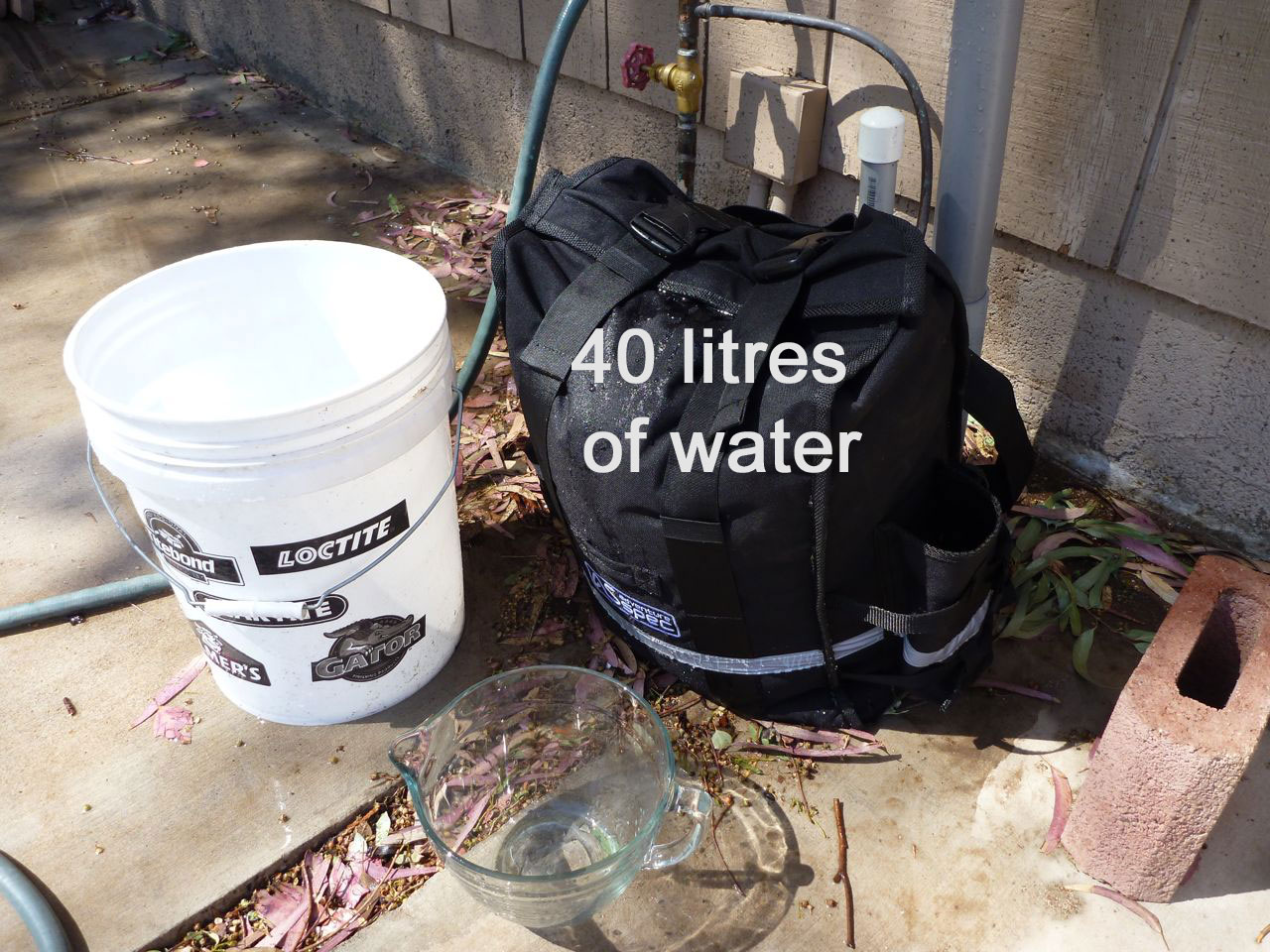
But, fill the Mags with water and you’ll easily get 40 litres in each side, as the pictures right and below show. Seems hard to believe but there are no less than two fills of that 20L white bucket inside the Mag bag, rolled up, clipped down and ready to roll were it not for the fact that it would give me a hernia trying to lift 40kg (88lbs).

magwalter

Does this all really matter? Yes, it does because for a start, the l x w x h method doesn’t truly represent the maximum potential volume (MPV) of a flexible, non-cuboid container, even if the maxed-out 40L capacity demonstrated on the left is unlikely to be achieved in the real world of packing your panniers with normal travel stuff.

It matters all the more when trying to compare stated fabric pannier volumes with rigid metal or plastic boxes as a guide to buying one or the other. My comparisons in the table at the bottom uses the l x w x h method but that only compares like against like. In all cases you can get more in your bags.

monbaguette

Even then, I think the dimension ratios of a flexible container may also have something to do with it. I recall the guy from Enduristan saying something like the reason their original Monsoons (left, reviewed here) are wide (closer to a cube form) is that they have/can make more volume (by presumably having less far to go to reach ‘cubic optimisation’).

But on a motorcycle I still believe slimness is a desirable attribute and is something that for example, Jesse Luggage strive to maintain in their mounting systems and cases. Al likes to boast that some of his rack and box setups are narrower than competitors’ racks alone.

So, in summary, think carefully when comparing stated rigid box volumes against fabric panniers. A rigid box’s capacity is immutable but a soft bag may be more than you think.

The Magadan was used because it was the pannier I used at the time, but this test would work and give similar results with any similar product. 

Setting up the CRF250L

CRF250L INDEX PAGE
Original pics for this post sadly lost in the clouds
20130408-025454-PM.jpg

In Phoenix the CRF was waiting for me, as were a dozen boxes of accessories to finish off the job the first owner had started before he flogged it with less than 1000 miles.

As a reminder, he fitted a pipe, plate, EJK fuel controller, tail rack, 13T, Shorei battery and the white plastics. Most of the original bits were there too.

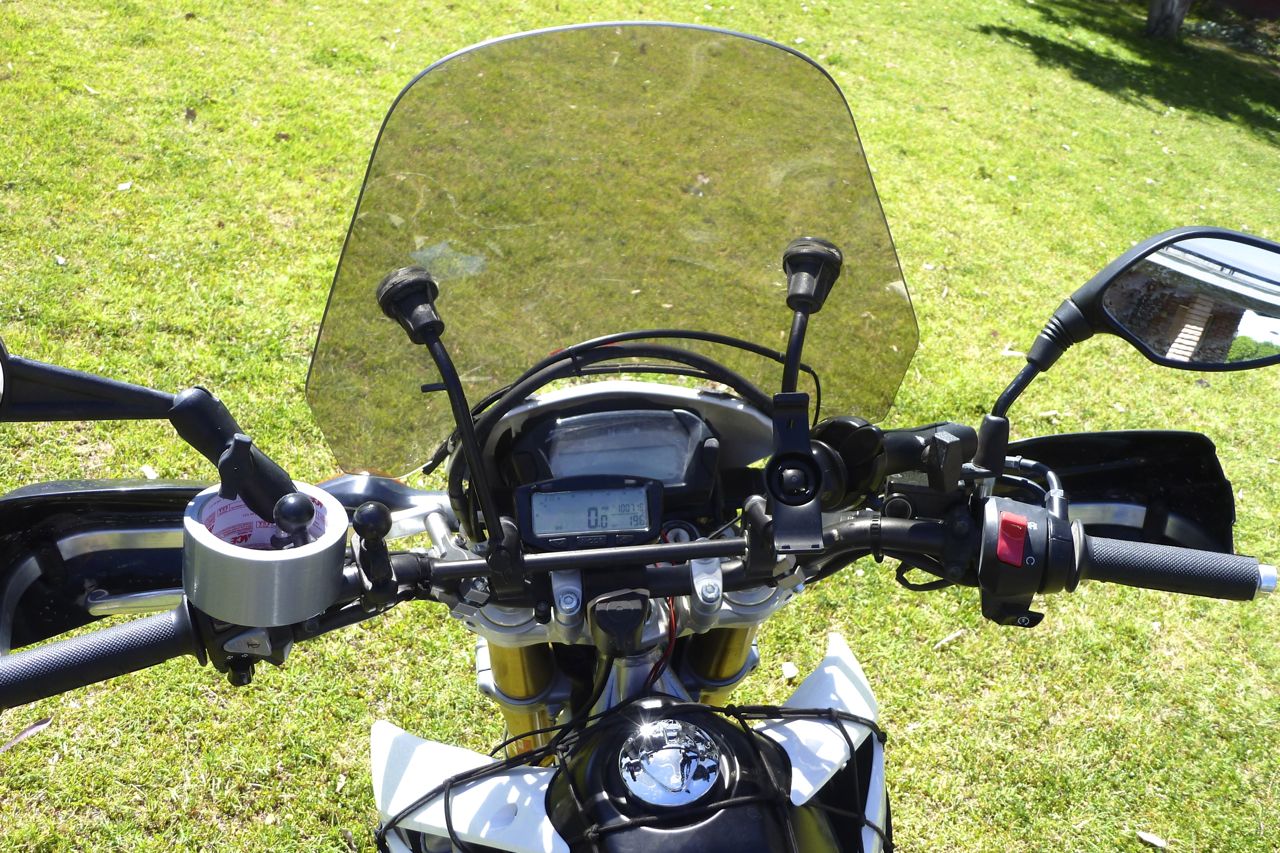
Lying on the floor there on the left I had a set of Aussie Barkbusters with the large Storm handguards, a Spitfire screen, some bar risers, a 12V socket, a couple of RAM mounts and some Double Take mirrors along with lube, filters, a Trail Tech Vapor and some maps.

The cheap risers and 12V socket were clearly sourced from the reject bin in some Guandong factory and needed redrilling; the 12v socket even had the blue and brown wires the wrong way round which caused a small bang and some smoke! At least there was enough cable on the Honda to get 2 inches out of the risers. The Barks went on easily enough; I refitted the original 14T, replaced the shift lever with a folder, got an AZ plate and some insurance ($28 for half a year!) and then we set about the shock and the side racks.

crgr-shockload

On the plane over I had a thought that the shock wouldn’t be up to my weight and the load. The L I’d tested in February had been reassuringly firm but when it came to loading the rear spring on my Phoenix bike the collar adjustment rings were factory-set solid. We unbolted the shock (the usual near blind nuts make it easier with two people and the battery out) and Al whacked the collar rings apart. He pointed out a useful trick in turning the loose top sleeve out of it’s notch to give another 5mm of tension, but on bounce testing we decided to go all the way and fabricate an additional half-inch sleeve, splitting a right-diametre tube, fitting it and tacking it in place to rack the preload right up and have a bit more to spare. That required compressing the spring in a press but the shock is otherwise unmodifiable and a decent compression damped unit starts at $600.

Al Jesse was also using my bike to try out the prototype of  the new MonoArm rack he’s designed. Jesse mount systems are typically cunning affairs with minimal metal; my version is a bit heftier until the final form is pinned down.

I didn’t know what to expect but what we have here is a q/d platform rack no less (he must have read my mind) onto which I’ve chosen to semi-permanently attach my Magadans (I could as easily remove the pans from the plate, but the whole point is the rack itself is q/d). Each side plate locates into corresponding slots and the mounting system’s special feature you’ll learn about later makes it particularly well suited to slinky sub-framed dual sporters like the L. Removal of the platform with bags attached is with a nut and spacers, but production versions will use the tamper-proof QRDP lock by the time it’s all out.

Sunday Al put a cooler full of water in his KLX 250 S’s top box and we went for a ride up in the Weaver Mountains around Castle Hot Springs to see how my adaptions weighed up and pull off an mpg test. I was concerned the EJK black box might might have affected this as the original owner had intimated. Even then, with the Honda’s tiny tank (I’ll have a 5-litre fuel bag and may need another) it’s going to be stops every two hours to pay out for 8 bucks of fuel at a time.

cc-airbox

First impression was a lot of noise and no jaw-dropping gobs of extra power over the Honda test bike I road in February (I do wonder if that press bike had been fine tuned…). With pipe and airbox and EJK, power should have been up some 30% (18 to 24hp supposedly) but Al’s Kawasaki was having no difficultly keeping ahead. We’d already tried to quieten the FMF ‘Q-Pipe’ by fitting a restricting washer up it’s spout and though it made a small difference in the garage, once on the road I couldn’t see myself living with that racket. Acceleration was especially noisy; we hoped the holes that had got drilled into the airbox side might address that, but back at Al’s, tapping them up made no difference. Luckily the stock pipe was at hand and easy to refit.

32-screen

Other than that all was well. By the end of four hour’s riding the old backside was getting warm; that shock is pretty firm now and chattered into bends, but should be on form with a load. Standing up the bars were still two inches too low – Al’s KLX by comparison was just right. Not sure how to get around that without cable issues. Tyres at street pressures were OK and the brakes a bit touchy on the loose gravel inclines, but that will just be me getting used to the bike. The Slipstreamer Spitfire screen too felt a bit close to my face when bashing over ruts but the ‘pressure balancing’ gap at the base caused no turbulence on the highway. I did think it could pull still more gearing but there’s no room in there for a 14T so it will have to be 3 or 4 teeth off the back end. Unfortunately it was the din that left the biggest mark.

As for mpg. Al’s KLX recorded 96 miles on the loop; the Honda 83.5 – an unlikely 15% discrepancy so one odometre was out; tyres and gearing were standard on both our bikes. Assuming the Kawa’s distance reading was correct then the Honda was doing an impressive 62.3 US or 75UK mpg. If the Honda’s 83.5 miles is in the ballpark it’s more like 54.2 US but still 65UK mpg, what I recorded last March on the stock press bike. We were going pretty slowly (no more than 55mph on the KLX or 50 on mine) so I suspect somewhere in between is right.

Back at base I checked the speedo against a Nuvi satnav and up to 30mph it seemed spot on for speed  though over a mile the odo was 10% under. A closer test with my Garmin 62 or even the Trail Tech Vapor unit will get to the bottom of it. And it sure was nice to ride the back streets with that quiet stock pipe back on, even if at 12lbs it’s double the weight of the Q Pipe.

Unfortunately the proto side rack doesn’t fit round the fat OE can and needs to be modified a bit. That and the fact that my  ‘two-day’ helmet delivery is still with UPS meant I was running out of time to get to South Sound BMW for Saturday. We talked about good routes on the weekend but a 250 is not the best machine when you need to cross a continent in a hurry.
The northwest was never my plan on this trip and my decision to fly up north (about the same price when you add it up) was made easier by today’s weather warnings across the Southwest. Here in Phoenix it’s been baking at over 30 Celcius last few days but today in Flagstaff it was snow and 60mph gusts –  undesirable conditions aboard a skimpy 250.

It all gives me more time to get the Honda in shape for a shorter ride for a presentation at Roseville, CA before swing back through Utah’s Canyonlands.

Next instalment here.

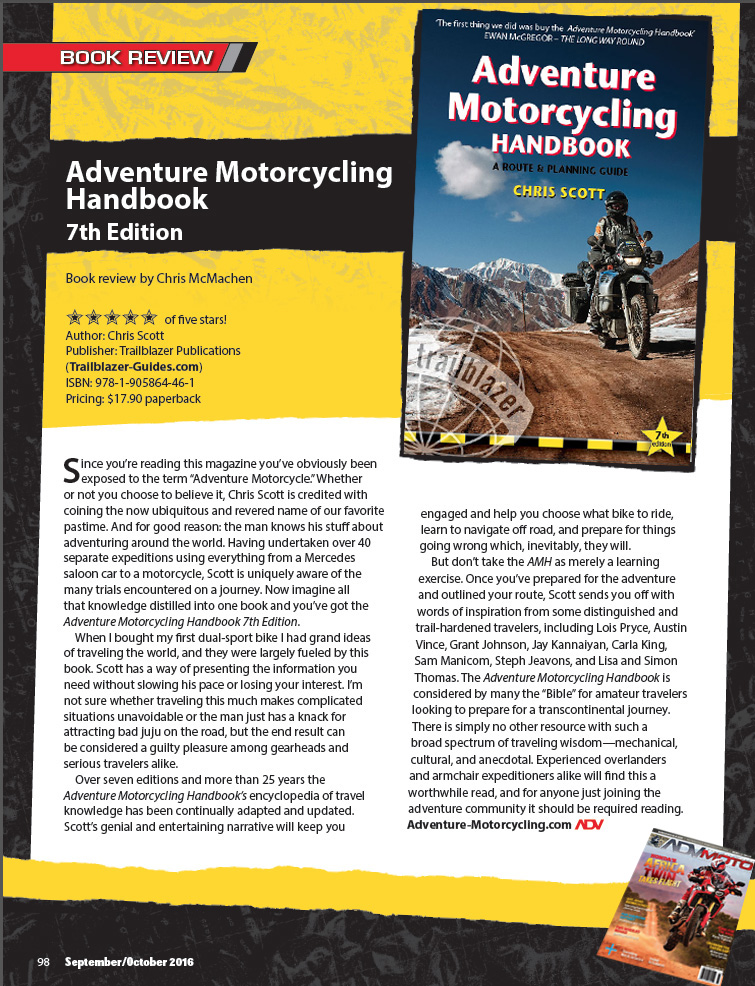
AMH7 Reviews

AdvMotoAMH7

bike500Fortunately, I had Chris Scott’s indispensable Adventure Motorcycling Handbook up my sleeve, which clearly outlines the unwritten rules.

Dan Walsh [in the Sahara], Bike magazine 500th issue

Continue reading