I’ll have spent a staggering £550 each on three handbuilt ‘MT’ wheels for my 300L, all so I can seal the rims and fit tubeless tyres for easy repairs and greater longevity. Oh well, it’s good to support the economy. When it comes to tyres, people love to fit fatter but I aim to get the closest-to-stock size tubeless tyres that’ll fit the new rims. But as mentioned previously, the smallest available tubeless-ready, ‘MT’ rims are a size or two wider than stock 300L wheels which may mean wider / heavier tyres too. FYI my MT-type tubeless ready wheels will be: Excel17 x 2.50 SM Pro 21 x 2.15 (£50 cheaper than Excel equivalent) Excel 19 x 2.50
Unsprung durch Technik With wheels (not least pushbikes), unsprung weight (parts not supported by suspension, mostly wheels) exponentially affects acceleration/braking as well as suspension response and probably mpg and appetite. You know how I feel about mpg. Imo, efforts to limit rotating mass are worthwhile on a 150-kilo bike with only 28 horsepower. As I wrote while preparing the Him “… it’s why your Hoka trainers weigh only 320g [i.e: as little mass/inertia as possible to do the job]”. Adv riders go on about swapping pipes and ‘bars and batteries to save weight (while having to add it elsewhere), but tyre weight is rarely considered and can vary quite a lot. My wider rims may weigh more, so might the slightly over-sized tubeless tyres. Overall, my tubeless conversion may barely save weight.
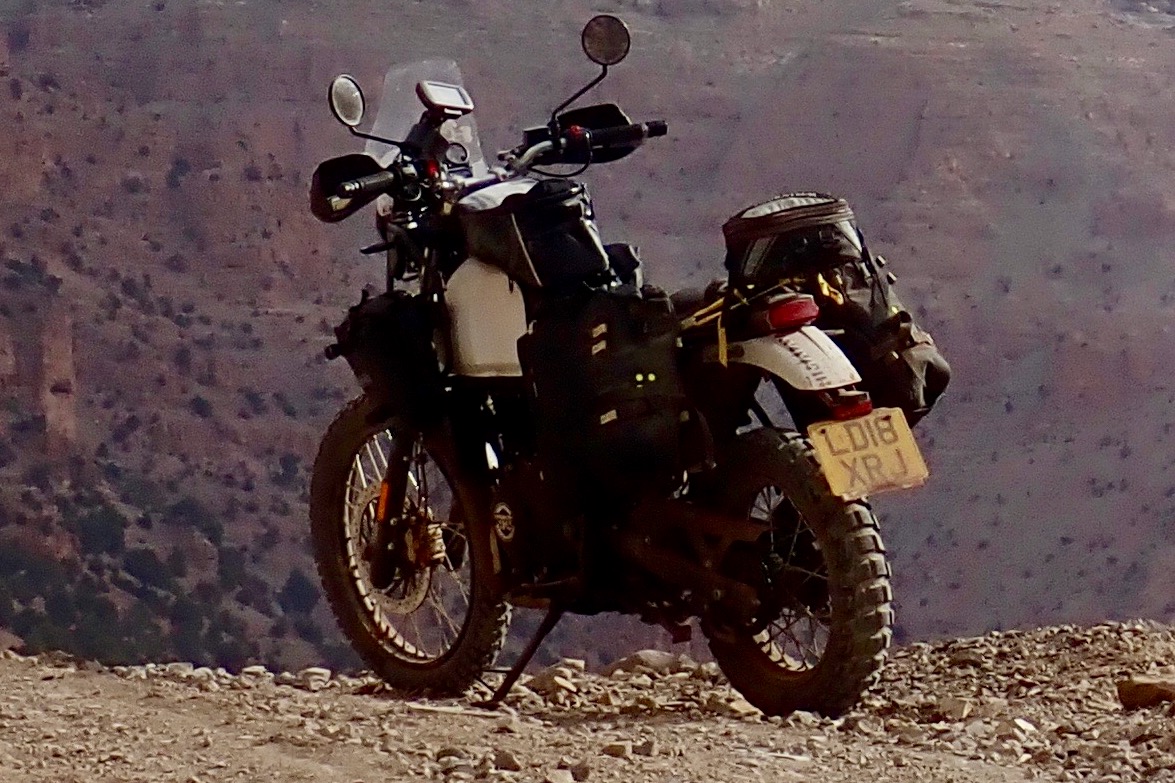
‘What tyres do you recommend?’ In line with EU diversity initiatives, I try and never use the same tyre twice. It’s good for the book, too. But when a mate donated a new Michelin Anakee Wild 120/70 R19, I thought I may as well go all-Wild, as I did with no regrets on the heavy Himalayan a few years back (left).
Barman, double hernias all round!
I was risking EU sanctions until I was reminded of my own words: a rear Anakee Wild to match the 19 comes no smaller than 130/80-17 but weighs a staggering 7.5kg – enough to give my poor Honda a hernia.
I don’t know if being a radial adds weight – apparently not according to this albeit contradictory article I found on the internet. And then I clocked my fat-tyre mate’s front 19er at a hefty 5.2kg – more suited to a CB500 than my simpering trail puppy. Barman, double hernias all round!
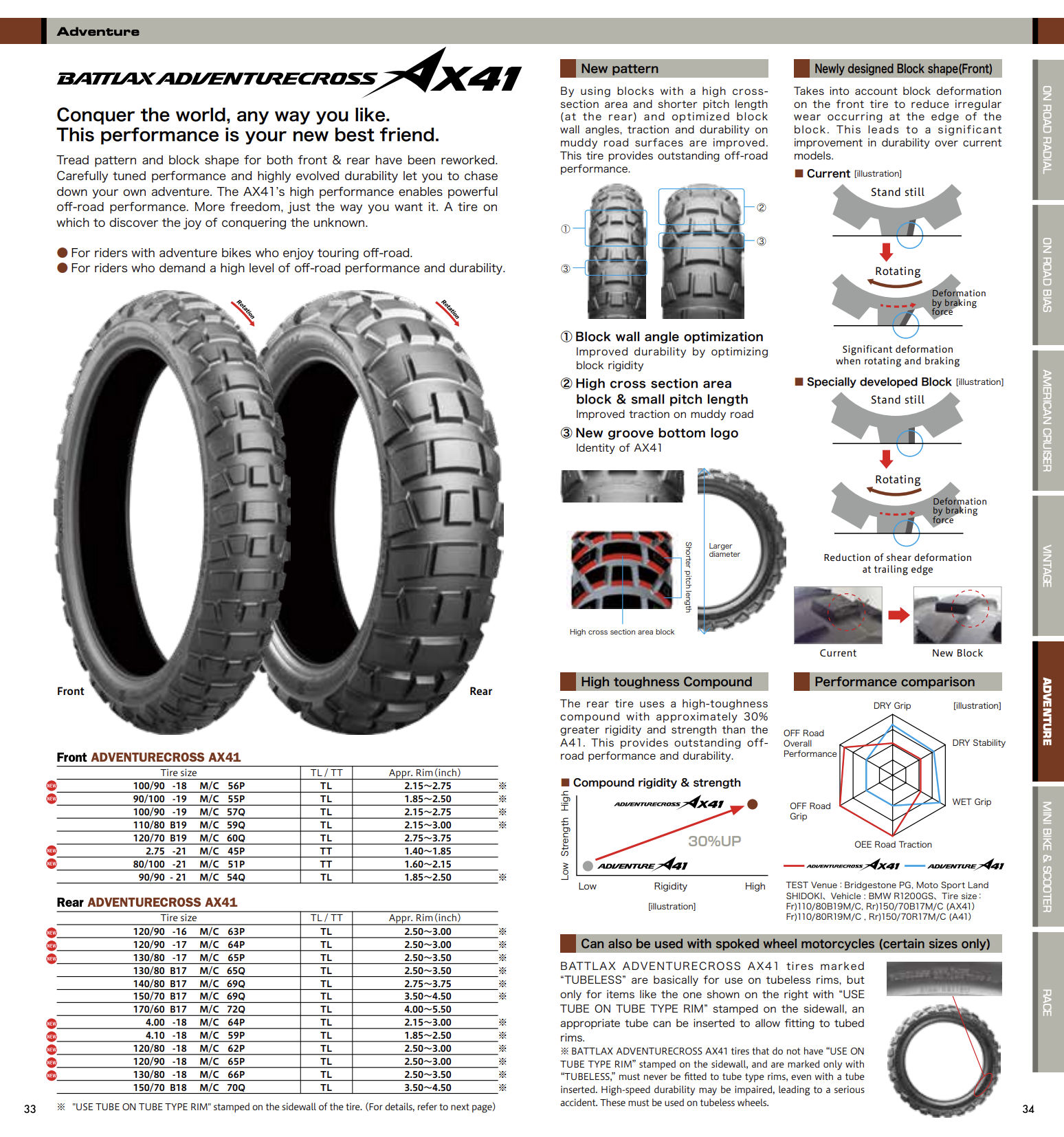
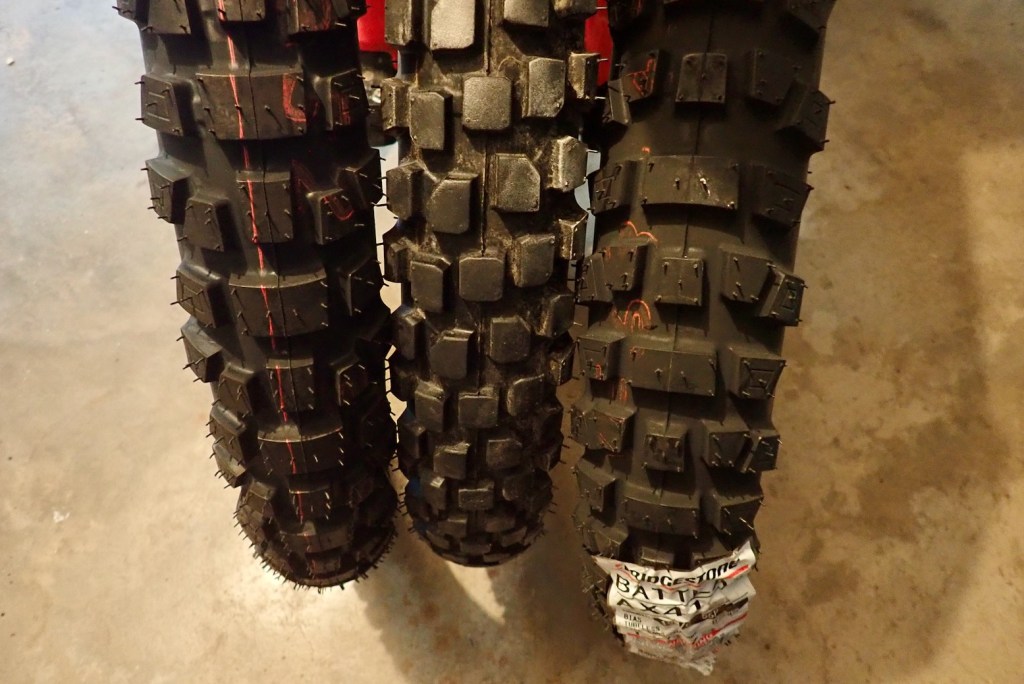
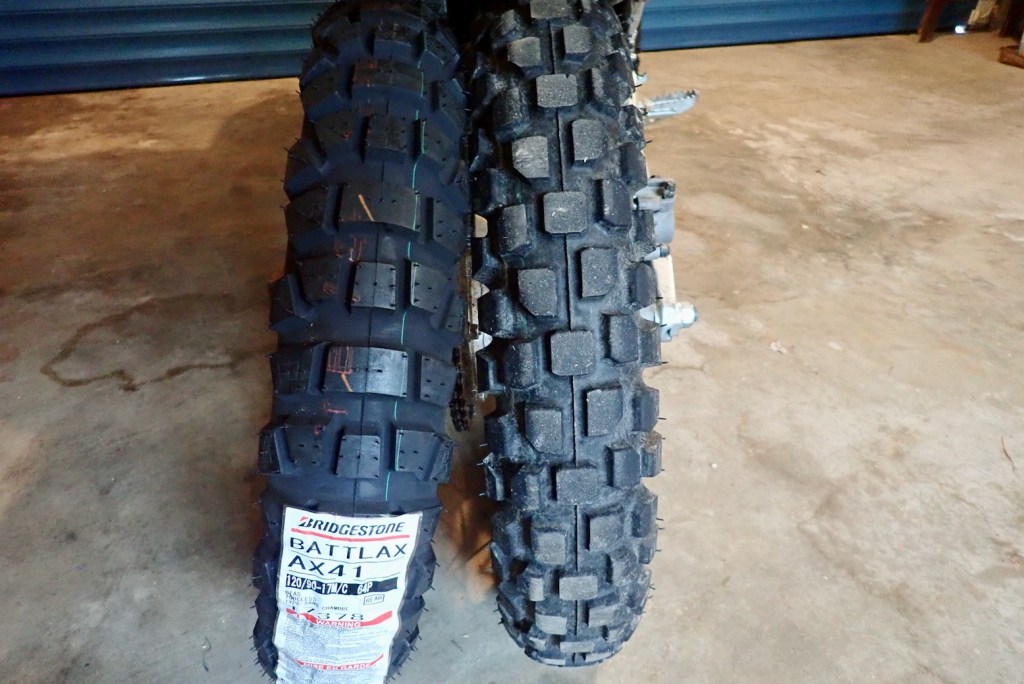
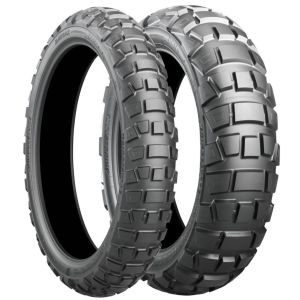
Back to the drawing board. Along with Kenda K784 Big Blocks, Bridgestone’s AX41 Adventure Cross (left) is a do-it-all 50/50 jobby I’ve been wanting to try. The advent of the AX41 a few years ago culled Bridgestone’s range of Trail Wings, some of which I’d have happily chosen for the 300L. What’s left in TWs are tube type and pitched as ‘retro’ (pre-Adv era) tyres. Best of all, unlike Mich, Bridgestone do an AX in 120/80 17 TL (118mm wide – 1mm more than the stock IRC) as well as a nicely slim, 92mm-wide90/100 19, plus a regular 90/90 21 at 85mm wide. These widths are all verified; you’ll find broadly similar AX41 width datalisted here, but tyreweights are something you rarely find listed publicly, even in pdf online catalogues. I had to email Bridgestone Technik in the Netherlands who, to my surprise, promptly responded down to 3 decimal points:
Nice numbers but as usual, manufacturers’ weighing devices seem to be calibrated sunny side up. Using the same scales, the rear 120 AX41 comes in at 6kg, still 1.5 kilos or 20% lighter than a 130 Mich Wild. My current rear IRC also weighs 6kg with tube – and such OEM set ups are often the lightest possible to eek out good performance figures from reviewers to whom longevity is not an issue. More numbers you say? The little used Mitas 4.00 18 trials tyre my 300 came shod with weighed 6.9kg with tube. And out of interest, I’m told the old favourite Conti TKC which I last used on a 660Z Tenere 15 years ago, weighs 4.1kg for a 90/90-21 TL and 5.4kg for a 120/90-17, but I recall they are quite soft or flexible tyres whiuch is why people love them on the dirt. As mentioned earlier, these tyres and tube combos work out heavier than the back wheel, at 5.4kg with a 40T sprocket and rim lock.
3.00 21 left and 90/100 18 rightRear AX41 – same weight and 2mm wider
Meanwhile, the fatter 21-inch AX41 front weighs a true 4.6kg, 170g heavier than claimed and 200g more than current IRC with tube at around 4.4kg. The 19er is just what I was hoping for, it’s slim at 92mm and feels light, also at pretty much what Bridgestone say: 4.4kg. Height wise, unmounted the 21’s diameter is 27.4″ (696mm) vs 25.9″ (658mm) on the 19, at 38mm a bit less than the 2 inch/51mm variation you’d expect. And it only cost £83! Interestingly, all three tyres are Made in Japan. Not even Honda can manage that with a whole 300L!
Honda 21 wheel
SM Pro 21 TL
EXCEL 19 TL
Honda 18 rear
EXCEL 17 TL
3.9 kg
4.6 kg
4.4 kg
5.4 kg
5.6 kg
IRC 80/100 21 + tube
AX41 TL 90/90 21
AX41 TL 90/100 19
IRC 120/80 18 + tube
AX41 TL 120/90 R17
4.4 kg
4.6 kg
4.4 kg
6 kg
5.5 kg
Wheels (with rotors etc) and tyre weights. Spokes on new TL wheels are thicker
It’s eye opening that a set of wheels on a dinky, 150-kilo bike can weigh over 20kg, but they’re right at the coal face, dealing with all sorts of forces and impacts. I think that on anything from 500cc and 45hp upwards, all this gram counting is unnecessary, but unsprung weight on a 300L matters. Will the seat of my pants notice the difference between a 7.5 kilo Wild and the 6-kilo AX41? Probably not without bluetooth telemetry, but I’d sooner take the lighter AX which still feels pretty rugged for a ‘250’ trailie.
Michelin’s Anakee Wild came out in 2016, replacing the venerable T63 which we used on Desert Riders in 2003 (with similar patterned Mich Deserts on the rear). Since then, adventure motorcycling – aka: touring on big trail bikes – has become a thing. The Wilds address the need to give heavier, more powerful machines some genuine off-road ability – or looks – without resorting to expensive competition tyres like the famous Dakar-inspired Michelin Desert. I ran these Anakee Wilds tubeless in Morocco and Western Sahara on my Enfield Himalayan: 130/80-17 M/C 65R TL on the back on a wider, sealed Excel rim, and a 90/90-21 M/C 54R TL on the front, initially with a Tubliss core, then tubed. Both wheels were initially Slimed, too. Best price new in the UK is £85 for the rear and £66 for the front. Unlike some new knobbly-ish tyres, on my Himalayan the Wilds rode and cornered normally from new, with no odd, K60-like squirming until bedded in. With the aid of Michelin’s new TPMS, I ran them at around 28 psi or 2 bar, dropping only a couple of pounds for long, multi-day off-road stages.
Let’s face it, there’s no great mystery in tread patterns – you can see the Wilds will work well on loose surfaces, while the shallow knobs won’t flex disconcertingly on the road. The Himalayan may be heavy for what it is, but it hasn’t got the power to put these Anakees in a spin. On good mountain roads I pretty much forgot about the reduced contact surface of the knobs and was able to swing through the bends up to the point of grounding the centre stand or the soles of my boots. They never budged. On the dirt it was the same feeling of reassurance tempered by a riding style aware of where I was (when riding alone). The Anakees never made any unpredictable moves, just bit down through the gravel and grit to help make the Enfield easy to manage. Perhaps the tyres’ biggest test was having to ride 250 clicks on a flat front when the Tubliss core packed up irreparably in the desert. To be fair the punctured core helped keep the tyre on the rim, making straight-line riding easy. But to keep the tyre from over-heating I kept the speed down to 30mph. I’m not so sure a non-premium brand tyre would have survived such use so well. It also suggests that the firmer carcass of a TL tyre is more robust, even if it weighs substantially more than a tube type tyre. On a long rugged ride with a heavy, tubed bike like a one-litre Africa Twin, there may be something to be said for running a heavy TL tyre, even with inner tubes. The extra meat will provide added protection against flats.
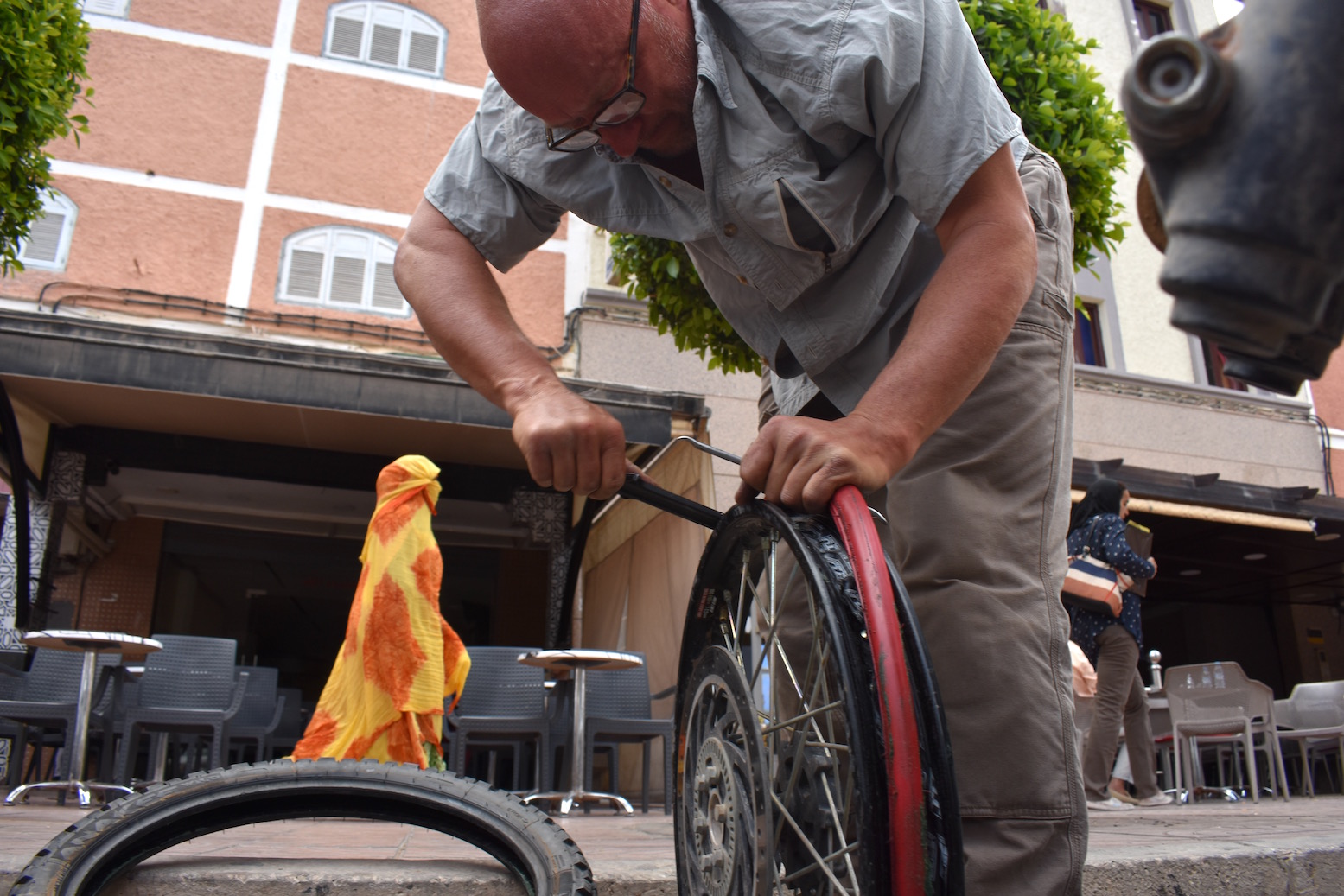
I did experience one flat on the front while running a cheap, paper-thin tube. I get the feeling a rocky off-road stage may have benefitted from slightly reduced tyre pressures to allow the tyre to form around the sharp stones, rather than press hard into them. It did seem to be a genuine puncture, not a result of hasty kerbside mounting (above), remnants of Slime or a duct tape rim liner. The rear also picked up a nail early on between the knobs, but I’ve left it there. By the end of the 3,700-mile trip, the last week guiding a tour of mostly 310GSs, the back had 5mm in the centre of the tread and the front a few mils more. It suggests at least 5000 miles from a rear with about 30% off-road use. As the miles have passed it feels like the smooth, stable edge has come off the ride in corners – normal with any ¾ worn tyre I’ve found – but the front knobs have no evidence of vibration-inducing cupping. The Himalayan’s front brake hasn’t got the bite to achieve that. The Anakee Wild is a harder-wearing 60/40 tyre than the ubiquitous, soft and similarly all-road performing Conti TKC80.
For what you pay and compared to vaguely similar bikes, Royal Enfield’s 2018 BS4 Himalayan comes very well equipped: centre stand; small tail rack plus tank sideracks; small screen; 15-litre tank giving a 400-km range; a small bashplate plus suspension that need not be instantly written off. Most of those items won’t need improving, but when did that ever stop anyone? Below, I throw out some ideas to help turn the Himalayan into a functional overlander. As with all my project bikes dating right back to the XT500 of 1982, I like to experiment with new stuff and new ways of doing things, much like Enfield’s Himalayan itself. It’s all part of the adventure and if nothing else, it’s good for the book.
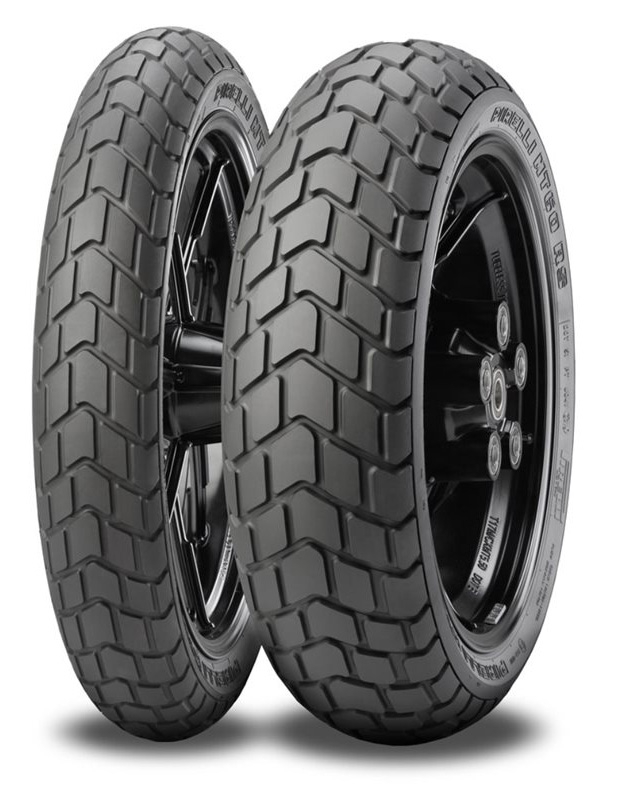
Wheels & Tyres Out of the showroom REH’s come shod with Brazilian Pirelli MT60s (right; mine stamped ‘2012’…). The spoked rims are steel: 21 front, 17 on the back. The Pirellis would have been OK for a regular Moroccan ride, but because I’ll be heading into the sands this time, tread becomes a little more critical. Below, some tyres of interest: Motoz Tractionator Adventure; Anlas Capra X and Michelin Anakee Wild.
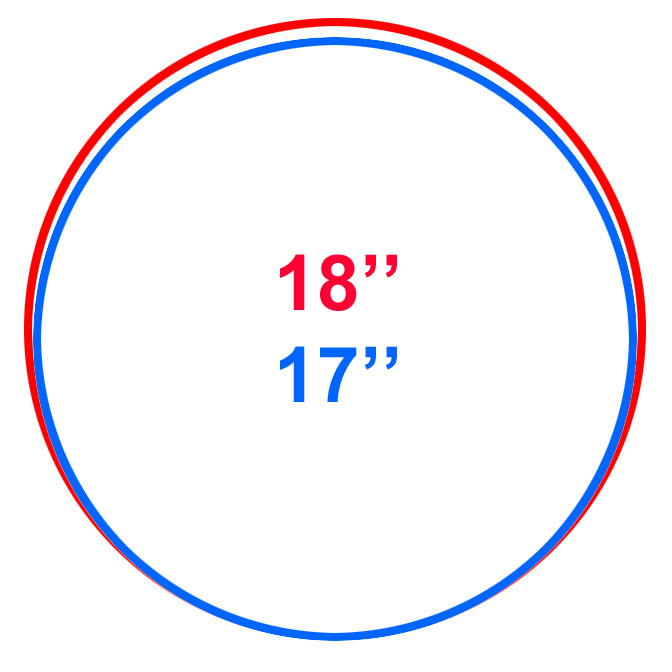
Confirmed: 17 is smaller than 18!
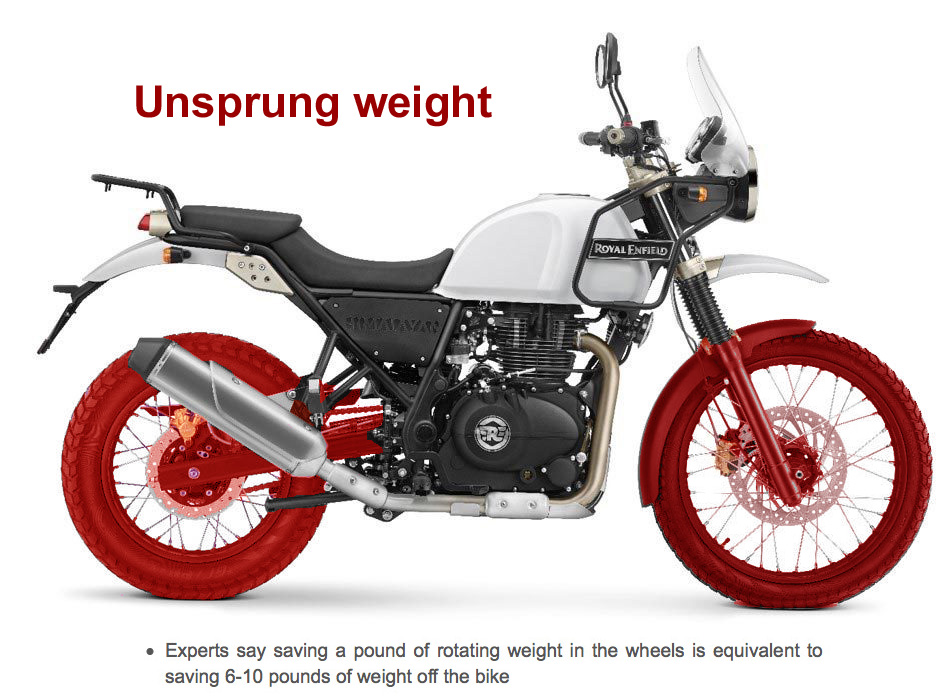
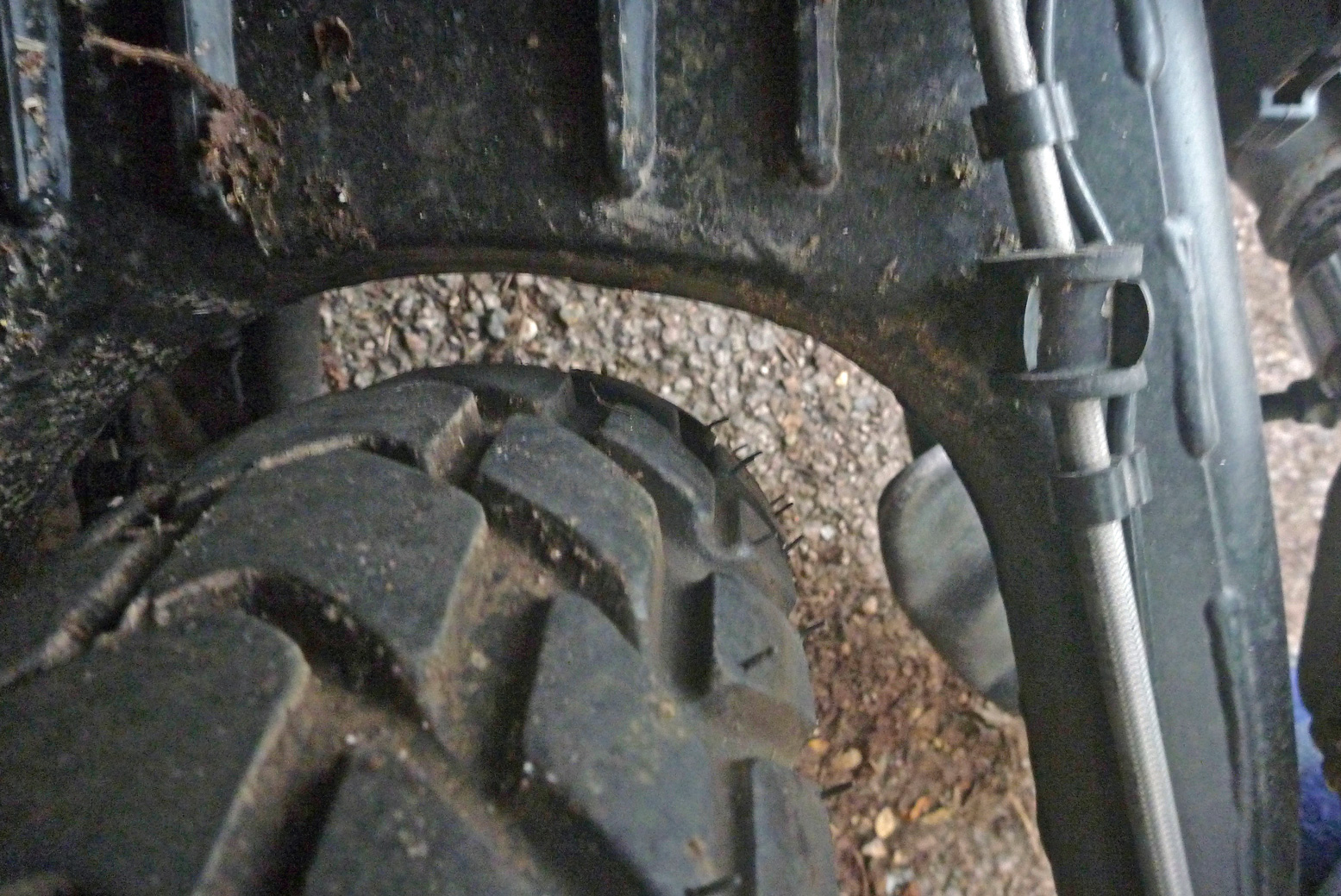
One thing I’ve quickly discovered is that none of the above tyres come in the stock 120/90 17 size. The only similar tyre I know of is Mitas’ E-09 which I tried on the XR400 in Algeria; a great desert tyre. Generally 17s tend to be low profile tubeless-ready adventure tyres suited to bigger, more powerful machines, and 18s are for traditional dirt bikes with taller profiles giving more sidewall ‘suspension’ or ‘footprint’ at low pressures. The above trio come no smaller than 130/80 17. There’s probably only a few mil in it, but I’d rather not go overboard with a ‘bigger-must-be-better’ rear tyre. Too much rubber to rotate will make the Him even more sluggish. Swingarm space with the stock MT60s (left) shows plenty of room to the sides but about an inch at the front, so for a replacement, actual dimensions may matter. The MT60 is 122mm wide and currently 93mm high from the edge of the rim. The swingarm gap will increase a little as the tyre wears and the chain stretches. Ratio-wise, 120 x 90% technically = 108mm tyre height, while 130 x 80% = only 104mm, so a 130 ought to have a lower profile or height. So even a 10mm wider 130/80 17 tyre will easily fit the Himalayan. Interestingly, an Anakee Wild 130/80-17 M/C 65R TL weighs nearly 50% more than a Wild in 120/80-18 M/C 62S TT (5kg) because the former is tubeless and aimed at heavier 17-rear bikes. An Anlas CapraX 130/80 B17 weighs 6.1kg. Motoz don’t know yet. Fitting an 18-inch rim might expand tyre choice at the slim 120/90-ish end. But with half an inch more radius in the rim, taller 18s could become a squeeze against the front of the swingarm unless a chain link is added to move the wheel back a bit. An additional incentive to move to an 18 is a chance to replace the stock steel rim with an alloy rim which will be a bit lighter. Suspension and steering, as well as acceleration/braking all react more readily if the unsprung weight– red, below – is kept to a minimum.
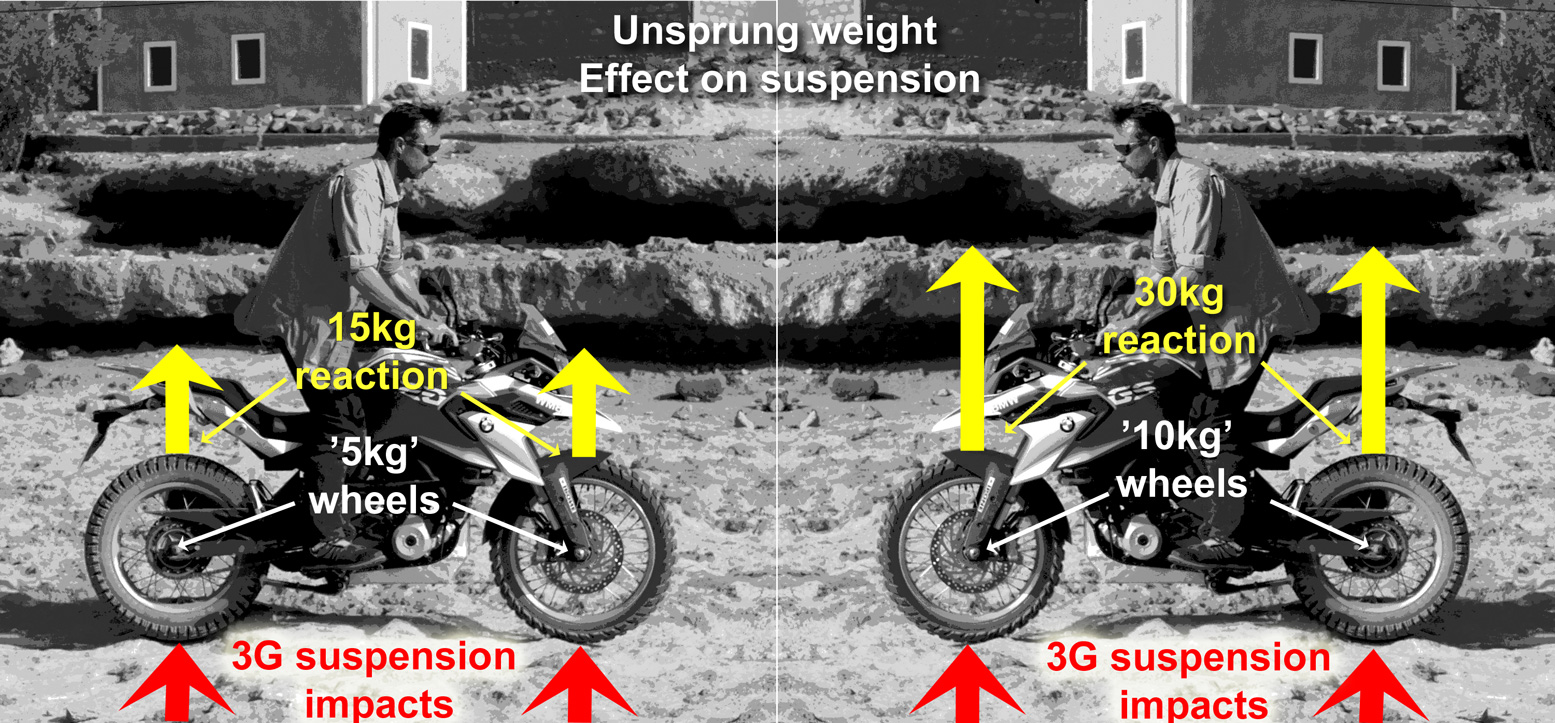
I read on the internet that the effects of unsprung weight includes the rotational mass of the gyroscoping wheel, plus – at non-rallying speeds – the less critical up-and-down mass the suspension has to control (image below). Additional unsprung weight takes more power to turn that mass, more brakes to slow it and better suspension to control it. This mass can be reduced by carefully considering tyre weight, not just the size, tread and price, going tubeless (eliminating heavy-duty inner tubes), as well as lighter rims, chain, rear sprocket materials; forks/swing arms and braking components. I’ve always thought this is a much overlooked area of weight saving on bikes, where changing a pipe is often used as an excuse to save weight. I remember the alloy front wheel on my XT660Z weighed a ton, partly because of the OTT twin discs when one good disc was all that was needed. Cheap stuff can be heavy, even in alloy. The image below illustrates how much greater the reaction forces are with heavier wheels. Put another way, it’s why your trainers weigh only 320g. ‘Add lightness’ as the old racing adage goes.
Unsprung durch Technik
And if I’m messing about with rims it would be a shame not to go tubeless, for all the usual reasons. See the link, but basically it’s: DIY mastic as on my 660 Tenere, Outex tape (~£70, never tried), BARTubeless (~£320, as on the 500X RR) and Tubliss (~£180 a pair; as on my GS500R), or a suitable rim (rare/expensive). If I go to an 18 I’m thinking of giving the 2nd generation Tubliss (right) another go as it’s an easy and inexpensive fit, but they only come in 21, 19 and 18 inch, not 17.
Is this all going a bit far with a humble Himalayan, or making the most of its potential? Will I or the bike notice the difference of a lighter wheelset, once all the other junk is added? Unfortunately I don’t have enough time to get a solid riding impression of the stock bike before setting off.
Load Carrying One of the REH’s distinctive features are the tank racks which some mistake for tank protectors. They’ll do that too but to me they’re clearly a handy place to lash items or bags. The previous owner had a similar set-up using Kriega drypacks and helpfully wrapped the Royal Enfield badge in string to stop it getting worn away.
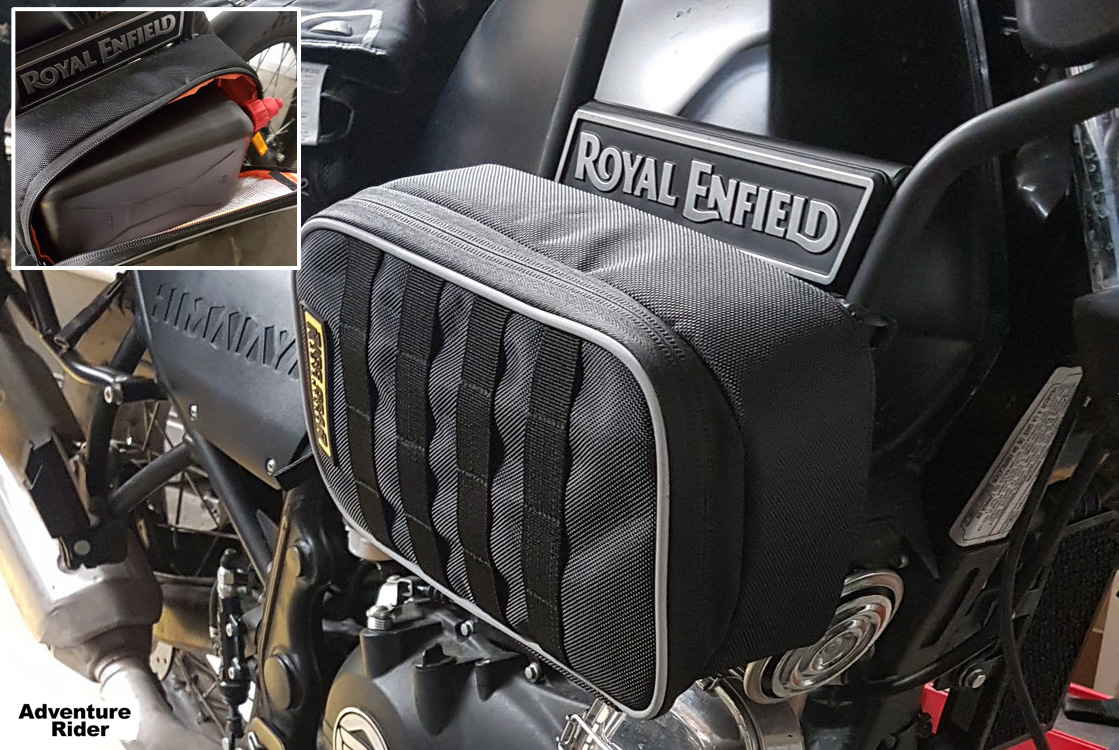
Kriega is one way of doing it, so is Lomo who’ve sent me a pair of their PVC roll-top crash bar dry bags to try (£39 pair). At around 6 litres each they look ideally suited to the racks. I plan to mount them semi-permanently and will use Lomo’s same-sized orange ultralight dry bags (£3) to lift everything out easily when lodging. In the US the more boxy, 3L Rigg fender bags (right) look like a neat fit too.
Then, once I zip on my Giant Loop tank bag, most of my daytime needs will be in view and at arm’s reach, meaning what’s behind can be left strapped in place. It may even mean I can do without a daypack on my back, plus the crash bags will keep the wind and rain off my creaking knees.
For the back an Enfield pannier rack is has just turned from India for under 80 quid. Looks like a hefty set up – it weighs over 5kg. You’ll find them sold on ebay, or at twice the price from UK sellers. I’ve not decided what bags I’ll use on the side. At the simplest I can just lash on a couple of rugged PVC dry bags, as I did with the Rally Raid 500X a couple of years back.
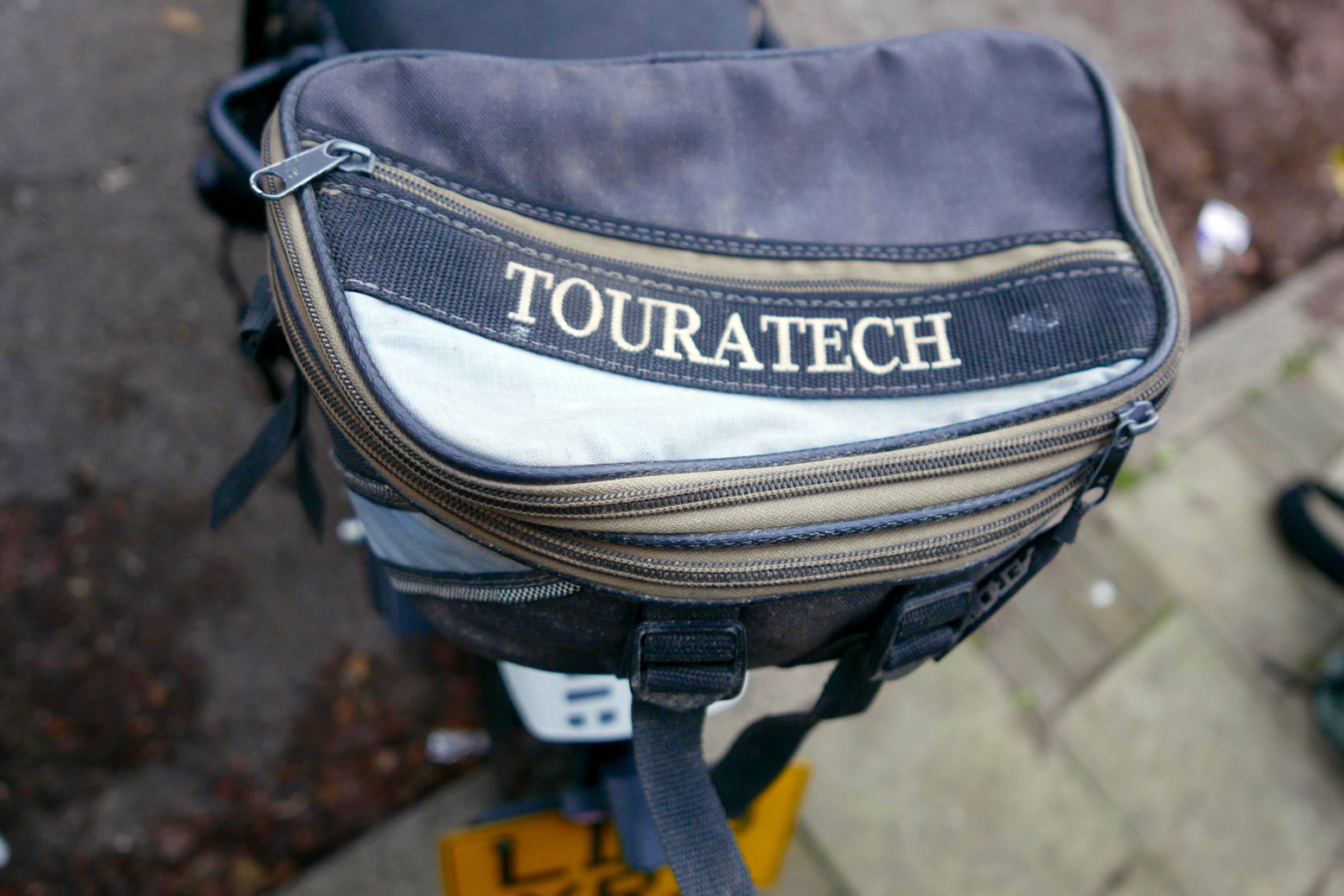
And right at the back the narrow tail rack has taken my long-suffering Touratech tail bag – one of my all-time travel luggage favourites. Having all these bags spread around the bike is handy for access, compartmentalisation and weight distribution but at, quite literally, the end of a day, it does mean more faffing about to get it all indoors when the parking is less than secure.
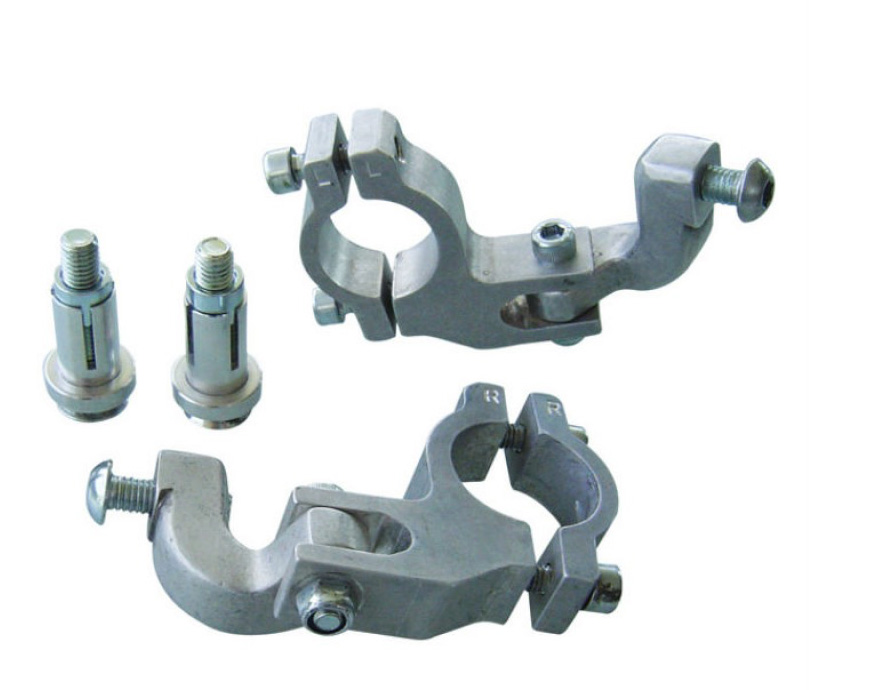
Comfort: handlebars; screen; saddle The bike came with Oxford heated grips – luvlay juvlay. My old Barkbuster Storms will also get their nth outing on an AMW project bike, but it looks like they’ll require BTC 06 curved adaptor clamps (right) to get under the brake lines and so on (they didn’t fit).
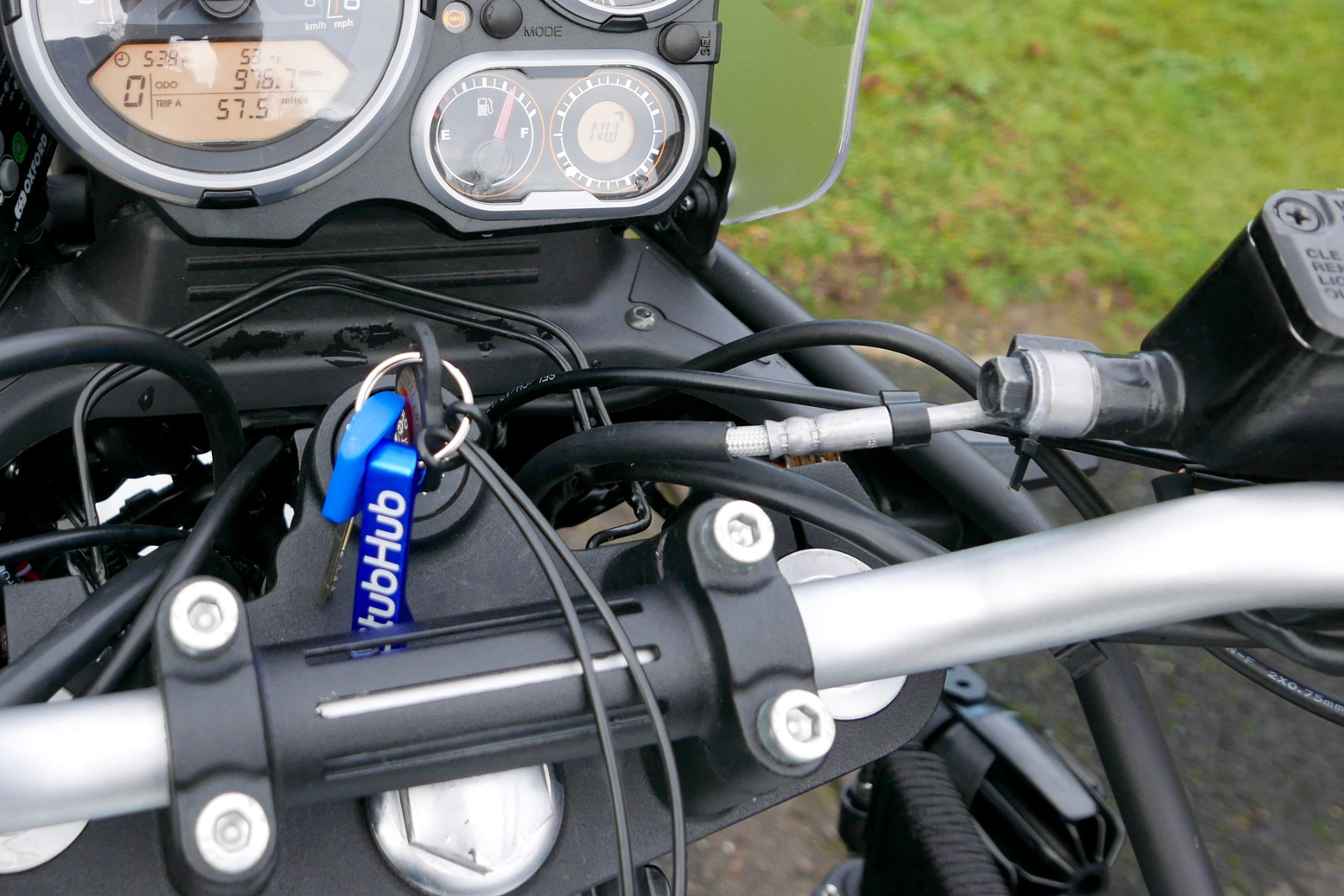
Talking of which, with this ABS model (brake line goes under tank to the pump, not straight down to the wheel) I’m not sure there’s enough slack to get much more than an inch of lift on the bars, which means my 50mm Rox Risers may have to sit this one out (they didn’t). Non-ABS Hims ought not have this problem. As it is the stoop for me isn’t too bad and the general position is of course much better than the XSR. I only tend to stand when I must, but that’s partly because I rarely ride a bike where prolonged standing off road is comfortable. One way to dodge the stoop is to lower my height by removing footpeg rubbers. Wearing very thin socks also helps. Fyi: ABS switch hack.
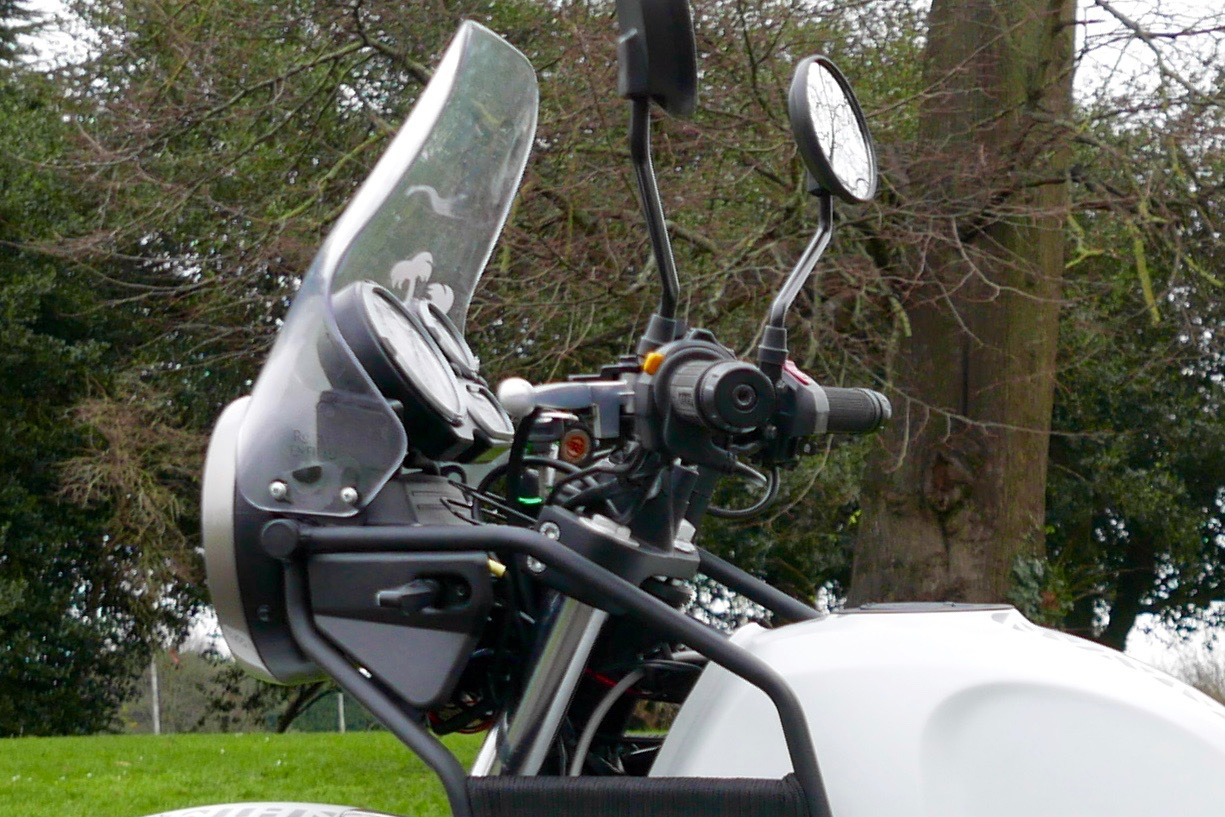
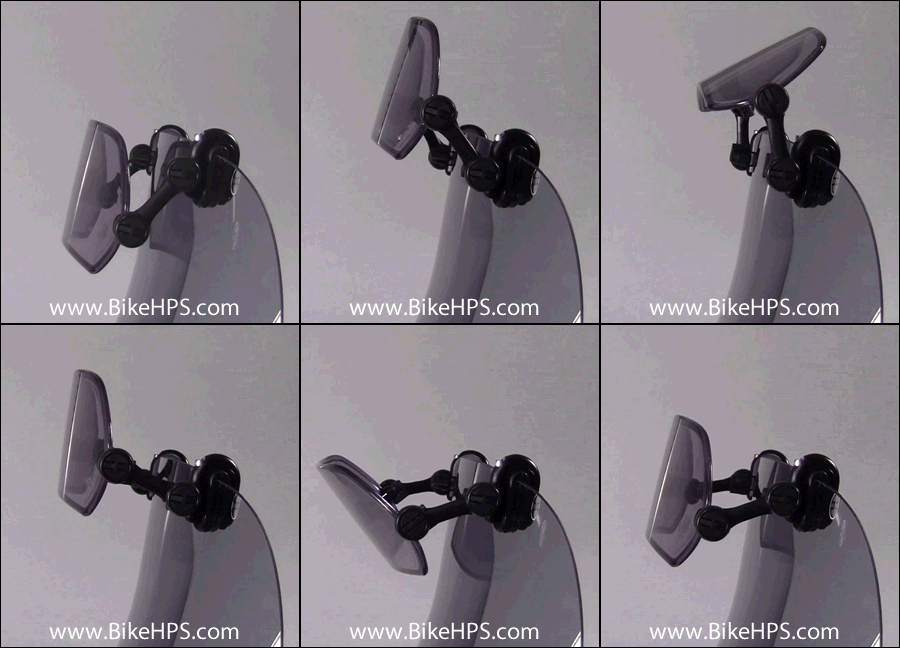
The screen is better than nothing and has a tiny bit of fore and aft adjustment. It’ll be all that’s needed off-road; less so for a long cross-country ride. You can get those clip- or bolt-on deflectors like the adjustable MRA Xcreen (below right) which I had on a recent Tiger (we don’t talk about that bike) and which worked well for what it was. Or Hitchcocks Enfield specialists do a taller version, but only by 60cm. Changing a fixed screen is a gamble while others have found chopping it right down greatly reduces buffeting. Much depends on your helmet, height and attitude to discomfort. You’ll never get it right all the time and it’s all part of the biking experience, so unless you know what works for you, by far the best screen is something adjustable like the Xcreen or the Palmer I had on the CB-X.
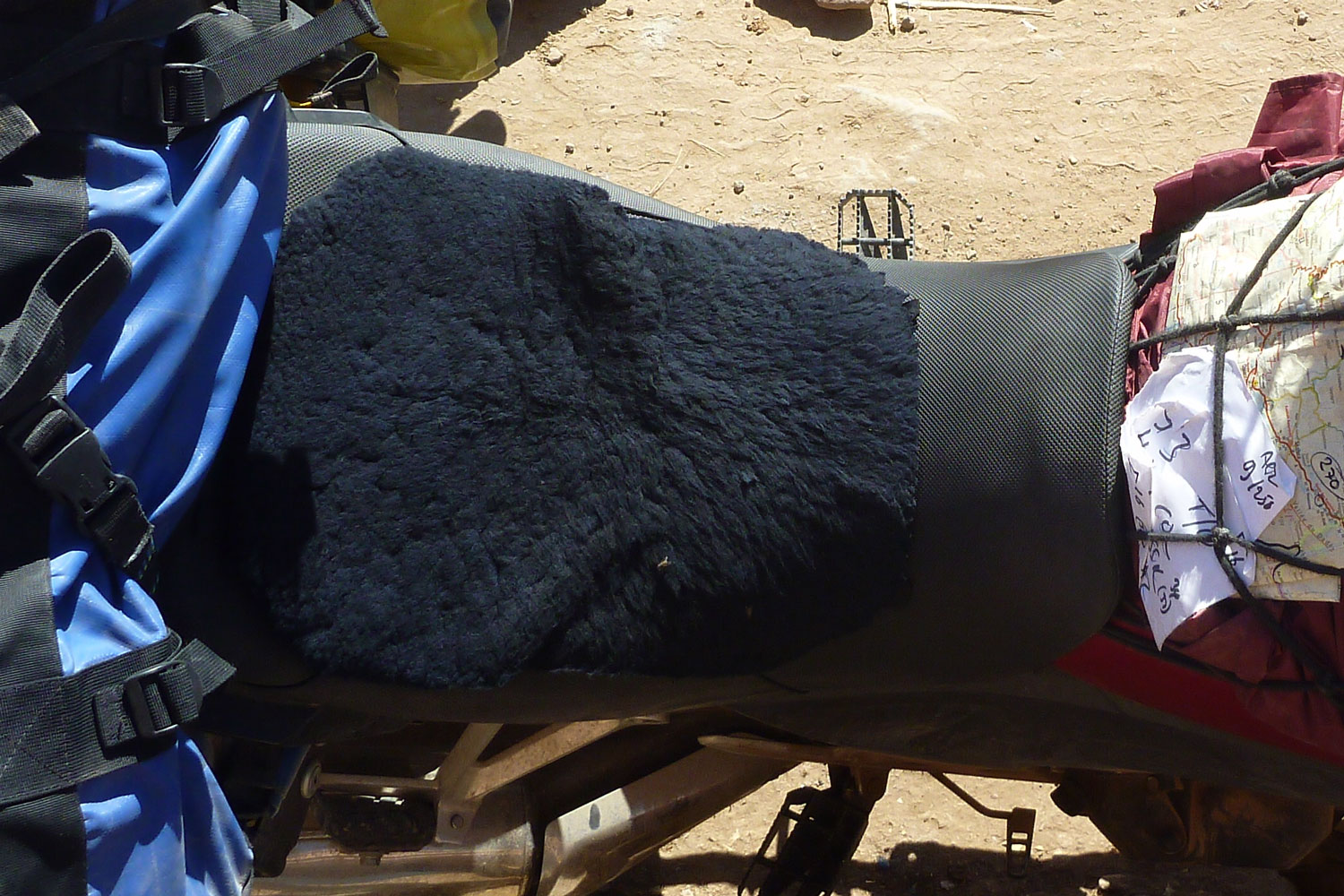
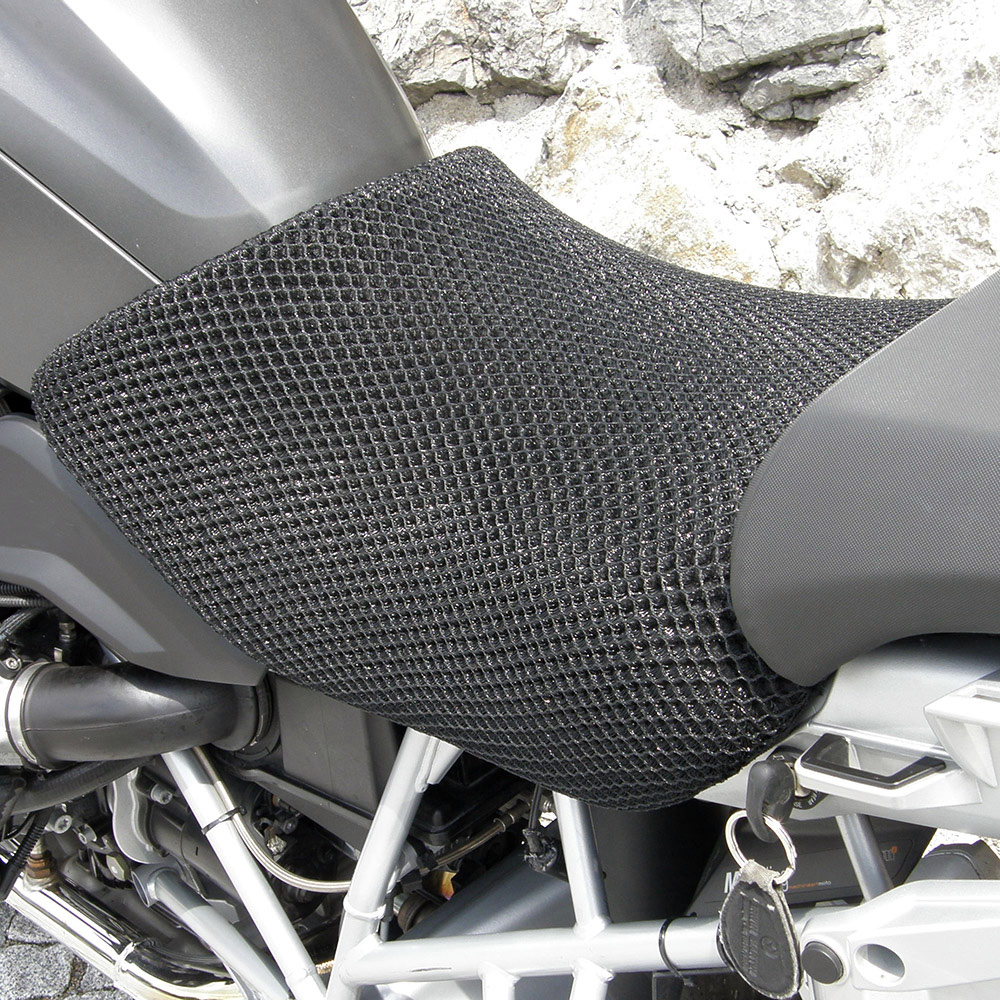
It doesn’t feel like the seat will sustain my post Xmas mass, sprung or otherwise, for more than an hour or two. Nothing new there. I’m getting a mesh Cool Cover to test. One good thing with fitted covers like this, as opposed to airbag seat bags, is that you can securely stuff added padding underneath without having to do a reupholstery job. I’ve got an old Aerostich lambs wool seatpad (left) which used alone may have had its day, but under the Cool Cover may add a bit more cushioning. One good thing on the REH is the two-part seat; it makes any foam-hacking job a bit less terminal.
Suspension I’ve often wondered how much more it costs in time and money to make stock suspension which works out of the crate. There must be no shortage of data and algorithms, so maybe it’s the time in fine tuning an individual model where the costs pile up. We’re so used to regular bikes coming with great engines which can sing and dance in four time zones, but have adequate suspension which presumably is expected to work for most riders at moderate speeds. Crank up the speed or reduce the surface quality and composure soon slips away as suspension travel gets eaten up, as I found on my CB500X and XSR700. But on my BMW XCountry I discovered what decent suspension actually meant: not that obvious on road, but a whole new world of control as dirt turns gnarly. Problem is that’ll be no change from €1000 and trip to Holland, please.
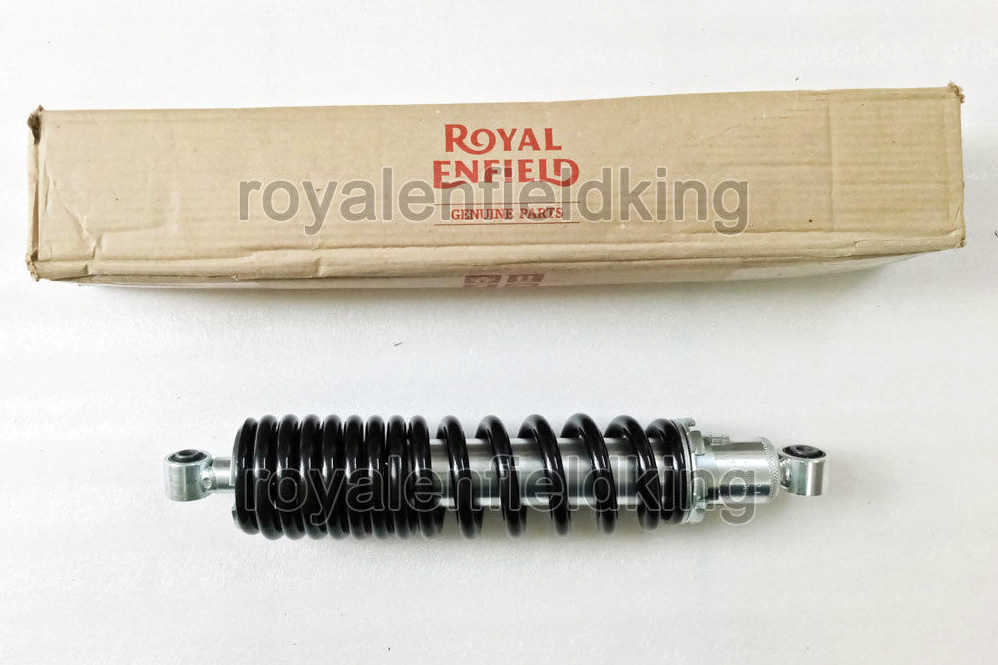
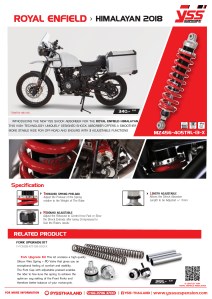
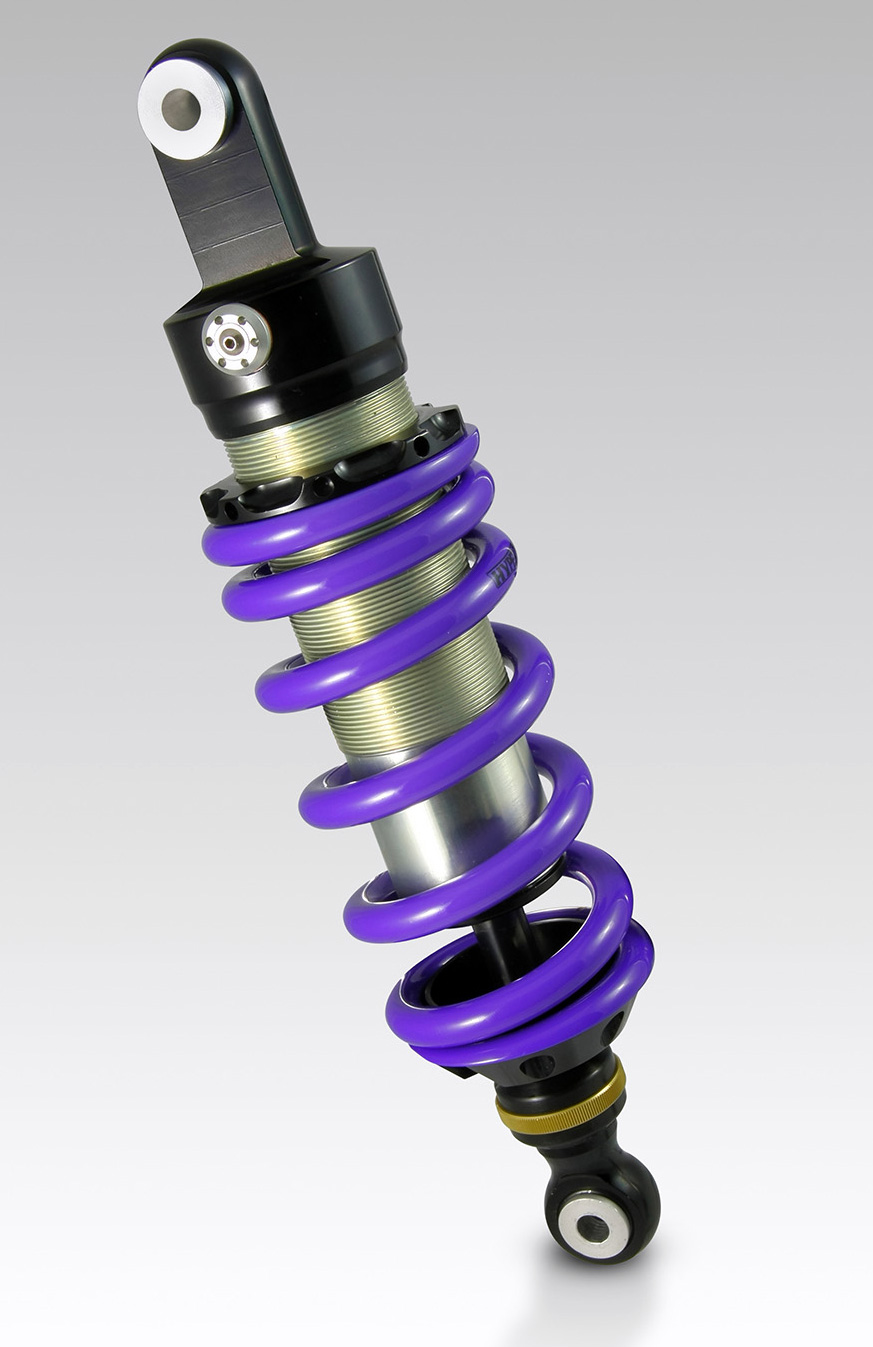
Many reviews say the Himalayan’s suspension is pretty good for what it is, which is all the more surprising when you look at the seemingly spring-bound stock shock above. I read it’s not trying to be progressive but a dual rate spring and in fact there is a 2mm gap between the closely set coils. Currently the only outfits offering shocks are Hyperpro (right; €500) and YSS (left; made in Thailand). Unusually, both come with rebound damping but the YSS also has adjustable height and was just £270 from Wemoto on special. For that price it’ll be worth a shot and the option of dialling in a bit of extra height will be handy. As it is, the bike tends to sit a little too upright on the sidestand and adding a sandfoot won’t help. And also if I do go for an 18-inch rim where the tyre range is taller, a bit more space will be handy
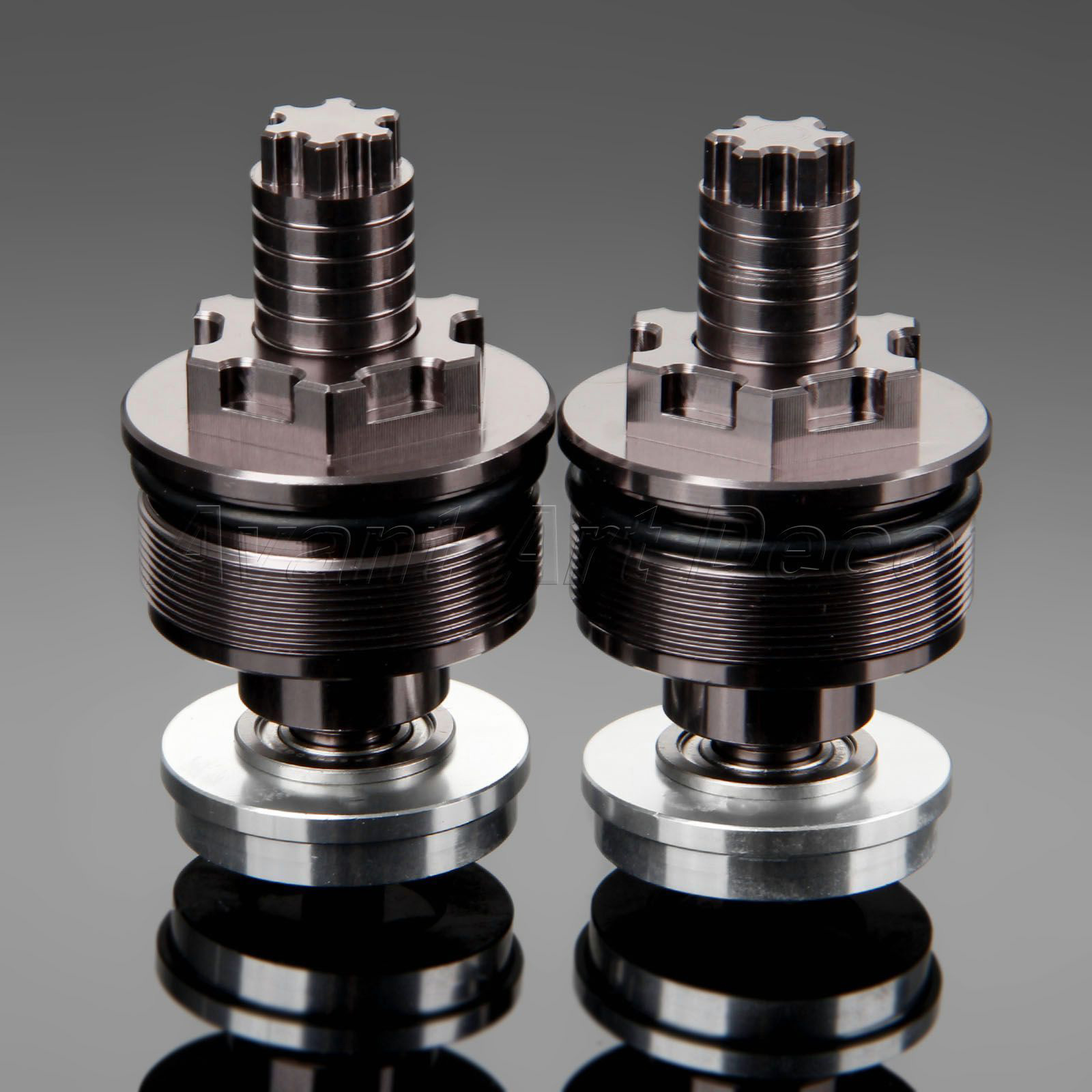
For the fork YSS also make a kit (above left) costing not much less than the shock. It includes valve emulators (available separately for around £80), something I’ve read of but never tried. For the moment there’s nothing to be lost by starting with some Chinese ebay fork pre-loaders (£10; left; as tried on the XSR). After that I may move up to a firmer K-Tech spring if they’ll make me one. Firmer springs may be enough to bring the front end back up if an 18-inch rear rim is fitted.
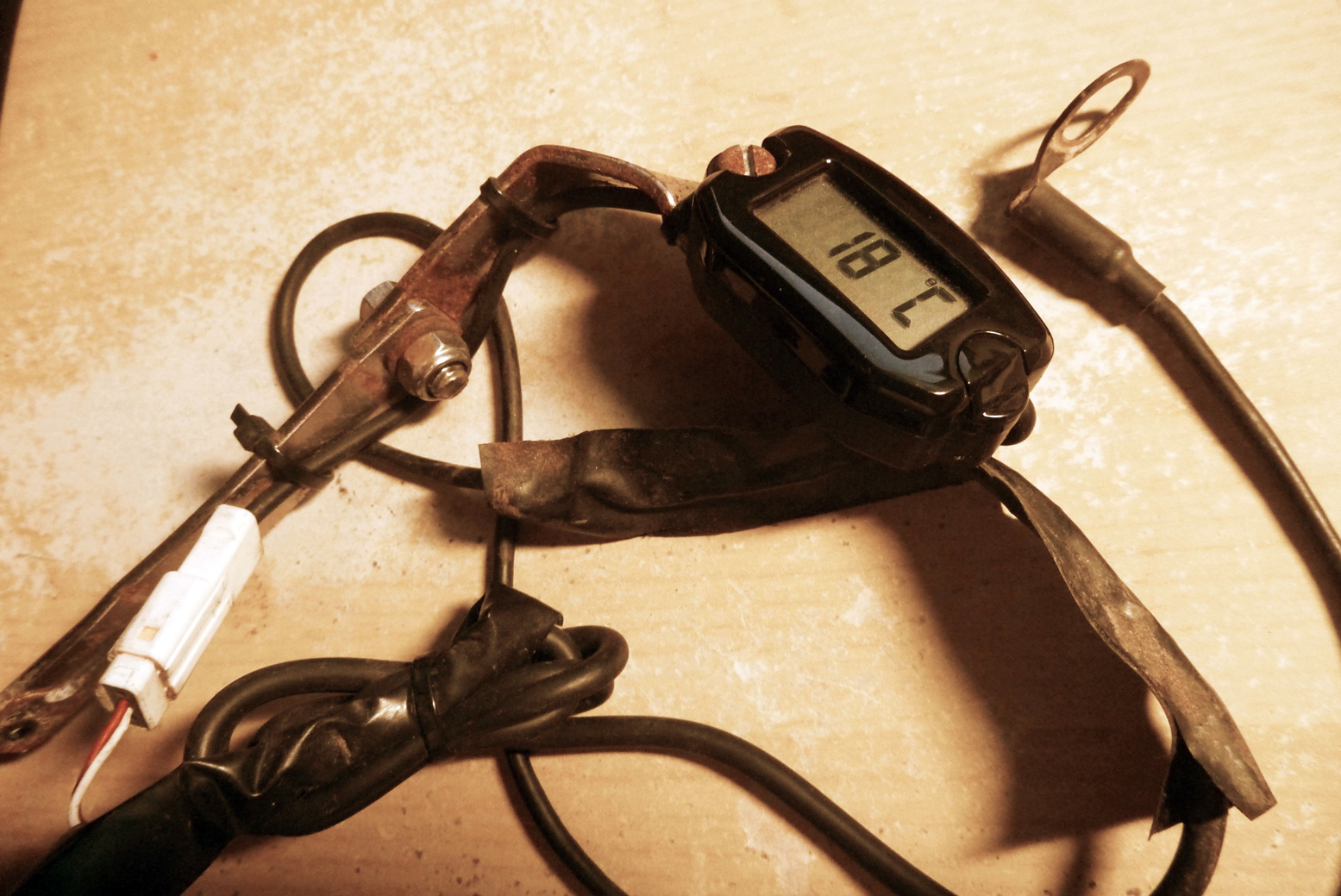
Ancillaries I’ll hard wire the trusty Montana in and fit a RAM mount on the bars. I’ll also add a PTO for the Powerlet heated vest and type pump. The claimed 220w alternator output is nothing special, but some wattage has been freed up with dinky LED indicators and there’s a spare LED headlamp which came with the bike. Otherwise I plan to add a switch so the lights aren’t on 24/7. There are times when you don’t want to be seen too easily. Last but not least, the Trail Tech engine temperature gauge from last year’s XR will get wired on to some very hot part of the Enfield’s engine. With an oil and air-cooled motor, even a low output one like the REH, it’s all the more important know how hot things are getting down in the engine room.








 Adventure Motorcycling Handbook