Tag Archives: motorcycle heated clothing

Tested: Mosko Moto Ectotherm jacket review

See also:
Heated 12v jackets

Updated March 2025

IN A LINE
Warm and smart puffa jacket with built-in controller which almost makes the 12v heating redundant.

WHERE TESTED
Chilly December mornings on Jebel Saghro, then plugged in for a very chilly morning in the High Atlas up to 2200m/7200′ but not below freezing. Then back across chilly Spain (above freezing).

COST & WEIGHT
Currently the revised v2 version is €395. My 2021 v1 jacket supplied free for review by Mosko. Weight 672g + battery wiring lead.

  • A smart, wearable puffa jacket, not just a wirey liner
  • PrimaLoft insulation is warm and compact – and ‘body mapped’
  • Packs into its own pocket
  • Three useful pockets
  • Looks cool; no naff graphics
  • Thumb hooks to get snug on the arms
  • It’s not black!
  • Controller function unexplained on v1

What They Say (v1)
We added carbon fiber heating elements to a kick-ass technical puffy, and the ‘Ectotherm’ was born.
When you’re sitting around the campfire or lounging in your tent, it’s a super warm insulator with 100g body-mapped synthetic PrimaLoft Gold insulation with Cross Core Technology. Connected to the bike, it adds a 6-panel carbon-fiber 3.5Amps/42w heating system powered by the bike. That extra warmth takes the edge off long, cold, wet, pavement stretches, keeps you warm on high alpine passes, adds new enjoyment to early spring and late fall trips, and ensures you’re ready for anything a multi-year/multi-season RTW journey can dish out.

REVIEW
Riding for a week up to 2200 metres in December 2023, I was pretty sure I’d need my Ectotherm. Around Nekob (1000m) the forecast was down near zero some mornings, but by leaving for my day rides two hours after sun up, I dodged the most biting chill. In the end, used under my quilted Carhartt riding coat and over a merino long-sleeve top, by the afternoon, even unplugged the Ectotherm became too warm and got stashed.
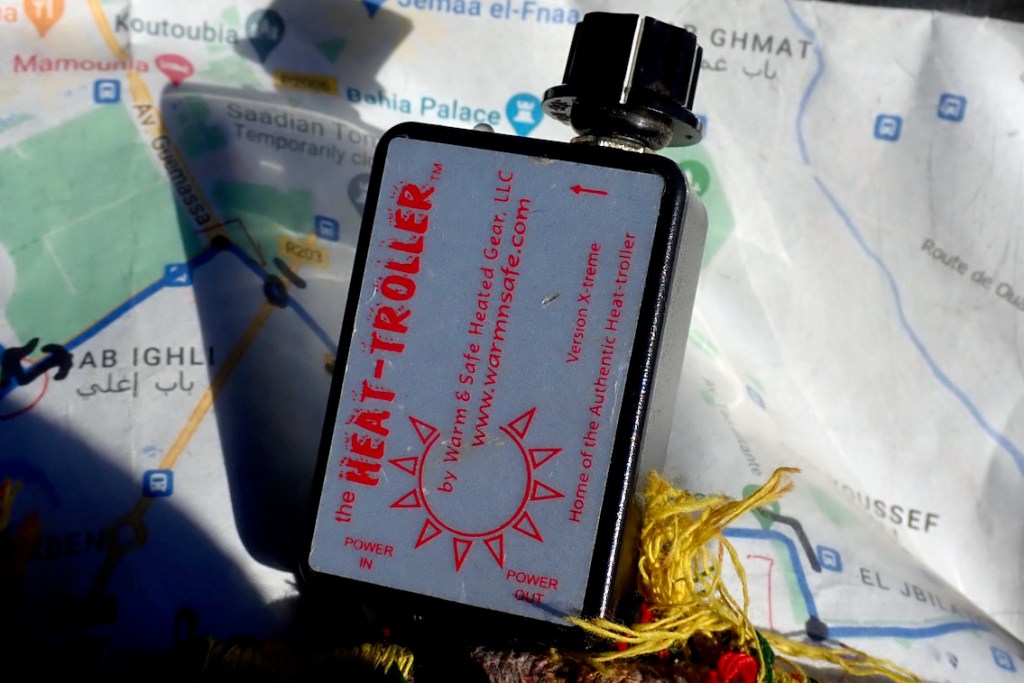
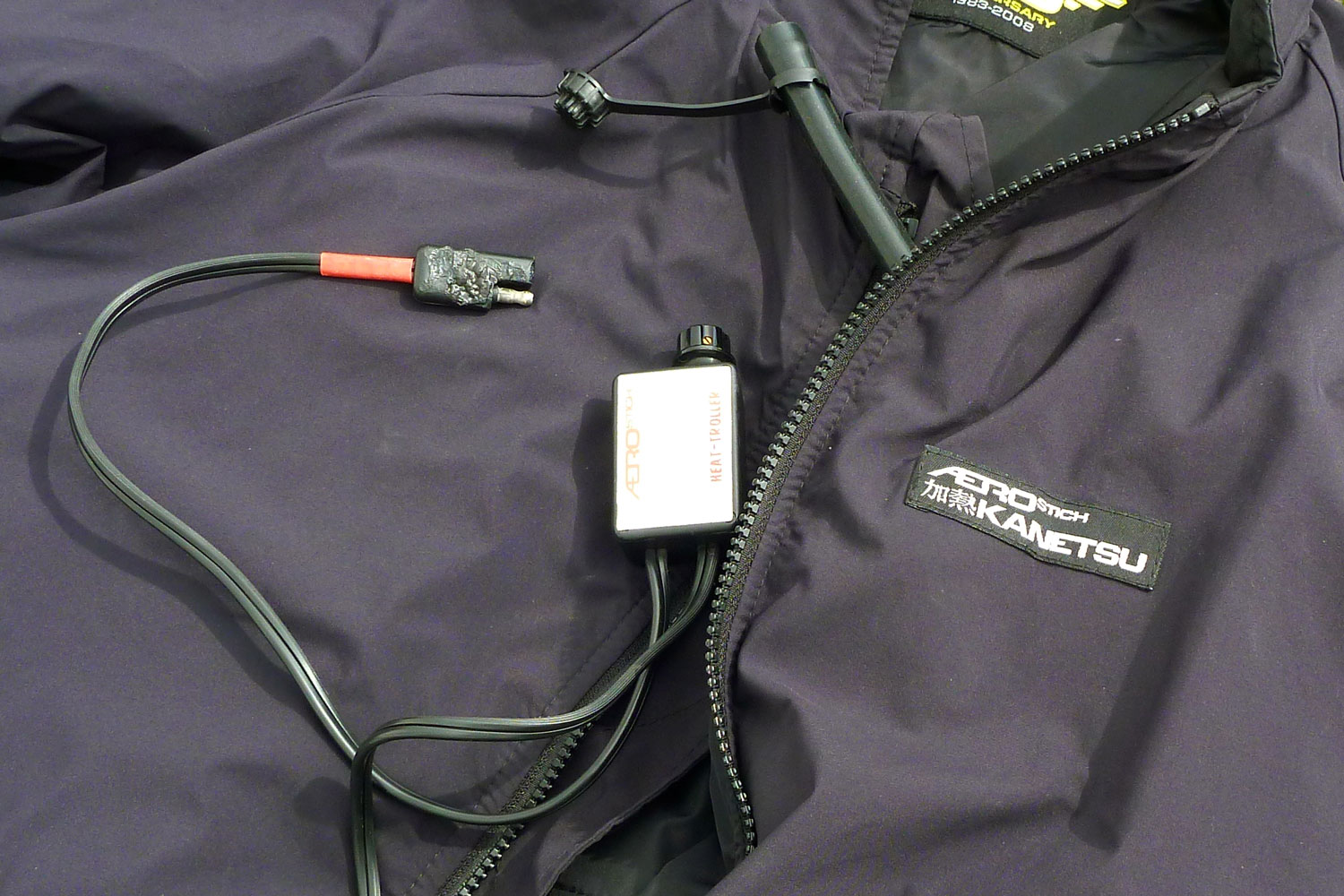
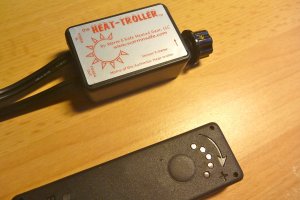
Only on the last day, heading over the High Atlas via a high-elevation route at close to zero did I plug the jacket in. I assumed like my previous heated jackets the Ectotherm would have no temperature controls, so used my old dial-operated Heat Troller (above left).
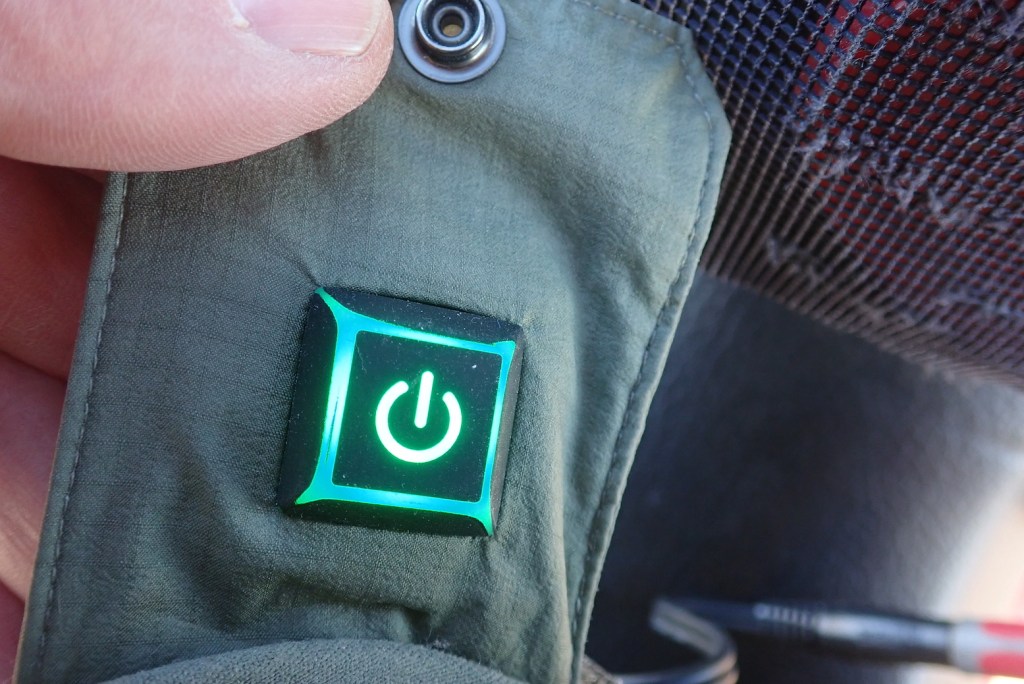
No heat that I could tell so I rummaged around by the jacket’s output and noticed an on-off button which it turns out, has three levels of heat. It cycled red, orange, green then went out. Was it on now? Full power or low?
I know 12-volt heated jackets are not night and day, but you sure notice when you turn them off. I stopped again to fiddle with the button and at one point definitely had the impression of warmth across my back. I notice that it’s rated at 42w where my Aero was 75w and the Powerlet 60/105w. But they used wires, not carbon fibre panels which you like to think need less power to do a similar job.
Whatever the heating technology, with these jackets close fit pressing down on your body greatly increases efficiency, which was why Aerostich’s inflatable bladders where actually a clever idea for maximum efficiency. On other jackets I’ve wrapped straps around myself to press it down on freezing rides across northern Spain in winter. The Ecto was helped a little by my Kriega Trail 18 pressing on the coat.
I did also wonder if wearing something thinner than my thick Ice Breaker merino may have produced better conductivity, but by that time I was over the highest cols and working my way west to Zerkten. A little disappointingly, the day had proved to be nowhere near as cold as forecast.
So, not a conclusive test of the Ectotherm’s heating ability which I bet is in there somewhere. I need to find out how those buttons sequence (nothing in the online blurb. I contacted Mosko: no reply. But see Colin’s comment below) and may be able to dispense with the Heat Troller (which might also be affecting the output).
Fyi; all is explained on the v2 model.

One thing’s for sure though: as a regular puffa the Ecto works very well (though at a price). It’s a smart garment you can wear off the bike, not a liner that just takes up space when not in use, or has little sartorial value when not plugged in. 
Whatever the carbon fibre heating panels are, they’re unobtrusive; only the LHS pocket with the wires and the control button adds any bulk.
March 2024 I rode my CRF back home but didn’t think I’d need the Ecto. Spain was as cold as I’ve been on a bike in many, many years. Even wearing all I had plus regular stops for hot food and drinks, I could feel myself going weird following sleet showers towards the end of the day. Another example of my minimalism turning round and kicking me in the nuts!

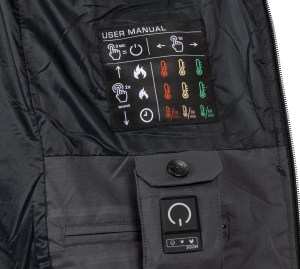
V2 with the missing instructions

Test 2 – 2024-25
I’d not given up of the Ecto, and in November 2024 set off across Spain on my CF Moto with the 12-v Mosko puffa under my thin Mosko Surveyor. By February 2025 I was back for more; winter 24-25 was a lot chillier in Morocco and I wore the unplugged Ecto every day, even down in the desert, along with my AD-1 over-trousers.
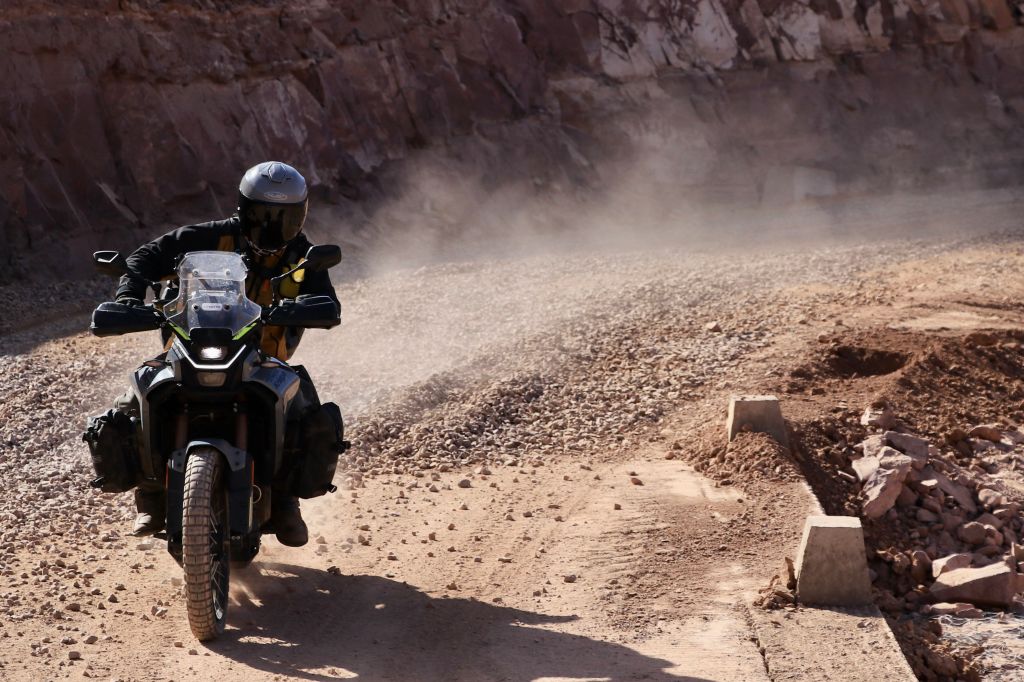
Coming back across Spain late February, I knew I’d need to plug it in, and this time did so direct – without the heat controller. For some reason, this time the operation of the Ecto’s built-in controller tab became intuitive: a long press for on, then short jabs until red (max) came up.
For the leg north of Madrid, the Ecto sure made the day more bearable. It wasn’t freezing at around 800m, but the 100-kph wind chill made it feel like it. This time I was wearing an old Klim Aggressor base layer, plus a shirt and the skimpy Mosko Surveyor jacket over the top.
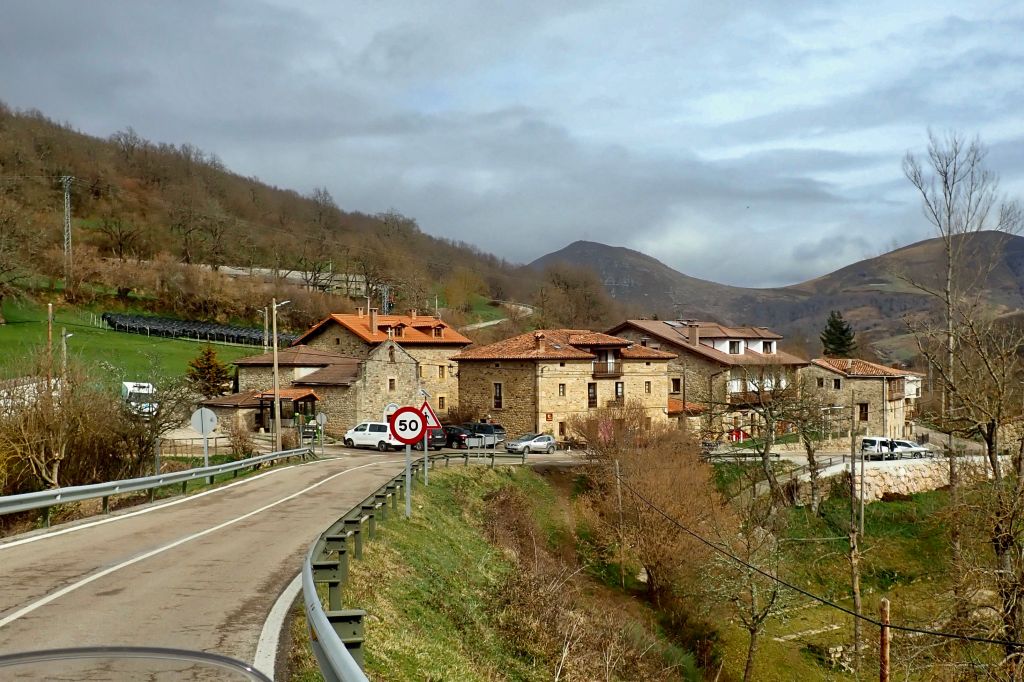
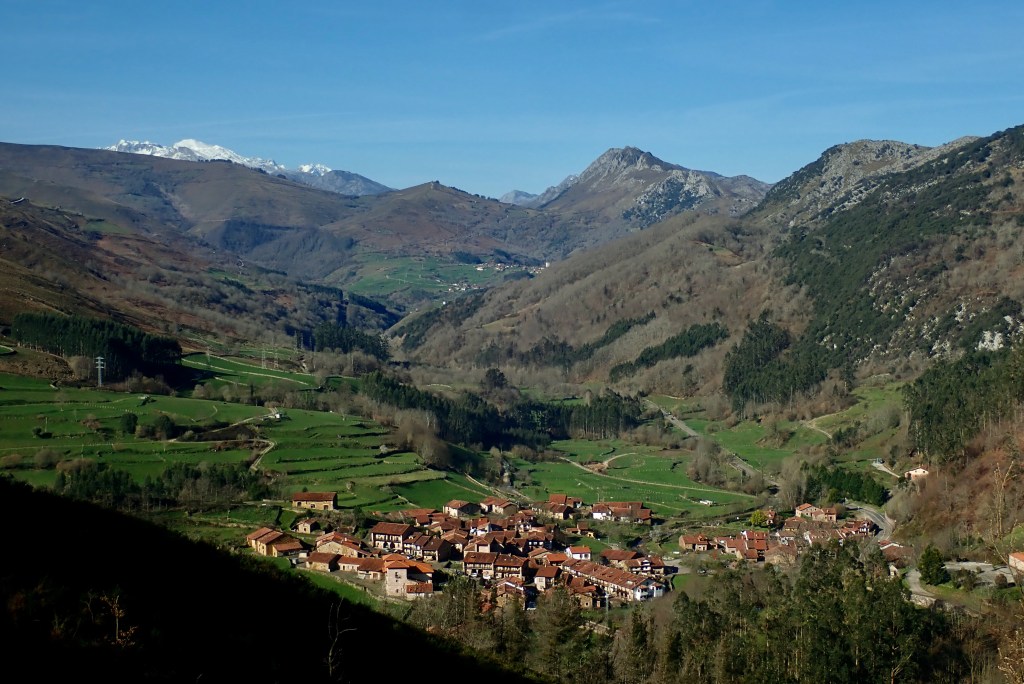
This was much more like it, even if at times the thing either auto switched off or went to a lower setting. Riding along you can just about grab the controller tab and check that the red icon is glowing reassuringly. I rolled into a Picos mountain posada, chilled but not stir-crazy with cold.
Two days later it was another brisk late-night ride off the Portsmouth boat, which a pair of proper, intact gloves would have made more bearable. I counted off the landmarks until I was home, numb fingers fumbling with the keys. Riding along I thought: heated grips or 12-v jacket. Both are allowed, but I think 12-v jacket trounces the grips. They say a warm core supplies blood to the extremities better than grips warm the core. I’ll be keeping my Ecto until the ice caps melt.

Read about the v2 Ectotherm here.

Heated 12v jackets for motorcycling

Turn on, Plug in but don’t Chill Out on winter’s long road.

hj-2jax1-glo

See also: Mosko Moto Ectotherm (soon)

If you live outside the tropics and like to ride on anything other than sunny summer days, heated clothing makes sense on a bike. Your engine churns out excess electrical power which, with the benefit of modern technology and materials, can make a near-freezing ride tolerable in a way you couldn’t imagine. The two jackets looked at here are Aerostich’s 75-watt Kanetsu AirVantage and the 60/105 watt Powerlet RapidFIRe which you can still find for as little as $160.

My tips for heated jackets

  • Get a full heated jacket with heated arms, neck and full torso, not a waistcoat or a jacket with partial panels
  • Get an easy-to-operate heat controller dial
  • If the body’s elasticated, aim for a close fit
  • Wire direct to the battery via a fuse (leads often supplied)
  • Don’t bother with remote, battery-powered options. Your bike has a battery and charging system: use them.
hj-seddonbike

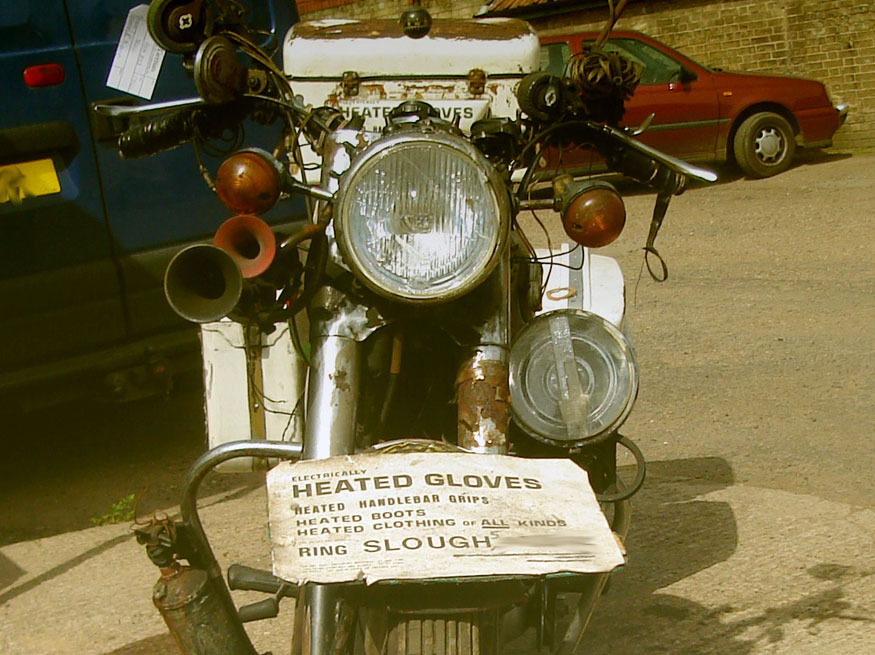
I remember back the late 70s there was a batty guy at work called Maurice Seddon who rode a BSA made before I was born and who sold hand-made heated clothing on the side (left). For London-based despatching that wouldn’t have been such a great idea, as with all the stop-start and on-off you never got that cold. But out on the road between cities you sure could in winter. Even then, heated clothing had a reputation for inefficiency and unreliability and so didn’t seem worth the investment compared to piling on the layers and gritting your teeth.

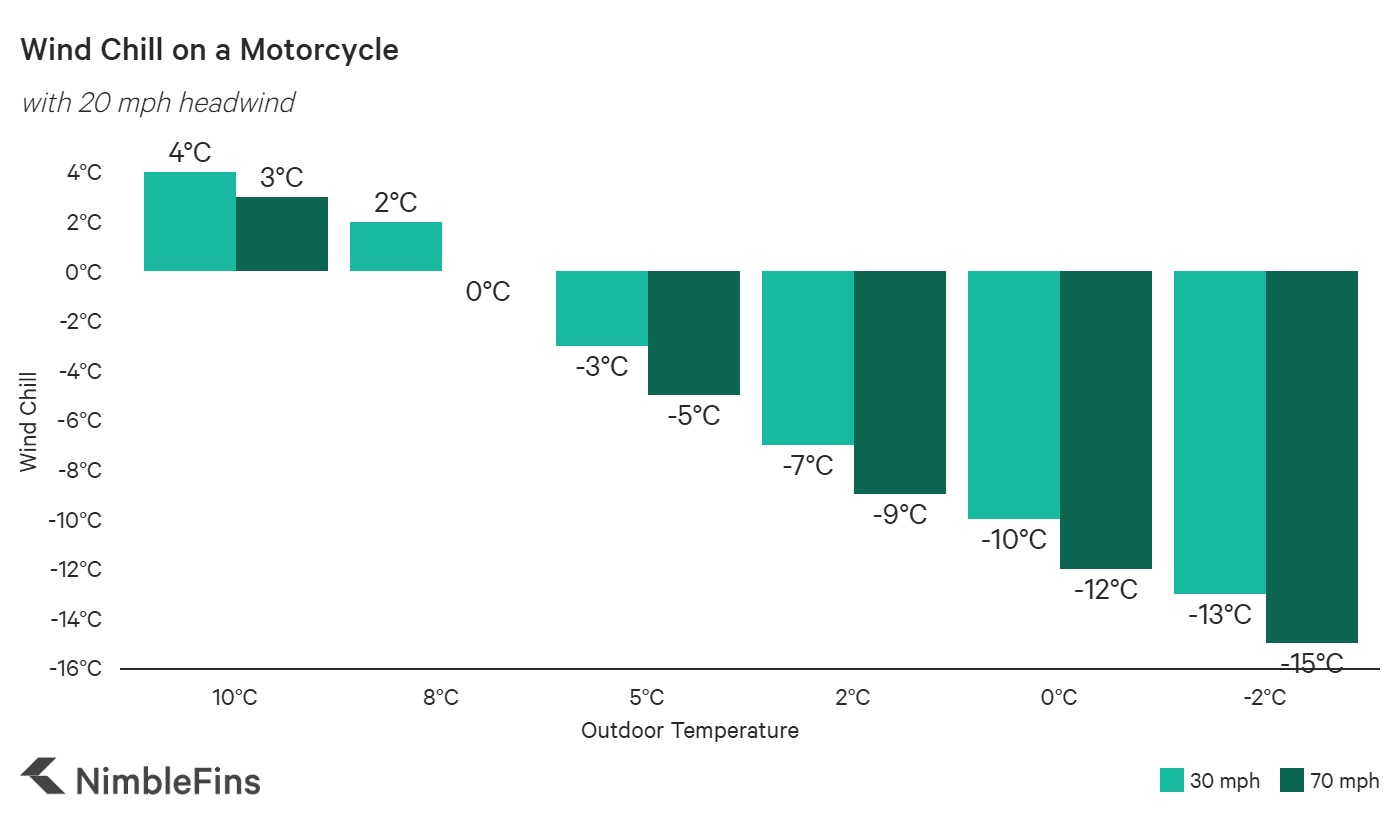
Compared to the northern US states and eastern or northern Europe, the southern UK rarely gets that cold in winter (anymore), but sat on a bike in the wind it’s always colder than you think. Apparently, in bikers’ lore over in the US there’s something called the ’60 60 30 rule’: 60 mph at 60°F (ambient) feels like 30°F on a bike (100kph / 15°C / -1°C).
That may be easy to remember but is clearly exaggerated. There’s no way doing 60mph at 15°C feels like just below freezing. It’s an embellishment of what they now call the ‘old wind chill index’. According to this page, the new wind chill index (NWCI) gives a more plausible figure of 10°F / 3°C when riding at 70mph /112kph in 50°F / 10°C ambient. Bright sunshine can also reduce the wind chill by several degrees. Headwinds can increase it.

hj-fog

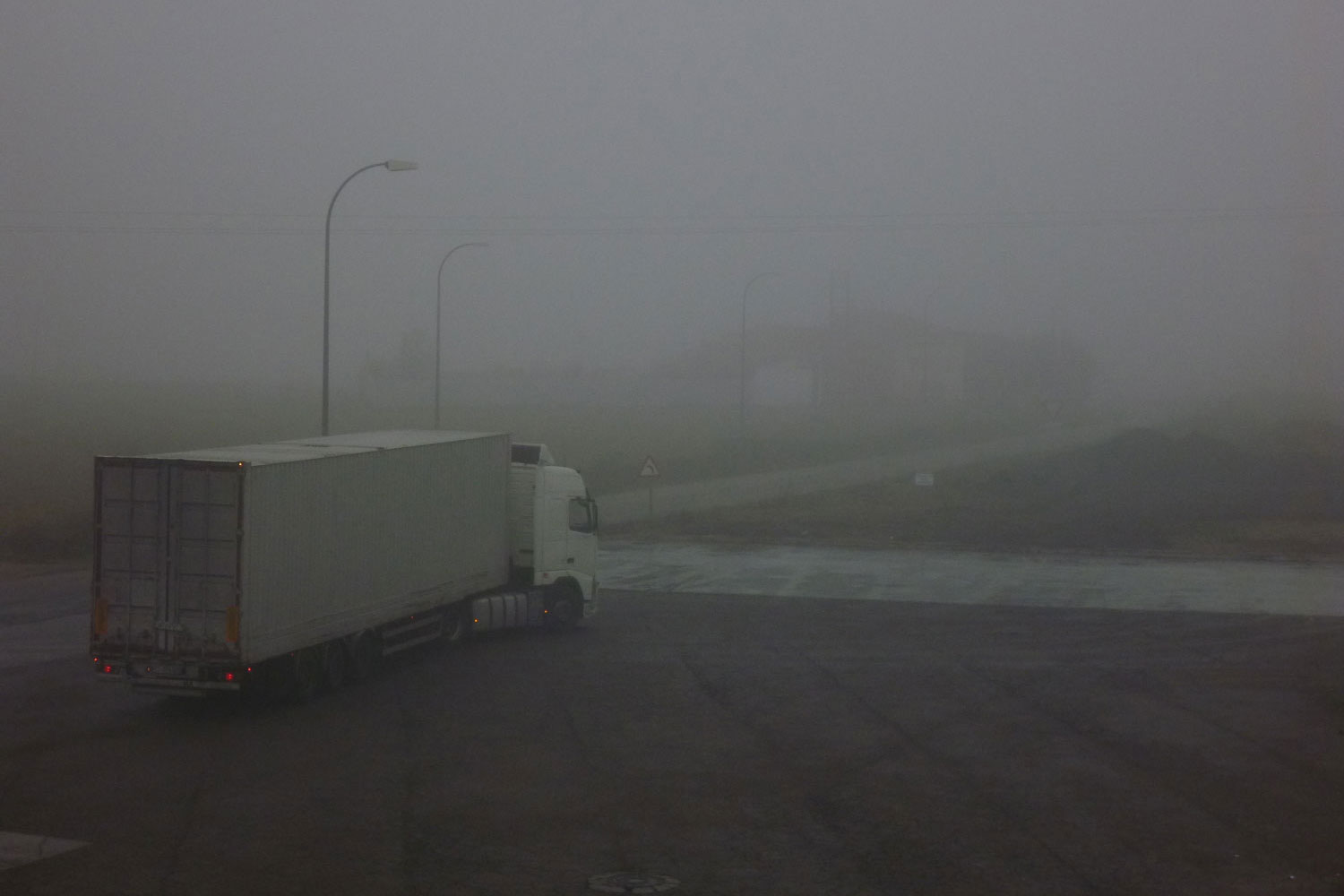
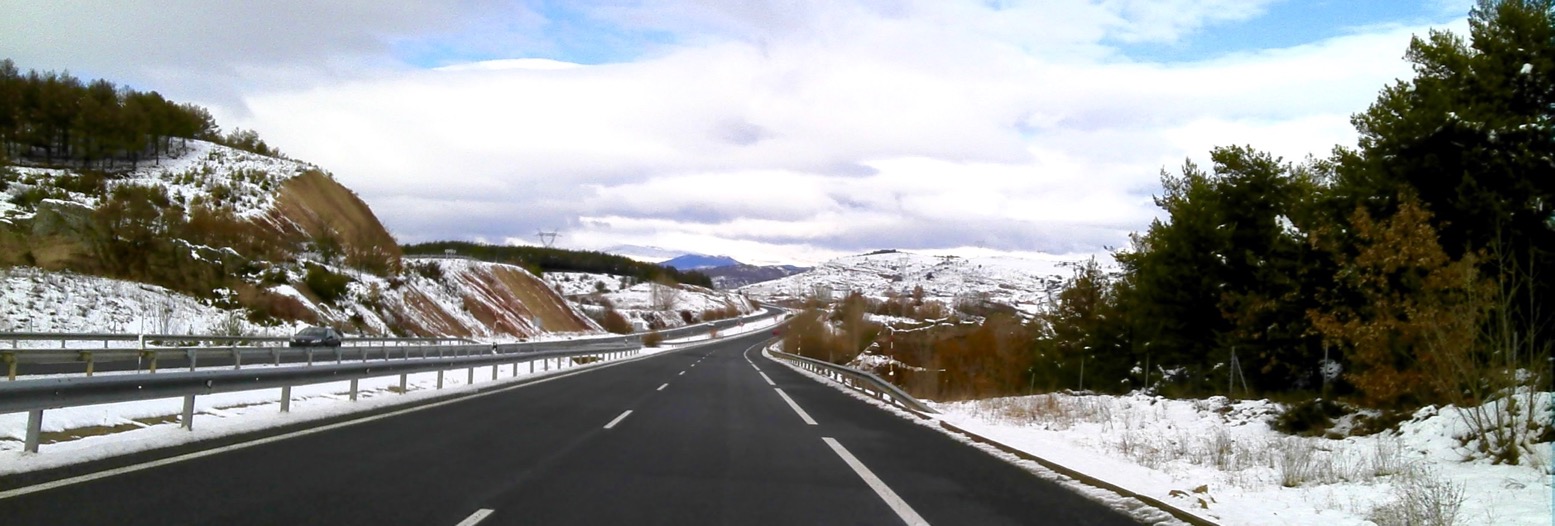
But when the ambient temperature drops to a more typical, mid-winter’s ride of 41°F (5°C), the new wind chill index corresponds to 26°F or -3°C. That’s how it felt for me crossing northern Spain one when, for the last few hundred clicks to Santander, the road rose to more or less 700m (2300′). Though it was foggy and clearly above 0°C, I felt freezing with my Powerlet RapidFIRe heated jacket turned up to the max. I rode on through the murk for as long as I could bear it, then dived into a roadside hotel to thaw out. Next day it was the same until I dropped out of the fog to the coast.

dsc00029


It gave me time to work out how to get the best from a heated liner. Apart from sealing against all possible draughts, using heated grips, hand guards and a windshield, having the liner pressing on your body is much more effective. Like this, the liner’s heated matrix is warming a thin base layer clinging to your skin, not the air gap between. And ironically, I feel it’s better if that base layer is not thermal – just thin polyester or whatever that’s easier to wash than a jacket full of wires. At times I was riding with my left arm hugging my chest just to force the front of the jacket against me and benefit from the heat. But doing that for a while my hand got cold away from the heated grip. Next day I wore a thin fleece over the heated jacket to press the wires down achieve the same, all-round effect.

hj-2jax

Liner or jacket?
The Kanetsu is designed to zip in as a liner on your Aerostich Darien or Roadcrafter, but over the years I’ve mostly used it with various other jackets. The Powerlet zips up to itself, but does feature a textured outer shell that’s slightly tacky or rubbery so it’s more prone to staying with your main jacket as you slip both off (assuming that’s what you want). Because the Kanetsu is a zip-in liner, I found when using it with other jackets the open-ended zip would open up from the bottom. Aero could get round this by adding a stud to stop it separating when not zipped in as a liner.
Both jackets stuff into their own zippered pouches (left), with the Kanetsu benefitting from belt loops. On a long trip both still add up to a sizeable bulk when not worn, unless you choose to use it off the bike. As you can see below, they both look pretty good as regular jackets. The Aerostich has more pockets, the Powerlet has a lined and heated collar. Both weigh about 1100g.

hj-2jax
hj-pletbands

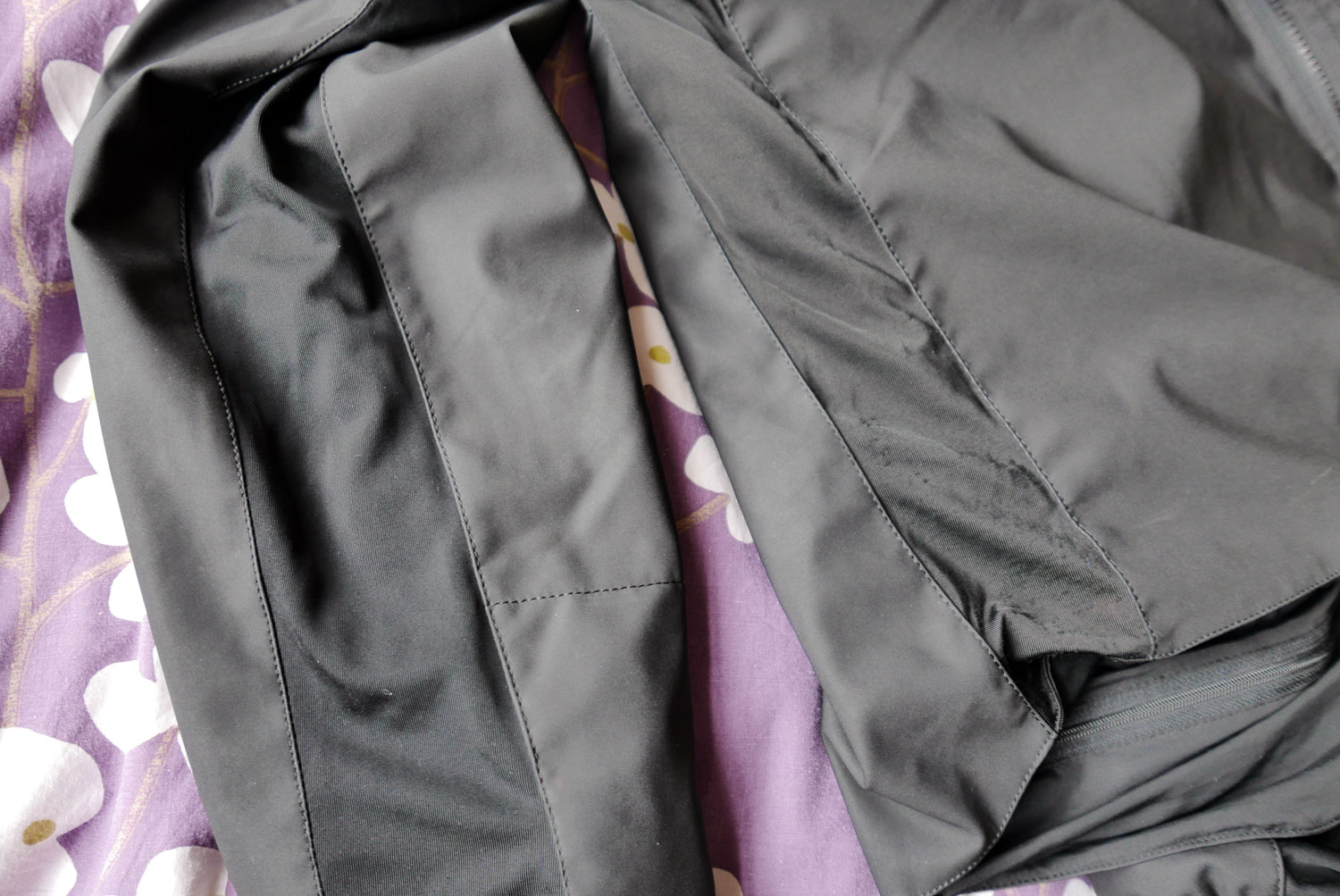
As said, a close fit makes all the difference and these jackets achieve that differently. The RapidFIRe has Spandex side panels in the body and arms (left) to make the liner cling to you. Mine was an end-of-the-line cheapie which by that time was only available in XL – a bit too big on me. But it occurred to me I could easily close up those elastic panels with thread to achieve a snugger and so more effective fit.

hj-plet-nuke

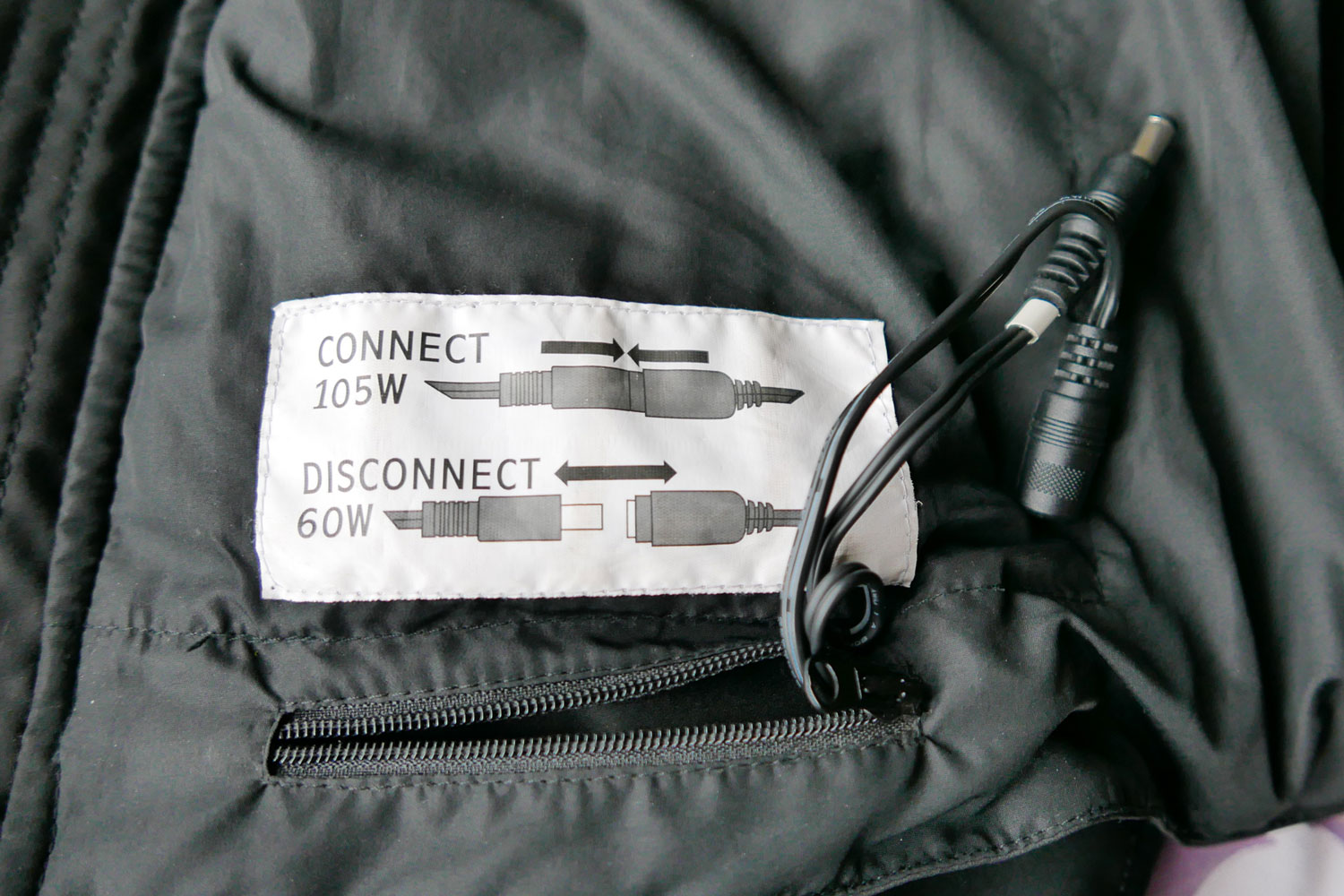
The RapidFIRe has two heat settings: 60 or 105 watt which, afaict, the newer $430 Atomic Skin model has dropped. Probably because no one ever needed 105 watts. To activate this arctic setting you join up two loose plugs zipped into a dinky hem compartment (left). Knowing my Honda had the capacity to run it (see below), I tried the 105-watt setting on a 200-mile round trip down to around 8°C (which adds up 0.5°C windchill @ 65 mph). I found that setting 2/5 was more than enough to keep me warm in my Darien Light and a thin base layer. If I regularly rode in sub-freezing conditions I might leave it on 105 watts. More probably though, I’d get a car.

hj-kan
hj-inflate

My 5-year-old 75-watt Kanetsu AirVantage is a version of Aerostich’s regular (and $70 cheaper) WindStopper. It differs by having an air bladder within the body linings which you inflate with a stem valve (left), like an airplane life jacket until you have a comfortable fit under your riding jacket. As long as you’re not wearing it inside out (an easy mistake to make) the bulging bladders press the heating elements against your torso, a clever idea that maximises efficiency and means you don’t have to whack up the dial for it to have the desired effect. Until you get used to it, it’s another thing to remember to do when togging up, and it can result in that ‘stuffed’ feeling you’re trying to avoid with heated gear. But it adds insulation and does work. The AirVantage is definitely worth the extra $70 ($387) over the regular, non-inflating WindStopper.


hj-exotog

Fast forward to 2019 and at a show I spotted these Exotog inflatable pull-over bodywarmer. A bit like the lifejacket mentioned above, the idea is the still air creates a thick insulated layer without excessive bulk when not in use. The truth is, down works better to keep trapped air still, but that’s impractical with humid, breath-inflated items and these must be better than nothing.
It also occurred to me they’d be an effective way of pressing a heated jacket down on to your torso to derive maximum efficiency. It weighs from 270g and costs 100 quid.


godofhellfire
hj-cinch

What both jackets highlight is that once warmed up and doing their thing, you won’t necessarily feel like The God of Hellfire (left) reposing in front of a roaring log fire with a warm cup of cocoa. But you’ll sure notice the difference should you switch them off. [This is actually a slightly misleading test as switching off is a bit like stepping out of a shower all wet: in the short term you’ll feel chilly until things evaporate]. And, depending on the wind protection on your bike, you’ll also notice your heated but exposed arms will feel notably less warm than your balmy torso, as well noticing the slightest cold spot. In fact this whole temperature differential can be a bit of a distraction.

dsc00040 (1)

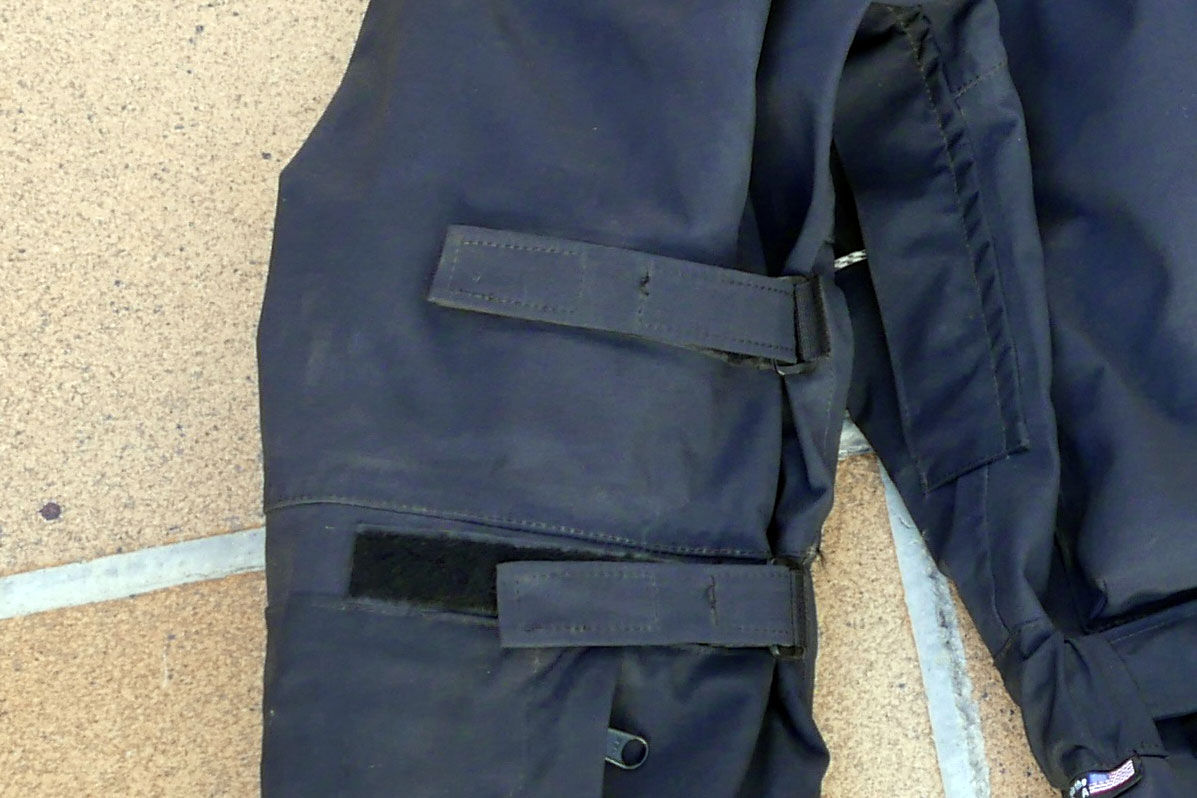
The Powerlet uses something called Carbon Nanocore technology (thin wires) producing far infrared heat (hence ‘Rapid FIR e’); the AirVantage simply uses ‘hotter’ wires in the arms. Whichever one you’re wearing, this is where those velcro arm cinches on your riding jacket come in useful to press the heating elements against you. The Darien I recently reviewed has them both above and below the elbow (right), but they still couldn’t spread the heat evenly. If I was heading for a really long, cold ride, I’d find a way of binding the heated jacket’s sleeves close to my arms. All these measures will enable you to run as low a setting as possible, so giving you an extra margin when things really chill down.

Electrical consumption
One good thing about modern bikes is they should have plenty of alternator capacity to power electrical accessories – and heated jacket liners probably make the biggest demands. My CB500X produced 500 watts at 5000 rpm – my late-1980s era GS500R dished out just 200 watts at the same rpm. Even a modern 250 single like my WR250R can produce over 300 watts. Modern lights draw less power too, but add fuel pumps, some LED or HiD spots, heated grips as well as the possibly lower engine speeds when riding at night in freezing temperatures, and on the old GS the alternator may have struggled to keep up with the demand.

Heat Controller
These thermostats usually come as accessories to the heated liners but are a good idea unless you’re happy with all-or-nothing heating. After all, what other heating application – domestic, industrial or otherwise – has no adjustment settings? Often, as you slow down to ride through a built-up area you’ll feel too warm – you don’t want that but you may not want to switch right off either.

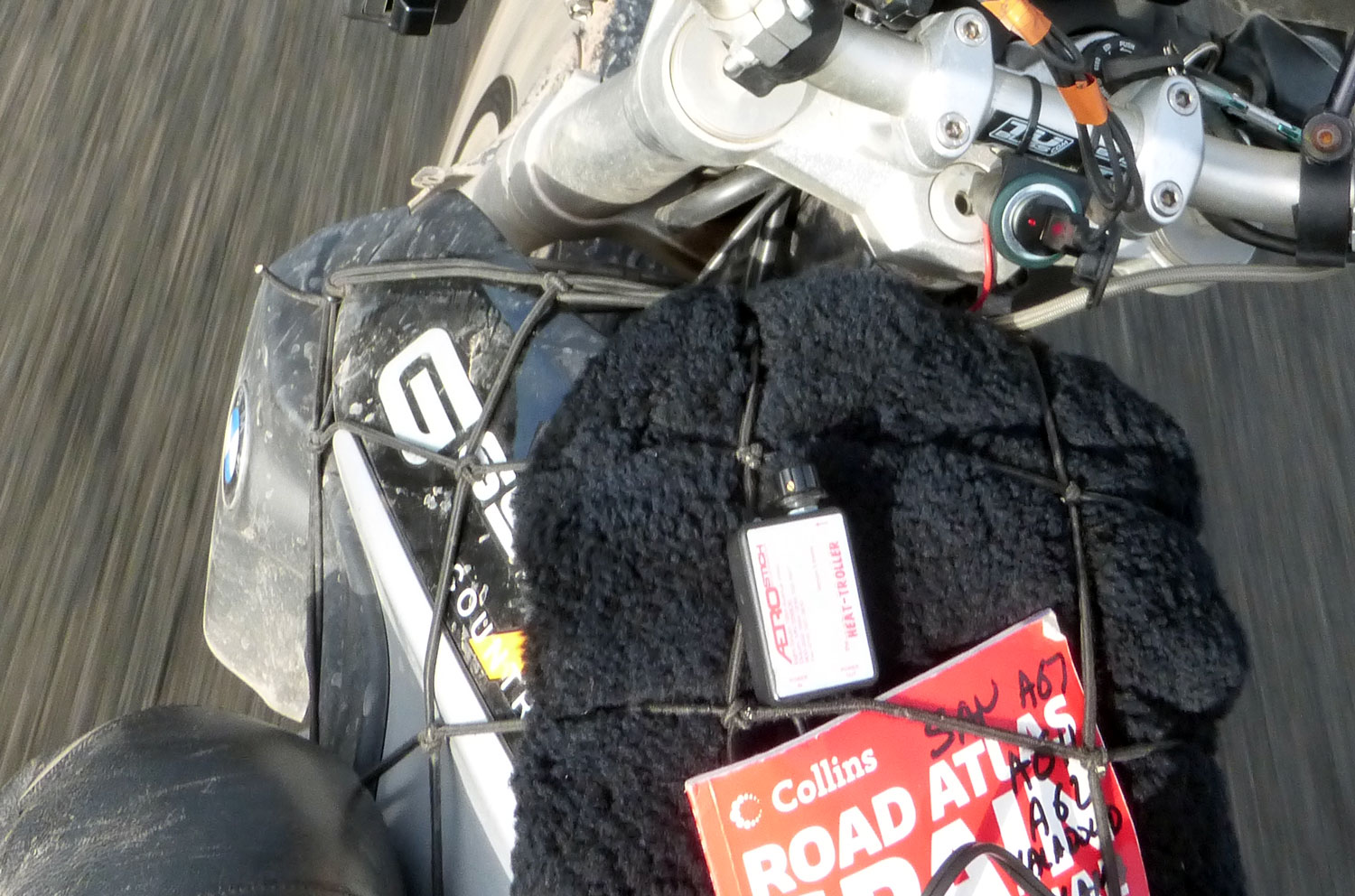
The Aerostich Heat Troller ($70; above left and right) is a little box with a dial knob and molded SAE leads. You can feel the knob’s soft click as you turn it on and in less than one clockwise turn it’s at max. Tucked down by a tank net as above right, it’s easy to operate on the move using feel alone when wearing thick gloves. No need to take your eyes off the road. I just dial it up to max then back off as needed. There’s a red LED that flashes proportionally – handy for a quick glance to see if it’s actually working or if it’s just you and you need to dial in more heat. Direct from Aerostich it seems the Heat Troller only comes with SAE connectors but I just bought one with QuiConnects coax here). Their Kanetsu jackets now comes with BMW, SAE or QuiConnect fittings.

hj-pletcont

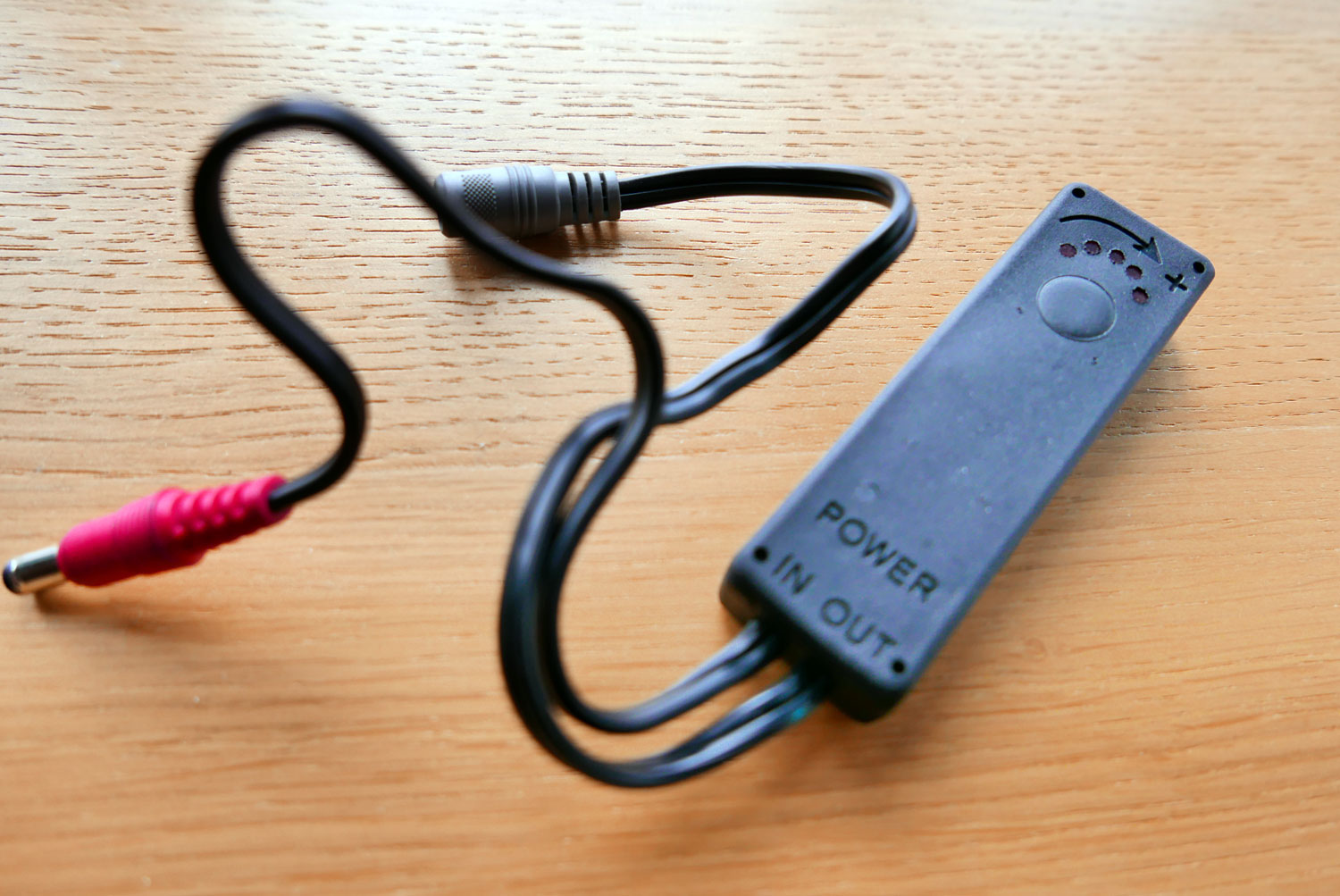
The Powerlet uses a similar black box and the co-axial QuiConnects all round (left), but with a flat pad to turn it on and keep pressing up to five levels. The problem is that pad is very hard to locate and feel through a thick glove, so you’re not always sure if you’ve done anything or gone too far and turned it off. You need to glance down to check the position of the red LEDs – not handy on an icy hairpin at six in the morning. It’s nowhere near as user-friendly as a dial knob. The current Atomic Skin Powerlet liner uses a remote wrist-mounted wireless controller. Me, I’d sooner fit an Aerostich-style Heat-Troller unless you mount the controller on the handlebars.

Overall, the discontinued? Powerlet RapidFIRe gets the nod as it’s a tad less bulky, has two core heat settings, has accessory wires to run glove liners, has a regular zip for use in any riding jacket, not as a zip-in liner, has wire in the collar and slicker QuiConnect fittings. But chances are you can’t buy it anymore unless you’re tiny or huge, and neither the Kanetsu not the Atomic Skin are currently sold in the UK.

Click this for a review of Aerostich and Klim shells which were used with these heated liners

Good article by ABR magazine (pdf)