
XSR 700 Scrambler – XVS 950 front wheel

XSR 700 Scrambler index page

bolt-xvs950r

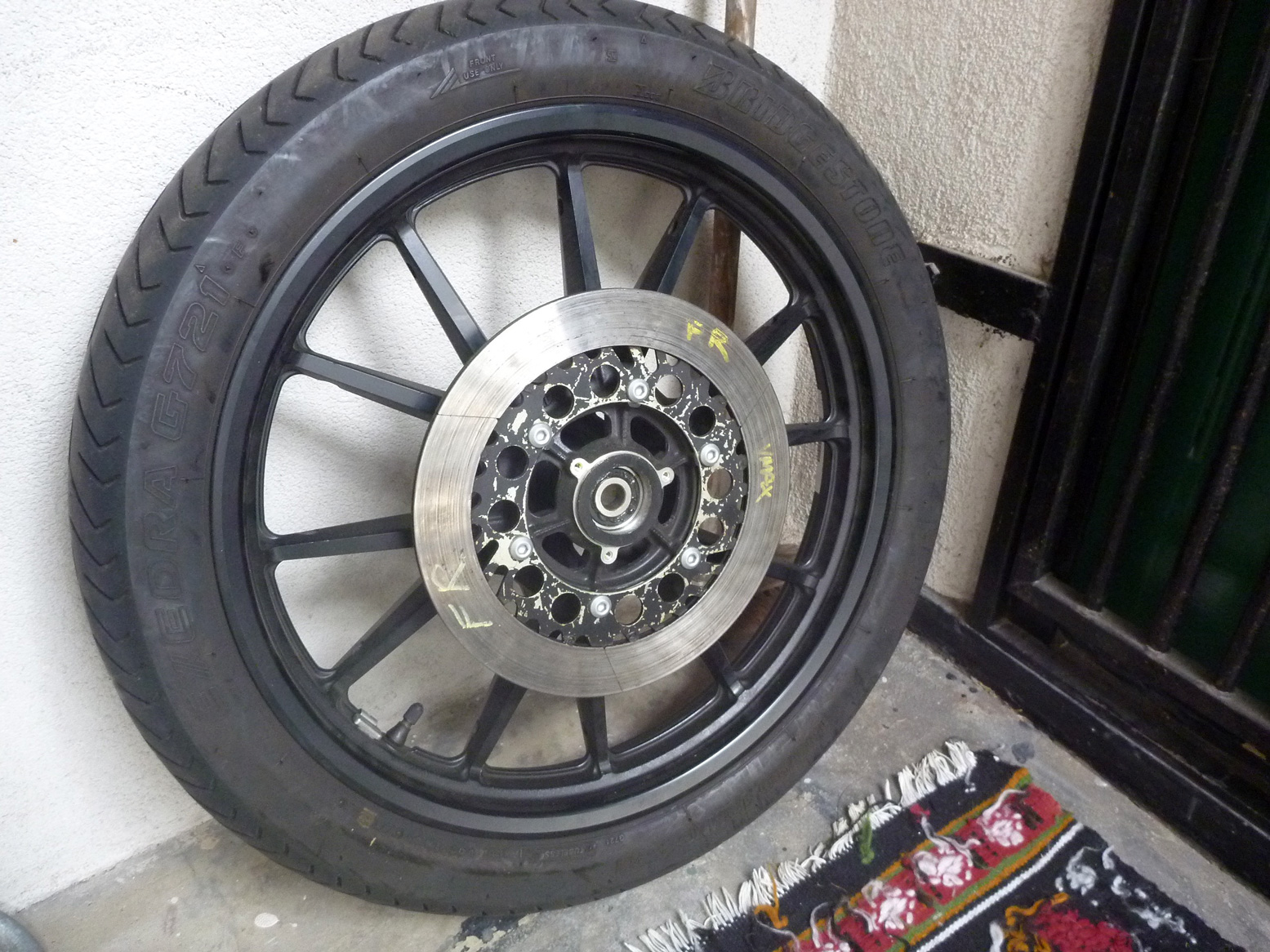
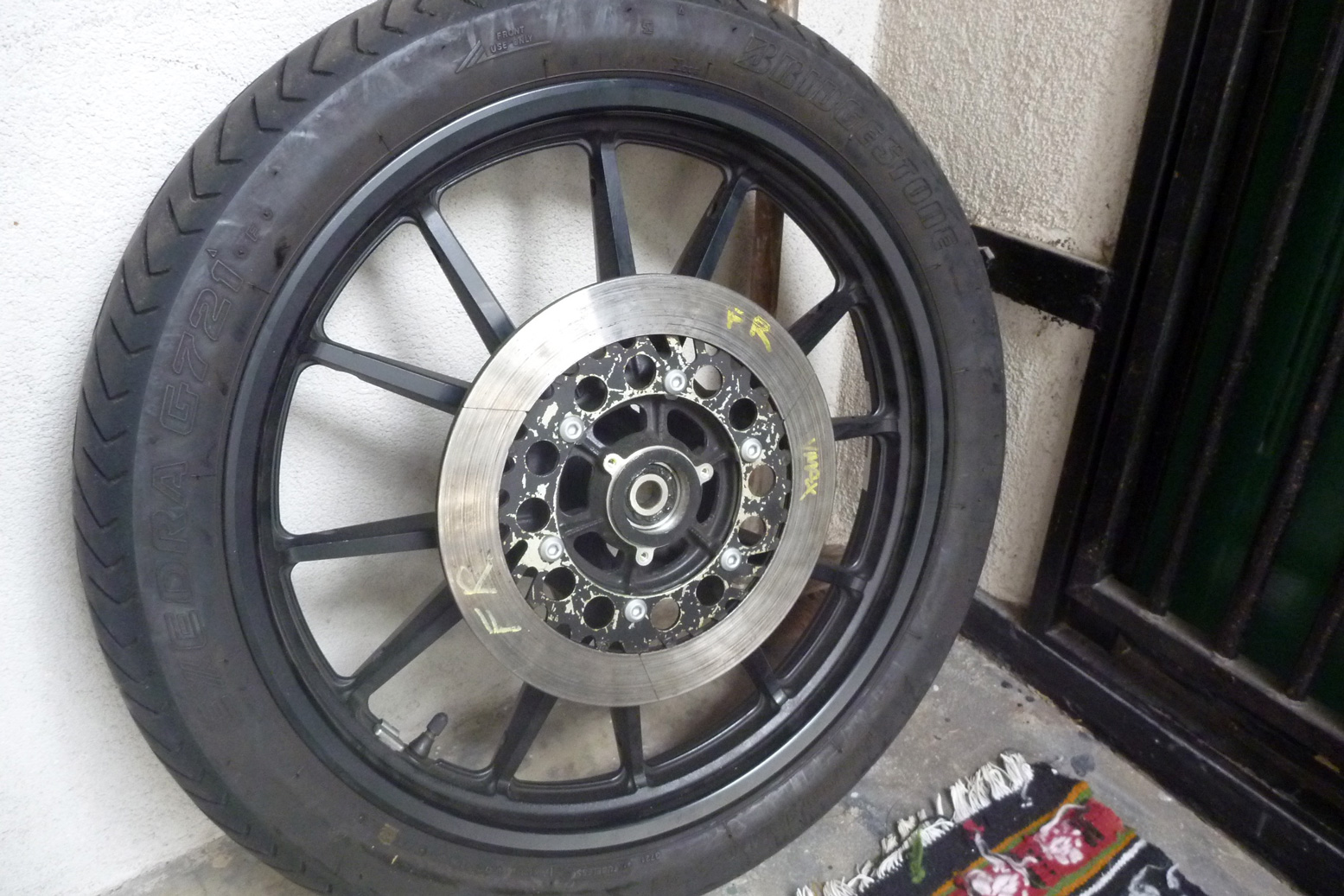
This whole project kicked off by taking a chance on the front wheel of an XV950 V-Star Bolt (left). It’s what Americans call a ‘compatability swap-out’ and the wheel had been sitting on ebay for months; £130 with tyre and one bearing.

scr950

No wonder there were no takers; a V-Bolt is a mock-Sportster – something which proper Brit bikers would probably scoff at (while secretly fancying). Being V-twins, ‘Sports Heritage’ XVs are of course very popular in the US and the recently released, 250-kilo wire-wheeled SCR 950 Scrambler (right) is virtually the same thing, but about as ‘scrambler’ as Triumph’s effort (or mine), and I suspect doomed to low UK sales. The recent Ducatis and BMWs are much cooler.

Boredom alert: I learned things the hard way doing all this so go into unusual detail to save others on similar projects from making the same mistakes.
xsr19

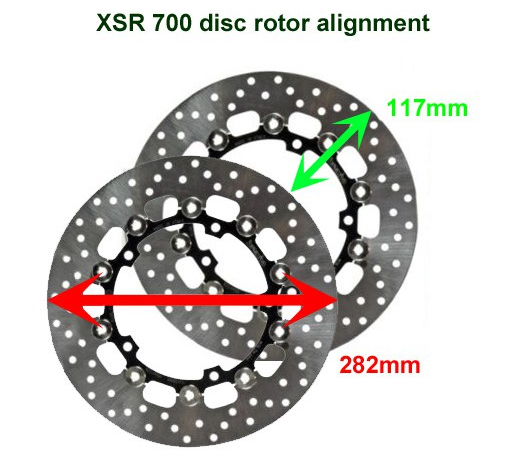
An XV runs one, 298mm disc on six bolts. I needed a 282mm-rotor if I was to try and reuse my calipers. Many internet hours passed – distant stars exploded; babies were born; a celebrity sneezed. I discovered that FJ1300 and V-Max rear rotors, and good old XT660Z fronts come in 282mm/6 bolt. Cheapest was a V-Max for 40 quid; new OE bolts were another £10.

xsrtwowheels
tracerbrake

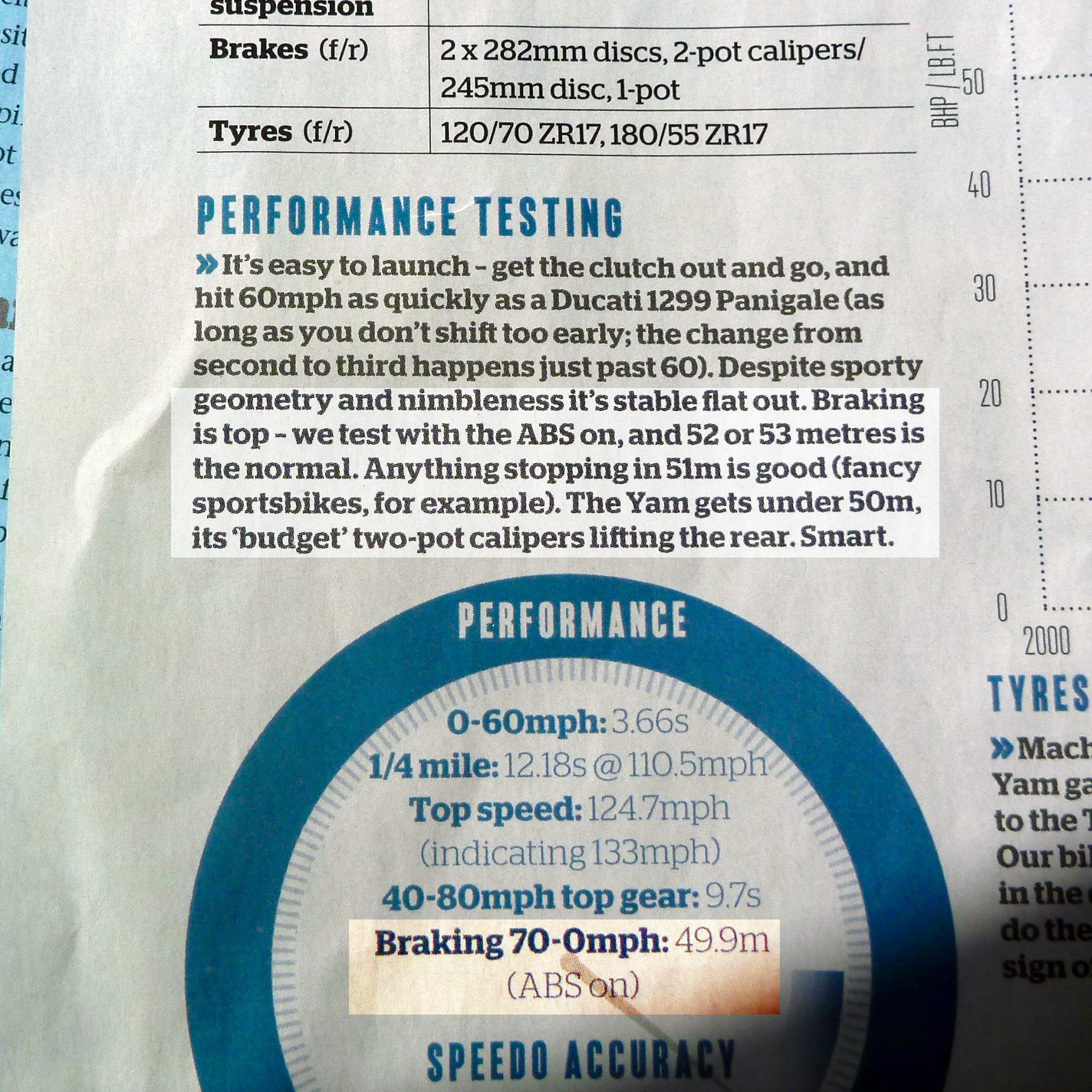
Notice I say ‘disc’ not discs. The XSR and many other bikes get unnecessarily fitted with twin discs. It must be some sort of marketing cue which goes over my head and is certainly not related to outright performance. Discontinued XT660Z: twin front rotors; forthcoming T7 with 50% more power: single front rotor; HP2 Enduro/GS12 is another example. No denying it; XSR brakes are great; Bike mag (left) recently logged a Tracer 700 pulling up just as well as high-end sports bikes. On my XSR I believe they’re overkill and add unsprung weight. With a single braided line and 3-4kg saved, the suspension will like it.
In fact (and annoyingly), the XV wheel is nearly a kilo heavier, even with one disc. Oh well, I’ll save by ditching the second caliper.

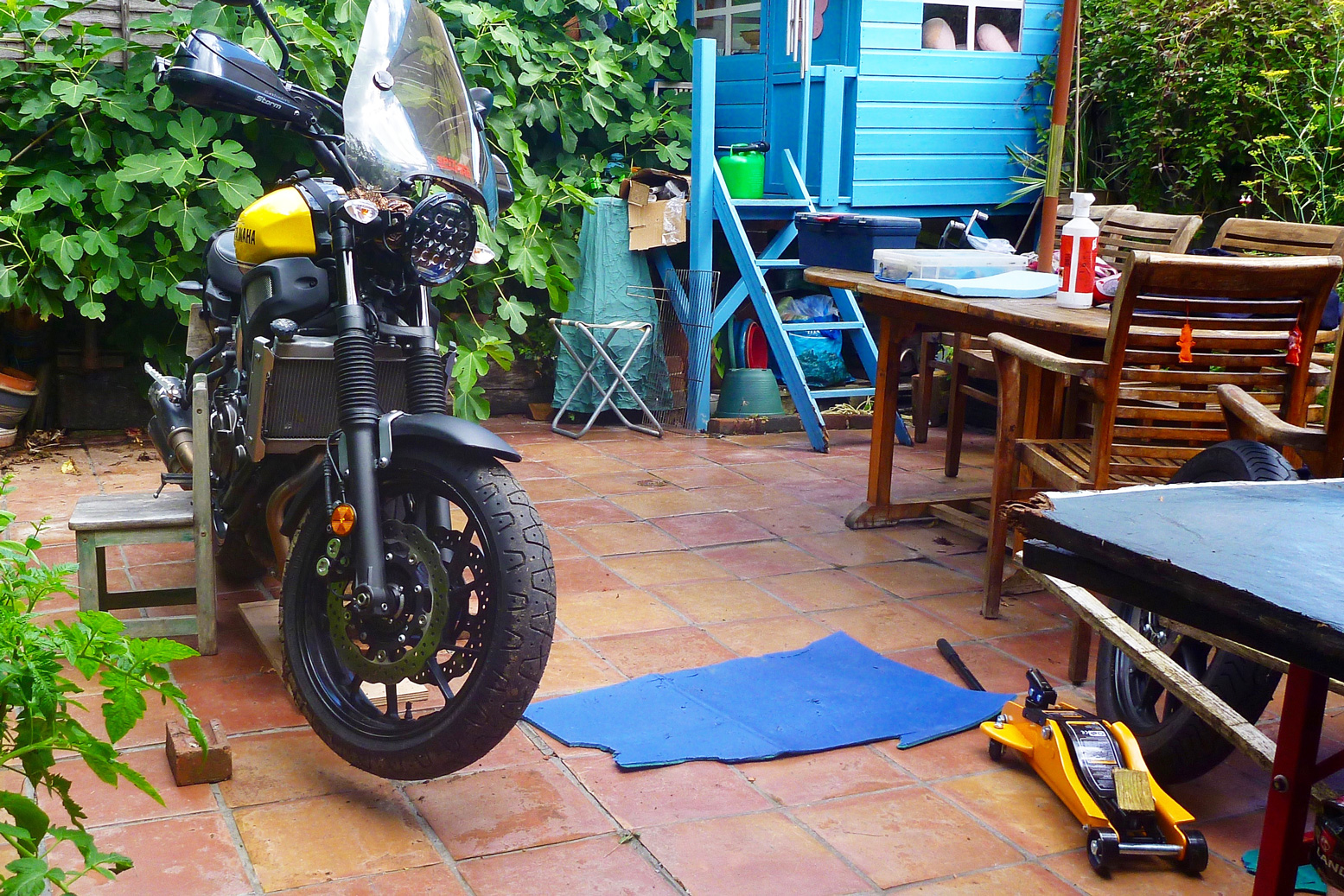
Getting to the point of removing one wheel to offer up the other had taken quite a while. I live on a hill and have nowhere to work but the street. Luckily a neighbour let me use her back garden if I didn’t mind removing and replacing the alleyway fence. A scan on Gumtree brought up an trolley jack down the road for 20 quid and at last I was in business.
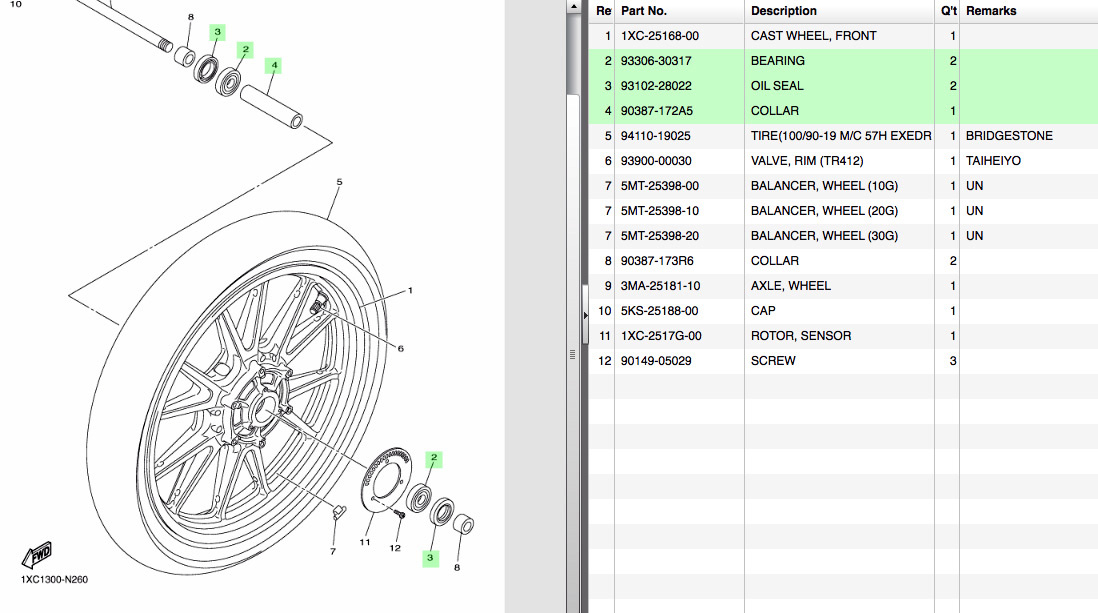
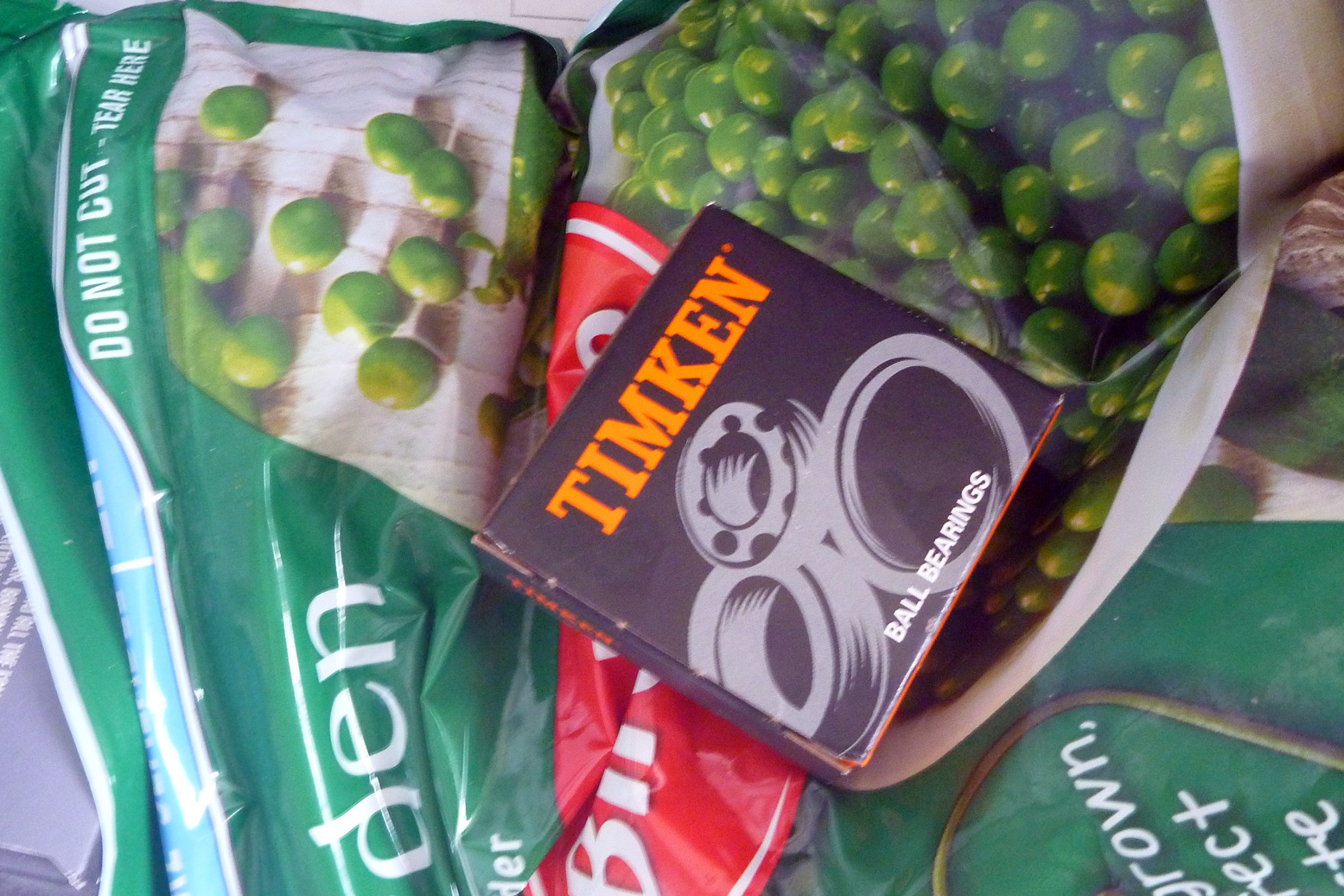
I’ve long known OE bearing prices are an easily dodged scam (see this vid). Down the Yamaha dealer that’ll be 21 quid for the missing wheel bearing, but this commonly sized bearing is classified as a 6303. Seven quid for a top-of-the-range Timken jobby (right) from a bearing shop in Croydon, or about the same posted online. These places might have done dust seals too, but I didn’t want to push my luck; they must match the wheel spacer ø, so that’s a tenner for a pair posted from Wemoto.

I also needed the in-hub collar/spacer that goes between the bearings. I tried used online but couldn’t find the exact width (fyi: 70mm x 24mm out ø x 17mm in ø) so succumbed to new for £13 posted from Fowlers – the Partzilla of the UK, but without competition-driven discounts. Another ten days pass by.

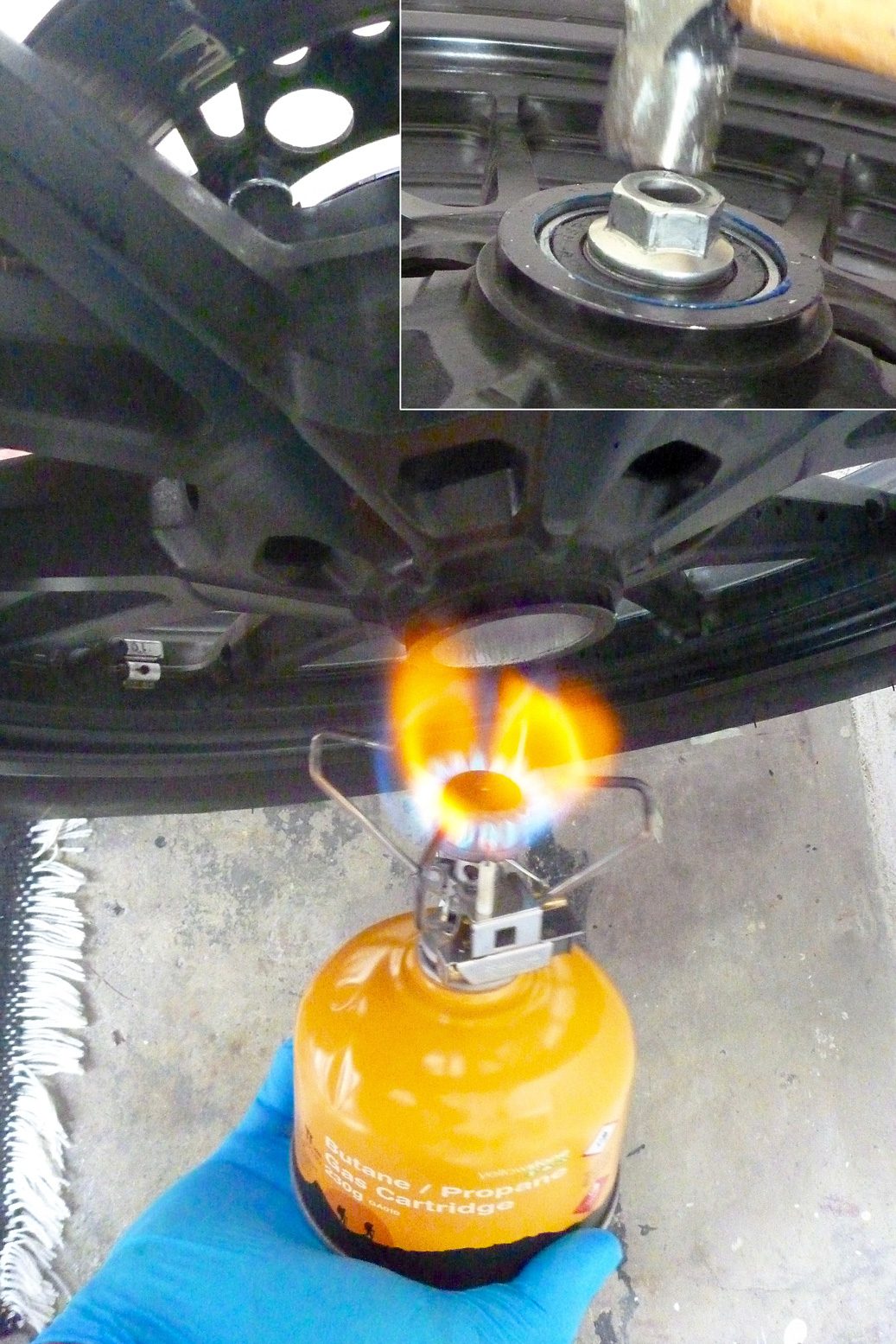
Good video below on wheel bearing removal and installation. With one bearing already installed, I was able to use the spindle as an alignment guide, gently tapping the frozen and greased bearing round the outer edges with a 22mm socket for the final push into the frame heated hub.
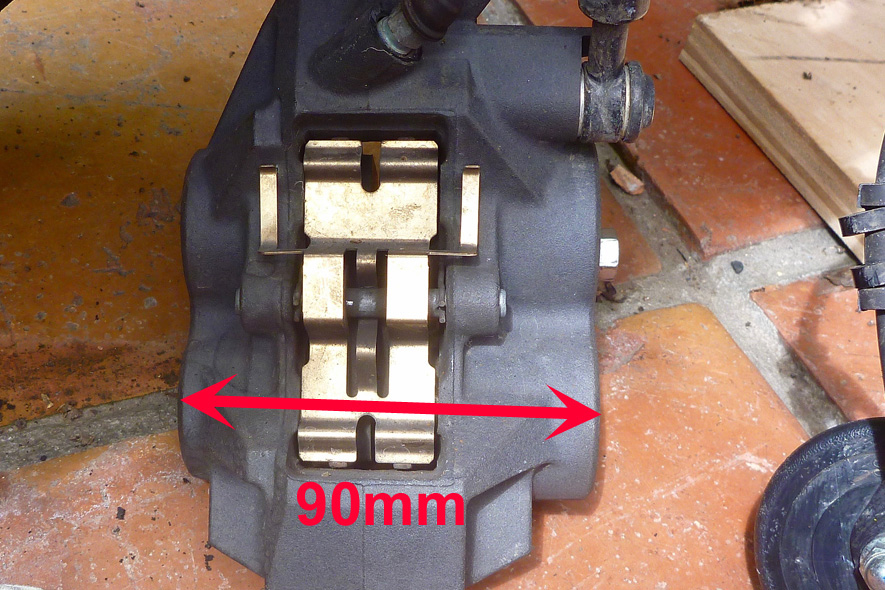
The XSR’s calipers are so fat that you have to remove both to get the fat OE wheel out – never seen that before. But offer up the XSR rotors with the new wheel loosely in place and – CLANG! – the 90-mm wide four-pot XSR caliper fouled the XV cast spokes.
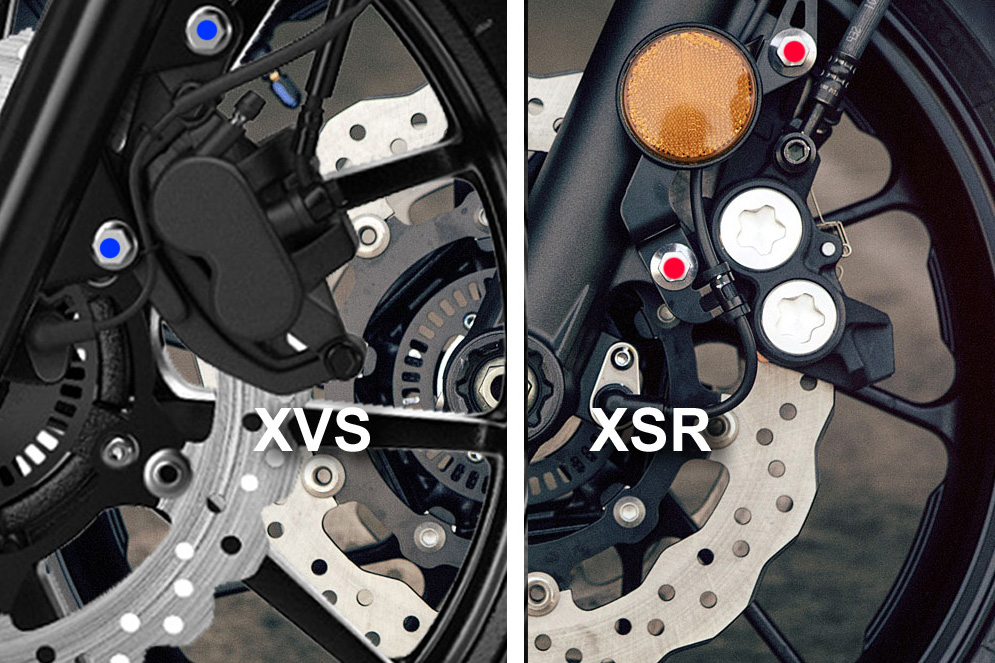
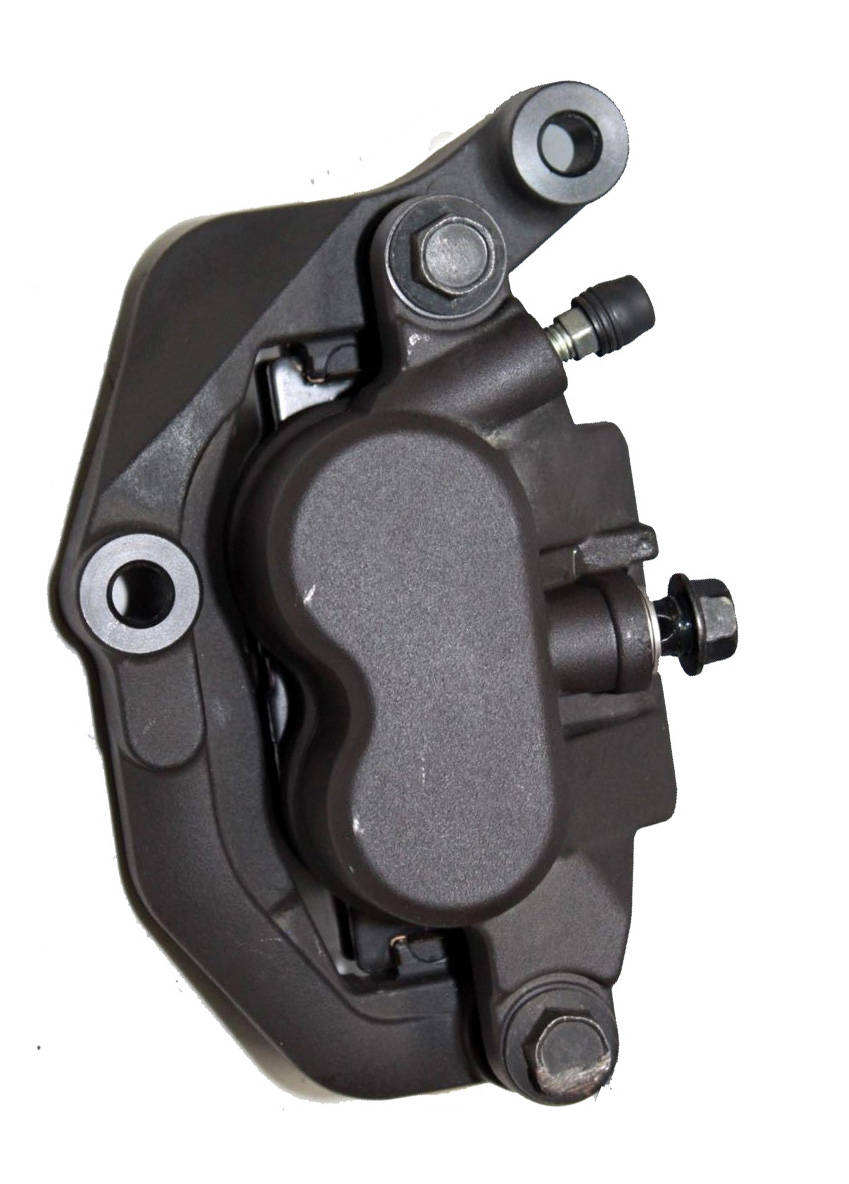
Stars exploded, babies were born… and many hours and Photoshop alignment estimates later (right), I decided an XV950 caliper (below right) would probably fit my fork mounts. I tracked one down in Texas for just $25 + the same again in post and tax. Stars… babies… celebrities… Another ten days pass.
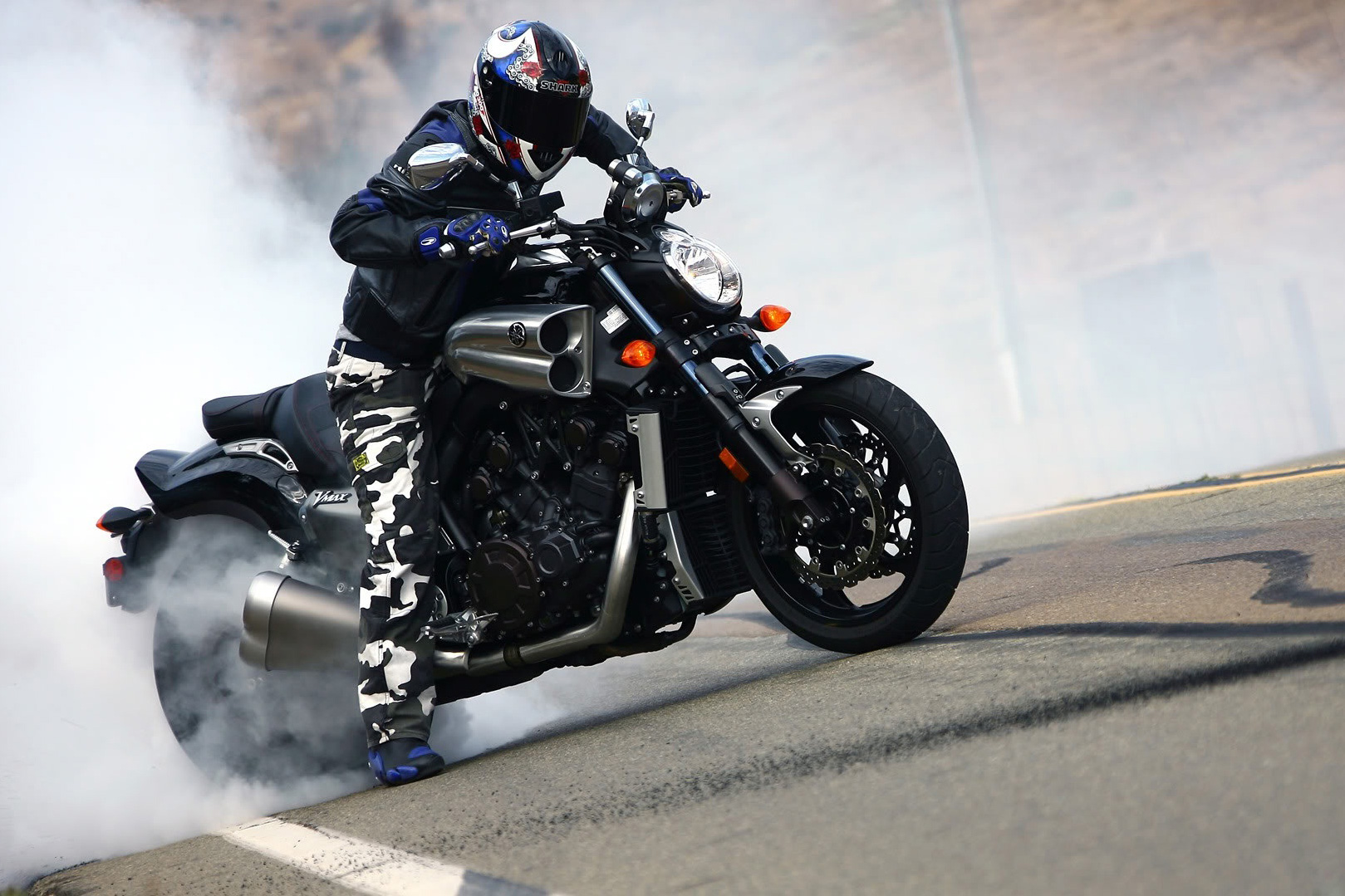
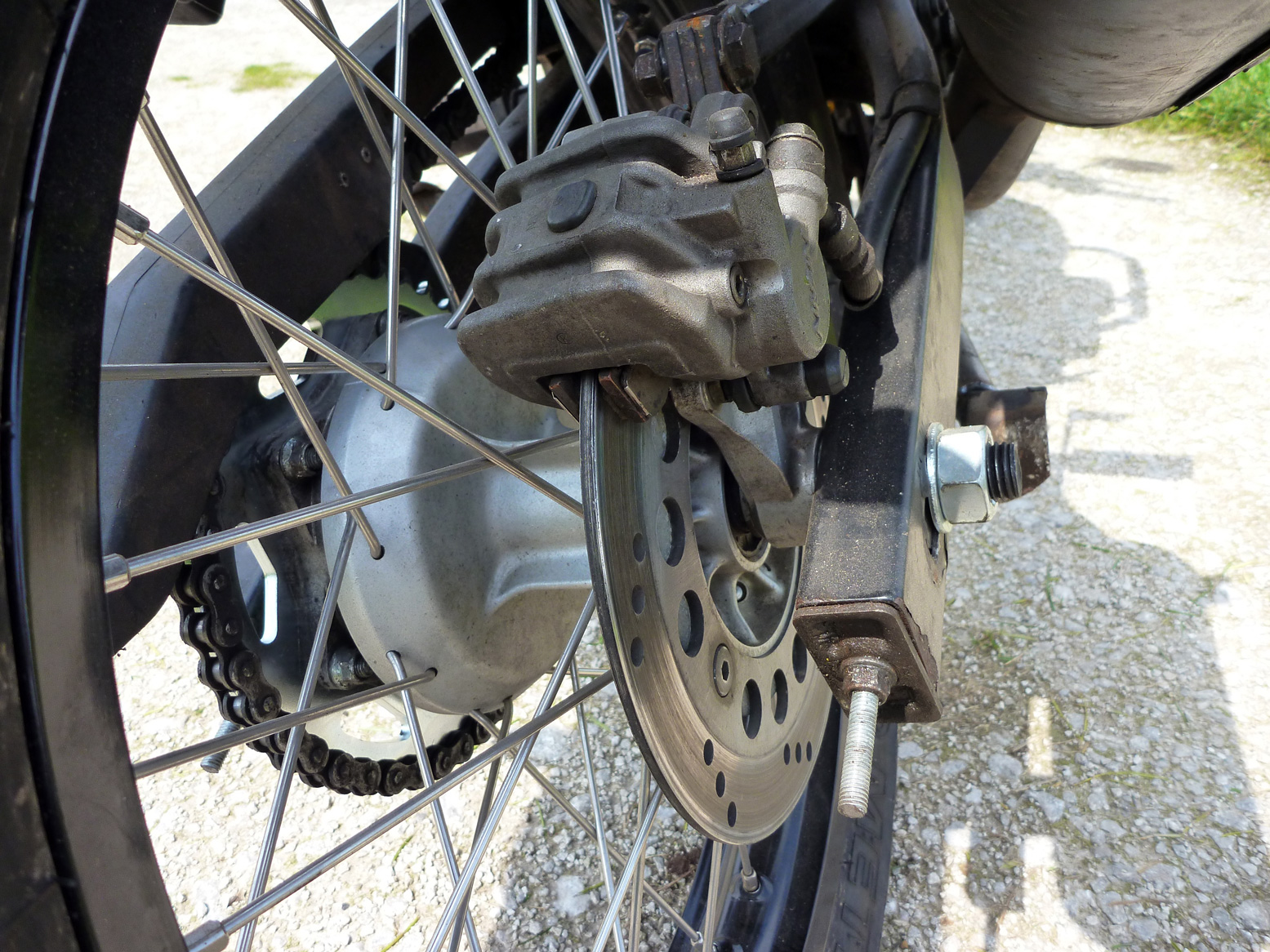
For a while I’d got hung up trying to track down a used Blue Spot caliper like my TDM900 had. R1s had them too; best brakes I ever did use. But it slowly dawned on me there are two (maybe more?) types of Yamaha disc brakes. Your cruisin’ XVs run slimmer, sliding twin-piston calipers (above left). An XSR’s opposed 4-pot unit is Blue Spot in all but name; very powerful but bulky. The less powerful sliding-caliper hydraulics are mildly compensated by the larger, 298-mm XV rotor (more retardation). My 282-mil vented V-Max (left) disc is smaller, but my bike is at least 60-kg lighter.
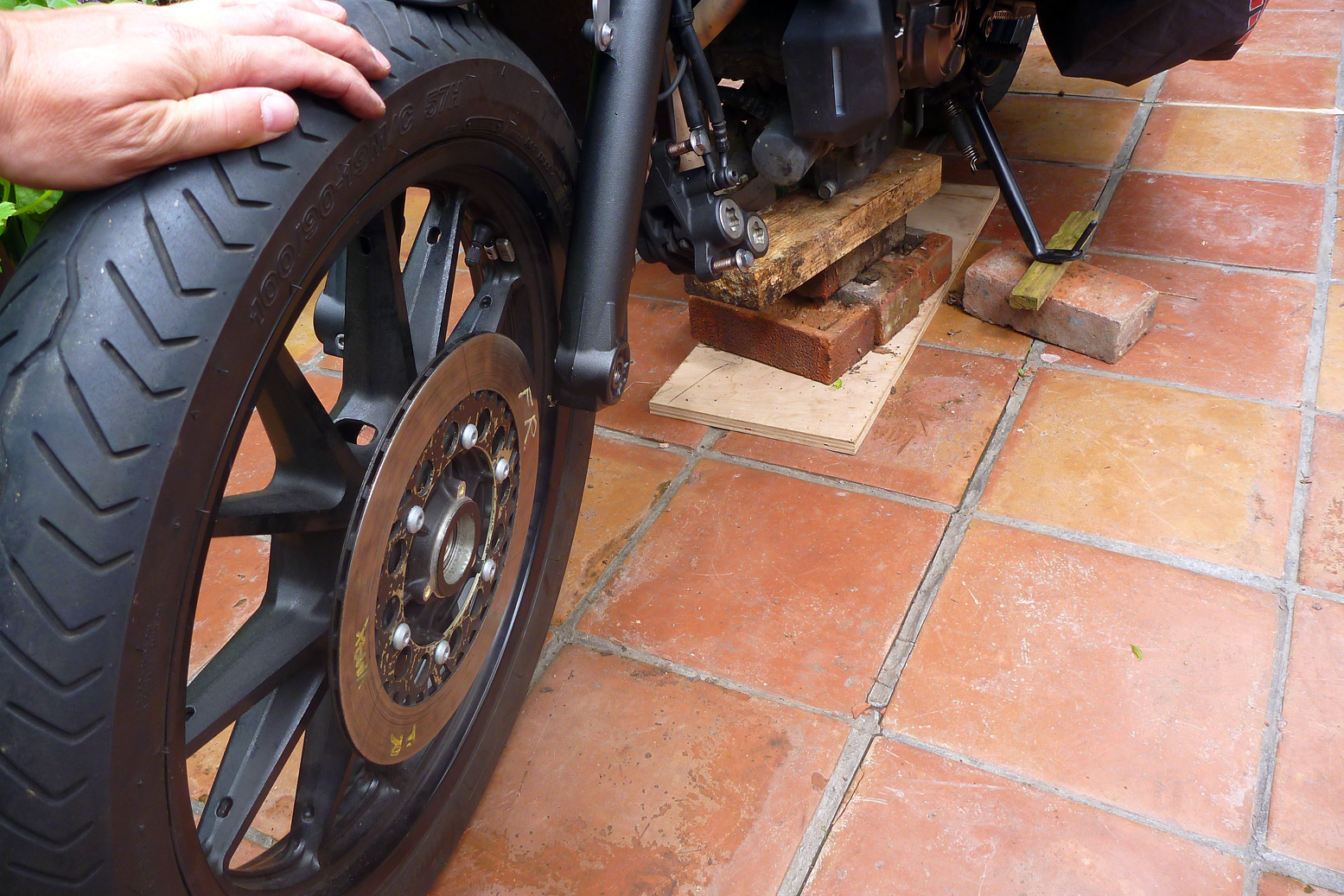
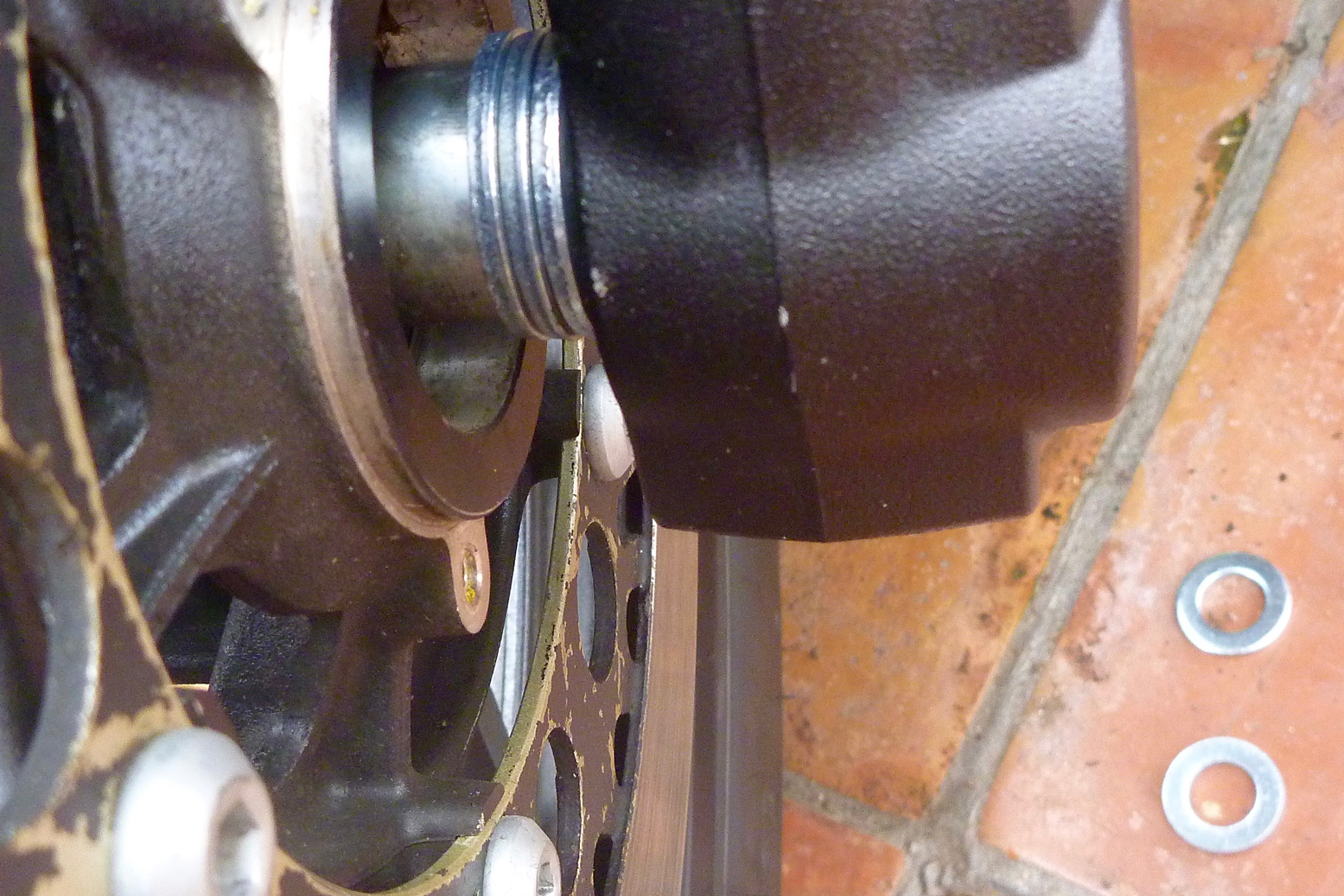
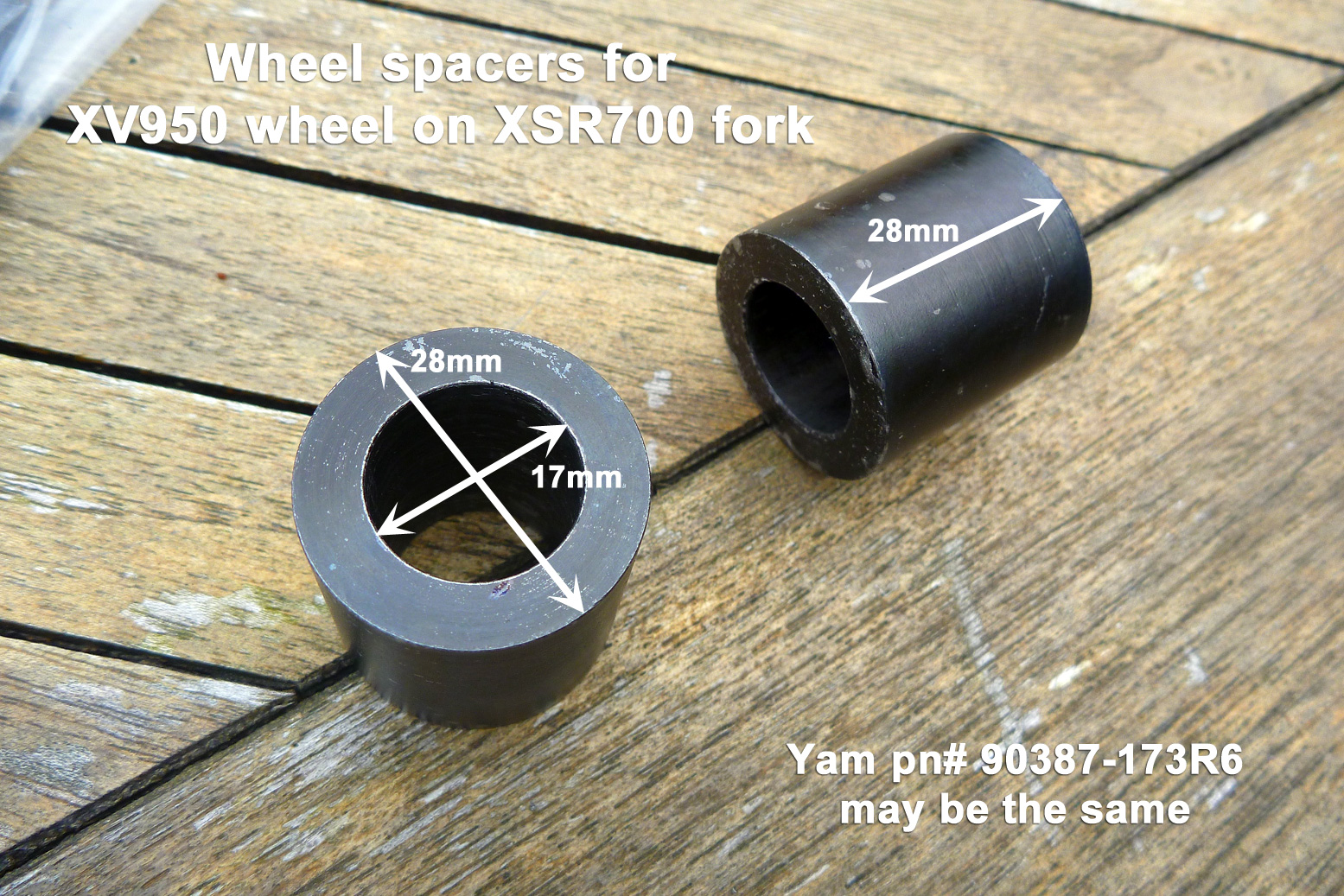
All lined up well on the same-diametre 17-mm XSR spindle by adding three and a bit 3mm washers to centre the wheel. The XSR’s spacers are 20mm ø x 17mm long (with a 17mm bore). What’s needed here is 28 x 28 on 17. Such wheel spacers are probably the same as XV items (see below left for pn) but the only way to find out was buying and waiting another ten days. Luckily, Desert Rider Jon is a mate with a lathe who likes this kind of challenge and made them almost overnight.
xsrdiscspacer

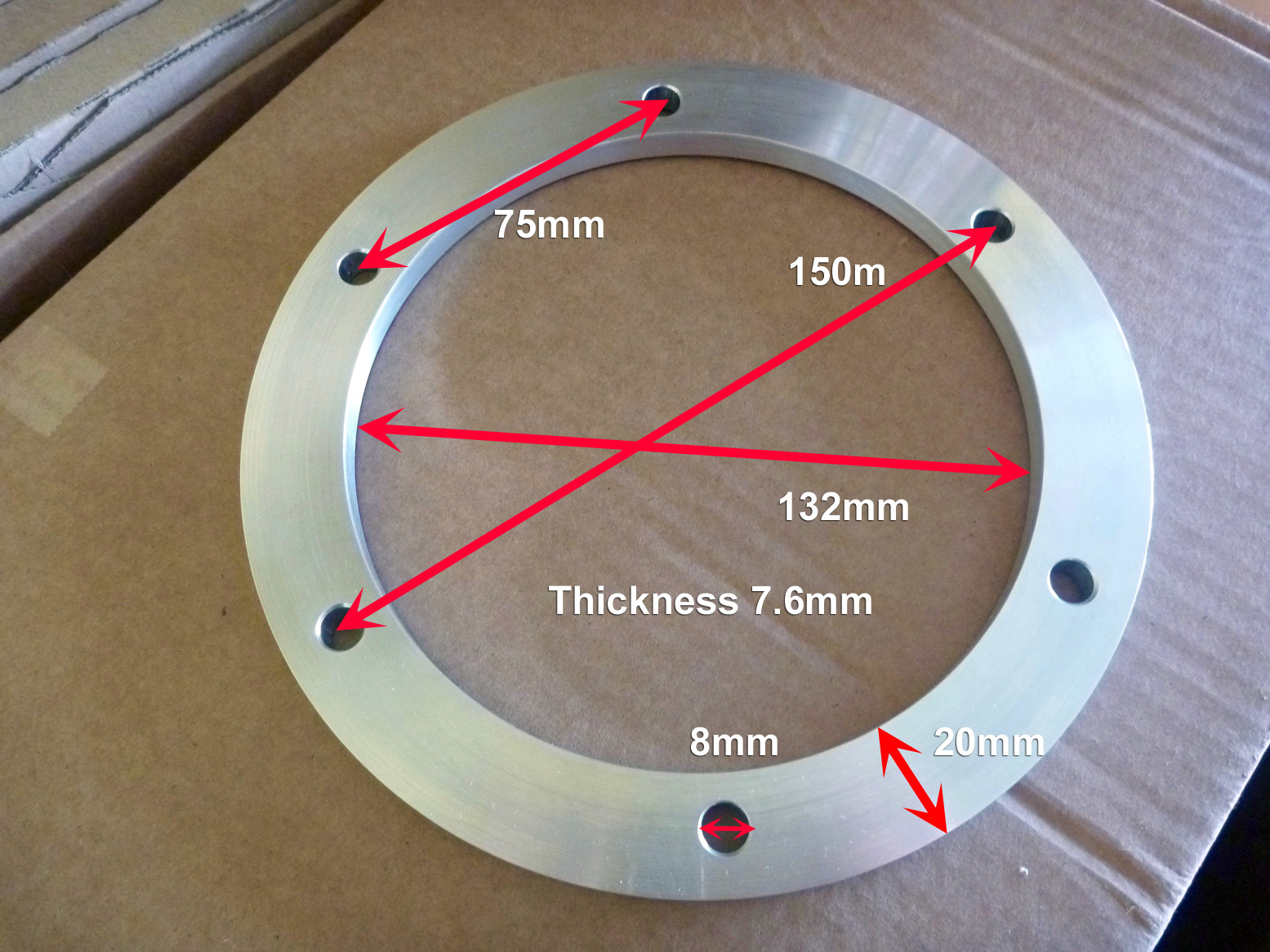
All this requires a 7.6mm rotor spacer to move the V-Max rotor out to line up with the XV950 caliper bolted to the XSR forks while avoiding caliper-spacing washers. Don’t know if the vented V-Max rotor is thicker or undished unlike an XV, but you only have a mm or two to play with for clearance in the caliper’s jaws.

Jon is milling one out in alloy for me. So this 7.6mm rotor spacer (right) is just about the only custom part needed to marry up an XVS wheel, spacers and caliper with an XSR fork and a 282mm V-Max rotor. You could use nuts as rotor spacers but I figured a fully surfaced spacer would be better at transferring the heat.
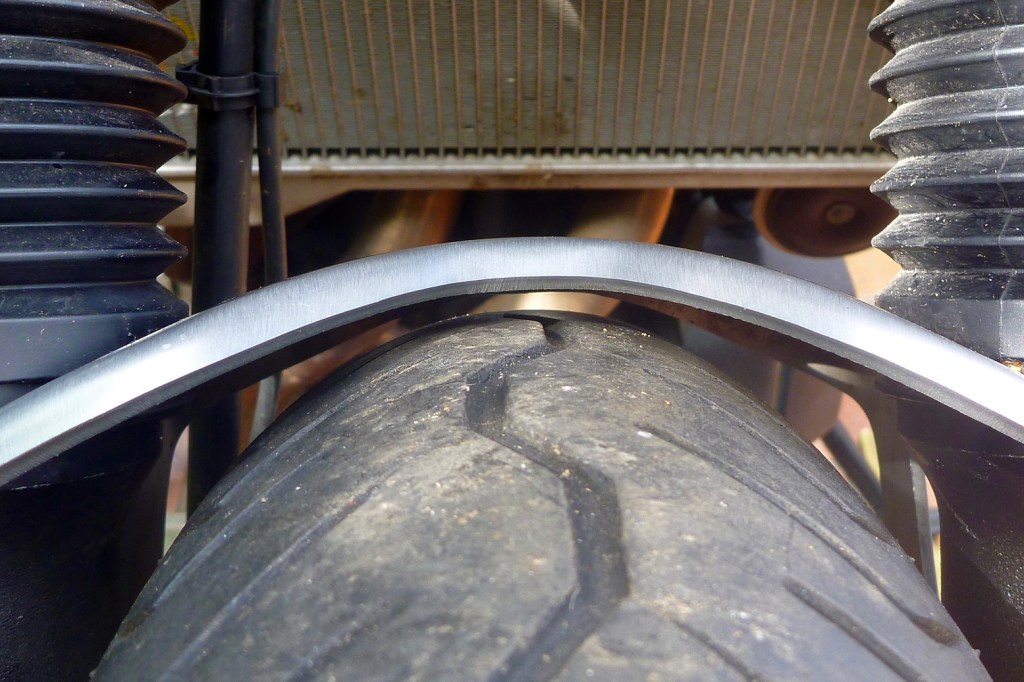
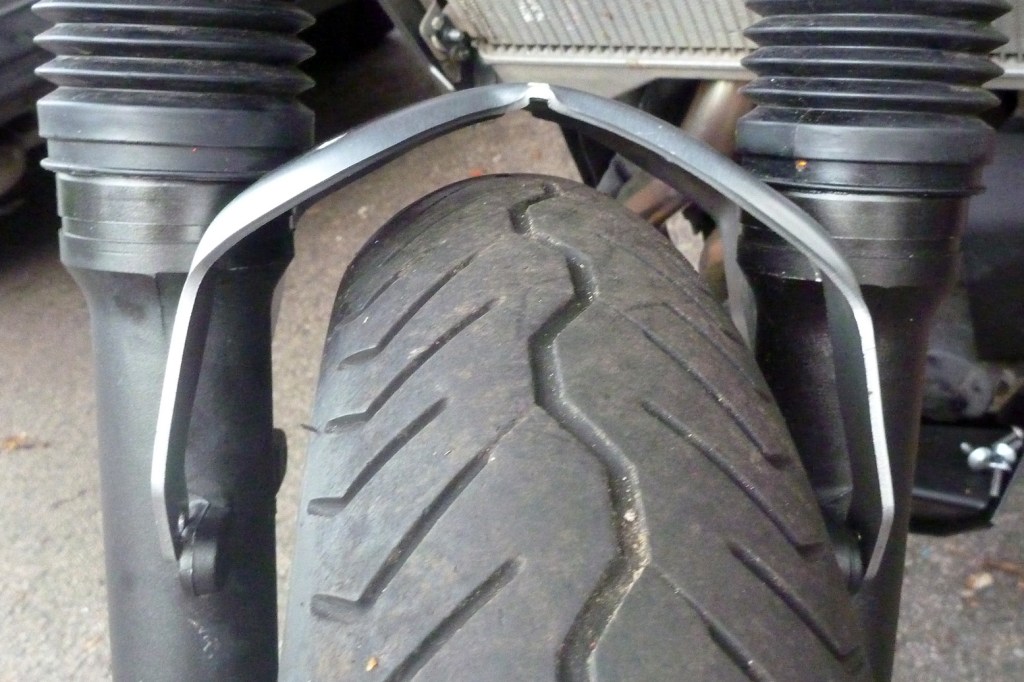
Sorting the caliper and spacing was the main challenge in this 19er swap-out. The brace now has only 5mm tyre clearance (above left). Mounting the trials guard on top will be easy, but I may get the brace re-done too – also an easy job.

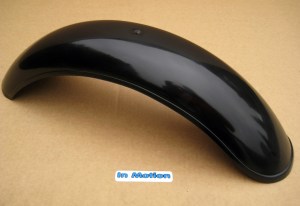
Or, with a bit of a nick, I may just bend it in to give it more lift and more curvature (above right) to take the rear fender; a plastic universal trials rear for £28 from In Motion.
I estimated the tyre to radiator lower edge clearance was 180mm; the forks are said to have 150mm of travel which leaves 30mm; just enough for the slim, plastic  mudguard. This trials guard will be way wider than the new tyre so won’t look that great but will sure keep the muck off. Skimpy front fenders are for the beard & tatts brigade.
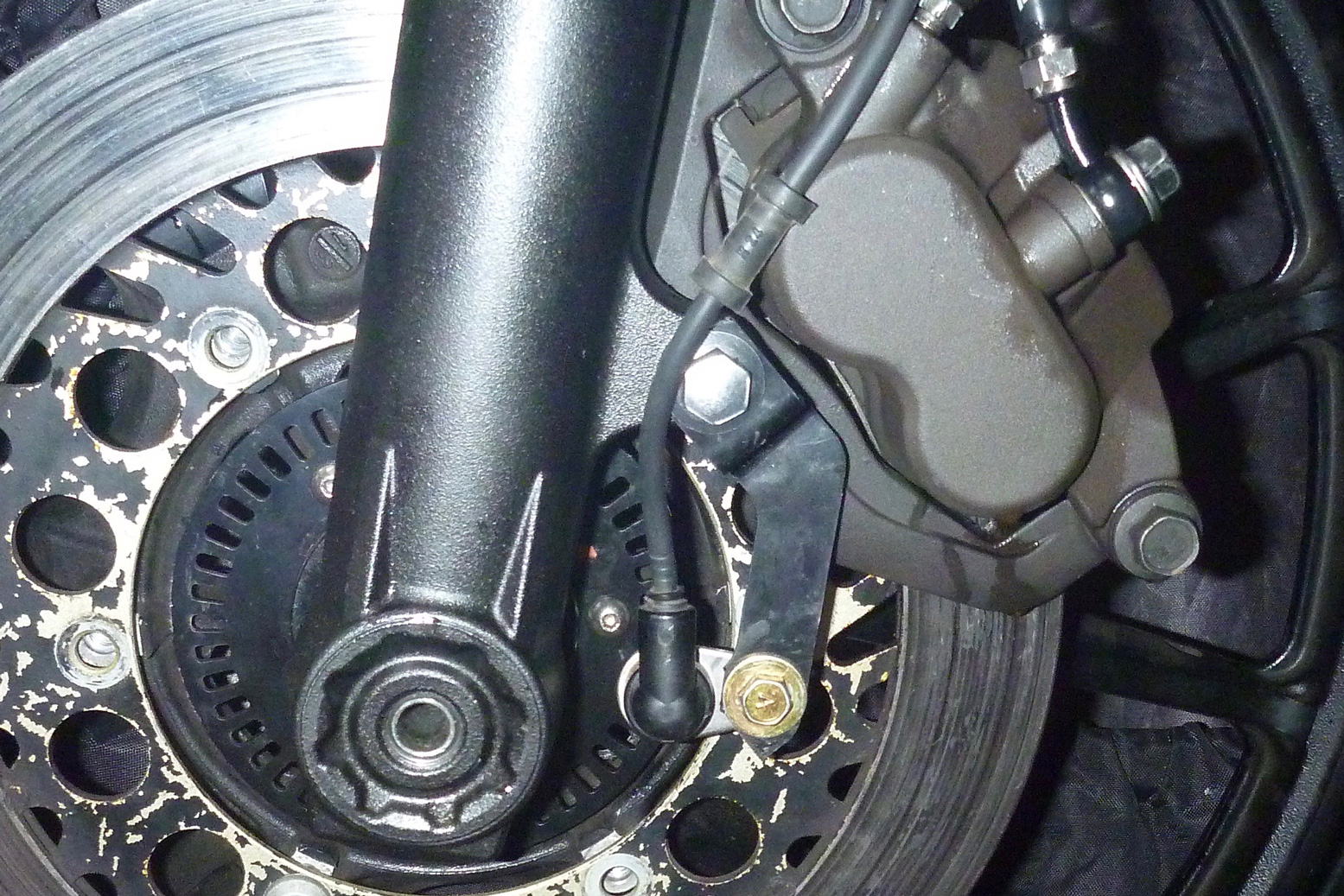
I was now ready to unbolt the XSR brake lines and calipers, feed in and bolt up a single 850-mm braided Venhill brake hose (£30), top up with DOT 4 (£2.99) and bleed.

xsr-abslhs

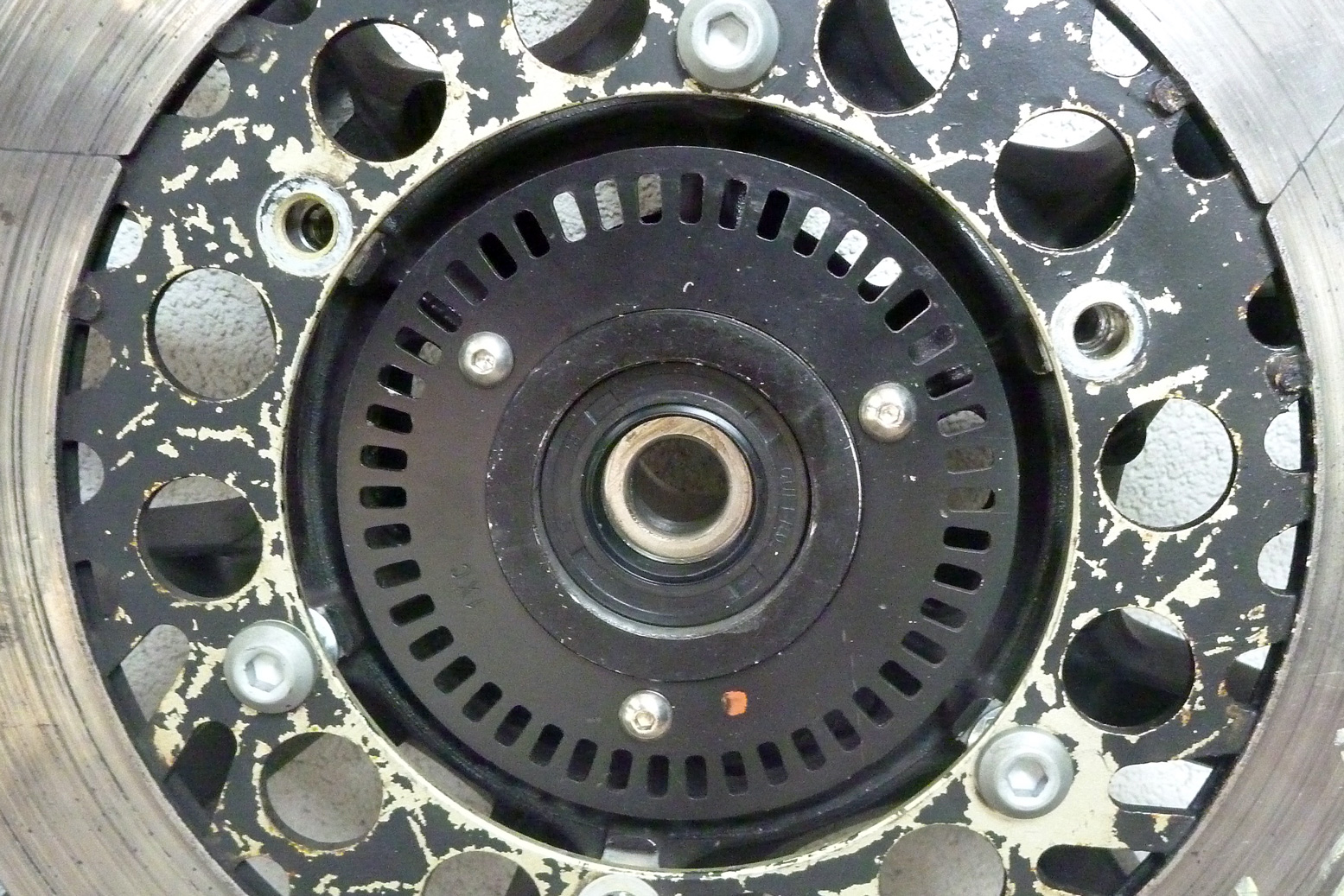
By chance the ABS sensor fitted by reusing a sawn-down reflector bracket (left). Only one washer and no bending required. The XV’s ABS ring (£40 new; £20 used from Germany) is on the disc side and a bit larger than the XSRs (originally on the other side) and in the 400-m ride back to my place it seems the XSR’s ABS computer didn’t like it and the light stayed on. That may take some sorting, but at least I have brakes.
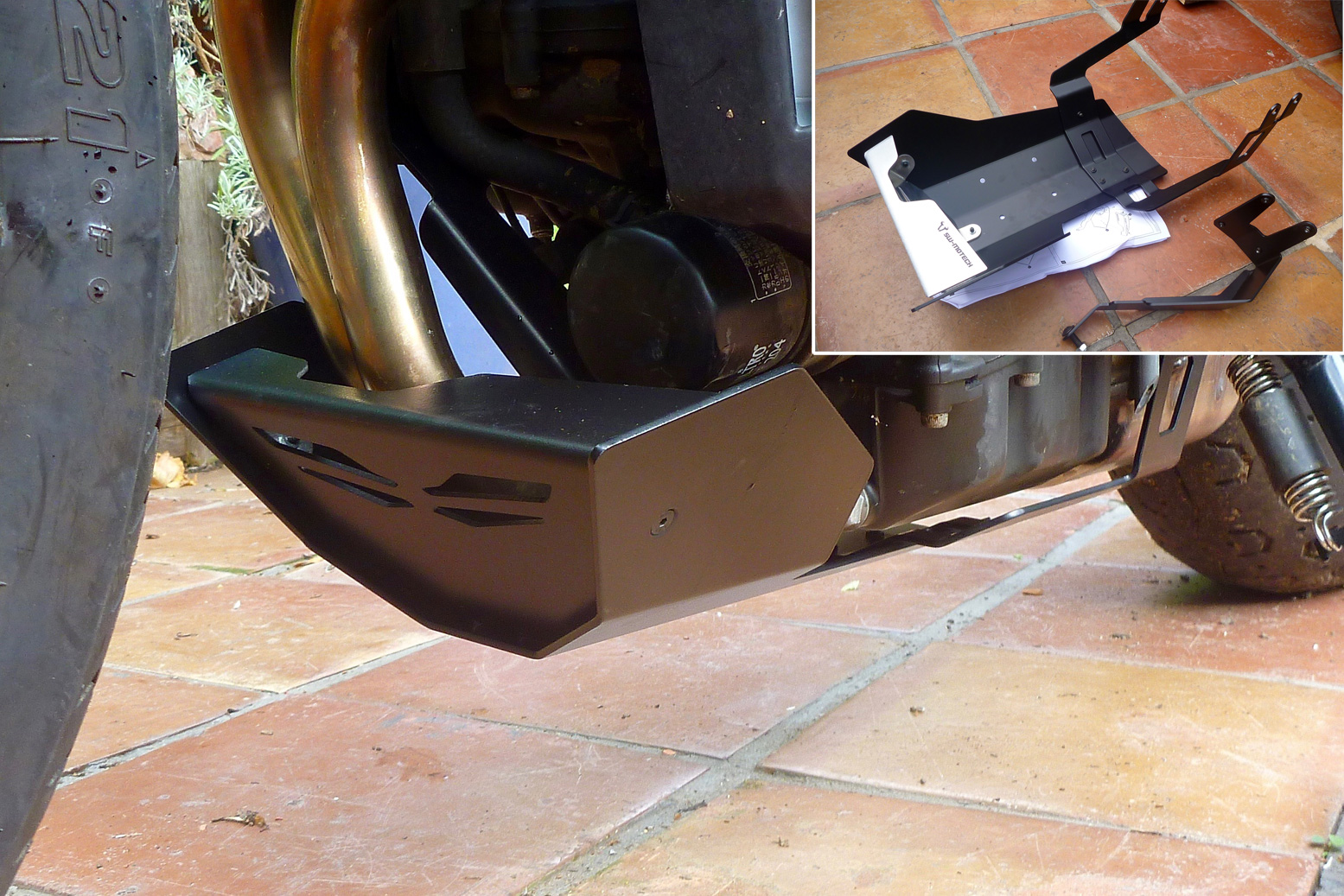
Other stuff. I bought a SW Motech ‘spoiler’ (£120) to double up as a sump guard. It’s pretty flimsy in 3mm alloy, and I think after Morocco will be wrecked, but that’s all there is and better a bashed bashplate than an unguarded sump. I may rivet on some more plate. As you can see, I sprayed the front unpainted bit with a few coats of plastic paint (and did the radiator covers while I was it it).

xsrtnj

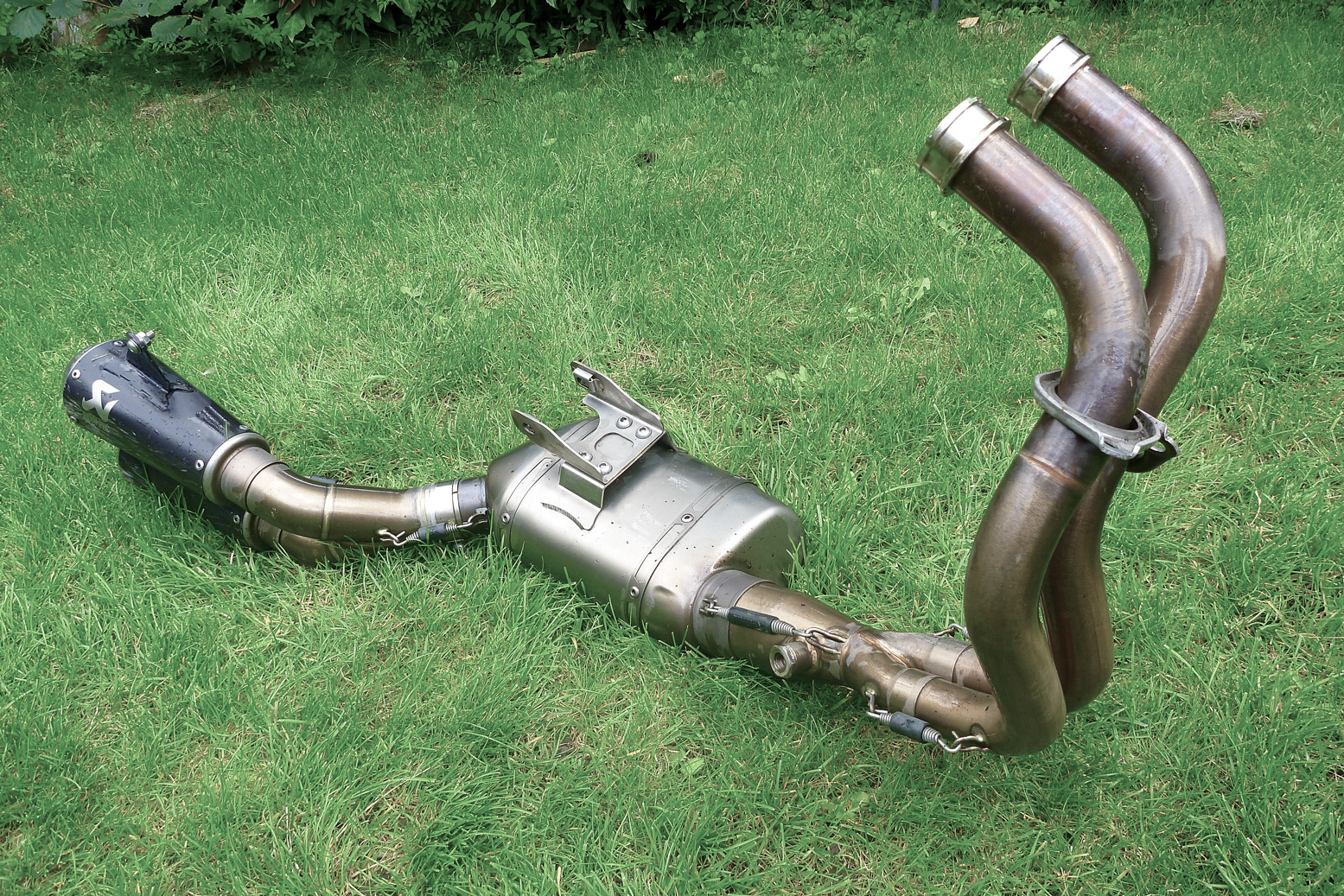
As expected, the Motech spoiler didn’t fit around my Akra pipe, but months ago in anticipation I’d bought a ‘sacrificial’ OE pipe off a new bike for £100. There are heaps on ebay right now (as with shocks) and the under-motor mass makes a good sump guard. Better a bashed cat than an unguarded sump. Interestingly, the OE pipe is the same weight (7kg) as the £1100 Akra which is now on ebay. My neighbour’s got her garden back now.
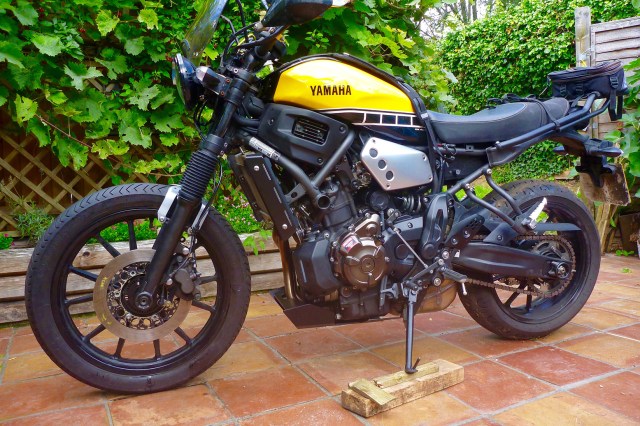
Final jobs: fit the rotor spacer and mudguard (maybe a taller fork brace?); try and sort the ABS light, if needed. Then take the brakes for a test run and consider a rear shock with a bit of lift, and extend the sidestand to suit. If it all goes or feels wrong it’s all easily reversible.

XSR 700 Scrambler – tail rack and fork preload caps

]XSR 700 Scrambler front page

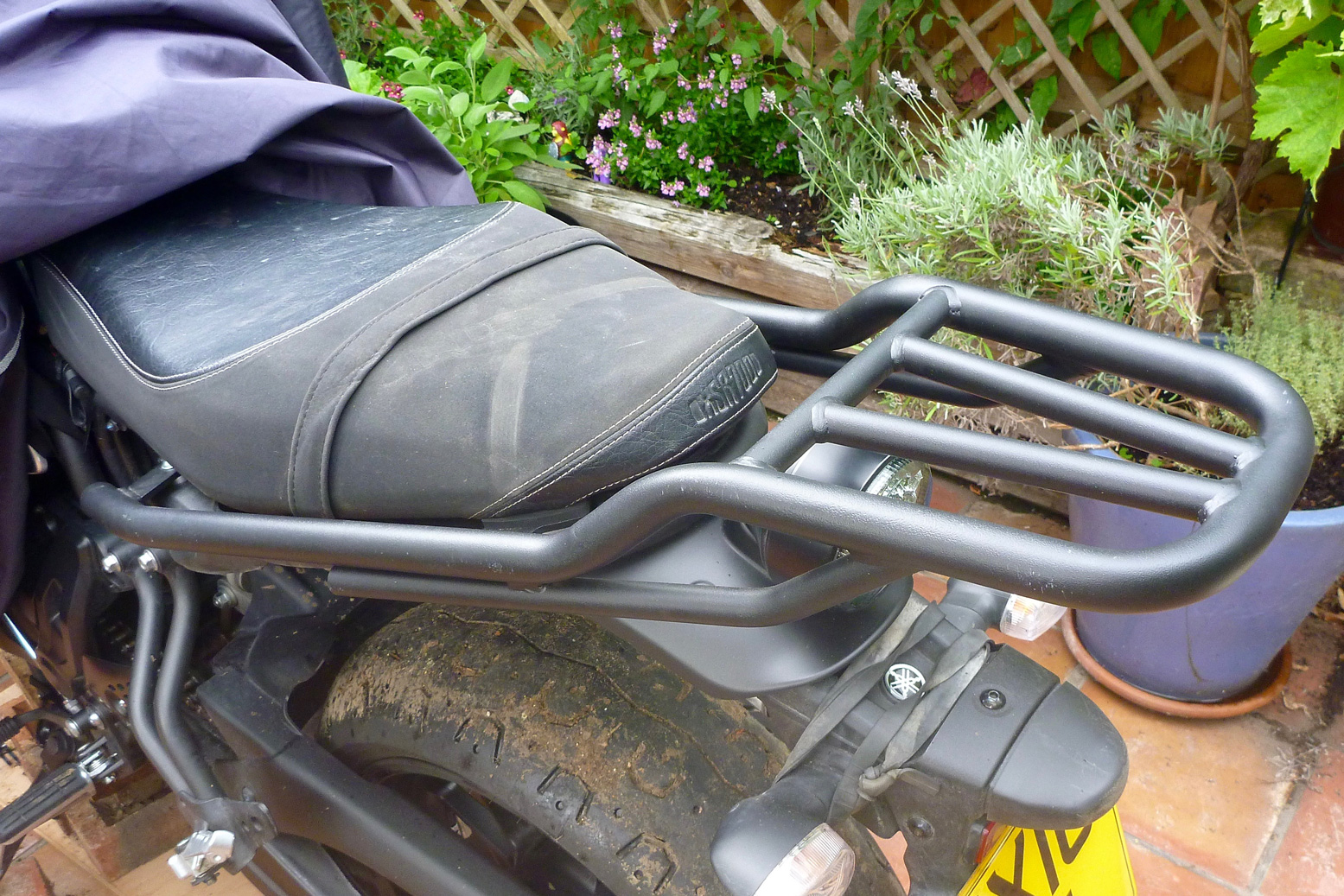
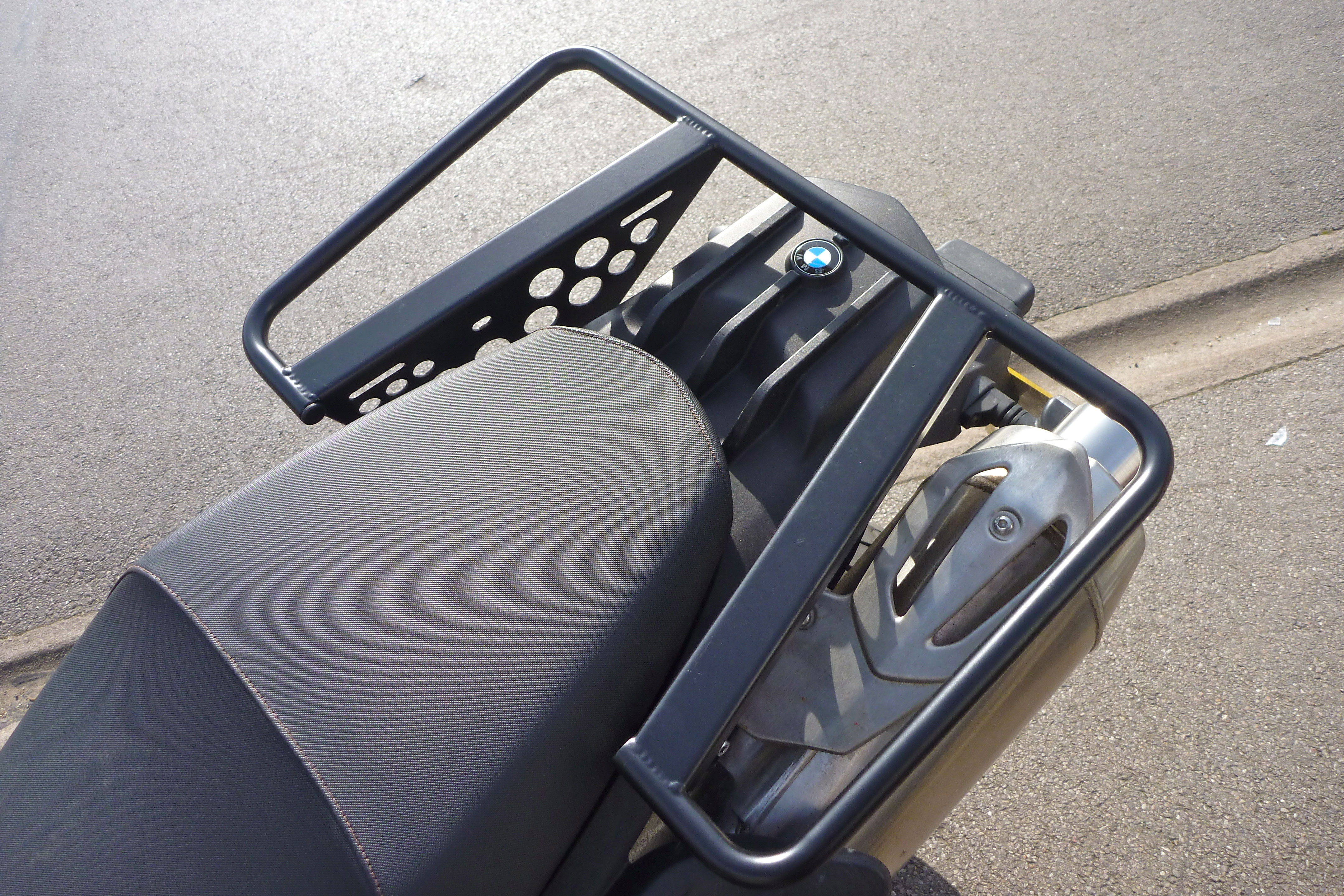
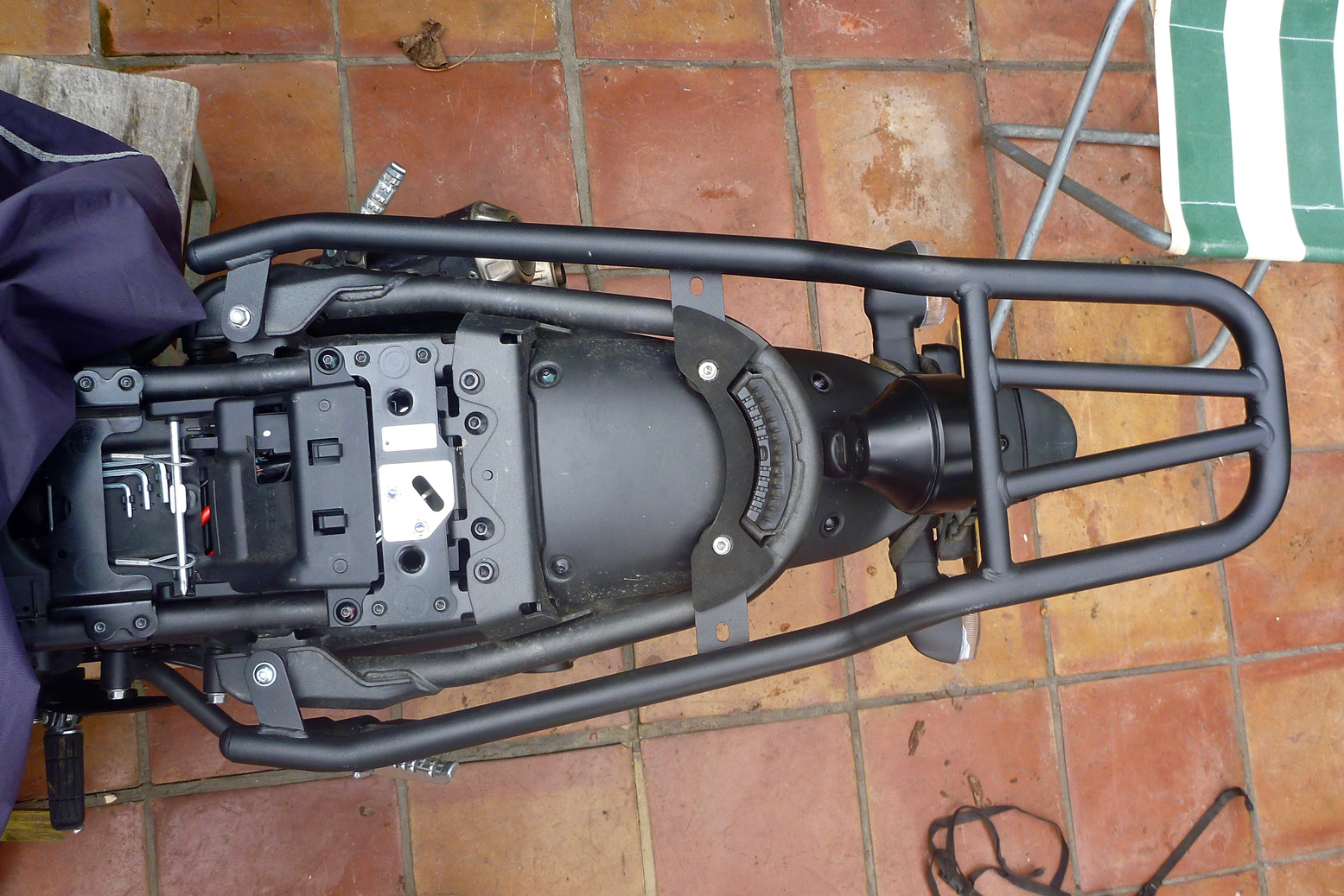
Two quick jobs while I’m waiting on wheel parts. Got a used Givi tail rack off ebay (£50 posted). At 3.2kg, it’s a heavy steel thing and a bit over-built, but mounts easily and solidly and, best of all, offers solid grab handles on the side. I find these useful for moving a stationary bike around, lashing it down, or lashing things to it.The actual rack is tiny, but would easily be widened if need be. A simple bar from this rack to the pillion footrests ought to hopefully be enough to keep some throwovers out of the wheels
Fitting  took 10-15 mins.

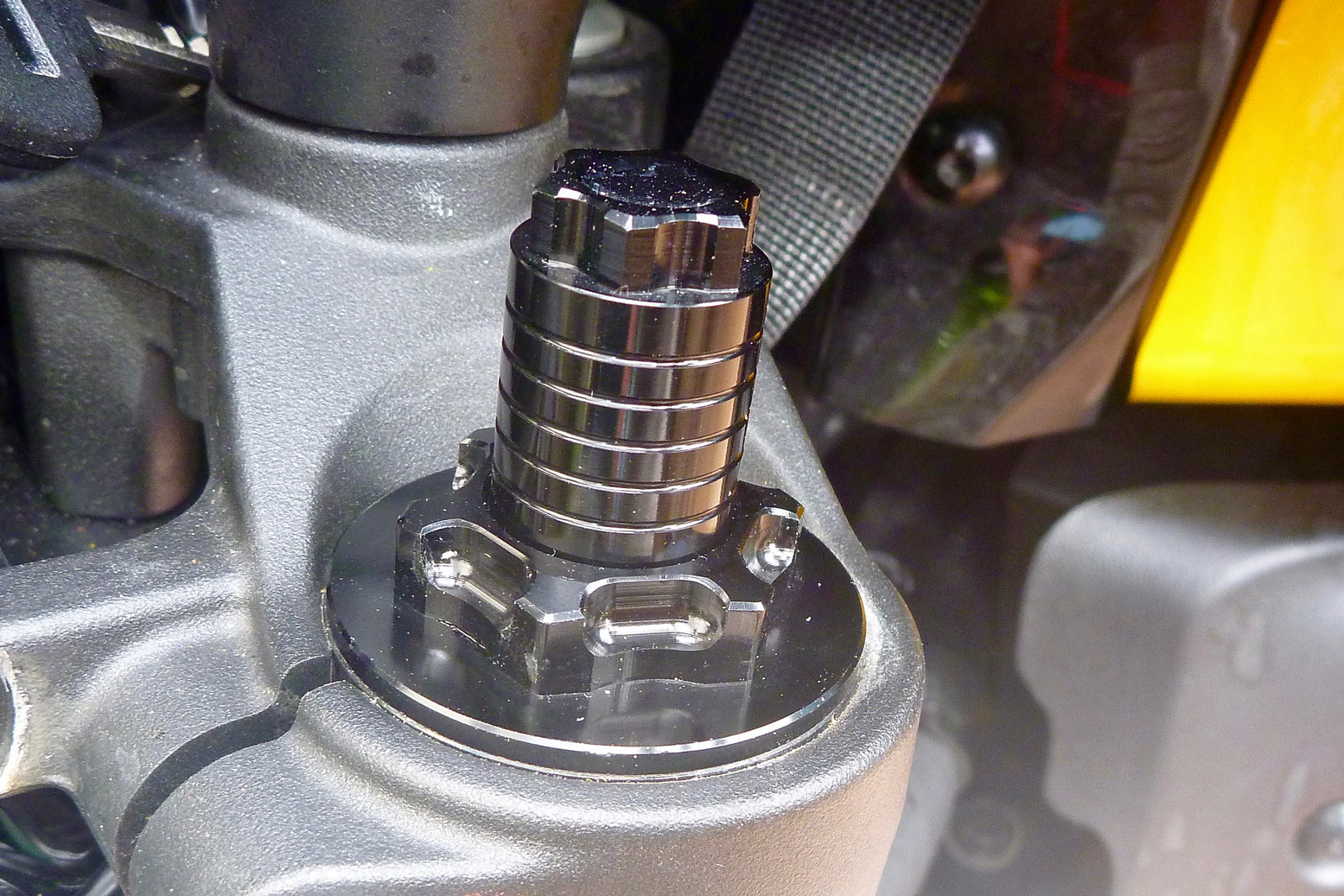
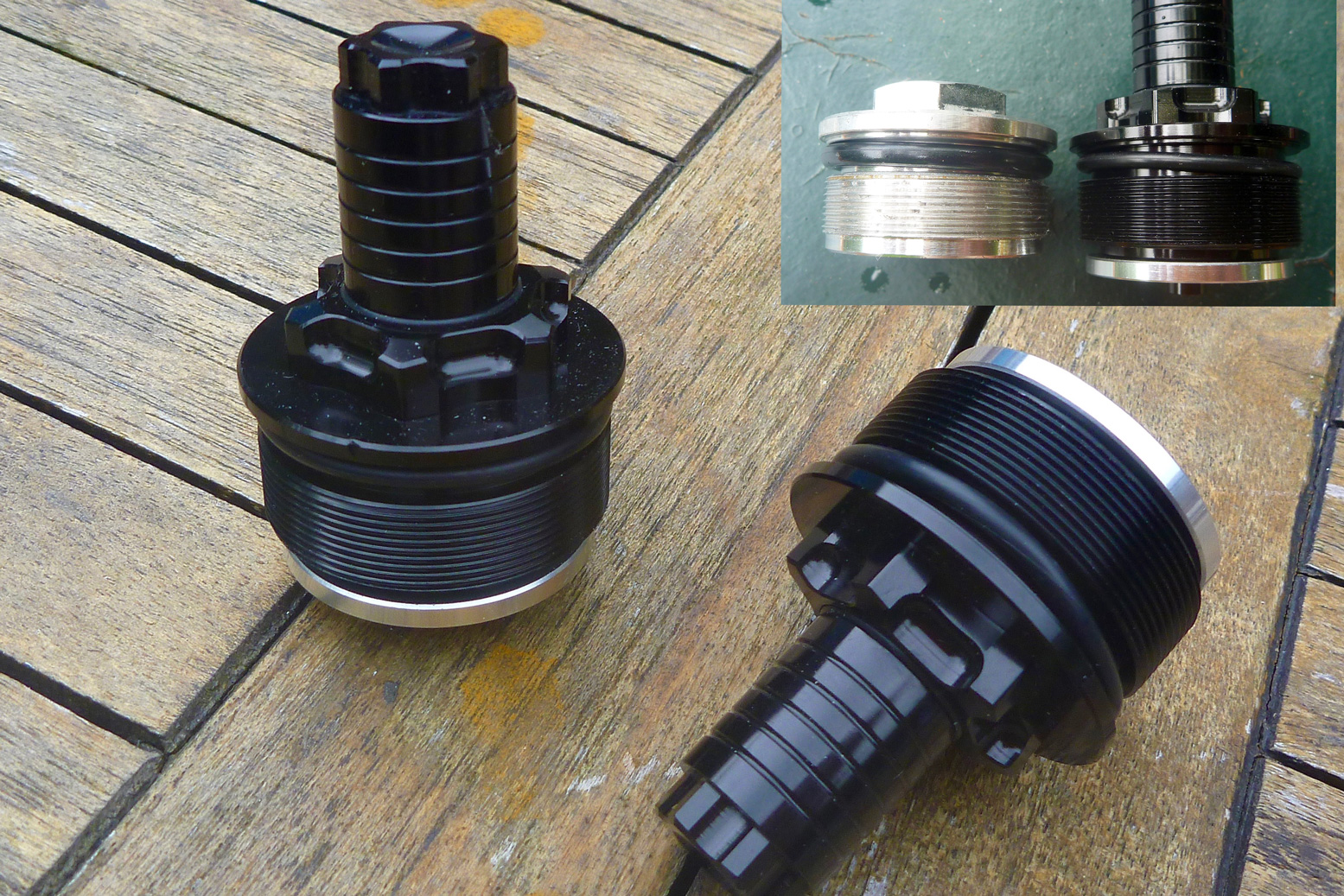
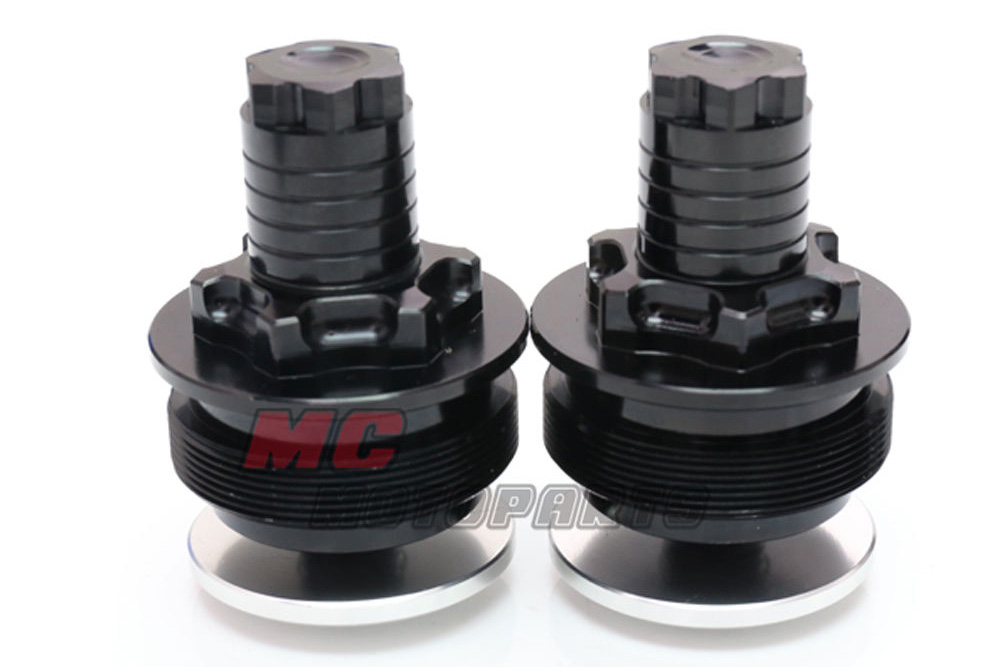
My fork pre-loaders turned up from Hong Kong. Basically, a pair of fork caps with an external screw pushing a plate down on the spring. In the old days we used to stick coin stacks under the fork caps to do the same thing, but with these you can do that plus easily tune in about an inch of preload. They look as well made as the OE caps, with o-rings and a good finish, but weigh at least twice as much. Better skip lunch then.

I’m not expecting any improvement in the fork action, just the option to firm up the front on the dirt. Front or rear, preloading does not make the spring stiffer (even if it feels like it), it raises the ride height. Fitting 5 mins per side. Cost £25.

ktechSprings

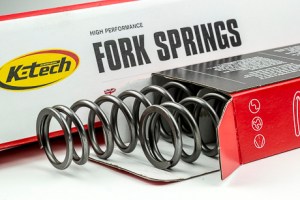
Next step would be spending ~£100 on an aftermarket springs (right) – I did that and fitted some 95NM K-Techs when I got back from Morocco and reset the pre-loaders to zero. Feels the same if not better; a much better front fork.

XSR 700 Scrambler – front wheel options

XSR 700 Scrambler front page
Tubeless Conversion Index Page
xsrbridge

borrani

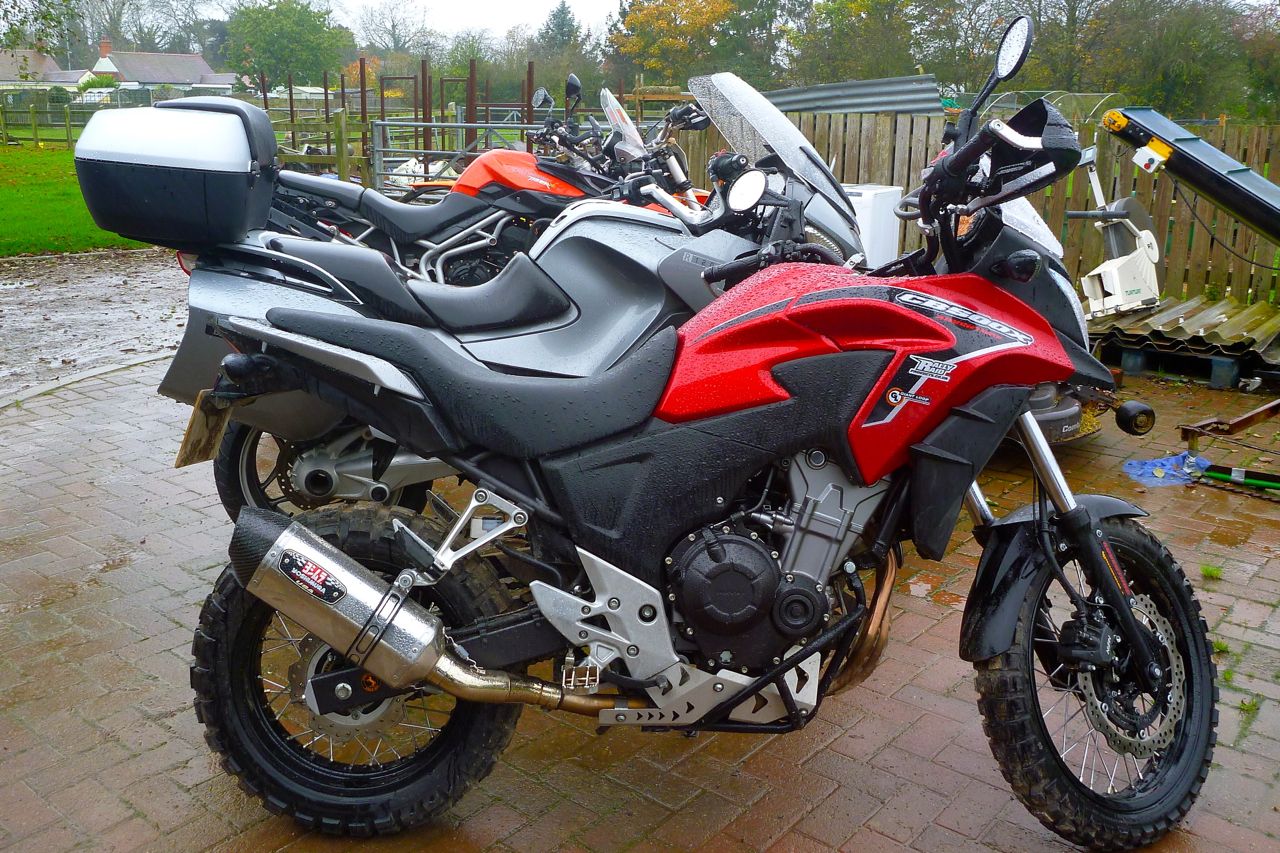
Like the CB500X and most other street bikes these days, the XSR 700 comes with fat 17s front and rear. The rear is in fact a ridiculously wide tyre that would suit a sports bike. There’s not much that can be easily done on the back – nor does it really need it yet. But up front a 19-inch tyre does make a difference in the dirt with no effect on road manners in my experience. In fact, I’m such a fan of 19s, the largely overlooked GS500R Overlander, (below left) – my original ‘adventure twin’ experiment from a few years back – had 19s on both ends to simplify tyre interchangeability.

Suzuki GS500R Overlander

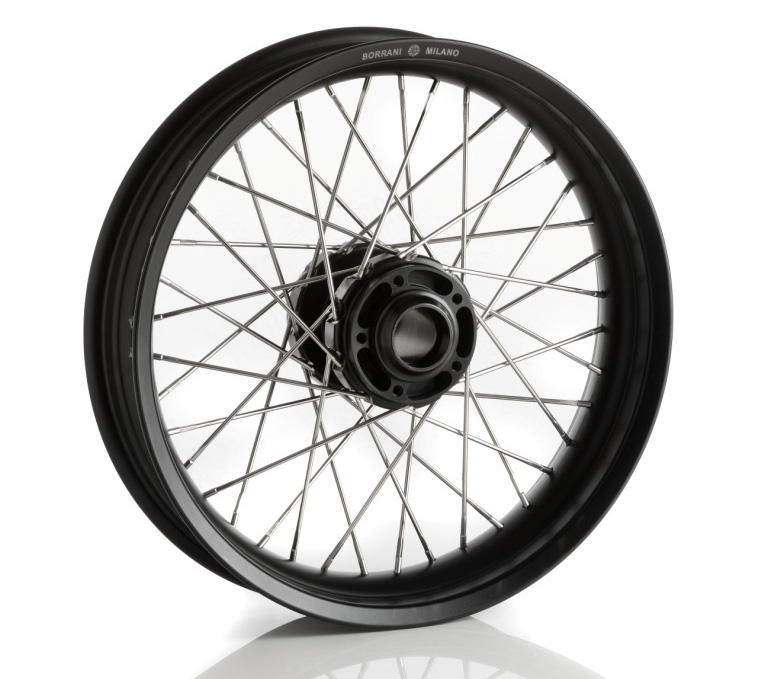
The simplest solution? Scoot over to Borrani’s web page and fill out your specs. Problem: they only make 17s and they’ll only sell you a built wheel (right), so that’s €1550, before you dismantle the wheel and lace up your 19er rim. No, they won’t just sell you their hub (well not to me at least). Kimeo will do you a tubeless 17-er for about the same price. Afaik, those two are the only game in town. Fitting a wheel or a hub from something else obviously brings up alignment issues, but if you persevere it should work out less than a Borrani or Kimeo.

xsrrotordims

Getting 19er spoke wheels on the GS500R taught me what’s involved with wheel size changes. On the XSR 700’s front wheel there are two important dimensions concerning OE caliper alignment:
• The discs are 117mm apart (inside face)
• The rotors are 282mm ø. To reuse them they’re 5-bolt pattern, int. ø 133mm

With any bike, these are your options:

  1. If your project bike has spoke hubs, it’s easy to 
    dismantle or chop off the rim and respoke it with anything you like, as I did with my very first XT500 desert bike in 1981 (right) – a 19er front for easier ‘one-size-fits-all’ inner tube swaps. It paid off in the desert.
  2. A
    gs500rbackend
    dapt a spoke hub
    to fit your bike, as I did on with a DR650 hub on the rear of my GS500R (right). Brake and sprocket alignments made this all quite complex. For XSR ideas, see below.
  3. gs50rfrontend
    Fit an entire front end
    (wheel; brake; forks; triple clamp) as on the front of the GS500R (left) using DR650 components. A full front-end transplant is actually easiest because all wheel/rotor/fork alignments are retained. All you need is probably an adapted stem and head bearings to match the stem with the frame’s headstock. Easy apart from the clocks and lamp mounts.
  4. Get a spoke hub milled up from scratch as Rally Raid do for their CB500X RR. (Their rear wheel weighs 2kg more than OE, but is probably much stronger). But, unless you have a CNC-savvy chum with a £40,000 3-axis mill, this is expensive and hard to pull off. Everyone I contacted who initially replied, stopped responding once I spelled out my request.
  5. xsrwheels
    If you have cast wheels, track down a 19er cast wheel that’ll fit. As mentioned above; you’ll need to consider disc rotor ø and offset, as well as fender and caliper clearances. It helps to choose a wheel from the same era.The best thing with this option you get to retain tubelessness.
tenerayhub

Option 1 is easy, but how many road bikes come with spoke wheels these days? Cast wheels are cheaper to make and are often lighter too.
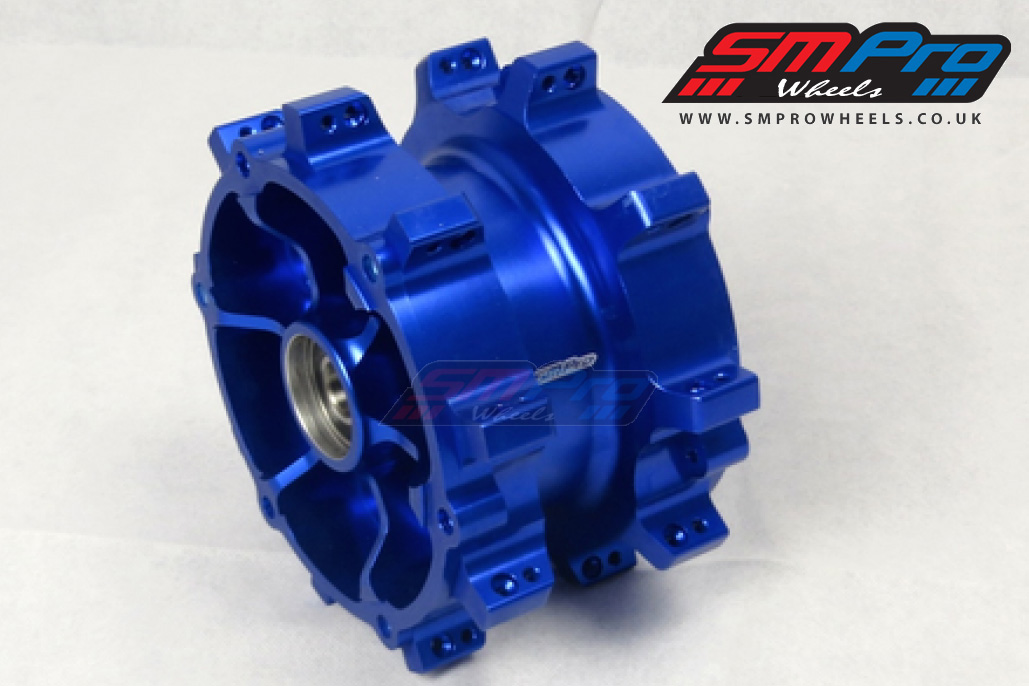
Option 2; besides Borrani, custom builders have adapted XT1200Z Super Tenere hubs to fit the XSR. An OE hub only costs £150, but the discs are 135mm apart which greatly complicates caliper alignment (wider triple clamps?). The XT660Z Tenere hub (left) is a better contender: less rare used, and with rotors 107mm apart, so 5mm of disc-out, or caliper-in spacing needed to match the XSR – easily done. OE hubs are £180 new, or SMPro do one for £228 (above right). If Option 5 (below) hadn’t worked out for me, a Tenere hub is what I’d have pursued. Don’t forget, you need to factor in disc rotors if not included, spacers and wheel bearings, plus the cost of lacing up a rim – and then (assuming it’s a tubeless safety rim) sealing it off to make it tubeless. There’s a whole page on that topic.
Option 3 is my second stage plan if the XSrambleR proves itself. I’ve given up trying to get Option 4 done, so Option 5 it is then!

xsrgargarden

XSR 700 Scrambler: the plan

Scramlogo
XSR 700 Scrambler index page
jigsawtracker

Yamaha’s XSR 700 is my sort of bike: the great motor from the MT07 in a more comfortable and better-looking package, and with the potential to become something more dirtsome, like the Jigsaw Customs flat tracker (right, and in the vid below). Plus I got it cheap so I can afford to experiment :-D

t77

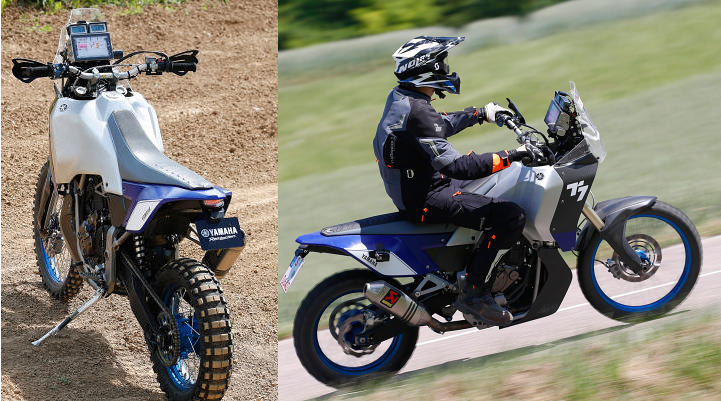
I’m taking ideas from Rally Raid’s innovative CB500X RR I rode in 2015, but am hoping to end up with something more like Ducati’s inspired Desert Sled (below). Like many riders my age, that’s a bike that, if I’m honest, appeals to me more than the forthcoming, over-tall, razor-saddled T7 (right) which I’m sure will also be a hit.

dezled


Obviously, your superbly detailed, BikeEXIF-type ‘urban scrambler’ (see video below) is not what I’m about. I want an actual scrambler, not just ‘the look’ while dodging the elephant in the bike shed: the huge costs for the huge amount of work required. Note that many, if not all of the bikes and OE parts in the promotional video below were supplied by Yamaha to promote their ‘Yard Built‘ program at the 2017 Wheels & Waves show.

What’s the plan?
Function first – form will be as it comes. The harmless scratches and dents remaining on my repaired bike can stay for the moment. I need my XSR to get me down to Morocco this autumn, run a few thousand clicks leading my tours, then fetch me back as winter sets in over the sierras. The mods that it adds up to are:
• tyres – easy
• protection – advisable
• lift – optional
• luggage – useful
• engine – unnecessary

The XSR doesn’t lend itself to these adaptions half as well as Honda’s CB500X. So the plan is to spend carefully, then if the machine shows promise and I’m still interested, finish the job with a fork transplant and a new wheels.

xsr-derest

My bike is restricted from ~74hp to ~46hp (numbers vary) for A2 license holders. I have a full license so can run it unrestricted but to be honest it runs great at 46hp and a year later I feel the same: loads of satisfying grunt where you want it. It just goes to prove the old adage: ‘50hp is all you need‘.
The way the restriction works on early model XSR/MT07s like mine is mechanical: a simple plate (left) stops the throttle opening fully. I read recently in a magazine somewhere that later model XSRs and MT07s had a detuned ECU, not the mechanical restrictor and which, I imagine, is less easy to derestrict. And in poor old Ozzie they get a reduced power 655-cc learner version. Got luck changing that!
As I’ve never come against the restricted throttle’s stop in over a year’s riding my XSR. Derestricting it by unbolting that plate doesn’t seem worth the bother as there’s no power or torque to be gained in the throttle and rpm-range I ride at. I only wish I could have got cheaper insurance by running it like this.

Tyres
As the vid above reminds us, anyone can slap on some TKCs, but would you want to corner on a fat, 17-inch front Conti? I recall years ago a disgruntled mechanic told me off; he’d just shat himself taking my Pirelli MT21-shod Funduro (left) out for a spin. You need to ride on eggshells until you get a feel for such tyres. Cool-looking thought it may be, I just can’t see a rear TKC or similar put on a 17-inch XSR front wheel working well on loose surfaces. I’m certain the CB500X RR rode better on road and track with the 19-inch front wheel, so that’s the plan with my Yam. A good old Heidi-Hi K60 will do me.

Protection and racks
I bought my XSR in a bit of a state (right), but it only took a day or two to fix up once the parts were in (with ‘Woodcutter‘ Kev’s help).
A lack of frame tubes under the engine complicates sump protection, but SW Motech make an alloy spoiler (left; top left; £120). Otherwise I’ve picked up an OE exhaust system which could be extended forward as a sacrificial bashplate to protect the more important sump and exposed oil filter. Doing this will probably lose any height gains from tyre and suspension. And if the OE system gets ruined I have the scratched but fruity Akrapovic which came with the bike. In the end the spoiler never bottomed out and barely scrapped once over a hump, but it fought off showers of stones.

xsrakanbar

Crash bars from 3Rmoto (above left; top right; £106) look better at protecting the lower engine than offerings from Hepco or SW Motech. Small side pannier racks from Motech (above left; bottom left) could be fitted (or copied without the unnecessary fittings) for some Kriega Duos bags (right) or similar, with a wider tailrack in the style of the HotRod rack I  had on my BMW XCountry (left).

krigduo

Lift
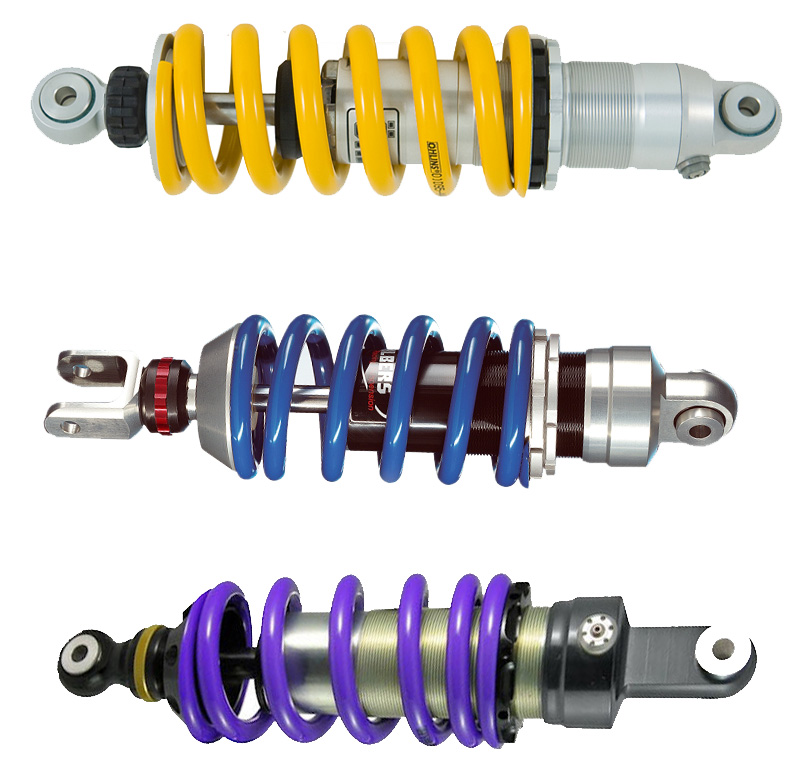
You can gain clearance with taller suspension or, at the back, modifying the rear linkage. Or it can be raised with taller tyres or wheels. This is the route I’ll follow, along with uprated standard suspension from Ohlins, Wilbers or Hyperpro which ought to maintain clearance and of course control the bike better on the rough. (Hyperpro don’t officially make a shock for an XSR; the MT07 one is the same).

forkpreloaders
cartfork

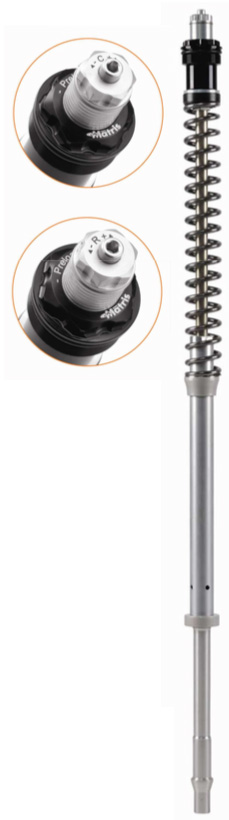
On the front I’m going to try out some inexpensive fork preloaders (left; £28) before probably resorting to an aftermarket spring (Got KTechs in the end, < £100), after which the preloaders will be a good back-up. There are also cartridge fork inserts (right) from the main suspension makers enabling preload and various damping adjustments, but they go for a staggering £500. Like the CB500X, the XSR comes with short springs plus a long plastic spacer. Seeing as aftermarket springs are the same, I assume this isn’t the cost-saving bodge it appears to be. Weight is certainly saved, though you’d think a full-length spring would have a more supple, progressive action,

xsr-shoklug

The XSR/MT07 come  with a preloadable shock with the usual deficiency of  rebound damping that goes back to as long as I’ve ridden Jap bikes. You can now buy used MT shocks on ebay for a fiver. Meantime, I’ve learned the value of a shock with adjustable rebound damping (around £500). I can hardly tell on good roads at normal speeds, but sure can on rough backroads and tracks.

80-xtjumper

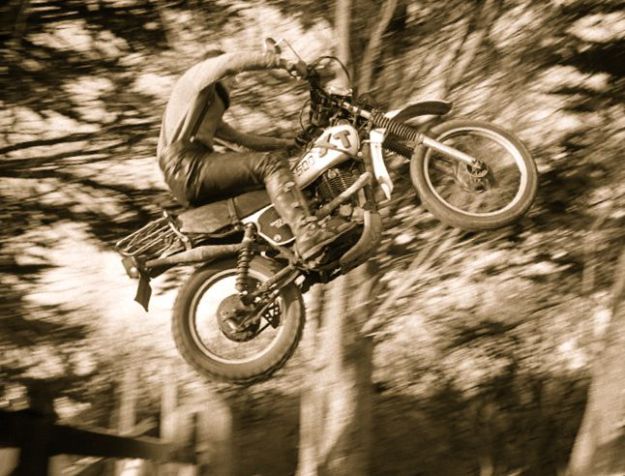
One important point that Jenny Morgan (Rally Raid 500X developer) notes with the XSR/MT07 is that the top of the near-horizontal shock (above left) mounts to a bracket bolted to the crankcase, not a frame member. A very hard bottoming-out could possibly damage the crankcase; a very complicated and costly repair. All the more reason then to fit a good shock, keep preload and tyre pressures on the high side (as I tend to do anyway), and where possible, resist jumps as pictured.

wr-hpa

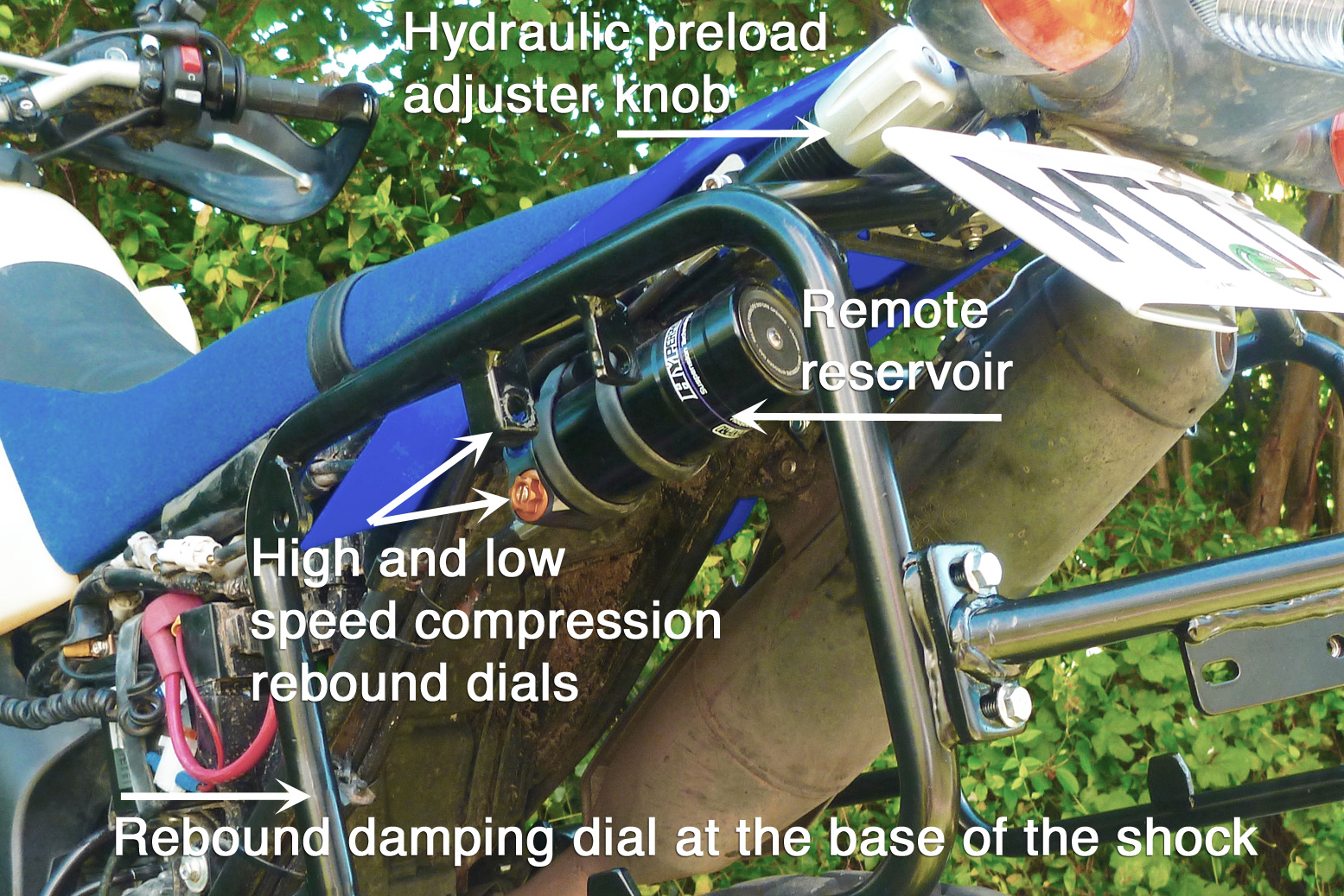
The Hyperpro on the WR (right) had rebound damping as well as low- and high-speed compression damping, though adjusting all these permutations, I got in a twist on the last big piste in Morocco while heavily loaded. I think what was actually needed was the maxed-out HPA (hydraulic preload adjuster) collar screwing down the shock body a bit to reset the preload at a higher rate. Turn-knob HPAs are great; give me one of those (or a mechanical version) any day before three types of damping and different coloured springs. An HPA replaces C-spanners and skinned knuckles; when I jacked up my XSR I made sure I wore gloves.

linkers
Arm-relay

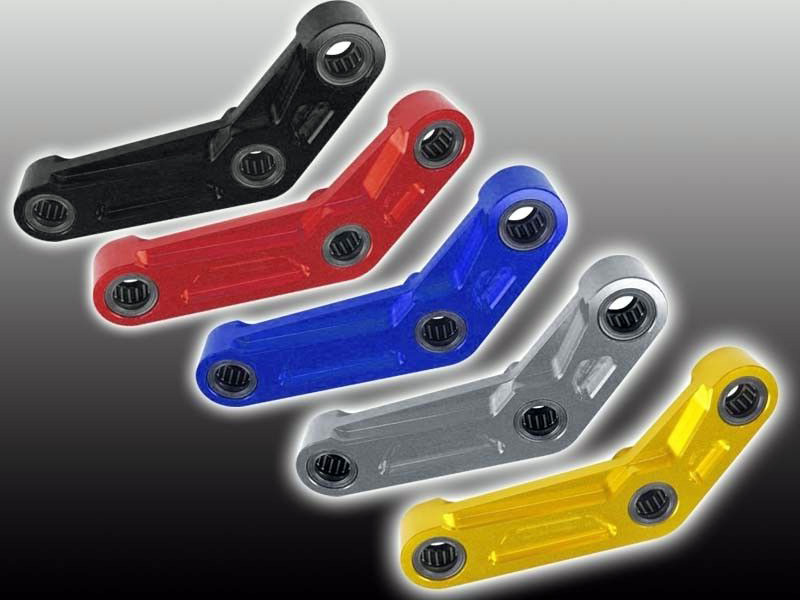
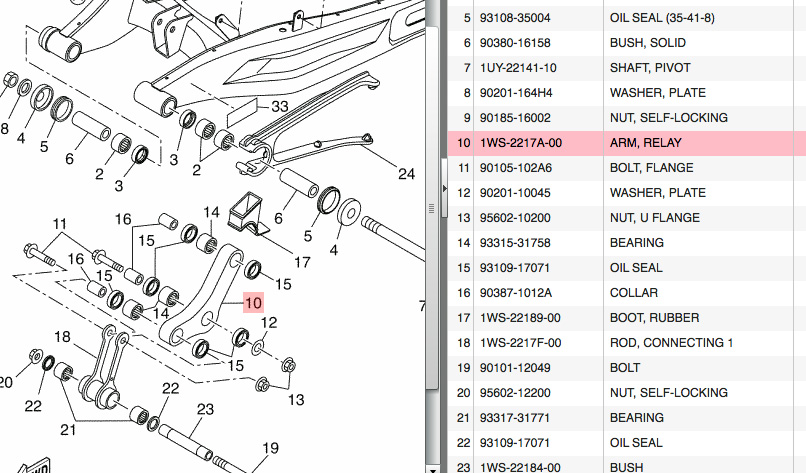
Among others, at the ordering stage only Wilbers offer varying shock lengths to modify standard ride height (most want a lower bike). With other shocks once you’ve spent your £500 you’re stuck with the length. You can get ride-lowering ‘dogbone’ linkages on ebay or, for the 700s, the ‘relay link’ (right) in an array of anodised colours (left). Fitting looks quite a faff and again, like a longer shock, you’re stuck with what you’ve got.

KLX1 - 10

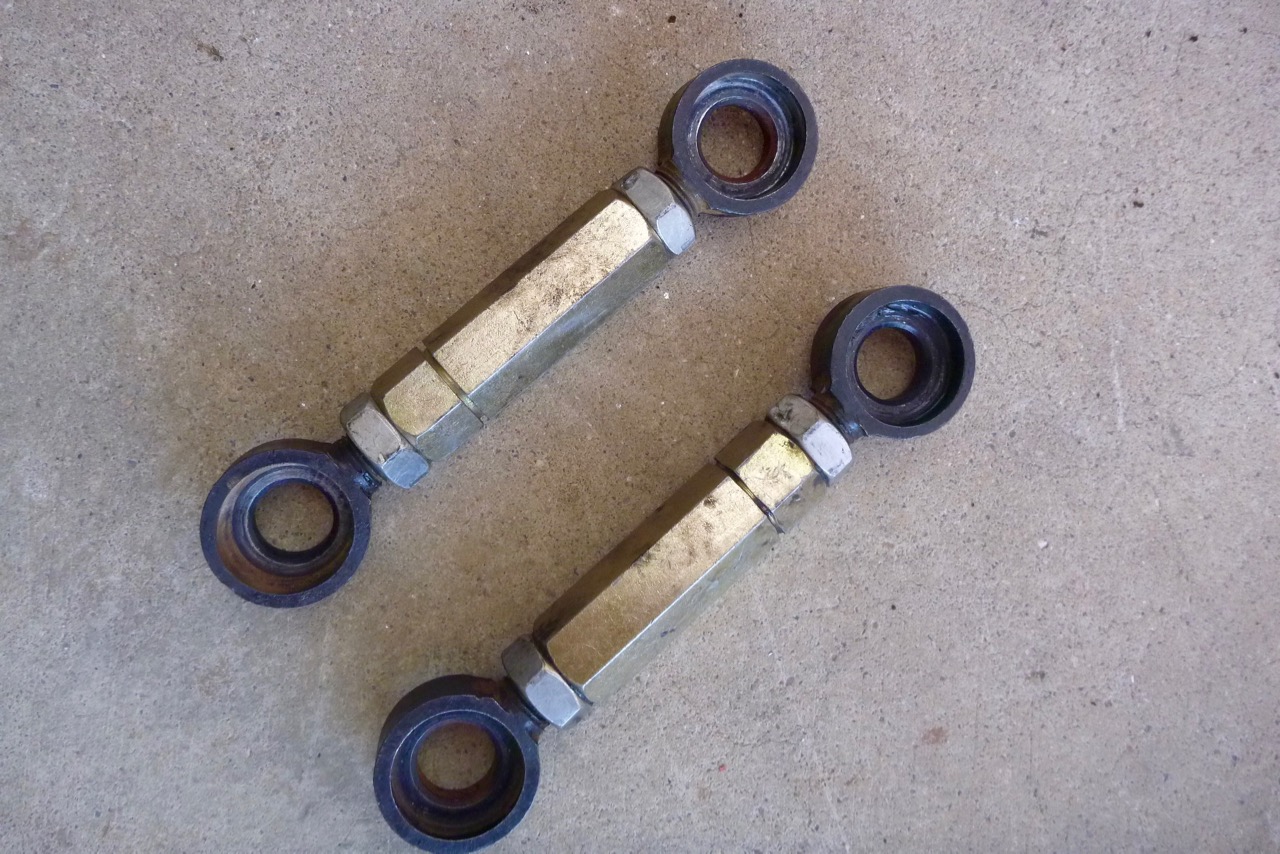
If taking this route I much prefer the idea of variably adjustable links, aka turnbuckle links (left). I first came across them on a KLX250 I had in the US in 2016.  They’re only made in the US by this lot, afaict, and cost four up to times more than a fixed link. And the problem is they only make them to go standard or lower by lengthening the link. To gain ride height you need to shorten that link, which requires chopping maybe 10mm off the body and perhaps 5mm off the threaded ends too. One flaw with messing about with linkage length it that it also messes with the carefully calculated progressive action of the whole system. Rally Raid noticed this shortcoming early on in the 500X’s development and after some calculations, milled a new ‘relay link’ for the Honda.
Up to a point, clearance could also be improved by making the sump shallower and/or rerouting the pipe. The latter is actually the lowest point, but moving it is complicated and expensive. As mentioned, a used OE system can do the job providing the sump’s protected. With the sump, every 10mm less sump depth loses about 280cc or 10% oil capacity, raising temps and reducing oil life. Maybe OK for a racer; not so good on a travel bike, let alone the fabrication effort involved. Better all round to fit solid protection here and achieve / maintain lift from wheels and suspension.

Small jobs already done
My old Spitfire screen fitted, as you can see. I’m getting my money’s worth out of that one and again, I’m amazed how securely the basic fitting works at up to 90mph. The screen can be removed in a minute.

xsrbar

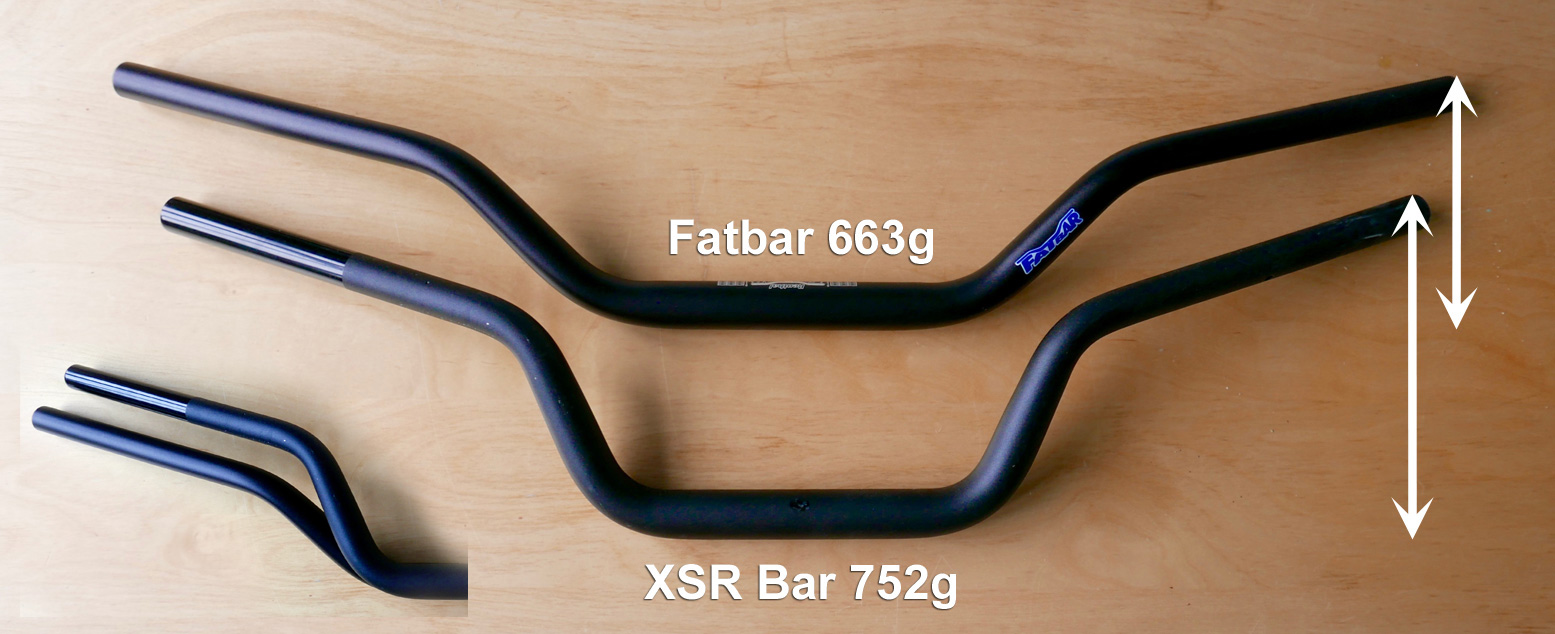
Something was bent up front, but it wasn’t the forks, tfft. I bought a new/removed OE bar, but a closer look showed on of  the bar risers was a little bent; they’re both part of one block (£80). The so-called Yamaha accessory knuckle guards (£160!) absorbed the impact. It’s actually a pretty good fatbar, 2 inches taller and narrower and only 90g heavier than my Renthal fatties (right) which still wait to make their debut.

ledlamper
xsrlampers

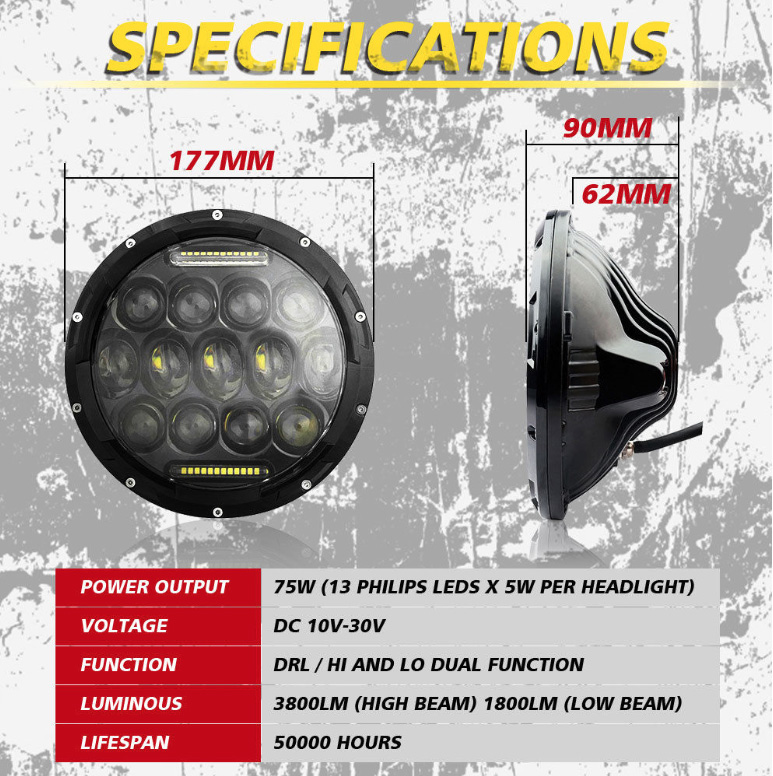
The headlamp shell was caved in and the rim was gouged. That’s about £130 quid’s worth and many agree, the OE lamp is not a great look. Instead, I bought a 2000-lumen LED off ebay, and some steel, fork-rubber-mounting brackets for £25. Removing the OE headlamp mounting frame, the cast alloy indicator brackets and a couple of other fittings saves weight overall but leaves nowhere to mount the indicators. I knocked some up from some scrap formica to get me home, but later got the lamp brackets remade properly in alloy with holes to fit the indicator rubbers.

evotech

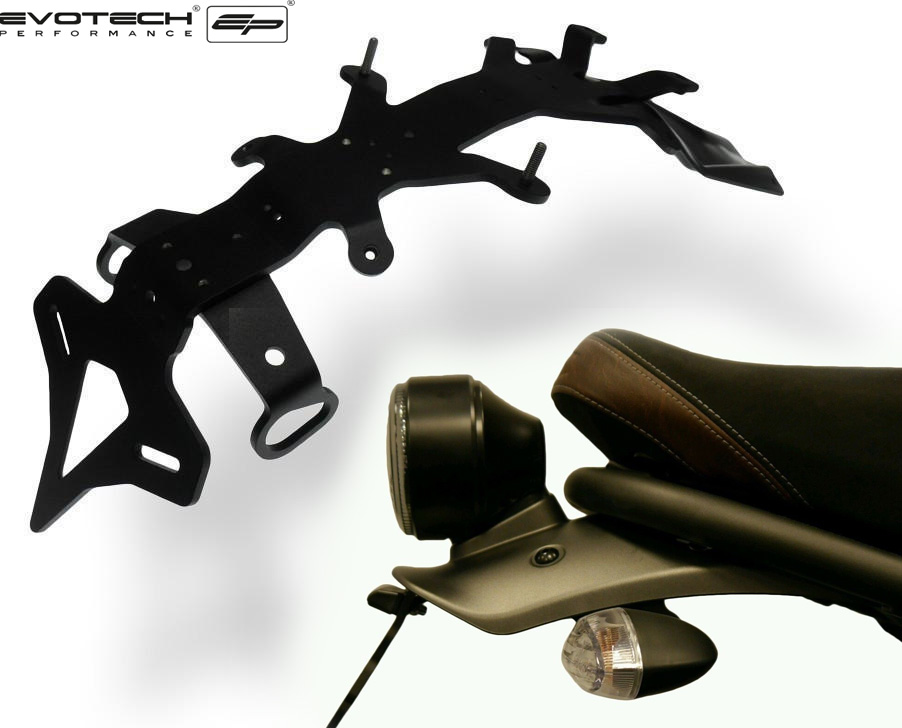
I’m tempted to fit an Evotech tail tidy (using OE indicators) as I know well that running on corrugations and rough tracks can stress taillight mounts which way out back.

strapon

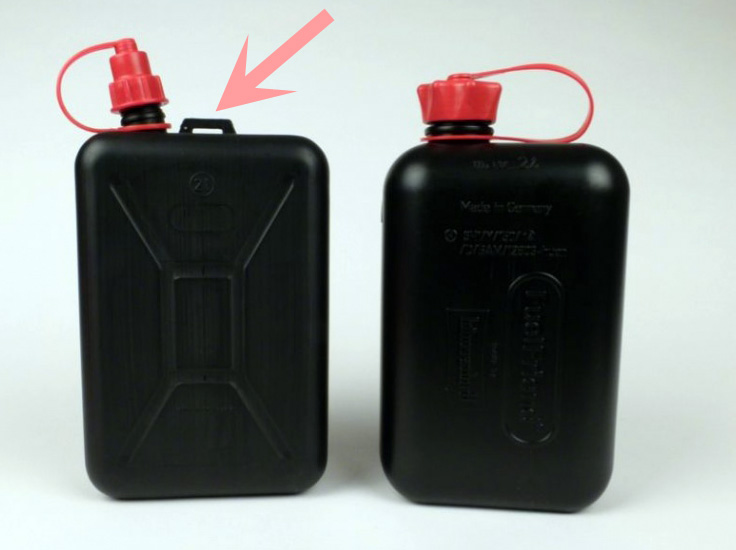
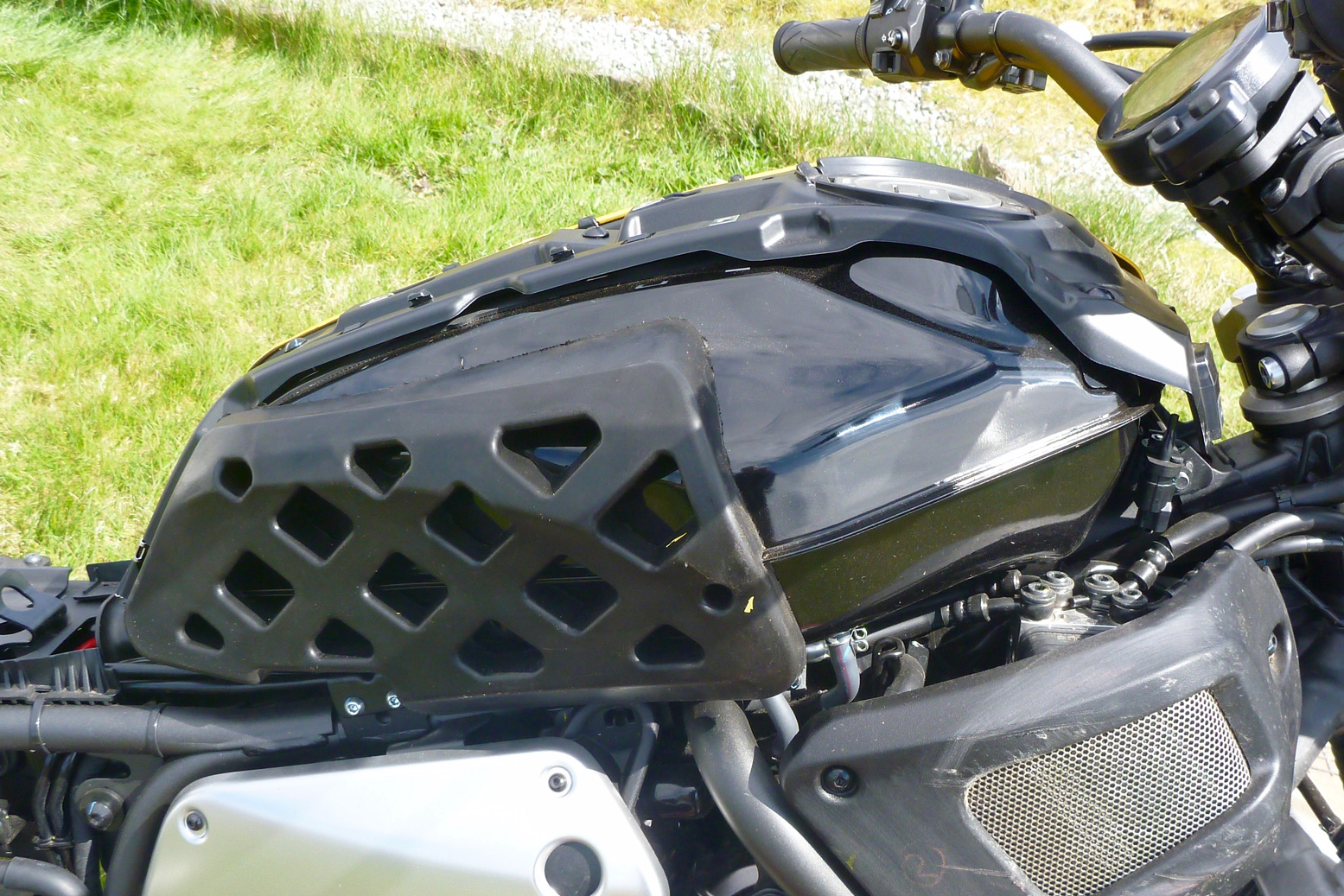
The ‘tank‘ is ally panels covering a 14-litre steel reservoir. One of mine was dented; I tapped it out with a hammer. Right now I get 200 miles to a tank. A little more would be better and looking underneath it appears it would be quite easy to enlarge the tank but really, for 2-3 extra litres I’m better off with some £10 fuel cans.

xsrtank
bolt-xvs950r

First main job: fit the wheel off a 2016 XVS950R (right). Spindles are the same diameter, but almost certainly new spacers will be needed as well as probable brake caliper spacing to line it up with the V-Max rotor. Luckily the ABS ring may fit – a benefit of using parts from a similar/same era bike. One disc you say? All will be explained.

Tested: Mitas MC23 Rockrider tyre on WR250R

Best Adventure Tyres

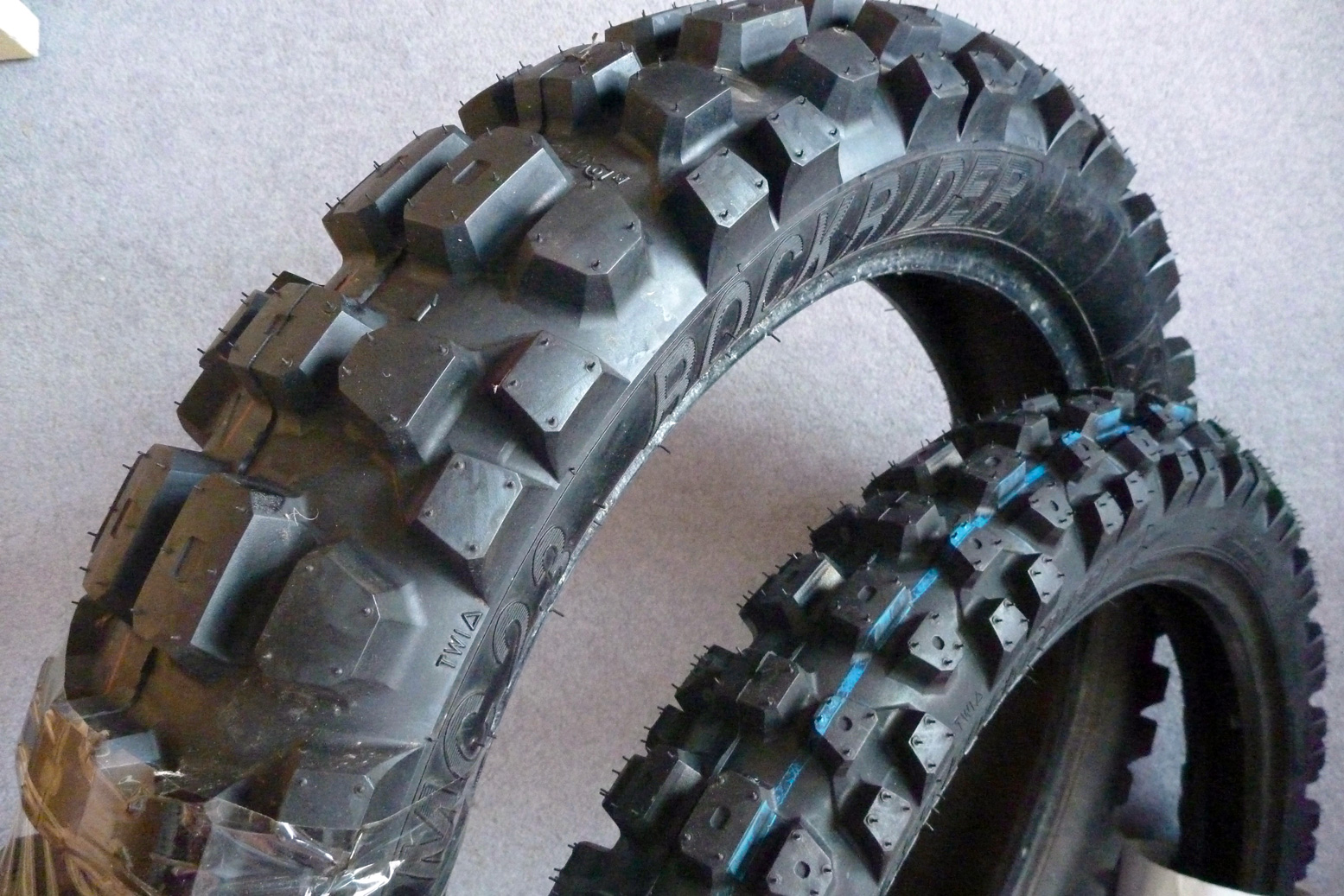
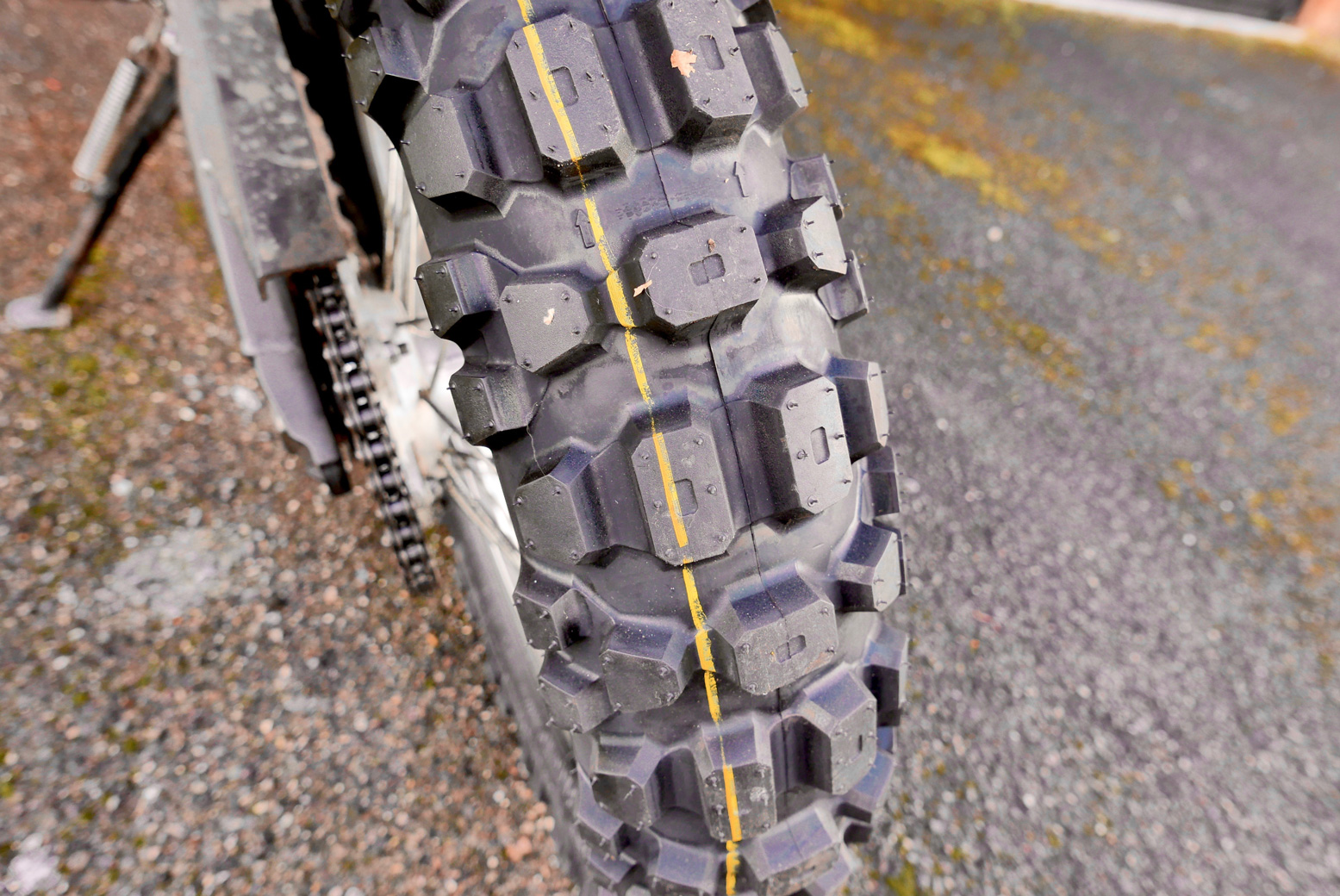
I had the luxury of having my WR trucked down to Malaga and back, so could afford to run street-legal knobblies for my Morocco update trip. The Mitas Rockrider MC23s were recommended by a mate and iirc, cost under £120 the pair.
As always, I Slimed them up and also ran them at 30psi, road or trail, except for one sandy oued episode and day overlooked at 25psi.

WRtyres
mitasrok

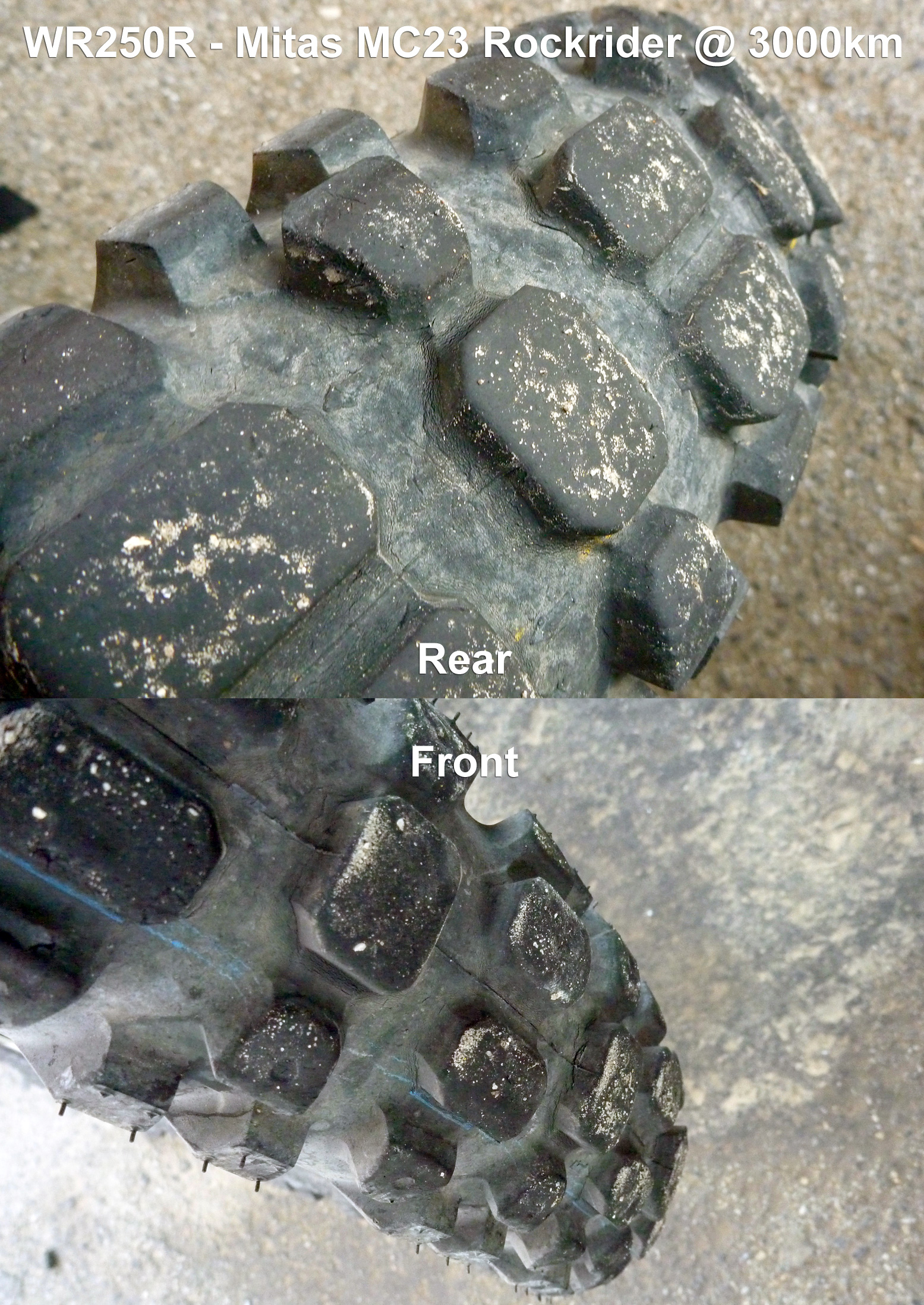
Long story short: no complaints on road or trail. On a light and relatively low-powered bike riding roads, wet or dry, they never felt sketchy, and on the dirt were of course a lot more secure than a regular do-it-all adv tyre.

AMH-Tread-Chooser-Adv

But after only 3000km the back was down to 5mm. I suppose wear will slow down from here on, but I feel that was very similar wear to a ‘soft’ TKC I ran on a Tenere a few years ago, though that was run tubeless which may have extended its life. Incidentally, I’m told the Rockrider is also tubeless.
So, I suppose there is no way of having your tyre and eating it, even on a light bike. Grippy dirt tyres will wear fast and so perhaps are a bit of an extravagance on long rides. As always, it depends where your priorities lie: dirt grip or longevity, which is why the less knobbly do-it-alls (right) live up to their name.

M3-17 - 9