Category Archives: Bikes

Desert Travels • Bénélé 1984 Part 2

Desert Travels Index Page

Buy Desert Travels 2021 on Amazon

Did you miss Part 1?

Recap: I’m taking a two-week touring holiday in Algeria, late summer 1984, and it has become very hot indeed. I’m riding a 200cc mash-up of AJS, Honda CD200, VW and Yamaha, with enough ground clearance to become an Olympic sport, but barely enough power to stir a tea bag.

Yesterday I rode through a tornado and right now I’m just south of the Tademait plateau: it’s Day 3 in Algeria.
This is part two of a bonus chapter which does not appear in the book.

I got up before sunrise but it was still as warm as a hot summer’s day in the UK. I packed up and rode towards In Salah, a hour or so down the road.
Soon I came across a French guy on a Z750LTD – that’s a Kawasaki early 80s mock-chop in case you’ve forgotten. Clearly, 1984 was the year to ride the Sahara on dumb bikes.
He was sat by the side of the road looking a bit how I felt: shell shocked. Yesterday on the Tademait, the sand storms had also freaked him out too and he was beginning to realise his spine-wrecking ‘factory custom’ was not such a cool highway cruiser after all. He’d had enough and was heading back north.

I carried on south, passing the denuded outliers of the Tademait plateau.

The old fuel station in In Salah was always fighting to keep its chin above the sands, and I pulled in to fill up for the next stage: 270km along the Trans Sahara Highway to Arak Gorge with not so much as a well on the way.

A short distance out of town I passed another fallen truck, as I’d done near here in 1982 in the XT, only that time it had been flat on its back with its wheels were up in the air.
As before, the road was perfectly flat and straight. You presume the driver dozed off in the heat of his cab and jack-knifed.
It’s not the greatest picture I’ve ever taken but you’ll notice there’s someone camped by the truck’s under-carriage. He’s watching the wreck so it doesn’t get stripped bare before someone comes along with whatever it takes to get it back on its wheels.

Time for a quick pose why not. Young kids these days think they invented self obsession and selfies! We were doing that years ago!

I liked my trusty Bell Moto 3 but I’m sure glad I never had a crash in it. The padding inside was about as inviting as the inside of a cylinder head. I also see I’m wearing a natty nylon British Airways cabin steward’s scarf picked up in Laurence Corner’s army surplus ‘boutique’ in Camden, just up the road from our Blooomsbury squat.

They say the Beatles bought their Sgt. Pepper outfits there, and the likes of, Adam Ant, Kate Moss and Jean-Paul Gaultier have all rummaged around in the junk at LC, looking for something to cut a dash. As trendy London despatchers looking for the ultimate outfit, we did too, and I think the scarf was an impulsive £1 purchase.
Decades later Bell brought back the Moto 3, but with a 21st-century velvety interior.

Back to the desert where the only fashion was to get to the next water before what you had ran out. The low elevation hereabouts meant it was becoming exceedingly hot. I’m guessing about 45°C or over 110 F.
That’s nothing unusual at these latitudes I’m sure, but I’d never experienced temperatures like this. I was being baked alive by the air I was riding through, and so I wrapped up tight to keep the blast from turning me into a shrivelled Peruvian mummy.

I’m hot

In this pre-Camelbak era, every half hour or so I just had to stop for a drink. I was getting through water at a rate of 10+ litres a day. As I rode along, by the time I could stand it no more I’d feel the desiccation creeping down my throat. I realised how fatal dehydration actually gets you: from the insides out as you helplessly breath in air at well over body temperature (36°C). The survival manuals were right all along: without water or shelter, consciousness could be measured in a matter of hours in this sort of heat.
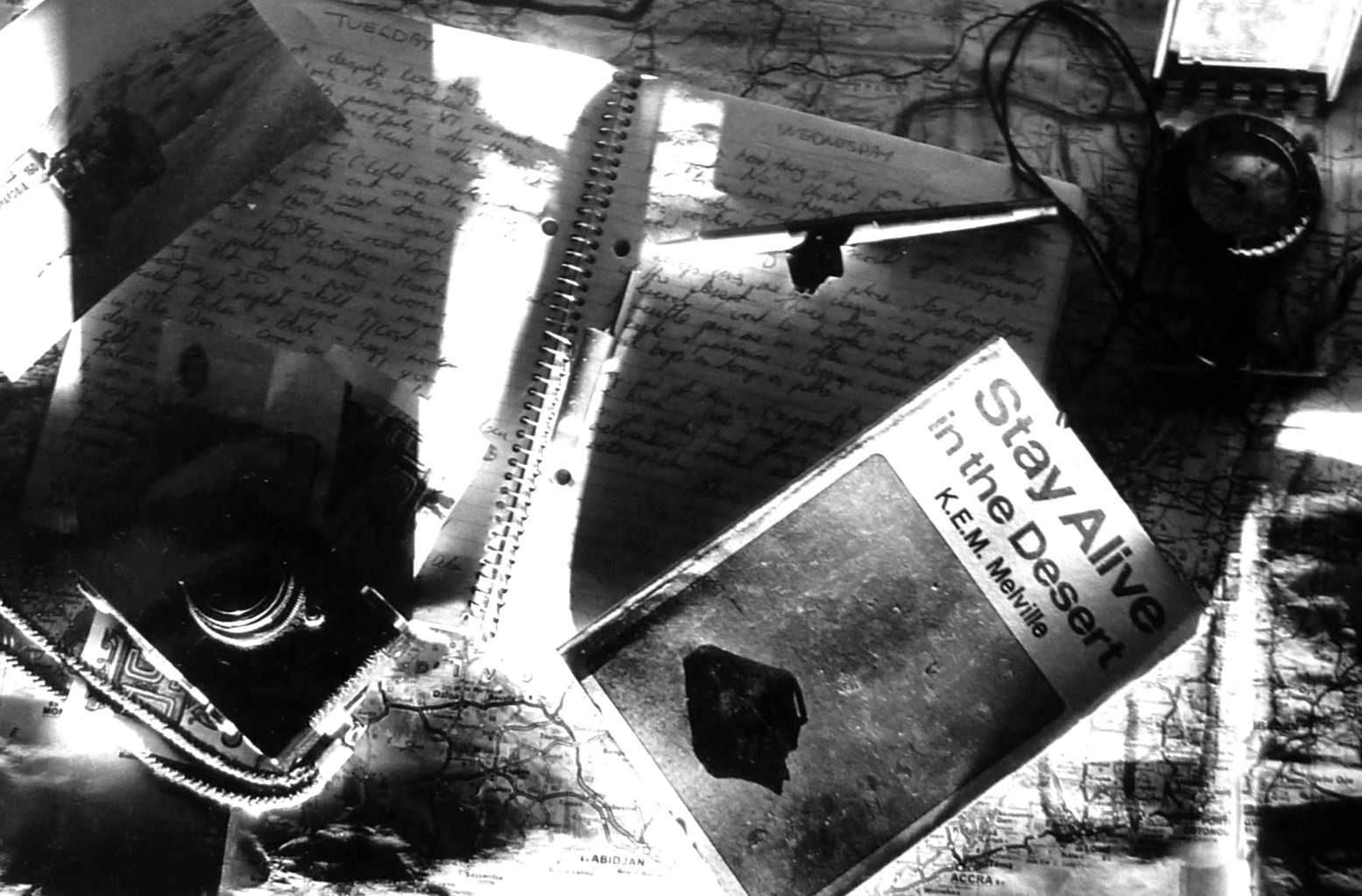
At one point I thought I simply must cool myself down and poured a helmet’s worth of water into my Bell and put it on. The delicious deluge soaked down through my clothes with a steamy hiss. But half an hour later I was again throat-parched and dry as a roadside baguette.

I’m thirsty

The Trans-Sahara Highway that had finally linked Algiers with Tamanrasset just a couple of years earlier was already breaking up, and in this heat, you could see why. Black tar which sizzled as you spat on it wouldn’t stand a chance as another over-loaded lorry hammered the scorching highway to a pulp.
Diversions shoved traffic onto the sands so repairs could be undertaken, and I had my first chance to be forced to ride the Benele off road. All things considered it managed well enough, even with horsepower barely into double figures. The trials tyres and light baggage all helped.
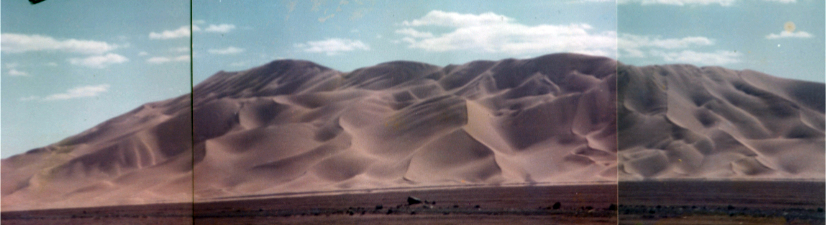
The Erg Mehejibat, near Arak.

Then, as I neared the Arak Gorge something changed in the ride, the suspension seemed to tighten up. I hopped off, dreading some problem with the Honda motor which could surely not handle such heat for much longer. It was a simpering commuter hack brutally abused by being thrown into the deep end of a Saharan summer.
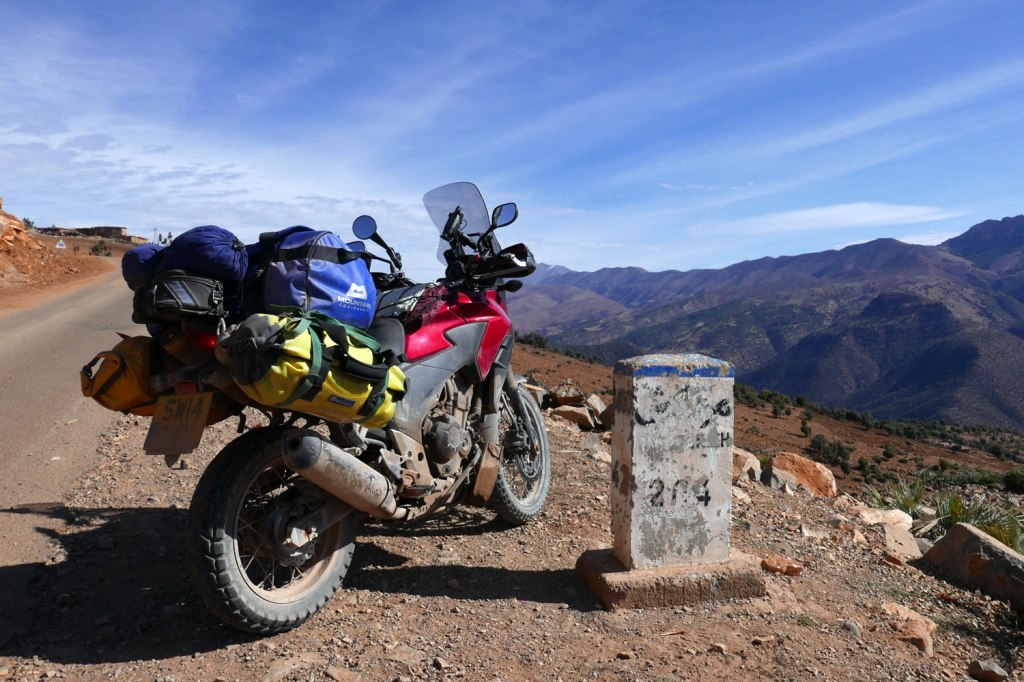
A quick look revealed the chain was as tight as a bow string. On this trip I was experimenting running a non-o-ring chain dry to avoid oily sand wrecking the seals. I can tell you now that was a bad idea. Years later I rode a BM in Morocco with an o-ring that got plastered in sand, and even with daily oiling it needed adjustment just once in 4000 miles. The lack of lube and high ambient temps had caused the dry chain to somehow shrink – perhaps the rollers expanded and took up the slack.

Modern bike chains are incredible when you think what they do, but back then I was worried my hyper-taught chain and bouncing suspension – three times longer than any CD200 had imagined in its worse malarial dream – might rip out the engine sprocket and ping it across the desert floor like a Coke bottle cap. I soothed the creaking chain with engine oil and watched it sag before my eyes. Now it was way too slack but the AJS frame had some nutty eccentric swingarm pivot like 1970s Ducatis which was a faff to adjust in the state I was in.
I was out of water and the mercury was again pushing at the end of the dial. Just as I’d panicked when my XT500 had leaked away half its fuel on the way to Niger in ’82, I felt the compulsion to flee towards shelter so rode on to Arak just a few miles down the road, with a slap-slapping chain.

Arak Gorge

Relieved I’d just caught a bike catastrophe in time, I decided to remount the closed-off blacktop under repair to save any strain on the transmission. The gorge walls of Arak rose up ahead, but then the tar suddenly took on a darker shine and I sunk into a sludge of thick, freshly laid bitumen as the gutless Benele lurched to a crawl. I yanked on the throttle to spur the slug onward, the tyres pushed a trench through the oily slush and bitumen sprayed up across the mudguards with a clatter of sticky gravel. What a mess. I steered off the unset mush and continued to the roadhouse, hoping my tar trench would melt back smooth again, like divided custard.
Now safely at the roadhouse I crouched in the shade clutching a drink and looked forward to a rest before the final stage on to the Cone Mountains, 100km on where the desert landscape begins to get interesting. As I pondered my near miss with wrecking the bike, an army jeep pulled up, two guys jumped out and marched up to me.

‘Is this your moto?’
‘Yes.’
‘Why did you drive on the closed road!’
I pathetically tried to play dumb until they pointed our the sticky black splat coating the undersides of my bike.
‘I am sorry. I was panicking. You see my chain was…’
‘Shut up. Did you not see the signs ‘Road Closed? and the stones blocking the road’
‘Yes. Sorry. Look I will go back and repair it myself’, I reasoned, thinking I could smooth it all back with a plank of wood.
‘I said shut up! You will pay for this. Give me your passport!’

One snatched it out of my had and they tore off back to the fort in a flurry of wheel-spin. The other people in the roadhouse looked down at me with the pity of one who was rightly in the dog house, gagged up and tied down. Another heat-frazzled wannabe adventurer disrespecting locals regs. There began my three day ‘hut arrest’ in Arak.
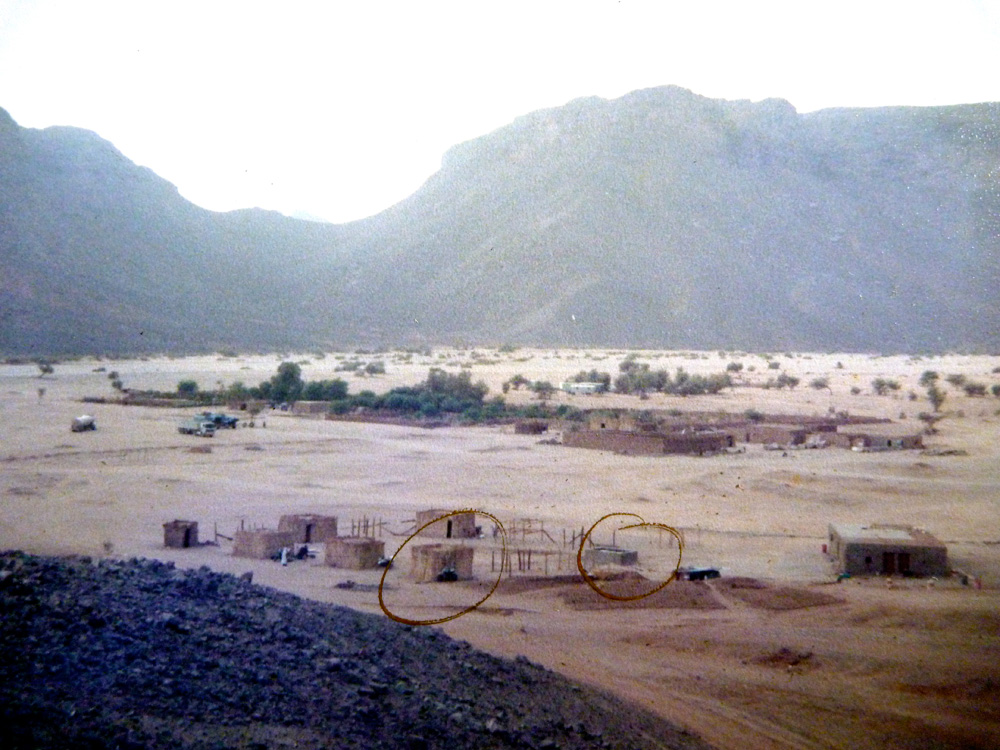
Everything I had was hot. Nothing had cooled down for days. As I unpacked my stuff I found candles drooped into Dali-esque blobs and weirder still, opening a tin of luncheon meat or ‘Spam’, the contents poured out like water, flecked with pink particles of fat-saturated gristle. I’ve not eaten that shit since.
I spent the days reading J. P. Donleavy or chatting with other similarly heat-struck bikers passing through, while dust storms periodically ripped through the gorge. By night it was just too stifling inside the hut, so I slept outside in what little breeze there was. Even then, I’d wake up once in a while with my lips and throat parched fit to crack, and struggle to douse my mouth from the water bottle.

As the days passed I knew I was running out of time to visit my goal: the mini massif I now know as Sli Edrar (below).

Then one morning the army jeep returned with my passport with nothing more than an admonition to not do it again. Ashamed of my stupidity, I’d got off lightly and vowed to oil the chain as often as it damn well liked.
I packed my ragged bags and set off on the 1000-mile ride back to Algiers port where a boat left in three days’ time.

A day or so later I wasn’t feeling well. I got past In Salah and found myself lightheaded and weak. Just up ahead was the climb back onto the dreaded Tademait plateau, not a place I wanted to tackle in the shape I was in. So halfway up the switchback ascent I pulled off the road and crawled into the shade of a metre-high culvert.
What was wrong with me? I was surely drinking enough: 10 litres a day and a couple more by night. Then it struck me. Water was not enough. I needed to ingest salt and other essential minerals flushed out in my sweat which evaporated unseen. That must be it. I made myself a salty-sugary drink and lay back while it took effect, wary that this was just the sort of place snakes and scorpions might also like to pass a siesta.
Despite, or perhaps because of my dozy state, I clearly thought a picture of my other camera on a tripod would be a fitting souvenir of my in-culvert recuperation.


The drink (1 spoon salt, 8 spoons sugar per litre) quickly did the trick and revived, I set off across the Tademait, tensed up in readiness for something bad to happen – a piece of the sky falling on my head, perhaps? Nagging me were the 1100km that still lay between me and the Algiers boat. It was time to lay down some miles.
For once the 400-km crossing of the the Tademait passed without event which in itself felt creepy. I filled up in El Golea and another few hours got me past Ghardaia, the gateway from the Sahara. Only now it was late afternoon, time for the headwinds to kick up. At times the feeble motor strained to reach 25mph while I crouched over the bars, crippled with stiffness, watching the odometer numbers click by in slow motion.

By this stage the UV had seen to my thin cotton Times delivery bag which had fallen apart. I lashed it to the bike with a piece of plank and some nice 7mm climbing rope.
Around Berriane the rising heat from the south sucked in a dust storm and visibility dropped to a few feet. I edged to the side of the road, wondering if I should get off it altogether, not least because cars still rushed past, confident that whatever risk they took, it was OK because All Was Written.
By Laghouat I’d chewed a good 1100-km chunk out of the map. I unclawed my hands from the ‘bars and hobbled into the only hotel in town. But the uppity ponce behind reception had no room for the likes of me, so I rode out to some edge-of-town wasteland. As I slumped against a litter-strewn, shit-riddled ruin, a guy living in a cardboard hovel I’d not even noticed hailed me over.

I’d never actually met a regular Algerian civilian. He invited me in and we chatted as well we could while his unseen wife prepared a meal. He proudly told me how was a veteran of the recent Western Sahara war against Morocco (Algeria lost that one and it eats them up to this day) and gave me a picture. When the time came I was invited to sleep on his living room carpet.
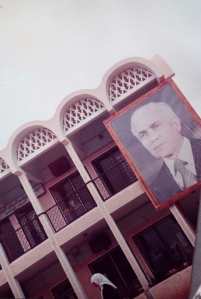
Sadly, the carpet turned out to be agonisingly flee-ridden and try as I might and worn out as I was, I couldn’t drop off as another bug took a jab. I moved out into the donkey yard but it was too late, the fleas had latched on and in turn went on to infest my favourite mattress back in my London squat for months. I did everything I could to delouse it, repeated dousing with flea powder and even gently torching it with hairspray and a lighter. But as the flames licked over it, those Algerian bloodsuckers just yawned and sharpened their mandibles. Eventually I had to chuck it.
Leaving Laghouat next day, I passed billboards of whichever corrupt Big Brother was dictating over Algeria at the time, and just out of town I found the time to wander up to Pigeon Rocks, not realising they were the site of prehistoric etchings.

Rocher des Pigeons, north of Laghouat [Link]

Thanks to the killer, 12-hour, day from Arak, only 400kms remained to the port. I was well on target to catch the boat at noon tomorrow. After a week of relentless day and night heat, the temperatures finally began to subside as I rose into the Atlas mountains north of Ain Oussera.
Late afternoon, unready to face the congested capital, I bought myself a roadside melon and bounced over some roadside scrub down into a ditch, stalled the bike, and passed the night there.
Another big mistake. I’d carelessly left the ignition on after stalling the bike (something I’ve caught myself doing since, when dirt camping). Next morning the battery was as dead as week-old roadkill and, try as I might, no amount of jump starting could get the Benele going.

It was just 100km to the port with hours before the ferry left. I pushed the bike into a lay by, made a sign ‘Alger port SVP’ and eventually two kind blokes responded to my plea and loaded the Benele into their pickup.
’What’s with this tar all over the bike?’
Don’t ask, mate…
Following a battery acid transfusion and a cafe noire injection in Medea, I was good to go. I spun down the Atlas bends into Algiers and blundered my way to the port gates. I was late but so was the ferry.
Even today I can tell you: nothing beats the feeling of a ferry steaming away from a North African port. Did I say that already about the 1982 trip? Well, it was even more true in 1984 and on most years since. Let Somali pirates steal us to their thorny lairs; let sudden storms rain down hail and brimstone. I was out of Algeria. Yippey–aye-yay!

A day later the boat docked at Marseille. It was probably Friday and I had to be back at work on Monday. So I’m still not sure what possessed me to make a casual visit to the Bol d’Or 24-hour endurance race scheduled for that weekend nearby at Le Castellet raceway. Maybe I had some energy to spare. Bike magazine had enshrined the Bol as a biker’s rite of passage – France’s one-day equivalent to the Isle of Man or Daytona; as much a moto-carnival as a race spectacle.
I rode in and watched the 3-man teams flip their slick-tyred UJM’s from bend to bend and also enjoyed some baffled looks at my bike, battle scarred from its recent desert detour. The trail-bike loving Frenchies, who went on to buy more Ténérés than anyone else, at least would get something like Le Bénélé.

Wandering above the pits, I even had the presence of mind to check out #53: an RD500LC popping in for a fill up. I bet that team spent more time filling the tank than the rider did on the track.

But my abiding memory from the ’84 Bol was a vision of my desert biking future. In fact it was a future that was already two years old, and its name was Yamaha. XT600Z. Ténéré.
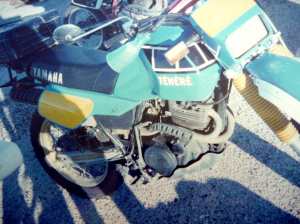
On the Sonauto Yamaha stand was TT-Z Dakar factory racer looking slick in the sexy, pale blue Gauloise livery (left) which we never got in the UK. The desert racer had it all: 55-litre tank, discs all round, 12-volt lights and a side stand as long as your arm. Even if the road-going XT-Z was less extreme, what was not to like?
My Bénélé joke-bike had been a cocky two-fingers flicked at the Yam. Why? Search me, but 30 years later I found myself engaged in a similarly pointless project.

More cool early Dakar racers here

OK, I concede. The Tenere ticked all the boxes, but it had been fun doing it my way. I’m sure there’s some pithy Armenian proverb that spells it all out, something like:
The eagle never lost so much time as when he submitted to learn from the crow‘.
Actually that’s William Blake as quoted in Dead Man movie.

Anyway, a Tenere could (and did) come later, right now It was time for the final haul, another 1100 clickety-clicks to Calais and a boat back to the UK.
I spent that night in some slug-riddled forest, and Sunday morning saddled up bright and early to get a good run up for the ferry ramp. Tonight I’d be back home, but as I’ve learned so well over the years: it’s never over till it’s over.
I don’t know where I was – the middle of France somewhere – but within an hour or two of setting off, a slate-grey death cloud crawled up onto the horizon, unzipped itself, and with a shrug proceeded to empty its bladder right in my face. My desert desiccated leathers soaked up what they could, before passing it onto my next layer of clothing, until within just a few minutes I was a sodden spongebag of saturated rags.

Splashing through a village, I overcame my Britannic reserve, swung into a farmyard and rode the bike into a barn. Inside was an old steam-powered lettuce thrasher. There I slumped, dripping on a workbench, exhaustion welling up from the previous fortnight’s moto mania. I was dropping off and ready to tip over in a heap when the farmer wandered in and said dryly:
Fatiguée, eh?’
I perked up with glazed eyes and luckily looked the part of a road-weary, waterproof-scorning wayfarer, rather than some deviant trespasser. He let me be.

Later that afternoon the P&O ferry disgorged me at the end of the A2 which reeled me back into London. Spinning along at 45-50, clogging up the slow lane, I snapped this defiant shadow shot as I went by.

Back home, what the Germans call der durchfall began to form, as my shrunken stomach reacted violently with longed-for snacks. My drenched leather coat fell to the floor with a squelchy thud and I was surprised to see there were still dry patches on some parts of my clothes.
I had just enough energy left in me to glare at the camera which had become my cherished companion this last fortnight and snarl like an alcoholic on New Year’s Day:
No more sodding motorbikes! Ever!
Well, not until 8am tomorrow, that is.

Buy Desert Travels 2021 on Amazon
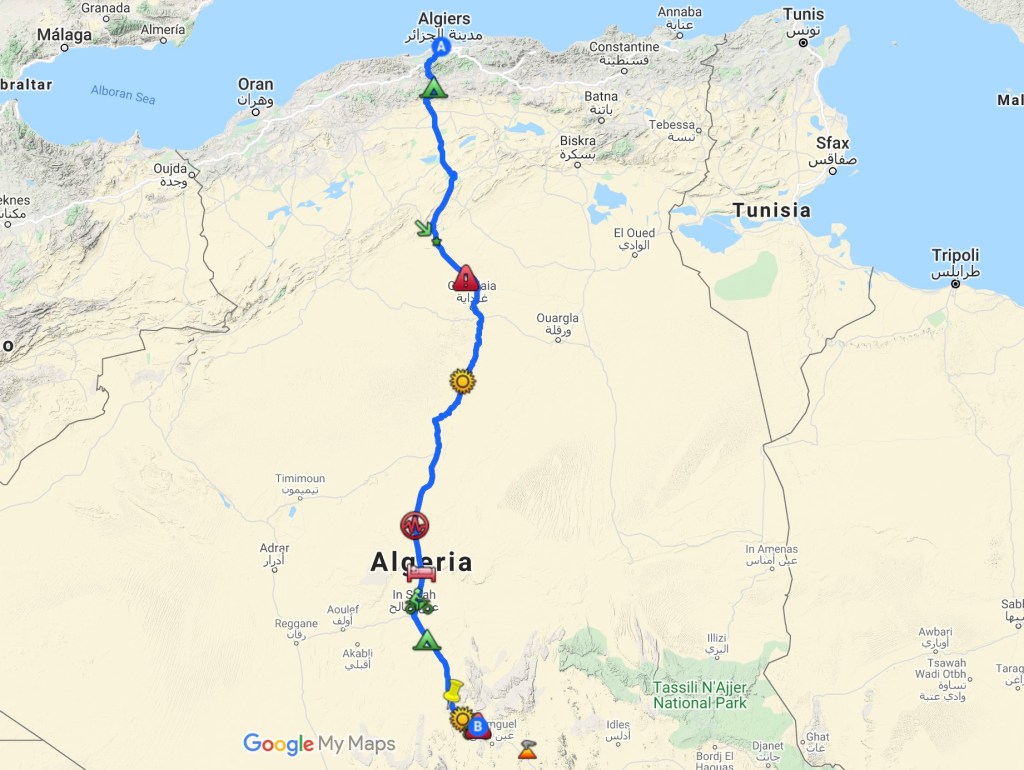
Link to Map

Desert Travels • Bénélé 1984 • Part 1/2

Desert Travels Index Page
Part Two

Buy Desert Travels 2021 on Amazon

I don’t write about this mad, two-week trip in Desert Travels, so lap it up here for free.

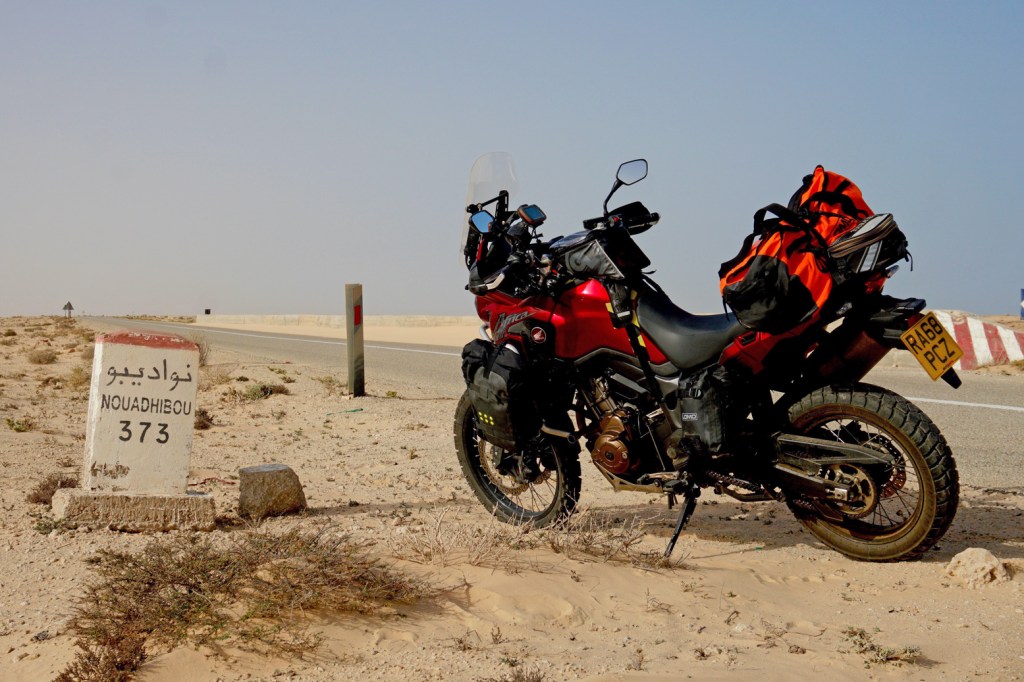
You’d think I’d have learned something after my 1982 Saharan fiasco on the XT500. Well I did. Despite it all, I was still fascinated by the Sahara and wanted to go back and do it properly this time. When it was good it was epic and other-worldly, and if you came from one of the less edgy suburbs of South London, the Sahara made quite an impression: nature stripped back to its raw bones of sand and rock. And right down the middle lay the frail ribbon of road they called the Trans Sahara Highway which I’d ridden off the very end of a couple of years earlier on the XT.
By 1984 I’d settled for an easy way of despatching for a living: working long but steady hours for a London typesetting outfit, delivering advertising copy on the one mile between Holborn and the West End. (You can read all about that and a whole lot more in The Street Riding Years.)
There was no longer a need to ride an IT250 or a 900SS should you get sent to the other side of the country on a wet Friday evening. For this job a dreary commuter bike was sufficient. And none came drearier than Honda’s CD200 Benly twin (below left), a single-carbed commuter ridden by stoical Benlymen. Riding up to 12 hours a day on a hyper-dull CD can drive you a bit crazy at 24 years of age. Your mind begins to wander.

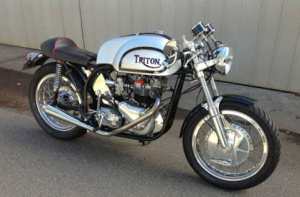
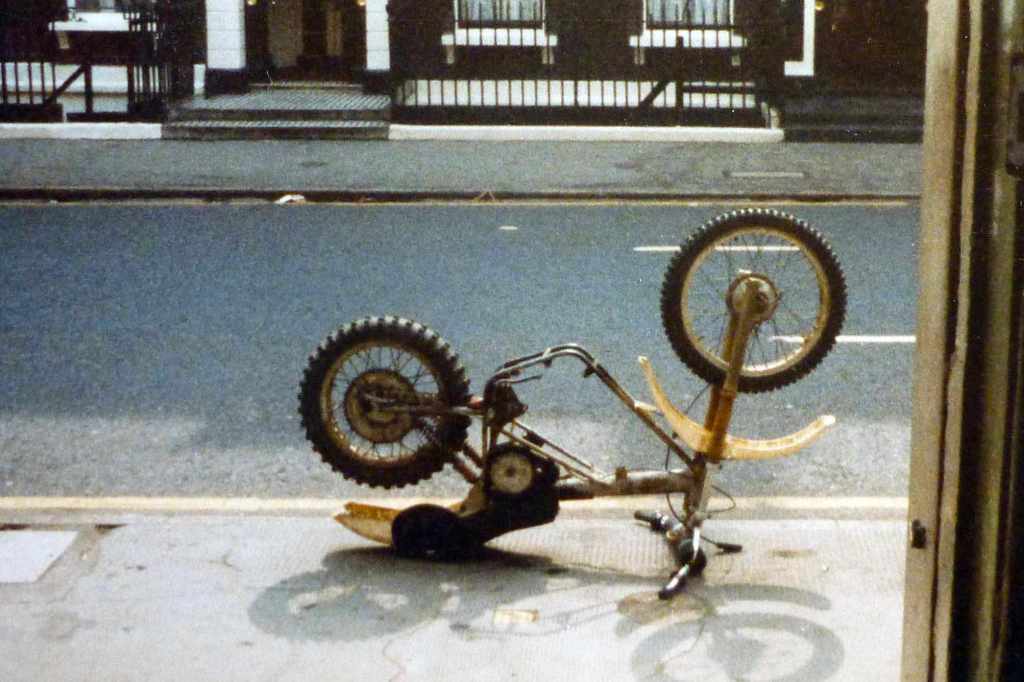
Knowing I was into trail bikes, a mate put me on to a mate flogging an AJS 370 Stormer (above right) for fifty quid. The Stormer was a vile, shin-kicking British two-stroke motocrosser that was the polar extreme of the Benly. In a flash of brilliance which years ago had given birth to the Triton cafe racer cult, I figured I could marry the two and make something more desert rideable and less boring: a Benly-engined, MX-framed desert racer!

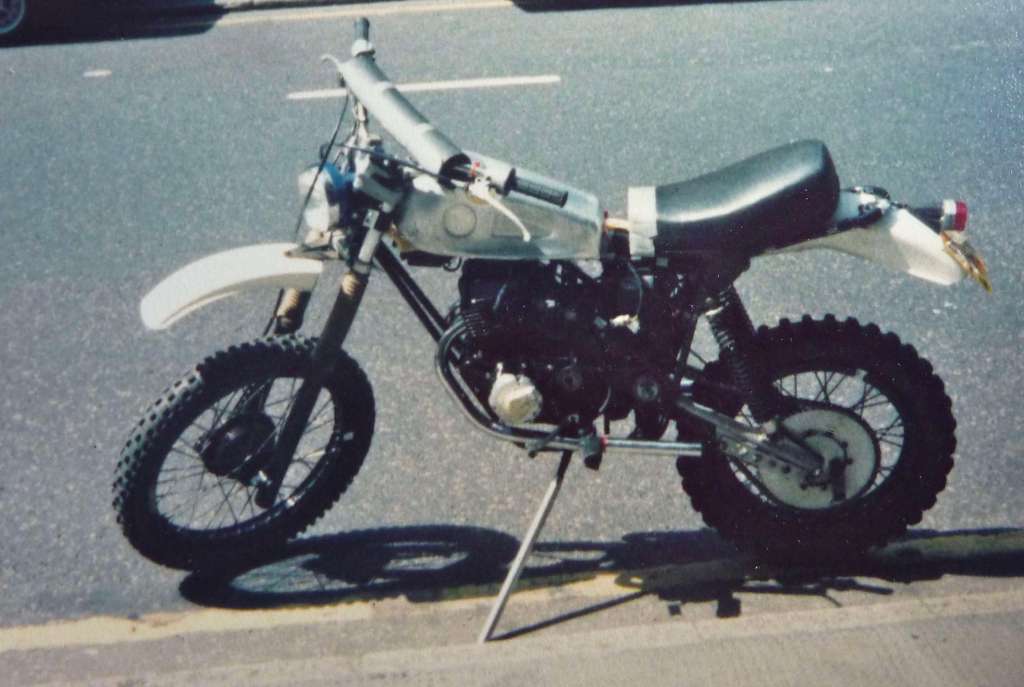
Over the summer of 1984 the machine took shape in my artfully appointed design studio in London’s literary Bloomsbury district. It took two goes to get a bike shop to correct the engine alignment mistakes of the former. But here it was, suspended by some Honda XL250S shocks as long as truncheons, and silenced by VW Beetle tailpipes, a cunning, lightweight trick you may recall from the BMW I rode with in Algeria in 1982.
The job was finished off by replacing the dinner-plate rear sprocket with gearing more suited to horizontal applications. Topped off with a classic speedblock RD250 tank, I added a ‘Moto Verte’ sticker so there’d be no mistaking what an international, Franchophilious guy I was.
I took it out to the woods near Addington to see what it could do. The result was similar to dragging a dead dog around on a lead. The VW pipes reduced the power at the rear wheel to quite possibly single figures. The foot of clearance needed a running jump to get on the bike. And the AJS conical hub brakes where a requirement by the then powerful Ambulance Drivers’ Union to ensure their members were never without work scraping Stormer riders off the sides of buses.

I dubbed the joke-bike ‘Bénélé‘ in mock-envious recognition of Yamaha’s near-perfect XT600Z Ténéré which I’d spotted in a Sydney bike shop a year earlier, and which was itself based on Yamaha’s Dakar Rally desert racers. More about them, later.
So what do you do with a dumb-arsed desert racer? You ride it to the Sahara of course, but in a little less time than was available. You pack a 3500-mile trip to North Africa into two-weeks and schedule it for September when you imagine peak summer temperatures are on the wane. This time there’d be no miserable mid-winter transit of Europe and the northern Sahara, as in 1982.

Sli Edrar – my destination at 53mph

My goal that year was a mysterious massif of conical peaks which I’d photographed south of Arak on my way to Tamanrasset in 1982, and which I’ve since learned is called Sli Edrar.
The Bénélé’s top speed was no more than 53mph, and even at that speed it felt unsafe, should a squirrel run out in front. So to get a good run-up I rode straight from work on Friday night down to a mate’s in Canterbury, close to the port of Dover, ready to catch an early ferry next morning.

By maintaining momentum, Monday night found me camped back among the magical limestone outcrops of Cassis, near Marseille, ready to hop on the ferry to Algiers the following morning.

Cassis
Windsurfeurs, Marseille

After the rubbish set up of the XT500, you can see I had an all-new ultralight soft luggage arrangement. No more sawn-off chemical tins poorly lashed to Dexion racking.
A small canvas pannier hung on one side with a 10-litre jerrican inside; a thin cotton Times newspaper delivery bag dangled off the other with 10 litres of water. And an over-huge tank bag sat on the flat-topped RD tank. A sleeping bag was lashed in front of the headlight – Easy Rider style – and kept the bugs off the Benly headlight. Cunningly, I lashed a tool bag with other heavy items under the lofty engine. If my mass had been any more centralised I’d have become a Black Hole right there and then.

hi-res-c-scott-1984

My first memory of Algeria that year was being a little unnerved that as far north as El Golea it was already 35°C by 9am. If you live in Yuma that’s probably no big deal in September, but for a South London boy it was a bit of a shock.
I filled up in town and set off across the Tademait plateau which had spooked me on my first transit in ’82. The next town (or anything) was 400km away. I buzzed along at 9.8hp/hour and by early afternoon dust devils or mini tornadoes were whipping across the baking gibber to either side of me. I recalled how a mate said he’d been knocked off his XS650 by one in Turkey earlier that year.

I was already tired, thirsty, sore and hot when up ahead what looked like a huge wall of sand hundreds of feet high hurtled right across the blacktop like a train at a level crossing. Only as I neared it did I realise it was the mother of all whirlwinds, a huge cauldron of rotating sand. I turned the wick up and the motor droned as I punched the Benele into the sand wall.
Inside, visibility was lost as grains pelted me from all directions and I struggled to keep upright or even know which way upright was. And then, as I slipped into the windless eye of the maelstrom, the sand grains briefly turned into pelting raindrops. WT jolly old F was going on!? Search me, but before I knew it, I’d blasted out of the spinning tornado’s opposite wall, this time shoved left onto the roadside gravel. Now I knew how those roadsigns got flattened into the dirt…

Just as in 1982, the Tademait had terrorised me and I vowed to ride into the dark to be off the plateau before stopping. I continued into the dusk, pulling up briefly with the engine running to remove the sleeping bag off the headlight, before pushing on from the big switchback descent from the Tademait to the desert floor.
That night I stripped off and lay in the dirt by the bike, listening to what sounded like the oil boiling in the crankcases, hours after switching off.
I wasn’t hungry but I drank and drank and soon fell asleep where I lay. Tomorrow I was passing In Salah, the hottest town in Algeria, before heading deeper into the Sahara.

Part 2

Why Honda’s new CT125 makes a great adv (and why it doesn’t)

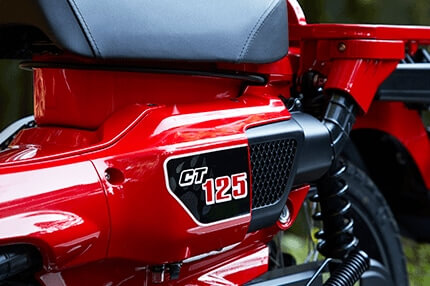
After showing up at the 2019 bike shows, Honda launched the CT125 in March until you-know-what happened. Now it’s out as a 2021 model with enough out there to have a good old speculate. It’s expected to sell in Europe as the CT125 Trail Cub or the Hunter Cub in North America. Price just $3899 in the US where, half a century ago the bike was well loved.

Left: CT150. Now you’re talking!

In AMH8 I write about Jap ~200-cc ag (farm) bikes as lightweight travel bikes. Most are based on prehistoric air-cooled mutts but Honda’s AG190 (above) leads the pack with EFI and a front disc brake! However, I’m not certain my enthusiasm has translated into widespread uptake, perhaps because you can only buy them in RSA (called an XR190 – less ag-featured) or Downunder.

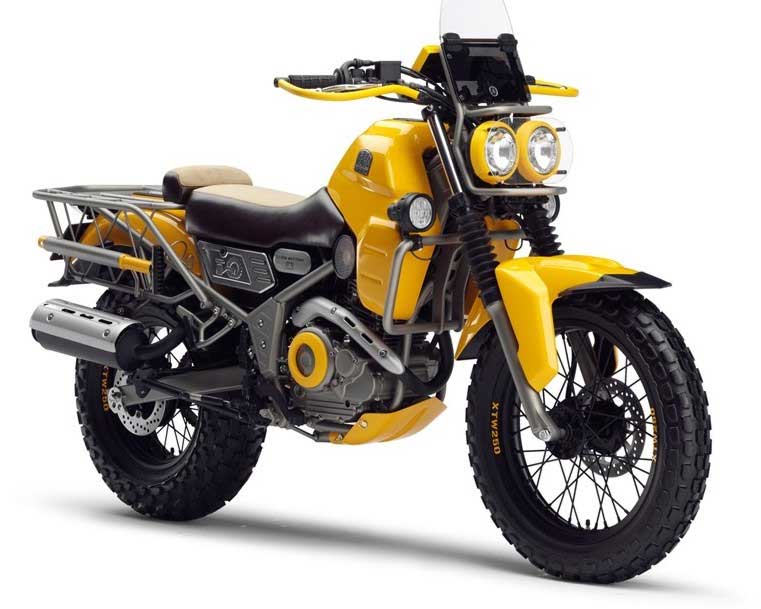
The CT is based on the retrotastic C125 Super Cub (left), the reborn Honda step-thru which is the world’s best selling two-wheeler. The machine your not-into-biking grandad once rode to the factory every morning now has ABS, cast TL wheels, EFI and a modern take on the old hack’s bodywork. No, I wouldn’t look twice at one either, but I would at Yamaha’s 2011 stillborn TW-based Ryoku (below).

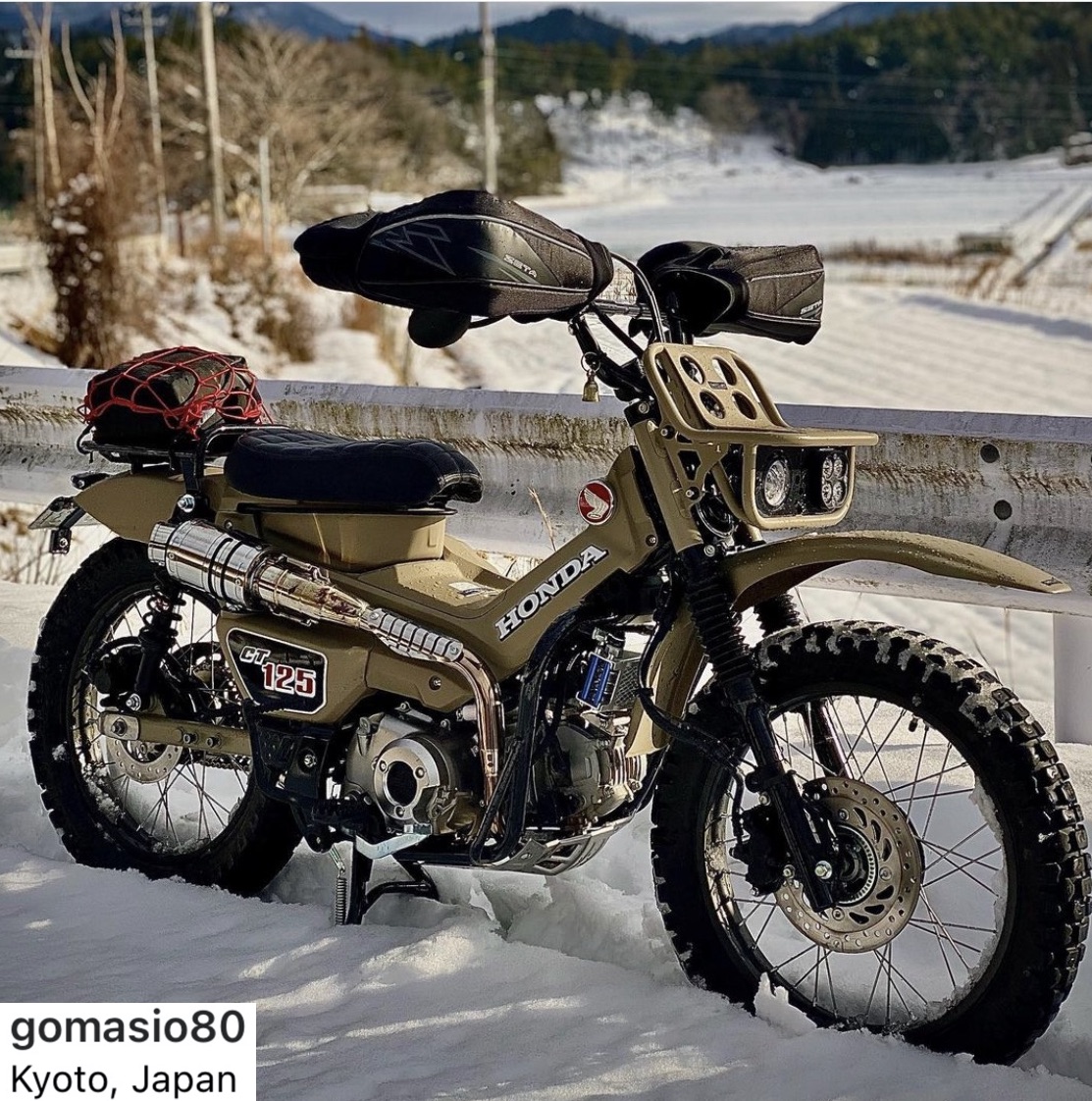
A customised CT

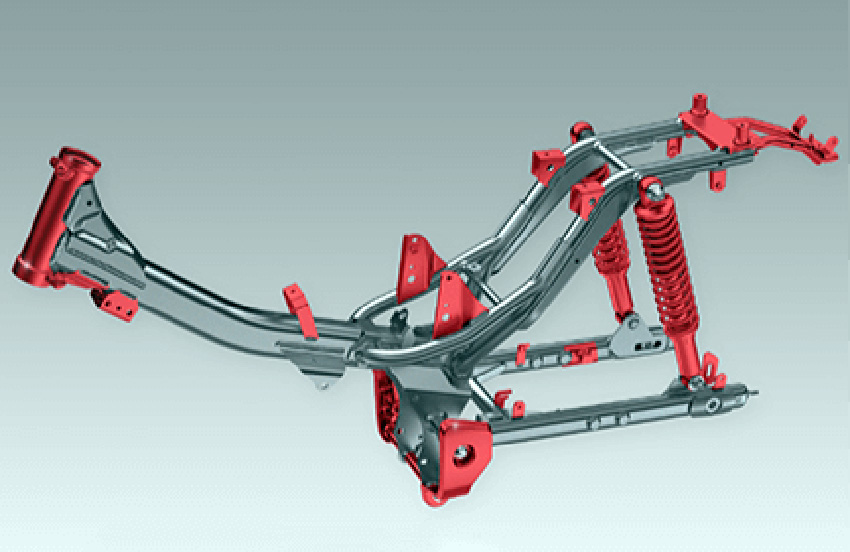
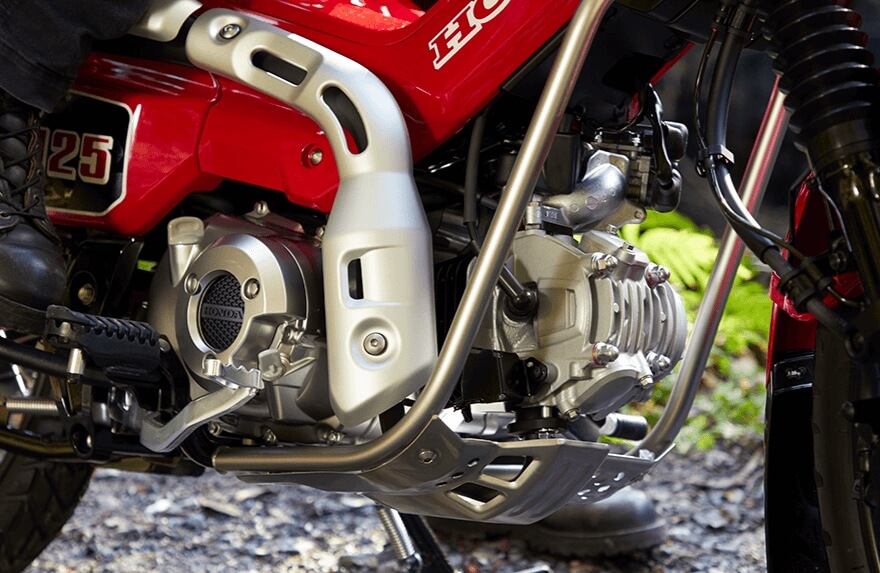
Your CT (Trail Cub?) dates back to fondly recalled CT90 and CT110 scoots produced from the mid-1960s to the mid-80s in America, Australia and maybe elsewhere. The legend goes that Honda USA noticed farmers buying easy-to-manage step-thrus for ranch duties, went to the drawing board and gave them what they wanted. Like Cubs, the centrifugal clutch means no clutch lever: drive engages as revs climb, like an auto car. Good for hill starts. To change up just back off the throttle as you stamp on the heel-toe shifter. Old school quickshifting ;-D It’s kickstart only according to the Jap specs bottom of the page, though the red bike graphic below has what could be a starter motor on top of the engine.

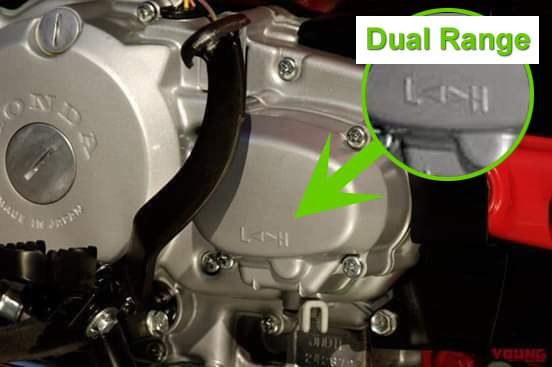
Some old CTs had dual rear sprockets (not unlike a derailing pushbike), others had no less than a dual-range gearbox like a proper 4×4. Honda took this seriously, although swapping front sprockets (as I’ve done myself on various desert bikes with long approach rides) is easier than swapping rears as it eliminates faffing with chain lengths.
Hard to believe but from the Jap spec sheet (bottom of the page) and the image left (could be a prototype) it does appear their CT125 gets L <–> H dual range too (it’s common for Jap spec models to be higher-spec / more exotic than export models).
From my 4×4 experience I know that low-range is mostly about control: carefully picking your way through rough terrain or pulling out of power-sapping conditions without stressing the clutch. As we all know, first gear on most regular bikes is too high when off-road – hence the spare small front sprocket idea. I wouldn’t be surprised if the EU/NA CT125s end up having the regular four speed boxes.
Enough chat: let’s speculate on the images below. Click for larger.

Later…
After spending a few of hours putting all this together I’m not sure I’ve convinced myself a CT125 is for me. It’s just a spin-off from the Super Cub/Grom/Monkey Bike which I’d never see as contenders. The mpg is stunning but it’s a low-powered ONE TWO FIVE with poor standing ergos which just doesn’t suit my size. It would make an easy-to-ride scoot for my Morocco tours and be loads more fun than the 310GSs we use, but if I’m going in this direction for my own bike I’d sooner import an AG190 which will probably end up costing the same. or just calm down and get a CRF300L like everyone else.

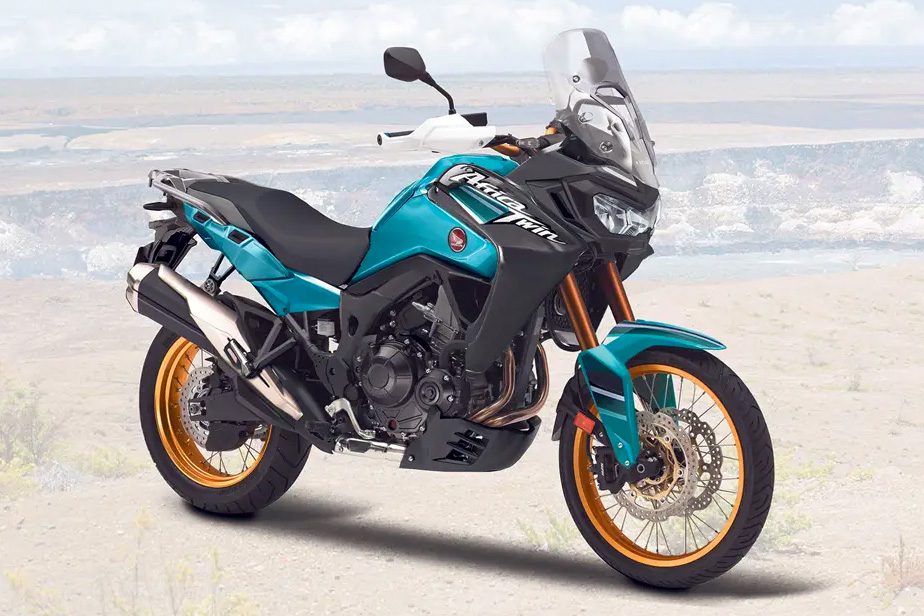
‘CRF800L’ Africa Twin

The engine pictured in this mock-up is a CB500, not the distinctive slopping NC.

See also
Africa Twin
Honda CB500X 5000 miles
Yamaha XScrambleR
BMW F750GS

MCN‘s recent claim of Honda’s plans to make an Africa Twin based on the NC750 motor was a rare instance of my wish coming true. When the popular CRF1000L (below) became an 1100L last year – in part to compensate for power losses due to Euro 5 regs – the cry went up for a mini-AT, not least following the popularity of the XT700 and the KTM 790 ‘middleweight’ adventure-styled bikes.

Honda seems to have heard the call and recognises the gap in their current 14-model Adventure category. At the moment, unless you fancy the old VFR 800X Crossrunner which must be close to getting Euro’d, it’s a huge jump from a CB500X (above) to the newest 1100AT at twice the price. Slotting the NC750X into that Adventure category (which also includes the CRF450L) was always is a bit of a reach. An 800L is much more like it.

Right from the start I’ve been a fan of the NC concept: a low-revving, high-economy, low-CoG, big capacity chugger with all the real-world power you need. Last year I ran a 2018 750X, partly to properly try out the DCT gearbox but also with a view to adapting it to an all-road travel bike, as I did with the XSR7 (below) with reasonable success.

The NC750X (below) was a great road bike which loved to corner, occasionally flashed up 100mpg and still seemingly plain suspension was a big improvement on earlier models. But for many obvious reasons it would have been too hard/costly to adapt. As I’ve found with the XSR, it takes more than a set of bar risers, suspension lift and wheel change to turn a road bike into a travel bike. An NC750 may have a low CoG compared to my current AT, but it’s still heavy (my NC-DCT weighed 232kg; my AT is 240kg before add-ons).

There is talk that the whole NC range may be getting an 800-cc makeover, probably for the same Euro-5 reasons. You do wonder it this may mean a more conventionally upright engine as in the mock up, losing the frunk ‘tankbox’ and putting the tank in the normal position, as BMW have done on the 750/850 GSs. Analysing patent designs (as below) may suggest something in that vein.
The Honda designer in the MCN article talks of a budget spec bike, like the CB500X, to appeal to learners with A2 licences. That will keep the price down and, with a good motor, as with the 500X, will be easy for owners or outfits like Rally Raid to offer suspension and wheel upgrades for those who want them. We watch and wait.


More Adventure Twins

In last year’s end-of-year preview I wrote ‘… the future looks bright – we’re gonna have twins.’ And twins we got: the long-awaited XT700, Guzzi’s 85TT, a ’19-er’ CB500X, and the KTM 790s. Only the Norton 650s remain stuck in the birth canal while the unplanned Enfield 650 twins popped out later.
It’s time to review what’s new or in store for 2020.


202-drstrom

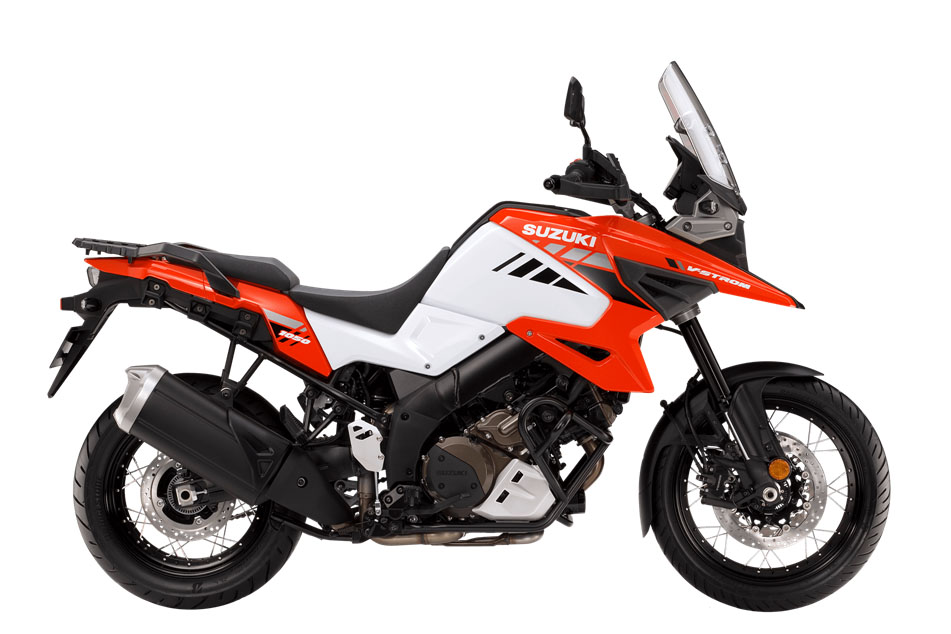
Suzuki V-Strom 1050XT
As a travel bike, the one-litre DL dating from 2002 was always overshadowed by the 650. There was nothing wrong with big Strom but the 650 did it all as well for less cost, weight and fuel and, as is often the case, the smaller engine simply felt better.

202-DR800

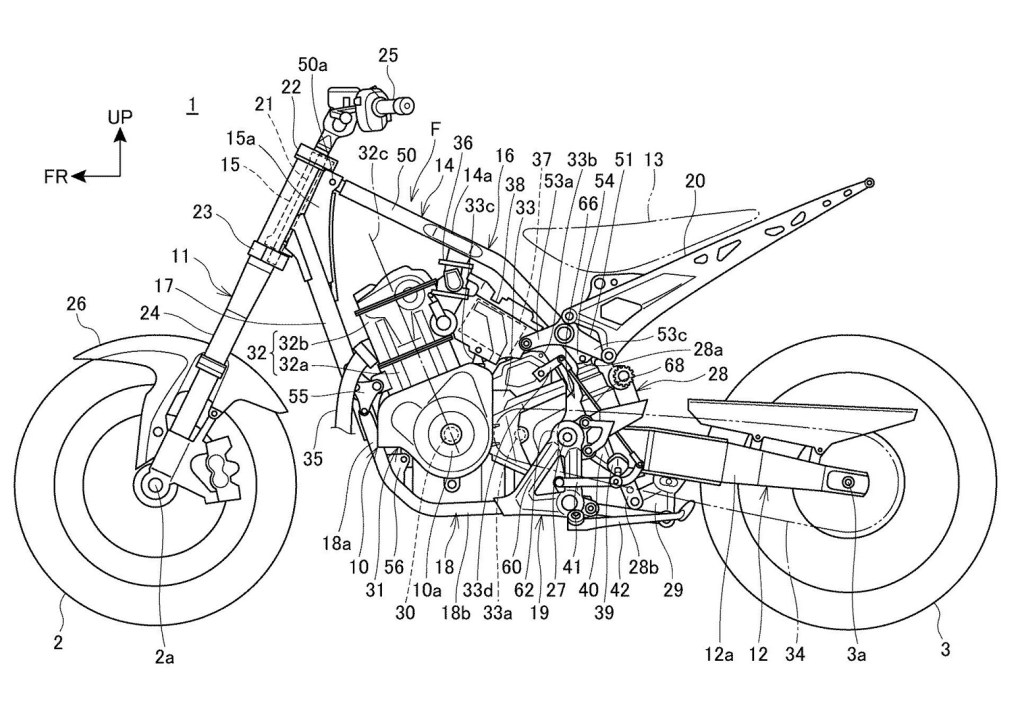
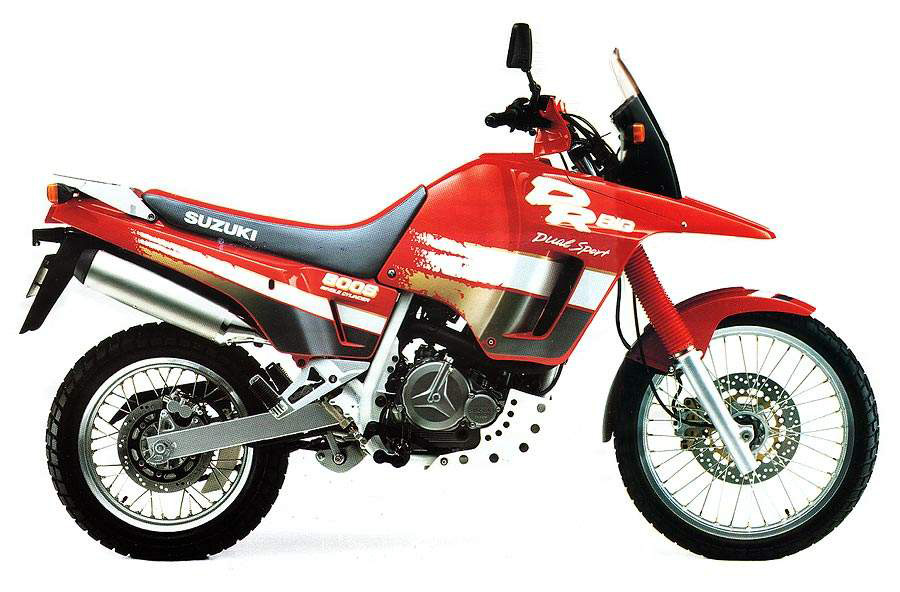
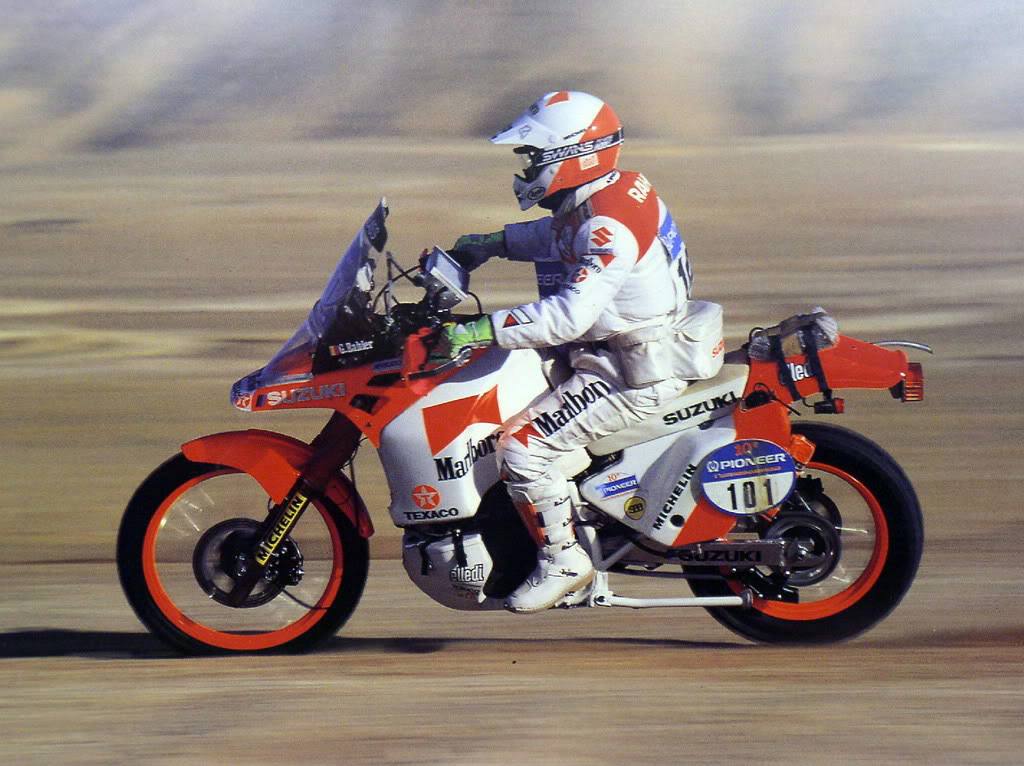
Now, imitating Honda’s Africa Twin and a few others, Suzuki have clad some 80s-style Dakar livery on the DL thou’ in an attempt to recall Gaston Rahier’s 1988 750 desert racer (below) as well as the not-so-successful DR 800 S Big production bike (left) from the same era. The DR 800 may have failed to catch on (can you imagine the vibration?) but was the first big trail bike (as ‘adventure bikes’ were called back them) to feature the now-iconic beak.

202-vstrom
hadron

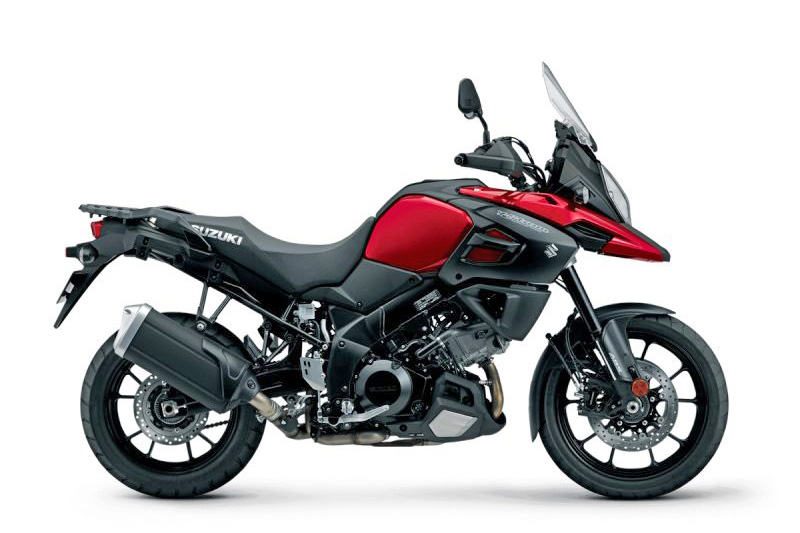
They’re calling the new model the V-Strom 1050 (XT, above left), though capacity is the same 1037cc it’s been since the 2014 makeover. You can see (below left) that it’s not hugely different in profile to the current DL1000: the motor has been lightly upgraded (mostly for emissions) and which now delivers (less) peak torque at a useful 2000rpm less. The headlamp is Katana-ish (another revived 80s classic) and, just like the new 1100 AT (below), it’s been liberally wired up with more electronics than the Hadron Collider: “… the [V-Strom 1050] system incorporates the Motion Track Brake System, Hill Hold Control System, Slope Dependent Control System, Load Dependent Control System, Cruise Control System, Suzuki Drive Mode Selector (SDMS) and a Traction Control System plus a System Control System.” I made the last one up.

The 1050 XT version is spoked tubeless with bashplate, protection and other adv paraphernalia, plus a tool-free adjustable seat and screen, adding up to 246kg. The plain 1050 (above left) currently goes from under £10,000 in the UK and features cast TL wheels, less gear and 10 fewer kilos. Tanks on both are unchanged at 20 litres.
Of course what we’re all actually waiting for is a new,
injected DR650 or DRZ450. Not this time round.

202-GastonRahier88
202-nordn
valvemarker

Husqvarna Norden 901
Just as the KTM 690 begat a barely different Husky 701, it’s no great surprise to see the 790 or now 890 KTM parallel-twin motor reappearing under a Husqvarna badge (owned by KTM’s CEO).
That’s your Norden (left and below) – only a concept right now but you can see it looks both functional and quite good (the two are probably related). Note the virtual sidestand – a first in motorcycling – and what look like nifty fluo tyre valve markers – a smart idea we used to use back in the day (right). Wheels don’t look tubeless but you’d hope they will be, and there’s lots of protection and cladding to keep that motor snug and warm. Feel free to add your own speculations.
Two days later… it’s coming for 2020.
https://www.husqvarna-motorcycles.com/gb/news/int/norden-confirmed/

Harley Pan America 1250

202-revmax

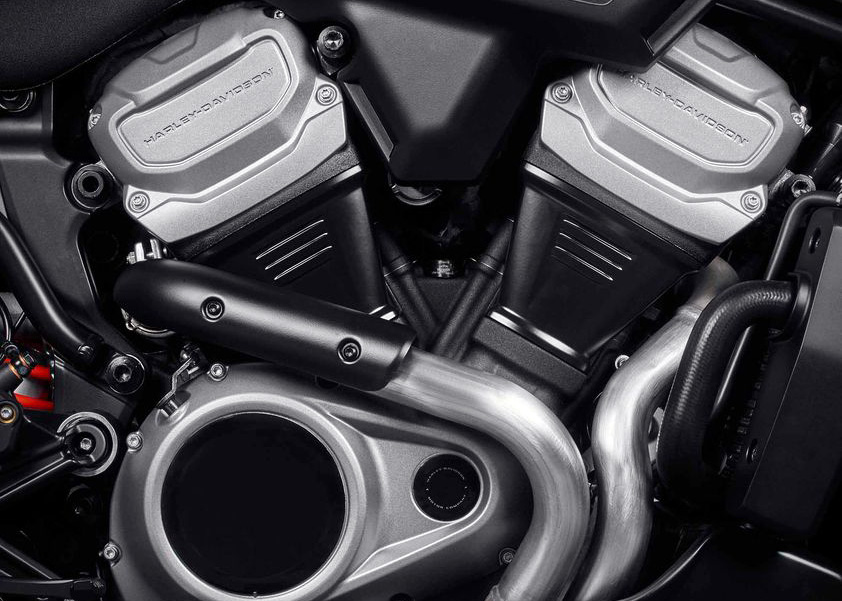
It’s nearly 2020 and Harley have decided it’s high time to clamber aboard the adv bandwagon with the Trail-Glide Pan Am 1250. Details are scant but the ‘new’ DOHC, liquid-cooled Revolution Max engine claims no less than 145hp, putting it up there with Multistradas and the like, but with oddly less torque than a 1250GS. By current H-D standards it’s hard to think it will weigh less, cost less or go anywhere near as well, but the bloke in the vid below seems to manage OK. It all seems a bit incongruous but who knows, stick some deafening pipes on it and it could be a trans-continental hit.

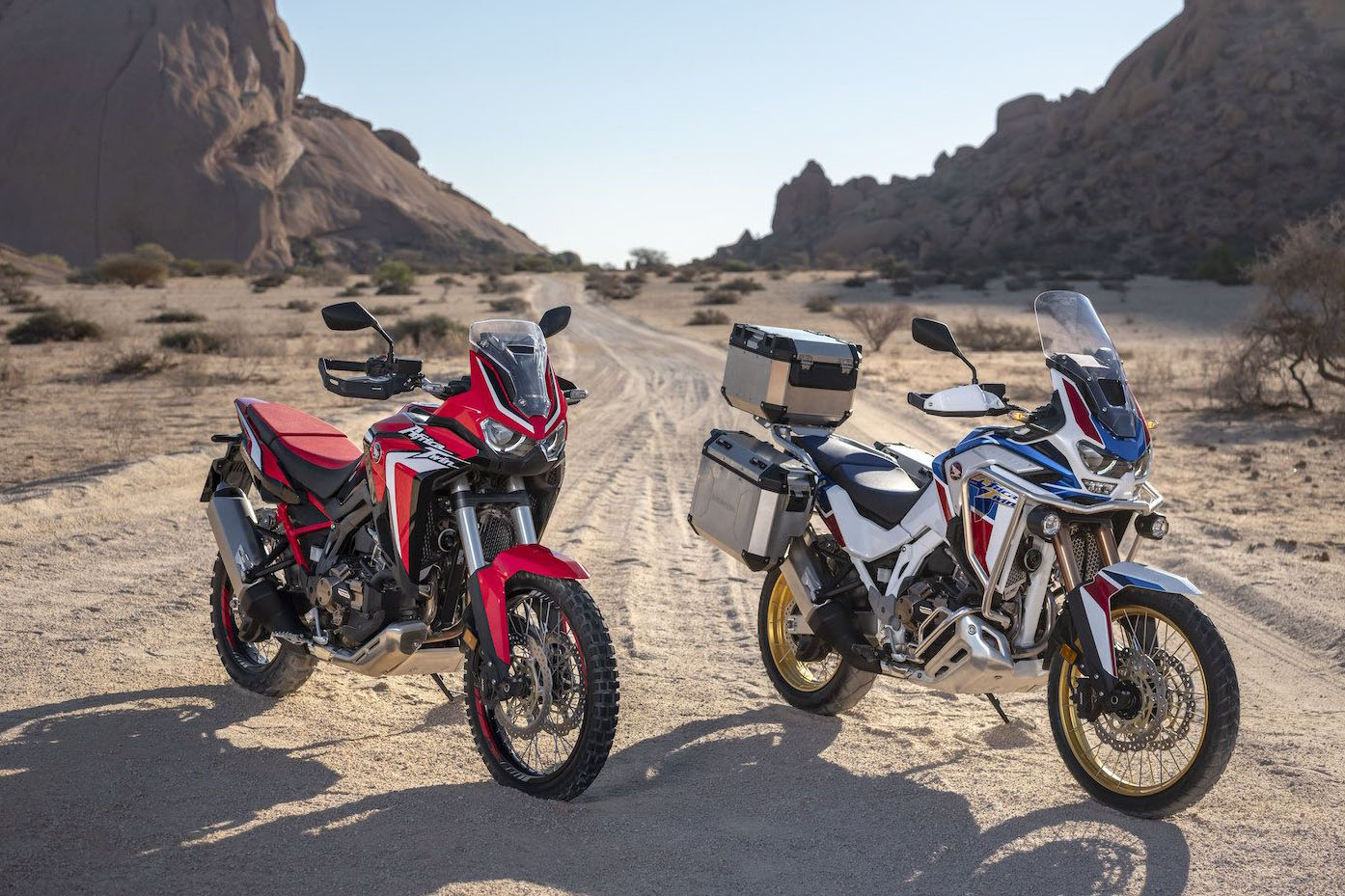
Honda Africa Twin 1100

202-at11

Twenty sixteen’s CRF1000L Africa Twin was a deserved hit for Honda, selling nearly 90,000 units and even tempting a few GS12 riders away from their BMWs.
The new CRF1100L gains some capacity to cover power lost to new emissions standards while, like the 1050 Strom, getting a fuller suite of electronic riding aids and modes. I suspect what some might call gimmickry has now become a relatively cheap way to add value and safety claims to a new model. If any of them were serious about such things, TPMS would be a standard fitting, especially on a so-called adventure or travel bike. The new dash is TFT, it’s lighter by 1.5% and the frame is new.
The jacked-up Adventure Sport version gets a 28-litre tank (up from 19), a better screen, protection, electronic suspension, cornering lights, Christmas lights and best of all: tubeless tyres. And like the 1000L, it’s still a great-looking machine and available in have-your-cake DCT.
Stock screen notwithstanding, all this underlines how good the original CRF1000L was all along. Soon after writing this, I bought one. With discounts and so many around, hopefully used prices will put one of the best, big-capacity all-road travel bikes in reach of more riders. Some even hope it may give rise to a smaller 750 AT or – even less likely – an adventured NC750X. Is that the alarm waking me up?

202-att11

Ducati DesertX 1100

Terruzzi-Cagiva-1989-3
202-scram1100

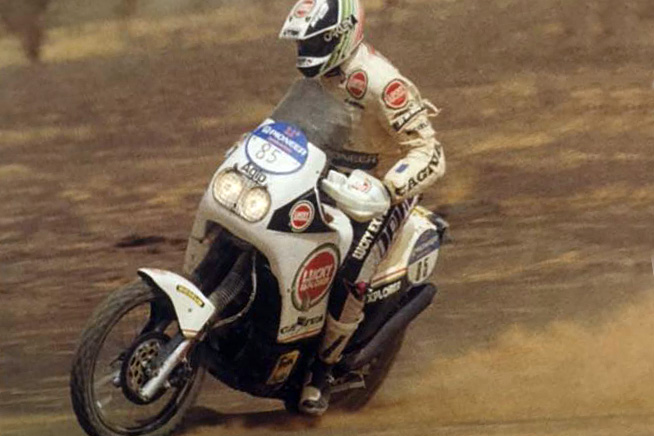
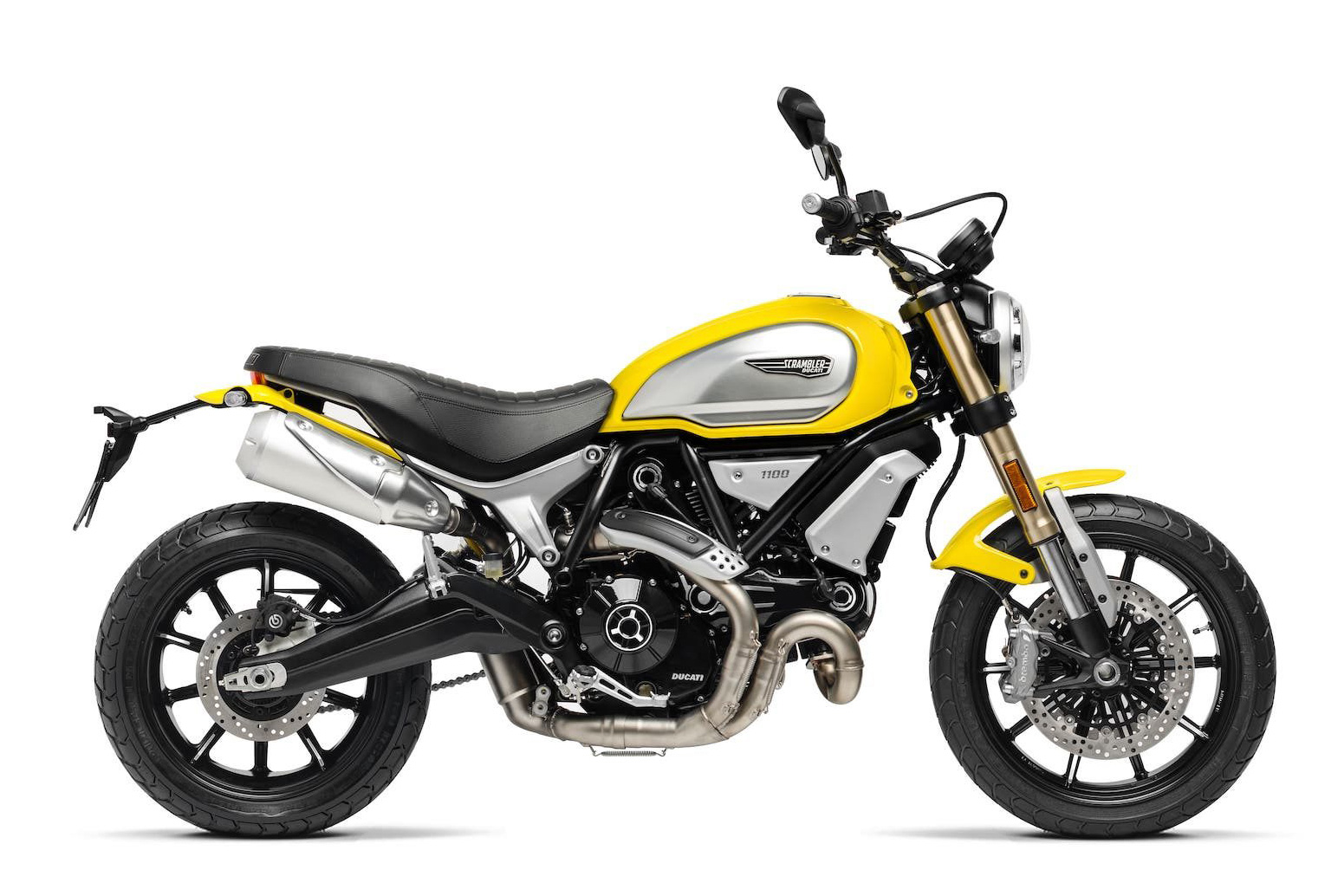
The well-sprung 800-ccc Desert Sled is the best of Ducati’s retro Scrambler range, and now the 19-er shod Scrambler 1100 (right) has been thoroughly jazzed up into the Desert X concept based on – you guessed it – Cagiva’s 900cc  Elefant Dakar desert racers of the 80s and 90s (left or click the link for more Elefant porn) ridden by Serge Bacou, among others. Back then iirc, Ducati owned the Cagiva brand. The suspension is yellow, the front’s a 21″ and the tank is said to be a serious 30 litres. Bring it on!

202-dezx

Yamaha Tracer 700

tracer700-2020.jpg
Scramlogo

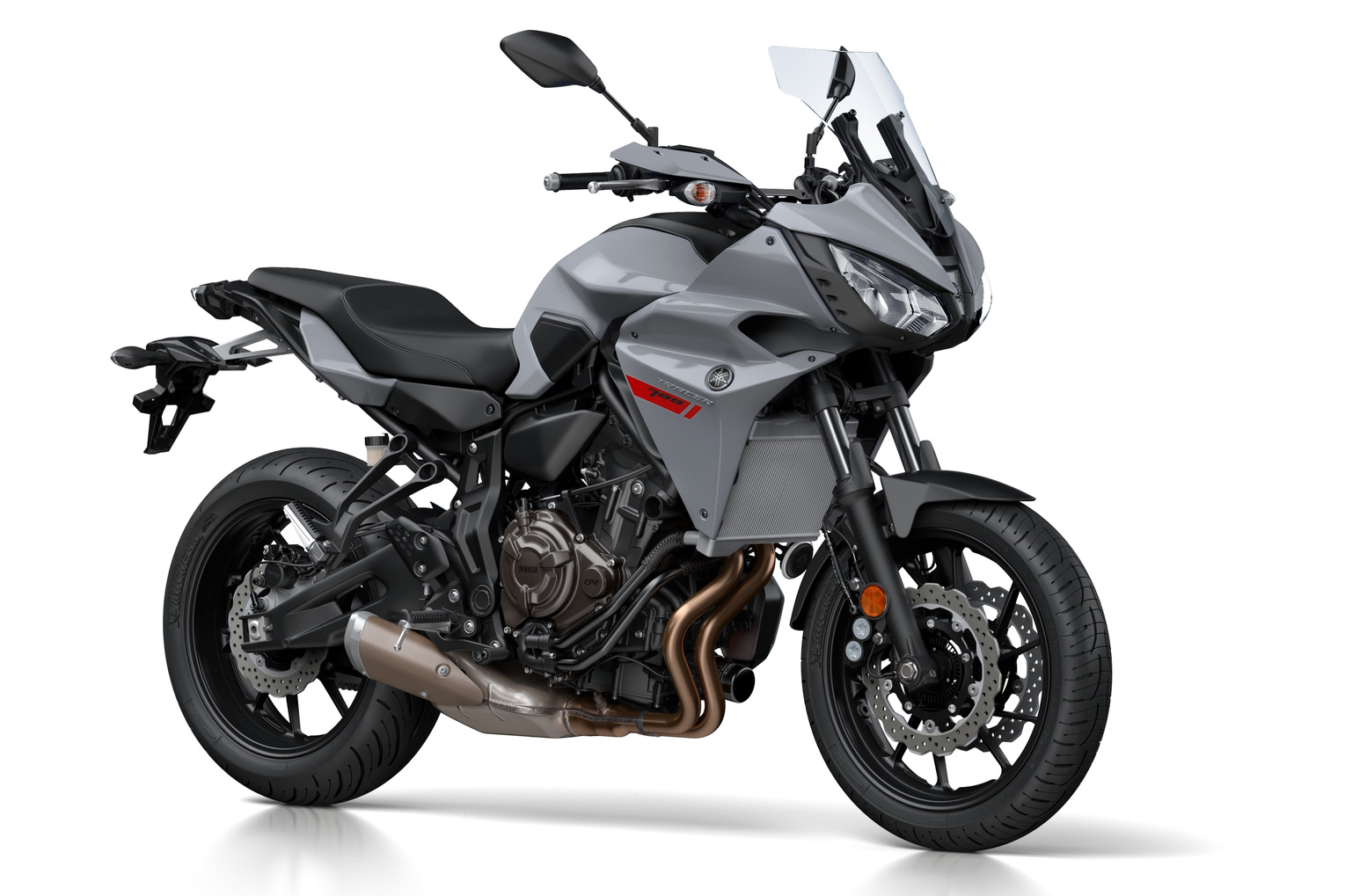
Having liked my XScrambleR 700, I can’t help thinking the same-engined Tracer could make a faintly better travel bike if you don’t want, need, like or can’t afford the XT700. Yes, the front is still a 17 (a 19 can fit, I found) but a Tracer has more weather protection and a 20% bigger tank. I’ve spotted the still pretty fit-looking original model (left), going for just 6000 quid new.
Now there’s a 2020 version with a bold new look, much improved adjustable suspension (the 700 CP2 range’s weak point) including USDs, an adjustable screen but with a wet weight still under 200kg.

BMW F900XR

202-90r

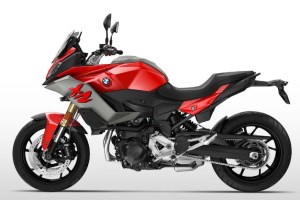
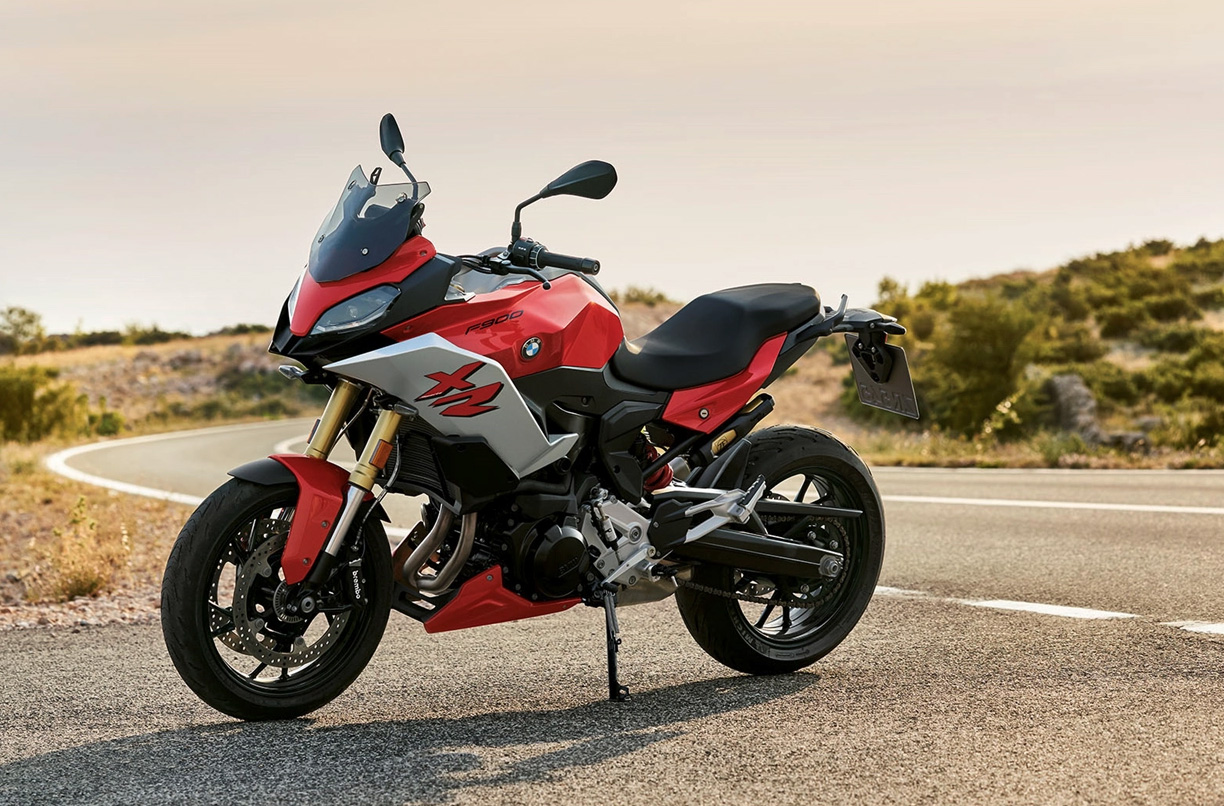
BMW have done a clever thing: they’ve bored out the 853-cc F750/850GS motor to 895 and given it the ‘sports adventure’ XR look from the ballistic fours. Behold the F900XR. Being a grunty, 270-degree twin, not a migraine-inducing five-figure redlining four makes it a whole it more desirable and accessible. Yes, like a Tracer it’s got a 17 on the front but call me shallow, it sure looks good. The electronics package looks identical to the 750GS I recently rode, which is more than enough. Perhaps I’m just having a confused Pablovian reaction to the red paint job and XR suffix.

202-900xr

Husqvarna 701 Enduro LR

202-701g2

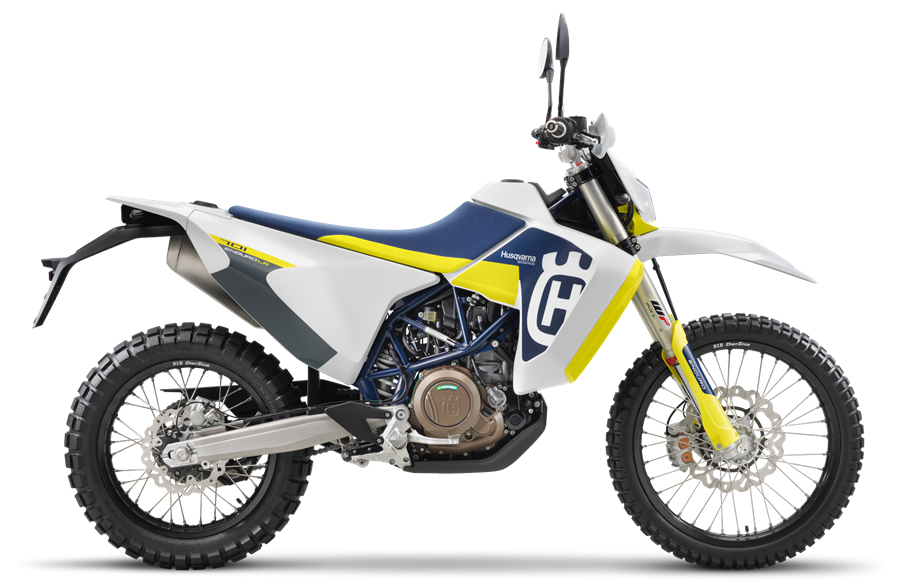
The Husky 701 is amazingly economical for what it is but has now gone Long Range with a 12-litre tank up front adding up to 25 litres with a potential range of 600km. All it needs is a fairing and a seat you can sit on.
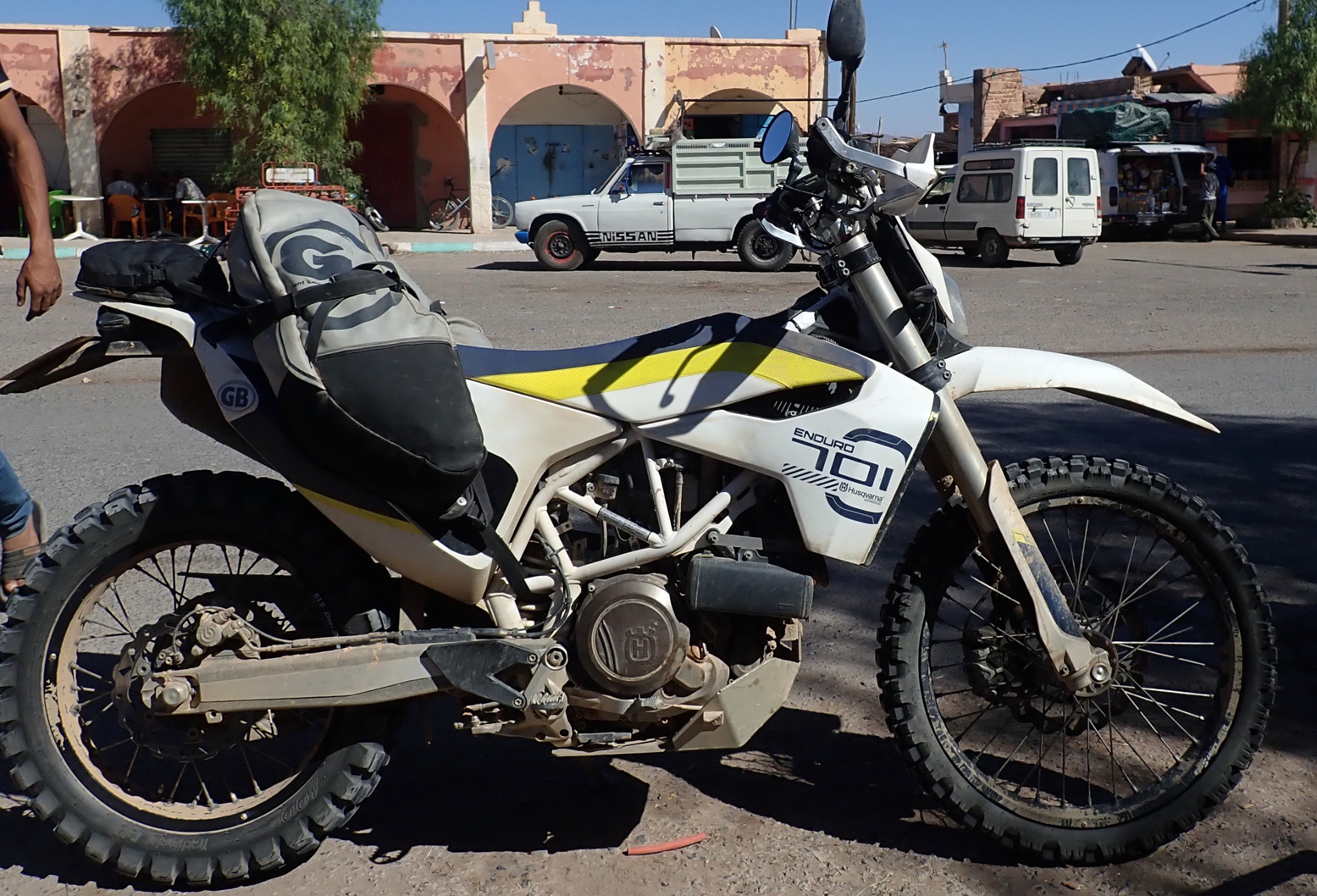
As it happens I had a quick spin on a friend’s radically lowered 701 out in Morocco last month (left) and can confirm the current, second-generation model is much smoother than the 701 piledriver I rode a couple of years back.
You’d wish they’d go all the way and make a mini Norden out of a 701, like the old KTM 640 Adventure. I suspect I’m not the first person to have this thought.

202-7011lr

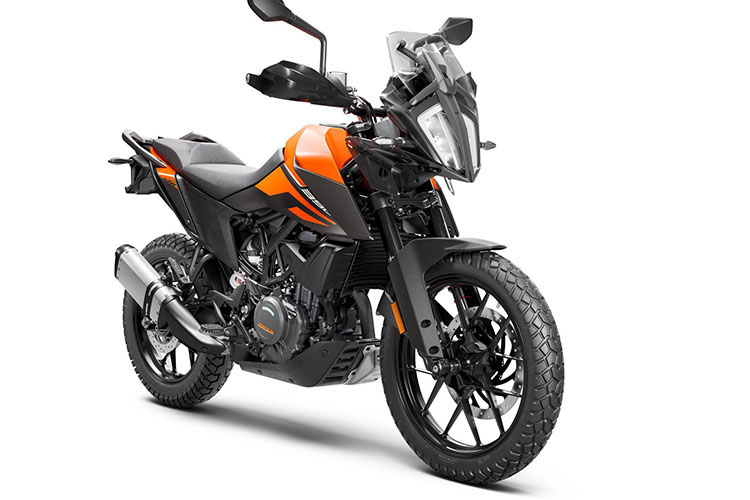
KTM 390 Adventure

202-3390
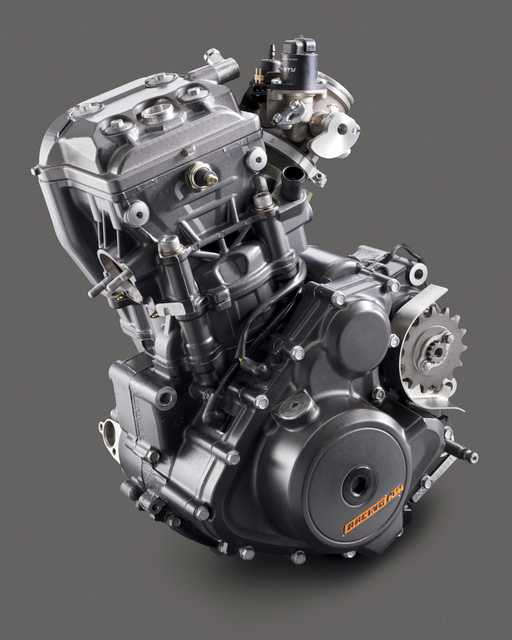
202-390-Engine

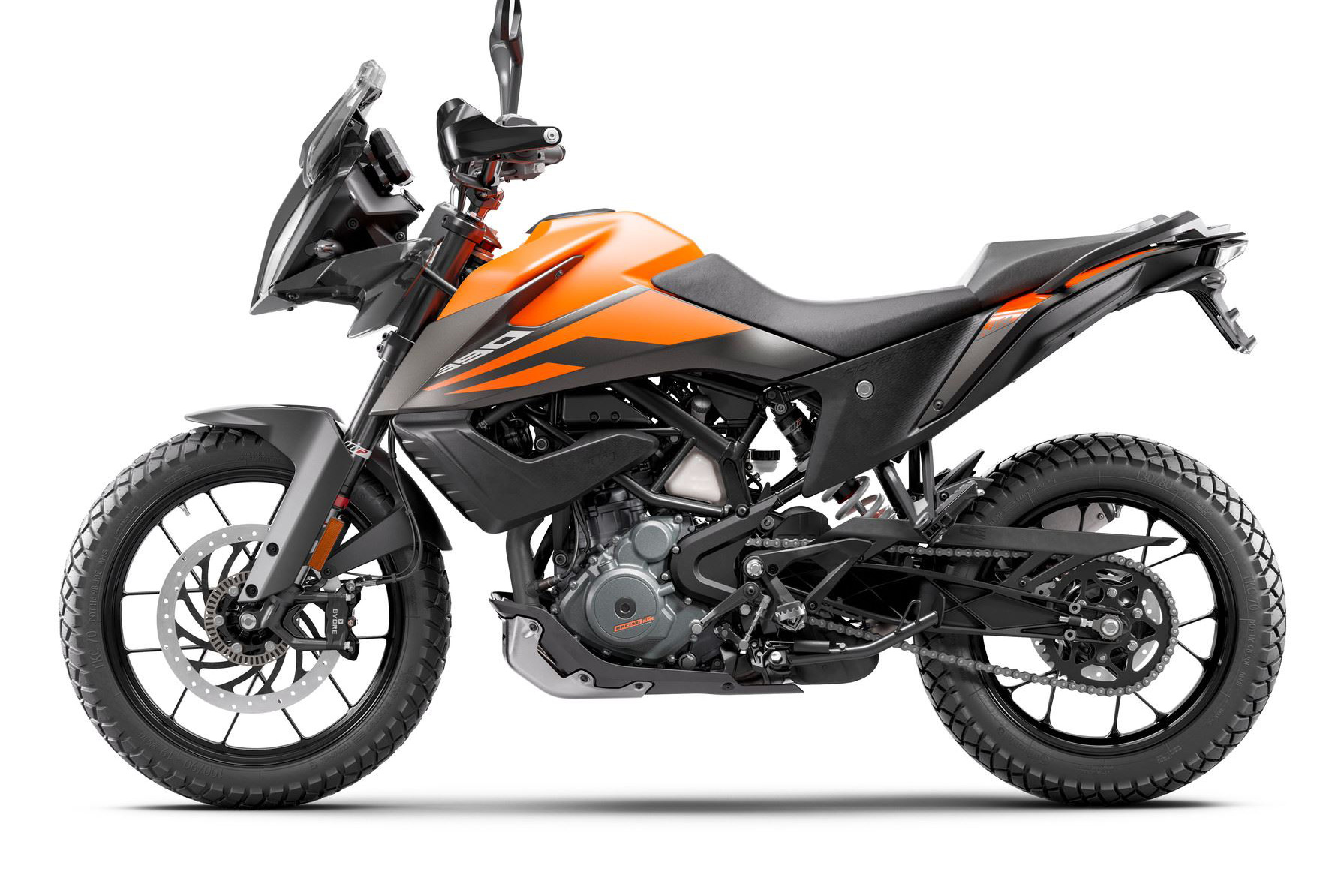
Here, at last, is the 390 Adventure, with a motor based on the unchanged 373-cc, 43hp Indian-built Duke right down to the claimed 15/45 final drive. The rebound-adjustable suspension gives it a lift and adds up to a 170-kilo wet weight with the 14.5-litre tank  – all up about the same as the G310GS I know well. You’d hope the 390 will ride better on the dirt and, being KTM, surely they’ll offer a 21-inch ‘Adventure R’ option alongside the 19-er pictured below.

202-KTM-391

See you at the back end of 2021.