Category Archives: AMH News

CFMoto 450MT 11,000km review

CFMoto 450MT index page
See also: 2026 Moto Morini Alltrhike 450

Updated February 2026
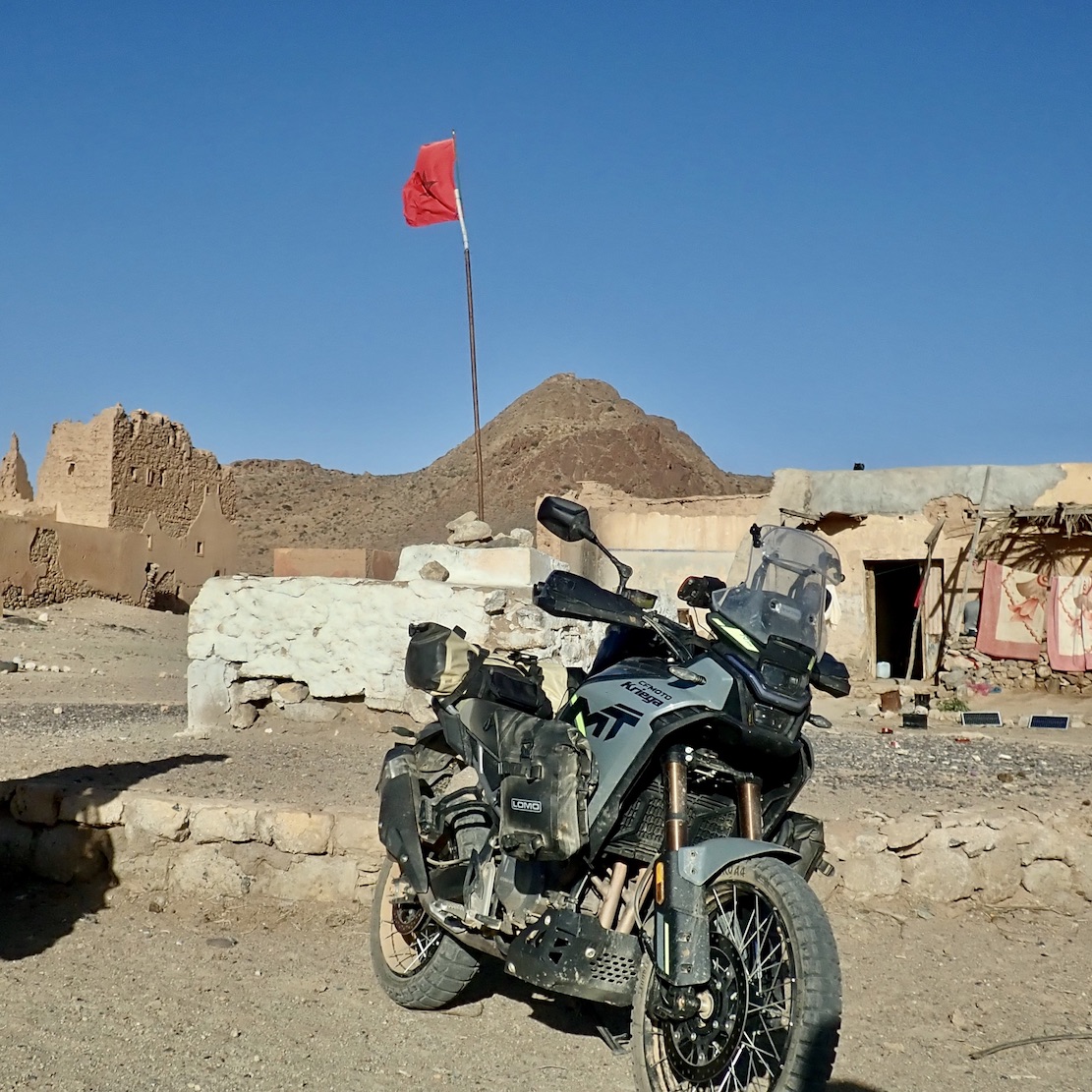
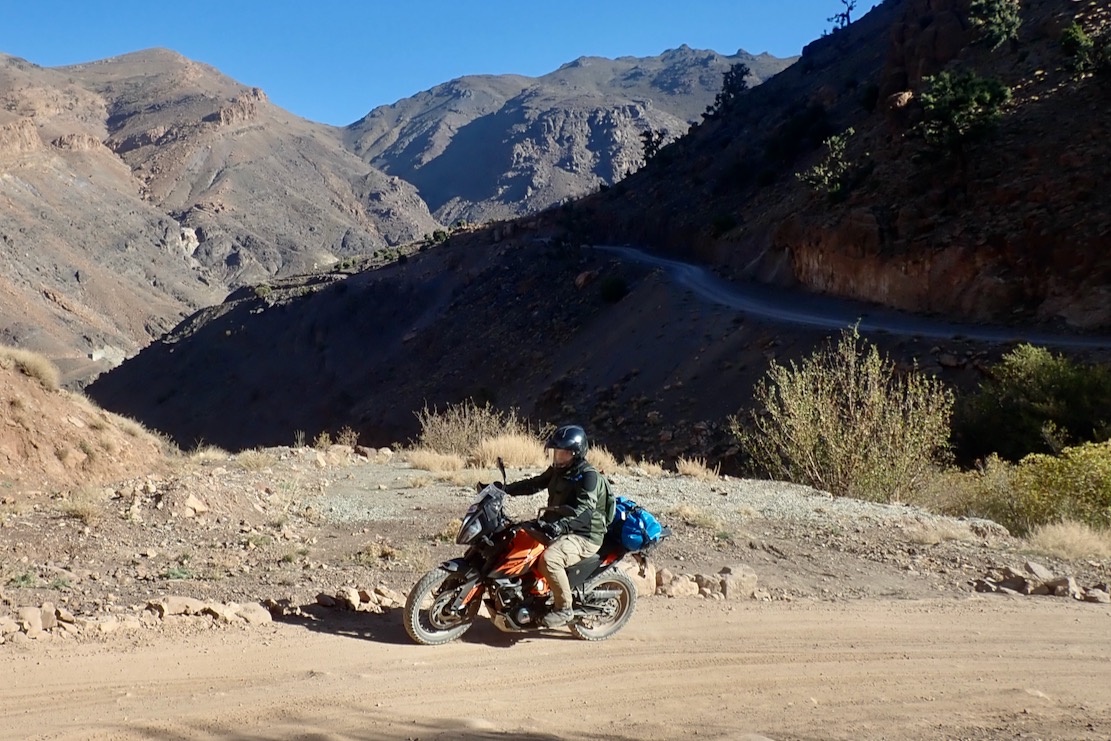
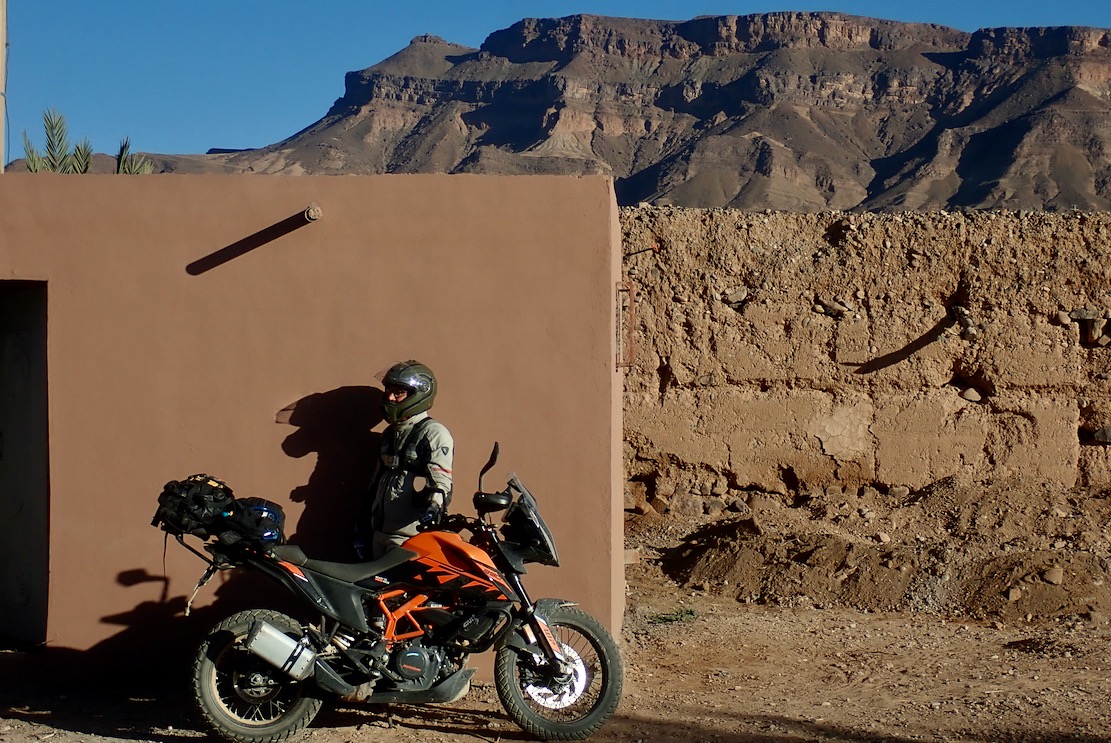
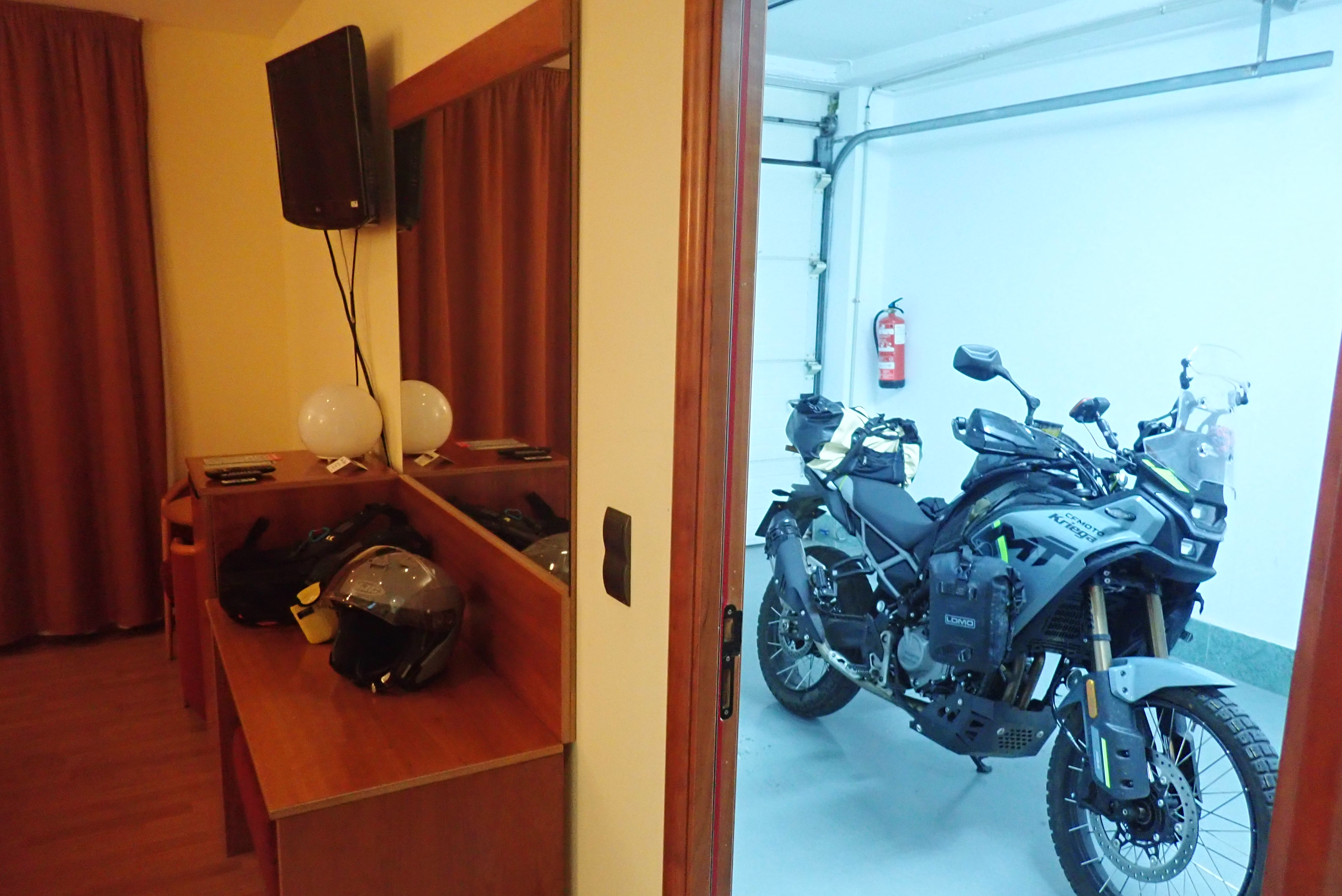
Pic: Bob I.
tik

• Stock CST Ambro tyres good on dry dirt, great on road and could have got 10,000km from them
• Smooth, grunty engine easy to manage and great sound
• Zero issues in 11,000km
• Suspension soaks it all up when laden (stock settings changed)
• Seat is low and good for up to 600-km road days
• Standing just about sustainable with 25mm risers on stock pegs (me: 6′ 1″/183cm)
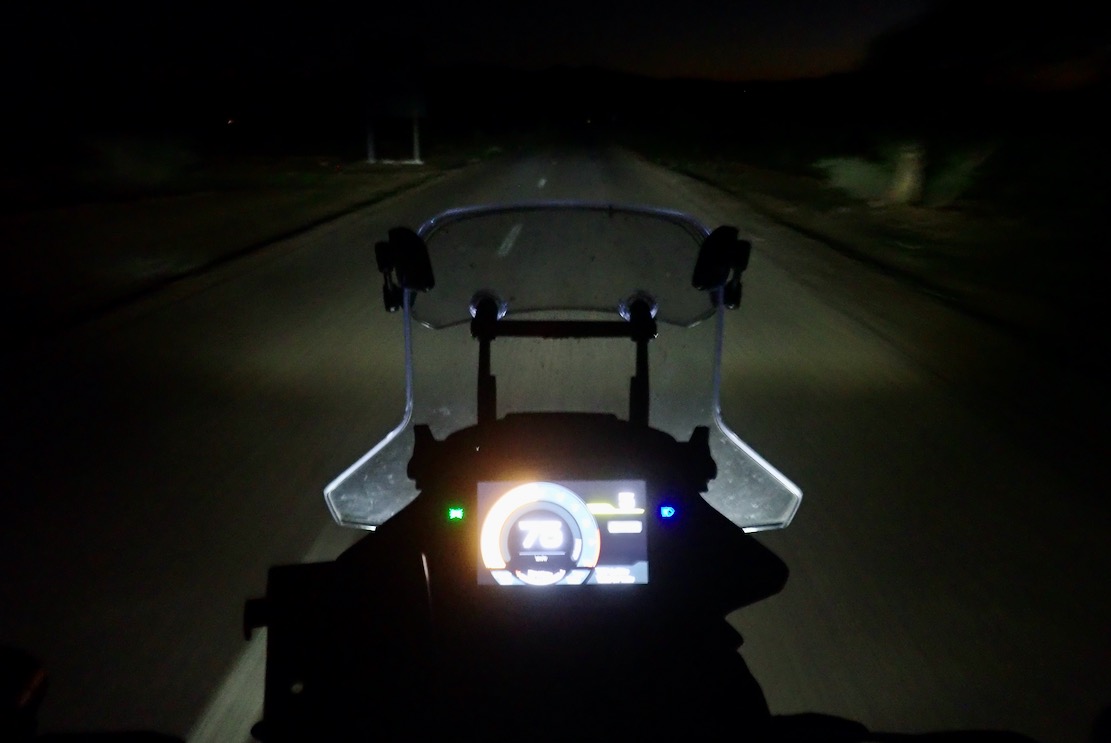
• Lights light up the night like lights should
• Spoked tubeless wheels held up very well

cros

• Wet weight feels high off road when tanked-up and laden (+15kg baggage)
• ~70mpg fuel consumption nothing special for a 450
• Gear change not brilliant
• Jerky throttle at low rpm sometimes (mapped out at 10,000km service?)
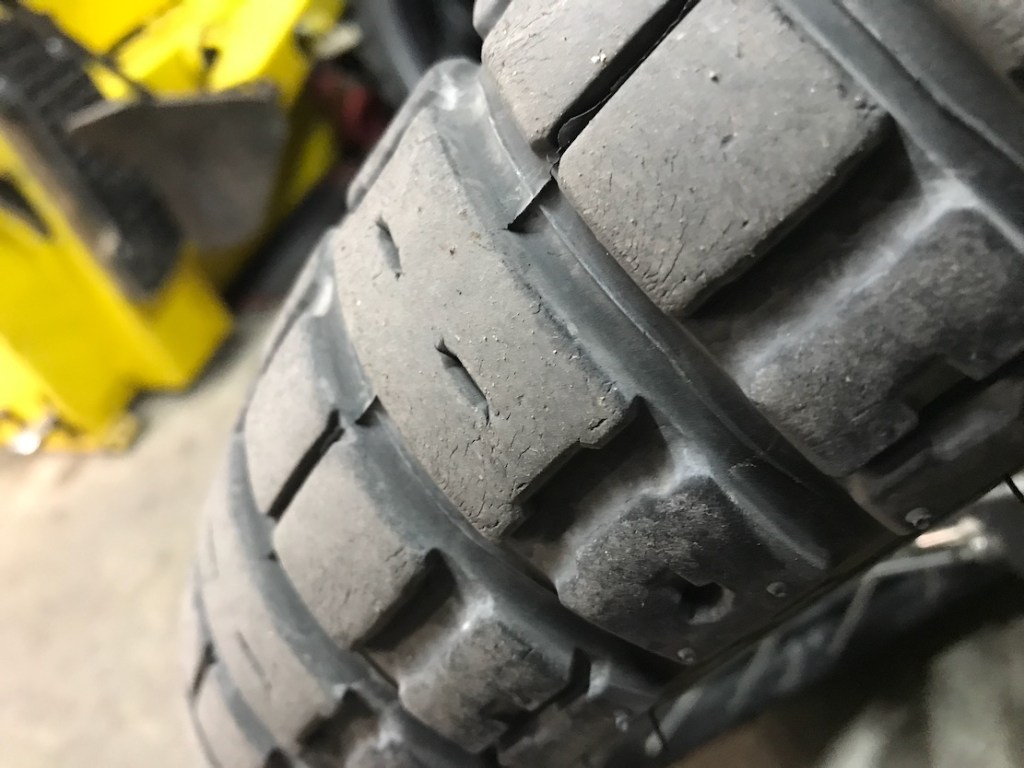
Kenda Big Blocks were no better on the dirt and gave a few moments on tarmac

Review
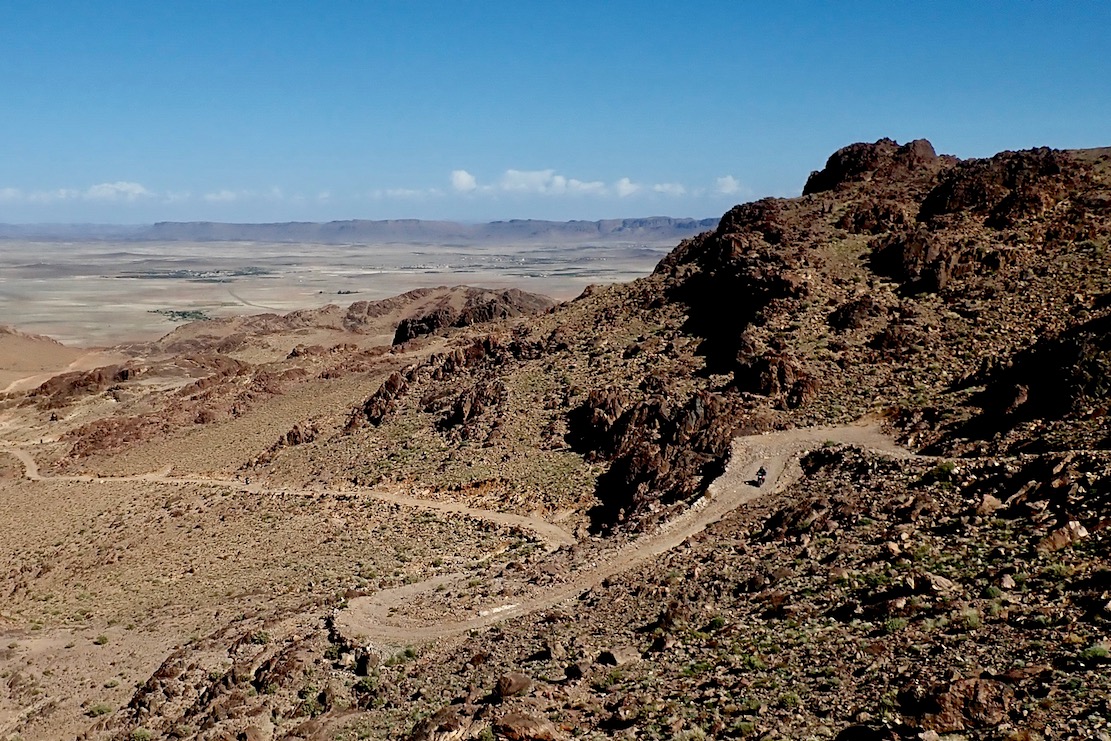
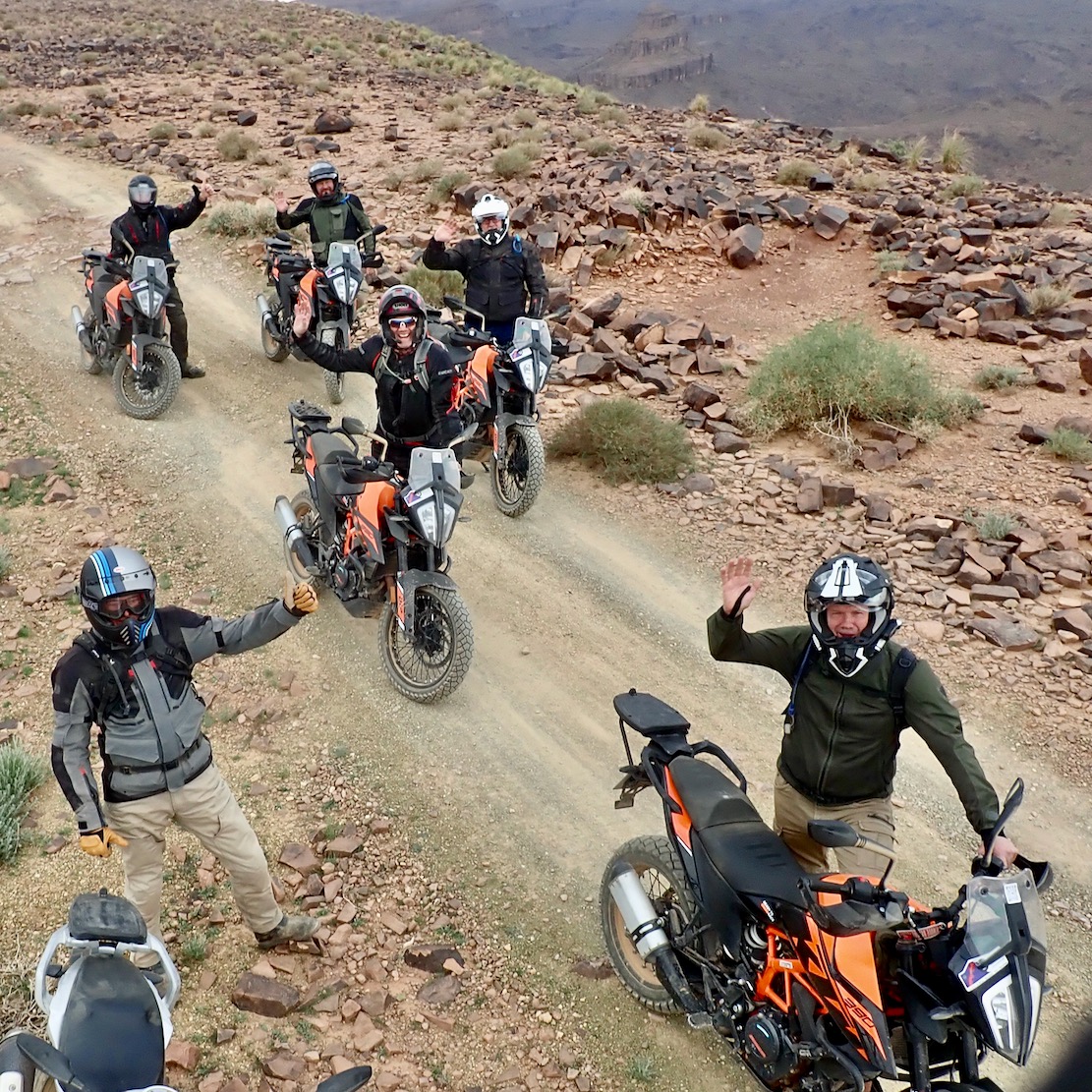
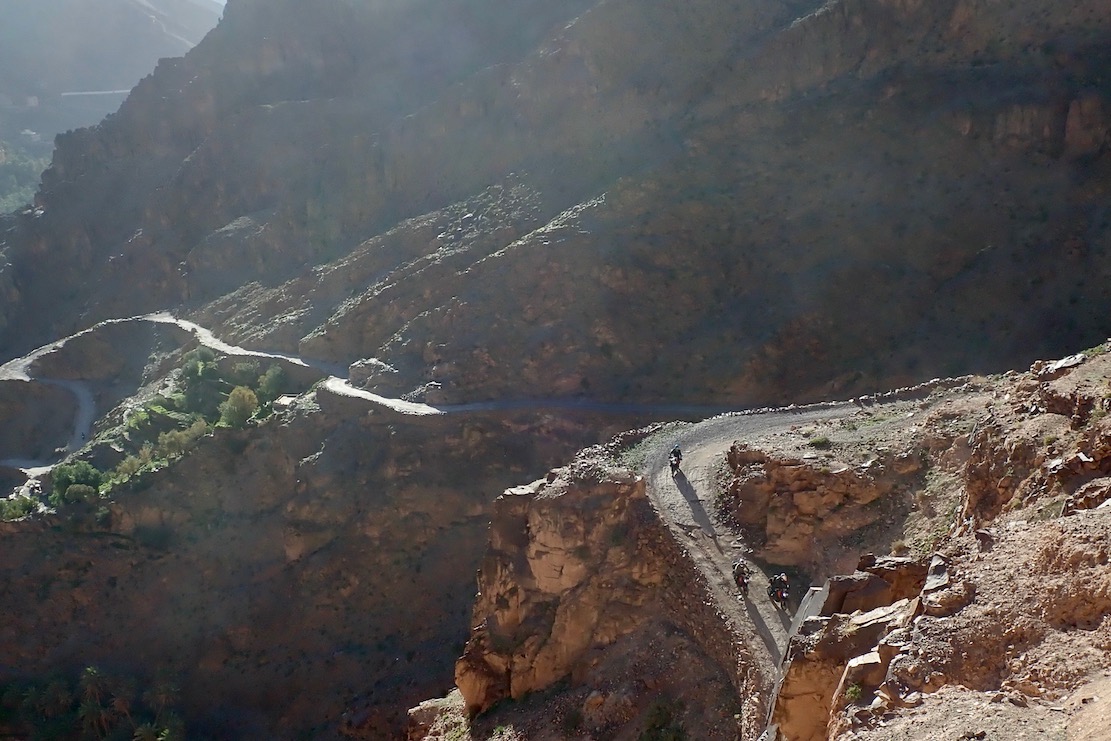
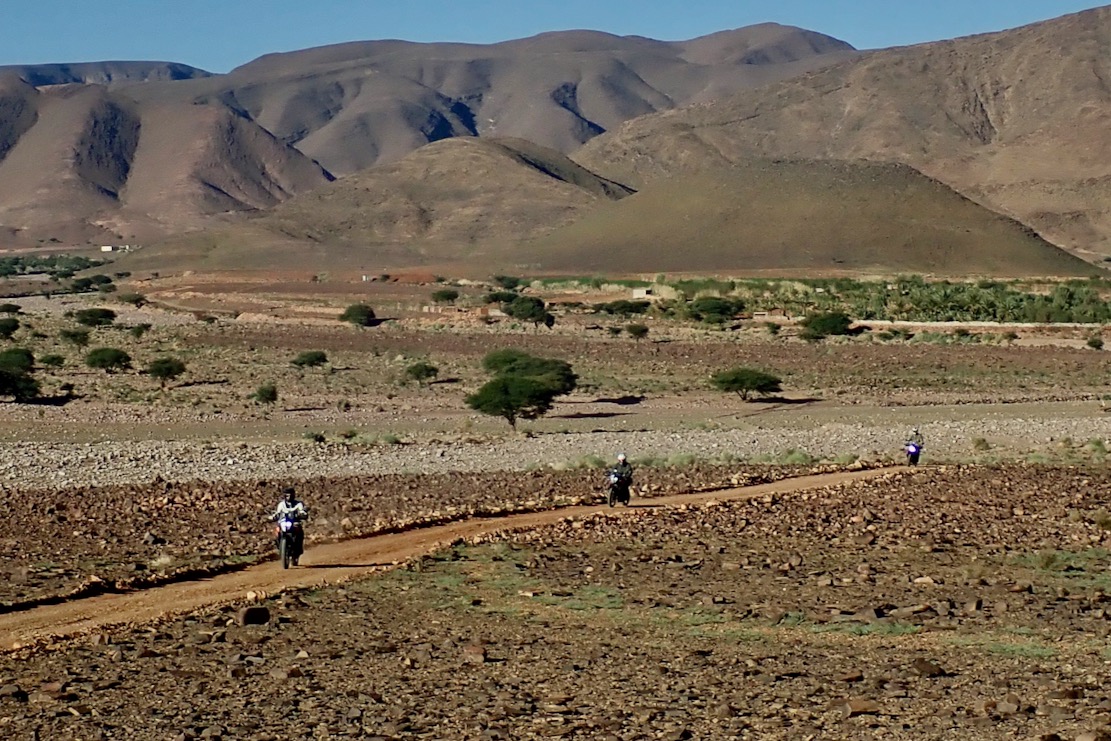
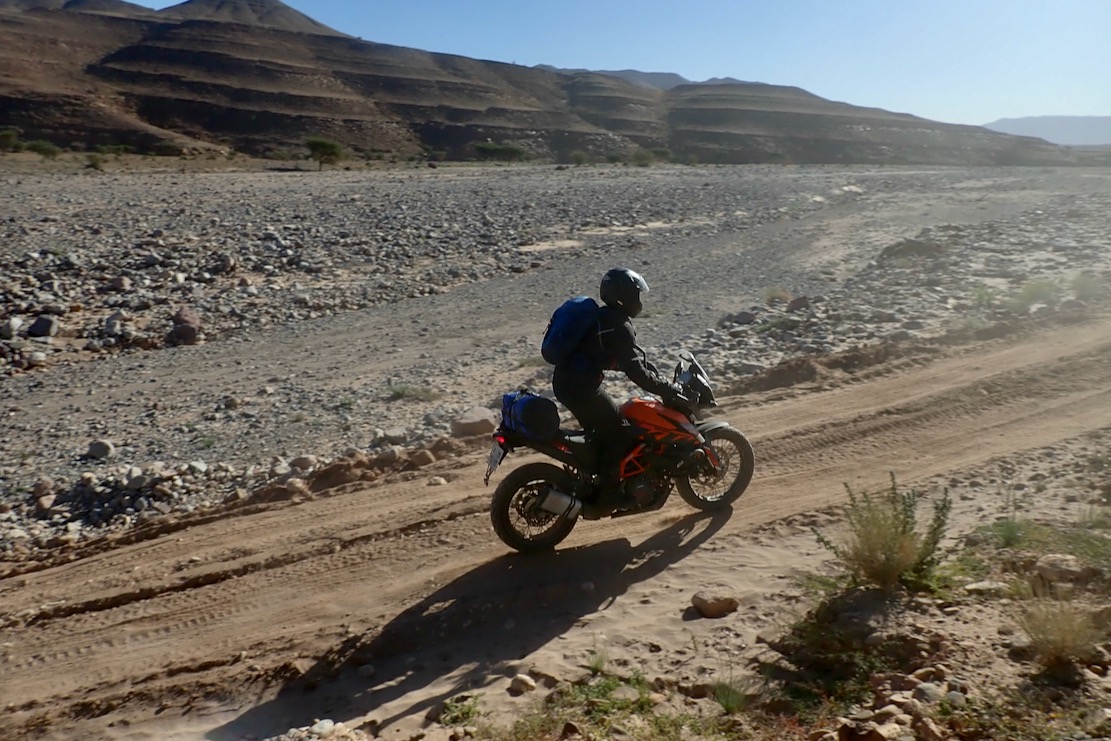
Back in the UK after leaving the MT in Morocco for the winter, doing two one-month spells on backroads and tracks with groups on mostly KTM 390s, plus a 5-day run along the TMT with big twins. Some rain damaged pistes were quite brutal, but still rideable with outriggers extended, the odd over-balance or best idea of all: stock suspension settings adjusted!
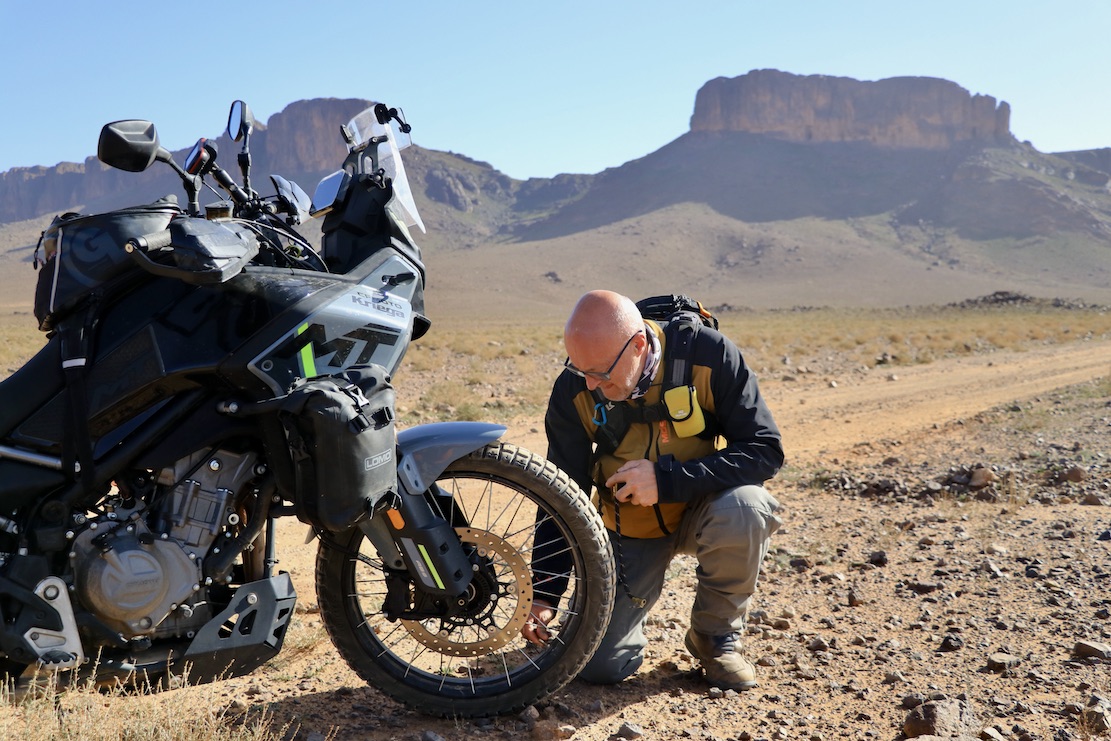
Richard Fincher

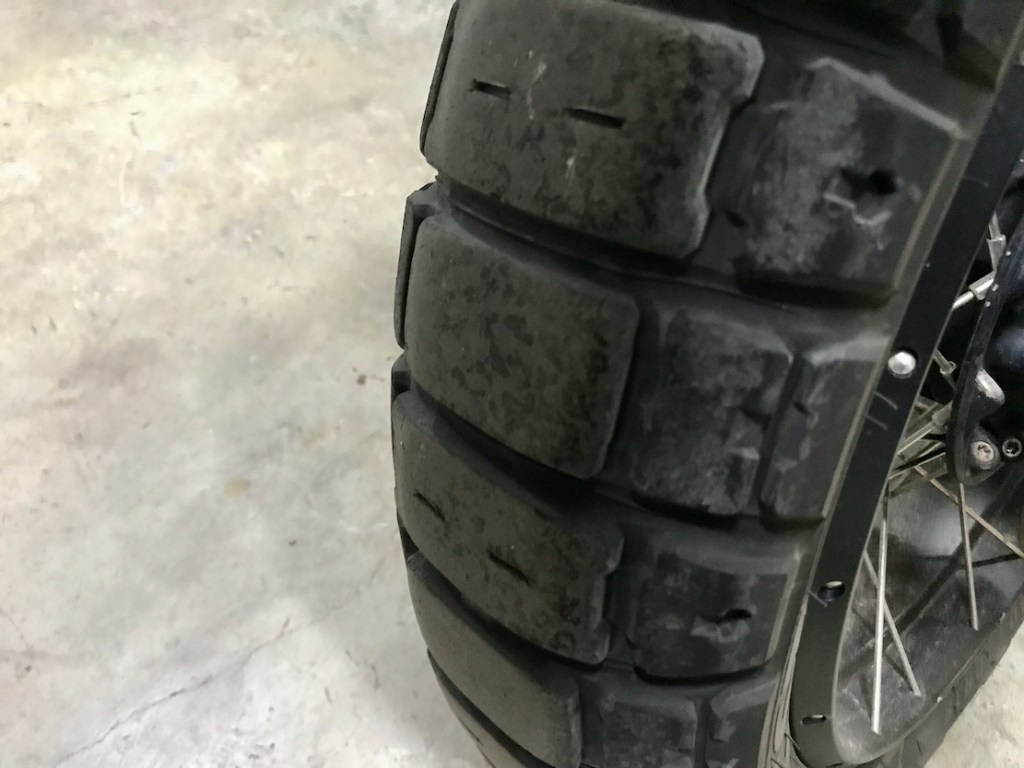
I stuck with the stock CST Ambro 4 tyres (Pirelli Scorpion Rally copies) mostly run at 30psi to protect the untested protruding tubeless rims which have held up very well. I just tapped the spokes and all are ringing nice and taut. Next time I’d feel confident to drop to 25 for a cushier ride. Wet roads, dry trails and everything I’ve encountered in between, I’m impressed the Ambro tyres, and when I changed them at around 8000km, there was a good 1000km left. That wasn’t enough to do one more lap plus get me home, so I had some Kenda Big Blocks fitted in Marrakech for the Last Tour and the 2000-km ride back.
After 5000km it was definitely time to meddle with the stiff but fully adjustable suspension. Result: much better. Now it bottoms out where it should and handles all sorts of rocks and other roughage if taken at appropriate speeds. Prior to that, dropping the tyres to 26psi didn’t really make much difference along stony Acacia Avenue near Foum Zguid.
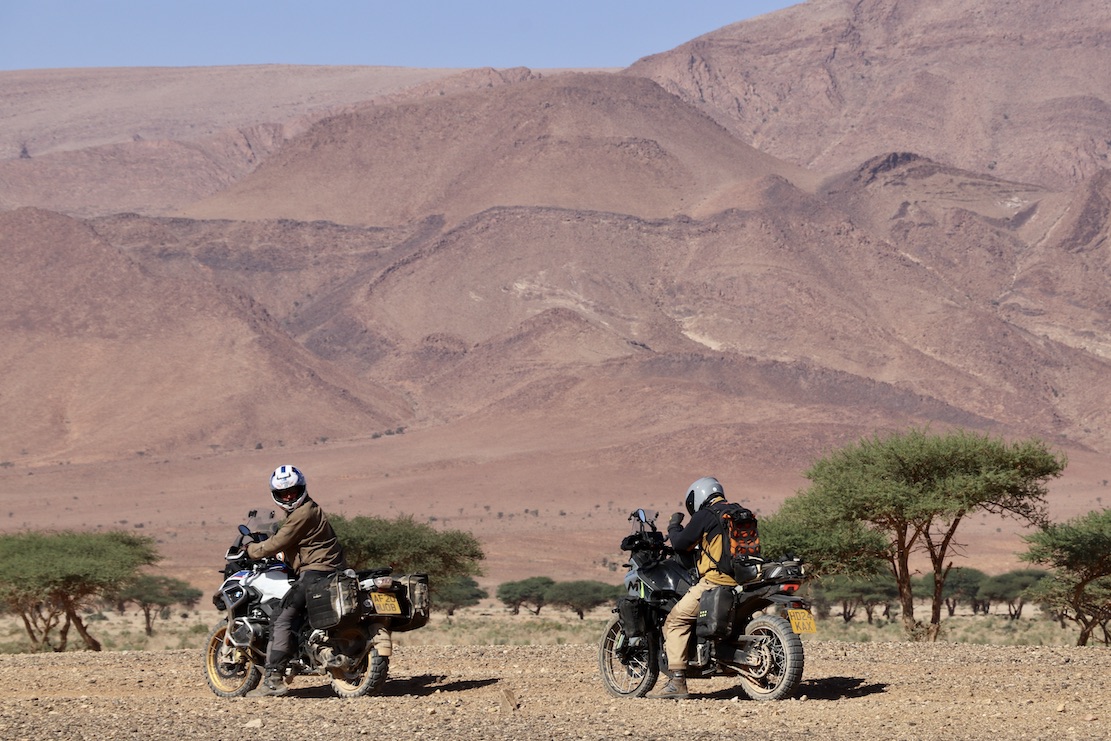
‘You coming or what?!’ Richard Fincher

The grunty engine is so satisfying to use on tight trails and bendy roads. Suboptimal gear? No probs: the engine picks up from low rpm without the shudder of a big single, and the offbeat ratta-tat-tat from the pipe adds to the enjoyment you don’t get on a CRF300L. Sometimes I think the kangarooing at low throttle openings has gone away (having the chain tension right helps), at other times it’s there but not enough to make me want to rush to some good internet and upload an OTA remap. Could it be to do with air pressure/humidity/ambient temps/fuel grade? Who knows, but a new chain and a full service in Spain made it less noticeable and may have gone altogether.
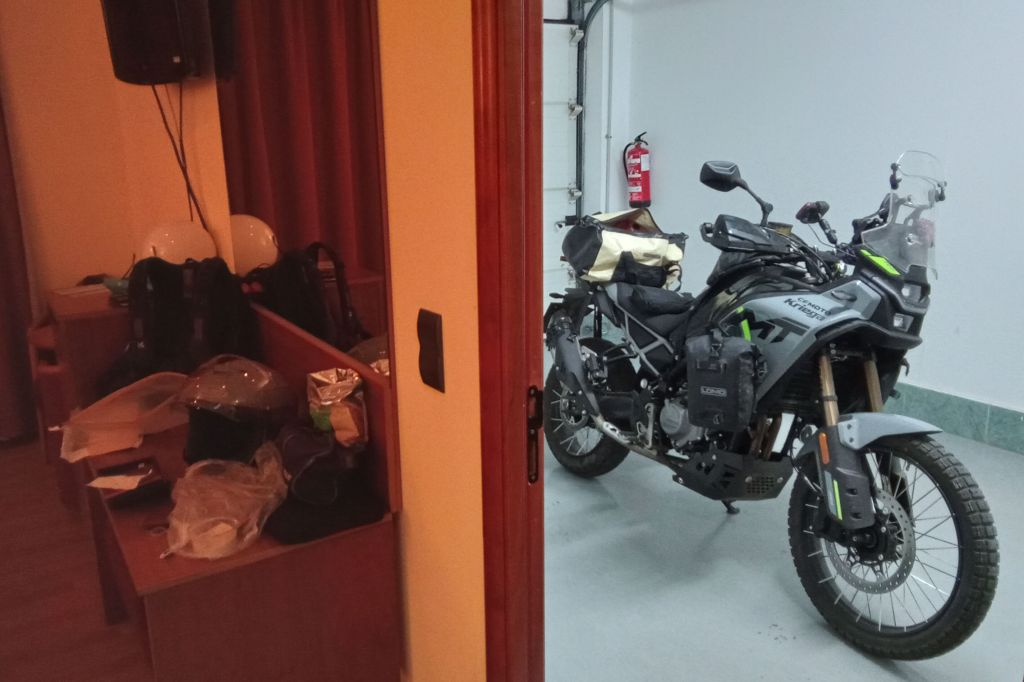
The MT’s gear change was never that slick from new and was only shown up by the quick-shifting 390s I rode with for a while – let alone the Desert X Rally which was like clicking a dial. Then I had the bright idea to adjust the clutch cable tension at the bar even though it felt fine and guess what: now the gear change is normal. And with a new chain on the way back it was better still, but never that snickey.

With regular hand lubes, chain hung in there for 11,000km. Another example of quality consumables, unlike my recent Jap bikes

I’ve been trying to unlearn the clutch habit and change just with the foot and a blip – it’s often seamless up and even down. I really need to try and do that more, but a long decade of urban despatching has made clutch use a reflex.

Real-world fuel consumption was nothing special for a 450, especialy when compared to my early CB500X. All up I averaged 24kpl – 68UKmpg – 56.6US – probably no better than a T7. I did get a suspiciously good 81mpg (28.7kpl) one time without really trying. Sometimes I wonder if my tankside bags create the drag you’d expect. But my 300L had the same set up and got nearly 100mpg, so I don’t think so. Either way, the range is good for 400km, but with 17 litres up high, I try to stretch out the range on the piste.
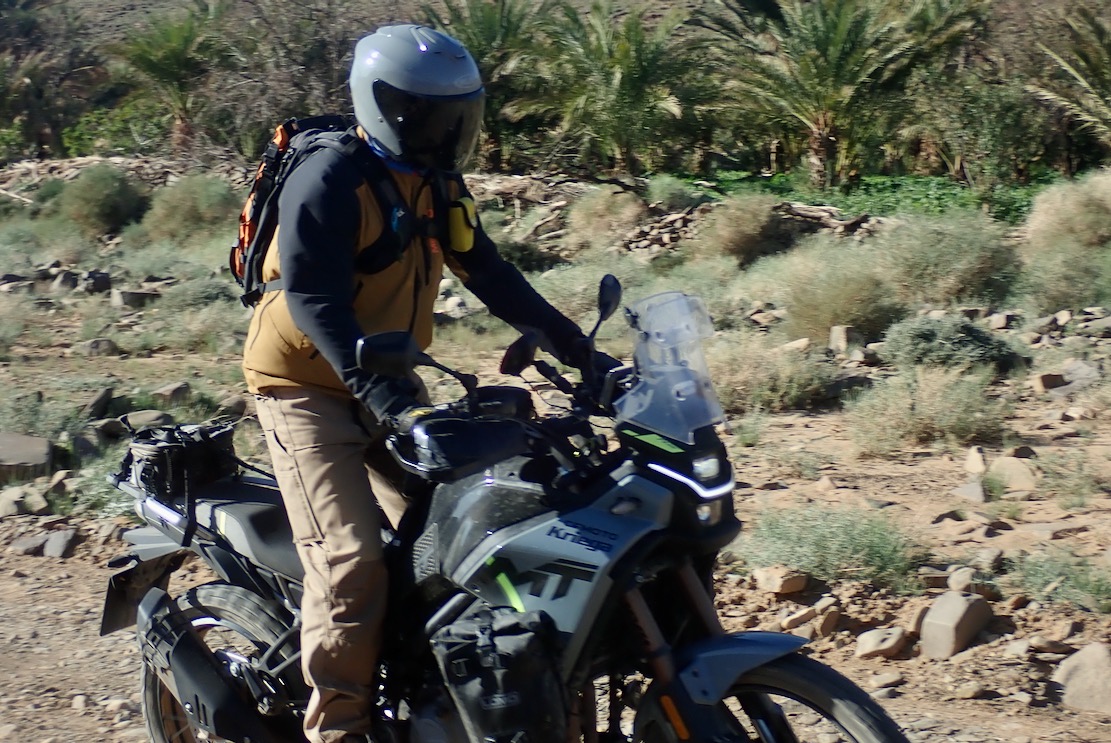
Bob I

No complaints about the brakes. One good front disc is all you need for a bike of this weight and power. On the dirt I leave the ABS and TC on. One day on a steep climb I looked back to check on the group and nearly steered myself over the edge (like you do), but the ABS caught me. I had to be pulled back. Similar happened a couple more times when I was too tired to react to yet another bend. The MT’s ABS hauled me up safely. Why would you ever turn it off.
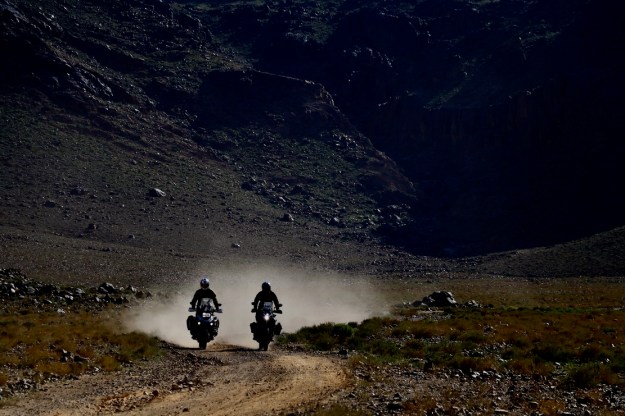
Richard Fincher

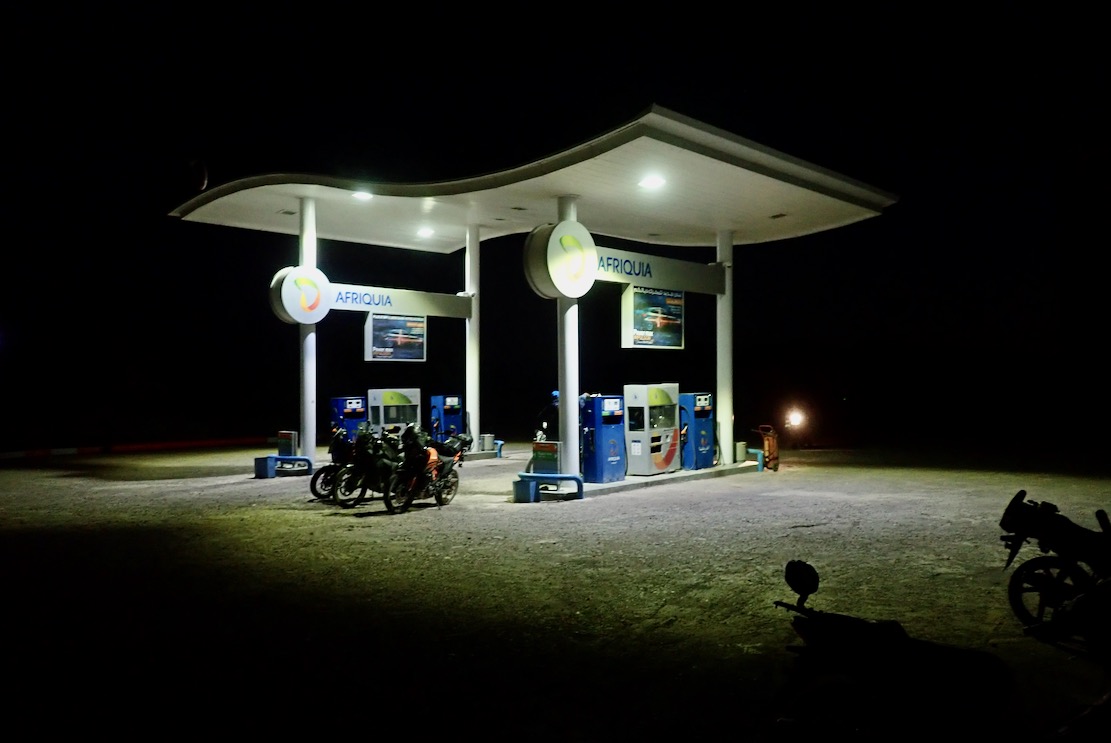
I did not noticeably activate the TC as the 40-hp cross plane motor just hooks up and does the work for you. That was until one dark night when the 6km track to our lodgings had stretches of deep soft sand. With tyres at road pressures, the TC got in the way and I was going down, not forward. It had been a long, hard day and it took me a while to remember and then fumble for the easily accessible TC/ABS kill button on the bars which did the trick. Another time, stalling on a steep climb, the back wheel span then cut with the TC. Again, killing the TC did the trick. I’ll keep the ABS on 24/7 but TC can get in the way on loose dirt. I really don’t think this bike needs TC at all.
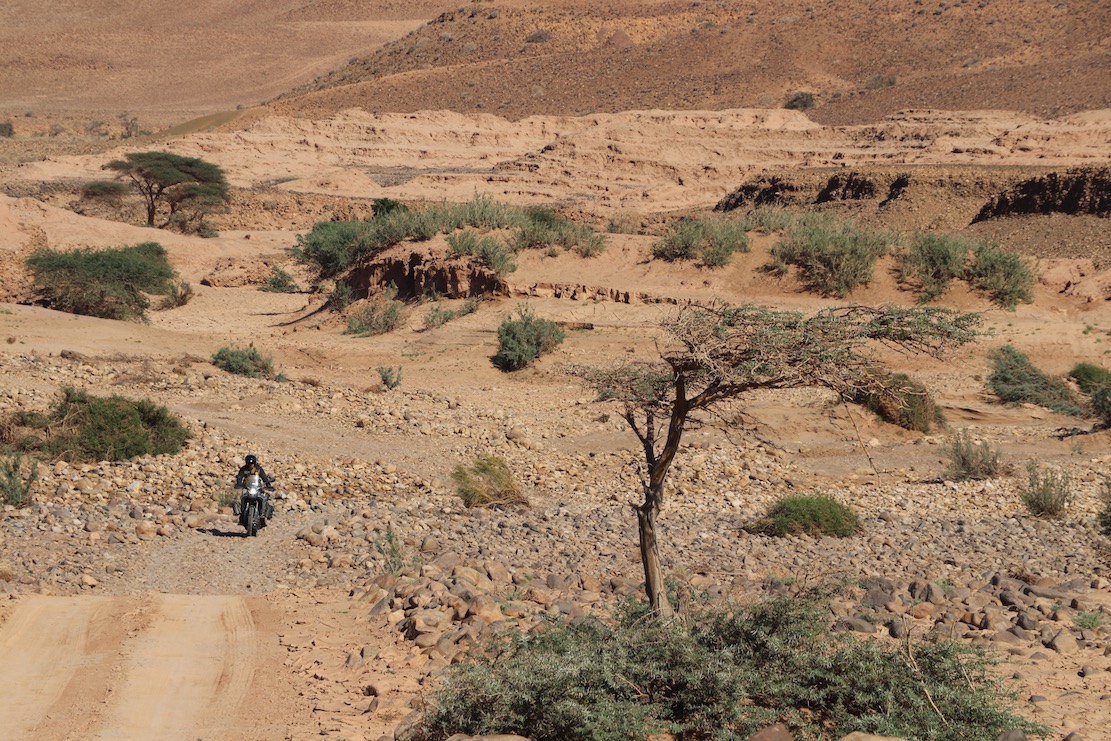
Richard Fincher

My unconventional rackless placement of a Kreiga low and forward on the LHS pillion footrest worked faultlessly, even with plenty of paddling through oueds and over rocky sections. I never even noticed it was there. The weight position must be as optimal as it gets, and it hasn’t budged. It’s such a neat idea next time I’ll do both sides and ditch that tail pack which, handy though it is, makes getting on and off elegantly a pain.
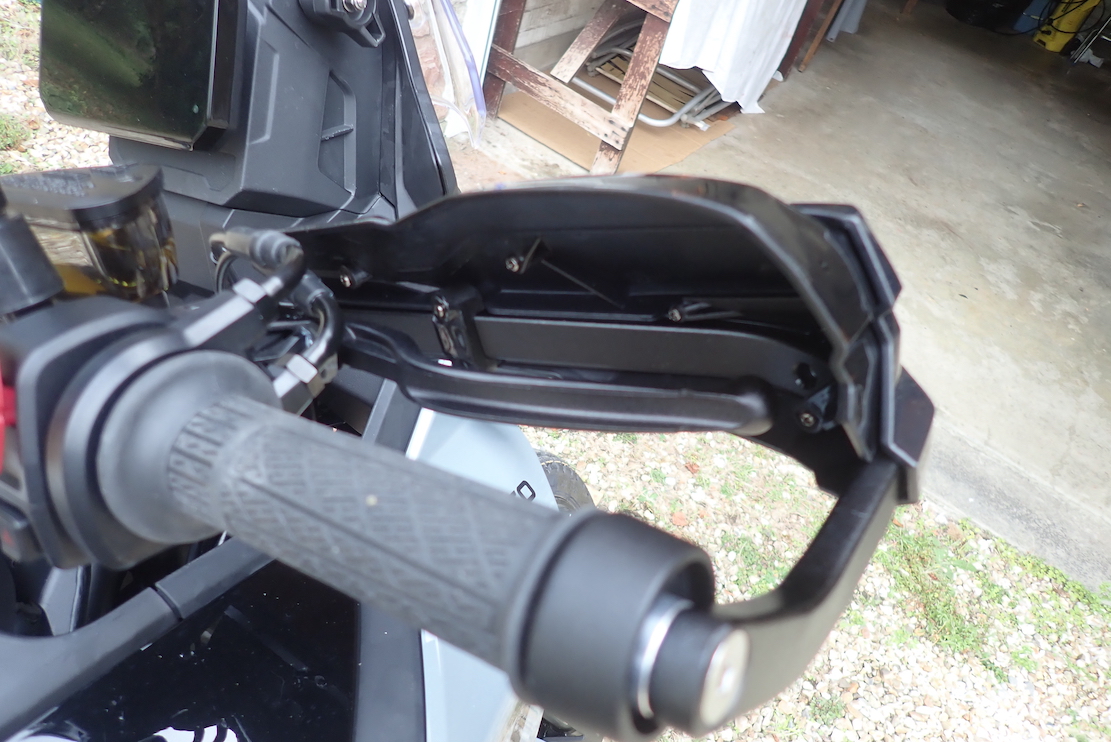
I fell over once with a 3/4-full tank, inching down a rain-gouged switchback. The bike landed downhill but with all the others ahead, I was relieved to find I could lift it myself, helped by those grab handles at the back. But the Chinese plastic on the aftermarket handguard cracked like an egg. I replaced it with proper ABS Barkbuster guards.
There could have been a couple more such low=speed falls-overs, but they’re avoidable thanks to the low seat. Yes, the lowness takes a bit more leverage to stand up on the pegs, but I’ll take getting my feet on solid dirt every time.
On the trail, I’ve lowered the screen and MRA deflector to better see what’s ahead; a 2-minute job. Meanwhile, the bash plate batted back the odd flying stone but I never scrapped the base.

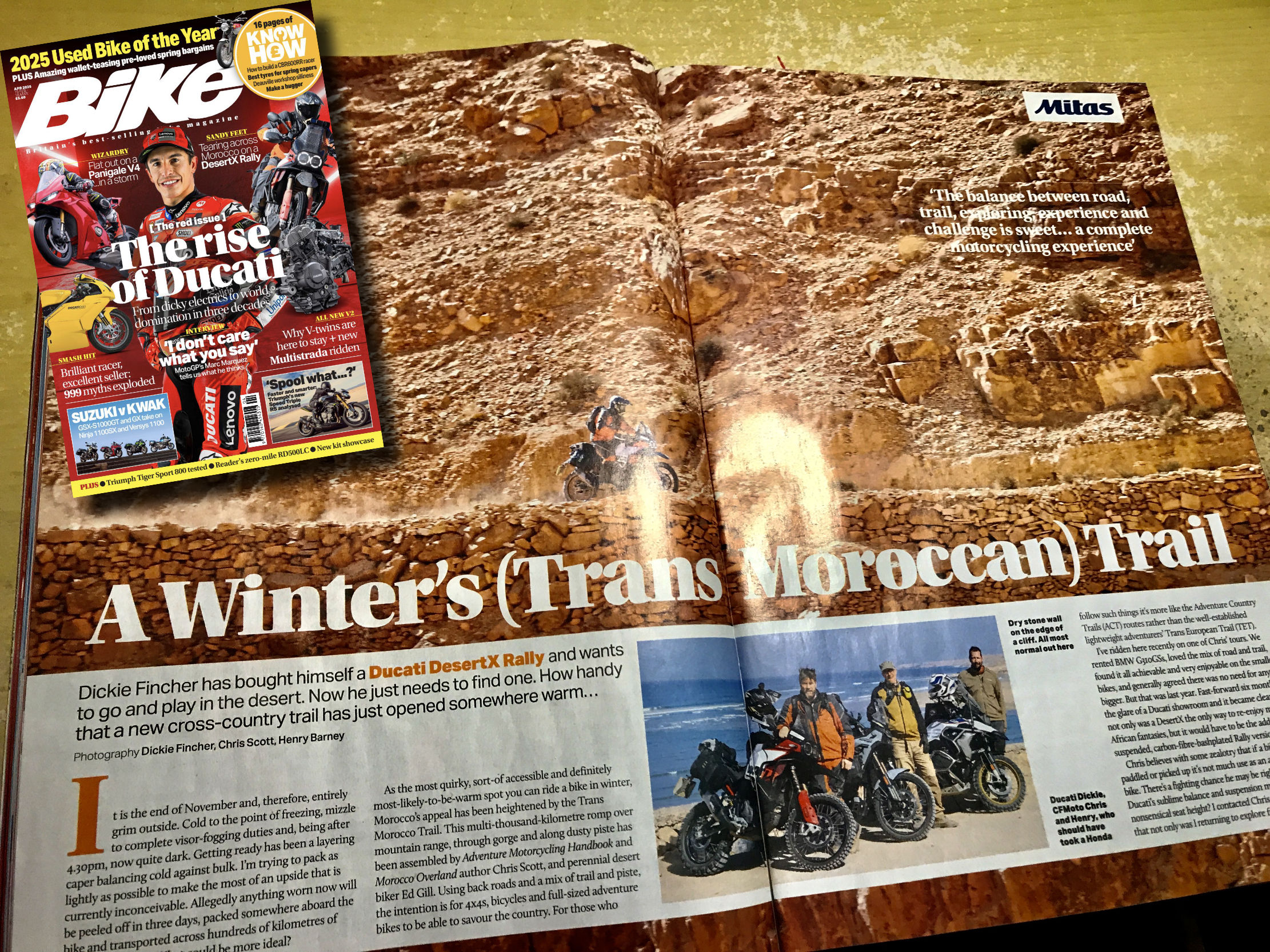
The 450MT is a mini T7, just like they say, but a bit big and heavy for solo trail exploring. Read about following the TMT with a 1250GS and a Ducati Rally X.
Morocco Fly&Ride 2024 gallery

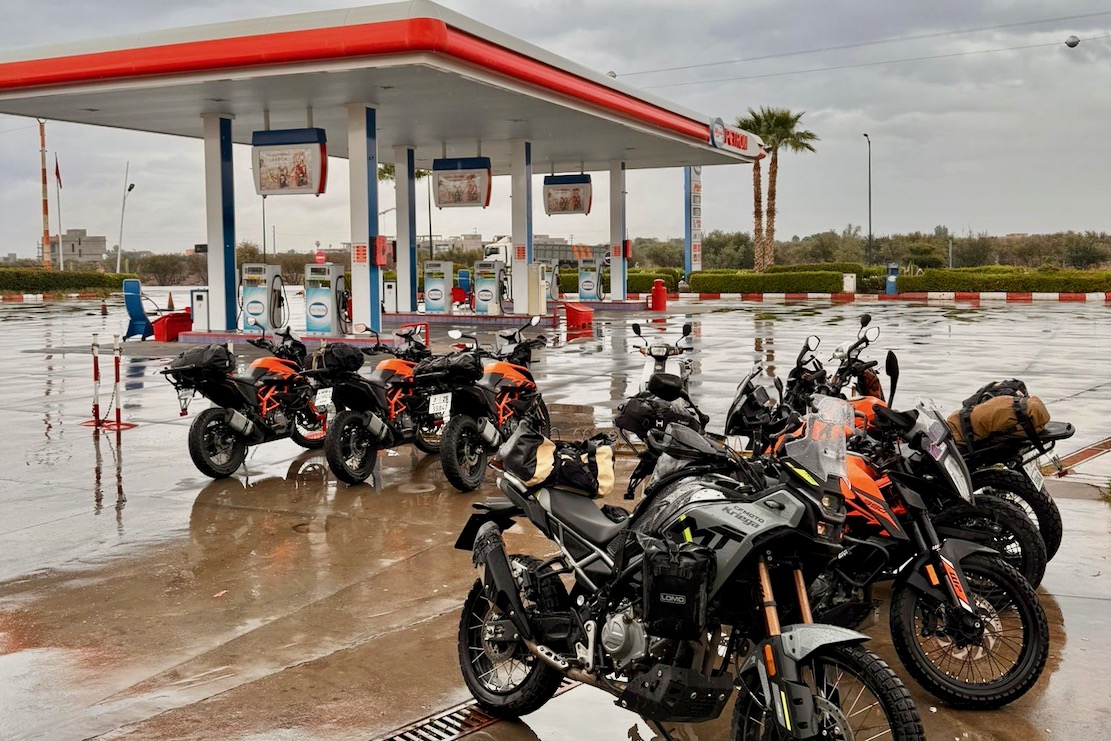
A few shots from November tours on the new KTM 390s. Severe September floods in the south wrecked many routes, or made them rougher than normal.

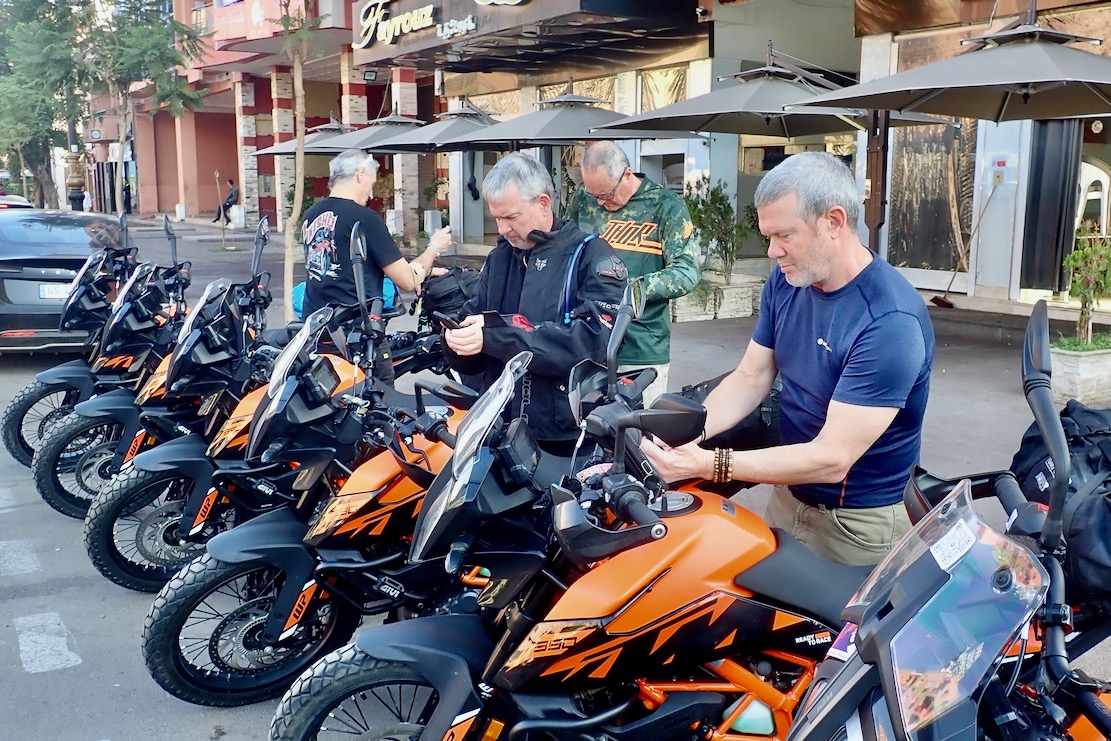
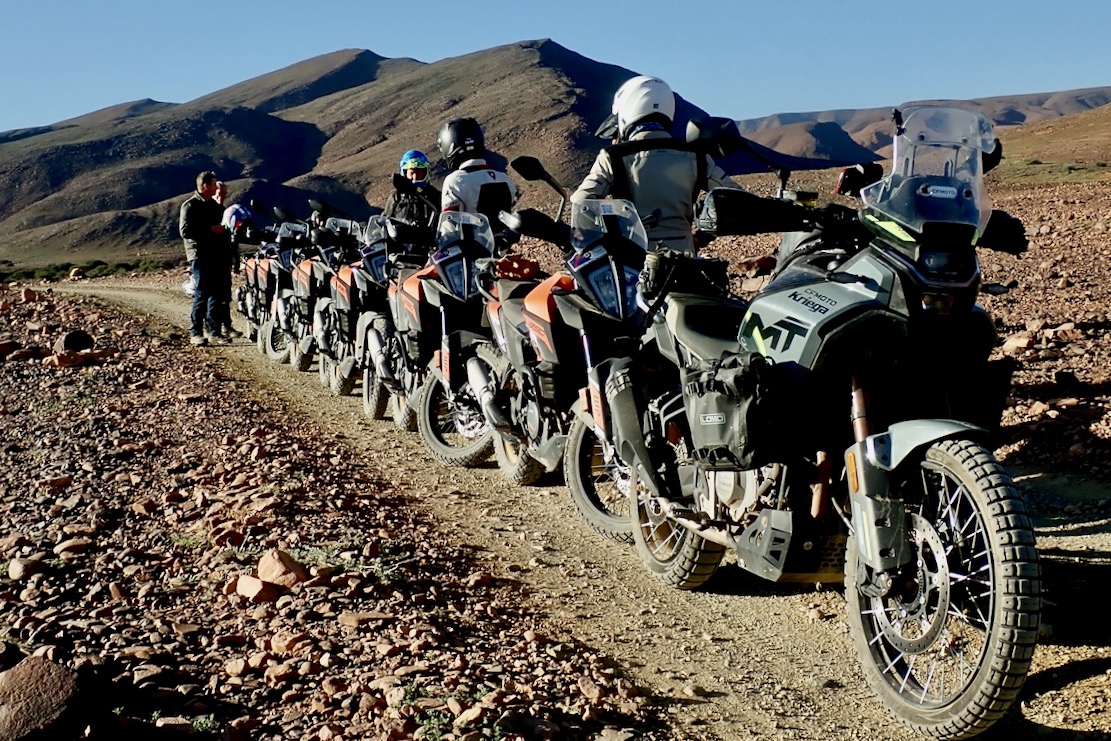
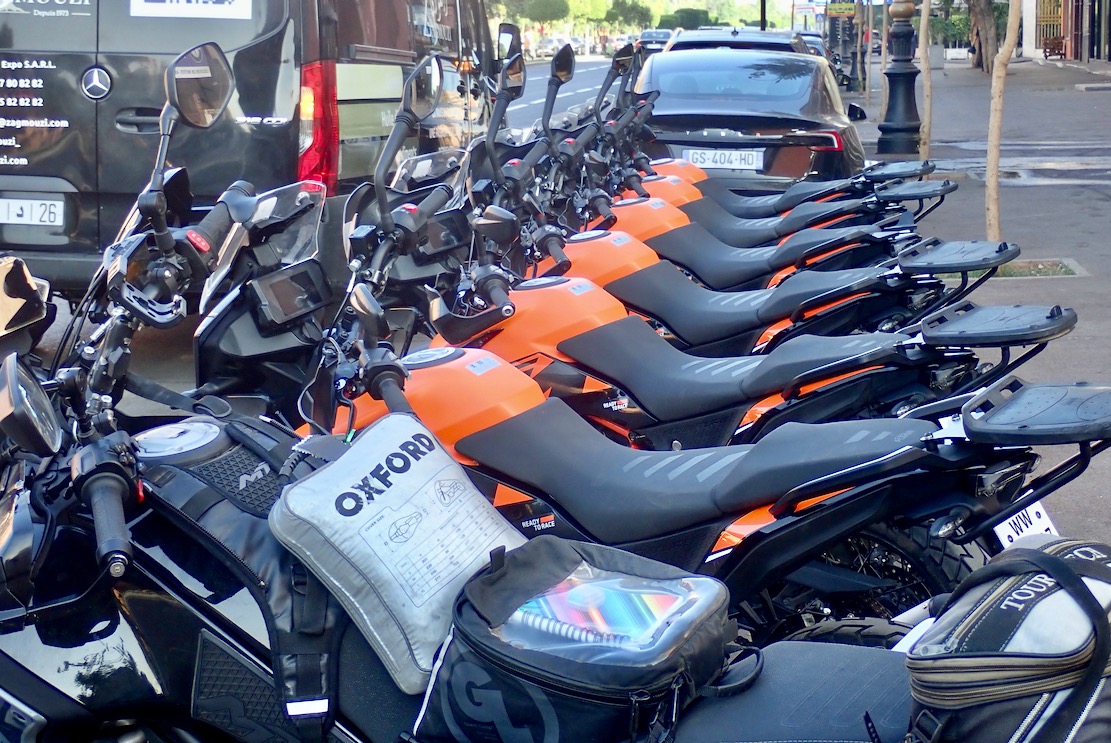
A swath of near-new 390 Adventures in Marrakech
But one zero-miler has no brakes so we come back for a 310GS
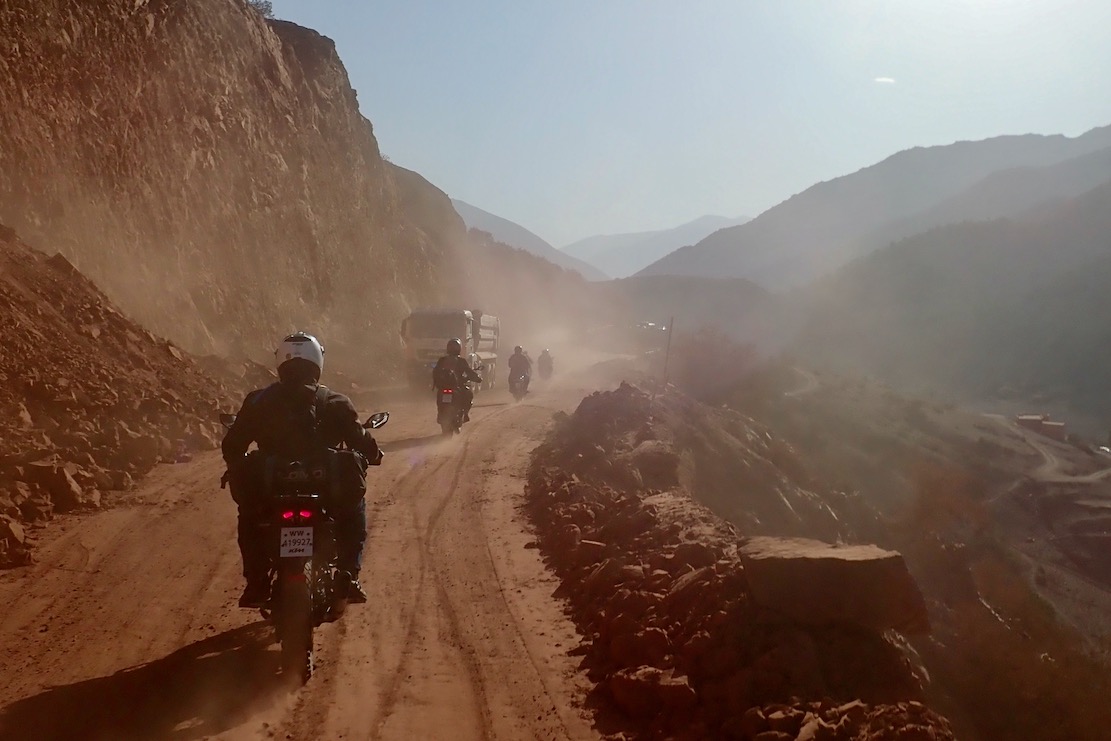
We set off up the dusty N7 Tizi n Test road
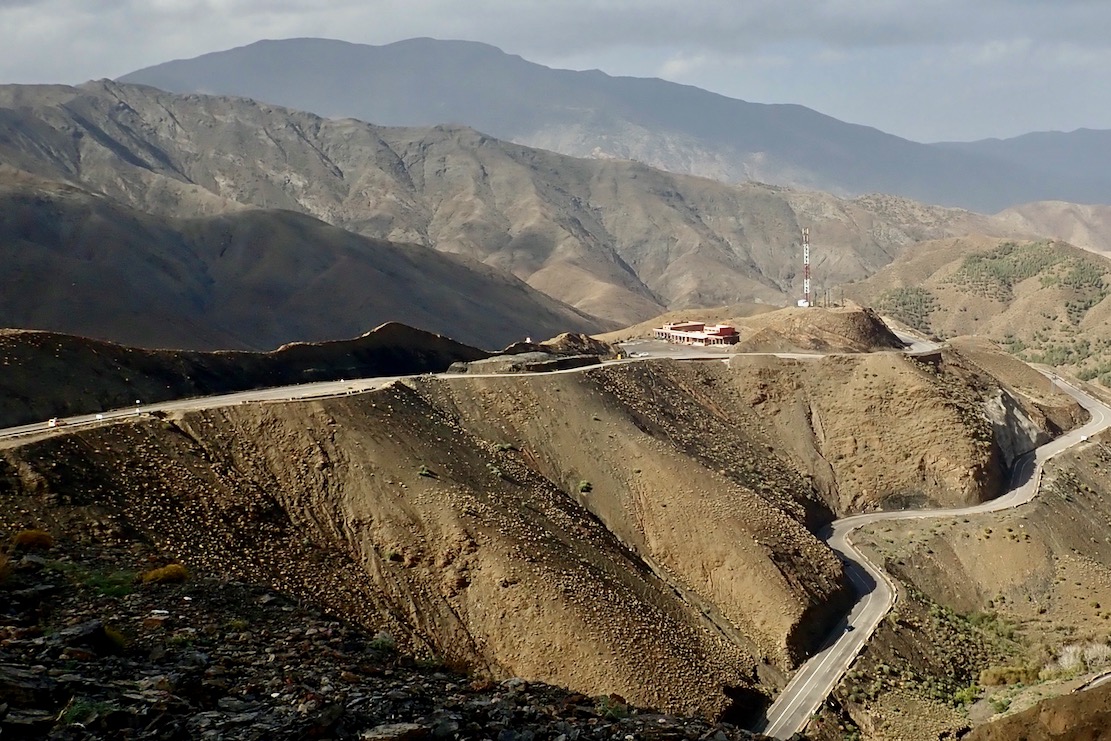
Next day we cross the 2500-m High Atlas watershed
And come down the other side
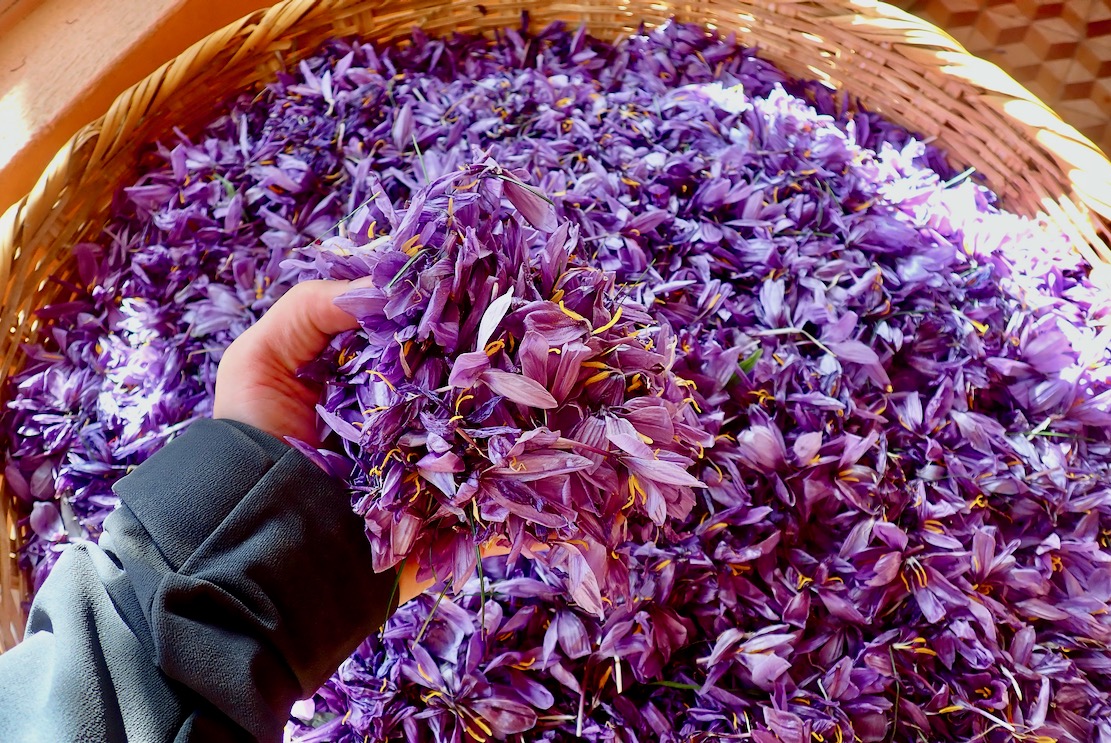
We spend a relaxing evening separating the saffron stamens from crocus flowers.
Group 1 came two years ago so I try a new route on them – A3 from the new book.
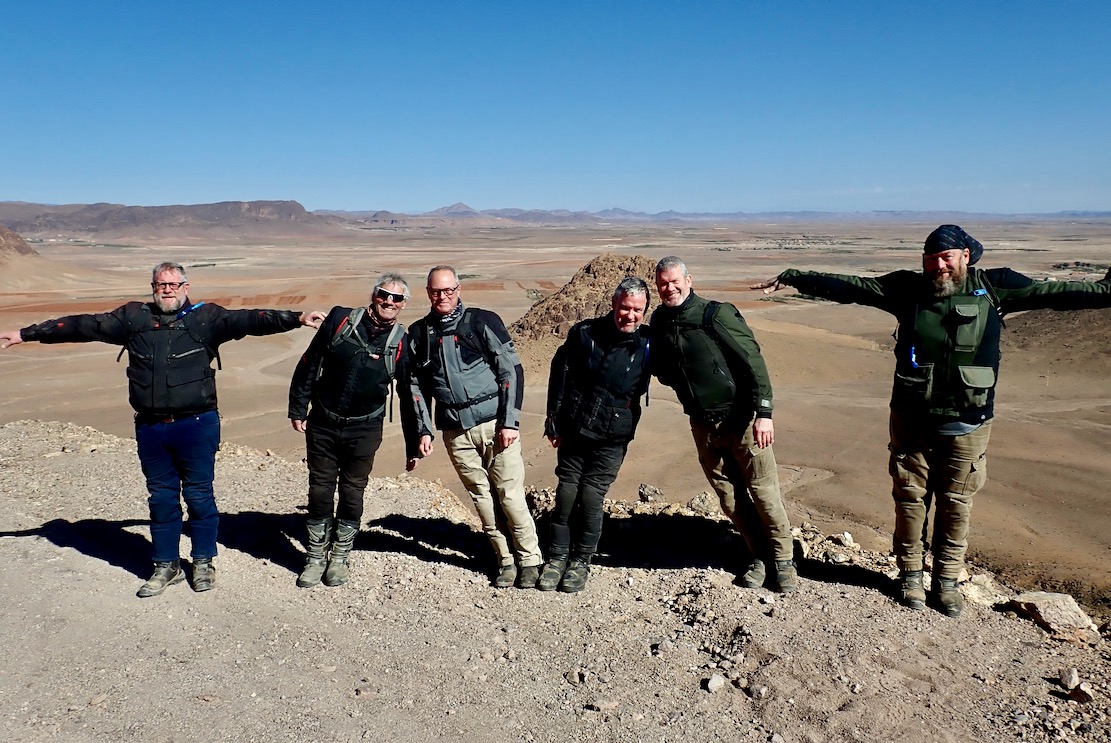
Then I rope them in to a crass publicity stunt for the TMT (Trans Morocco Trail)
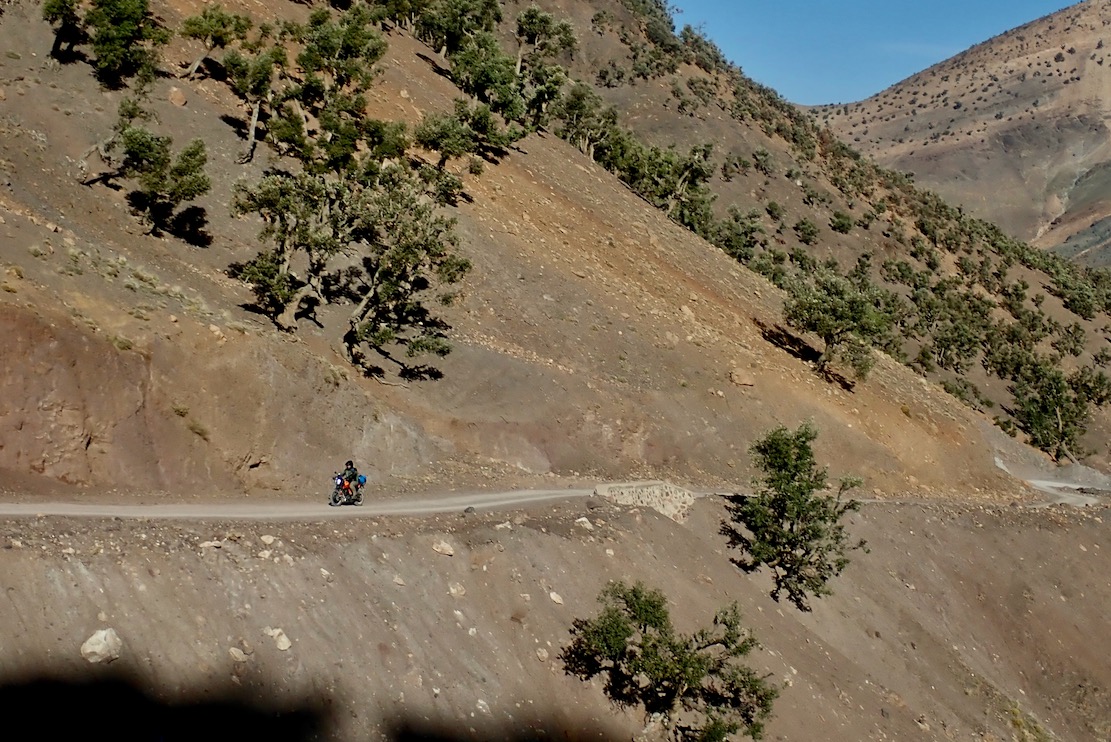
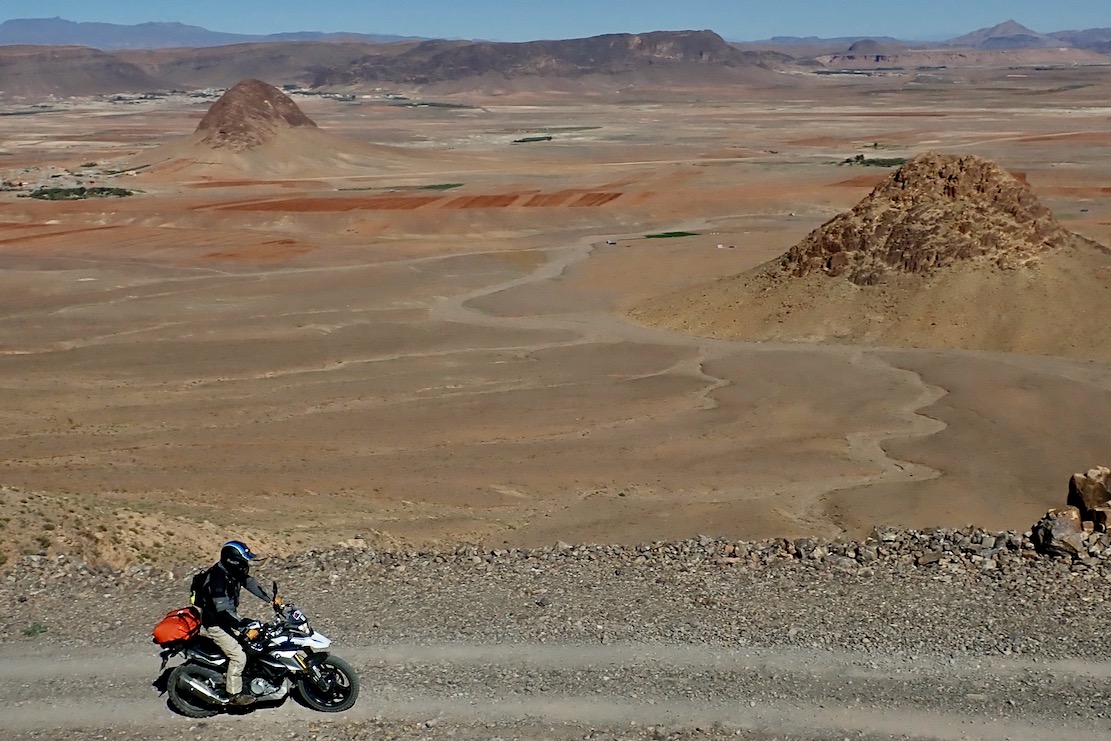
From Anissi village the track is unused, pretty rough and slow. Many of us over-balance negotiating run-off gullies, even me! Good to know I can pick up my MT450. Above, the Tawzart pass back down to the Issil plain
Not for the first time my instructions to ride ahead are vague and an hour is lost. We ride into the night and top up on fumes
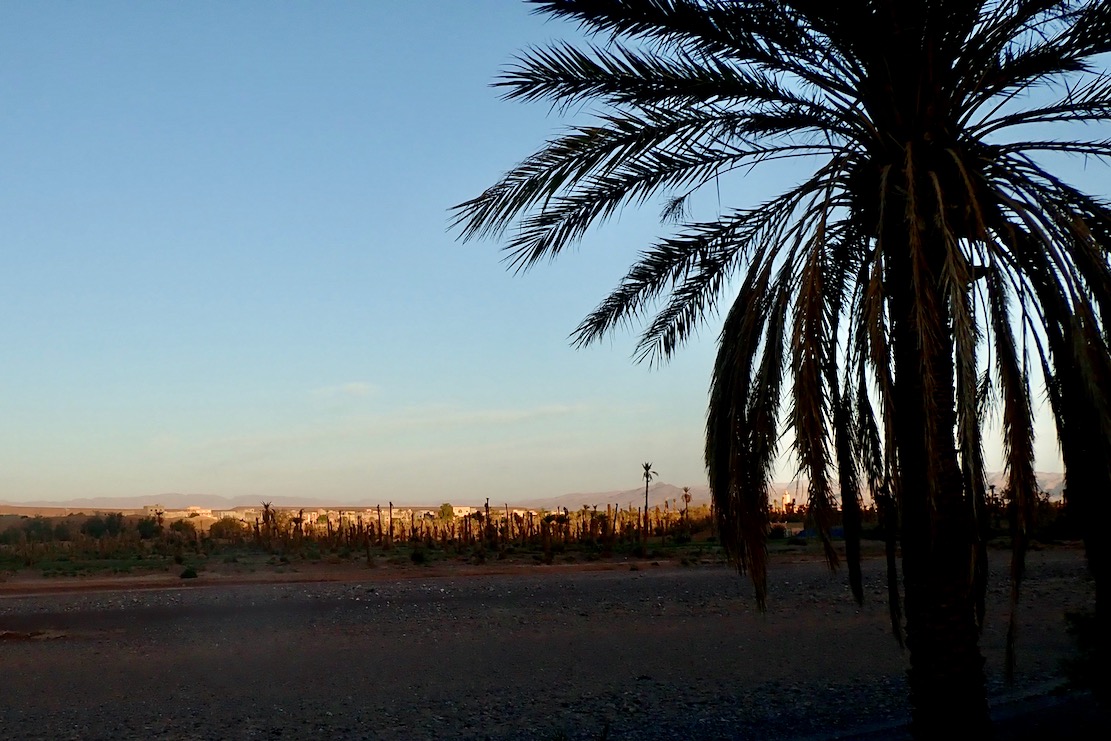
Dawn over Amerzou
I let Keith ride my 450. He might want to buy it later
I have a blast on the 390 but as expected, I am not thrilled. No worse than a 310 on the dirt, I suppose.
We reverse Route A11 to Agdz – a fun haul road little damaged by the rains
Next day we try Z3 up into Saghro, but it’s now a bone shaker in places. Give it a few months.
It may be the main N9 road but the Tichka pass is a blast and a 390 is just the job.
‘Everyone, just step back a bit…’
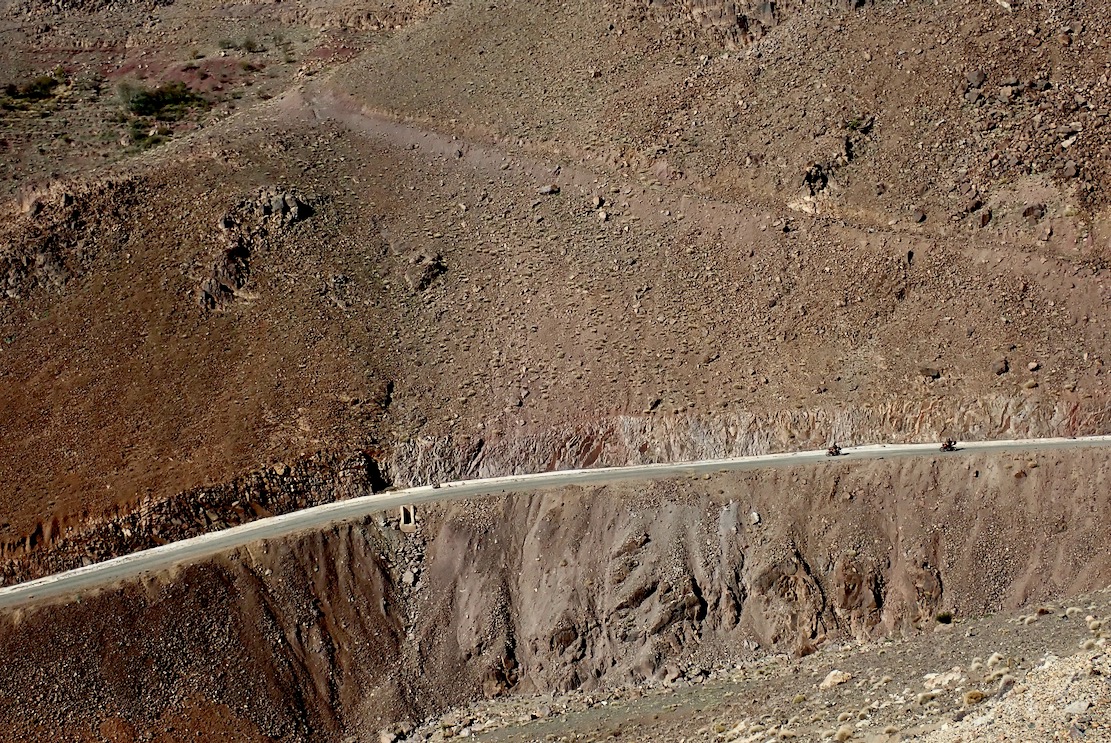
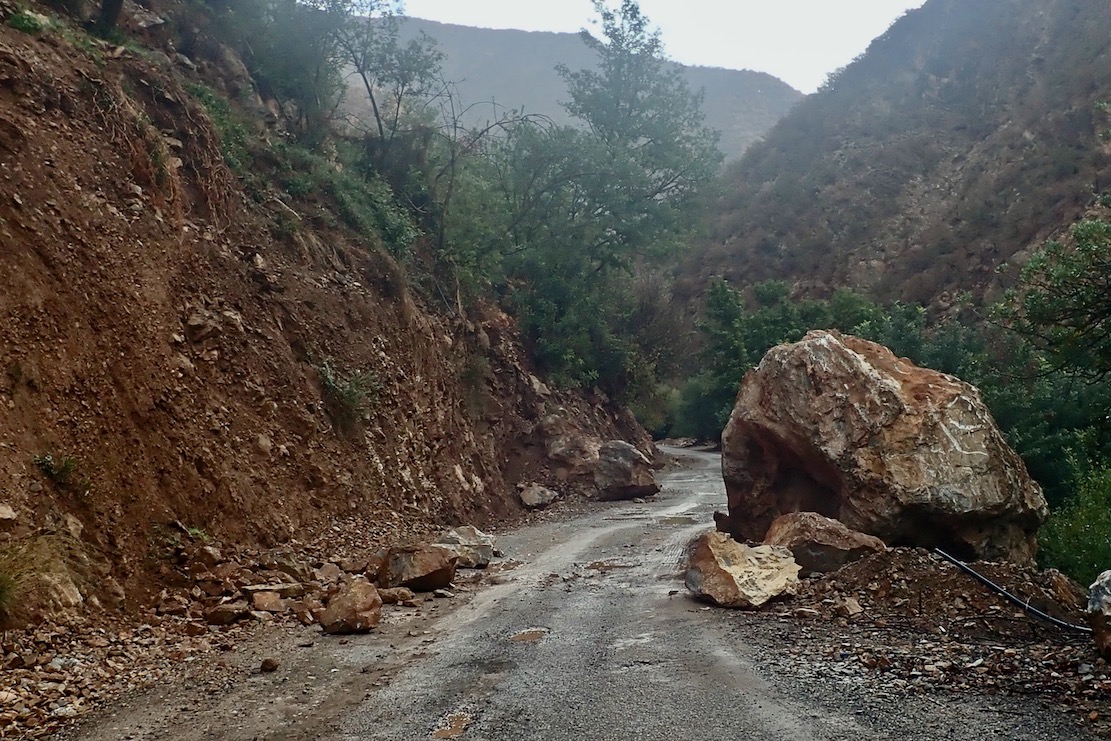
group 2 and for the first time in a dozen Novembers, we leave Marrakech in the rain. The roadworks up to Ijoukak are messy and rocks are rolling down the hillsides and blocking the road for cars
Evidence of fresh rockfalls (alongside earthquake debris from last year)
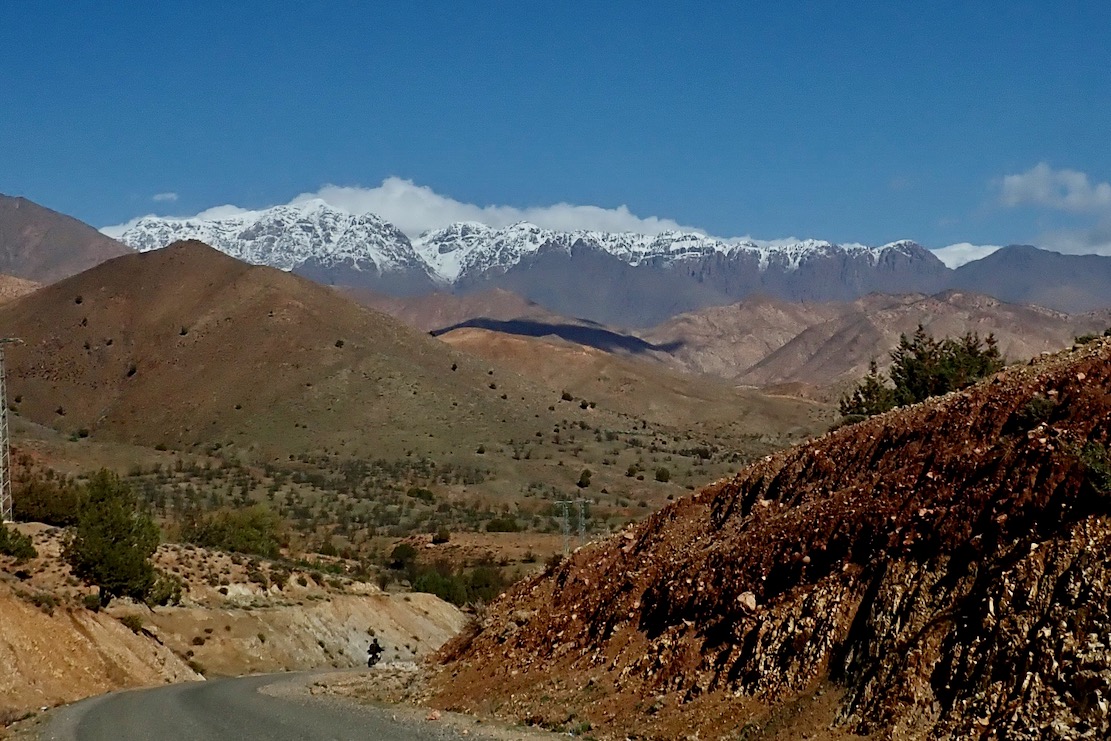
The rain fell as snow on the High Atlas summits
And the streams are running.
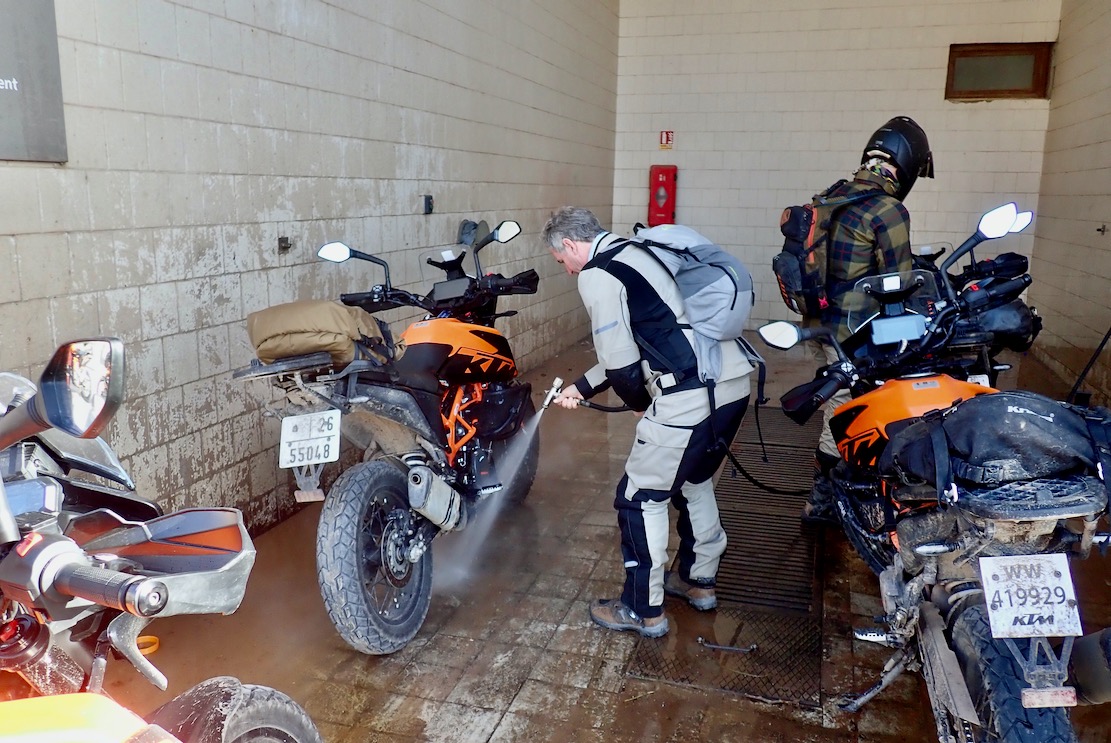
We hose the mud-splattered bikes off in Taliouine
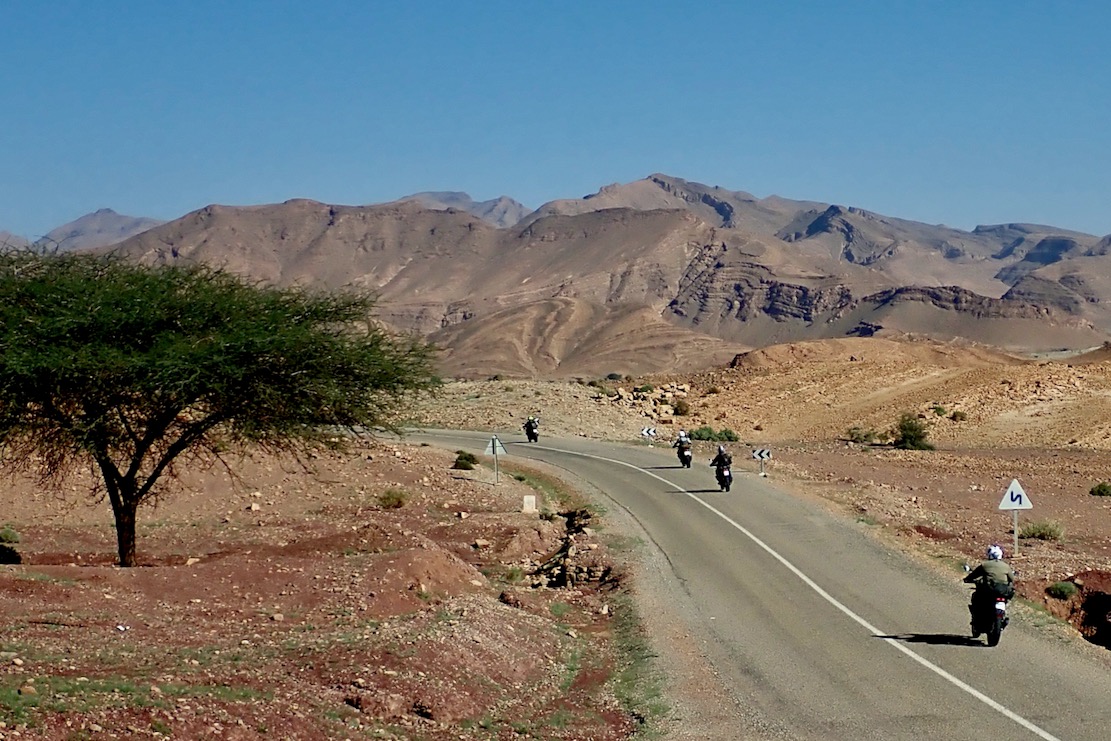
And head into the Anti Atlas
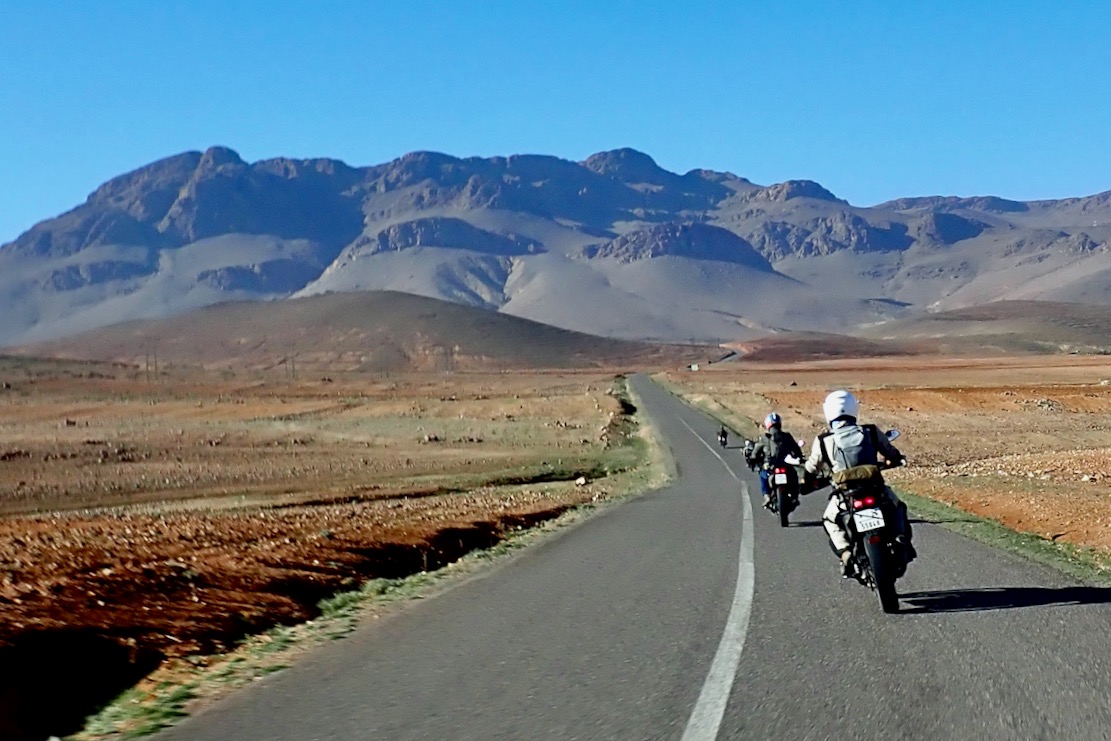
And down into the desert – greener than normal after the September rains
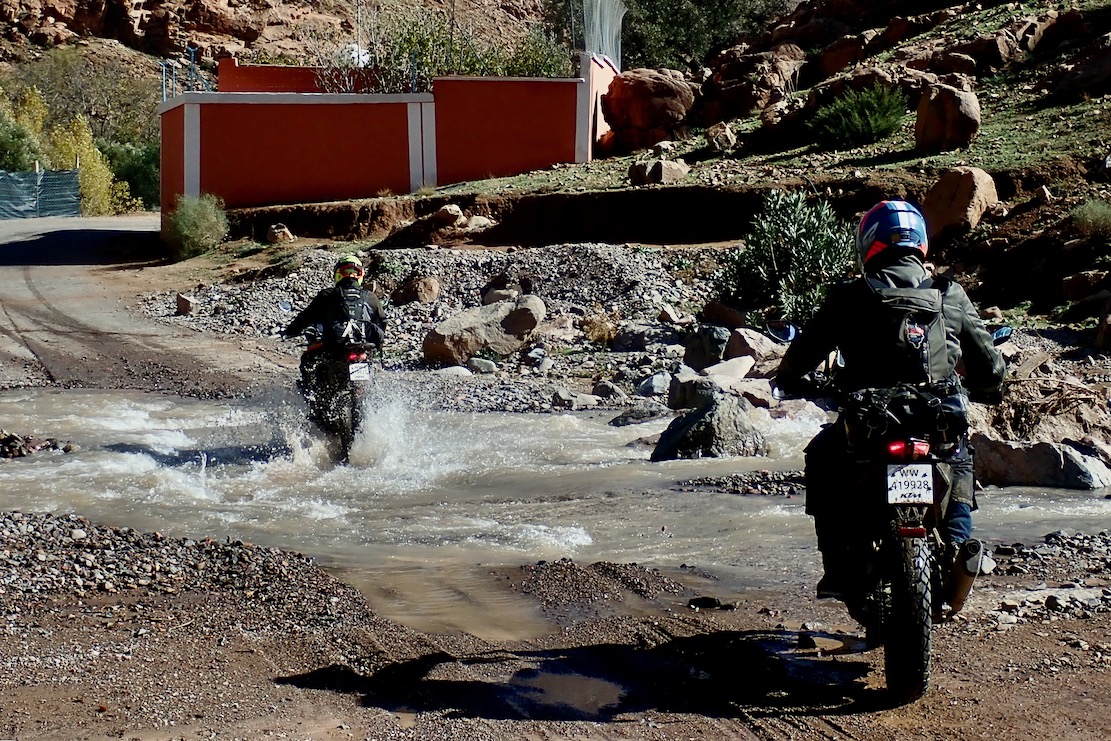
Up into the Aguinane valley. Note the plunge pool below the ford gouged out by the rains
RJ and Luke at the top of the dry waterfall
Leaving Assaragh for the last time. Finally found a better place down in Aguinane
The big descent
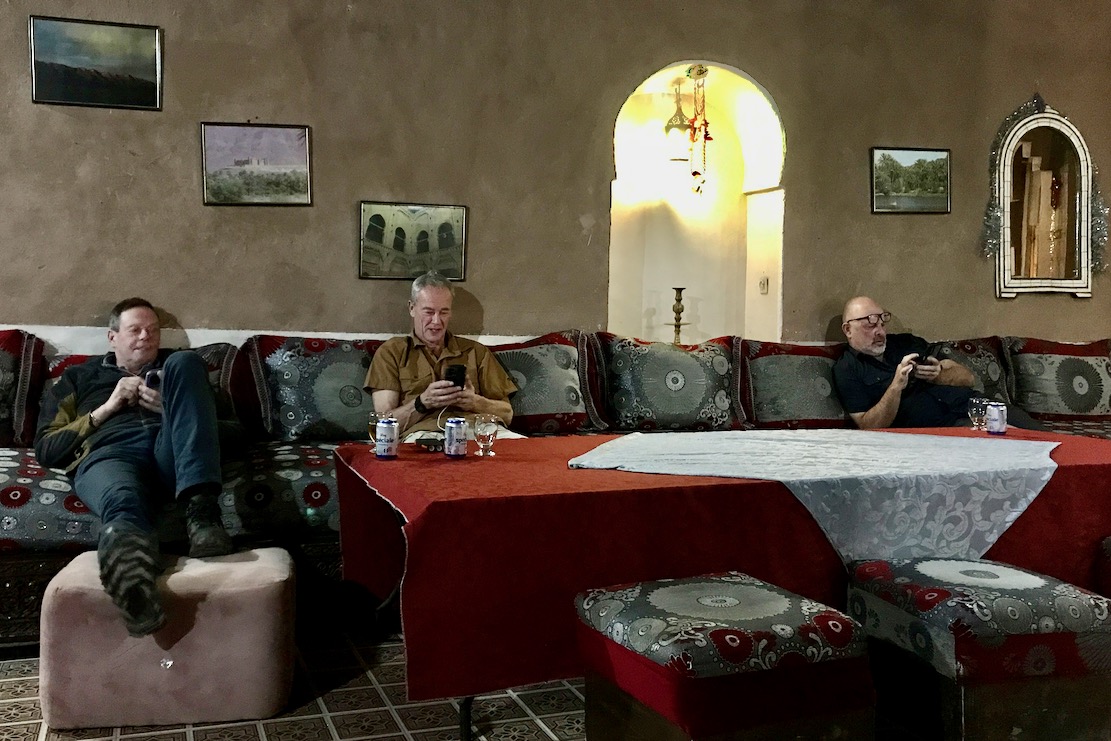
Checking the socials
A day ride up A11
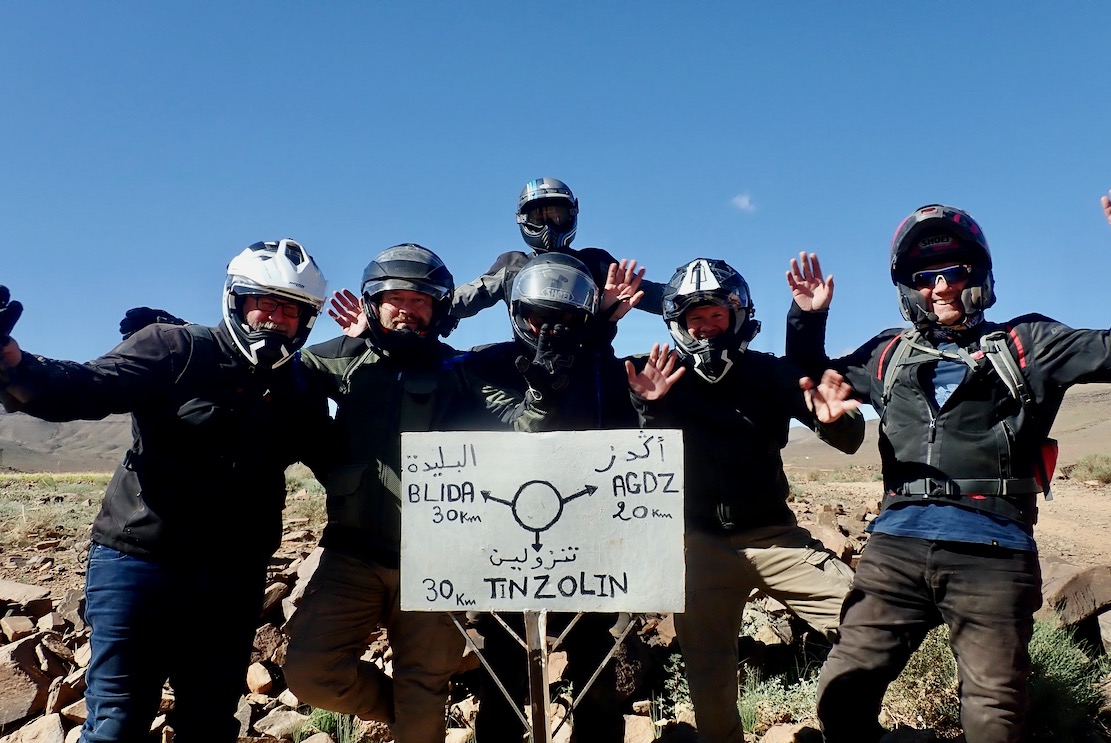
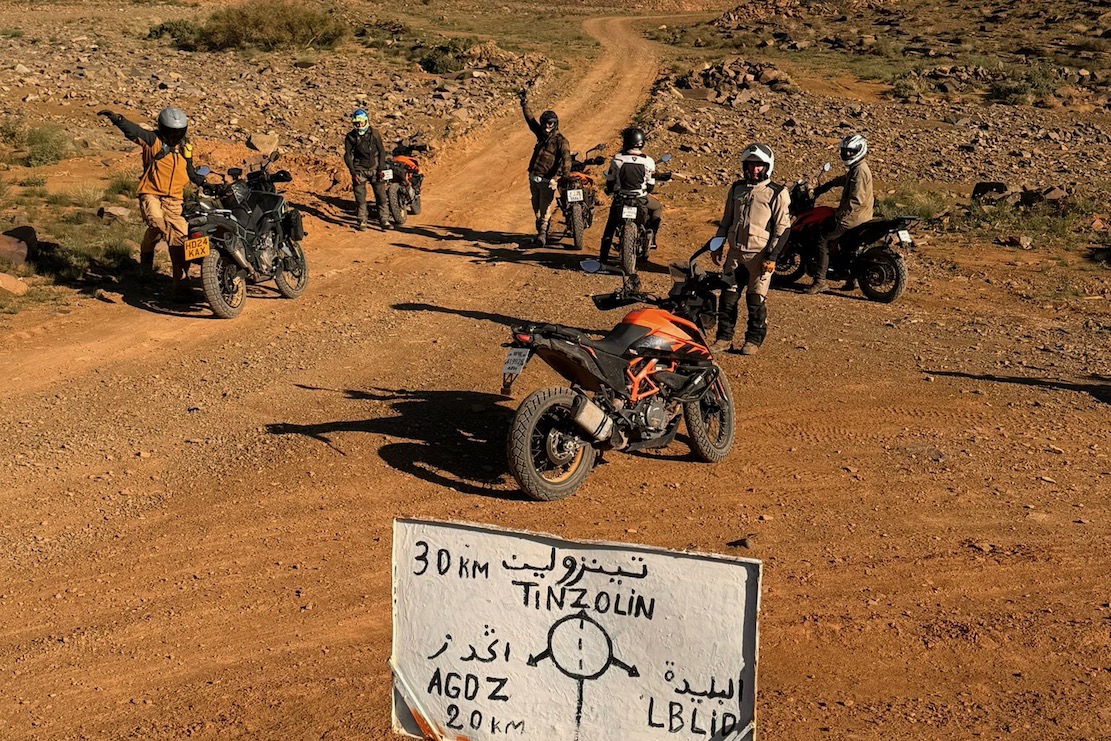
We decide to try out the Tinzolin OUT. Now it’s a VOR (Verified Other Route – all explained in the book)
It’s both rough and sandy in places and above takes a big diversion round a washed-out oued bank.
I’m getting beaten up again and need to have a fiddle with my MT’s suspension
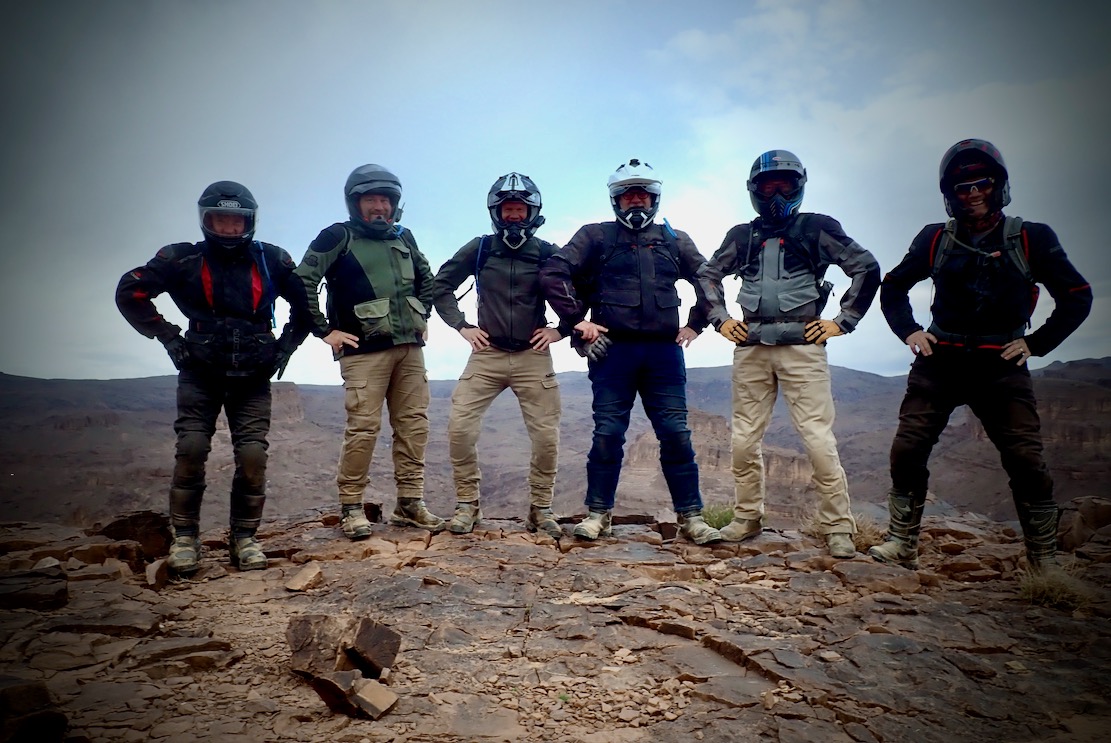
The gang on the plateau above Tinzolin
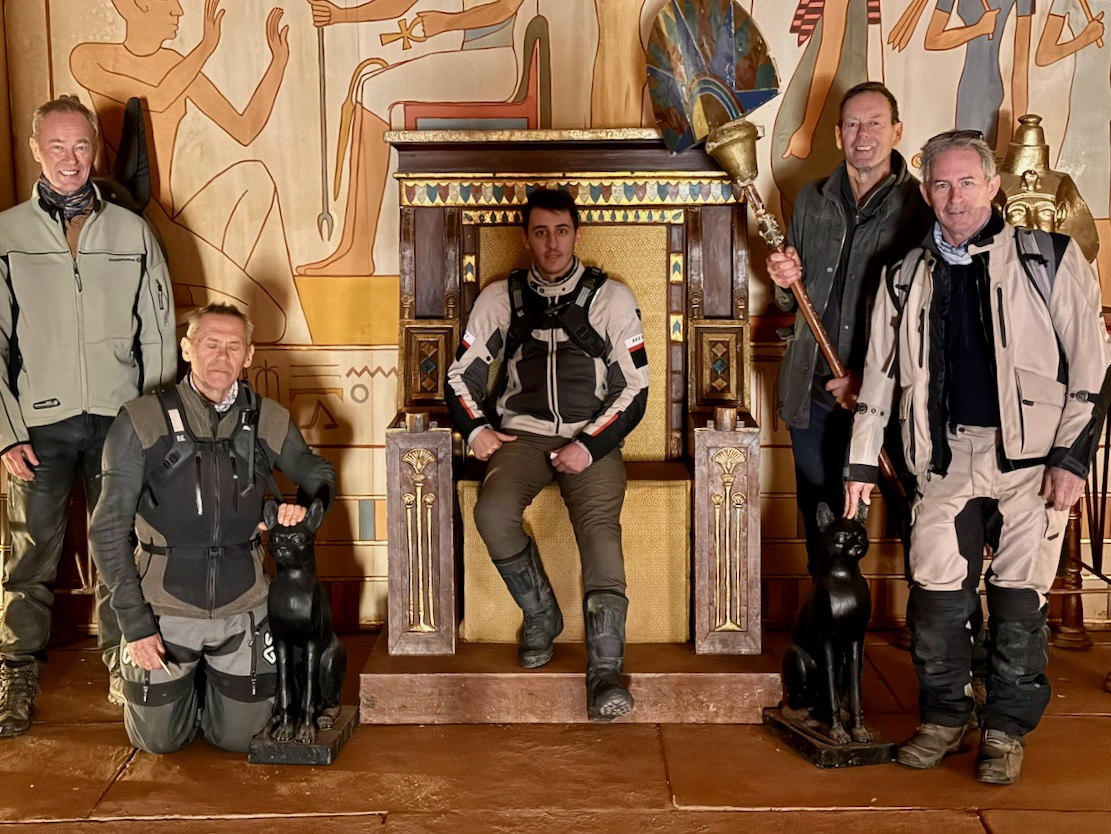
The group demands a visit the film studios at Ouarzazate. I watch the bikes in the car park.
Back in muggy RAK. All’s well that ends well.

Quick spin: 2024 KTM 390 Adventure SW

See also
KTM 890 Adventure R review

In a line:
Small orange road bike confusingly called ‘Adventure’

Quick stats:
• Power: 44hp
• Wet weight 169kg (our bikes: ~173kg)
• Seat: 855mm / 33.5″ (claimed)
• Tank: 14L (claimed)
• Verified consumption / range: 25–29kpl / 360-420km; (71-83mpg / 225-260 miles)


What they say
Gone are the days when going from A to B [missing word]. The 2024 KTM 390 ADVENTURE rewrites the rulebook on what the daily commute needs to be. Merging all-road versatility and proven reliability with real-world performance, not to mention adventure-ready spoked wheels, a proven 373 cc powerplant, and a class-leading chassis, the KTM 390 ADVENTURE not only seeks out new adventures – it leaves no path unexplored.
This motorcycle is designed and developed in Austria, and assembled in India.


What I think:

2025 390 X, much more like it
tik

• Light
• Nice gear change (Quickshifter+)
• Great range from 25kpl up
• Adjustable WP APEX suspension
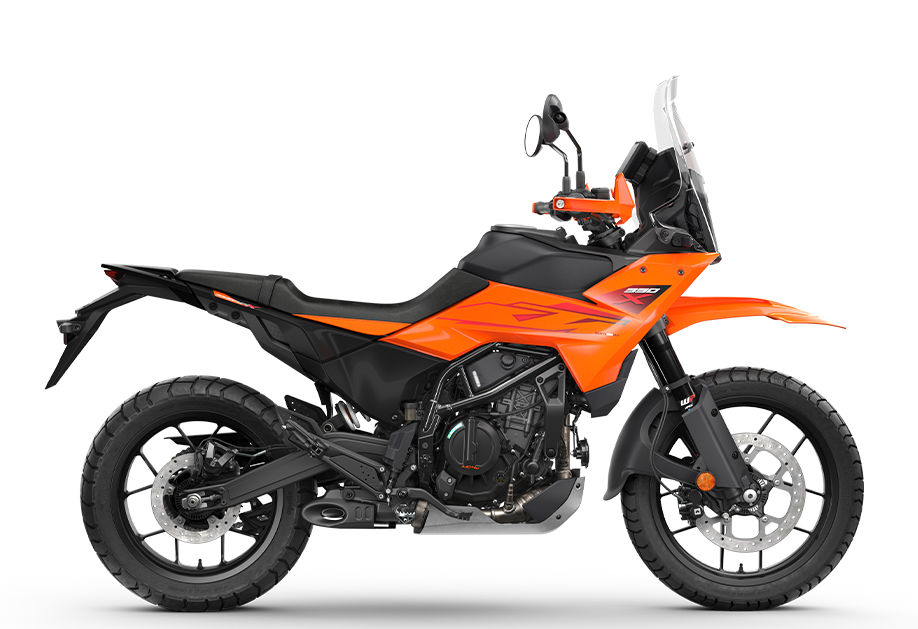
• A 390 Adventure X (right) came out in 2025

cros

• Grabby front brake
• Tubed tyres
• Very pessimistic fuel warning (loads left)
• Small display figures illegible on the move
• Engine rougher than a 310GS
• Seat is hard – and wide at the front
• Bars way too low for sustained standing
• No USB port, but there is a 1980s-style 12-v cig plug
• Negligible wind protection for an ‘Adventure’ styled bike
• Not a look I warm too


Review
I’ve led a few tour groups riding KTM 390 Advs late 2024/early 2025 and tried one for a couple of hours on the open road. I didn’t expect to get on with it. On paper it never added up to any kind of bike that suits my riding, and coming off my CFMoto 450MT twin just enhanced that impression. My twin’s creamy, low-down torque which makes it so easy to ride is entirely absent from the KTM, as you’d expect. A 400 single can be torquey, but only a 410 Himalayan takes that route, losing out on higher speeds.
First impressions: the seat is hard and wide at the front, splaying the legs uncomfortably when still (and I’m 183cm). It is wide and spacious at the back where it needs to be, but after a short while the butt gets sore. Standing up an hour in for some posterior relief, I found the bars way too low: just wide bars clamped to a stock Duke chassis/headstock. A 50mm rise (more than the stock cables have to give) is a minimum needed. All the riders large and small complained about this.

It’s really a quick-shifting road bike and feels like a supermoto or a scrambler, but without a latter’s cool retro looks. While the 170-mm of WP APEX suspension travel is firm, adjustable and well damped (one good thing about all KTMs off the shelf), the stance is all wrong for off-roading, despite the wide bars. The same can be said for the six-year-old BMW 310GSs which these bikes replaced at the Marrakech rental agency, and we got used to those too. The returning group I was guiding rode 310s last time, and one rider was given a 60,000-km example when his unridden, zero-mileage 390 developed a front brake problem leaving the garage.

Part of the reason is the 390’s grabby front brake would need careful operation on the dirt, or just mean you have to take it easy. I didn’t feel inspired to try a 390 on the trails; it would be too tiresome managing the stock Conti TKC70 tyres, touchy brake and stance. Actually I did for a few hundred metres and thought something was bent. We did navigate some sandy and rough tracks in the Anti Atlas and everyone got through with a few fall overs. There, and on easier trails I did notice myself pulling ahead on my 450MT. I suspect the group couldn’t relax and flow on the stock tyred 390s like I could on my grunty CFMoto, even with a 25-kilo penalty. Most in the group who’d been before recall preferring the 310GS.

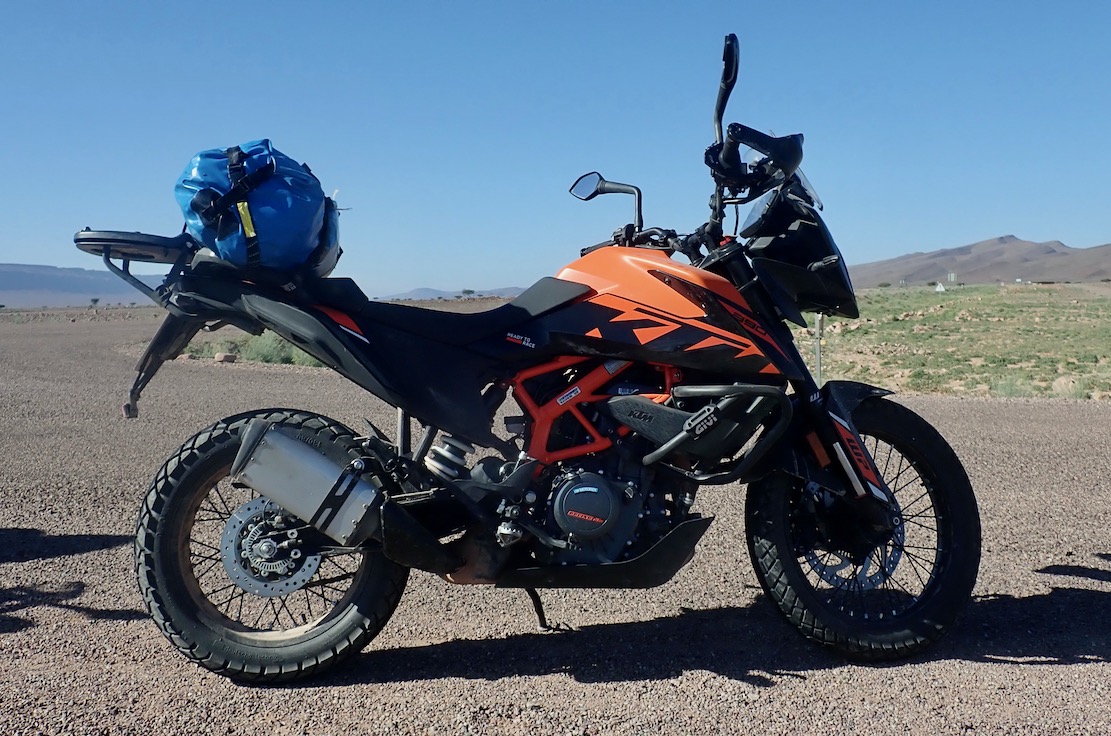
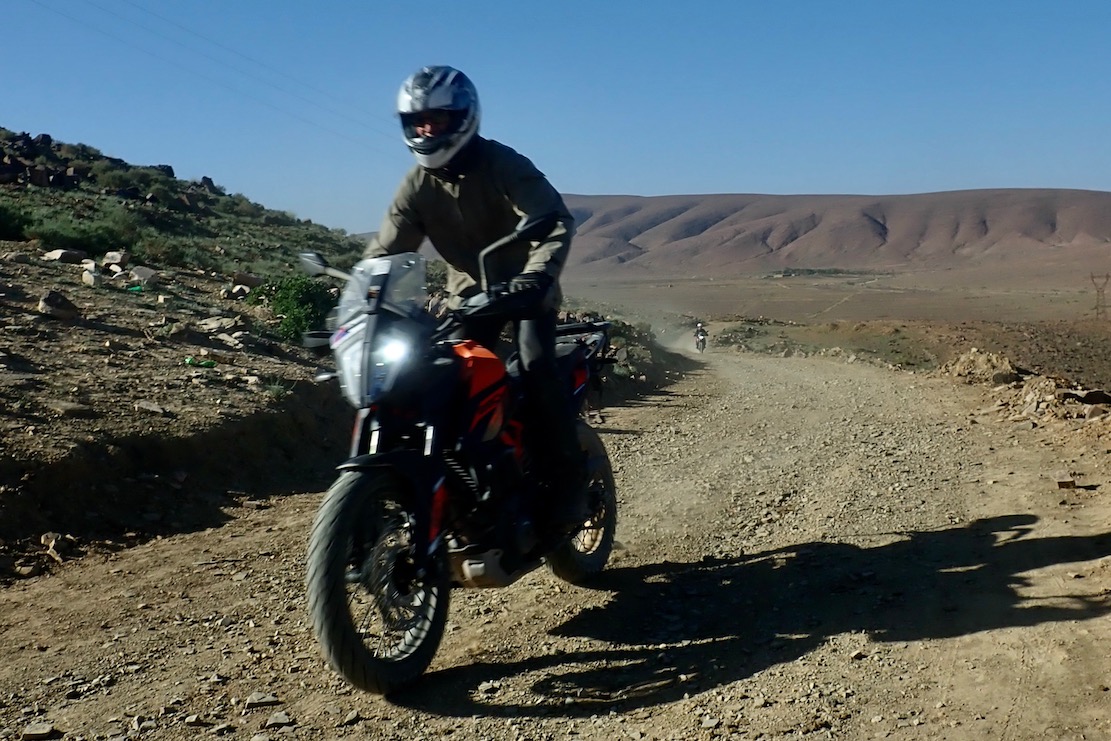
For me my 450MT trounces a 390 road or dirt, despite the 25-kg penalty and poorer economy. Pic: Keith Betton

There’s leaning ABS and traction control, though I didn’t sense activating either; maybe they worked seamlessly as I suspect they on on my MT. I always leave ABS on and the TC helps keep the rear tyre in line leaving loose bends with barely any annoying intervention. A 390 hasn’t go the controllable, low-down grunt to do that, and anyway ‘Off Road’ mode disables the TC a bit. But some riders found using Off Road stopped the ABS stalling the engine – if that’s possible. Road or trail, good luck trying to see how well the cornering ABS works.
It’s hard to see any benefit of this ‘Adventure’ 390 SW over a road bike. I don’t even know what ‘Adventure’ signifies any more, but for travelling I’d happily take the extra 2 kilos of the cheaper, tubeless, cast wheel version, even if the good suspension might inspire some to hammer the wheels harder. That apart, both these 2024 models seem identical, but Triumph’s Scrambler X looks like much more fun to own, once you raise suspension to KTM levels.

With some amazement, we all decided KTM’s Quickshifter+ was fitted and working, though annoyingly I kept using the clutch out of habit. I know that on bigger KTMs quickshifting (and other added features) cut off 1000km from new after which you to have to pay to unlock it. Presumably Quickshifter+ is supplied free and permanently on these Moroccan-sourced 390s as it’s hard to see the rental place paying extra for it. Anyway, clutchless changing helps keep the engine in the sweet spot and when standing off-road, makes up for the awkward stance. I wish my CFMoto changed gears like that.

My eyes aren’t great but the tiny text on white screen is impossible to read on the move. It’s not great on my 450MT either, but white text on a black b/g works better. You wonder why they bother with the waist high screen which merely funnels the wind blast into your face at adjustable angles.

You can stand until the back hurts
Adventure R. More like it!

You can get used to anything, including the Chinese 125 mules every local tools about on in southern Morocco. But if you like exploring gravel tracks there are better small travel bikes out there – and more on the way, including KTM’s 2025 390 Adventure R (left) you’ll have read about and priced at just £5700.
About time they did that; hopefully Triumph will follow now they’re back into MX. That’s what any bike calling itself an ‘Adventure’ should have been all along, instead of just lamely pandering to the buzzword de jour. I recall I didn’t take to the 890R first time but then I did. If I ended up riding a 390SW again, I might come round to it, but I doubt it. These 390 SWs are just not suited to the sorts of tours I like to run in Morocco.
CFMoto 450MT: set up for Morocco

CFMoto 450MT index page

Not since my ’84 Yamaha XT600Z Tenere (left) have I had a bike that needs so little doing to make it ready to travel all roads. Last year’s 300L swallowed a couple a grand. But just like last year, it’s been been waiting and waiting then doing all the prep days before departure.
Stock or aftermarket, there’s nothing much in the UK last time I looked. You have to order direct from China where it all comes from anyway and where it’s cheaper.
I’ve never used Ali Express, the Chinese eBay, fearing getting lumbered with shoddy items 4 months late. Some bits arrived within a week, two inexpensive items didn’t and one item was misaligned, which is what you’d expect. Uncle Wang’s is a one-stop shop with a good range of MT bits. But both times they took two weeks to even despatch the order – it’s not they have to source it from China, is it! First order arrived a week later but with wrong of missing parts. On and on it went but in the end they did right my me and replaced faulty or missing parts.

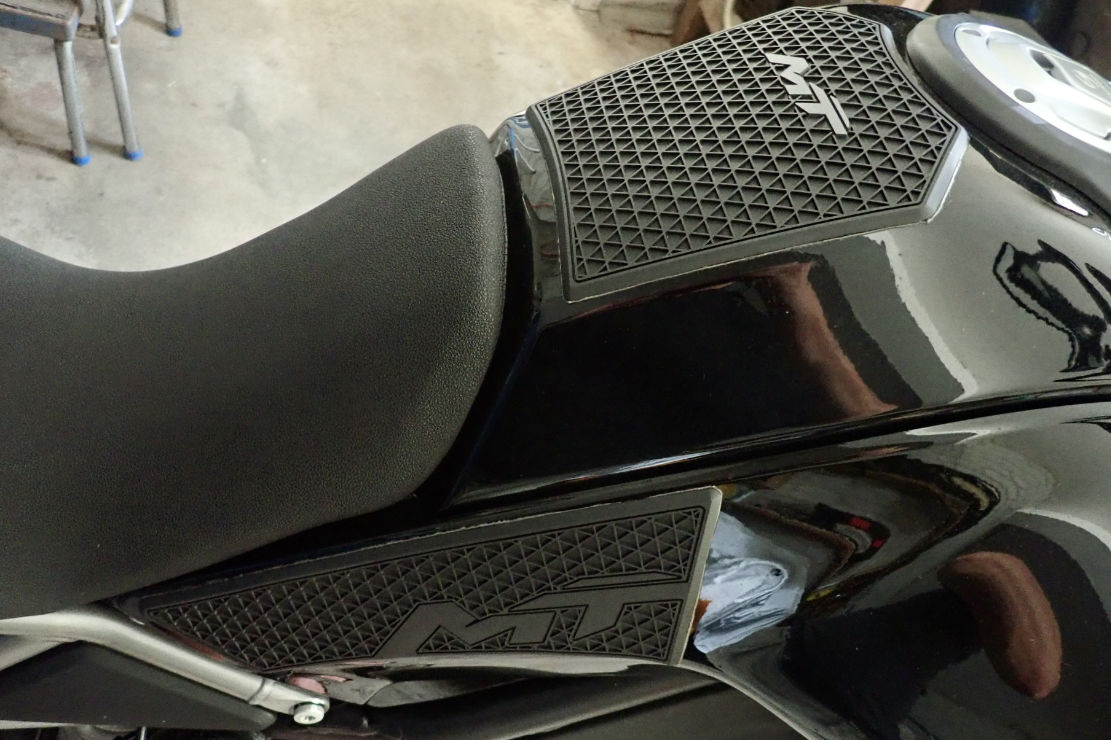
For 20 quid I splashed out on a set of sticky rubber tank mats. No need to gaffer to protect the tank from tank bag straps.

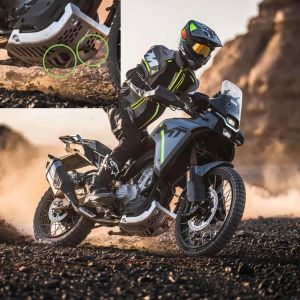
Like the hand guards, the stock, 2-mil alloy bash plate isn’t up to much. Look closely left at official CFM promo imagery. The MAD TV video review mangled their plate after just one day and merely trying to get mine onto a bike stand dented it.
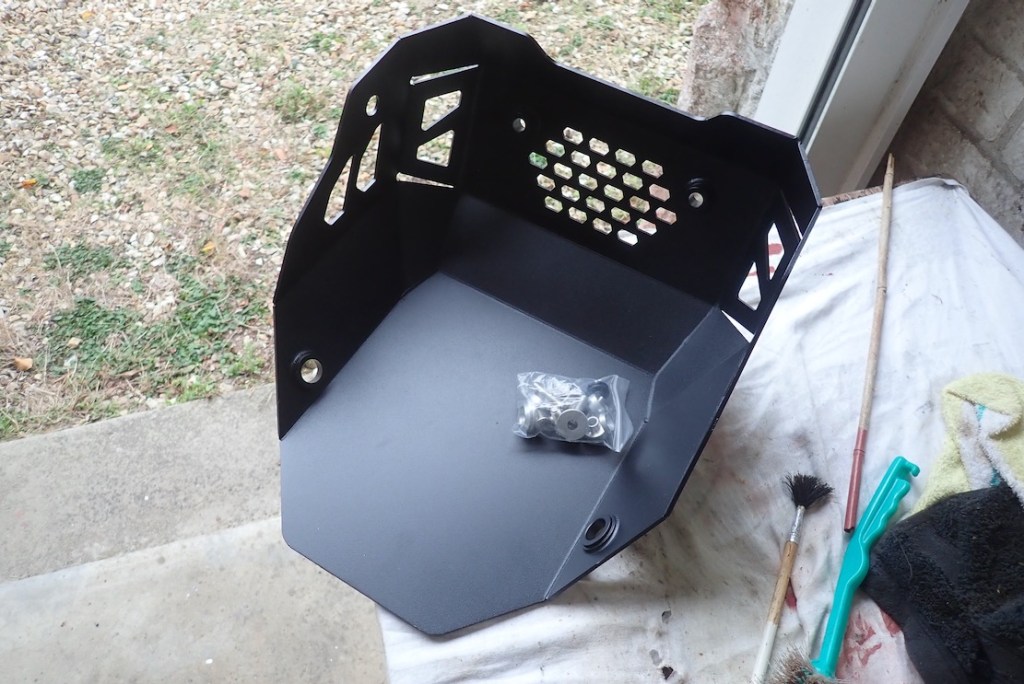
A bodge which I see others have done was simply riveting on a 3mm plate of ally on the flat base. Instead, I ordered one for about 110 quid but should’ve looked more carefully. It’s actually only 3mm thick, though with fewer vents so should be stronger, adding a kilo over than stock (1700g). It may need a flat base plate after all.

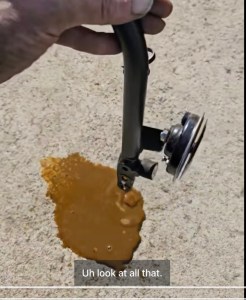
Fitting the sump guard wasn’t as seamless as the hand guards, possibly because I’d just removed the RHS engine subframe rail to check for water retention as reported by some owners (right – LHS).
No rusty water poured out of my rail and though I’ve not ridden in heavy rain, it’s hard to think a tiny hole where a cable tie plugs in was the point of ingress. Either way, I gave the tubes a shot of ACF-50, taped up the holes, and used regular cable ties instead.

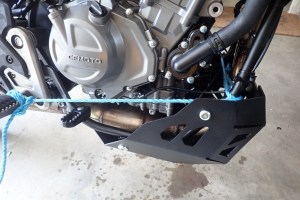
Fitting the new bashplate at 6 points, the two subframe rails were now too far apart for the bolts to line up. I pulled them together by twisting some blue rope but still ended up with 2 spacers left over.

At the same time I got some one-inch risers for the fat bars. I probably could’ve managed by turning the bars forward to get a similar lift, then realigning the levers. And I may do that too as the risers are not quite enough to eliminate stoop (me: 6′ 1′). About 15 quid.

I’m hoping the stock wide pegs will enable foot ache-free standing in my TCX boots. I’ve been wanting to try are some Pivot Peg copies which Wang sent, but decided against fitting them. I realised the stock pegs are as wide and come with rubber.

Load Carrying
The MT is heavier than what I’ve been used to lately, so I’ve been keen to get the baggage down on the sides as low and as forward as possible. This doesn’t actually make the bike lighter but it’s less weight high up which helps dodge embarrassing low-speed fall-overs.
The bike has an integrated grab rail/rear rack that can be removed in one piece to probably save >2kg. But I actually like easy to grab hand rails and want to avoid extra scaffolding while positioning some baggage on the sides.

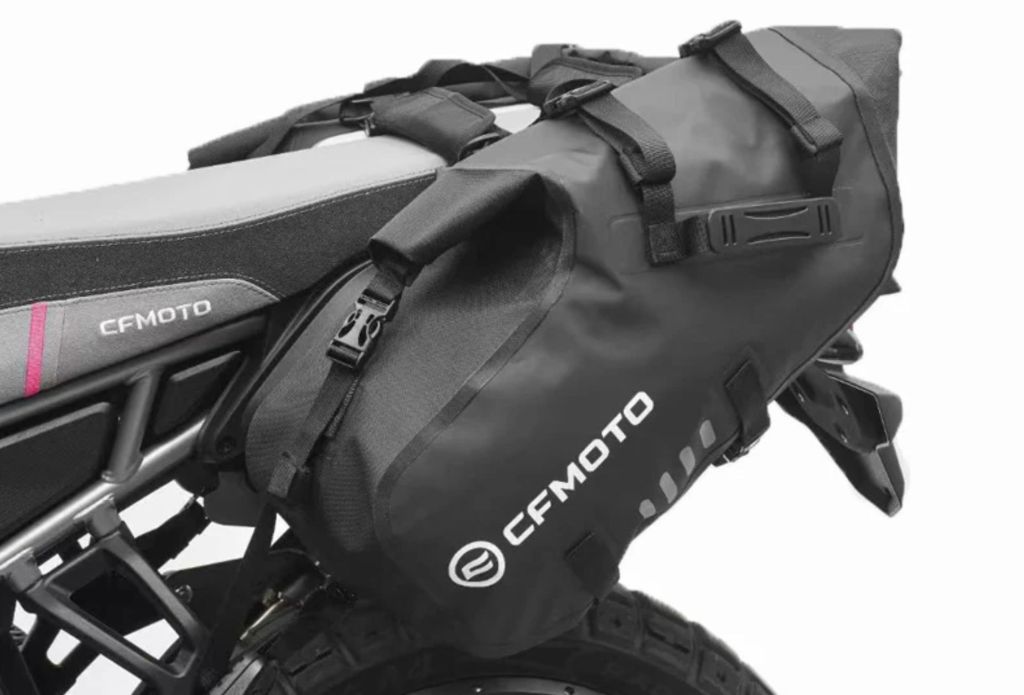
This branded Rhinowalk bag looked good. I should have bought it, a?
But I bet it’s a pipe melter without added cladding.

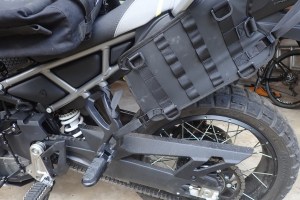
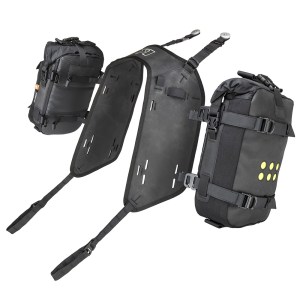
For 40 quid I bought a RhinoWalk pannier harness (left), as I’ve long wanted to try this ‘soft rack’ idea which I think Kriega invented. But with no side panels like the CRF, the MT isn’t suited to them without adding a rear support stick from peg to rear rack to stop it swinging into the chain guard.

Kriega sent me their similar new Universal Base set up. It’s like the Rhino harness and similar to what’s left but I think with more horizontal sides plus 3 bags including a nifty zippered tail pack ‘softop box’. But I couldn’t find a way to make the prototype fit well without ditching my grab handles (and so, the rear rack) so back it went.

In the end I was able to tuck an old Kriega OS18 nicely on the LHS, resting on and lashed to the pillion peg (the old OSs have a strap here). I zip-tied the upper bag to rear subframe/grab rail; there are loads of tabs on an OS. This is such a clever revision of the rackless idea I’ve given it it’s own post!
The rest goes either side of the tank on some old Lomos to further help protect the bulky tank side plastic from falls. With a daypack on my back for can’t-lose valuables, my ancient Touratech a tail pack which has seen more of North Africa than I have, and old Ortlieb Travel Zip tail pack, I have space to spare or stash my Aero AD-1 overtrousers and cag with weight as low and forward as possible.

Wangbars – minimal, effective, misaligned

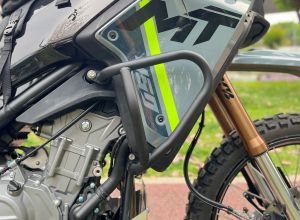
I’m a fan now of radiator/tank guards which double up as small bag holders. The bag softens any impact, is handy to spread the load and I had some old Lomos anyway.

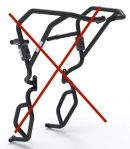
The Wang rack left weighs a hefty 1.1kg per side as it only has two mounts, but is chunky enough to take the blows without weighing like last year’s Outback Motorek bars or looking like the thing on the right.
The LHS guard fitted spot on. Nice when that happens. RHS was 5mm out and worse still, to open up the misaligned mount I cut a slot in the wrong place. Pillock! So it now sits on 1.5 bolts but will handle light fall overs which is mostly what I do, if ever. About 110 quid. Don’t buy them.

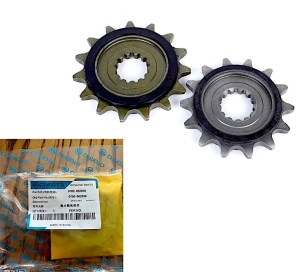
I ordered a 15T front sprocket for the long ride down across Spain and northern Morocco. They say the easily bought JT copy is a loose fit. Don’t want that so I ordered an OEM from Wang for about 12 quid.
But with the ferryman calling, I was annoyed to find the big 32mm output shaft nut was barely 5mm deep and done up to buggery. Reminds me of the similar X-Country rear axle nut; a dumb place to ‘save weight’. You have to put a broom through the back wheel to stop it turning as you try to undo the sprocket, but I still didn’t have the strength to undo it without risking rounding the nut. It might need an airgun or a socket with grooves right to the edge.
As it is I’d need to swap back to 14T for Moroccan trails, so it’s one less job to do when I get there. I’ll fit it when I change the chain but after a few 100km on the Spanish high plains, I don’t find the MT undergeared as some say. For all-road go 15T; for road and trail which the MT was made for, leave it as it is.

I contacted the dealer to see if there was a remap for the on-off throttle response at very small openings – a common efi flaw. But no reply from them – same as with the missing shock C-spanner which I ended up getting from China for 3 quid. The Aussie vid below suggests it’s possible to do a DIY the remap using the CFM Ride mobile app with great results. I’ve only just watched it. Assuming my UK bike is included in the update (read this – it seems not a couple of months ago), it’s good to know it can be done. Got the app and may get round to trying it.

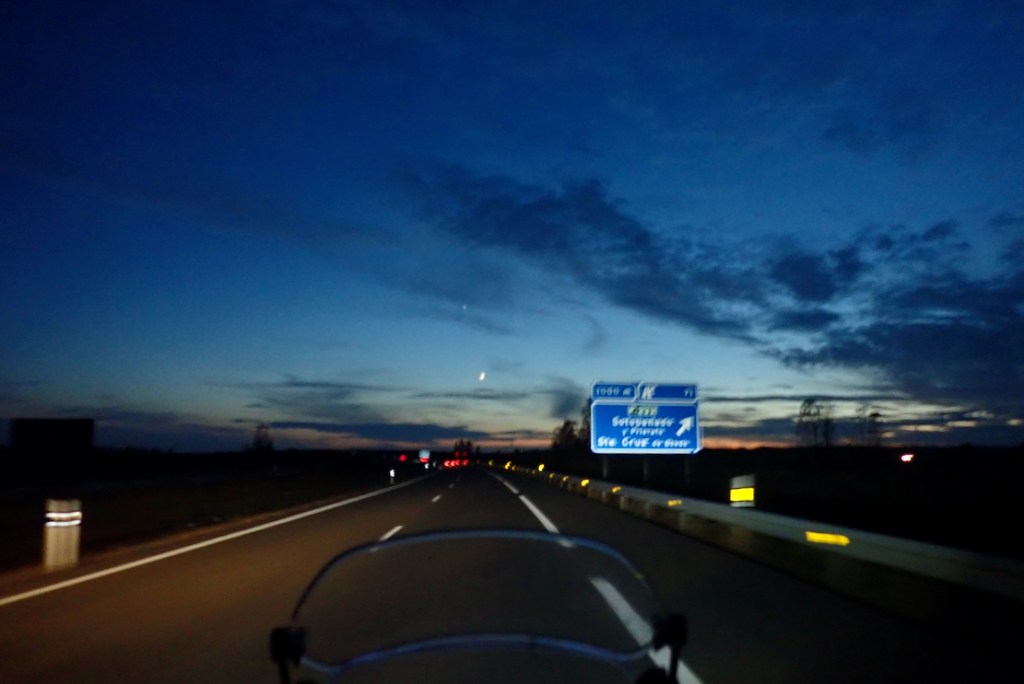
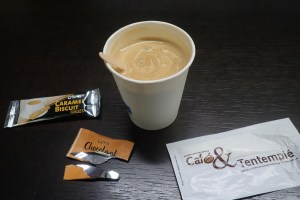
That’s it for now. Halfway across Spain and the CF bike is humming along under 110. A decent garage coffee costs £1.40 with a chocolate, a biscuit, a spoon and a wet wipe. Lodging €50 a shot. Supermarkets are like a munchy hallucination. What a great country! Still getting fit for long rides and got a big 600km day day tomorrow. May need my padded shorts.

Ride-in motel. Me gusta!

Himalayan 450 in the Himalaya

by Dave K

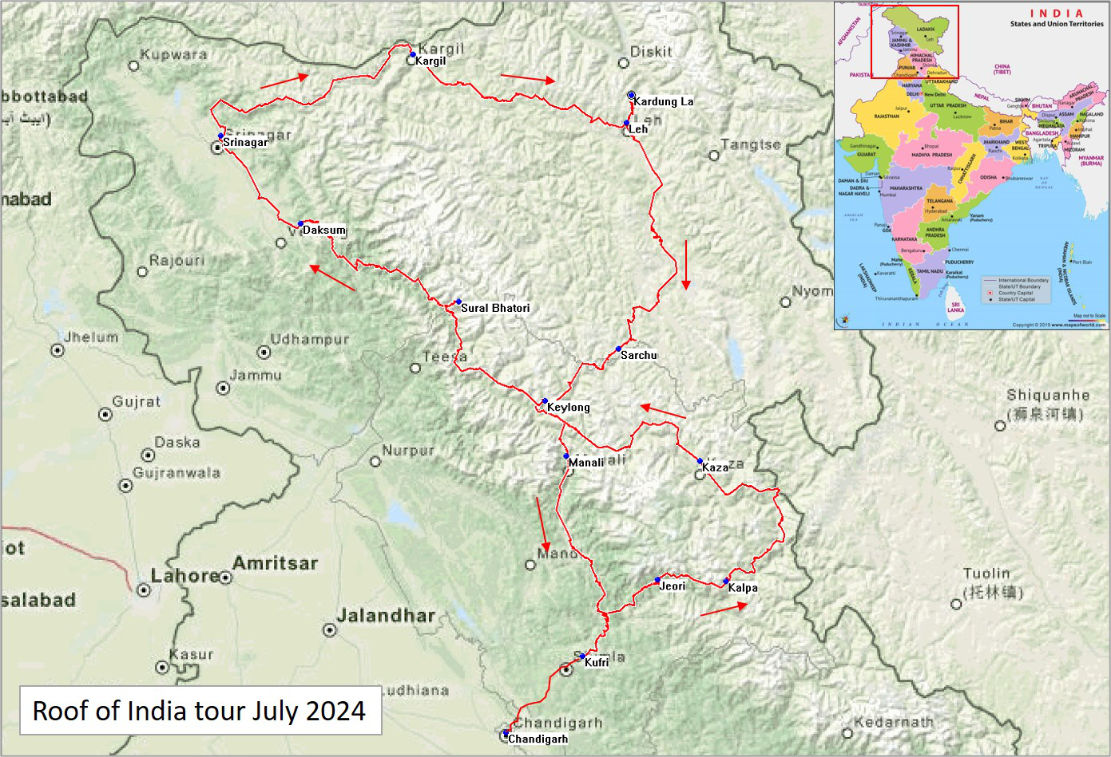
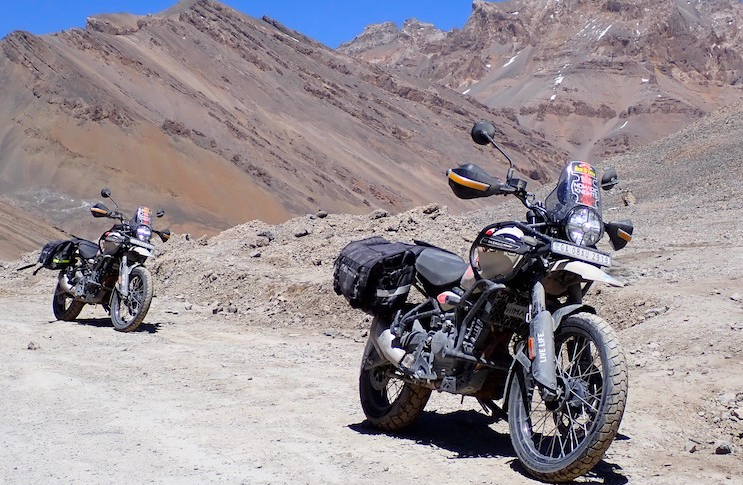
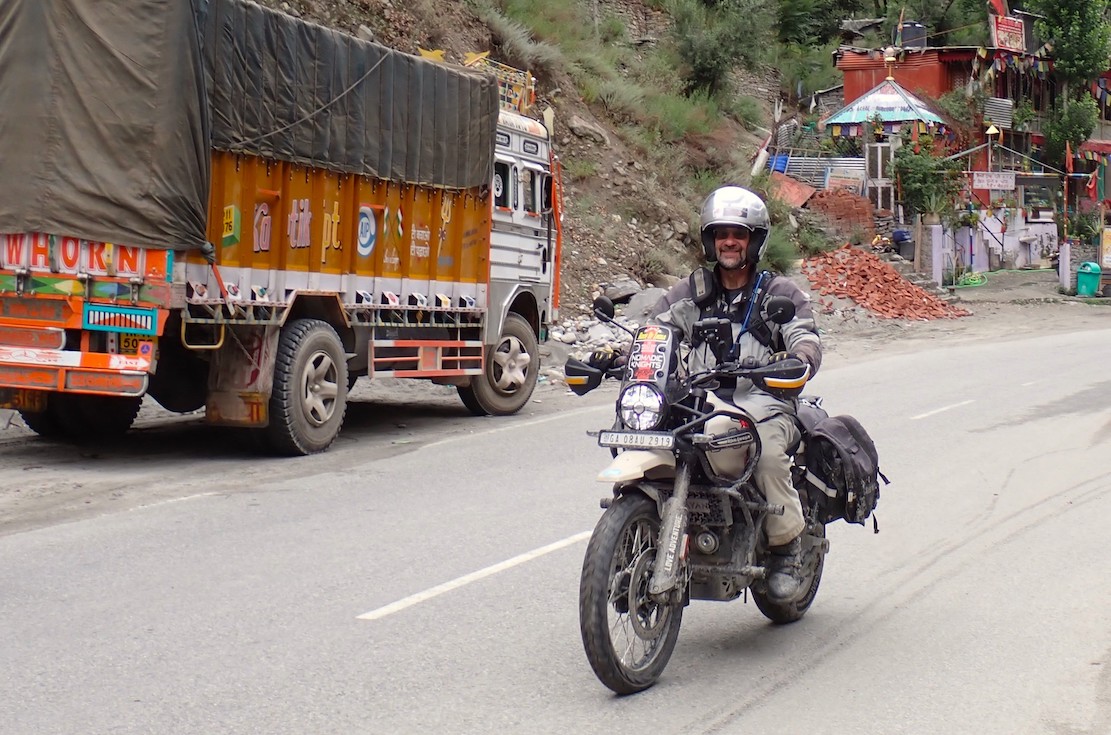
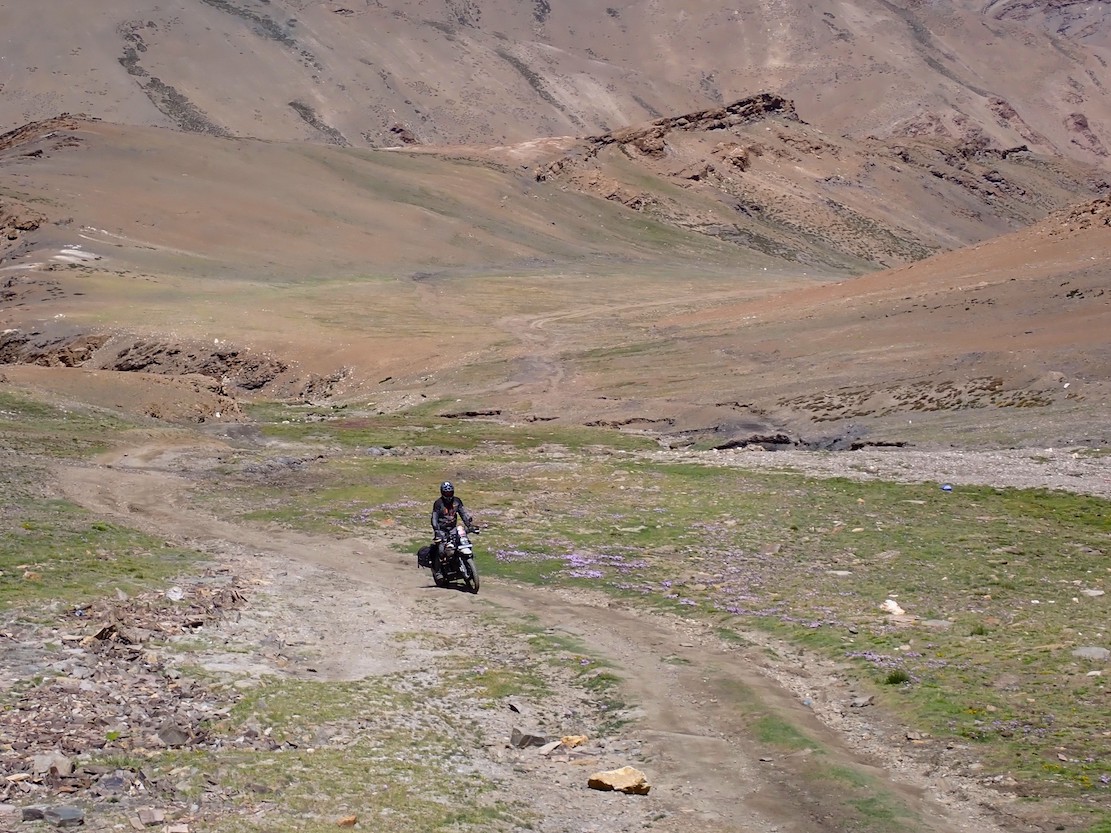
Danielle (Dan) and I recently returned from a two-week bike tour round the Indian Himalayas, riding the new Himalayan 450 adventure bikes. The Roof of India tour, organised by Nomadic Knights, was billed as ‘extreme adventure’, rather than a holiday. It certainly lived up to its billing, with a faster pace, greater distances, and longer days than previous trips we have undertaken in the Himalayas, including the month-long trip we undertook in 2017 on the original Himalayan 411s (left).

The new 450s were perfectly suited to the trip. They had better engines and suspension than the Himalayan 411s, although were noticeably heavier and (arguably) less attractive to look at. According to the Royal Enfield website, the 450 has a kerb weight of 196kg, which is actually lighter than the 411 kerb weight of 199kg.
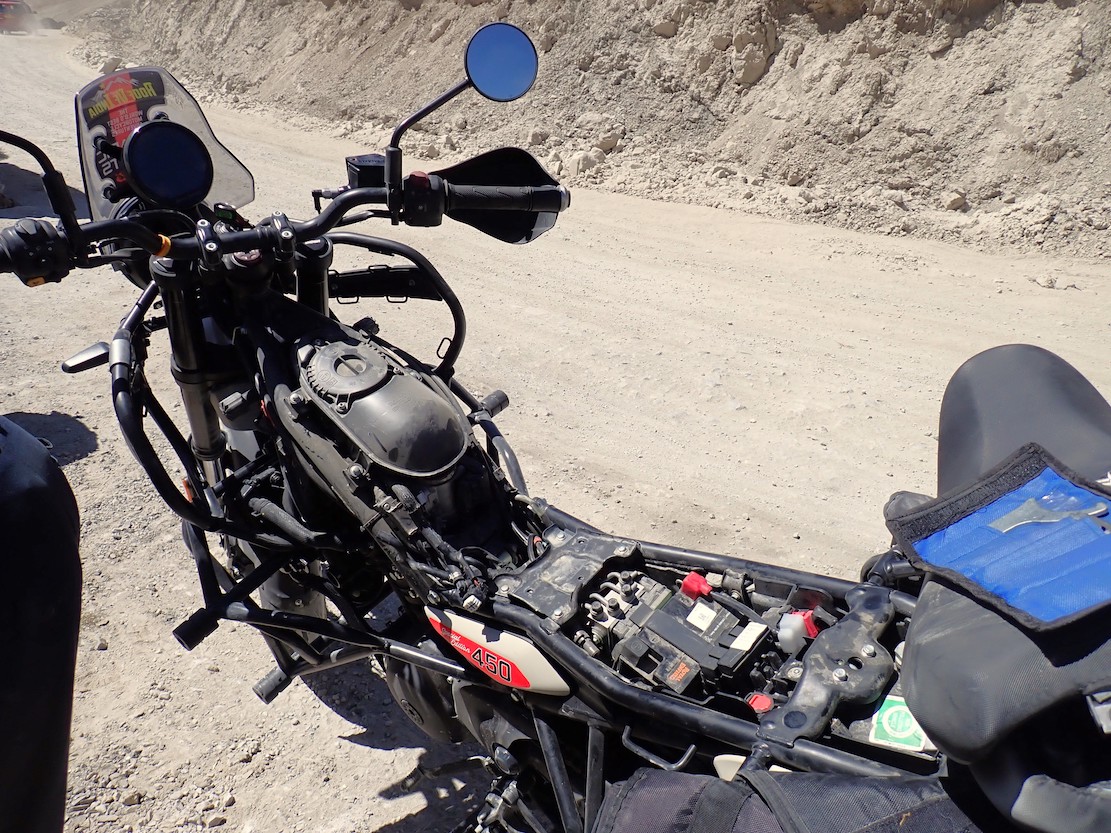
However, the 450s we rode on this tour had substantial additional crash bars (with steel bobbins), a rear racking system, stronger hand guards and a larger bash plate. I suppose if you are encouraging punters to have an extreme adventure, you can expect them to crash from time to time. The weight is felt most when using the side stand or centre stand. The bike leans over a long way on the sidestand but this does result in it being quite stable when parked on uneven ground.

Once the handlebar levers had been rotated down a bit and the seat raised to the higher position, the ergonomics were very good, both standing and sitting. Because of my height (a bit over six foot) I fit bar raisers to most of my bikes but didn’t feel this to be necessary with the 450. The seat was very comfortable, although this would have been helped somewhat by the padded cycling shorts I always wear under my enduro jeans.
The engine feels quite torquey and pulls strongly between 4000 and 6000rpm. My first impression was that first gear was rather too tall but this is countered by the engine’s reluctance to stall at low revs and so I soon got used to it. Tight manoeuvres require a bit of clutch work but that is also true of the Husqvarna 701 I ride at home.

Him 450 vs MT450 vs KTM390 vs 300 Rally

The bikes we were using were new and the fastest I saw on the speedo was 122km/h. I didn’t want to push it further than this because the engine still felt a little tight and it was just not appropriate for most Indian roads. A top speed of ‘over 150km/h’ (94mph) has been quoted by Bike India magazine and I have no reason to doubt this. Other reports have suggested that the 450 is more than comfortable on UK dual carriageways, which, from personal experience, was not really the case with the 411.

The brakes were fitted with braided lines and were very good. Like many modern adventure bikes, the rear ABS can be switched off for off-road use. This is done using the Mode switch on the right switch cluster. However, if the ignition is switched off then on again, the system reverts to full ABS. This feature resulted in my only concerning moment of the trip. I applied the brakes while traversing loose stones in an off-road section and the bike took an uncomfortably long time to come to a halt.
The suspension on the 450 is made by Showa. The only adjustment is the rear preload but I found the default spring rate and damping to be perfect for me. It might have helped that I am close to the ‘standard’ weight of 75kg but nobody in our group had any complaints about the handling or stability.
The standard SEAT tyres are not particularly knobbly but worked very well on this trip, both off-road and on. The only time they were a bit challenged was on a short section of snow and soft mud. For UK trail riding, I would replace them with something slightly knobblier, probably Michelin Anakee Wilds, but for the roads and tracks in the Himalayas, the original tyres were perfect.

The clear screen is quite small but, being located fairly far forward, did a good job of reducing wind blast without excessive wind roar. Most of the time I didn’t use or need ear plugs although I put them in before a couple of relatively fast road sections, just in case.
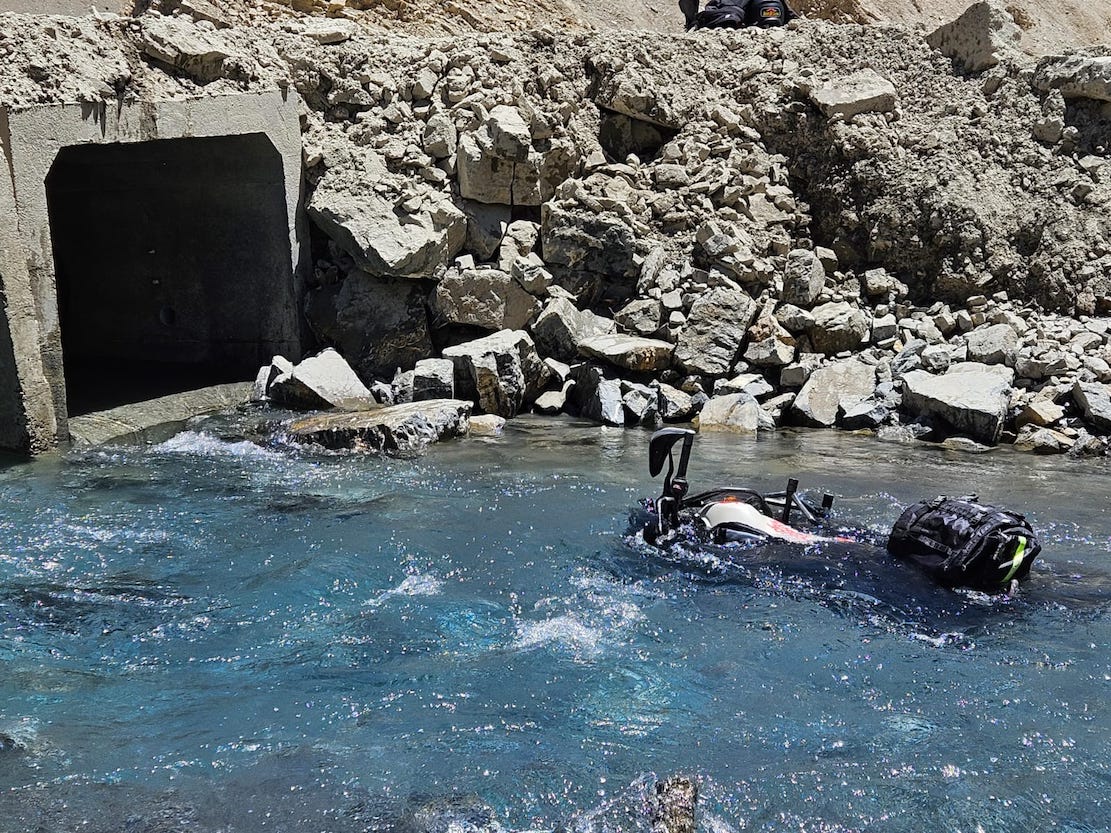
None of us had punctures and the only reliability issue was a dodgy fuel pump on Bob’s bike. Benny damaged his bike by riding off the road and into a water-filled culvert but that was not the bike’s fault.

New water-cooled 450 Him

Royal Enfield had quite a large stand at the 2024 ABR Festival, which included a Himalayan 450 without its tank, seat, side panels etc. to make the frame more visible. The stand also included a sectioned 450 engine. The impression given by both frame and engine was of components relatively cheap to make, designed to last, and easy to work on, with a fine finish only applied where functionally necessary. It made an interesting comparison with KTMs, where components are made as light as possible and appear delicate and almost watch-like compared to their Royal Enfield equivalents.

I toyed with the idea of buying a Himalayan 450 in the UK and stripping off the tank crash bars, centre stand, etc, to reduce the weight a bit. However, I already have a Husqvarna 701 and I have no doubt that this would always outperform the 450 off-road. However, I also considered what would happen if relatively inexperienced rider were let loose on 701s in the Himalayas. I suspect it would be expensive carnage. So, for trips like the one we just completed, the 450 is just about perfect. Out of interest, the Himalayan has a similar weight and power to an old KLR650, which I rode across Tibet one time. So much for forty years of progress.
Soon after the India trip, I rode my CRF1000L Africa Twin on two days of the UK ACT in Wales. It felt significantly more top-heavy than the 450 and, overall, didn’t appear to be as good off-road. Also, during the Wales trip, my friend and I had cause to pick up his Tenere 700 from flat on the ground. This took about as much effort as doing the same thing with my Africa Twin. Certainly the 450 has a lower centre of gravity than both the Japanese bikes and is easier to pick up.

So, in summary, I rather liked the new Himalayan 450. The Indians appear to have thought long and hard about what people need and done their own thing, rather than make a copy of somebody else’s design. I’m also getting more used to the way it looks and might still buy one.

While editing this post, out of interest I decided to click this option which has cropped up on WP lately (and in many other places like ebay):
“Create and use an AI generated featured image for your post.”
Below is what it came up with, presumably based on the post’s words and pictures. As bad as expected – or have I accidentally rendered RE’s imminent 650 twin Himalayan! Who knows but I won’t bother again.