TW225 Rear tubeless tyre and wheel
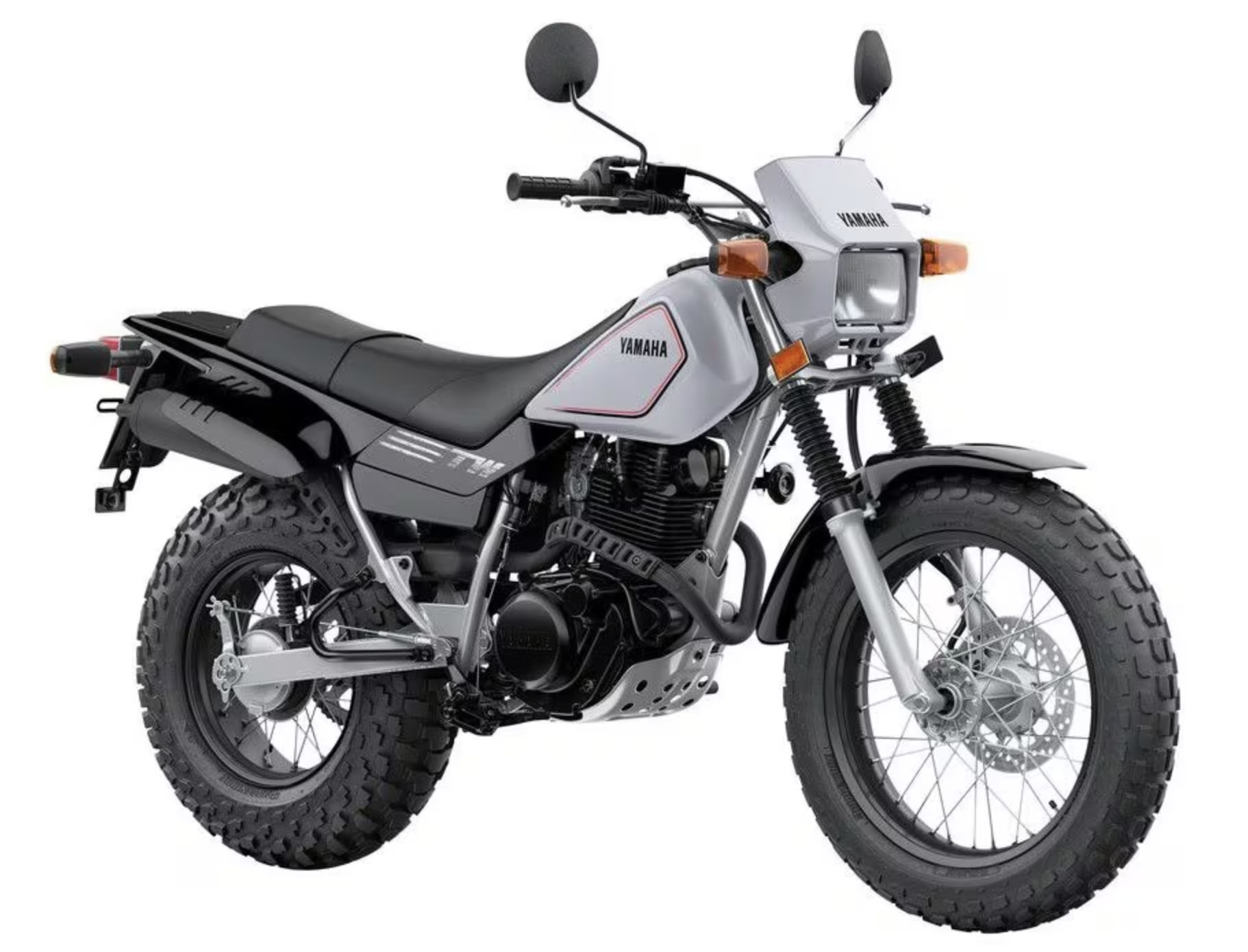
I was running out of interesting new lightweight travel bikes to try, so decided to regress rapidly to a 2004 Yamaha TrailWay a mate had nearly finished rebuilding.
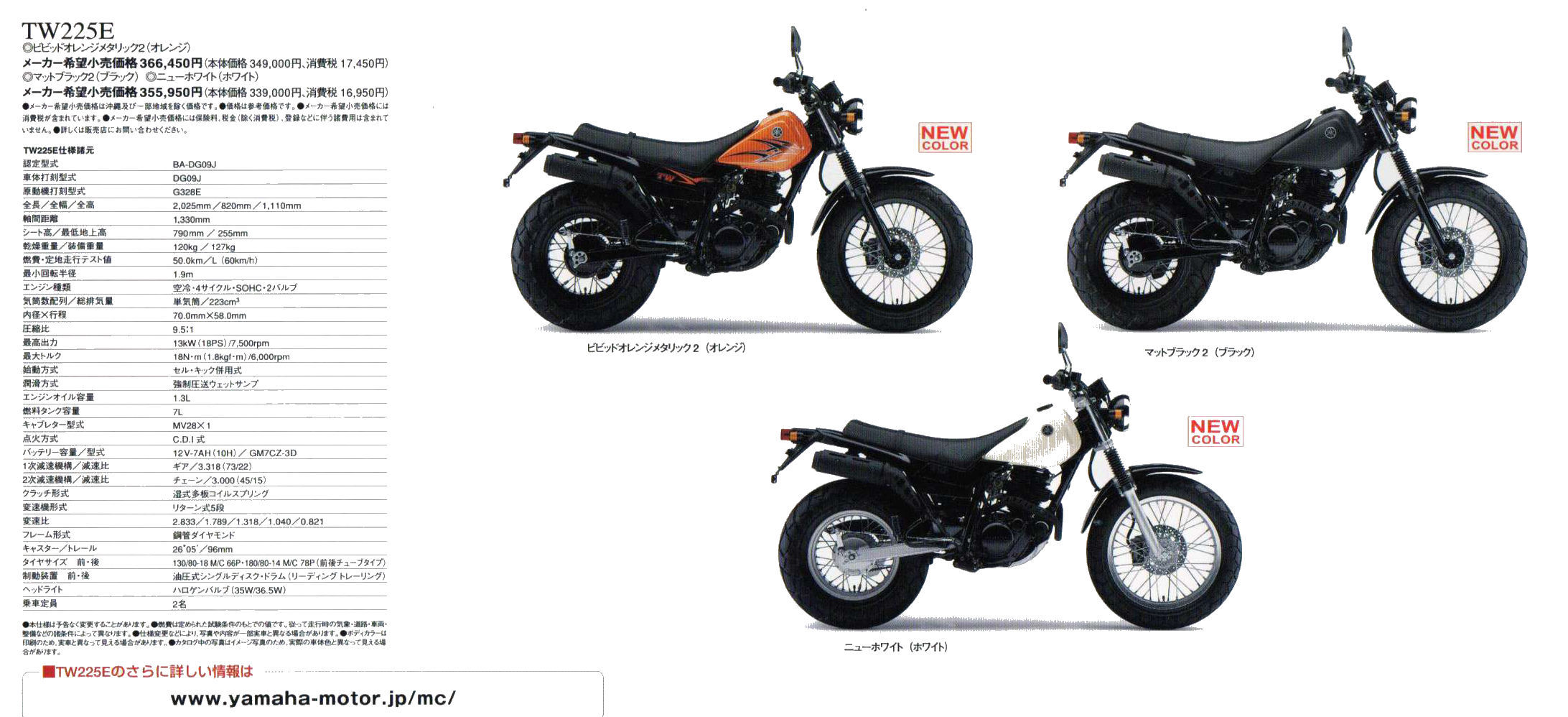
Little changed since 1987, 2004 was also the end of the Trailway 125 line in the UK which never got the 200, although you can still buy new TW200s (left) in South Africa and North America. Here and Japan the dinky T-Dubs retain a loyal following as a goofy, go-anywhere two-wheel ‘quad’ or ‘twad’. TW125s made a brief appearance from 1999–04, and from 2001 Japan got full-fat TW225s.
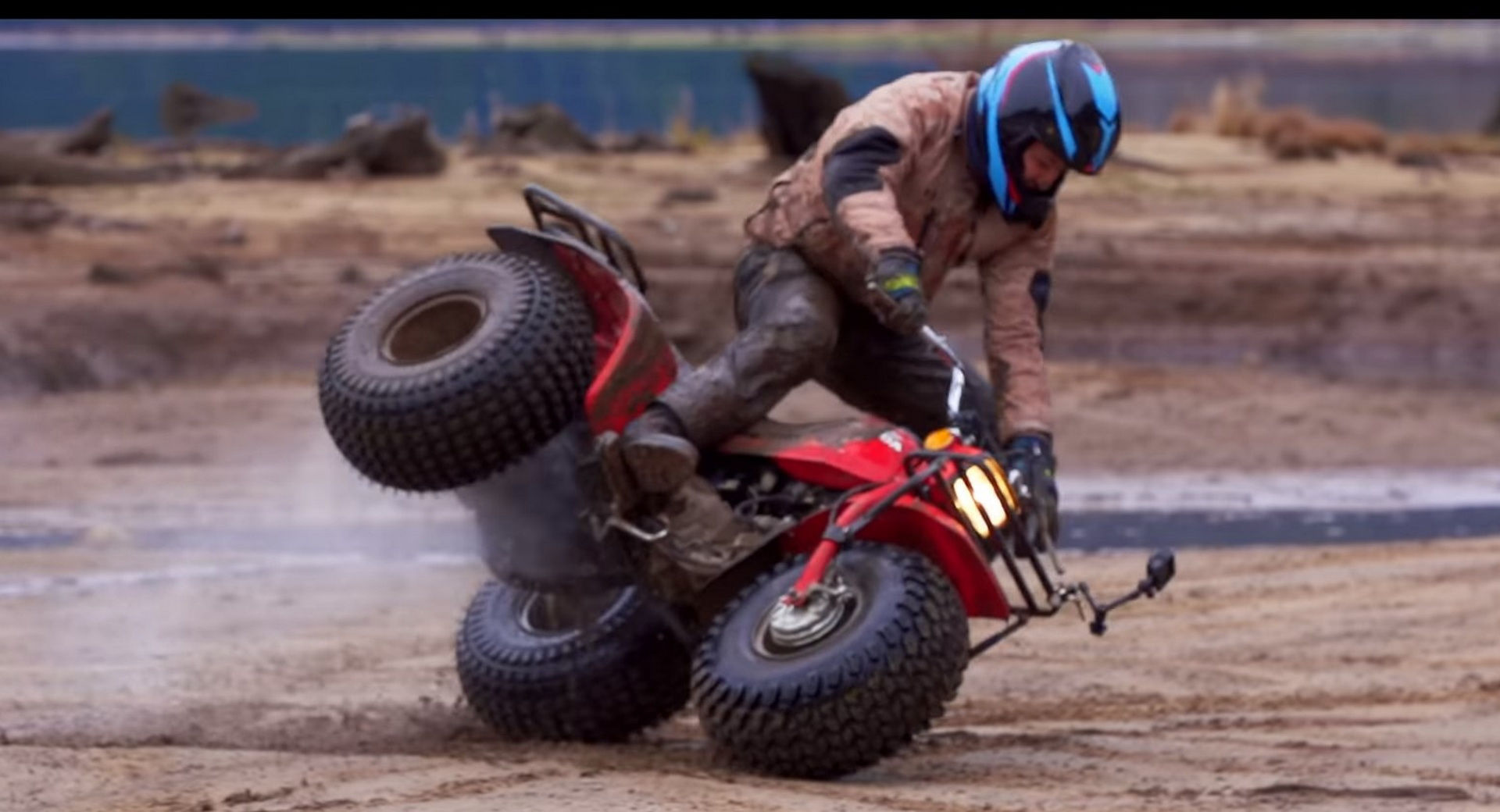
The Dub’s distinctive appearance harks back to the 1980s US mania for what proved to be lethal ATV trikes (below left, another amusing FortNine vid). Originally pitched as all-season, ‘snow & sand’ scoots anyone could ride, like the Reliant Robin car, the hugely popular three-wheelers proved to be deceptively dangerous and led to countless injuries, deaths and law suits. By 1988 new sales were banned in the US (or production was voluntarily suspended) by which time seemingly safer quads had gained a foothold – but without trapping your actual foot.
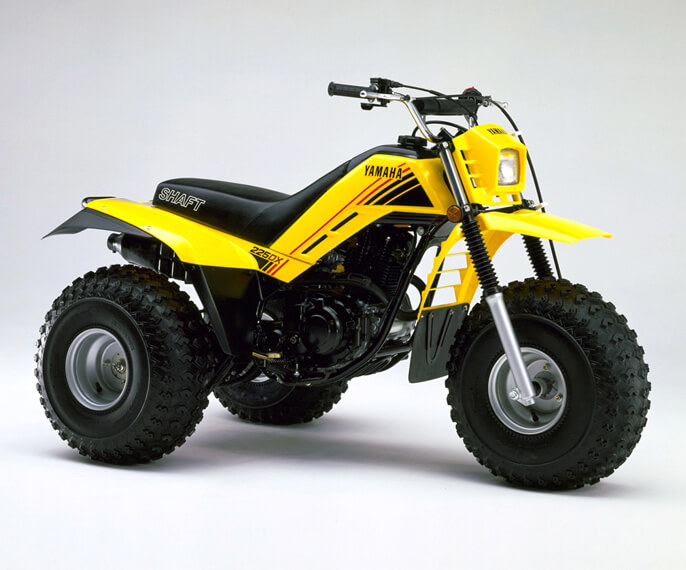
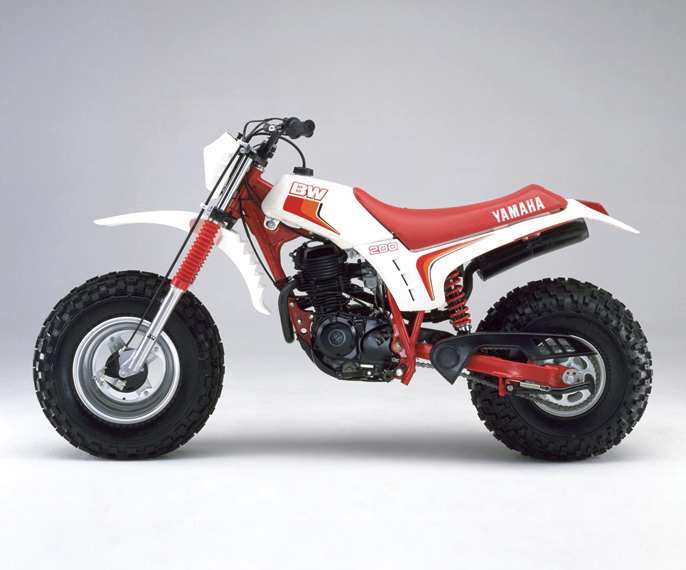
‘How about capitalising on this doomed trike fad by slapping balloon tyres on a moto!’ chirped some bright spark at Hamamatsu one day. So in 1984 we got Yamaha’s BW200 (above right), and even a lairy BW350 for a couple of years. As you might expect, neither handled like a WR450, so for 1987 wheel sizes and other features were rationalised and the chubby, all-drum TrailWay was born (below).
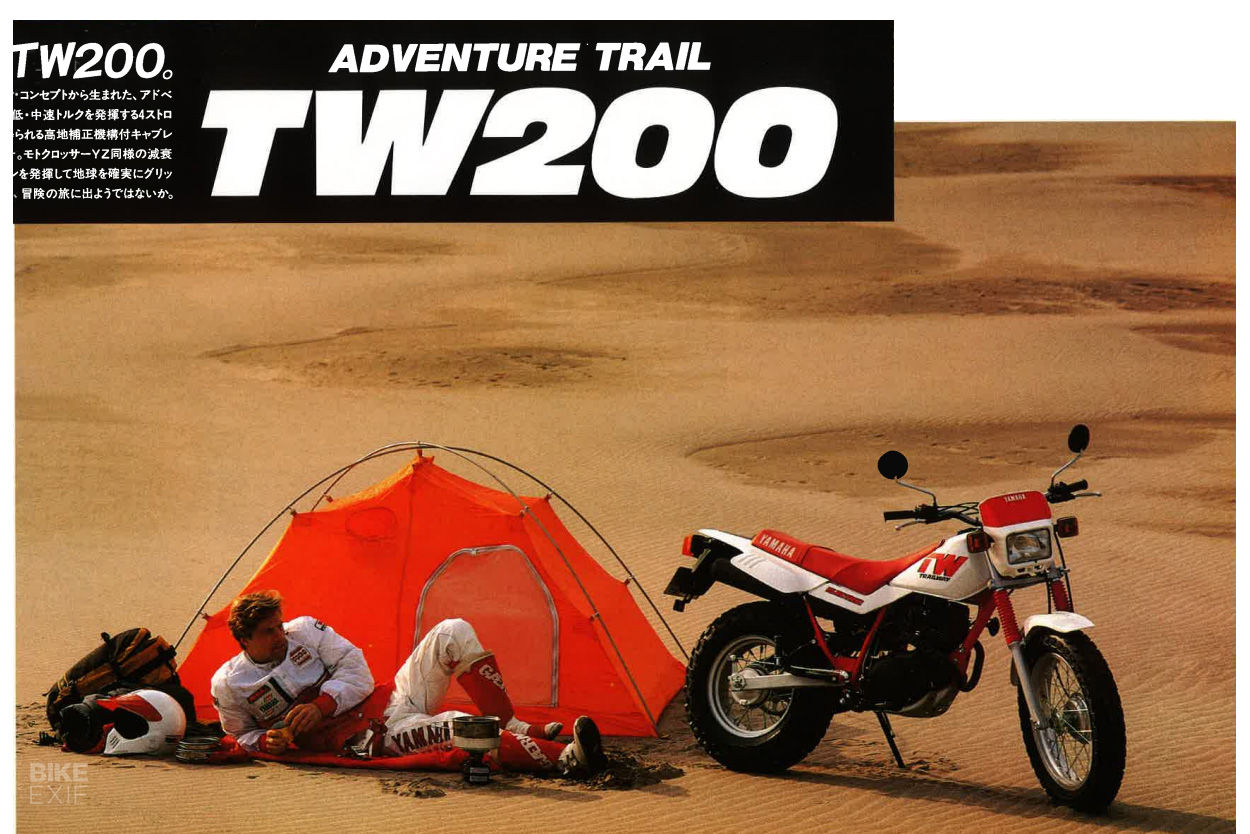
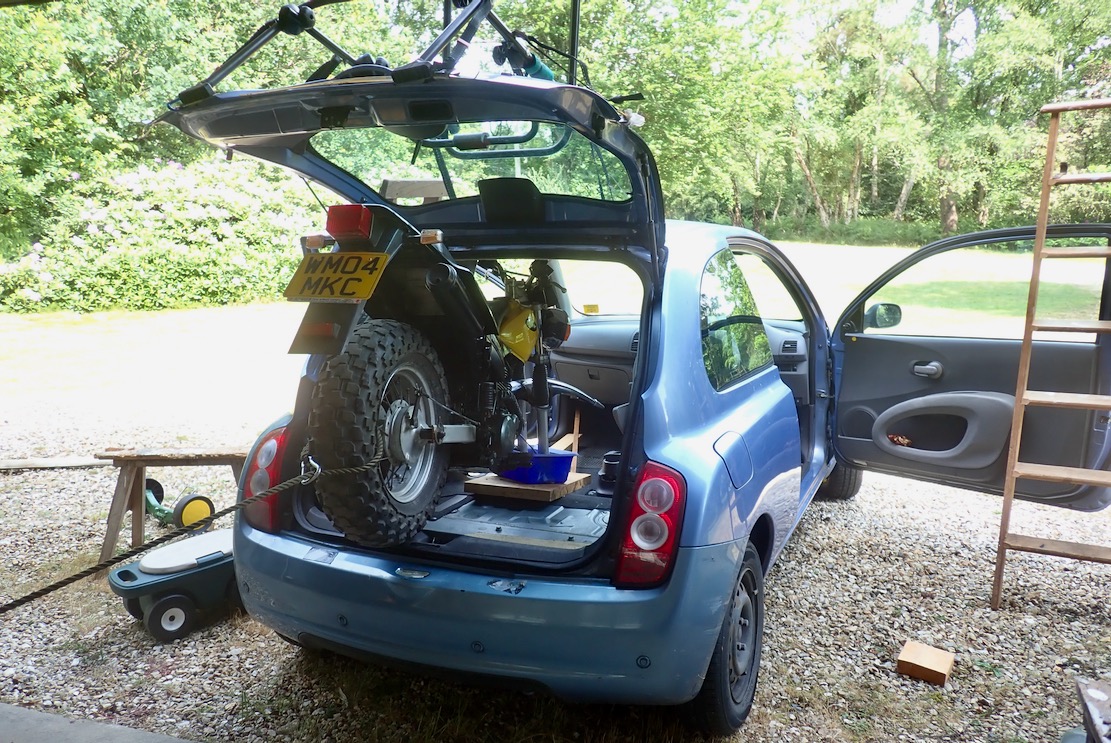
Around year 2000 TWs got a major upgrade: a front disc brake, with costs saved by dropping the back-up kicker. These days most UK TWs are either scrapheap dodgers like mine, or imported from Japan or the US as overpriced ‘retro classics’.
But even when they came out in 1987, TW tech was a decade old. We’re talking the Early Monoshock or Ag Bike epoch: low-comp, air-cooled singles with drum brakes, back-up kicks, foolproof snail cam adjusters and indicators the size of saucers.
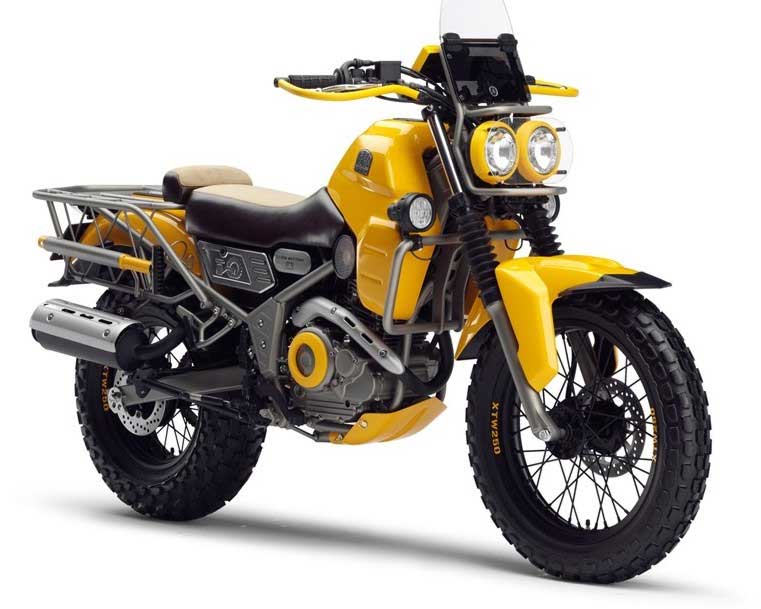


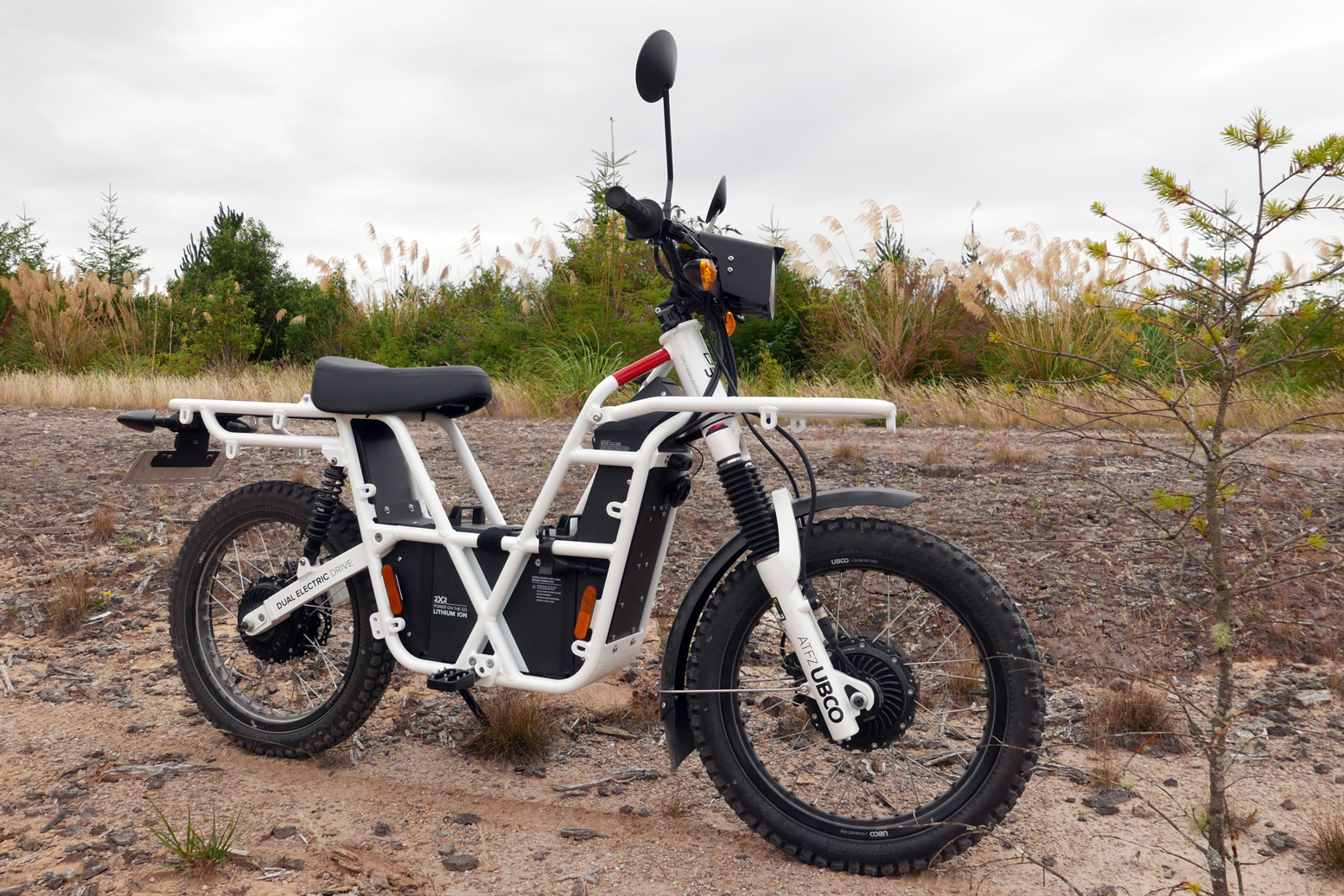
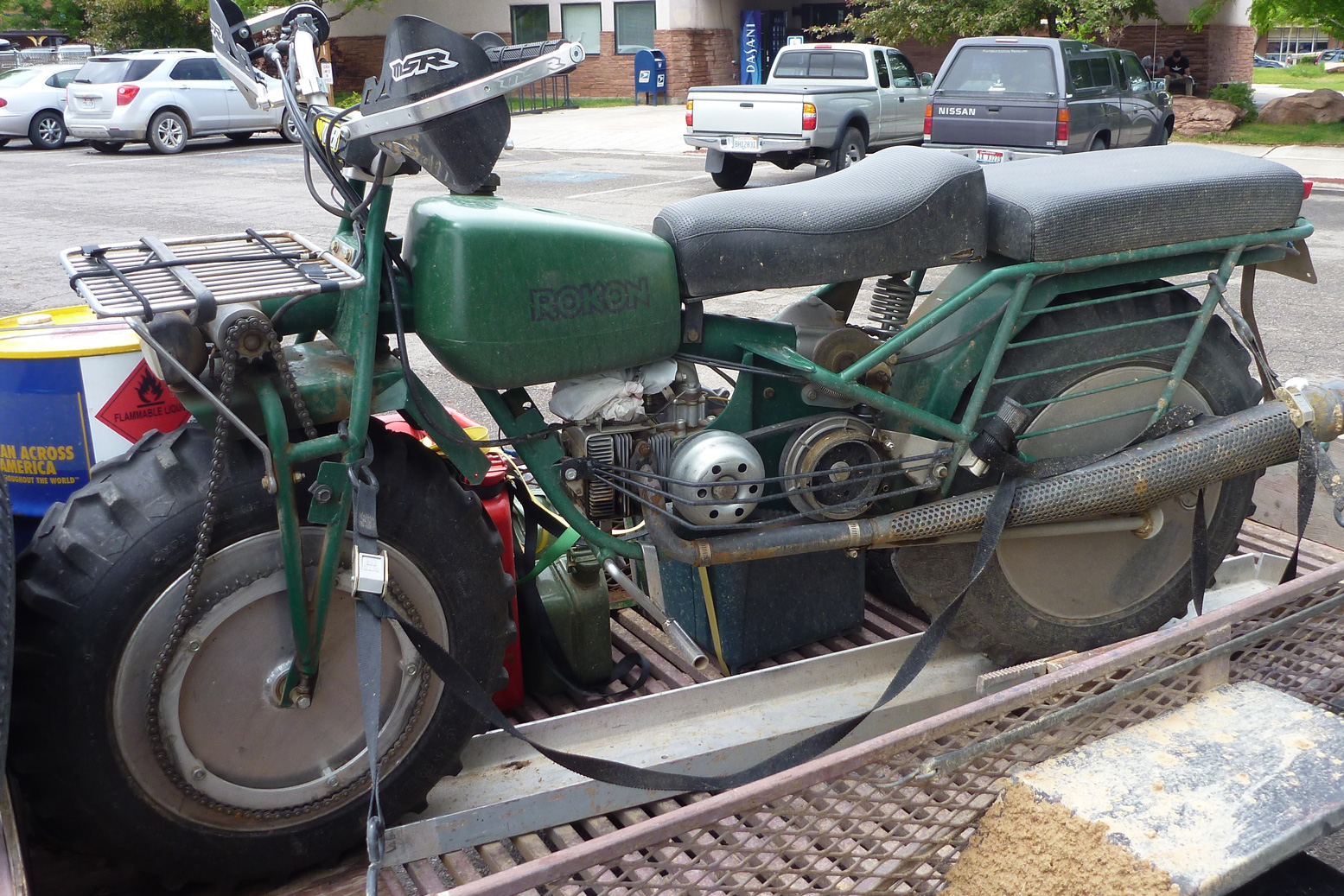
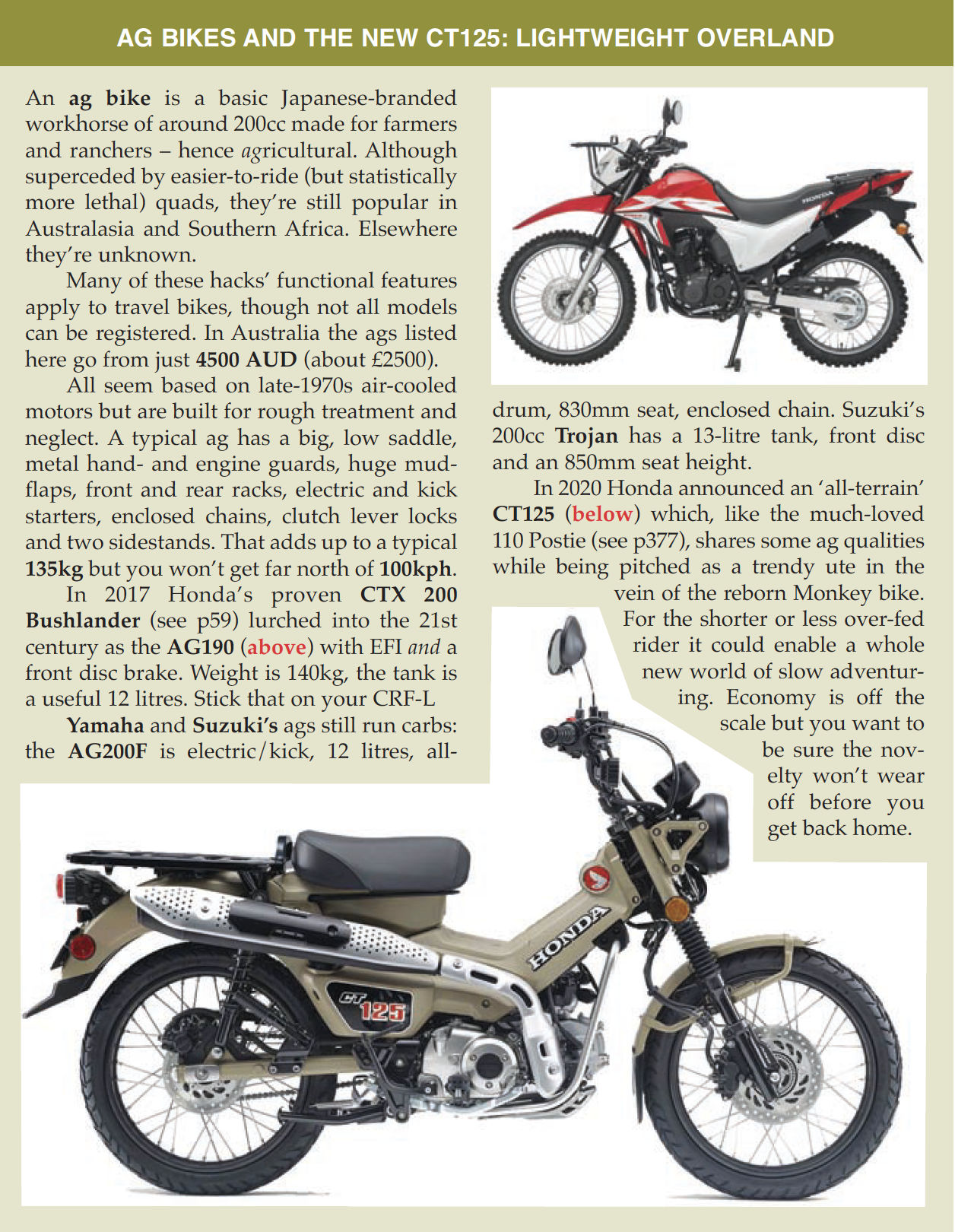
In its way the humble TW shares DNA with the CT125 Hunter Cub, the XR190L ag bike I’ve intermittently admired, the electric UBCO I tried once, and the Rokon AWD slurry pump I saw once. All above and all sub 130-kilo expeditionable utes you could load up and ride anywhere, eventually.
Yamaha’s stillborn 2011 Ryoku XTW 250 concept also bears clear TW genealogy. Watch the short Ryoku vid below and see how Yamaha really though it through: generator PTOs off the fan-cooled engine and even a bash plate that doubles as a shovel – brilliant!
In 2014 I remember coming across some T-Dubbers in Utah’s fabulous Canyonlands while riding around on my 250L. Older guys, they’d either had it with enduro bike seat heights and upkeep – or the weight of KLR650s and the like. The low-slung, low-maintenance Dubs kept them out on the trails, delivered great mileage and could be stepped off like you step out the bath.
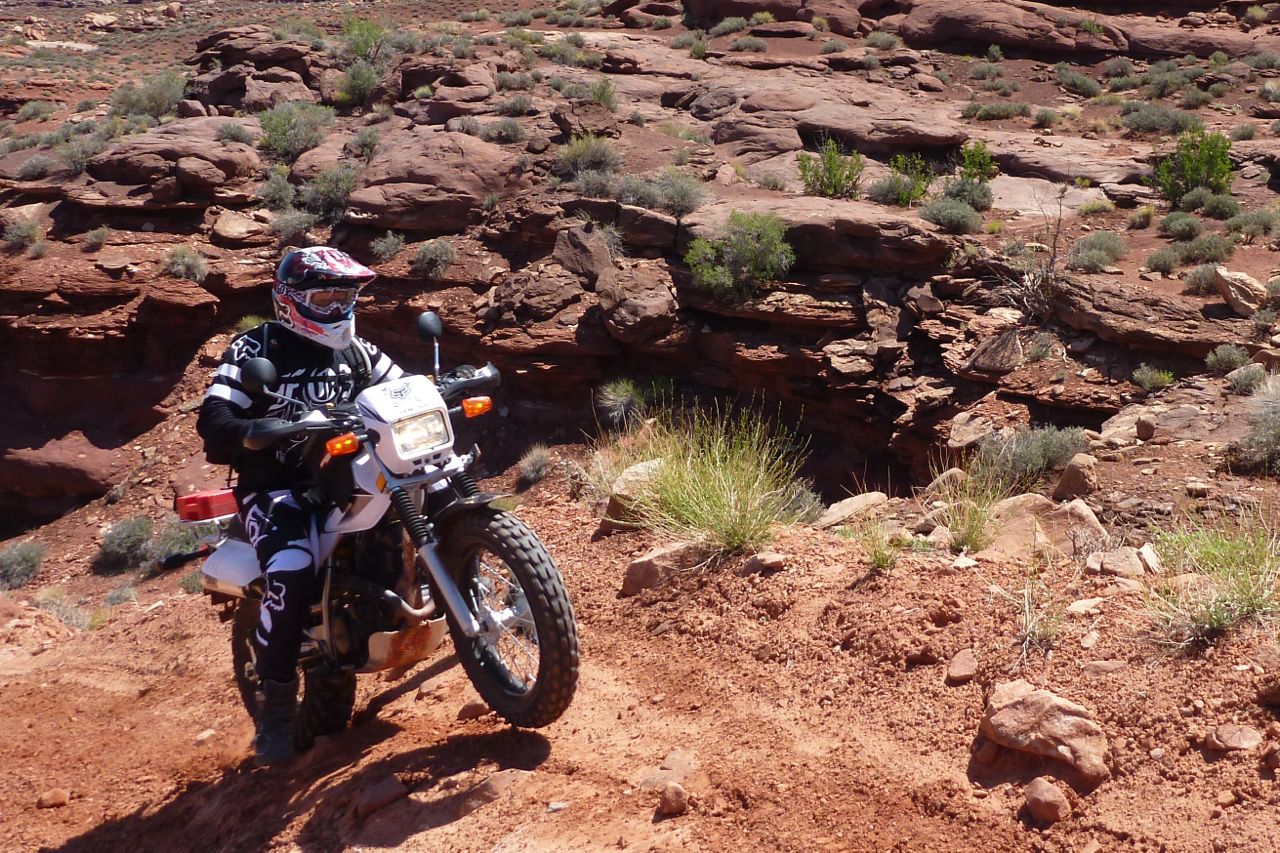
Commonly associated with the word ‘fun’, TWs suit those who are past their dirt-biking prime, indifferent to what others think and blasé about neck-snapping, gravel spraying performance. In the US there’s a huge range of after-market parts and know-how, with YouTube thick with users’ vids.
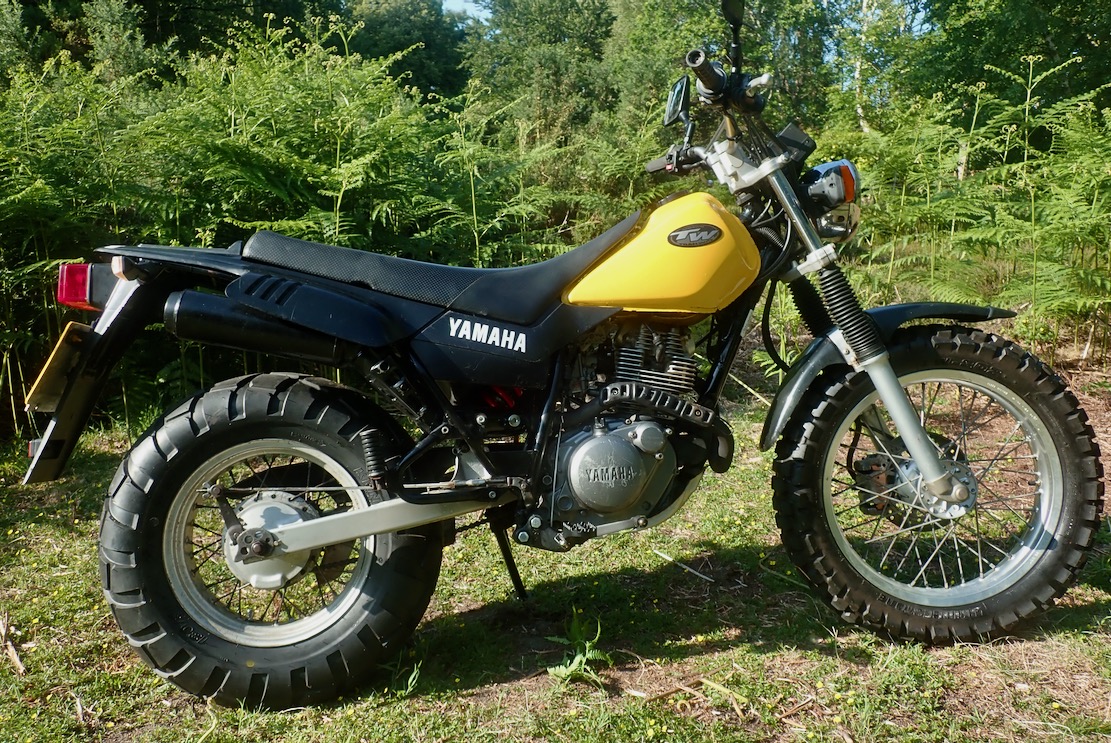
I’ve never ridden one but was not entirely convinced by the TW’s oversized tyres; if it was so effective all trail bikes would do it. But with horsepower in the upper teens, it probably doesn’t matter that much either way. What did appeal was the low seat height and light weight: we’re talking just 127kg with a tiny, 8-litre tank brimmed to the cap. On the trail it’ll be no slower than anything else I’d ridden these last few years, and on the road I’ll be 10 minutes behind. The engineering simplicity is also an attraction; there’s nothing electronic here bar the ignition, not radiators sticking out and no ABS. Need to stop fast? Pull/press harder!
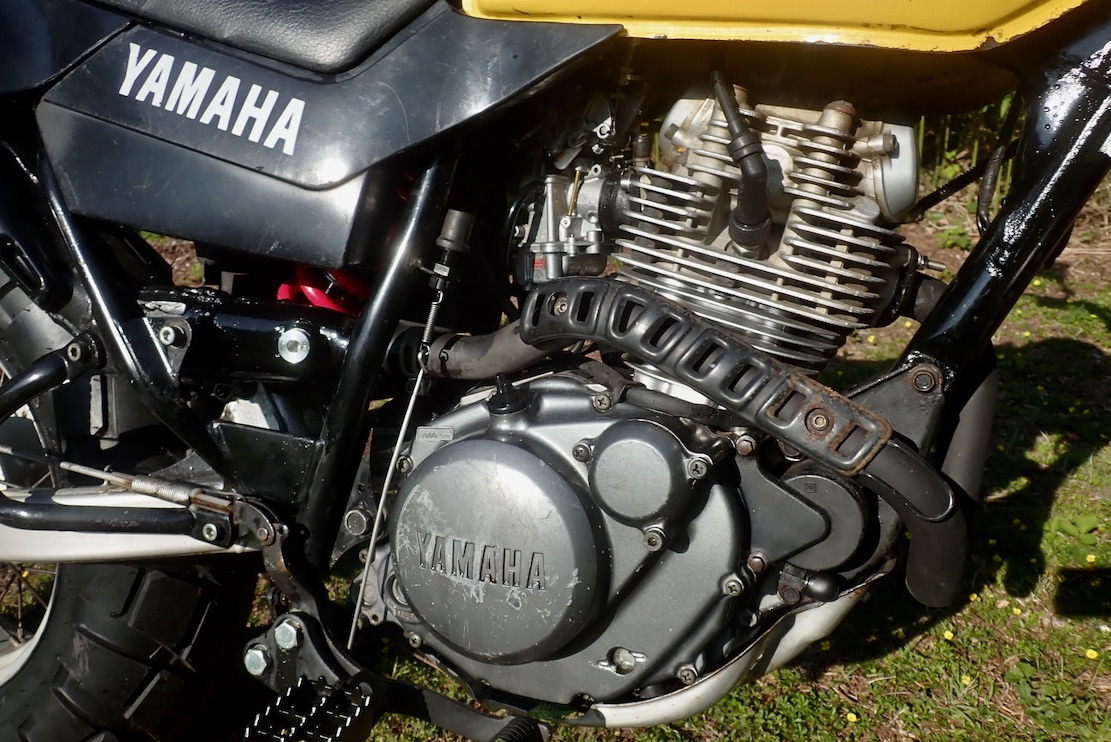
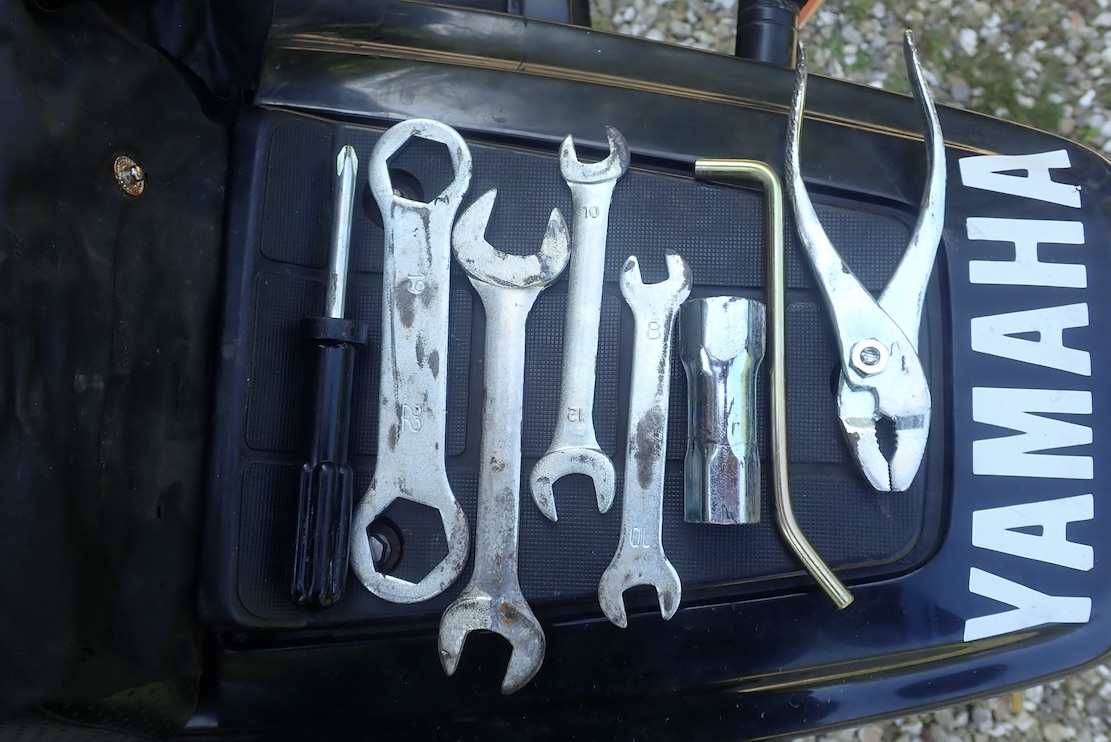
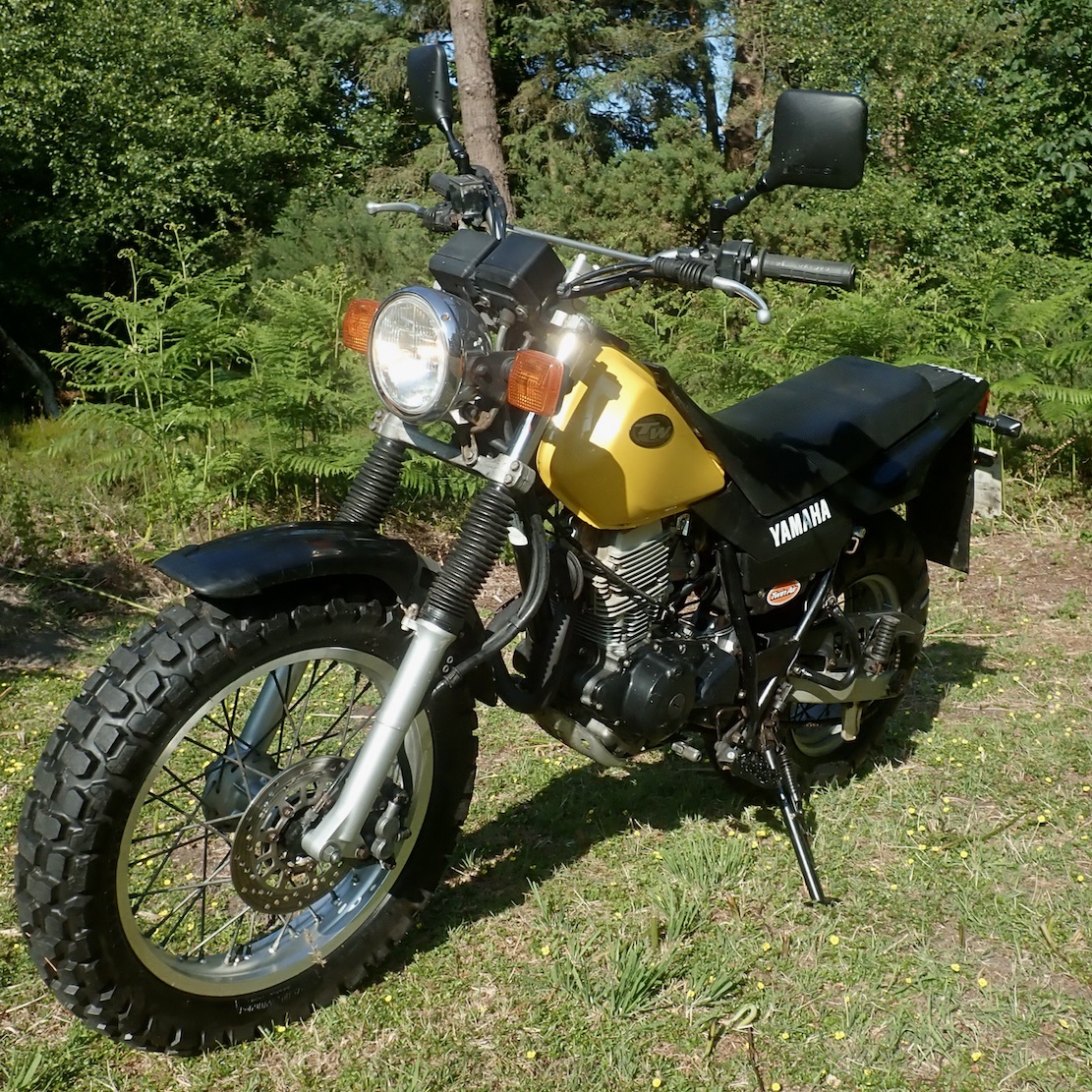
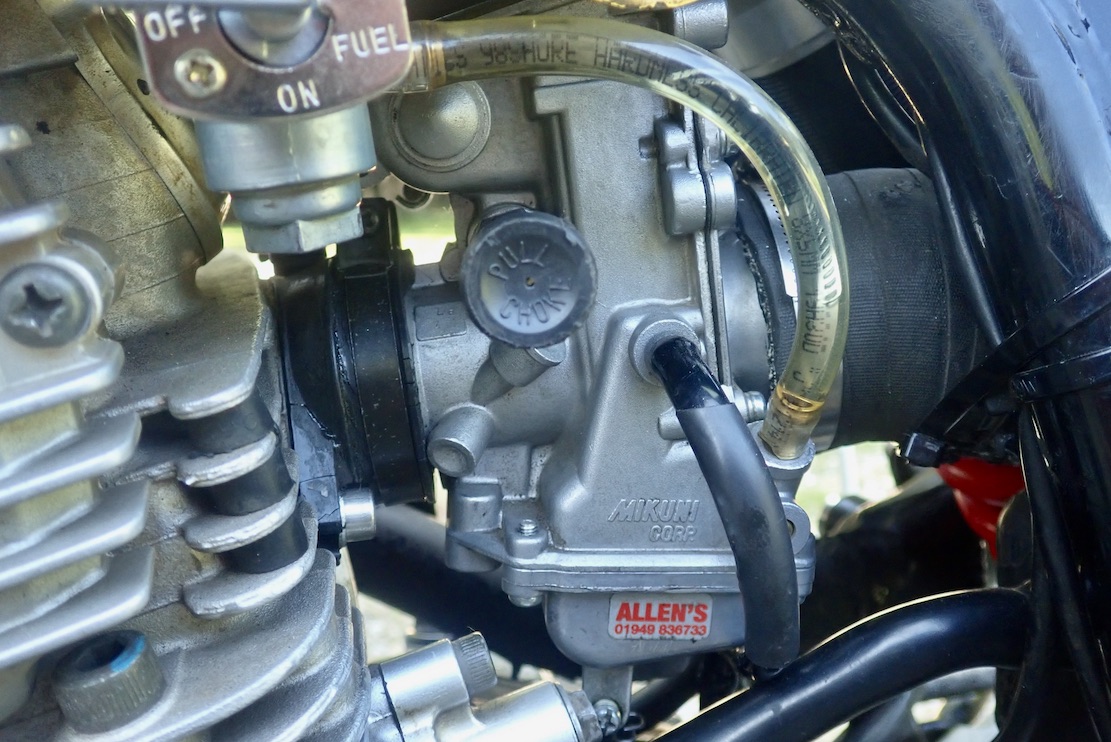
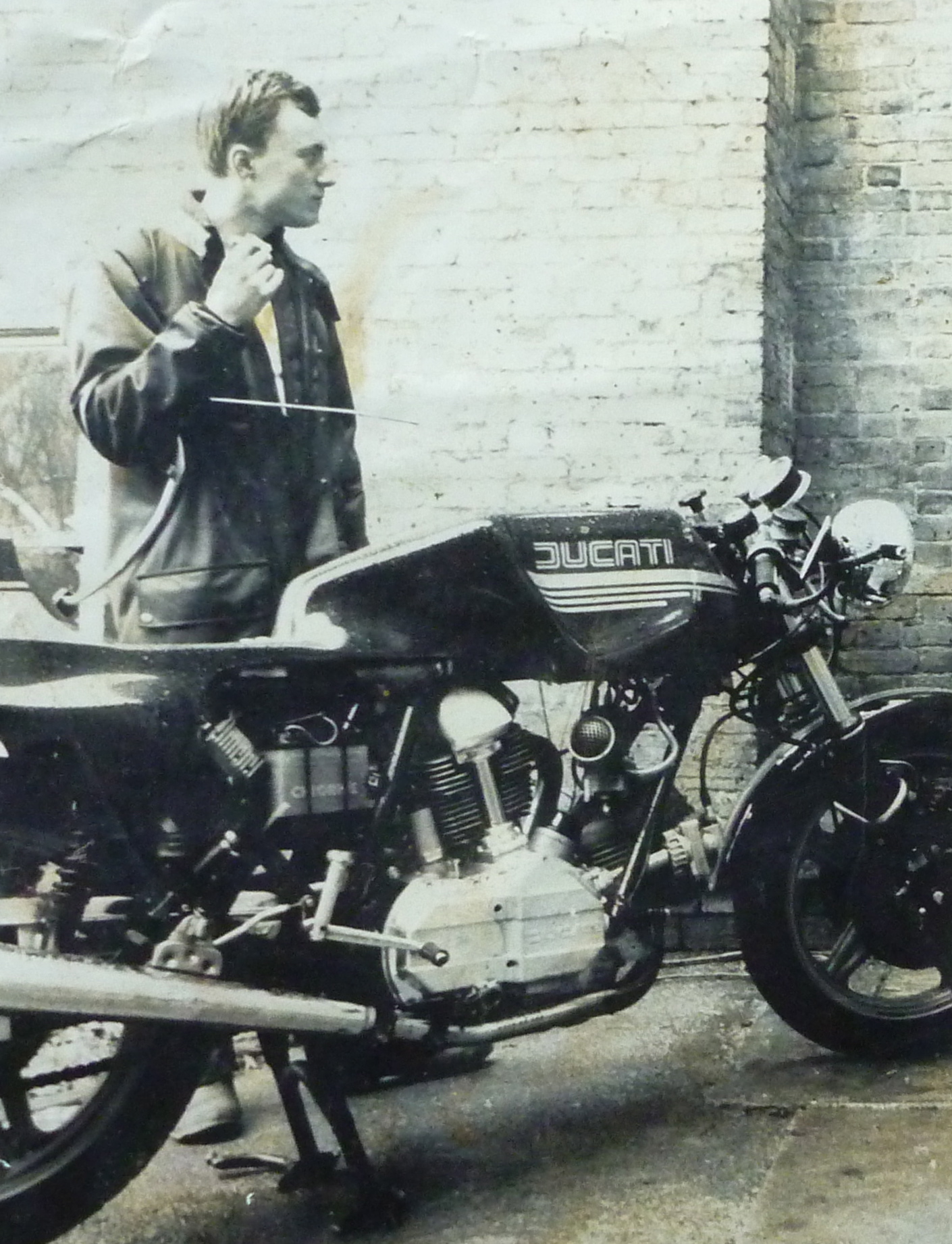
Mine was fitted with a rebuilt, 6-speed 225 TTR/Serow engine (all TWs are 5-spd) which slotted right in, along with a new 28mm Mikuni flat-slide pumper. TWs normally run a CV carb. The last bike I owned with accelerator pump carbs were the twin 40mm Del’Ortos on my 900SS when I was 18 (left).
The idea is once the go-handle is snapped open a raw jet of E10 gets squirted down the carb mouth – an early form of fuel injection if you like. Whether anything actually happens at the TW’s back wheel I never found out.
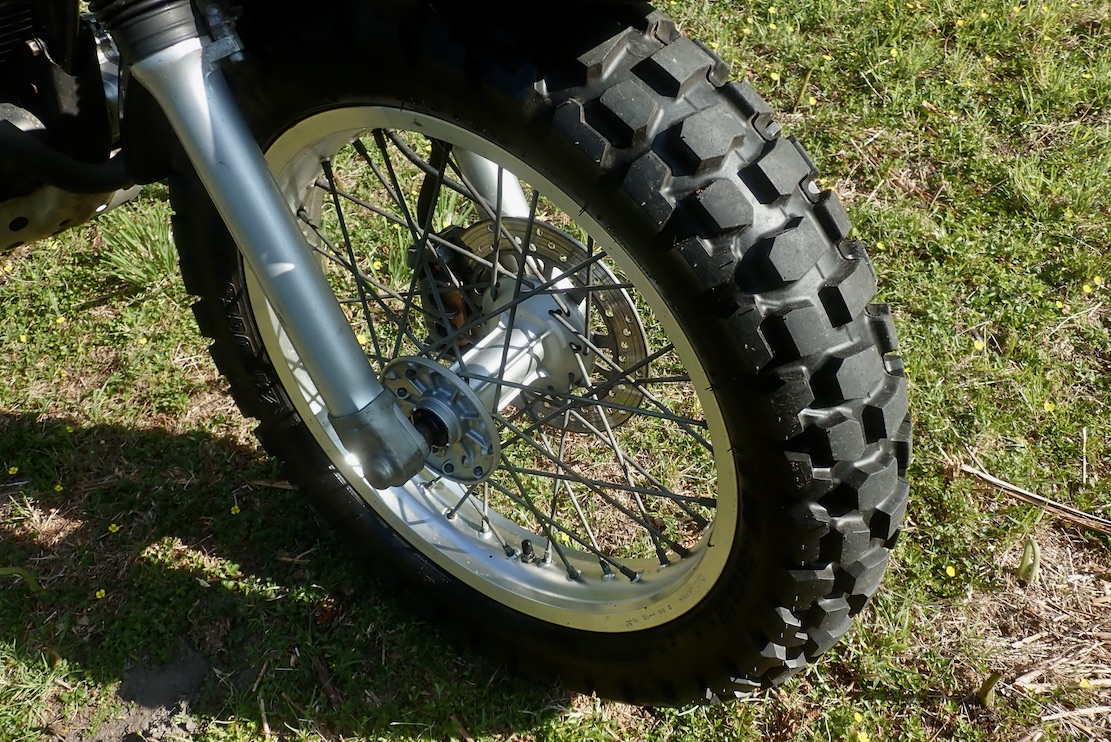
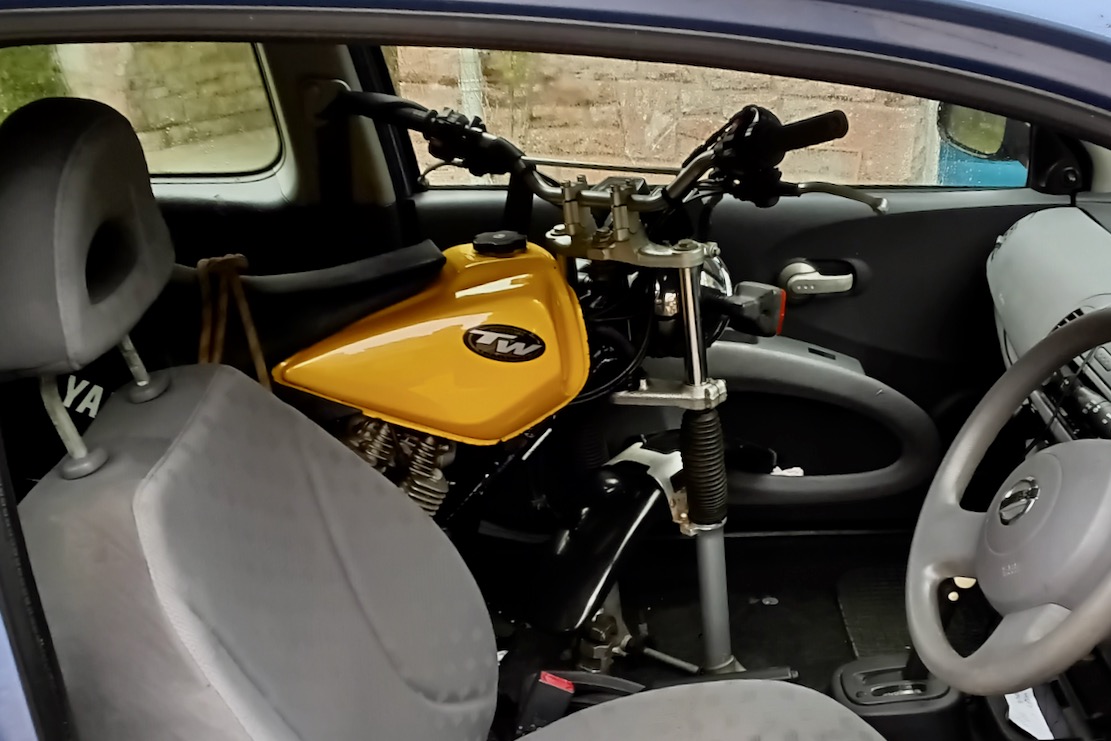
The rebored Serow motor needed the original 125’s extra long output shaft to get round the fat rear tyre. Other than some bar risers and a footplate, the rest was bog standard. I added a new shock, chain and rear tyre, while sealing the rim.
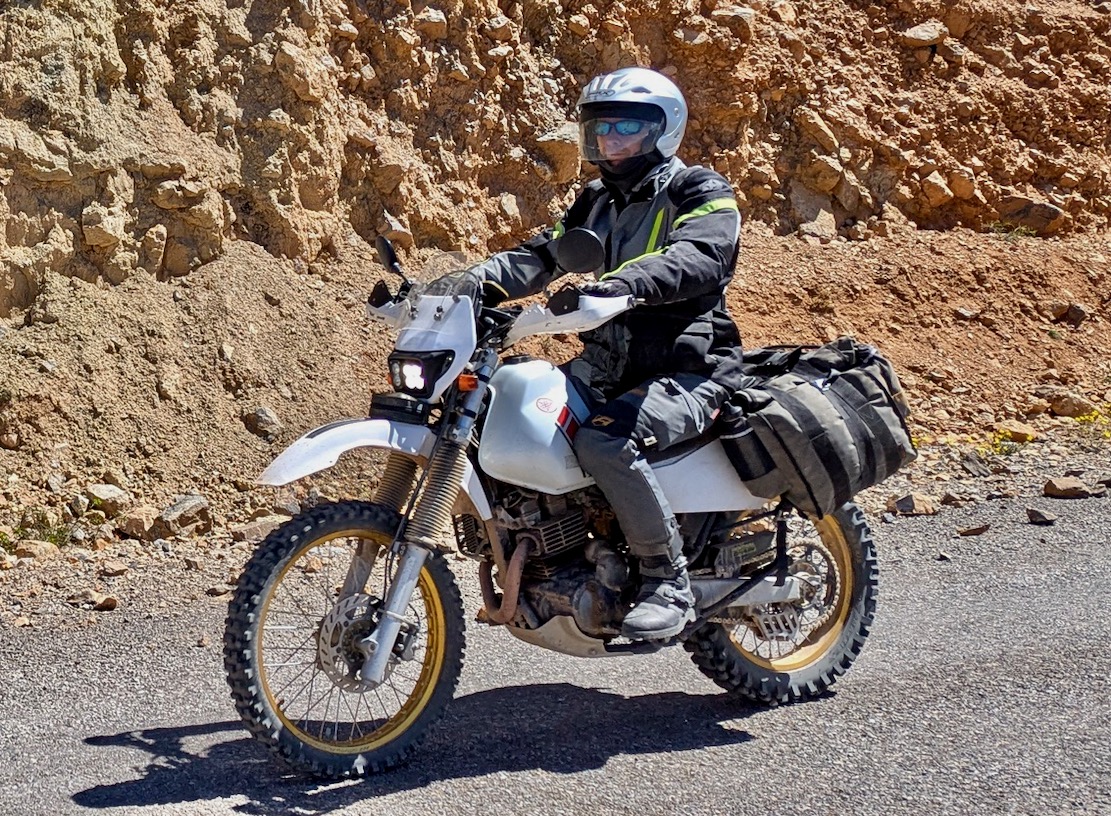
Ever since EFI came in I’ve never looked back. It delivers superior economy, instant starting, plus smooth fuelling and running at any elevation. But even today, efi can be snatchy at low revs, like my recent CF Moto 450. A quick ride on Simon’s over-bored TTR250 in Morocco the other month reminded me of that pleasant, soft carb feeling, a cushioned pick-up that wafted me back to the last century – as did the TTR’s brakes. It was Simon to fitted the 225 in the Dub as an engineering challenge.
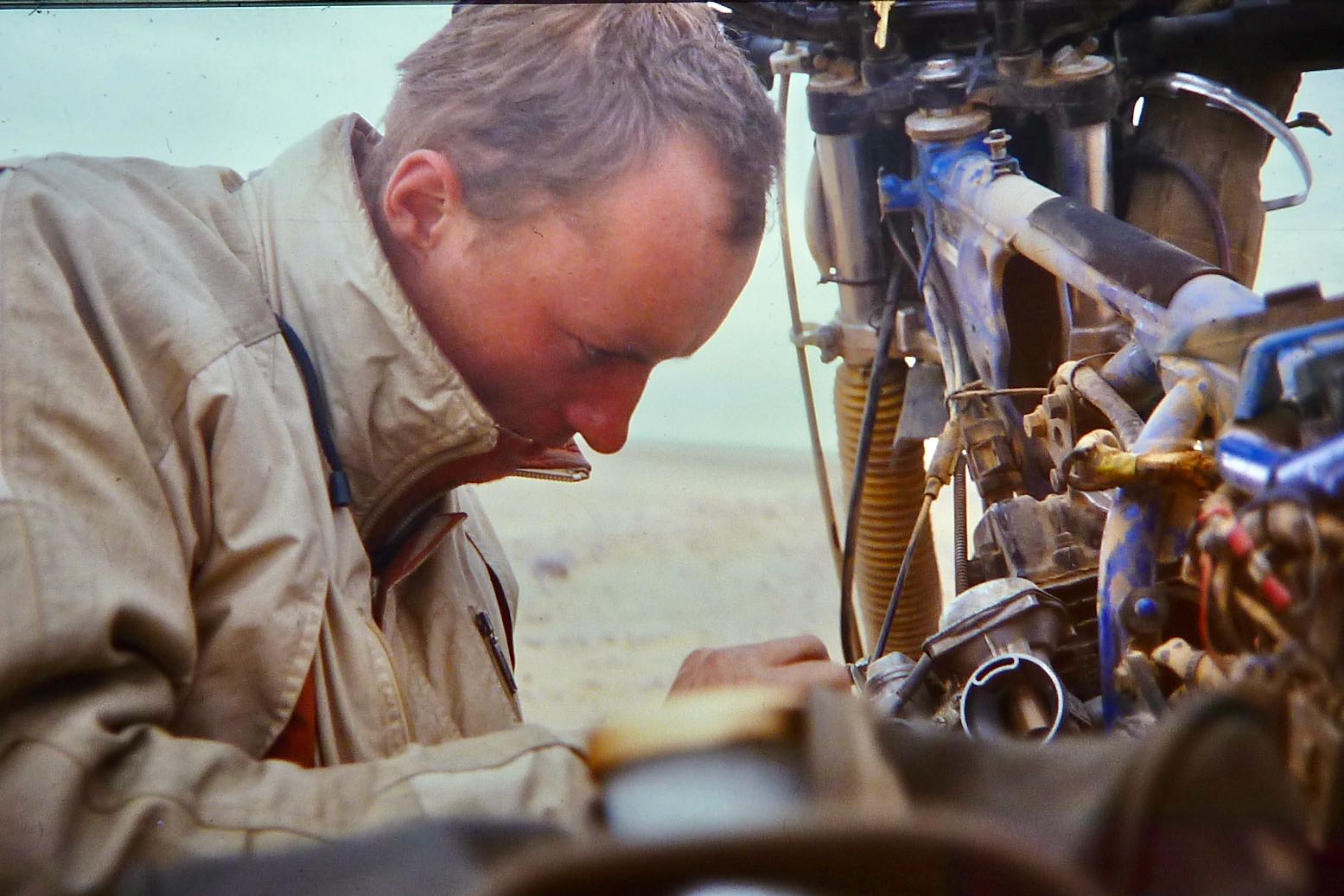
What are they good for? Absolutely nothin‘…
(Tademait, Algeria 1987)
As older riders may know, when carbs run right there’s nothing to complain about. It’s just getting to that point and staying there, as crap builds up inside, parts wear and elevations change. Previous owner Simon did a full carb retune prior to me collecting, but up high in the Atlas where we’re bound this autumn I’m expecting some gasping.
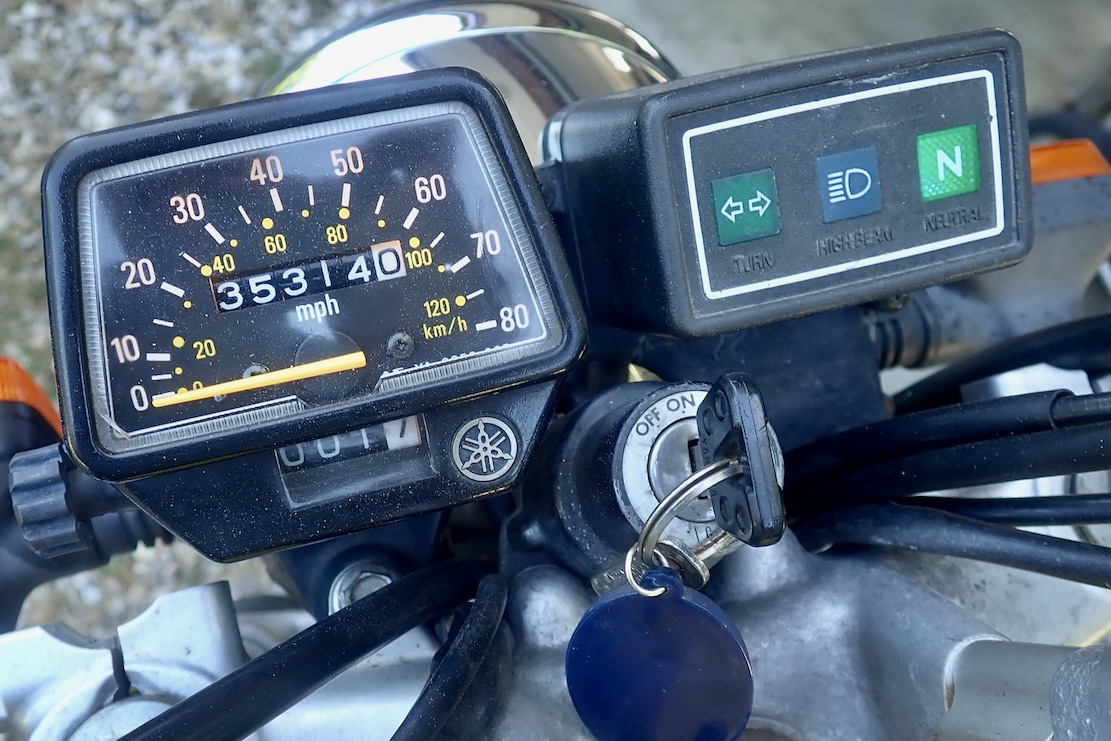
Along with grunt for nippy over-taking, other drawbacks I also foresee electrics matured over 21 years and 35,000 chassis miles, crumby forks disguised/exacerbated by the fat tyre, and crumbier brakes. But I hope all that will be tolerable once bouncing contentedly along Morocco’s mountain trails at 93mpg. Let’s find out.
Or let’s not. Mulling it over, I decided my next high altitude Trail in Morocco would be far better suited to an injected bike for all the reasons stated above. I recall the old 250 Tornados groping for air while flitting between 1st and 2nd on climbs at just 2200m. We will aiming a lot higher than that.
Before I could change my mind, by chance a mate whose Mrs runs a rare Yamaha Serow knew someone who was selling hers. Meanwhile, a summer’s to-ing and fro-ing with the DVLA eventually switched the engine number on the logbook at which point a mate bought it as runabout after his 450L shat itself in the usual manner. Circumstances may have seen me give up a bit early on the 225, but for now it’s Sayonara T-Dubly and Konnichi Waaaah Serow-San. Let’s get high together.
 Adventure Motorcycling Handbook